



















![Achievements of Plant Breeding [Year-3]](https://i.ytimg.com/vi/fHg0Yvrg8WU/hqdefault.jpg)


![CRISPR-Cas / CRISPR Cas9 [Ein Verfahren des Genom-editing] - [Biologie, Gentechnik, Oberstufe]](https://i.ytimg.com/vi/6Fc4ajA7ft8/sddefault.jpg)


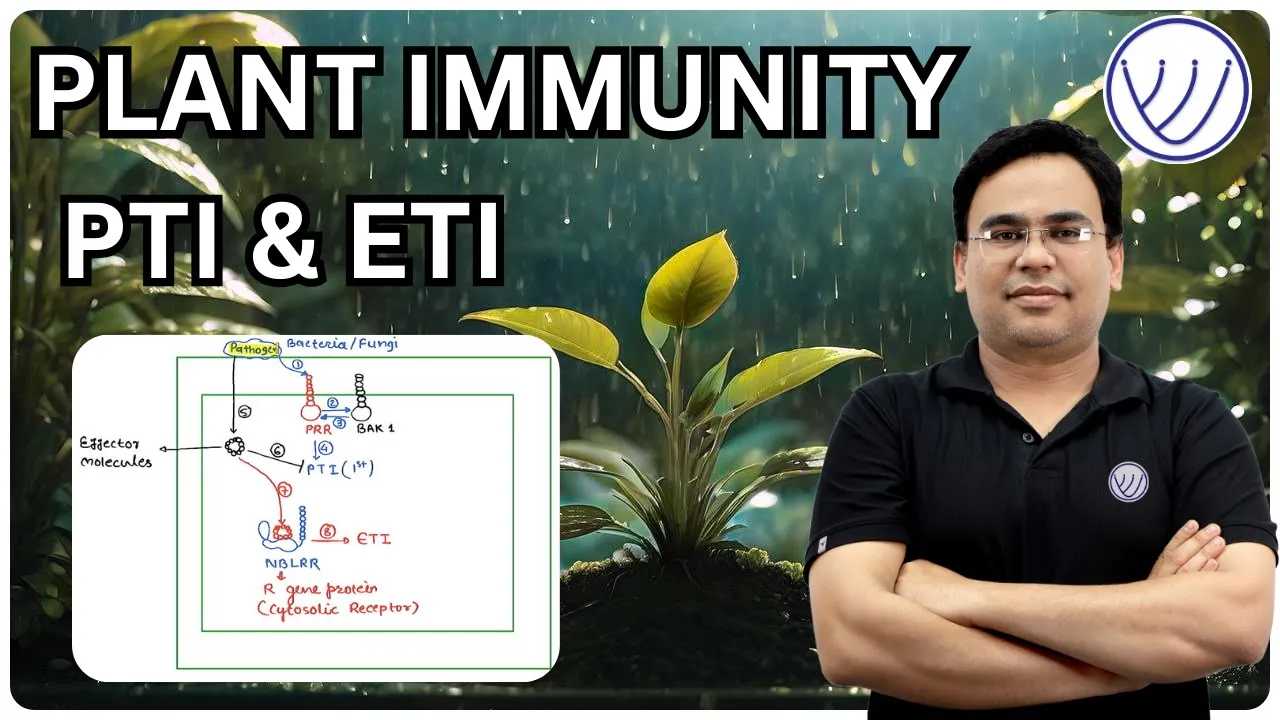
Plants defend against pathogens through two primary immune mechanisms: Pattern-Triggered Immunity (PTI), where plants detect pathogen-associated molecular patterns (PAMPs) like flagellin and chitin using recognition receptors (PRRs) to activate defense responses, and Effector-Triggered Immunity (ETI), where plants recognize pathogen effector proteins through specific receptor genes (R genes) to mount stronger immune responses. These mechanisms represent qualitative resistance (controlled by single genes) and quantitative resistance (controlled by multiple genes), with plants neutralizing pathogen toxins using secondary metabolites.
Plant-Pathogen Interaction: Innate Immunity & Resistance Mechanisms
Added:Basic plant cellular anatomy, specifically the structure and function of the plant cell wall and plasma membrane.
Fundamentals of genetics, including the concepts of monogenic (single-gene) versus polygenic (multi-gene) inheritance.
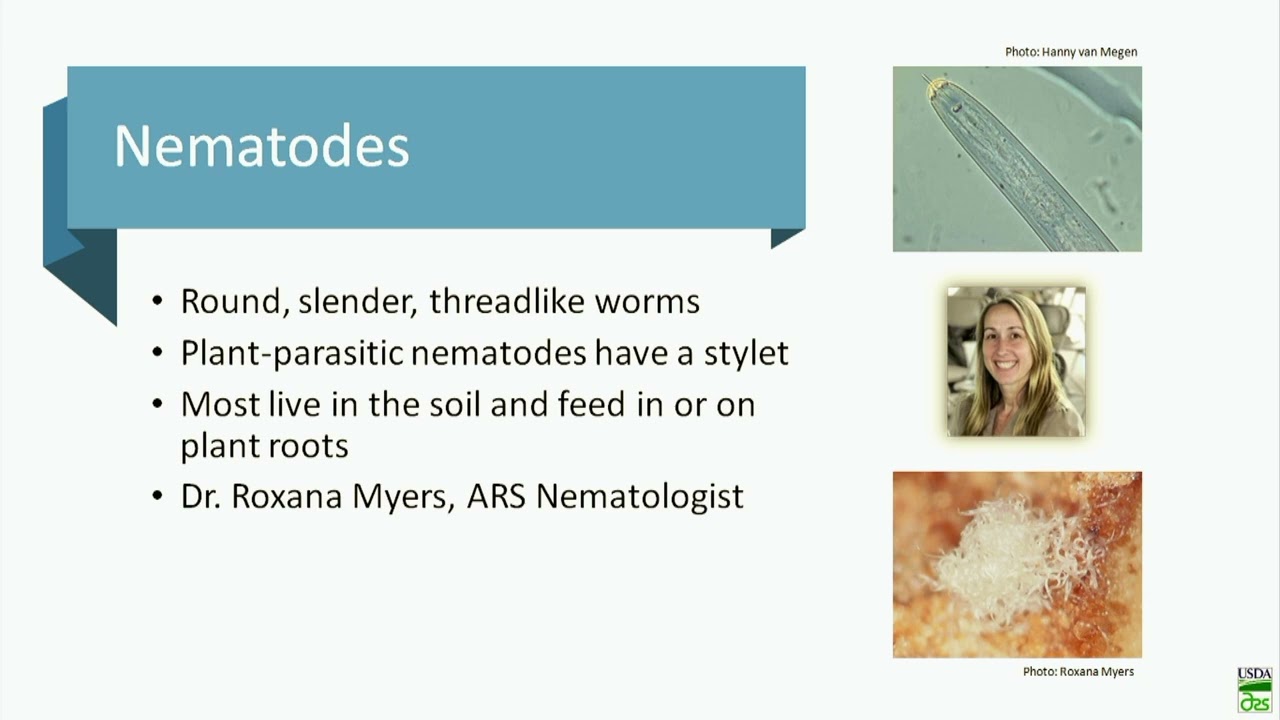
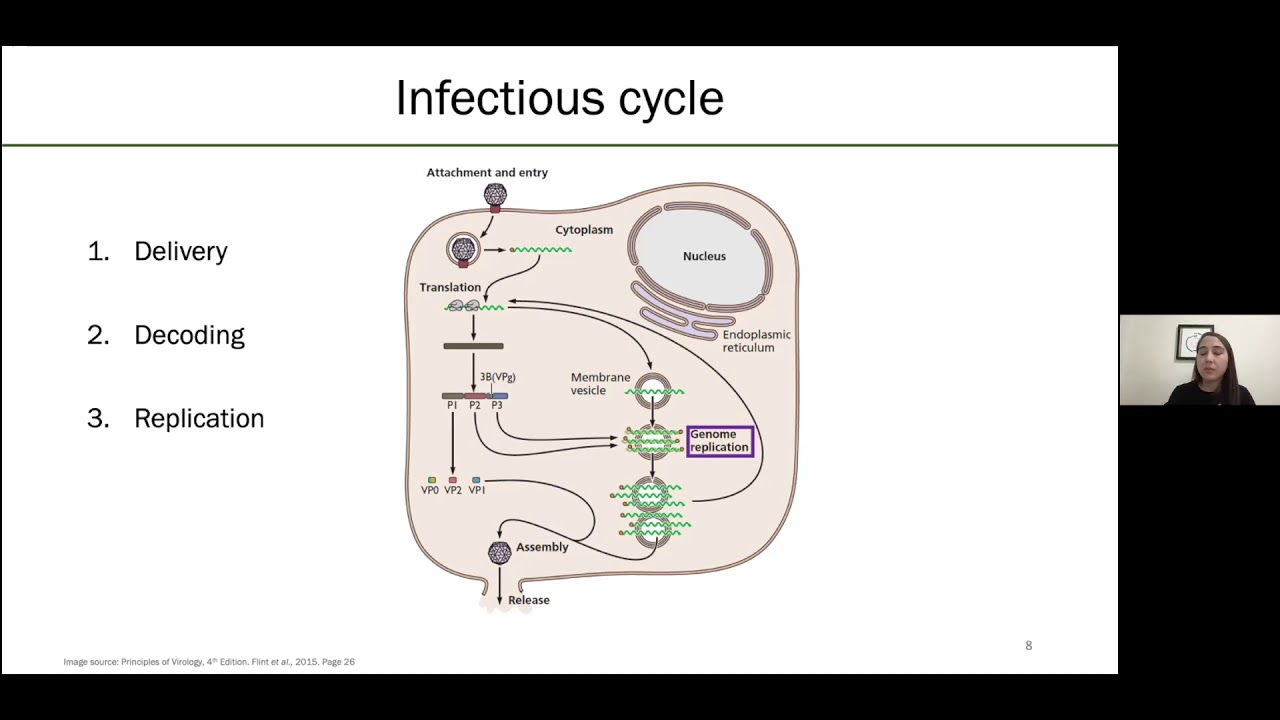
General classification of plant pathogens, such as fungi, bacteria, viruses, and nematodes, and how they infect hosts.
The central dogma of molecular biology, understanding how gene expression leads to protein synthesis (receptors, defense proteins).
The Molecular Zig-Zag Model of plant immunity, detailing Pathogen-Associated Molecular Pattern (PAMP)-Triggered Immunity (PTI) versus Effector-Triggered Immunity (ETI).
Systemic Acquired Resistance (SAR) and plant hormone signaling pathways (salicylate, jasmonate, and ethylene pathways) in defense.
Applications of Marker-Assisted Selection (MAS) and molecular breeding to introgress resistance genes into commercial crop varieties.
Advanced genetic engineering and gene-editing technologies (like CRISPR/Cas9) used to engineer disease-resistant crops.
3.9K views141likes12:12Original Release: 2019-10-10
[Music] good morning Marius so we will discuss about the general outline of how a pathogen is interacting with the plant along side how the plant is responding towards the pathogen there's a basic complete Plant Pathology Plant Pathology if it is host resistance or a non host resistance along side I'll tell you what is non host and hostess is okay so in plant pathogen interaction there is an interaction between a pathogen with a plant or a host or a pathogen okay here I am talking about how a pathogen is interacting with plant okay I'm not talking about a human virus or a human or an animal virus or an animal bacteria or nothing I am talking about if here the host is a plant and the pathogen may be virus may be bacteria may be oh my seat may be fungi whatever it is I am talking about a plant perspective here in plant pathogen interaction or ah our host will be always the plant okay so you can see a plant a plan and when a pathogen is interacting with the plant okay when a pathogen is coming and interaction with the plan the plan will able to detect what is my behavior my smell my dress pattern just like that the plan will detect the pathogens proteins for example if bacteria is coming plant can detect floods early because plaza lies there if fungus is coming plan can detect Titan because chitin is there likewise whenever a plant is detecting any kind of patterns from this pathogen we call those patterns our pathogen associated patterns flagellum tightens cellulose sometimes okay so this plan or so sorry the pathogen associated molecular patterns we call it as vamps we called us vamps pa MPs this pathogen associated because it belongs to the pathogen if this plan can identify the patterns okay so what happening is that if the plan if if the plan wants to detect this Pam's plan should know the language okay her line should dictate off this is flagellin this is suicide heightened in the planned in a tone and I mingle plan and when slurring we plan to need a particular gene plan need a particular gene called recognition receptors okay if you want to recognize something you should you should be able enough to understand what is that pattern so if the plan poses that particular gene the plant can detect the pants okay that if the plant process P R R if I process if the plant is having this p RR what happening is that the plant will detect the Pam's from the pathogen okay if the Pam if suppose the p RR is not there if P R is not there plan cannot detect it okay so the p RR will detect the pumps if this detection is happening if the Pam and the P R is interacting it will produce a particular type of immunity called pattern triggered immunity the pattern is triggering an immunity on this plant for getting the plant is triggering an immunity suppose the poor plant doesn't have this pyaara doesn't have this PR are all suppose this plant have the PRA if the plan doesn't have the PR our plant will never produce PT I suppose the plan has pyaara planned in a PR our own bengal immunity one mo so next the pathogen will produce another weapon the pair of the pathogen will you produce another weapon the pathogen will start to inject because first interaction happens now the pathogen is attacking the path one is attacking the plant or the host so the major weapon of one of the major weapon off the pathogen is effectors effectors are effector proteins the plant will II for the pathogen will inject the protein inside the plant body okay the plan the pathogen will inject so what all things are the effectors they are poly factors okay but if the plant wants to understand what is there with the pathogen the plan need another gene not going to receptor gene if the plant has the receptor gene the plan has the receptor this is AB dazeem plan can identify the effector okay pathogen number and the effect and I did you feel better if the plan doesn't have the RG plan will die okay from planning in factory London area sterling our gene under the Vieira show upon our effective interaction our G effector interaction will happen okay Alan a effectors maganda I'm due to the presence of effectors and the our genes if an immunity is released by the plant we call it as effector triggered immunity Vince Lalo what is PTI and what is ETA okay one is pattern or Pam triggered immunity another one is effector triggered immunity this immunity is happening inside the plant okay happening here in plants these two immunities are produced due to the result of single genes one is PR R and another miss are G okay there is only two genes are involved in this kind of resistance forgetting an integer or auto genes of either one we're about a number of Hippolyta retinol our genes and DiMaggio jrg not involve on them so we call it as these Russ immunities we call it as qualitative resistance qualitative means for no genic resistance monogenic means single gene are involved in the resistance single genes are involved in the resistance that's fine all these resistance is a DJ McCollum all these resistance for example the PTI and the et I mean end asada no it is a responsibility of single genes PR our and our genes so because of the presence of single gene we call it as qualitative resistance did you get and this part is known as innate immunity are them planned economic in the immunity can we call it as innate immunity predator that's called innate immunity plan what is inside the plan if that innate immunity is not their plan will die that's a simple thing Audrey look what she planned an Indian immunity unangan plan can produce PTI and ETA fine suppose if this pathogen is far powerful just like ppm Phytophthora if they can produce toxins or metabolites it will inject the pathogenicity factor the third weapon and the ultimate weapon within with the pathogen is called the pathogen elliptic factors or enzymes or metabolites the plan the pathogen will inject toxins toxins rather than proteins it will inject toxins home secondary metabolites from the pathogen and this toxins is highly lethal to the plants okay highly lethal to the plants but if a plant is resistant enough agonist thus metabolites the plant use its own secondary metabolites actually given on week in other plants try to neutralize this toxin try to neutralize pathogen never in the metabolites in it it will try to neutralize using it's all metabolites plant cylinder and secondary metabolites will be there okay I'm gonna plan so normally you'll darken the secondary metabolites which is inside the plan we call it as constitutively produced metabolites constitutive metabolites okay but after the path of the infection plan will any ignite or induce extra amount of secondary metabolites that is called resistance related induced bio chemicals okay already the plant have an ample amount of secondary metabolites but after the infection what the plan will do is plan will boost its production of secondary metabolites those boosting of secondary metabolites is known as a resistant related induced by chemicals so with the help of resistant related bio chemicals and the constitutively produced secondary metabolites with both the set with both the set plan will attack this toxin in order to neutralize the toxins from the pathogen in salalah so forth production of this much toxins plan juice multiple genes thousands of genes thousands of genes hundreds of cycles second a metabolic pathways primary metabolic pathways all the metabolic pathways will synchronized or orchestrate in such a way manner to produce more secondary metabolites so there are numerous genes are involving rather than single genes so it is not as quantitative resistance quantitative resistance means whenever a resistance is produced with the help of multiple genes we call it as quantitative resistance whenever the resistance is responsible by our response of a single gene we call it as qualitative assistance so in a plant pathogen interaction two types of interactions are there one is qualitative oneness quantitative okay and when comes to hosts resistance suppose the path atony is having a host pathogen is having a host if the host is evolved enough to produce any kind of these response that host will never die okay suppose if the pathogen is infecting a non host the pac-land does not know what is the effectors within the pathogen what is the toxins within the pathogen so it is easy to kill this plant okay so the qualitative and the quantitative resistance will actually change when comes to host and known host resistance this depends upon the pathogen and the plant when it is monocot and dicot it will change when the you might see then finally it will change when comes to wires it will change but in every interaction these are the two steps involved one is qualitative resistance and another is quantitative does so this is the generalized picture of a plan pathogen interaction okay so innate immunity is called the qualitative resistance and the cumulative or the multiple genes are involved we call it as quantitative assistants so my dears this is the plant pathogen interaction a general outline of a plant path or interaction just remember correlate with all the science all the plant path of the interaction with this picture just picture eyes this you will never get this picture from anywhere because I made it okay so you will never get this picture it's a product of multiple building so my dears we just grabbed this picture and just keep in your mind and always correlate with the any of the pathogen watches okay you can learn about innate immunity you can learn about quantity resistance you can read of our gene our Avior interactions all kinds of plant immunology is based on the stops okay thanks you [Music]
Up Next
9:15
Introduction to Plant Pathology | Plant Disease Causes & Epidemics
@geekyresearcher
359 views•2025-03-20

50:12
Bacterial Communication: Quorum Sensing and Biofilm Formation Explained
@JHUAAP
12.6K views•2011-06-28

5:35
Enteric Nervous System Explained: The Gut's Brain | Neurobiology Lecture
@alumniu6029
438 views•2018-09-12
7:08
Bacteriophages: Earth's Deadliest Killers and Future Antibiotics
@kurzgesagt
34.6M views•2018-05-13
Related Study Plans & Knowledge Roadmaps
Structured learning paths in Biology
biology
RNAi: Biogenesis, RISC & Gene Silencing
01Molecular Biology Foundations: DNA to Protein
02Introduction to RNA Interference (RNAi)
03Molecular Biogenesis of miRNA and siRNA
+ 2 more learning modules
10h5 modules
Explore Roadmap
biology
Mycorrhizae: Signaling, Biophysics & Ecology
01Foundations of Mycorrhizal Symbiosis
02Molecular Signaling and Root Colonization
03Biophysics and Bioenergetics of Nutrient Exchange
+ 1 more learning modules
11h4 modules
Explore Roadmap
biology
Circadian Clocks: TTFL, SCN & Periphery
01Foundations of Molecular Biology & Gene Expression
02Introduction to Chronobiology and Actograms
03The Core TTFL: Molecular Architecture of the Clock
+ 3 more learning modules
14h6 modules
Explore Roadmap
biology
Population Genetics: Math, Drift & Selection
01Genetic & Probability Foundations
02The Hardy-Weinberg Principle and Baseline Models
03Mathematical Modeling of Natural Selection
+ 3 more learning modules
18h6 modules
Explore Roadmap