















Successful M&A cultural integration requires early and sustained leadership commitment, comprehensive due diligence to understand cultural differences, consistent communication of shared vision and values, and continuous focus on cultural alignment throughout the integration process rather than treating it as a one-time task.
M&A Culture Integration: Client Insights from Reynolds American
Added:Fundamental understanding of the Mergers and Acquisitions (M&A) lifecycle, particularly the transition from due diligence to post-merger integration.
Core concepts of Organizational Culture, including how corporate values, norms, and behaviors are established and maintained.
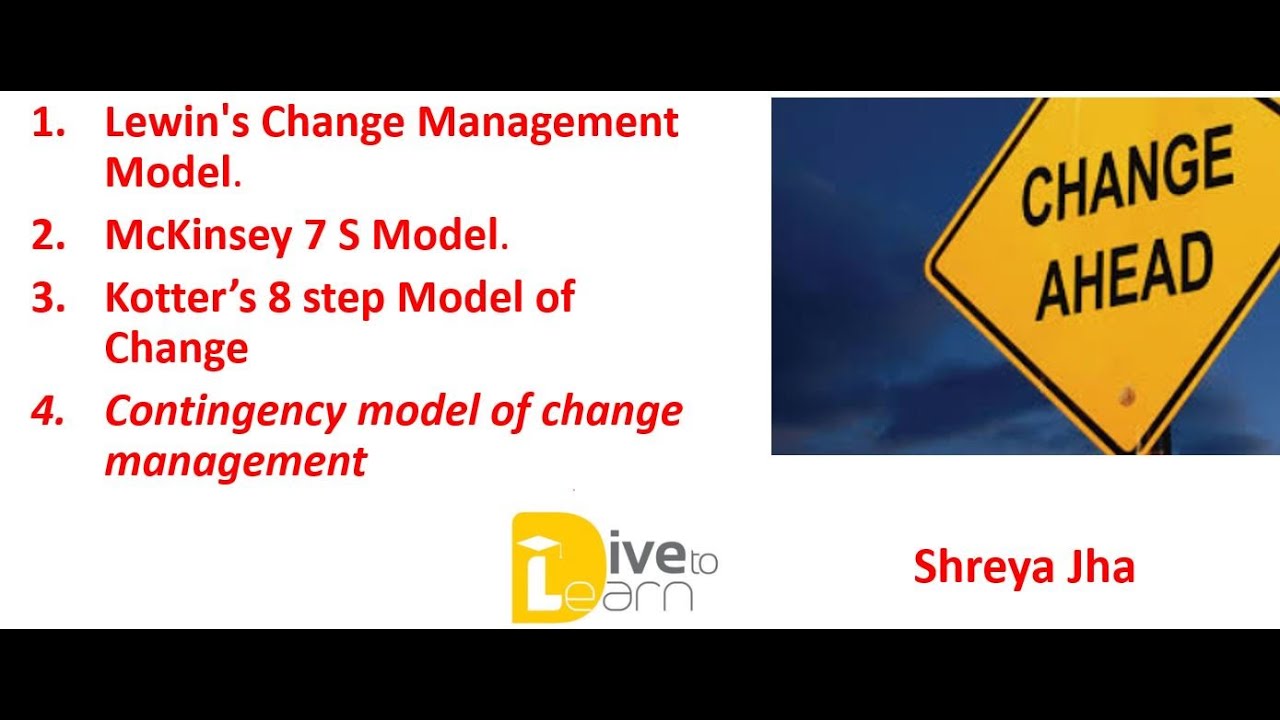
Basic Change Management frameworks, such as Lewin's Change Management Model or Kotter's 8-Step Change Model.
The strategic role of Human Resources (HR) in corporate restructuring, including talent retention, compensation alignment, and organizational design.
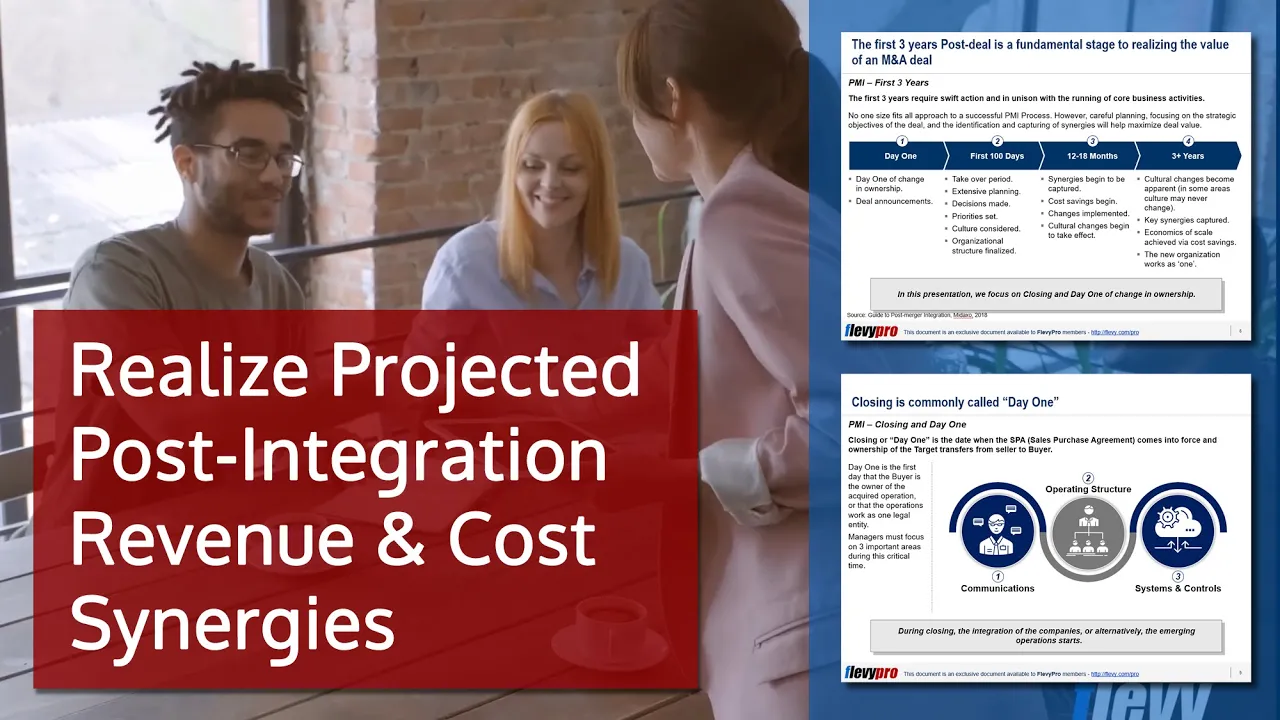
Advanced Post-Merger Integration (PMI) methodologies, focusing on operational synergy and systems consolidation.
Key Performance Indicators (KPIs) for measuring cultural integration success, such as employee retention rates, engagement scores, and productivity metrics post-merger.
Cross-border M&A and global cultural alignment, analyzing how national cultural differences (e.g., Hofstede's cultural dimensions) impact international corporate mergers.
Comparative analysis of high-profile M&A cultural failures (e.g., AOL Time Warner) versus successes to extract risk-mitigation strategies.
12.3K views20likes57:01Original Release: 2011-07-22
well Welcome to our friends and colleagues and clients who are joining us from around the world today uh I'm Brian Atkins the president of Dennis Consulting and we appreciate you're joining us for part two of our series on the role of culture in mergers and Acquisitions uh in part two we will hear the client perspective as shared by Angie manino and in a moment I'll introduce you to her in a little greater detail uh but first let me just share a couple of ADM administrative details as we get going here uh the most important one being that on the right hand side of your screen for those of you attending there's a there's a place where you can type in questions for us uh we certainly encourage you to do so and we encourage you to do that throughout the presentation so that uh uh we can have some time to sort some of those questions out see what kinds of questions might be in common so we can organize those uh and my colleague at Dennis and Alice wasag will uh will be gathering those questions and organizing those and we will try to uh answer as many of those questions as we can towards the end of our session here as time uh as time allows so with that uh like to go ahead and get started here last month I walked us through this model and shared a few insights about our work at various points in time during that n process uh from the initial planning stages all the way through to the integration effort and then the ongoing cultural development of merged organizations and so today we get to hear some insights uh about many of these stages but from the client perspective from someone who has led an organization through many of these stages so I'd like to introduce you to Angie manino uh Angie is the senior vice president of HR at an NOA health system in Northern Virginia in a previous life Angie was the vice president of culture and change at Reynolds America uh a company that was formed through the merger of RJ Reynolds and brown and Williamson and I was fortunate enough to work closely with Angie and her colleagues as they brought these two organizations together uh these were two organizations that had very long Rich histories operating in uh you know I guess what we could only describe as a fairly controversial industry uh so I know you're going to enjoy listening to some of the insights that uh Angie has to share with us today so welcome Angie and I started to set the stage here a little bit but perhaps you could set just a little bit more context for today's discussion thanks Brian and I would love to share some of the insights that I learned by going through this merger interestingly enough the first part of the Dennison merger and acquisition model talks about growth strategy this is exactly how our merger began with the desire to grow the strategy of achieving significant growth through merger had been discussed by both companies for quite some time both companies knew that acquisition was probably the only way we were going to grow lots of pre merger due diligence was being conducted which fed a lot of rumors um about a possible merger in fact this had been the case for over two years finally after years of speculation the deal was closed on August 1st 2004 which resulted in the combination of the number two and number three tobacco companies in the United States this newly formed company would have sales of over10 billion in the months leading up to the close of the deal we had developed a number of strategies including the strategy for relocation of the brown and Williamson corporate from Louisville Kentucky to Winston Salem North Carolina and the manufacturing staff from mon Georgia to Winston Salem North Carolina I was an employee of brown and Williamson which meant that I was among those employees who had to relocate from Louisville Kentucky to Winston Salem and the cultural integration effort as well we relocated approximately 1500 people during the merger it's important to note that we started thinking very early about the cultural integration and the need to focus on the creation of a single aspirational high performance culture we very much understood the risks associated with mergers and Acquisitions as both companies had experienced less than successful mergers in the past because of this our CEO was very committed to managing the cultural integ ation process as effectively as possible she demonstrated her commitment with the creation of my position uh which was vice president of culture and change and I was dedicated solely to the cultural integration of the two companies she also put her money where her mouth was and she did this by committing the necessary resources to ensure that all of the culture change projects that we were going to undertake and the initiatives were all very well funded the other thing that the CEO did which I thought gave more emphasis and focus on the importance of the culture was to speak about it often every opportunity that she had to address a group of employees she would take this opportunity to talk about the importance of establishing a high performance culture and how it was Key to Our Success that's great I think the uh you know some of that additional context is helpful it's always good to understand some of the history of the organizations what some of their experiences before the merger took place and then certainly some of what they were going through as as the deal was moving forward uh you mentioned the growth strategy and last month uh during the first part of our webinar we talked about how many merger and acquisition deals are done with a a focus on the external Marketplace it's about entering new markets acquiring new technologies uh specifically what were some of the drivers for this merger between Reynolds and brown and Williams Brian we had many external drivers as you can imagine in our business the industry was declining we had very little opportunity for organic growth we were losing consumers not only due to the expected decline in consumption but also due to new entrance in the US market that were selling cigarettes much cheaper than we could sell them we were also facing unyielding competition by Altria who was aggressively discounting their Flagship brand Marboro these factors combined with the lower margins due to our high overhead and infrastructure costs led to the need to merge prior to the merger both companies were in state of Decline and we either in the middle of which was the case with RJR or planning to which was the case for being Brandon Williamson we were planning to conduct huge downsizings we knew that the merger would not solve our inherent business problems it would simply give us time to work through Solutions it gave us approximately two years our need to change was huge after the merger as we were now on the clock per se what this did was accentuate our need to create strategies to grow our priority br Brands stabilize our non- priority Brands and develop new Innovative products it also heightened the sense of urgency to look at ways to lower our cost structure and drive continuous productivity it's interesting that you note that uh that simply combining the two companies would not in and of itself solve uh some of the Legacy business problems that both businesses were experiencing uh you know would seemed to me that there was a lot of pressure to try to achieve that uh one + 1 equals 3 scenario that that we often hear people talk about in the m&a world and unfortunately is not always realized uh you mentioned the desire very early in the m&a planning process to create that single high performance culture and you know I know when I think back I remember that you reached out to us very early in that process uh as you were starting to think about the bringing of these organizations together and so so uh I was wondering if you could take just a moment to share a few thoughts about why you chose the Dennison model uh for that process sure um what we were looking for and the reason that Dennison was such a great fit was that we needed a beacon for change or a Guiding Light as I stated earlier we have the external business case but internally our internally our employees felt that the merger solved all of our problems they didn't see why we needed to change anything else but we knew that we wanted to evolve our culture and that this was going to require some major undertakings especially if we wanted to drive empowerment change team orientation and also our core values we also knew that we needed to make sure that our employees understood where were where we were heading and how we were going to get there what the Dennison model brought us was Clarity on what was working what was not working and permission to enact the changes necessary what we did was we shared the Dennison results with our employees and we used it as a a bench to tell them first we heard you and also Benchmark the changes we're going to undertake we told our employees we heard you and that we will address the areas where our scores are low based on the model the beautiful thing about the about using D the Dennison model during our merger situation is that it provided a neutral road map and assisted in the prioritization of what needed to be addressed and when it was not a RJR survey nor was it a brown and Williamson survey we were trying very hard to take Legacy names out of our nomenclature so this was important to us Dennison was new for the company and it was new for our new company this gave it more credibility to employees and our leadership teams as there was no Legacy aspect to it the Dennison model also made sense to our employees especially the analytical types who normally do not buy into the culture stuff especially the soft side of culture what they can relate to is the business performance link to culture that Dennison provides intellectually most people can understand that the levers inherent in elements of let's say adaptability and Mission would drive growth or that the levers for involvement and consistency could drive operating performance or quality they just need the connection that Dennison creates for it to all make sense to them sure and you you mentioned that you know having a Guiding Light or a a neutral road map I think is one of the ways you described it uh the neutral road map map that the Dennison model offered uh I guess I'll just offer a quick note here and and that it seems to be an important concept as you bring companies together this notion of having a model or something that organizations can strive towards uh together I know in their book joining forces uh our friends and colleagues leagues Mitch marks and Phil mous talk a little bit about the uh the need for or or the what happens is that some companies start to look too inward basically uh and then the focus becomes more on winners and losers versus what can we create together and and I guess a big part of what can make people start to feel like winners or losers in this kind of a situation is the the degree to which they feel like they have to change versus the degree to which they believe that it's the others who are going to have to change so last month I mentioned that the level of change that is needed for one organization or more coming together can vary depending on the level of integration desired the dynamic of the merging organizations uh I thought it would be interesting if you took a moment to just describe a little bit about the level of change that was needed for the Reynolds and brown and Williamson folks sure we had an interesting Dynamic at play with our merger that facilitated a significant level of change that Dynamic has been described as being a reverse merger it's called that because the CEO of the combined companies was the former CEO of brown and Williamson which was the smaller of the two companies the one that was was being acquired even though Brown and Williamson was losing its corporate headquarters and many staff as well the leadership of the combined organizations was being driven by Brown Williamson initially that created some concern for the RJR people who may have initially thought that their world was not going to change all that much but ultimately though this was a transformational merger for both companies one that required significant change for everyone from both organizations there were the obvious changes associated with relocations and influx of employees into Winston Salem but there were also other very significant significant changes occurring or about to occur we were going to introduce sap we had the relocation and integration of manufacturing facilities we had new marketing strategies for brands from both companies and we were going to introduce a series of continuous productivity Improvement processes so there was a lot of change for everyone involved in this I you know being around the uh the organization at that time I I do recall that there was a lot of change going on and I I know we're going to discuss uh some of those changes in more detail as we go forward here uh during this presentation one thing that I noticed in this process uh was that that that the early and frequent references to creating a single high performance culture allowed you to introduce a wide range of initiatives everything from improvements to the workplace environment to the formation of the integration teams to how we're going to handle pay for performance you mentioned sa and continuous productivity Improvement and all of those were uh kind of put out there within this context of the striving to create a single high performance culture which I thought did a really good job of taking culture out of that you know soft and fuzzy realm where it so often rests and placing it at the center of many of the hard businesses issues that you were trying to resolve as an organization so on that note you know I I I was impressed with the fact that when I first met you and your colleagues you were already thinking about culture and that was several months prior to the close of the deal uh can you share a few of the things that you were doing as part of the due diligence phase to prepare for the closing of the deal and the eventual integration that was about to take place sure um the CEO of the newly created company was very much interested in culture and was concerned about the cultural issues that could arise what we did during the due diligence phase was conduct a deep dive into the culture of both companies we were looking for a cultural Baseline that identified the similarities the differences the cultural drivers and the points of contention for each individual culture as well as gaps between the individual cultures and the aspirational culture we knew that we were going to build we needed this for our change plan and we didn't want any um unplanned surprises we accomplished this by interviewing all levels of employees at each company and we asked them a series of questions to gain insight as to their perceptions of their own culture and how they perceive the culture of the other company what we found was that even though we were both in the same industry and we were both mature established companies There Were Striking differences in the culture of the two companies we were completely different in areas such as how we communicate how transparent we are are how hierarchial we are how we work cross functionally our leadership styles our globalness our use of technology and most importantly our adaptability to change now that was the bad news the good news is that there was a healthy respect for each other as competitors and there was a deep longing to be part of a winning team and a passion to do what it takes to win this was a great finding yeah and I I I recall some of those early differences in some of the focus that was placed on that and and I also recall how quickly the leaders moved to create a common Focus something for the people to uh to align themselves around and for for the organ organizations to focus on once the deal was approved uh once the deal was approved the integration efforts seemed to hit the ground running uh I just recall there was a lot of activity uh and certainly more than we're able to describe here today but I'm sure there are some activities that are worth noting and sharing with our audience uh when you think about the first few months after the deal was closed what would you say were some of the critical activities that come to mind for you as you said Brian there was a lot of activity however when I think about some of the key things that we did early on I think about things like alignment getting the senior leaders aligned we did this through a series of leadership workshops which I will speak about later in the presentation but the thing to note is that alignment was very important to us another key element was mission developing a vision our roadmap for the future and the core values that would guide our Behavior were critical elements we also focused on involvement we created culture teams consisting of employees at all levels to address a variety of issues such as building belief in the company's Vision strategy and roadmap focusing on our consumers and brands rewards and recognition that drive performance changing our work environment to drive creativity Innovation and and engagement communication was also key and to address this we started all hands meetings to bring employees together so that they could hear a common vision and strategy for the future this was a first for Reynolds uh Brown and Williamson had had these in the past we also created a comprehensive All Points communication strategy designed to touch all levels of the organization irrespective of where you resided corporate off office manufacturing facility or out in the field lastly was Employee voice we conducted focus groups to assess the progress we were making with the integration and where we were falling short we Ed the Dennison model as the framework for the questions that we asked in those focus groups to bring the Dennison language further into our company nomenclature and give our employees a voice yeah I think uh you know I think the good news is that more and more these days uh as more organizations are paying uh more attention to the m&a work uh during uh during the merger and acquisition process I think those early stages of cultural integration are a time where there's a lot of activity going on one of the things that we've noticed is that sometimes organizations will start out paying a lot of attention to culture at least in those early days uh and and I've heard leaders say okay you know we've been at this for a month or two uh can we now check this off can we check the integration piece off and there were a number of actions and activities that you used to keep the momentum going after the initial integration efforts of the first few months and so I was wondering if you could also share with us a few thoughts about those activities as well as you stated Brian we had created some really good momentum in those early stages of the merger and we certainly did not want to lose that we also knew that there were many more changes on the horizon so we had to keep pushing for greater alignment and integration some of the Key activities that we engaged in as we moveed forward included leadership development one thing we did with this is we brought together leaders in a cross functional format and this included Legacy RJR and Legacy BR Williamson employees and we provided more detailed education to these folks regarding what a high performance culture is as well as detailed training around the Dennison model we had them identify current areas of stress in the organization and develop plans for helping and the company move forward our CEO met with every group at the end of their two-day training to hear their concerns and ideas I think that providing an environment where leaders from each organization could learn together was extremely well received and helped to develop personal relationships among the participants that they may have not developed on their own it also helped us establish the expected leadership behaviors for these levels we followed these sessions up with leadership development sessions again in 2-day format that included the top leadership within each function so this was a functional specific leadership class their specific sessions allowed them to focus on Team Dynamics and productivity while identifying the be the business needs of the function and formulating strategies and plans to fulfill them other things we worked on were um the creation of an aligned performance management system and this was complete with transparent goals and line of sight all the way up to the CEO we uh um aligned our comp and benefits program to reward company and individual performance we created a leadership development program complete with required leadership competencies and rolled that out we launched a new employee directory system which was an online employee directory with pictures and locations of employees and it had a um robust querying engine what this did is assisted employees and in navigating the new company it was also used as a social networking type of site so it helped you identify people and get to know each other a little better the one thing though I will say that we did over and over was to consistently communicate our visions and strategies which which we coined our road map and we emphasized the importance of a high performance culture every time that we were in front of employees and in every single communication yeah I uh you know listening to listening to you now describe some of those Key activities there you know few few of the things that stuck in in my mind I mean first is the word alignment it just seems to me like there was a lot of energy in creating alignment within the organization and and an alignment towards the future you mentioned the performance management system where there were transparent goals I I I was really impressed with the fact that the CEO and all of the senior level Executives were willing to put their goals for the next six months to a year out there in a in a way that every employee throughout the organization could access those look at those uh and have uh conversations with their bosses supervisor superiors about their own goals and how their goals align with where the leadership set the organization was going I thought that was really uh really important I thought the uh some of the leadership passages work that you talked about in terms of just creating some common language around leadership what what uh leadership skills and capabilities and behaviors are expected depending on where people sit in the organiz Iz ation was also pretty powerful and and again it just reminded me how much uh energy was put into creating this alignment among the workforce uh another activity that you used to assess the degree to which you were creating this one company and to measure the effectiveness of the integration efforts was when you did administer the dentist and culture survey uh the the results reflect many of the areas of focus of the integration effort particularly in those initial merger stages so things like Vision strategy setting goals having clear core values people teaming together uh perhaps you can say a few words about the results and and maybe start with a comment or two about just the timing of when you did the survey sure I'll talk about the timing of the survey um initially we thought we might collect survey survey data as the organizations came together you know kind of use it as a baseline uh but what happened is we recognized that immediately following the close of the deal we were throwing the organization into a complete state of flux we were shutting down the brown and Williamson headquarters we were eliminating positions we were relocating people there was just a lot ofal so we decide we made the decision to use the Dennison model as a framework for how we brought the organizations together but decided that we would wait until some of the Dust settled before conducting the full assessment we also had a concern as we had not yet fully flushed out our vision and strategies and felt that we needed to give employees guidance on where we were heading we did not have this yet as we were Bound by confidentiality agreements pre merger and these prohibited us from creating any firm strategies until the close of the murder merger when we did conduct the survey we were generally pleased with what we saw um I will say that the significant effort that we had put into things like the road map which I said before was our vision and strategies our core values and building teams was reflected in the findings as you can see on the on this chart which reflects the first Dennison survey that we conducted this result gave us the permission and the wherewithall to begin to begin to focus on the areas where we knew Improvement was needed such as change and empowerment this was a wonderful way to give our employees a beacon as to what we would be focusing on and why we were changing the things that we changed yeah you you talked uh there about the timing of this and uh particularly mentioned waiting for the the dust to settle a little bit uh and that one of the questions we often get is a timing question when's the appropriate time to do a cultural assessment a survey and it really depends on a number of factors obviously if you can get some data on the organizations uh before they're coming together then that data can be used to help facilitate some of the integration effort uh as you noted your your ability to have conversations and do some of the pre-planning stuff was was very limited and as you also noted day one there were so many significant changes going on in that organization with facility shutting down people being relocated Etc um we often say that the dust never really settles in organizations anymore but in this case uh in those first few months you certainly did kick up a lot of dust and it I I think it did make sense in the long run to use the model as a framework to guide your integration efforts but do the assessment a little bit further down the road uh and certainly the survey results were impressive I mean when when I saw the results for the first time you know my takeaway was that employees knew where the organization was trying to go uh they felt involved they felt like they were being uh kept in the loop as things were moving forward uh they had values to guide their behavior uh we always say that getting strong survey results is good but that what's really important is that the organization is performing and so it it was certainly gratifying to us as we watch the combined companies meet and exceed many of your expectations I'm sure it was especially gratifying for all of you who were putting so much of your energy into this effort uh what were some of your reactions as you reflected on the progress that you had made at this point well I will tell you we were very pleased with our business results I mean who can argue that a stock price increase from $57 a share to $115 a share is not a terrific accomplishment on top of that we also exceeded all Financial targets set for this merger so it was a win all the way around from a financial um from a financial and business perspective but although we had some terrific preliminary results we knew that the merger only bought us a few years so we needed to continue to drive high performance productivity Employee Engagement and Innovation we never took our foot off the accelerator what we did was begin to celebrate our successes and strive for more we did things like we had an all employee picnic to celebrate the successful first year of the merger we had champagne toasts when we hit certain milestones we had quarterly celebrations to acknowledge the momentum that we were creating but the important thing with having some successes is not to rest on your laurels and stop your focus on culture which is what a lot of companies do in order to sustain it it requires constant attention and nurturing this means continued stretch goals focus on the business an acknowledgement and celebration of success the foundation was laid with Reynolds and I'm pleased to report that they have not had to negatively adjust their dividend even through these tough Economic Times I I recall being a part of uh some of the celebrations uh along the way as specific milestones and and key business objectives were accomplished and I I recall how uh how excited uh employees were along that path uh as you had mentioned back at the beginning of the presentation you know these were two organizations that had come through some rather difficult times uh in terms of reorganizations downsizings uh some pretty significant impacts to the business and so uh it was really quite nice to see people in a position where they could celebrate some wins and feel good about some of their accomplishments you know I talked a little bit earlier about the importance of trying to sustain the integration efforts Beyond just those early days of cultural integration uh after you collected your culture data which again was about nine months after the deal uh had closed you kept the focus on working together on this path of high performance by identifying a couple of areas that you wanted everyone regardless of where they sat in the organization to focus on uh you also allowed the various functions uh groups such as operations HR Finance Marketing sales to look at their own uh subset of data their own cultural profiles if you will and create some actions that would help them address any of their unique cultural issues uh and and and that was also an interesting process and I was hoping you could say a few words about how that played out sure um as leaders in the organization we knew that there was much more change coming and we knew that we needed to support we needed the support and input of everyone as we streamlined our business and asked them to do more with less because of this we chose creating change and empowerment as the two cultural areas that we wanted everyone to focus on improving in addition we wanted each function to look at their culture data and select one or two areas that that may warrant Focus based on their functional results now they didn't have to add areas if there was no need but if they saw something that they should focus directly on as a function we asked them to to seek those out each function went offsite and this was this was part of when I say offsite this was part of the within function offsite that each function participated in as part of their leadership development training and I had referenced this earlier these training classes well anyway they went offsite and created a functional engagement plan uh which had to include their action plan for making progress in the areas of change and empowerment as well as their unique Focus areas those plans then had to be presented back to our culture steering committee which included myself our CEO and several other members of the leadership team what this did is this allowed us to understand the efforts being taken look for overlap in plans where we might be able to help maximize actions and to share creative ideas among the various functions we also Pro provided over 800 leaders and managers with 360 feedback in the target areas of creating change and empowerment so that the leaders at every level could see how they were perceived in these high priority areas and so that they could create individual development plans for Progress this let the employees know that we were very serious about this in a very real way you know I I was thinking about uh you know well first of all I guess I would agree that you and your colleagues were quite serious about the entire cultural integration effort uh and I was thinking about how so often our clients uh find themselves in these situations where they're bringing new organizations together and how easy it is for them to sort of take their eye off the the cultural mall if you will and and get so focused on what they perceive to be the Core Business issues um only to later you know find out that they've uh you know they've they've overlooked some pretty important aspects of the integration as they've done it you know it's amazing to me to think back about you know and that that first 12 15 months of the integration effort uh being able to train all of the top leaders having offsites with all of the different functional groups uh as you noted training 800 leaders and giving them some 360 feedback uh making improvements to the workplace introducing sap introducing continuous productivity Improvement relocating 1500 employees I mean when you think about the the the amount of activity that was going in there um and at the same time being able to keep focus on and as you said even accelerator on the cultural piece of that again was just uh was just amazing to see how that played out and to generate the kind of business results that we talked about just a few minutes ago uh you so so as I mentioned earlier I I was impressed at every step in the process with the thoughtful and methodical way that that you and your colleagues approach the integration effort uh and in fact in presentations that I've done since then I you know I often will describe the the work that you and your colleagues did as as the closest thing I have seen to a textbook m&a integration process if there is any such thing as a textbook process for for what always is a relatively uh messy situation and I know it's really difficult uh I guess impossible for us to fully explore the range of activities that went into this process we do have a case study that summarizes and talks about some of what we've talked about here that I know we can make available to the folks listening in today um and I'm sure that our attendees also have some questions that they'd like to get your reactions to so as we conclude the presentation piece to today's webinar I just like to ask you Angie to share any final insights or Lessons Learned and then we'll uh get to some of the questions that have been brought in sure Brian and and thank you for the compliments I do appreciate that um as I reflect back if I had to sum up the most important aspects and plans it would probably be to focus on the communication of the newly formed company's Vision um what I've learned is that employees really need to know where the company is heading they also need to see the leadership commitment to not just the culture but to the success of the company overall the reason that this is so important is that it gives employees critical information to assist them in deciding if they want to opt into this new thing or if they want to opt out of it what you don't want are disengaged employees trying to figure out if they buy into this new thing slowly slowing the company's progress this is also a great place to start to build excitement about the possibilities for those that opt in and this helps with both managing ambiguity and it helps increase morale because people know where you're headed then the other thing that is important is the ability and the mindset to adjust as you just mentioned there is no cookie cutter merger acquisition process um what I mean about being able to adjust is that you can plan to the ninth degree and such as life things are going to change I think having flexible culture change plans and the ability to course correct is needed is essential not all things work in every company there is no magic formula as I stated before for culture change so flexibility and experimentation are key the last thing um that if I could impart one last thing to you that is to celebrate milestones and successes nothing feels better to employees than to set a stretch goal achieve it and get recognition for it this is true whether it's a personal goal or a shared goal celebrations and recognition are important yeah I think uh you know your point about being able to adjust and be flexible I think is obviously a critical uh capability that organizations need at all times and certainly throughout that process it it uh was necessary for the organization because it's easy I think for you or I to kind of sit back in hindsight and say well here's this you know multi-month year and a half type process that we went through to bring these organizations together I think it's also important to remember that at the time we were kind of taking it in stages we do something for the first 90 days and then we think about the next 120 days and then the next six months and and uh and adjusting as we went through that so I I really appreciate these insights and at this point I'd like to bring Alice wasag from Dennison into our conversation and ask Alice if we have some specific questions that have come in for Angie that uh she can respond to thank you Brian and thank you Angie for that presentation I think it was very insightful to hear the client perspective on murders and Acquisitions um we did have several questions come in and the first few that I'm going to uh go over have to do with the employees so Angie you talked about the importance of getting employees aligned around the road map and values could you share a few examples of what you did to communicate and reinforce those with the workplace oh definitely um as I stated over and over in my presentation communication was one of our primary strategies and it was something that we strived to do very well with employees because we really wanted to embed our message to enhance communication and the employee understanding of our road map specifically we did is we communicated it everywhere it was on our employee portal it we talked about it at all hands meetings we talked about it at quarterly review meetings we had Town Hall style meetings with different levels of the organization uh where we talked about it we put it in every employee publication if we had newsletters newspapers that type of stuff we even put it in the elevator speeches delivered by our Executives um we got so far as where we wanted to communicate this that we created a physical rendition of our road map and it looked like a road map and it featured the key elements of the things that would make us us successful our milestones and goals and we had one installed at each location at each of our physical locations and what we did is we used this uh to again communicate our road map but it also was a physical demonstration of the progress as it occurred so for example on our road map if we were trying to get a hit a share Target at a certain point in time time as soon as we hit that shared Target we referenced that on our road map so this was a like I said it was a good physical reference of where we were headed in our performance appraisals um each employee was required to establish goals that link to the elements of our road map so these goals helped establish the line of sight and it further drove understanding it was especially helpful in showing our employees how they contribute contributed to the success of the company and lastly speaking of the performance appraisal one thing that we also did was emphasize the importance of following our core values we felt that adherence to these were an important part of our road map uh because we didn't just want results we cared about how employees um achieve them so to drive this we had our core values placed on each employees performance appraisal as well as having them prominently displayed everywhere and in this um in this integration or in this um merger um can you think of any cultural missteps um that can occur that might lose the the support engagement of the employees there's a lot of them um I think what you need to do is you need to make sure you do your D due diligence and you understand the culture cues of each company and I have an example of something that was a misstep on our part and it it's going to sound really trivial but it did it did set us back a little bit we were trying really really hard to take Legacy out of our nomenclature um we made it very taboo and inappropriate to talk about what Legacy company you came from because if you were in the building and you were part you were part of Reynolds American the new company and so we worked really hard to to establish this one thing that we did is when we launched our core values we um we had security cards that people carried with them to gain access to the building we gave them security cards size um copies of our core values so that the premise was that they would have them with them at all times and then we gave them um chains to to put their security card on and have their core values so if you want to put a chain around your neck and have your security guard you could have that where we miss queued on this is at Legacy Reynolds they didn't use their security cards for anything other than to access their parking garage so once they got into the building they put their badges away they didn't carry them around with them they didn't use them as name badges you never saw them again at at Brown and Williamson our badges were used to access everything in the building it all the security uh doors you had to swipe your badge so you had to have it prominently displayed what it did is when we gave these cards out and the lanyards it I it segregated the pack because the BMW folks started showing their Badges and and carrying them around with them in a public manner the Reynolds folks didn't because they didn't they did that wasn't part of their culture and what it did is it made people reference each other as a badge holder you're you're a person that shows your badge versus you're somebody who does not so it it just put a little kink in our unification I say this because you really need to think through everything everything you do from the lens of what would the legacy of company have done and is this truly something new and Innovative and something the new company would do that doesn't remind to have Legacy yeah it's really amazing how you have to think about all all of those little things and how something like that can become a much bigger issue oh sir you you talked a lot about communication in the presentation and you just referenced Communication in your first uh answer today um do you remember having any challenges with communication when it came to uh unions and communicating with the employees we've had three Union campaigns at Reynolds and um our challenge was more in the union avoidance um Arena where we had to train our employees on things that you can address in the proper way to address employees when you're under a union threat so the challenge there was more from an educational perspective to train our supervisors and managers on how you deal with this how you address the issues and how you engage your employees so it was more from that perspective we are not unionized Reynolds is not unionized brown and son was unionized and the union went away when we merged um so in in regards to actually dealing directly with the union we didn't have that during the merger because all of that was solved after we announced the merger okay if that answers the question yeah know that that helps um so those were the the questions on the employees and and we did have a question about the CEO you had mentioned that the CEO had attended some of the training um the CEO was addressing employees whenever possible about about this um merger and ation um can you describe other ways that the CEO demonstrated her commitment to the integration effort oh sure um when we had focus groups and it didn't matter what the focus group was for if it was if it was related to the culture integration or anything that had to do with the success of the company our CEO would meet with the groups she would she would what she would do is look at what the output was she would meet with the groups tell them what she heard to make sure that she understood what the issue was or what the concerns were and then what she planned to do with it um and she would do this and emphasize our vision and road map and need for communication and that type of stuff so she was heavily Evol in involved on that Arena she also sat on most of the Committees that employees were required to report out to as I referenced in my presentation we had cultural steering committees that people as they created their engagement um plans to address the den survey results she sat on that committee but she also sat on other committees that dealt with um all variety of things that go on in a merger and acquisition um situation so what she did is she kind of walked the talk and she was very um very engaged and involved in it she was also very visible which I think is important she was visible to employees during the integration after the integration and she's always been a very visible CEO but what she did is she made her presence known she ate in the lunchroom she attended direct reports staff meetings she attended training that was offered to all employees um she also she had a rule that if you had a meeting with her you had to book it in your office because what this did is gave her an opportunity to walk the floors and to be out you know amongst the employees because she was on her way to something this is much better for managers than this just go wander and walk the floors without a reason for being there this gave her a reason to be where she was talk to people spread her message uh with the the destination point so she was very much um involved in everything and uh before we jump into the next question I just thought I'd I'd add a little bit to that because uh you know again being involved in helping in this process I mean that was one of the things that really struck me I know people often ask the question uh you know can you make significant change efforts uh work in organizations when you don't have the support of senior leadership and my response is typically uh yes you can and it can be so much more uh quick easy effective if you have that strong leadership support and so one of the things I just recall throughout that experience was every time we had an initiative going on whether it was focus groups or some kind of a training event some kind of an all hands meeting any place where we were going to be talking about culture I just recall a CEO saying to me what role can I play in this how do you want me to support support this um and and let lend as much credibility and and support to this process as I possibly can and that uh you know that kind of support and buy in is just really difficult to uh to to overestimate I guess how valuable that can be oh I totally agree so Angie um for the next question here um the culture survey was not done until nine months post merger and and that probably had a lot to do with with due diligence and a lot going on initially um but can you comment about how you were able to come up with a strategy um for the change effort early on without um having that cultural data at hand well what we did we followed um you know a real basic culture change plan we relied heavily on Dennison because it's a good model of the things that you need to address we it was a little bit of guessing and it was a lot of um you know we did research on the internet we we could talk to employees from a cultural perspective but we could not talk to them about were brand strategies um engagement strategies things that would impact the performance of the business um so we were able to get some stuff done but what we did is we we went down the path and said if we had the ideal organization and you take Legacy out of the equation what would Reynolds American look like and and we we kind of Greenfield it and took a green field approach which actually helped us because we didn't know understand the Legacy stuff as intimately as you what if you could talk to each other so that kind of you know broadened our Horizons and allowed us to make this much better uh more Progressive more neutral company and Andrew did you have um post integration teams that uh had goals for those first 90 days or did you have um maybe a different timeline for those teams we did we had um we had integration teams as you can imagine covering everything post merger and what we did is we met weekly we had integration meetings and you had Milestones that that that were um benchmarked against weekly accomplishments and then monthly and then we had 30 60 90 days and then we looked out over the course of years the reason we had the annual Horizon is because of the manufacturing integration it it takes a lot to move factories and uh move production and that type of stuff so we had everything from one day one week uh one month three months we we had we ran the gamut but what we did is we kept the emphasis focus and pressure on it to make sure that people were meeting their milestones and that we were progressing I think a mistake a lot of companies especially a lot of companies I've spoken to what happens is once they get production situated or the marketing piece situated after 30 60 days they they stop stop the um the process and they just kind of let things fall where they will where they may I think you need to keep the process on until the murderers absolutely complete and do you have any examples of how you addressed the beliefs and assumptions that middle part of the model uh directly when it came to things like differences and conflicts what we did and and again I reflect back to the fact that we could not strategize prior to the merger we were taking this screen field approach and creating the ideal company so we said what does rj or what does Reynolds Amer look like uh if you were to start up have a startup operation today well we took that into the decisionmaking and this helped avoid a lot of conflict because what we said is we're going to take the best it may be a legacy thing it may be something new newly created but what we're going to do is we're going to make the decision based on what's best for this new company and what you got to let go of is how we did it before because both companies the other thing that we had as ammunition is both companies weren't doing so well before the merger so uh we could go back and say that way wasn't working let's make the decision based on what's new and so this helps solve a lot of those issues that you traditionally see in murders with people not agreeing on how to move forward yeah and again I'll just wait for just a moment here uh to that topic around sort of beliefs and assumptions if you will I mean at least it was my perspective and Andie you know certainly weigh in if you think I misrepresent this in any way but it it was my perspective that uh as Andie described both organizations had been struggling a bit as they were coming together so I think there was there were some underlying beliefs and assumptions that uh we in a business that is in a downward spiral and I I wouldn't say hopeless but certainly people feeling a a little bit despondent about that and so initially trying to change those beliefs and assumptions to being one of uh we can be a winning company we can win back some Market share we can make some great strides in the marketplace uh my sense was people were kind of on the fence a little bit and yet the the fact that the leaders were out there every day putting the messages out there very clear strategies for how they expected to get there and then celebrating and recognizing the accomplishments every step of the way helped to change those beliefs and assumptions and that mindset of the workforce in a relatively uh from my perspective a relatively brief period of time I'm I'm talking probably you know six months nine months thanks Brian and thank you Angie we do have one more question before we wrap this up um the final question has to do with um how long did it take you um before you could say you know this is this is starting to work we're starting to act like one organization um and we're we're starting to behave like one company or was it something that was just very gradual and you you didn't really have a moment where that was a realization for you well to be honest um it was all a blur until about the nine month Mark we had so much activity and things that we were trying to accomplish um that it was hard to to you know raise up and for air but um what my gut feeling when you asked when you just said this was about the 9month mark for some reason right around that that time um things just began to feel different in the company you know people stopped referencing their legacy companies um our logo we had a new logo um for Reynolds americ so that was starting to be embedded so you rarely saw Legacy company logos people started to look familiar um so you go to meetings and people didn't look new anymore people had learned how to to navigate around the company you know where to park where the meeting rooms are uh who the players were who the department heads were um the other thing is people were talking in the same language at that point so the acans no longer seemed foreign to each other and we had some unification in you know our speak our language um we had already had the aligned goals and Leadership expectation um in regards to this nine months I remember a pivot pivotal part of the merger was a board meeting that we had and this was a board meeting with the officer level employees in our board they always had a social aspect of it where we all went to dinner had cocktails or whatever and it was it was just to help the board members get to know the people who were running the company a board member came up to me and asked me about a few individuals had pointed across the room and said what company did they come come over with and it just struck me that at that point in the merger nobody knew who was Legacy and that's when I thought you know this is working we're coming together we're forgetting whose Legacy and we really are Marching forward you know to this new Reynolds American thing so I think that was it I think it was about the nin Monon point I really thought it would H it was working then that's great and uh so that I believe you said Alice was the last question we had time for right that is the last one yes all right great well uh you know again I wanna I want to thank Angie for uh one more time uh you know reliving this m&a journey that we were so fortunate to be able to to experience together um and sharing you know a lot of I think really good insights and perspective uh again we appreciate your your time in doing that uh and and I also want to thank all of those people who listened in and participated with us today uh we know again that people's time is extremely valuable these days so we appreciate you're taking an hour out of your day to uh to listen in and hopefully found it to be extremely worthwhile as we close here I'll just mention that uh we will continue our webinar series again next month uh so uh we have a presentation on moving New York City culture change at the Metropolitan Transportation Authority that's going to be presented by uh one of our colleagues a gentleman named Brian Glazer who works with a group called Gotham culture uh Consulting Group in New York's based in New York City and laurianne Hoffman who uh works for the uh New York metropolitan Transportation Authority so they're going to be sharing some insights next month about some of their culture change efforts and we hope that you'll uh take the time to join us once again so thanks again everybody appreciate it
Up Next

34:23
Merger Analysis with Pro-Forma Consolidation in Excel
@EdwardBodmer
858 views•2016-02-16
46:36
Retention Habits of Top DTC Ecommerce Brands Revealed
@SendItPodcast
44K views•2026-03-03

15:23
Decoy Effect: How Pricing Psychology Influences Consumer Spending
@bobinvestsUS
90K views•2026-01-05

17:30
The Planned Obsolescence of Light Bulbs and Tech
@veritasium
25.3M views•2021-03-26
Related Study Plans & Knowledge Roadmaps
Structured learning paths in Business
business
Pop-Up Retail: Strategy, Design & Execution
01Introduction to Pop-Up Retail & Strategic Goal Setting
02Budgeting, Site Selection, and Legal Essentials
03Experiential Retail Design & Visual Merchandising
+ 2 more learning modules
15h5 modules
Explore Roadmap
business
Reg CF: Startup Funding, Marketing & Launch
01Introduction to Equity Crowdfunding & Reg CF
02Platform Selection & Legal Preparation
03Crafting High-Converting Campaign Assets
+ 2 more learning modules
14h5 modules
Explore Roadmap
business
Productized Services: Scaling Solo Freelance
01Foundations of Productized Services
02Packaging and Scope Definition
03Pricing and Subscription Models
+ 2 more learning modules
15h5 modules
Explore Roadmap
business
Gov Procurement: Find, Bid & Win Contracts
01Introduction to Government Procurement & Business Setup
02Small Business Certifications & Set-Asides
03Finding and Analyzing Contract Opportunities
+ 2 more learning modules
14h5 modules
Explore Roadmap