


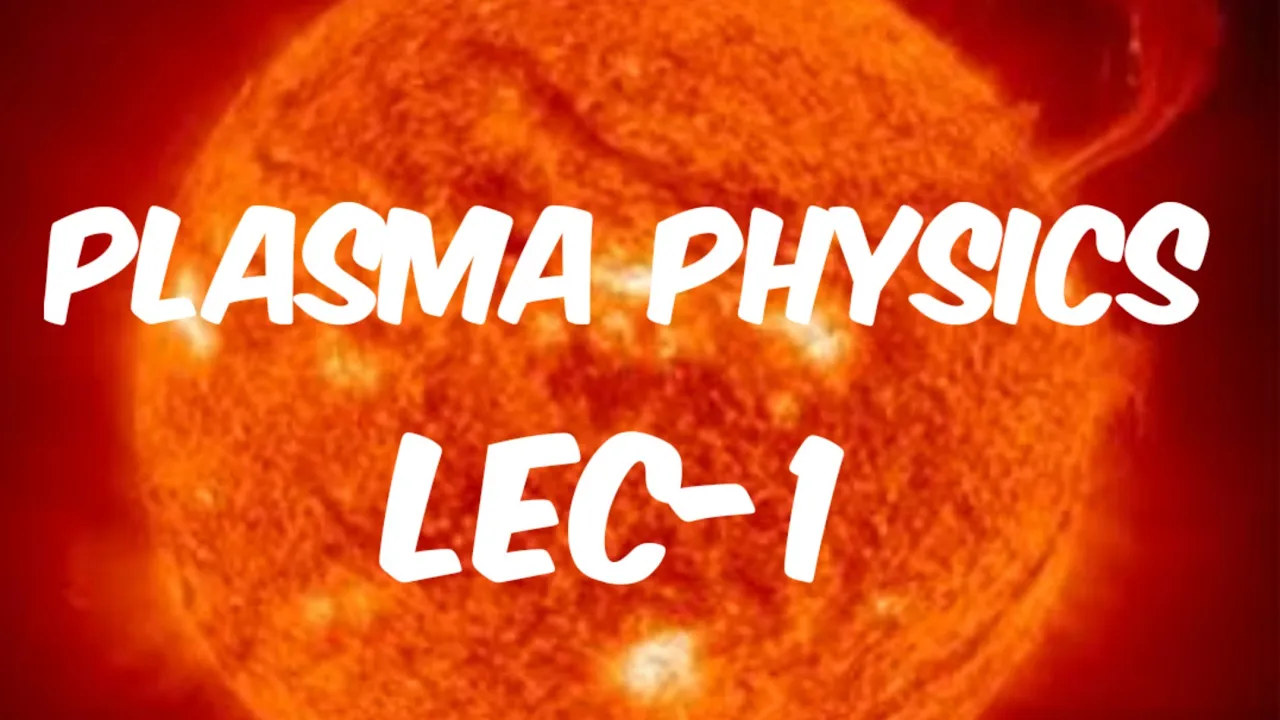













The Sun is approximately one million times larger than Earth, with light taking 8 minutes and 20 seconds to reach us; it exhibits an 11-year sunspot cycle where magnetic field lines stretch and snap, creating solar flares that can disrupt satellite electronics, and completes a full 22-year magnetic cycle where its poles flip, demonstrating how our star's internal dynamics shape space weather and affect technology on Earth.
Neil deGrasse Tyson Explains the Sun: Size, Sunspots, Solar Flares
Added:Basic understanding of electromagnetism, including magnetic fields, magnetic lines of force, and polarity.
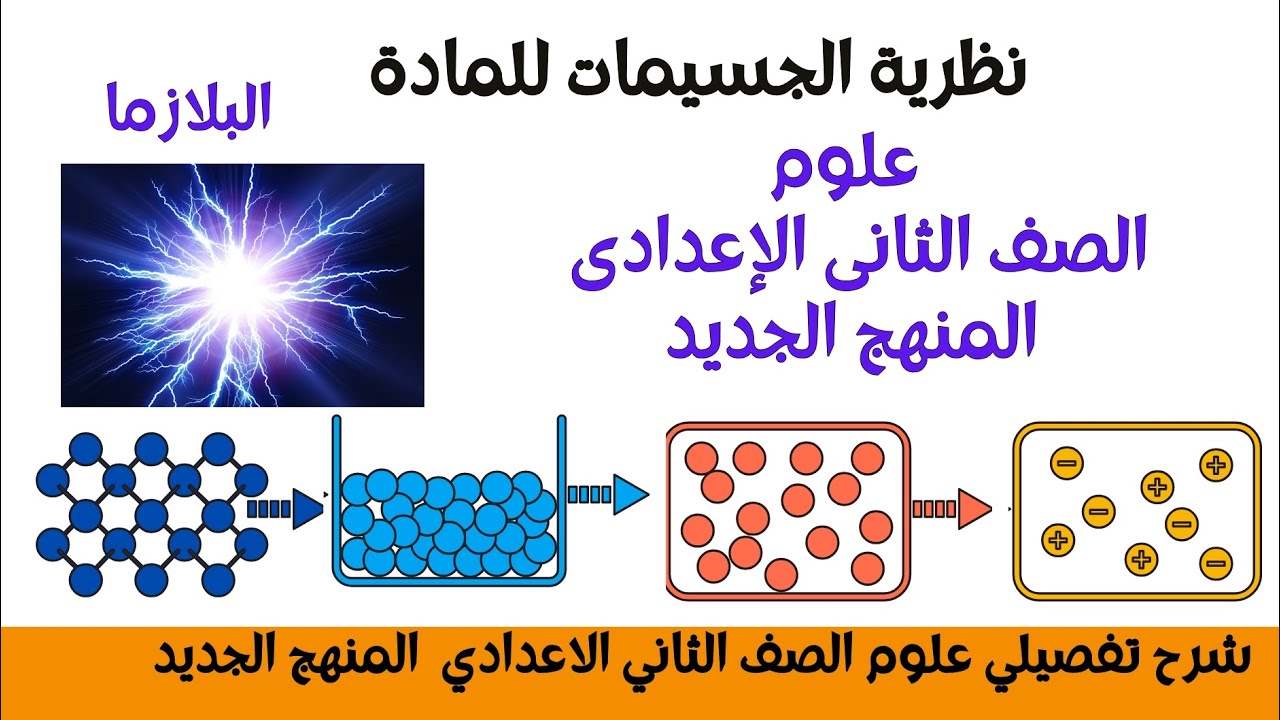
The concept of plasma as the fourth state of matter, consisting of ionized gas with free-moving electrons and ions.
The fundamentals of nuclear fusion, specifically how hydrogen atoms combine to form helium, releasing vast energy in a star's core.
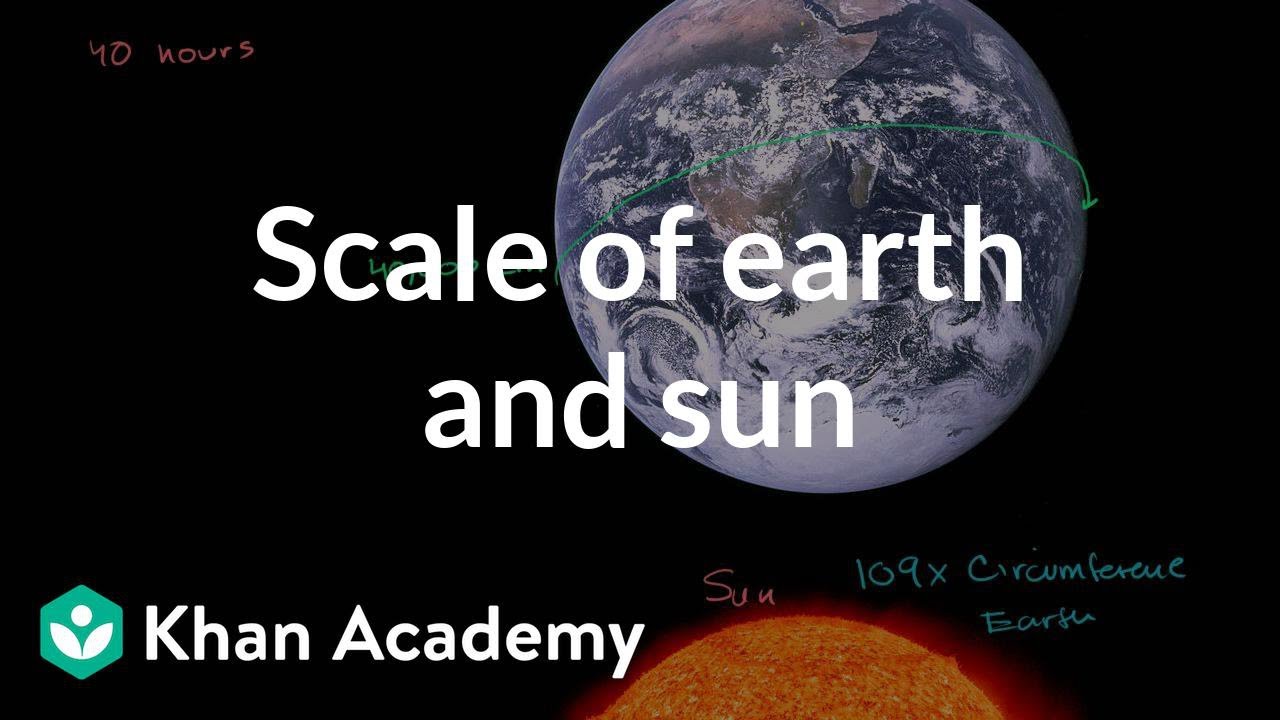
An elementary grasp of the solar system's scale, including the relative sizes of Earth and the Sun.
The study of Space Weather, focusing on how solar flares and coronal mass ejections (CMEs) interact with Earth's magnetosphere and affect modern technology.
Stellar Evolution, exploring the lifecycle of main-sequence stars like our Sun and their eventual transition into red giants and white dwarfs.
Helioseismology and solar observation technology, examining how spacecraft like the Parker Solar Probe and SOHO gather data on the Sun.
The physics of thermonuclear fusion reactors on Earth, such as tokamaks, which attempt to replicate the Sun's energy production for clean power.
271.5K views11.3Klikes14:08Original Release: 2021-07-27
[Music] chuck at some other point we talked about the moon yes now it's time to talk about the sun nice i guess why not gotta like the sun you gotta you gotta like the sun source yeah there's some life at the bottom of the ocean right that never gets that never even sees the sun i wonder what that's like it lives where the sun don't shine that's funny yeah yeah in the wa in the water where the sun don't shine so you know that has me wondering what happens if you're just a fish swimming in the water and then someone captures you pulls you out of the water into the air and then there's like land and mountains and sky and clouds and and direct sunlight that's that's that's the closest thing i can think of to someone grabbing you out of your dimension and putting you somewhere else right but here's what's worse they pull you out but then they put you back in the water right and now you're going around all the other fish like yo man i'm serious this really happened to me this happened to me man okay like first i thought it was some food right they grabbed my jaw it wouldn't let me go i fought and i fought they pulled me out man i couldn't breathe i couldn't breathe man and then it was like all this light i don't even know what to call it hurt it hurt like hell man and it was these things the fleshy things man and it was crazy and it was like like you know what you know what the bottom what we see down the bottom except instead of sand it was like sand but it was real hard and and it was like puffy stuff above the sand and it was oh man uh why y'all dude i'm not crazy yes you are you know we're gonna do we're gonna get someone to animate that that have an actual fish speaking those words all right [Laughter] so yeah so one of the things they get to really experience is the sun and particularly if they live sort of if they're bottom feeders right the sun is not a big part of their life really uh so so let me talk about the sun the sun is uh you know how far away it is in light travel time um eight and something minutes yeah good good yeah you chuck you know you're coming along here so it takes 500 seconds for the light to reach earth from the sun so 500 seconds if you do the math it's 8 minutes and 20 seconds all right and it's moving at the speed of light through the vacuum of space so that's that's kind of cool and but you know something earth's gravitational influence also moves at that speed so if some giant came along and plucked the sun from the center of our solar system we would continue to see the sun feel the sun the sun until 8 minutes and 20 seconds passes oh and then the party is over over that's all she wrote like you ain't never seen a party end and so what then happens is the planets one by one will fling off into interstellar space and plunge into eternal darkness that is a needle scratch if i ever heard one and so we need we need a sci-fi story where somebody just reaches in and plucks the sun out and just watches what happened and and how we are in our blissful ignorance for eight minutes and 20 seconds you know what that's another great short film it's like you know it you show that and then you show like the beauty of life in real time of eight minutes and 20 seconds and only you the viewer knows that that's that's all over for everybody to end and by the way they can't know that any sooner than when it's too late because that's that's the rate at which the information is coming yeah yeah that's creepy i love it i love it all right so the sun i just little tidbits about the sun so maybe it might not be something you thought you knew but it might be something you glad you learned how about that oh wow okay all right so if you hollowed out the sun so now you just have the volume of the sun and then i sort of played a little basketball and started tossing earths into the sun do you know how many earths would fit in the sun oh yeah i know the sun is huge compared to the huge i don't know how many earths would fit so take a guess how many like 10 100 1000 i will say thousand or give me a number more than a thousand earths i'm trying to i'm looking at the scale models of all the and uh the things that i've seen okay on the ceiling of your kids who did the the planet projects you know i'm gonna say i'm gonna say a hundred thousand earths okay that's a lot of earths right i mean a hundred thousand earth so the actual number the actual number is about a million what that's about a million earths damn a million and so the weird thing is you go back in time before we had any sense of anything and there are people thinking that the sun is just something else in the sky but earth is the earth is the earth is the thing right we are the center right and since earth and the moon are the same size on the sky earth and the moon had almost equal presence in our culture right there's a moon god and a sun god of course you know that there it was and any illustrations of the two of them they're the same size because that they look that way but they're nowhere commensurate with each other and it wasn't until much later that anybody figured out that the moon does not give its own light it is only reflected sunlight only so there's a geometry of things going on there but some of that comes from the bible where i forgot which passage but it's and the sun it's in genesis of course and god created the sun to light the day and the moon to light the night as though they are their own agencies of of light sources but that's that's not the case plus the moon isn't always out at night uh and most of just an equal amount of time it's out in broad daylight as it is out at night so so i'm just just just saying so so a million times larger so that is huge the sun has blemishes which we call what sunspots sunspots that's official they're like liver spots except the sun has really good skin [Laughter] okay so the sun only occasionally has the liver spots but has a really good dermatologist this is what you're telling me all right so the sun so sunspots are about the size of earth so the sun has acne bigger than earth oh my goodness yeah yeah that's crazy that's that's cold that's that's that's now sunspots even though they're dark they have a lot of high energy radiation so they'll go off a lot of ultraviolet and even i think some x-rays i'd have to double check that when the sunspot population grows this we say the sun is active it's going through its cycles the sun it has an 11-year cycle and it's where there aren't many sunspots and then there's a bunch of sunspots and then there aren't many usually zero actually and then it goes back to is it more movement i don't know i haven't asked actually no yes it is more moody during sunspots yes because during sunspots not not only is the sun radiate more and this affects earth's atmosphere the atmosphere absorbs this extra radiation heats up thickens and all of our orbiting satellites now have to boost themselves more back to their orbit because it each it encounters more atmospheric resistance look at that so that we do that with the space station with the hubble telescope and anybody else up there who wants to stay and maintain an orbit a stable orbit during solar max it's called we're on the walk we're on the lookout for a decay of our orbits because this the atmosphere got thickened by this extra radiation coming from the system oh wow that is really easy okay so that's one moody thing it's it's messing with our satellites okay that's one sun blameable thing what else happens is there's solar flares so explosions on the sun and these explosions the sun is is a is a magnetically charged gas right and the word for that is plasma yeah plasma yeah yeah so so the magnetic fields are all entangled in there and during solar maximum the magnetic fields become so entangled they bust out and when they bust out the particles of the plasma like hanging on to that magnetic field but they get flung into space and then you get waves of particles towards the earth there are always waves of particles we call it the solar wind but during these particular moments would you get a solar flare oh my gosh this the the level of charged particles can be so high it can short-circuit the electronics of satellites when it reaches earth wow that's crazy so yes the sun is moody at that time i'm just making it clear okay and by the way solar flares can happen but they don't always point towards earth we can see them but the pat the plasma pie goes out into space so it's the ones where there's a solar flare and it's headed towards earth that we keep track of and in fact nasa has a whole department called it's space weather it's a space weather department that's it it's things that would affect astronauts in space and it's not only the sun it's also is there's anything happening in the rest of the galaxy so that's so it's another thing that the sun is doing oh one other thing go ahead sunspots are always in pairs okay i did not know this and so chuck we measured it and one would have a positive charge the other negative charge so we got magnets on the sun nice just saying but wait there's more okay okay the sun is a big ball of gas so it's not solid the way earth is and so it turns out the equator of the sun completes one revolution faster than other latitudes on the sun so it doesn't rotate as a solid object look at that because it's a big ball of gas so the middle could be going faster than the tops yes yes just to be clear it is always physically going faster because it has more distance to travel so even if the sun were solid it would be traveling faster the way equatorial residents on earth right they're all traveling a thousand miles an hour we here in the middle like new york latitudes are traveling only about 800 miles an hour due east because they we both complete a circle at the same time they went a bigger distance right so they've got to be traveling faster okay that's the merry-go-round effect the outer horses are moving faster on the merrier ground than the inner ones even though it's moving as a solid rotating as a solid object with the sun the equator rotates faster now that here's there's the rub so watch what happens because the entire ball is magnetically charged and their magnetic fields within it the magnetic field wants to hold on to the plasma and the rotating sun says no you don't i'm going to stretch you as i what we say differentially rotate okay and as that happens the magnetic fields stretch and stretch and stretch and there's a point where they can no longer stay attached and they snap and this snapping it's a very complicated magnetohydrodynamical mechanism but the disruption of the orderly magnetic fields are what punches through to make to make this the the flares on the surface of the sun and when everybody punches out and they get it out of the system the magnetic fields reconnect and we start the cycle again oh but wait uh oh but it's not an uh oh that's not a oh okay but wait okay oh by the way the sun has a north pole and a south pole in addition to all of this just so you know okay but when the cycle repeats the entire magnetic field of the sun has flipped oh snap so it's in fact a 22-year complete cycle not an 11-year cycle yeah that is amazing that's the sun is doing all that while you're sitting out there you know on the beach while i'm getting beautiful it does all that and it makes me look good too all right so let me i gotta quote galileo before we run out of time here uh galileo said i'm i'm paraphrasing because he said it more poetically than i'm about to recount the sun manages to keep the planets in their appointed paths yet somehow manages to ripen a bunch of grapes as though it had nothing else in the world to do oh that's yo that galileo he knew how to turn the phrase and my boy was a wine drinker so that's what he's talking about he's thinking about what else you do with the grapes exactly that's pretty good so that's all the sun i could squeeze into 15 minutes here so oh man that was that was enough for you all right so all right call it quits there neil degrasse tyson as always keep looking up [Music] you
Up Next
95:01
The Sun: A Documentary on Solar Science and Its Impact on Earth (2024) — Mastering the Art of Discovery
@MatheMatiks
124.8K views•2023-12-19
61:17
First Billion Years of the Universe with the Square Kilometre Array
@iaaudc
121 views•2022-05-26
48:11
Asteroid Impact Risks: The Torino Scale Explained with Rick Binzel
@StarTalk
538.5K views•2025-04-01
6:10
Gamma-Ray Bursts: Cosmic Snipers Explained | Astronomy
@kurzgesagt
15M views•2016-07-31
Related Study Plans & Knowledge Roadmaps
Structured learning paths in Astronomy
astronomy
Reionization: Pop III Stars, IGM & 21cm Line
01Foundations of Cosmology & the Early Universe
02Population III Stars & Cosmic Dawn
03Physical Mechanisms of Reionization
+ 2 more learning modules
17h5 modules
Explore Roadmap
astronomy
Planetary Rings: Dynamics, Roche & Resonances
01Foundations of Gravity and Orbital Mechanics
02Tidal Forces and the Roche Limit
03Structure, Composition, and Collisions
+ 2 more learning modules
10h5 modules
Explore Roadmap
astronomy
Asteroseismology: Stellar Waves, Ages & Cores
01Foundations of Stellar Astrophysics & Wave Mechanics
02Stellar Oscillation Modes: P-modes and G-modes
03Mathematical Framework of Asteroseismology
+ 2 more learning modules
35h5 modules
Explore Roadmap
astronomy
Adaptive Optics: Physics, Engineering & Control
01Foundations of Wave Optics and Wavefronts
02Atmospheric Turbulence & Optical Distortion
03Wavefront Sensing Technologies
+ 3 more learning modules
35h6 modules
Explore Roadmap