















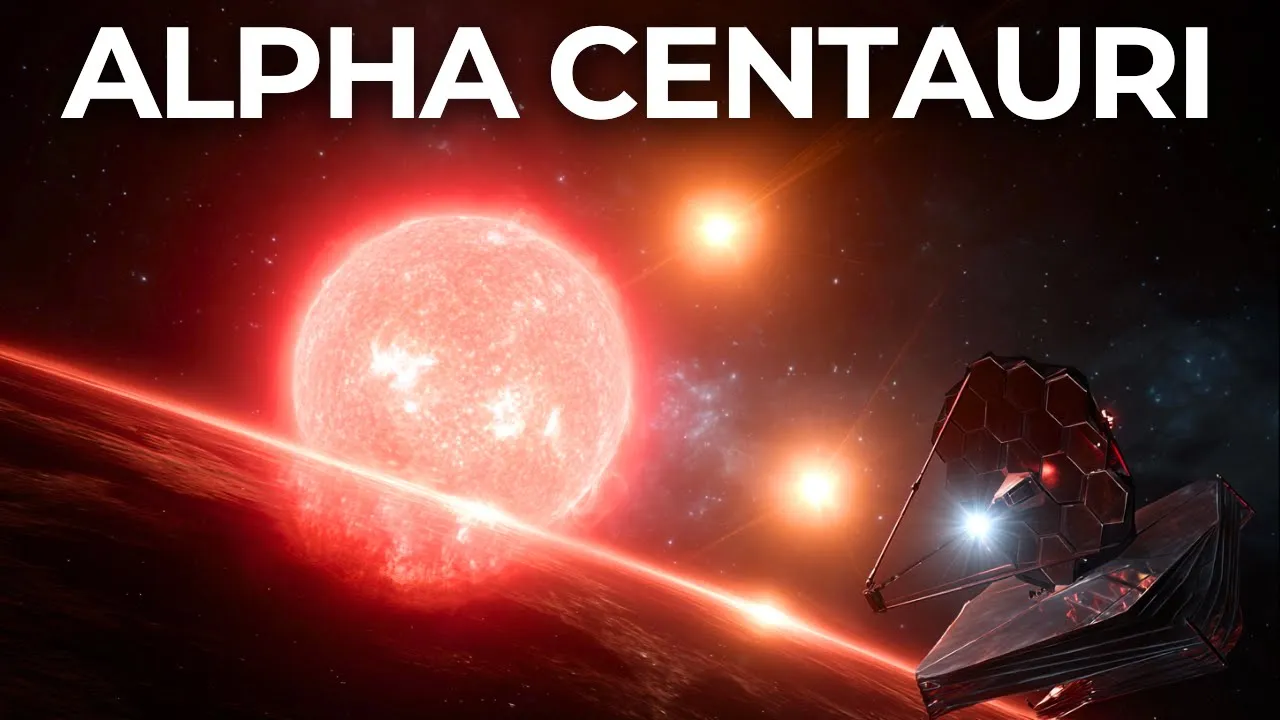






Directly imaging potentially habitable exoplanets around nearby stars requires overcoming two major challenges: achieving a contrast ratio of 10^10 (the brightness difference between a star and its Earth-like planet) and resolving planets at small angular separations from their stars. While large space telescopes costing over $1 billion are typically required for such missions, the Alpha Centauri star system offers a unique opportunity because its habitable zone is located at approximately 1 arcsecond separation from its sun-like stars, which is resolvable by relatively small telescopes (30-45 cm). Using advanced technologies including multi-star wavefront control (which uses a deformable mirror to independently suppress light from both stars in the binary system) and orbital differential imaging (which analyzes tens of thousands of images to extract faint planet signals from noise), a small space telescope can achieve the necessary contrast to directly image any potentially habitable planets that may exist in the Alpha Centauri system, potentially within this decade rather than waiting for the 2030s when larger flagship missions are planned.
Directly Imaging Habitable Planets at Alpha Centauri | SETI Talk
Added:Welcome to the clock. Today we have two speakers from NASA as uh Rouslan Berikov and and Eduardo Bendek. So Rouslan will speak first and Eduardo will follow him and we'll take the questions at the end.
So quickly Rouslan studied at Princeton and then got his PhD at Stanford. He has been as since and he's the head of the as coronagraph experiment and um Eduardo has studied in Chile and then got his PhD from University of Arizona. He specializes in optics and has worked on multiple telescope telescopes including built in Chile and Mnt Arizona. Uh and today they're going to tell us about prospects for imaging a habitable planet around Alpha Centtor. All right. Um so uh thank you for coming to my talk and um I will uh and Edoro tell you about prospects for imaging a habitable planet at Alpha Centtory with a small space telescope. Uh you um I'm sure um most of you are aware of all the wonderful discoveries that have been coming from Kepler and other things about potentially habitable planets. And one of the next steps uh we would like to do is to actually directly image a uh potentially habitable planet which would might look like this uh uh little pale blue dot here. Uh now uh some of you may know of some uh proposed mission concepts designed to do that. And all of them are these large uh1 billion dollar plus telescopes launching um you know no earlier than the 2020 decade and more likely the 2030s. Uh but there is uh one u star system which offers a unique opportunity to u image a potentially habitable planet if one exists around it potentially this decade with its small lowcost telescope. And uh so this is uh the main message that uh um I I I would like to uh convince you of with with my talk here today. And hopefully by by the end of of the talk uh uh you you will see how u this is not only theoretically possible but also practical. Uh so let me move on outline.
Uh my talk uh and Eduardo consists of four main um parts. First I'll cover the history and science of exoplanets. Then I'll talk about why uh Alpha Centtory is so special and unique. Then uh technology and uh mission concept that Eduardo and I proposed uh to to NASA called ASAT which is Alpha Centator exoplanet satellite. So the the uh one of the key uh fundamental questions humanity and particular city is uh interested in is uh is there another earth out there and is there life on it? Uh now uh humanity has been pondering these questions for millennia actually. Is earth unique? Are there other worlds? Is life unique? And and so on. Uh but uh uh we did not actually know that planets existed around other stars until about 1995 which uh was arguably the first extra solar planet that that was found. And incidentally this October there will be a 20th anniversary um of the announcement of of that planet. So uh and it's now uh the scientific community believed uh that there are planets around other stars, but we did not actually have proof of this until just 20 years ago. And it's amazing how far we've come since then.
We had lots of discoveries. And uh the first planets that were found were these big uh hot Jupiters and not habitable planets. Uh, and over the past several years, um, lots of potentially habitable discoveries have have started happening.
And here are, um, here's an example of of, um, some some of them, particularly these two last ones, Kepler 186F. And recently uh Kepler 452b has been making headlines uh of uh uh being uh so far the arguably the the most potentially uh earthlike or earthsized planet found to date. Uh and Kepler has actually found uh a number of potentially habitable planets and planet candidates. In this graph you see uh the green uh swath here is the habitable zone u of for different types of stars sunlike and mdwarfs and Kepler has a large uh well a sizable number of potentially habitable planets orbiting M dwarf and uh by now about 10 or so um candidates that are potentially habitable and there's uh 452b so We are starting to get a lot of potentially habitable planets from uh from Kepler and we're starting to get a handle on how often these planets these kinds of planets occur around stars and uh uh it would be great uh to then go and start imaging uh planets not not necessarily these ones because these are a bit far but uh imaging planets that are close to us and detecting planets that are close to us is one of one of the next uh things that that we'd like to Um since 1995 we've had uh over 5,000 exoplanets and this is candidates and confir confirmed planets that have been discovered. Um and the confirmed planets is close to 2,000 and there's over a thousand planetary systems that they orbit. There are several uh methods that are used for this. uh the so-called there are two so-called wobble methods which is what happens when a star orbits when a planet orbits a star uh that planet induces a wobble in the star that you can measure and the the easiest way to do it is to measure it uh using the Doppler shift of the spectrum of the star uh which is called radial velocity uh Kepler uses something called the transit method where a planet passes in front of the face of the star and you see the brightness of the star dimming and that's how you detect the uh the brightness of the planet. There's also something called gravitational microlensing. Uh and uh recently uh a new planet detection method has been gaining prominence called direct detection which is a fancy way of saying you just take a picture of of a planet. Uh and uh so uh let me um show you uh a visualization of uh some of the planets that have been found and where they are in our galaxy. Uh this is a a utility that you can see uh and use by yourself.
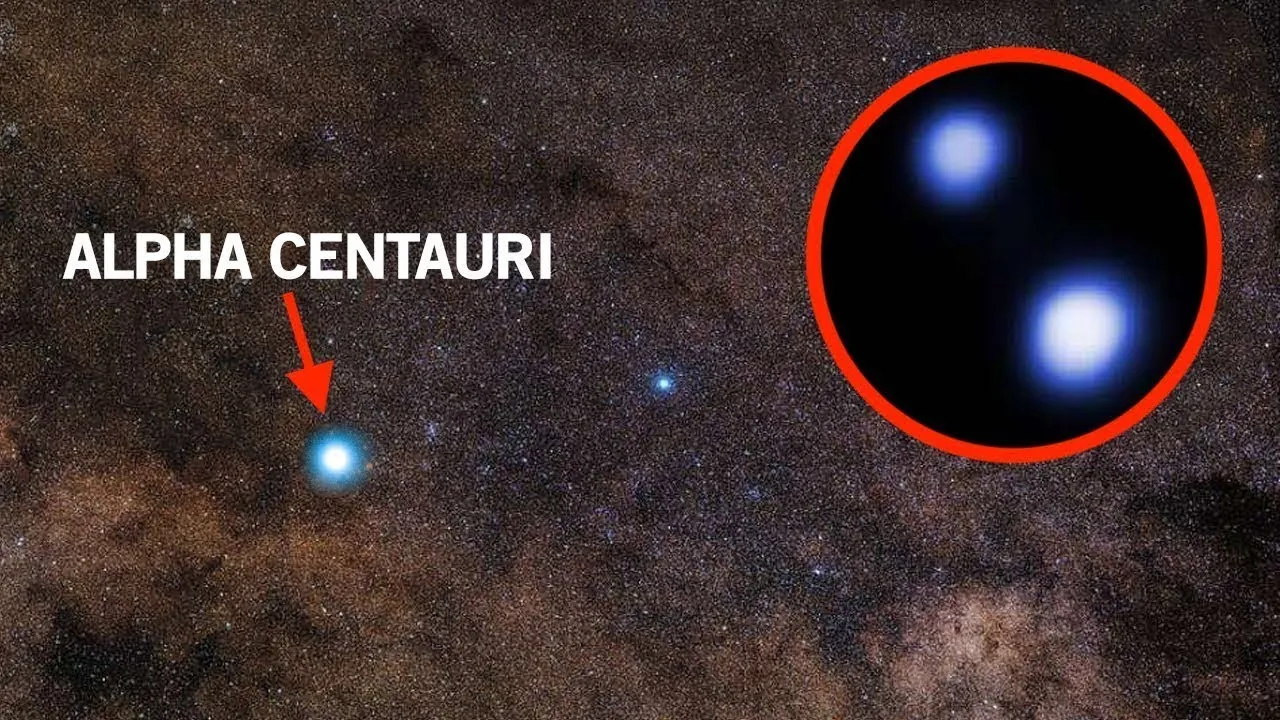
Just it's made by JPL. It's called Eyes for Exoplanets. Let's see if it's displaying well. So, let me just make it full screen. Okay, there we go. So, uh this uh represents our immediate galactic neighborhood. And you can see that uh all the stars that are highlighted here are stars around which we know that there are planets. And if I zoom out here, you can see this is our Milky Way galaxy. Uh let me actually do it like this. And you can see a whole bunch of uh you can see a little bit of a structure here. Uh and these planets here are the planets that Kepler has found. And these planets here are microlensing. They're close to uh they're in the direction of the galactic center. uh and in the immediate vicinity of the sun are mostly radial velocity planets. The Kepler uh planets all of them tend to be kind of far from us. Uh and if we want to see a planet around the nearest stars, arguably direct imaging is uh uh might be the most sensitive way of of doing it. radio velocity can also see planets that are close to us but it's not sensitive to certain types of planets in particular face on planets with face on orbits. Um so and I believe the nearest Kepler planet is something like 100 or so light years away. So here's Kepler 96 for example 434 light years away. Um so if I zoom in at the sun here you can see um a lot of uh planets most of which are um RV planets uh and but there are lots of I don't know if you can see there but there are lots of small stars uh around which we don't know that there are planets or not but given the frequency of planets we're we're sure that planets exist we just have not detected them yet because we can detect them with transits and uh radio velocity sensitive to close-in planets but not uh as much to planets in the habitable zone. Uh and uh uh one uh particularly important star if I can find it here is Alpha Centtory. So let me zoom in on Alpha Centuri. It's 4.3 light years away from us. And it's a very unique star because it's a G it's a sunlike star and it's a binary. So it has a it has two sunlike stars, a GT type and and a K type. Uh we there is a probable planet around it. It's a hot Earth. It's this Alpha Sand BB. You can see it here. Uh it has a 3-day orbit if if it exists. Uh so it's scorching hot.
You don't want to live there. If you look at the habitable zone around Alpha Sen, this here is what the habitable zone looks like. And you can see the uh the little uh Alpha Sen BB planet hugging there. So the question is are there planets in the habitable zone of of this uh alpha centtory system? And if uh there are planets around uh the Alpha Centtory system, they might be the the nearest planets beyond uh our solar system. So New Horizons has just imaged Pluto. We got these uh amazing images of Pluto. So what is the next kind of big object beyond Pluto? It might be a koyper belt object. It might be a free floating planet. But uh quite possibly the next frontier are planets in the alpha centtory system. So it would be great to to to see those things.
And all right. Uh so let me switch gears now and talk about the direct imaging method of uh finding exoplanets as opposed to the indirect methods like the Kepler transit method and radial velocity. So uh the um several direct several planets have already been directly imaged and uh it's not completely clear when the first one was because we don't know whi which objects are uh quite planets or not.
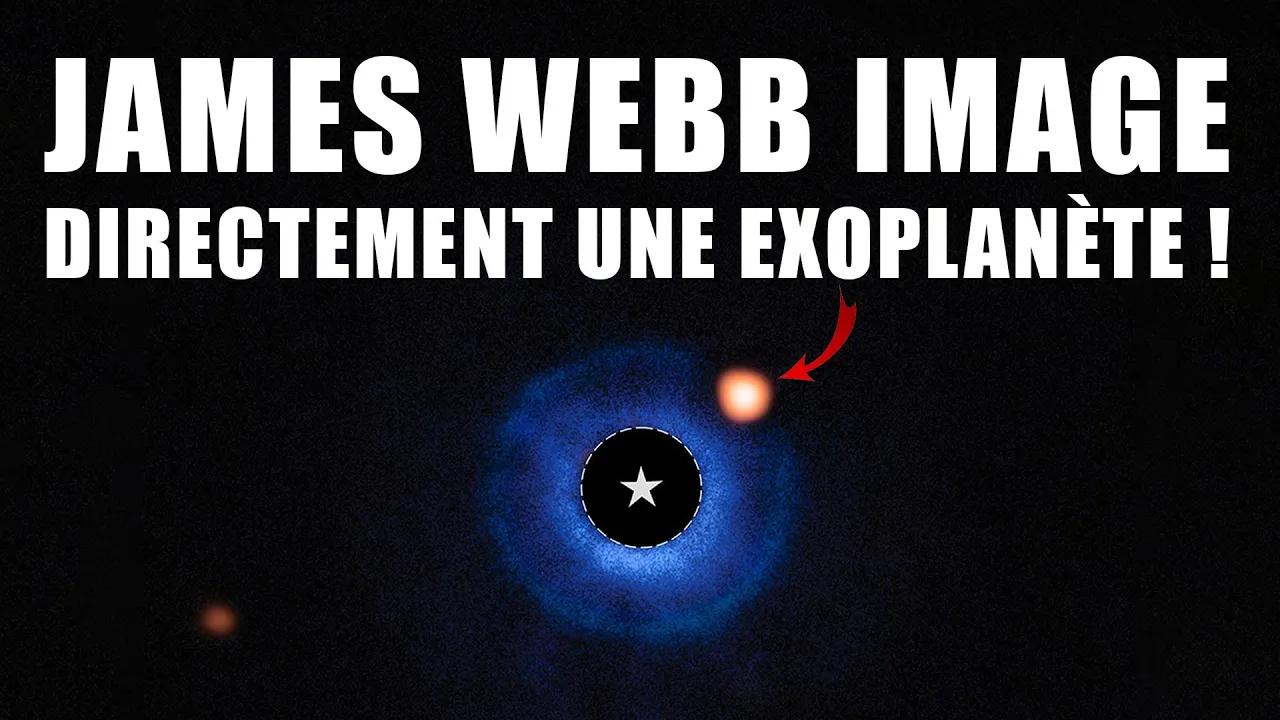
There is some uh objects that have been imaged could be uh not quite planets but failed stars or something like that. Uh but uh one of uh the the most uh kind of widely cited uh uh im uh direct images of uh uh planets is this system around HR8799 in 2008. So you can see that direct images of planets look like these little dots orbiting a star. Here's another one orbiting Beta Pictor and another one orbiting GJ504b.
All of these planets are young planets and they're detectable because they're still hot and uh they they shine in infrared. They're pretty bright in infrared and so we can see them in in infrared light. Uh once they cool down like uh Jupiter in our solar system, they're they become much harder to detect. Also, they're very far from the star. You can see this one is 8 AU from the star. Uh this one is ten of AU and so on. And so we we have just started picking the easiest lowhanging fruit of of uh directly imaged planets, meaning planets that are big, bright in the infrared and far from the star. And the direction where we want to to go now is to now see closer to the star and then see planets not by their infrared light, but by their reflected light. So mature planets once they've uh evolved enough for for life to develop. uh and also smaller planets uh basically earth size and so th this requires uh um a lot more capability that that than what's currently available but um technology has been advancing and uh in the lab already there's arguably capability to do things like this now uh I've shown you what large planets look like around other stars.
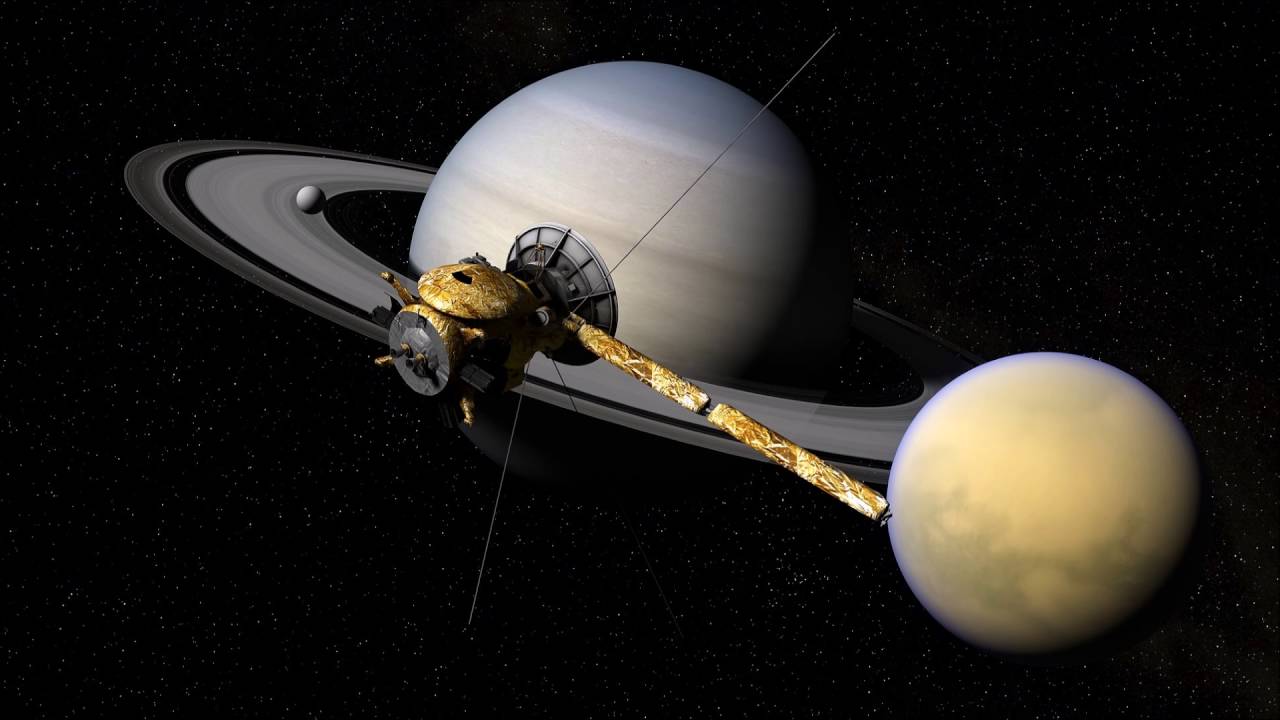
Now what would an earthlike planet look like around another star? Well, let's take a look at what our own Earth looks like uh when viewed from far away. Uh and unfortunately, it looks like this image didn't come across. This was supposed to be a beautiful image taken by the Cassini mission of Saturn. Uh with a little dot, uh it's too bad it didn't come out, but with a little dot, which is our own Earth. And if you zoom in on that Earth, you see something like this. And you can even see the moon orbiting around it there. So uh this is what uh a planet our own earth looks like from far away within our solar system. Uh another image uh was taken by the Voyager spacecraft from really far away 4 billion miles once Voyager was about to exit the the um solar system or close to exiting in 1990. At the request of Carl Sean, it looked back at our solar system and took this mosaic. And you can see if you zoom in at on this frame, a little pale blue dot, which is our Earth here, uh a little uh tiny speck of dust in a in a beam of sunlight as as Carl put it. Uh and this is that image zoomed in.
You can see it looks blue as our Earth should because of really scattering in the sky. That's why the sky is blue. Uh and this is a simulation of what an earthlike planet would look like with a 045 meter telescope which is our ASAT mission around Alpha Centtory A. You can see a Venus like planet there as well and even a Mars there. So it it should look remarkably similar you know if it's if if it's really an Earthlike planet which is a pale blue dot has the same color and has color noise all all around it which we can uh uh reduce to to see the planet.
An important point is that we will not actually be able to resolve the planet to more than just a little blob. Uh the actual size of the planet is going to be about a 100 times smaller than the apparent size on this image. So no continents and and and no resolving features on on the planet for a while.
But it's remarkable how much information we can get from this one unresolved dot.
Uh one thing we can do is we can see what its light curve is. how uh the brightness of the planet changes and if we see a periodic var dal uh variation that would uh indicate how uh long the day is on the planet. We can also uh construct uh models of how the planet would vary and that'll tell us something about the the surface uh u composition and also if we see chaotic variations that would indicate the presence of weather or seasonal variations uh of brightness would indicate presence of seasons. So this is all this information that we can get from from that uh one dot. Um arguably one of the uh most exciting things we can get from from that one dot however is a spectrum. Um here are spectra of our own uh earthlike if you will planets if you consider Venus and Mars earthlike and you can see that on earth you you can see this really scattering which is presence of a relatively uh cloud-free atmosphere uh and strong oxygen features and water features and basically uh biomarkers that indicate the presence of life which are absent from Mars and Venus. Mars and Venus. The dominant feature you see in the spectrum here is carbon dioxide. And if we can take a spectrum like this of an extra solar planet uh and an extra solar earth or potentially habitable planet, we can start uh extracting information about what's in the atmosphere and assess its potential for habitability. And in particular, if we have a strong detection of oxygen in an earthlike planet, it would be difficult to explain it any other way than life. Because on Earth, for example, if life were to disappear, oxygen would also disappear on a million years, which is a blink of an eye in geological time scales. So if we detect oxygen on an extra solar planet uh on on a small uh extra solar planet in a habitable zone, it would be highly suggestive of life.
Now let me switch gears a little bit and talk about the um engineering requirements for what it would take to directly image uh a planet uh and especially what it would take to do it around a binary star like Alpha Centuri.
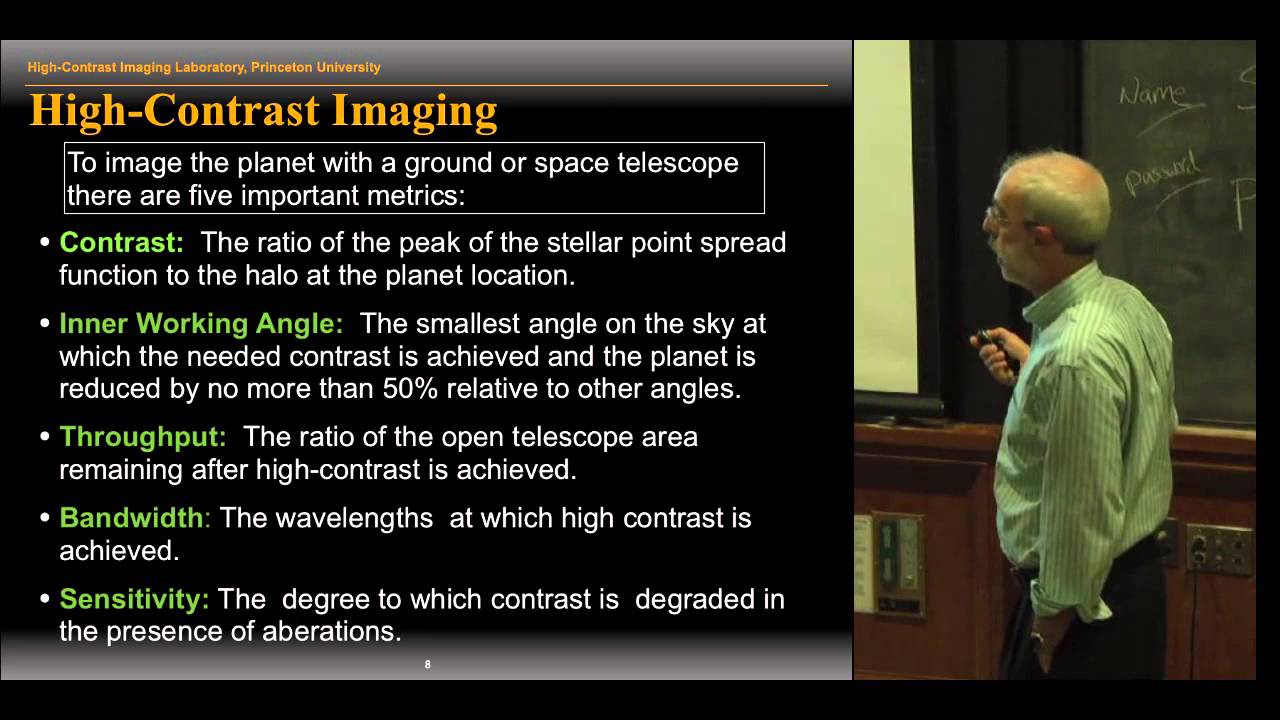
So uh first of all uh just around a single star uh you need contrast which means the brightness difference between the star and the planet uh should be 10 to the 10 for um earthlike planets which means that basically the brightness difference between our sun and our earth is 10 billion. It's a pretty big number.
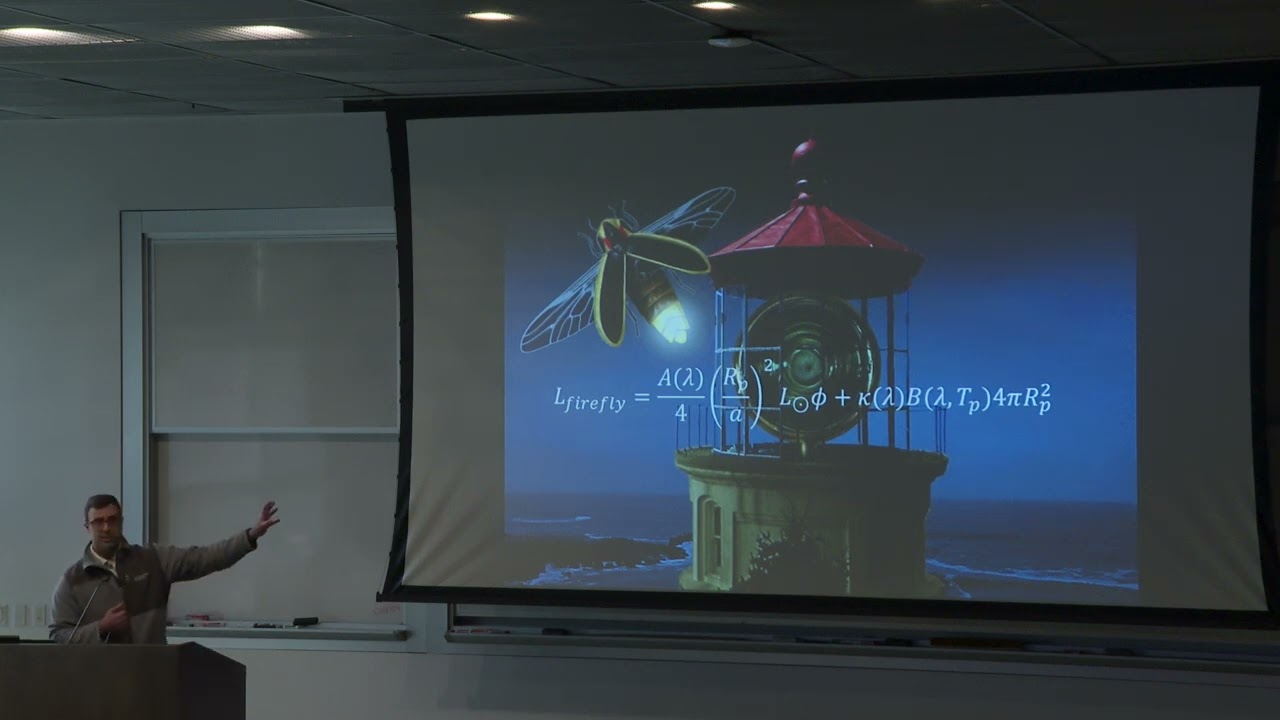
uh and uh also in a working angle the smaller the better of course but typically 1 to three lambda overd is required on on missions and lambda overd refers to the defraction limit of the telescope so there are two main challenges planets are much much dimmer than their star and they're very close to um to the uh star and just to to illustrate this point um imagine a star as a lighthouse and Earthfly planet as a little firefly uh buzzing around the the the search light there. Uh and uh uh try to pick out the firefly from by looking at this lighthouse from uh 10 miles away. And the the uh challenge goes deeper than that because if you look at uh say the Hubble um telescope what what it can do uh this is a Hubble image and if we zoom in on any star and this is true for any telescope not just the Hubble. Uh a um star that it look that a telescope looks at might look like this with you know imaginary orbits of the planets there. But when a telescope images this this star, if we ex take an exposure long enough to see planets, what we would see is that uh we see the star is very bright and it also has lots of defraction rings. Now the planetary system might look like that if we can get rid of the star but as long as the star is there uh what we see is that and there are solutions to uh block the star and the solutions come in two general classes. a an internal chronograph which means you block the star inside the telescope and a star shade which means you fly a big shield in front of the telescope to block the star. I will primarily focus on the coronagraph solution uh in in my talk uh although some of the ideas we have are applicable to to the star shade as well and uh uh there's a uh JPL has developed a movie showing how a coronagraph works and general principles. Uh you can see this movie for yourself on um online and So if you imagine a telescope looking at a star uh and a light beam entering the telescope, this light beam contains the star and the planet. Uh you if you just image it, you see a star with its area rings like this. So first of all, you have to block the star and remove the area rings. You have to remove the known light that's there. Uh when you do that, what's left and and the planet light by the way misses this mask and it goes on there.
Uh when you do that, however, uh if you expose long enough to see the planet, you see imperfections from your telescope optics. And in order to remove these imperfections, they're random. So you have to have an adaptable device, which is a deformable mirror to start removing this light, which you can do.
And once you do that uh you see planets emerging from the stellar glare. So there are two main components. There's a chronograph to remove the known uh defraction that's there. And you need a wafer control system based on a deformable mirror to remove the random errors that are there from random telescope optics and misalignments.
Uh here are some exoplanet missions uh that uh NASA is planning. There are also uh other non-NASA missions that uh the Europeans and and other agencies are planning. And um the direct imaging missions are so JWST the James web telescope will have limited direct imaging capability. We also have W first afta and uh the new world's telescope.
So WF first is a flagship NASA's flagship in the 2020s and New World's telescope is a uh proposed flagship in the 2030s and it has uh different names. uh WF first may uh it's not designed to detect earthlike planets but it may just be able to do it if it's lucky and the new world's telescope is or uh lufoir as it's sometimes called or you guys may have seen uh another study for the so-called high definitionition space telescope that's the one that the community is hoping would really search a lot of stars for uh for uh earthlike planets and this is all supported by NASA's documents so this is definitely something we want to do. Um however there is an opportunity in inside here to um image Alpha Centtory and uh in in if an Earthlike planet exists around Alpha Centtory to get it before uh these telescopes and not without having to wait till the 2030s to do that. Uh so let me now uh switch gears and and focus on on uh Alpha Centator a little bit more. Uh this graph here uh represents a landscape of direct imaging if you will uh and it plots uh planets uh real planets that have been discovered and hypothetical planets on contrast versus separation angle from the star. So uh you can see this here are planets that are one arcsec away from the star, 10 arcsec and.1 arcsec. And this is how dimmer the planets are than uh than their star. And these dots here represent planets that have already been imaged that I've shown a few um slides ago. And the capability that currently exists uh with coronagraphs on on the ground and in space is roughly confined to this region which is uh large uh Jupiterized planets. All of these dots that I've plotted here represent hypothetical um earthlike planets around every nearby star. So if there was an earthlike planet around every nearby star, this is where they would lie. And uh you can see here in this region are um earthlike planets around sunlike stars and in this region are earthlike planets around m dwarfs. Uh and um so uh this blue region represents the capability that uh um the community is developing to image earthlike planets around sunlike stars.
uh but as we go um farther away from from the earth is is equivalent to this direction here um we need larger and larger telescopes.
So you can see that a 1 to 2.4 4 meter telescope such as W first Aftera if it can get to deep enough contrasts is in principle capable of detecting earth's around a dozen or two dozen or so stars including epseri and taetti here uh to get hundreds of stars to search hundreds of stars for earthlike exoplants nearby you really need large 4 meter plus flagship missions there's also an opportunity with groundbased extremely large telescopes to to start imaging planets around dim stars such as M dwarfs. But the habitability of such planets is a bit controversial. Um so but uh the uh the main point I'd like to to uh make about this slide is take a look at where Alpha Centuri is. It's separated from this whole big uh kind of blob of Earthlike planets. And there by by an order of magnitude basically no matter how you look at it. Uh you might think that Alpha Centuri is just a nearest star and it's a tip of the iceberg of uh stars around which we we might search for earthlike planets but that's not actually the case. Epsilon Erdani and Taetti that's the tip of the iceberg.
Alpha Centuri is its own iceberg. It's it's a very unusual outlier. It's a sunlike star or or a pair of sunlike star at least if you if you ignore Proximus. Uh and uh but the most common star type in the galaxy is an M dwarf.
So by all probability M dwarfs should be the closest star to us but it's not.
It's it's it's this one. Uh and uh it uh the the habitable zone around Alpha Centuri is on the order of one arcsec which is huge. It's resolvable by small telescopes that uh you know many of us have in in our backyards and uh a 30 cm telescope can already resolve the habitable zone of of Alpha Centtory pretty well. And so a small telescope 30 to 40 c 45 cm if it can get to 10 to the 10 contrast is capable of directly imaging an earthlike planet around if one exists around Alpha Centtory.
Uh let me uh now uh talk about uh give you a little bit more information about Alpha Centator. As I said uh Alpha Centtory is mainly a binary star system.
It does have a Proxima an M dwarf called Proxima Centtory which is very far away from the binary and may or may not actually be gravitationally bound. But for for our purposes it would be very challenging to detect Earthlike planets around Proxima. So I'll focus on Alpha Centtory A and B which are close to which are roughly sunlike stars. Uh here's an orbit of alpha B as it goes around A. Uh here's where it is right now. The separation between them right now uh is roughly five arcseconds I believe. And now this is uh a zoomed in version of that plot. Here's alpha A, alpha B. You can see alpha B orbiting Alpha Sun A. Uh and in the green here is uh shown the habitable zone around both of the stars. And uh this box here is 04 arcseconds which is an in the inner working angle of our ASET mission which is a 45 cm telescope.
uh and uh the two planet the two stars are sufficiently far away that you should have stable habitable zones around both of them. Uh planets in the habitable zone would orbit each star separately as opposed to orbiting the the pair of them. Uh and by comparison, here's what our uh solar system uh would look like.
Now uh latest estimates of how common uh earthlike planets occur around these stars uh range from uh 10% to as as high as 50% and and maybe the the average is about uh 20%. So the chances that we have an earthlike planet around at least one of these uh if birth is 20%. Then the chances that there would be a plan around at least one of them is about 40%. If Ada subirth is uh 50% which is kind of on the high end of what people have been publishing then the the chances go up to 75%.
which uh so the I think these chances are higher than say Columbus had uh of discovering America uh and uh if if you think about if you're willing to pay $1 billion for a large uh mission to to detect an Earthlike planet or to guarantee uh detecting an Earthlike planet with some high probability, how much would you be willing to pay for a 40% chance uh of of detecting an Earthlike planet? All right. Uh now uh let me talk about why imaging Alphasan with a small telescope used to be a um crazy idea and uh why uh it's I don't think it's it's not anymore. Uh now I've described to you how we might deal with one star but alphasen is a binary star system. So the first question that immediately comes up and I think it's the reason why why people haven't looked into this uh too seriously until now is how do you deal with the other star? how do you block it? Uh we have a new breakthrough technology that we've been developing called multiar wave control to deal with that. The second uh question that always comes up is you still have to solve the 10 to the 10 uh contrast problem which is very challenging on a1 billion dollar mission. How the heck are you going to solve it on a small telescope uh and and and do that? And we have an answer to that as well. Uh and the answer is basically we focus all of our mission time on a single target which means that we do not need to get to the 10 10 to the 10 raw contrast performance. We only need 10 to the 8 and we can get go the rest of the way with post-processing having the benefit of a long mission uh time on a single target. Uh and also a third uh the third kind of uh most common objection that comes up is that there's a common wisdom that astrophysics noise such as confusion with background uh sources and and so on would prevent the detection of a of a planet uh on a small telescope because these problems get much more difficult with a small telescope and uh the the answer to that is that Alpha Centuri is so unusually close that uh all of your common wisdom about such thing goes out the window and you have to reassess everything and it actually turns out that everything is is okay. Um so uh let me uh describe um the some of the technologies that we're doing. Uh multistar waveform control relies on using the deformable mirror to remove u the random errors from the two stars separately. And the key idea here is that it's possible to use the same deformal mirror to block in to independently suppress the uh the light from both stars. If you use separated modes on the DM, so you can you can use independent modes on your deformal mirror for star A and uh for star B. And the picture that uh uh we have is basically this multistar wave from control will get us to 10 to the 8 contrast. And then we can go the rest of the way using uh what we call orbital differential imaging which is a post-processing technique where where you analyze the data. And the key there is we are going to have tens of thousands of images around alpha centator uh and uh on each image the contrast is 10 to the 8. So you can't see the planet but since you have so many images you can uh and you you have uh images covering the entire orbits of of the planets you can then go and extract these planets from uh from your uh e even though they are much much dimmer than than the noise there and we have a simulation showing how that's done. So this is a processed two-year sequence of uh of uh a 45 cm telescope looking at alpha centtory starting with about 10 to the 8 contrast and we can process that to extract planets orbiting around the star and you can see some frames there. There you can see an earthlike planet, a Venus-like planet and a Mars-like planet. And you can further boost their signal to noise if you actually co-ad uh the images along the orbit extracting all of these planets from within uh noise that's 100 times higher. So this is how we we solve the 10 to the 10 uh contrast problem. Uh there there also um uh this this chart shows that confusion with background sources is also not an issue. Uh this is simulation of a habitable zone around Alpha Centuri and stars that might cause confusion. And the key here is uh first of all uh the probability of confusion in any given image is about 3% as it turns out. And also the proper motion of Alpha Centator is huge. It's uh it's four arcseconds per year, not mill arcsec, four arcseconds. So uh you everything will just zoom by and you you you won't be able to to see any um uh any any potentially confusing star would just zoom by and you can rule rule that out because of that. Uh okay so let me uh switch gears a little bit and talk about the technology and the hardware that that uh we're developing. Uh this is uh the as chronograph experiment research group and u can see Eduardo is is there by the way uh this is a little bit outdated. We have had some uh turnover uh as as usual with with groups and I'm going to zoom by in interest of time uh through these slides a little bit faster but uh we've this is what our hardware looks like and we're testing all of these concepts. Uh the uh coron particular chronograph that we're using is the so-called phase induced amplitude opization chronograph which is a high performance coronagraph uh and another thing that enables a small telescope to to image uh planets uh around Alpha Centtory. Um and uh so let me jump straight straight to um uh to Eduardo as part of the talk. Uh but before I do that um you're welcome to uh go to this uh uh link here which is a virtual video uh tour of of our lab if if you're interested. Um so at this point let me hand it over to Eduardo to talk about a mission uh proposal that we submitted in December uh called ASET Alpha Centuri exoplanet satellite and Eduardo has been instrumental in in getting this done and is the deputy principal investigator for for this good afternoon.
So uh I'm going to explain a little bit the the mission that we submitted to accomplish the goal that uh Russ described. But before into going into the detail, I would like to um tell you what is the inspiration and the rational behind this. NASA is trying to pursue this um goal of exoplanet. If you see on the road map and on the all the strategic plan of NASA, you see that one of the main goals if uh to determine if we are alone or not. That uh main strategic goal has pushed NASA to present several concepts which are XOC that will be first and a long sequence of missions and we believe that those concepts are very good but they are a little bit far ahead on the technology.
So we see an opportunity for NASA as in particularly to take all the heritage and the success of Kepler and take that and continue the path toward direct imaging with more modest smaller missions that are lower cost and rapid development that can focused on particularly Alpha Centuri because it's the only system that we can look at with a small telescope. Now um we started with a a smaller concept and during the development of the proposal we start to face risks and the mission start to grow and grow to mitigate risk because at the end of the day is it's always a trade-off of uh uncertainty versus money and um we end up submitting um this um mission for a xmex goal and um we finally decide on a 45 cm telescope opy instead of 30 cm telescope just to have more margin on resolution and signal to noise and also instead of going to low low earth orbit or geo orbit geostationary orbit uh we selected um earth trailing orbit like Kepler so in some uh in many aspects of the mission we're mimicking what um Kepler is doing it's a similar orbit similar communication scheme and uh that help us to leverage leverage uh all the experience that Kepler uh and reliability that Kepler um has brought to the community. Also, we we innovate a lot on the kind of telescope. It's um I'm going to show that in detail later, but that's kind of the the spirit behind all these uh proposal. Uh our partners are of course NASA uh Laurel Space System that is across the street here.
Laurel manufactured the biggest uh telecom satellites in the world and um they regularly launch uh these telecom satellites and our they're going to provides the the spacecraft and also the launch because we're going to go on top of them on one of their payload and North Kumman is the contractor for the structure of the telescope and Loit Martin will provide testing facilities.
Over there is the team uh um engineering and science team. uh there are a lot more people that is not listed there but those are the people that help the most.
Here there are the instrument building blocks that Russ already mentioned a little bit but uh from a from an engineering perspective um there is a key element which is a telescope that is completely specialized for this task. So one of the reasons that other missions cannot do this because they try to do too much which is what you need to justify the science and the cost. However, our um focus is totally specialized. So we build a telescope absolutely around this target and everything on the telescope is sought to be able to achieve this science. Um so the interesting part is that this telescope is already a chronograph. So on a normal telescope you have the primary, the secondary, the tertiary and then you go into the instrument. Here since we're not going to do any other science, we just built part of the coronagraph these very special mirrors that Ras was mentioned on the optical train of the of the primary and the secondary. The reasons to do that is you uh increase the throughput. So on every reflection you have a problem of losing photons but also inducing aberrations and we're very sensitive to aberrations because those create little speckles that looks like planet. So you want to get rid of those uh and the best way to do that is minimizing the number of optical surfaces also to have a very high stability. So the whole telescope is uh made out of silicon carbide the optics and the structure. Silicon carbide is a new high technology ceramic that has a low coefficient of expansion is very stiff has uh several advantages. So we conceived the instrument just the optics that will get us to 10 to a minus 5 contrast. This I'm taking the same uh uh plot of contrast that Russ showed before. So if you just point the telescope to a star you're going to have a a contrast of 10 to a minus 5. Then we take the deformal mirror and the multistar wave control. We run the algorithm and this deformal mirror will take care of the tiny small imperfections that will remain on the optics and also caused uh by launch vibration and by thermal changes and will remove those little speckles that are shown there and create a dark zone.
But to get to a 10 to a 10 contrast that is what we need for alpha centtory still is very challenging. Uh so we believe our best current best estimate is that we can be a little bit better. is 10 to a minus 9 contrast but just for the sake of margin our our official performance is 10 to 10 to the 8 and then it comes orbital differential imaging which is uh what Russ described of using 20,000 images to recover uh this planet signal from the data and that buy us the last little bit of um of contrast that we need to detect the planet. Now, it's interesting to to um to basically insist on the fact that on any single image, we're not going to see a planet. And that's tricky because to some extent um it is uh a little bit discouraging.
However, when you put all the data together, the speckles are going to be random are going to have a random motion and the planets are going to have a capillarian motion. So that allows you to recover whether is a planet and what is a speckle. And this concept is fairly new. So we we are trying to do several things to make this more robust. And actually we have been recently talking about trying to do this from the ground and there are different uh approaches just to demonstrate that the concept works. Now, uh is it h it's very weak, but here uh here's a plot that Russ showed before the with the with the spectral characteristic of different planets and that drives the way that our instrument work. So, we're going to have five bands. So, the instrument will be able to separate the light in five colors and those bands are going to be imaged in parallel in the CCD. So on the detector we're going to see all the images at the same time. Yeah. Uh and which is very good because allow us to be more efficient. Uh now it's interesting that this deformal mirror that can kill these little speckles. It can work well only for one color at a time. So what's going to happen is that on all those little squares which is a one of um so each of those square is a monochromatic image of the planet or and the star and the dark zone. However, we cannot optimize all of them as the same time. So we're going to do one then the other then the other and cycle around.
In the meantime, all the other bands are going to still be visible but not with the same high contrast. Still we can rec we think that we can recover some more information from the other colors. Um here there is a visualization of the conceptual design of the telescope. You can see here on the right is a top and bottom view of the silicon carbide structure that will host the optics. Uh on the back there is a primary uh mirror. Everything is made out of the same material and the connections are made in such a way to minimize any any um misalignment and the secondary. So the primary send the light into a secondary that is here and the secondary is the first PI element one of these special mirrors and also this mirror has a particularly uh mount that will allow to compensate vibrations of the telescope because the vi the telescope has reaction wheels that vibrate and we cannot h tolerate vibrations because the problem is you have this very bright star that Russ was describing and you have a a planet very close to it. So what you do is you put a mask that reject the light of the star. However, if the telescope is vibrating, all of the sun part of the light of the star will go around and will blow the CCD and then you're going to lose all the data.
So it's very important that we can control vibrations. So there will be this tiny mirror that will take care of putting the keeping the light on the mask and avoiding bleeding into the camera.
Uh so the the concept this um preliminary concept is not very detailed but that's um what on there has been mechanical and thermal analysis on this and to first order it works and this is the mission concept. So we we're going to launch with the rocket that's taking um telecom satellite once we are in in geot transfer orbit. We're going to separate and we have our own propulsion to go and to go to a earth trailing orbit. Earth trailing orbit is that we are not orbiting anymore the earth. We are starting to orbit the sun. And by doing that we gain a lot of stability and we can be on a very uh beneficial environment or an environment that won't cause unstabilities that will perturb our measurements.
Uh now another interesting fact here is that to make orbital differential imaging work every perturvation on the satellite need to happen on a time scale that is different than the time that the planet takes from one pixel to the other. So when you have the star, the planet is orbiting the star and um if you divide the image on the resolution that we're going to have, it will take like a month for the planet to move from one resolution element to the next. Now imagine that you perturve the telescope with a frequency of one month. You're going to exactly match more or less the transition of a planet to the next resolution element. And that will destroy the way that orbital differential imaging works because between one differential uh resolution element and the next there is some noise. Now it turns out that if you just pick a normal spacecraft and you put reaction wheels due to solar pressure they will accumulate inertia and they will start to accelerate and there is a moment in which you have to stop and desaturate the wheels. That means to slow them down and fire thrusters to go back to zero again.
Now we started with normal reaction wheels and uh using those we couldn't go past the month deadline. So we have to put larger reaction wheels and we have to take care of uh a lot of tiny details and also symmetry of the spacecraft to reduce solar wind and solar torque in order to be able to desaturate every three months. So what we do is we have a period of operation of one quarter and every quarter we just observe at alpha centtory. We don't move. We don't desaturate. We don't send data with the high gain antenna. We don't do anything beside observing alpha. And after 3 months, we desaturate the reaction wheels. We point the high gain antenna.
We download the data and then we go back and we start over. So this concept of operation is very interesting. It took us a while to kind of figure out a way that will be credible to do this. But I think that we came there's a lot more detail that I'm not going into. But um I think that what what we have now is pretty solid.
Um now also as part of this uh effort to uh mitigate risk and to advance technology um I'm proposing this mission concept that is called centur uh and of course because we want to observe alpha centuri but this is mostly a scientific and technology path but finder it's not really meant to see the planet to see alpha centtory but the idea of this mission is to take the whole concept and package it on a on a smaller satellite with a slow with a much less cost and rapid development and test the whole system and get to a level of precision that will allow us to retire some astrophysical risk like uh assessing what is the level of exos exod is the amount of dust on the system.
Each planetary system has some dust on it. If there is too much dust uh for us the threshold is about 30 sodi so 30 times more more dust than in our system it gets very difficult to see the planet because it's like there is fog imagine when there is fog around you don't see very well or when you're in a dirt road and a car goes by and leave dust you cannot see very well so if there's a lot of dust you need a bigger telescope to recover the signal of the planet um so centur is meant to do technology development and also to retire some some of those risk and pave the way for a larger mission. This also useful for any other mission uh that NASA has. If you look at technology development plant of NASA for exoplanet detection, this mission will test all like 90% of those technologies that are necessary. So that's the reason that also I'm pushing for this. Um and then um we have uh the conclusions um that we believe that uh imaging an earthlike planet is uh feasible and it's very challenging.
We're really pushing the technology but it is within reach and I think that is is very cool to to try to do that. Um a small telescope 30 or 45 cm telescope will do it. In the case of centur it's only 15 cm because we want to do it affordable. So instead of 100 or 200 million centuries costed at 10 and um we have new enabling technologies that change the game and allows to do this that was not possible five years ago. Um and the other thing it's very important is the fact that thanks to Kepler we know that the probability of finding a planet around alpha cent is fairly big or large. Therefore, we we can propose a reasonable science case to say, look, there is a reasonable likelihood that around Alpha Centtory there is a planet. So, let's go and look for it. And this is important because so far there are four space missions looking at transit. So, there is Kepler, then there is TES, there will be Chaops and Plato. So, two American and two European missions. So four missions doing science that each one has a different niche but somehow is similar and Kepler is the precursor and is the one that brought the most results but all the other missions what they're doing is they're surveying populations and the ultimate goals of those missions is say look this is the probability that there is a planet like the earth around any star that you be on the sky. So from our point of view uh now there is a moment in which there is value on going after a particular target and not doing any more survey. I'm not saying that the other missions are not volatable but I think that it's good to kind of keep a balance between the the that that approach and that's part of our value proposition is to to take that information and make it into something that we can go dig in and observe. Even the null result which is if we don't find any planet has value because we'll know that there is no planet there and there is no reason for other missions to look at that target also it will inform about the precision of the statistics and will help. So thank you very much.
That's uh all what we have to say.
Um we'll have both speakers come over here and as Adrien has instructed me I have to ask the first question. So uh remember in October 2012 our research group had a big press release and then the same day somebody said oh drop that they found a planet in office in Tori. So that's going to be the the news of the day. And since then that planet has faded a bit. Uh some people are not so sure that it exists.
Does the existence of dead planet influence your design strategy? Anything about your plans? Uh I think that we can both answer this from different perspective. I used to work at at ISO and I used to work at ISO and at this observatory lasa where harps detected this planet and they took data for almost like three years. I don't remember exactly and I'm not a specialist on um radial velocity.
However, I I think that they were pushing the technology to the limit. The sensitivity of that instrument is 50 cm per second and the signal that they were trying to get was 50 cm per second. So when you're working at that level, you're really pushing the limit and your certainty about a discovery or not is marginal. So it really depend at the end on the on the assumptions that you make and the quality of the data whether the discovery is true or not. So that's from the technical point of view and um imagine 50 cm per second means that you are able to see a whole star moving much slower than a the speed that a person walks. So 50 cm per second is like very slow pace work. So being able to detect if the star is moving slower than a person is pretty challenging. Um no it's true. I mean when you put the now to detect a planet like the earth around alpha centuri with radial velocity means that you have to measure the velocity of the star with 10 cm per second. So at 10 cm per second it will take I don't know hours to get to the door and you need to it's true. So, so you need to be able to see the star while moving at that speed while you have giant solar flares and the star doing crazy astrophysical phenomena, magnetic fields and you need to be able to see that tiny movement. So this is very challenging and answering your question uh I went a little bit on a branch now really answering if that helps to assess if there is a planet alpha centtory I think that is yes but I am not an specialist on planetary formation and I think Russ has a better take on that so you know you got it exactly right with the RV estimates but uh uh does the planet does the probable planet around Alpha Centuri influence our mission design? uh I I would say uh to to some degree, but the more important point is that it uh increases the case for for this mission because it decreases the chances of a null result for a few reasons. One is that if this planet is real, we know that a planetary system has formed around Alpha Centtory.
So there's some you know controversy can planets form around binary systems, but if this planet is real, we know that a planetary system has formed. And second, we know that there isn't a hot Jupiter around Alpha Centtory, actually around both stars. And if if there's a hot Jupiter around uh a star, uh then uh the the way that it got there is it migrated inward and could have swept in any potentially habitable planets. We know that that has not happened around Alpha Centuri. So the conditional probability that an earthlike planet exists around Alpha Centtory given that there isn't a hot Jupiter is higher than just around any random star.
Okay, we'll go starting with set and then go this way. Uh just a comment at 10 cm a second it will take two minutes to get to the door.
It's great faster than you guys expected. Can can I just ask you you know some of the most interesting things here are the dal variations where you started off for us uh and and how you going to do that if you have to average tens of thousands of images to even see the thing should uh yes so basically the the way to we we would do that is uh uh we can uh we would not be able to see at least with this mission a single dal variation but if we have a year's worth of uh of images, we can then construct like a 48 you know transform of of the images and then uh even though one day worth of images isn't enough to see or a few days isn't enough to see it once you uh have two years worth then you can average things in a 4 year transform type of way to see these signals.
Uh yes. Uh well uh it they would be marginal for you know for for this mission but still detectable uh and uh the point that I was making uh is not not just in the context of this small mission but just direct imaging in general this is what it can do. This mission in particular can still do that uh if you have two years worth of images. Now I would like to add something there is I think on on our sense traceability matrix we're not and our science goals we're not offering to detect dal variation due to clouds or continents or rotation period uh because it's really too challenging. I think that we need to be realistic on what the capabilities are and I think that just being able to see a planet with five colors it's already a huge achievement and get the picture and the orbit is so I I think that sometimes could be detrimental to try to do more science that what we really think that we can achieve.
Nevertheless, I think that there's still some hope of detecting glint. So if you have ocean glints it's it's very and this is sometimes is very controversial uh but what it can happen that despite that our contrast is not enough to see the planet on a single image if all of a sudden you have a phenomena that increases the brightness of the planet like a glint or let's say a volcano eruption or whatever then we will be able to recover the planet from particular images so I think that in that sense there is still some hope for to see a special phenomenon.
Hi, I have an engineering question. Uh given what happened with the reaction wheels and Kepler and Dawn, I'm a little concerned about reaction wheels in general and I was wondering if you had any redundancy built in or other things to prevent the kind of failures that we saw in those missions. Yeah, absolutely.
For us, uh that is critical. And we are adding two more reaction wheels. So, instead of four, we're going with six for redundancy. Another from a different manufacturer.
Another thing with the reaction wheel is that since they are oversized because we don't want to uh desaturate them often that also make the reaction wheel more working most of the time at a lower speed making it the the relability uh easier. So I think that if you compare side to side what happened with Clearler and what we have with us we have a several advantages which is or not advantage but we learned the lesson is that we have a two more reaction wheels we have a bigger reaction wheels that make them work u easier and also we are we have a shorter mission. Kepler was four uh or the the reaction will fail after four years. Three. Yeah. Yeah.
Yeah, we our mission is going to be two years. So that makes everything easier for us. Okay, so I have two questions.
One is what happens if you extend the mission beyond two years? How much sensitivity do you gain?
So I think that what you gain is mostly completeness. So with two years, we're aiming to 96% completeness. So that means that we don't miss the planet because we don't didn't cover the whole orbit. I think if we extend the mission probably we're going to try to reach out to other targets and constrain what is on Sirius or Proion and that's kind of a we in principle we have fuel and expendables for three years. Uh however the science to be done in that extra years I wouldn't venture to uh to say exactly what we're going to do. I don't know if you Yeah, we we get really marginal returns if we observe for more than two years assuming everything works as planned. Uh the one one year gives us a little bit of a margin if if we you know if things don't don't work as planned to get more images but uh what the the the plan is to uh have an extended mission to look at other stars as Eduardo uh mentioned around those other stars we wouldn't be able to see earthlike planets. Alpha Centator is the only one that's possible to do with the telescope this size, but we still we can still do uh lots of non-p potentially habitable planet science during an extended mission around other stars. And my other question is what is it that's keeping you from optimizing the five color bands simultaneously?
Is that um so because of defraction, the way that light works, uh the speckles uh they have chromaticity. So each each speckle has um color and when you observe it in all the bands at the same time they cannot get elongated. So you cannot use one deformable mirror to correct them in all the colors in what is called broadband. So we're aiming to do this in 10% band. That means that we're not absolutely monochromatic like a laser. We're taking a little bit of uh broadband light uh so for example from brown to dark red to put it on a on simple terms but um if you keep extending that what happen is that the these speckles get distorted and stretch because of wavelength so that constrain the limit uh now remove that no but however if the deformal mirror and our technique can get improved beyond what we can do Now there's something very nice that at the end you're going to have two bands that are going to deliver the desired construct instead of one at the same time. So for example band one and two will be at the level of contrast that we need and we're going to lose the other three. Even if we keep improving maybe even in the best case we'll be able to image the five of them at the same time boosting tremendously the science and the confidence but it can only get better.
that kind of uh the approach of breaking the bands in 10%. Um KRS Morti uh there are two aspects I want to cover. Um one of them is the dust that you were talking about. Are you using any um dust phobic um nano uh material coating or electric electrostatic pulsing to be able to get rid of at some intervals and so on. Once you detect the dust dust are there. So the dust is dust on the planetary system that we're okay. So it's not going to contaminate our optics. Now there there is some precaution about the your propulsion that when you fire the thrusters when you're in vacuum and if you don't manage the temperature properly you can have self coating of your own trusting propulsion on the mirror. So we have some uh precautions to avoid that. When you're using five spectral uh portions of it, it may be a better idea to overlap a little bit between one and the other and the other where you get gain a lot of resolution by doing the overlap.
We can discuss offline. Yeah, that's uh uh we have to look in detail into that.
But thank you for the comment. Could you say a little bit more about how a deformable mirror is used to suppress the second star? Yeah. Um and I think that here we have a complimentary complimentary visions but um imagine that you have a surface and let's put a very simple example which is trying to make a an image a perfect image from cumated light. That means the sun that is uh uh irradiating the earth by the distance from the sun to the earth. The light is coming completely flat. It's a flat waveform. So it's coverated light. And then the surface that you need to make a point source to match the sun perfectly.
It will be a parabola. Now imagine that we replace the sun for any kind of star on the sky alpha centtory by itself. So you want to get an image of a perfect star. Now for that you need this parabola pointing at the star and that will work perfectly. Now imagine that you put a tiny little bump on the parabola. What happen is that the if you have the parabola like this and all of a sudden there is a bump that's going to send light like this. Now if the bump it's irregular, it's going to send a little bit of scatter light here and there creating these speckles because not all the light is going to fall where the star should form in the image plane.
Now what happened is you say okay but you can make a good mirror and I say yeah we can make a good mirror. The problem is when you want to achieve 10 billion time contrast, these little rays or any little bump will send away a lot of light that will create the speckles.
So the problem is so difficult to keep the surfaces the optical surfaces to the to the level of accuracy that we need that the formal mirror is the only way to compensate for all the accumulated aberrations on all the mirrors because it's not only one mirrors, there are several of them. So the formal mirror can move and adjust to resend those rays that are going on the wrong direction and to put them where they are supposed to go. So that's approach. I don't know if Russ has something to sure. Well, so but was your question specifically about how we use it for the second star or just in general? I didn't understand how it was related to getting rid of the second star. Okay. So uh the way it's related is is is this the main challenge uh of the second star is is not to really block the you know the the the the known star light that that's coming from it. It's it's to to block the random uh you know speckles due to random uh optical imperfections of the telescope because the star the second star is actually sufficiently far away that if you have um a um a really good telescope you know even if you block it with a coronagraph even if you block the second star with a chronograph you will still have light from random telescope imperfections. Uh so blocking it with a chronograph is not sufficient. you need to use uh a mirror that can adapt to random uh variations in the telescope. Uh and as long as you have a deformable mirror that can adapt to to random imperfections of of the telescope, uh it turns out that it's already sufficient to remove the known defraction of the second star. uh thereby obviating the need for a coronagraph to a large degree to block the second star because it's it's sufficiently far away.
So so at the end is the same uh that I was on the example that I mentioned before. If you have a star that star send and there is a bump that bump will send rays where you don't want them to land. If you have another star, that other star hit the bump and it's going to send another set of rays in the wrong location. So you need to be able to control all those rays from one star and from the other star caused by that little bump, but the source of the error is the same is those little bumps of the mirrors. Last question. Uh yes, uh data storage on the uh on the 45 cm earth trailing option and which you download only every three months. It it sounds like if you're really interested in the possibility of dural and other variations, you're going to have to store up all your frames and download all the frames, which sounds like quite a bit of of storage. And and sort of related to that is how confident will you be that you're not getting false positives on on the star on the planet itself on the dal variation and so on.
Right? So I'll answer the storage and maybe you can answer the other part. Uh this was a topic of long discussion because at the end the the frames are very small are 100 by 100 pixels only.
So each frame is 20 kilobyte. Now the problem is we're taking every uh one frame every 20 minutes and we are doing a cosmic ray rejection. So we are actually taking 10 second exposure to avoid co cosmic rays and on board we are deleting part of the frames and not deleting but compressing them. Now uh at the end we need a huge storage. You're right and we are downloading only part of the data. So on the baseline mission we are not planning to download everything. We're just going to download the frames that are going to be sharp let's say that are being corrected. that reduces the data volume by a factor of five. However, you want to keep everything because let's say that later somebody comes with a clever algorithm to recover data from the blur image. You want to be able to say, "Okay, we're going to spend a month of the mission putting the high gain antenna and download everything because we figure out a way to recover the data." So, actually, we had to reach out to the largest hard drive available for space qualification to be able to store the data. And uh to some point we won't be able to like after a year and a half we'll have to start to override but our our hope is that if by a year and a half we haven't figured out a way to use the data it's okay to delete part of it. So which is uh maybe by the time that we fly there will be a larger hard drive space qualifying we'll be able to implement. So I think that the second part of the question Paul uh which is a great question by the way is how do we um avoid confusion with other you know false positives basically um and uh uh one thing that really helps for and that's um more or less a kind of unique feature of this mission is that uh our uh post-processing pipeline is only sensitive to things that appear to move on caparian orbits around the star. So if we see something that does not move in a caparian orbit even though it looks like a pale blue dot uh or or masquerades as a planet uh the pipeline will will reject it. Uh this is exactly how we are able to achieve the post-processing uh deep contrast improvement factor that that we can. So uh another uh way that we can uh eliminate false positives is uh by uh by looking at colors and this is specifically to differentiate uh exoscal dust around the star which is likely to be gray in color but uh planets uh I mean they can be gray but uh we expect a diversity of colors in planets. If we see a colored dot, it's very unlikely to be uh exosoded false positive.
Thank you. I thank the speakers again.
Up Next
Sounds of the Stars: Imaging Star Guts with Cosmic Music
@CaltechAstro
3.8K views•2019-11-03
First Billion Years of the Universe with the Square Kilometre Array
@iaaudc
121 views•2022-05-26
Saturn's Rings: An Astrophysical Disk | SETI Talk
@SETIInstitute
4.8K views•2015-04-03
Gamma-Ray Bursts: Cosmic Snipers Explained | Astronomy
@kurzgesagt
15M views•2016-07-31
Related Study Plans & Knowledge Roadmaps
Structured learning paths in Astronomy