





![[2017 수능개념 지구과학II ] 31강 별의 분류(H-R)와 진화 ( 송원희 )](https://i.ytimg.com/vi/wdAYj8cdDgE/maxresdefault.jpg)






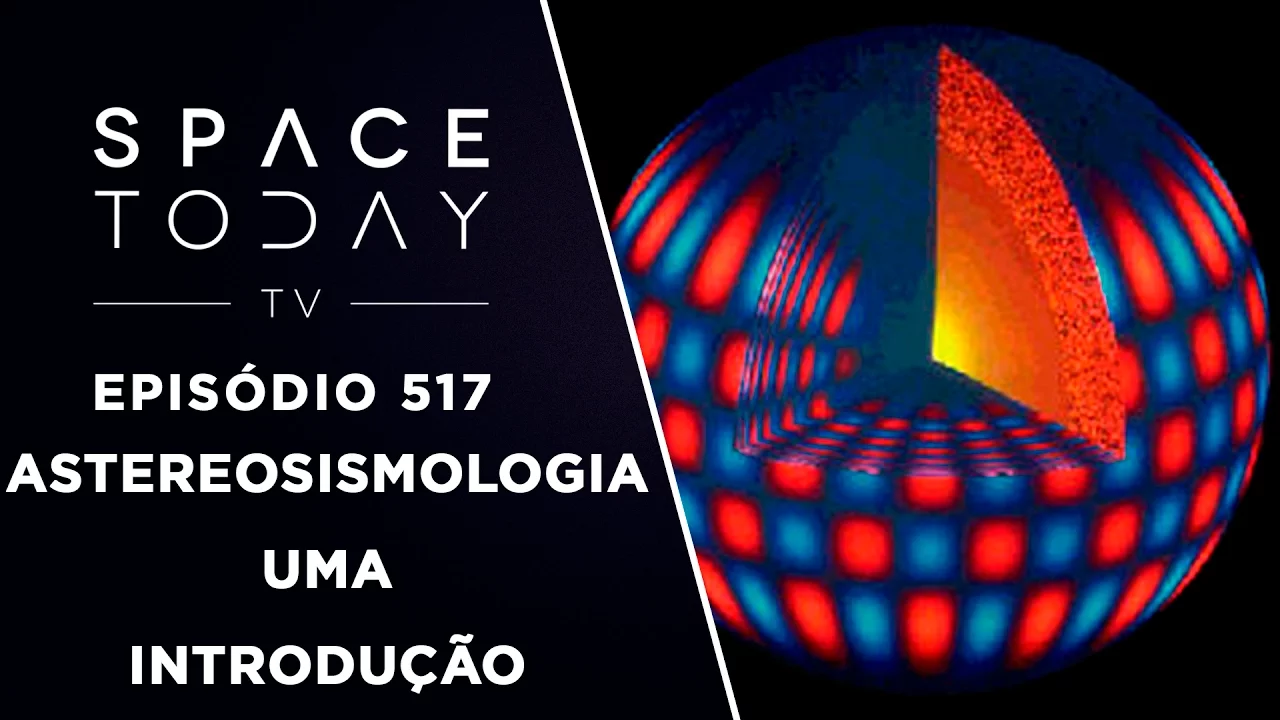
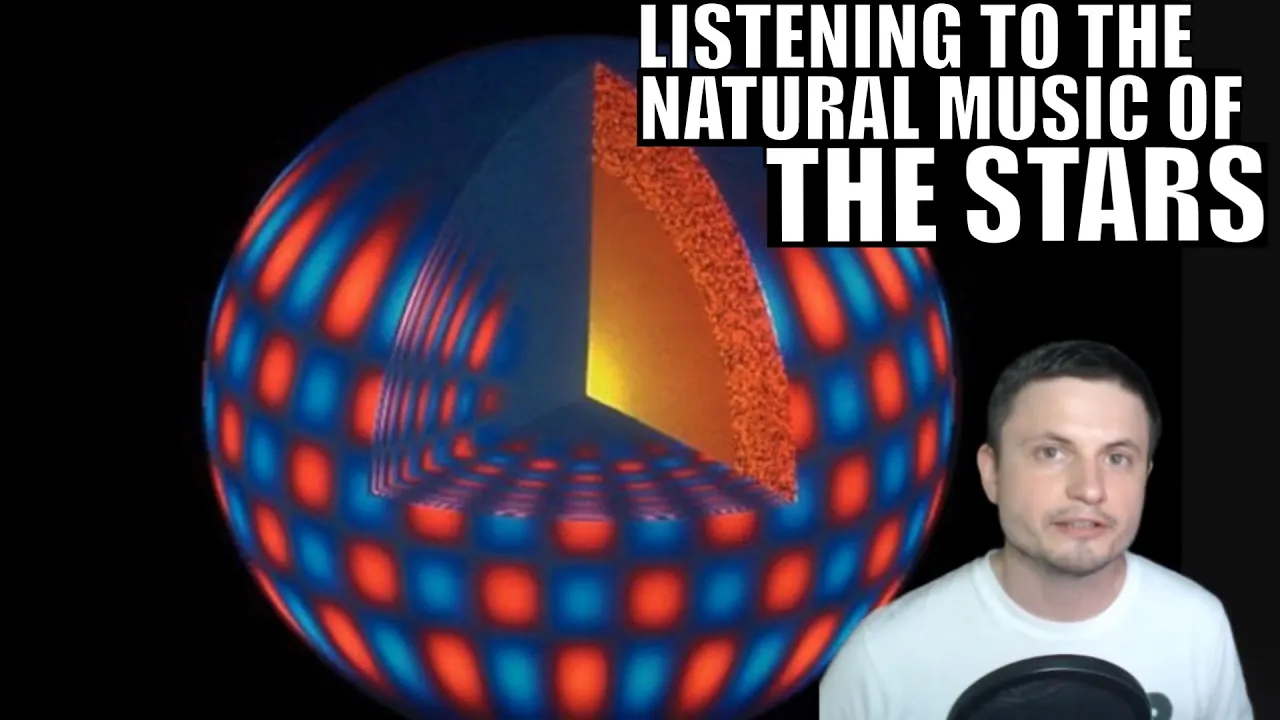











Asteroseismology is the science of studying stellar interiors by analyzing the pulsations (oscillations) on a star's surface, which are essentially sound waves traveling through the star. By measuring how brightness changes over time and converting these light curves into audible sounds, astronomers can determine a star's size, structure, and internal composition. The frequency of stellar pulsations is inversely related to a star's size—smaller stars vibrate faster and produce higher-pitched sounds, while larger stars vibrate slower and produce lower-pitched sounds. This technique allows astronomers to probe the deep interior of stars, including their cores, without ever seeing inside them directly.
Sounds of the Stars: Imaging Star Guts with Cosmic Music
Added:Basic wave mechanics, including acoustic waves, frequency, resonance, and how waves propagate through mediums of varying density.
The fundamental structural layers of stars (such as the core, radiative zone, and convective zone) and how they change during stellar evolution.
The principles of the Doppler effect and spectroscopy, which are essential for observing the subtle surface movements of distant stars.
An introduction to helioseismology, the study of wave propagation specifically within our own Sun as a baseline for other stars.
Advanced Asteroseismology: The mathematical modeling of non-radial stellar oscillations to map the internal rotation and density profiles of distant stars.
Stellar Evolution and Nucleosynthesis: How seismic data helps refine models of core fusion, angular momentum transport, and the aging process of red giants.
Exoplanetary Science Applications: Using precise stellar host parameters (mass, radius, age) derived from asteroseismology to better characterize orbiting exoplanets.
Stellar Magnetohydrodynamics: Investigating how internal magnetic fields and differential rotation interact with seismic waves inside stellar interiors.
3.8K views56likes1:52:11Original Release: 2019-11-03
okay hello good evening everyone thank you for coming to this public lecture and stargazing event of Celtic astronomy my name is Ronnie Jensen and postdoctoral fellow both here at Celtic and JPL before introducing tonight's program I would like to highlight some of the future events we're hosting as part of the Celtic astronomy outreach program starting with a very special event so grab a flier on on your way out for further details but on November 11 so Veterans Day on the moor in that's a Monday morning between 8 a.m. and 10 a.m.
mercury will transit in front of our Sun and if you want to view that come and join us at the Beckman lawn which is the big piece of grass more or less in the center of the campus where we'll have a number of telescopes set up through which you can actually see the Sun with a small dot of mercury transiting in front of it so you won't be able to see this with your naked eye and also if you built your own professional solar telescope don't do this because even with your Eclipse glasses you can very much hurt your eyes simple Eclipse glasses are not good for you know for that so come and join us Monday November 11th on the Beckman lawn between 8:00 and 10:00 in the morning further details keep your eyes out for our outreach webpage as well as our social media so the next public lecture event will be on December 6th that's what we like today we will be starting at 7:00 and we'll have Katerina declare assistant professor in planetary sciences who will be talking about Jupiter's moon Io and it's volcanic activity furthermore we will have as you know you're not allowed to eat or drink inside but if you prefer some beer which our astronomy then once a month we're hosting astronomy on tap at the wolf it's a bar in Old Pasadena in downtown or Pasadena the next astronomy on tap will Monday November 18th and it will start at 7:30 in the evening underage people are allowed to come but they won't be allowed to drink alcohol course so with those three announcements out of the way I would like to introduce you tonight tonight's event we will start by with the lecture by assistant professor Jim fuller who'll tell us about how we can look inside stars after the lecture we'll have time for questions from you to Jim he told me that if you have any pressing questions during the talk don't hesitate to ask afterwards after the questions will transform this into a Q&A panel where we have three Caltech graduate students and you're happy to ask them anything about related to either astronomy or their life as an astronomer in parallel will have three telescopes set up here in the back of the field to you go out take a right and another right until you're on a sports field on the back of behind this building here and through these three telescopes you'll be able to see Jupiter Saturn and the moon and if that basically also they're all the volunteers they'll help don't hesitate to ask them any questions they can't answer it please come back as the Q&A panel if they can't answer it just go back and forth until you have an answer if that still after two hours so around nine will wind down here if that still doesn't have hasn't satisfied your Astrophysical curiosity these lectures are all recorded so you can to go to our astronomy Caltech astronomy youtube channel where you can watch this lecture and all the previous lectures given so minor note has already said no food and drinks here in the auditorium that also goes for now smoking and all those three things in addition to no high heels all also are valid for the field outside so with all the many announcements out of the way I would like to announce the star of the show assistant professor dr. Jim fuller dr. fuller did his PhD degree at Cornell University afterwards he moved across the country to come here to California where he did this I was a postdoctoral fellow both here at Cal Tech and at the coffee Institute for Theoretical Physics in Santa Barbara and since two years he's here at Cal Tech as an assistant professor and tonight as you can see we'll be talking about the Sun of stars journey of the center of the star okay good evening everybody and welcome my name is Jim I'm a professor of astronomy here at Caltech and one of the things I study is asteroseismology which is basically the science of figuring out what is inside of stars what lies at the very center of a star now the famous astrophysicist Sir Arthur Eddington once said that the center of a star is one of the most obscured places in the universe and we'll never be able to see it directly so tonight we're gonna learn why Sir Eddington was wrong I'm gonna take you on a journey to the center of a star we're gonna listen to some sweet stellar beats and we're gonna dabble in a little bit of theoretical astrophysics along the way so stars are not just static objects they move they evolve and they pulsate and those pulsations if you looked at the surface of a star might manifest as say temperature changes across the surface of the star so if we could resolve the surface of a star we might see a pattern like that now those pulsations at the surface of the star are actually composed of waves that propagate all the way through the star so if we could see the inside of the star we might see a temperature pattern like that now you can think of those pulsations of the star as way it's just like the sound waves you hear coming from my voice right now and you can think of those pulsations as creating a sound now of course stars well space is a vacuum and see how it sounds it's not travel through space so we can't see those sounds directly but what we can do is measure the brightness --is of stars in fact stars are so far away we can't even see the whole surface of the star it just looks like a point source but what we can do is just measure their brightness as a function of time so if we see a pulsating star we might see its brightness move up and down like that so this is basically a waveform it's the same kind of waveform that we hear and that our ears and our brains are very good at interpreting so we can think of the pulsations of stars as a song that each star plays and that song as we'll learn tells us something about the size of the star the structure of the star and what lies at it's very center so to give you some intuition for how this works I think we all know that objects that are small tend to vibrate fast and that means they produce very high pitch sounds so here's a video of a little person playing a little violin okay very adorable this little violin because it's not very long it doesn't take vibrations to basically sound waves in the violin strings it doesn't take them very long to move through the violin that means the strings vibrate very fast and produce a high-pitched sound that we hear now if you move to a much bigger instrument it will take those strings much larger to much longer to vibrates and therefore it'll produce a much lower pitch sound just like this guy playing an octave bass this is about ten times bigger so the pitcher produces something like ten times and it can be painfully slow and just like the octo base many stars are painfully slow in terms of the rate at which they oscillate it takes a really long time to hear their song but if we're patience we can learn a lot so let's compare pop stars to actual stars okay pop stars sing of course in the human hearing range which is something like a hundred or a thousand Hertz a thousand vibrations per second now the most gifted pop stars have a vocal range that spans maybe a hundred to three thousand Hertz that's about five octaves so I think that's that's what the internet said about Mariah Carey's vocal range who has one of the best ranges in pop music now that pales in comparison to actual stars that sing anywhere from zero point zero zero zero zero zero zero one Hertz mm dirt so that's ten to the minus eight Hertz so that's an oscillation period of about ten years we have to watch a star for ten years just to watch it pulsate a single time those are the biggest stars produce those kinds of pulsations like red supergiant's but the smallest stars like neutron stars actually sing at about a thousand Hertz about the same pitches Mariah Carey now those stars of course will pulsate about a hundred times in the blink of an eye so you need a really good instrument to be able to see those pulsations so it's challenging but we can do it and what's even more fun as we can hear it so I'm going to play you some sounds of some actual stars these are real real star songs that we've made by basically taking observed pulsations of these kinds of stars and sana fiying them so to boost that into the human hearing range so most stars pulsate I don't know once every thousand seconds or so did so to boost into the hearing human hearing range we have to speed it up by about a factor of a million but if you do that you'd hear something like this this is about what the Sun would sound like usana Fayette's pulsations so you can see there's a lot of different tones there it's not just one pulsation there's many different tones if you look at a slightly bigger star than the Sun that would sound something like this that's the middle star so I think that's maybe a subgiant star you listen to a slightly bigger star like a red giant star it's similar sound but in lower pitch typically as you go to bigger stars they start playing fewer and fewer notes so their songs get a little simpler so again what we can measure is brightness as a function of time if a star just pulsated in one frequency this would correspond to one note so if I played you that song it would just sound like a constant pitch and that would be really boring but luckily stars have some Timbre so just like a human voice or musical instruments stars actually play many different notes all at the same time and that combination of notes has a very distinctive recognizable sound to it so for instance if I measure the brightness of the star and it looked something like this this would correspond to two different notes that the star was singing at the same time so there'd be this lower pitch oscillation here and there'd be this higher pitch oscillation that's producing these features here so what we like to do in astronomy in physics is take measurements like this say brightness as a function of time and turn them into brightness as a function of frequency so we want to know the specific notes or the specific frequencies at which stars are oscillating so this star would basically play two notes this low pitch note here and this high pitch note here now real stars are kind of a mess this is the light curve of a pulsating red giant star taking by the Kepler satellite so you may have heard about the Kepler satellite this is a really famous planet-finding missions that NASA sent into space it's found thousand of planets but the way it does that is it just measures the brightnesses of a hundred thousand stars at a time to extremely high accuracy so that means in addition to finding many planets that transit in front of the star we also see many stars pulsating and singing for us at the same time so we've been able to learn an enormous amount from data like this so the way we do that is we measure the brightness of a star as a function of time and again we're gonna take the Fourier transform so we're gonna look at the different notes the star would actually play so if we do that for a star like that we might see a series of notes like this so each one of these peaks in this plot here is a different pulsation mode of a star it's basically the stars dancing in a lot of different ways at the same time corresponding to different shapes basically the star is making so this what these Peaks label 2-0 or the whole star pulsating in and out like that the the peaks labeled by one are basically the surface of the star moving back and forth and then you can get arbitrarily more complex ways in which the star pulsates but you can think of those each one of those as a different note that the star is singing at the same time so this particular star is singing about 20 notes they'd say that we can detect all at the same time so this star would have a very distinctive sound and that sound like I said tells us something about the deep interior of the star because these are musical notes produced by waves that travel all the way through the star so just like a way of traveling all the way through a musical instruments similar it's a similar idea with stars now like I said I study asteroseismology which is based on Earth's seismology so the reason we know what's inside of the earth is by looking at pulsations of the earth so when there's a big earthquake say the San Andreas Fault shifts a bit hopefully not in the near future but if that happens it will launch waves that travel through the earth in the earth there's two main kinds of waves there's these P waves these are pressure waves which are the same thing as acoustic waves those are sound waves that you're hearing right now it's the same kind of acoustic waves that also propagate all the way through stars so if we watched on a p-wave or an acoustic wave traveling through the earth it would go all the way through the earth like that and similarly P waves traveling through stars like the Sun might take a path something like this so some of them will go near the center of the Sun some of them get refracted out by the sound speed gradients inside of the Sun and so they'll trace out this very complex kind of spirograph pattern so each pulsation of the star we see is actually produced by waves that take a path something like that so if we observe a pulsation due to this wave we get information about all of the star wherever that wave propagates so in this part in this diagram it would be like the outer third of the star so what does that actually tell us well again coming back to this plot showing all the different notes that this sun-like star is producing you see that there's a very recognizable pattern here you see we have this little double peak here and then a single peak and then a double peak here and then a single people and that pattern repeats so there's some spacing between these Peaks which is basically constant and it turns out that spacing is determined by how long it takes a sound wave to travel all all the way through the center of the star and back out so if we measure that spacing we know how long it takes a sound wave to propagate through the star and it turns out that's directly related to the density of the star so if we measure that we can directly measure the density of a star and remember this is just a little point source of light that's you know hundreds or thousands of light years away we have no other way of measuring its mass or radius or density but we can do it just by essentially listening to the song that it's playing so this is a star like the Sun if we look at slightly larger stars so red giant stars their pulsation spectrum gets very complicated so this is a power spectrum of a that kind of star and you see that there's hundreds of peaks in here there's a lot of little a lot of calm like structure and the reason is that this star has a different structure than the Sun so it plays different notes and again we can learn something from all this structure this star essentially has a certain timbre to it that we can recognize so the reason that these red giants have different looking pulsation spectra are different sounding songs is that the waves that travel through them actually have a mixed character so their sound waves at the surface of the star but it turns out they train they transition into a different kind of wave called a buoyancy wave this kind of wave exists because the Centers of stars are denser than their outer layers and so there's a buoyancy force if you try to perturb the fluid around so that means that the pulsation spectrum these stars actually gets quite complicated but if we observe those pulsations we can learn something about the very Centers of those red giant stars because we're seeing waves that have traveled all the way to the very core of the star and back out again so as an example if again if we look at this big mess of different musical notes that this star is producing I want you to look at these Peaks labeled L equal 1 you see that there's actually these kind of clusters of Peaks so first of all all these L equal 1 Peaks have three different components they're triplets we'll come back to that but they also have structure CCC and L equal 1 group here another group here and another group here we measure that spacing between those groups it turns out that that's directly related to the what's happening in the cores of these stars and that's really powerful because if we look at these red giants we don't actually know what's going on inside the Centers of these stars many red giants look the same at the surface but inside something totally different is going on so some red giants are burning hydrogen into helium similar to the saan except they're burning it in a thin shell but some red giants are burning helium into carbon and oxygen in their centers and we can't tell the difference from the surfaces of these stars but if you measure the spacing between those groups of notes in the star you see that there's two very clear distinct different groups of stars so these all these stars here are called red giant branch stars these are stars that are burning hydrogen and shells and this cluster of stars here these are all different stars that are have a different you know pattern different sound of their voice and that's because their core is different because they're burning helium into carbon instead of burning hydrogen and so we have been able to actually specifically pinpoint exactly what a star is doing in its center which we hadn't been able to do before and this has also allowed us to test our models of stars to a precision and in different techniques that when we've ever been able to use before this kind of data we've never had before and so we've never been able to test our models and what we find is actually the models predict this structure pretty well so we have a pretty good idea of what's going on inside these stars we can do even even cooler things so I've told you that all those groups of modes they're split into three different components and that splitting occurs because stars also rotate and if you have a pulsation that basically travels through the star in the same direction that the star is rotating it gets boosted to a higher frequency and so this is a pulsation that's traveling in the same direction as the Stars rotating this is a pulsation that's traveling an opposite way and this is a pulsation that's just sort of traveling up and down and so by measuring the splitting we can measure the rotation rate of the inside of the star not just the surface of the star and it turns out that stars unlike the earth right the earth is a solid so it all has to rotate at the same rate stars are fluid so they can have the inner part of the star can rotate faster slower than the outer part of the star we can actually measure that - turns out that this pulsation this group of pulsations is produced by pulsations that are largely confined to the interior of the star and this group of pulsations is largely confined to the exterior of the star and you see the splitting is larger for this group than it is for this group that means the center of the star is rotating faster than the surface of this star so we can actually measure that for the first time ever and you know this is amazing because we're just measuring the brightness of a star that's all we're doing but basically we've learned how to interpret that sound and learn all these interesting bits of physics about the core of these stars so that's been really fun we can even do things like measure magnetic fields inside of stars so this is something I've worked on if you look at most stars they play this nice series of notes that are sort of evenly spaced and there's this very regular pattern but some stars which we called depressed stars or these stars were some of those notes the red ones these red notes here those are just missing it's like if the star was a violin somebody just just cut some of the strings and so when you play it just some of the notes are missing so that would obviously sound pretty bad if it was a violin four stars it means something weird is going on inside of those stars and one of the things I've worked on is showing how magnetic fields deep inside of the star can actually produce this pattern that's something that I think nobody ever dreamt we could actually measure certainly not Eddington so we've really been able to do some really amazing stuff just by listening to the sounds of stars so stars are not always solo singers I'd like to tell you a little bit about heartbeat stars which are essentially stellar duets and what these are binary stars that orbit each other so I'm going to play you a little movie of what these stars would look like if you could see them orbiting each other you'd see two pulsating stars on a very eccentric orbit so they pass very close to each other in this case this is a system called ko i54 dorba to each other every every 45 days so when the stars pass very close to each other their gravity their mutual gravity distorts the two stars and so that changes the shape of the star and that changes the brightness of the star and so this is what we'd see if we actually measure the brightness of these stars but the stars they don't just relax back into Spears afterwards basically they have to keep on pulsating because it's sort of like they're a bell that they gets wrong every time the Stars passed through a pair yeah drawn here and so the stars just keep on pulsating so if you listen to the song of these stars it would sound something like this okay so there's two things going on here you see here a constant that's basically this oscillation here you also hear more of like a beat and that beats is produced by this impulse that occurs every time the Stars passed by each other at their closest approach so there's many of these heartbeat stars and they each have a different pattern to them and that means they each produce a different song so here's one that sounds actually quite similar can you hear a tone and a beat so by listening to these tones and beats you can actually figure out exactly how these stars are distorting each other and you can understand how the orbits of these stars evolve and that's another thing that I've worked on here's yet another one this time it's a little hard to hear the beat exactly 229 times every orbit and so the beat is a little gets kind of lost in the tone there here's another one this time you see the oscillations there's only a few oscillations per orbit and so this one doesn't sound quite as nice so there it sounds more simple it's more like one tone because you're basically just hearing this note and maybe a couple other notes but it's a much simpler song yeah do I assign so the question is do I assign the same pitch to both stars so basically I'm treating the stars as one I'm playing the sound of both stars at the same time and actually in this case so this is two stars but we don't always actually know which stars pulsating we know that one of them is pulsating but we don't necessarily know which is which and you have to do a little more work to figure that out exactly the interaction between the stars is causing them to oscillate so essentially it's like the Stars are playing each other to musical instruments playing one another so in addition to stellar duets there are trios and quartets so these quartets are not very common but sometimes we get two of those heartbeat star systems that in turn orbit each other so you have one heartbeat star here orbiting each other you have another heartbeat star here orbiting each other and then those two groups of stars all orbit each other so it's a very intricate melody that they're playing and this is an example of one of those systems so it's a little hard to see what's going on here but you see this very regular pattern of Peaks here this is one of those binary stars playing its song then you see this other group of Peaks that are spaced at larger frequency intervals so that's a different binary star and all those stars are orbiting each other so I should start calling these barbershop quartet stars and see if that sticks and published journals there's also trios so I've worked on a star called the Trinity system this is a system composed of two dwarf stars and one red giant star the two dwarf stars orbit each other about once a day and then they in turn orbit the red giant star roughly once every 45 days and so if you actually watch the stars orbit each other you'd see something like this and so in this case there's a very interesting effect that the motion of these stars actually distorts the gravitational field of this star enough that it caught it forces this star to oscillate because this star is feeling a change in gravity field and so it has to oscillate at the same rate that these two stars are orbiting each other so that one again has a very unique sound which I haven't sana fide that one yet but we can really learn a lot by seeing all these different kinds of systems so the last thing I wanted to say for end is that these kinds of effects are not just limited to stars we can even see pulsations of planets so Saturn is one of the only planets where we've been able to detect its oscillations and hear its sound and the reason we've been able to do it for Saturn is because it's surrounded by these incredible rings so Saturn has this beautiful enormous ring system and it turns out that we can't see the pulsations of Saturn directly Saturn's surface is moving by about this far once every several hours and remember it's not even really a surface it's just like it's just a gaseous ball so we can't actually see that motion directly Saturn's brightness maybe changes by one part per billion it's just too small of an effect for us to measure but it turns out the Rings act like a very sensitive microphone that can basically record and amplify the pulsations of Saturn and so we can see structures in the Rings and we can tell that they're actually excited by oscillations of Saturn itself and that means by observing the Rings we can basically playback Saturn's song the Rings are basically like a big record player for Saturn and we can learn about the structure of Saturn by analyzing those pulsations and that's something I've worked on and we've learned that giant planets have quite different structures than MIT than many textbooks had depicted them so there's really a lot of amazing things we can do so as I end I'm going to play you a cosmic symphony so we're going to dim the lights I just want you to sit back relax and enjoy this amazing stellar Orchestra [Laughter] [Music] okay thank you everybody [Applause] thank thank you professor fuller Oh professor fuller will now be taking questions please wait until I arrive at your place with this microphone so the audio recording will actually also hear you first question once they're in the back I think thank you so if you're looking at variation of brightness how do you distinguish between the star itself and say an exoplanet moving in front of the star or the equivalent of sunspots on the star that's a great question so the answer is we we can't always do that exoplanets usually aren't so much of a problem because they're so small that their signals they're just too small to be mistaken with the star which is dominating all the light output so usually exit planets aren't as much of a problem spots are more of a problem or more of a basically they change the sound of a star because other stars like the Sun have spots that go across and change the brightness of the star and those aren't exactly pulsations because they're not produced by waves that travel all the way through the star but they do change the brightness and usually you can distinguish because they're at different frequencies so for instance the Sun pulsates roughly once every five minutes whereas the spots take about 30 days to move around the Sun so usually you can tell the difference because they're they take different amounts of time to occur but that's not always the case so what sound would a pulsar or a neutron star make so neutron stars are actually incredibly good clocks in the sense that their pulsations are extremely stable so we can use neutron stars to measure to time things to with nanosecond precision so you can use that for all sorts of purposes so in that sense they're sort of a very constant tone but really the the pulse profile of a neutron star looks like this it's a sharp peak and then another sharp peak so actually if you played that it would be like it more of a beat sound more like but it'd be you know not a nice not a nice town I didn't have any neutron stars in this talk I'll add this that's what I mean by a pulsar is a kind of neutron star yep so can you tell when a star is going to explode oh I wish you know it's funny you ask that I say actually something I work on and you actually potentially can we haven't been able to do it yet but I'm working on it so it turns out that right before star explodes there's a lot of there's some very violent fusion processes that are going on inside the center of the star and that produces waves that go out to the surface of the star and that would make the star pulsate in a very distinctive way which we might be able to recognize and predict stars that are about to explode we haven't been able to do it yet because usually stars are in other galaxies and it's really hard to see that but I'm working on it I'll let you know soon I guess my question is more of why what's the result of all this pulsing I'm a diesel mechanic so I understand mechanics yeah and when a piston goes up as an explosion there's a reaction so I'm assuming I assume that all these pulsing and all this power in this frequencies at different levels are reacting to and encouraging the rotation of the planet or the star and the orbit in which it functions like the binary stars going round and round there's all that frequency kind of fuel or perpetuate the rotations and the orbits of these oh yeah good question so why they pulsate that's very philosophical I think a lot of it is just they pulsate a lot and they don't really accomplish much but it's true that all those things are interact are interconnected so for instance those binary stars that I showed they excite pulsations in each other and those pulsations transfer energy and angular momentum between the stars and so that does change their orbits and it changes the rates at which they spin so certainly that happens and we can we don't understand exactly how that process works but we can measure their pulsations and test our theories because basically the way the pulsations look like will depend on say the spin rate of the star or the rate at which that energy the rate at which the orbit is changing in shape and so we can test all those theories and understand exactly how that dance how that dance progresses I have two questions um can a star and a planet interact great question so people have been looking for that the answer is definitely yes so for instance planets orbiting really close to a star will cause the star to be distorted a little bit and likewise the planet will get distorted by the gravity of the star so in most cases we're just still working on trying to find the planets but there are may be a couple cases where we've seen that effect already [Music] so I have a question about seafood variables what does their wave pattern look like what do they sound like like when they're in the bright phase are they like changing keys or singing louder or or what yeah so Cepheid x' the question is what are Cepheid sofia is a famous class of pulsating star that we actually can use to measure distances because it turns out the rate at which they pulsate sorry to interrupt but how are you pronouncing it Sofia it's Cheviot I've heard Kevin's I've served seafoods okay any rate yeah go ahead so Cepheid x' pulsate and we can see those pulsations even in stars and other galaxies and what we've learned is that the rate at which they pulsate tells us how how bright the star is and so if we see it we can actually measure the distances to other galaxies that way so Steph EODs are Cepheid for the most part of very stable pulse a ders and their pulsation is almost like a sine wave so I think they I don't have any of their sounds but I think it would be pretty boring it would probably be about one or two notes that would just be overtone so it'd be like like say an A and then an A and one key higher and that's about it thank you I see three let's make this four last questions oh we went to Huntington Library and IND of it it sound has something similar to that what you've just played is it I it is related abot the that outfit they also play something like they set alight heard from the in the universe I don't know it sounds like they're stealing my sick beats when I get my lawyers on that one they have a big structure and play the music okay I'm not sure okay okay so if you can use Saturn's rings to see the waves off Saturn is it possible to use nebulas to read the waves from stars within it great question it's a really great audience so we've done that too actually I haven't done that but other people have done that I think with Cepheid what they can see is a light echo so Assefa had pulsates and so that means the amount of light it emits changes and so we can also see light reflected off the nebula around the star and so certain parts of the nebula will be illuminated more or less strongly depending on how long basically the light travel time between that part of the nebula and the star and so we can see this pattern and the light echoes that's determined by the rate at which the stars pulsating so yeah we have seen that in at least a couple cases it's really cool but for the most part stars are so distant so far away they don't hard to see those kinds of effects so we can only see it in rare circumstances um I come from an audiology background so I'm really interested in how you guys equate why the pulsating of brightness is equated to sound or is this being measured as brightness as a function of frequency so what we're measuring is brightness as a function of time and then what you can do is just turn that into a sound bite so basically all I did to make these sound bites was I took some of those measurements the brightness as a function of time and I put them into a little Python code that basically turns any waveform into sound so I had to boost them by about a factor of a million so a million times higher frequency but then it just translates directly to a sound wave that's how I did it I think that's really really cool first off like well done question about if different processes are occurring within the earth within a core how can you be certain the other if you've already noticed that missing notes occur through magnetic fields how can you be certain that other processes are occurring within the core that were unable to be measured so I suppose we can't always be certain there could be other processes that are occurring that we are not seeing directly and that's where we have to try to do some work with making predictions based on you know physics and testing those predictions with the data and so you have to you know constantly go back and forth making predictions and testing them but there could always be something going on that you know we can't see directly that we haven't predicted and then it's hard to know if it's happening or not but for the most part most of our theories have stacked up and there's just a few new things that we've learned based on those kinds of data the the binary systems and the three in four star systems you said you couldn't tell which star it was coming from the signal so you can't really distinguish that it's optically that it's a binary system you determine it from the sound or from the yeah so most of those systems were identified as binaries we didn't know their binaries before but then we saw there or we listened to their sound and that's how you knew and then we can identify them and we can go back and check that too so that's one of the things I've done you can also measure the motion of these stars using a technique called radial velocity to confirm that they are indeed binary star systems okay although I did get fooled once or twice there's a couple just weird pulsating stars that I thought were binaries we're actually just one pulsating star or that can happen too okay thanks let's thank professor fuller again okay hello everyone especially all the people who remained here for our Q&A panel so we have three amazing grad students and postdocs here who are willing to answer any question regarding then generally even tangentially related to astrophysics in their lives as astronomers so I have them introduce themselves and afterwards we go to your questions again please wait until I'm there with the microphone so the audio recording doesn't happen isn't hampered too much hello I'm Evan I am also first-year grad student here I'm working on galaxy evolution basically hello Luis I'm a postdoc in between JPL and here at Caltech and I work a little bit in between astrophysics and cosmology so that means galaxies but when a group of galaxies do weird things and how they evolve and along the history of the universe that's my work uh-huh yeah thanks for coming and I was wondering in general what kind of drives the decision to go for like one thing in research or maybe stayed a little better what are the like kind of like interesting research subjects that eventually people decide to work on or they eventually get funding for just that kind of concept in general Thanks what like what I was gonna do day to day like personally I enjoyed math a lot so I wanted to do something more theoretical where I was working on different topics you get a better feel for what kind of goes into him what the cool questions yeah absolutely so for me I I'm an amateur astronomer so I love to go with my own telescope I have three one of them I made myself and I'd love to go and look at these objects that just are in the universe and being able to do research on these objects as you can imagine feels very personal because I've seen the raw photons that are emitting from these sources with my own people like with my own eyes so like being able to do quantitative analysis on these objects just means the world to me with that being said that only narrows my interest to the observational world for instance and you can do so many things in that broad category so for me you winded up happening was whatever project was available at the time that's kind of what I took so I've worked on three well really at this point now four completely different projects going from looking at the stellar structure of stars to high-redshift quasars which is cosmology right but they all have the same underlying theme that we're observing these objects and with this data we're trying to extrapolate what the deeper physics of all these objects is or excuse me the physics that describe how these objects are emitting effectively and kind of after that it's really I guess up to you to convince like a grant panel for instance or whatever whether or not the research should get funded like that's kind of I mean if you talk to the right person they can make a rock sound incredibly interesting right whereas for another person they can take the most interesting topic and make it sound like oh I just want to fall asleep you know so yeah hopefully that's satisfying I think maybe a comparison would be like if you like sterna me the usual problem I think is that everything is super cool so you want to do everything and it's kind of ok but what happens is every every topic that you decide requires you to go very deep and it's somehow problem because you are supposed to be really expert on something and if you want to be expert on something you go to the fine details and then if you like something else and you want to jump to another thing then it takes you a lot of time to do that so but it's possible in my case I do theory so I do equations I don't I don't own a telescope for instance so for me it's like oh this is interesting I can read something and I can write some equations if the equations make sense then I continue on that topic but if don't make sense which is common as well then you jump to another thing so I think it's a bit like you jump into the astronomy river or the cosmology River and then you can swim a bit on the site but you're always going with with the flow as well so yep you are driven a little bit among different different I see you do black hole research and you say you do here Theory so I'd like to know about what you work on in that regard I it's not exactly the black hole it's everything that happens around the black hole in more detail I have been recently studying the gas that is falling into the black hole just before falling in and disappearing forever what happens to that gas so that gas is kind of when you flush the toilet at home and there is this water going around that's exactly what happens around a black hole as well all this material is orbiting the black hole and getting closer closer and closer and this material as it gets closer it gets compressed and this compression increases the temperature of the gas and this gas gets at some point so hot that emits radiation it's like when you heat I don't know something that gets red so what I've been studying is like how this material orbiting the black hole before before falling in is heated and compressed and at some point it's even ejected and then it can escape the black hole that's my thing in there what happens from there inside no idea okay thanks any further questions you have galaxy formation is one of your areas as well so I'm just curious if you have a particular inclination towards is there something that you tend to find more credible as far as what dark matter consists of as I know there are a lot of theories about what exactly exactly what kind of particles it may be there's anything you find particularly compelling no no I'm not very involved in the dark matter part of of the galaxies for me the dark matter is the basic structure where the galaxies then they are form on top of that basic structure and I don't pay much attention whether that matter is a bit colder or warmer or something so that the structure is a bit more diffused or a bit more clumpy that I kind of avoid it a little bit yeah and I think that's my answer I'm not sure I'm not sure there are different theories for that matter they are trying to every theory predicts some things and then the job is like okay this prediction can we check can we observe that thing and that's the status but actually there are many different theories but they have a very small range or differences between them so it's difficult to to check but that's a big thing lots of people are working on this correct yes just because it's too complicated or too hard to think about what is going on in terms of the dark matter or just is it just that the second part the actual the visible matter is more interesting to you the second the second part yes exactly for me you make a hole and then you throw water some of the water will fall into that hole I care about the water as long as there is a hole it's fine correct yes exactly I'm just more interested in once you form a galaxy on top of that scaffolding how the galaxy will behave how the stars will be born how much radiation they will meet will be will we be able to detect that radiation is the galaxy old or younger but the underlying structure yeah it's not very relevant for me so this one's for Evan on the pre main sequence stellar evolution like so how did you choose that and like why you know why do you care about it so the I actually didn't choose the project it was kind of gifted to me as opposed so I did my undergrad over at Cal Poly Pomona and one professor there works in pre main sequence stellar evolution I had a choice to research with him or another faculty advisor and this project seemed just way more interesting to me so that's personally why I ended up picking with it it kind of fit my criteria of what I was looking for which was an observational project so the four for our approach to what this is so a previous sequence stellar evolution so most stars like the Sun are on the main sequence this is where they're burning what we're really fusing hydrogen into helium in their cores now our classical picture of how stars form is that you have some big cloud of gas and dust that we call them gmc's dry molecular clouds they'll collapse and at some point the the collapse cores will get dense enough and hot enough that they'll turn into a star now that's a I mind you I literally just skip through like millions of years of evolution at least for some of the stars right for some of the masses there are a lot of parts of that process that we just don't know well we have zero with order approximations for all of it but if you want any finer detail which is what we were trying to do then we need to look more deeply so after you get past the phase when the star is a protostar where it's still trying to gain its mass it reaches a point where it's all along the pre main sequence this is where it is fully it has all the to mass but it's still not hot enough to fuse hydrogen into helium that's right that's where I come in I want to study we wanted to study these stars now the reason that we cared about them is because if you look at a very particular type of pre-med sequence star they're called intermediate mass pre main sequence stars these are stars between two and eight solar masses that again aren't fusing hydrogen to helium yet they can emit detectable x-rays but for a very short amount of time now if you could characterize how long they should be emitting x-rays and you can and if you find these sources emitting x-rays you can say oh well this region should be no older than blank years right and so for us we are studying them because we want to use them for age dating analysis it's very difficult to age anything in the universe because for our short lifetimes we're just basically looking at one single frame out of a giant go out of a giant universe movie and if we want to find anything that any any idea the age of anything we have to extrapolate basically look at different populations and stuff and so that is why I'm interesting is because it will help us age different regions in the universe because it's just so difficult yeah so I have a question dr. Lewis since you're studying black holes so it's basically a two-part question first of all is what portion of your studying black holes is revolved around studying quantum liquids and of that like how and how do you relate it to studying black holes in general you know it might I'm sorry can you repeat that so it's like what portion of you studying black holes is like studying quantum liquids and like connecting it to studying black holes so yet so no portion of it what portion of me studying black holes is related to quantum liquids yes zero percent quantum liquids maybe it's the first time I hear this term somewhat so so yeah I don't work on quantum liquids at all I don't use quantum mechanics to work on the part of black holes that I'm interested in because general relativity and quantum mechanics kicks in when you're really close to the black hole and weird things happen so I try to avoid that weirdness and I'm staying far away enough from the the center of the black hole to just consider normal physics so basically for me it's like it's thermodynamics is like the gas falling into gets heated gets compressed or pressure temperatures gas ejected Jets but I don't go where at that time or at that place where the time starts going slower and slower and then you get older more slowly and slowly I don't go into that direction so I keep it classical classical mechanics regime technical words I had a question for Samantha and Evan since you said you were first-year grad students are you in a ph.d program and if you are what's your ideal job when you get that PhD yes yes so both Sam and I are in the ph.d program here for the astrophysics option going the observational route Sam is going the theory route good Oh theorist and I think my I did well my future goal like my career goal is to be a research professor somewhere I have no idea where it's gonna be it will be nice to have it in SoCal I've literally been here my entire life so that'd be nice family like if you if you pick any carnal direction and go an hour in that direction you'll find one of my family members so it's really nice to be in SoCal and I would like to stay here but I would also like to infuse teaching it to my career so I have benefited from amazing mentoring as a matter of fact I really do think that that's a big part of why I'm here in the first place of course I have put in a bunch of work to get to this point that's always the case but having a person to really you know kick you on your butt sometimes to be like hey go do better or do more that really means a lot so for me that's probably what I would want to do is the research professor that doesn't work then a staff scientist somewhere maybe at you know Max Planck Institute or JPL or Carnegie observatories for instance as long as I can continue doing science then I think I'll be pretty happy with that I'm also in the ph.d program and I think I guess the ideal job would be to be a professor but I think my main criteria is like Evan said just to be teaching I use a lot of the reason I applied to do a ph.d program was because I had been teaching in my undergrad I went to UC Berkeley up north and I used to teach math to like other college students and doing that was what inspired me to want to go into the ph.d program I had already been interested in doing research and then the reason I decided to take it so far as to do a piece she was that I knew that that was one of the ways that you could become a professor I guess like which is the job that's pretty great where you get to teach and get to cool science in the background but if I didn't become like a professor specifically I probably still go into a Java involved teaching some way maybe I could well I mean I think I could always teach math stuff like that and or I would if I wanted to say tangentially related to astronomy in some way probably a position of outreach or hopefully with some like communications aspect so I could keep being in an educating role also don't add to my answer as well so I actually was a community college student I went to El Camino College if anybody knows where that is in Torrance California 45 minutes down the 110 yes yes and so I have a very deep and personal connection if you can imagine two students that are in the Community College world there is a very big stigma against community college students right were filled you know where has been you know they're not worth the time whatever and so it means so much for me to be sitting here and telling this everyone that no we're normal students we can compete and you can waste your time anywhere so if you make the best what you got then you can end up where you want to be so what all that being said I would also like to teach at a community college specifically if I could I would love to teach back at Elko I feel like that'd be just the best full circle I could ever think of you know I've been at college of the canyons the last 30 years and we have a fantastic astronomy program and it's really nice for me to be able to say that well I met a community college student who went on and who to Cal Poly and is working on his PhD at Cal Tech so thank you thank you let me done quickly that again also for this outreach event we are getting regular help from community college students from the Pasadena City College so among two of our telescope volunteers are from there so go and say hi for that to them if you want first of all Evan I attended El Camino it's an awesome Community College and I fully agree with you community colleges are underrated and that stigma needs to go anyway I think this question is first Samantha okay well it's got to be in two parts because I got to make sure that I understand something correctly you if I remember correctly most star systems are multi that is their binaries or trying areas and am I am I correct okay okay so my question is why is that or if it'd be easier to answer why is our Sun the exception do you understand what I'm getting at think about stars because we've all learned like single star evolution because we looked at our Sun but it has where you this is not like the 100% answer because I don't know for sure but it does have something to do with like the just the surround the environment that your star was born in because as I was saying this goes astronomers like totally connected if you were that cloud and you collapsed and you became a star but right next to you very close to you in that cloud another star came then those two stars are like close enough to be gravitationally bound and that would be one way that binaries could form just from being born but then you could be in a cloud where just all of that there was only one little density fluctuation for all of your gas to come in and you were just that star by yourself and your cloud didn't make anyone near you and then you would be like the Sun for example there's also possibilities that you were your stars in the binary but at some point one of the stars and the binary gets like kicked away so that we end up seeing only one of them at the time or and there's such a wide binary that you see one and there's actually another one that's technically gravitational interact gravitationally interacting but it's just like really far away and we didn't connect it with them so that wasn't a very satisfying answer because I feel like we actually don't know exactly why some stars are single and some are not but those are like different scenarios that could happen when I when I hear a scientist say we don't know I know I'm dealing with an honest person so are there any like regions of the galaxy where single stars might like our Sun might be more populous are there are there any regions of the galaxy where single star systems like our Sun are more abundant and thank you I'm not sure about that but but I think but I think Samantha's answer is is also answering this question so so the thing if I if I got this right in my undergrad or something so there are characteristic scales or characteristic size from where you can create your material gravity will be able to create that material form a cloud of gas out of a given size if it's if you have a chunk of gas that is above that size then usually that will disrupt and will break so when the universe valves you end up with a kind of average cloud size and then this average cloud size will give you an average number of stars that you can more or less form within that cloud which goes exactly in the same direction as Samantha was saying so I think there is an average size of clouds and then that means you can form two or three stars per cloud of that of that given size and that's why we have two two systems three object systems sometimes one plus all the dynamics and if one is kicked out or something but also these clouds of course are affected by whether they are happening or they exist close to a radiation source so if there is a cloud that forms starts very quickly these stars will emit a lot of radiation and if there is another cloud next to it that would like to form stars the radiation of the first cloud may just make this one go away or dissipate so you will not form clouds there so all this explanation is just to say that yes there are different regions where the interaction between clouds and stars and radiation will make voids of gas and other regions that will be over dense of gas so in these over dense regions of gas you will have an over density of stars and possibly you will have an over the density of multiple systems and where you have voids maybe you will have smaller cloudlets and then you will end up with more single stars broadly speaking that's not super technical answer but but in that direction so this is just speculation because I don't do this professionally or ever studied it but the as I understand it Jupiter the the thing that keeps pupitar from having become a star is it's just not quite massive enough for fusion to happen but we don't but like something like 95% of the disk of material that what didn't go into the Sun went into Jupiter so is it is it possible that in our own system like it's simply what kept it from being a binary star system was that Jupiter just didn't get big enough to become a star but it easily could have if some of the material that went into forming other planets or other stuff in the solar system had coalesced into Jupiter and then I guess the quite a question related to that would be do we do we see binary star systems where there are stars located that close together or closer than that as far as the distance from the Sun in jupiter between the sun in jupiter they first started out pretty far apart so the reason they wouldn't be that close generally for stars is because there would be so much if they were as close as jupiter and the sun they would interact like so much that I think dynam we wouldn't see it like as one star problem we wouldn't be able to see the binary probably if it was that close just like from Earth and also it would interact like a lot and it would be pretty unstable but we can get them back close sometimes you know we've we have mergers of stars neutron star mergers or black holes mergers we've learned and usually when that happens is first they're like pretty far apart but as you were saying there's like of material or they can form this the material around them and well if they're both in the same just good material they can kind of like there's like friction between the star and the material and that lets them come closer and closer because they're in that disk of material getting losing energy as they push against the gas around them and that can get them really close and that's the very not super well understood of channel forming close binary but the main idea behind it I know I had a question about Jupiter as well but just to what you said you're saying how would be difficult to observe two stars that were as close together as say the son of Jupiter at a distance but you know they found exoplanets that are much much closer and I know they're not necessarily directly observed but I would imagine that some of the techniques that they use you could also identify that what looks like one star at a great distance is actually multiple stars right well I mean the the Kepler B system right there aren't like all seven planets they found are like within the distance between the Sun and Earth I mean it's some it they're really really close to the star so wait wait closer than Jupiter I'm just going to assert that as a fact and prove me wrong I think we can definitely with radial velocity discriminates two stars which are as close to let's say G well we can we can at least observe there's two stars rotating around each other at the Jupiter orbit because we can see well exoplanets more or less at that planet or at that radius if they're heavy enough or or closer by but as Samantha also said these things will interact so heavily with each that there will be a lot of extra effects going on between these two stars so I think this question is actually for you so I see you have under their instrumentation so I'm in Community College right now I'm doing a mechanical engineering so how does instrumentation play into what you do with astronomy and is there anything that you know like a future mechanical engineer can do with building instruments or designing instruments mechanical engineers yes we need them we have these things called telescopes and there are about 10 meters primary dishes which means there and we're going to 30 meter primary or primary dishes so there's these massive structures and that alone already needs mechanical engineers to design so that we have a 30 meter dish which works another 30 meter dish which has collapsed onto the ground so instrumentation so I'm working on a much smaller scale in terms of instruments so I'm working on basically the photographic the photo camera behind the telescope and then within the photo camera I'm working on the cig let's say the CCD chip to actually receive the light and turn it into electrical signals which we can study on the computer but in order for that thing to work we need the structure around it we need the camera mounts we need now as I said all the way from there out to the full telescope so there's definitely work for mechanical engineers and there's mechanical engineers here if you would walk around down the corridor you would see offices of our mechanical engineers here JPL has a lot of mechanical engineers for all the missions they're running so yeah we need mechanical engineers I just want to add something to that so I I thought that was very cool because I do idle theory so basically I just write so much basically means bad handwriting and then inventing things but actually the last few years and especially coming here California Institute of Technology and also at JPL which see you have the t-shirt I have discovered that theorists I mean do well but the real heroes of this business are people doing instruments because I can write whatever I can propose ideas or different solutions for many problems but to get there then we need people who really care about using cadmium cadmium or manganese 'i'm for that chip because one will make the detection and the other not or something I'm not even sure what I'm saying but it's it's that important so so yeah definitely you're in the good track very good one yes in terms of the computational work since you're doing working on extremely large scales how big is one cell in your computational code yeah it's pretty big well I've run so if I'm talking about one of my three dimensional simulations I've done simulations of binary stars that so in that case the cell width is like we well actually we're supposed to be proud that the cell was like small because that means we can see very small but the smallest one would probably still be like and then the biggest one is like hundreds of radii of the Sun on that order but we usually because we it's a kind of expensive to you like keep everything really small we make the small ones near where stuff is happening happening okay so just to add to here she said that it's not very good resolution because it's a hundredth of the size of the Sun but when you do cosmology and simulations when you want to simulate the whole universe one pixel includes all one galaxy which is hundred thousand millions of stars so actually I think that's insane high resolution compared to what I've seen I actually have a question about the lecture how do you guys tell when a pulsation or a wave is at the edge or the outside how do you differentiate where a wave is if it's just based off of light the pulsations that we detected we see them because when we see the light what we actually see is kind of related to how big is this like how big the star is at that point right so then when it's at the outside it like pushes the outside out a little bit which makes so what I'm not a stellar person but from what I learned today it's that what we're we are the only thing we can basically tell from a star is how bright it is so what we're measuring is the fluctuation in the brightness and what we can do that is we can sort of decompose that into all the frequencies in which it's fluctuating this brightness and what we're basically telling these fluctuations in brightness can have different origins it can be either as Jim showed multiple star systems so actually because stars are pulling on each other they deform in shape or they can if they have pulsations in their in their interior this also changes their shape and it's actually that one of the main components for your brightness if you would write down an equation for that it would be the temperature of the star that changes a little bit with these pulsations but it's mainly the radius or the area which we're looking at that and that thing is changing primarily and that's how these small fluctuations are induced in in the in the luminosity of the star so in the amount of light we see from a star it's like different types of frequency of oscillations occur at different frequencies and like you it's these kinds of like different intervals that you actually know the interval they're called like basically like some of the moments like he was talking about like Elmo's versus P Mo's and stuff like that so some of those most excite like specific frequencies and then some of the other ones occurs other frequencies and they don't like overlap because we can find out which frequency and they'll be like multiples of that frequency and it occurs there's I believe that you can figure out which one is which because you'd be like what frequency it occurred at and then you can also see that some of them had like similarly large and then those are probably the same ones occurring again so you just based off of the pattern look at the rotation and then because of that just look for further patterns it's a little bit I think the part where they decide where it comes from is like complicated like it's not just from looking at the light curve and then we just like no this is from the going out or the up and down I think it's like you have to do some extra math to get it back to the exact like type that it came from so I think Jim works a lot on like how how we knew which one was which and it was like fairly involved but it has something to do like you can write equations that tell you like the ones that go but the frequencies are static enough to be able to pinpoint the thresholds across stars I think the equation might depend on the star like you'd have to know something else about the star like how dense it was you know how he was he was kind of talking about how how dense the star is will affect what happens to the oscillations so I don't know if it's as general as like we just have this equation that works for every star we probably have to look at different stars and know their properties and then apply that to the equation to eventually get a really good estimate of what frequencies they are yeah hopefully I'll know more in a few years [Laughter] my question is kind of about the instrumentation and the technology that you use to do your studies and research and like what that is more specifically now for each of you and where you think it will go in the future yeah so for me currently the instruments that that I've used over the past oh I don't know three four years or so have varied from two point three meter telescopes over out in Laramie Wyoming all the way up to Space Telescope's in the infrared as well as in the x-ray for instance we have a very clear direction from where ground-based observing this guy is going so we have the big telescopes coming up like the GMT and the TMC a thirty meter telescope so these are huge 30 roughly 30 meter diameter telescopes that are going to basically revolutionize our understanding of the universe as far as space telescopes go are going NASA just had to take decadal survey where a bunch of teams put in proposals for what the next Space Telescope is going to be so we have so there are three of them that are in the optical so near infrared optical as well as visible and ultraviolet and then there is another mission that's gonna be in the x-ray so in in general that's kind of like where the field is going I guess more on the ground bigger telescopes and then in the space in space as well bigger telescopes but more sophisticated instruments so for instance the x-ray one that's been proposed and a little bit more about this one than the other ones is a update to the premiere NASA x-ray telescope called the Chandra x-ray Observatory there's no one that's proposed it's called the Linx x-ray Observatory and what is basically gonna do is increase the resolution of of Chandra as well as the flatness of its field so this base is gonna do is allow us to make much many many many more discoveries and for a fraction of the cost a lot of the other telescopes and then for the ground-based observatories it's gonna be the same deal it's basically as you increase the diameter of your mirror you're increasing the resolution and that's the biggest limiting factor for any observation that you ever want to do is how small on the sky can you actually see and with these new instruments and what these new telescopes will be able to basically decrease that number how deep will be actually no two things how deep we'll be able to see as well as which effectively means how much light we're gonna be able to gather and one exposure as well as with the finest resolution that we'll be able to get so it's pretty exciting actually it's kind of I feel like for the past 40 years we've been in like the Golden Age of astronomy it just keeps getting more golden over time so that's when the observational standpoint I don't do anything but a cool thing he thinks a lot about problems that come from observations so especially from the wiki transient yeah it's like this is something that is here it's cool because they observe transients which are basically things that happen briefly in the sky that we see and they're usually weird and we don't understand them and that's really cool because we're constantly getting data from that and it's really cool so that's like really fun from a learning standpoint because there's always you're always seeing stuff so for me so if you want to study galaxies under the traditional way to study galaxies is you point your telescope to a galaxy and you look one galaxy and then what you see is the center of the galaxy because it's where the stars are and that's very bright so that's what you do and then you study that galaxy and this has been known since you know the 40s or the 50s and then you can study one galaxy and if you have time you know then you point towards another galaxy and you study in detail another galaxy and so on so on so on but if in my case if you want to study the evolution of galaxies in general or statistically and how they form then you want to not look at ten galaxies you want to look at a billion galaxies and as quick as possible so all my theories go in the direction of a new technique that it's called intensity mapping and if you have heard of a recently approved by NASA satellite called sphere X and this will be a satellite that will go to space and the satellite the idea is like or this telescope the idea is that it will take a glance at a big patch of the sky like if you take a panoramic picture with your phone and it does not care very much how many bright points you have galaxies but some kind of statistical fluctuation like in there there are some more points bright than in here so then you can do some statistics because you have a lot of points and in this way so this is a new method to study galaxies say large numbers of galaxies this is something that is starting now this intensity mapping there are many projects and many experiments that will come in the next five to ten years and this will be we hope kind of a revolution in the way we study galaxies because we will have a statistically average knowledge much much more deep instead of just looking at my colleagues here one star at a time I'm a bit old school so I try to do very simple math that give you a general idea of something and my work usually stops there then this goes to some colleagues who are computational astrophysicists and then maybe they have simulations that they will like to put my questions inside and that's what happens in my case simulations it's impossible to stay away from them but I try to keep it old-school pen and paper pen and paper things yeah but but definitely there is someone expanding my equations into computational to test more realistic scenarios I do a lot of computational but I would agree that we know we usually formulate what we think from the equations first because we want to make sure we understand what the computer just did something that we didn't mess up the programming or something right so we would probably we we have been thinking about it from a pen and paper standpoint first to formulate the question then we go in to make the computer set up the scenario for the question we want to answer and when we see what happens we then interpret what happens from that and it's for me it's more of a tool just because you can get to like you can see well first of all it's like beautiful the movies that come out of it and but because it's so it's because it's so detailed so you can see these very specific things that can in front of you instead of just from the equations trying to figure out more generally what can happen because there are some equations that we know but we don't know the solution to them because they're like hard to solve and the computer just like solves them for you over time and then so you can see the results of those equations on your computer over time and so I would say computers are the majority of my work the computer simulations are the majority of my work but they are still based on like some initial hypotheses that we make from the equations yeah I mean we wouldn't yeah we do want it we wouldn't predict it like 100 percent but we want like hot to have a prediction of a general trend that we expect from it like we wouldn't know like every single detail that would happen but you know if it was supposed to get bigger and it got smaller than we would be worried so we can kind of say things like oh if this happens it should go inward and do this go that way or that way when we see what happens if it follows what we thought it would do to some degree then we're happy with it if it's wildly different then we reevaluate what happened there yeah and it's pretty interesting the equations that actually get written that get written to try and ascribe these systems I mean you kind of think about it in terms of algebra right if you have two equations and two unknowns you can solve it with a lot of these equations you have like one equation with like 40 plus unknowns and mind you most of those unknowns a couple to one another so like what do you do with that and the best things you can do is make very reason physical inferences and say oh well this number here roughly constant in these scenarios and so like whenever you get in said scenario you're the computer be like okay I set that to 1 or whatever and then you can say other things like oh well in this other small region we can say that these two couple constants are actually be coupled we can say that they are actually dependent from another and kind of again compute all those indices and that's why that's how a lot of this becomes so computationally expensive is because you have all these different genes that you have to take care of because there's no other way to solve them and so I kind of get to the whole computation time to like how we're sort of getting past Moore's law at this point and now it's gonna be necessary if you want to get better and finer resolved simulations to try and help basically help us understand some of what were observing it's actually kind of funny now there there are some observations that we have that we just can't explain so we actually go to the theorists to be like hey have some data don't know what this is can you tell me what's going on and of course we would hope to be afford to be the opposite right like if I observe something on the telescope I'm like oh hey theorists by the way I observe this go feature simulations but sometimes some things are just again so horribly coupled in the way that we can describe them that we just have no way of telling what we're even looking at so yeah one thing that we kind of can solve which is actually stellar evolution we do actually have the same number of equations as unknowns which is cool so there are codes that like do stellar evolution and so they do it really well like and that one actually I think the resolution is very good it's more like 100 or 1000 but like that's the point but it's still cool to use the simulation because there are all these like second-order effects that we didn't take account account for and just like the equations like sometimes things go in convective ways instead of just straight out or like sometimes nonlinear things happen and like we thought we couldn't have predicted just from like a simple solution from the I don't know four equations four unknowns maybe it's five equations five unknowns but yeah and then so I actually used that code there's a code called Mesa that does that I use it a lot to study what we something that we already understand pretty well so like we already expected a lot of what it did but then like there are some other things that happen a lot of it is actually what Jim is talking about like the waves that can be excited like we can since we believe since the underlying structure is already well understood we then add on to it with these things like how the waves propagate through the star and where they go through because we trust the rest of the code to be we already know the rest of the code is like doing what it's supposed to do and now we want to see what happens on top of that so that is like nice one okay so I have a question but before that so one equation for T unknowns which lease describes this simple pen and paper math okay my question is for Lou for Louise you study galaxy formation does your study of galaxy formation encompass mergers between galaxies that have already formed you know right about how we expect the you know the Milky Way and m31 to merge in a few billion years so my question is do you study that and then the the second part is are there galaxies that we have identified and determined that they are they are the product of mergers that happened in the past and if so how how do we determine that okay the first is wanting to say it's gonna happen in the future but how would you reconstruct the past for something like that were you looking at something that already you're seeing in the past so the answer to the first question is sorry again but know which the first question was what was the first question merging yes no also actually yeah I thought that maybe I should have said that before so my part of galaxy formation and evolution is in the cosmic history in one minute is at some point 500 million years after the Big Bang there are no galaxies there are no stars the whole universe is just cold gas kind of a cold soup very boring and gravity just starts making clumps here and there of these gas and then these clumps because of compression will heat up and this will be the first stars and the first galaxies in the history of the universe the radiation of these objects then will start dissolving the rest of the gas and making the universe what we call transparent again so this process is called the epoch of cosmic realisation and it's when the first stars and galaxies are born that's my role in galaxy formation and galaxy evolution then what happens from there is just the universe we see now it's transparent so it's not opaque because there is not much dense gas and we have galaxies here and there and this galaxies over time they grow in size and also in number and eventually much closer to our present day then these galaxies start merging with each other so your question have we observed merger or the product of merging galaxies it's like yes there are many examples and some are very well detected so are close and and how we trace that back well I think it's not completely clear yet because there are different merging scenarios there is something called dry or wet merging depending on if you have two galaxies and you can imagine that every galaxy is one billion of stars and then you make one collide with the other but actually in reality there is so much empty space that no one will touch anyone so no star will physically collide with another star so they just pass through that's the dry merger even though there is the gravitational fill of this guy and the gravitational fill of this guy so if they are very big of one will pull the material from the other and then you will disrupt these galaxies and then you will have kind of elongate that maybe shape or something more spiral which will be the disruption of these two galaxies and and merging together so it is a bit of the emerging theory that comes much later or much towards today in the history of galaxies and we have had many examples or we observe many of those but what are the what are the signatures that would allow you to look at a galaxy that's basically spiral and and be able to say this is the product of two or more galaxies that merged in the past as opposed to it's just a spiral galaxy like our galaxy that as far as we know is just formed out of a cloud and is not a merger right so if you see spiral galaxy is not a merger because again today goes about toilets everything so when you flush the toilet you have kind of a spiral and it's a very perfect spiral so if you observe a spiraling spiral galaxy it's one galaxy that has evolved by itself independently if you observe something that is more elliptical is probably one spiral galaxy that is very old and this the spiral shape has been kind of losing energy and then it gets kind of elongated but again it's not merged what you would identify as a merger is for instance a galaxy with an irregular shape you say this has a weird shape I don't know l-shape if has an L shape it's like hmm that's weird and then what you can measure is the velocity or the direction of movement of big chunks of gas or stars in there and usually you de can identify two big directions or two big trends of movement and then it's how you identify mergers for instance thanks there's also another way that you can tell this is looking at the metallicity z-- of each of the stars that are in a galaxy so for instance with the Milky Way the oldest stars that we know of are in the are in the halo so these are stars that have metallicity that are fraction of the of the Suns metallicity now you would expect then given our current galaxy evolution theories that all the stars are along the arms of the galaxies would have higher metallicity because they would have performed later you can imagine that the halo starts and then after a while the potato is through Center the Bulge at the center yes exactly and so then you would imagine that the star is outer what was hard to form later on so they would be more metal rich so if you see this gradient of like the more metal-rich stars are in the disk as you and then they would decrease as you start to go to the center then that would also be another indicator that yes this galaxy has not has not merged you can imagine therefore if we were to if we were to go forward that if you see that there is no metallicity gradient at all that everything it just seems kind of mixed up like oh there's a you know star fraction solar then there's one that's super solar for instance then perhaps that also is another indicator for for a merger is that this technique is actually called galactic archaeology one of the professors here Evan Kirby who I'm actually working with that this is his field of research so that's why I wanted to also mention that there there are more quantitative ways to also figure out whether or not a galaxy has merged with before it also doesn't have to be a major merger either could be a merger between a big galaxy like the Milky Way as well as a dwarf galaxy like reticulum - or something or versa major one or something like that which would necessarily disrupt the entire Milky Way but it would leave signatures and traces once again like streams for instance which we do observe stuff like that this question is for each of you it I'd like each of you to answer putting Rainier right yeah just tell me at least one non astronomy hobby that you guys do oh also Evan I was a teacher in the South Bay Area and I would love for my students to become your students so I really hope that it does go first full circle and that you do teach it ECC Sunday anyway yeah so go for it yeah what what are some of your hobbies I am in Caltech orchestra I play violin which is pretty fun let's see so I'm a console gamer I like to play ps4 I'm currently playing okay I just finished a Call of Duty yesterday and I'm actually playing for the Bioshock series I haven't played those before played The Last of Us this summer great game brought to your mind yes I can't wait for last most part to to come out it's gonna be so good just for reference by the way this game like the cutscenes are so good that when my mom saw me playing it she was like oh a movie are you watching I was like oh wow this is actually video game I like talked to her for like half an hour it's great I also love music so I love music discoveries so I'm kind of all over the place like this morning I was listening to like 40 swing music for instance and then I was walking over here listening to brand new album bio sweatshirt who's a rapper that just at least album yesterday I'm also trying to start making my own music I have so many I can't actually play an instrument but I have so many melodies in my head given all the different music styles and I listen to that I just need some way to actually get it out into the medium yes I wanna play piano one of my favorite genres is actually a jazz piano so that's that's also fine and I'm also training for a half marathon actually with Sam I mean she's not gonna run the half marathon with me but miles train for half marathon it's the best literally the best and I think the final thing that I would want to mention is I'm Andrew I'm an amateur astronomer so I like to go out and observe my own telescopes again just it's nice to go from the theory and all the beautiful research to again actually seeing them with the naked eye it just to me nothing beats a I presume that if you ask my girlfriend there she will tell you that my hobbies work which which I don't agree but that might happen but other than that I do a lot of sports I play basketball and I ran and I swim and something else I don't remember now when there is a snow which is not the case here I like skiing as well yep those are a bit my hobbies but I think we are very lucky because the job we have it's somewhat also hobby being an astronomer I think it's a very cool job that shares part of being a real job but also it's something that you can have as a hobby a little bit so I I just started doing this job like 6 years ago being an astronomer 6 years ago or something and I'm now 39 years old so before that I've doing I've been doing many other different jobs so I think this one is kind of a hobby so for me I play a lot of board games so really enjoyed that and I used to do field hockey back in my home country that sport is not played here in the US or anywhere else in the world so I more or less replaced that by hiking a lot in the mountains which again I don't have in my home country so I enjoy that a lot other than that I think I can support what Louis said saying basically every astronomer considers what he's doing a hobby and I think that also was reflected in the answer what wire do you see your future I have hardly ever heard astronomers say my next job is going into industry because if that was their goal they would have not picked to go into astronomy they would have they would have picked some they would have picked something else in the end we see a lot of people going out if they are going out of astronomy they are going into industry but it happens because if there's a simple pyramid so there's a lot of undergraduates then there are some graduate positions for graduate students and then this position is become less and less so people have to flow out and I know for example in the Netherlands there is now an active program for astronomy graduate students to get them into into to promote them going into industry because otherwise the pyramid doesn't work again because all the graduate students who choose to go into astronomy they like it so much it is their hobby and they want to stay there so you have to kick them to really get them away what are some of the board games I played the the answer is more or less all of them we have since we moved here in the US early January so that's close to a year ago me and my wife have played close to a hundred new board games that we had never played before yeah anything from haven't heard of that one but willing to try so in today's lecture we heard about a pulsating stars I also heard you know in another lecture in our national tap that black holes also have a way of pulsating you know in that case it's not like what's the gravitational wave I mean the metaphor was like ringing a bell now can you explain how these two whether they're related or whether they're similarities and how do they how does black the black hole thing work that's a tough one but it's a very important one nowadays and it's a hot topic question so the gravitational waves from from the black holes the gravitational waves that have been in the news recently that now actually there they are being detected regularly and a lot of them these gravitational waves happen when two black holes kind of approach each other so if you remember the binary system that Jim played the movie there were two two stars orbiting around each other so this is exactly when the how the gravitational waves are emitted by two orbiting black holes or colliding black holes it can be black holes or actually neutron stars as well so you need two very compact and very massive objects and being very compact and very massive what they do is they distort space and time so instead of having space flat they just make a distortion in space so what happens is when they that is exactly this distortion is around the black hole for every black hole but when the two black holes find each other and they start orbiting around each other these two distortions Interac like waves and they can interfere and cancel them or they can interfere and double their power so basically what happens is while these two black holes are orbiting around the frequency of every orbit so how much time it takes to orbit one with the other is the frequency of the wave that they will emit so two black holes that are very distant and they will emit very how is that high or low pitch and I don't know this thing but the wave will be very long and not very strong but then when the two black holes are very close they spin very fast around each other and then this gravitational wave is very intense and it's how we detect this so it's similar to a binary system of stars but instead of the stars pulsating it's not the black holes that pulsate it's just the space around the black hole gets stretch and compress distorted other difference is that with stars you don't have to be in a binary to have the pulsation so there's like definitely the ones that Jim showed the cool heartbeats are that one was like a binary but you can have single stars pulsate too because they actually inside the star because of how the structure of the star is like there are different zones of the zones or different ways that energy is transported in the star and at the boundaries of those zones you can actually find that waves are excited at the boundary just from the star being by itself just what's happening inside and those waves start in the cores of stars and then they propagate out in the star all over in that like that first movie showed where everything was just going in that cool spiral graphic pattern so those kinds of waves can be excited in the star on its own without like an exterior force or something it is nine o'clock so that actually means we're at the end of our Q&A panel like our planet to thank our panelists one more time [Applause] thank you all for being here and hope to see you again at November 11th 18th or December 6th
Up Next

65:44
Stellar Structure Equations & Massive Star Evolution | Lecture 2
@iaug2commission
465 views•2025-09-19
61:17
First Billion Years of the Universe with the Square Kilometre Array
@iaaudc
121 views•2022-05-26

121:54
Accreting Black Holes and the Enigmatic X-ray Corona
@CaltechAstro
2.6K views•2021-11-20
6:10
Gamma-Ray Bursts: Cosmic Snipers Explained | Astronomy
@kurzgesagt
15M views•2016-07-31
Related Study Plans & Knowledge Roadmaps
Structured learning paths in Astronomy
astronomy
Reionization: Pop III Stars, IGM & 21cm Line
01Foundations of Cosmology & the Early Universe
02Population III Stars & Cosmic Dawn
03Physical Mechanisms of Reionization
+ 2 more learning modules
17h5 modules
Explore Roadmap
astronomy
Planetary Rings: Dynamics, Roche & Resonances
01Foundations of Gravity and Orbital Mechanics
02Tidal Forces and the Roche Limit
03Structure, Composition, and Collisions
+ 2 more learning modules
10h5 modules
Explore Roadmap
astronomy
Asteroseismology: Stellar Waves, Ages & Cores
01Foundations of Stellar Astrophysics & Wave Mechanics
02Stellar Oscillation Modes: P-modes and G-modes
03Mathematical Framework of Asteroseismology
+ 2 more learning modules
35h5 modules
Explore Roadmap
astronomy
Adaptive Optics: Physics, Engineering & Control
01Foundations of Wave Optics and Wavefronts
02Atmospheric Turbulence & Optical Distortion
03Wavefront Sensing Technologies
+ 3 more learning modules
35h6 modules
Explore Roadmap