








![[#3] Regulação do bombeamento cardíaco: MECANISMO DE FRANK-STARLING | MK Fisiologia](https://i.ytimg.com/vi/T7P3OgmpqEA/maxresdefault.jpg)
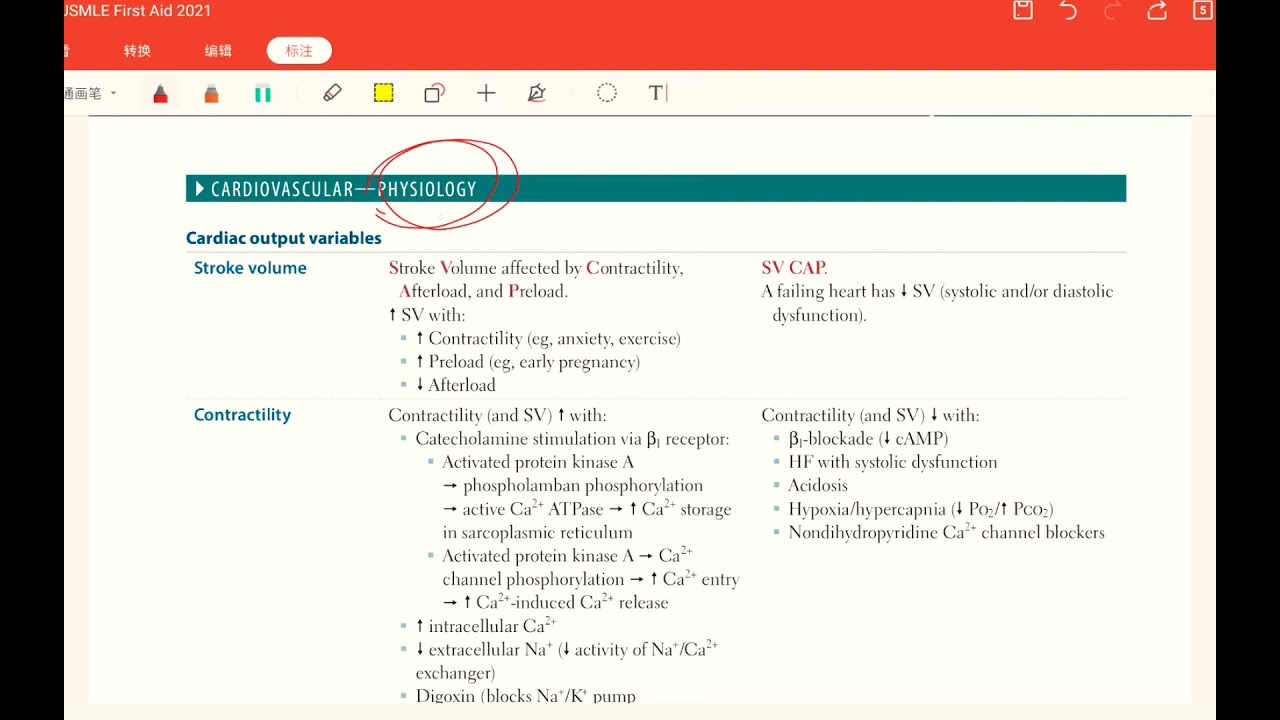




Cardiac excitation-contraction coupling is the process by which electrical activation of the cardiomyocyte cell membrane via an action potential triggers mechanical contraction through actin-myosin cross-bridge cycling; this occurs when calcium influx through L-type calcium channels in T-tubules during phase 2 of the action potential triggers calcium release from the sarcoplasmic reticulum via ryanodine receptors, which then binds to troponin C to shift tropomyosin and enable myosin heads to bind to actin, with relaxation occurring as calcium is pumped back into the sarcoplasmic reticulum by SERCA and regulated by the autonomic nervous system.
Cardiac Excitation-Contraction Coupling Explained
Added:Basic anatomy of cardiac muscle cells (cardiomyocytes), including key structures like the sarcoplasmic reticulum, T-tubules, and sarcomeres.
The fundamentals of cellular electrophysiology, specifically how action potentials are generated and propagated across cell membranes via ion channels.
The sliding filament theory of muscle contraction, including the basic interaction between actin and myosin filaments.
The general physiological role of calcium ions (Ca2+) as intracellular second messengers in eukaryotic cells.
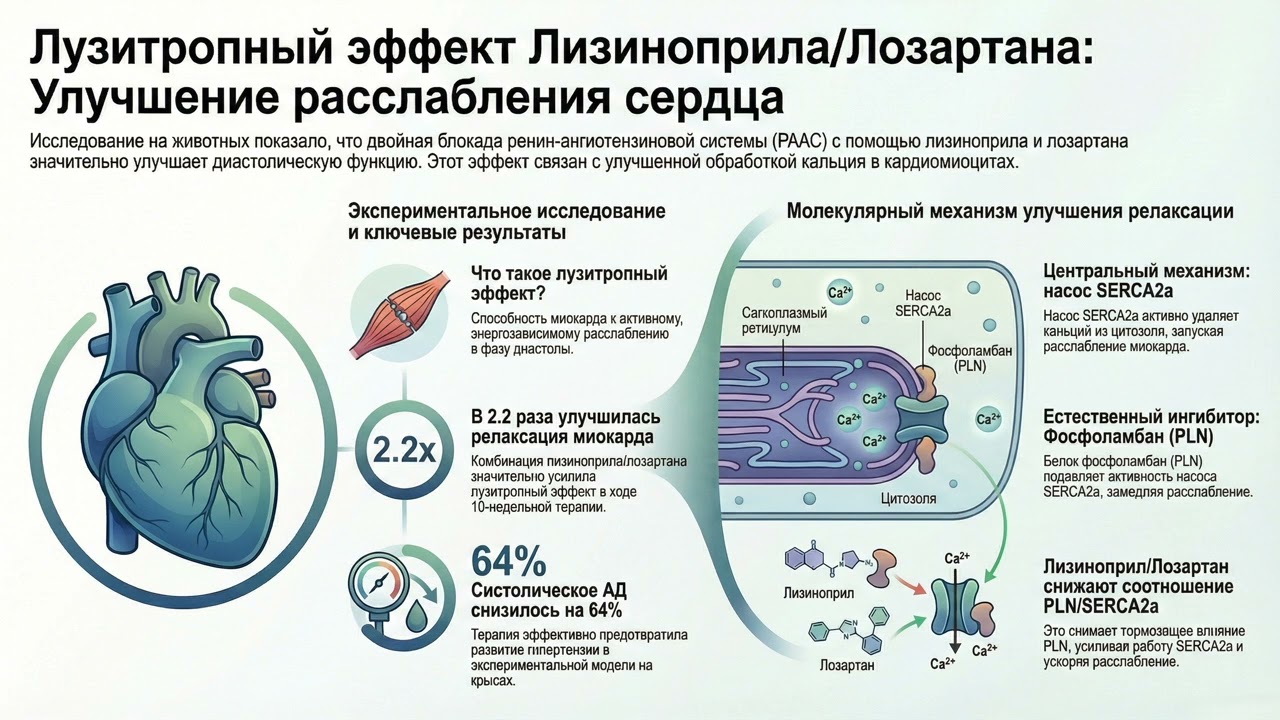
Mechanisms of cardiac relaxation (lusitropy), focusing on calcium reuptake by the SERCA2a pump and extrusion by the sodium-calcium exchanger (NCX).
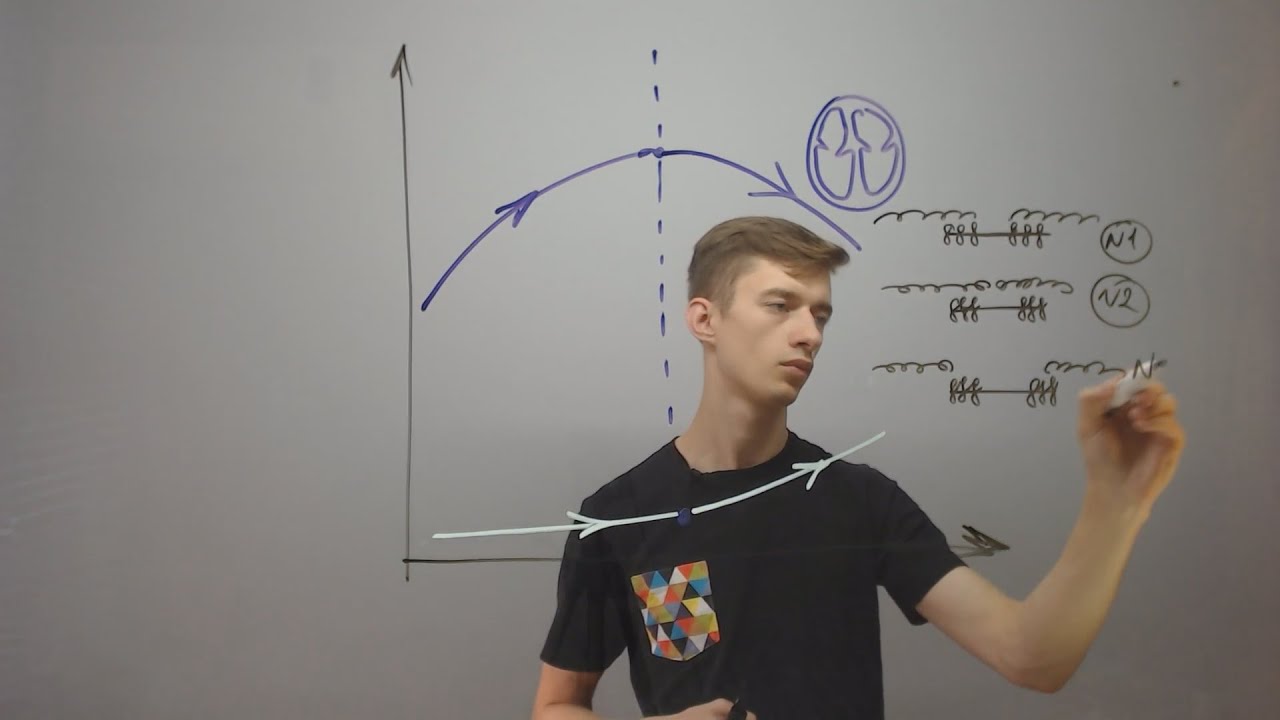
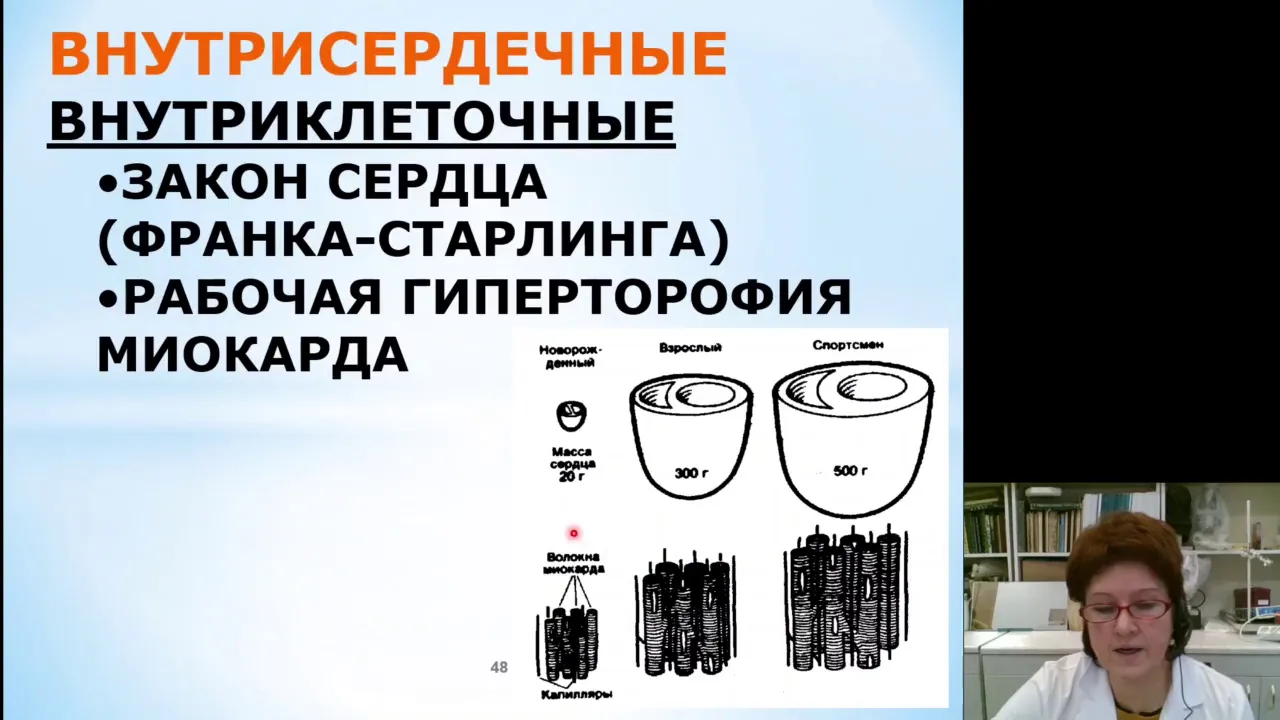
The physiological basis of the Frank-Starling Law of the Heart, explaining how stretch alters myofilament calcium sensitivity.
Pharmacological modulation of cardiac contractility, including the mechanism of action of beta-blockers, calcium channel blockers, and digitalis.
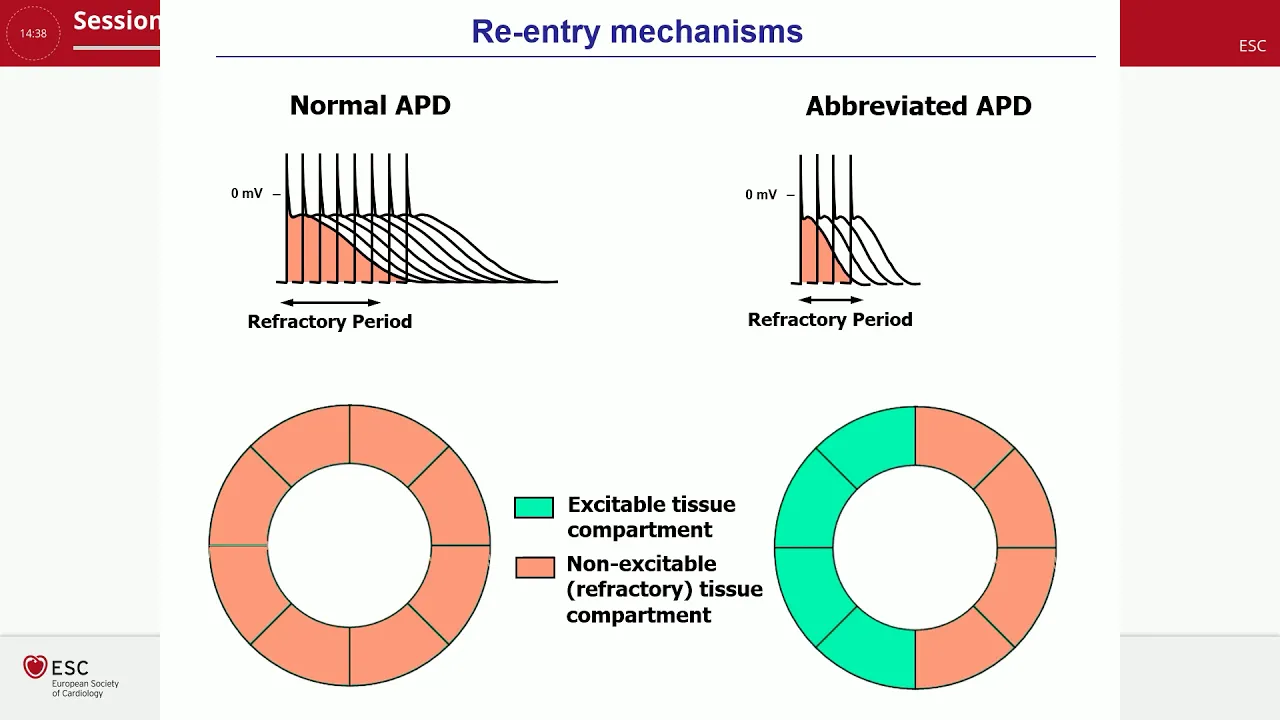
Pathophysiology of excitation-contraction uncoupling in clinical conditions such as heart failure, dilated cardiomyopathy, and calcium-triggered arrhythmias.
167.1K views4.7Klikes10:55Original Release: 2021-11-03
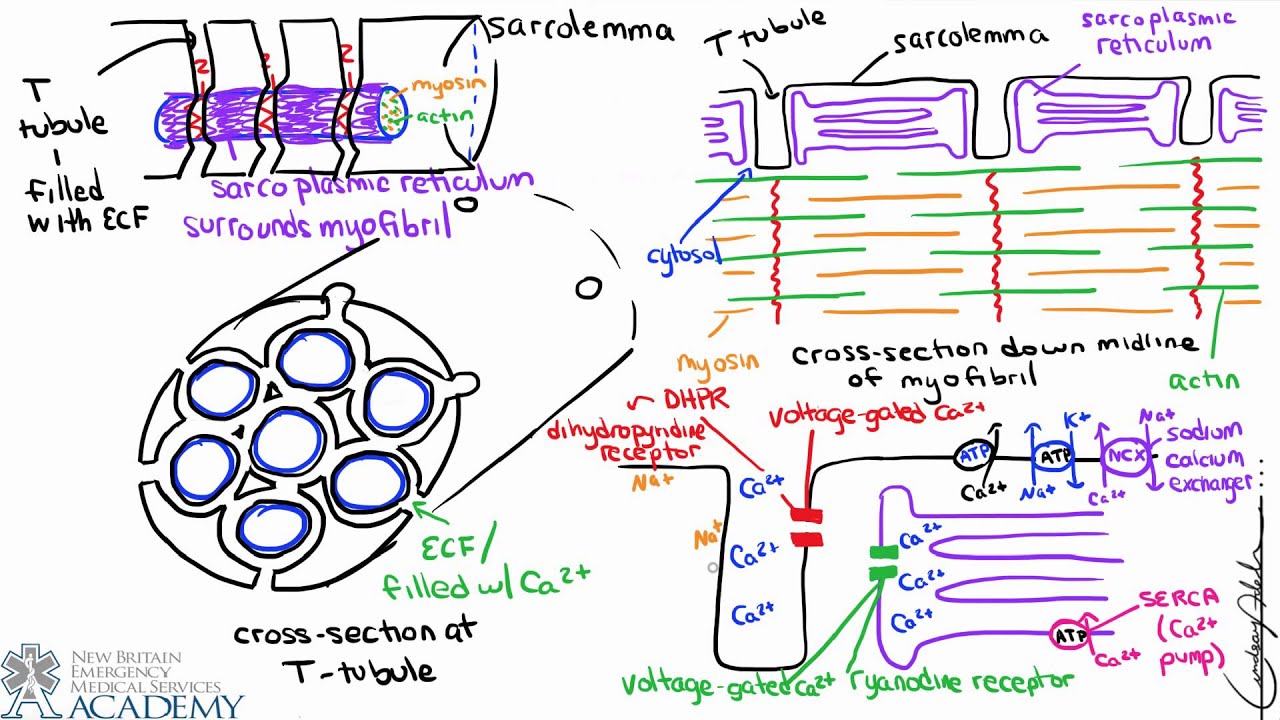
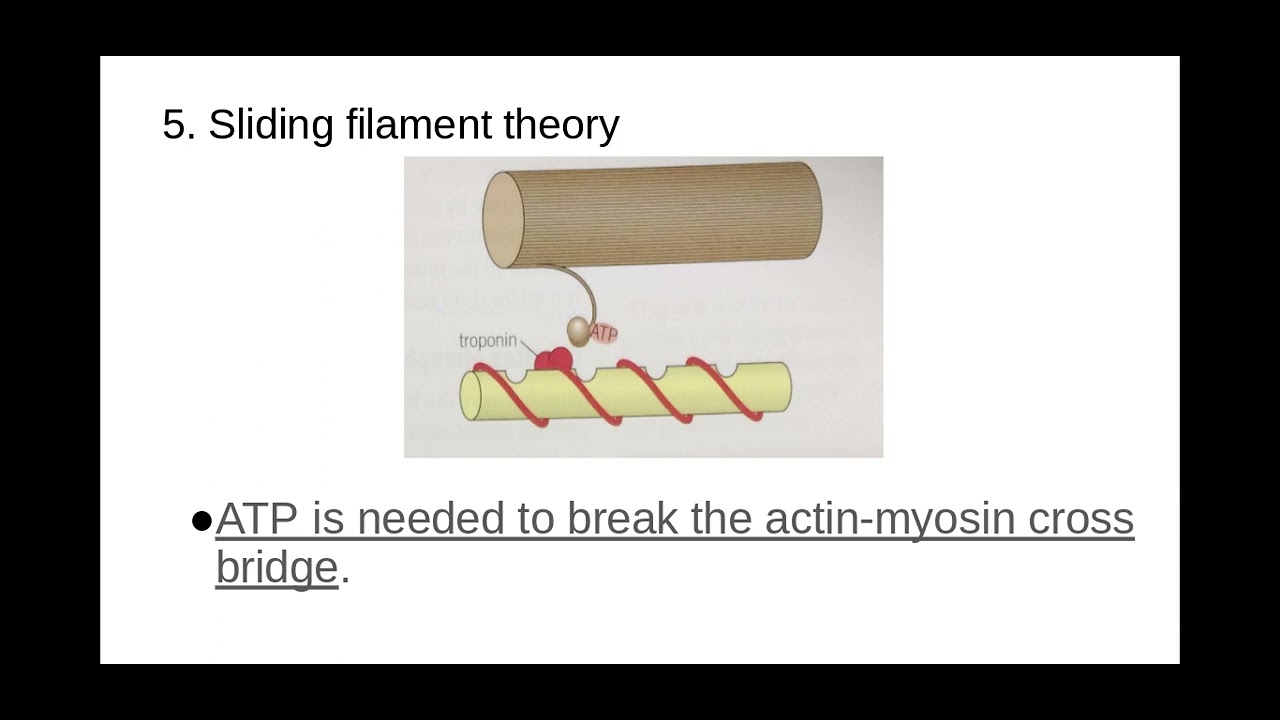
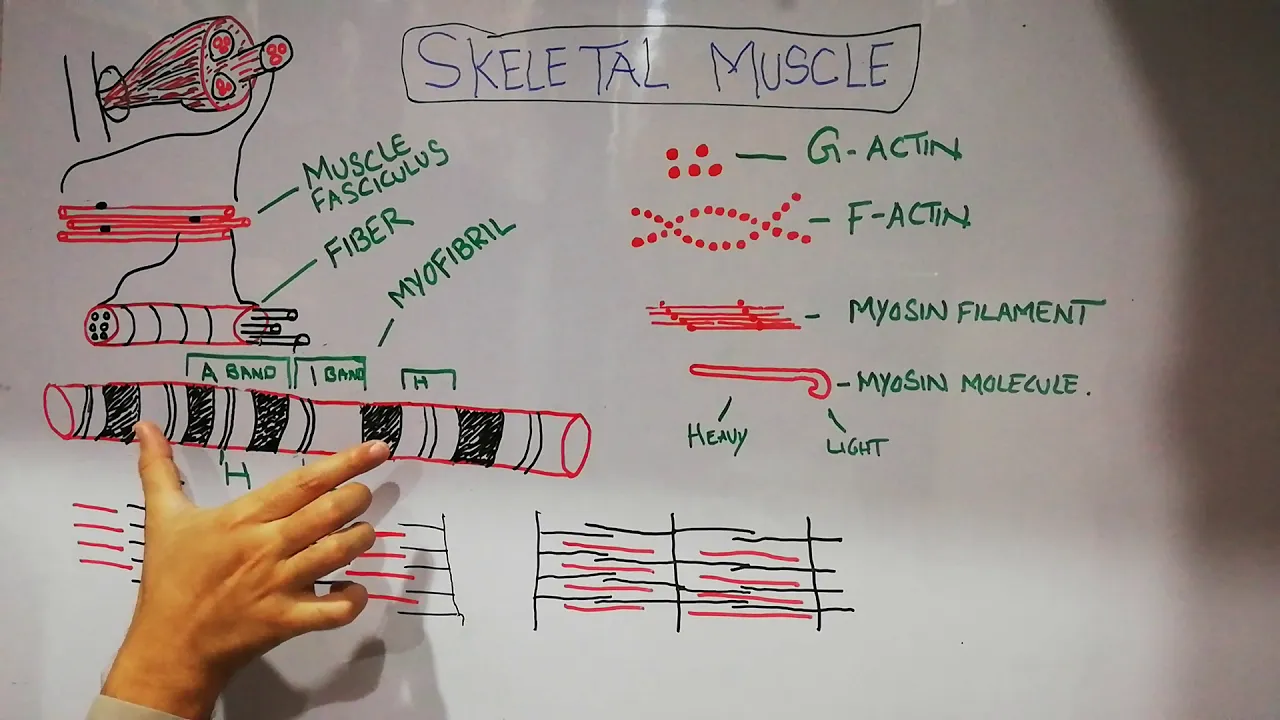
[Music] hello i'm eric strong from strong medicine and in today's video on the cardiovascular system i'll be discussing the process of excitation contraction coupling excitation contraction coupling refers to the series of events which link electrical activation of the cardiomyocyte cell membrane via an action potential to the actin myosin crossbridge cycling that results in the cell's contraction i'm going to discuss the two sides of this coupling individually and then walk you through how they're both linked together the excitation part starts with the sarcolemma which is a fancy name for the cell membrane of the cardiomyocyte that also includes integral membrane proteins that help anchor the cell to the extracellular matrix the sarcolemma contains many imaginations of cell membrane called t-tubules the lumen of the t-tubule is contiguous with the extracellular space the t-tubules allow for the rapid spread of the action potential to the interior of the cardiomyocyte and it provides increased surface area for certain ion channels and pumps for example the membrane of the t tubules contain a high concentration of l-type calcium channels these are in close proximity to the sarcoplasmic reticulum which is a membrane-bound structure consisting of a fine extensive network of membranes within the myocyte whose primary function is the storage of calcium ions the network of the sarcoplasmic reticulum surrounds the myofibrils which are the individual fibers that run longitudinally through the entire length of the cell so now what happens when these structures encounter an action potential if you recall from the video on the cardiac action potential the plateau of phase 2 of the fast response action potential occurs when inward flow of calcium ions through the voltage-gated l-type calcium channels balance the outward flow of potassium ions the inward flow of calcium is particularly prominent in the t tubules where the concentration of calcium channels is highest this initial sudden increase in intracellular calcium is relatively modest in absolute terms and is not enough to trigger contraction on its own but it is enough to trigger the release of much more calcium from the sarcoplasmic reticulum doing so via channels called ryanodine receptors or rhianodine receptor channels so the first part of excitation contraction coupling is a sudden surge in the concentration of calcium within the cytosol in response to an action potential amplified by the ryanodine receptor this process is modulated by the sympathetic nervous system via beta receptors which increase the conductance of the l-type calcium channels we're going to come back to this calcium surge in a second but for now let's take a look at the contraction side and this will involve the sarcomere which is often referred to as the contractile unit of the cell this just means that the sarcomere is a discrete structure that repeats along the length of the myofibrils within the cardiomyocyte and that the sarcomere contains the machinery necessary for contraction the central part of that machinery is two proteins actin and myosin which are arranged in a very specific pattern that results in alternating bands of light and dark that give cardiac muscle its striated appearance within these bands are the z discs or z lines that run perpendicular to the length of the myofibril to which are anchored thin filaments composed of actin and the regulatory proteins tropomyosin and troponin the last of which is actually a complex of three proteins troponin i which has an infinity for actin troponin t which has an affinity for tropomyosin and troponin c which has an affinity for calcium midway between the z discs are the m lines twitcher anchored thick filaments composed of myosin the myosin protein has a long tail and a head attached via a flexible neck and which contains an actin binding site the thick and thin filaments overlap in a pattern resulting in three types of bands wherever myosin is is the dark a band wherever myosin is not is a light i band and the area that surrounds the m line is called the h zone according to the sliding filament model of muscle contraction contraction occurs when excitation triggers a cycling of cross bridging between actin and myosin in which the flexible myosin head allows it to walk along the length of the actin filament using the energy from atp when this happens the i band narrows as the degree of overlap between the two types of filaments increases and the sarcomere as a whole contracts let's take a look at the process of actin mouse and cross bridge cycling on an even smaller scale we can see the thick filament composed of numerous parallel myosin proteins with mouse and heads intermittently dispersed along its length actin monomers polymerize into the helical thin filament which is believed to be intertwined with tropomyosin the three subunit troponin complex is located at various points along the thin filament again using the energy of atp the myosin head cycles through flexed and relaxed states intermittently binding to and releasing from actin resulting in the two filaments sliding past one another when the cell is not in an excited state it's believed that the tropomyosin shifts to physically block actin's binding site for myosin so now how does the action potential the excitation trigger the rapid cycling of actin myosin cross bridging the contraction when the action potential triggers the release of calcium from the sarcoplasmic reticulum this calcium binds to troponin c which is what causes tropomyosin to shift unblocking actin's myosin binding site the myosin heads bind to actin and using the energy from atp the cross-bridge cycling occurs as you saw a minute ago while still bound to actin the myosin head tilts causing the two filaments to slide relative to one another this process continues for as long as tropomyosin is out of the way of the binding site which is calcium dependent as soon as the concentration of calcium in the cytosol drops tropomyosin moves back and the cycle ends until the next action potential the drop in cytosolic calcium is primarily due to reuptake of calcium into the sarcoplasmic reticulum via an atp dependent pump known as circa an acronym standing for sarcoendoplasmic reticulum calcium atpase another important component of the regulation of the system involves a cyclic amp-dependent protein kinase whose activity is increased by catecholamines like norepinephrine binding to beta receptors on the cell membrane actions of the protein kinase include increasing the conductance of the l-type calcium channels that we talked about near the beginning of the video phosphorylation of troponin eye which modulates its interaction with troponin c with downstream effects on the kinetics of the actin myosin interaction the kinase also inhibits a protein called phospholamine which is otherwise inhibiting circa so in short release of catecholamines from the sympathetic division of the autonomic nervous system not only stimulates contraction by increasing the conductance of the l-type calcium channels it also ultimately results in the inhibition of the actin myosin interaction it initially stimulated in other words contrary to what our expectations might be from our macroscopic experience and our everyday use of the word relaxation cardiac relaxation that is diastole is enhanced by the sympathetic nervous system and is an active energy requiring process once relaxation and diastole are triggered the calcium that initially entered the cell via the l-type calcium channels during phase two of the action potential needs to leave again this is done via an atp-dependent calcium pump in the cell membrane as well as via a non-atp requiring sodium calcium exchanger by this point the cells in a relative resting state that is during phase four of the action potential when it's sitting at its resting membrane potential waiting for the next action potential to come along let me summarize excitation contraction coupling links electrical excitation of the cardiomyocyte cell membrane via an action potential to the actin myosin cross-bridge cycling that results in the cell's contraction excitation contraction and relaxation are all atp-dependent processes contraction of cardiomyocytes is dependent on the rapid release of calcium from the sarcoplasmic reticulum via the rhianodine receptor relaxation of cardiomyocytes is dependent on the reuptake of calcium back into the sarcoplasmic reticulum via an atp dependent pump called circa and the autonomic nervous system as well as the proteins troponin tropomyosin and phospholamine all play key regulatory roles that concludes this video on excitation contraction coupling as always if you found the video helpful please consider sharing it with classmates and colleagues and consider subscribing to strong medicine for the rest of this ongoing series on the cardiovascular system as well as a large collection of videos on other medical topics [Music] you
Up Next

10:50
Protein Structure Explained: Primary to Quaternary | Biochemistry
@ProfessorDaveExplains
1.4M views•2016-08-27
50:12
Bacterial Communication: Quorum Sensing and Biofilm Formation Explained
@JHUAAP
12.6K views•2011-06-28

5:35
Enteric Nervous System Explained: The Gut's Brain | Neurobiology Lecture
@alumniu6029
438 views•2018-09-12
7:08
Bacteriophages: Earth's Deadliest Killers and Future Antibiotics
@kurzgesagt
34.6M views•2018-05-13
Related Study Plans & Knowledge Roadmaps
Structured learning paths in Biology
biology
RNAi: Biogenesis, RISC & Gene Silencing
01Molecular Biology Foundations: DNA to Protein
02Introduction to RNA Interference (RNAi)
03Molecular Biogenesis of miRNA and siRNA
+ 2 more learning modules
10h5 modules
Explore Roadmap
biology
Mycorrhizae: Signaling, Biophysics & Ecology
01Foundations of Mycorrhizal Symbiosis
02Molecular Signaling and Root Colonization
03Biophysics and Bioenergetics of Nutrient Exchange
+ 1 more learning modules
11h4 modules
Explore Roadmap
biology
Circadian Clocks: TTFL, SCN & Periphery
01Foundations of Molecular Biology & Gene Expression
02Introduction to Chronobiology and Actograms
03The Core TTFL: Molecular Architecture of the Clock
+ 3 more learning modules
14h6 modules
Explore Roadmap
biology
Population Genetics: Math, Drift & Selection
01Genetic & Probability Foundations
02The Hardy-Weinberg Principle and Baseline Models
03Mathematical Modeling of Natural Selection
+ 3 more learning modules
18h6 modules
Explore Roadmap