


















![[뱅모TV] 상징의 탄생 (5): 누드 마라토너](https://i.ytimg.com/vi/Hl9mvET8C2E/maxresdefault.jpg)


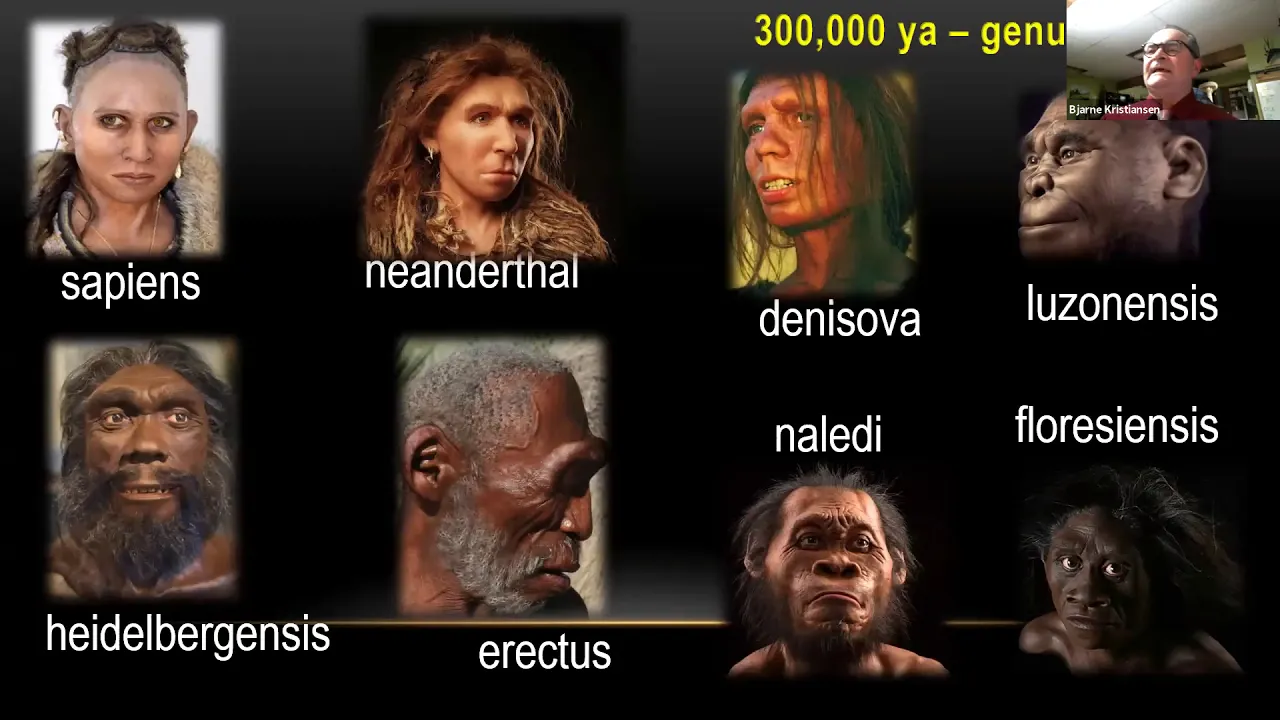
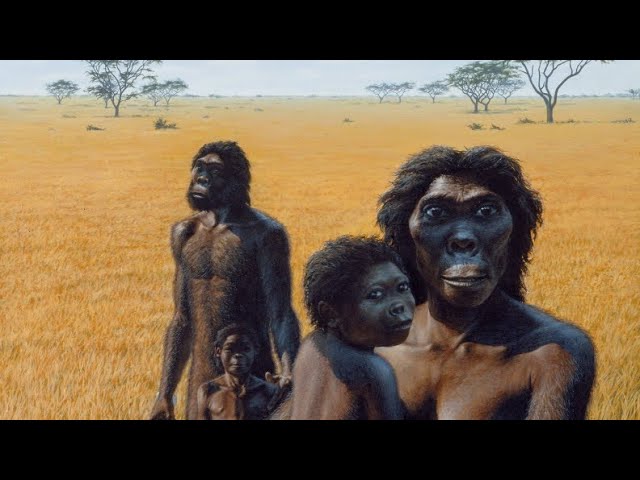
Homo erectus, meaning 'upright man,' was the first hominid species to closely resemble modern humans in body form, featuring an upright stance, projecting nose, and brain capacity larger than its predecessors. Emerging around 2 million years ago, this species pioneered global colonization, spreading across Africa, Eurasia, and into Asia, where they developed advanced stone tools (Acheulean industry), mastered fire control, and became apex predators through organized hunting. Their cognitive abilities showed progressive development, with later populations continuing mental maturation into adulthood unlike earlier groups. Homo erectus persisted until approximately 100,000 years ago and served as the direct ancestor to Homo heidelbergensis, which subsequently gave rise to Neanderthals, Denisovans, and modern humans, marking a pivotal branching point in human evolution.
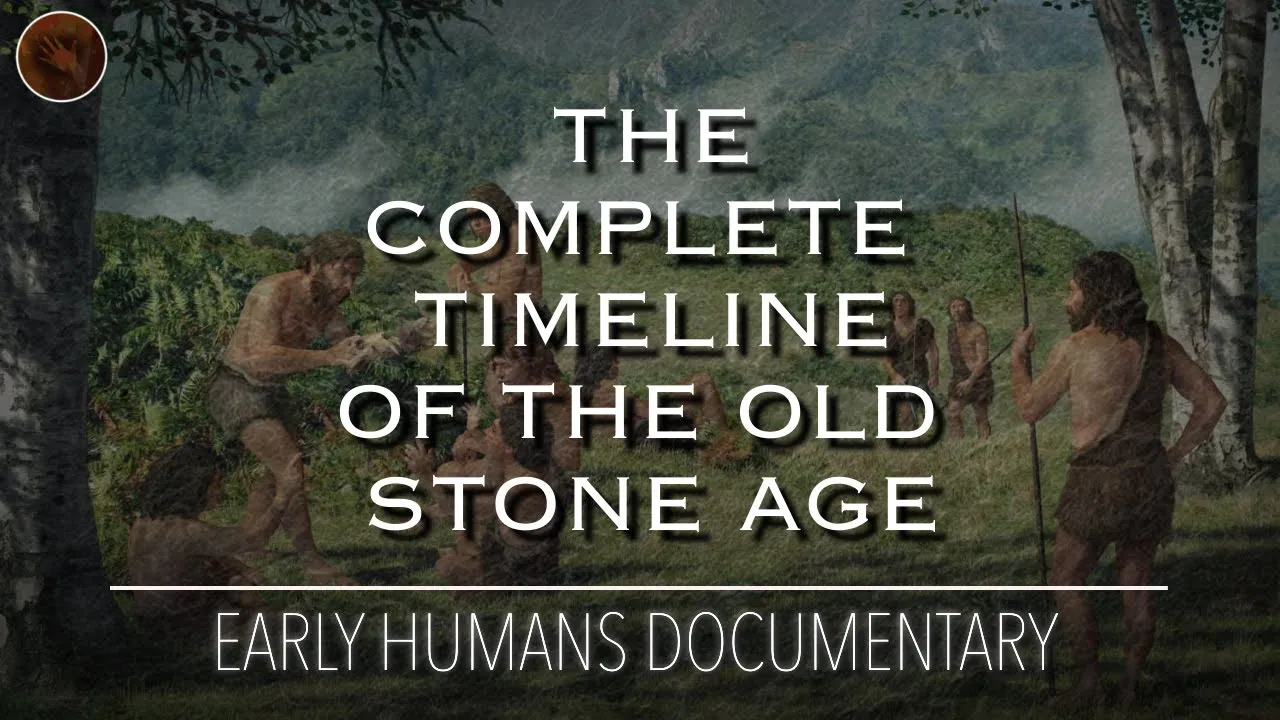
Homo erectus: The Upright Man | Early Humans Documentary
Added:as the era of Homo habilis Drew to a close new species of humans were beginning to colonize Africa it's strange to imagine living in a world with multiple species of human but for much of the pleistocene epoch of the cenozoic era this is exactly what was happening around 2 million years ago a new creature began to revolutionize the animal kingdom innovating in ways that were as of yet unimaginable continuing the trend of walking upright that was exhibited in the first few members of the homogeneous this new creature was named Homo erectus translating to upright man where Homo habilis was adapted to walking and climbing Homo erectus took the first few steps towards a life lived entirely on the ground it was a strange new world for these pioneering apes and it is their unique behavior and lifestyle that has led to this species becoming synonymous with evolution as they evolved our ancestors were becoming more and more intelligent more powerful and more successful today we will be exploring all aspects of the life of homo erectus what was it what did it look like how did it act and live what was the world like at the time it lived these are all questions that we will need to delve deep into the pleistocene epoch to answer a time of dramatic untouched landscapes dangerous megafaunal animals and new and strange societies of early humans join us as we discover the Amazing Story of homo erectus as we covered in previous videos Homo habilis a species that preceded Homo erectus would likely have looked out of place if you're dressed in individual in modern clothes and ask them to walk down the street with the Apes hairy body and long arms you would likely recognize that this individual is not of the homo sapien species you might not be able to say the same about Homo erectus however while hairier than a modern man the general form of a human being had been Mastered by evolution in the form of homo erectus as the name would suggest this hominid walked upright in a manner pretty much similar to modern humans Homo erectus would not have looked exactly like a modern human being there were noticeable differences but generally speaking this species was the first in the homogeneous to look very much like you and I the differences can mainly be found in the facial structure of homo erectus a protruding brow sloping forehead and outward pushing Jaws would have been key identifiable features that would separate a modern human from this early man homo erectus's face was also notably flatter than ours with the exception of the nose this hominid was the first species of human to possess a nose that projected out from the face which evolved in response to changes in the air as the air got drier hominid noses grew bigger allowing these early men and women to retain more moisture from otherwise arid environments this allowed them to inhabit a wide range of areas and Homo erectus was across the course of its existence a very successful species of hominid males and females of the species were pretty much the same size with adults ranging between roughly four feet tall at the shorter end and six feet tall at the taller as the hominids evolved they began to grow taller you would certainly notice a distinct height difference between the average Homo sapiens and the average Homo habilis for example but it almost began to Plateau as Homo erectus appeared on the scene not only were their bodies more modernized but so were their brains the size of homo erectus brains largely exceeded those of previous hominid species such as Homo habilis and the australopithecines brain capacity however progresses over the course of homo erectus's time on Earth early populations of species indicate that brain development stopped during the early phases of childhood vastly limiting the species ability to learn throughout life individuals were mentally mature at a very young age from these old populations whereas the newer populations typically continued to adapt mentally up until later stages of Youth more akin to modern humans this allowed the species to learn at a steady rate increasing homo erectus's mental capacity and ultimately aiding the progression of higher intelligence in the genus thank you debate exists as to whether or not Homo erectus may have emerged from a population of Homo habilis about 2 million years ago but there is evidence that the two species coexisted at least for a relatively short while on the geological time scale from the pleistocene epoch that relatively short while was still half a million years an awfully long time for individual Bloodlines and populations what seems more possible is the running theory that one particular population of Homo habilis may have become isolated by a physical geographical barrier in Africa perhaps this was some form of inhospitable land such as a Waterway mountain range or desert as time progressed the groups of Homo habilis in the rest of Africa continued to thrive going about their daily lives as they scavenge The Plains of sub-Saharan Africa meanwhile however the isolated population of Homo habilis was changing steadily adapting via the means of natural selection to the new environment they had found themselves sealed Within they would have taken on new appearances new adaptations and eventually after enough time this population of Homo habilis would have progressed to the point where logistically science could no longer describe them as Homo habilis at all with their upright stance sparsely hairy bodies and new facial structures Homo erectus was born as the theory goes still under debate we may come to know just what caused the rise of homo erectus in the future Homo erectus persisted on Earth until just over one hundred thousand years ago as it fades out from the fossil record more human species begin to fade in Homo erectus is thought to have been a direct ancestor to two highly important species in the homogeneous homo heidelbergensis which was prominent across Europe and homo and assessor which is known primarily from deposits in the Iberian Peninsula and Eastern Europe homo heidelbergensis and consequently Homo erectus are especially significant to our evolution as heidelbergensis gave rise to the major human species of the late pleistocene Homo neanderthalensis the Neanderthals homo denisova the denisovans and Homo sapiens otherwise known as us homo erectus's Last Stand was a small population that persisted on the Indonesian island of java the subspecies was known as Homo erectus soloensis with the very last specimens dating around 108 000 years old it is possible that these populations gave rise to the island-dwelling homo species homo fluoresciensis and Homo luzonensis the former being the famous island dwarf human species much smaller than the average modern man or woman climate change may have played a role in the demise of homo erectus especially the populations that persisted on throughout Asia when the Western groups had disappeared Homo erectus soloensis is likely to have disappeared ultimately when climate change transformed the open Woodland favored by Homo erectus the tropical rainforest more suited to the smaller island-dwelling species the populations that did not evolve into new species could not adapt in time and perished in the change Homo erectus is remarkably the first species of hominid to have ventured outside of Africa on a path to conquer the world specimens are known from much of Eurasia and Africa the African continent is known to have harbored huge populations of these hominids and fossils are known from almost all of Africa with the exception of the Eastern Sahara region the Western half of the Arabian Peninsula was colonized and populations are known to have traveled as far north from this region up to Turkey some groups of homo erectus split off as they traveled North and moved into South East and East Asia with populations persisting in Pakistan India Malaysia Indonesia Thailand China and the Korean peninsula some populations even managed to move north from the edge of what is now Morocco up into Europe via the Iberian Peninsula passing through Spain and Portugal into Western Europe Homo erectus individuals are known from France England and the southern tip of Italy showing that this species managed to stretch far and wide throughout the course of its existence the furthest known Homo erectus from the African continent reached the island of java in Indonesia by around one and a half million years ago and remarkably two populations are known teeth uncovered in the region that are slightly larger than the older specimens indicate that there may have been a second group of homo erectus that spread out across Java a few hundred thousand years later which points to the idea that populations of homo erectus were constantly wandering colonizing and discovering new territories across the east as Homo erectus traveled distinct subspecies began to pop up as the populations became isolated and concrete several distinct subspecies are noted from various points in geographical Homo erectus territory in China we find peaking man southeast Asia is known for Java Man man can be found in the European populations and Homo erectus ergaster has been Unearthed from the groups that chose to stay in or return to Africa the last one Homo erectus or gaster is a creature that has been the topic of much scientific debate as to whether or not it fits in its own subspecies homoeragaster or if Homo erectus or gaster is simply a subspecies of homo erectus taxonomy can be a tricky Minefield of species subspecies and genuses and scientists are constantly warring over opinions but as it stands it looks like ergaster is likely a subspecies of erectus and not a species in its own right amazingly Homo erectus is known for possibly practicing the first verbal language or proto-language in the animal kingdom it is still unclear as to whether or not this was a true fully formed and functioning language but it does look as though these creatures were capable of a kind of advanced communication beyond the grunts calls and display signals of their ancestors the best known Homo erectus example when discussing topics of speech is a hyoid bone discovered in the Castel de Guido area of Italy this bone is bar shaped similar to the structure of modern human hyoid bones rather than those of apes despite this however it lacks the muscle Impressions that would have continuously impacted the bone over vocal use the presence of this bone along with the lack of development sufficient for modern speech implies that while Homo erectus likely could not talk in a language as sophisticated as ones that exist today it was likely to articulate his voice in calls and noises that sounded much more human-like than those made by Homo erectus uncannily human sounds reminiscent of modern words may have emerged from the throats of homo erectus individuals as they wandered across the land or communicated with one another on Huns modern scientific theories suggest that neanderthals and modern humans inherited speech from a common ancestor which may well have been Homo erectus but it would appear that it was homo heidelbergensis the species that bridge the gap between erectus and Neanderthal lenses that was the first of us to truly speak most of the heidelbergensis specimens that show evidence of speech have been found in similar areas in Spain perhaps this was the birthplace of language another interesting point to pick out regarding Homo erectus is its eating habits whereas Homo habilis was a scavenger picking Mead from carcasses on the vast open Plains of Africa Homo erectus was a predator an apex predator archaeological sites concerning Homo erectus have been associated with the consumption of large mammals specifically Antelope swine and Cattle but in some circumstances big game was favored troops of homo erectus are known to have systematically hunted down animals as large as rhinoceroses hippopotamuses and elephants and were intelligent enough to do this effectively as part of a team they may also have been the first human species to live on a hunter-gatherer diet as populations of homo erectus in Israel have been associated with the consumption of over 50 different types of fruit and vegetables as well as nuts and seeds diet presumably changed drastically depending on what kinds of foods were available across the locations in which Homo erectus could be found larger creatures were likely taken in Africa whereas North in Europe and East in Indonesia diets would have differed greatly mammals were not the only creatures on the menu remains of fish Turtles crocodiles and amphibians also show clear signs of predation by Homo erectus our ancestors were by this point beginning to indicate that it was Intelligence and not brute strength that could get you to the top of the food web in order to consume and Hunt such a wide variety of food sources you needed to be able to craft tools without them Homo erectus did little chance of bringing down an elephant or hippopotamus the ashulian stone tool industry is most closely associated with this species of human and Homo erectus was the first of our ancestors to procure deadly weaponry such objects that have been on Earth from archaeological dig sites include Stone axes knives early pickaxes and Cleavers these would have been invaluable in preparing food but Homo erectus took it a step further and likely use some of these tools to cut wood the earliest of these Australian stone tools comes from West turkana in what is now Kenya older older one stone tools that were used by Homo habilis are found in the same site which indicates a transition between the two styles this coincides with about one and a half million years ago just a few hundred thousand years after Homo erectus first appeared on the scene these new humans were indeed smart and they left their mark on the World to prove it some of the later Homo erectus subspecies in Java even managed to design and use Bolas a Sophisticated Stone tool procured from string and rocks which strike and hold down prey when thrown Homo erectus had one weapon in its Arsenal that technologically surpassed all others however fire for the first time our ancestors were Now using and controlling it something that would revolutionize the world our previous video on the discovery of fire goes into much more detail on how early humans may have learned to harness the power of Fire but Homo erectus again in Kenya are known to have been the first early humans to transport fire from the wild to their settlements or caves through figuring out which materials burn slower than others as well as finding the right way to strike rocks to create a spark Homo erectus would have been able to start fire not just use it this would have been very much a trial and error system where the technology was lost and gained over locations and generations multiple times but eventually around the end of the homo erectus's evolutionary span fire in the human archaeological record seems to have been a constant as you keep yourself warm by the fire this winter you know who to ultimately thank fire was used for many purposes warmth light and perhaps even entertainment at first primarily though fire would have been used to make the first cooked food tools were used to cut or process hard foods which were then added to the fire to improve the taste increase nutritional value or even to make some foods safe to eat trial and error again likely played a big part in the way this was discovered but Homo erectus was some of the homogeneous's first chefs not only did Homo erectus harness Advanced tools and Fire they were also known to have constructed basic dwellings scattered structures have been found in Africa although scientists are unsure as to which homo species these should be accredited to as we venture North into Europe we can see examples of basic shelters in what is now Germany and France as well as the Czech Republic measuring around three meters by 4 meters and roughly two meters tall these were very simple dwellings made by manipulating branches to form a roof which sat on additional branches that acted as supports or polls these supports were wedged into a composite of rocks and mud at the base which formed a very very basic kind of building these may have been used as temporary bases in the winter to guard Homo erectus from harsh snow and rain Homo erectus are even accredited with forming the first examples of artwork or ritual activity individuals are known to have intentionally collected red ocher which may or may not have been used as body paint in Social or hunting activities the jokodian area of China where peaking man was evolving sites have been found which indicate Homo erectus skulls which have been smashed in possibly by members of the same species there is not enough evidence to prove exactly what happened but some scientists have put forward the idea that these individuals were intentionally killed in order to consume the brains of the victims which would paint a grisly beginning to a potential belief system or ritualistic behavior it is also possible that Scavenging animals could have contributed to this but scientists are still in debate in terms of their art Homo erectus is credited with the first sculpture of a human figure the Venus of tantan around 500 000 years old was created by an erectus individual and what is now Morocco showing that the species had some understanding of self-consciousness or creativity whether or not it is a self-portrait a sculpture of a friend or one of a perceived higher power is unknown Homo erectus thrived across a huge range on four separate continents throughout its existence and within those regions there was a huge fluctuation in Flora and Fauna native to the region The first Homo erectus evolved on the open Plains of Africa and as they spread out to different continents would have encountered strange new environments unfamiliar to them in the north they would have encountered the mighty Sahara Desert before reaching the coastlines of North Africa and the Mediterranean colder mountainous regions or Woodlands would have awaited them across the European continent to the north whereas tropical forests and open Woodland would have allowed them to thrive further south in Africa as they ventured East they would have encountered humid rainforests and more open Woodlands as well as more vast plains wetlands and coasts in the Indian subcontinent mountainous regions would have opened up to them in the south of China and archipelagos and riverine wetlands would have been crossed in Southeast Asia in these environments whole hosts of new creatures were evolving that provided both food and major threats to our Homo erectus ancestors in Africa a land of strange giant herbivores and deadly feline carnivores our ancestors would have been in a state of near constant Danger elephants such as paleoloxidon would have roamed these planes one of the species actually haunted by these early men and women now extinct species of modern day animals would have been abundant too horses antelopes hippopotamuses rhinoceroses and even some prehistoric ancestors of the giraffe other African creatures were a little less recognizable however our ancestors may have hunted small herds of copper chorus a species of strange forest-dwelling hog similar to the modern day Red River Hogs out abundant in the oligosine and miocene and Silo theorem was a bizarre large herbivore that would have possibly been on the menu for some of the earlier populations of homo erectus a prime danger in the plains of Africa to our early ancestors would have been the big cat homotherium now extinct this fanged Predator is grouped colloquially as a scimitar toothed cat and likely would have been able to bring down unarmed weak or lone members of the homo erectus populations Conquering the world at the time leveling North Via the Iberian Peninsula a whole host of other creatures would have been encountered vast untouched populations of deer would have ran across the fields and through the woods of this new land perhaps chased by Wolves or other predators Europe from a landscape point of view may not have looked too dissimilar to the way it does now but several strange creatures joined Homo erectus in this land giant beavers such as trogen theorem would have made their homes along the waterways and lakes encountered by our ancestors as occasional attacks from the large Master lid and hydrictus took place these large honey badger-like creatures would have been a nuisance at best but may have proven deadly too young or sick members of the group the existence of the famed Mighty woolly rhinoceros or celo danta also coincides with the arrival of homo erectus in Europe it is highly possible that some of our first European Pioneers may have locked eyes with these majestic creatures out on the open Plains the dramatic and varied Landscapes of Asia would have brought a whole host of creatures with them for our ancestors to contend with dear Antelope swine cattle and sheep would have been dispersed with the deadlier presence of leopards tigers and wild dogs which would have proven to be a major threat to the early settlers in these regions whether they knew it or not Homo erectus would also have encountered plenty of their own ancestors primates on the way over to Asia in the various species of monkeys that thrived in the trees one primate however stood taller than all others our early Homo erectus ancestors would have indeed met the mighty Gigantopithecus the largest species of primate ever to exist this extinct relative of the orangutan would have ambled through the forests of China around the same time the first Homo erectus were making their way through the region which would have been a truly awesome sight indeed Homo erectus populations in Indonesia are also known to have coexisted with and possibly contributed to the local Extinction of megalocalies a species of giant turtle native to the region there is no doubt that the Advent of homo erectus marks the point in time when our ancestors became visibly recognizable as humans homo hamillis and even the australopithecines that preceded them were indeed similar but the upright gate Advanced facial features and possible vocal habits of erectus would have proved without a doubt in life that these were people capable of advanced thought and emotion the discovery of fire the use of stone axes and knives and their ability to express themselves via art makes you wonder what it would have been like to encounter one of these early men or women in the flesh how would such an encounter go would they recognize the similarities between themselves and you given enough time could you get to know them or even communicate these are questions that sadly we may never be able to answer but through persistent archaeological work and study we may be able to paint a clearer picture of how these early hominids lived their lives to this day we have a lot to thank them for those of you who have watched our video on the discovery of fire will know just how many modern inventions relied on the discovery of fire all those years ago ultimately this video would not exist if it was not for the first Homo erectus to innovate in the ways they did our ancestors may be long gone but they are alive and well in our modern technology and ways of life even if it isn't entirely obvious at first
Up Next

Neanderthal Burial Practices & Symbolic Thought | Paleoanthropology
@eons
458.6K views•2023-01-31

Astrobiology Through an Anthropological Lens: Field Insights
@georgiatechastrobiology
128 views•2021-04-14

Proxemics Explained: The Study of Personal Space
@Vox
536K views•2016-07-05

Psychology of Internet Trolling and Pranks Explained
@AzzyLand
10.7M views•2017-12-20
Related Study Plans & Knowledge Roadmaps
Structured learning paths in Anthropology