


![H1B Visa: Basics, types, Imapct on India - Critical Analysis by Roman Saini [UPSC CSE/IAS]](https://i.ytimg.com/vi/LuJZp5HXaCc/maxresdefault.jpg)























US companies can sponsor H-1B visas regardless of size or revenue, provided they are legitimate businesses with proper incorporation, tax ID, active payroll, and existing employees; the critical requirement is demonstrating that the company has actual work for the foreign worker to perform, including specific job duties, work products, and contracts, rather than merely having financial resources.
Qualifying US Employers to Sponsor Foreign Workers | H-1B Visa Sponsor Requirements
Added:Understanding the basic definition and purpose of the H-1B visa as a non-immigrant work visa for specialty occupations.
The legal concept of a 'Specialty Occupation' and the minimum educational criteria (typically a US bachelor's degree or equivalent) required for beneficiaries.
The general framework of US employment-based immigration, specifically how the employer acts as the petitioner and the foreign national acts as the beneficiary.
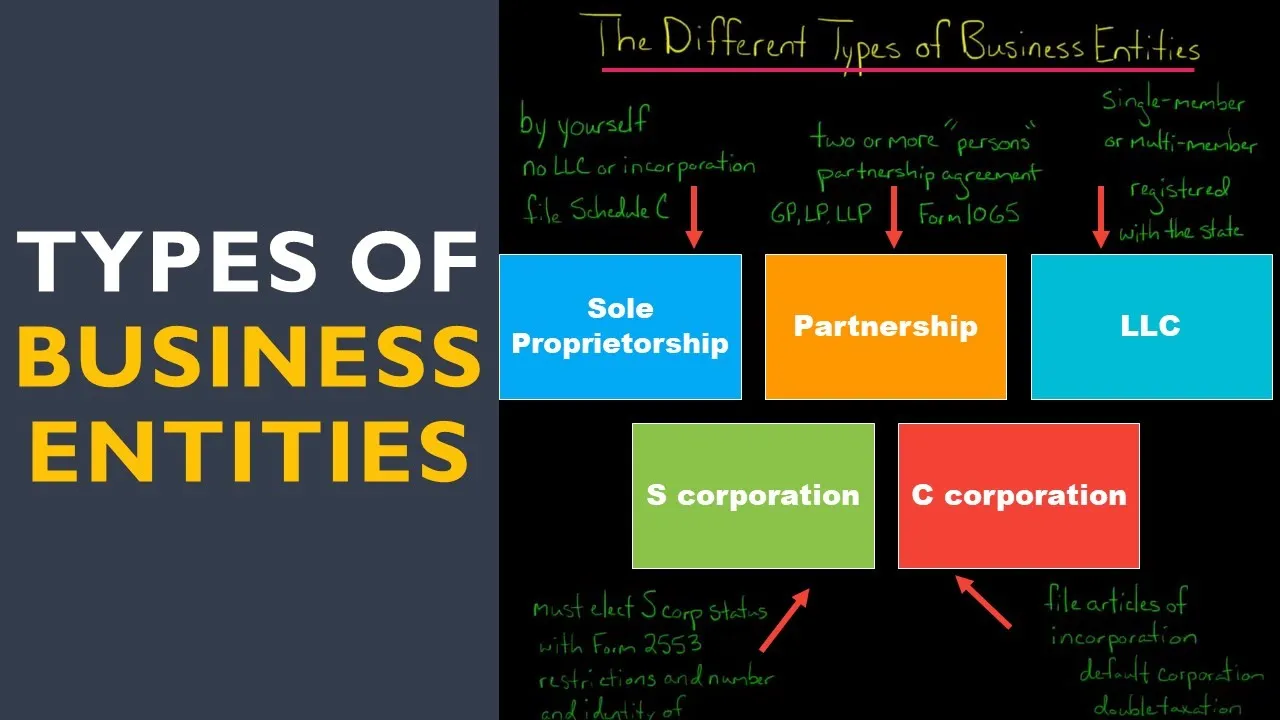
Basic knowledge of US business structures, such as LLCs, S-Corporations, C-Corporations, and the concept of a startup entity.
The Labor Condition Application (LCA) filing process, including prevailing wage determinations and Department of Labor regulations.
The annual H-1B electronic registration and lottery system, including the timelines and differences between cap-subject and cap-exempt employers.
USCIS compliance and maintenance protocols, such as maintaining Public Access Files (PAFs) and preparing for potential administrative site visits.
The legal complexities of the 'employer-employee relationship,' specifically regarding remote work, third-party placements, and self-sponsorship for startup founders.
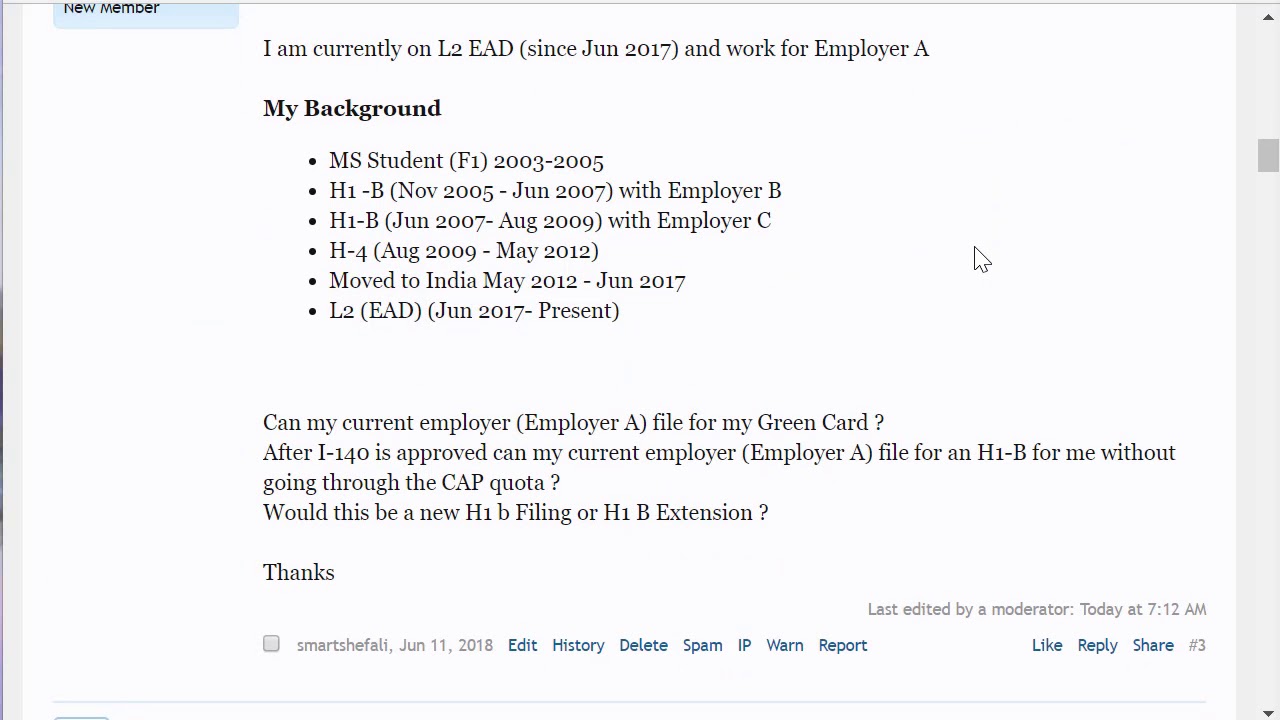
The transition process from an H-1B non-immigrant visa to employment-based permanent residency (the Green Card/PERM labor certification process).
102.2K views2.2Klikes5:43Original Release: 2020-01-13
so what qualifies the US company to hire foreign workers in this video we'll answer this question and more so see you on the other side so in this video once again we'll answer a question they came for one of our subscribers but before that if you're here for the first time make sure you subscribe to our channel click that bell to be notified of any new videos that come up and also if you are an Instagram make sure you follow us at Instagram we have two accounts there's a link here somewhere and we'll have to connect over there answer DMS and things like that so in this video I will answer a question for one of our YouTube subscribers and I'm actually going to read that question from the comments so it says what qualifies a company to hire international workers if you could take the example of a new startup just starting to generate money so that's an amazing question so and again we are now coming close to the h-1b season a few months filings will open and a lot of new companies are forming economies they're good a lot of young founders are moving to United States and starting companies and also US companies are looking to hire foreign talent so what really qualified so first of all people are thinking that too for a company to sponsor h-1b visas they have to be huge or have a lot of employees or make a lot of money that's not the case what the US government is looking at first of all it has to be a real and legitimate company so it should be typically incorporated in the state where it does business or another state in the United States it has to have a tax ID number and an active payroll so because h-1b employees should be a payroll that should be getting a w-2 at the end of the year so there should be already a pair will set up in their company typically at least one or two employees already working there and therefore there's already payroll now it's really important for the government which is for the USA S to see that if they bring an h-1b employee then Apple employee will actually have some work to do so typically work with a small company what we do is we will attach to the case examples of a work product or some contracts for the company to be able to fulfill if they have to say a contract with a few clients we show the cycle of work as to why they need h-1b employee the different phases sometimes h-1b is for small companies are not gonna be issued for three years maybe they'll give it for a year or two just receive the company is able to sustain itself so but it's really important to show that even more than the money in the bank it is very important that they actually have work to do for the employee because remember we when the case is filed we are providing a job description we're providing the percentage of work of time that they actually gonna be doing the work we are showing a level of wage the duggar we paid for that particular job so they actually have to be doing this particular job and the company actually has the work for them to perform in so those things are essential for a company especially a small company especially a new company when they see that a company was just formed to see that they actually have that to be able to bring on an image and h-1b employee again there may be sometimes a request for more evidence if they want to see that the company is able to pay the wages but that's really not more of a requirement for an h-1b it's more of something that we do when we file for green cards during the i-140 stage what we really have to show the company's ability to pay now we do a mini version of that when we file h-1b is for startups be sure that maybe they have some funding maybe they have some money in the bank to be able to afford the salaries and things like that but typically what is very important is that they actually have the work for the employee to do that so it's a real position that they will have enough to do during their employment and what exactly they'll be doing kind of break it down in more tangible terms so that you SAS will see it and then the likelihood of success for for a small start-up to do that it definitely increases because they use we'll be convinced that it's a real job and it's a specialty occupation because they actually coming to do something that it's complex and and unique under the rules and they're just gonna be doing some admin work over there so that's why it's really important to show that the job is of a specialty occupation nature to be able to qualify even if it's a small startup so that's kind of similar to answer the question it came from a startup a potential startup that is started in the US and I think a lot of people have that kind of question you know what does it take to be able to actually get some more informational videos well you don't really need a big company but you do need to put some things in place to be able to convince the government that it's that it's an actual real job and they'll meet the requirements of the h-1b visa so that's in a nutshell and remember h-1b is a deadline it's coming soon so get ready for that as well so don't forget to subscribe to our Channel click that like to give us a like if you like this video share this with someone who may need this information and leave us a comment with questions video suggestions we'd love to hear your comments your suggestions and we make videos based on those so thanks for watching I will see you in our next video [Music]
Up Next

2:09
H-1B Cap Exempt Employers & Immigration Benefits
@USCitizenshipImmigrationGuide
300 views•2025-03-14

4:27
US Secondary Sanctions Impact on EU Businesses and Blocking Legislation
@Bureauvandijk
1.6K views•2019-03-20

5:27
Forensic Phonetics: Speaker Identification in Legal Cases
@nptel-nociitm9240
539 views•2025-03-19

24:42
Police Interrogation Tactics: False Confessions & Legal Reform
@LastWeekTonight
7M views•2022-04-18
Related Study Plans & Knowledge Roadmaps
Structured learning paths in Law
law
Self-Defense Law: Imminence & Castle Doctrine
01Foundations of Self-Defense Law
02Imminent Threat & Reasonable Belief
03The Principle of Proportionality
+ 3 more learning modules
12h6 modules
Explore Roadmap
law
Defamation Law: First Amendment & Actual Malice
01Introduction to civil torts and the First Amendment
02Elements of Defamation: Libel and Slander
03Public Figures vs. Private Individuals
+ 2 more learning modules
8h5 modules
Explore Roadmap
law
Hearsay Rule: Trial Evidence & Exceptions
01Introduction to Trial Evidence & Courtroom Basics
02Demystifying Hearsay: The Core Definition
03Non-Hearsay: Exclusions Under FRE 801(d)
+ 3 more learning modules
14h6 modules
Explore Roadmap
law
Medical Malpractice: Law, Liability & Care
01Foundations of Tort Law and Civil Liability
02The Four Elements of Medical Malpractice
03Defining and Proving the Standard of Care
+ 2 more learning modules
12h5 modules
Explore Roadmap