





![(M5E2) [Microeconomics] Risk Preferences](https://i.ytimg.com/vi/Mr7GJg8MEzE/hqdefault.jpg)













![[넛지 파이널에디션 / 리처드 탈러, 캐스 선스타인] 행동경제학 고전 / 넛지 개념, 뜻 / 넛지 예, 유용성 / 선택설계 / 슬러지](https://i.ytimg.com/vi_webp/mT4YipwWQNM/maxresdefault.webp)


![생각에 관한 생각 [10분만에 보는 책]](https://i.ytimg.com/vi_webp/RIwkYTyWCrk/maxresdefault.webp)
Neoclassical economics relies on unrealistic assumptions about human behavior, including rational expectations, utility maximization, and perfect information, which fail to capture real human decision-making under uncertainty. Behavioral economics, developed by researchers like Daniel Kahneman and Amos Tversky, provides a more realistic framework by incorporating psychological insights such as heuristics, biases, and bounded rationality. This understanding is crucial for developing effective economic policies, as it recognizes that people make decisions based on limited information, cognitive limitations, and emotional factors rather than perfect rationality.
Why Behavioral Economics Challenges Mainstream Models
Added:The concept of 'Homo Economicus' (the perfectly rational, self-interested economic agent).
Core tenets of Neoclassical Economics, including utility maximization, cost-benefit analysis, and market equilibrium.
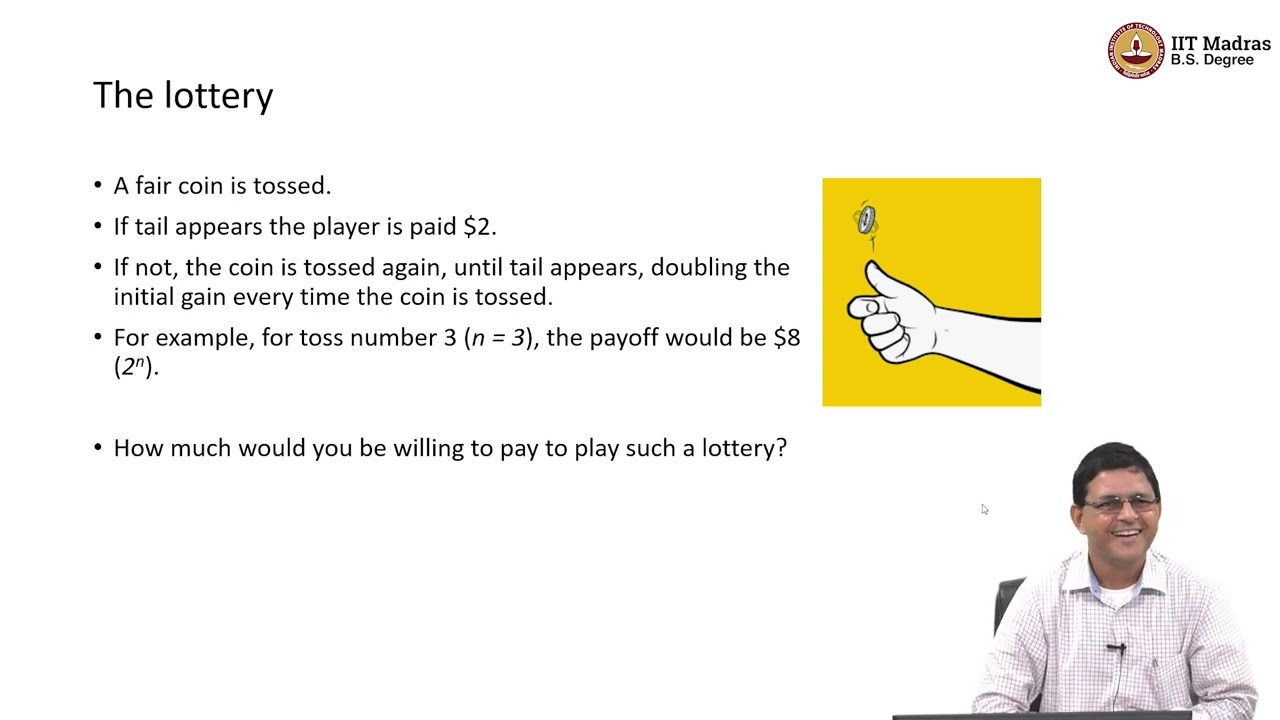
Expected Utility Theory and how traditional models assume individuals evaluate risks and make decisions.
The assumption of perfect information and how it underpins classical market efficiency theories.
Prospect Theory and loss aversion, specifically how people value gains and losses differently.
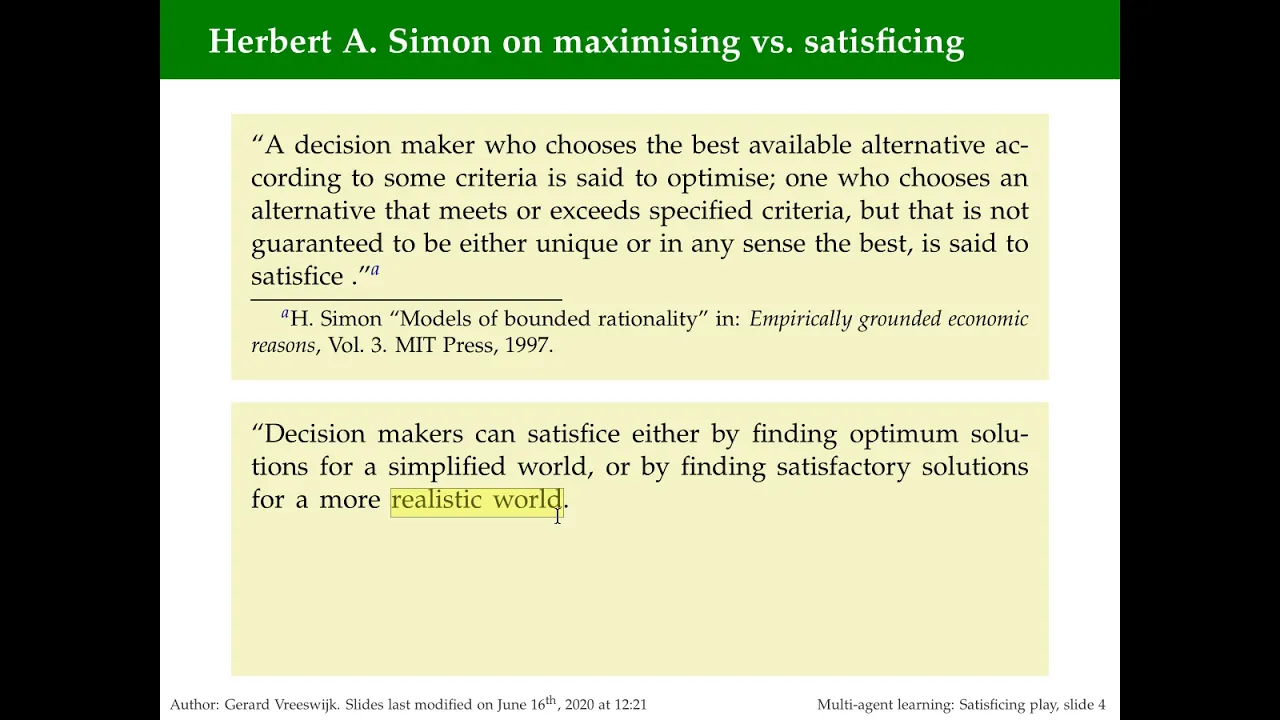
Bounded Rationality and Herbert Simon's concept of 'satisficing' instead of optimizing.
Nudge Theory and choice architecture, and how they are applied to public policy and marketing.
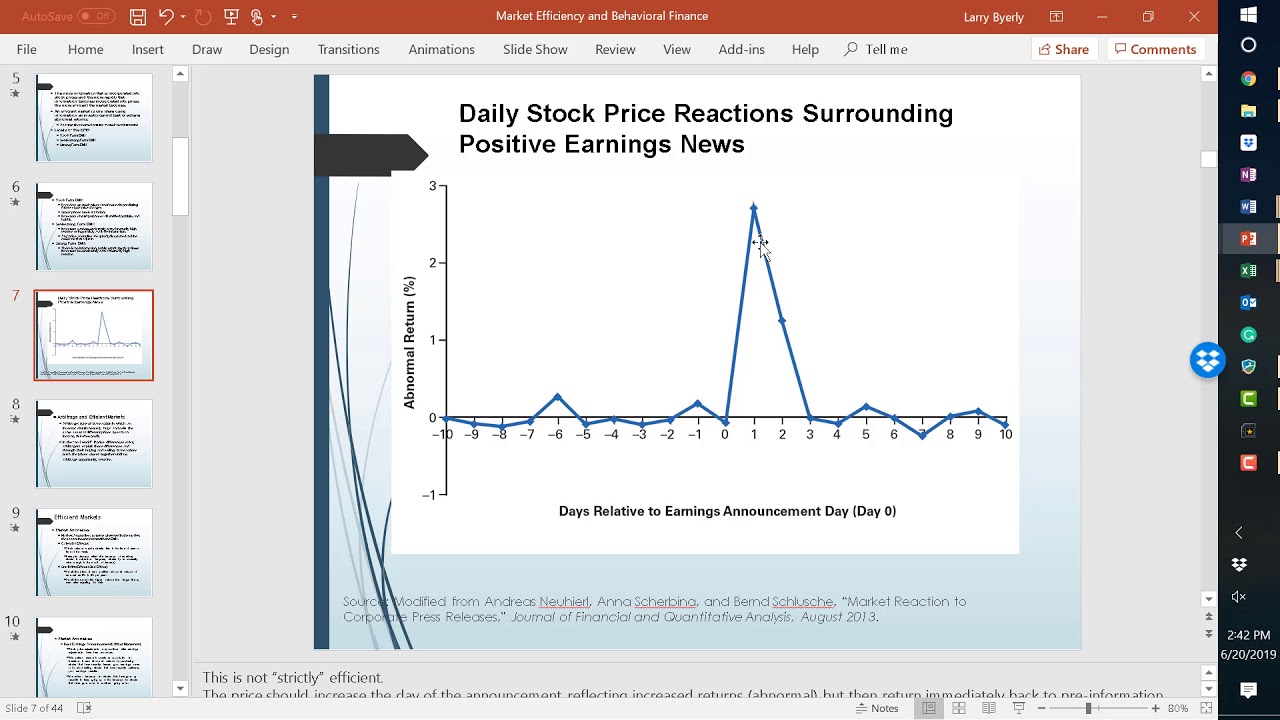
Behavioral Finance, including market anomalies, herd behavior, and emotional investing.
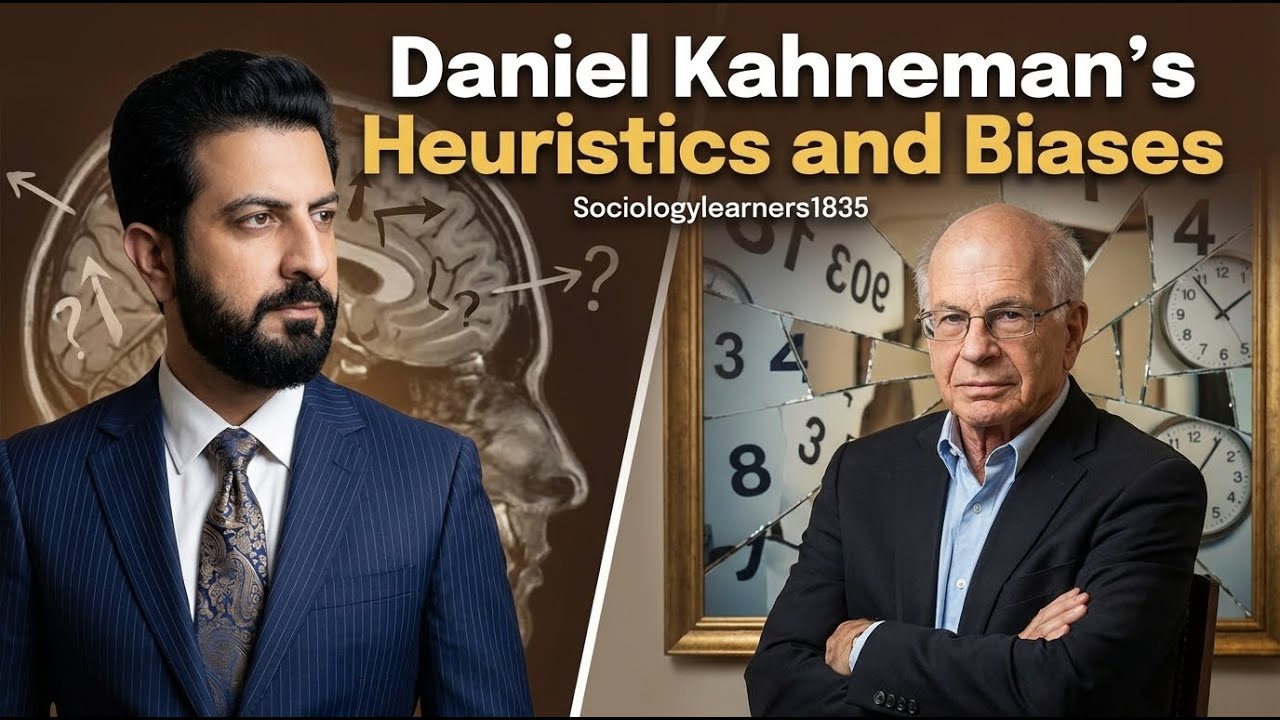
Heuristics and cognitive biases (such as anchoring, availability bias, and confirmation bias) that systematically skew human decision-making.
521 views16likes1:36:23Original Release: 2024-02-26
if people only knew the Absurd assumptions that underly these models at the end of the 1960s Amos tersi who was an economist with an interest in Psychology met Daniel Carman who was an academic psychologist and over coffee one day he told Daniel Carman how economists model human behavior and the way that people develop feelings of well-being and Daniel Conan literally didn't believe it he spotted his coffee out he laughed he thought it was absurd and they got together and decided to do something about [Music] it this is the mmt podcast with Patricia Peno and Christian Riley hi I'm Christian Riley and welcome to the modern monetary Theory podcast you can find us on Twitter at mmt podcast and you can support the show by going to patreon.com mmt podcast if this is your first time hearing about mmt you might want to listen to our first three episodes for an introduction which I've linked to in the show notes along with some other things that relate to this particular episode and as ever I've linked to where you can support this podcast financially via patreon.com mmt support starts at a dollar a month or a pound a month or whatever the equivalent is wherever you live we're 100% listener funded your financial support really helps keep the show going and your support in other ways whether it's by recommending us to other people or just by listening and spreading the word about this stuff really helps too a big thank you to all of our supporters so far and thanks as ever for the time you put into understanding mmt let's dive in well welcome one and all to the mmt podcast I'm Christian Riley and I'm Patricia Pino and we are delighted to be joined today by our friend Economist author and founder of modern money lab Professor Stephen hail thanks for joining us today Stephen well thank you both for having me on again so longtime listeners to this show will know that currency issuing governments spend new money into existence when they spend they're not Revenue constrained their resource constrainted and so for governments like ours and like the Australian government or the UK government and many more we say anything that's technically feasible is financially affordable and so after the next question becomes why aren't governments using this position to do something to say end poverty or Folly funded National Health Service or tackle climate change because there's popular support for these things and they're technically feasible but it's often said some of these more Progressive aspirations are politically impossible so everybody wants these things but there's this outside entity called politics that comes in ruins everything so I think all of this gets us into policy framing which gets us to behavioral economics and stevenh in your book economics for sustainable Prosperity you have a chapter on behavioral economics and early on there's a subheading people as they are not and I think that gets to the heart of many of our issues with the way mainstream economics models human beings so tell us about people as they are not yes well neoclassical economics has at its heart representative individual they often talk about a representative household so an individual and a household are the same thing that representative individual has Godlike knowledge about the economy they understand how the economy works it turns out in their models the economy works the way neoclassical economists think it works and the people in the models understand that they have what to The posty Economist Paul Davidson calls Actuarial certainty what that means is that whenever they're making decisions they are able to judge the impact of those decisions on their well-being right the way across their future lives not absolutely for certain but they can estimate and on average get this right expected values expected outcomes for anything that's important to them and they can fall statistic iCal probability distributions they are self-centered they consistently make decisions in their own self interest they understand what their self-interests are they have consistent preferences for the types of things that they like to do the goods they like to consume between work and Leisure as far as risk is concerned they're able to make their own decisions about how many hours a week they work when they work when they have Leisure Time work is a bad thing in these models Leisure is a good thing they give up some of their good Leisure and do some work they hate doing so they can consume more Goods now and uh in the future they are able to make optimal decisions about whether they should save now in order to be able to spend more in the future or whether it would be worth borrowing more but borrowing today in order to consume more today and pay back the loan in the future and they never make any of avoidable mistakes this is called rational expectations In neoc classical economics the assumption is that although sometimes their forecasts won't be what actually happens because there'll be some random events some Shock that they couldn't have allowed for in advance which they then rapidly and rationally adjust to they never do anything foolish they're never misled they never take out loans they're unlikely to ever be able to repay they never engage forward sleep it kind of discounts the whole advertising industry in a way I think I'm channeling Nome chumsky here but you know it's like in these models you've got a utility maximizing person Who's acting very rationally but the whole advertising industry is set up to make people make irrational decisions and uninformed decisions or to exploit the emotional side of people right yeah well the the original justification for advertising in neoclassical economics was that it supposed to be providing valuable information to allow people to make even better informed decisions although I thought they were supposed to be well informed in the first place but then when people some of them anyway reluctantly accepted that this wasn't a purpose of a lot of advertising in there lots of advertising TV adverts for example don't seem to convey any information at all really about the characteristics or the quality of the product they then moved on to more absurd justifications one of which was that in a world of imperfect information if you waste more money on Advertising your product it's a signal to customers that the product genuinely does have a good quality otherwise you wouldn't be spending the money on the advertising I couldn't tell you the author but there's been at least one paper that said that justification for advertising spending and another absurd justification was that actually the advertising is part of the product as far as we consumers are concerned we enjoy consuming a good or service because in part of the advertising which is part of the broader experience of being a consumer it's all nonsense so this rational expectations replace something called adaptive expectations which was basically the statement that individuals make decisions based entirely on what happened in the past and I think mainstream Economist Justified the rational expectations saying okay yeah it may not be realistic but it's certainly more realistic than the Adaptive expectations model do you have anything to say about that well the problem is of course it's even less realistic than the Adaptive expectations model in my book and when talking about neoclassical economics from not just in this way for a variety of reasons I borrowed some terms from a neuroscientist called Paul gimper where I talked about neoclassical economics as soft economics that was his terone which the way I use the term it meant basically unrealistic divorced from reality and actually not the people that do it not caring all that much that what they would do was div from reality but the move to rational expectations rational expectations was originally an idea that was developed in the early 1960s in microeconomics but what was important was when it got imported into macroeconomics in the early 1970s and I saw that as a transition from soft economics to super soft economics from something which was unrealistic and bias and just supported the status quo or even argued for a move back to a prean even less Equitable Society in Milton Friedman's work in the 60s as adaptive expectations that in his view if you tried to manage the economy to push unemployment down you could only do that by fooling people about the real value what they were being offered to give up their Leisure Time and take work but gradually they adapt their expectations to reality over time you wouldn't be able to fool them permanently well we get to the 1970s and we had another Nobel Prize winner Robert Lucas who Incorporated rational expectations into macroeconomics and developed what became known as New classical economics which replaced freedman's monetarism and in Lucas's view of the world but it was basically melt and freedan but with the idea that if you announced what you were going to do if you told people in the general public that you were going to try and force unemployment down well they understand the economy and they would be able to forecast that what you were going to do was going to drive up the cost of living and push down their real wages so you wouldn't be able to persuade them to take jobs anyway consequently unemployment wouldn't fall at all and all You' do is push inflation up immediately so that macroeconomic policy as far as output and employment is concerned in Lucas's Mone model becomes neutral nothing which is announced can have any effect on the economy and that dominated microeconomics for about 15 years during the Thatcher era I mean you know what Thatcher did well her advisers didn't expect what happened the austerity of the early 80s which of course trebled the unemployment rate in the UK and have devastating social consequences that remained with you in the UK with us cuz I was there at the time for for decades they didn't expect that to happen at all they thought well the nouns we're going to tighten up on inflation and firms will stop putting their prices up workers will stop asking for higher wages and we'll just get inflation down and there won't be any major impact on the economy that's the macroeconomic analysis that went into the first St of government of course it was so disastrous not only in the UK but also elsewhere and it was so obvious that Ronald Reagan who talked about that but then completely ignored it really when he was the president was producing better outcomes in the US economy then in places like the UK that by the end of the 1980s it was dead the russal expectations revolution in its original form was over but they didn't it's such a beautiful thing to put into mathematical model so the term rational expectations didn't quite disappear from economics in instead they found ways to keep it in the models but to still have the potential for unemployment to rise during a recession or for macroeconomic policy to have at least a short-term impact on unemployment they got back to the sort of 1960s pre- rational expectation results without getting rid of rational expectations but they did that by introducing other ridiculous things into their models the most ridiculous thing of all was something called which 10 in the 80s into macro modeling which Patricia might be familiar with called the calvo pricing Rule and the calvo pricing rule was the idea that and I never really seen anybody discuss how absurd it is in neoc classical macroeconomics they just sort of assume it the cowbo pricing R sticky prices yeah that's the sticky prices but the idea is when you look at the story the story is that there's supposed to be a lottery in every period of time and firms that win the Lottery are allowed to change their prices and firms that don't win the lottery aren't and literally that's built into new Keynesian microeconomics which is still dominant today right if people only knew the Absurd assumptions that underly these models that to be fair most of the economists using the models they've sort of forgotten about right so when we're studying this at modern money lab this subject area you get the students to look at a psychologist called goodd gigar renza and he tells this joke about a professor from Columbia University who gets a job offer from another University and he can't decide whether or not to take the job and he's talking to his colleague about the problem which job shall I take shall I go shall I stay and his colleague says look what's the problem you've got your options you've written books about this just maximize your expected utility and the professor gets exasperated and says come on this is serious yeah and the whole crowd laughs that's the only minute of a video by somebody else that I play in the whole course cuz I like it so much it's so funny it gets a good laugh gigerenzer is very interesting yeah the thing is I wouldn't mind that going back to rational expectations I don't mind them saying Oh this is just an approximation it's not meant to be realistic but I do resent that Lucas critique thing about agents already know the effect of the policy you're going to do so the policy itself is useless as a result of that because it's so self-referential it basically says there's something very arrogant about saying the economy works this way and also everybody already knows the economy works this way and in order to work that way everybody needs to already know that it works that way and it just doesn't make any sense to me and I really don't know how it's defended in any level well I could say a couple of things about Robert Lucas I think he passed on recently so I'm not going to be sued oh okay he was not bad as a mathematician I suppose but he knew nothing about money and Banking and about real people and he wrote papers saying that insights from Psychology was irrelevant and that he really wasn't interested in neuroscience and neuroeconomics and how this human brain worked because that didn't matter either he was remarkably resistant to significantly changing his mind that time although I suppose he played a role in various generations of neoclassical macroeconomics that he was part of it's not worth it explain to people in the podcast but real business cycle Theory and so-called endogenous growth theory that Gordon Brown absurdly once referred to in a speech I seem to remember in the early 2000s but what gave me the greatest satisfaction about Robert Lucas was that he got divorced and in his divor now that wasn't what gave me satisfac his divorce settlement I think his wife had a right to 50% of his earnings for the next 10 years if I remember rightly oh my God and he won the Nobel Prize nine years later you get a l money when you win the Nobel Prize that gave me great satisfaction that if he was going to win he didn't win it the following year how much is that is that a million or more oh I couldn't telling you but I know it's a large amount I'm unlikely to win the Nobel PR for economics so I can't say that I've looked into it but yes it would be a very significant sum of money what about how people are rather than how people are not let split the people to the model yeah well Paul davidon the famous post cian Economist wrote a number of papers down the years basically saying the same thing which is that rational expectations is not even possible it's not just that it's unrealistic it's not that it's an approximation it's a description of something which is not possible on our planet in our economy our economy is a complex and uncertain system and it's impossible for some of the most important decisions we have to make in life even to form probability distributions that have any meaning about the future nobody understands how the economy Works economists don't agree on how the economy works and even if there are only two points of view on how the economy work governing our Behavior the interaction of group two just as few as two groups making decisions over time would create a complex system with feedback effects and that's the world that actually exists it's bar bar different to the remarkably simplistic model the Lucas and Sant and other new classical economists building on the work of people like fredman from the previous generation and which was then built on again by the Paul Krugman and the Larry Summers and the Greg mans in the 1990s and 2000s we're still trying to get over now this is really what I wanted to get into this situation that we run into in the real world called fundamental uncertainty it's called Nan uncertainty in some context I've also seen it called radical uncertainty can you tell us about uncertainty why that's different to just risk well okay not everybody uses jargon in the same way but we can make decisions sometimes in a certain environment where there's nothing random or unpredictable there and then we're making decisions based on logic to get the right outcome we can make decisions sometimes under risk now if you're making a decision under risk then the outcomes of that decision all the potential outcomes of that decision you must be able to identify and you must also be able to identify meaningful probabilities for the range of outcomes which could arise if you go into a casino you're dealing with objective risk because you're dealing with objective probabilities at least with most games in a casino if you understand them well enough what the probability of winning is and generally speaking the much higher probability of losing you can calculate the negative expected return and you can calculate other statistics as well if we have a reasonable basis for estimating probabilities that might be important to us and I talked about in the lectures about the probability of you increase in your grade not you particularly Christian but students increasing their grade if they put in a number of additional hours of work on an assignment and I said based on your past experience and personal assessment of how difficult the assignment looks to be what you know about yourself then you might be able to come up with a likelihood or probability of doing that and achieving that outcome from that decision which there's some reasonable basis for but I if I set the assignment and I might have have a different perspective on a particular student's work I might have a a very different estimate of that probability we've both got reasonable information to go on we're not necessarily going to agree with each other it's subjective we're making decisions on the basis of subjective probabilities there when we talk about really important decisions about the world with long-term consequences like me choosing in the late 90s to immigrate to Australia or like pairing up with someone one or like setting up a small business or in a multinational corporation making a huge investment in a new geographical Market really crucial decisions like this with decision makers we might think we're making decisions on the basis of subjective probability but as kan's explained more than a century ago we're not really we're making decisions under the basis of genuine uncertainty where it's often impossible even to specify the range of possible outcomes that could arise and even if we could specify the range of outcomes that could arise we'd have no reasonable basis for identifying the probability of a particular investment being successful a particular decision paying off so this is where animal spirits comes from yeah well even there you talk about NY and uncertainty people sometimes distinguish between NY and Incan uncertainty right right Frank Knight was one of the first economists to write about uncertainty in a book called I think risk uncertainty of profit or something like that that was published in the early 1920s I think in 1923 and Nan uncertainty is the idea that the information might exist out there so that it's theoretically possible if only you could gather all the relevant information and if only you had enormous cognitive capacity if only you were a very well-developed artificial intelligence Engine with Limitless ability to capture and process information maybe you could come out with a probability distribution and end up making a decision under the basis of risk but generally speaking ordinary human beings black the information and don't have the cognitive capacity to do that but canes in uncertainty is something more fundamental if I give you an example of something which is definitely uh relating to cing uncertainty what the probability of the US and China going to war in the next 10 years not only do we not know that but actually that information doesn't exist nothing like the present set of circumstances has ever happened before there is no information to go on there is no reasonable basis not to sound like Donald runell from years ago talking about no none nodes and none no none nodes there's no reasonable basis for anyone nobody knows that probability and there is no probability distribute tion the information simply doesn't exist now KES believed that where many important decisions are concerned decisions relating to Investments on the stock market decisions relating to Big corporate Investments decisions related to people setting up their own small business many decisions are taken on the basis of fundamental uncertainty and with fundamental uncertainty well we can go to the bank manager when we're trying to take out a loan and we can estimate for the sake of the bank manager what we might pretend we think we're going to sell in the next five or 10 years and what we pretend our revenues and our costs will be but actually in practice we don't really know and it's very often impossible to know because the future is not going to be like the past the past is not a random sample drawn from all possible Futures there is no logical basis for statistical analysis of when it comes to making the decision you're right Christian as Kan said that decision is is going to depend on Animal Spirits on the degree of optimism we have and humans tend to be very optimistic so even though most small businesses fail it doesn't stop people setting up small businesses your particular small business is not necessarily me the same as everybody else's what it does mean however is that we have such a flimsy basis for any forecast we might be making of future events that relative small piece of new information can undermine our confidence in anything we think we do understand about our business environment and the economy and consequently this was part of kan's story of how economic collapses can be exacerbated and it was part of what Heyman Minsky then built into his financial instability hypothesis of economic Cycles optimism growing and growing during periods of stability the monetary system becoming more and more fragile as private debts grow up as people and businesses get more and more overextended and then perhaps a relatively minor event it might even be a small increase in interest rates or Energy prices or a relatively small event if there's not a big Central Bank and a big central government coming along to put a floor under the economy uh could lead to a a crash by 1929 or like 2008 stability is destabilizing yeah and whereas neoclassical Economist after the second world war took Kane's name in vain and the Paul Samuelson and the Robert solos that were about in the 50s and 60s and believed you could manage the economy with reference to the Phillips curve of course that everything that then broke down in the 70s they called themselves neoc kanian and then the Larry suers and Greg mans and John Taylor in the '90s and 2000s leading up to the GFC and they're still largely in charge now they put the emphasis more on central banks and monetary policy and less on governments trying to manage the economy actively through fiscal policy but they called themselves new cians none of them people like me say understood the general theory none of them understood Cain's perspective on economics more generally because they never bore in to kanian uncertainty to kan's discussion about imperfect and absent information and how people make decisions in a complex and uncertain environment that they don't fully understand and the deep down they know they don't fully understand so just to recap there in case I said it wrong earlier n and uncertainty is the information does exist and it's out there but we're not power ful enough as human computers to access the information we just can't get access to it but it exists whereas Keynesian uncertainty is no it doesn't exist that's why the Austrian School economists love frank Knight right got it because if in the Austrian School no individual can understand the economy well enough for example to identify what the price of a particular product should be or which businesses should be successful in a market and which shouldn't but collectively when we interact through a market because the Austrian schools we know take on board some of the neoclassical nonsense we're all acting independently and we're not influenced or manipulated by anybody else then the market magically through the wisdom of crowns takes all the little bits of information that Patricia knows and Christian knows and Steven knows and millions of other people knows and magically out comes the right price and outome the right products and as long as the government doesn't intervene in the economy or do anything foolish like create inflation or anything like that we'll have of course there'll be booms and busts but that's part of created destruction it's part of a vigorous growing economy over time that's the Austrian School for you though nobody can understand the economy individually but markets do a fantastic job but there's a very flawed aspect to that theory in that wisdom of the crowds which I can believe in in in instances where the each individual's decision is completely independent from each other and more so that the decisions of those individuals don't impact on the outcome in the economy everything being interconnected that doesn't happen does it absolutely perhaps I didn't make myself clear enough the Austrian School is complete cobblers yeah that's a nonsense and they like to talk about uncertainty but they're talking about nigh in uncertainty it's sometimes called I don't like to use the word because I can't really say it without stumbling but sometimes nting uncertainty is sometimes called epistemological uncertainty you totally nailed it that's it thank you the information exists but only through the magic of the marketplace can it be real individuals can possibly understand the world well now but the market can when we talk about Cy and uncertainty it's not about information being costly to process or about our cognitive limitations although Kan sometimes talked about 90 and UNC he had a more eclectic he understood about the distinction between logic and risk and uncertainty as someone who was a friend of bertr Russia you'd expect him to understand those things but cing uncertainty is something very different and to go back to ger gigerenzer ger gigerenzer is very close to kanes as was uh Herbert Simon another behavioral Economist from years ago also got a Nobel Prize actually they're talking about how to behave like a rational human being how to behave in a purposeful way in a complex and uncertain economy that neither you nor anybody else perfectly understands that's what they're talking about the most pernicious thing about neoclassic economics in this context is that neoclassical economists say you're irrational when you don't behave according to the Axiom of expect Ed utility Theory now first of all there's a lot of evidence that even when it is possible because you put people in artificial easy to understand situations and then done experiments on them people don't behave according to the ation of expected utility Theory but secondly in the real world generally speaking it's impossible for us to behave in that way so we have to use juristic we have to use shortcuts or rules of th we have to have ways of making decisions in an uncertain world that doesn't make us irrational Herbert Simon said it means we are using what he sometimes called procedural rationality sometimes called bounded rationality he called how rationality is usually defined in neoclassical economics substantive rationality but he also said it in my view quite rightly that that's an impossibly high bar to set if you want to talk about somebody being rational or it rational because it's actually impossible for us to behave like that so of course we don't and it's basically time travel hasn't been invented yet so that's the big point where our rationality must be bounded as you say and then you go back to your story G gar a story of the professor yeah yeah yeah don't expect me to behave like it says in the textbooks this is serious yeah exactly yeah and now we're talking about people as they are I just wanted to pull out one thing from your book from your people as they are section people satisfice rather than utility maximizers we do this thing called satisficing what do we mean by satisficing well that's go ignorance I would say that's a heuristic that plays an important role in what he calls the Adaptive toolkit that we use to make what he also call perhaps a little bit confusingly ecologically rational decisions and a different sets of circumstances we can identify over time what's basically the most effective approach to making decisions it never involves optimizing it very often involves satisficing and we do this in our lives when you choose your partner you don't try out everyone in the world I mean some people try it never seems to work Joseph stiglet in part got a Nobel Prize for economics for looking at the optimal search size decisions and in this case the optimal search size decisions are how many people do you go out with before you decide well I'll stick with this one what's the optimal search so that's not how you do it you might try out one or two people but then you find someone you never find anyone that's perfect not never perfect but this person is good for me I'd like to say in case my wife's listening I actually did well there you go absolutely I'm sure she did as well but me that's how we do everything isn't it you know you're looking for a house you want one that meets your needs you haven't worked out rationally in advance what the search size should be before you stop searching and you find one that's good enough for you a car you I'm not any way comparing these types of decisions it's a little bit like the non-accelerating inflation rate of unemployment you know a central Banker knows it when they see it well they do or or put it another way it doesn't exist yeah exactly they can't name it the problem with that of course is that that concept so often this happens in neoclassical economics and it's often innocent it's not on purpose but once you define a concept like that very often you stop thinking about institutions to allow you to get to non-inflationary Full Employment so you don't talk about a job guarantee because you talk about an nairu there are questions you're not allowed to ask to go back to hman Minsky again like he said the prince is constrained by the theory of his intellectual what that means is that there are questions we're not allowed to ask because they don't fit in the standard Theory there's no way to ask those questions in the standard Theory so it's very difficult to ask those questions at all it's shocking to even ask the questions these days it's shocking for people to ask to say and maybe this isn't true in every country but in the US could warrant be right have higher interest rate boosted demand instead of restricting demand I've mildly said that a couple of times we were mentioning before we started on Twitter and you get I don't think it's Bots this time you get the most I get people who are genuinely anguished or angry isn't it yeah including famous economists some of whom have been friendly with me in the past uh there are things you're just not allowed to say so we have to be really careful before we let them get away with using terms like NAU or with talking about rational expectations and people who maximize their expected utility such a person is never going to be misled so we don't have to worry about misleading advertising do we who would want to do misleading advertising if you were a somebody with Godlike knowledge who never made any avoidable mistak you'd soon see through that and so the misleading advertising would disappear again of course that's not the way the world works it's not the way human beings work we are easily manipulated marketing think people have known that for a long time behavioral economists have talked about it at least since carnan and Diversy in the 1970s and propagandists have known it since ancient Rome but neoclassical economists apparently not can I give you an example of something I encountered during the research that I was making on priz determination and obviously I think this was talked about by John Robinson and and other heterodox economists a while back so we've known for a while but so the mainstream of talks about utility maximizing in individuals but it talks about profit maximizing in firms and when it talks about how firms set prices it will refer to that profit maximizing equation as a means of saying this is how firms do this however in the real world the price per item say if a firm produces a number of goods the costs incurred in producing those goods in themselves depend on the total sale or the total production of those goods so the firm doesn't know the cost per unit before the sale has taken place so that would completely make it impossible to work out any kind of profit maximizing or profit optimization equation so I think how I understand it is that and I think what you've been alluding to as well is that we make decisions based on it's just risk management isn't it the firm may not know exactly how much the cost of something how to optimize their prices but they may know how to reduce the risk of a loss in the future by looking at what's happened in the past or looking at maybe what other firms are doing and therefore taking a safe approach with maybe some risk taking there as well but is that how you understand it it is and I also think you should have a good chat to Christian because I think he knows a lot about this too because he's just studied the subject and if I might suggest someone you might interview at some point you might interview at some point possibly the world's best expert in postc in microeconomics in my view since the death of fredle whose name is Eric Dean who is going to teach real world microeconomics to Christian at some point on our cross what you are referring to there John Robinson didn't know that initially if you're a neoclassical Economist you might if you'd learn EC OMS some people did economics a level at school decades ago like me and we came across Joan Robinson as one of the people who developed the model of monopolistic or imperfect competition which has got profit maximization and marginal revenue because marginal cost of all that stuff in it but in the 1930s there were some business people and some academics that set up a group called The Oxford Economist research group under somebody called Philip Andrews and that group for the first time amazing but what they decided to do was to talk to some business people to actually try and find out how the business people set prices not a novel idea asking the people well for the first year or two it wasn't very successful because they just talk past each other the economists didn't understand what the business people were talking about because the business people were talking about pricing for a fixed margin over their variable cost or maybe pricing for a margin over what all their costs were based on trying to forecast a normal level of sales because you have to specify your scale in order to be able to estimate what your unit cost of was you were saying before it took from the beginning of the 1930s till pretty much the end of the 30s or even the early 40s before a realistic approach to pricing found its way into the work of people like John Robinson and Michelle keski and other post canian economists post canian pricing theory was then developed from on their work over the subsequent decades and it's very well described in a PhD level post canian book which I've made people like Christian take a look at some parts of even though they're in a foundations course called postcards and Economics New Foundations that's a really good summary of it on there and it basically says pretty much what you just said but it goes through all the research behind it and one of the things you'll find in that book is that and most of this has actually been done by me classical economists although they just not let it affect their work afterwards but there have been over a hundred pieces of research in the subsequent what 80 years over a hundred pieces of research where people had surveyed businesses of all kinds mainly in secondary and tertiary sectors of economies but in different economies around the world small businesses big businesses and not even a single one of those pieces of research has come up with any results to justify the neoclassical approach to pricing decisions there's one that was published in the 1990s but I'm going to forget the name of asking about pricing I think it was called the lead author was Alan Blinder who is a uh a leading new kanian Economist and earlier in his career often co-authored things with James Tobin who was a famous old-fashioned neoc kanian Economist and he was co-authored by a number of other people including Jeremy rud who works at the fed and is the person who famously referred in a federal reserve report a year or two ago that you probably remember to neoclassical economics as basically being a way of enforcing inequality and defending the state quote in a footnote to one of the things that he wrote but there has never been a piece of research that has even remotely supported the way that pricing decisions are described not only in introductory economics books in our schools and universities but even in advanced and up to PhD level they never get to a realistic approach to pricing by businesses that are administering prices based on constant average variable cost or marginal cost and falling average fixed costs in a world where as Patricia just said basically actually as you expand the scale of your sales your unit costs go down they don't go up in typical businesses as long as you haven't hit full capacity this was explained by the post cians who also took on the neoc classical theory of the firm very effectively in the 50s and 60s in a variety of ways for a while neoclassical economists got defensive but they just started talking about maximizing something else so William B M started talking about businesses maximizing sales revenue because often remuneration and status of Executives depending on the size of the firm rather than its profitability there's another industrial Economist called Williamson who developed a model of managerial utility maximization where you have to specify what the managers care about and they maximize that subject to making enough profits to keep the shareholders happy but it was always about optimization it never engaged with kesy and uncertainty with the fundamentals of what canes and then the post canes in economists were discussing and then it faded away because as I me mentioning before in the context of macroeconomics in the 1970s economics went from being unrealistic to being absurdly unre what a St yeah so let's just because we've sort of danced around it a little bit here let's just get a bit more into people as they are and what we're describing now is that that it's been avoided trying to understand human decision- making in neoclassical economics and it doesn't really get addressed until the development of prospect theory as I understand it tell us about what might be important to know about prospect theory and whether I've got the history right there well goodness me I don't want to go back to Daniel beri and the 18th century so let's not go all the way back there but it took literally centuries for utility Theory and expected utility the the idea that we understand our preferences we understand the world well enough we have the information we have the cognitive capacity and we have the power to consistently make decisions across our lives which maximize our well-being now the development of all that theory started probably with Daniel berelli who wrote a paper when ad Smith was a primary school that's how long ago this goes back before The Wealth of Nations and it was mathematical then mathematical economics is not a new thing you can and this is for Patricia and the other economics I might say nuts out there the people that are obsessed with economics if you have access to the journal econometrica which one or two people might do in a University Library Daniel B's original paper was published in econometrica I can't remember when I think in the late 1950s but anyway so that's what expected youtility you theory was about now the final dots and full stop to it really in terms of its development was by two economists called Von Newman and Morganstern also invented game theory in the late 1940s people started to test the assumptions often called axioms of expected utility theory in the early 1950s and as soon as they started to test them they found they failed there's never been any evidence that people behave remotely the way neoclassical economists model them to behave and Herbert Simon by the end of the 1950s was going back to things that c had talked about and was talking about satisficing behavior and like I was saying before procedural rationality and substantial fres analy so he was around long before Dan caraman and amamos tki we'll be right back after this message from our [Music] sponsor hey there dear listener our sponsor for this episode of the mmt podcast is you The Listener and we can't do it without you and when I say it I mean our aim to promote the best understanding that we can put together of how this thing called the economy actually works and how we can make it better and we think a big part of that is knowing that better is possible and that many destructive policy choices are often sold to us by falsely equating the spending capacity of a government to that of a household the way your government spends is nothing like the way a person or a household spends because currency issuing governments are the source of their own spending money unemployment underemployment underfunded Public Health Services poverty and many other things that politicians and pundits sell to us as sad but necessary are actually never necessary our money system has been mischaracterized in the media and Academia for decades an electorate that knows how it works can truly change things for the better and literally save lives so we hope you can find it in your heart to support us via patreon.com mmt podcast because it really helps keep the show going and we want to make it bigger and better so thanks as ever for the time you put into understanding mmt let's dive back in at the end of the 1960s Amos tki who was an economist with an interest in Psychology met Daniel Carman who was an academic psychologist and over coffee one day he told Daniel Carman how economists model human behavior and the way that people develop feelings of well-being and Daniel conman literally didn't believe it he spotted his coffee out he laughed he thought it was absurd and they got together and decided to do something about it so in 1974 they published a famous paper which is called juristic and biases paper don't ask me where it's published although you could look this up Christian because you got the reference from it in our course which basically went through talked about uncertainty and the need for juristic to make decisions but did so in a way which was quite polite towards neoclassical economics but he talked about things like substitution bias we meet that in mmt of course when people start talking about government finances and that seemed a bit complicated so they try to understand res of their own finances they' used the substitution Uris dict they taken a complicated question or I think is complicated substituted a simple one that seems to be related to it and been misled by that that's a juristic which leads to a bias they talked about anchoring the way in which we are disproportionately influenced by extreme information as propagandists know about or sometimes by the first information we come across relating to a particular issue and there are other Juris dicts as well the availability juristic if there's been a plane crash people don't like to fly because they find it easy to imagine that they might be in a plane crash if something is at the front of your mind you tend to massively overestimate the probability of happening that's just the way that we as human beings are and we don't seem to be able to deprogram ourselves fully from that so they talked about that and other criticisms of expected utility Theory then the neoclassical economists came back and said well it's all very well talking about that but we have a sophisticated mathematical model of human behavior we're not going to take you seriously unless you've also got a sophisticated mathematical model of human behavior either develop your own model so that you could have a model that will be our model or shut out and go away so caram and inki went away and over the next five years they develop prospect theory which is a more general theory of decision making under certainty and risk it doesn't really deal with fundamental uncertainty then expected utility Theory and there's huge variety of insights from it that we won't get over in a podcast things like mental accounting or in prospect theory that's where people are making investment decisions for example on the stock market neoclassical Finance Theory says rationally you should take into account your whole Investment Portfolio and you shouldn't be concerned if you brought into one particular company if small part of your portfolio and you happen to lose money on it you need to have a broad view than that well maybe people can be trained to think like that when they're professional fund managers but most people don't feel like that most people look at their Investments one at a time and exhibit mental accounting and all sorts of other ways we don't think in the context of our entire life we think about decisions one at a time we have reference dependence which has always been part of postc and economics really now that's the idea that how happy are you this year if you got a million dollars this year well that might depend first of all on how much money you had last year so our utility doesn't just depend on our wealth it depends on comparisons we make with how wealth we were in the past and maybe also with what we might have expected to happen if things turn out better than we would have expected we feel good if things turn out worse than expected we feel bad losses give us more pain than profit so a dollar better off than you expected is nice but a dollar worse off than you expected has a much bigger psychological impact on you that's called loss aversion that feeds into the endowment effect it's why if somebody's trying to sell you a house they'll try and make you feel that you already own it because then it's really painful if you don't get it reference dependence of course is also why we really dislike disadvantages inequality so much your income might rise over time but in a society that's becoming more and more unequal where you see the people who you're surrounded with getting better and better off relative to you that's a painful thing to do with that's in prospect theory the availability bias is in prospect theory we tend to overestimate the probability of very unlikely events if we can imagine them happening lots of people overestimate the probability of winning the lottery that's in prospect theory there are lots of things in prospect theory that you don't find in expected utility Theory and that Prospect Theory paper is the second most widely cited paper in the history of economic thought as a result Daniel Carman won the 2002 Nobel Prize for economics not that it's really a Nobel Prize but I sort of respect him because he never studied economics but has the Nobel Prize good on you Daniel his book Thinking Fast and Slow is a really interesting do to read but he's not as close to us as gerd gigin are because with Daniel caraman juristic are often the result of cognitive limitations and lead to bias whereas G gigan's contribution is to say now you need to take prospect theory but then you need to add to it fundamental uncertainty we need to go back to canes and fundamental uncertainty and then different types of heuristics for different sets of circumstances are often the best way of making decisions in a fundamentally uncertain environment so gigerenzer is one step on from caraman derski caraman tersi sort of Bill on Herbert Simon Herbert Simon goes back to John mayard kanes and John mayard kanes as Paul Davidson often says you can argue as the first behavioral Economist and getting a handle on these juristic that come up and ideas about framing such as loss aversion it becomes important when you're thinking about framing policy such as say the job guarantee or such as talking about degrowth there's a way to talk about degrowth which kind of says no here's what you're going to get right rather than you everybody needs to go on a diet and this is what you're going to lose could you talk about that yeah people react more to losses than they do to gains relative to their reference point so yeah that's a very important Insight another important Insight is that people tend to be risk averse where gains are concerned whereas they'll take a risk to avoid something that might otherwise have been a loss and this is well understood and you could go back to language and cognitive Linguistics and George Loff here really and tie it all together this is well understood and always has been by conservatives it's not well understood on the more sort of progressive side of politics don't spend all your time talking about taxing people more highly because people think loss and they react strongly to that it doesn't mean I think that people in the top 10% of the population need to be taxed much more highly not because we need their money as you and I know but because we need them to have less money and less power and it's one of the ways of helping to deliver a more Equitable Society but stressing the positive rather than the negative talking about government investment there is an article that Patricia would have read that Christian made to read but you may what I've read before MIT Louisa Connor about Framing and modern monetary theory that builds all this stuff into it actually and relates back to those sort of insights from prospect theory yes and so dig growth when people see that as a threat to their standard of living back can have a big impact on them now you might sometimes want to do that I deliberately I think Patricia was at this conference at the new school the mmt conference of years ago I deliberately dropped that into a talk I did in a side room because at that time there wasn't much discussion of ecological sustainability still among the mmt community and I thought there ought to be so I thought I'm going to drop a bomb I said we might get to the point where you just won't be able to grow the US economy anymore because of the ecological impact of doing that and because we need to make more room within our planetary boundaries for countries in the global south or you will be able to grow the US economy but that very growth will destroy the capacity for it to grow further and then you won't be able to grow it after that exactly you know which it's got sort of appealing to a different part of the brain if you say it in that way isn't it so I don't say don't use the word degrowth but use different language for different audiences yeah yeah it's all about context you can't of course you can't set the audiences out from each other and the people that use the word degrowth the most are as young activists man who am I to tell them what words to use you can separate the audiences out from each other though that's what's different about the internet people keep treating the internet and social media and what have you as like it's television like people sit down to watch it and a million people all watch the same thing and they don't they find what they like and they go in so is possible to make bespoke messages and in fact that is what say the Trump campaign did they were making ads that would only hit like very small numbers of people but tons of different ads as I understand it I think activists need to find their own in little niches of audiences right and develop their own language in a way well yeah we can't tell people what to say yeah which is a very valid point but I bring this up because I think there's a thirst for creating one siiz fits all messages regarding say modern money Theory and when people online will get very I rate if you don't say it exactly the way that they like to hear it said and it's like yeah we both agree generally you could say look we definitely both agree on the theory and our axiomatic principles and I'm just saying it in this way because I'm talking to this group of people I'm aiming it at this group of people unfortunately you weren't the intended audience for that comment or otherwise I would have said it in a different way in a way way that would please you and I I will do and I have said it in your preferred way in the past so neither way is wrong and you know I think we need it all you're both great communicators Christian if you come up against that and I do sometimes as well then and I am talking as an old man who sometimes gets grumpy but I I just want to say if anyone out there who fits this description happens to be listening I love you but in mmt we have more than our fa to share Grumpy Old Men and where I sometimes make people more grumpy by saying could just be a bit more polite it's because it's not the people that we're talking to I'm worried about often it's the third parties it's other people and that's where I wish people were a bit less grumpy and a bit more so yeah some people like talking about government debt as the net money supply others don't I mean technically if by money supply you mean official monetary Aggregates it's not a correct way of defining net government debt but it's pretty clear what it means and actually I think that term might originally have been used by David anal farto a government de who's not even an MNT Economist At All by the way he's in the new movie Finding the money but technically yes technically we should talk about the net Financial assets of the non-government sector but for some people that's a rather long and they s of falling asleep why you get to the end of the time that's a tweet on its own isn't it yeah you're running out of work well when you say that that the point I hope to get over in this podcast amongst other things because I've been waffling on about all sorts of stuff is not only are there problems with neoclassical economics but the great thing is and mmt isn't the whole of the story it's not even most of the story it's that doesn't Shop people but it's a large sh it's a vital part of it just like if you're driving a car you need all the parts in the engine mmt is a vital part it's not just that there are things wrong with your classical economics we have now a complete an entirely complete alternative framework thinking about economics and I don't think until mmt came along that we could have said that we have they've got their General equilibrium models we've got our Godly ofir seir doesn't describe himself yeah we've got our seal bance models and the more sophisticated of those well yes they show how the various bits fit together and you can put a supply side in and that supply side has post cian pricing Theory and uncertainty built into it because when Godly who was the driving force behind this was a very brilliant very brilliant Economist and way ahead of his time really because there was a textbook which much of this published in 1983 which nobody bought at the time but we have the whole thing we can have our own if only people would demand it our own University departments with our own heterodox departments dominated by as far as the macro side is concerned should be modern people who would be happy to call themselves modern monetary Theory economists but we have a complete approach to microeconomics which is realistic which has human beings as they actually behave is heavily influenced by Psychology and Neuroscience which has businesses as they actually behave and is influenced by organizational Theory but also the way business is set prices the way we describe it should be pretty much the same way management accountants do because we want to be realistic but there's nothing that the neoclassicals have that we don't have and the only bit that they have that we want to really is again Patricia was mentioning this ear yes the econometrics is important that has a part in our approach that's what we we need and in the UK you need a big preferably prestigious University that ambitious kids will want to go to which offers a realistic 21st century approach to doing economics and this neoclassical stuff we should teach as part of the history of economic thought or for the purpose of making comparisons but it's well past time in 2023 when it should be privileged and we should not be forcing young people to do neoclassical phds and have a dreadful time of it anymore which is what a lot of people who want to do economics as a profession are still being forced to do cannot miss people actually down the years I've had to say play the game and get your doctor publish a paper or two get a job and then change your mind when you're in a union we shouldn't be doing that anymore it's so difficult to make these changes and in the UK it's gone nowhere so far really yeah yeah well if we needed stepen hail here you shouldn't have left yeah it's all your fault Ste an entity you need Stephanie kimton or a bill Mitchell or Rand Ry that that's what you need or a John Harvey for that matter it's all in Phil's hands now I no I think you're the one in the engine room mate John Harvey loves England and and Ireland you should get into immigrate yeah so I'm hoping you've got time for this Stephen because I really wanted to turn the corner because you touched on mmt and talk about something for the money nuts and bolts people out there injecting a bit of mmt as an illustration of what can happen policy-wise when you get the money story wrong here in the UK our green party really mean well I'd want to see them do well if you read their policy positions on their website it is clear that they know there's something wrong with how we run the monetary system so we're in agreement but I'd say they've come up with the wrong diagnosis so if you read their website they want to get rid of the bank of England's monetary policy committee which is nine unelected people who set interest rates every six weeks over here so not a bad idea to get rid of those guys but they want to replace that committee with another unelected committee who will decide the quantity of money that the government can issue so this is like a very old idea and and they've called that the national monetary Authority if that's their idea and just to quote from the website the national monetary Authority will be mandated by law to manage the stock of national currency so it is sufficient to support full employment while avoiding General inflation in prices so it's good to see that you they've got full employment and price stability on the menu like we have but I'd say the stock of currency line is quite telling but anyway BL minut there probably my fault I did a talk in 2018 when I was severely jetlagged in Oxford Mory Scott Kato I've got the patient zero in the interview I didn't do a good enough job actually the chair of that meeting was Larry Sanders Bernie's brother I remember when you came over it was great to see you yes but I probably didn't do the talk very well that evening because Molly obviously didn't take it in but I just to say the problem that we've got with this is well there's quite a few but stock of currency it's the flow that determines what happens in the economy not the stock for instance you know and I don't think that's a trivial sort of nitpicky point that they're not really understanding that they have to go all the way back to Randy Ray's history of money lecture that we had the other day because getting money wrong is largely I think a function of not understanding what money is and not understanding what money is is related to not understanding how money emerged in the first place so I think you end up going all the way back to kan's Babylonian Madness and uh David graber's debt the first 5,000 years which a few of them surely have read and they don't know what money is and they often at the same time that as a sovereign money they're probably talking about banning Banks from creating money yes they are yeah cannot ban a private creation of money unless you ban debt itself and debt is something which is simply impossible to ban yeah because since debt is literally somebody saying I owe you one right you know it's a promise to do something that's right and if you sign that Christian and if you are very famous in the community as a famous comedian that everybody trusts your word because it's well known that you can trust comedians word at all times and then your IUS might start circulating in the community and you've created money if you want to have public control over money creation you really need to nationalize the banking system and I'm not sure that's a good idea because I'm not sure the public servants would make better decisions on credit creation on dealing with small businesses Etc I think we'd all agree having a strong public Bank out there as a sort of Benchmark is a really good idea I think absolutely there should be a public option and indeed getting into Roman Gray area we're not far away from a time where potentially everybody could have their right to have a an account at the central bank there's no particular reason why they couldn't do that now Christian Patricia why can't you Bank directly at the bank of England it's not impossible technology exists to make that possible well there is a proposal for digital money here in the Bank of England but everybody took it as the government wants to control how much money we have in the bank yeah of course that's something slightly different because that's basic like a digital form of physical currency is supposed to be anyway but you could have transaction accounts as well at the central bank which many people maybe most people would take up and then you move to a sort of highman Minsky relationship between the central bank and the private Banks because the private Banks then become dependent for a large part of their funding on the central bank because the central bank has swallowed up their deposits which gives the Central Bank a closer relationship and more oversight of the types of loans that the private Banks make and also potentially they might use more macr potential regulation to limit the volume of loans that private Banks make but if you were to try to say that private Banks can't create deposits with themselves by lending you're basically saying they can't create IUS for themselves that's not going to work they'll find ways around any such regulation there'll be some form of disintermediation which will get around it over time and the people that propos that they're well-meaning they have in the past been famous economists even at one stage Milton fredman but like Milton fredman they don't understand what money is or how banking works yeah that's really what I wanted to get to that if you've got a committee voting on the quantity of money we're back to the quantity theory of money what's going to happen is well the circumstances that quantity of money Fosters is the thing that floats right so well we voted on the quantity of money that's all the money there is so well yeah if there's unemployment or a recession or all kinds of disasters well we fixed the quantity of money there is no more money and whereas we say you want to fix on an outcome and obviously the way we do at the moment the government fixes on the price of money the interest rate and then lets the circumstances float and that's what they don't like and I think that's a bad way to do it as well I think we would rather fix on Full Employment I.E the job guarantee and then let the whatever Bank Reserves need to be to make that happen minute to minute that's the thing that floats absolutely yeah technically you can limit government money that's what the Federal Reserve tried to do in 1980 and then they had chaotically volatile interest rates for a while before they realized they didn't know what they were doing they had to give up on doing I think the Chinese Central Bank tried to do it for about five minutes in 2013 with the same effect interest rates became very chaotic either you have an immediate financial crisis or you stopped trying to do it used to be called monetary based control but that's not the same thing as controlling in inverted Commerce the money supply what they don't understand B is that there is no well-defined thing called the money supply you can Define certain Aggregates and measure those Aggregates and arbitrarily include some things in those agits and exclude others which is what they do on their website and their policy positions I'm just going to pull a line out here and this is a common one that comes up all the time and I think we should address it the green party believes that as a means of exchanging goods and services the stock of money is a vital common resource which should be managed in the public interest that's not a bad statement apart from I would say flow instead of stock and if you're going to say stock it ought to be the stock of non-government net Financial assets which actually means something money does not mean anything that word does not have a precise meaning and so that statement on their behalf is essentially a meaningless statement but I mean positive money as far as I know they considered net Financial assets to be irrelevant yeah now you're talking about positive money though p and that is we're talking about the green party you know it seems to me they've been influenced by positive money policy yeah yeah but anyway they go on to say this thing that comes up all the time yet only 3% of our money supply currently exists in the form of notes and coins issued by the government or the bank of England 97% of the money circula in the economy takes the form of credit that is created electronically by private Banks through the accounting processes they follow when they make loans that's not strictly right exactly I don't think they consider Bonds in that calculation either right true first of all to shock them even more with the technological change over time should reduce that 3% figure the more that we transition to all transactions being a realtime grow settlement rather than some form of deferred net settlement the fewer the reserves the private banks will need at the central bank and that would depress that figure and of course if we also transition away from using physical currency even further than we have already then maybe there won't be any physical currency so unless you then introduce a central bank as Patricia was just saying digital currency that 3% could become almost zero but it really wouldn't matter the other 97% has not all been created by Bank lending they don't understand some of that 97% and in the UK okay quite a lot because of who treasury bonds tend to be held by quite a lot of Treasury bonds are held by the private Banks themselves now when the government when the central government spends pounds in the UK although institutionally is a little bit more complicated now than it used to be but still effectively the same thing basically what they're doing is they're putting pounds into people's bank accounts they are adding to the deposit liabilities of the private Banks of course the banks on the asset side of their balance sheet they get Reserves at the bank amendment to balance it out but they're spending those pounds into deposits now some of those pounds are then tax away what's left over is the deficit but as far as the deficit is concerned when the government auctions treasury Securities if those treasury Securities are bought by non-banks insurance companies and the like then of course they pay for those bonds using funds in their bank accounts and so the bank accounts go back down again but when those treasury bonds are purchased by the Banks themselves the bank's reserves go down the banks hold treasury bonds instead of reserves but the deposits stay on the other side of the private bank's balance sheet so the point I'm making is that quite a lot I could tell you what proportion Maybe even of the deposit of the 97% that these people talk about was not lent into existence by the private Banks it was spent into existence By Her Majesty's government engaging in the past in deficit spending they don't understand that anyone who doesn't understand that there's no reason people shouldn't be ashamed of it but it does mean they're perhaps not in a position to be suggesting major reforms to how the monetary system works because they don't understand how it works at the moment M and this 97 3% thing it's like saying 97% of people in vehicles are passengers and only 3% are drivers and that's why the road system doesn't work and the reason we have crashes and traffic jams is that the driver to passenger ratio is wrong if we had 100% driver to vehicle ratio full Reserve motoring Sound Driving is utterly Irrelevant this is what I'm trying to say if you focus on an aggregate that's got nothing to do with the problem you to come up with a nons solution absolutely the point is that 97% is irrelevant the problem is they think it's all been lent into being by the private Banks it hasn't yeah it's just wrong that's the point I'm making but also I like to say commercial Banks because in the money creation department they are adjuncts of government you don't get to just start a business and call it a bank and start typing money into the money supply or what we're casually calling the money supply you're sort of deputized by the government to do that it's a franchise system as Bob hawy explained in a very good paper he wrote with someone else in the Corell law review a year or two ago which we make our students read uh that beautiful paper it explains very clearly how modern monetary systems work and if there's anybody with any influence in the green party of England of Wales listening that paper pocket and Omar over it's by and it's something like banking as a public franchise it is called the finance franchise isn't it that's right that explains it all it's very long paper but explains it all very clearly but I think even before reading that in our summer series we had Randy Ray do his talk updated talk on the history of money a couple of days ago oh and it's so clear and as I said on I think on Twitter or somewhere if anybody out there think that money emerged from Bara and that money is a commodity and then uh money started with the development of coinage and money was created originally in the private sector and we can run out of money if you a currency issue in government like the UK government those kind of issues if people think of any of those things are true then I think they should listen to Randy who's very entertaining in that talk and that gets them part of the way and then if they've never read David graber's debt the first 5,000 years that's a good read and if you really want to understand in detail how actual monetary systems work and how private Banks and the public Bank interact and where regulation is important in the way in which private sector banking or Commercial Banking is effectively a franchise of of the government saying that these institutions do a better job deciding who to lend to than we would we're better off regulating them we letting them do it and having some public servants make all these decisions you might not agree with that but that's basically how we got to the system that we have now then do those things and you'll understand the system really well you'll understand the government already has all of the ability to fund its spending that it needs in the UK or anywhere else with a similar monetary system you don't need to ban private money creation by commercial Banks if you tried to ban it there would be raise around it anyway you would just lead to the development of all sorts of unregulated or quazi monies you wouldn't achieve what you're trying to achieve meantime you do a lot of damage and it would be a very unwise thing to do would you create a sort of black market for credit is that what you're implying Ste well if there was a shortage of money that could be dealt with unless you're going to ban people from issuing IUS there will be institutions in the community without the convenience of Central Bank clearing perhaps without a government guarantee behind them if they fail to make good on their promises just think cryptocurrencies aren't currencies but they do show how assets of a Kind can be developed and if apple or some other huge organization starts to issue Apple IUS then why shouldn't we all start spending them yeah and that makes me think about the Wildcat era in the US and the problem then is that you know an apple dollar and a Google Dollar don't clear at par yeah oh it's it wouldn't be a good thing but it's the sort of thing which that kind of measure would trigger and the people coming up with that kind of mission they're highly intelligent people there are many things in life that I know vastly more about than I do I'm not trying to talk down to anyone or anything who am I to do that but I did Ed to train Central Bankers so I must know something and and I don't think that's a good idea yeah no it's a bit complicated it's more complicated than it's made out to be yeah yeah yeah well I I had a question regarding the previous topic on the subject of trying to get a more realistic kind of understanding of how people people approach decision making and you talked about risk taking and some of the attitudes that people take on some of the characteristics of people when they're making decisions and taking into account risks I never see it discussed openly but I was wondering what your thoughts were on incorporating something like maso's hierarchy of needs into that prioritizing and decision- making process Christian ought to be able answer that question if he's followed all the lectures in F I never see it mention on papers far in his chapter I think it was chapter two of New poian Foundations when just talk about poian theory of choice refers to a principle of separation of needs and hierarch needs and does that with reference to M Low's by our kidneys which of course people would have come across we meet our lower level needs first for nutrition and Safety and Security and then love and belonging and self-esteem and self-actualization come later but it discussed it in quite a in a sophisticated way although those needs are separable they're also satiable the different levels of needs there's often non-satiation as an assumption in neoclassical economics models and what you get from a proper understanding of human needs is that actually why businesses have to spend so much money marketing stuff to us because actually our genuine needs are socialable we don't need a limitless amount of stuff we have to be persuaded very often to buy more and more stuff needs have to be created so he discusses these principles the principle of the creation of needs Association of needs separation of needs and also the notion that one product can be meeting needs and of generally is at different level so if you're looking at a car you want it to be safe and you want to feel secure and it's also perhaps nourishing your self-esteem and all that too but yes that is built into a broadly postan discussion of decision making and consumer choice and you will find it discussed in I think a fair amount of detail in chapter two of Mark lair's excellent book and that's another one of these things that really distinguishes heterodox from Orthodox economics isn't it that Orthodox is saying unlimited wants in a world of limited resources and how do we allocate them whereas heterodoxy is saying no no no the wants do have a limit actually it turns out it's weird actually because in classical economics we have the principle of diminishing marginal utility but then when you sort of go on to macro models you have the Assumption of non-association and on the face of it they contradict each other but nobody seems to say anything about that but yes I strongly recommend and if you are a PhD student in economics as one or two people around the place might be then Mark leis book I'm not a fan of the last few chapters because I'm not myself a fan of growth Theory anymore for reasons that I think we have to move past an obsession with economic growth but 2third of that book is amongst my favorite books and I can't use too much of it on our course because quite a lot of it is a bit too mathematical pitched a bit too high for us but for a PhD student wanting an antidote for some things and grounding in a high level heterodox economics course the book is great and of course Mark also co-wrote the great monetary economics stock flow consistent book with wi Godley but I think even though he's not in mmt for me he's one of the greatest economic theoreticians alive today I strongly recommend it corre great stuff great stuff so before we wrap up we should say that listeners can learn all about these things we've been talking about and all the other things we talk about on this show at modern money lab where Stephen you and your fantastic team are delivering everything from short Standalone courses to a full master's degree it's all available to anyone anywhere online amazing subjects amazing teachers tell us about modern money lab well we have something of who's who in mmt teaching for us and that we've got Scott fard and John Harvey and dur and Eric Dean and my friend and colleague over here David Joy people have to put up with me a little bit as well but we've also got terrific ecological economists one of whom you've met Christian conin Schneider and Rigo Melgar is a a young guy from Guatemala who works at the University of AMOM he's teaching ecological economics with us and Phil La does some lectures for us as well my friend who Patricia's meant and Annie Bal to another ecological Economist who just by chance happens to be our organizer and CEO Gabrielle Bond's sister but she was an ecological Economist at our government research agency the csro before we joined her yeah we have pre-recorded lectures but we have live webinars which we run twice so that people in all the time zones can come we found a university one of the F Unis in Australia that was prepared to partner with us it was really difficult to do that it took a long time to do we've had tremendous support from Stephanie Kelton and fedel kaboo who are aent vus but also Warren Mosler is one of our sponsors people like Randy Ray have helped us out I did a talk for us the other day as well we had students from Oakland in New Zealand to Hawaii and all sorts of places in between many of them start off doing one subject at a time and The Graduate certificate which is four subjects but so far hardly anybody has chosen to lead us at that point people get addicted and they want to do the whole master's degree and that's what we want to do we want to flood the world not just that it's great to have the young people on the course but any age including retirees we want to flood the world with people who've done a heterodox master's degree if you did The Graduate certificate you'll be able to have an argument with any neoc classical economies up to and including Paul K with confidence because you'll have a really strong Bas because we go into a lot of debt and you did all master's degree then it is increasingly the case that there are jobs for hrx economists and ecological economists and people with an nnt background out there not so many in universities yet unfortunately but elsewhere and the charity and the course I see in a way as my life's work I've got to be nearly 60 I am 61 now and I wanted to do something because a big problem that we have is there aren't enough courses like this and there not enough people that have trade in these areas and there's so much that's worth knowing it's such a rich scene and I don't think will change the world unless we've got lots of people and know this stuff and you know I'm not a Mitchell or a Stephanie kelon I'm not going to do the world's greatest blog or write the world's most effective book communicating mmt but I'm not a bad teacher so this is my attempt to do something worthwhile and leave something behind me and I would love it if anybody listening would come and join us and I will bend over backwards as we do for all our students if you do to give you the best possible experience you'll meet some amazing people some of them Christian has met already you're a wonderful teacher Stephen we've learned so much from you over the years yeah and if this is your life's project you're succeeding in Spade absolutely well that's very kind and of course we are touring the great movie fighting the money with pretty much all those people in it around Australia in March that's what we're spending a lot of our time doing at the moment it is being shown in the UK soon including at the scotton nomics conference but I know one or two other places when you get the opportunity to see this movie it is amazingly effective it is a superb piece of work so I strongly urge people to track it down I guess some point in time it we streaming but not immediately if it went viral the movie itself has the potential to to shift the narrative in places like the UK and Australia and that's why we're going to be throwing the kitchen sink at it yeah and the tour that you've organized of the finding the money film that which features Stephanie Kelton and it's made by our friend Marin pess Marin and Stephanie will be at those screenings that you've put together right absolutely Stephanie is coming over for about 10 days and we are going to do in that 10day period Adelaide Melbourne Brisbane somewhere called bangalow where there's a fil Festival Cur and Sydney so we've got lots of showings lined up we have spent money we don't really have booking Cinemas all over the place you've created private debt that's it our students have actually done most of the sort of design work so whenever you see a poster that's been amended because it's maren's poster originally with Parliament AR Australia if you see that online if you see advert with Stephanie's picture on and Sydney Melbourne CRA anything else our students have done that we've not spent any money on that the support of people has been amazing I hope it's going to be great I felt last time she was here in January 2020 just before the pandemic we got her on TV in all the newspapers on the radio there are four mmt people I always say War mosa Bill Mitchell R around Stephanie Kelton they all have different roles but they're great communicator if I could persuaded to come and live in Australia sometimes it could could change the country Stephanie is a fantastic communicator and Marin is a fantastic Movie Maker Randy's in it Fidel's in it various others Matt fat is in it Marin has a really solid grasp of mmt as well if you talk to her which is great she does and she's going to be on the stage we we're going to have Q&A sessions afterwards we are inviting every politician in the country all sorts of other people some of them going to come and who knows who knows what we'll be able to achieve achieve as a result I am not interested in playing a game I don't want to do these podcasts I don't want to run these courses I don't want to write stuff on the internet articles Etc if I'm going to be dead in 20 30 years time or we haven't achieved anything I only want to do this if we're going to change the world persist until something happens yeah absolutely but all guns blazing there's no question of doing this half-hearted not a prominent Economist anyway but I don't have any personal Ambitions for anything I just want us to have governments to stop with the austerity with the obsession with budget surpluses with this idea that if inflation picks up without even thinking about it you jack interest rates up and with all the stuff that goes along with it as well that we won't go into now if we're going to change the world point of the course is the mmt on its own sounds not enough but it's essential that's what we want to do and somewhere in the movie Stephanie says are we going to win I know know but it's going to be aead of a fight and that's what I see happening in the next year or two we're going to have a head of a fight and we're going to try and shift the narrative in Australia I'm very much hope in the UK as well and if I could just inject a quote that I got from your website actually but it's a great one from harun Chang like it or not economics has become the language of power you cannot change the world without understanding it and that's the point absolutely and you'll find something similar to that in chapter 24 the last chapter of Kane's general theory it was true in 1936 and it's true now we don't have to always lose we can win we can overthrow the economics profession or at least change it and shift it um that's got to be the end great stuff that's a great place to leave it we've been speaking to Professor Steven hail I'll link to where you can find out more about modern money lab and the finding the money tour in the show notes for this episode for those of us in other parts of the world some more dates for your Diaries to events in the UK in March there's the scotton nomics festival which takes place in dunde the sessions will be streamed live so you can attend from the comfort of your own home but there's also a screening of finding the money as Stephen said at the festival and I'm pretty sure that won't be streamed live so get yourself an in-person ticket and I'll see you there also in the UK in July in Lee s the go Initiative for modern money studies are hosting the first UK modern monetary Theory conference which we're really excited about it's still in the planning stage but it takes place from the 15th to the 17th of July Warren mosa will definitely be there so save those dates moving to Europe the Linsky foundation's highly recommended mmt summer school in posan Poland runs from August the 27th to the 29th and then directly after that in Berlin the fourth International European mmt conference runs from the 31st of August to the 1st of September with a possibility of extra dates either side of those dates so lots to look forward to there I'll link to the websites and the mailing lists to subscribe to for updates finally as ever for our patreon subscribers there's a link to all of our Patron only episodes lots of extras there for people to unlock so check out the show notes for all of the above but for now thanks so much for joining us today on the mmt podcast Professor Steven hail thanks for having [Music] [Music] me that was the mmt podcast with Patricia penino and Christian Riley don't forget you can support the show through patreon starting at a dollar a month and get access to Patron only episodes you can do that by going to patreon.com mmt podcast you can also find me on Twitter at mmt podcast and you can find Patricia on Twitter at Patricia npino and you can email us at mmtp podcast outlook.com thanks for listening and we hope to hear from [Music] you
Up Next

10:12
Leverage and the S&P 500: Risk of a 64% Crash
@bravosresearch
136.3K views•2025-10-03
5:07
Impact of Yuan in Indo-Russian Trade Amid Sanctions
@WION
261.9K views•2022-07-01
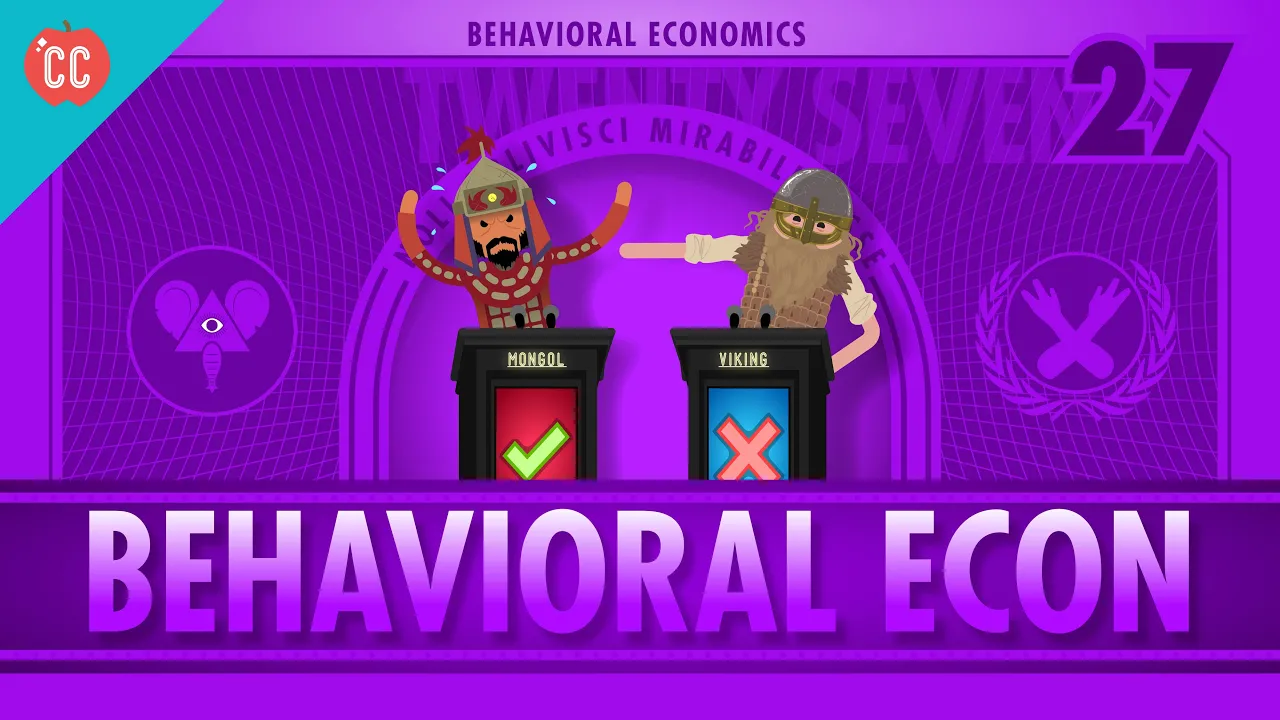
10:33
Behavioral Economics Explained: Rationality, Nudges, and Risk
@crashcourse
1.1M views•2016-03-12

113:18
The Age of Easy Money: Fed & Inflation | Full Documentary
@frontline
21.2M views•2023-03-15
Related Study Plans & Knowledge Roadmaps
Structured learning paths in Economics
economics
Sovereign Debt: Defaults, IMF & Restructuring
01Introduction to Sovereign Debt & Government Bonds
02Debt Sustainability & Credit Ratings
03Anatomy and History of Debt Crises
+ 2 more learning modules
12h5 modules
Explore Roadmap
economics
Market Design: Matching Theory & Gale-Shapley
01Introduction to Market Design and Price-Free Markets
02Two-Sided Matching & The Gale-Shapley Algorithm
03School Choice Systems and Mechanism Design
+ 2 more learning modules
10h5 modules
Explore Roadmap
economics
Impossible Trinity: Forex, Capital & Policy
01Introduction to Monetary Policy and Central Banking
02Exchange Rates and International Capital Flows
03The Mundell-Fleming Model
+ 2 more learning modules
8h5 modules
Explore Roadmap
economics
Healthcare Economics: Market Failures & Systems
01Introduction to Healthcare Markets and Market Failure
02Asymmetric Information and Adverse Selection
03Moral Hazard and Insurance Design
+ 2 more learning modules
12h5 modules
Explore Roadmap