


















![The Disappearing Great Salt Lake and What Utah is Doing About It [Oct. 24, 2025]](https://i.ytimg.com/vi/cwa4yebMrvU/maxresdefault.jpg)



The Great Salt Lake in Utah is divided into two distinct ecosystems by a railroad causeway, creating dramatically different salinities (30% salt in the north versus 15% in the south) that support entirely different communities of life, from pink-hued bacteria and algae in the hyper-saline north to brine shrimp and migratory birds in the less salty south, demonstrating how human infrastructure can fundamentally alter natural ecosystems and create unexpected biodiversity hotspots.
Great Salt Lake Ecosystem: Utah's Saline Biodiversity Explained
Added:Basic understanding of food webs, trophic levels, and energy transfer within ecosystems.
The concept of salinity and how aquatic organisms physiologically adapt to high-salt environments (osmoregulation).
An introduction to endorheic basins (terminal lakes) and why they accumulate minerals and salt over time.
The fundamentals of avian migration and the ecological importance of stopover sites along major flyways.
The environmental and public health impacts of shrinking saline lakes, including toxic dust storms and habitat loss.
Advanced study of halophilic (salt-loving) microorganisms and their potential applications in biotechnology.
The socioeconomic value of the Great Salt Lake, including brine shrimp cyst harvesting and mineral extraction industries.
Comparative limnology, examining the ecological crises of similar bodies of water like the Aral Sea and Mono Lake.
91.9K views867likes48:53Original Release: 2024-04-27
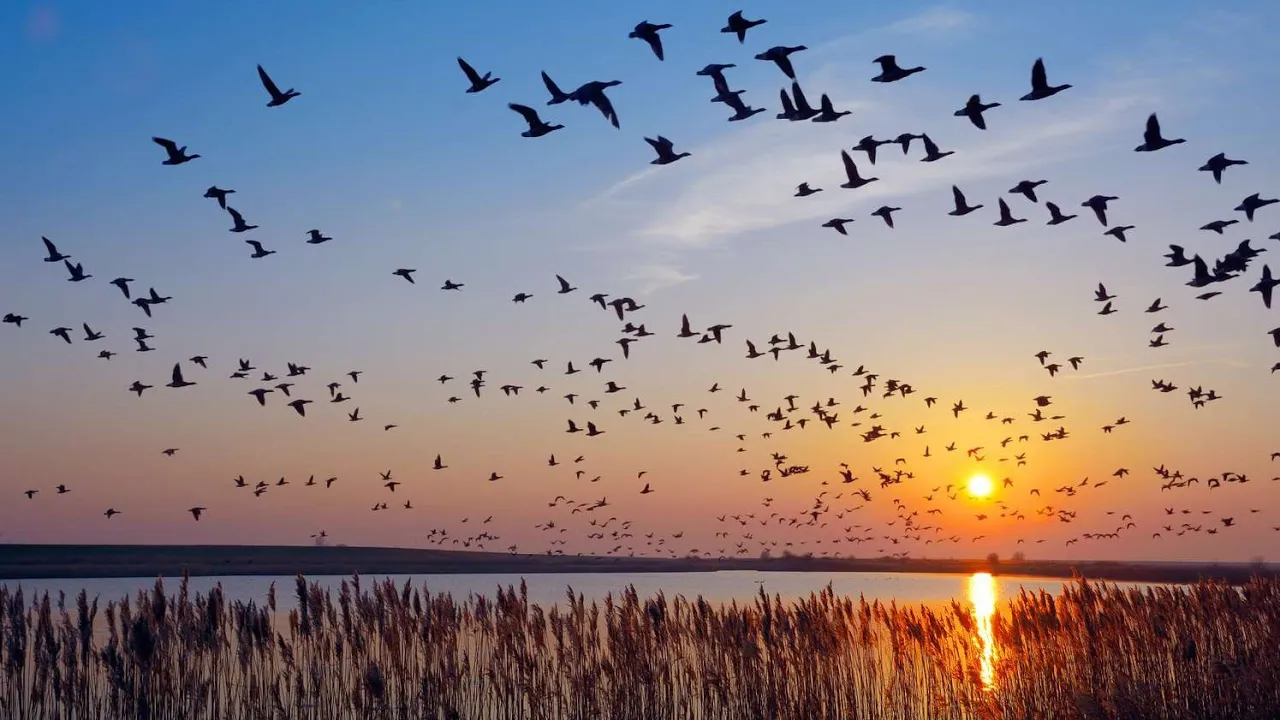
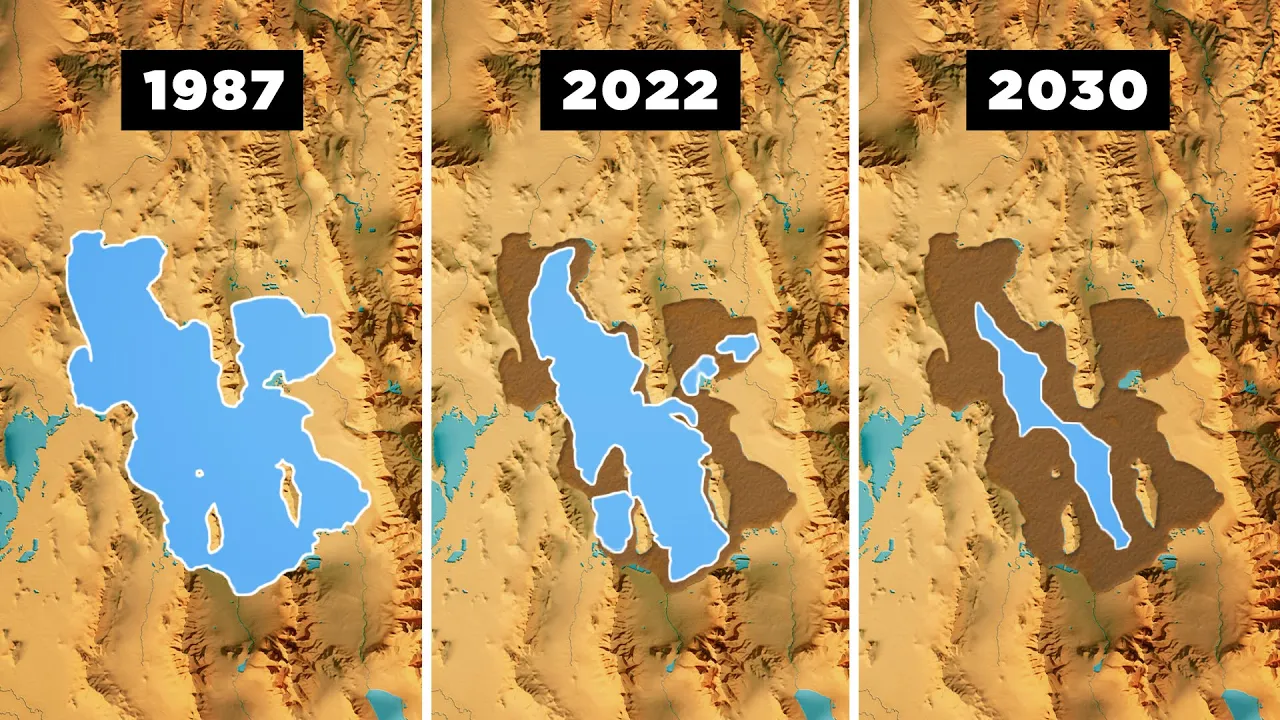
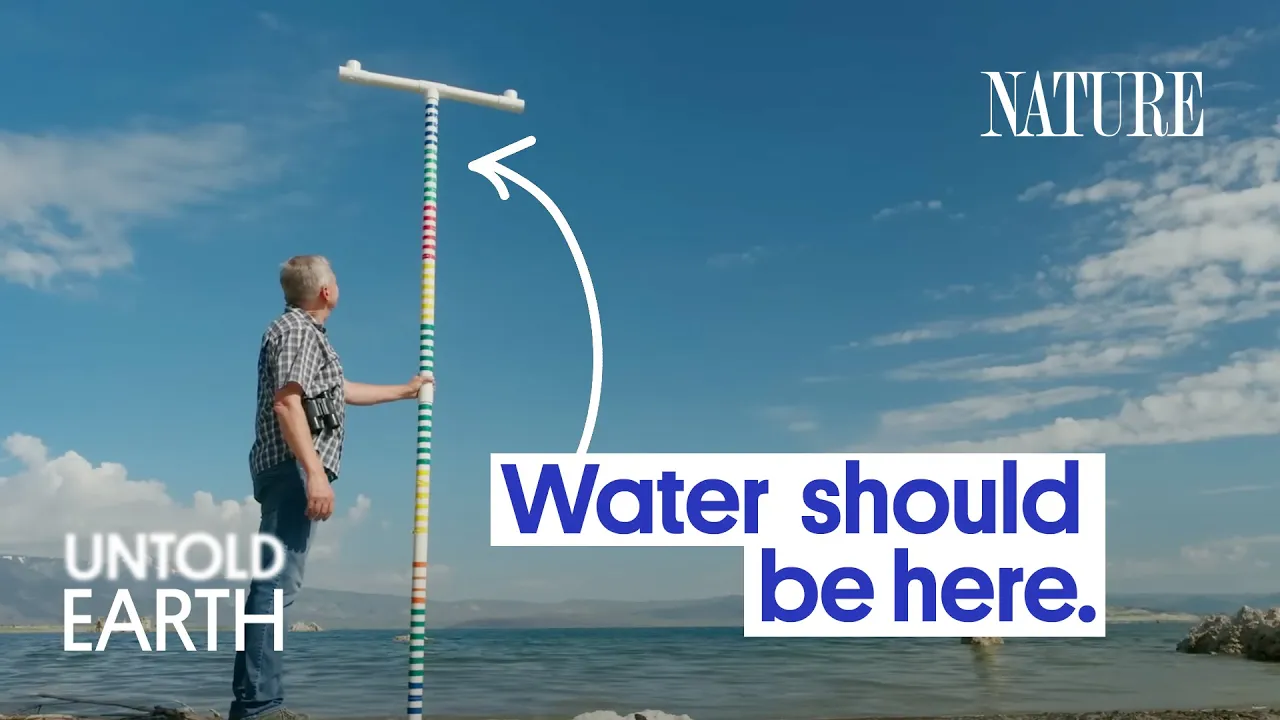
[Music] surrounded by large stretches of arid land and looming mountains the Great Salt Lake is sometimes called America's Dead Sea its salt content is so high it seems unfit for [Music] Life nevertheless millions of birds flock along its youres to feed and meate though its water is saltier than the ocean the lake is a complex ecosystem home to amazing creatures and filled with unsuspected [Music] Treasures how can such incredibly diverse life forms have flourished in an environment as Extreme as this [Music] located in the northern part of Utah one of the driest states in the US the Great Salt Lake covers an area of more than 4,400 Square km nearly 2 million people live in the region surrounding it a biologist at Westminster College Jamie Butler has devoted herself to the study and protection of the Great Salt Lake I grew up here in Salt Lake and I'm an avid Great Salt Lake lover I'm passionate about it we were taught that Great Salt Lake isn't so great that it smells that it's buggy that it's a dead Lake that nothing lives here that that there's no value in the lake at all great lake has a lot of different micro environments so even though Great Salt Lake is salty there are lots of things that have adapted over time to live and thrive in its salty Waters the Great Salt Lake Region regularly receives heavy rains blowing in from the Pacific [Music] Ocean how is it then that the Lake's water is so salty the reasons for this lie in the mountains surrounding it in Spring the snow and ice that have accumulated over the winter begin to melt an extraordinary amount of water gushes down the mountain slopes and into the rivers that feed the lake and yet this exceptionally pure water changes long before it reaches the lake it is a phenomenon that limnologist Wayne wsau who has been studying the lake for over 30 years is very familiar with one of the reasons the uh Great Salt Lake is salty is because these rocks behind me weather through time these over T of Thousand Years break down release calcium carbonate magnesium carbonate sodium Chlor these flow down into the Great Salt Lake and on if it was a normal lake with an outflow those salts would just flow on and eventually make it to the ocean but the great Sal Lake is a terminal Lake which means the only way the water leaves is via evaporation up into the atmosphere when that happens the salts are left behind and we wind up with a Salt [Music] Lake since the lake is a closed circuit system a phenomenal quantity of mineral salts have accumulated over the centuries two million more tons of salt arrive each year to the Delight of Industrials who've managed to turn it into a profit with its water much too salty for any use this unpopular Lake must have been quite a disappointment to the Pioneers who settled here in 1847 [Music] nevertheless with advanced irrigation techniques these persevering Farmers managed to transform part of the Arid terrain into fertile land and founded Salt Lake [Music] City after their settlement came the building of the railroad and a Causeway spanning the lake from east to west [Applause] this massive construction has had a considerable impact on water flow in the lake when seen from the air today's Great Salt Lake looks Odd as if a line had been drawn straight across dividing it into two distinct parts of different colors the railroad Causeway has created two disconnected parts of contrasting Hues we're standing on the uh shore of the north arm of the Great Salt Lake you can see the pink water going to take a sample here and measure the cinity of the water with a re something called a refractometer I look through this and see a line and tells me what the salinity is and as expected it's about 30% salt by weight uh you can compare that with the ocean that's about uh close to 10 times what the ocean is north of the causeway there is practically no fresh water that enters the lake the occasional rains cannot make up for solar [Laughter] evaporation nevertheless despite the extremely high salinity of this environment cut off from the rest of the lake it is not completely devoid of life we have bacteria in here and we have green algae but even the green algae have red pigments that help protect from the sunlight and so the water looks pink and if we were to go to the other side of the causeway just 30 m away it it looks green and so it's really a striking difference and a whole different community over there the reason the water is green south of the causeway is that its salinity is much lower than the water to the north this is where the three major tributaries flow in the Jordan Weber and bare Rivers here the salinity is only 15% a tolerable level that makes it possible for life to develop located on one of the main migratory routes in Western North America the Great Salt Lake is a strategic stopover for millions of birds migrating North in [Music] Spring some merely pass through While others such as the white-faced ibus build their nests and raise their young in the marshes as summer approaches American avocets seek food in the areas exposed by the drop in water level survival in this shifting habitat is a constant struggle but it is north of the causeway that we find one of the most hostile environments of the [Music] [Music] lake on this hot July Morning A mly procession comes rolling down the causeway [Music] summoned by biologist John LT a group of 30 volunteers are about to Brave the ultra salty Waters of the north part of the lake take we want to get done before it gets too hot also there's a storm supposed to come in this afternoon maybe so if we can get off the water before the wind picks back up then uh that would be great the group's destination Gunnison Island over 35 km away from their launch [Music] Point John L is in charge of several research programs on the Great Salt Lake each year he heads to Gunnison Island to carry out a delicate mission there is very few people that has set foot on this island surrounded by the pink Waters of the north part of the lake the island is particularly inhospitable no trees here only rocks and salt yeah go ahead lot of them move down to the yeah I we don't see them here but uh are you ready for us to come over ready pretty quick all right we're on our way okay go ahead the team have spotted the object of their mission thousands of young Pelicans that hatched on the island a few months earlier each year over 10,000 American white pelicans close to 20% of this bird's world population stop in this extreme Habitat to [Music] breed for these birds ganison island is a sanctuary protected from the exterior World by Ultra salty water that no Predator would dare [Music] cross the clumsy young Pelicans haven't learned how to fly yet their parents have left them on their own to go search for [Music] food this leaves the scientists with only a few hours to ban the young birds before the adults get back great is important for these birds as protection for nesting area not so much as a a food source the closest food source to Gunnison island is be River Bay which is about 30 m east of us here in the Bay's less salty Waters the Pelicans catch fish they can then bring back to their young safe on their Island the young Pelicans wait impatiently we like to track them and the easiest way to do that is using these pagal markers because they're really visible outside the wing and uh a lot of bird watchers can see them and we don't need the bird to die to actually get a a return from an observance from these [Music] birds these markers have already enabled scientists to solve a few Mysteries we now have a better understanding of the journeys made by the Pelicans and where they go to find food and we have record through the banding record the bands that we're putting on that show that travel Pelicans will travel up to 300 miles round trip just to forage and bring food back to the chicks it isn't easy to catch the young Pelicans the volunteers need to pick up the pace since the adults are already on their way back [Music] the scientists hope their markers will help them understand why only 25% of the young survive each year the work is completed in the nick of time at last the adult Pelicans can feed their famous chicks [Music] for the moment Gunnison Island offers Pelicans the perfect Refuge but this might not always be the case scientists have noted that since the 1990s the level of the lake has been diminishing regularly some of them fear that the trend partially attributable to global warming will only intensify in the future one day it may very well be possible for predators to reach the Pelican [Music] Sanctuary to understand what the future holds sometimes we need to look to the [Music] Past 150 km west of the lake lies a vast plane of salt it is one of the flattest zones on earth and the ideal place for heading back in time to the origins of the Great Salt Lake here we are Genevie sunrise on Great Salt Lake well doesn't really great Salt Lake we're at the Bonville Salt Flat yeah it's the climate change of hot and dry versus wet and cool that makes this place just be a total contrast this place was once an immense expanse of water four Maps Lake Bonville the precursor of the Great Salt Lake we'll start with this one and then we'll see if he's 30,000 years ago climate changed globally and we went into a colder wetter environment here here in North America it only took probably you know fewer than a hundred years for it to go from Salt Lake to Windover this is big [Music] changes it was a large lake about the size of Lake Superior and that lasted for about 20,000 years at its highest level Lake bonnaville covered nearly 2/3 of Utah this gigantic Reservoir contained a 100 times more water than the current lake until a cataclysm took [Music] place we had this failure that everybody's enamored of I am to it's called the bonnaville flood and its outpouring this was this whole lake dropped 300 ft in less than a year the natural barrier retaining the water in the north part of the lake abruptly gave way either there was an earthquake or a landslide or any number of things happened and it failed and once it failed just like butter just went right through it it equals all of today's Rivers combined the Ganges the Amazon Mississippi with all the water that drained out the level of the lake radically diminished leaving traces on the landscape that can still be seen today next the climate began to warm up and the enormous Lake Bonville gradually evaporated slowly changing into a desert of salt today the only remnant of this former Inland sea is the Great Salt [Music] Lake on a smaller scale the fluctuations in water level have continued from one year to the next from one season to another the lake level varies this is easy to see when you compare two photos taken two decades apart so this image is from the 1960s this image from the 1980s what do you want to do first I'd like to go to analou island analou island is here notice that it isn't an island in my picture Farmington Bay is huge stanbury not an island how about on yours yeah mine's an island aren't you special I want to do be River bird refuge no water empty it does and then you say over barely 20 years separate these two pictures yet the difference is blatant that makes the lake Islands become peninsulas then return to being Islands once more yeah I do love it in this flat Shallow Lake the slightest shift in water level changes the shape of the shoreline causes floods or dries up entire habitats the lower the water level the higher the salinity each fluctuation of the Great Salt Lake has immediate [Music] consequences in the north part of the lake an amazing sculpture appears and disappears in keeping with these variations Spiral Jetty Robert smithson's work of land art required several tons of bassal and rock to [Music] create now I remember the first time I came out here with students the water level was so high that we canoed over Spiral Jetty we couldn't even see it under the water Spiral Jetty it's a very artistic water gauge it is that and now I can't believe we're walking on it it's dry as a bone it's a Bonnie Baxter a biologist with Westminster College is an expert in The Lakes microorganisms right here because of for her the Spiral Jetty area amounts to a true outdoor laboratory know what we're out here to do today are refined microorganisms that can live dried up in salt crystals because some Seasons we find very little water and we know that the microbes are still alive the microbes that live here have learned to uh pump the salt out and to make things inside their cells to compensate like lipids or sugars uh to balance their membranes in the water and and so they have these special secrets for life in this place and what we find is the microbial community that's here in June is different than the microbial Community that's here in October and sometimes we see new microbes new species we've never seen before um so if you follow the lake over time you will find the microbial diversity changes which is beautiful surprising to me that so many people think there is snow life in this Lake cultured in a laboratory for several months the samples taken by the scientists have allowed them to understand why the lake changes color from one season to the next as the lake gets more concentrated in a species under the Genera of a of Halo bacteria we would see a purpley color if it were more concentrated in an algae we call Denalis Salina it would be more like my shirt it would be more of an orange color so this is evidence just visually of changing microbial [Music] communities the bacteria give the lake its stupendous colors but also provide the main source of food for other creatures which are just as strange in the South part a large proportion of the biodiversity depends on the tiny organisms that thrive there in spite of the salt on this day in early summer Kyle stone is taking samples that are of the utmost importance for biologists what he's collecting are tiny crustations called brine shrimp these creatures play a crucial role in the Lake's biological cycle we collect these samples to determine the number of shrimp throughout the lake per liter of Lake water and we use that for management purposes to manage the brine shrimp harvest season brine shrimp provide food for several varieties of birds and are remarkable creatures in and of themselves by evacuating the salt they absorb they are able to survive in water with a mineral concentration of over 50% the eggs they lay can survive temperatures higher than 100° C in summer brine shrimp feed on the green algae that proliferate in the lake during the winter they act as filters removing the algae from the water in a few months time this explains why the water gradually loses its green color and even ends up a veering blue in the fall but the amazing brine shrimp are not the only secret harbored by the Great Salt Lake one part of the shoreline seems to be made up of strange living rocks that Wayne wzon knows quite a lot [Music] about this is a stromatolite which uh looks a lot like rock and in fact it really is Rock but it's formed by by life and the life that forms it is these cyanobacteria type very similar to algae and because of the cyanobacteria and the solid substrate we have brine flies growing on this three generations of flies grow on these stlyes each year the fertile rocks provide larvae with shelter and an abundance of food these drates that we're walking on now are probably half a meter thick or something like that and have been growing for a long time they grow over tens of thousands of years and if we look down we can see tens or hundreds of thousands of brine flies some are sitting on the surface film of of of the lake uh making almost a solid m in the summer the density of the Flies reaches its maximum any other than a scientist would consider them a plague but Jamie and Bonnie know that these insects are an essential component of the lak's ecosystem the flies at Great Salt Lake still amaze me after working at here for all of these years you can see the sparkle on the surface of the water those are the adults that are laying their eggs on the water um in the Great Salt Lake the Flies are cycling nutrients by eating these microbes on the bioherms they're um specializing on the benthic microbes that live on the bottom of Great Salt Lake and feeding on them people have estimated up to 70 million pupic cases on one mile of Shoreline and this is incredible biomass for the birds that migrate here all year [Music] round the abundance of these flies helps explain why the Great Salt Lake is one of the main stops along the migration route of countless bird species but could this Cornucopia turn into a threat over the past few years scientists have grown alert to the presence of mercury in the bodies of certain water [Music] fowl there is little doubt as to the origin of the Mercury it comes from Industrial Waste the highly toxic metal leeches onto the bottom of the lake in the sediment that constitutes the fly larva's food these larva in turn are the main food supply for the most highly contaminated bird on the lake the common golden [Music] eye scientists have discovered the fly larvae are at the bottom of a toxic food chain where the concentration of mercury gets higher with each link but are the Flies the only Vector in this lethal sequence don't other animals contribute to spreading the poison look in front of us us we have at least 100 spiders big spiders these are orb weavers at Great Salt Lake so Birds aren't the only ones that eat the flies out here at Great Salt Lake orb weavers also love to Feast on all of those billions of flies that are behind us on the shorelines of Great Salt Lake until now the role the spiders play in the contamination of other species had not been clearly established I had began working with one of our faculty members at Westminster College who had some preliminary data on how much mercury was in the spiders at Great Salt Lake and had talked to the media about this and a photographer contacted us right away and said I have pictures of birds that are feeding these spiders to their nestlings which is a um very interesting way for a scientist to gain information through a photographer intrigued by the photos researchers were eager to learn more they installed a miniature camera near a nest first ingested by flies then by spiders and birds the Mercury becomes more concentrated as it progresses along the food chain to man certain ducks with mercury levels that are too high have been banned from human consumption the presence of this toxic metal in their main source of food has transformed the Great Salt Lake into a risky stop off for America's migrating [Music] birds summer is almost over and there are fewer and fewer flies the birds have had a chance to stock up on food and are ready to leave the lake for Regions where the winter is [Music] milder Autumn Heralds a new stage in the biological cycle of the lake the month of October marks the opening of a very particular fishing season the brine shrimp have laid an actual treasure billions of eggs that amass in Long reddish swaths that are visible from the sky destined as food for farmed fish these eggs called cysts bring $125 million into the local economy each year dozens of boats attempt to make the most of these few months of harvesting under the watchful eye of John LT as we manage the the brine shrimp fishery uh we have uh the possibility of uh over harvesting but also under harvesting so we rely heavily on the brde shrimpers to actually harvest the exact right amount and that's what all of our monitoring during the course of the season is [Music] for to ensure the sustainability of the resource the harvesting of brine shrimp eggs must respect strict [Music] quotas if too many cysts are harvested the next generation will have a hard time replenishing itself but if not enough are harvested the adults will proliferate to an extent that could lead to a shortage of phytoplankton this would prevent young brine shrimp from reaching maturity and being able to reproduce the cysts are incredible creatures it takes 250,000 of them to fill just one teaspoon but they are astonishingly [Music] resilient they can survive many years in a state of complete dehydration and are able to adapt to extremely different salinity levels fishermen aren't the only ones who appreciate the presence of these tiny shrimp that play a major role in the ecosystem of the lake biologist Moren Frank has organized an expedition to study one of the largest and most prolific populations of migratory Birds on the lake the eared greb another sort of angling Begins for [Music] Birds the reason that your grebs come to Great Salt Lake is to fuel up before migration so they come here and they eat a lot and when they get here they lose the ability to fly because their wing muscles get smaller and all of their digestive organs get bigger so that they can just put on as much weight as they can it's a dream come true for the scientists studying them the researchers Drive about a dozen into their net which they will then equip with transmitters this will allow morine to record the bird's movements we need to know how many are out there we need to know what they're eating we need to know where they're eating to ensure they're longterm they viable they can't survive you know half of North America's population of Greaves comes here every year these transmitters are helping us figure out how they move around the lake while the eared Greaves are here there's also Harvest of brine shrimp cysts that's going on at the same time so it's important for us to know what parts of the lake Lake are important to the birds so that we can um make sure that they still have places that are are good for them to forage and we monitor that so that we can have the birds stay healthy and have a brine shrimp cyst [Applause] [Music] industry as valuable to the birds as to the fishermen brine shrimp are the Lake's largest biological treasure without them the Great Salt Lake would not be the main stopping point for migrating birds in the southwestern United [Music] States fall is the best season to discover Antelope Island located in the Southeastern part of the lake the island with its 40 freshwater Springs is in Oasis in the midst of the saltwater desert this makes it a natural Sanctuary for its remarkably diverse Wildlife which includes the prong horn the only Antelope endemic to North [Music] America the most surprising animal that lives on the island was once found in abundance on the [Music] continent just 200 years ago 50,000 bison still roam the American PLS but the arrival of the Pioneers proved fatal to them and by 1890 hunting had reduced the population to a mere few hundred president Theodore Roosevelt took the initiative of reintroducing the species in certain protected zones the Ty actually came in 1893 to the island at that time we brought uh 12 animals four bulls four cows four calfs so they felt that it was an isolated place that they could protect [Music] them today over 600 bison live on Antelope Island the largest herd in North America although a few of its Landscapes resemble the Arid Plains of former Lake Bonville the island remains a privileged spot for the protection of a legendary creature they are so prolific here that their numbers need to be managed this has spurred the great Buffalo Roundup that is organized on the island each year okay when we get them up in the Corrals all right you'll have fences on both sides they've got we've got to push 600 Buffalo through a 30 foot gate so once they get going through the gate back off all right and just let them go once we get them going just take it easy they'll all walk in each year hundreds of volunteers flock to antalope Island from across the United States to participate in the Roundup a number of Bison will have to leave the island but which ones the bison are herded towards Corrals where they can be examined and [Music] sorted the enormous herd is driven toward the pens the bison are selected according to genetic criteria there's a lot of Bison these days that have B Vine genes in them Bine being cow or cattle jeans so what we want to do this year is we'll auction off anything that we find um Bine in and to get a pure bison herd which would be fairly unique throughout the country the Bison undergo medical examinations and DNA testing the results of which will determine which animals get to stay on the island and which ones must [Music] leave the test have revealed that 99% of the Bison on the island are free of bovine genes which actually makes them one of the purest herds on Earth more than ever the Antelope Island bison bir is a resource worthy of protection in the exceptional habitat provided by the Great Salt Lake Autumn is drawing to a clo and life in and along the lake is gradually changing in the north the heavily salted water glistens bright pink while in the South the water has been cleared of its algae and presents a clear blue [Music] shade to the east where the fresh water from Rivers blends with the lake saltier water we find a vast network of habitats these wetlands are a refuge for over 200 varieties of birds but are also one of the spots most susceptible to drops in water level to survive in the shifting conditions animals plants and microorganisms need to constantly adapt all these life forms depend on the rhythm of the seasons and the water level in the lake johnl can't help but acknowledge that this ecosystem is gradually drying [Music] up as the season draws to a close we find the largest bird population up in the Northeast near be River Bay in the marshes where the vegetation is Lush and the water less [Music] salty temperatures are dropping and the water will soon freeze for some birds this is their last chance for a good meal the Bear River Refuge is the largest wetland in the Great Salt Lake ecosystem for biologist Howard browers it is time to take the final counts of the [Music] Year any idea what they are the Ducks yeah it's probably a combination of pentail greenwing teal this is a pretty neat time to be on the Refuge huge during the fall migration I actually did a count just a couple of days ago and on this unit we probably had close to 40,000 Birds mostly ducks in another 6 weeks or so the Refuge will be Frozen and then pretty much everything is gone the resource that we're trying to manage for is the amazing waterb bird particularly resource Shorebirds that use the River and the Great Salt Lake ecosystem all of these Birds um depend greatly on the Great Salt Lake ecosystem for not only breeding but for feeding during migration and the Bear River is a significant part of [Music] that for man as well as for the Wildlife fresh water is a scarce and coveted [Music] resource the priority is rarely given to the Lakes [Music] ecosystem in the spring when the irrigation season kicks in um our water right becomes Junior to the irrigators and irrigators get to take what they need from the river and then we get we basically get what's left over and so some of our Wetland units can actually dry up in the late summer 90% of the water from the be river is intercepted and diverted into artificial canals used to irrigate [Music] farmlands millions of liters that never make it to the lake all this diversion that's been going on has consequences for the lake in that the lake has been kind of going I wouldn't say steadily down it still has as ups and downs when we have wet periods and dry High periods but overall along that 150e period the Lakes been been declining the misfortunes of the Great Salt Lake are not all due to agriculture Urban Development is also to blame Salt Lake City is steadily growing if the city keeps expanding at its current rate the population of the region will hit nearly 3 million in 10 years time this demographic growth and its accompanying industrial and Agricultural Development considerably increase water needs to the detriment of the Great Salt Lake when I met the lake it was much larger than it is today and you've seen the lake going from very high to very low and we could do um very serious um and potentially catastrophic damage by not allowing water to the lake the Great Salt Lake struggles to strike an elusive balance between the needs of man and those of [Music] nature it is winter once more and the great migrations are drawing to a [Music] close indifferent to the coming cold a colony of 10,000 Tundra swans flocks along the Lake's Shores the bald eagle legendary bird of prey and symbol of the United States sets up its winter quarters on the Great Salt Lake the first snowf Falls have capped the surrounding mountains with white but the lake has barely changed it will only be partially covered by Ice as its high salt content keeps its Waters from freezing only certain areas along the shores sometimes freeze but rarely for long the Lake's unfrozen water plays a huge role in the heavy snowfalls in the surrounding [Music] mountains researcher Jim steenberg discovered that these snows sometimes in the form of blizzards are the result of a unique meteorological phenomenon the lake effect well we're up here at Snowbird gets like 500 in of snow year and some of that snow is produced by the Great Salt Lake Effect and that Great Salt Lake Effect happens when you get cold air some of that snow is produced by the Great Salt Lake and uh sometimes during the winter time we get these uh cold air intrusions from the Northwest they move over the Great Salt Lake the thermal shock between the cold air from the North and the damp warm air of the lake creates spectacular snowfalls it really is the heating of the lake that drives these storms as that heating destabilizes the atmosphere and it drives these land breeze circulations that come from the opposing shorelines they converge and they help to trigger these Lake Effect [Music] storms those slowed in Winter the biological cycle of the Great Salt Lake continues little by little the lake takes on its characteristic green Hue once again It prepares for its next rebirth in a few months time a new cycle will [Music] begin the thick blanket of snow covering the mountains will melt and add water to the lake the brine shrimp will be born again and the migrating birds back once more will enjoy their feast the Great Salt Lake little known and often unpopular will once more prove that in reality it is the generous protector of an immense [Music] biodiversity
Up Next

3:44
Understanding Deductibles, Coinsurance, and Copays
@YUHSD
304 views•2018-04-02

12:54
Triumph of Orthodoxy Icon: Byzantine Art & History Explained
@BenCallan
2.1K views•2024-08-06

9:49
FastAPI vs Flask vs Django: Choosing the Right Python Web Framework
@TechWithTim
302.5K views•2024-05-26

1:42
Game of Thrones Opening Credits: A Cinematic Analysis
@gameofthrones
46.3M views•2011-04-18
Related Study Plans & Knowledge Roadmaps
Structured learning paths in General & Interdisciplinary Studies
general-studies
Elevator Engineering: History, Physics & Cities
01From Hoists to Safety Brakes: The Dawn of Vertical Lift
02Hydraulic vs. Traction: The Engineering Physics of Elevators
03Modern Speed, Safety, and Algorithms
+ 2 more learning modules
12h5 modules
Explore Roadmap
general-studies
Rubber: Material Science, History & Geopolitics
01Origins of Natural Rubber & Mesoamerican History
02The Chemistry of Natural Rubber & Vulcanization
03The Geopolitics of the Rubber Boom & Colonization
+ 2 more learning modules
12h5 modules
Explore Roadmap
general-studies
Containerization: Evolution, Logistics & Trade
01Ancient Trade & Bulk Cargo: Amphorae to Barrels
02The Industrial Revolution & Cardboard Packaging
03The Containerization Revolution: Malcom McLean
+ 2 more learning modules
12h5 modules
Explore Roadmap
general-studies
Textile Tech: Evolution, Labor & Global Impact
01Pre-Industrial Textiles: Handloom & Cottage Industry
02Mechanization: The Spinning Jenny to the Power Loom
03The Factory System & Global Labor Transformation
+ 2 more learning modules
10h5 modules
Explore Roadmap