

![Phonology: Intro to linguistics [Video 3]](https://i.ytimg.com/vi_webp/1JYahvKUvPU/maxresdefault.webp)










![Documentación lingüística y creación de materiales de la lengua hñäñhü [otomí] - Episodio #029](https://i.ytimg.com/vi/6ID3dLAAUjo/maxresdefault.jpg)


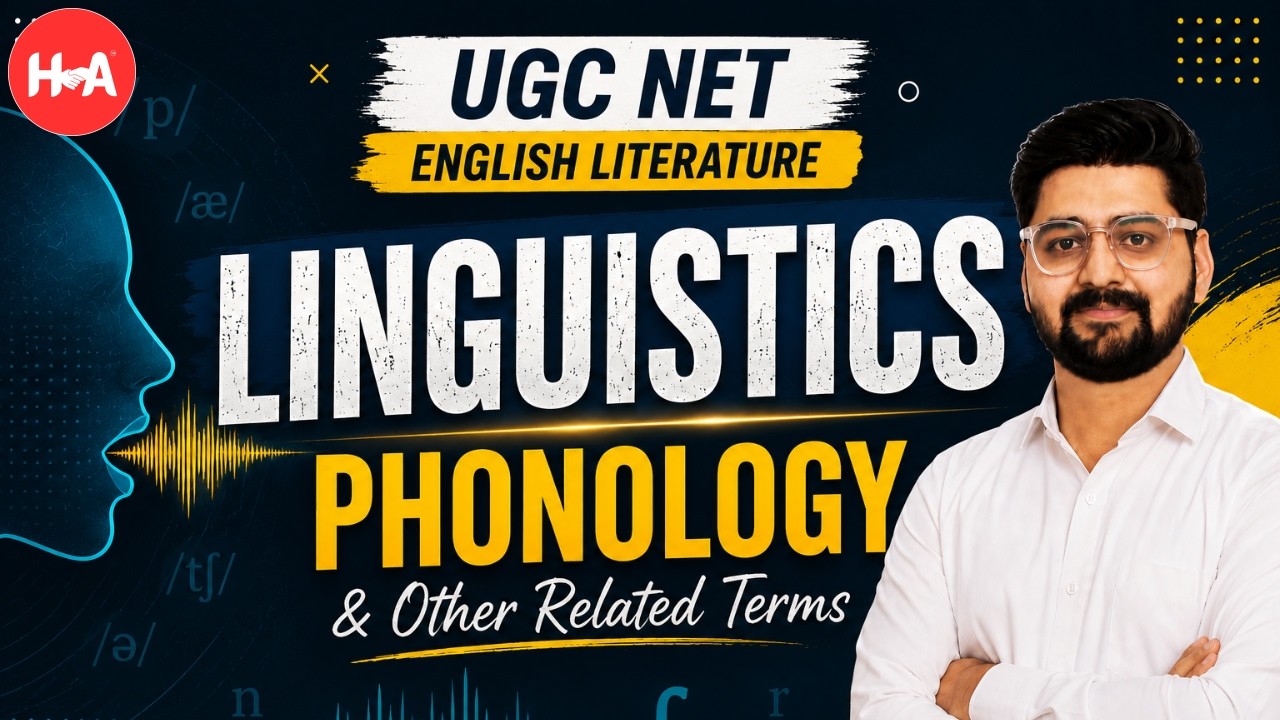
Phonology is the study of a language's sound system, including its phonemic inventory (sounds that contrast and differentiate meaning), while orthography is the writing system that represents those sounds; linguists use the International Phonetic Alphabet (IPA) to consistently transcribe sounds across languages, and minimal pairs (words differing by one sound with different meanings) help identify which sounds are phonemes in a specific language.
Language Documentation: Phonology & Orthography Basics
Added:Familiarity with the International Phonetic Alphabet (IPA) and the basics of articulatory phonetics, including how consonants and vowels are produced.
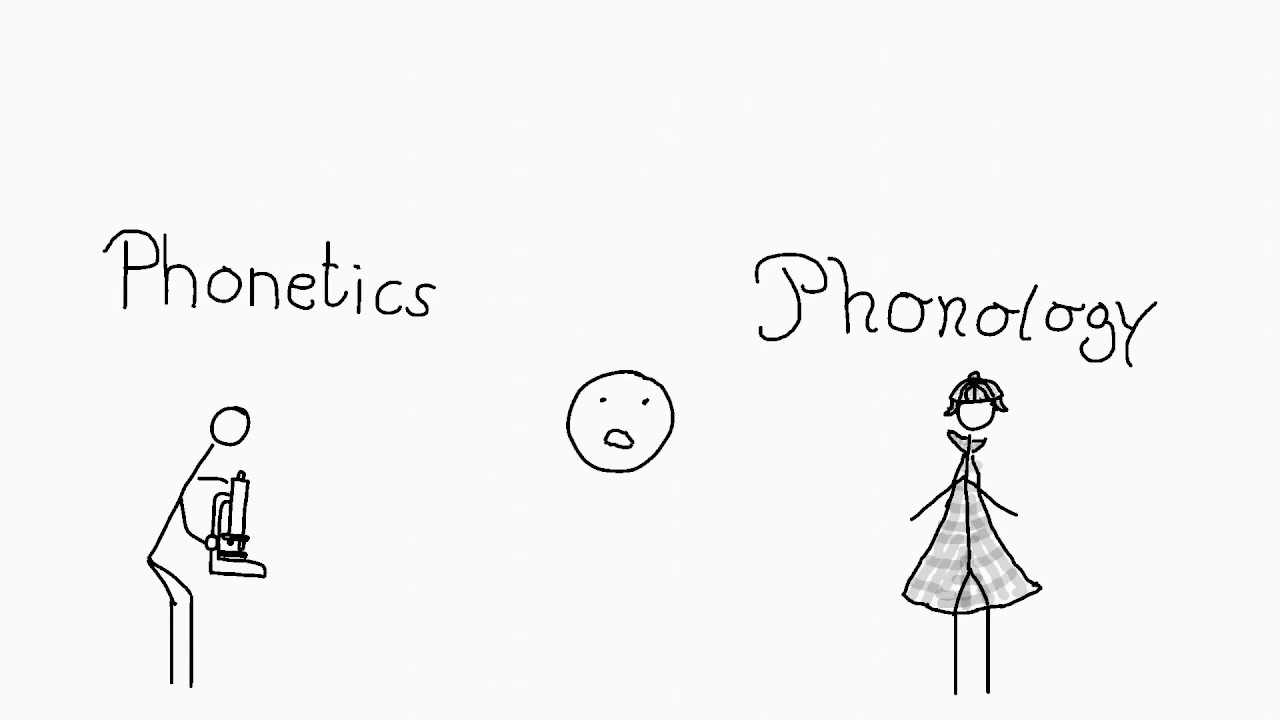
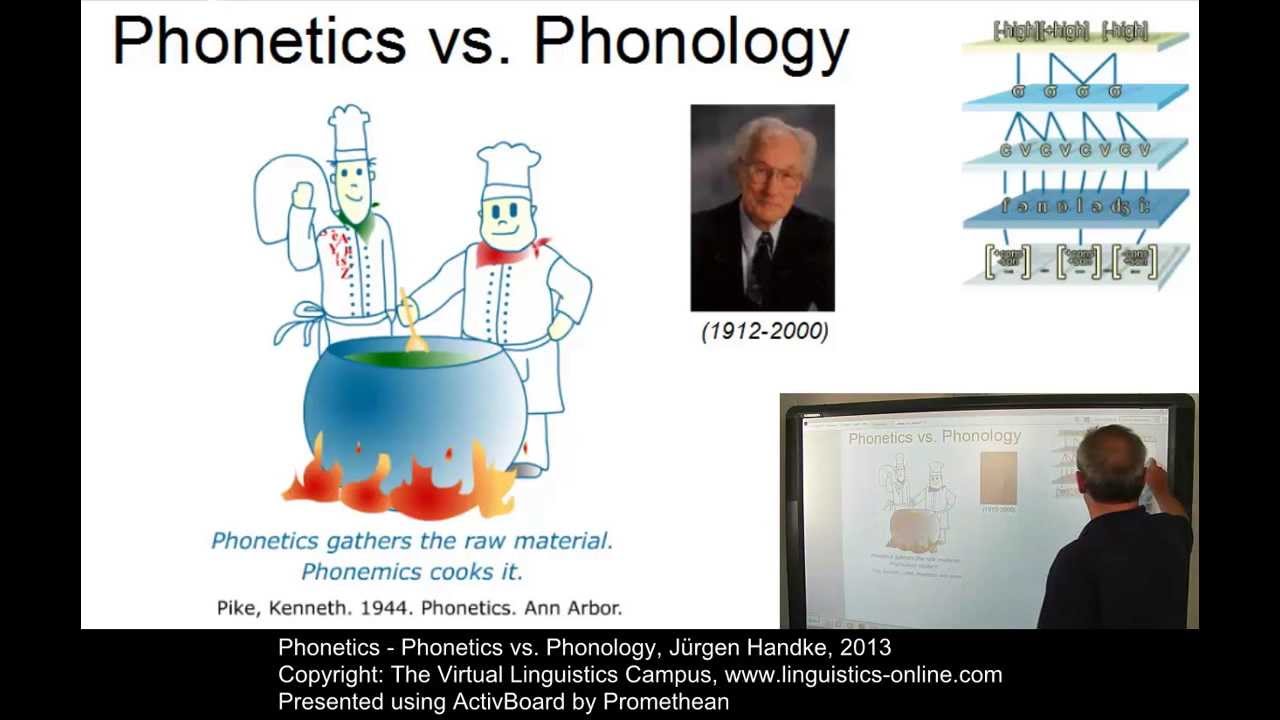
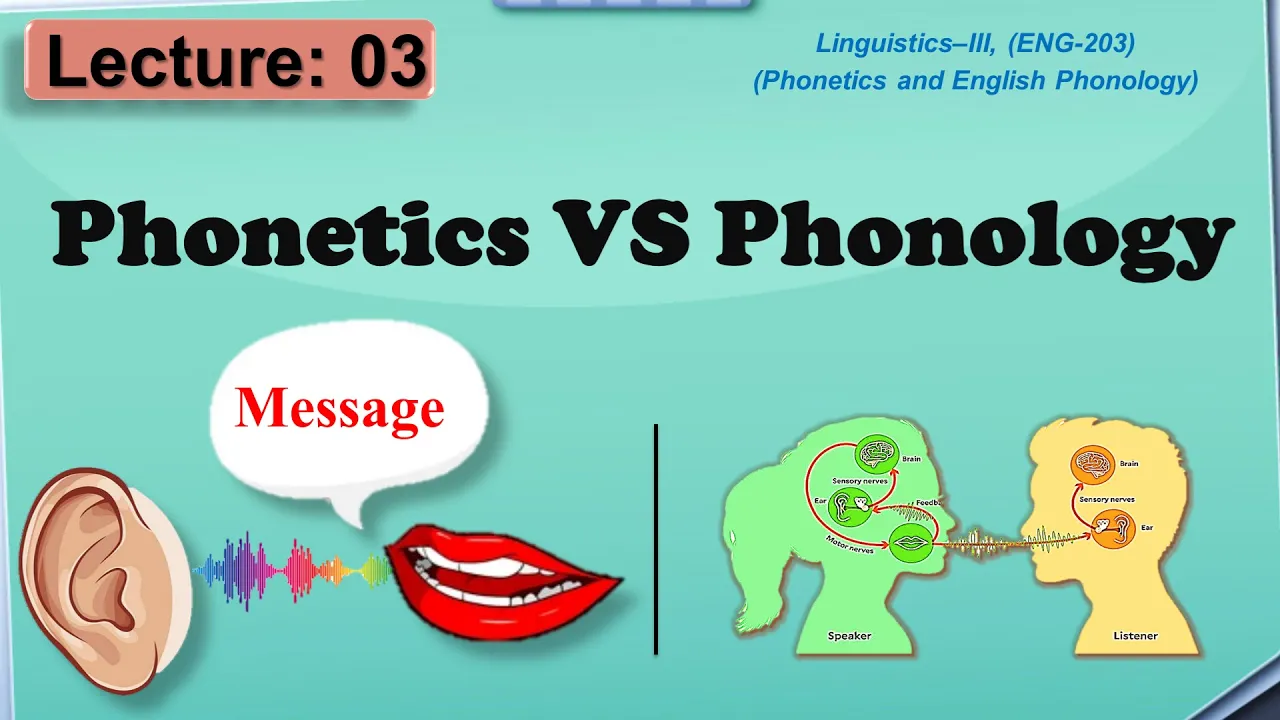
Understanding the conceptual distinction between phonetics (the physical properties of speech sounds) and phonology (the cognitive organization of those sounds).
Basic knowledge of phonological contrast, specifically how to identify minimal pairs to determine whether a sound distinction is phonemic.
An introductory understanding of the goals, ethics, and methods of language documentation and working with speaker communities.
Conducting acoustic analysis of speech sounds using specialized software like Praat to support and verify auditory phonological analysis.
Studying morphophonology to analyze how sound patterns change when morphemes are combined in word formation.
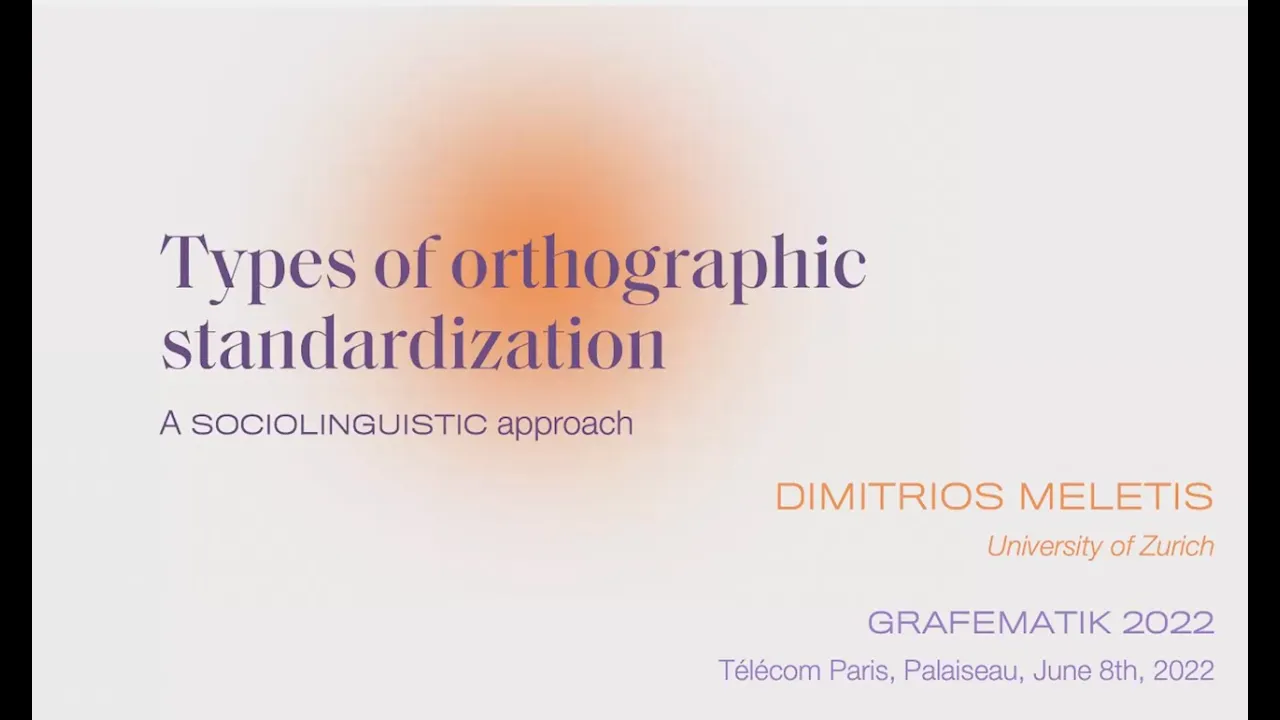
Navigating the sociolinguistic and political challenges of orthography design, such as community acceptance, dialect representation, and keyboard layout development.
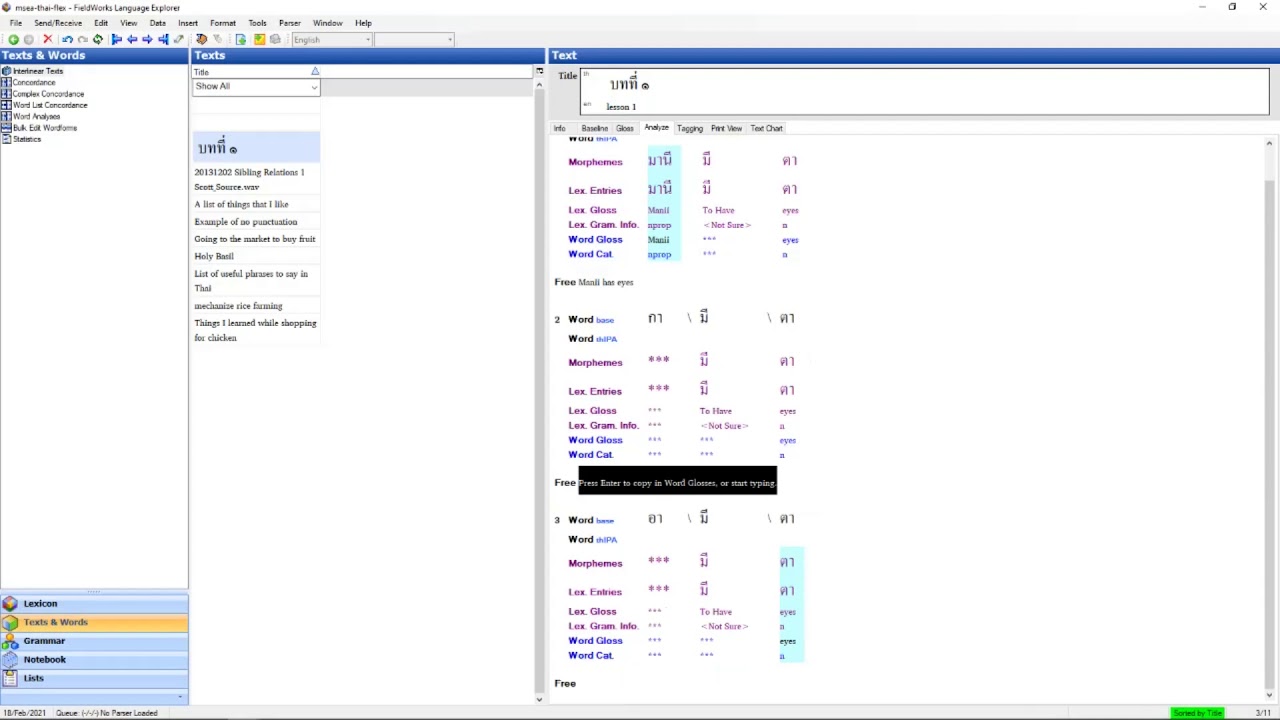
Learning to use documentation software like FLEx (FieldWorks Language Explorer) and ELAN for corpus management, dictionary building, and text annotation.
Applying the established orthography to develop pedagogical materials, literacy campaigns, and community-facing revitalization resources.
327 views6likes1:09:49Original Release: 2022-10-20
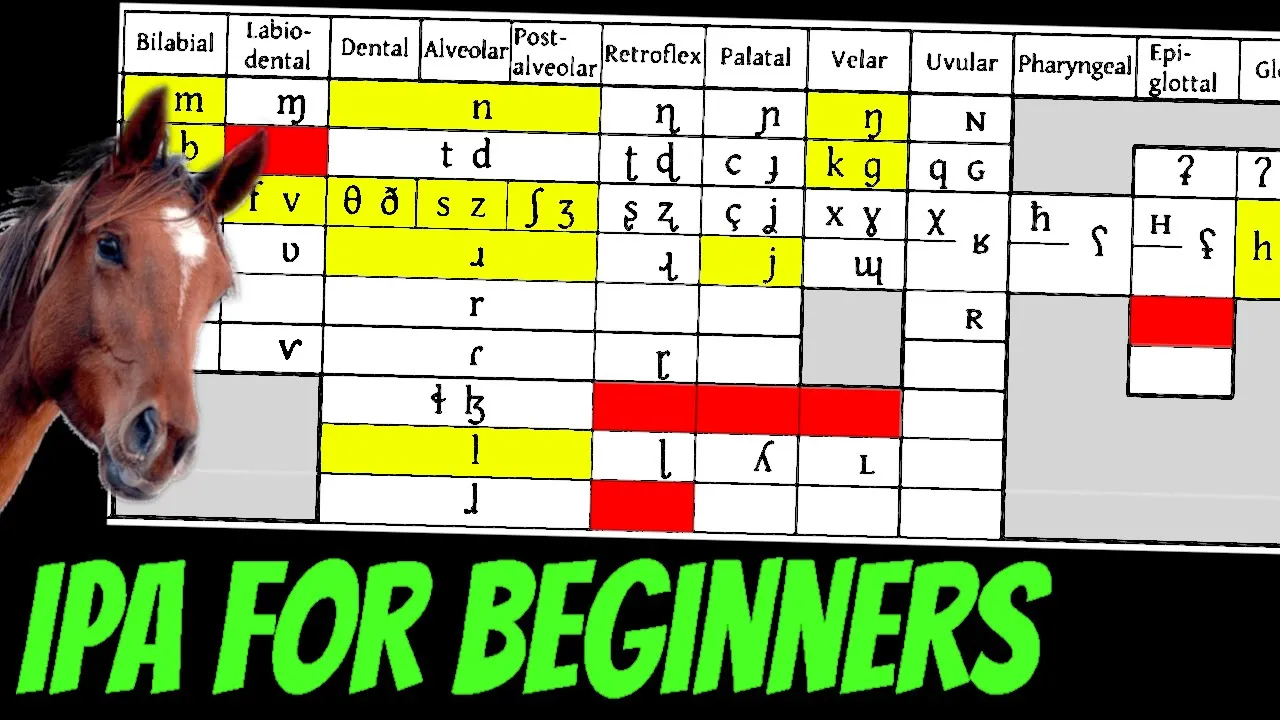
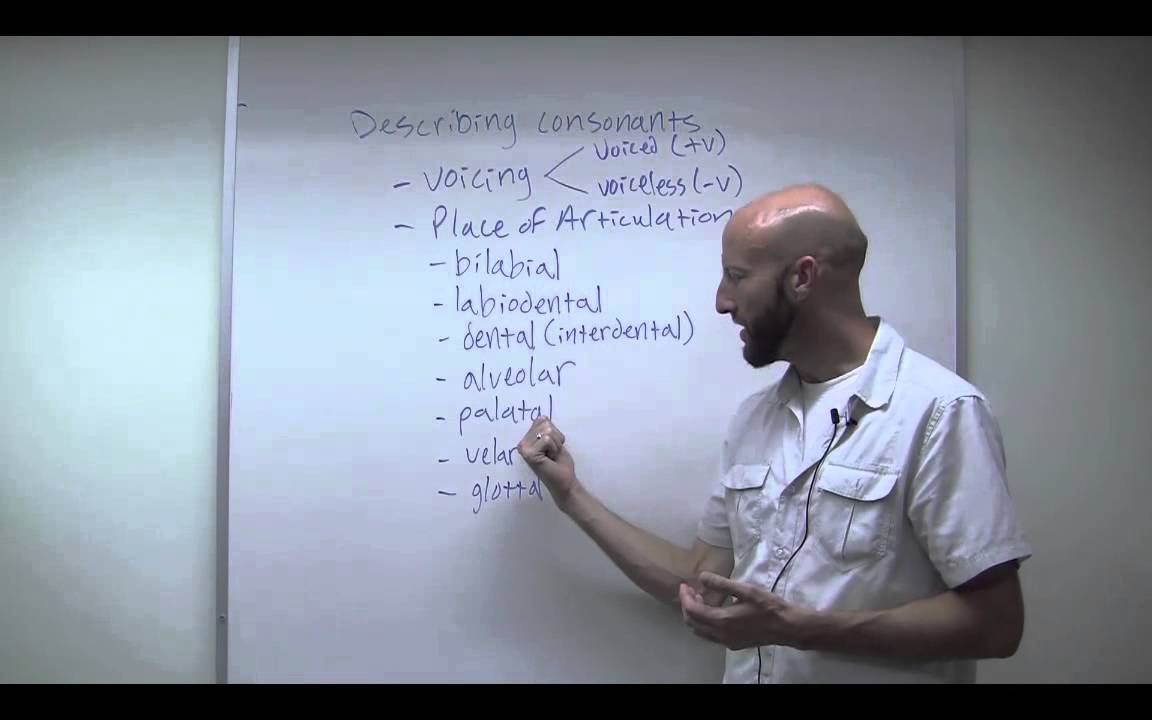
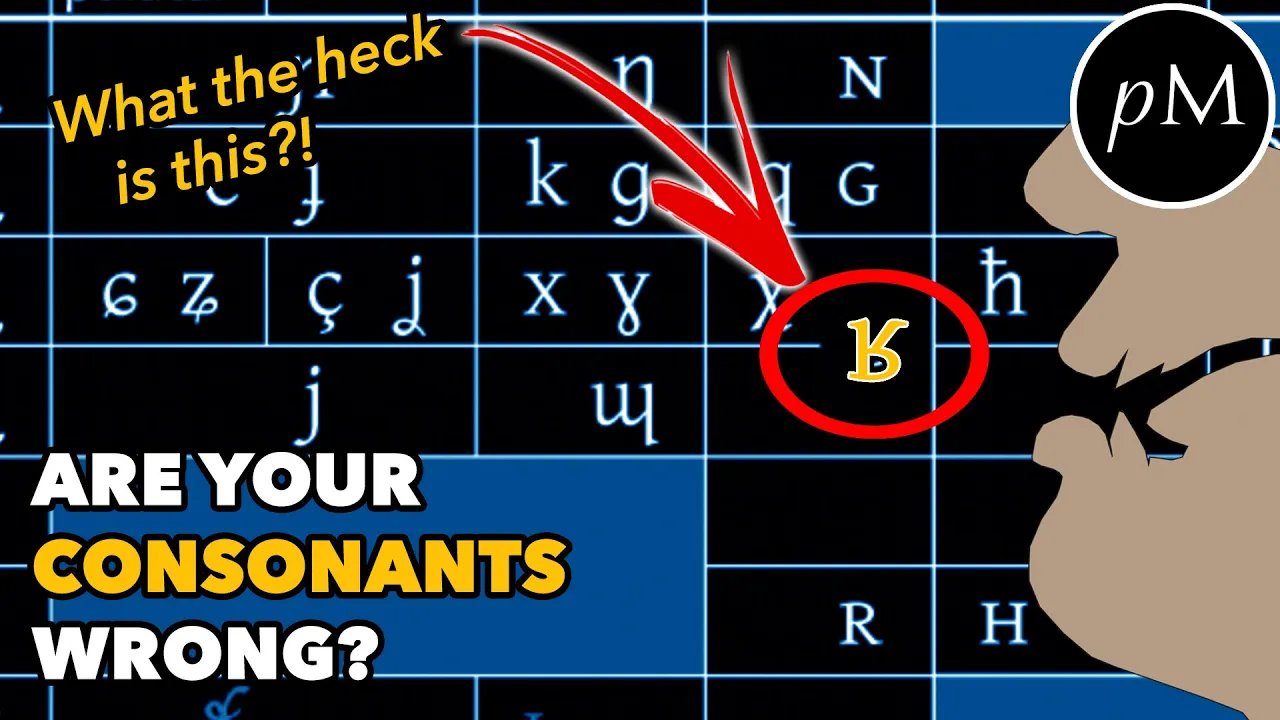
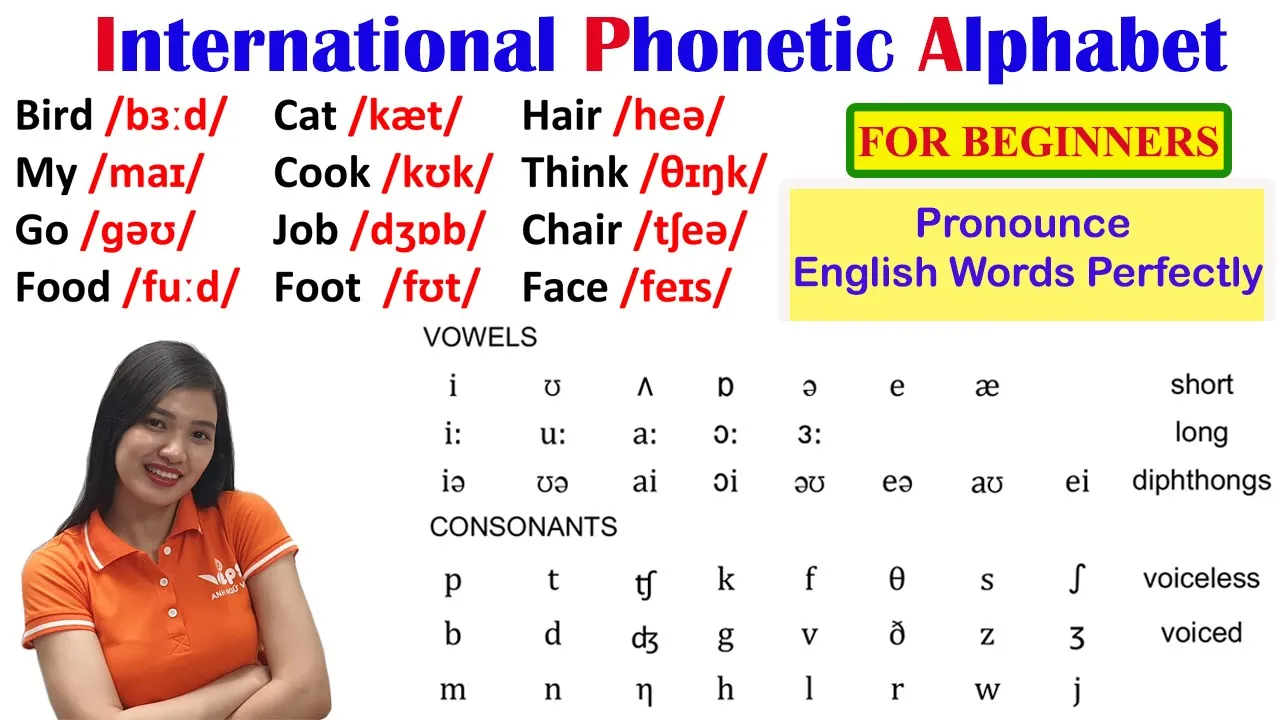
oh right all right so the way this is set up hi everybody good evening uh the way this is set up this webinar format so we won't see any of the participants okay they are here you can see them yeah in the attendees box hi everybody and uh as always if you want to say hello let us know where you're calling from or watching from please do that would be great let me see if I can get the live stream on Facebook started hello to something from Edmonton all right just setting up the live stream all right we are now also live on Facebook and uh everybody that just hopped in hi guys hello everybody yeah feel free to let us know where you're watching from oh hi Janine yes absolutely uh we will record this session and it will be available on Facebook and YouTube Ozarks hello oh wow all over the place hello everybody and uh Margaret whenever you're ready the floor is all right okay so hi again everybody from all over the world um my name is Margaret and today I'll be talking to you a little bit about sound systems um in language documentation and also writing systems um also known as phonology and orthography so let me begin my uh screen share here so that I can show you some slides get everything let's see share sound go all right everybody see this yep all right cool so yeah this is ldp workshop for phonology and orthography um so first off some of the objectives of this Workshop this is basically our goal here is to discuss some of the more practical aspects of sound systems or phonology for language documentation so this is not meant to be a discussion of phonological theory we're just going to be going over some Basics and how these might apply to your language documentation situation um one of our other goals is to understand the concept of a language specific sound system so every language has its own specific way that sounds pattern and work together and what sounds are meaningful versus not meaningful so this is going to be a very language specific thing and when you're looking at a language that you're documenting it's important to kind of realize that that language's phonology is going to be totally unique to itself and in the second part of the workshop we're going to be talking about writing systems or orthography and how that can represent a sound system how that can be a written form that represents the spoken question um and this is going to be a crucial information for just general documentation of a language and also it's going to be really important for language teaching whether you're teaching a more widely spoken language or a language that it doesn't happen either way it's stuff that applies to any language so continuing on here so what is phonology broadly speaking phonology encompasses something we call a phonemic inventory which is an inventory of old spouse that a language considers contrasted um something that would be contrastive in a language means that it can differentiate between two different words and these are something that a speaker would consider to be two different sounds like a b sound in English is considered different from a p sound now not all languages have the same contrast so these are going to depend on the language itself um what counts as one sound again is going to depend on the speaker's perception of a single sound a single individual phoneme language generally we divide sounds in a language into two big categories those include consonants that restrict the air flow in the mouth more and vowels that shape the airflow but they don't restrict as much it's a consonant like I don't know t is very tall that teeth stops all the airflow so that's a bigger restriction and say ah um it's important to remember that there's a difference between sounds a sound is something in a language that is basically heard or spoken but it doesn't necessarily correlate to a letter um letters are what is going to be written now sometimes those letters do represent sounds but it's especially in some languages one sound might correspond to two or more letters and likewise a letter might correspond to a more sound so this is not always a one-to-one relationship so that's something to kind of watch out for when we continue talking about sounds versus writing foreign so for example if we use English to look at this difference between sounds and letters you can see that in this poem there are a lot of interesting relationships between what you see written as a letter and what you hear as a sound so for example these words the three first folded words C's T's people all include the same vowel sound e but as you can see they're spelled using different letters so this kind of illustrates the fact that letters and sounds don't always correspond to one in every situation same thing with the next bolded letters um the next bolded words you who and blue um all using the same sound but once again with different letters so it can be a bit confusing sometimes if you're learning to write or read a new language um and even if you do know the language um when it's a writing system that's like English it can be um it can really throw you off because we have so many instances letter itself so these are just some examples of this sort of effect in English but English is not the only language or writing system that has been okay so one kind of little exercise to pull apart the concept of sound versus letter is by looking at this series of of words and trying to say the word forwards and then backwards but not relying on the letters but instead focusing on the sounds so if you have a word like shush um if you say it backwards you just get shush that's saying word basically because it consists of two consonant sounds and then one vowel in the middle um for a word like meme if you focus on the sound and reverse it you once again get the sound mean because this e on the end is fun now what about a word like facts if you focus on the letters you might be a little confused but if you just focus on sound you just reverse the sounds the opposite order you get scab right because we have a b sound ah a cuff sound represented by two letters and the five s same thing with skates if you go backwards by sound rather than letter you get Stakes even though that's not how you spell the word stakes in English the sound reversed makes that so this is kind of just to illustrate the idea that we really want to separate sound from letter even though the two can be related they're not always so yet again another exercise that kind of points to this idea is trying to identify how many sounds are actually in words versus letters because it's easy to see how many letters right but if you think about pure sound you have a different number in the end than if you were to think about letters so for these following words we have C stick X and good so we have three letters in C but we have two sounds and E and the e sound is made up by these two letters um so once again we have on imperfect relationship between each letter and each sound and then is especially true in English orthography or English writing system is that it is not a one-to-one correspondence all the time so one of the ways that um that linguists deal with this issue instead of using regular letters to represent each sound like the love English or a Italian or even like Japanese any type of languages writing system we don't use those we use something called the international and this is really useful because it's a way for us to consistently represent the sounds of the language that is independent of the letters that maybe or may not be used to it so we always have a correspondence of one sound to one syllable and one symbol two words out so we don't have this issue of having to have two letters make one sound one sound being able to be in different letter accommodations all that kind of messy stuff we can have just sort of a neat system to record and write down representations of different sounds and one of the bonuses to that is that if you're familiar with the International Phonetic Alphabet or the IPA um you can sort of understand what each sound is going to be so like in musical notation if you see a piece of sheet music you've never heard it before but if you know how to read sheet music you might be able to play it on the piano or you might be able to sing it um this is the sort of usefulness of the IPA I may not know A Gifted language but if I see a word represented in the IPA I will get the gist of how to pronounce it I may not have good pronunciation since I'm not a speaker of that language but I will understand the basic sounds as they are whereas if I saw it written maybe in the orthography of this language I would have no idea what the values of those letters were even supposed to be um so the fact that the IPA is consistent is a really helpful thing about it which makes it a really nice tool um this is the consonant chart of the IPA and you don't have to memorize this from all these symbols or anything but it's just good to know like what the consonant chart is based on so we have two Dimensions here we have the rows and columns each of the row represents what we call a manner of articulations that's like how the term or how the letter is said how it's pronounced and each of the columns represents place of articulation so where in the vocal tract this sound is big for you so between the matter how it's being done and the place where it's being done we can specify different types of sounds all over the world of all the world's languages basically so any spoken language should be able to be have its sounds described using the International Phonetic Alphabet now no language no single language will have all of these sounds um these are just all of the possible ones that we're aware of or he spoke um if you see a pair of language in the same cell or you see a pair of letters rather these symbols represent a voiceless and a voiced pair so for a p you don't activate your vocal cords but for a b you do activate them so that's what the two pairs but once again it's there's a lot going on in this chart so don't feel pressured to know what any of that means now the vowels was the consonant turn the vowels look a little bit different they are not in sort of the exact same um sort of layout in the chart we had Manner and place of articulation for consonants but for the vowels the different dimensions of this kind of trapezoid shape refer to whether the mouth is very open or closed when you articulate the vowel so on this Dimension we have very open vowels like ah down here and we have very closed vowels like e so if you try saying those two different vowels you can feel that your mouth is more or less open so if you say ah your mouth is open you say e it's pretty cool now the other dimension here besides open mouth versus close is the position of the tongue in the map whether your tongue is drawn to the back of the mouth or whether it is pushed forward so for a front vowel like e once again your tongue is going to be pushed all the way forward e but for ooh it's going to be drawn all the way back so if you say oh when you think about where your tongue is it's pulled back right but if you say e it's going to be toward um now in this case the individual symbols are also in pairs once again but whereas on the consonant chart that represented whether there was vocal chord action going or not on the vowel chart it refers to whether or not the lips around it when you pronounce the vowel so on the left side of each pair we have an unrounded now so Etc no rounding happening lips but on the right side we have the rounded version so oh uh etc those were all pronounced with liberating so that is where the hair sort of Dynamics or Underground so those are just sort of the basic ideas behind the two major charts of the IPA and linguists use the IPA in order to make a consistent objective one to one corresponding sound to symbol transcription of a spoken word so that is how this differs from your everyday writing system which might get a little messy so if we were to take these words from earlier on from the former slide and think about their sounds once again rather than their letters and we were to use these slashes which the IPA often goes in either slashes or brackets depending on the representation uh in here we have an iph transcription of the word c in English consisting of two sounds consonants about once again stick you he has four sounds in it even though the CK is two letters right in English orthography it's not a perfect course so that's going to be the main difference that you see in Ida versus normal spell so this is an example of two letters actually making representing one sound but here with the word mix you actually have the opposite in English often X can represent two sounds together the cut and the sound so mix in IPA you have to represent both of those sounds there's one to one correspondence sound so you can't leave anything out um good the word good is a is an example of what we call a Digraph and [Music] yeah a Digraph is just something where you have two letters but they make one sound they represent just one vowel sounds even though you have two so digraphs are really common the th for example the th spelling represents a single sound and that's a Digraph as well so if you want to get more like um I don't know practice with the IPA chart or try this interactive website this interactive website is iphart.com um I will go here and show you how it looks you can do this as well I don't know if the sound will show up I don't know if you can hear that um but if you can it basically pronounces every sound when you click on it so you go through all the vowels [Music] and then you know all of them um so those are the vowels um you can also look at the consonants right here so you can go by manner of articulation how the sound is formed or you can go by place of articulation where in the mouth from the front of the lips all the way back down to the glottis where is it sounding previous and I'll give you an example of these sounds and not all these sounds are found in English of course not all these sounds are found in any given individual language but they are all possible they all exist somewhere in some language or maybe in any languages so this is just kind of a tool and this is probably the best like interactive website for the IPA but there's tons of other websites out there that teach you the IPA if that's something you're interested in learning about there's a lot of ways to use it to learn it um but I won't go over all of it now since it's pretty big um but this is just the concept behind what the iPhone and why we use it as uh okay so I don't know if anybody oh here's the chat yep okay cool I just wanted to check on anybody it's desperately trying to stop me all right cool so I'll continue on now um another way that you can identify sounds in a language that contrasts that is sounds that make a difference in that language is by looking for what are called minimal pairs now minimal pairs are specific to a single language so you have to look within the language that you're working on um but you can do this with any language so a minimal pair also sometimes called a minimal set in some books um basically what this is is there are two words in the language that differ by only one sound usually in the same position in the word and those two words have different meanings so for example in English some mineral pairs are backed versus Pat so the minimal pair there is between B and P um book and cook same sounds except for the beginning and um finally there is Sip and seat and this makes a minimal care focusing on the middle vowel sound um and these words as you can tell if you know English all have different meanings between them that it's not the same thing as Pat book is not the same thing as cook there's a different meaning so you know that these are minimal pairs and what this shows us is that each one of those sounds that differs for each word is important in that language because once you change that sound a little bit it changes the whole words meaning so you know that that sound is crucial in that language it contrasts in that language and what that means is that they are considered phonemes and phonemes are two sounds that make a crucial difference in a particular language so if I were to say um meat versus meat one has an m one has an N you know that M and N contracts you know that they are separate phonemes because when you say me it's not the same meaning as meat like you change something crucially about the word and it is totally different um so that is the basic concept behind but like I said um different languages are going to have different contrasts so in English we have a different contracts between e vowel and E so sit versus seat are crucially different but in another language that may not be the case maybe if you pronounce the word sit or see it's not really a difference in meaning you're just pronouncing it a little differently maybe one or more is one or the other is more or less like normal pronounce that word but it's not going to make a big difference in the meaning of the word so when you think about contrasts when you think about phonemes mineral pairs you have to go by the individual language that you're concerned um some more examples of minimal pairs um in English the L Sound in leaf and the L Sound in feel they don't contrast they are considered both just L right but if you feel where your tongue is in your mouth you can tell that they are actually technically different a leaf your tongue is up here by the T that's an alveolar sound Leaf but if you say feel you may feel the back of your tongue raising up toward the soft palate feel and they're technically pronounced differently however they don't contrast in English English does not make a difference in words if you were to say belief right it just is a different way of pronouncing Leaf but those two sounds might contrast in some other language I don't know what particular language that would be but it would definitely not be English um however if you have an F sound as a leaf and the V sound as a leave those two consonants they do contrast because as you can see leaf leaf have different meanings however once again that might not be the case for another language and the fact that phonemes have different statuses and there are different contrasts that either do or don't matter which languages is one of the reasons that if you're learning another language it might be really difficult to learn all these new contrasts because they either do or don't apply to your new language I think somebody had a hand raised oh yeah okay yeah if anybody has any questions just put them in the chat I now know how to see the chat there was a question pretty far back up uh tell me I asked why inconsistency of letters and sounds especially in English that's a really good question um it's very uh confusing I think um when you're learning a language or you know a language with a inconsistent spelling system it just seems like a big pain and it is and one of the reasons it's got a long complicated answer but one of the reasons for English is the fact that over time the language the sound system of the language has changed however the writing doesn't necessarily change as fast as the sounds do so language is fluid and always changing right sounds are being um the the contrasts and the different specifications of how language is pronounced is a very changeable thing over the decades and centuries and everything but writing systems usually don't change very fast um in fact some spellings are centuries old and they no longer really reflect uh pronunciation as it currently is another thing about English in particular although this could apply to some other languages as well is that English has words from so many different other language sources and those words were often spelled differently from each other when they were sort of borrowed into English and so you get this very confusing amalgamation of different writing systems being changed or not changed and all entering the same language confusingly and you get a really confusing orthography or a really inconsistent orthography and uh that type of orthography is often referred to as an opaque orthography so if you could think about the meaning of opaque meaning not clear not transparent you can't really see why things are spelled the way they are in a language like English unless you know the specific history of the specific word and how it used to be pronounced and all that stuff it's yeah it's totally confusing um so newer systems newer writing systems that are invented like more recently tend to have less of that because they just haven't had as much time to get confusing in the ways that I talked about I tend to be a little easier to learn so if you notice like not all languages have this extreme problem in English so that's a really good question basically it's history and language change and spelling can't keep up is basically what it is um oh what would the IP symbols for the L in leaf and feel B that's a good question so they are different as we discussed technically although English does not contrast them so if I go back up to my IPA let me show you so the L and leaf the alveolar um it is a lateral approximate so it's going to be right down here this l um if you make a l that is more toward the back of the mouth but not totally in the back maybe your front part of your tongue is still up there just a bit a little bit it actually is going to be an L with a kind of squiggly line written through it like a tilde I don't know if I can make it on my computer here if I get my um there we go thank you oh wait a minute I think that might be the slur I can't tell but anyway it basically looks like an L with a tilde through it and that's called the velarized L which means it's an L that's pronounced back toward the velum or the soft out back so if you were to pronounce it formally as Leaf which is a typical pronunciation um you would just have Leaf like that but if you were to use the all and feel you go Leaf which is not a typical pregnancy in white Island at least but feel at the end of a constant or at the end of a syllable like that you do see that what they call dark L which is really just a l pronounced a little bit harder than that yeah I can't find it on my keyboard either because I I I recently changed my keyboard and now everything's confusing so oops oops sorry about that folks Margaret will be back in just a second I think we have a technical issue uh and I see your question Tara I will point it out to Margaret when she gets back because that is also an excellent question uh hopefully she'll be rejoining yep there we go uh-oh knocked myself out of the webinars let's fix it let's put me back I don't know what I pushed but I was trying to make an l and then suddenly I was gone the dangers of IPA keyboards the dangers of yeah of pushing option on your bad keyboard sorry oh oops yeah uh is everybody else seeing Margaret okay your video is okay for me but joy says it's robotic and the picture's Frozen I don't want that okay awesome okay sorry also you may have missed this question Tara had a really interesting one how does it work for sounds that don't exist within the IPA system yeah so okay I just pinned to myself um that's a really good question so sounds that don't exist in the IPA um a lot of times if you have a sound that is not pers it's it's so precise and you don't have a a symbol in the IPA chart there is a series of diacritics and extra little marks that you can add so if I share my screen again let's see here I want to oops I want to share my sound okay hopefully that's fine here's the IPA chart so um if you can see this uh there are a lot of different little uh I don't know if they have it on here but anyway there are a lot of different diacritics that you can add to your IPA symbols and they modify it in slight ways so if like like the vularized L is basically representing an L that is partially still alveolar partially up by your teeth but also has the back of the tongue raised toward the velum it's not totally dealer that would be like this sound not quite that but it's somewhere in between so we use the sort of tilde diacritic through the middle of the L to indicate that now there is another issue with that though however that I think pertains this question um yeah exactly so um I think it also pertains to your question is that um there are places in the ipra chart if I go back to the slide that had a symbol but it's kind of grayed out and these are sounds that are technically possible to produce for most human beings however they are not attested to be contrastive in any human language that we're aware of um that means that it may exist you may be able to pronounce it we don't know if it's a phony we don't know if for example there is a retroflex lateral fricative that contrasts with for example a non-retroflex alveolar lateral fricative we don't know if that makes a difference in any language today we may find out later that it does which has happened um many times throughout Linguistics um brief existence as it is that we do find a language that contrasts a particular sound and you have to add it to the IPA so for example if you look at this symbol like this B with a little hook right there that V with a little hook actually was added I think in was it 1995 I think I could be wrong about that but it was added to the IPA um and it wasn't on there before but as we learn more and more about other languages that are out there in the world we have to add sounds to the iph but that's kind of a longer answer that you're probably looking for but um there are several ways to address that issue of my Asylum might not be young yeah uh can a single sound be named two different names um not typically um I think usually the nomenclature like how we name how we describe a sound is more or less the same there are some differences between different traditions and Linguistics like for example um like uh calling a stop either a plosive or a stop it's the same meaning it's just two different words that mean the exact same thing but generally um a single sound will have the same kind of description same like phonetic description here's where it is in the mouth this is how it's made this is whether or not the vocal cords are engaged or not so uh it says oh uh have Salishan languages Force linguists to add any blue letters um that's a good question I'm not sure about that one I think um I think that the last one that they added was the lady identical flap but I'm not 100 sure there's an entire uh organization based around the IPA so um they kind of are the ones who add new official symbols to it um that's a really good question I think it changes rather slowly still anyway I will continue on uh with the slides so we talked about minimal pairs um some more examples of minimal pairs in languages we have hindustani um contrast between Dental stops versus retrospect stops um there's an example if you want to listen to it on the phonology page the Wikipedia page for hindustani technology and this is talking about the difference between a dental stop made behind the teeth like duh and a retroflex stop where the tongue is actually curled backwards a little bit like like duh so those two sounds would contrast it's like language but this would not be a contract that is going to be seen in English most of the time so I don't know if I could probably the sound shares picking up some of this but it's not you can feel free to go to website two um so here's a four-way contrast between different types of p and B sounds so these are some bilabial stops five so the differences between these stops are contrasting for this language so they can they contrast different words so we've got a minimal fear set here for a minimum set because there's four different terms and for each one of these words there's a different meaning so you know that for this language the differences between these stops is contrasting so here are some dental stops and that contrasts with the retroflex stops Dal tall Dal Dal yeah applicable link thank you for sure yeah the IPA has always grown based on linguist learning about new kinds of sounds absolutely and so if we don't know how other languages work in any given language we can't use that language we cannot have a fully complete IPA right we can't uh we don't know uh English w yeah so bilabial approximate labio Velar usually a w is in some languages has the tongue raised toward the back so sometimes it's considered to be both labial with the lips and the dealer with the back of the mouth yes and when Anna said it's true if you can't perceive the difference it may be because in the languages that you're familiar with these contrasts are not there right so if um if you are a native English speaker it might be kind of in unintuitive to think that the L and leaf the L deal are technically different sounds right because you don't think about them and that's because they're not phonemes separate phonemes in English but anyway these are some more examples of minimal stops in different languages um okay back to this slide yeah so these are all making differences another thing that counts for some languages in terms of um tone in terms of minimal pairs can be um the different tones of a language like Cantonese or Mandarin will also differentiate different kinds of um words and different meanings so if you have a particular tone chosen in some languages it can differentiate the meaning of the word so this works the same way that contrasts between different consonants or vowels might work oh any question um it's like from the Q a box what do I mean by hindustani phonemes so by phonemes I mean that they are different sounds in the hindustani language that can contrast to make different meanings word so saying Paul versus Bal will change the meaning as was an example and so that is basically the meaning a different phoneme is that it's contrasted it makes a difference in a word it changes uh but yeah so tone can also be one of those things that's the difference now not all languages have what we call Mexico but some languages do in fact it may be quite a high percentage which is throughout the world have a tone like this um and some languages like Cantonese will have six tones some languages can have fewer tones others might have two tones like some languages of Africa have two jobs um so that is another thing that you can sort of perceive in a language that might make a difference between um I also wanted to talk about um sign languages so signed languages also have phonology even though they're not it doesn't consist of actual sounds but it does consist of different kinds of elements that work in the same kinds of patterns as we see in other Technologies so instead of something like place of articulation or manner of articulation on the IPA chart the things that contrast phonemes or phonological contrast in a sign language are going to be different kinds of elements so these might be location where you actually do this line um the hand shape uh orientation like whether your hands are facing away or toward you um movement what type of movement is involved in the sign and also non-manual expression this is something that is an expression that is not involving the hands it might involve the face for example so these are all ways that sign language can contrast different sides in the way that spoken language is contrast different so um for example um in ASL a minimal pair is two signs right that are going to contrast by one of these five elements so in ASL we have the two sign for funny and for sugar and these are the same sign except for their location so just like in spoken language like English we have a minimal pair it's two sets of two words that differ just by one sound in one position these two signs differ just by their location where they're actually done um so see if I can show you these since I am not a user of sign language see so this is the sign for funny as you can see it's done kind of right over the nose mouth area um and we look at sugar this location is a little bit lower so a little bit lower down by the chin so this is a minimal pair in ASL American Sign Language so as you can see there is a phonological aspect to these differences just like there was to uh the minimal appearance we looked at from spoken languages so that's location contrast we also have minimal pairs that are based on hand shape so Hand shape is the thing that changes these the term for white versus the term for like as well here's White and let's look at like a convention opens Alaska's here's an ad I didn't think there would be an added yeah yeah oh there it goes okay so the hand shape is different between like and like um orientation is demonstrated uh between the words for thing and children so that's where the hand is turned away from here so here's the thing and children so orientation right answer um see these are some minimal pairs in sign language um there's another video here which will be in the slides if you want to watch more examples of medical errors so um so uh I want to move on past uh this to just sort of open up the floor to anybody's got further questions about this stuff that we've been uh talking um about so far yeah thank you for putting in the website there the sign language website anybody have any questions about things we've covered so far this is where I want to make sure everything is relatively clear Concepts about what is a phoneme contrast IPA usage any of that kind of stuff um if not feel free to add your questions just as we go I'm going to start talking about orthography which is spelling and writing systems and how that can relate to phonology or is the case may be not relate to it for some languages um but yeah if you have any questions just feel free to drop them in the chat right there I will try to check it periodically to make sure so the second part of this uh Workshop is talking about orthography so orthography is a writing system that is specific to some language so we talk about English orthography we're talking about the writing system the spelling system specific to English which might not be in is in fact not the same as the orthographies for other languages um can you talk about orthography in general um it just kind of refers to writing and spelling conventions um it is considered by many people really important to have more and that's for many different reasons and some of those reasons might be that a writing system uh can create cohesion within a community if everybody agrees on it this is not always the case people don't always agree in orthography in fact it is one of the areas of language that the very contentious sometimes but um it's also one of the parts of the language that tends to be viewed with respect it can lend a sense of prestige to a language if there is a writing system for it that's one of the other reasons that it can be considered important let's see a question came in is there a programmer app where we can record utterances then we can see transcription in IPA oh that's a good question I'm not sure um I'm not aware of anything like that that exists it does um yeah I don't know uh learning to transcribe into IPA is kind of a a skill that you have to sort of develop over time and it can be very dependent on what language you're using and what if you're familiar with the sounds of that language and things like that but that's a really interesting idea if anybody knows of anything that exists like that out there I don't know I feel like it would have to be some sort of Advanced AI situation maybe because of course humans can make all sorts of sounds that are not language right so it might be difficult if you were to make some of those sounds like what if you just coughed into it for that as something what sounds are you making here in your language like well none it was just a cough um but that is a really interesting idea um yeah that would kind of be the holy Braille for language documentaries we wouldn't have to transcribe our own recordings anymore I know and even just for other linguists like oh um let's you know you can have uh you could record somebody and then you would just have the whole transcription and you'd be like okay I wonder what the phonemes of this language are and then it's just easier to figure that out maybe foreign but that's um it should be yeah I mean it would it sounds very difficult but I'm sure somebody has tried to do it somewhere I don't know um maybe someday but for the time being we still have human beings who have to transcribe stuff yeah time to start a project um anyway um anyway back to orthography uh right so there are many reasons why orthographies might be important for language um they're often seen additionally as being prestigious or creating Community cohesion they're seen as better for education for school um and uh just for General communication and communication which means speakers uh so there are a lot of reasons that you might want to have an order um there are many different kinds of orthography um across the world's languages there is kind of three main categories uh one is called logographic one is called a syllabary and one is about so I'll take a look at some examples major categories um a logographic system and might be exemplified by something like the Chinese writing system uh the basic principle of this is that there is one symbol for every morpheme and a morpheme you can think of as like a unit of meaning or a chunk of meaning um that's kind of the very simplified version of how it works um it one of the caveats is that it can take a long time to learn if you've ever studied a language that is not your native language where you had to learn for example a lot of kanji if you're learning Japanese or something like that it can take you quite a long time when I study Japanese I took my entire course just on learning basically the logographic writing system so you need to know a lot because for every morpheme you might have a totally new symbol um so there's some just examples of sort of the concepts behind those foreign that is sort of a major category is a syllabary the concept behind this is you might have one symbol for every syllable in the language and if you ever struggle to find out what a syllable is well it's not entirely straightforward all the time but one kind of easy way of doing it is to tap out how many syllables are in the word so if I take an English word like elephant if I tap I go elephant and I've tapped three times so that is some indication that there might be and there are um if I tap out the word for syllabary I go syllabary and that's four so um this type of system is used in Japanese hiragana um uh it is easier to use this kind of system with a language that has simpler syllable structures because if you have like 500 possible syllables in your language with complex structure you have to learn 500 symbols to go with it but if you have simpler syllables and you don't have as many possible abilities you don't have to have as many symbols to learn so the simpler your syllable structures the easier it probably will be to use a cylinder so if I were to use a syllabary for English it would be a big learning task because I'd have to learn all these different types of syllable possibilities um about the Japanese for example is not the case now probably the most common orthography system type is the alphabet which most people are familiar with to some degree um the basic principle is that we have one syllable per phoneme but as we all know and have discussed already that's not always the case there's a ton of exceptions for that including what I referred to previously as digraphs which are when you have two letters in your alphabet that represent a single sound um so English as well as other alphabetic systems are full of these they're full of inconsistencies for a variety of reasons um but it doesn't stop it from being usually like the most common form orthography that is out there and often when a language develops an orthography they may use a form of them so you might use the Roman alphabet like English Italian French they all be they all use the Roman alphabet you might use the Greek alphabet you might use my cyrilica depending various choices for which ones are practical for you but yeah these are the three basic big categories of orthographies but what if your language doesn't have an official orthography well you can always work on developing a working warthog so that's something that you just use for your writing purposes even though it may not be official or sanctioned by you know governmental body or anything like that but if you need one you can always kind of ad hoc it you can always just kind of make it up as you go along but there are some things to keep in mind about developing an orthography when you start off it's a lot easier to learn it and keep track of it you start off with a one sound to one simple correspondence and we talked about how confusing English orthography can be because that is not the case right we don't have one sound to one simple correspondence all the time and that makes it confusing but if you do that can be a starting point for developing an alphabetic photography um something else to think about especially in this era is making the writing system compatible with technology like computers and clients um if you were to make a really complex completely new system you might not have um the fonts or you might not have the ability to type in that so that's going to limit who is able to use it for what purposes because someone says could any official language use IPA symbols as a sort of so the answer is you could yes I'm not aware of an orthography that is just IPA symptoms only IP symbols but there are a lot of symbols in different orthographies that are also the same as in the IPA and I think some of the languages of like BC in the Pacific Northwest of the West have some symbols from the IPA in particular that are used also in your thought s to represent a similar sound but as far as I'm aware there isn't an official orthography that just takes all the IPS however when you're starting off documenting a language for example it makes a lot of sense to transcribe it into IPA especially if there is no orthography that you know of to work with and it's honestly kind of the first step even if there is an orthographer oh yeah and I'm talking about yes right so uh oh and um use the same sound so those are IPA symbols but they're also symbols in the orthography yeah and they can be useful additions yeah the language that I work with um called Kala in Papua New Guinea um has nasalized vowels like on versus ah and all and we ended up using um the tilde over top of the vowels to represent that which is the same way the IPA does it can we really say that this particular writing system is appropriate for specific language and the variety system is not appropriate um yeah I mean you could use any kind of system to represent any language it's possible to do it's more of like a choice that you have to make what is going to be that better for a learning what is going to be more practical for use what are people more likely to be comfortable with there's a lot of consideration so it's not so much that it's impossible to use a given writing system for a given language it's more just like a series of complicated choices development is like one of the most complex areas that I've ever had anything to do with it's incredibly determined by social things um social decisions and political decisions it can be really complex so it's not so much that well you can never use Latin alphabet for this but it may be more suited for various reasons and that's something that speaker communities decide you know um it's often has to do with history too so mentioning that uh some languages in Ethiopia use Latin alphabet and some use ethiopic script is a great example right it's not that it's impossible to use the other theoretically you could but it just isn't that way and it's choosing orthography can be very complicated oh yeah talking about handle yeah so it's very well tailored to the sounds of Korean but it might not work out as well but people might try right to varying degrees of success so it's kind of a complex decision and choices can have many factors I want to listen to Elders talk for nearly two hours but a single syllable sound would change the entire meaning of the whole sentence yeah orthography is something that's usually like very important to people but very crucial and meaningful so it can be white the nuanced topic especially when you develop an orthography like something does eat something new can be very confident um on that note some questions to think about with regard to orthography um if your language does have an orthography is this a universally accepted system by all speakers or not a lot of times it may not be based on differences opinion or differences of dialects May disagree about how to spell um different dialects regions varieties of language um can really influence how people feel about the spellings as Anna says orthography Wars it's definitely true people can be it can be a heated topic and very uh different differing opinions very controversial topics with it um if you are thinking about developing an orthography for a given language um it's important to think about like what features of the language might present some challenges to the development like for example if you have a language that has tone um how will you represent if you will at all um if you have any like contributing social probably so you know there are um issues with um people agreeing or not on whether an orthography is even good useful or people even wanting to use it or not um and for a given uh language there may be different systems in use like I have approached languages sometimes trying to um understand the phonology and orthography only to find that like different people who've written about the language used totally different ways to spell it and then it threw me off because I had to learn like two or three different systems just to be able to understand what was going on in the writing um so that can be you know an issue as well it's like different systems used at different times different preferences for speakers of different ages or Generations or different like social groups so it can be one of the most complicated things about you know language documentation or conservation is so um that is all I have for slides today uh and I would like to turn it over to anybody else who wants to ask a question in the chat or wants to ask about these slides the slides should be available um this is all being recorded so you can access it later two and um also you can feel free to contact me for any reason people um I will put my email address just so that you can I don't know say whatever you wanted to say um this is my email down there if you have any reason or a wish feel free to shoot me a message about it but I think I will stop my screen share now and just check make sure I didn't lose any questions through here through this pretty active chat um but yeah overall that's pretty much all I've got um so thanks everybody for listening and oh you didn't oh you didn't see it oh dear oh I I okay I see I just showed it to some people there you go that should be to everyone so hopefully you can see that yep that is all I've got today for you on sounds and writing personality and orthography so I hope everybody enjoyed that learned a couple new things and possibly thinking material for language documentation Concepts well thanks everybody for listening and thanks for all your great questions and comments about language and I'm really enjoying reading back through some of these other comments about whatever languages around you are doing really cool thank you so much everybody thank you Margaret this is an awesome session I always really enjoy your phenology workshops oh thank you appreciate it yeah and thanks everybody for tuning in whatever time it is where you are thanks for being here with us this morning or evening or afternoon or whatever it is um and next week we've got more exciting stuff to learn about we're going to be talking about morphology which is how pieces of a word fit together and syntax which is how words fit together to make sentences so tune in next week thank you Margaret big round of applause for you yeah take care of everybody yeah see you next time yeah you too bye bye
Up Next

5:02
ASL Compounds: Morphology, Phonological Rules, and New Meanings
@MrSsurrency
10.7K views•2016-07-21
36:52
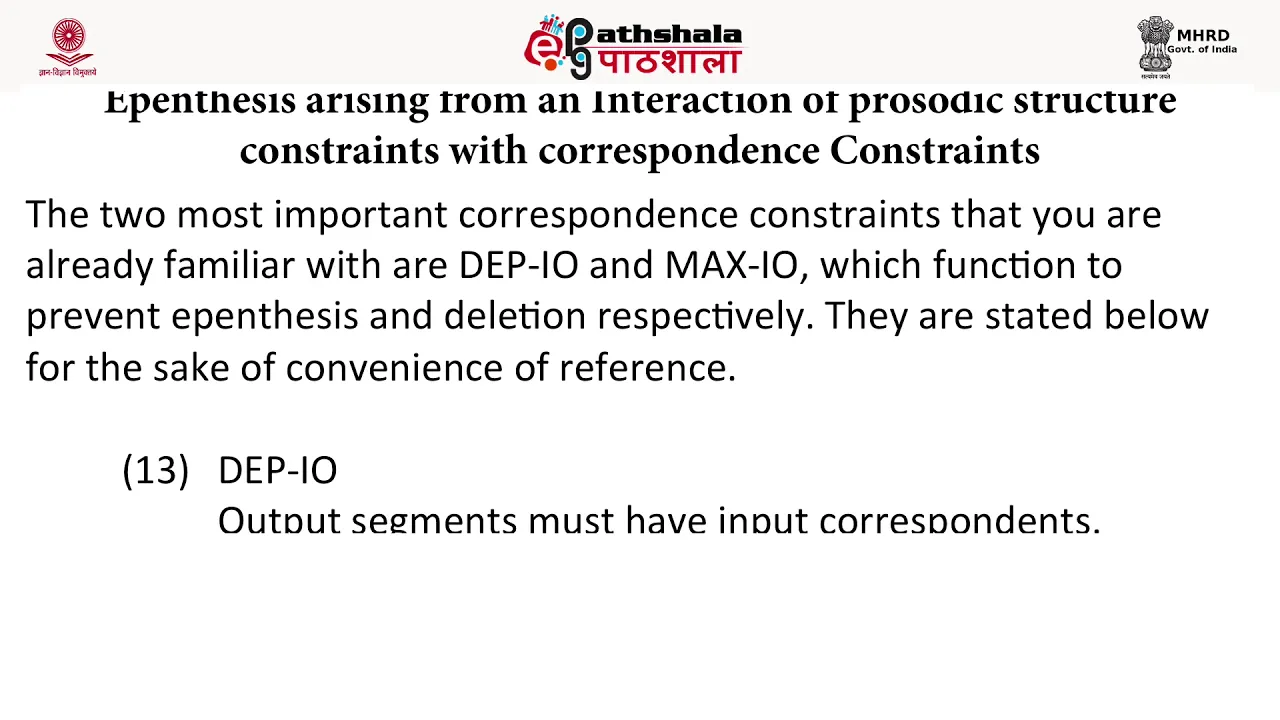
Constraint Interaction in Optimality Theory: Epenthesis & Deletion
@Vidyamitra
180 views•2018-08-20
88:51
Language Documentation: Metadata, File Management, and ELAN Basics
@endangeredlanguagesproject
412 views•2022-11-10

21:32
Accent Expert Explains U.S. Regional Dialects | Part 1
@WIRED
9.3M views•2021-01-21
Related Study Plans & Knowledge Roadmaps
Structured learning paths in Linguistics
linguistics
Optimality Theory: Tableaux & Constraints
01Phonological Basics: Sounds, Syllables & Rules
02Foundations of Optimality Theory: GEN, CON, and EVAL
03The Constraint Inventory: Markedness vs. Faithfulness
+ 2 more learning modules
15h5 modules
Explore Roadmap
linguistics
Morphosyntactic Alignment: S, A & P Systems
01Foundations of Syntax: Transitivity and Arguments
02The Linguistic Variables: Mapping S, A, and P
03Nominative-Accusative Alignment
+ 3 more learning modules
12h6 modules
Explore Roadmap
linguistics
Analyzing Sign Language: Phonology & Syntax
01Foundations of Sign Language Linguistics
02Phonology: The Five Parameters of a Sign
03Morphology: Word Formation and Classifiers
+ 2 more learning modules
14h5 modules
Explore Roadmap
linguistics
Pragmatics: Speech Acts, Grice & Politeness
01Introduction to Pragmatics: Meaning in Context
02Grice’s Cooperative Principle & Implicature
03Speech Act Theory
+ 2 more learning modules
14h5 modules
Explore Roadmap