![AULA [AO VIVO] PARÂMETROS, LINGUÍSTICA E GRAMÁTICA! - FELIPE SABARÁ](https://i.ytimg.com/vi/Kd7aw5cXUlM/sddefault.jpg?sqp=-oaymwEmCIAFEOAD8quKqQMa8AEB-AHUBoAC3gOKAgwIABABGGUgZShlMA8=&rs=AOn4CLCD9Hfl9goN-s00w9XHimnhhWtaMw)

![[LIB] Inspire-se - Libras III](https://i.ytimg.com/vi/bRTa214nSvM/maxresdefault.jpg)
![[AO VIVO] BANCA DO CAS MG: COMO SE PREPARAR? DICAS E DETALHES - FELIPE SABARÁ](https://i.ytimg.com/vi/Qow5gBDjIp4/hqdefault.jpg?v=59bf18e0)



![Linguistics [ Morpholgy ]: Free & Bound Morphemes - 01- الـدرس الأول](https://i.ytimg.com/vi/0v35ZEBiQmY/hqdefault.jpg)



![Significação linguística, cognição e contexto - Tiago Torrent [ELO 2022]](https://i.ytimg.com/vi_webp/jhjtEy8g7pA/maxresdefault.webp)





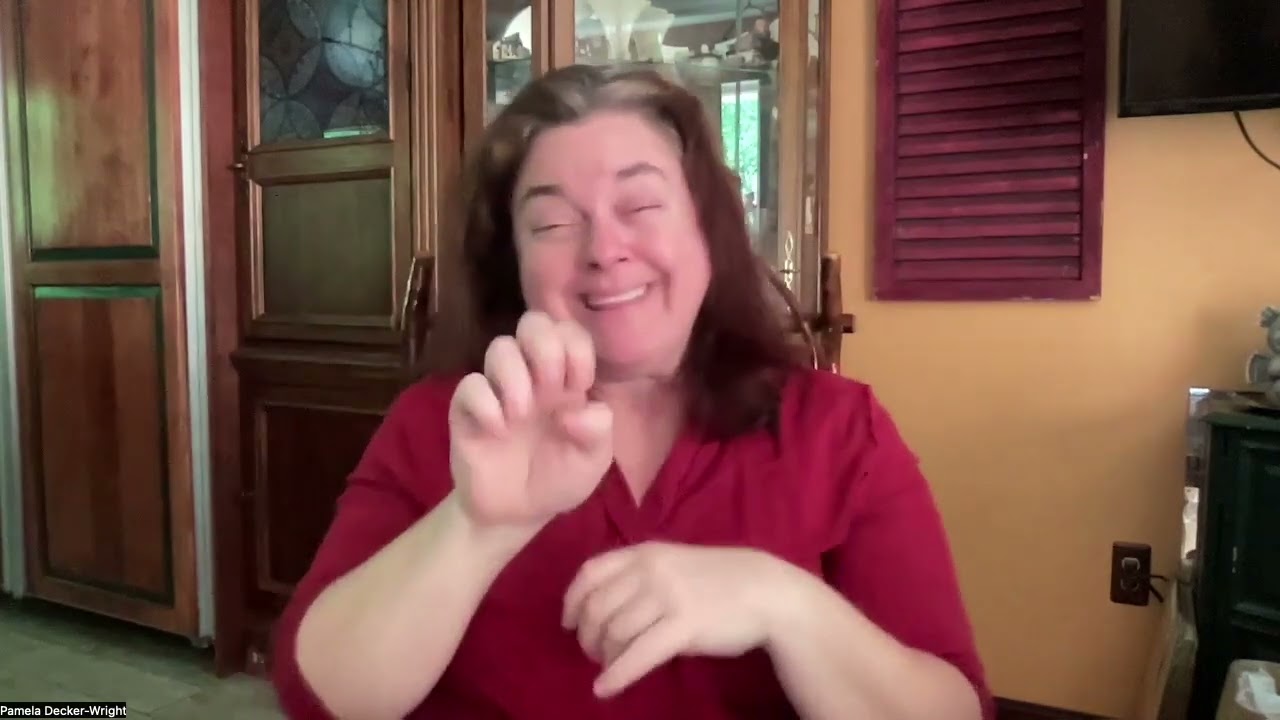
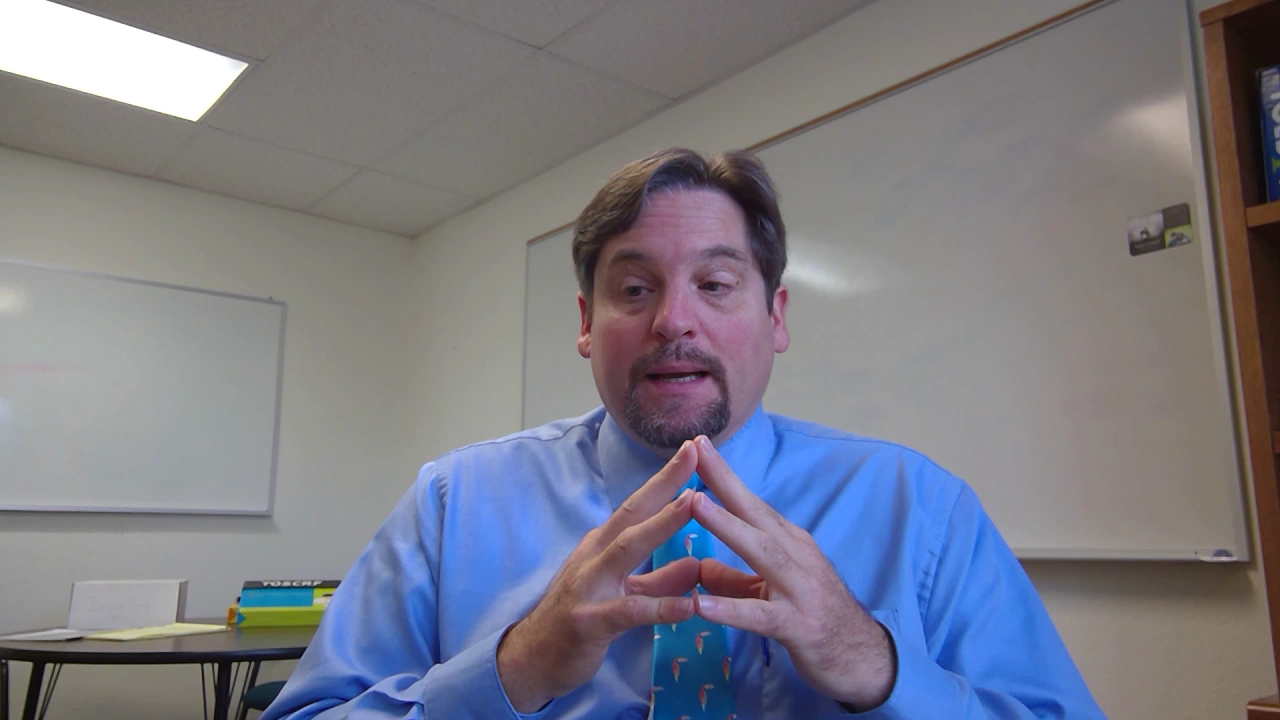




Compounding in American Sign Language is a morphological process where two free morphemes (individual signs) fuse together to form a new sign with its own unique meaning, involving phonological processes such as contact point retention, hold deletions, movement elimination, and hand anticipation, which result in semantic shifts where the new compound sign carries a meaning different from the original components (e.g., 'homework' no longer means 'something done at home' but 'something done after class').
ASL Compounds: Morphology, Phonological Rules, and New Meanings
Added:Basic understanding of ASL phonology, specifically the five parameters of a sign (Handshape, Location, Movement, Orientation, and Non-Manual Signals).
Fundamental concepts of linguistic morphology, including morphemes, free vs. bound morphemes, and basic word-formation processes.
Familiarity with standard ASL sentence structure and basic vocabulary to recognize individual signs before they undergo compounding.
An understanding of the distinction between literal combinations of words/signs and idiomatic or unified semantic constructs.
The study of historical change in ASL, examining how compound signs historically simplify and merge into single signs over time (lexicalization).
Advanced ASL morphological rules, such as noun-verb derivation pairs (e.g., SIT/CHAIR) and numeral incorporation.
Phonological assimilation and coarticulation in natural, rapid ASL signing beyond structured compounds.
Analyzing the translation challenges and strategies when converting ASL compounds into English equivalents during professional interpreting.
10.7K views47likes5:02Original Release: 2016-07-21
as we continue to explore morphology we note a very common phenomenon this phenomenon is called compounding compounding occurs when you have two free morphemes in the case of sign languages to individual signs that fuse together to form a new sign with its own unique meaning it's important that we note that these signs have their own unique meaning because if two signs are used together but there is no unique meaning related to them then that's just a phonological process it doesn't affect the meaning but morphological processes like compound come about when a new meaning is actually created we see this in English with words like blackboard earring and billboard I remember recently hearing someone talk about a green blackboard and while it sounds a little funny it certainly makes sense to us we understand what a person means when they say green blackboard because a blackboard isn't really primarily about the color of the board when you say black board though it once related to the color of the slate that was used to make the board it's now used to just refer to something you write on with chalk you can hear similar people saying similar things about earrings and billboards where the original meaning of the two individual terms has been lost and a new word has been created in sign language we noticed that certain processes tend to occur whenever compounding occurs first we notice that if there are two signs that are used whatever the first contact point is that will remain so in the sign homework home usually has two contact points for one by the mouth of the one by the cheek that initial contact point will remain so you still have the movement by the mouth when you assign homework but the second hold the holdup on the cheek is often deleted so you just have the the movement by the mouth going down into the sign work also the internal movement and repetitions of signs are eliminated so if you were to sign the sign home and then the sign work you would have a contact at the mouth a contact at the cheek for the sign home and then you would have the sign work which has two movements down by the wrist but when the sign homework is created from those two individual signs you simply have the sign by the mouth and then the one movement down for the sign work you don't have that additional movement in the sign work so you just have a swift movement from the mouth to the wrist for the sign homework also notice that week hand- that week hand anticipation can happen so that when i'm signing something like homework my non-dominant hand will come up and be ready even before my dominant hand moves downward so as I'm signing home the the non-dominant hand is ready for the sign work this is how we know that a new a new sign is occurring that's losing it the characteristics of the original signs the holds some of the holds contact holds of the sign home are removed some of the movements of the sign work are removed to get this new meaning further phonological rules can then be applied these phonological rules that we've already talked about you might have movement epenthesis or hold deletions or assimilation that can occur just as they may occur in normal phonological processes but it's important to note that after compounding has happened a new meaning occurs you know I talked to deaf students all the time who say they're doing their homework and they're clearly sitting at the university because homework no longer carries the meaning of something done at home it simply means something done after class so when they signed homework it doesn't mean home per se- it's got a new meaning just like people say blackboard in English and it now has a new meaning so we see lots of compounds in ASL and notice these are not all what based on English compounding homework happens to be the same compound in ASL as it is in English if the sign home and the sign work you have this the word home the word work but most ASL compounds are not based on English at all and don't follow that pattern so we have compounds that relate to breakfast lunch dinner bruising pillows to agree with and all of these compounds that you can see that you can you can look up or you can ask your instructor the meaning of the various compounds if you're not familiar with them but it's important to note the compounds don't always maintain their original meaning so even though you have the sign food buy which means grocery shopping you may not buy any food at all when you go food buying right because the meaning food by is grocery shop and so even if you go "grocery shopping" and you don't buy any food at all but you buy other types of groceries that time can still be used because with compounding you have a new being that's happened after all of these morphological processes have occurred
Up Next

7:08
ASL Class Week 8: Noun-Verb Pairs & Topicalization
@SignWithCourtney
439 views•2012-01-03
36:52
Constraint Interaction in Optimality Theory: Epenthesis & Deletion
@Vidyamitra
180 views•2018-08-20

10:16
ASL Morphology: Free vs Bound Morphemes Explained
@MrSsurrency
12.2K views•2016-07-21

21:32
Accent Expert Explains U.S. Regional Dialects | Part 1
@WIRED
9.3M views•2021-01-21
Related Study Plans & Knowledge Roadmaps
Structured learning paths in Linguistics
linguistics
Optimality Theory: Tableaux & Constraints
01Phonological Basics: Sounds, Syllables & Rules
02Foundations of Optimality Theory: GEN, CON, and EVAL
03The Constraint Inventory: Markedness vs. Faithfulness
+ 2 more learning modules
15h5 modules
Explore Roadmap
linguistics
Morphosyntactic Alignment: S, A & P Systems
01Foundations of Syntax: Transitivity and Arguments
02The Linguistic Variables: Mapping S, A, and P
03Nominative-Accusative Alignment
+ 3 more learning modules
12h6 modules
Explore Roadmap
linguistics
Analyzing Sign Language: Phonology & Syntax
01Foundations of Sign Language Linguistics
02Phonology: The Five Parameters of a Sign
03Morphology: Word Formation and Classifiers
+ 2 more learning modules
14h5 modules
Explore Roadmap
linguistics
Pragmatics: Speech Acts, Grice & Politeness
01Introduction to Pragmatics: Meaning in Context
02Grice’s Cooperative Principle & Implicature
03Speech Act Theory
+ 2 more learning modules
14h5 modules
Explore Roadmap