



![AULA [AO VIVO] PARÂMETROS, LINGUÍSTICA E GRAMÁTICA! - FELIPE SABARÁ](https://i.ytimg.com/vi/Kd7aw5cXUlM/sddefault.jpg?sqp=-oaymwEmCIAFEOAD8quKqQMa8AEB-AHUBoAC3gOKAgwIABABGGUgZShlMA8=&rs=AOn4CLCD9Hfl9goN-s00w9XHimnhhWtaMw)





![[구문천재] 4강 Unit 04 2형식](https://i.ytimg.com/vi_webp/ZdGtNEBUHOU/maxresdefault.webp)
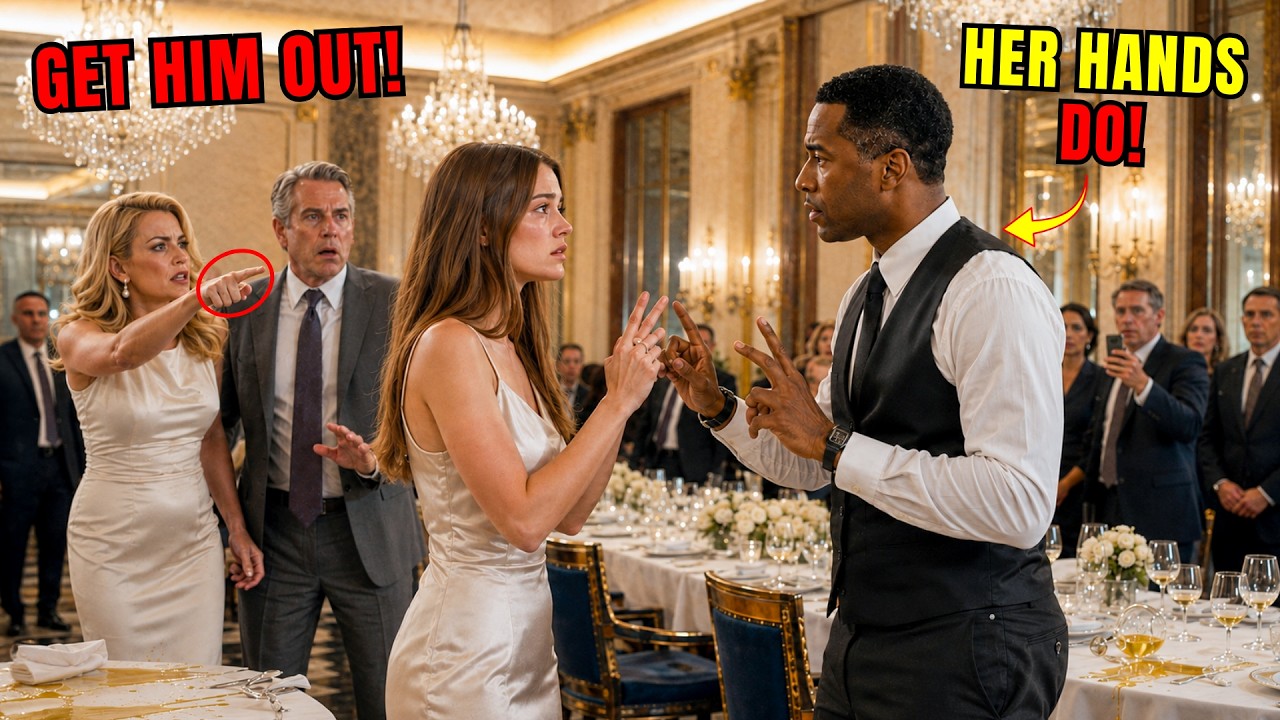
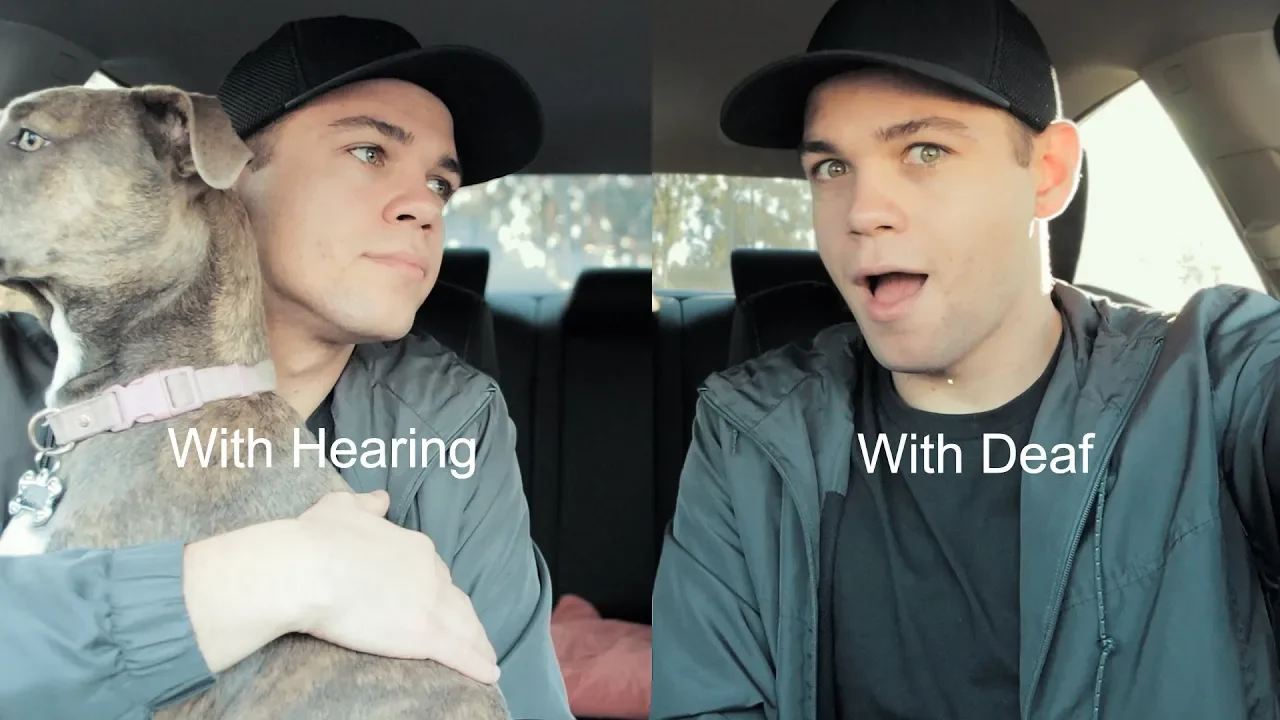


In ASL, conditional sentences (if-then structures) always place the 'if' clause at the beginning and the outcome at the end, with three key non-manual markers: raised eyebrows, head tilt, and a pause holding the last sign of the 'if' part; the word 'if' can be omitted entirely while maintaining meaning through these non-manuals, and 'if' and 'suppose' are interchangeable with 'if' often used for emphasis on consequences.
ASL Common Sentence Structures: Conditional Sentences Explained
Added:Understanding of basic American Sign Language (ASL) sentence structures, such as Topic-Comment and Subject-Verb-Object formats.
Familiarity with the concept and function of Non-Manual Markers (NMMs) as core grammatical features in ASL.
Basic ASL vocabulary, including common verbs, pronouns, and basic sign vocabulary to construct simple clauses.
The role of facial expressions and physical pausing in separating clauses in signed languages.
Exploring advanced ASL syntactic structures, such as rhetorical questions and relative clauses.
Applying conditional structures to complex, hypothetical, and counterfactual reasoning scenarios in conversational ASL.
Mastering temporal aspects and time-anchored conditional statements (e.g., past conditionals, 'when' vs. 'if').
Engaging in receptive practice to recognize subtle variations in head tilts and eyebrow movements of native signers during conditional discourse.
2K views17likes19:33Original Release: 2012-04-25
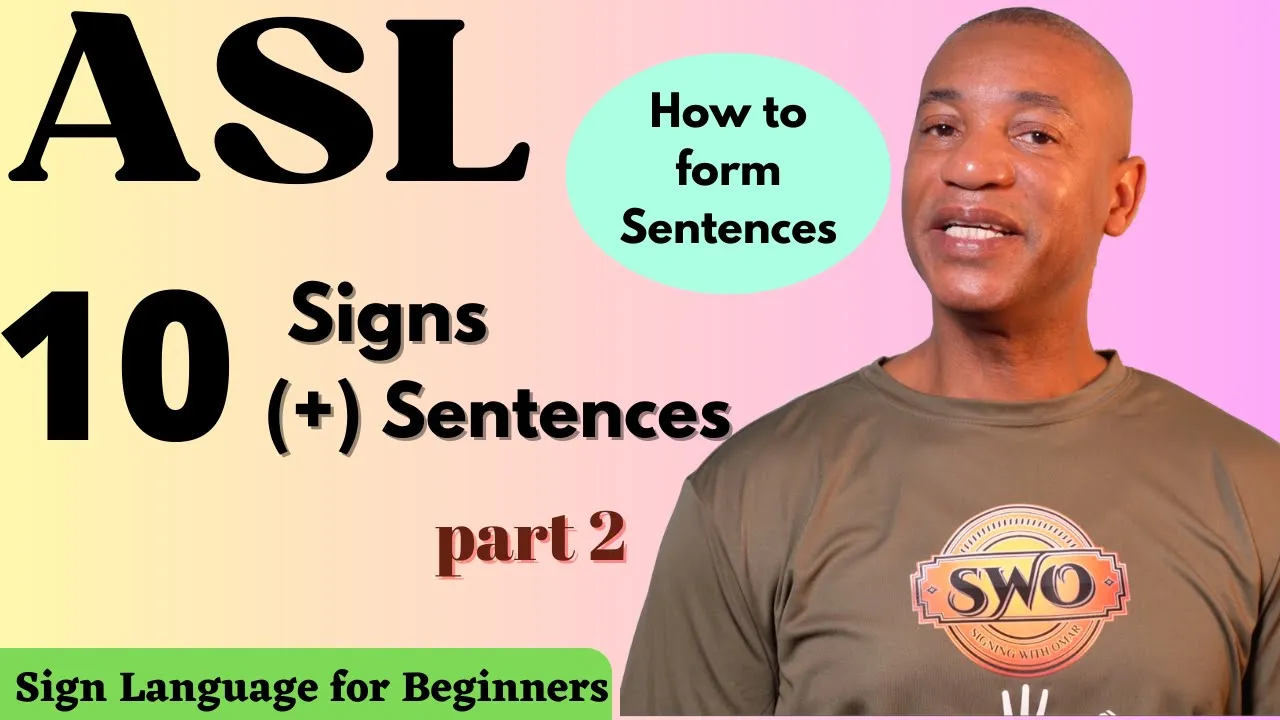
so tonight then we are going to be finishing up our 10 types of common sentence structures as i like to call them okay so we're going to learn about conditional sentences okay so the word suppose a lot of times then i call it if but there's a difference so this one i'll use is if so you could call it if but it's more like saying suppose suppose that this happened or if this happened kind of the same idea but they usually use this one for suppose suppose okay so the conditional clause so the first part of the sentence if this happens then this will happen okay so that's our normal conditional cause right that's how we say it in english so the conditional clause in asl is always going to be the beginning of your okay so the conditional clause will always be at the beginning of the sentence so you'll always have the if this part will always go at the beginning okay and then you have to clearly describe what the condition is that will happen for that okay and then the outcome of the condition will always be in the second part of the sentence so the like then part will always be at the end okay and then the second part the outcome of the condition the then part will always it can be a question it can be a statement or it can be a command as we'll see in the examples okay so even though in english there's flexibility in the way that you order it you could say this will happen tomorrow if this happens in asl then it always has to be if this then that you always have to have the if part first and then the outcome afterwards okay okay so here are examples okay so for this one if he shows up what are you going to do about it okay so this one is what what's the second part question a command or a statement question okay so what's this one suppose so suppose okay you want to tuck in your thumb on that it's like an i so suppose he shows up okay so you're going to die it doesn't look like a shark it has the same separation of your fingers like that sure okay so it's going to be show up so you're just putting like we use this like as a person classifier like remember we did like meet you like that so the person just appears shows up appears and i just do it right here through my fingers like that appears or shows up okay so suppose he shows up okay what do you like this one do what what are you doing what do you wanna do what are you gonna do you okay so we have the beginning part it's in the beginning the if part and then what are you going to do okay actually the slide that should be there would be the non-manual slide so you can actually practice it okay so whenever you do the non-manuals for this then you're going to raise your eyebrows so that's going to be the first one so you're going to raise your eyebrows the second part is you're going to tilt your head so one website that i saw said that you should tilt it back but i don't think i've ever seen it like that i think i've only seen it tilted forward or kind of to the side so there's just like a head tilt in there and then you're going to hold the last sign of the first claw so whatever the if part is if this happens pause and then you'll say the rest of it okay so we'll go through the examples for a different kind of sentence yes yeah but this one will be different okay so what are the three things so raise your eyebrows tilt your head and pause holding the last sign of the if part okay so you ready okay so suppose he shows up so what are we going to hold what word show up okay so show us we're going to hold okay so we're going to start with our eyebrows up and our head tilted okay so suppose he show up okay so we held that and then what do you good okay so about this one suppose she see me we must leave okay suppose okay so make sure your eyebrows are up suppose she see me okay so we hold that me must speak me must this so it's like if you're going to grab yourself but isn't this also me yes so if you do it like this you do it twice and you have need and you have should must have to need i think that's all of them should must have to need so need will be twice and then should it should oh must you can add the facial expression to show how much like oh i should do that or i have to do that or i must do that yeah so that'll be less yes you also do that in an angry context too like i must leave if she shows up like i'm if she sees me i must leave i must stay yeah because i have to it's the way it is but you still like even if i do it that way then i'm still leaning forward i'm still raising my eyebrows and i'm still holding the last sign so i'm still like no matter what so i can do like if she sees me i must leave like i can explain that way i can be happy about it i can just say oh if she sees me i'm gonna have to leave or i can be like i can have any emotion but i still carry the same no matter what i'm doing then i'm still going to have my eyebrows up i'm still going to be leaning forward a little bit so i'm still going to have all the same rest of it okay so let's try this one together so suppose okay so remember eyebrows are up okay so suppose okay suppose she see me okay suppose she see me and then me must sleep so we have last night yeah i pull it i go across my body here so i'm right-handed so i start to my left and then i pull it back to my right that way okay what about this one so so let's go through this side so suppose tonight so you're going to do now night two night it snows so snow is white and then going down to the side so i usually start on my dominant side up here am i right yeah so rain is like this like pound pound pound like that and i just kind of keep my fingers like and cloth rain and then snow will just be just filtering down each other yeah okay so snow okay and then tomorrow u and then cancel is this way so you're going to draw an x right there and cancel good okay so we do this with what's our three i rise up your head pause holding the last line okay so so suppose tonight snow suppose tonight snow okay and then tomorrow you cancel school tomorrow you cancel school so that's if it snows tonight then you will cancel school tomorrow so it's making a statement so you're not asking are you going to cancel school you're saying you will so that's what that part is okay okay now the other thing that you can do is that you can use the word if the other way that you can do that so if you see a pound sign or number sign where you don't call it in front of a capitalized word that means that the word is lexicalized we talked about this before okay good so a lexicalized word is going to be a word that you fingerspell but you add something else to it or you take something away so whenever you fingerspell something like if you're just fingerspelled if what would you do your spell it i okay so you just go i f if okay now if you are lexicalizing something that means that you're adding a movement that you're deleting a movement um you're changing the orientation the way that your hand turns so i can um for this one then for if then you're going to start with your f and you're just going to go like this okay so you're adding movement so i'm not fingerspelling it but i'm using the letters so i'm going i i i if so it's kind of like how we had 23 23 and then it became this it's kind of the same thing with f like this so there's actually a lot of lexicalized words that you can do so you can go f it is hard and once you get the hang of it though then it gets super easy and you won't even think about it but yeah that has the number four yeah so that's life supplies yeah we talked about that in the other class as well so we have it's that way so there's a lot of ones that you can do like this like you can do job so instead of just going j o b job has an added movement and it also has a difference in orientation so for alexa quality's job you go j and then you would turn it towards yourself and leave it and then you would go to a b and turn it towards yourself so normally this would be incorrect right but for the left supplies part then this becomes a sign job job job so it becomes part of it okay you know how this is no this is actually a lexicalized version of n-o-n-o-n-o no when you sign okay then instead of just going o k you do it forward oh yeah and it's more just like a flick okay okay or you have like wow wow wow wow www so there's a lot of different things that you can do this way wow um you have the if job so there's a lot of different like supplies ones um the other one you'll see is go so it's instead of just going go then it's go go and they're like supplies it just it's when fingerspelling becomes a word when it becomes its own sign so it adds movement like this one we learned we've learned out so like going out so it's g o it's got that movement to it um the other one that i really liked that i saw was early and it starts here so normally you go e-a-r-l-y so for early for this one you would go early so you go e you skip the a you go between mostly an r you go to kind of an l and then down to a y early it takes a lot of practice to get to go in a circle but you add the movement and you take out like one of the the signs or the handshapes which is the a yeah um i thought it goes like this so yeah so go is this way but this is another version of it so that's the other thing about sign language there's lots of different versions of different signs that you can use at a time so for leave there's leave you can take off you can leave yeah so there's a lot of different signs that you can do for one word sometimes just like in english then when we describe something there's a lot of different adjectives that mean the same thing but in sign language there's a lot of different signs that can mean the same concept of one thing so yeah okay so let's get back to this one so if i've actually i think i've seen it two ways i've seen it this way and i think i've also seen it turn this way so if okay if or if so if she can't come come you lose so it's like here like if you're holding your hands right here and it just drops out lose ticket so it's kind of like oh it's like they're cooking yeah like that like if it was a puncher right there so that's the ticket so this can be like i got a ticket for a concert this can be like i got pulled over and i got a ticket this is where i needed like one of those like little raffle tickets i bought a ticket so i've seen it just in once and then i've seen it done twice so take it so i do it right here like right about there in the middle it's not super super important exactly where but i generally do it right about there okay so now you guys know all the signs to try this one so we're at three raise eyebrows tilt your head and pause okay so if she can't come okay you lose ticket one more time yes she remember your eyebrows are wide you can't come okay so now we move our head back a little bit because that's the end of it you lose it just depends twice once yeah i think i usually see like i got a ticket and or i bought a ticket something like that so but really this is the thing that i keep seeing is that a lot of times then i see like this one or i see this like if i just said what's your name you would still understand and that's still a fine way to do it whereas the sign might technically be named so a lot of things like the movement sometimes there's one sometimes there's two sometimes it's still going to get better so yeah okay and then so let's go through the sign so if you do you guys remember when when it's like you're almost like you're grabbing you're sliding across when game okay your team okay so we've talked about like class you can do class with this so you guys have probably seen that one or you can do it like this like this is a group just kind of like you're surrounding a group of people you think about like a bubble around it so group and then the other thing you can do is you can do it with the t team you can also do it with an f and have family so this all refers to a group family team you can sometimes do g's for a group or you can just do group that way do it to see you have class okay so for team if you're gonna start here with your t's together and then go and circle around and then hit the opposite sides of your hand here together okay okay and then champion so i think i've seen it two ways i think one time i've seen it here on your index finger and one time i've seen it on your thumb but the important part is this handshake here so you're the champion okay just so it's kind of like if you kind of do it like on your thumb okay i'm just still like that with this yeah okay so guys this is our three things that we're doing for our non-manual so if you win the game you're okay now remember pull your head back and don't widen your eyebrows so you're team champion just yeah one type of champion good okay so um if you look at these ones then in this one by using the if this way then it emphasizes the consequences of whatever the outcome of the condition will be okay so in this one then if this happens it's putting more of an emphasis on you lose the ticket so that's one of the reasons that you would choose to use if um and then the other one is it can also be used as a warning like hey if this happens then you know like this is going to happen too so think about this you know like maybe you really need to like get her to come because yeah and then in this one then it emphasizes the consequences like hey you're not gonna be in the championships if your team doesn't win okay so when we do the if this way or this way whichever um it's used to construct a conditional pause to the second part of the sentence so it can be used interchangeably with the supposed this way but is often used to give a greater emphasis to a condition so using the if or the suppose okay so that's usually how you see that the conditional sentence is the if then but you can omit that if you use the non-manual still and it will give it the same meaning okay so if i said if we go back to our let's do this one okay if you just took off this word suppose you can do it with the same facial expressions and you will still understand that it's a conditional sentence based on your non-manuals even if you don't have that word suppose okay so let's do this one together without the word suppose or if or anything okay so what are the our three things so raise your eyebrows until it's your head okay so suppose okay so if we just do tonight snow tonight snow tomorrow you cancel school tomorrow you cancel school so you can do it that way too you can just totally leave out any of the signs and as long as you have the rest of it and you still have that complete need
Up Next

13:28
Introduction to Semantics & Pragmatics | Linguistics
@LanguageandLinguistics
421 views•2022-02-16
36:52
Constraint Interaction in Optimality Theory: Epenthesis & Deletion
@Vidyamitra
180 views•2018-08-20

7:08
ASL Class Week 8: Noun-Verb Pairs & Topicalization
@SignWithCourtney
439 views•2012-01-03

21:32
Accent Expert Explains U.S. Regional Dialects | Part 1
@WIRED
9.3M views•2021-01-21
Related Study Plans & Knowledge Roadmaps
Structured learning paths in Linguistics
linguistics
Optimality Theory: Tableaux & Constraints
01Phonological Basics: Sounds, Syllables & Rules
02Foundations of Optimality Theory: GEN, CON, and EVAL
03The Constraint Inventory: Markedness vs. Faithfulness
+ 2 more learning modules
15h5 modules
Explore Roadmap
linguistics
Morphosyntactic Alignment: S, A & P Systems
01Foundations of Syntax: Transitivity and Arguments
02The Linguistic Variables: Mapping S, A, and P
03Nominative-Accusative Alignment
+ 3 more learning modules
12h6 modules
Explore Roadmap
linguistics
Analyzing Sign Language: Phonology & Syntax
01Foundations of Sign Language Linguistics
02Phonology: The Five Parameters of a Sign
03Morphology: Word Formation and Classifiers
+ 2 more learning modules
14h5 modules
Explore Roadmap
linguistics
Pragmatics: Speech Acts, Grice & Politeness
01Introduction to Pragmatics: Meaning in Context
02Grice’s Cooperative Principle & Implicature
03Speech Act Theory
+ 2 more learning modules
14h5 modules
Explore Roadmap