











![[홍스] [세수다] 83 시각적 정보의 활용 p16 ~ p23](https://i.ytimg.com/vi/lJK6eK3wLfI/hqdefault.jpg)



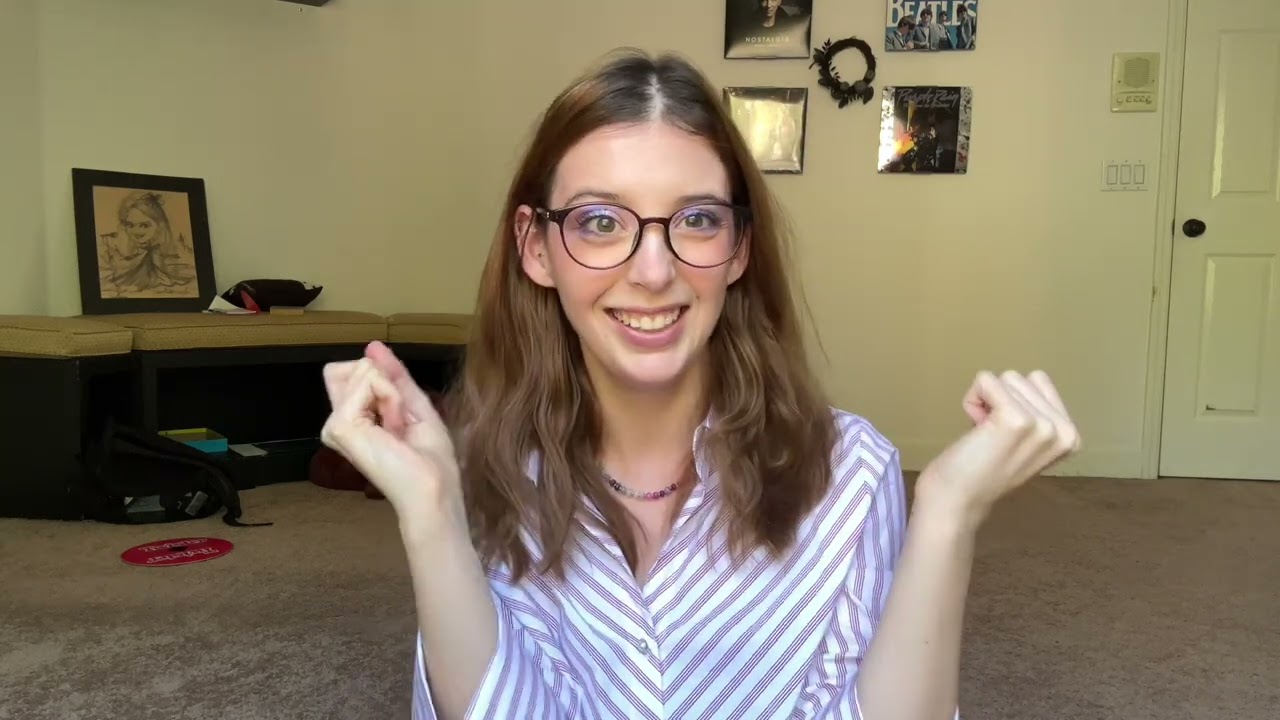


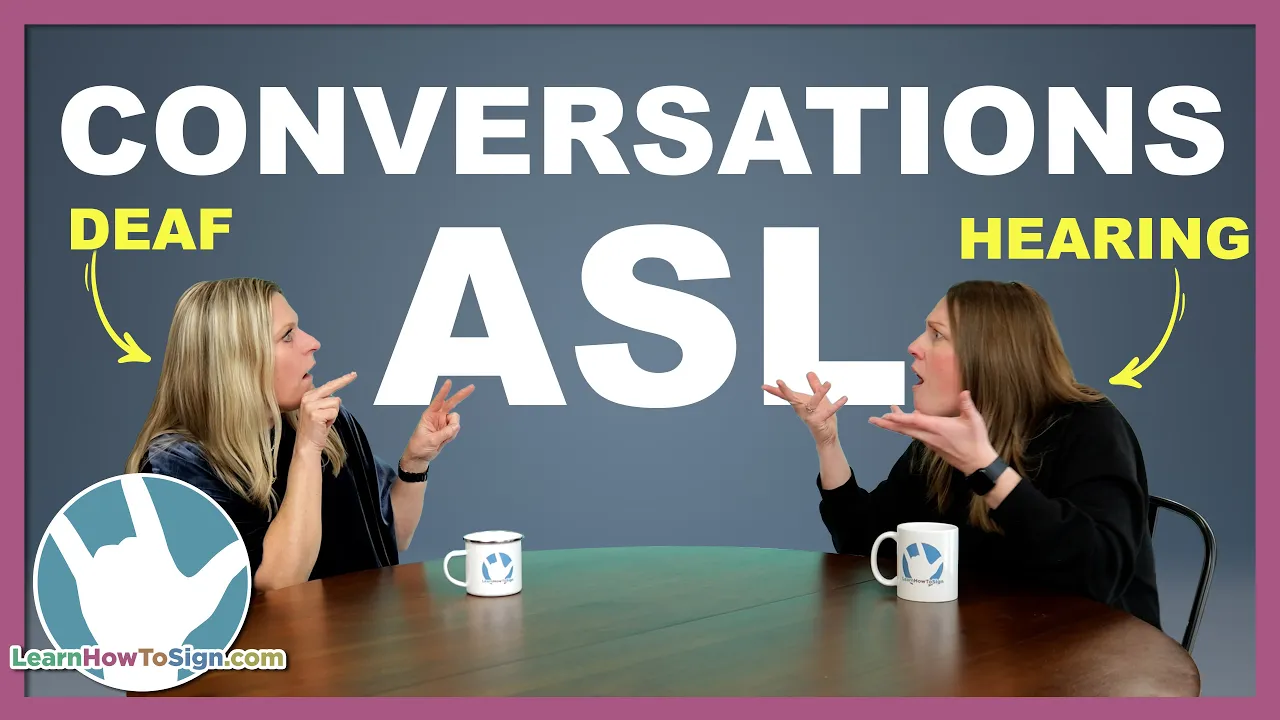
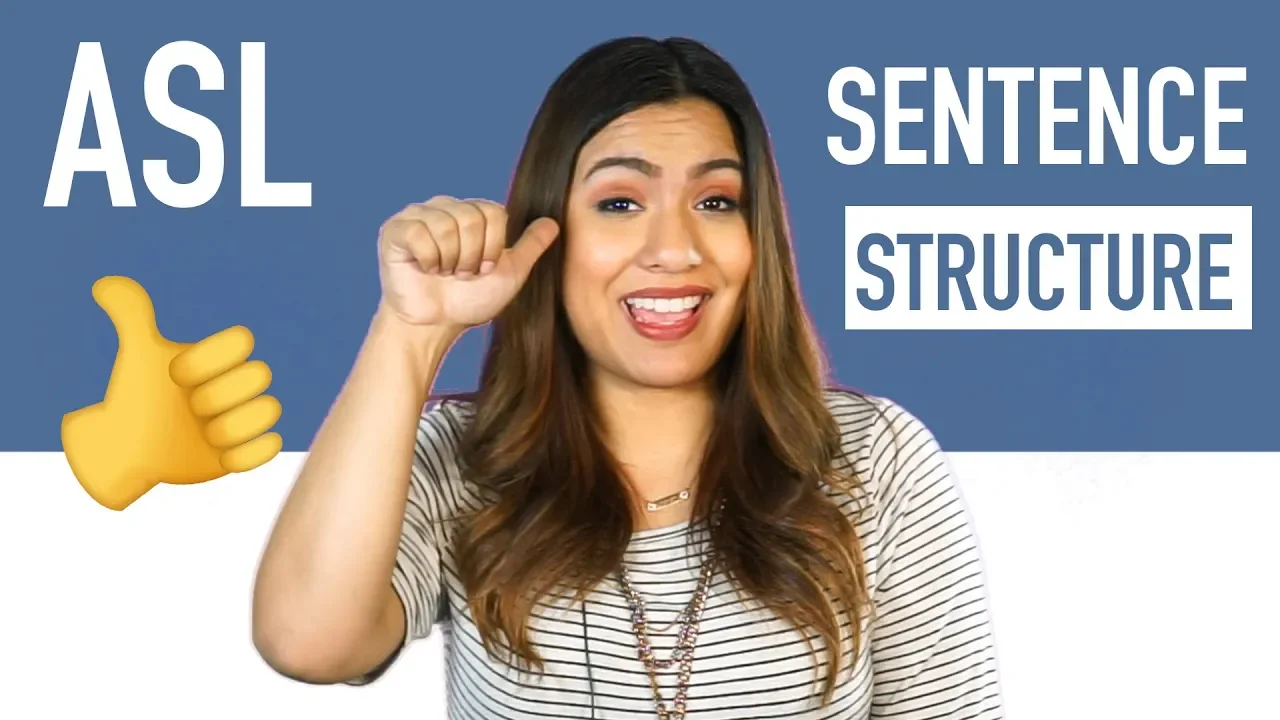
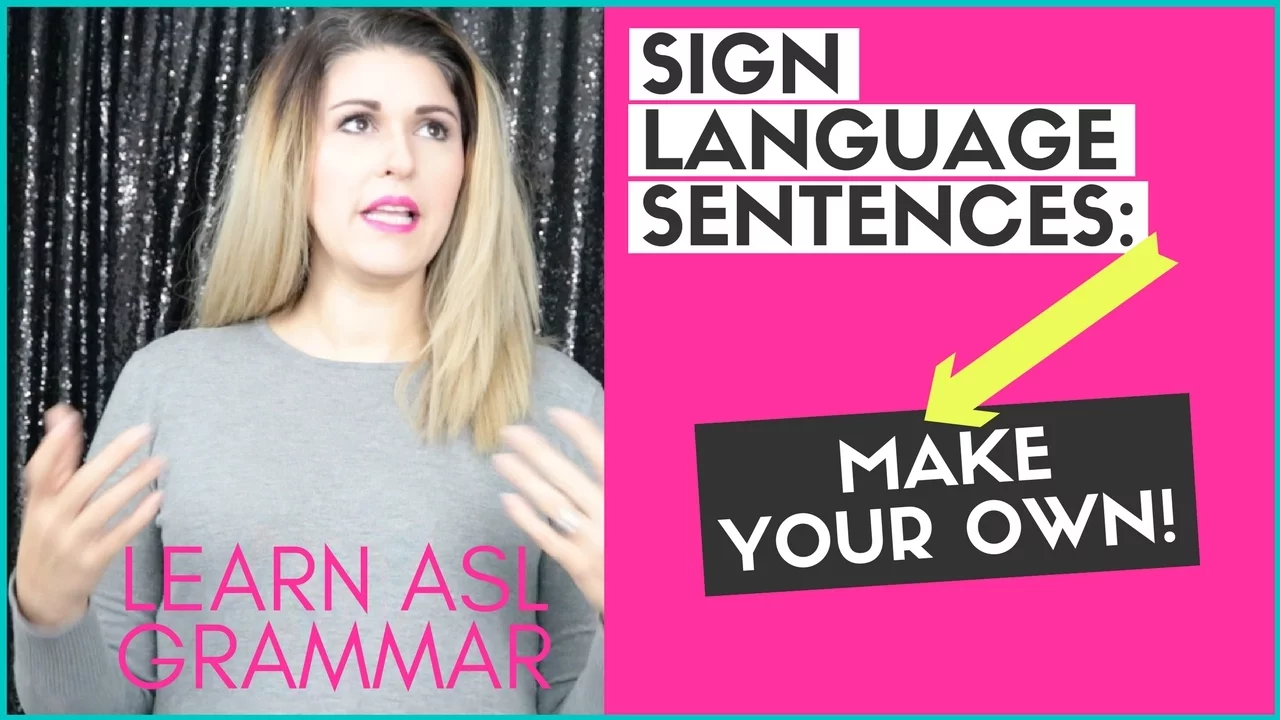
ASL grammar follows a visual language structure of 'when, where, what, who, do' (background to foreground), which differs from English's subject-verb-object order; for yes/no questions, add raised eyebrows at the end, while information questions (who, what, when, where, why, how) require furrowed brows and the question word at the end of the sentence.
ASL Grammar Simplified: Sentence Structure Guide for Beginners
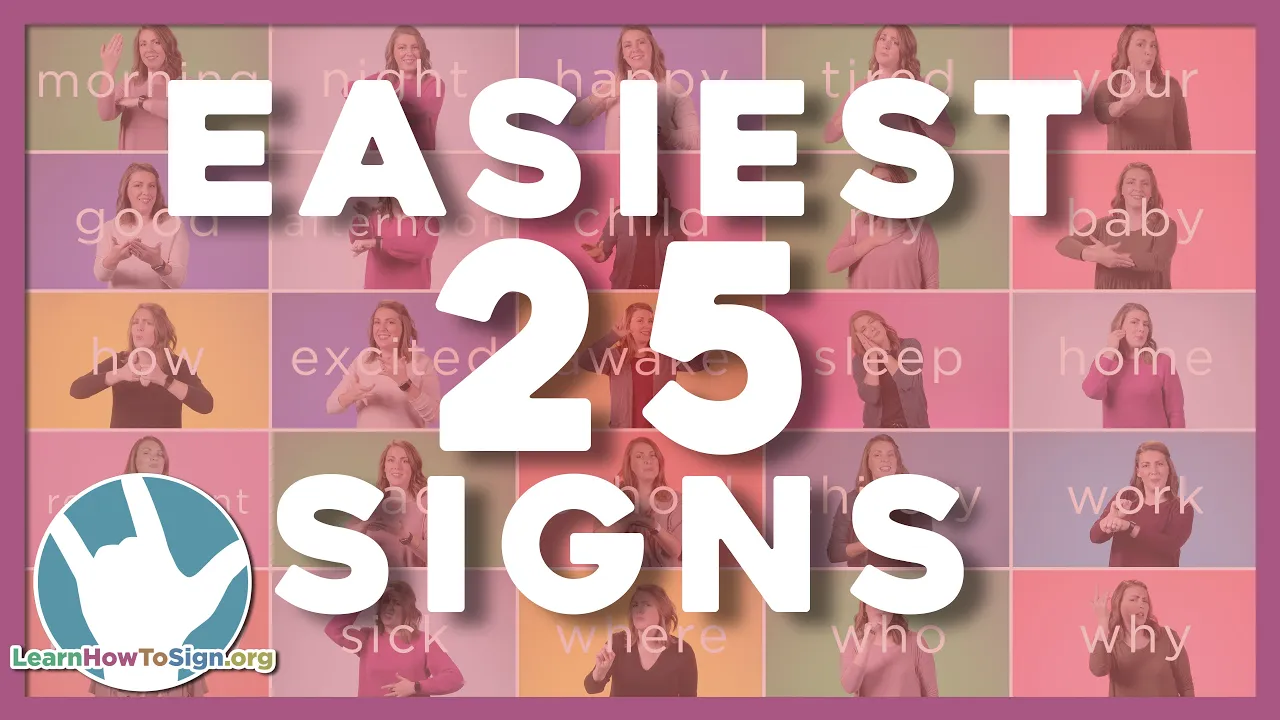
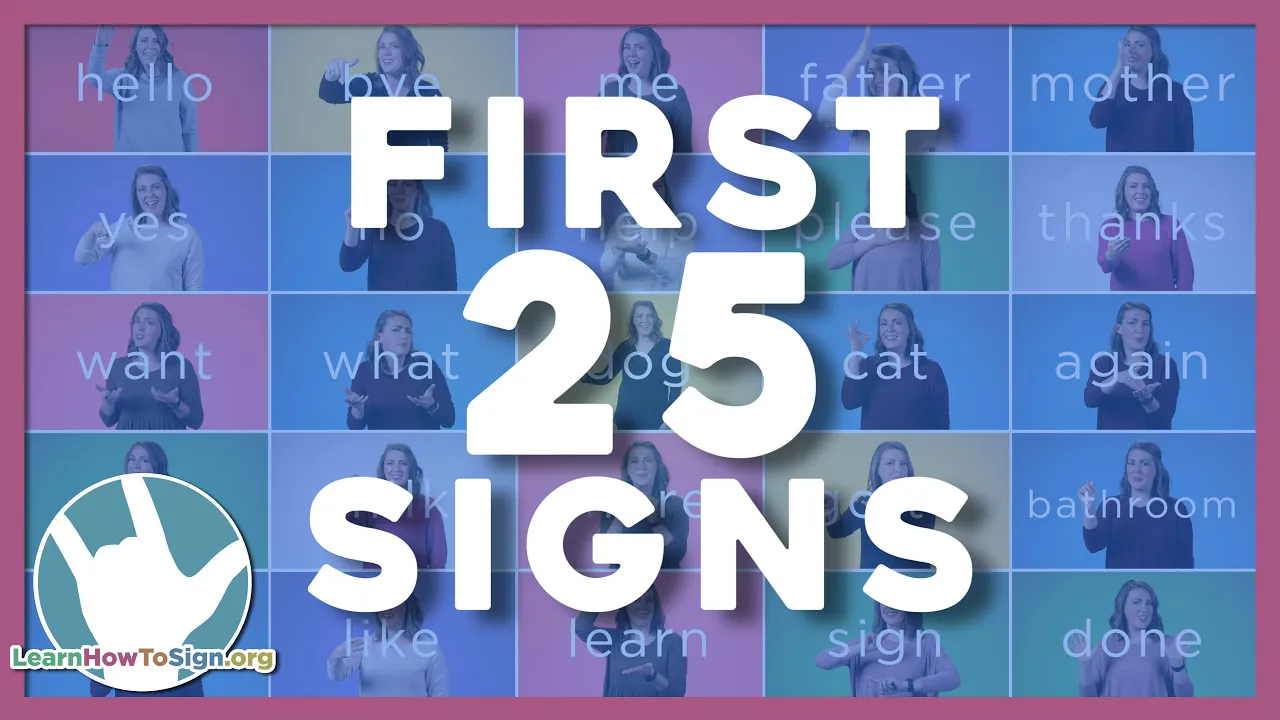
Added:A foundational vocabulary of basic ASL signs, including common nouns, verbs, pronouns, and adjectives.
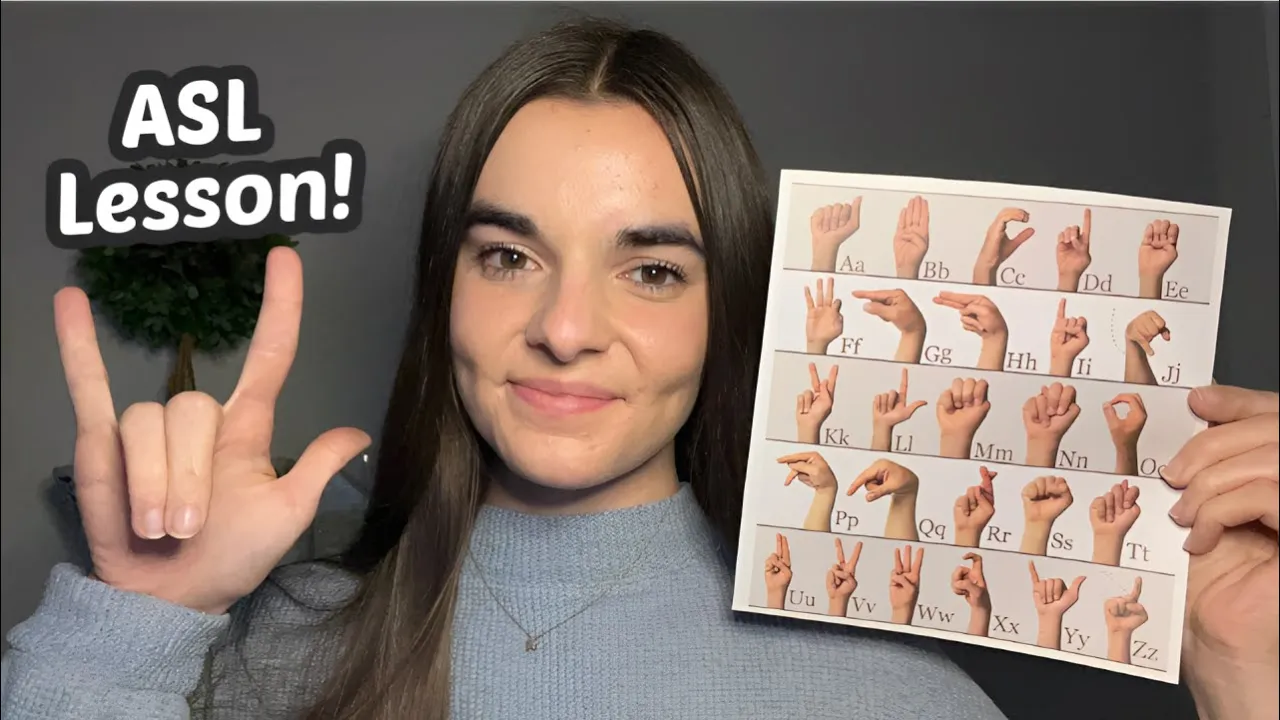
An understanding of the ASL alphabet (fingerspelling) and basic numbers to clarify words without dedicated signs.
Awareness that American Sign Language (ASL) is a distinct, natural language with its own linguistic rules, separate from English.
Basic comprehension of the concept of Non-Manual Signals (NMS) and the role of facial expressions in sign language.
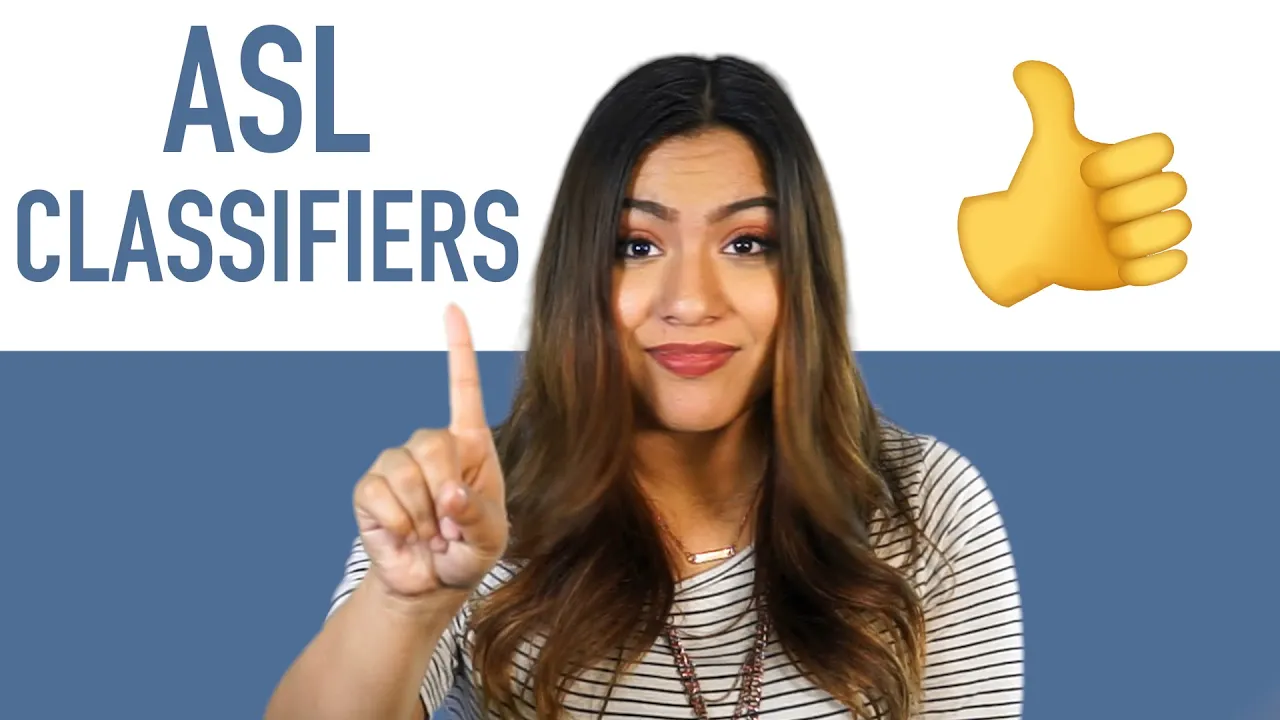
Mastery of ASL Classifiers (handshapes used to describe the size, shape, location, or movement of nouns).
Advanced sentence structures such as Topic-Comment syntax and the integration of Time-Topic-Comment word order.
The use of directional/agreement verbs to show subject-object relationships without additional pronoun signs.
Incorporating rhetorical questions as grammatical transitions (e.g., using 'why' to mean 'because') in complex sentences.
Developing receptive skills and conversational fluency through real-time dialogue and comprehension of diverse signing styles.
7.7K views833likes5:03Original Release: 2024-08-19
buckle up this is going to be a crash course now to start us off ASL has a different grammar structure than English a lot of people have no idea when they get started learning so when you get to that point it can feel really intimidating so what I'm going to do real quick is kind of break down the grammar structure for you and then also provide some tips that really helped me when I was starting out so in English sentence structure with statements is generally subject verb object so quick example I hit him with ASL it's object subject verb him I hit here's the thing about that though nobody has time to keep object subject temporal setting straight in their head them some fancy words for fancy people we're trying to make learning ASL accessible for your everyday person of any age with any amount of background so forget the fancy vocabulary the structure that we're going to go with for General statements is when where what who do when is it happening where is it happening what is it happening with or to who is doing it and what are they doing when where what who do ASL is a visual language so you go about explaining things as if you're drawing a picture you start Big Picture This is your background information when and where is the thing happening you get a little closer to the foreground what's it happening with or to and then you get into the foreground which is going to be who's doing it what are they doing and little bonus how do they feel about it now that last part is not a required piece of the grammatical structure however it is very much a part of Deaf culture if you ever have the the pleasure of sitting down and actually conversing with a deaf person you are going to know how we feel about what we're saying anyways back to the structure while when we what whoo is a great Foundation you don't always need all five pieces for example if something is in the present tense you can exclude the when entirely in ASL what you're saying is always assumed to be present tense unless you state otherwise which means no conjugation necessary so if you're saying I am going to the store you would say store I go that's where who do of course in that situation the where would also be the what because the store is the object of the sentence but again we're putting that aside we're here to simplify not go on linguistic tangents Paris okay let's go so that's going to be your general layout for statements however when we move on to questions things get a little more interesting asking a yes or no question follows the same structure as a statement but you end it with your eyebrows raised so the only difference between you went to the store yesterday and did you go to the store yesterday it's these babies right here now I've already got shall we say a dynamic face so because I already make so many facial expressions while I'm talking in the first place I accentuate that eyebrow raise with a head tilt So Yesterday store you go so that's yes and no but what about if you need to ask who what when where why and how easiest way to think about it is that the signs for who what when where why how come with a question mark and therefore need to be the end of the sentence I'll explain what that really means in just a second but first let's lay out some examples dipping back into the example of going to the store if I were to ask somebody why did they go to the store yesterday it's going to follow the same sentence structure with that why tacked onto the end so yesterday store you go why and that's where we talk about the question mark because the question mark is your eyebrows again so for yes and no questions the only thing you need to add is an eyebrow raise and possibly a little head tilt but for who what when y you're going to attach FR brows to the question word and Tack it onto the end of the sentence as your question mark So if you are asking who what when where why all of those should be produced with a furrowed brow and I say if you're genuinely asking because if it's rhetorical you do raised brows you did what you went where you saw who grammar so to recap your sentence structure is when where what who do so start with big background information and get more specific and closer to the foreground if you want to ask a yes or no question you follow the exact same sentence structure but end it with raised brows if you want to make an information request those who what when where why how questions you're going to do the same sentence structure tack your question word onto the end and frow your brow but if you want to make that same question sarcastically or rhetorically you do it with a raised brow now this video was primarily just for sentence structure if you want an in-depth explanation on like facial grammar and all that comes with that please let me know I would be thrilled yall see my cat just run up there if you've made it this far please consider subscribing and maybe checking out some of my music de musicians don't get a ton of recognition cuz people don't really know how we exist and I would like to change that so thank you also you know like And subscribe and all the other things that actual YouTubers say thank you so much when again never gave space to Breathe Me drowning in it every day just the same and if I run away crisis shows up to let me in
Up Next
27:07
ASL Sentence Structure and Sign Language Basics Explained
@PolyglotConference
847 views•2021-06-23
36:52
Constraint Interaction in Optimality Theory: Epenthesis & Deletion
@Vidyamitra
180 views•2018-08-20

8:59
Forensic Linguistics: How Language Solves Crimes | PBS
@pbsstoried
1M views•2024-01-25

21:32
Accent Expert Explains U.S. Regional Dialects | Part 1
@WIRED
9.3M views•2021-01-21
Related Study Plans & Knowledge Roadmaps
Structured learning paths in Linguistics
linguistics
Optimality Theory: Tableaux & Constraints
01Phonological Basics: Sounds, Syllables & Rules
02Foundations of Optimality Theory: GEN, CON, and EVAL
03The Constraint Inventory: Markedness vs. Faithfulness
+ 2 more learning modules
15h5 modules
Explore Roadmap
linguistics
Morphosyntactic Alignment: S, A & P Systems
01Foundations of Syntax: Transitivity and Arguments
02The Linguistic Variables: Mapping S, A, and P
03Nominative-Accusative Alignment
+ 3 more learning modules
12h6 modules
Explore Roadmap
linguistics
Analyzing Sign Language: Phonology & Syntax
01Foundations of Sign Language Linguistics
02Phonology: The Five Parameters of a Sign
03Morphology: Word Formation and Classifiers
+ 2 more learning modules
14h5 modules
Explore Roadmap
linguistics
Pragmatics: Speech Acts, Grice & Politeness
01Introduction to Pragmatics: Meaning in Context
02Grice’s Cooperative Principle & Implicature
03Speech Act Theory
+ 2 more learning modules
14h5 modules
Explore Roadmap