





![O QUE É HOMEOSTASE? [Metabolismo 08]](https://i.ytimg.com/vi_webp/9vRA13CZY88/maxresdefault.webp)
















![🤔 ¿QUE ES la carrera de *NUTRICION Y DIETETICA* ✏️🍏? [Todo lo que TIENES que SABER 😉]](https://i.ytimg.com/vi_webp/Y-OQpPFncAQ/maxresdefault.webp)
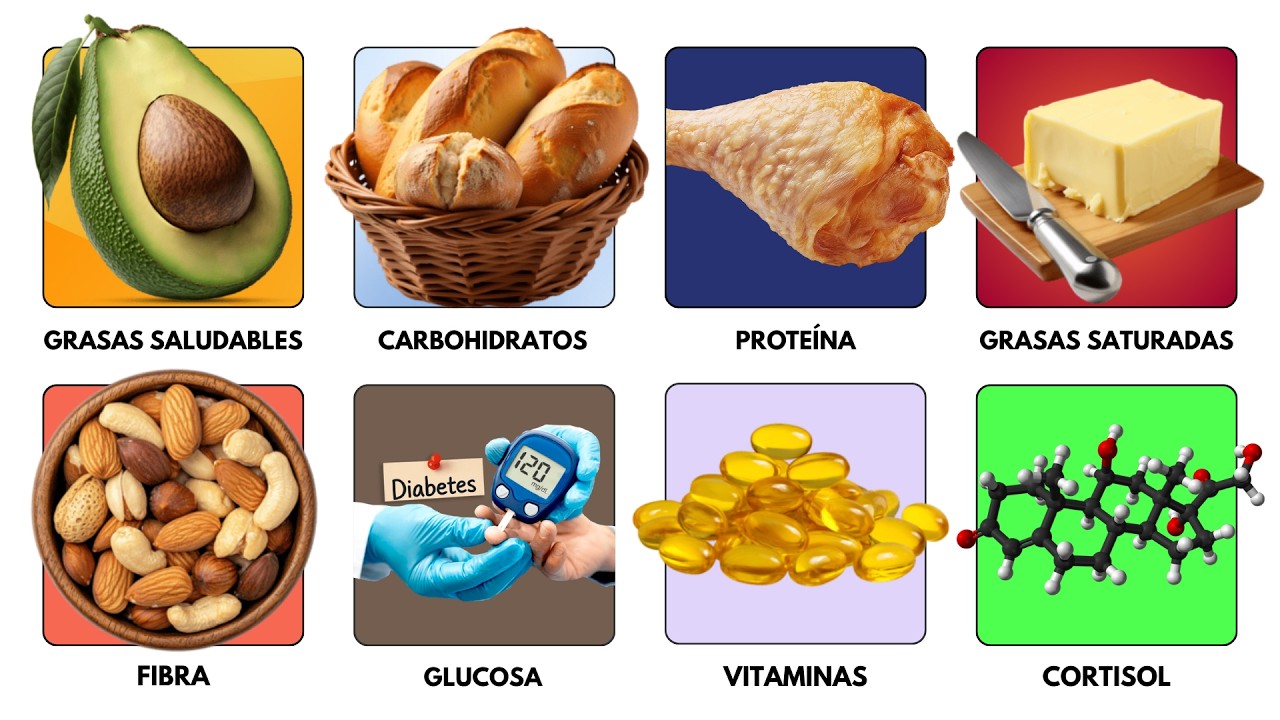
The body regulates hunger and satiety through a complex interplay of hormones and neural systems: the hypothalamus (particularly the ventromedial hypothalamus and arcuate nucleus) contains neurons that either promote or suppress feeding, while gut-derived hormones like ghrelin (which stimulates hunger) and cholecystokinin (CCK, which suppresses appetite) communicate with the brain; regular meal timing trains ghrelin to anticipate meals, while highly processed foods containing emulsifiers disrupt gut signaling and prevent proper satiety cues; blood glucose regulation involves insulin (which lowers glucose) and glucagon (which raises glucose), with exercise and proper macronutrient order (fibrous foods first, then protein, then carbohydrates) helping maintain stable blood sugar levels.
How Hormones Control Hunger & Satiety | Huberman Lab
Added:welcome to hubman lab Essentials where we revisit past episodes for the most potent and actionable science-based tools for mental health physical health and performance I'm Andrew huberman and I'm a professor of neurobiology and Opthalmology at Stanford school of medicine this podcast is separate from my teaching and research roles at Stanford it is however part of my desire and effort to bring zero cost to Consumer information about science and science related tools to the general public today we're going to talk about how hormones impact feeding and hunger as well as satiety the feeling that you don't want to eat or that you've eaten enough now it's important to understand that hormones don't work alone in this context today I'm going to describe some hormones that have powerful effects on whether or not you want to eat more or less or stop eating allog together but they don't do that on their own they do that in cooperation with the nervous system the first thing that you need to know about the nervous system side the neural control over eating and hunger is that there's an area of your brain called the hypothalamus now the hypothalamus contains lots of different kinds of neurons doing lots of different kinds of things there's a particular area of the hypothalamus called the ventromedial hypothalamus and it's one that researchers have been interested for a long time now in terms of its relationship to hunger and feeding and the reason is it creates these paradoxical effects what do I mean by that what they found was that sometimes lesioning or disrupting the neurons in the ventromedial hypothalamus would make animals or people hyperphagic they would want to eat like crazy and other lesions in other individuals or animals would make them anorexic it would make them not want to eat at all it would make food aversive so that means that the ventromedial hypothalamus is definitely an interesting control station for hunger and feeding and satiety but it doesn't really tell you what's going on at a deeper level in fact it's a little bit confusing or paradoxical turns out that there are multiple population of neurons in there some are promoting feeding and some are promoting not feeding or not eating now the other neural component of all this that you need to know about actually has to do with your mouth so there's an area of your cortex so that's a little bit further up in your brain called the insular cortex and it processes a lot of different kinds of information mostly information about what's going on inside you so-called interoception the insular cortex has neurons that get input from your mouth from the touch receptors in your mouth an insular cortex has powerful control over whether or not you are enjoying what you're eating whether or not you want to avoid what you're eating whether or not you've had enough or whether or not you want to continue eating more and that has to do believe it or not with the touch or sensation of eating but the key point right now is to know you got these two brain areas the ventromedial hypothalamus that's involved in hunger and lack of hunger and you have this insular cortex that gets input from your mouth and cares about chewing and the consistency of foods and all sorts of interesting things that are just very tactile I think most people think about the touch receptors on excuse me the taste receptors on the tongue but we often don't think about the touch or tactile essence of food now let's get back to the ventromedial hypothalamus sometimes it makes animals or people want to eat more sometimes less so what's going on there there's a classic experiment that was done in which researchers took two rats and so-called parabiosed them to each other what that meant is that they did a little surgery and they linked their blood supply so that they were forever physically linked to one another and could exchange factors in the blood but their brains were separate their mouths were separate and they essentially did everything uh separately except that they were linked to one another so they had to walk together and go to the same places in order to do it this parabiosis experiment revealed something really important when they lesioned the ventromedial hypothalamus in one of the rats that was connected to the other rat that rat got very very fat it's just really obese the other one however got very thin it actually lost weight so what does this tell us this tells us that there's something in the blood that's being exchanged between the two animals because it was their blood supply that was linked and that tells us that there's hormone or endocrine signals that are involved in the desire to eat and hunger and appetite and so next we're going to talk about what those endocrine signals are and then I'm going to immediately point to some entry points that you can use and you can use these even if you're not parabiosed to anything and that can allow you to time your meal frequency and predict when you're going to be hungry or not so let's talk about the endocrine factors that regulate feeding hunger and satiety one of the really exciting things to emerge in this science of feeding an appetite in the last 20 years is the discovery of another brain area not just the ventromedial hypothalamus but it's an area of the brain called the arcu nucleus and the aru nucleus has some really fascinating sets of neurons that release even more incredible molecules and chemicals into the blood and these chemicals act as accelerators on feeding an appetite or breaks so first of all there are a set of neurons in this arcu nucleus it's the Pro opio melanocortin system now the Palm C neurons make something called Alpha msh melanocyte stimulating hormone Alpha melanocyte stimulating hormone msh reduces appetite and it's a powerful molecule all right so just put that on the Shelf msh reduces appetite now there's another population of neurons in the aru nucleus called the agrp neurons the arrp neurons stimulate eating the activity in these agrp neurons goes way up when animals or people haven't eaten for a while and the activity of msh the release of msh goes up when we've eaten next let's talk about a hormone peptide that activates hunger and this is a really interesting one because it relates to when you get hungry in addition to the fact that you get hungry at all and it's called gin it's spelled g HR e l i n gin is released actually from the GI tract and its main role is to in increase your desire to eat and it does that through a variety of mechanisms part of that is to stimulate some of the brain areas the actual neurons that make you want to eat in addition it creates food anticipatory signals within your nervous system so you start thinking about the things that you happen to like to eat at that particular time of day this is fascinating gin is sort of like a clock a hormonal clock that makes you want to eat at particular times now the signal for gin is reduced glucose levels in the blood if it drops too low gin is is secreted from your gut it activates neurons in your brain at various locations we all know about the famous pavlovian experiments of pavo's dogs you know they start salivating to the Bell after the Bell was presented with food you remove the food and then just the Bell can stimulate the the salivation we become pavlovian at times but rarely is it ever discuss what the neural Pathways for that are and it turns out that these hormones that are secreted from the gut can stimulate the neurons to create a sensation and a desire for certain foods at certain times of day you've done this experiment if you are somebody who eats breakfast at more or less the same time each day let's say 8: a.m. your gin secretion will start to match when you typically eat and it's able to override the low levels of glucose in your bloodstream because the Gin system also gets input from a clock in your liver that is linked to the clock in your hypothalamus in your brain and what this means is if you eat at regular meal times you'll start to get hungry a few minutes before those meal times if you've ever wondered why your stomach kind of starts to growl because it's a particular time of day you're like oh I must want to eat well that's gin so gin is secreted as a kind of food anticipatory signal to get you motivated to go eat at regular times but what that means is that if you suddenly go from eating on a very regular schedule to skipping a meal or pushing your meal timing out or shifting it at all you're going to have gin in your system and that gin is going to stimulate the desire to eat by acting at the level of your brain so gin stimulates the arrp neurons which makes you want to eat regularity of eating equals regularity of gin secretion equals regularity of activity of these agrp neurons meaning you will be hungry at very regular intervals so if msh inhibits feeding make makes us want to eat less and gin makes us want to eat more there's another hormone called cck kinin that is potent in reducing our levels of hunger now cck is in the GI tract it's released from the GI tract and its release is governed by two things one is a subset of very specialized neurons that detect what's in the gut the specific contents of the gut and by certain elements of the mucosa of the mucous lining of the gut and the gut microbiome so what's really interesting is that cck is stimulated by fatty acids amino acids and particular amino acids that we'll talk about as well as by Sugar so which fatty acids in the gut stimulate the release of cck omega-3 fatty acids and conjugated lenol acid CLA either from food or from supplements stimulate the release of cck which then reduces or at least blunts appetite the other thing that stimulates cck that I mentioned are amino acids so when we eat we have the ability to break down different macron macronutrients you know carbohydrates fats or proteins into sugars and glucose that then we can convert to ATP and all that stuff remember the KB cycle from high school we're not going to go into to that today that's for a future episode amino acids both can be used as energy through a process called gluconeogenesis of converting proteins into energy or those amino acids can be broken down and then rebuilt into things like repairing muscle tissue as well as other forms of cellular repair they're involved in all sorts of things related to protein synthesis what does this mean if we eat the proper amino acids at the proper levels if we ingest Omega-3s and clas conjugated linolic acids at the proper levels or get them from supplements there is a blunting of appetite appetite is kept clamped and we don't become hyperphagic we don't overeat we tend to eat within healthy or normal ranges so this is very important because most people don't understand that when we're eating we are basically fat foraging and amino acid foraging in other words even if it's not conscious we are eating until we trigger the activation of cck now there are other reasons why we shut down eating too the volume of food in our gut can be large and we can feel very distended that's the physical reason obviously but at a subconscious level the gut is informing the brain via cck and other mechanisms when we've ingested enough of what we need so as you can see feeding is an interplay between brain and body and it's some of the micronutrients and even the breakdown of particular nutrients that's putting the accelerator or the break on the feeding process you are essentially trying to eat to get these nutrients and then a signal can be deployed up to your brain that you're not really interested in eating that much more there's one particular aspect of food that can powerfully impact cck and I think most people I'm guessing 99.9% of people out there are not aware of this and it has to do with highly processed foods there's a lot of reasons why one would want to avoid highly processed foods in fact if you're interested in that topic and the history of Whole Foods transitioning to highly processed foods in this country I highly recommend you listen to a YouTube video by Dr Robert lustig he's University of California San Francisco it gives a a beautiful description of the history of this and why the food industry started packing in additional sugars and salts and turning Foods into Commodities is really fascinating has no conspiracy theory it's just all scientific facts it's really a wonderful lecture has millions of views should be very easy to find there's another reason to avoid highly processed foods however and that has to do with what's called emulsifiers now many of you are familiar with emulsifiers even though you don't know it when you put detergent in the laundry that is an contains emulsifiers the the goal of that detergent is to bring together fatty molecules with water molecules and be able to dissociate them and break them up to get the stains out of clothes and things of that sort there are a lot of emulsifiers put into processed foods and those emulsifiers allow certain chemical reactions to occur that extends the shell fly for those Foods why are emulsifiers bad okay there are a lot of reasons why they're bad but the reason why they're bad for the mechanisms that we've been talking about today is that when you ingest those Foods you're bringing those emulsifiers into your gut and those emulsifiers strip away the mucosal lining of the gut and they actually cause the neurons that innervate the gut that extend those little processes we call axons into the gut to retract deeper into the gut and as a consequence you're ingesting a bunch of food and the signals like cckk never get deployed the signals that actually shut down hunger are never actually triggered and so as a consequence you want to eat far more of these highly processed foods in addition if you then go from eating a highly processed food to to non- highly processed foods you're not able to measure the amounts of amino acid sugars and fatty acids in those Foods as accurately you've actually done structural damage at a micro level but structural Lev damage excuse me to the mucosal lining of the gut now this can all be repaired if you stay away from highly processed foods for some period of time but the negative effects of these emulsifiers are quite real so to make it really clean and simple emulsifiers from highly processed foods are limiting your gut's ability to detect what's in the foods you eat and therefore to deploy the satiety signals the signals that shut down hunger in addition to to that there's a parallel mechanism at play that I talked about in a previous episode but I'll remind you again that you have neurons in your gut that are sensing sugar and are sending a subconscious signal up to the brain via the vagus nerve and those neurons trigger the release of dopamine which makes you crave more of that food so now you've got parallel signals making you want to eat more sugar making you unaware of how much sugar you've eaten and that are disrupting the inputs to the nervous system that signal to the rest of your brain and body that you've obtained enough fatty acids and you've obtained enough amino acids so these highly processed foods are really terrible and you know I'm not out here to say you know never enjoy a processed food of any kind I'd be a hypocrite because I do eat processed foods from time to time although the ones that I tend to eat I try and make of the healthier variety but eating Whole Foods has tremendous value and eating highly processed food uh has tremendous negative impact on the gut and on the gut brain axis the bottom line is that highly processed foods are just bad for you they increase weight gain they disrupt the lining of your gut in a way that disrupts things like cck and proper satiety signals so there's just so many reasons why these highly processed foods are terrible and they can explain a lot of the ill health effects that we've seen in the last 50 years not just in the United States but all over the world the enormous increase in diabetes juvenile diabetes it's just uh remarkable how far down the path of bad we've gone and it's clear it's almost a Smoking Gun what the cause of this is if you'd like to learn more about that P please refer to the lustig lecture he also spells out why nonprocessed Foods is far more economical in terms of uh just at the level of the household or individual as well as at the societal level really interesting stuff I highly recommend you check it out so now let's move on to some other hormones that regulate hunger and satiety in particular insulin now you've probably heard of insulin before insulin is the thing that's lacking in type 1 diabetics that's why they have to inject insulin whenever they eat the reason they have to do that is because when they eat their foods are broken down into glucose and in order to shuttle glucose to the appropriate tissues in the body and also to keep glucose levels in check you need insulin so the simplest way to think about insulin and glucose is that when you eat that food is broken down into sugars that's true whether or not it's fats or it's sugars or event if it's proteins they are oxidized into fuels as we say your blood sugar needs to be kept in a particular range hypoglycemic means too low hyper glycemic means too high and what they called U glycemic EU glycemic is the healthy range now what those healthy ranges are in general the healthy range the ug glycemic range is about 70 to 100 nanog per deciliter why is is it important that glucose be kept at a particular level once you understand that keeping glucose in check starts to have a rationale behind it and the ways to do that start to make a lot more sense so the the reason is if glucose levels get too high because of the way that our cells in particular neurons interact with glucose high levels of glucose can damage neurons it can actually kill them you can start getting what are called perip peripheral excuse me neuropathies one of the symptoms of some forms of diabetes is that people start losing the sensation of touch in their fingers or their hands or their feet and they can start going blind there's diabetic retinopathies so it's very important that insulin manage your glucose levels now there's also type two diabetes where there's insulin secreted from the pancreas but people are insulin insensitive There's A disruption in The receptors and Insulin insensitivity isn't quite the same as having no insulin at all but it parallels some of the same mechanisms now type 1 diabetes is often picked up because someone has a sudden weight loss because they're not processing blood sugar the same way they were before type 2 diabetes is often although not always associated with being overweight and with obesity both of them are are challenging conditions type 2 diabetes almost always can be managed by managing one's weight and of course there are prescription drugs and supplements that can help manage those we're going to talk about all of that but for most people that don't have diabetes the important thing is to manage glucose to keep it in that ug glycemic range and there are a number of different ways to do that some of them are behavioral some of them are diet-based and some of them are based on supplements or prescription drugs so let's talk about those now so if you eat and in particular if you eat carbohy hydrates blood glucose goes up if you eat fats blood glucose goes up to a far less degree and if you eat proteins depending on the protein it'll eventually be broken down for fuel or assembled into amino acid chains for protein synthesis and repair of other tissues and bodily functions but glucose goes up and then is kept in range when you are hungry you secrete a different hormone and that's called glucagon and glucagon's main role is to to pull stores of energy out of the liver and the muscles and once those are depleted you'll eventually tap into body fat so the two kind of push and pull systems that we're going to think about now to keep this simple is that you have the insulin system managing glucose and you've got the glucagon system pulling energy out of your liver and muscles for immediate Fuel and eventually you'll pull fuel out of body fat that if you've been active for a very long time and all your glycogen stores are depleted or close to depleted so what does this all mean let's say you had a meal and that meal consisted of rice a carbohydrate some meat or fish let's say a piece of salmon and some vegetable some fibrous vegetable like asparagus or cabbage or something like that if you were to eat all of that at once you know you take a bite of one a bite of the other you mix it up then you will EXP expence an increase in insulin and increase in blood glucose that's moderately fast it's going to increase pretty quickly what's remarkable is that the order that you consume each macronutrient has a pretty profound influence on the rate of insulin and glucose secretion into the blood and how quickly those levels rise if you were to eat the fibrous thing first so a lot of chewing but not a big rise in blood glucose that will actually blunt the release of glucose until until you eat the fish and the rice but believe it or not it will actually blunt the glucose increase that the rice would cause now I'm not talking about neurotically eating each macronutrient separately in sequence I'm just trying to give you a picture of what's Happening ordinarily so what does this all mean it means that if you want a steep increase in glucose you are very very hungry then you should eat the the carbohydrate laiden food first or you should eat a bunch of macronutrients combined so that would be like the hamburger or the sandwich the the bread the whatever is in that sandwich all together usually that's protein and and you know vegetables as well if you want to have a kind of more modest increase in glucose or you want to blunt the increase in glucose then have the at least some of the fibrous thing first and then the protein and then the carbohydrate you will notice that your blood glucose will rise more steadily and that you'll achieve satiety earlier in the meal basically what you're trying to avoid are steep increases in blood sugar and the order that you Foods has an enormous impact on that the other thing that has an enormous impact on how long and shallow or how steep that curve of glucose is depends on whether or not you recently were moving are moving or start moving after you eat so it turns out that your blood glucose levels can be modulated very very powerfully by movement if you did any kind of intense exercise or even just walking or jogging or cycling anything before you eat your blood glucose levels will be dampened somewhat and even just moving after a meal even just a a calm easy walk can really adjust the ways in which blood sugar regulated for the better the other thing I'd like to address for a moment is this notion of stable blood sugar versus labile blood sugar or unstable blood sugar some people just have stable blood sugar they can go long periods of time without eating and feel fine other people get really shaky really jittery and or when they do eat they feel really keyed up sometimes they'll even sweat but whether or not your blood sugar is all over the place or whether or not stable can be impacted by a number of things one of those things is exercise so these days there's a lot of interest in what they call Zone 2 cardio which is that kind of steady state cardio where you can just nasal breathe even at pretty high output um where you could maybe have a conversation Zone 2 cardio that last anywhere from 30 minutes to an hour or something times more for your endurance athletes can create positive effects on blood sugar regulation such that you people can sit down and enjoy whatever it is the hot fudge Sunday or whatever the high sugar content food is and blood glucose management is so good your insulin sensitivity is so high which is a good thing that you can manage that blood glucose to the point where it doesn't really make you shaky it uh it doesn't disrupt you basically doing Zone to cardio for 30 to 60 Minutes 3 to four times a week makes your blood sugar really stable and that's an attractive thing for a variety of reasons on the flip side high-intensity interval training or resistance training AKA weight training are very good at stimulating the various molecules that promote repackaging of glycogen so Sprints heavy weightlifting circuit type weightlifting provided there's some reasonable degree of resistance those are going to trigger all sorts of mechanisms that are going to encourage the body to shuttle glucose back into glycogen convert into glycogen into muscle tissue restock the liver Etc and I should mention that one of the advantages of high-intensity interval training or weightlifting of various kinds is that it also it causes longstanding increases in basil metabolic rate now I'd like to turn to prescription drugs that regulate the hormone systems controlling feeding and satiety there's a prescription drug metformin which was developed as a treatment for diabetes and it works potently to reduce blood glucose it has dramatic effects in lowering blood glucose metformin involves changes to mitochondrial action in the liver that's its main way of depleting or reducing blood glucose and it does so through the so-called amk pathway and it increases insulin sensitivity overall metformin is a powerful drug in fact I'm surprised that so many people have sought it out given that most of the people that I'm aware of that sought it out are not diabetic I do want to mention because I'm sure some of you out there are curious about the ketogenic diet I'm going to do an entire episode about ketosis and the brain and the body but the ketogenic diet has been shown in 22 studies to have a notable decrease on blood glucose and that is not surprising because you're the the essence of the of the ketogenic diet is that you're consuming very little or zero of the foods that promote big spikes in insulin and glucose if you consume enough protein some of that protein can be converted into glucose of course through gluconeogenesis but the ketogenic diet has very strong support as for its role in regulating blood sugar which is glucose but the specific effects of the ketogenic diet and one particular effect that I'll address later but I'll mention now which is the ability of the the ketogenic diet to adjust thyroid hormone levels in ways that make it such that if you return to eating carbohydrates after being in ketosis for too long you don't manage thyroid and carbohydrates as well that has been shown as well so we're going to dive deep into ketosis in a future episode so for you ketonist out there don't worry I certainly have nothing against ketogenic diet I actually don't have anything for against any particular nutrition plan I know what works for me at least at this stage of my life and I'll update it if I need to I'm simply trying to get you as much information as I possibly can so that you can navigate through that landscape in a way that's in keeping with your particular goals so now you understand a lot about blood sugar and how it's managed and the ways that you can manage it better depending on your particular needs this is also a good opportunity for us to look back at some of the medical literature because it really points to just how far we've come in terms of understanding these important mechanisms and it points Us in the direction of some actionable protocols so diabetes which is these huge increases in blood glucose because there's no insulin was known about as early as 1500 BC which is just incredible and the way Physicians then understood that certain people had high blood glucose without actually knowing what blood glucose was is that they would take the urine of particular patients and they'd find that ants preferably move toward and consumed the urine of certain patients and not others and they understood that there was something in that urine that was correlated with the sudden weight loss and some of the other probably very unfortunate Health you know symptoms that these people were experiencing so they knew that there was something in Blood and and urine now this business of measuring blood sugar from the urine has been something that lasted Way Beyond these early stages of you know 1500 BC turns out that as late as 1674 physicians at Oxford University were figuring out who had pathologically high levels of blood glucose by analyzing their urine and again they were measuring the sweetness of their urine but and this is medical fact they would do this by taking urine samples from different p patients and tasting them and they developed an intuitive sense of what excessively sweet urine was relative to the other urines that they had tasted so for those of you that are in the medical profession or those of you that are seeking out the medical profession do understand this is not done anymore and you can also just reflect on how far we've come in terms of the medical profession itself in our ability to measure things from the blood and measure things from urine without having to ask ants which urine is sweeter or ask oneself which urine is sweeter so indeed we are making progress as a species before we close out today I want to talk about one more tool that many of you will probably find useful I certainly have I'm a big consumer of caffeine although I don't consume a ton of it I consume it very consistently so I'm big on consuming mate which is a strong caffeinated tea and I generally do that early in the day although I do Delay about 2 hours after I wake up for reasons I've talked about in previous episode to maintain that nice Arc of alertness and focus mate also called yerba mate is an interesting compound because unlike coffee it has been shown to increase something called glucagon like peptide glp1 and increase leptin levels now we didn't talk a lot about glucagon today glucagon is really elevated in the fasting State I mentioned that it's sort of the opposite of insulin in kind of rough terms that's uh one way to think about it but glp1 or glucagon like peptide one is increased by ingesting mate and it acts as a pretty nice appetite suppressant now I'm not trying to suppress my appetite I like to eat as I mentioned before but it works really well to stimulate the brain and to give you a level of alertness and to do a lot of the things that coffee does it also contains electrolytes so we meaning our neurons and our brain run on a variety of factors electrical activity and chemical transmission Etc but they require adequate levels of sodium potassium and magnesium if you were to learn the biology the physiology of the action potential the firing of a neuron something we teach every first year Neuroscience student and I'd be happy to teach you if you're interested you'll hear about sodium rushing into cells and potass ium entering and leaving cells in order to allow neurons to communicate electrolytes are critically important for the function of the nervous system and many things that act as diuretics that promote excretion of water like caffeine can also take electrolytes out along with it in particular sodium and sometimes the lightheadedness or the brain fog that people experience isn't just because electrolytes are low but because they're kind of out of balance so I like mate because it has electrolytes it has caffeine it stimulates the release of this glucagonlike peptide glp1 and it's been a big help to me in extending that early morning fasting window out to about noon or so when I eat my first meal it also just tastes really good and the fact that glucagon like peptide 1 is enriched or is released more when you drink mate and the fact that glp1 can regulate blood sugar in ways that keep your blood sugar in that um we call yug but glycemic not too high not too low mode is one reason why ingesting mate is attractive to me so yamate glp1 can manage in healthy ways leptin levels glucose levels and glucagon levels in ways that if it serves you you might want to try so once again we covered an enormous amount of material focused on how hormones regulate feeding hunger and when one feels they don't need to eat so-called satiety that you've had enough we've just focused today mainly on things like gin on things like melanocyte simulating hormone incredible powerful hormone that can suppress appetite on things like chiccy toyin that comes from the gut and can suppress appetite on things like food emulsifiers on the fact that when you're eating you are amino acid seeking even though you might not realize it that you are also seeking out particular fatty acids so I've tried to give you a number of actionable tools again always do what's best for your health and do that in company with a health care professional I'm not a physician I don't prescribe anything I'm a professor I profess a lot of things if you know anyone that's interested in this topic or you think that someone could benefit from it please suggest the podcast to them as well and most of all thank you for your interest in science [Music]
Up Next

Appetite Regulation: Ghrelin and Leptin Hormones Explained
@step_zero
157.6K views•2017-12-28
Bacterial Communication: Quorum Sensing and Biofilm Formation Explained
@JHUAAP
12.6K views•2011-06-28

Enteric Nervous System Explained: The Gut's Brain | Neurobiology Lecture
@alumniu6029
438 views•2018-09-12
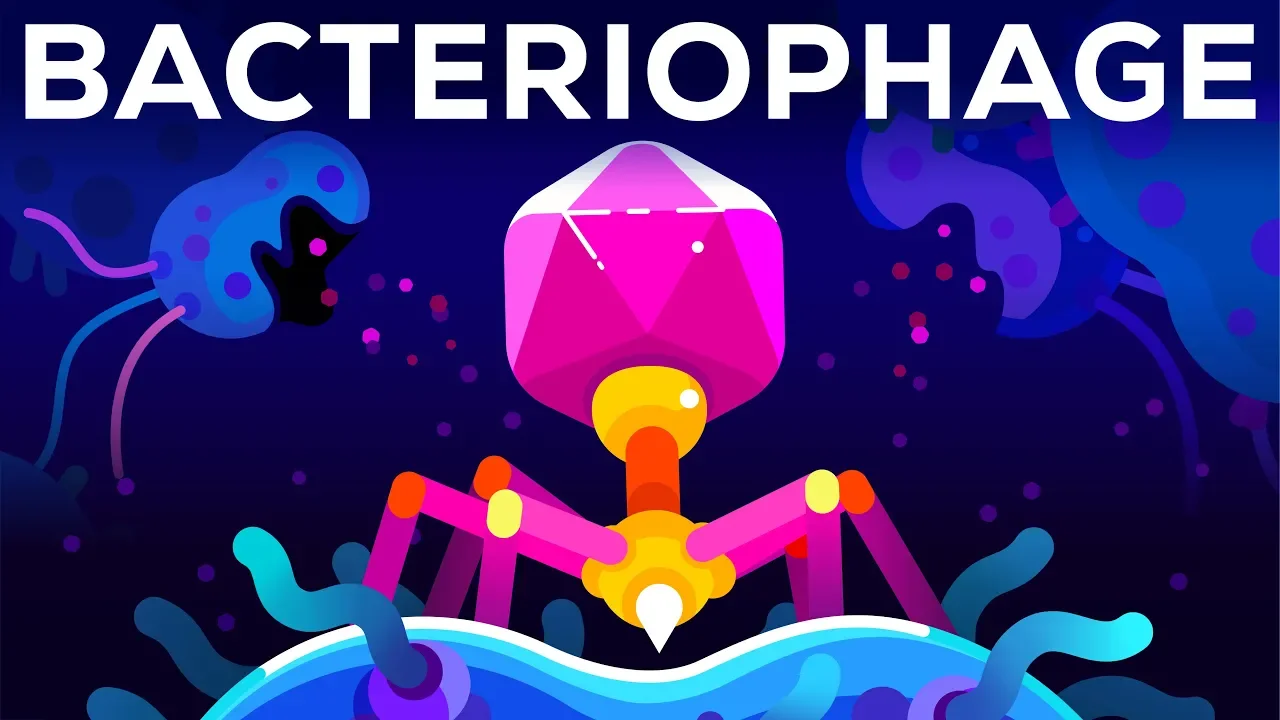
Bacteriophages: Earth's Deadliest Killers and Future Antibiotics
@kurzgesagt
34.6M views•2018-05-13
Related Study Plans & Knowledge Roadmaps
Structured learning paths in Biology