
![[#2] INTRODUÇÃO SISTEMA ENDÓCRINO: Síntese, secreção, transporte e mecanismos de ação dos hormônios](https://i.ytimg.com/vi/_03c4vQ5rlg/maxresdefault.jpg)






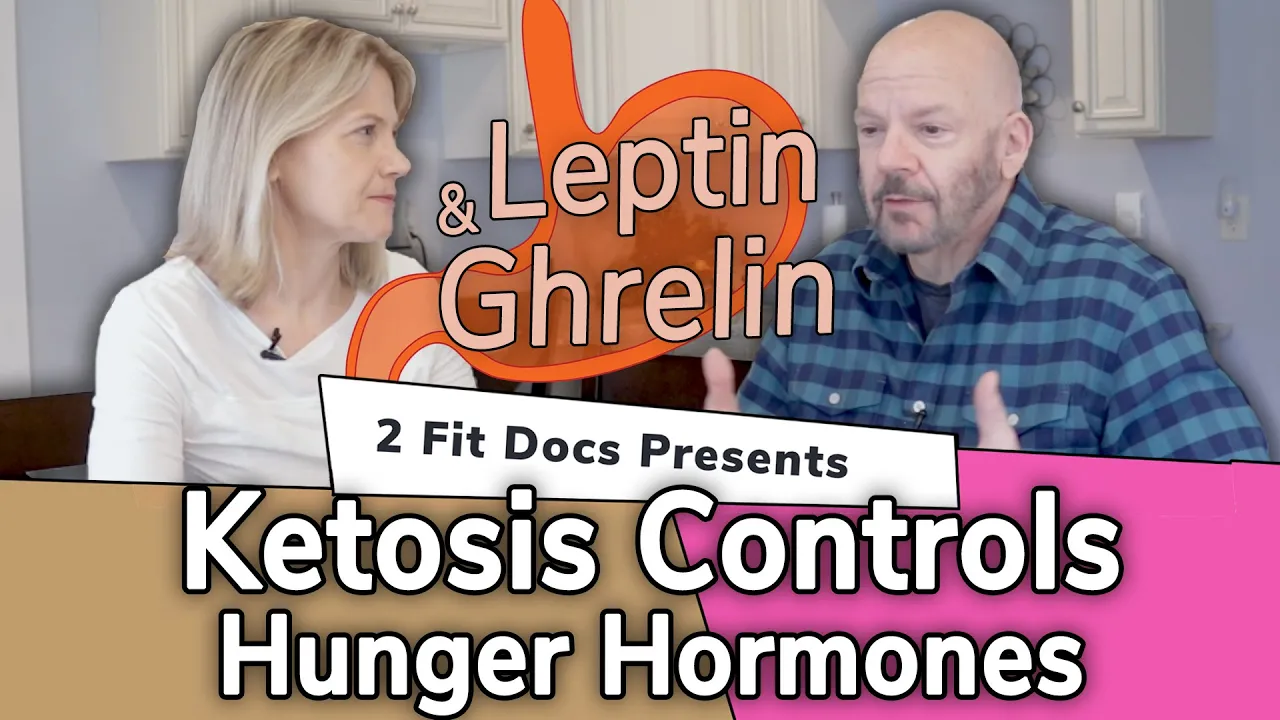




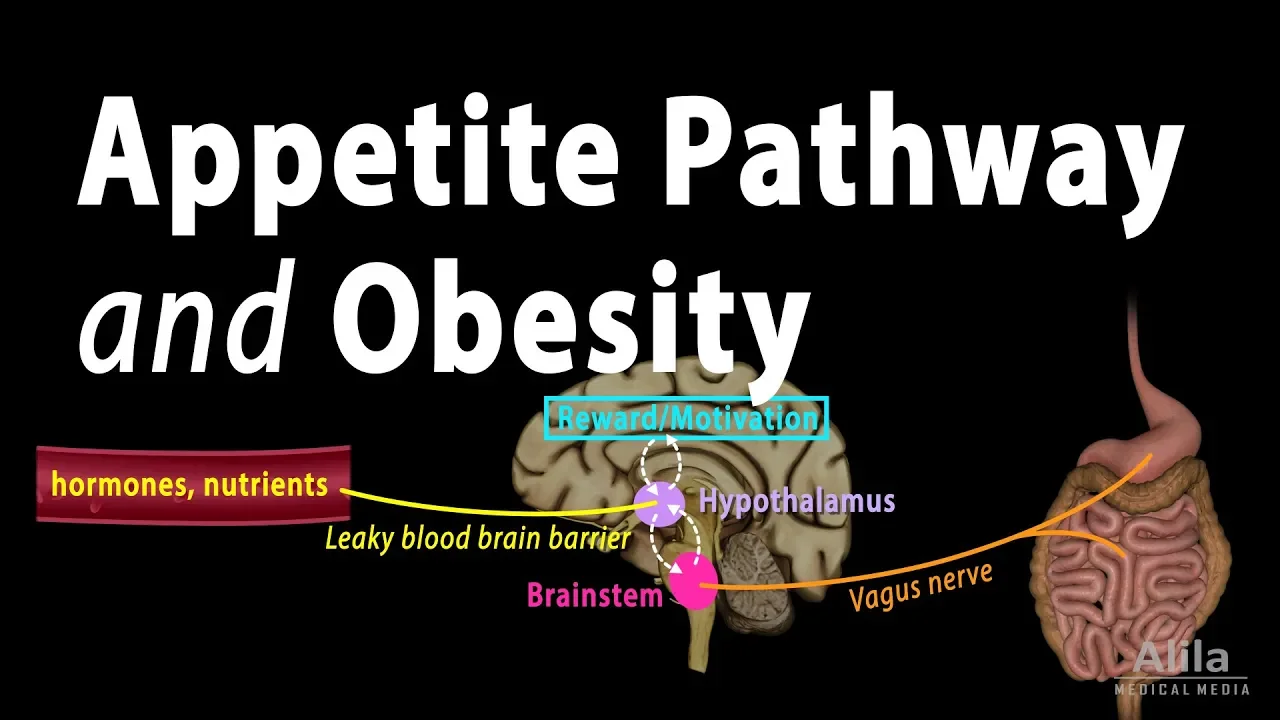





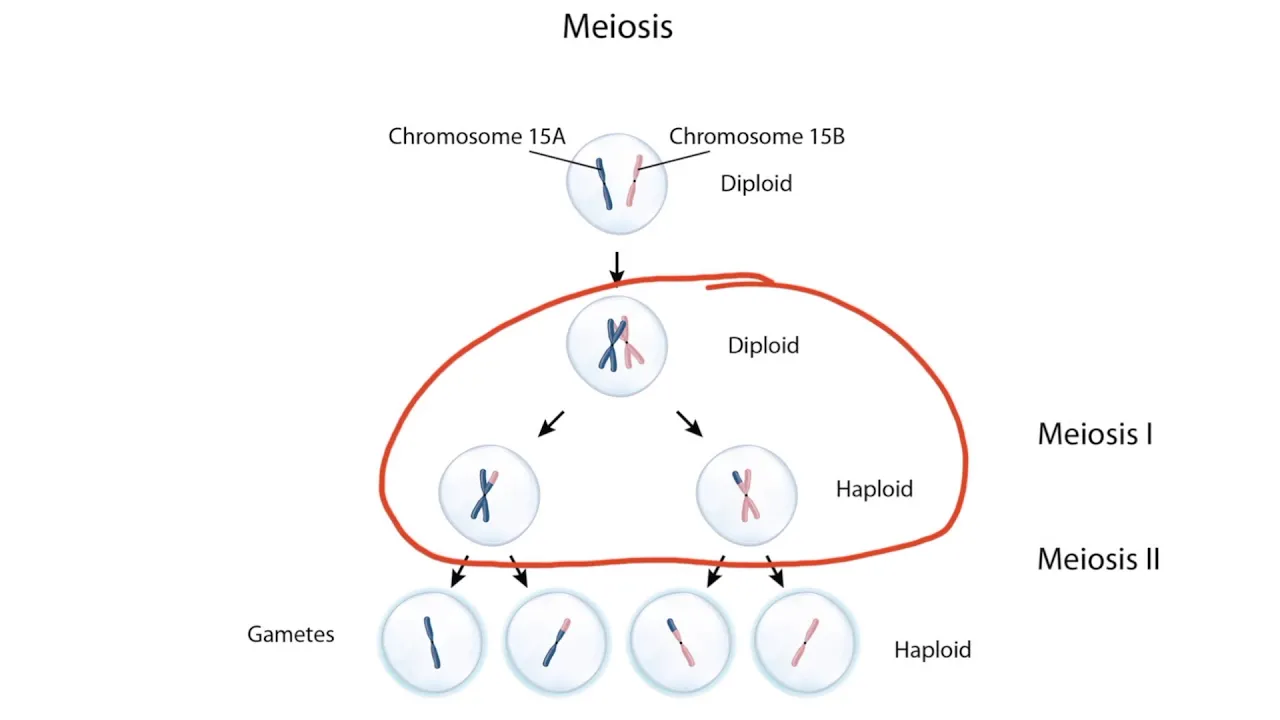
Ghrelin, produced by stomach cells, stimulates hunger by acting on the lateral hypothalamus and increases during fasting or low blood sugar; leptin, produced by fat cells, signals satiety by acting on the ventromedial hypothalamus and increases with high body fat or insulin levels. These hormones work together through the hypothalamus to maintain energy balance, with ghrelin promoting food-seeking behavior and leptin inhibiting further eating. Imbalances in these systems, such as in Prader-Willi syndrome (elevated ghrelin) or congenital leptin insensitivity, can lead to severe obesity.
Appetite Regulation: Ghrelin and Leptin Hormones Explained
Added:Basic endocrine system physiology, specifically how hormones are synthesized, secreted into the bloodstream, and bind to target cell receptors.
The anatomical structure and primary homeostatic functions of the hypothalamus as the central control unit of the brain.
The fundamental concept of metabolic homeostasis and feedback loops (both positive and negative) in human biology.
The general physiology of the gastrointestinal tract (the site of ghrelin production) and adipose tissue (the site of leptin production).
The clinical phenomenon of leptin resistance and why individuals with obesity often have high circulating leptin levels without a reduction in appetite.
The advanced neurocircuitry of the arcuate nucleus, specifically the opposing pathways of POMC/CART (anorexigenic) and NPY/AgRP (orexigenic) neurons.
Pharmacological interventions for weight management, including GLP-1 receptor agonists and emerging therapeutics targeting ghrelin and leptin pathways.
The genetic and molecular mechanisms of syndromic obesity, such as genomic imprinting defects in Prader-Willi syndrome and MC4R gene mutations.
157.6K views2.7Klikes6:34Original Release: 2017-12-28
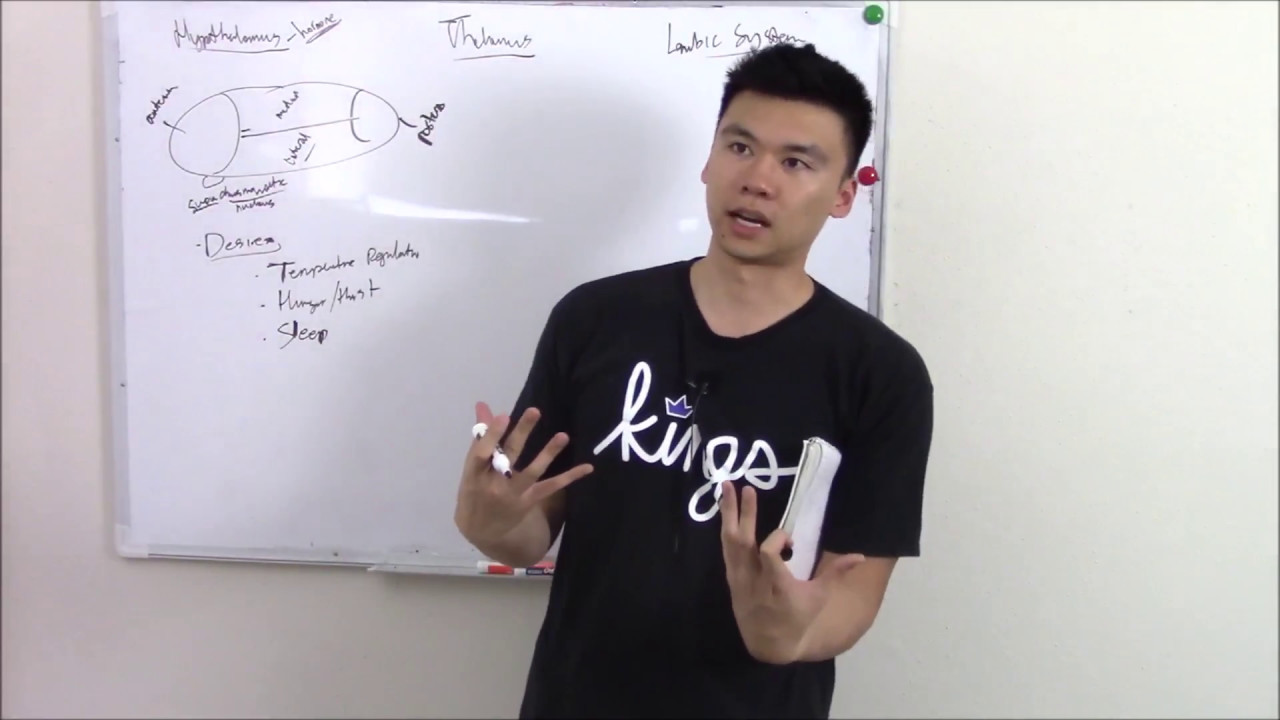
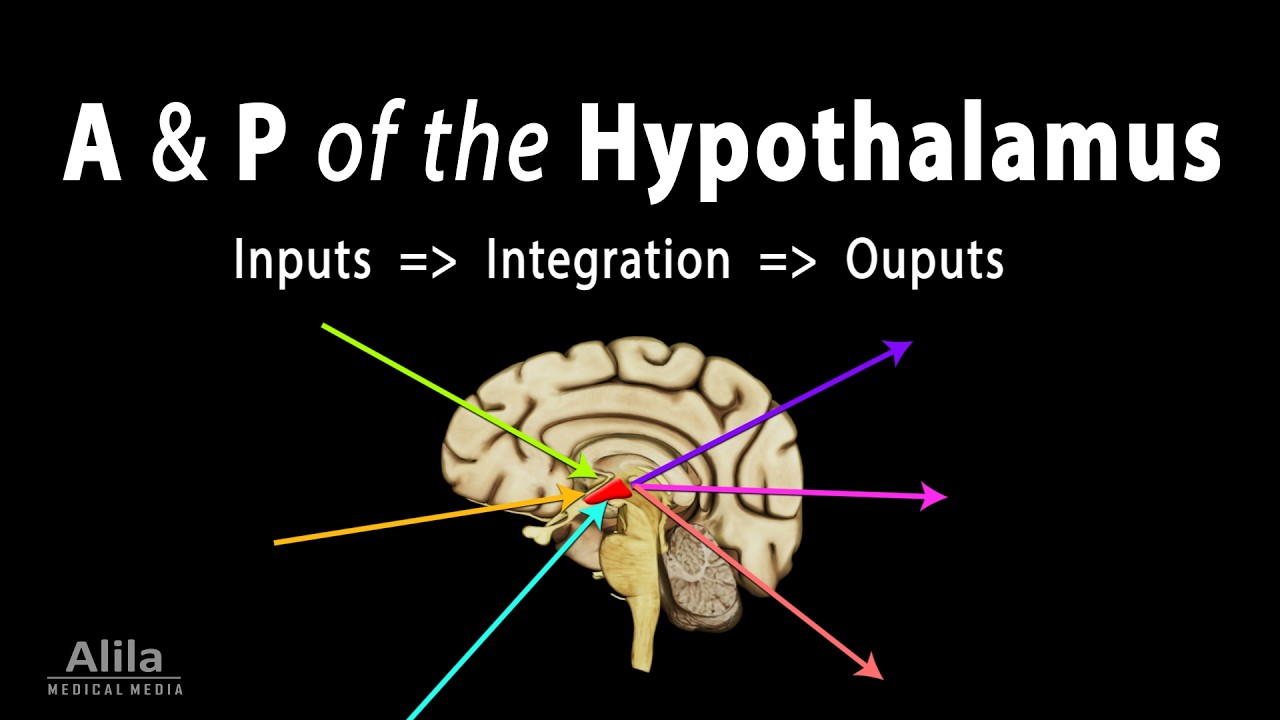
hey guys so today's video is going to be on appetite control I'm going to be talking about the two main hormones that regulate appetite so that includes ghrelin and leptin and these guys are here to make sure that you either don't get too fat or too skinny so you don't have too many calories or too few by controlling hunger behavior so because they're homeostatic hormones they obviously are going to act on the hypothalamus so they each act on a different region of the hypothalamus and either trigger hunger as in the case for ghrelin or say shitty is in the case for leptin so let's get into a couple details about chrome here so ghrelin is our appetite hormone an easy way to remember this is that when you're hungry your stomach growls so thr for growl and that is for appetite alright so this growling hormone is produced by X cells in the stomach they release it into the bloodstream and it travels to the lateral hypothalamus in the brain this then causes the hunger response so it causes you to go seek and look for more food alright another function of ghrelin is that it's going to prepare the body for this food so this ghrelin is going to go ahead and act on the stomach itself and it's going to increase gastric motility and in gastric acid production to prepare the body for the food that the lateral hypothalamus just ordered ghrelin is induced by two major inducers so hypoglycemia and low body weight so let's say you have a low blood sugar as in the case for hypoglycemia or low or you're very thin as in the case of low body weight you're gonna want to fix that by eating more food an inhibitor for ghrelin includes stomach distension so if you see over here on the diagram on the right descending the stomach is going to decrease ghrelin and decrease appetite because you have a bunch of food in the stomach and you don't need anymore alright so let's hop over to leptin so leptin is our station a hormone and it is produced by our white fat so these white adipose cells over here are going to produce our left it as these cells go bigger and bigger and bigger they're going to produce more and more leptin so the fat is kind of doing a negative feedback on itself so fat produces more leptin this goes to the ventromedial hypothalamus then we're gonna get inhibition of food intake and the fats kind of get smaller so the fat is controlling itself in this case and an easy way to remember that leptin is produced by fat cells is that I think of elf or lipid and elf or leptin and inducers for leptin include insulin and emotional stress so let's say of high blood glucose you're gonna have high insulin and that's going to induce leptin say let's stop eating our blood Sugar's high enough and then an emotional stress so let's say you're running away from a tiger you know time to think about those yummy blueberries in the bush you're too busy devoting all your energy to fight or flight so those are inducers for leptin so let's not be hungry in these cases and then inhibitors for leptin include short term fasting so let's say you haven't eaten for eight nine hours your leptin response is going to be inhibited and Grille it's going to take over so both ghrelin and leptin are in your system all the time just levels are different so sometimes ghrelin is higher and you're going to feel hungry and sometimes leptin is higher and you're gonna feel satiated let's talk about the hypothalamus for a second so these hormones are produced in the stomach and the fat and they're going to travel up to the hypothalamus and they're gonna act either on the lateral or the medial hypothalamus so here at purple we have the lateral hypothalamus and here in blue we have the medial thalamus so what does the lateral hypothalamus react to that's right it's going to react to grilling so it's gonna cause you to be hungry now in this case the experimenters lesion tit so they cut lateral hypothalamus and these mice what's gonna happen to this mouse well it's going to get thinner because now our leptin is our predominant hormone and it's telling the mouse I'm full all the time I don't need to eat and ghrelin get no longer act on the lateral hypothalamus alright so let's say we lesion the vetro video these two blue dots right here well now girl in response is going to be more predominant so our mouse is gonna feel hungry all the time and it's gonna be fat so we need a balance between these two hormones to get our mouse just in the right weight range where it's not undernourished or over nourished an easy way to remember this is that our lateral hypothalamus makes you grow laterally so if we draw a guy over here let's say this is a skinny guy and then this is a fatter version of himself so the lateral hypothalamus makes you grow laterally while the medial hypothalamus makes you grow medially so you're going to get thinner okay so that's an easy way to remember this okay so let's do a little bit of a clinical correlate before we end off here just a hammer the point home so here we have two obese people but they're obese for different reasons over here on the Left we have someone with prader-willi syndrome which is a mutation on chromosome 15 now pretty Willie does a bunch of things but one of the things it does English in correspondence with ghrelin and leptin is that it increases ghrelin levels so now this man is going to feel hungry all the time and that's the cause for his obesity in contrast over here this small child has congenital obesity so what that causes is an insensitivity to leptin so our medial hypothalamus right here in blue is no longer sensitive to leptin which means this child does not feel satiated at all so they're gonna keep eating and eating and eating so in both these people the ghrelin response is overactive in here because there on the right because there's more ghrelin and on the left because there is an inquiry decrease in leptin sensitivity so if ghrelin response is going to be more active in congenital obesity as well as prader-willi so that's often tested on boards just in case you want to remember these small effects all right so I hope this video helped if you have any questions please leave them in the comments and I'll see you in the next one
Up Next
57:00
Brain Circuits Regulating Appetite: Leptin, Serotonin & Melanocortins
@Insidescientificevents
1.2K views•2021-05-27
50:12
Bacterial Communication: Quorum Sensing and Biofilm Formation Explained
@JHUAAP
12.6K views•2011-06-28

5:35
Enteric Nervous System Explained: The Gut's Brain | Neurobiology Lecture
@alumniu6029
438 views•2018-09-12
7:08
Bacteriophages: Earth's Deadliest Killers and Future Antibiotics
@kurzgesagt
34.6M views•2018-05-13
Related Study Plans & Knowledge Roadmaps
Structured learning paths in Biology
biology
RNAi: Biogenesis, RISC & Gene Silencing
01Molecular Biology Foundations: DNA to Protein
02Introduction to RNA Interference (RNAi)
03Molecular Biogenesis of miRNA and siRNA
+ 2 more learning modules
10h5 modules
Explore Roadmap
biology
Mycorrhizae: Signaling, Biophysics & Ecology
01Foundations of Mycorrhizal Symbiosis
02Molecular Signaling and Root Colonization
03Biophysics and Bioenergetics of Nutrient Exchange
+ 1 more learning modules
11h4 modules
Explore Roadmap
biology
Circadian Clocks: TTFL, SCN & Periphery
01Foundations of Molecular Biology & Gene Expression
02Introduction to Chronobiology and Actograms
03The Core TTFL: Molecular Architecture of the Clock
+ 3 more learning modules
14h6 modules
Explore Roadmap
biology
Population Genetics: Math, Drift & Selection
01Genetic & Probability Foundations
02The Hardy-Weinberg Principle and Baseline Models
03Mathematical Modeling of Natural Selection
+ 3 more learning modules
18h6 modules
Explore Roadmap