














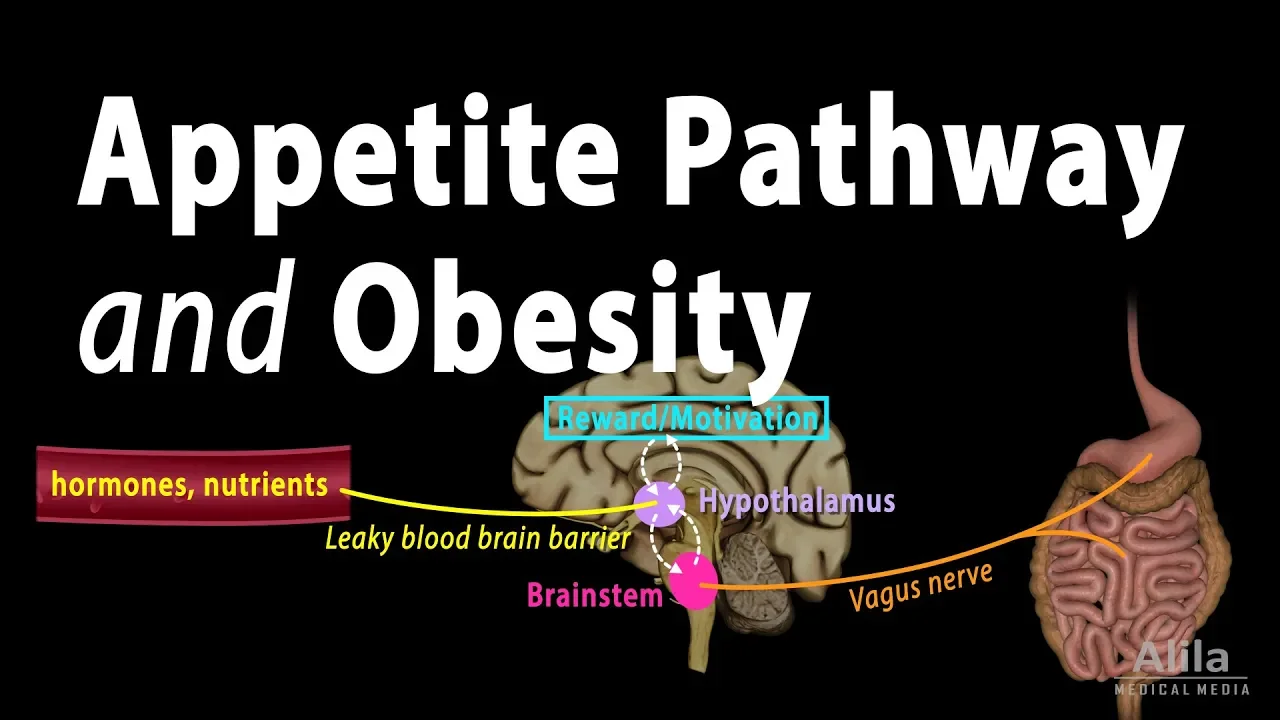











Body weight is regulated by complex brain circuits involving leptin (a hormone produced by adipose tissue that signals the brain to reduce food intake), the pro-opiomelanocortin (POMC) pathway in the hypothalamus (which produces melanocortin peptides that compete with hunger-promoting signals), and serotonin signaling through the serotonin 2C receptor; these neural circuits integrate signals from adipose tissue, gut, and pancreas to control appetite and energy balance, and understanding these mechanisms has led to the development of obesity medications targeting specific receptors like the melanocortin-4 receptor.
Brain Circuits Regulating Appetite: Leptin, Serotonin & Melanocortins
Added:Basic anatomy and function of the hypothalamus, particularly its role as the core integration center for metabolic and homeostatic signals.
The fundamentals of endocrine signaling, specifically how peripheral hormones like leptin are secreted by adipose tissue to communicate energy stores to the brain.
Principles of synaptic transmission and the general mechanism of action of major neurotransmitters, with an emphasis on serotonin.
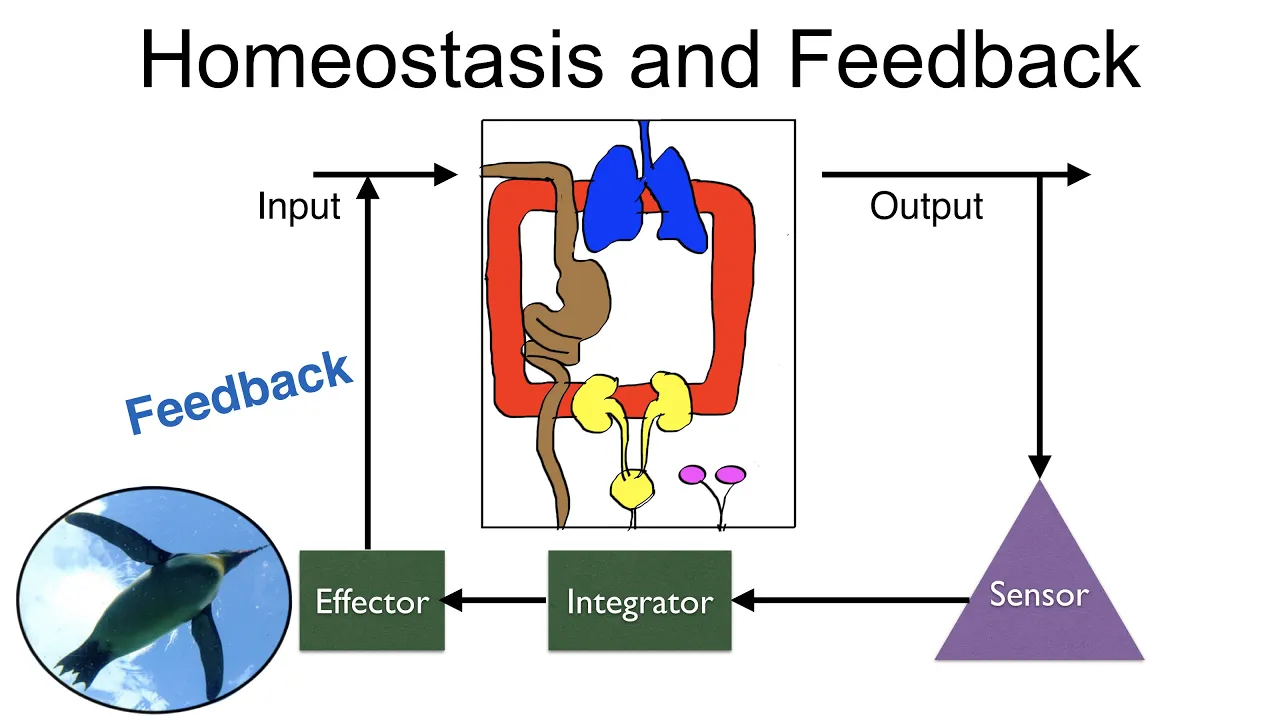
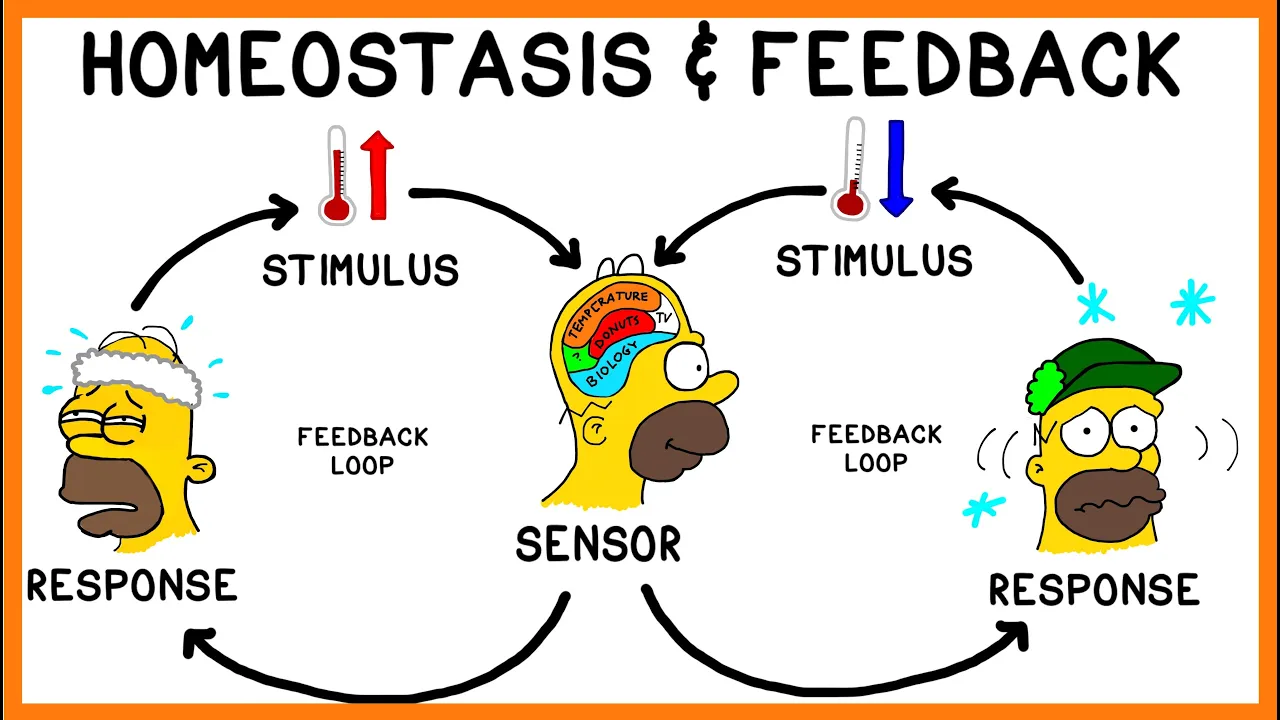
The physiological concept of homeostasis and the negative feedback loops that govern energy balance and body weight regulation.
The pathophysiology of leptin resistance and why high levels of circulating leptin fail to suppress appetite in individuals with clinical obesity.
Pharmacological advancements in obesity treatments that target serotonergic pathways (such as 5-HT2C receptor agonists) and melanocortin receptors.
Genetic mutations within these circuits, such as MC4R or POMC deficiencies, which lead to monogenic and severe early-onset obesity.
The neurobiological distinction and interplay between homeostatic appetite control (hypothalamus) and hedonic/reward-based eating (mesolimbic dopamine pathway).
1.2K views27likes57:00Original Release: 2021-05-27
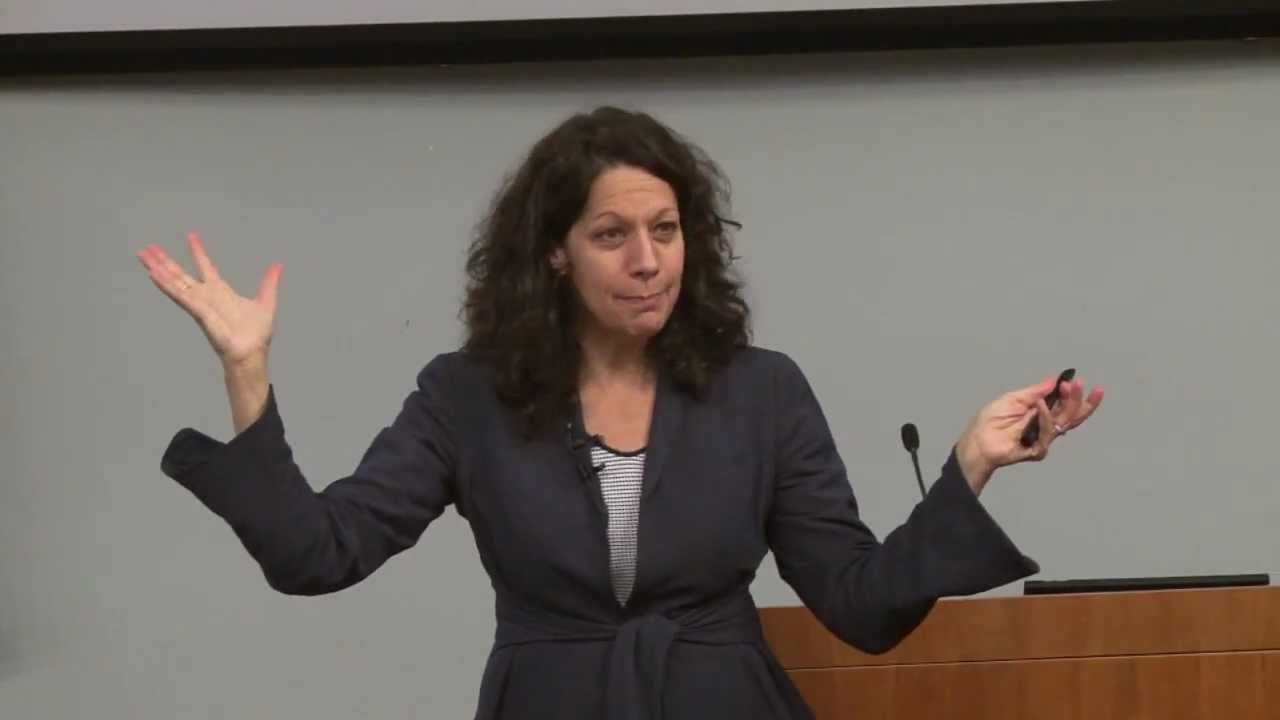
hello everyone and welcome to today's webinar and thank you to everybody who has joined us today this is the very first webinar of obesity 2020 a joint webinar series brought to you by inside scientific and the american physiological society this is liam sanyo from inside scientific and i'm very pleased to be your host for today's event between now and december we have a number of webinars lined up all focused on the science being conducted by leading obesity researchers around the world today's webinar is titled brain circuit's driving appetite and will feature professor laura heisler from the route institute at the university of aberdeen in scotland professor heisler will discuss how our brain circuits control body weight for example through the adipocyte hormone leptin she will also review how our genes impact our waistline and how obesity medications capitalize on neurobiology to promote satiety reduce hunger and decrease body weight so i'm sure everybody's looking forward to getting started here but first we'd like to acknowledge our partners at the aps and thank the sponsors for making it all possible and so without any further ado i'm very pleased to welcome professor laura heisler laura thanks so much for joining us today and feel free to take it away whenever you're ready great well thank you and thank you so much for the invitation to speak to all of you today about one of my favorite topics which is appetite so hello from scotland and here we go you can see here uh just on this uh starting slide that little bit of ice cream which i've been enjoying in these uh the beginning of the summer here but why am i interested in appetite and why is it important to study appetite well that's because something that you may have noticed is that around the world obesity is becoming more and more prevalent and in fact it's increased fourfold just over the past 20 years and if you look at this world map of obesity and overweight what you can see here is that the countries that are in the darker orange have higher rates of overweight and obesity with the ones in the darkest orange being greater than 60 percent of people being overweight or obese and this is a real concern because obesity predisposes to major medical illness but the biggest concern is that obesity is increasing at the fastest rate in children so the current rates of overweight and obesity um so so i just mentioned that one of the the problems is that obesity is increasing at the fastest rate in children and what you might be really surprised to see is that in reception reception age children so those are kids who are just starting school so they're around four or five years old already in those young children we have rates of obesity and overweight and as one in four of those children and if you look when kids are then finishing primary school so now kids are around 11 or 12 now one in three children are overweight or obese and when you look at adults now it's two to three and so what you can see is that obesity and overweight are becoming the new normal and what i mean by that is that more people are overweight or obese than are a healthy weight and this is going to have cost implications because obesity is associated with increasing major medical illness so that's going to have a cost in you know not only to our hospitals but also to our wider economy because if people are ill then they won't be going to work so it's it's a it's a personal cost in terms of health but then it's also a financial cost to our hospitals and also to our economy so what do we mean by um you know overweight and obesity how how are these things defined but there's something that's called body mass index or bmi and bmi is calculated by looking at a person's height and based on that height what's the expected healthy weight and so when we look at this you can look at your height and your weight and you can see where you fall within this range so uh you know up to 18 is underweight um from 19 to 23 or 24 is a healthy weight so 19 to 24 is a healthy weight from 25 to 29 is overweight 30 to 40 or 30 to 39 is is obese and 40 and above is extremely obese and so what is probably you know i think most people find it to be a little bit of a surprise where they fall within this scale because looking around you judge yourself you know to what you see around you and many people say oh you know i i look okay and then are quite surprised to find that they're in the you know overweight category or uh lower obese category and the reason why this matters it absolutely doesn't matter how people look the reason why this matters is because having excess body fat having excess adiposity is bad for our health we don't fully understand why it's bad for our health but being overweight or obese predisposes to a variety of different diseases such as type 2 diabetes heart disease cancer gallbladder disease etc and this is why obesity is being thought of as one of the key global health care challenges of the 21st century and i mentioned that obesity predisposes to cancer and that's a bit of a surprise to many people and in fact it's you know it's such a surprise that uh cancer uk cancer research uk has has started with this ad campaign that you might have seen around the united kingdom trying to let people know that obesity is a risk factor for cancer and in fact lots of different types of cancer 13 different types of cancer with you know in this in this schematic here the larger circles are um are the ones where there's a stronger association with um cancer and overweight and obesity so this is why we need to be concerned about overweight and obesity so how does it work well the way that it works the way the body weight is determined is a combination of what we take in so our food intake and our energy expenditure so our energy in and our energy out so how does this look so you might hear in the media you'll you'll hear people talking about well the reason why we're becoming more obese or overweight is because people aren't exercising as much or you'll hear people say well the reason why we're becoming obese or overweight is because we're eating too much but in fact if you think about it as a equation or as a a balance eating more than what your body requires will cause weight gain and eating less than your body requires will cause weight loss if you're if you reduce your physical activity because you now have a desk job you'll need fewer calories so you'll need to adjust the number of calories that you're taking in because your body doesn't require as many calories than if you were more active so the way that diets work all diets it doesn't matter if it's the caveman diet or the gi diet or whatever type of diet the way that all diets work is having fewer calories than the body requires to run and so by taking in fewer calories than the body requires the body then liberates energy from stores and those stores are commonly in fact and so by reducing body fat you get a reduction in body weight that's how you get your weight loss so it doesn't really matter which diet you use any diet should work fine it's it's basically whatever diet you can stick to whichever one works best for you and your lifestyle but more commonly the case is taking in more calories than we require than our body requires and you might imagine that you'd have to take in loads more calories than your body requires to get weight gain but no it's it doesn't need to be many it can just be a few a few over time will lead to weight gain so this next slide shows you just kind of this idea of this uh of this balance between taking energy in and energy expenditure so if you have if you have as have if you've had all the calories that your body needs and then you take in a little bit more um then for example if you had a big mac but you didn't really need a big mac that would be equivalent to over two hours or three hours of walking and if you just have uh a chocolate bar for example it takes me i don't know 60 seconds to eat a chocolate bar that's equivalent to 35 minutes of cycling how about a yogurt do i just quite fancy yogurt just want to eat something just a little bit bored in front of my computer that's the same as 40 minutes of swimming um you know a bag of a bag of chips again could be 45 minutes of gardening so you get the idea that when we think about it's very easy to take food in it's very fast and it's very easy to take food in but it's a lot harder to um expend that energy with physical activity so one of that's why many uh experts will say if you're thinking about trying to change your body weight that an easier way of tackling that is by adjusting your food intake reducing your food intake of course it's best to do a combination of both but um but there's a there's there's an expression you can't outrun a bad diet so you know if you're having multiple uh additional big macs and um mac and cheese and and you know a variety of different things you know you'd have to be exercising eight ten hours a day to try and make that equivalent so it's trying to to be aware of the calories that are in food and most people don't have that full sort of awareness so there are many websites that you can um log into where it will tell you what is what is it equivalent to what's this uh this little treat that i want to have equivalent to in with regards to running or or cycling or something like that so it can just just being informed can help when we think about obesity though there are we've got we've got the diet you know the food that i've just talked about we've got exercise that i've just talked about but we also have genes and when we when we look to genes especially like these monogenic syndromes or specific genetic mutations that people or animals may have it gives us clues as to these key pathways that are regulating our appetite and our our body weight so i'm just going to show you a quick video which has an interview with the patient who has one of these monogenic syndromes 50 years ago never would have thought it was possible the only way to view a brain was under a microscope after it had been removed from whoever or whatever but now it technology has has pushed us to a point of understanding that we never thought i think we would ever get to [Music] what's happened with the advent of imaging is that we're able to view the brain in action as it's actually carrying out processes one of my areas of research is prada willie syndrome probably what it's best known for is the overconsumption of food and the consequential obesity that comes with that society's stigmatized view of obesity generally means that people take the opinion that it's a it's a consequence of moral frailty somebody is obese because they eat too much but what we're discovering now with the advent of imaging is that there may be a reason why those people eat too much if we take a a regular individual and put them into the fmri machine and such an individual has just consumed a large meal and has reached that point of feeling full and sitting back you'll find that although there is a neurological response to an image of a certain piece of food it is by no means as great as it was when they were when they were hungry with prada willie syndrome patients that doesn't occur they're going to be as equally responsive neurologically to an image of food when they're hungry as when they've just consumed a meal it doesn't matter what they've just eaten or when they've just eaten they're always going to be stimulated by food right into meal i feel filled first of all but then in two hours time as far as i haven't met something it feels frustrating being hungry all the time if you put on too much weight make him die the fmri data really helps us pinpoint where the problem is so now we have a target area and a target problem the fullness signals aren't strong enough we're hoping to overcome this with an implant that could artificially stimulate activity in that area if we could do that and we could release people from the need to have to think about food all the time and really help them lead more independent lives i think it's important to to make people aware of the fact that as technology advances it's not just helping us keep in contact or get from point a to point b quicker than we could do before it's actually helping us understand what it is that defines us as free thinking conscious [Music] individuals right okay so that just gives you an example of a monogenic uh syndrome of um that causes uh an increase in appetite which then leads to an increase in eating and and body weight and what we've been able to do is look at these spontaneous sort of syndromes where uh in in mice and and different species and to try and understand what factors are um in fact impacted that then leads to changes in appetite and body weight and so thus far when we look at factors that are influencing obesity as i've said already what we've got this balance we've got changes in food intake we've got um we've got energy expenditure which is uh comprised of physical activity and thermogenesis and basal metabolism and then we also have energy storage so fat absorption and fat metabolism but most of the thus far the obesity medications have focused on this energy in part of the equation looking at how we can reduce appetite but new medications on the horizon are looking at ways of increasing thermogenesis to try and burn calories without physical activity without exercise and one of the other the the only current uh obesity medication in the uk at the moment is the lipase inhibitor so what that's doing is it's preventing uh dietary fat from being absorbed when it's taken in through food but what i'm going to talk to you today is about the energy and the appetite component of this circuit and the first thing i'm going to talk about is leptin i'm also going to talk about serotonin and pro-opio melanocortin but let's just start with leptin here and what is leptin leptin is a hormone that's produced in body fat or adipose tissue and the more body fat we have the more leptin is produced so when we have higher levels of leptin that then signals to the brain and we get a then a consequent uh reduction in food intake and that's this kind of cycle that occurs in normal weight healthy individuals so this was really exciting when leptin was discovered and the way that it was discovered was looking at this as i was mentioning these kind of spontaneous mutations so way back in 1949 there was a really really chubby mouse which was named the obese mouse or ob because it's missing um so you know it's obese obese is what it was called for for the two copies of the gene and but it wasn't known what it was and these mice were uh three times the weight of their siblings and they ate twice as much food and then in 1994 jeff friedman cloned the the leptin gene and named it leptin and realized that it was produced by adipocytes and then in 1997 the first humans were identified that that have leptin deficiency which means you know they can't make leptin or they have virtually non-existent levels of leptin and they have profound obesity and taking that same child and providing it with leptin replacement therapy then restored appetite and body weight and this was really really exciting at the time and people you know in the obesity field we're thinking wow okay we've just we've just figured it out we've found something that is so essential for appetite and body weight regulation and we can use this to treat obesity the next thing that was discovered was the receptor that it acts through so again there was a mouse and also a rat that had this spontaneous mutation and this mouse was named the diabetes mouse or dbdb and likewise it was uh three times the weight of its uh of control mice and these mice um like the obio bees they also suffer from severe type 2 diabetes um the leptin receptor was was cloned in 1996 humans with uh leptin receptor variation were identified in 1997 and humans with uh the full leptin receptor mutation were identified in 1998 and both leptin and leptin deficient humans are incredibly rare but this allowed us to find some you know find a really instrumental factor in regulating appetite and body weight unfortunately it hasn't turned out to be a great treatment for obesity and that's because as i said with extra adiposity there are higher leptin levels so obese individuals already have higher leptin levels so giving obese individuals leptin as a treatment although it was tried wasn't as effective and that's because the individuals developed something that we think of as being you know left in resistance and so the current uh target is looking at ways to improve leptin sensitivity or reducing leptin resistance so to just summarize leptin is a hormone that's produced by adipocytes it reduces food intake in general if mice or humans don't make leptin it causes profound hunger or and hyperphagia and obesity leptin replacement therapy can ameliorate this however it's not it hasn't been a useful treatment for common obesity because of elevated leptin levels leptin signals through its receptor and genetic mutations in the leptin receptor also cause profound hyperfacial and obesity and it's actually the version of the leptin receptor that's found in the brain that is involved in the regulation of energy homeostasis and so leptin does more than just one thing one of the things it does is is regulating appetite and body weight and it's the brain it's via action in the brain where this occurs um so can we harness inverse relationship between leptin and food intake um it hasn't worked out as well as we'd hoped so current research attempts are looking to develop drugs to increase leptin sensitivity okay so let's move on to the next thing then another uh neurotransmitter and a pathway that has been um really instrumental in regulating appetite is the neuropeptide or the the pro-hormone pro-opio melanocorten or palm c and what ponzi does is it's produced in a variety of different tissues but it's the one in the brain that we're most interested in and in particular it's expressed in the accurate nucleus of the hypothalamus and it's also expressed in the nucleus of the solitary tract and we know that this is a really important for regulating appetite and body weight because mice and humans that don't make palm sea are obese and hyperphagic and in fact a recent report also indicated that chocolate labs many chocolate labs are deficient in palm sea as well and you might if you have ever known a lab then you'll know that these dogs have can be very very hungry so palm seed competes with uh or pumpsy peptides because as i said it's a pro hormone palm seed peptides compete with a goody-related protein which is also found in the accurate nucleus of the hypothalamus and this is a really essential hunger hormone or hunger neuropeptide and and these two compete for action at the melanocortin 3 and iv receptor and so you have increases in ponzi reduce hunger whereas increases in agrp increase hunger and the two compete for action at the melanocortin 3 and 4 receptor with the melanocorn4 receptor being the one that's the most uh dominant so what does the arcuate nucleus of the hypothalamus look like well it's at the base of the brain and uh and you can the the two types of cells they they they sit next they're sort of neighboring they sit near each other and they talk to each other and they release their uh peptide products at primarily the melanocortin 4 receptor to impact um appetite to maintain energy homeostasis and they're getting signals from the stomach they're getting signals from the gi tract they're getting signals from the pancreas they're getting signals from the adipose tissue so this is one of the ways that leptin which we just talked about is acting to affect food intake so i mentioned that uh that one of the ways that we found out about palm sea is looking at mice and humans and dogs that don't make palm and these individuals are develop obesity at a very young age and the one of the ways that we know that the signaling is through the melanocortin 4 receptor is again because people and animals that are deficient in the monocortin-4 receptor are hyperphagic and obese and this is the what the mice look like and these are males and females with the um knockouts being uh these the the top black lines um the heterozygous being an orange and the wild types in gray at the bottom and you can see here that this disruption in melanochorton iv receptor signaling causes a significant increase in food intake and so this was first reported in 1997 in mice and it was followed up in humans in 2003 the humans with melanocortin 4 deficiency were identified so there were two groups that that found these that identified these humans at the same time and what we now know is that monogenic uh the disruptions of the melanocortin-4 receptor are the commonest known monogenic causes of human obesity representing approximately five to six percent of severely obese people so uh whereas leptin deficiency leptin receptor deficiency pump c deficiency are all very rare melanocortin receptor deficiency is a little more uh common but still uh you know 95 of of people who are obese won't have um disruptions of the monochrome core receptor but what we've been able to do is take advantage of this knowledge that the melanocortin 4 receptor is really important in regulating appetite and body weight and develop medications increasing the activity of the melanocorton for receptor and so this is a new drug called set melanotide that's been developed by rhythm pharmaceuticals and it's currently being investigated for the treatment of rare genetic forms of obesity so a little bit of a success story there so whereas leptin didn't work out as hasn't worked out yet i should say i mean still people are are very much pursuing this as an as a as a possibility um the blind of court and four receptor already is being uh tested in humans so moving on to the next aspect which is i'm going to talk about serotonin or 5-ht and one of the reasons why i'm interested in in 5-ht is because it's been known for a long time to impact appetite and body weight and serotonin was was first discovered back in 1948 and it was named serotonin because it uh it was found in the serum and it caused constriction and what uh shortly shortly thereafter what was discovered is that there's an inverse relationship between serotonin and food intake in particular brain serotonin and food intake so one of the things that i've been asking over my career is can we harness this relationship between serotonin and and food intake to improve obesity so some of my first research that i ever did in my life was looking at whether or not something a medication like prozac which increases serotonin levels whether or not it can be used to reduce food intake and body weight and in in rats it does reduce uh food intake and body weight and it's it was a similar idea to a drug that was actually licensed which was called redox which people were very excited about at the time because um in what it did is it caught increased the bioavailability of serotonin so by blocking the reuptake of serotonin and stimulating the release of serotonin more serotonin was available to act at its receptors unfortunately it was removed from the clinic and that's because of on unwanted side effects so by just globally increasing serotonin everywhere in obese individuals there was an increase there if there were some individuals who developed valvular heart disease and so the dr the drug was um withdrawn so one of the questions that i asked earlier in my career is how is it working so which receptor is it acting through so can you dissociate the therapeutic benefit from these unwanted side effects by instead of just globally increasing serotonin more specifically acting at a particular receptor and serotonin receptors have been clustered into seven different families based on sequence homology and effector pathways and just from pharmacology studies we knew that the serotonin 2 receptor family was really important in regulating food intake and the first knockout mice that were created that didn't make the serotonin 2c receptor developed this hyperphagia and obesity phenotype so it told us that serotonin has to act at this serotonin 2c receptor otherwise if it can't then you get this then you get an increase in food intake and body weight so one of the things that uh we can do now is we can look to we can look in more detail at um how and where serotonin might be acting to affect um food intake and body weight through the serotonin 2c receptor and we can use this new technology which is called chemogenetics and um what happens is in chemogenetics and this this uh this particular uh type is called dread or designer receptors exclusively activated by designer drugs and in this in dread what we have is we have our normal so we've got our serotonin acting at its serotonin receptor so that's fine but in in chemogenetics what happens is with protein engineering you end up with this designer receptor and that designer receptor doesn't no longer binds the regular neurotransmitter but instead binds a design or drug with exquisite precision and that allows you to control the activity of different subsets of cells and so what you do is you inject your um your uh aav dread into a particular brain region or a particular tissue i'm just giving an example here of uh tph2 eye cream ice for example and what then happens is that you get the receptor which could be a gq receptor it could be a gi receptor whatever kind of receptor you want um that binds then to those specific types of cells and then you can administer your designer drug whenever you want and you can turn the cells on and off as you'd like and so we use this technique to try and identify the serotonin 2c receptors specific subpopulations of these receptors that were important in regulating this effect that we saw with the knockouts and we found that a key population of these serotonin 2c receptors is on the palm c cells which i just told you about before so you can see that through all of these different techniques what we're finding out is that there's um you know there are these key circuits so just to say so which which serotonin receptor we know it's a serotonin 2c receptor that's really important and then we're looking at regulating the activity of which cells and as i've just told you um i just gave you a little preview here that it's the melanocortin cells it's these palm c cells so this is the the model that we came up with is you know so how is the drug that was just withdrawn that was withdrawn from uh clinical use do you found fluoramine or redox how does it work so we're thinking that it stimulates the release of serotonin acting at serotonin 2c receptors in the arctic nucleus um impacting the activity of these palm c cells which then can then signal at the line of court and four receptors and so we were able to demonstrate this a long time ago in 2002 that this was how defemfloramine worked and this you know but as i said what i've been interested in trying to understand is well how does deep forming work and we you know one of the things that researchers have realized is that it's through the serotonin 2c receptors and then this led to a serotonin 2c receptor agonist being approved for um as an obesity medication and unfortunately it's now been withdrawn in the united states as of uh february this year but um but it's still telling us this important um circuit so how does it how is it improving obesity is it working the same way as dfm floramin is it also acting through these palm c uh neurons and so again this would be the model is that larcasterine this this obesity medication would be acting at the serotonin 2c receptors and influencing the activity of palm c and allowing it to signal at the monochord and four receptors so to test whether or not this is how it works what we did is we took some mice that either had functional or non-functional uh palm c so you can see here that the ponzi neo mice don't make palm see and we cross them with these serotonin 2c receptor cream ice to allow us to have mice with fully functioning palm c mice without palm c and mice with palm c restored just in the subset of cells that express the serotonin 2c receptor and in this case we see lucasrun reduces food intake as you would expect in wild-type mice it reduces food intake and control cream ice it does not reduce food intake in ponzi in mice that don't make palm see in the accurate nucleus and it this effect is restored if we restore palm c only in the subset of cells that express the 2c receptor so that tells us how the therapeutic benefit of lucasrin is being produced we then looked at the next target of ponzi which would be the melanocortin 4 receptor and again use genetic models to test this so we've got wild type mice and we've got mice that don't make the melanocortin-4 receptor if we give lorcasserin to wild-type mice as you would expect you see this reduction in food intake and if mice don't have a functioning melanocortin 4 receptor then the drug doesn't work anymore so this tells us that the way that lucasrun is acting is via this these palm c neurons signaling to the melanocortin 4 receptor so what we've been able to do is been able to kind of decode how these two obesity medications that were in the clinic defemflormine and larcasserin act to produce their therapeutic benefit they act by signaling at palm c neurons which then signal at the melanocortin 4 receptor so whether it's defemforming that's stimulating the release of endogenous serotonin or lucasrin going in and acting at the 2c receptor on its own the end result is that they're both acting through the melanocortin circuit to reduce food intake so that takes me to the summary slide so in summary as i mentioned at the beginning overweight and obesity are now the norm in many countries such as the uk and the us and this is having a detrimental effect on health and its shortening lifespan by approximately nine years it's increasing susceptibility to disease so what we want to know is we want to try and understand how is appetite regulated how is body weight regulated now most people can improve their health with just diet and exercise alone so just being more aware of how much food they their bodies require and making sure that they try and adjust how much food they're eating to just what their bodies require but for some people this is incredibly difficult for a variety of different reasons and so other treatment options are really important to help people promote good health and reduce reduce disease and treat disease so when we think about how to affect appetite you might first immediately imagine thinking about targeting the gut but in fact what ends up happening is all of these signals whether it's the nutrients themselves the hormones that are produced by fat um the hormones that are produced by the gut hormones that are produced by the pancreas all of these different signals are coming into the brain where they're being integrated and what we've been able to do um over the past you know 20 30 years 40 years is identified key brain regions and then within those key brain regions key circuits that are impacting food intake appetite hunger body weight and then by identifying those key circuits and pathways what we can then try and do is develop medications to um take advantage of them to harness their power to be able to correct food intake and then cause a reduction in body weight so this has been led to medications that you know this new knowledge that has been um you know arising over the past has arisen over the past couple decades has allowed us to develop medications that are now in human use so i just think it's really important that we continue to try and improve upon this and then continue to try and identify these key circuits and novel ways of tackling and harnessing um the these circuits within the brain so that we can come up with better medications with fewer side effects so of course you know this is i'm giving you not only some examples of my own research but also a lot of other um excellent scientists um over the decades and um and so it's been uh it's been a real privilege to be in this field and to to know some of these people as well so i just want to thank you very much for your attention and um and i would love to take some questions excellent thanks so much laura for the fantastic presentation all right so uh first question here uh christian has asked larcasarin was recently removed from the market due to an increase in cancer and so lord do you know what the relationship is between five ht and cancer if there is any uh and do you think it would be possible to you know bypass this adverse effect somehow right well um i in fact it's it's it is a little bit um difficult to understand why the fda chose to issue a warning about laura castron um actually the the drug company voluntarily withdrew the medication the uh difference in the in the incidence of cancer wasn't statistically significant between the placebo treated group and a larcan group so um lacrosse run doesn't statistically increase the the risk of cancer so yeah it's it's it hasn't been demonstrated and it hasn't been it hasn't been reported i you know it's it's very hard to understand why the fda issued the warning because the the difference wasn't there so yeah there isn't there isn't a clear link between serotonin and cancer yeah i mean but you can also just think about um you know there are medications targeting the serotonergic system are um very widely used um globally interesting thanks um here's another question from francoise uh they've asked is there a future for leptin lap r pathway regulation for combating obesity uh what do you think about that yeah it's definitely a very active area of research um so what people are looking to do is they're looking to increase um the sensitivity of the leptin receptor so it's such a cool idea if you imagine that in obesity uh leptin levels are elevated so people already have the the leptin on board to um produce a beneficial effect the the idea would be to to impact the receptor to increase the sensitivity of leptin acting at its receptor so um that's where the drug discovery efforts are at the moment and i think yeah it's it's a fantastic idea so watch this space you know it could happen another um way of that people are addressing it is to try and understand specifically which subset of leptin receptors are involved in uh in regulating appetite and that study some of that research has been pioneered by martin myers at michigan and he's looked at leptin receptor in a variety of different locations in the brain and what we've you know in reading his research what what's become evident is that there isn't one subset of leptin receptors it's really the most important they're all kind of working in concert together uh to uh to affect appetite so it's unlikely that there will be like a specific brain targeted region of leptin receptor but more likely it will be just like more globally uh increasing leptin receptor sensitivity but you know we're still you know his lab and a lot of other labs brad lowell's lab are still looking to try and figure out whether or not there is a particular subset of leptin receptors that are really really important and then you can go after those all right great answer um here's an interesting question so you talked a bit about some genes that affect obesity um do you have any experience looking at epigenetic factors how environmental factors can affect epigenetics that is a whole other area of research so yeah i mean people are are certainly very interested in that and thinking about you know individual you know within a single individual how these epigenetic factors are impacting um food intake and you know appetite obesity but also um you know maternal influences paternal influences um you know multi-generational influences so yeah it's a very very active area of research as well thinking about what might be happening um in that so yeah that would be a whole nother talk yeah i imagine um good question here from karen she's asked how do uh ssris so i think selective serotonin reuptake inhibitors how do they affect appetite weight so ssris that was one of the slides that i showed you so that's what i started with as i started with ssris um if you give ssris to if you give prozac to a normal weight animal what you'll see is a reduction in food intake and a reduction in body weight what happens with people who are taking ssris for other um you know for another condition um well in that situation then you can get anything you can have an increase in food intake and body weight you can have a decrease in food intake and body weight you can have no change and that's because um people who are taking ssris if you think about it if they're working if those medications are working and improving whatever condition the person might be taking them for whether it's anxiety or depression or something like that the reason why the medications might be working is because there's a dysregulation in the serotonin system and so the medication will be correcting that dysregulation so if you increase serotonin levels on a baseline you know from from a particular baseline in a uh in a your average rat or your average mouse or your then what you would find is is an increase in serotonin levels and a decrease in food intake but if you're starting at a different baseline what you might be doing is just increasing them back up to normal but also if you have conditions like depression the um some people with depression eat more some people with depression eat less some people with depression don't change their food intake so um you don't get a consistent effect in different uh different patient groups with ssris interesting all right um perfect here's a question that might be uh related so stress and anxiety sorry go ahead sir i was just going to say that that ssris in obese people uh reduce food intake and body weight that's that's what defund floramine that's what defend flooring did so uh so in in an obese in an obese individual ssris will reduce food intake and body weight but if you're taking it for something else you might not see that ah okay perfect um and i think in the interest of time we'll make this next question the last one uh but anna has asked stress and anxiety for example can affect food and weight intake uh and so how would you expect for stress to play a role in these pathways yeah that's a great question um you know that again in stress some people eat more some people will eat less um it depends on it depends on the particular stressor it depends on the person it depends on the situation but in general if you're thinking about fight or flight if it's a very very stressful situation then appetite's turned off because um we need to not think about oh i'm really hungry we need to worry about like getting away from danger as quickly as possible so um it depends on the the kind of level of stress you're um thinking about and if it's you know just general daily stress or you know general environmental stress um then it can it can it can have a different impact depending upon how people choose to to cope with that stress with some people possibly eating more and other people eating less and the people eating more may be eating more comfort foods which are higher calorie foods so um it's you kind of have to in studying this and thinking about it uh it's it's important to kind of drill it down to to answering a a very um refined question a very specific question um but these uh brain regions that are involved in fear and anxiety um and stress are also involved in appetite as well but you know because as i said like if you're in a situation where you're trying to get away from danger then um then you want to have your appetite turned off great all right fantastic well thanks so much laura um for the fantastic insights today both during your great presentation as well as the the q a session i just want to thank everybody for coming along to the the webinar and um and it was just a real pleasure and so thank you to everybody for uh for taking time out and i really enjoyed um sharing this area of research that i really love with all of you you
Up Next

4:23
Pattern-Triggered Immunity in Plant-Pathogen Interactions
@jsm123me
8.8K views•2020-05-15
50:12
Bacterial Communication: Quorum Sensing and Biofilm Formation Explained
@JHUAAP
12.6K views•2011-06-28

5:35
Enteric Nervous System Explained: The Gut's Brain | Neurobiology Lecture
@alumniu6029
438 views•2018-09-12
7:08
Bacteriophages: Earth's Deadliest Killers and Future Antibiotics
@kurzgesagt
34.6M views•2018-05-13
Related Study Plans & Knowledge Roadmaps
Structured learning paths in Biology
biology
RNAi: Biogenesis, RISC & Gene Silencing
01Molecular Biology Foundations: DNA to Protein
02Introduction to RNA Interference (RNAi)
03Molecular Biogenesis of miRNA and siRNA
+ 2 more learning modules
10h5 modules
Explore Roadmap
biology
Mycorrhizae: Signaling, Biophysics & Ecology
01Foundations of Mycorrhizal Symbiosis
02Molecular Signaling and Root Colonization
03Biophysics and Bioenergetics of Nutrient Exchange
+ 1 more learning modules
11h4 modules
Explore Roadmap
biology
Circadian Clocks: TTFL, SCN & Periphery
01Foundations of Molecular Biology & Gene Expression
02Introduction to Chronobiology and Actograms
03The Core TTFL: Molecular Architecture of the Clock
+ 3 more learning modules
14h6 modules
Explore Roadmap
biology
Population Genetics: Math, Drift & Selection
01Genetic & Probability Foundations
02The Hardy-Weinberg Principle and Baseline Models
03Mathematical Modeling of Natural Selection
+ 3 more learning modules
18h6 modules
Explore Roadmap