Pattern Triggered Immunity (PTI) is the first line of defense in plant immunity where plants recognize Pathogen Associated Molecular Patterns (PAMPs) such as flg22 and elf80 through Pattern Recognition Receptors (PRRs) like receptor-like kinases, triggering immune responses to defend against pathogen infection.
Pattern-Triggered Immunity in Plant-Pathogen Interactions
Added:Deep Dive
Basic plant anatomy and cell structure, particularly the roles of the plant cell wall and plasma membrane as primary barriers.

المراجعة الشاملة | الفصل الاول | 1 |
205.7K
The cell wall is an external, thick structure found only in plant cells, consisting of three layers: the primary wall, secondary wall, and middle lamella. Its chemical composition includes cellulose in young cells and lignin in mature cells. The cell wall provides protection and structural support to plant cells. The plasma membrane is a thin, flexible structure found in all cell types, consisting of two layers of phospholipids with hydrophilic heads and hydrophobic tails. It contains protein molecules that control the passage of materials into and out of the cell. The plasma membrane is selectively permeable and facilitates the exchange of materials between the cell and its external environment.
Click to watch →
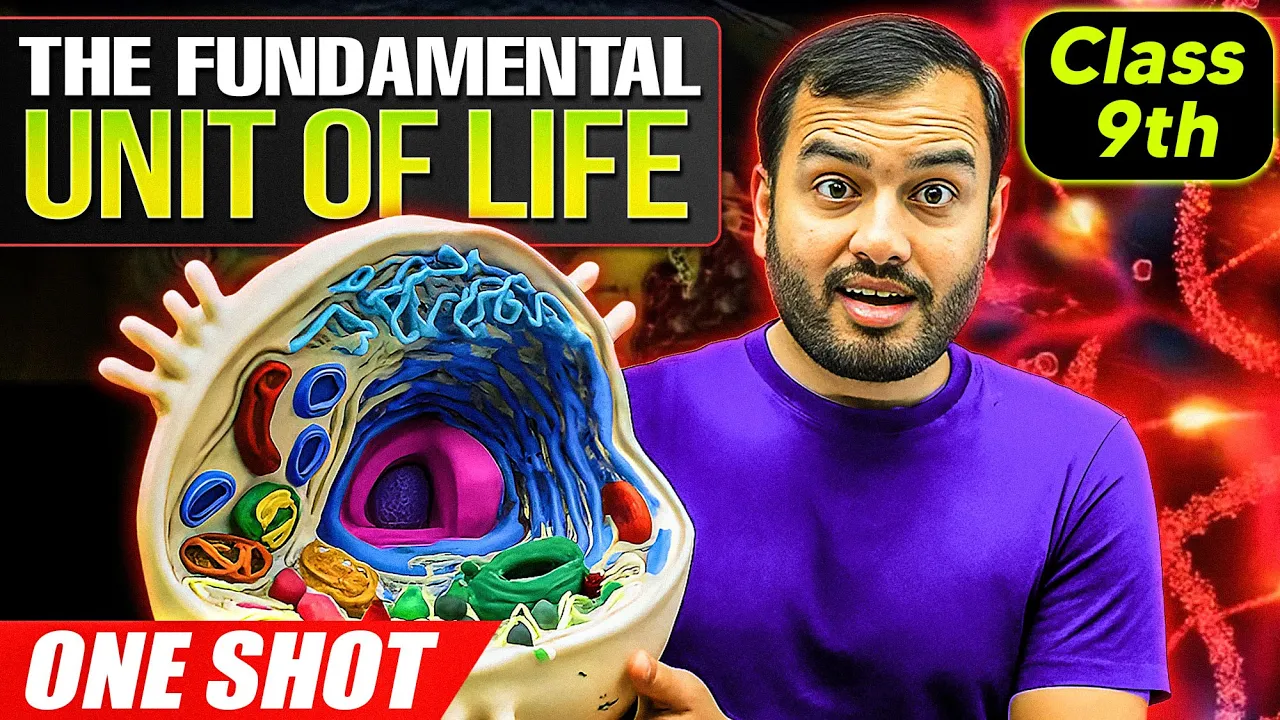
The Fundamental Unit of Life Class 9 || Complete CHAPTER IN ONE SHOT || NCERT Covered | Alakh Pandey
7.6M
Plant cells have distinct structural components: The cell wall is the outermost rigid, non-living layer made of cellulose, providing shape, protection, and preventing bursting. Inside, the plasma membrane is a flexible, living layer composed of phospholipid bilayer with embedded proteins, making it selectively permeable. Together these structures control what enters and exits the cell while maintaining cellular integrity.
Click to watch →
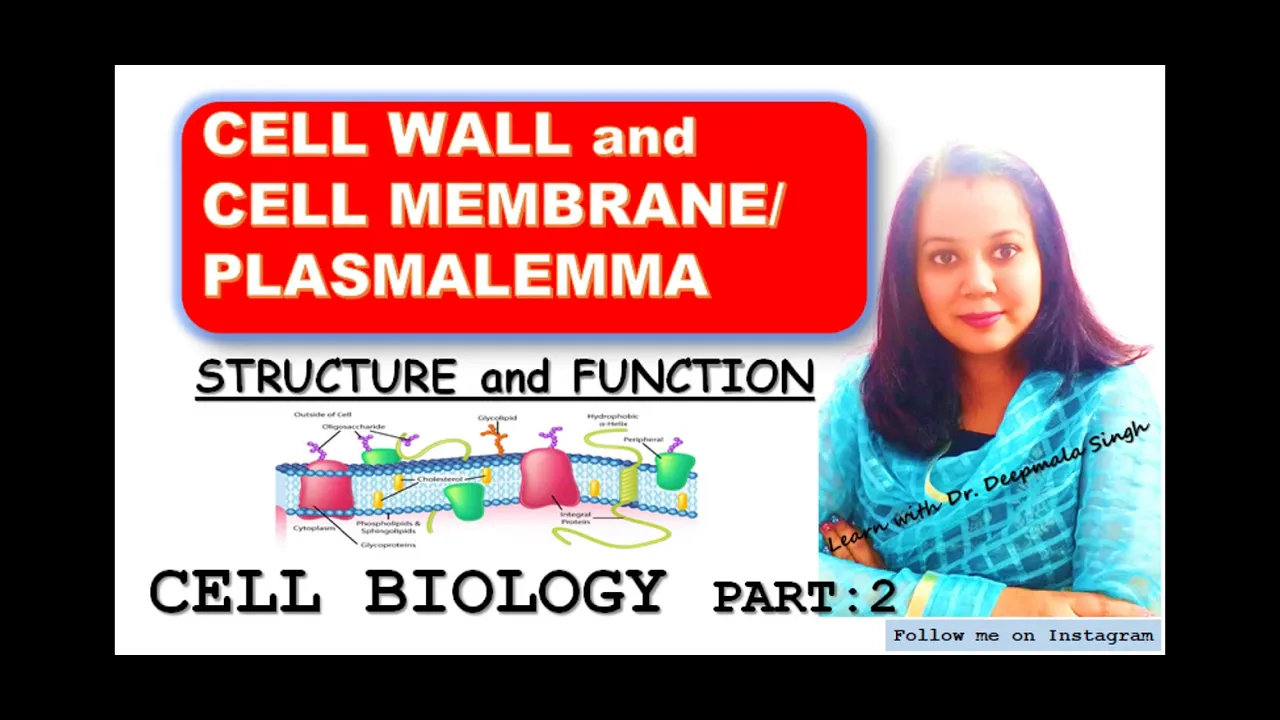
CELL WALL and CELL MEMBRANE/PLASMALEMMA.. Structure and Function
368
The plant cell wall is a rigid outer structure composed of cellulose, hemicellulose, pectic acids, and lignin, consisting of four layers (primary, secondary, tertiary walls, and middle lamella) that provide mechanical support and protection; the plasma membrane (plasmalemma) is a semi-fluid bilayer composed of phospholipids, glycolipids, cholesterol, and proteins (intrinsic and extrinsic), functioning as a selectively permeable barrier that controls substance exchange, maintains cell shape, facilitates cell recognition, and enables endocytosis/exocytosis processes for cellular communication and nutrient transport.
Click to watch →
سادس منهج عربي الفصل الاول / المحاضرة الثانية / 2025-2026
753
The plant cell wall is a rigid outer layer found only in plant cells, consisting of three layers: middle lamella, primary cell wall, and secondary cell wall. It is composed of cellulose in young cells and cellulose plus lignin in mature cells. Functions include protection, structural support, defense, and plasma membrane support. The plasma membrane is found in all cells, surrounding the cytoplasm. It is semi-permeable, flexible, and cannot be seen with a light microscope. It consists of a phospholipid bilayer with hydrophilic heads and hydrophobic tails, plus embedded proteins that control material exchange.
Click to watch →

المراجعة المركزة للفصل الاول | احياء السادس العلمي | محاضرة 1
49.4K
The cell wall is a rigid outer layer found only in plant cells, consisting of three layers: middle lamella, primary cell wall, and secondary cell wall. It is composed of cellulose in young cells and lignin in mature cells. The plasma membrane is a thin, semi-permeable membrane found in both prokaryotic and eukaryotic cells, composed of two phospholipid layers with hydrophilic heads and hydrophobic tails. It regulates material exchange between the cell and its environment.
Click to watch →
Deep Dive
The general concept of innate immunity and how host organisms distinguish between 'self' and 'non-self'.

Innate immunity 1- Intro
20.6K
The immune system distinguishes between self and non-self to protect the body, with the innate immune system providing a general, fast-acting response present from birth that relies on inflammation and uses the same strategies against any invader, while the acquired immune system offers specific, slower responses with memory that form the basis for vaccines.
Click to watch →

Concept of Self and Non-self Recognition immune system | Lecture 1 Part 2 | Molecular Immunology
750
The immune system distinguishes between self (the body's own cells and tissues) and non-self (foreign substances). This distinction is fundamental to immune function. Immune cells use molecular markers—differences in genes, chromosomes, and cell structure—to identify what belongs to the host versus what does not. Even bacteria living in the digestive system are considered self despite having different molecular structures because the immune system has learned to tolerate them. This recognition mechanism allows the immune system to protect against pathogens while maintaining tolerance to beneficial microbes.
Click to watch →
résumé de l'immunologie 2bac svt
2.4K
The immune system distinguishes between self (body's own components with genetic markers) and non-self (foreign substances). This fundamental distinction prevents the immune system from attacking the body's own cells. The system classifies components into three categories: self (genetically compatible), non-self modified (harmless foreign substances like blood from compatible donors), and non-self harmful (pathogens like bacteria and viruses). MHC (Major Histocompatibility Complex) molecules serve as unique genetic markers for each individual, functioning like fingerprints. Class I MHC molecules are found on all nucleated cells and present endogenous peptides to CD8+ cytotoxic T cells, while Class II MHC molecules are found on antigen-presenting cells and present exogenous peptides to CD4+ helper T cells. Innate immunity is the body's first line of defense that responds to all pathogens in the same way, including physical barriers (skin, mucous membranes), chemical barriers, and cellular responses (phagocytosis, inflammation). Phagocytes (macrophages, neutrophils) engulf and destroy pathogens through recognition, attachment, engulfment, fusion with lysosomes, digestion, and exocytosis.
Click to watch →

الأستاذ بن عثمان علوم الطبيعة و الحياة est en direct !
136.5K
The immune system distinguishes between self (the organism's own cells) and non-self (foreign substances). Self includes all cells, organs, and tissues belonging to the body, identified by self-antigens (glycoproteins on cell surfaces). Non-self includes foreign cells, bacteria, viruses, and toxins. Self-antigens receive immune tolerance, meaning the immune system does not attack them. Non-self substances trigger immune responses. This distinction is fundamental to immunity and prevents autoimmune diseases while protecting against pathogens.
Click to watch →

Innate immunity | Components of innate immunity | Immunology |Lecture-1
1.5K
Immunology is the study of the immune system, which protects the body from foreign pathogens. The immune system distinguishes between self and non-self, initiating defense responses when foreign molecules attempt to enter the body. Innate immunity, also called non-specific immune response, is the body's first line of defense. Unlike adaptive immunity, it does not distinguish between different types of pathogens (bacteria, viruses, protozoa) and uses the same general defense mechanisms for all. It is present from birth and provides immediate but non-specific protection.
Click to watch →
Deep Dive
Fundamental molecular biology principles, specifically receptor-ligand binding and biochemical signal transduction pathways.

066-Ligand Binding
100.8K
Ligand-receptor binding is a fundamental mechanism of signal transduction where ligands (signaling molecules) bind to specific receptors with high affinity, inducing conformational changes that trigger intracellular responses; this interaction follows a hyperbolic binding curve described by the dissociation constant (KD), which represents the ligand concentration at which half of the receptors are occupied, and the biological effect is mediated by agonists (which activate receptors) versus antagonists (which block receptor activation without triggering a response).
Click to watch →

Mod-01 Lec-30 Introduction to Receptor - Ligand Binding
3.9K
Receptor-ligand binding is a fundamental biochemical process where specific proteins called receptors on cell surfaces or organelles bind to specific ligands (such as neurotransmitters, hormones, or cytokines) following a lock-and-key mechanism, inducing conformational changes that initiate intracellular signaling cascades; this process is essential for most biochemical pathways and plays a critical role in diseases like familial hypercholesterolemia, where genetic defects impair proper receptor-ligand interactions.
Click to watch →
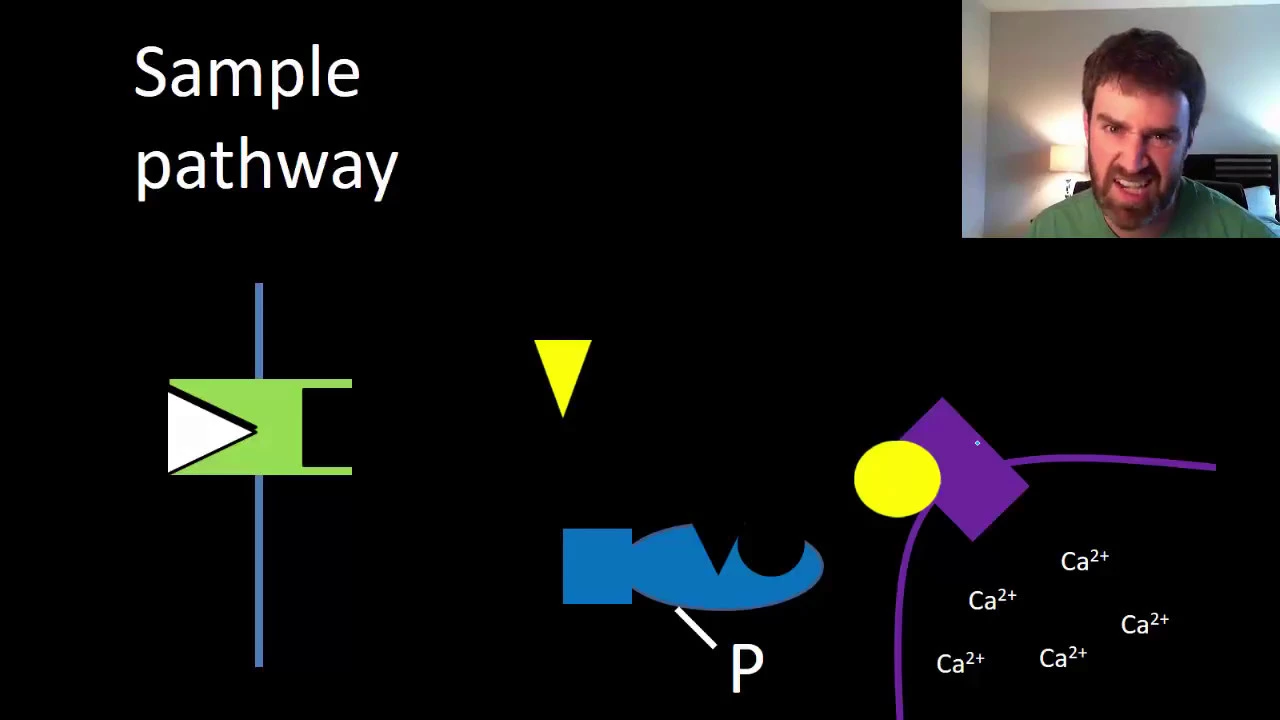
Signal transduction pathways
5.5K
Signal transduction pathways enable cells to detect external conditions and respond appropriately. Cells receive signals through receptor proteins that bind specific ligands (chemicals, light, or other molecules). These pathways are universally conserved across species. The three general steps are: (1) Reception - ligand binds to receptor; (2) Transduction - signal conversion; (3) Response - cellular action. Receptors are often membrane-bound with binding sites facing outward, though cytoplasmic receptors exist for small nonpolar ligands like steroid hormones.
Click to watch →

CLASE 3
139
Receptors are protein macromolecules that recognize signaling molecules (ligands) and initiate cellular responses. Signal transduction converts extracellular signals into intracellular responses through three stages: reception, transduction, and response. Receptors are located on the plasma membrane or inside the cell (cytoplasm or nucleus). Ligands include drugs that bind to receptors to produce therapeutic effects. Signaling molecules are classified by solubility: lipophilic molecules can diffuse through the plasma membrane and bind to intracellular receptors, while hydrophilic molecules cannot cross the membrane and must bind to membrane-bound receptors. This classification determines the mechanism by which signaling molecules interact with their targets.
Click to watch →
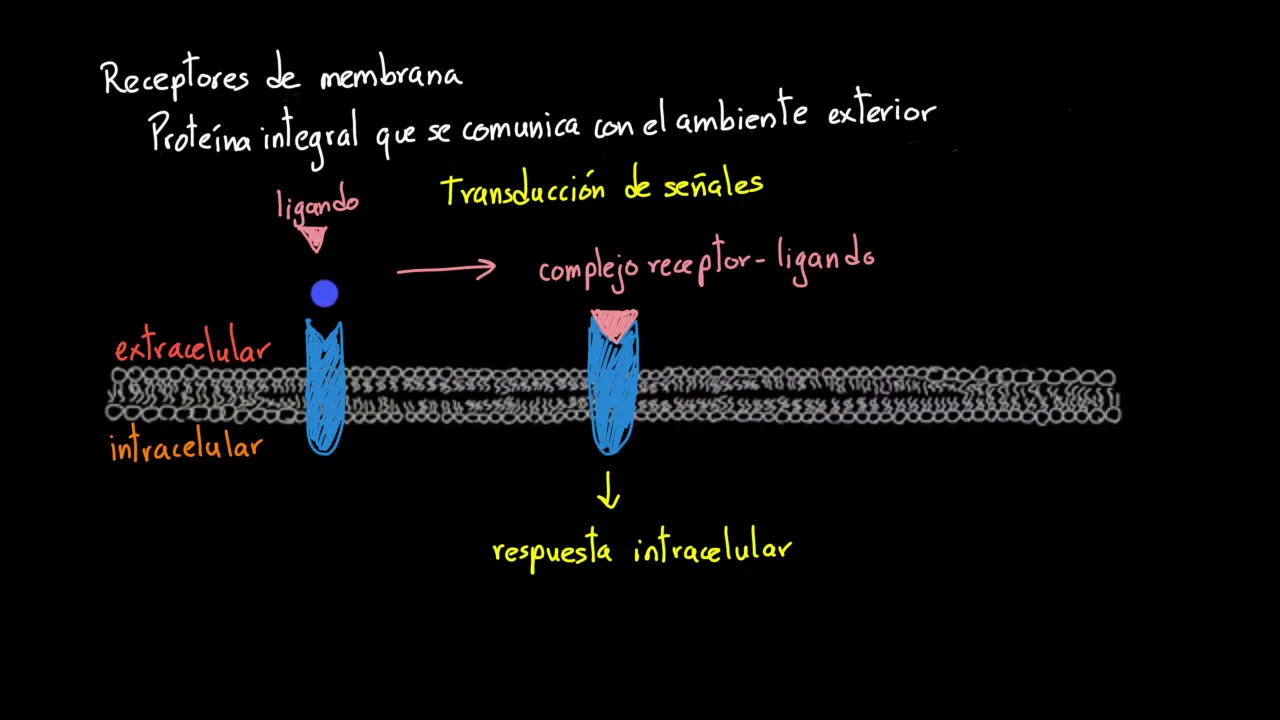
Receptores de membrana | Khan Academy en Español
59.9K
Signal transduction is the process by which extracellular signals are transmitted into intracellular responses. When a ligand binds to a membrane receptor, it causes a conformational change that activates intracellular signaling proteins, initiating a cascade of molecular events that alter cellular behavior. The specificity of receptor-ligand interactions follows two models: the lock and key model, where receptors and ligands fit with precise geometric complementarity, and the induced fit model, which recognizes that both receptors and ligands can undergo slight conformational changes upon binding. This specificity ensures that different cell types respond appropriately to the same signaling molecules, as only cells expressing specific receptors will respond to particular ligands.
Click to watch →
Deep Dive
General characteristics of plant pathogens (bacteria, fungi, and oomycetes) and their basic cellular components.
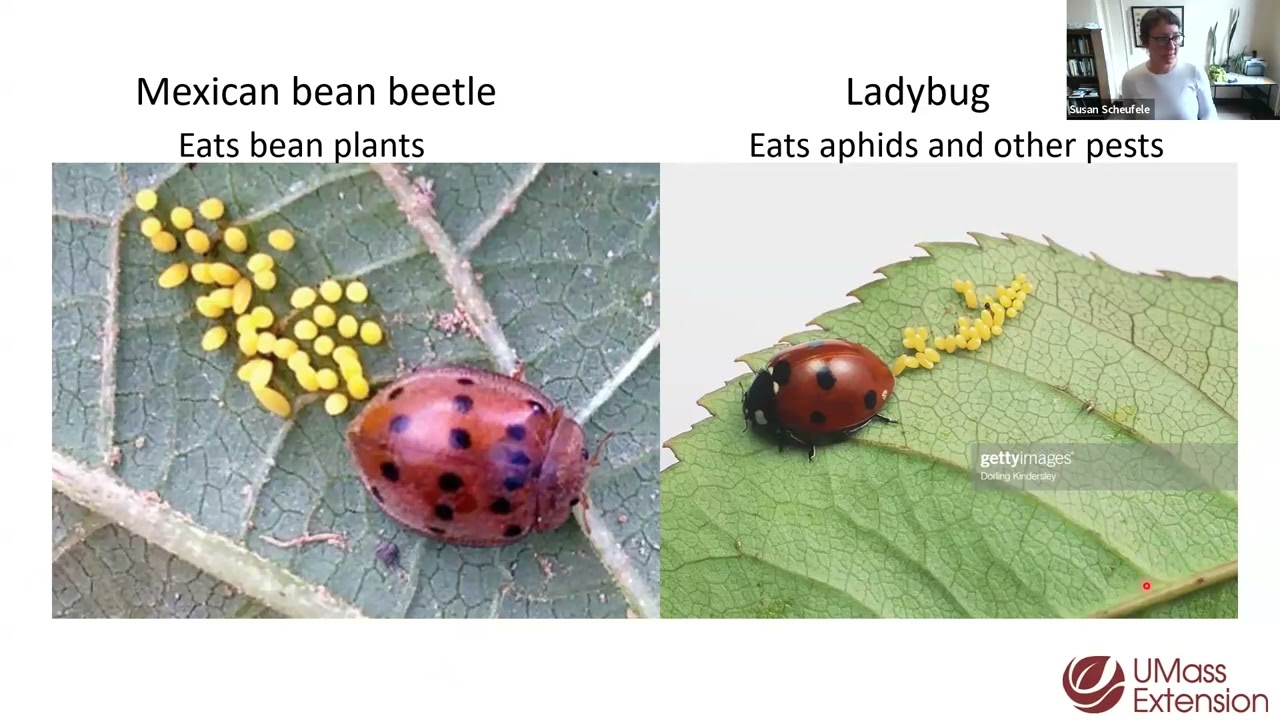
Fundamentals of Organic Production: Organic Management of Vegetable Pests
506
Plant pathogens are classified into three major groups with distinct characteristics and management requirements. Bacteria are single-celled organisms that cannot move independently except through water; they enter plants through natural openings and spread primarily through splashing water and insect vectors. Fungi exist as mycelium and produce spores for reproduction, spreading through wind, water, and contaminated seeds, with many surviving in soil for years. Oomycetes (water molds) evolved from marine algae and produce motile zoospores that swim through water to infect plants. Understanding these differences informs management strategies—for example, copper fungicides work against both bacteria and fungi, while oomycete diseases require specific resistant varieties and careful monitoring.
Click to watch →

Semana 5, sábado
128
Bacteria are prokaryotic unicellular organisms with distinct cellular components including capsules, cell walls, plasma membranes, cytoplasm containing nucleoids, and flagella for motility. They reproduce through binary fission and exhibit genetic diversity through transformation, transduction, and conjugation. Bacteria enter plants through natural openings and wounds, with disease cycles involving primary inoculum, dispersal through rain and insects, penetration, and secondary spread. Six major genera cause plant diseases: Pseudomonas (90 species, Gram-negative, fluorescent pigments, major pathogens of tomatoes, potatoes, tobacco, beans, ginger, and manioc); Xanthomonas (50+ species, single polar flagellum, yellow mucoid colonies, affects solanaceous crops); Erwinia (17+ species, peritrichous flagellation, causes soft rot); Corynebacterium (11+ species, Gram-positive, affects dicots); Agrobacterium (causes crown gall through Ti plasmids); Streptomyces (actinomycete-like, filamentous, causes common scab). Gram staining distinguishes Gram-positive (purple, thick peptidoglycan) from Gram-negative (pink/red, thin peptidoglycan with outer membrane).
Click to watch →
Lecture 15 - General Characters of Oomycetes - PAT 201
4.1K
Oomycetes are eukaryotic aquatic organisms lacking cell walls, characterized by flagellated zoospores produced from zoosporangia, with sexual reproduction occurring through gametangial contact where antheridia penetrate oogonia to form zygotes that develop into resting oospores; their mycelium is branched, filamentous, coenocytic, and hyaline, and they reproduce both sexually through gametangial contact and asexually through zoospores, which germinate directly or indirectly to infect plants.
Click to watch →
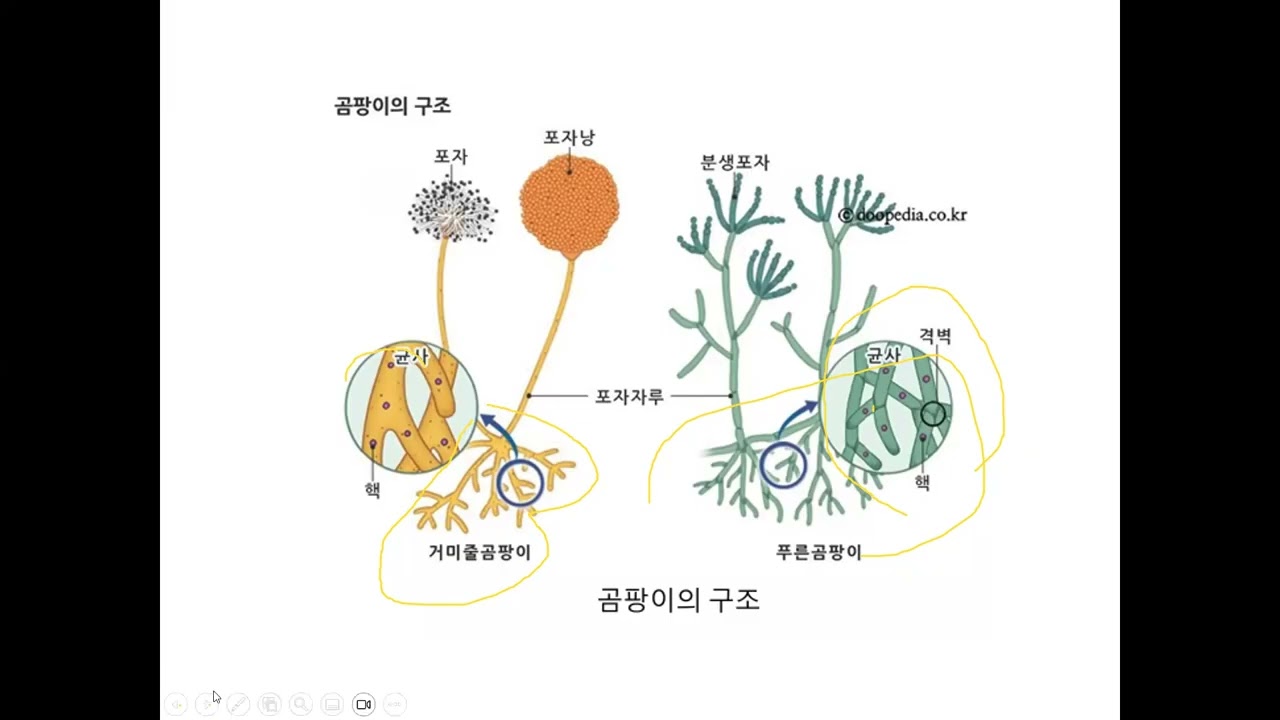
나무의사기출문제풀이 제7회 수목병리학풀이
474
Plant cells possess unique structural features including a rigid cell wall providing support, chloroplasts for photosynthesis, and large central vacuoles for storage. These distinguish plant cells from animal cells lacking cell walls. Plant pathogens vary dramatically in size: nematodes are largest, followed by fungi, then bacteria, then phytoplasmas, with viruses being smallest. Fungi possess specialized infection structures called haustoria that penetrate host cells to extract nutrients. They reproduce both asexually (producing conidia) and sexually (forming ascocarps and basidiocarps). Ascocarps contain asci producing 8 ascospores each, while basidiocarps contain basidia producing 4 basidiospores each. Different morphological types include cleistothecia (closed), perithecia (flask-shaped), and apothecia (open cup-shaped). Rust fungi produce urediniospores (summer spores) and teliospores (winter spores). Bacteria are prokaryotic organisms lacking true nuclei and membrane-bound organelles. Their genetic material floats freely in the cytoplasm. Bacterial cells possess a rigid cell wall composed primarily of peptidoglycan, flagella for motility, and pili for attachment. Plasmids are small circular DNA molecules separate from bacterial chromosomes that carry genes for antibiotic resistance, virulence factors, and other traits. Plant diseases cause characteristic physiological symptoms: leaf spots and blights interfere with photosynthesis, powdery mildew covers leaves and interferes with gas exchange, fruit rots prevent proper fruit development, root rots impair water and nutrient uptake, and vascular wilts block water and mineral transport. Understanding these fundamental concepts provides the foundation for diagnosing and managing plant health issues.
Click to watch →

¡Revive la Clase del Curso "Enfermedades en Frutales"!
1.6K
Plant pathogens are classified into several groups based on their biological characteristics. True fungi (Eumycota) have cell walls composed of chitin. Oomycetes (like Phytophthora and Plasmopara) are not true fungi but are related to algae and have cell walls made of cellulose. Bacteria are unicellular organisms with DNA not organized in a nucleus, typically having a single chromosome and rod-shaped morphology. They reproduce by binary fission. Phytobacteria and phytoplasmas have lost their cellular structure. Viruses and viroids have lost their protein capsids and contain only genetic material. Nematodes can cause damage directly or serve as vectors for other diseases.
Click to watch →
Prerequisite Knowledge
- Concept 01Basic plant anatomy and cell structure, particularly the roles of the plant cell wall and plasma membrane as primary barriers.
- Concept 02The general concept of innate immunity and how host organisms distinguish between 'self' and 'non-self'.
- Concept 03Fundamental molecular biology principles, specifically receptor-ligand binding and biochemical signal transduction pathways.
- Concept 04General characteristics of plant pathogens (bacteria, fungi, and oomycetes) and their basic cellular components.
Subsequent Learning
- Step 01Effector-Triggered Susceptibility (ETS) and how pathogens secrete effector proteins to suppress the plant's pattern-triggered immunity.
- Step 02Effector-Triggered Immunity (ETI), including the role of intracellular NLR receptors (R-proteins) and the hypersensitive response (HR).
- Step 03The 'Zig-Zag' model of plant-pathogen co-evolution, which synthesizes the relationship between PTI, ETS, and ETI.
- Step 04Plant defense hormone signaling pathways, focusing on how salicylic acid, jasmonic acid, and ethylene regulate systemic acquired resistance (SAR).
- Step 05Agricultural biotechnology applications, such as engineering or transferring pattern recognition receptors (PRRs) to crop species for enhanced disease resistance.
Model Basics
PTI Defense
Next Steps
Model Basics
0:00Playing Section
- 1
Introduces the plant immune system evolution model and its significance.
- 2
Highlights the continuous genetic interplay between plants and pathogens.
- 3
Sets the stage for explaining key terminology in plant-pathogen interactions.
Deconstructing the PTI-ETI Dichotomy
While traditional plant pathology utilizes the 'zigzag model' to cleanly separate Pattern-Triggered Immunity (PTI) and Effector-Triggered Immunity (ETI) into distinct, successive phases of defense, modern research strongly challenges this rigid compartmentalization. Emerging evidence suggests that PTI and ETI are not independent pathways, but rather a continuous, highly integrated immune network. Key studies demonstrate that PTI is actually a prerequisite for ETI, as many ETI-mediated responses rely on functional PTI machinery (such as ROS production and calcium signaling) to achieve full activation. Conversely, ETI reinforces PTI by upregulating its key components. Additionally, critics point out that 'PAMPs' are often present in non-pathogenic, beneficial microbes, making the term 'Pathogen-Associated' a misnomer; 'PTI' is better understood as a generalized mechanism for monitoring and regulating the plant microbiome, rather than a system solely dedicated to detecting hostile pathogens. This holistic view shifts the educational focus from separate defensive 'layers' to an interconnected, cooperative signaling web.
Deep Dive
Effector-Triggered Susceptibility (ETS) and how pathogens secrete effector proteins to suppress the plant's pattern-triggered immunity.

Plant Pathogen Interactions | Plant Physiology | Ultra detailed lecture | Part 1 | #csir #aiims
1.3K
Pathogens secrete effector molecules to suppress defense, triggering Effector Triggered Susceptibility (ETS). Bacteria use type III secretion systems while nematodes inject effectors through needle-like structures. Plants respond with Effector Triggered Immunity (ETI) using Resistance (R) genes that produce R proteins. Two R protein types exist: intracellular proteins targeting cytoplasmic effectors and extracellular proteins targeting apoplastic effectors. Upon effector recognition, R proteins trigger hypersensitive response (HR), causing programmed cell death at the infection site to prevent pathogen spread to healthy cells.
Click to watch →
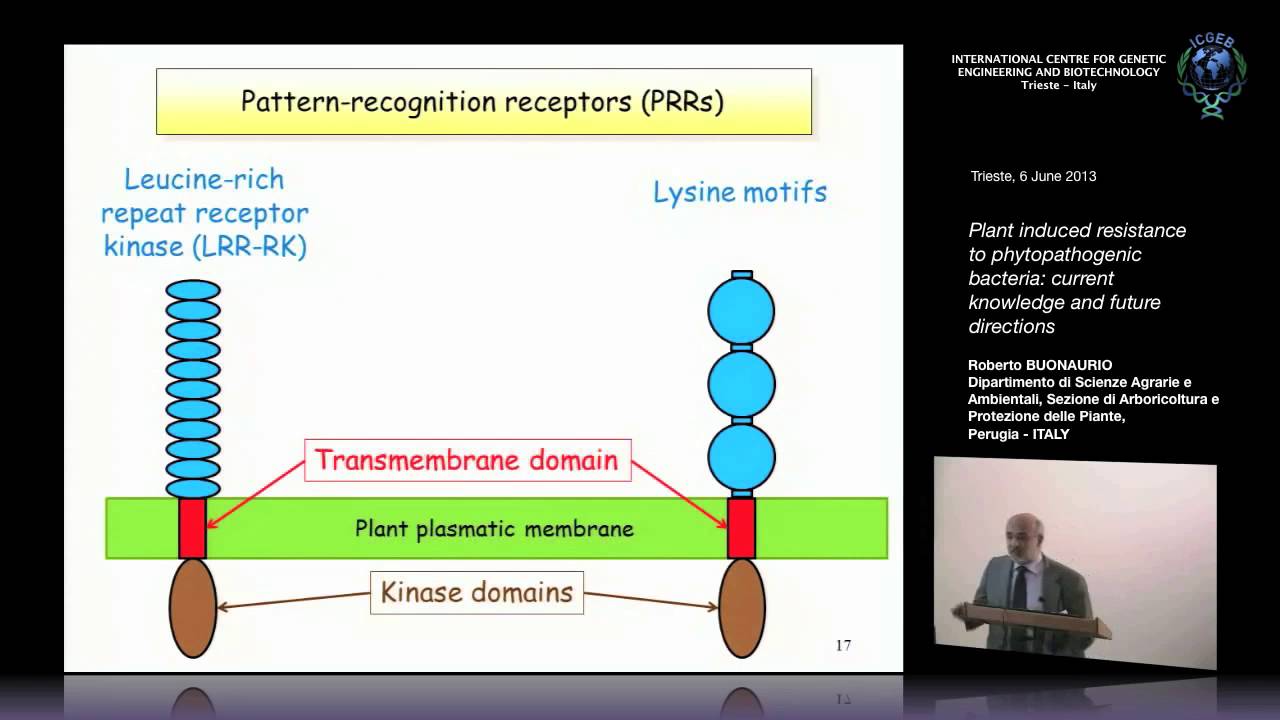
R. Buonaurio - Plant induced resistance to phytopathogenic bacteria..
2.6K
Many gram-negative bacteria (Pseudomonas, Xanthomonas, Ralstonia, Pectobacterium) use the Hrp type III secretion system to inject effectors that suppress PTI, leading to effector-triggered susceptibility (ETS). Effector-Triggered Immunity (ETI) is the second line of defense where resistance proteins recognize specific effectors and trigger stronger responses. Priming sensitizes the plant immune system for faster, stronger responses upon subsequent attacks without wasting energy. Primed cells contain pre-activated signal amplifiers (MAP kinases), making defense responses more efficient. This concept has emerged as promising for sustainable pest management.
Click to watch →

Séminaire - Marc Henri Lebrun - 06/03/2020
4K
Effector-triggered susceptibility (ETS) occurs when plant resistance genes recognize specific fungal effectors, triggering defense responses that block infection. This is the opposite of effector-triggered immunity (ETI), where effectors suppress plant defenses. In ETS, the plant recognizes the effector and activates defenses, preventing the fungus from establishing infection. The function of effectors can be demonstrated genetically: introducing a specific effector gene into a non-virulent fungal strain can make it virulent on resistant plant cultivars, while deleting the effector gene from a virulent strain can make it unable to infect resistant plants. This genetic evidence confirms that specific effectors are responsible for virulence on particular plant hosts.
Click to watch →
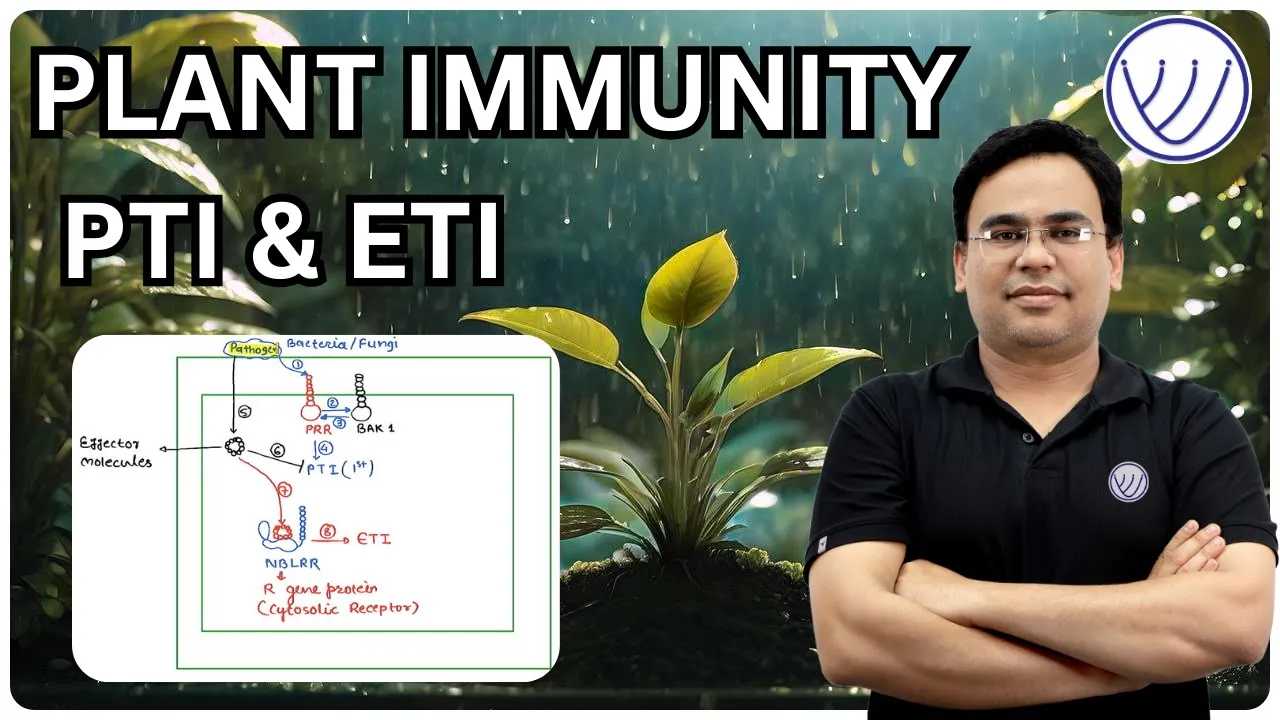
PLANT IMMUNITY | PAMPs | MAMPs | Pattern Triggered Immunity | Effector Triggered Immunity | CSIR
9.9K
Plants defend against pathogens through a two-tiered immune system: Pattern Triggered Immunity (PTI) occurs when Pattern Recognition Receptors (PRRs) on plant cell surfaces detect Pathogen Associated Molecular Patterns (PAMPs/MAMPs) from microbes like bacteria and fungi, triggering an initial immune response; if pathogens release effector molecules to suppress PTI, plants activate a stronger second line of defense called Effector Triggered Immunity (ETI) through cytosolic NB-LRR receptors (R proteins), which leads to programmed cell death (hypersensitive response) to contain the infection; unlike mammals, plants lack adaptive immunity and mobile immune cells, relying instead on localized defense mechanisms through plasmodesmata connections between cells.
Click to watch →
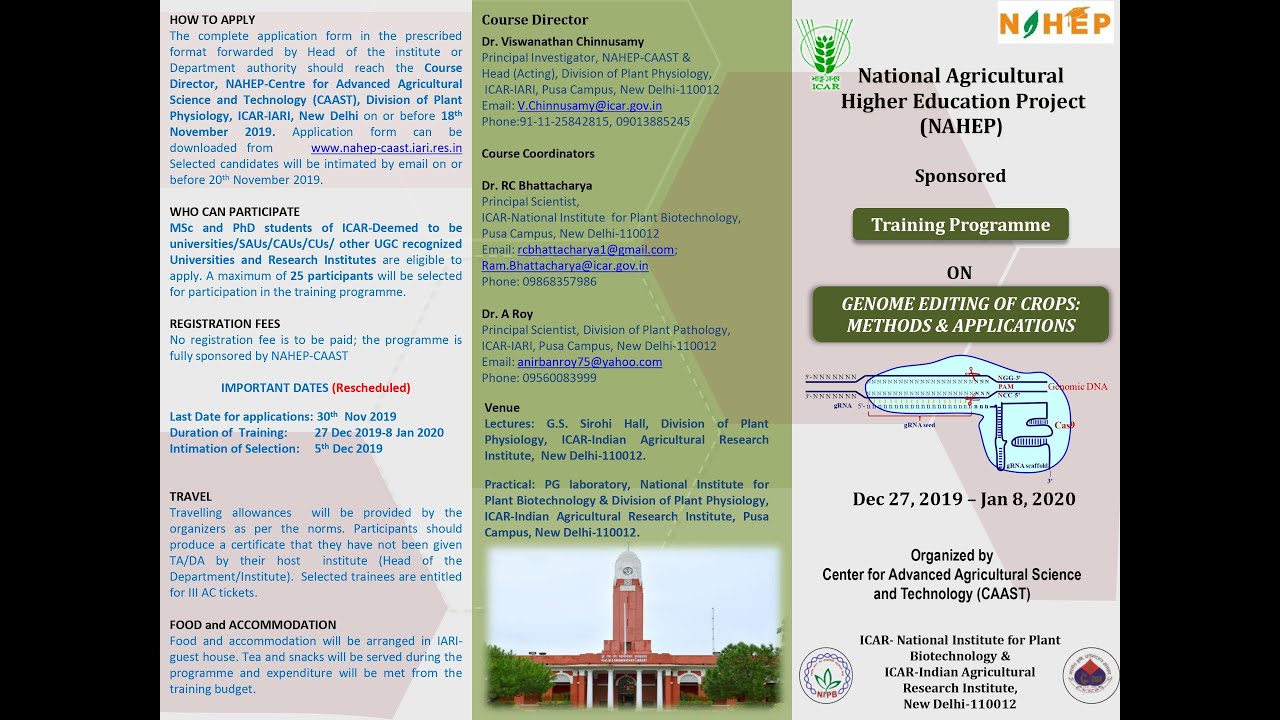
Genome editing tools for enhancing resistance against diseases in crop plants by Dr A Kumar_jan1,20
908
Successful pathogens overcome PTI by secreting effector proteins that suppress plant defenses and manipulate host cellular processes. These effectors target specific plant proteins or genomic regions, converting host factors into forms that support pathogen growth and reproduction. Effector-Trigged Susceptibility (ETS) occurs when effectors successfully suppress defenses, leading to pathogen colonization and visible disease symptoms. A single spore can multiply to thousands of infectious propagules within days, demonstrating the devastating potential of successful pathogen-host interactions.
Click to watch →
Deep Dive
Effector-Triggered Immunity (ETI), including the role of intracellular NLR receptors (R-proteins) and the hypersensitive response (HR).

Plant Physiology - Plant Defense Mechanisms | Concept & Questions | CSIR NET 2025 Life Sciences
3.1K
In ETI, effector proteins diffuse into plant cells and bind to Nucleotide-Binding Leucine-Rich Repeat (NLR) proteins, activating resistance (R) genes. R proteins generate ion fluxes (calcium/proton influx, potassium/hydroxide efflux) and trigger reactive oxygen species production, causing oxidative stress. R proteins also promote lignin and callose deposition in cell walls, creating mechanical barriers. The Hypersensitive Response (HR) is a programmed cell death response that contains pathogens within infected cells. HR also activates Systemic Acquired Resistance (SAR), providing broad-spectrum protection to the entire plant through hormonal signaling pathways.
Click to watch →
Plant Pathogen Interactions | Plant Physiology | Ultra detailed lecture | Part 1 | #csir #aiims
1.3K
Pathogens secrete effector molecules to suppress defense, triggering Effector Triggered Susceptibility (ETS). Bacteria use type III secretion systems while nematodes inject effectors through needle-like structures. Plants respond with Effector Triggered Immunity (ETI) using Resistance (R) genes that produce R proteins. Two R protein types exist: intracellular proteins targeting cytoplasmic effectors and extracellular proteins targeting apoplastic effectors. Upon effector recognition, R proteins trigger hypersensitive response (HR), causing programmed cell death at the infection site to prevent pathogen spread to healthy cells.
Click to watch →

GATE XL | Botany | Lecture 24 | Gurmantra Academy
1.2K
When NLR receptors detect pathogen effectors, they activate ETI responses. This includes calcium signaling, nitric oxide production, reactive oxygen species accumulation, and activation of defense gene transcription. These responses create a hypersensitive response (HR) where infected cells rapidly die to contain the pathogen.
Click to watch →
What's New in MPMI with Sarah Pottinger
242
Plants defend against pathogens through effector-triggered immunity (ETI), where pathogen-secreted effectors are recognized by NLR proteins, triggering immune responses including hypersensitive response (HR) - controlled cell death that deprives pathogens of nutrients. However, deploying R proteins for crop protection faces two major challenges: limited diversity in existing germplasm and the time lag between pathogen emergence and R protein characterization. The PBS1 decoy system offers an alternative approach by engineering plant proteins to recognize pathogen effectors, providing broad-spectrum resistance without relying on naturally occurring R proteins.
Click to watch →

Pathogen vs Host | Plant Immunity: The Ultimate Molecular War 🧬🔥 | #immunology #plants #shorts #csir
103
Effector-Triggered Immunity (ETI) is a stronger immune response activated when plant NLR (Nucleotide-binding Leucine-rich Repeat) receptors recognize pathogen effectors. This recognition triggers a hypersensitive response (HR), which involves programmed cell death of infected cells. This sacrifice prevents the pathogen from spreading to healthy plant tissue, representing the plant's ultimate defense mechanism.
Click to watch →
Deep Dive
The 'Zig-Zag' model of plant-pathogen co-evolution, which synthesizes the relationship between PTI, ETS, and ETI.

Plant pathogen interaction /zig zag Model /Jones and Dangle/ Plant Immunity/Mol Plant pathology
10.5K
The Zig Zag model, proposed by Jones and Dangle in 2006, describes the co-evolutionary arms race between plants and pathogens, where plants develop Pattern Triggered Immunity (PTI) through Pattern Recognition Receptors (PRRs) detecting Pathogen Associated Molecular Patterns (PAMPs), while pathogens evolve effector proteins to suppress PTI; in response, plants evolve Resistance (R) genes that recognize specific effectors through the Effector Triggered Immunity (ETI) pathway, creating a dynamic cycle of molecular recognition and counter-recognition that drives the evolution of both host and pathogen.
Click to watch →
Plant Pathogen Interactions | Plant Physiology | Ultra detailed lecture | Part 1 | #csir #aiims
1.3K
Plants face continuous attacks from diverse pathogens (bacteria, viruses, fungi, oomycetes, protists, mycoplasmas) and pests (herbivorous organisms). Plants defend through preformed (innate) and inducible (acquired) defenses. Three evolutionary theories explain pathogen origins: pathogens accompanied plants from water to land, marine pathogens colonized land, or existing land pathogens found new niches. The Zigzag Zig model describes the cyclical back-and-forth interaction: Pathogen attacks (Zig), Plant defends (Zag), Pathogen counterattacks (Zig), Plant responds again (Zag), continuing until one side prevails. This represents the fundamental nature of plant-pathogen coevolution.
Click to watch →

Plant Pathology - an Overview
2.3K
Plants have hundreds of pattern recognition receptors but can only recognize patterns for which they have pre-existing receptors, unlike mammals that can evolve new recognition. The zigzag model describes ongoing co-evolution: PAMP-triggered immunity (PTI) is suppressed by pathogen effectors, prompting plants to evolve NLR receptors recognizing effectors (ETI). New effectors then evolve to overcome recognition, continuing the cycle indefinitely. This explains why pathogens eventually overcome any resistance.
Click to watch →
Plant Cell webinar highlighting Focus Issue on Plant Biotic Interactions (2)
1.1K
The zigzag model, originally proposed by Jonathan Jones and Jeff Dangle in 2006, describes how plants recognize pathogens through two interconnected immunity systems: pattern-triggered immunity (PTI) and effector-triggered immunity (ETI). PTI occurs when plant receptors on the cell surface recognize conserved pathogen-associated molecular patterns (PAMPs), triggering an initial immune response. However, successful pathogens deliver effector proteins that suppress PTI. In response, plants have evolved resistance (R) proteins that recognize these effectors and trigger ETI, a stronger immune response that often leads to localized cell death called the hypersensitive response. This model illustrates the dynamic co-evolutionary arms race between plants and pathogens.
Click to watch →
식물도 병에 걸린다고? 그럼 식물도 면역체계가 있을까?
34.2K
An evolutionary arms race exists between plants and pathogens. While PTI provides initial defense, some pathogens evolved effector proteins that suppress PTI responses to establish infection. Plants countered by developing hundreds to thousands of resistance (R) proteins that recognize specific effectors, triggering Effector-Triggered Immunity (ETI). ETI produces powerful localized responses including cell death (hypersensitive response) to sacrifice infected cells and prevent pathogen spread. This sophisticated defense system represents millions of years of co-evolution between plants and their pathogens.
Click to watch →
Deep Dive
Plant defense hormone signaling pathways, focusing on how salicylic acid, jasmonic acid, and ethylene regulate systemic acquired resistance (SAR).
SALICYLIC ACID PATHWAY | JASMONIC ACID PATHWAY | SYSTEMIN SIGNALING | CSIR NET LIFE SCIENCE | GATE
10.4K
Plants defend against biotic stress through three interconnected signaling pathways: the salicylic acid pathway (activated by pathogens, involving local cell death and methyl salicylic acid airborne signals), the jasmonic acid pathway (derived from linolenic acid via chloroplast and peroxisome reactions, functioning as an anti-herbivore defense), and systemin signaling (the only protein-based plant hormone, which coordinates long-distance defense by triggering jasmonic acid biosynthesis in distant tissues). These pathways work together to provide systemic acquired resistance, where initial infection or damage at one site prepares the entire plant for subsequent attacks.
Click to watch →

GATE 2026 | GATE XL | Salicylic and Jasmonic Acid | Vandana Sharma | #gatelifescience #botany
134
Jasmonic acid and salicylic acid are plant hormones primarily involved in plant defense against biotic stress. Jasmonic acid regulates flower development, pollen viability, and seed germination while activating defense responses through the systemin-mediated pathway, where wounded leaves release systemin that triggers jasmonic acid biosynthesis in companion cells, leading to long-distance signaling via phloem and activation of defense genes including protease inhibitors. Salicylic acid, discovered in 1937 as 'calorigen' and identified as salicylic acid in 1987, regulates thermogenesis by shifting mitochondrial respiration to the alternative oxidase pathway, delays flower senescence by inhibiting ethylene biosynthesis, and triggers hypersensitive response and systemic acquired resistance (SAR) through the synthesis of pathogenesis-related proteins. Both hormones have distinct biosynthetic pathways: jasmonic acid is synthesized from alpha-linolenic acid through multiple enzymatic steps in plastids and peroxisomes, while salicylic acid is produced via the benzoic acid pathway (in Nicotiana tabacum) or the isochorismate pathway (in Arabidopsis).
Click to watch →

Indução de resistência no manejo das doenças de plantas
1.6K
Plant defense is governed by hormonal pathways: salicylic acid mediates systemic acquired resistance (SAR), while jasmonic acid and ethylene mediate systemic induced resistance (SIR). These pathways can interact and sometimes suppress each other. SAR is activated by pathogen recognition leading to hypersensitive response and salicylic acid production. SIR is activated by jasmonic acid signaling, particularly in response to herbivore damage. The plant must select appropriate defense routes based on pathogen type, as different routes are more effective against different pathogen types.
Click to watch →
Plant Pathology Series Part - 3 | Induced Defence | Botany Optional | Khushmeet Ma'am |
426
Systemic Acquired Resistance (SAR) provides whole-plant protection following localized hypersensitive response. While HR protects immediate infection sites through cell death, SAR prevents disease spread throughout the entire plant through either salicylic acid pathway (pathogen defense) or jasmonic acid pathway (herbivore defense). Key plant defense hormones include: systemin (Solanaceae peptide inducing defense proteins and triggering SAR); jasmonates (fatty acid-derived hormones defending against herbivores through proteinase inhibitors and indirect defense via volatile compounds); defensins (16-rich antimicrobial peptides providing first-line defense against pathogens); phytoalexins (rapidly synthesized antimicrobials at infection sites functioning as pathogen barriers); and salicylic acid (essential for SAR contributing to local defense and stress tolerance).
Click to watch →

Systemic acquired chemicals (SAR) | Sunita Chandel | Plant Science Virtual 2020
354
Plants defend against biotic stresses through a sophisticated immune system with two defense lines. The first line recognizes pathogen-associated molecular patterns (PAMPs), while the second line engages resistance genes encoding proteins that detect avirulence proteins, triggering effector-triggered immunity, hypersensitive responses, and programmed cell death. Cellular responses include membrane modifications, ion channel activation, elevated calcium, reactive oxygen species, and nitric oxide signaling. Hormonal pathways (salicylic acid, jasmonic acid, ethylene) mediate systemic acquired resistance (SAR), activating pathogenesis-related genes throughout the plant for long-term defense. SAR chemicals like potassium orthophosphate and beta-aminobutyric acid trigger plant immunity without direct antifungal activity, enhancing reducing sugars, polyphenol oxidase, peroxidase, and phenylalanine ammonia lyase activities. This knowledge enables development of sustainable disease management strategies that minimize chemical inputs while maintaining effective protection.
Click to watch →
Deep Dive
Agricultural biotechnology applications, such as engineering or transferring pattern recognition receptors (PRRs) to crop species for enhanced disease resistance.

Conoce nuestros programas de Biotecnología
868
Los biotecnólogos transfieren receptores de resistencia de una planta a otra mediante ingeniería genética. Un receptor que reconoce moléculas en el flagelo de bacterias se transfirió de una planta silvestre a jitomate, dando resistencia de amplio espectro. También estudian metagenomas de bacterias asociadas a plantas en ambientes áridos, desarrollando algoritmos para predecir moléculas involucradas en el parasitismo. Se usan bacterias para meter candidatos a células de plantas y cuantificar cuáles son reconocidos. También trabajan con hongos patógenos y nematodos, secuenciando genomas y transcriptomas para entender el parasitismo y desarrollar herramientas de control biológico.
Click to watch →
MP PNST 2026 Biology: Biotechnology के 2-4 नं. पक्के! | Exam Focused Tricks | Manish Sir 🧬
381
This section covers agricultural biotechnology applications. Agrobacterium tumefaciens is widely used in plant genetic engineering due to its natural ability to transfer DNA to plant cells via the Ti plasmid. RNA interference (RNAi) is used to develop resistance in plants against nematodes (specifically Meloidogyne incognita). Tissue culture (tissue culture) is the most important biotechnology technique in agriculture, enabling production of large numbers of genetically identical plants that grow faster than normal plants.
Click to watch →
APPLICATION OF BIOTECHNOLOGY IN AGRICULTURE- CHAP 12 BIOTECHNOLOGY AND ITS APPLICATION 12TH CBSE.
305
Genetically modified plants can be engineered for resistance to various diseases including viral, bacterial, and fungal infections. Scientists transfer genes that encode resistance proteins or trigger plant defense responses. Disease resistance mechanisms include introduction of resistance genes from wild species, transfer of pathogen recognition proteins, and engineering of plants to produce antimicrobial compounds. Agricultural biotechnology encompasses multiple applications: pest-resistant crops using Bt genes, biofortified crops for improved nutrition, drought-tolerant varieties, disease-resistant plants, self-sufficient nitrogen-fixing plants, and extended shelf-life crops. These technologies aim to address global food security challenges while promoting sustainable agricultural practices.
Click to watch →

Class 12 Biology ONE SHOT 2024 | Chapter -12, जैव प्रौद्योगिकी और उसके उपयोग | 2024 Board Exam
119.7K
Biotechnology in agriculture includes: (1) Golden Rice - developed by transferring beta-carotene gene to create vitamin A-enriched rice, (2) Pest-resistant plants - created by transferring Bt genes that produce Cry proteins toxic to specific insects, (3) Herbicide-resistant plants - created by transferring genes that allow survival of herbicide application, (4) RNA interference for pest resistance - creating double-stranded RNA that prevents pest gene expression. These applications address food security challenges by increasing crop yields and reducing pesticide use.
Click to watch →

Biotechnology and its Application | L2 | 12th Bihar Board Exam 2026 | Hindi Medium Crash Course
166
This comprehensive section covers agricultural biotechnology applications: (1) Disease-free plant production using techniques to eliminate pathogens; (2) High disease resistance through genetic modification (Bt Cotton with Cry proteins from Bacillus thuringiensis providing resistance against cotton bollworm and corn borers); (3) Stress tolerance development for salinity and drought conditions (drought-tolerant rice varieties IR42, IR43, IR52 and salt-tolerant tomato Lycopersicon minor); (4) Rapid micropropagation for large-scale plant multiplication; (5) Biofertilizers using nitrogen-fixing genes (nif gene) from Rhizobium bacteria introduced into microorganisms like E. coli; (6) Artificial seeds and agricultural chemicals production; (7) Nutritional enhancement (Golden Rice with beta-carotene and vitamin A developed by Ingo Potrykus and Peter Beyer); (8) Key techniques include Tissue Culture, Cell Fusion, Somatic Hybridization, Somaclonal Variation, Organ Culture, and Genetic Engineering. Bt Cotton development exemplifies genetic engineering principles—Bacillus thuringiensis (gram-positive bacterium) produces Cry proteins (Cry1Ac, Cry2Ab) providing resistance against cotton bollworm and corn borers, introduced via gene gun method, reducing chemical pesticide dependency.
Click to watch →
Model Basics
PTI Defense
Next Steps
Model Basics
0:00- 1
Introduces the plant immune system evolution model and its significance.
- 2
Highlights the continuous genetic interplay between plants and pathogens.
- 3
Sets the stage for explaining key terminology in plant-pathogen interactions.
Deconstructing the PTI-ETI Dichotomy
While traditional plant pathology utilizes the 'zigzag model' to cleanly separate Pattern-Triggered Immunity (PTI) and Effector-Triggered Immunity (ETI) into distinct, successive phases of defense, modern research strongly challenges this rigid compartmentalization. Emerging evidence suggests that PTI and ETI are not independent pathways, but rather a continuous, highly integrated immune network. Key studies demonstrate that PTI is actually a prerequisite for ETI, as many ETI-mediated responses rely on functional PTI machinery (such as ROS production and calcium signaling) to achieve full activation. Conversely, ETI reinforces PTI by upregulating its key components. Additionally, critics point out that 'PAMPs' are often present in non-pathogenic, beneficial microbes, making the term 'Pathogen-Associated' a misnomer; 'PTI' is better understood as a generalized mechanism for monitoring and regulating the plant microbiome, rather than a system solely dedicated to detecting hostile pathogens. This holistic view shifts the educational focus from separate defensive 'layers' to an interconnected, cooperative signaling web.
Basic plant anatomy and cell structure, particularly the roles of the plant cell wall and plasma membrane as primary barriers.
The general concept of innate immunity and how host organisms distinguish between 'self' and 'non-self'.
Fundamental molecular biology principles, specifically receptor-ligand binding and biochemical signal transduction pathways.
General characteristics of plant pathogens (bacteria, fungi, and oomycetes) and their basic cellular components.
Effector-Triggered Susceptibility (ETS) and how pathogens secrete effector proteins to suppress the plant's pattern-triggered immunity.
Effector-Triggered Immunity (ETI), including the role of intracellular NLR receptors (R-proteins) and the hypersensitive response (HR).
The 'Zig-Zag' model of plant-pathogen co-evolution, which synthesizes the relationship between PTI, ETS, and ETI.
Plant defense hormone signaling pathways, focusing on how salicylic acid, jasmonic acid, and ethylene regulate systemic acquired resistance (SAR).
Agricultural biotechnology applications, such as engineering or transferring pattern recognition receptors (PRRs) to crop species for enhanced disease resistance.
8.8K views235likes4:23@jsm123meOriginal Release: 2020-05-15
in this picture you can see here a picture models is there for the evolution of plant immune system given wife Johnson tangle 2006 this is a very important model for the plant and pathogen interactions by this you can have a clear idea about how plants and pathogen interactions is going on continuously at genetic level so to understand this exact model we must have idea about some important term in roses like PTI that is pathogen triggered immunity ETI affected triggered immunity ETS Pam effector Arjun etcetera so we will discuss that first hello friends welcome to my channel Plant Pathology part Saleh this is Jimmy she may let's start the terminal Aziz so the first one is vamp or pathogen associated molecular pattern these are some molecules that are released from the pathogen during the process of pathogenesis or infections example of pampas flg 22 and e.l.f 80 the name only suggest that flg means flagellum and e.l.f means elongation factor so these are the main constituent of pathogen so these are used as markers by the plant cell recognize of pathogens so plants Pam's Co it's marker kit that I use kept ahead physically to detect the pathogen okay-dokey the infection froze a star jota head so during interaction give Pam's like kaity or plasma and molecule series what ahead pathogen see ok then how this pathogen become associated molecular patterns are recognized these are recognized by a special type of receptor that is called pattern recognition receptors example of PRF our receptor life kinases that is our callus and receptor life proteins these are the proteins or receptor which are helpful in the recognition of pants okay let's assume the settle as path another one spra so it's the pyaara recognizes the pump that it was the plant that some pathogens are going to infect it as a result plant will activate its immune system that type of activation of immune system is called as pattern triggered immunity or pti which leads to the distancing plan all this is written on the block and this fact pattern trigger immunity is developed by pattern triggered recognition receptors so it is called as pattern triggered immunity this receptors are generally membrane or transmembrane receptors these are found in plasma membrane next what happens it's the PRI not recognizes the path because pathogen may be new to the plant or plant is not having the type of Riviere to recognize a new type of fat that flag will become the susceptible to disease or disease which occurs to overly Jabbok pathogen Planko in fact kept ahead the couch molecules release customer that is known as fad or pathogen associated molecular pattern or plant a membrane me which receptor swatting a DC Kazakh head pyaara or pattern recognition receptors again PR at panco recognized Ehrlich ahead toe this is the block nuta or register step la pocha fire but oka PR are pampu recognize nickel path ahead the susceptibility condition induce hota hai or this is develop both ahead PTI Co in a community your first line defense your vessel InnoDB Kazakh because this is the first type of unity that is induced against a pathogen this is the end of todays video in the next video we will discuss effector triggered susceptibility then effective trigger immunity and about effective so if you enjoy my video please like the video subscribe my channel for more and more video thank you
Up Next
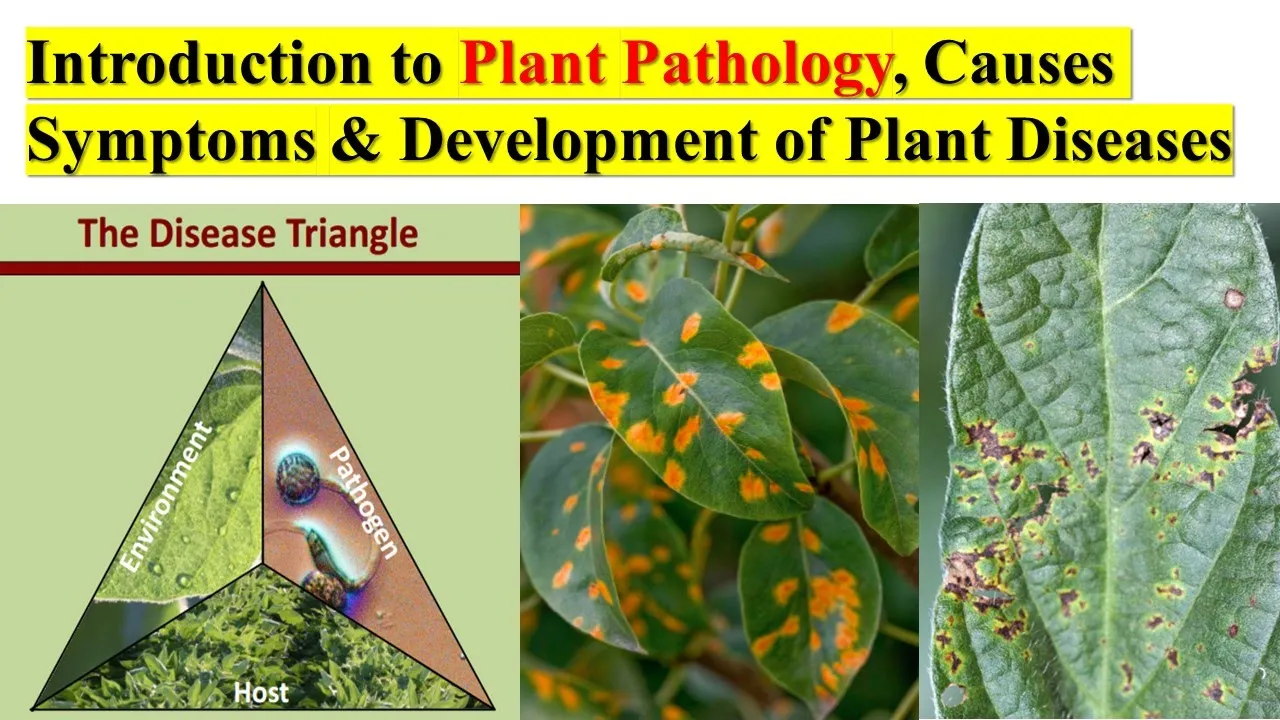
25:35
Plant Pathology: Causes, Symptoms, and Disease Triangle
@DrGhulamMuhuDinAhmed
3.3K views•2021-01-07

50:12
Bacterial Communication: Quorum Sensing and Biofilm Formation Explained
@JHUAAP
12.6K views•2011-06-28

5:35
Enteric Nervous System Explained: The Gut's Brain | Neurobiology Lecture
@alumniu6029
438 views•2018-09-12

7:08
Bacteriophages: Earth's Deadliest Killers and Future Antibiotics
@kurzgesagt
34.6M views•2018-05-13
Related Study Plans & Knowledge Roadmaps
Structured learning paths in Biology
biology
RNAi: Biogenesis, RISC & Gene Silencing
01Molecular Biology Foundations: DNA to Protein
02Introduction to RNA Interference (RNAi)
03Molecular Biogenesis of miRNA and siRNA
+ 2 more learning modules
10h5 modules
Explore Roadmap
biology
Mycorrhizae: Signaling, Biophysics & Ecology
01Foundations of Mycorrhizal Symbiosis
02Molecular Signaling and Root Colonization
03Biophysics and Bioenergetics of Nutrient Exchange
+ 1 more learning modules
11h4 modules
Explore Roadmap
biology
Circadian Clocks: TTFL, SCN & Periphery
01Foundations of Molecular Biology & Gene Expression
02Introduction to Chronobiology and Actograms
03The Core TTFL: Molecular Architecture of the Clock
+ 3 more learning modules
14h6 modules
Explore Roadmap
biology
Population Genetics: Math, Drift & Selection
01Genetic & Probability Foundations
02The Hardy-Weinberg Principle and Baseline Models
03Mathematical Modeling of Natural Selection
+ 3 more learning modules
18h6 modules
Explore Roadmap