









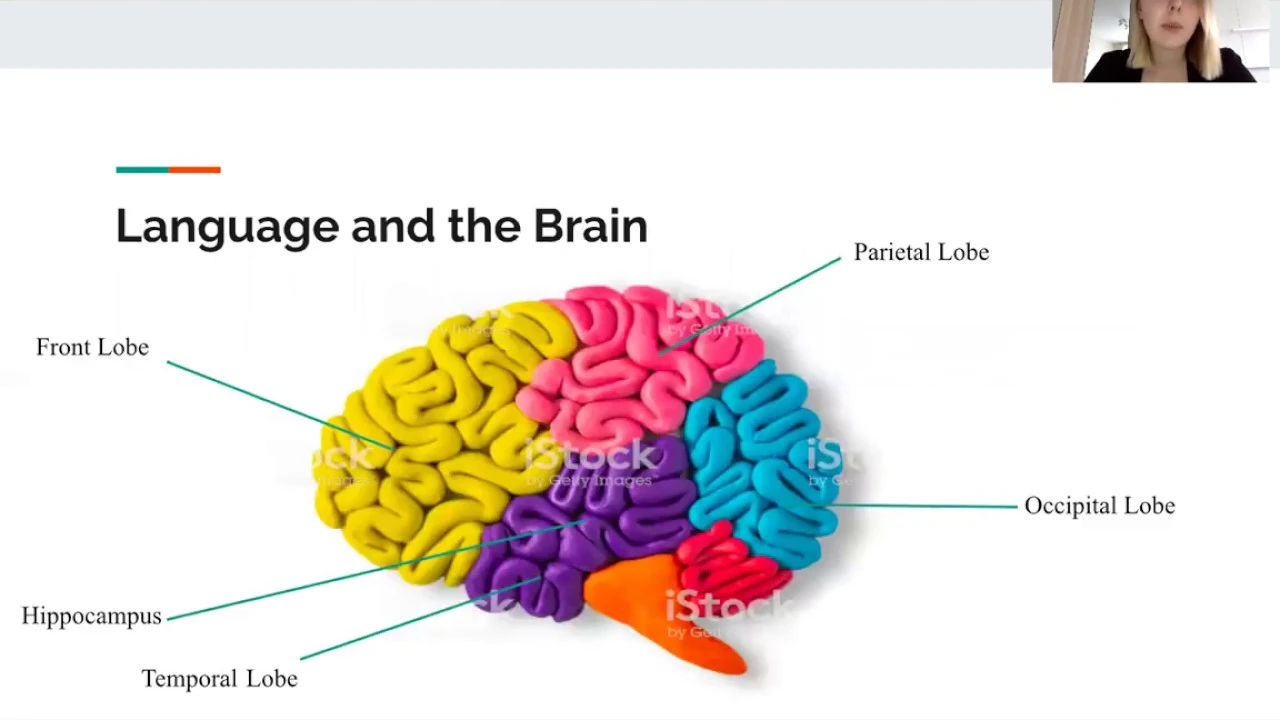
![[Neurociencias] Procesamiento del Lenguaje (Area de Broca y Wernicke)](https://i.ytimg.com/vi/PdhFGq96eg8/maxresdefault.jpg)




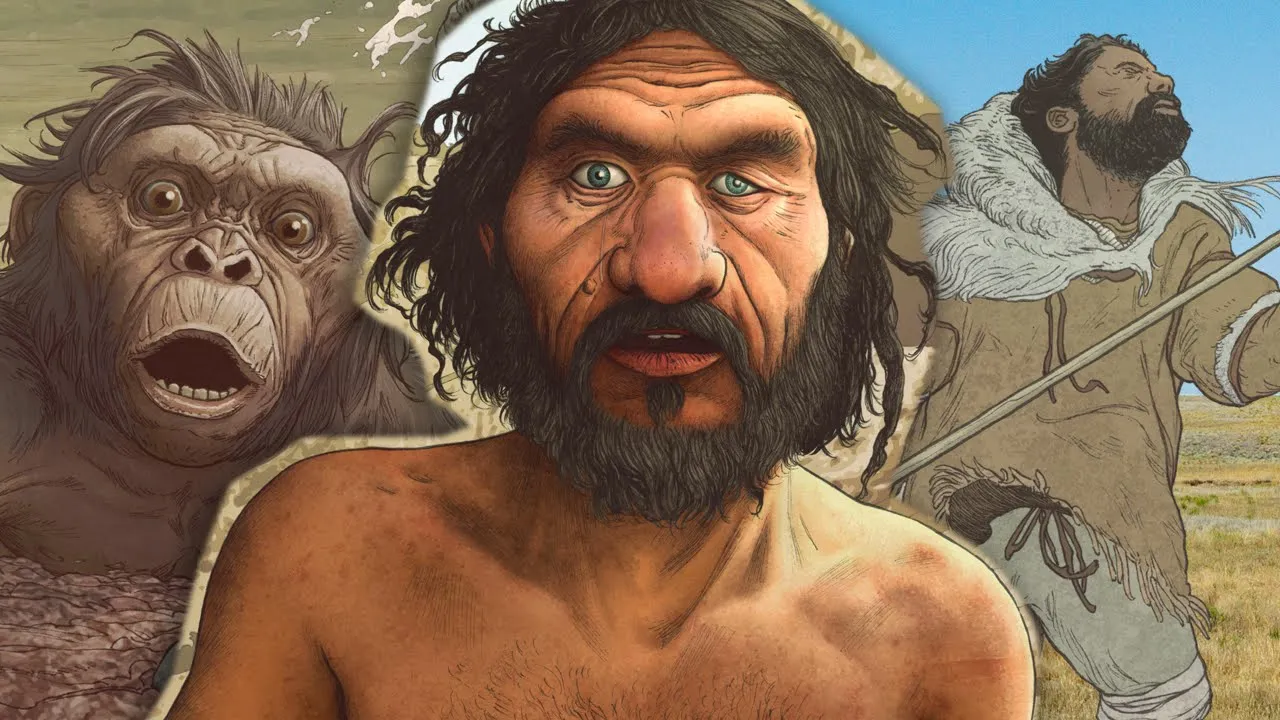




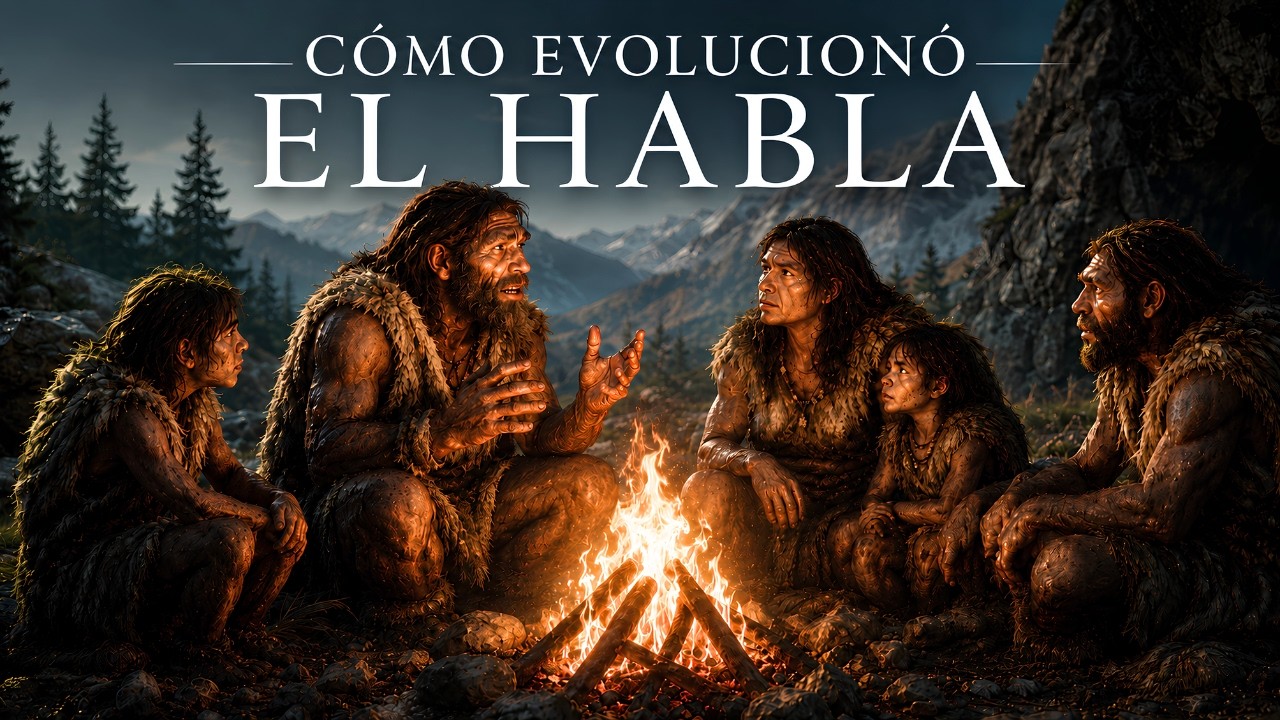
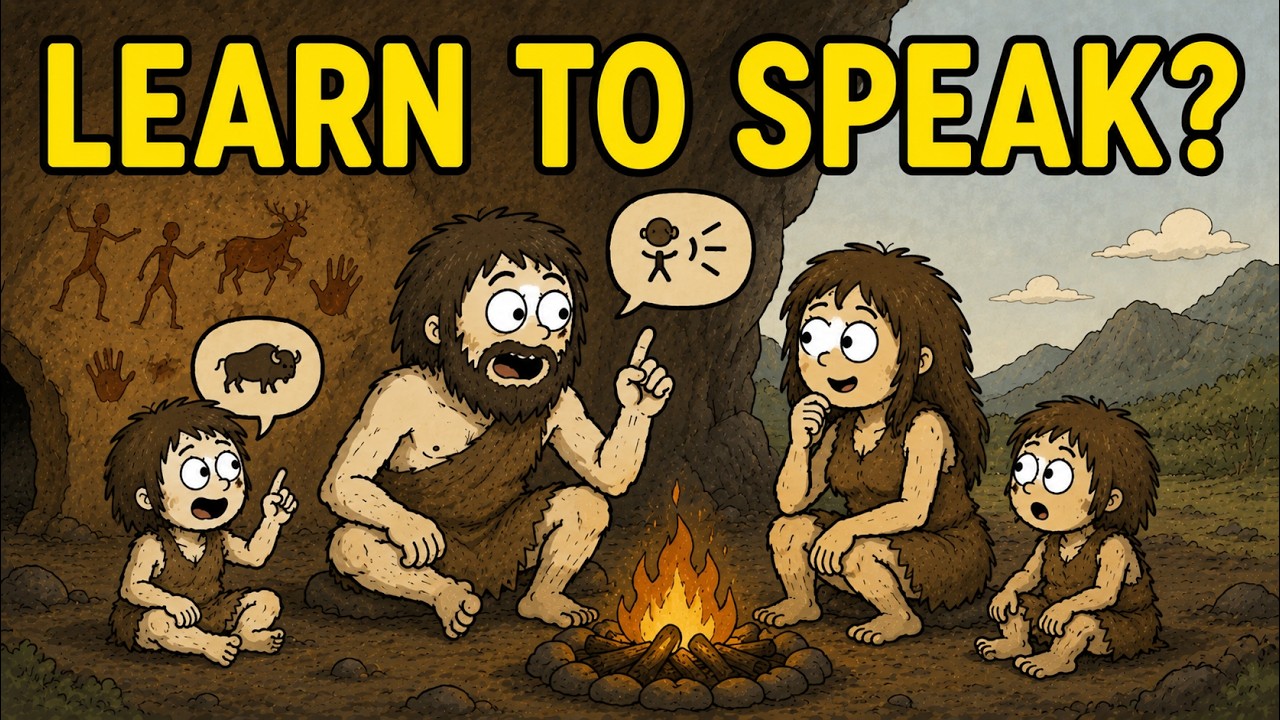
Homo sapiens gained a decisive evolutionary advantage over Neanderthals approximately 30,000 years ago through the development of fully articulate speech, which emerged from a unique anatomical adaptation: the descent of the larynx during early childhood. Unlike Neanderthals whose flat skull base kept their larynx positioned higher in the throat, limiting their vocal tract length and preventing them from producing quantal vowel sounds (such as /a/, /e/, and /o/), modern humans developed a longer vocal tract that enabled complex language. This linguistic capability was further supported by the FOXP2 gene on chromosome seven, which evolved after Homo sapiens emerged. Combined with symbolic abilities expressed through art, music, and notation, this complex communication system allowed Homo sapiens to cooperate more effectively, plan strategically, and transmit knowledge across generations, ultimately outcompeting Neanderthals and becoming the sole surviving human species.
Homo Sapiens vs Neanderthals: The Evolution of Language | Human Origins Explained
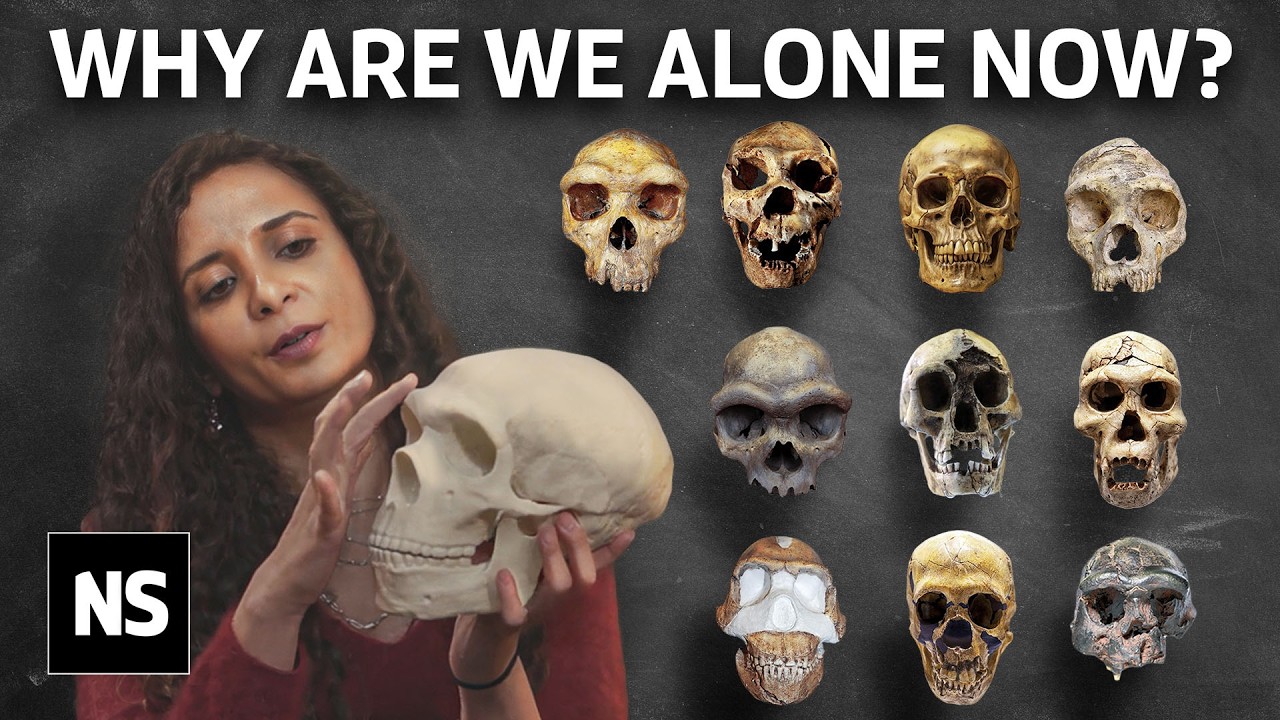
Added:[Music] Homo sapiens appeared about 200,000 years ago and finally we made our first appearance on the family tree our brain had grown the largest of all surviving humans it wasn't just acquiring a large Brain which allowed us to survive another species had an equally large Brain the Neanderthals they appeared about 300,000 years ago their brain size was exactly the the same as ours in body height they were also about the same but slightly more [Music] robust neanderthals migrated to Europe in the middle of the Ice Age they were a Hardy race as well as being good Hunters but they are now gone from the miracle planet and we remain from archaeological evidence it seems that both Neanderthal and Homo sapiens shared very similar abilities in this part of Southwestern France there are many neanderthal sites the reu prehistoric site was discovered by chance while the land owner was digging in his garden there are Neanderthal remains here from 70,000 years ago Dr Jean Michelle janest has researched this site he knows that the Neanderthals had the technical ability to make and use [Music] tools for [Music] they hunted the large bison that roamed Europe during the Ice Age their sites are found all across the continent their population may have reached half a million everything seemed set for Success Dr janest even believes that they were capable of thoughts similar to ours [Music] the skeleton of this Neanderthal is exactly as it was found perhaps evidence that they had thoughts of some afterlife and buried their dead the two different species of humans seem so similar but what gave us the edge there's an intriguing theory that might provide an answer Dr Jeffrey latman of New York's Mount Si School of Medicine compared the two skulls and then noticed a minor difference in the shape find groups like neander TOs and when you study the bottom of skull me it was at the base of the skull with neanderthals the central part of the base is flat but in the modern human skull it is rounded the difference corresponded to the upper side of the throat where the larynx or voice box is situated as well as studying human skulls he also studied living Apes They too had flat Central bases in their skulls just like the Neanderthal strangely there is still a trace of Neanderthal in all of us but it doesn't last very long remarkably baby humans have the same configuration so if you look at a newborn baby its voice box is also all the way up in the throat and babies always breathe through the nose and have the ability to breathe and swallow almost at the same time something remarkable happens in human development our voice box starts a journey down into the neck unlike any other mammal we start in one place but we end up in another and that journey is very dangerous because it changes our entire neuromuscular coordination system the changes begin in the early early year of life and continue as we grow as we get older because we have a larynx all the way down in the throat our Airway and our Foodway which were separate in babies and which were separate in a monkey or a dog are now crossed and this is very dangerous and this is one of the reasons we always get food stuck in our throat when we're trying to eat and it's also one of the reason why we have food that regurgitates so we've lost out but we gained something by the larynx going all the way down in the throat we get a large area of space above it which can take the sounds that are produced inside the larynx at what we call the vocal chords or vocal folds and we can modify them to a greater extent than that possible for any other mammal we have thus gained the ability for fully articulate speech the two species had their larynx at different levels the Neanderthal is on the left modern humans on the [Music] right the flatness of their skull Bas tells us their laryn would be up much higher and that their overall vocal tract would be very different than that which you find in living human beings this tells us that neander tools could not speak the way we speak today when the larynx is in a high position the distance from the mouth to the vocal tract is short we let our voices resonate in the vocal tract with a short vocal tract neanderthals would be limited the general Ambiance would be different According to some linguists they probably couldn't make certain of what we call the quantal vowel sounds the ones we call in English o a e The Sounds in boot father or feet it's highly unlikely that neander trolls could make them uh and with the same speed that we do the Hallmark of our kind is our ability to have fully articulate speech this is what sets us apart from all other animals and this is what set us apart from the enderts modern science now has the technology to investigate down to the molecular level doct Simon fiser and Cecilia Li of the welcome trust Center in England have identified a gene that is involved with speech it's called Fox P2 and is attached to the human chromosome number seven they think this Gene evolved more recently than 200,000 years which would suggest that foxp2 appeared after we had evolved it might have improved brain functions that are used for language skills but we don't know as yet we think that foxby 2 is a very exciting Discovery um because it clearly has had a dramatic impact on um human speech and language abilities but it's important to realize that this is just one piece of a bigger puzzle um uh but the great thing is that we now have a tool we can use foxby 2 to find other elements of the pathway and of the puzzle 40,000 years ago Europe was experiencing the last peak of an ice age in the north the glaciers expanded and covered that part of the continent in those conditions perhaps it was language skills which gave us the edge over the [Music] Neanderthals we would have been able to share information about the large migrating herds so we could plan ahead for the Hunts and would be able to record the information we had gathered it's thought that the marks on this bone might be a calendar of sorts it was made by modern humans 35,000 years [Music] ago we had started on a path that no other species had followed these paintings on the walls of a cave in France show our ability to picture the world around us we not only spoke a complex language we began to transmit knowledge to Future [Music] Generations the essential difference between the nals and the chromanols appears to have been one of symbolic ability the nals Left Behind themselves a very rich record of their material lives but that record doesn't really contain much if anything at all that suggests a symbolic kind of existence whereas the lives of the croman were literally drenched in symbol the choman were us they had all of those characteristics that we prize in themel in ourselves today day um they had painting they painted fantastic art on the walls of caves they did sculpture they did engraving they had music they had musical instruments uh they had notation they had symbolic behaviors of all of the kinds that we associate with ourselves today indeed we have come a long way from those fires our distant ancestors lit in the African night Dr Ian tasol of the American Museum of Natural History believes it was complex language that allowed the development of symbolic thought the communication of ideas and beliefs language is more or less nowadays uh inextricable from our symbolic mental processes that allow us to understand the world in unprecedented uh ways and ask questions like you know what if we can pose questions like that and experiment with ways of dealing with the world and of exploiting the world in a more efficient way and that is what I think sort of made Homo sapiens a unbeatable competitor when they came on the scene and what ultimately led to the demes of the Neals 30,000 years ago the fate of the two human species Homo sapiens and Neanderthals came to a Crossroads complex verbal communication allowed Homo sapiens to share sh thoughts and ideas to cooperate in the search for food and the struggle for existence it was a struggle that the Neanderthals would lose and there would be only one species left on the Miracle planet in a rural area in Southwestern France lies one of the last Neanderthal sites immediately above the Neanderthal remains are those of homo sapiens perhaps neanderthals were driven away from their former habitat by the more capable modern humans or perhaps the Neanderthals quietly left on their own whatever 30,000 years ago they died out we became the last [Music] survivors for the past 4 billion years the pace seems to have picked up perhaps our Mastery of language is taking us toward a new and faster process of evolution I think it is a fascinating point that language is a kind of second genetics genetics itself lasted for the first four billion years of life's history and then quite suddenly darwinian Evolution genetic Evolution gave rise to creatures with big brains which developed a second kind of genetics which is language and the transmission of linguistic information down through generations that gave rise to a second kind of evolution which is called cultural Evolution which looks like genetic evolution in a superficial sense but it's enormously faster and our lives have become faster we live in an age when technology moves at a pace that perhaps we cannot stop our ability to communicate has at times transcended the message we are trying to send what took decades now can be achieved in less than a year and as each year passes the pace increases as a species we now can influence the climate just as microbes did in the early history of the [Music] [Music] earth we must learn the history of our planet which has nurtured life for billions of years Dr gnome omski knows that the choice for the future is ultimately ours this is a question of History not Evolution uh and it's a question of culture and uh intelligence and sympathy and mutual understanding and mutual Aid and support and so on those are capacities that we have uh we know from our own history and experience that those capacities can be overwhelmed by other more destructive uh Savage and uh cruel capacities that we also have and the balance of these will determine whether the species survives in any decent form and that's a matter of Will and choice there are no natural laws about this as a species we are still held captive by the only planet we know that can support life science shows us that life was nurtured in the oceans of this planet soon after its birth and that it matured through long ages of [Music] change finally it spread out across the world it Diversified into Myriad forms most of which would fade away to become only a memory after Millions of years a single species was to be the pervading force but that could change in the blink of an eye if we have learned anything at all from our history it must be that in the end life prevails and ultimately will be the Victor on the Miracle planet
Up Next
Forensic Anthropology in the Real World | Sue Black Lecture
@LancasterUniversity
112.3K views•2019-01-08
Astrobiology Through an Anthropological Lens: Field Insights
@georgiatechastrobiology
128 views•2021-04-14
Proxemics Explained: The Study of Personal Space
@Vox
536K views•2016-07-05
Psychology of Internet Trolling and Pranks Explained
@AzzyLand
10.7M views•2017-12-20
Related Study Plans & Knowledge Roadmaps
Structured learning paths in Anthropology