









![CRIANÇAS MAIS PERIGOSAS DO MUNDO [+13]](https://i.ytimg.com/vi_webp/xSvhzIWQ9ks/maxresdefault.webp)



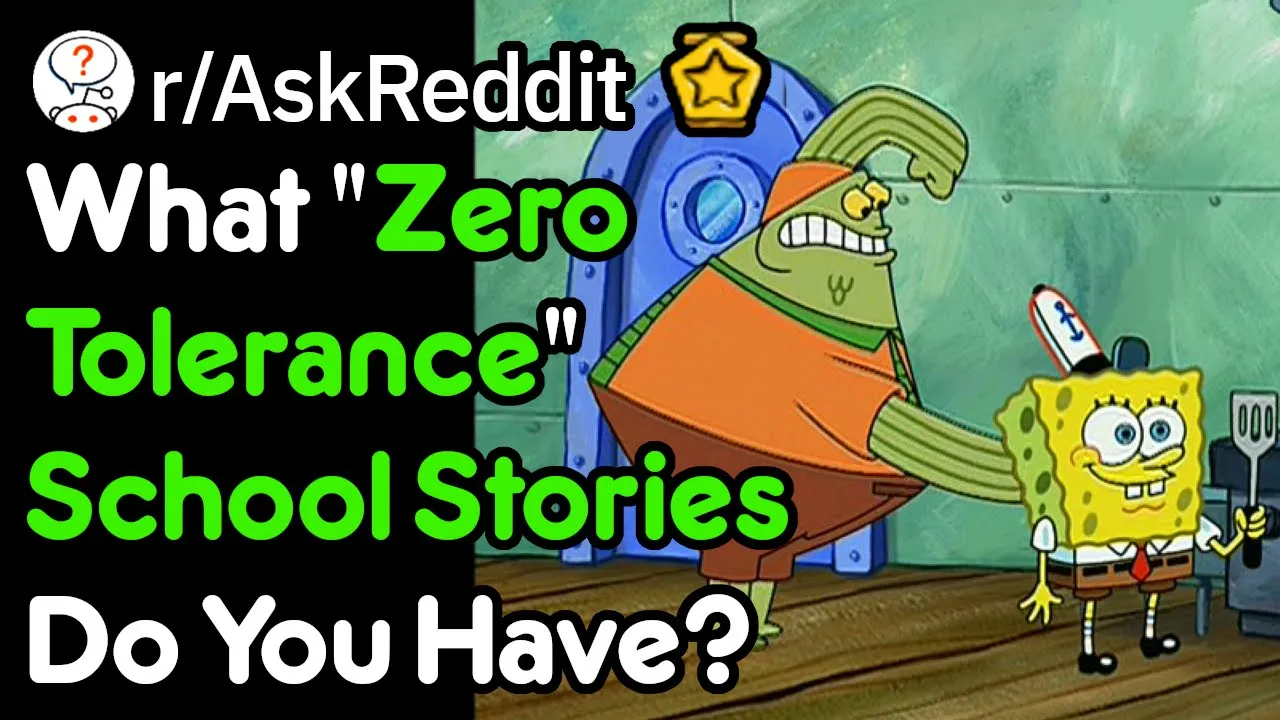


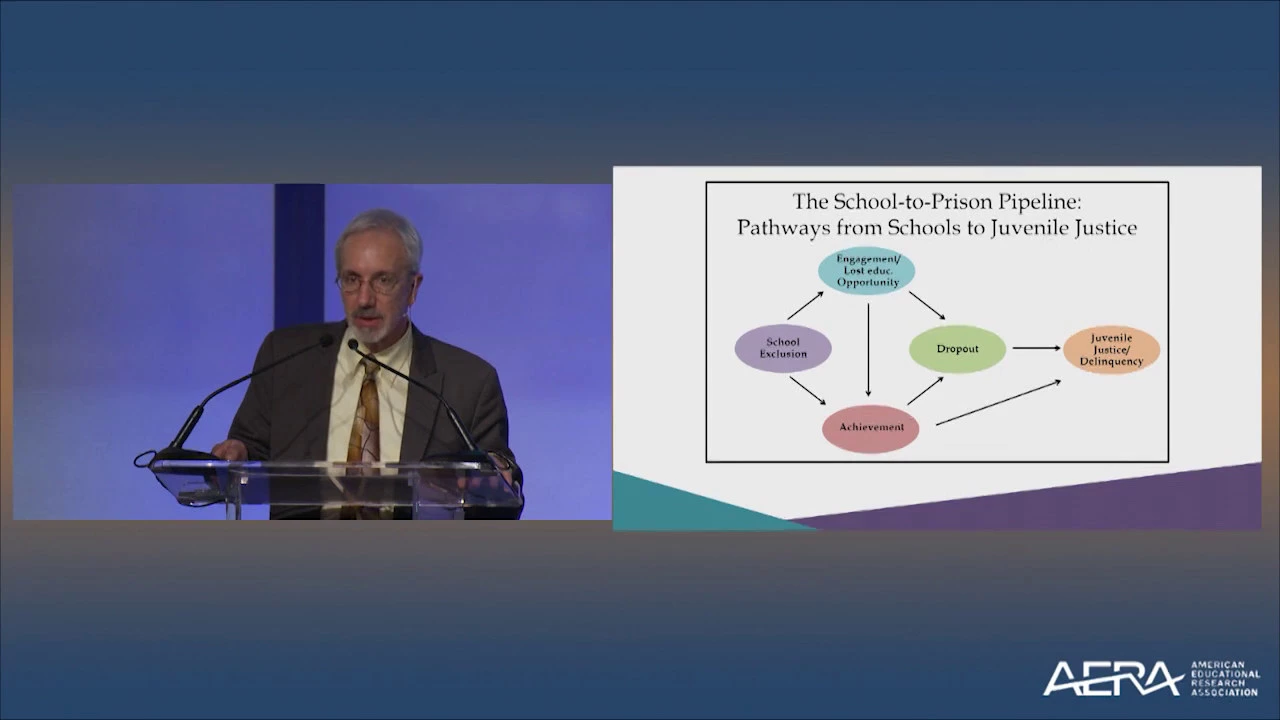
Zero tolerance policies in American schools have created a 'school-to-prison pipeline' that disproportionately criminalizes normal childhood behavior, with students as young as five being arrested for minor infractions like chewing gum or talking back to teachers, resulting in permanent criminal records that harm their future educational and employment opportunities; however, when school resource officers are properly trained to build relationships with students and exercise discretion rather than automatically issuing citations, they can effectively prevent tragedies and support student success without resorting to punitive measures.
School-to-Prison Pipeline: US Zero Tolerance Policies in Schools
Added:The origin and historical context of 'zero-tolerance' policies, arising from the federal Gun-Free Schools Act of 1994 and the 'War on Drugs' era.
Basic understanding of school disciplinary mechanisms, such as out-of-school suspensions, expulsions, and the integration of School Resource Officers (SROs) in educational settings.
An awareness of systemic inequality, implicit bias, and demographic disparities in how disciplinary actions are historically applied in US public schools.
The fundamental distinction between administrative disciplinary actions handled by school staff and criminal offenses handled by the legal system.
The principles of Restorative Justice and trauma-informed care as progressive alternatives to punitive discipline in schools.
The long-term psychological, social, and economic impacts of early juvenile justice system involvement on adolescent development and adult recidivism.
Analysis of legislative policy reforms and civil rights advocacy efforts (such as those by the ACLU) aimed at limiting police presence in schools.
The intersectional impact of zero-tolerance policies on specific vulnerable student populations, including students with learning disabilities (IEPs/504 plans) and LGBTQ+ youth.
67.6K views1.2Klikes1:19:49Original Release: 2021-11-17
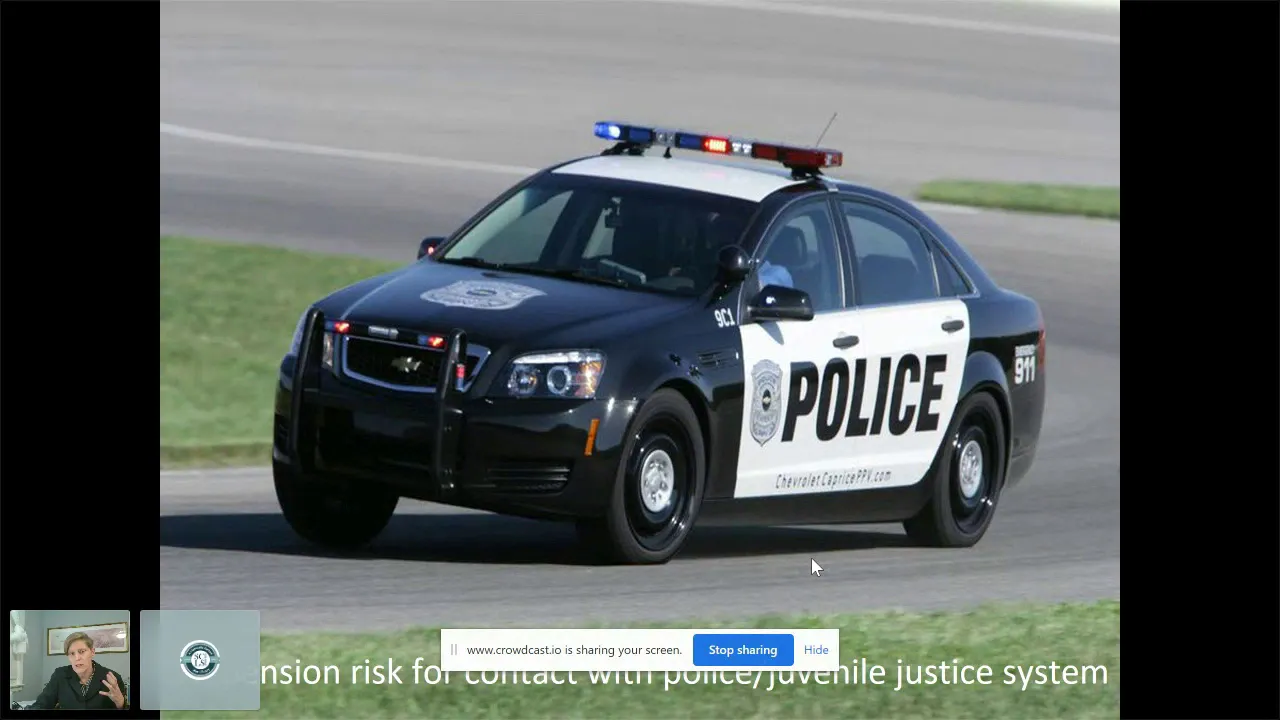
what are you supposed to do when someone hits you do you just sit there and take [Music] it if you do wrong you get punished if you do right you get [Music] punished anytime I saw a student in handcuffs it just broke my heart it's not my job to handcuff a 5-year-old that has discipline issues in a school my job is to deal with the criminal element there's some real evil stuff that goes on out there super Predator youth 33,000 gangs driveby shootings there was so much violence we couldn't hold assemblies it turns your schools into jails if you have police roaming everywhere we do walk that fine line some sometimes we're certainly being build as the bad guys there are some teachers and some administrators who really make wanting use of police shut up and sit there so kids literally get a ticket for chewing G in class or for talking too loudly how does a 10-year-old understand what a ticket is it's nuts the justice system is sort of like a funnel but has barbs inside every time you come into the system it's just easier to be pushed further and further and further until you cannot get out it feels like Charles Dickens times I don't know when public education became the enemy of the governments and one of the students just said to me you know with all the police around they might as well just put us in jail because that's what it looks like and feels like [Music] Anyway if you're a school system in a country that is considering adopting a zero tolerance policy don't do it [Music] and there were a bunch of kids calling me terrorists somebody called the cops and said I placed another bomb and that's what I'm a little scared about like maybe somebody might beat me [Applause] [Applause] up I to I got a call from the vice principal who's also the dean of discipline and he said Kira just before school started she was doing a science experiment that resulted in an explosion our teacher had given us a um assignment a friend told me about a volcano which is toilet ball cleaner and aluminum foil so I told my friends about it and they wanted to see it the principal and vice principal were like about 10 ft away and when it popped they came over and asked what was going on I told him it was a science project and they were just like okay at the end of third perade they take me out and then walks me to the resource officer he was like this is considered a felony I might have to arrest you for this and then I was just handcuffed and put in the car when they put the handcuffs on you it's like right on your bones and it really hurts I was actually crying too hard to ask anything and I went to pick my daughter up thinking the worse then we get home and she's asking me me what happened and I tell her what happened she's like oh my gosh are you serious there wasn't an explosion and she said no just the cap came off the bottle a trained officer of the Law Arrested put my daughter in handcuffed put her in the back of a police car and took her to the juvenile assessment center and charged her with two felony charges was she trying to blow up the school was she trying to hurt anyone if if even had anyone taken that time to ask those two questions this process would would have just been avoided once a minor is charged with a felony they can release her address there was a terrorist alert and everybody was knocking on our door the media was just like really hurting me and then eventually they took it up to where hey she shouldn't be treated like this it became International and we had people signing petitions and they dismissed the case I'm not going to have signs next year I don't think but if I were and was a sign a project I just bring in a cup of dirt because I wouldn't want to try anything experimental again at school at least and at rocks the burning of the ROC building prompts Ohio governor James rhs to call out the National Guard When the Smoke Clears four students are dead in the' 60s during the Vietnam War era in response to student protests on campuses both at the high school level and at the college level States drafted statutes that said that you can prosecute a student for disrupting class so kids literally get a ticket like you would get for speeding or for running a red light for chewing gum in class or for um Talking Too loudly and they then have to go to court we placed all of our juvenile Class C misdemeanor the lowest level fine only offense in our adult criminal court system the records that are generated by these cases are not kept confidential the kids end up with a Criminal conviction it was never intended in the' 60s when it was pass to be used to prosecute a student for gum chewing but that's what we've evolved to because of the police presence say this highly organized gang rooted itself in Jersey they treating us like this South Africa South afri Zero's tolerance started in the 1980s with the creation of the War on Drugs in the United States there was a sense that young people were what they called super predators that they were engaged in behaviors that were very violent super Predator was a term that was coined by John dulio there was a belief that you could reject ahead based on current population of young people in the criminal justice system how many more there might be and that this would illustrate what policy makers needed to do in terms of law enforcement and prison building we started to see schools have police officers we started to see schools have metal detectors drug sniffing dogs in the 1980s and then coming into situations like Coline there were a lot of what we call assault weapons young people had greater access to things like semi-automatic weapons greater access to that than quality education in our urban areas when when George Bush President Bush was governor of Texas he instituted some literally zero tolerance in the Education Code that was really the first time I saw any uh law enforcement ticketing uh suspension tied to school Behavior each school and State uh were required to set up a policy for addressing young people who had possession of a weapon when schools started putting this in place and then other instances of school violence occurred there was a desire to do as much as they could to preserve school safety and sometimes their application of of that policy was overly broad um and adopted to be zero tolerance for any infraction of any kind the kinds of policies that we use in the United States that uh for criminal Behavior we've now used in the schools the first day that I was here um one gang member threw another gang member through this plate glass window right here and uh when I walked out of my office he was lying here on this teraso floor with blood shooting from his neck and he had just glass all in his face like a pen cushion and the young man who threw him through the window the following day was shot to death horrible first day almost quit the first [Music] day they called me to come out of retirement to come to fur high school and I knew about fur high school and I knew that nobody wanted to come here and be principal and at that time I was 66 years old we would have lockdowns about three times a week where um there would be like a code red because there was either a gun on campus or there had been a gang fight on campus it was really bad you'll have the black kids and Hispanic kids they'll just wait to see see what's who's going to take the first swing who's going to make the first move it was more like a prison when I first got here you have to see that's how the kids were they came to school and it was going to be fights after school you might might be a fight right here then you get a call to fight upstairs that's how they would do it we had drive by shootings gangs would follow buses home and shoot at the buses you had you had to be very careful coming and going and being in the hallway the teachers really didn't think these kids could learn or wanted to learn there was a smoking lounge and teachers would would leave their classes and go to the lounge and smoke and play cards I couldn't get any help from the district they told me they were the meanest teachers they ever tried to work [Music] with so I finally called in of the gang task force to try to help me and it just escalated the situation when I saw how the task force people were treating our students it broke my heart I I'd never seen such a violence in my life they were just slamming kids around up against the wall down on the floors and putting their knees in the back putting handcuffs on them sending them to Jail the tickets that they were giving simple things like being disruptive and in a classroom things that were minor infractions the longer they were here the more violent they were the more violent the school became so we lost so many of our talented students uh because they were being harassed by the police there was always shootings and driveby here that that they have to put snipers on the roof just to watch over the kids it was just chaos a daily chaos one day they were trying to arrest me because I told them they were being too rough with the students and they said once they took over that the principal didn't have any say so I finally asked that the gang task force leave and they said well you wanted zero tolerance and this is zero tolerance the last day they were here one of them came in and said the school is going she was Furious she said this school is going to implode and the blood is going to be on your hands and when that happens don't call us because we're not coming to help you I thought I must be absolutely crazy to be trying to do this the first SRO school resource officer program that I've been able to find any reference to was a school in Flint Michigan in the ' 50s I've heard some suggest that the school police presence was uh a response to desegregation of our schools in the United States and I think that that is um an interesting Theory and it's quite plausible we also saw one of the largest police programs in the US in the Los Angeles school system adopted in the 60s experienced some more growth in the 70s uh in the 80s there were some drug prevention programs that officers were teaching that that helped the growth of officers in schools especially elementary schools but it was the 1990s that brought about the tremendous growth nzo began in 1991 and it actually grew from the Florida Association of school resources officers at the time we're a not for-profit Association most of our funding comes through training Revenue conference revenue and membership Revenue in the period of the mid 90s to the late '90s we had several high-profile shooting incidents at schools kind of culminating with Coline uh in April of 1999 after 1999 there was really tremendous growth as we've seen with the events of December of this past December now we're back in a a tremendous growth pattern and so I think that's probably going to continue for a little [Music] while 1999 the Coline incident occurred the need for sro's swept the United States and I went to the Chief and proposed to him that we needed a school resource off officer I'm a firm believer that a uniformed police officer well- trained as an SRO is your best deterrent for any incident like that inside of a public school my job is to make sure facility security is in place my job is to make sure the students are safe and my job is to keep the outside world from coming in here and if it does then it's my job to deal with it [Music] ladies and gentlemen going the tragedy at Sandy Hook was horrifying what happens after those situations everybody overreacts family's lawyer says the girl was originally suspended from kindergarten for 10 days for telling a classmate she was going to shoot him and herself with the bubble gun District officials at Mount Carmel area elementary school question her for 3 hours without her parents' knowledge she was suspended for 10 days for making terroristic threats when we see a 5-year-old that brings a toy gun to school and the police officers are taking that 5-year-old out in handcuffs or interviewing him for 2 hours I mean that causes damage to young people as SRO were trained not to do things like that Zero Tolerance leads to police officers and school administ ations to be forced into dealing with things in a way which many times is not the best way to deal with it um one of the things that parents and the community wants or or uh gives us the charge to do is make sure their kids are safe I've been in several different schools and the one thing that's uh very effective is when the SRO um has a a positive relationship with the students I believe that before any police officer can go into a public school they should receive the training it's not the same concept as being on the street as a police officer if your policy is that people can't wear ball caps and you see a child with a ball cap remember that's not against the law you just get their name to their administrator and let the school deal with it and if you keep those things in mind it's very simple he ask question you know utilization of the school resource officers my suggestions would be that we don't only use them for security because that would be a lack of a tremendous resource Romeo Juliet relationships relationships is the biggest advantage to being an SRO once I establish a relationship then I can start looking at their grades their family life they can confide in me and we can start putting a plan together to work with them to be more successful in school for [Music] [Music] evening at an amazing event I personally have been working with SRO officers for the last 20 years this is the 23rd annual uh National School Safety conference here in Orlando Florida we've got speakers from all over the country talking about all different aspects of school-based policing that cover law enforcement uh teaching and counseling which is the Nazar Triad so we have classes and sessions throughout the whole week that these officers are here learning from uh experts and professionals really across the world they invited us to talk about some of the things that the FBI does to combat child exploitation the FBI is the host of dozens of task forces Joint Task Force across the United States some of those task forces are focused on gang activity some of them on violent crime activity many of them on Cyber and so that would be a primary point of contact for the SRO to reach out to the FBI to uh touch our resources I'm the legal guy and at conferences like these I have the pleasure of talking to Educators and school resource officers about the law there is a stand Ed way to train school resource officers there is a basic curriculum for allowing school resource officers to do the mentoring that kids need and to also help Educators with with teaching a lot of people just think oh I'm a police officer I can go work in a school an SRO is a properly selected police officer trained to work in the school environment and not everyone fits that capacity it was interesting the robocom mentality um six months of a police academy it affects officers we remove that sensitivity of them and then our chief says go work at a high school and our guys stand with glasses and unapproachable ility and and and this way where things are going out right uh my role is not to be the boogeyman I do I've had uh parents staff members and others uh come and ask me to scare a student knowing the boundary of where to step in in your law enforcement role and where to step in as you're mentoring um role as an SRO that's an important piece of being a good influence on the school as opposed to a negative influence on the school we believe that any officer who works with kids um really needs to understand them well what we try to do is have them understand that a lot of young people's behavior is not intentional it is reactive it is normative and if we escalate it and criminalize it we're actually not helping uh achieve the positive outcomes we'd like I'm here to help before we get to an arrest the arrest is the last thing I want to do many times by building relationships you you can help to stop a tragedy or avert a tragedy before it happens probably 80% of the work is preventative I can get them before they receive a ticket before they get arrested when school-based policing is done the right way uh it's very very effective over the last two decades America's schools are safer and one has to ask why is is that and it is because of the effective use of well-trained and well selected school resource officers thank you again thank you [Music] [Music] the school to prison pipeline is a term described the impact of zero tolerance discipline policies on children's trajectory into the Juvenile and criminal justice systems in some school SCH districts you were definitely seeing a school to prison pipeline in Massachusetts the police report that 80% of the arrests are for disturbing a school in assembly and those infractions are for not taking off your hat running in the halls and uh speaking back to teachers this gets to be a confusing issue sometimes because when it comes to zero tolerance that really shouldn't be specifically applicable to the SRO the reason is the SRO is not a school disciplinary Aran if they're being used as a school disciplinarian then they're being misused there had been a lot of uh anecdotal um evidence of these practices before we published our report we finally had some numbers for the 26 districts that we looked at we saw around 32,000 uh tickets issued more than 52% of the tickets were for disruption of class or disorderly conduct something 120 or 150,000 classy misdemeanor cases that were processed through our Justice and municipal courts for juveniles people were really shocked by it the Assumption had been that the crazy stories that people were hearing about kids who are getting tickets for for gum chewing were rare instances and the data that we received really debunked that myth thank goodness for the study many of us have recognized it for years spoken about it but this is the first time we really been Quantified and put a face on it there are some teachers and some administrators who really make wanting use of police sometimes it's very hard on the police officer because somebody that's just uh willfully defiant isn't a police problem and the problem is that administrator calls going he he doesn't want to sit out that's not a police problem the sro's frankly were put in a very difficult position because an SRO would have to say no to the principal as well as no to their supervisor we heard stories like they wanted us to arrest this kid for stepping on someone else's cookies and sometimes the officers would if they didn't like the kid um and sometimes they'd say no the kid is you know not worth arresting in America the debate over the school to prison pipeline is whether it exists there is a claim there that our presence in schools is leading to more and more arrests in particular minority uh Youth and quite frankly that's just not true 7-year-old Christopher Marshall pretended a pencil was a machine gun and now he's sitting at home suspended from the second grade the school has a zero tolerance policy when we don't dispute that there are some police officers working in schools who should not be there and we don't dispute that there are some arrests being made that shouldn't be made what we dispute is that it's not happening on the national Global level that the advocacy groups claim that it is and we're able to dispute that with facts with data from 1994 to 2009 juvenile arrest rates in this country dropped by 50% that just happens to coincide with the time that the SRO program has experienced the most growth in this country we need to also be focused on the good things that sro's are out there doing every every day because there's a million good things to the one bad it doesn't appear as though the pipeline exists in the way in which it's being debated uh by those who really want school resource officers to be removed from the country there's something else going on no no nobody's perfect no bullying with me started about the end of my sixth grade the beginning of my seventh grade year and it just continued they would talk about how I'm always singing how I look how I dress call me stupid call me dumb they did a lot like they really did a lot so you don't beat huh I do St well my first ticket happened I was 13 years old we were having Color Guard practice and when I left to go get on my bus one of the girls she hit me on the back of my head I turned around and I started defending myself and then next when the police started coming and they handcuffed both of us and sent us down to the district police station when I finally got to the school the police had my daughter already yeah right when they next thing I see my daughter walk out of the office handcuff I'm asking the police what's going on what are you doing well she's going to jail it was about 2 hours I was sitting in the cell they didn't explain anything to me she's been treated like a common criminal for something just having a fight that she didn't start police officers in the school they just a joke they just there to make sure that they arrest the kids if you show you care they going to respect you but they don't they want these kids to get tickets they don't care I don't think it's a good system because they ticketing the wrong people I think it's just a way of making money off of people but here I am a parent that's raising my child that want my children to have a future now it's zero tolerance you just want them to get beat up on when colleges look at my transcript and see that I have a ticket you know they will probably think twice about having me go to their school if it teaches them that no matter how you try to do right in this world in this Society in this life you still going to be punished the fights at school that's an interesting topic if two people are walking down the street and one of them punches the other one and the other one then number two punches back that's self-defense that's not a crime if that happens at school many times both of them are suspended and the second is a victim but the school says in order to maintain a safe environment and because we have zero tolerance and because we don't know how to or want to exercise discretion they both get the same consequence and that seems horribly [Music] wrong I think as school resource officers we're still trying to figure out exactly what our role is and bullying I know some states are criminalizing it um a little bit more certainly there are times when criminal acts occur within bullying and there are times when it's not a criminal act we've been concerned that the exposure of bullying as an issue will create more of a tendency to use Zero Tolerance policies and practices we can't just push young people out of school and into a criminal justice system because they are the kid who engages in The Bullying we have to get at the root cause of the bullying you know I mean cuz we can push them out put them in prison they will get out and they will have learned [Music] nothing as far as uh you know children in 2013 is different now they have many online line instances of of bullying and violence where you may not even know the person social media is a tremendous Challenge and the misuse of that leads to a lot of problems what we see with a lot of kids is that they're a lot more Brave when they're behind the computer keyboard or on Facebook and they say and do things they shouldn't say and do things that are going to follow them so we try to educate them on that one of the things that concerns me about um the police presence in the schools and then the uh the ticketing for um particular acts of bullying um the ticketing while uh addressing the symptom of the bullying culture um is really like you know putting a Band-Aid on a wound that has already become infected [Music] [Applause] [Music] [Applause] when I think of truant student I think of the kid who's skipping school or skipping class to go to the mall or you know something like that largely you a lot of social economic problems that lead to students not going to school when you actually start to talk to kids and their fames what we're finding is that um it's kids who may have a parent who is um chronically ill and doesn't have a a caregiver in the home they don't have any resources and so you know the 17-year-old uh will stay home to take care of mom because she just got out of the hospital a ticket a fine a court cause doesn't solve a thing if anything it compounds a problem what are we teaching children when we tell them that that that they're criminals because they are opting to stay home and take care of a critically ill parent it's probably one of the grossest absurdities in my opinion of the the system in Texas is that we actually prosecute children for truancy so for a status offense that you have to be a child to commit in our adult Criminal Courts the child is the defendant not the parent and so um in many of the courts you'll see the judge uh tell the parent not to answer for the child you can't be incarcerated you can't be locked up for the treny tickets well with the exception of if you've turned 17 and you haven't responded to your ticket they can confin you it is as bad as you might imagine for a child to be caught up in what is really a system that's meant to um deal with adult criminals and not children it makes absolutely no [Music] sense I think as Americans we don't want to believe that we have a highly punitive [Music] Society but the evidence Bears out that we have the highest incarceration rates for both adults and youth in the entire world 20 times higher it's interesting that in this country we don't allow young people to vote to go into the military to get married to drive a car until they're of a certain level of maturity and yet we're also sadly willing to charge them into Criminal Court is it true that on March 10th 2013 in Travis County Texas you uh intentionally know only possessed a controlled substance that's a regulated drug in this case Zero Tolerance is the idea that for a particular misbehavior the schools will have uh no discretion personally I think it's a foolish idea uh you know that we I deal with children every day uh there's often many many complicating factors to a situation the state drops charge Chang from a FY down to a m true to that fortunately we don't in courts we don't have to follow Zero Tolerance we're given discretion to look at the entire case if it's before us and try to make the best decision we can I don't really think there's a significant statistical difference between uh children and what they do now and what they did 40 years ago EX except more things have been criminalized 40 years ago it was just handled by the schools it was handled by the parents are you working now no safe place help with that if you just criminalize things that are many times not their fault that doesn't help them doesn't help the families and it doesn't really help the schools it just um collects fines I mean my abuser tried to kill me and told Cody wake up I'm about to kill your mom Robert I'm act like I don't can it's not right call to me for the jail if you have a record even for minor stuff when you apply for scholarships to colleges or to trade schools when you apply for jobs you have to put all that down so that kind of that reputation stays with you the whole time what you need to do is get uh get that panel so you can earn your part of this this summer that we are a pretty harsh Society uh an an unforgiving Society it just seems like we have over criminalized things and then we have over responded uh disproportionately to to things that even should be crimes we've just we disproportionate in our response and it just seems to be it's out there forever [Music] that's an Empire Building these police departments got to have something to do get evolved where they walk the Halls they go to the classes they got their ticket book and they are just riding writing and writing and [Music] writing class C Mr meters couple $ hundred fine it's nuts and it's just spread All Over Texas and in other parts of the [Music] US the United States has um a prison industry and it's not just the government but we have private companies that huge and make a lot of money in some ways it has fueled our theories around criminal justice I just wonder um what would the financial impact be could as much money be made I would think not if we actually were taking care on the front end of our children since 1980 we have systematically defunded public schools we have systematically defunded every kind of resource that can go into the schools both at the fed and state level we have seen Cuts like never before I don't know when education became an enemy of the government in other countries the teaching profession is highly admire ired I don't know that that's the case in the US you can't cut school funding things don't happen by accident there's there's a reason for the results we get we have a choice we can either fund education now or fund prisons and and Welfare later court is now in session please raise your right hand I promise to tell the truth truth and know the truth help me time I started the principal's court and I chose 12 seniors to be my Jor and I train them is charged with selling candy so we meet with with all minor infractions and they come to my court Michael did you want to make a statement to them before we begin Nothing is for deliberation maybe we should make them do like clean up community service after on so make a week cleaning up a week a week and the is always academic there additional one page essay on why you shouldn't sell candy at school so that's five things that if I counted them you're responsible for now and you don't want to make another statement to change what you said to begin with I don't know well I'll help you say it he didn't tell you the truth the first time because he was embarrassed his father called me and told me that he really needed the money that they needed the money all of us have been there one time or another so we know what it's like if there's something going on why are you selling the Cy or something you should go talk to somebody anybody will help you if you have anything going on at home so I don't know if you want to change that decision we like you to research some places that you could work at the age of 15 but everything else you don't have to worry about got it got it you're dismissed some of the tickets that come in here there are tickets that they would have been in handcuffs and marched off to jail but this is a peaceful way of of dealing with these infractions where both sides learn a lot a of us learn lot youly it's good cuz we have to think and really decide and listen to each other and pay attention to figure out that everyone's okay with the decisions we're making junan was caught with his girlfriend this is the second Offense for them skipping class and meeting together we decided to give Julian a two-page essay on what happens when you don't do the assignments the court assigns um now my question ma'am excuse me uh-huh the community service for what reason would you assign me that oh because we also felt like that if you're you're not you also just felt like your feelings have nothing to do with this it's supposed to be about pure logic if you honestly think that it's wrong you should never been here in the first place you should have did the right thing I like that I like AR I like that AR these jurors learn so much about giving back and caring and you see how they're willing to help I want you to think about what what is going on with him what do you think causes him to behave the way he's behaving okay you're dismissed thank for doing a good job I think that it works because we're all just trying to be peaceful and to help each other we see hardliners on Zero Tolerance in the school to prison pipeline coming from various Arenas I mean you have schools that feel overwhelmed by some of the children who are in their classrooms and don't get the resources to do the right thing Zero Tolerance has its pluses and minuses I think it has its place but we also now don't have corporal punishment in a lot of the school districts so sometimes there's no other way to discipline a student other than through the ticketing process another area that I get push back from is from school teachers who say they want orderly classes and I understand teachers have a tough job but they've got to get involved if they going to have someone in their class written a ticket and it's got to be for something that is beyond foul language the education system has changed there's so much focus on testing the amount of funding the school gets depends on those tests so that's a huge amount of pressure both for the students and for the teachers teaching is a challenging profession I know I taught high school and I taught high school special education and a lot of my students were court involved the best teachers are really paying attention to the whole child so they're not just teaching the curriculum and teaching academics but they're teaching a way of being and a way of thinking and values that have to do with social values I don't mean religious or spiritual values but how do you get along with others how do you express yourself in a constructive way show your best you're better somebody show it on 3 1 2 3 these are all parts of Education but in our experience um It's Not Unusual for a child to be sent to an alternative school at the time when standardized testing is to take place when it's time for the standardized test that's going to affect their ranking we need to send you to an alternative school and there you don't take the test the other thing is you know our schools get paid for enrollment and so they have to count drop ons and they're reduces the amount of money they get paid if a school can get a court to order a child to drop out then it doesn't count as a drop out against the school I just think we have to be real careful that we don't start or really send the student down a path that was never deserved to begin with [Applause] 21 students wounded or permanently [Music] disabled it truly possible first our expectation is that our children are safe on their way to school that they're certainly safe in school that they're safe on their way home and they come home safely and smarter every day sadly that isn't always our reality and from time to time our our worst fears are realized in this country as a parent I like knowing that there are some places more sacred than others and what scares me is the schools may be not on that list anymore host Sandy Hook the US Congress passed the investigative assistance for violent crimes act and that enabled a more robust and active Federal response to these sorts of incidents as we've been approached and asked so many questions about Sandy Hook and the response and what do we do now I've been very cautious about not being perceived as an ambulance Chaser I would rather us be out of business than having to respond to a tragedy like this our role is to build relationships because many times by building relationships you you can help to stop a tragedy or avert a tragedy before it happens in probably 2third or more of these events we have uh a a subject who has shown indications of um moving towards action um that there were prior threats that there was Prior activity that might uh alert someone who is paying attention that this person is troubled these incidents are typically uh over really could be over before First Responders get there so it it could be the in the hands of a school resource officer entirely [Music] get better get back in here you better get you better get back in here are you all right I didn't feel it he got you on that first shot and it was a traversing shot so good job let's go ahead I'll take your gun and stay down here this is an active shooter response class put on by the National Association of school resource officers we are the contract Trainers for them and we are teaching school resource officers how to respond to an active killer active shooter inside a school that they may be working in yeah I will show you right where the weapon was the whole time we not see this kind of thing in those videos from Coline I know two times in my police career this area scan saved just my life the skills that we've taught them are just basically uh based on uh principles of geometry and how to most of the time solve this issue without the active killer even knowing that they're there before they're shot active shooter room 606 go get him I get back get back get back room no get back in the room get back in the room I said get back in the room no get back in the [Applause] room you see how much shooting is getting done in a short period of time is it really a practical plan to wait on officers responding from outside negative so with you guys being in school with that gun that's what's going to mitigate this thing they are now confident if this happens in their school they will be able to take care of the situation and terminate it uh as quickly as possible they're ready to go carry out their mission right now all right damn that was excellent Mark come on get you [Music] [Music] our school is a very unique school it's a very rural school was started in 1884 and it has about 100 It generally has about 100 to 120 students and there are 25 employees including myself Harold is a little different and the employees have to have a concealed handgun license then they are considered Ed individually by our board and the third component is there's extra training and they have to have the handgun on them at all time we live in a rural area so we're 30 minutes from the a first responder Sandy Hook was less than four or five minutes I said the question you have to ask is how many deaths are acceptable for you I don't think any are acceptable and if we have this policy 99% of the time people aren't going to consider us for a shooting spree we've moved away from this idea that a good person with a gun is different than a bad person with a gun I call it hoplophobia it's irrational fear of guns police officers are trained just like anybody else can be trained to protect themselves or one's family with a firearm so that's all we did what people don't understand about gunfire is it's not like in the movie is it's not Hi-Fi and and in Stereo if there's gunfire in a classroom you won't be able to hear it at the other end of the school in a classroom but if you have redundancy within the system which our plan does we can have multiple placement throughout the building we shouldn't have to be worrying about people coming in and mass murdering our children and I'm also do not believe that that I came from an ape or well they say technically it didn't come from an ape it came from the ancestors of the ape okay well fallacy is a fallacy we're not teaching people that they were created with a Divine spark we're treating that came from animals so they when they act like animals well why not not it's idiocy you can't do it you have to have a standard you have to have an absolute we had an absolute and no one liked it so now we get the response somehow there's this extra Mercy uh the blood wasn't dry in Sandy Hook before we started questioning how we had failed this kid in our society instead of saying he deserved what he got he's dead and a matter of fact he needs to be brought back to life about 26 times and shot again and in Texas we have the right to do that if someone's on our property in the middle of the night we don't ask questions who they are if they got the wrong house if they didn't take their medication as we say in Texas a person needed killing and the next person they can explain that to will be God or nothing if they're an atheist I suppose [Music] an active shooter doesn't happen every day there are kids that are homeless there are kids that are coming to school without a meal um there are uh you know kids who are involved in drug use those are the things that are happening every day I want to be a gay and I'm my lspg no but you want to be I not want to be I am there's absolutely a socioeconomic issue in a lot of the schools that have a particularly large police presence there's schools that have a higher um percentage of students who are low socio economic um level there's a lot of different reasons why people might be living in poverty but there is a definite correlation between poverty and ending up in the the full court system for gang murders are o of the gang's violence the school shootings actually in this country have been perpetrated by by young white males but we've seen the harsh punishment and the brunt of law enforcement happening in schools that are predominantly black and [Music] Latino disorderly what what did I do the numbers say in in Texas the school district has to issue mandatory tickets for certain Behavior are tickets for drugs weapons and serious violent injury to somebody else those mandatory tickets make up 3% of the tickets the other 97% of tickets are at the discretion of the school when it's left to the school's discretion African American children end up with the twice their population School District in these tickets some kids were getting zero toleranced a lot more than others especially youth of color or poor youth or youth with mental health issues or youth with special Ed needs you take vulnerable children and you make matters worse when uh Zero Tolerance policies are applied we're certainly being build as the bad guys we're the easy target for people to come to when more than likely we didn't train that person they have no association with us and they're not functioning as an SRO should our schools are safer than they've ever been we are refer ing fewer students to the juvenal justice system and arresting fewer and more of them are graduating than ever before but we have to say that if there's just one or a few kids whose right to an education is being uh denied unfairly that there be a policy that responds to that it isn't a pipeline I think it's an honest genuine response by Educators to the needs of children as we find them now [Music] I received a call uh to come pick up my son Josiah at school um because he was going to be suspended and I was informed that he had brought a toy gun to school that he wanted to give as a gift to a friend of his and sat down with the principal and even she recognized in the conversation as she was talking me you know he was so honest and he's such a sweet boy I'm like yes yes so why are you doing this and that was a million-dollar question in his young mind he was going to feel like he was being disciplined for being nice I kept the gun in my backpack like you would do with all toys if you wanted to play with them after school so I gave it to the friend and he kept it in his backpack but I got in trouble for keeping the thing in my backpack but he didn't get in trouble I think it was kind of unfair but also I thought it was pretty okay for him not to get suspended that was the one who brought it I felt kind of scared I think it's okay not have toy guns at school I also think it's not a good rule because I mean it's just a toy gun the idea behind the rule is basically they don't want kids to feel threatened by other kids Josiah was not doing that he was actually giving something as a gift he wasn't threatening anybody okay so s won't bring a toy gun to school again but does he really know why he shouldn't it's shortsighted it's irrational it's largely emotional I can understand the schools put these these very stringent standards down and try to protect against them but in the end you know the kids suffer um and that's not fair if I was principal I'd make it like you can make weapons as long as they don't really hurt anybody or he don't pretend to shoot somebody I think there's a really big problem with with what we're teaching kids with a zero tolerance policy because it it tells them we don't respect you enough to believe that you're worth having sensible policies in place to protect you and to protect others around you we want our kids safe but we also want them to to have fun and we want kids to be able to be kids [Music] in the United States where there are rights there are responsibilities and in the school safety movement the responsibility discussion always focuses on parents and their responsibility to raise children who will take Direction and when parents abdicate that responsibility we often find that there will be trouble on campus through the behavior of their kid now that is a school safety problem there are parenting issues there's no question about it I I've seen a progression downward what plays out in the home eventually plays out in the school I know schools do a lot to try and help parents with parenting skills but the parent has to have the desire to want to do that how did it get like this well part of it is Parental involvement unfortunately we don't all live in Middle America where you got two parents at home we're talking about a lot of inner city Urban problems where you got single mom hell sometime you have no no parents I've got a school in Houston their largest student organization at their high school children whose parents were in prison great sro's provide great male models to both young men and young women let's not forget that the US leads all developed nations in fatherlessness there are no fathers in too many homes either due to the fact that they were never there that they're there intermittently or due to divorce and so when you see a male SRO use in power and authority uh through moral suasion through mediation through logic and verbal communication you are achieving true violence [Music] prevention my parents and most parents did not interfere with the schools they supported the school I do think there's a difference now where parents uh treat the schools uh and the teachers as as enemies which I think is a big mistake it is so important to remember what parenting truly is I think the toughest thing to learn as a parent is you're no longer number one regardless of what the obligations are of a parent the priority has to be the child and if that's truly a priority you will absolutely find and make time to be that parent that you know you need to be we all want save schools but you got to distinguish School conduct versus breaking the law it's a slow process to change law a lot of people quite frankly don't believe it the first time you tell them it's starting to change but there's still some who are holding on to that as the hammer to punish young people we' worked during this last interim with the Texas judicial Council to look specifically at the issue of class ticketing for students and came up with a series of recommendations that were then taken to the legislature that goes to the governor who happens to be Rick Perry we're guardedly optimistic that he's going to approve it he better I'll put it that way if he don't he'll say it again we're building a movement and we're changing the way that our country thinks about the school to prison pipeline currently we have about 182 police officers and uh we provide services to roughly over 200,000 students and roughly over 28,000 employees well the change came about because of a report that came out the title of the report was from the pipeline to prison and it showed that uh Houston uh was one of the leaders in issuing written citations just because a a student has a citable offense once is that the road we want to take do they automatically get a citation and that's kind of what it was like in a lot of places it was very disturbing and I said this is no longer the practice that we're going to continue first of all we had to retrain our off officers about issuing the citations how you do to see you sir basically what the theme of it was is that uh if you're going to issue citation issue it based upon your own investigation and then use your own judgment and discretion and not let someone else force you to do that haven't had any issues with the citations I guess not a lot first one out of Road in I want to say about a month constantly training each of our officers gets over 40 hours of training a year so we're we're trying to stay on top of the latest trends and and developments I think a a school school-based police officer and SRO they have to have a desire to work with kids and have to have compassion for uh particularly you know teenagers Communications and Patience are the two most needed uh skills because you're dealing with teenagers and you have to be very patient with them but also show uh an interest that they care uh because that means a lot to the students too good to see you seeing you good good okay how's things going great thank you Chief thank you it's great having you guys here unfortunately children don't uh get a chance to select the environment that they come from and because of some of them come out of less desirable environments uh they bring a lot of issues onto the campuses those officers are there to be role models to be able to show positive disposition of an adult you going to work in summer school yes okay understand cullin is going to be having their classes okay there's a huge Rapport built between the officers and the students and the students are comfortable enough with that relationship that they can go to these officers and uh you know bring problems or issues to them kind more of a mentor counseling position than it is a a law enforcement position our goal is not to put the children in the Criminal Justice System our goal is to create an environment where the children can go into the higher educational system if you can't get a citation for it on the street you know then maybe you shouldn't get a citation for it in school so the legislature is making some big strives this year I don't think it's going to impact the way we do our business here because we realize that that practice could no longer continue it took a while and took some adjustments but we've seen the results uh over recently I think we have reduced those written citations by almost 60% I would like to see it someday where we did not have to have police officers on campus I hope that day comes and I hope it comes soon but until that time you got to have some type of safety net on your campuses and if youve got that safe environment I think it creates a success for everyone involved after 911 I came in one day from a meeting and there was a riot on campus so I had them all together and I started talking to them and listening to them and I said what is it that I could do that would bring peace into your lives and then they start saying Miss we don't trust the government we don't trust the schools we don't trust anybody so finally they said Miss I know we know that 911 did not happen so I said what would happen if I took all you 32 thugs to New York to see the ground zero and they loved it when I called them thugs we signed a contract we had no fights for the entire year that changed the whole thing when when the whole attitude toward students changed that it became a caring Community we haven't had fights since then I started bringing the kids in one on just one at a time and trying to talk to them about dreams and they would say well I my dream is to live until the end of the week that destroyed me my neighborhood is the brick wall Dr Simmons is my trampoline and I just jumped over the wall and I never came back and I went off to college that was that was my way of thanking Dr Simmons for helping me drilling me all the time saying go to college go to college Dr Simmons gave me a job here to help me help these kids if the School hadn't changed and I did not meet Dr Simmons I'd be dead or in jail it's a fact that's a fop the thing that impressed me the most is of course she listened to everyone including the students she took took away the the culture of of fear birdie had to fight Houston Independent School District because she said we are not going to have all these police I have police officers who built rapport with the students and they spend a lot of time talking with them and encouraging them the easy ways to write a tickets I could just go get a ticket book out and and write a ticket and send them on their way it's not my problem it's their problem it's their parents problem it's not how we look at it we prefer the coaching telling them how to grow if we don't give to them you know then we're just you know creating a world of criminals for something so money that we all did in high school we just didn't have policemen in school to arrest is they right tickets you know working in in here you you become the Father the uncle the Big Brother The Counselor the police officer uh you you're everything to them last year this school had the fewest tickets given by our police officers almost 90% of our kids graduate from high school I never knew that was the way the world is for a lot of people and so I've just learned so much here and uh I'm I I am a far better person and I absolutely adore these students it's just it's just a community of uh caring and concern and uh peace America has exported its crisis on campus involving shootings in Germany and Great Britain in South Africa and in New other places the virus seems to be spreading but I think the solutions that are working in one region whether it's America or Spain or uh South Africa um will work [Applause] [Music] anywhere and school-based policing is done the right way uh it's very very effective and can make a tremendous difference in the lives of children when it's done the wrong way it can have the opposite [Music] effect we want school safety to be upheld but on the other hand the overly broad application of zero tolerance policies is bad for children families and communities our research in the United States has shown us over the last 15 years is that it was an abysmal policy [Applause] [Music] failure we've got to get back to using common sense so there's there's a chance I think for other countries to learn from our mistakes and our overreaction respect them enough to Institute rules that make sense because they can smell a stupid rule 20 mil away think we're in a Time famine probably globally where people don't have enough hours in the day they have way too much on their calendars and yet if we don't pitch in as a community to make sure the needs of the students are met and provide opportunities to for families to be engaged we're truly missing the boat on what Student Success could be seen [Music] [Music] [Music] welcome to the second annual stability in the park w today we're celebrating the civility that has been brought to our side of town it's the peace that first came to the school then spread to the whole Community hey you know what to do you got rock with the and roll a few years it wasn't possible to get the community together because of the game and the fights and the tension between everybody but now it's possible because our principal stepped in and took a positive act towards the [Music] school the SRO is here today not to protect us he's here to share in the joy of this event with us and we're just happy that he would come here [Music] today it was a beautiful Park before a better looking park now I've chased a couple through here uh gang members through here running from me you know uh doing drugs we find everything you know you know what happens when gets in the sun I got to be careful there's no need for me to be on the guard the way I was and I'm always on guard don't get me wrong now I could you know come down a little bit and and you know have fun and enjoy it myself although I'm still working you know I could I could still enjoy it I'm proud of that I think I I myself and my partner aler Davis We we played a big part in that you know they got tired of dealing with us so and they move on so you know we do what we have to do but you know this is why [Music] keep [Music] I went to school now I would probably be uh charged repeatedly in sixth grade I actually had a um I had a fight um with a boy in my [Music] class skipped at Mass to go and smoke cigarettes in the woods with my friends you know I mean these these this is normal behavior for adolescence if it had happened today we might have had actually different outcomes um I probably would have been suspended and arrested I would have been charged with assault and [Music] battery I also jumped out of a window in French class to see if my teacher would notice which he did but you know those things now those normal pranks the joy of being a youth are really dangerous for some kids and that's unfortunate I I don't think that's what was intended but that's the impact [Music]
Up Next
11:40
The Racist Origins of the War on Drugs | Drug Policy History
@VICE
238K views•2020-11-04

12:54
Triumph of Orthodoxy Icon: Byzantine Art & History Explained
@BenCallan
2.1K views•2024-08-06
50:55
True Cost of Fast Fashion: Environmental & Social Impact
@ENDEVRDocs
1.3M views•2021-02-07

1:42
Game of Thrones Opening Credits: A Cinematic Analysis
@gameofthrones
46.3M views•2011-04-18
Related Study Plans & Knowledge Roadmaps
Structured learning paths in General & Interdisciplinary Studies
general-studies
Elevator Engineering: History, Physics & Cities
01From Hoists to Safety Brakes: The Dawn of Vertical Lift
02Hydraulic vs. Traction: The Engineering Physics of Elevators
03Modern Speed, Safety, and Algorithms
+ 2 more learning modules
12h5 modules
Explore Roadmap
general-studies
Rubber: Material Science, History & Geopolitics
01Origins of Natural Rubber & Mesoamerican History
02The Chemistry of Natural Rubber & Vulcanization
03The Geopolitics of the Rubber Boom & Colonization
+ 2 more learning modules
12h5 modules
Explore Roadmap
general-studies
Containerization: Evolution, Logistics & Trade
01Ancient Trade & Bulk Cargo: Amphorae to Barrels
02The Industrial Revolution & Cardboard Packaging
03The Containerization Revolution: Malcom McLean
+ 2 more learning modules
12h5 modules
Explore Roadmap
general-studies
Textile Tech: Evolution, Labor & Global Impact
01Pre-Industrial Textiles: Handloom & Cottage Industry
02Mechanization: The Spinning Jenny to the Power Loom
03The Factory System & Global Labor Transformation
+ 2 more learning modules
10h5 modules
Explore Roadmap