






![Reconstruction Era [Black History Feature]](https://i.ytimg.com/vi/VmkOfPT-7hA/maxresdefault.jpg)






![RECENT NON-FICTION READS: FEB-MARCH 2021 [CC]](https://i.ytimg.com/vi/xC-Hva1e5_4/maxresdefault.jpg)
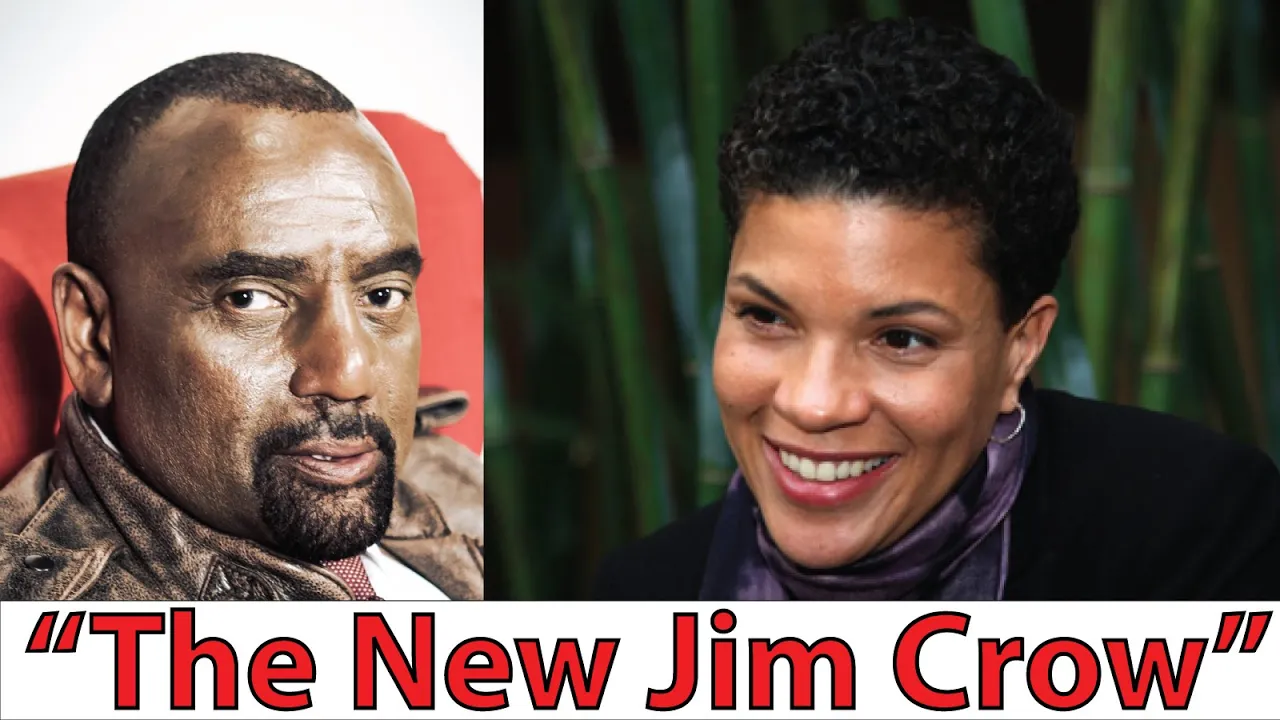









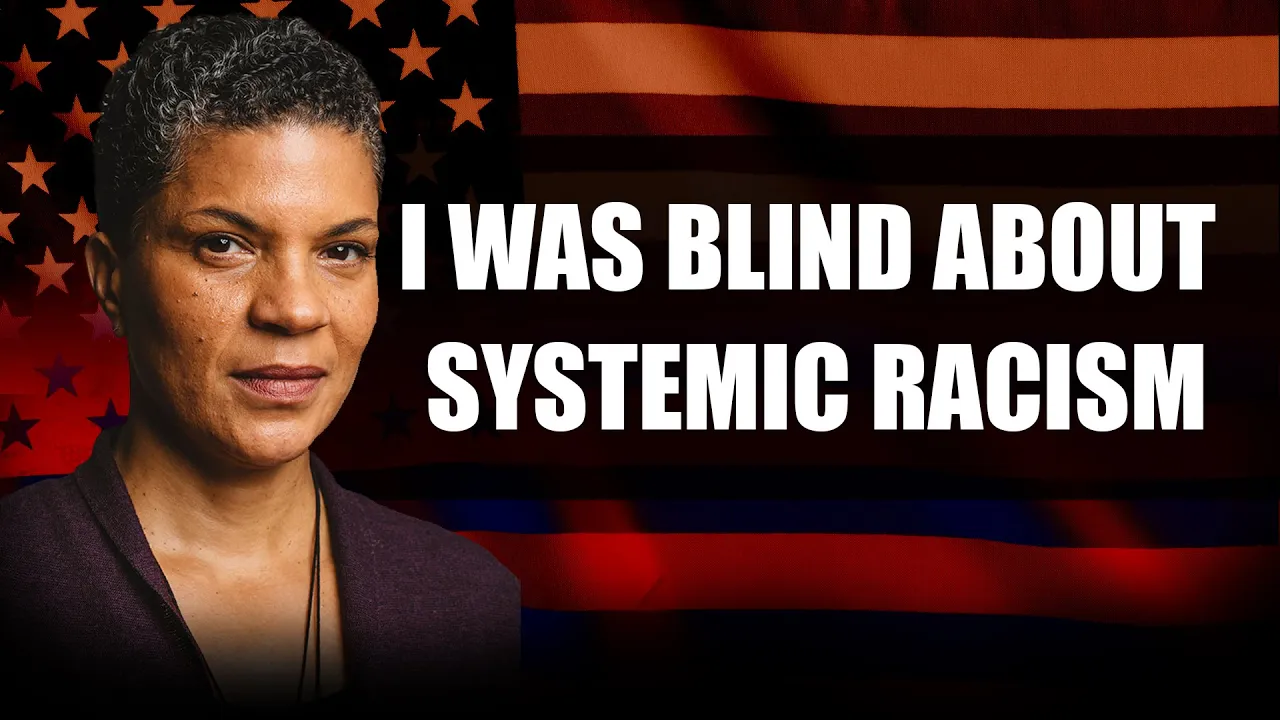
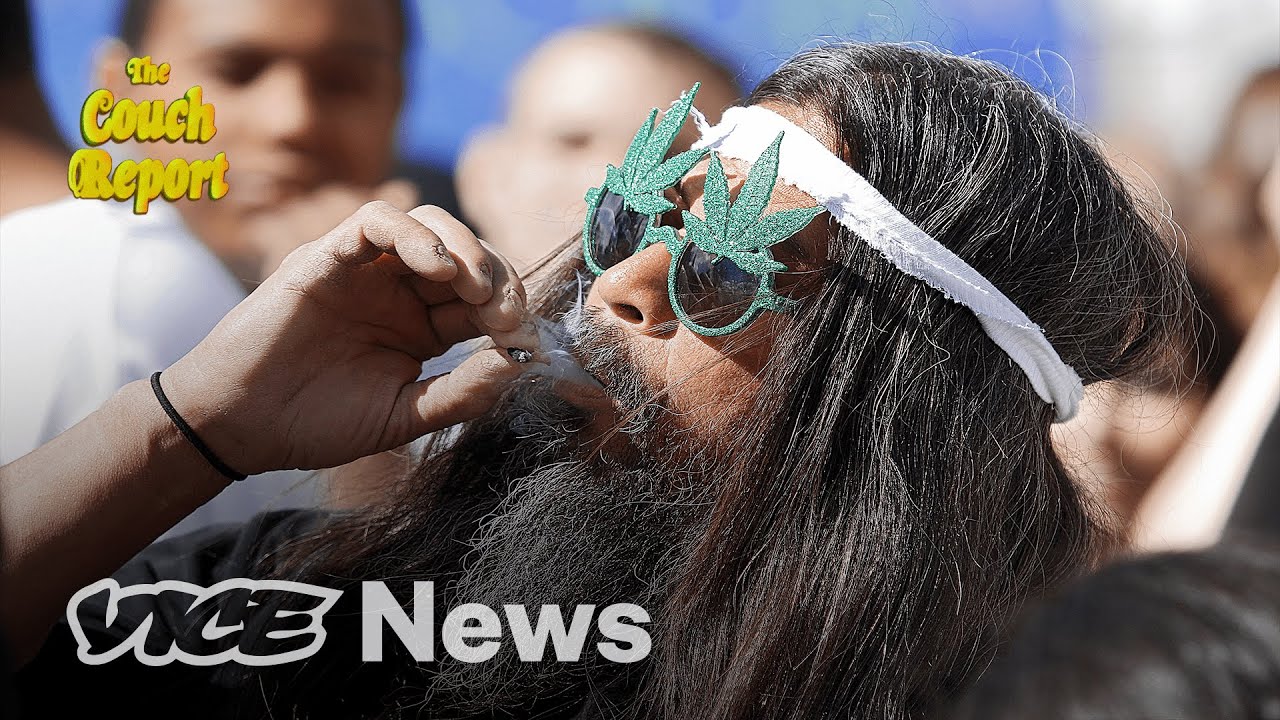
The War on Drugs was deliberately designed with racism embedded in its structure, using drug prohibition as a tool to target and oppress ethnic minorities; historically, drug laws have been crafted to specifically criminalize substances used by racial minorities, such as targeting opium use among Chinese immigrants in the 1880s and cocaine use among African Americans in the early 1900s, which established patterns of disproportionate policing, incarceration, and violence that persist today, resulting in African-Americans being incarcerated at five times the rate of white people in the US.
The Racist Origins of the War on Drugs | Drug Policy History
Added:Understanding the concept of systemic and institutional racism, particularly how policies can have discriminatory outcomes without explicitly mentioning race.
A basic historical overview of the Reconstruction Era, Jim Crow laws, and the Civil Rights Movement in the United States.
The fundamental structure of the US criminal justice system, including the roles of federal versus state laws and policing agencies.
An introductory awareness of what the 'War on Drugs' refers to, specifically its political initiation in the late 20th century under the Nixon and Reagan administrations.
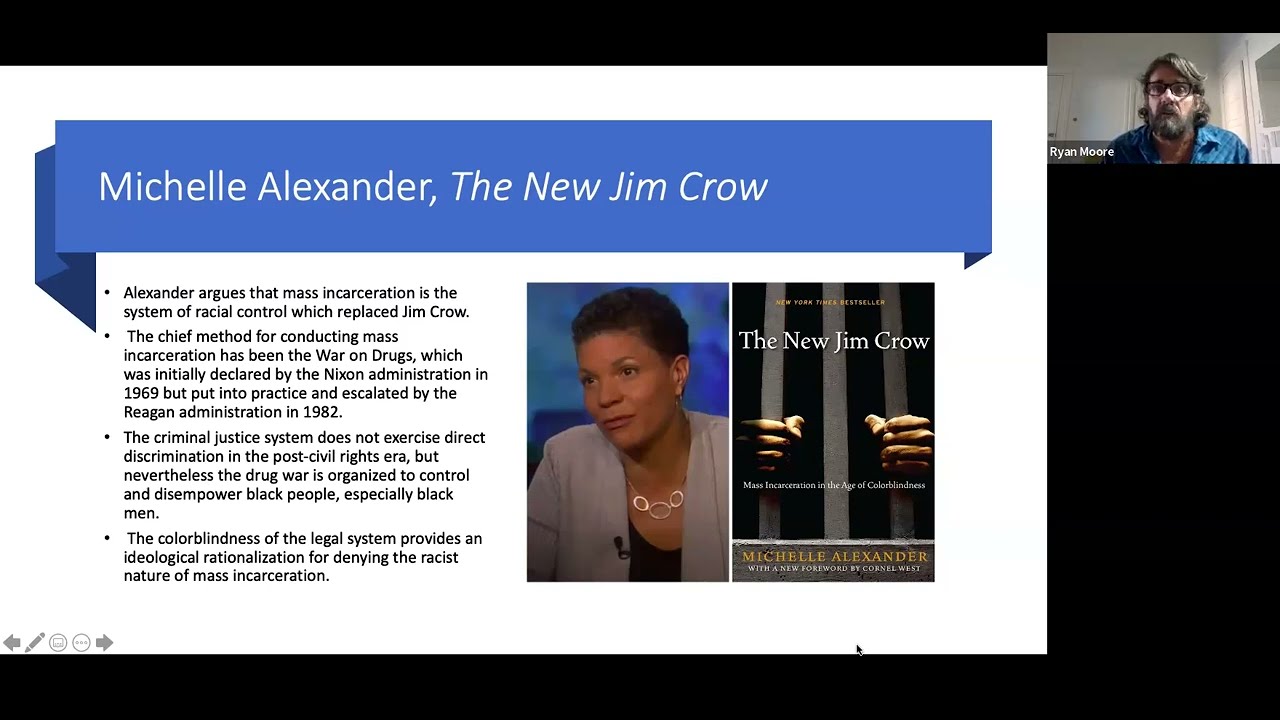
Analyzing the concept of 'Mass Incarceration' and exploring academic works on the subject, such as Michelle Alexander's 'The New Jim Crow'.
Studying modern drug policy reform movements, including the differences between decriminalization, legalization, and public health-centered harm reduction models.
Evaluating the socioeconomic collateral consequences of drug convictions, such as felony disenfranchisement, loss of federal aid, and employment barriers.
Examining the international dimensions of the War on Drugs, including US foreign policy in Latin America and the global supply chain of illicit substances.
238K views5.9Klikes11:40Original Release: 2020-11-04
i haven't got a problem coming out the car just want to make sure i'm not handcuffed can't go anywhere now i'm out man that was a video that ryan colasso filmed recently in london while being stopped and searched in his car what the police in this video didn't know was that when they stopped him ryan was actually driving home from doing an interview about police racial profiling because he's been stopped 22 times at times i can be followed and it's it is interesting to say as a location scout because that means i'm all over the uk it's just something that's sitting in my head all the time and again i still find it very surreal and it was literally like not again this can't keep happening to me man if you're black in the uk you're 10 times more likely to be stopped and searched by the police than if you're white in the u.s close to 80 percent of people in federal prison for drug crimes are black or latinx the war on drugs has fundamentally reshaped the way we live it affects everybody's lives but it doesn't affect everyone the same these laws function very differently for people who look like ryan than for people who look like me it's called proactive policing in the uk and um and i've seen it they look and they immediately stop you between those seconds of them stopping you they're talking to each other and saying what should we say when we see it what should we say what should we say she's like drugs you're searching for drugs you don't you don't really have any reason to anyway i've not done anything did you just say is the last word like hadith coming from my vehicle is there something wrong with you there's something wrong with i've never smoked anything in my life what happened to ryan is not a bug in the war on drugs it's a feature racism is written into its source code these are issues that people of color have reported on tirelessly from across the world and what we're going to do now is show how what happened to ryan in london in 2020 has its roots in what happened in america in the 1880s [Music] treating us like animals as they call us thugs as they call us this notion of implicit bias seeing a young black man and just making an assumption about who he is what he's about how likely is he to be involved in criminal activity simply because of the way he looks up through the 19th century drugs we now consider illegal were widely used across the world mainly for pain relief then came the american railroads in the mid-1800s hundreds of thousands of chinese workers came to america to work on the railways but when the tracks were complete they were seen as a threat to white american workers american racists found that an effective way to stir up anti-chinese hatred was to demonize the practice of opium smoking lurid race-baiting descriptions of chinese opium dens began appearing in california newspapers this strategy worked in 1882 congress passed the chinese exclusion act the only u.s law to ever successfully ban immigration solely on the basis of race the context of the way in which u.s drug policy was developed was that there was always for each drug a specific racialized link so the very first anti-narcotic laws targeted opium and opium use but it specifically targeted it the way that chinese communities used it so what was illegal was smoking opium it's not using it in pills which were the way in which white people used it flash forward a couple of decades and a new drug emerged to capture america's fevered imagination and a fresh racial minority to use it to persecute you mean i've been taking jokes okay once enslaved its victims sink ever deeper into a quagmire of moral decay haven't you when you fight or decency left you used to be sweet and clean the drug was cocaine and the minority african-americans that's when you started seeing stories in the paper talking about negro cocaine fiends and the stories were so prevalent that many local police departments throughout the south increased the caliber of the bullets that they were using because they came to believe you needed a bigger bullet to bring down the black man who was on cocaine we know in fact that that's not true it was these campaigns and stories that in 1914 led to the passing of the harrison narcotics act the first federal attempt at drug prohibition and the blueprint for what would eventually become the global war on drugs in the national conversations leading up to the passing of the harrison act one medical expert gave this warning if you want to understand just how deeply the origins of the war on drugs are rooted in racist violence that text we just saw should make it clear but really the drug war didn't properly get going until this guy came along this is harry anslinger in many ways he's really the architect of the modern war on drugs anslinger started running the newly founded federal bureau of narcotics known as the fbn in 1930. the dea has inherited the history of racism um and misogyny that dominated that agency throughout the period of anslinger and that they see themselves as being at war and the people that they are at war with are primarily people of color so he was very focused on things like cannabis and heroin and drugs that could be associated with racial minorities drug prohibition driven by racial anxieties grew and grew in importance in american law enforcement this only became more pronounced in the 1960s as drug use became associated with counter-culture the civil rights movement and the opposition to the vietnam war it was nixon who formally declared a war on drugs in 1971 and this is where federal spending on drug enforcement begins to really transform into the monster it is today but even under nixon's new war on drugs there was still at least some emphasis on drug treatment and rehabilitation for the origins of the militarized dystopian war on drugs we know and love in 2020 we have to wait for the 1980s and the racist hysteria that surrounded crack cocaine crack wasn't actually a new drug at all it's simply cocaine that's been treated so you can smoke it instead of snort it but the way it was treated by the authorities and the media was entirely different this is at the same time that hollywood was celebrating cocaine use where people walked around with little super spoons around their neck and nobody thought that there was any problem with that at the same time the police were busy going out into black communities and sweeping up black people for small amounts of of crack cocaine and locking them up before 1986 the average federal sentence for african americans was already 11 higher than for white criminals after four years of crack hysteria it had rocketed to 49 this is where the war on drugs really starts to look like a war police began to look like soldiers and american money started to flood into military-style drug enforcement operations around the world it was also this era of the drug war that saw america begin its mania for mass incarceration the prison population of the united states was flat most of the 20th century the last 50 years there's this era shaped by a commitment to mass incarceration and excessive punishment prison population goes from 300 000 to 2.3 million and this has really redefined the kind of country are the kind of place we inhabit i think the greatest tragedy of the era of mass incarceration has been its impact on people of color america has five percent of the world's population but 25 of the world's prisoners and there are very clear racial disparities in this the bureau of justice estimates that if you're a white male in the u.s there's a one in 17 chance you'll go to jail or prison at some point in your lifetime for hispanic males it's one in six for african americans one in three did i win the war on drugs no in fact i don't even think i made a dent in the war on drugs we've incarcerated a whole generation of people mostly african americans and we haven't solved the drug problem like we've purported to do yes we put a lot of people in prison but most of the people that we put in prison or at least a good number of them were put there for non-violent drug arrests the system tilts in a direction that is unjust and particularly when you think about non-violent drug offenses this is an area where the statistics are so skewed you have to question whether we have become numb to the cost that it has on these communities whether we think it's somehow normal for black youth or latino youth to be going through the system in this way it's not normal this continues today on the streets in 2020.
when george floyd was killed in minnesota this is what one police officer called out while he watched how long y'all got to hold him down why are you doing drugs kids so we see over and over again that when police um kill someone particularly somebody unarmed they look for some history of drugs or drug involvement as if somehow that justifies their action even though at most it's only tangential every community at every socioeconomic level uses drugs at pretty much the same level so the fact that these things keep happening primarily to black and brown people has nothing to do with the drugs it has everything to do with drug law enforcement in the uk police often claim they use stop and search powers to deal with knife crime but in london over the first seven months of this year only about 20 of searches were for knives while over 65 percent were carried out under the misuse of drugs act the burden of this falls massively disproportionately on people of color and it's not just in street level policing it's the entire criminal justice system people of color are not only more likely to be arrested but when they are arrested they're more likely to receive prison sentences and for a longer time this is really kind of a touchy subject for me my father was in prison he had life in the feds also i'm in prison then on top of that i have sons two of my sons went to prison so they followed the same footprints as i did with my father nobody was there for them with that being said uh we need to be there for our family we need to be there for our sons i haven't hugged myself for so many years i hunger for that day i think it's important for us to remember when we think about the deaths of rodney king laquan mcdonald terrence crutcher philando castile trayvon martin michael brown that these people were all in some way caught up in the war on drugs and that was used to justify their premature death at the hands of law enforcement in a historical moment where we're radically reconsidering how racial politics has shaped the world recognizing how the war on drugs has always been driven by racist policies from its origin up until today is crucial for every one of us to understand and maybe then we might be able to imagine something better
Up Next

52:50
Private Prisons and Perverse Profit Incentives in the Prison Industrial Complex
@SMN
497K views•2022-08-10

12:54
Triumph of Orthodoxy Icon: Byzantine Art & History Explained
@BenCallan
2.1K views•2024-08-06
5:39
Afrofuturism Explained: Black Panther's Cultural Impact
@VICENews
107.8K views•2018-02-07

1:42
Game of Thrones Opening Credits: A Cinematic Analysis
@gameofthrones
46.3M views•2011-04-18
Related Study Plans & Knowledge Roadmaps
Structured learning paths in General & Interdisciplinary Studies
general-studies
Elevator Engineering: History, Physics & Cities
01From Hoists to Safety Brakes: The Dawn of Vertical Lift
02Hydraulic vs. Traction: The Engineering Physics of Elevators
03Modern Speed, Safety, and Algorithms
+ 2 more learning modules
12h5 modules
Explore Roadmap
general-studies
Rubber: Material Science, History & Geopolitics
01Origins of Natural Rubber & Mesoamerican History
02The Chemistry of Natural Rubber & Vulcanization
03The Geopolitics of the Rubber Boom & Colonization
+ 2 more learning modules
12h5 modules
Explore Roadmap
general-studies
Containerization: Evolution, Logistics & Trade
01Ancient Trade & Bulk Cargo: Amphorae to Barrels
02The Industrial Revolution & Cardboard Packaging
03The Containerization Revolution: Malcom McLean
+ 2 more learning modules
12h5 modules
Explore Roadmap
general-studies
Textile Tech: Evolution, Labor & Global Impact
01Pre-Industrial Textiles: Handloom & Cottage Industry
02Mechanization: The Spinning Jenny to the Power Loom
03The Factory System & Global Labor Transformation
+ 2 more learning modules
10h5 modules
Explore Roadmap