


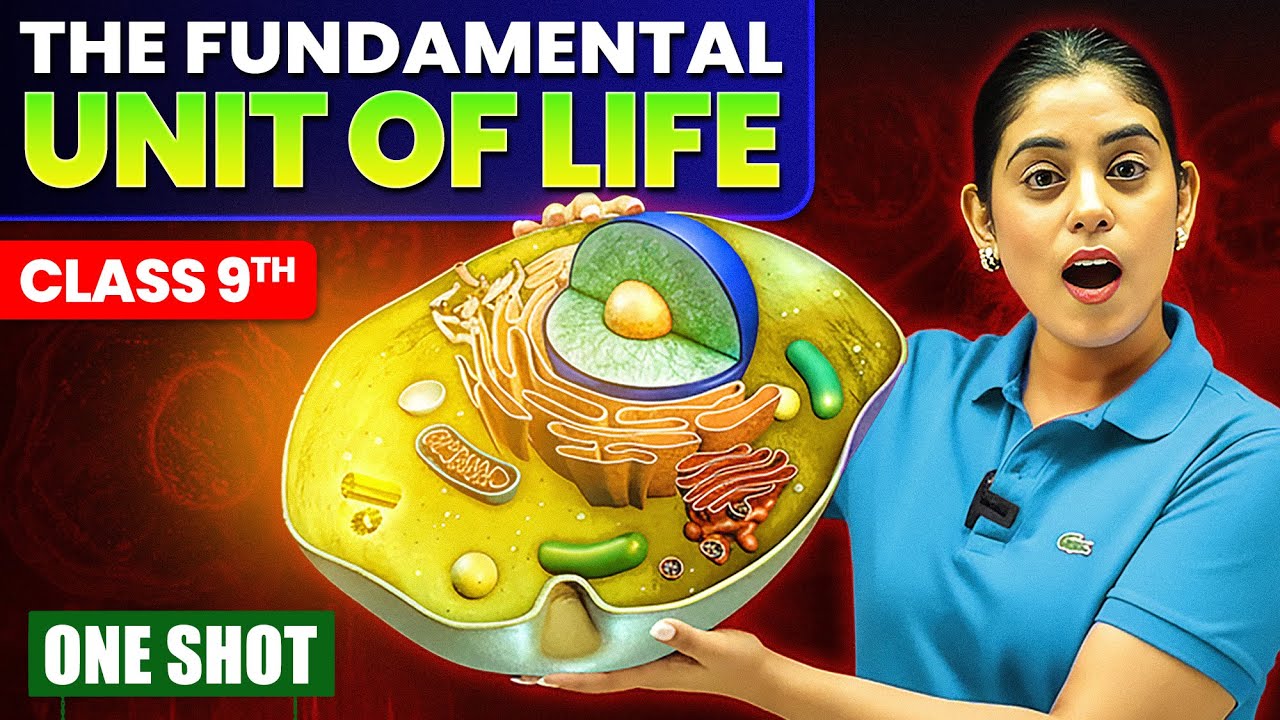


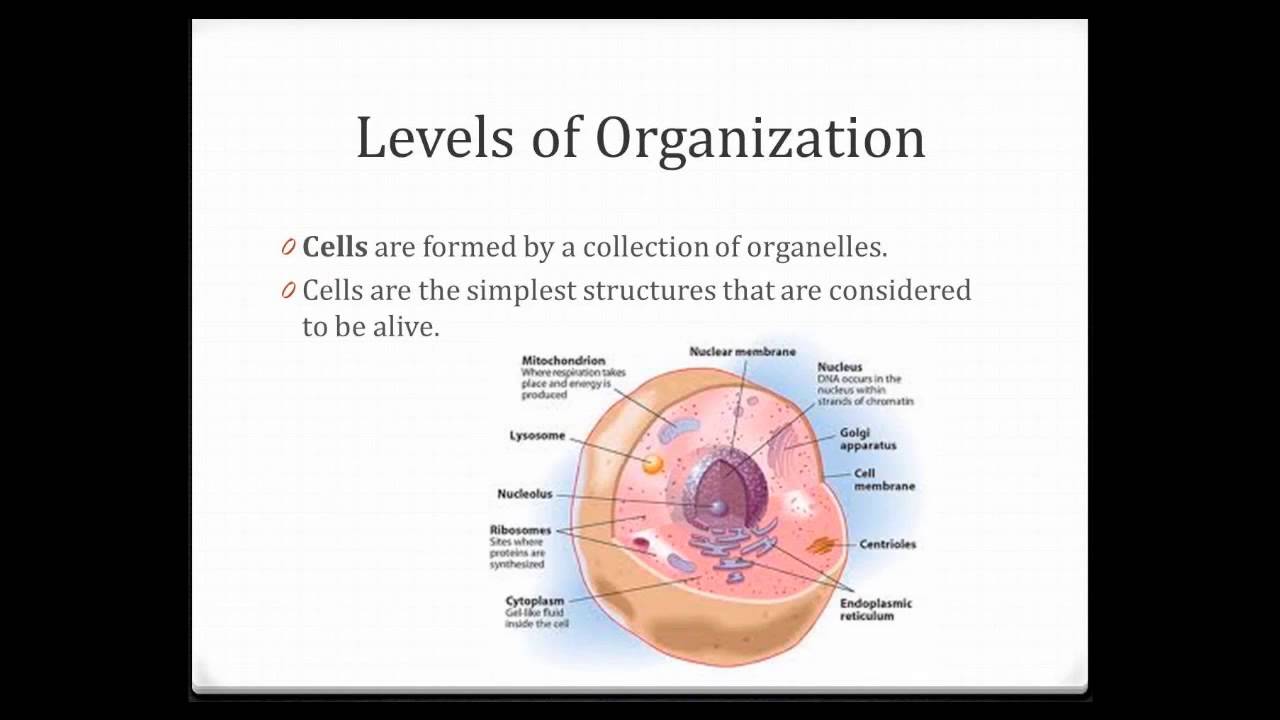

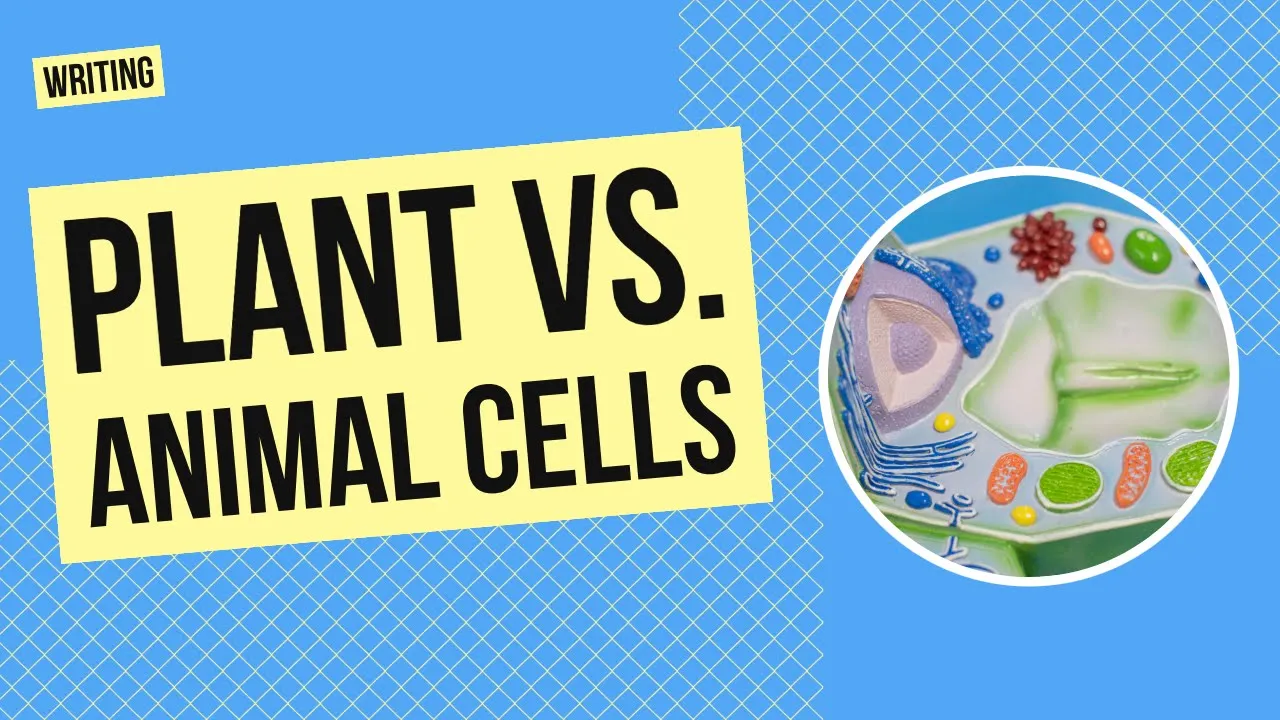

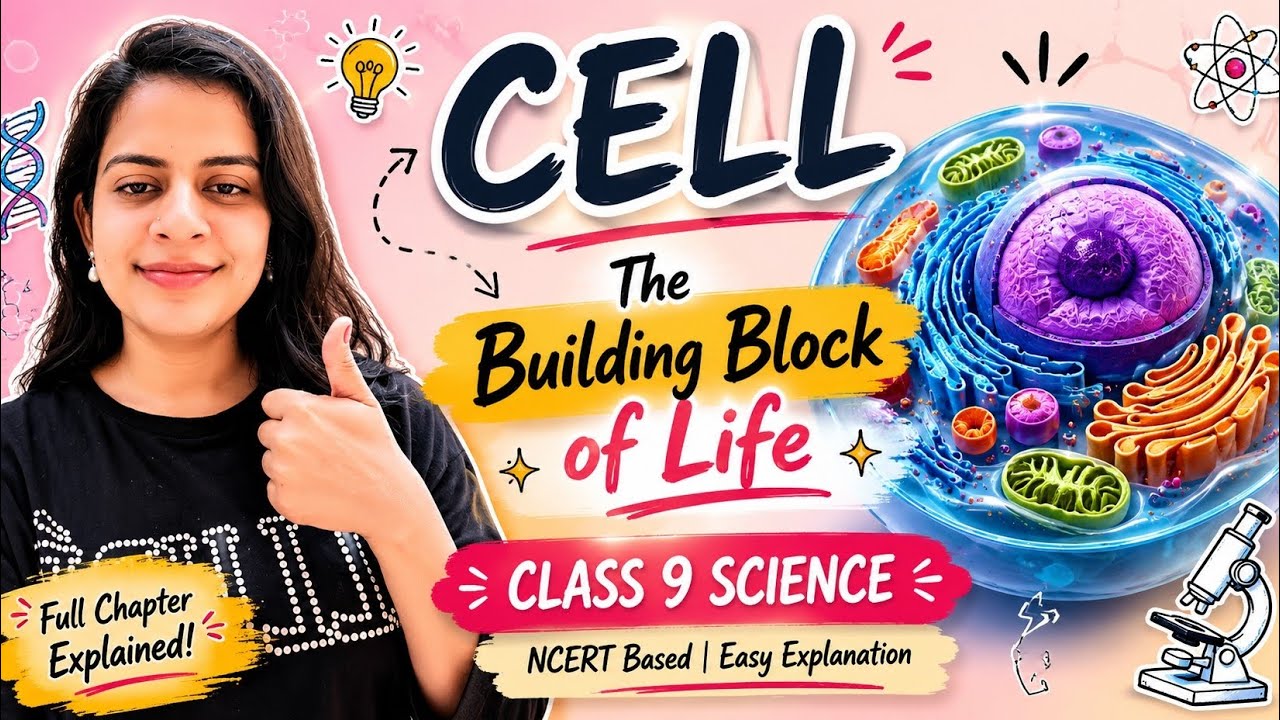





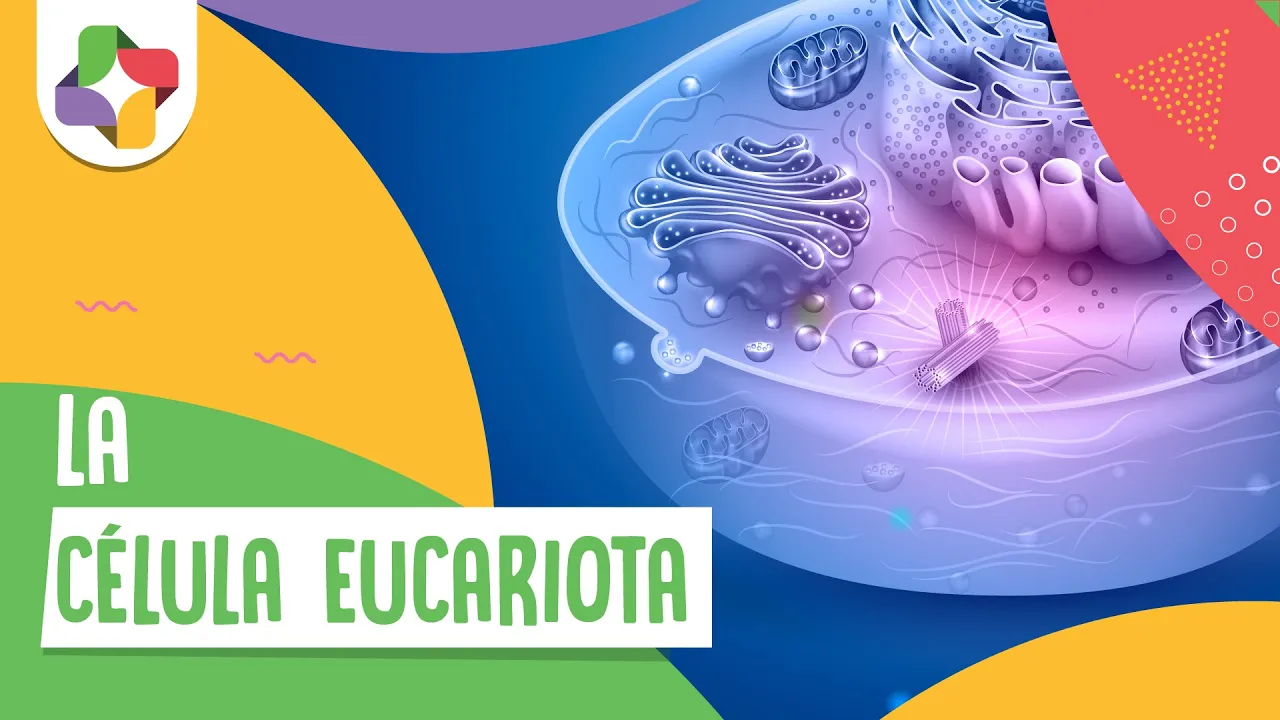



Animal cells are complex eukaryotic structures containing specialized organelles that work together like a city: the nucleus (control center with DNA), endoplasmic reticulum (protein/lipid synthesis), ribosomes (protein assembly), Golgi apparatus (protein packaging), lysosomes (waste recycling), mitochondria (energy production), cytoskeleton (structural support), and cell membrane (selective barrier). Unlike plant cells with rigid cell walls, animal cells have flexible membranes enabling diverse cell types and movement, which contributed to animal evolutionary success.
Animal Cell Structure and Function: Crash Course Biology
Added:The basic tenets of Cell Theory, specifically that the cell is the fundamental unit of structure and function in all living organisms.
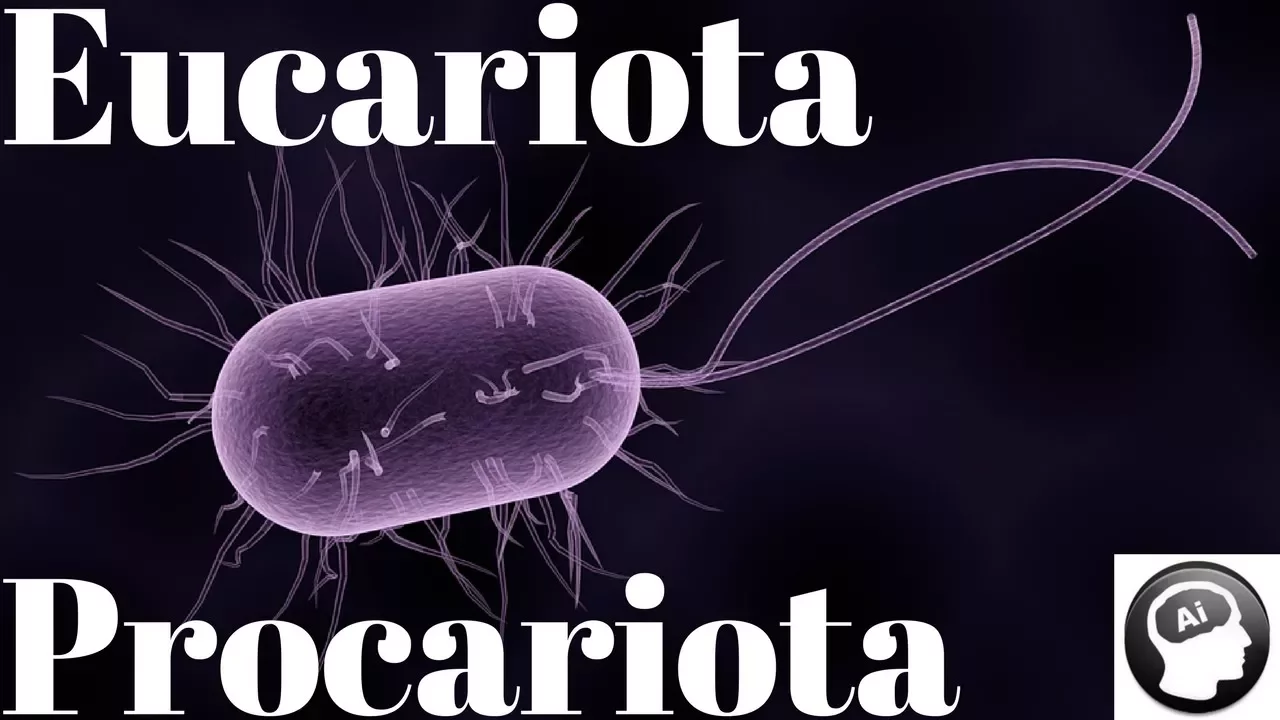
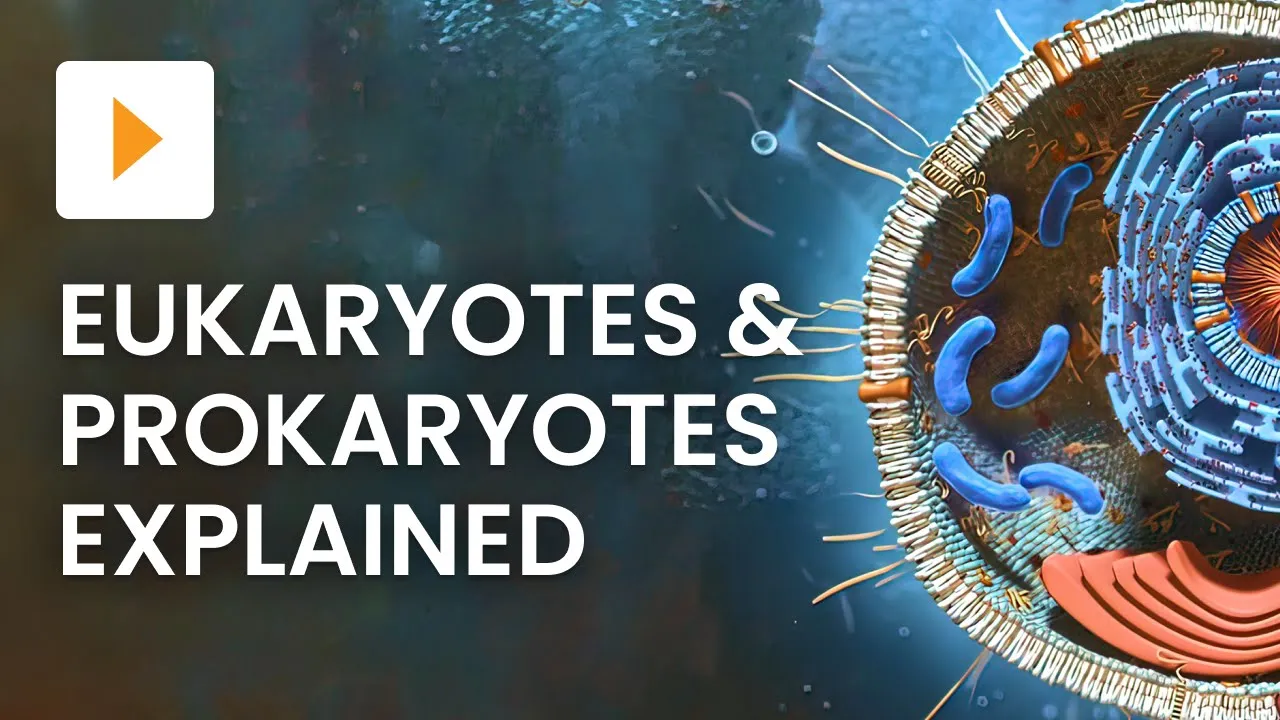
The distinction between prokaryotic and eukaryotic cells, identifying animal cells as eukaryotic.
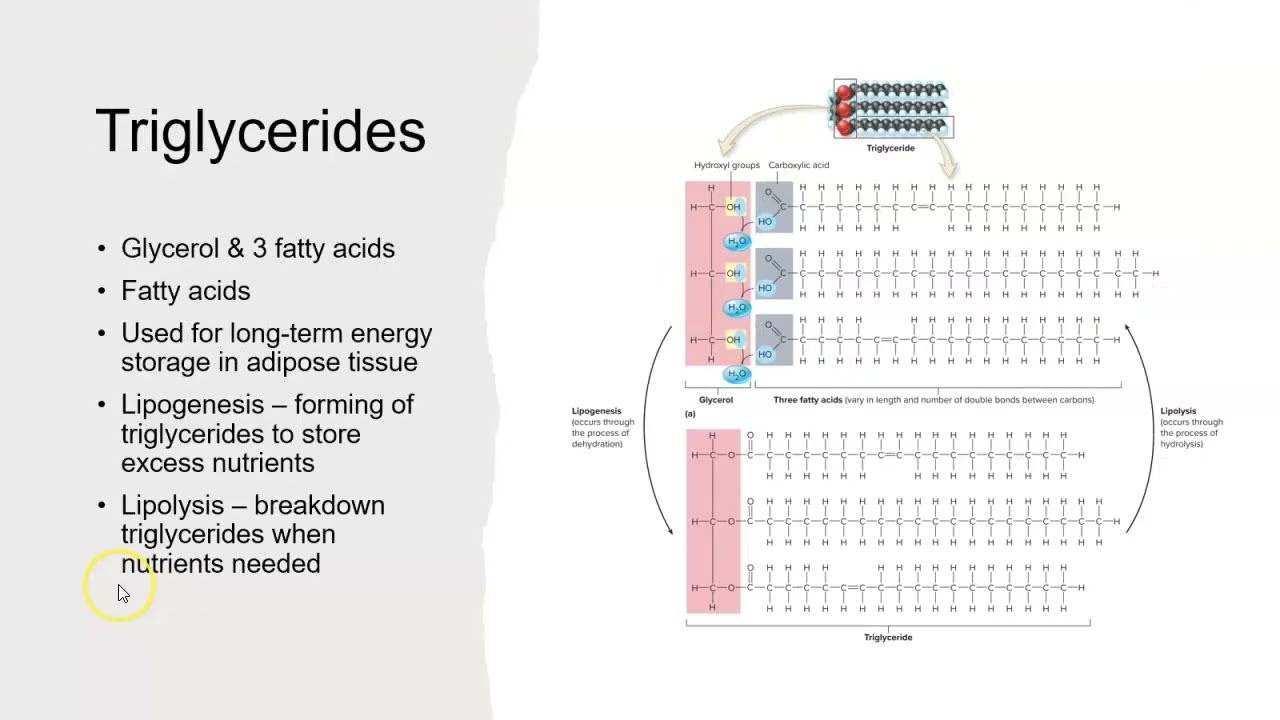
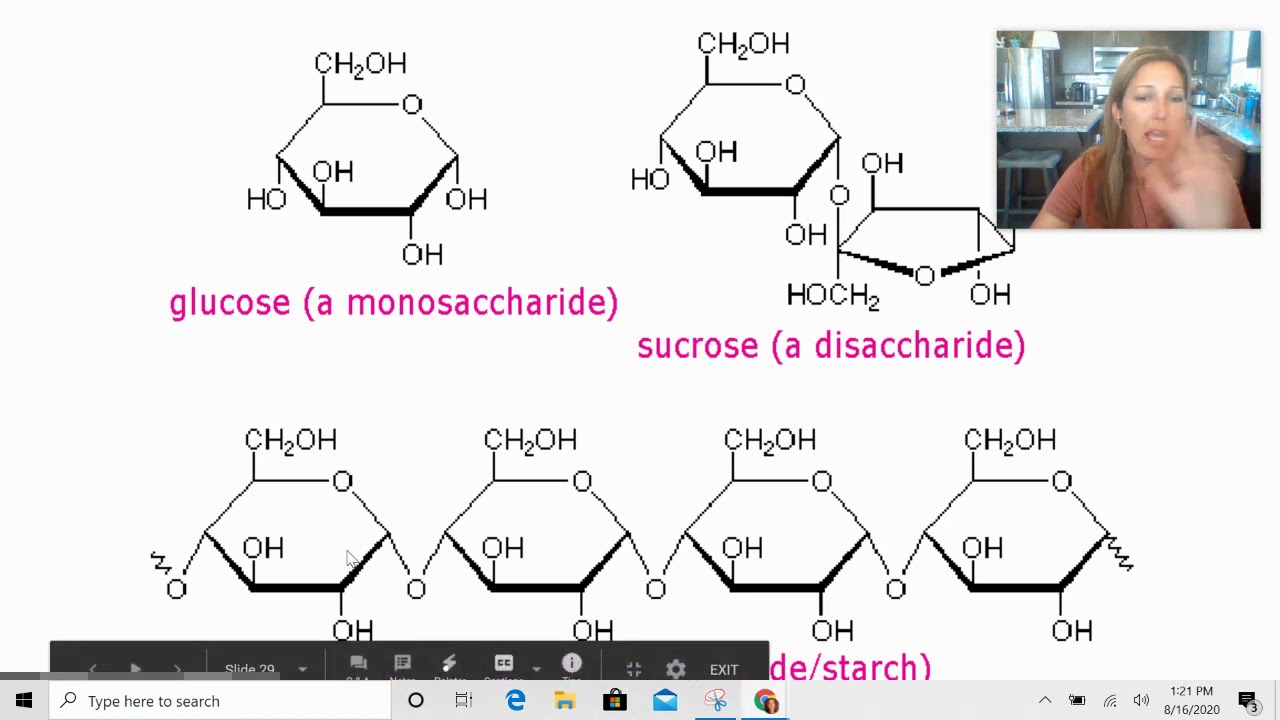
An elementary understanding of biological macromolecules, including lipids, proteins, carbohydrates, and nucleic acids.
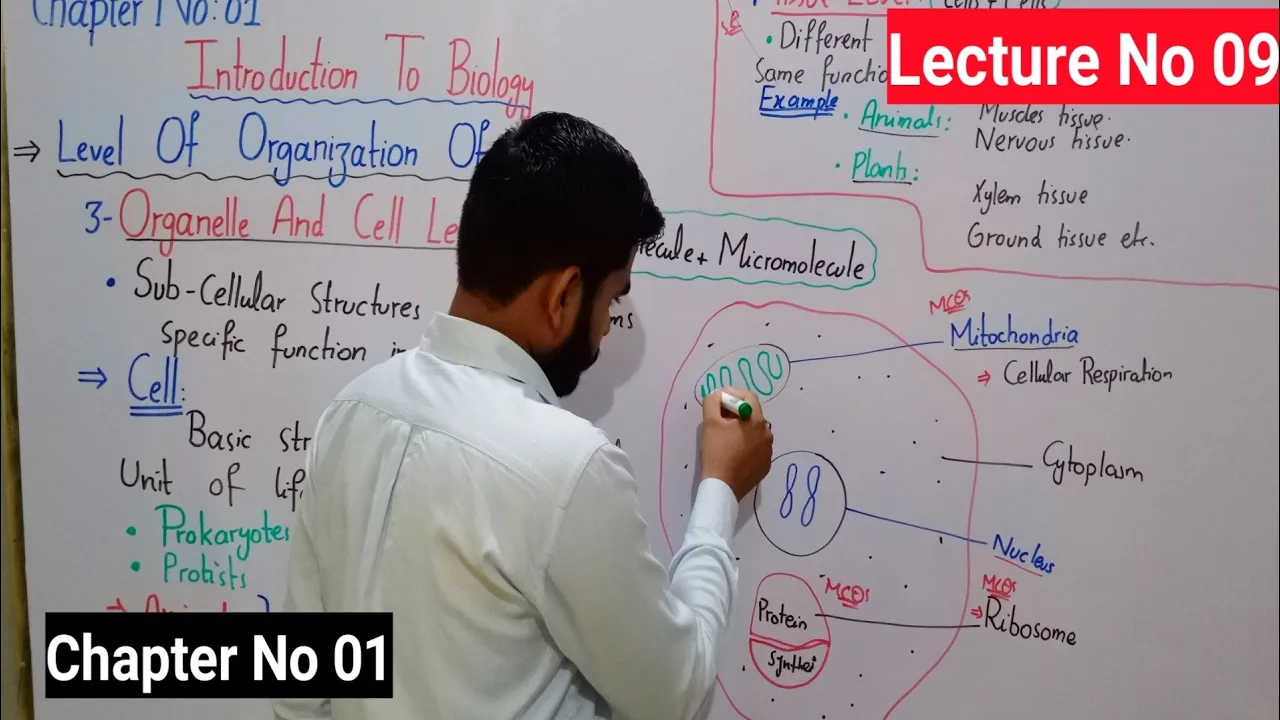
The concept of biological levels of organization, understanding how cells combine to form tissues, organs, and organ systems.
A comparative study between plant and animal cells, highlighting structures unique to plants like cell walls, chloroplasts, and central vacuoles.
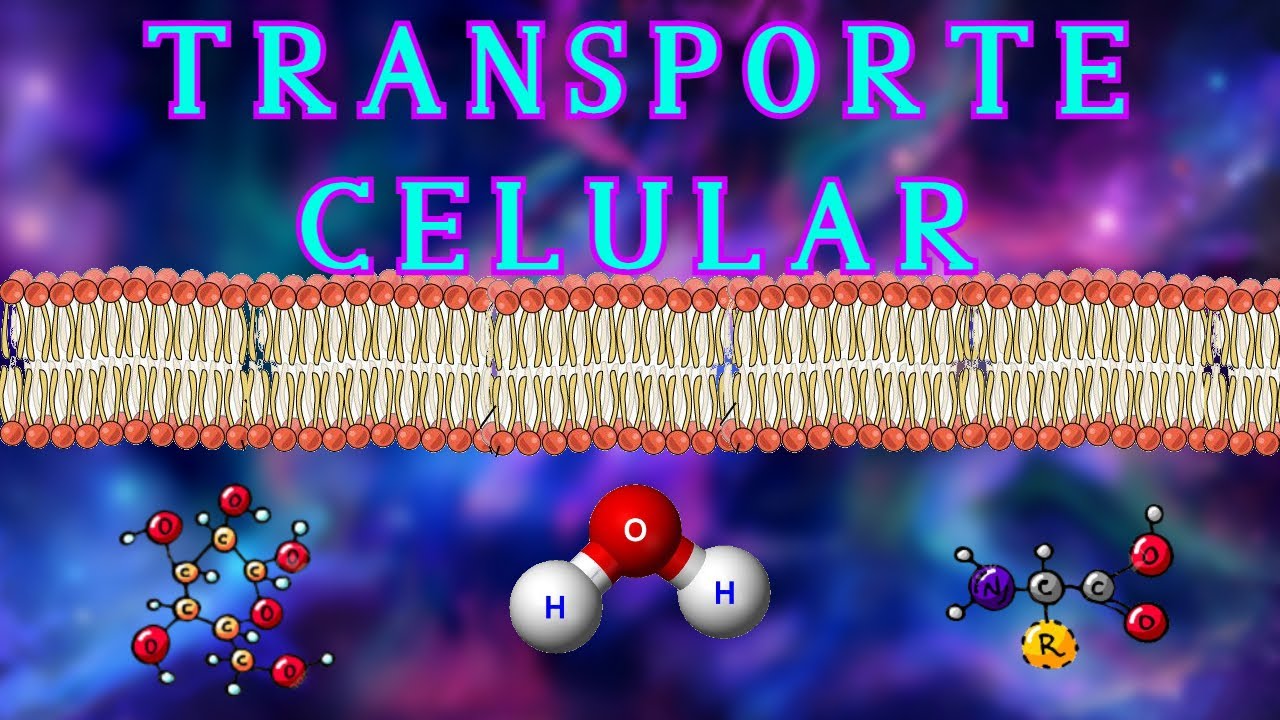
The mechanisms of cellular transport, detailing how substances move across the semi-permeable cell membrane via active and passive transport.
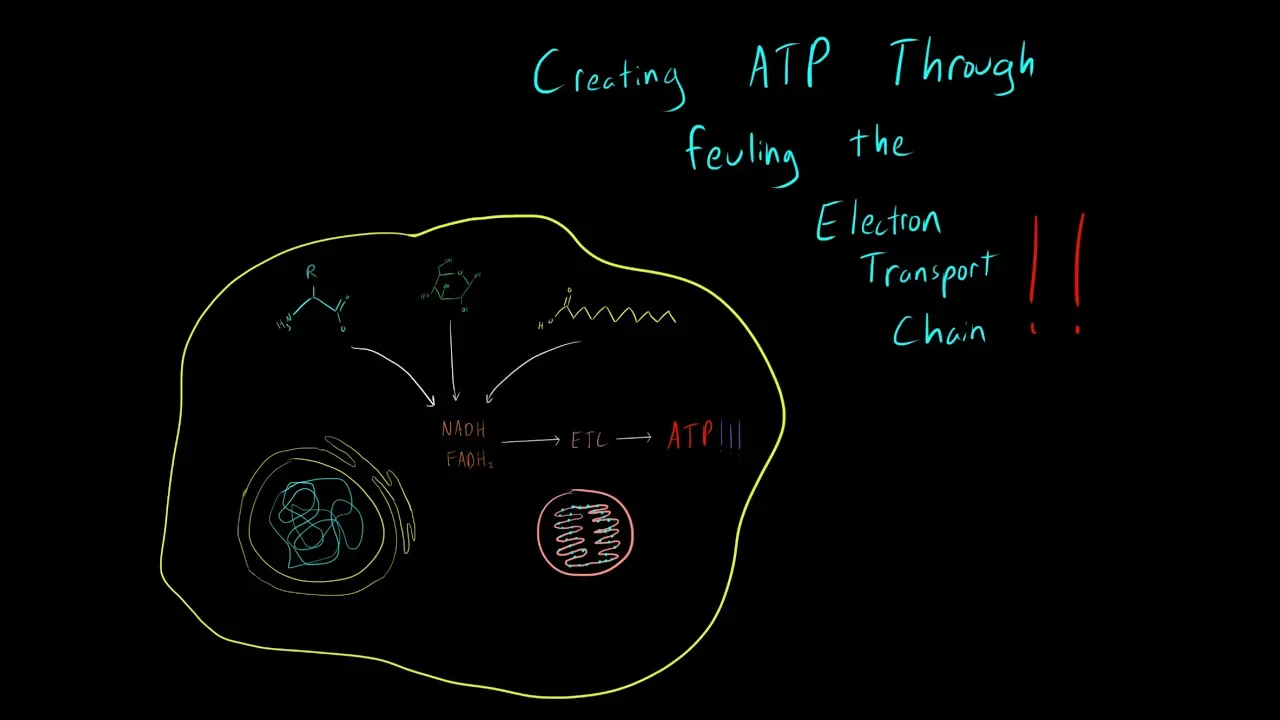
The biochemical processes of cellular respiration, specifically how mitochondria convert glucose into ATP.
The molecular pathway of protein synthesis, tracing instructions from DNA in the nucleus to ribosomes, the endoplasmic reticulum, and the Golgi apparatus.
The mechanisms of cell division, including the phases of mitosis, meiosis, and the regulation of the cell cycle.
6M views55Klikes11:35Original Release: 2012-02-20
This is an animal.
This is also an animal.
Animal. Animal. Animal carcass. Animal. Animal. Animal carcass again. Animal.
The thing that all of these other things have in common is that they're made out of the same basic building block: the animal cell.
Animals are made up of your run-of-the-mill eukaryotic cells. These are called eukaryotic because they have a "true kernel," in the Greek. A "good nucleus".
And that contains the DNA and calls the shots for the rest of the cell also containing a bunch of organelles.
A bunch of different kinds of organelles and they all have very specific functions.
And all this is surrounded by the cell membrane.
Of course, plants have eukaryotic cells too, but theirs are set up a little bit differently, of course they have organelles that allow them to make their own food which is super nice. We don't have those.
And also their cell membrane is actually a cell wall that's made of cellulose. It's rigid, which is why plants can't dance.
If you want to know all about plant cells, we did a whole video on it and you can click on it here if it's online yet. It might not be.
Though a lot of the stuff in this video is going to apply to all eukaryotic cells, which includes plants, fungi and protists.
Now, rigid cells walls are cool and all, but one of the reasons animals have been so successful is that their flexible membrane, in addition to allowing them the ability to dance, gives animals the flexibility to create a bunch of different cell types and organs types and tissue types that could never be possible in a plant. The cell walls that protect plants and give them structure prevent them from evolving complicated nerve structures and muscle cells, that allow animals to be such a powerful force for eating plants.
Animals can move around, find shelter and food, find things to mate with all that good stuff. In fact, the ability to move oneself around using specialized muscle tissue has been 100% trademarked by kingdom Animalia.
>>OFF CAMERA: Ah! What about protozoans?
Excellent point! What about protozoans?
They don't have specialized muscle tissue. They move around with cillia and flagella and that kind of thing.
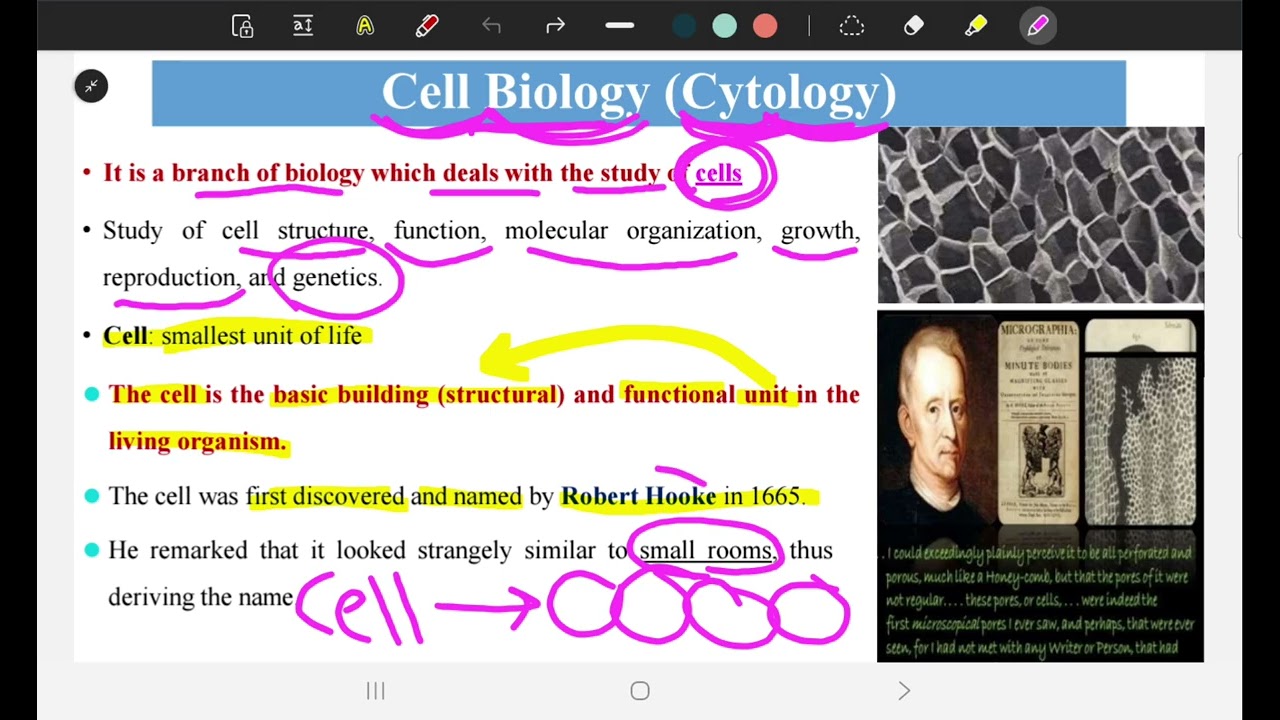
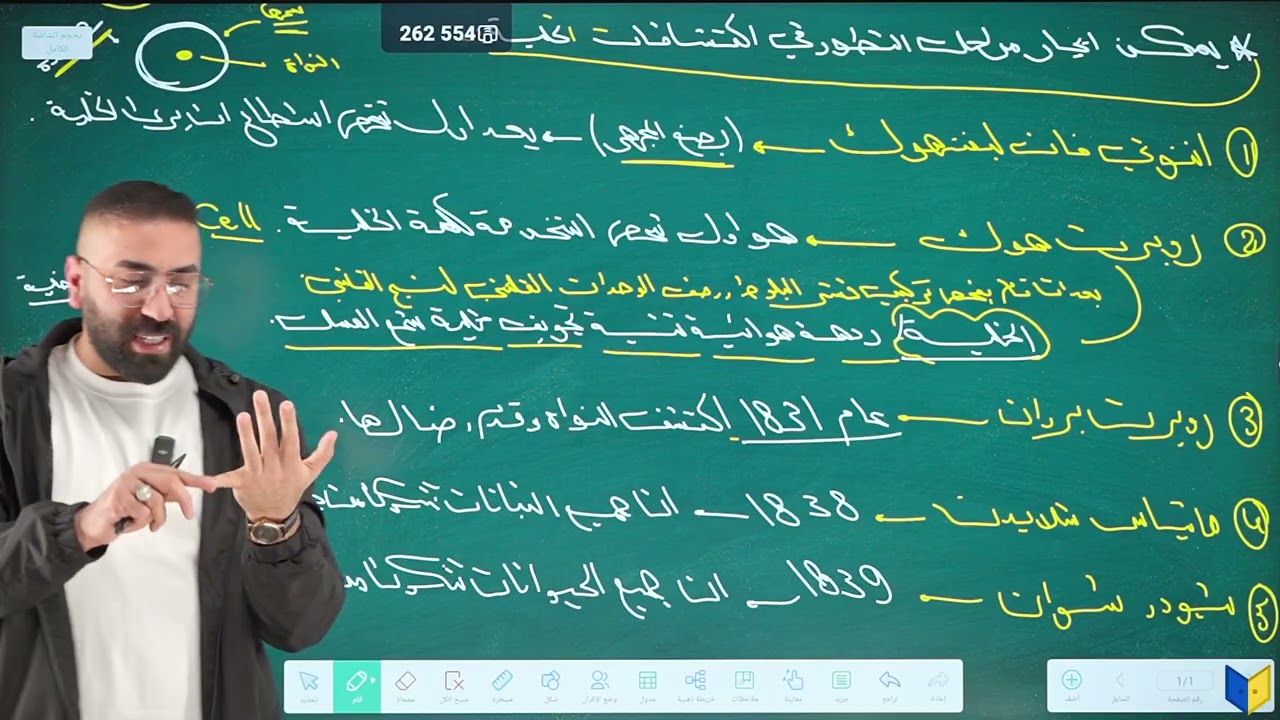
So, way back in 1665, British scientist Robert Hooke discovered cells with his kinda crude, beta version microscope. He called them "cells" because hey looked like bare, spartan monks' bedrooms with not much going on inside.
Hooke was a smart guy and everything, but he could not have been more wrong about what was going on inside of a cell. There is a whole lot going on inside of a eukaryotic cell. It's more like a city than a monk's cell. In fact, let's go with that a cell is like a city.
It has defined geographical limits, a ruling government, power plants, roads, waste treatment plants, a police force, industry...all the things a booming metropolis needs to run smoothly.
But this city does not have one of those hippie governments where everybody votes on stuff and talks things out at town hall meetings and crap like that. Nope. Think fascist Italy circa 1938. Think Kim Jong Il's- I mean, think Kim Jong-Un's North Korea, and you might be getting a closer idea of how eukaryotic cells do their business.
Let's start out with city limits.
So, as you approach the city of Eukaryopolis there's a chance that you will notice something that a traditional city never has, which is either cilia or flagella. Some eukaryotic cells have either one or the other of these structures--cilia being a bunch of little tiny arms that wiggle around and flagella being one long whip-like tail. Some cells have neither. Sperm cells, for instance, have flagella, and our lungs and throat cells have cilia that push mucus up and out of our lungs. Cilia and flagella are made of long protein fibers called microtubules, and they both have the same basic structure: 9 pairs of microtubules forming a ring around 2 central microtubules. This is often called the 9+2 structure. Anyway, just so you know--when you're approaching city, watch out for the cilia and flagella!
If you make it past the cilia, you'll encounter what's called a cell membrane, which is kind of squishy, not rigid, plant cell wall, which totally encloses the city and all its contents. It's also in charge of monitoring what comes in and out of the cell--kinda like the fascist border police. The cell membrane has selective permeability, meaning that it can choose what molecules come in and out of the cells, for the most part.
And I did an entire video on this, which you can check out right here.
Now the landscape of Eukaryopolis, it's important to note, is kind of wet and squishy. It's a bit of a swampland.
Each eukaryotic cell is filled with a solution of water and nutrients called cytoplasm. And inside this cytoplasm is a sort of scaffolding called the cytoskeleton, it's basically just a bunch of protein strands that reinforce the cell. Centrosomes are a special part of this reinforcement; they assemble long microtubules out of proteins that act like steel girders that hold all the city's buildings together.
The cytoplasm provides the infrastructure necessary for all the organelles to do all of their awesome, amazing business, with the notable exception of the nucleus, which has its own special cytoplasm called "nucleoplasm" which is a more luxurious, premium environment befitting the cell's Beloved Leader. But we'll get to that in a minute.
First, let's talk about the cell's highway system, the endoplasmic reticulum, or just ER, are organelles that create a network of membranes that carry stuff around the cell.
These membranes are phospholipid bilayers. The same as in the cell membrane.
There are two types of ER: there's the rough and the smooth. They are fairly similar, but slightly different shapes and slightly different functions. The rough ER looks bumpy because it has ribosomes attached to it, and the smooth ER doesn't, so it's a smooth network of tubes.
Smooth ER acts as a kind of factory-warehouse in the cell city. It contains enzymes that help with the creation of important lipids, which you'll recall from our talk about biological molecules -- i.e. phosopholipids and steroids that turn out to be sex hormones.
Other enzymes in the smooth ER specialize in detoxifying substances, like the noxious stuff derived from drugs and alcohol, which they do by adding a carboxyl group to them, making them soluble in water.
Finally, the smooth ER also stores ions in solutions that the cell may need later on, especially sodium ions, which are used for energy in muscle cells.
So the smooth ER helps make lipids, while the rough ER helps in the synthesis and packaging of proteins.
And the proteins are created by another typer of organelle called the ribosome. Ribosomes can float freely throughout the cytoplasm or be attached to the nuclear envelope, which is where they're spat out from, and their job is to assemble amino acids into polypeptides.
As the ribosome builds an amino acid chain, the chain is pushed into the ER. When the protein chain is complete, the ER pinches it off and sends it to the Golgi apparatus.
In the city that is a cell, the Golgi is the post office, processing proteins and packaging them up before sending them wherever they need to go. Calling it an apparatus makes it sound like a bit of complicated machinery, which it kind of is, because it's made up of these stacks of membranous layers that are sometimes called Golgi bodies. The Golgi bodies can cut up large proteins into smaller hormones and can combine proteins with carbohydrates to make various molecules, like, for instance, snot.
The bodies package these little goodies into sacs called vesicles, which have phosopholipid walls just like the main cell membrane, then ships them out, either to other parts of the cell or outside the cell wall. We learn more about how vesicles do this in the next episode of Crash Course.
The Golgi bodies also put the finishing touches on the lysosomes. Lysosomes are basically the waste treatment plants and recycling centers of the city. These organelles are basically sacks full of enzymes that break down cellular waste and debris from outside of the cell and turn it into simple compounds, which are transferred into the cytoplasm as new cell-building materials.
Now, finally, let us talk about the nucleus, the Beloved Leader. The nucleus is a highly specialized organelle that lives in its own double-membraned, high-security compound with its buddy the nucleolus. And within the cell, the nucleus is in charge in a major way. Because it stores the cell's DNA, it has all the information the cell needs to do its job.
So the nucleus makes the laws for the city and orders the other organelles around, telling them how and when to grow, what to metabolize, what proteins to synthesize, how and when to divide. The nucleus does all this by using the information blueprinted in its DNA to build proteins that will facilitate a specific job getting done. For instance, on January 1st, 2012, lets say a liver cell needs to help break down an entire bottle of champagne. The nucleus in that liver cell would start telling the cell to make alcohol dehydrogenase, which is the enzyme that makes alcohol not-alcohol anymore. This protein synthesis business is complicated, so lucky for you, we will have or may already have an entire video about how it happens.
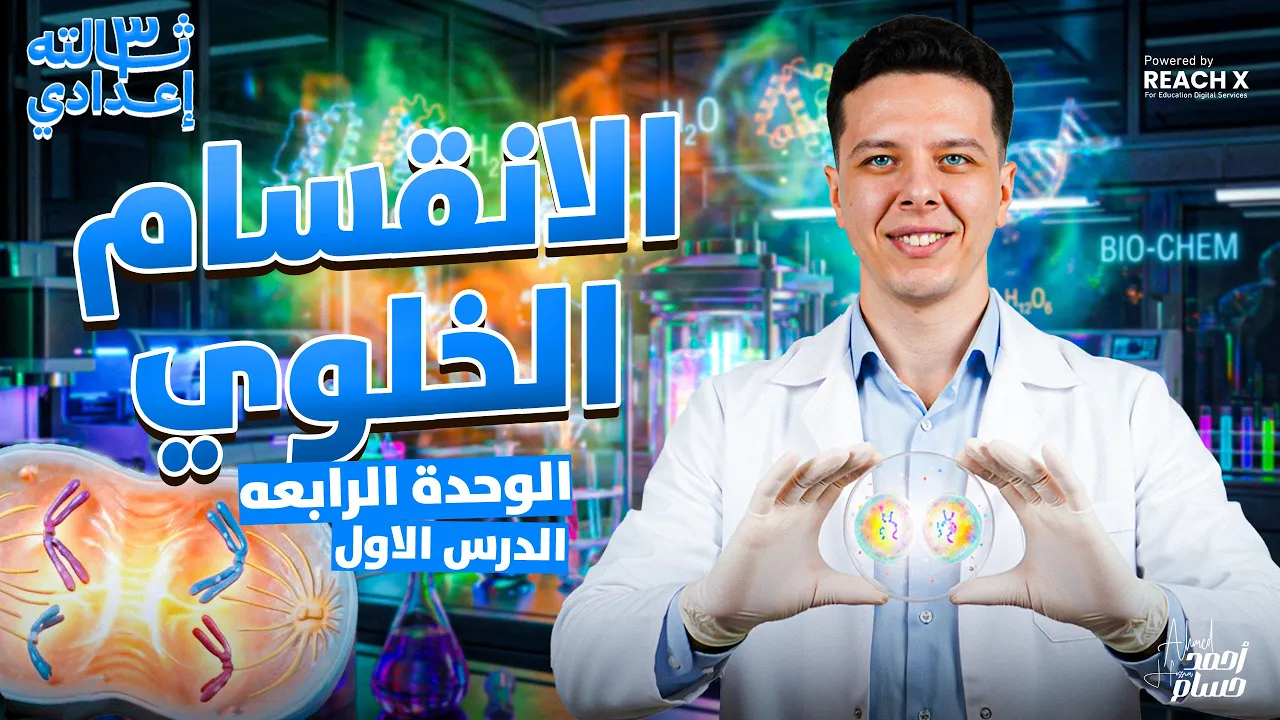
The nucleus holds its precious DNA, along with some proteins, in a weblike substance called chromatin. When it comes time for the cell to split, the chromatin gathers into rod-shaped chromosomes, each of which holds DNA molecules. Different species of animals have different numbers of chromosomes. We humans have 46. Fruit flies have 8. Hedgehogs, which are adorable, are less complex than humans and have 90 Now the nucleolus, which lives inside the nucleus, is the only organelle that's not enveloped by its own membrane--it's just a gooey splotch of stuff within the nucleus.
Its main job is creating ribosomal RNA, or rRNA, which it then combines with some proteins to form the basic units of ribosomes. Once these units are done, the nucleolus spits them out of the nuclear envelope, where they are fully assembled into ribosomes. The nucleus then sends orders in the form of messenger RNA, or mRNA, to those ribosomes, which are the henchmen that carry out the orders in the rest of the cell.
How exactly the ribosomes do this is immensely complex and awesome, so awesome, in fact, that we're going to give it the full Crash Course treatment in an entire episode.
And now for what is, totally objectively speaking of course, the coolest part of an animal cell: its power plants! The mitochondria are these smooth, oblong organelles where the amazing and super-important process of respiration takes place. This is where energy is derived from carbohydrates, fats and other fuels and is converted into adenosine triphosphate or ATP, which is like the main currency that drives life in Eukaryopolis. You can learn more about ATP and respiration in an episode that we did on that.
Now of course, some cells, like muscle cells or neuron cells need a lot more power than the average cell in the body, so those cells have a lot more mitochondria per cell.
But maybe the coolest thing about mitochondria is that long ago animal cells didn't have them, but they existed as their own sort of bacterial cell.
One day, one of these things ended up inside of an animal cell, probably because the animal cell was trying to eat it, but instead of eating it, it realized that this thing was really super smart and good at turning food into energy and it just kept it. It stayed around.
And to this day they sort of act like their own, separate organisms, like they do their own thing within the cell, they replicate themselves, and they even contain a small amount of DNA.
What may be even more awesome -- if that's possible -- is that mitochondria are in the egg cell when an egg gets fertilized, and those mitochondria have DNA. But because mitochondria replicate themselves in a separate fashion, it doesn't get mixed with the DNA of the father, it's just the mother's mitochondrial DNA. That means that your and my mitochondrial DNA is exactly the same as the mitochondrial DNA of our mothers. And because this special DNA is isolated in this way, scientists can actually track back and back and back and back to a single "Mitochondrial Eve" who lived about 200,000 years ago in Africa.
All of that complication and mystery and beauty in one of the cells of your body. It's complicated, yes. But worth understanding.
Review time! Another somewhat complicated episode of Crash Course Biology. If you want to go back and watch any of the stuff we talked about to reinforce it in your brain or if you didn't quite get it, just click on the links and it'll take you back in time to when I was talking about that mere minutes ago.
Thank you for watching. If you have questions for us please ask below in the comments, or on Twitter, or on Facebook. And we will do our best to make things more clear for you.
We'll see you next time.
Up Next
51:40
Structures of Amino Acids, Peptides, and Proteins | MIT 7.016
@mitocw
279.3K views•2020-05-12
50:12
Bacterial Communication: Quorum Sensing and Biofilm Formation Explained
@JHUAAP
12.6K views•2011-06-28

11:04
Population Genetics: Darwin Meets Mendel | HHMI BioInteractive
@crashcourse
1.8M views•2012-05-28
7:08
Bacteriophages: Earth's Deadliest Killers and Future Antibiotics
@kurzgesagt
34.6M views•2018-05-13
Related Study Plans & Knowledge Roadmaps
Structured learning paths in Biology
biology
RNAi: Biogenesis, RISC & Gene Silencing
01Molecular Biology Foundations: DNA to Protein
02Introduction to RNA Interference (RNAi)
03Molecular Biogenesis of miRNA and siRNA
+ 2 more learning modules
10h5 modules
Explore Roadmap
biology
Mycorrhizae: Signaling, Biophysics & Ecology
01Foundations of Mycorrhizal Symbiosis
02Molecular Signaling and Root Colonization
03Biophysics and Bioenergetics of Nutrient Exchange
+ 1 more learning modules
11h4 modules
Explore Roadmap
biology
Circadian Clocks: TTFL, SCN & Periphery
01Foundations of Molecular Biology & Gene Expression
02Introduction to Chronobiology and Actograms
03The Core TTFL: Molecular Architecture of the Clock
+ 3 more learning modules
14h6 modules
Explore Roadmap
biology
Population Genetics: Math, Drift & Selection
01Genetic & Probability Foundations
02The Hardy-Weinberg Principle and Baseline Models
03Mathematical Modeling of Natural Selection
+ 3 more learning modules
18h6 modules
Explore Roadmap