




















Successful healthcare technology investments require identifying companies that address acute pain with significant supply-demand mismatches, possess strong business models beyond just technology, and demonstrate founder-market fit; investors should seek companies enabling continuous diagnosis and intervention (CDCI) or back office automation, while avoiding small point solutions with insufficient market size, and should evaluate valuations based on capital intensity and ownership stakes needed to achieve meaningful returns at exit.
Healthcare Innovation & Early-Stage Venture Capital Insights (58 chars)
Added:Basic understanding of the Venture Capital (VC) lifecycle, including the differences between pre-seed, seed, and Series A funding stages.
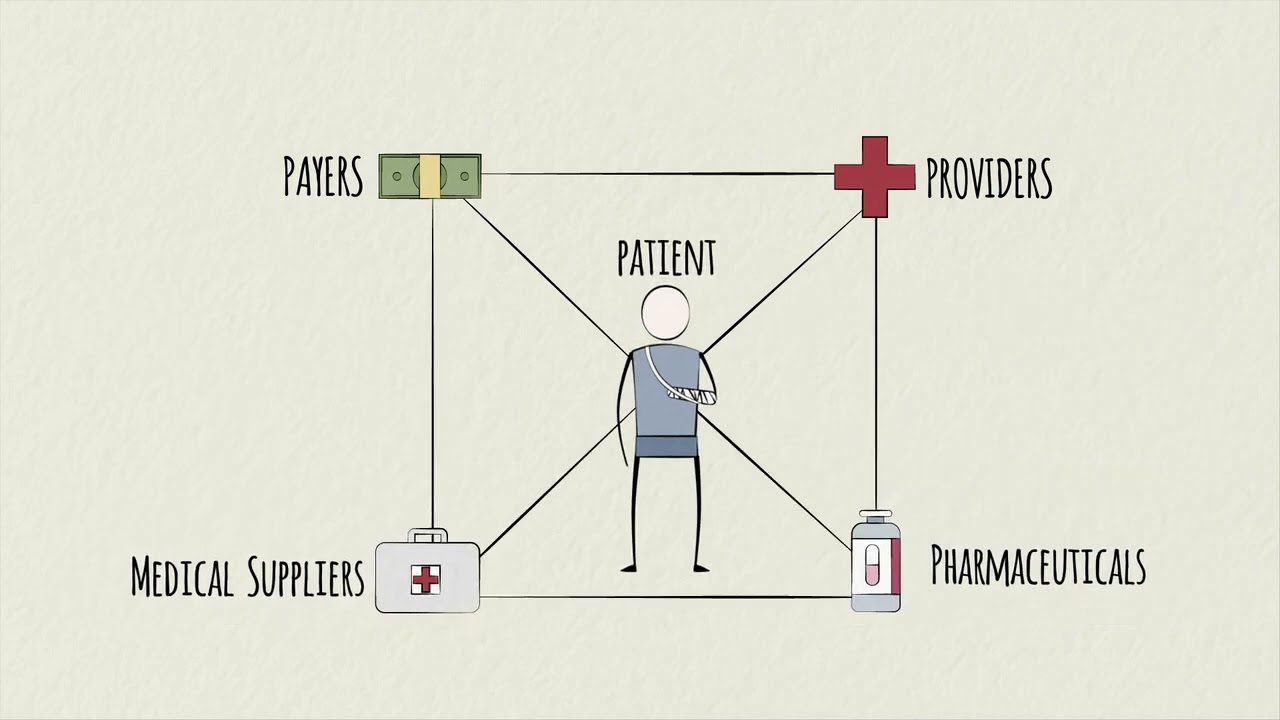
Fundamental structure of the healthcare ecosystem, specifically the roles and relationships of payers (insurance), providers (hospitals), and patients.
Introduction to Artificial Intelligence (AI) and Machine Learning (ML) terminology, particularly how neural networks process unstructured clinical data.
Basic awareness of healthcare compliance and regulatory frameworks, such as HIPAA data privacy standards and FDA medical device classifications.
Advanced valuation methodologies and term sheet negotiation tactics specific to early-stage digital health and biotech startups.
Go-to-market (GTM) strategies for healthcare technology, focusing on overcoming long sales cycles when selling to hospitals and enterprise health systems.
Ethical frameworks and clinical validation standards required for deploying generative AI safely in clinical workflows and diagnostic decision support.
Comparative analysis of global healthcare regulations (such as FDA in the US versus CE marking in Europe) for scaling healthcare innovations internationally.
16.8K views20likes53:31Original Release: 2025-08-23
Oh, we're live. Sorry. Hi, Sarah.
Welcome to Venture with Grace.
>> Hi. How's it going? Good morning.
>> Sorry about my chaotic chaotic energy.
>> No worries at all. That's life, right?
>> Um, I want to give the audience a little bit of your background. So you started your career as a research fellow and then you work at YouTube as a product man marketing manager and then now you're so and then later on you started your own company and now you're a partner at wing. Why don't we start with like what were some core lessons that you've learned early on in your career kind of shape you into who you are today?
>> Yeah happy to. Um yeah so as you mentioned I came into venture later on in my career and actually spent my 20s both working at YouTube which was a part of Google at the time as well as starting two companies. Um the second one which sold back in 2017 and so I feel like my lessons are primarily around a couple things. One would just be people. Quite honestly, I don't think I quite understood what it meant to network or hold community that could also be really valuable in terms of your business. Because for some reason when I was younger, I thought networking was such a dirty word.
>> I don't know if that's because of the family environment where I grew up, where my dad, God bless him, I'm so proud of him, but was a mailman for over 40 years. uh or my mom who was a a teaching assistant in school, you know, didn't really expose me to business early on. I had to really learn the hard way the fact that your friends probably also want to help you succeed in all parts of your life as a whole human, including in business.
And so the first company that I helped lead that was a startup, we did not have venture backing and quite honestly we didn't really have that community of support helping us through all the crazy twists and turns of an early stage company. And so the second time around we wanted to course correct and put the company through an accelerator over 30 angels on the cap table. We did have BC backers. We had friends and family invest and that was such a different experience because I really do fundamentally believe in order to succeed and not just in business but in order to succeed in life and build something that's bigger than the sum of the parts, it really takes a collaborative community-based approach and a community to help support you and grow. And quite honestly, it's just a lot more fun.
>> Yeah, totally. I feel like it was such a um I guess like interesting to observe your like well just to hear your journey from like you know originally the first company was like a non ventureback business and then um compared to like the ventureback business and I'm sure a lot of the listeners can resonate because of like everybody is like either seed or like bootstrapping or seat strapping. So like what are some I guess like what are some core lessons that I guess like you've learned from the journey of fundraising? Maybe we could start with like you know what are something that you feel like are the common mistakes founders made while fundraising versus what are something that like you feel like they should do but like not a lot of people are doing.
>> Sure. Happy to. You know actually I'm um I've got a lot of thoughts about this so buckle up. I feel like I have a hot take with respect to this, you know, and my overall hot take is that I really believe that being a founder and fundraising is a discrete skill. It's actually not directly an analog to anything else probably you've done in your professional history. Therefore, if you look at how the transfer of capital has historically happened, >> you might see that you raise your first round of funding from friends and family around you. And these days, the friends and family round can be, you know, a million bucks >> and then you go off and you perhaps raise venture funding and then, you know, you get your idea off the ground.
But if you believe what I'm saying in my hot take, which is learning how to pitch is a discrete skill and I believe that you can't just osmosis your way into it that you really should be taught this skill. Then think about how historically venture funding has shaped out in the history of funding. It makes sense that certain types of founders have gotten backed historically because privileged information will continue to rise reside within privileged networks and be transferred generation to generation or coho coho cohort to cohort versus >> if you learn the discrete skills in terms of how to actually pitch your business from somebody on the inside who has the knowhow. I think you can dramatically increase your odds of being successful in a fund raise and therefore if marginalized or minority groups learn this information. I do think that perhaps we can see a rise in for example female CEO companies successfully raising or minorityled companies successfully fundraising and uh getting those VC dollars in. And so my first tip is just try to get information about what a successful pitch is from somebody in the industry.
And you want truthful, honest advice. So it's probably not the person who you're pitching to actually get money from, right? It's not really their incentive to be super transparent if there are big holes in your story, but rather I've had a lot of success reaching out to friends of friends who have started companies.
I've had a lot of success reaching out to alumni from my college um even from high school. Um I've had a lot of success even just with DMs quite frankly just going after those advisors who are really great fits in terms of having institutional knowledge about the exact sector that I was building in but also who I've built companies in the past.
And so, first and foremost, try to get that inside knowledge because otherwise you're going to be um figuring things out through first principles and you kind of don't want to do that because you only get one chance to make a good first impression. Um, and then beyond that, when you're in the actual pitch itself, I think that there's some sort of misnomer right now that you need to be confident, borderline aggressive in terms of your pitch. And so I commonly routinely see first-time founders getting so defensive about questions that I'm asking to try to get to the heart of what's going on in their business.
>> And I'll say, you can tell this in people's body language. You can tell it in the way that they sort of take a step back. And the thing is, I am not asking these questions from an ill-intentioned place. I actually really want to fall in love with your idea. I'm going into the meeting thinking, "Oh, I hope and pray that this is going to be the company that's going to help my name and make me successful as an investor. Like I really want to believe. So help me believe.
Which means if you're asked a really tough question, >> that is an ultimate sign of respect.
>> Because if I'm checked out, I'm not going to be asking you a tough question.
So the fact that I'm asking you a tough question means I'm engaged and I really want to get to the heart of the matter with you. Therefore, what does it look like when someone's not defensive, but rather when they're leaned into the challenge? Well, physically, you can kind of see it on their body where they're leaned in, they're not defensive, they're thinking, can I get a nugget of truth from what this person's saying, even if it might make me a little uncomfortable because the best founders at the end of the day have a growth mindset. And I think that the parallels that I have to draw across my founders of you know different sectors, different stages etc. is they all are willing to believe that there are people out there who have information they don't and therefore they can grow and they lean into challenges. They lean into adversity and view it as opportunity. And that even comes true in a pitch. Now, of course, I'm not going to go into a pitch meeting and intentionally be very um uh you know, unourred or try to intentionally make these uncomfort.
That's not that's not my job here. I'm actually trying to help you get to the things that really matter about your business. And I think the best founders know that. So, don't get defensive. My tip number two, >> I have a question on this. So I think the major problem is like as a founder I've also well not many people know this but I've also pitched investors before I started my like company right now but I guess like when you're pitching to investor I think a lot of people trying to de like demonstrate that you're like your own conviction to the company or like the idea um so they kind of like becoming defensive I feel like it's just like because of you kind of have to show that you're like confident about like what you're building you know obviously I think if the investors like giving feedback such as like you know something detailed or like obviously I'm sure like you will gave very like constructive feedback. So some of the feedback are like okay why don't you like you know why don't you and your co-founder like chill for a little bit like you know you guys can figure out if you guys will work together or whatever and then the problem is like if you show absolutely no support to the co-founder idea and then like you can't really push through a bunch of things I guess like what are the things that you would like take on the spot and then what are something that you kind of want to push to like keep the things going.
>> Yeah. You know, I think that it's ultimately about just getting to a really good match and therefore it behooves both parties on both sides to be as transparent as possible in order to ascertain that there's actually a match because the worst thing that could happen is one party misleads the other and then you enter into a match and then you're stuck with that person for the next 10 or 15 years when fundamentally your philosophies don't align. So if you fundamentally do not think that you want a co-founder and you really are convicted that you want to be a solo CEO, it doesn't actually behoove you to hide that fact. it behooves you to mention it because that way if there's an investor who just does not believe in backing founders who don't have co-founders, better to get that out early as opposed to have that person on your cap table um mentioning this every single time that you have syncs and being really unhappy um and with you for again this next decade plus long journey. So I think it's up to the founder to figure out what are those things that are really core principles and values that you hold >> and then when asked about those things again rather than getting defensive lean into it ask the investor why do you think that that's beneficial you don't have to agree but I think there's a respectful way to lean in and you know what oftentimes you might be surprised by some of the information that's coming out and it might change your mind and even if it doesn't that's okay too the goal of this again is just to get to that match and um being transparent along the way about the things that you're convicted in I think is in the best interest of all parties. Um now the co-founder match yeah that that might be something else.
I'm curious Grace are there other things that you tend to get pressed on when you're doing a pitch that you like >> everything and anything under the sun I face all the questions. Um, I think entrepreneurship, right? Sometimes lowest lows, sometimes the highest highs, and sometimes they're in the same day. You have to live to take a thousand punches and get up the next day and smile. It's literally, I think, one of the hardest jobs in the world. So, I have a ton of respect for what it is that you do.
>> Oh, I super appreciate you. I have um so many questions on this. So like one part is like maybe we could start with like since you are an expert in the healthcare industry why don't we talk about like you know in the healthcare industry what are some investable opportunities that you're seeing um because you know across like your portfolio companies like there is like um obviously people just mentioned to about mentioned about like jellyfish to me yesterday um but like I guess like maybe we could talk about like what are some major theme that you're seeing in the space that you you're actually really excited about and then what are something that you feel like you would never invest in the entire healthcare tech ecosystem?
>> Yeah, happy to. You know, just to take a step back, if you think about what's happening in healthcare, historically, when we were younger, like not that long ago, we would go to a brickandmortar building for our annual appointment at a predefined period of time, and there would have a short visit with the doctor who may or may not catch what's actually going on with us. And the thing about healthcare is this is all dramatically changing. And the thing that makes investing so fun but also so hard is I need to invest in companies that are building for a world that does not yet exist. Right? These companies will come to maturity in the next few years and we don't quite frankly know what that future will look like yet.
>> But I have a idea that the old way of doing health care is simply not beneficial to all the different stakeholders in health care, the payers, providers, patients, even pharma alike.
because so commonly disease progression does not work on those perfect time scales where you might have your annual visit. And so what I get really interested in in the world of health care are companies that are enabling more continuous diagnosis >> and then off the back of that more continuous intervention. So for example take therapy. Therapy used to be such a taboo topic where you didn't admit that you saw your therapist versus now, you know, I will freely admit after I was a founder, I went to therapy. I needed it.
I needed a break. I was out. I needed it. Again, Grace, your job is one of the hardest jobs in the world. Um, I believe that having therapy is a complete privilege. And if you have the means to have therapy, everyone should have a therapist. But today, you know, you might see your therapist, if you have one, every week or be texting them or messaging them. And so, could your therapist be the point of continuous diagnosis and intervene? Especially for patients who, for example, might go to the emergency room because they're really struggling with something now.
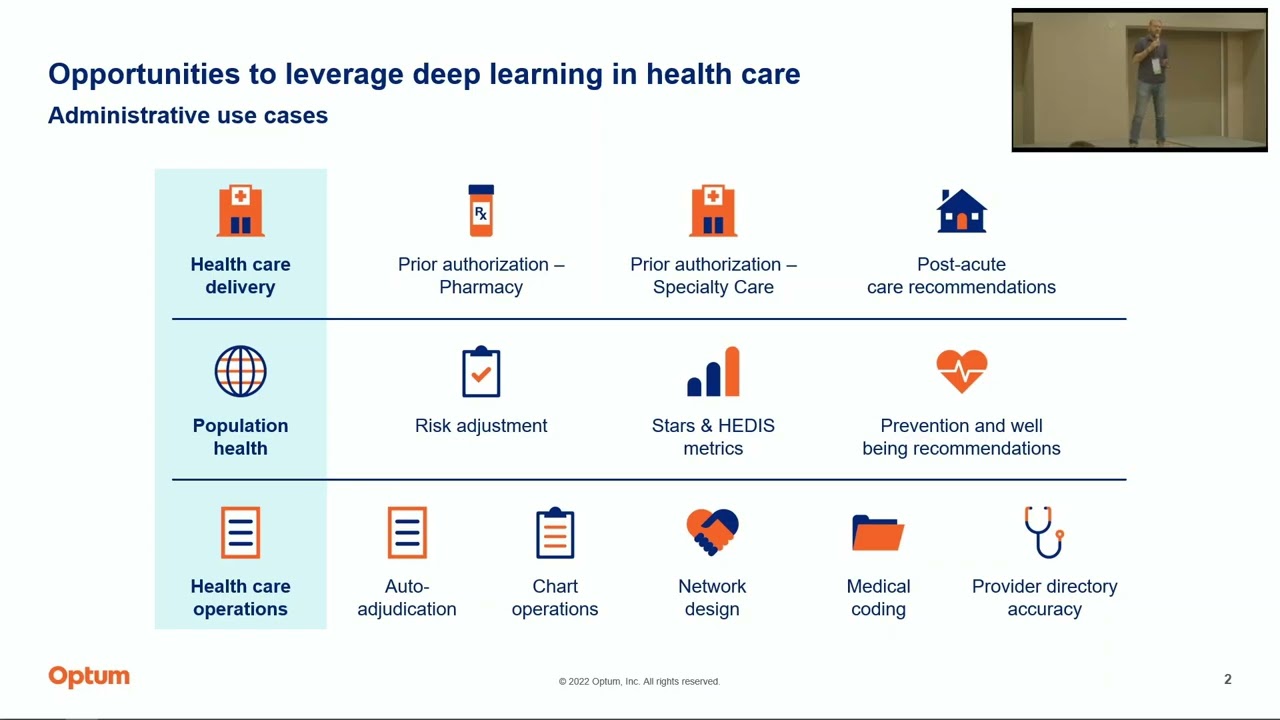
Could a therapist actually intervene and say, "Hey, actually, you should go see this other type of provider and now you should get on uh you should go see a psychiatrist. maybe you need to be on medication or maybe you need to see this other type of intervention. So that's what I mean by continuous diagnosis and continuous intervention which explains my investment in companies like RULA which is a behavioral health marketplace which enables this and so their therapy is the point of CDCI what I call this continuous diagnosis and continuous intervention and I love companies that are like that. If you're starting a company like that and listening to this please let me know. I would love to chat. So that's one category I would invest in. And then maybe just to mention one other because care is so rapidly changing the back office of healthcare also needs to rapidly change too. Right now 30% of the costs in health care are in back office admin. So people manually shifting things around, making phone calls, sending faxes. this just really isn't sustainable in terms of a business model long term. So, one of the first areas of adoption for AI that we're seeing is in healthc care's back office. And so, I would love to also chat with you if you're building something that's addressing back office automation enabled through AI and healthcare. Um, so two different areas, CDCI as well as back office automation and healthcare. And those I think are amazing areas to invest in. Now, what I probably would not invest in at this point in time are companies that run the risk of having too small of a market in healthcare. We were just talking about common dos and don'ts when it comes to pitching. Even before that stage, a common don't that you should be aware of when you're building your company, especially in healthcare, is building a solution that's a phenomenal technology, but fundamentally just doesn't have a market size that's big enough for me to underwrite here as a venture investor. I am looking for companies that potentially can get to a billion in revenue or more and that can be a success in the public markets or be a billion dollar plus acquisition.
otherwise I can't do it and it's not worth my while. It's probably not worth your while. So I would say small point solutions that sell to health systems would probably be the one area where unfortunately I just don't think that the market size would support something um that would be worth sort of both of us engaging and getting invested in. um at least as it exists now with current distribution um again small point solutions and health systems >> for sure. Okay. So I wonder I want to unpack this a little bit. So um one of the things that you've mentioned so for example RULA is a um mental health provider specialized platform and I feel like this is like a such a huge trend as like so many companies are building in the space as like using AI to match your favorite therapist. Um I wonder what is like the mode in this kind of businesses.
Um so uh in healthcare in general you're right. I think in terms of tech there can be a moat but for me when I think about healthcare businesses I think of the moat as being a little bit beyond just the tech. Um here there is AI involved really does an exceptional job matching and we have an exceptional platform that allows you to book appointments and see your therapists on the cadence that you want to see them.
Great. In addition, we have a business model advantage as well through our contracts with the payers and reimbursement. And so in healthcare, you just cannot discount the business model as well, which is a common mistake I think that startups make. And so there I would call that a quote unquote mo too.
If you have the best outcomes, it turns out a lot of people care. the payers's care, patients care, and hopefully you can earn more to pay your providers, which ends up being again something of a moat. Uh, and then the third thing that I would point to that I know that you wanted to discuss was team. Look, not all founders are alike. No one's perfect, but there are certain attributes that really A+ teams have.
And I would say that the team at RULA is emblematic of that where Josh, the CEO, he is in it for the right reasons. He actually worked the front desk of an addiction and rehab center for over a year in order to figure out what to build in healthcare. He had previously started a healthcare business himself.
And he's humble and willing to learn from the best. So, if you look at the team that he's assembled, he's really hired some rockstar A+ people um and is paired with his co-founder Gabe, who is phenomenal when it comes to the payer relationship and the market side of things. And so, I'd say those three things together made it really interesting um for us to partner at the series A. And at this point, I'm so proud to say that we're a backer of Rua because they're one of our um best performing companies.
>> Totally. Okay. So, I wonder maybe we could start from like sourcing diligencing to like winning to even think about exiting. So I guess like when maybe we could like use any of your portfolio company as example on like how do you meet the founder and then what was the initial evaluation to like you know how long it takes to like actually diligence them or like slash like how to give the audience a little bit idea on like you know let's say if today they pitch Sarah like what will happen basically.
>> Oh happy to yeah you know it really depends on what the stage of the company is and sort of um what it is that's needed at the time. So I've done a lot of investments that are the first check-in. Sometimes a company doesn't even have a name >> and there the process looks quite different than if I'm leading a series A like for a company uh like RULA. So in the first category of companies where if you're pitch if you're listening to this right now and you want to pitch me and you just have an idea that's okay that's totally fine. Um Cgraphy actually is an example of that. one of my portfolio companies that came to me early on with just the two founders where they said, "Sarah, we have this idea. Not sure if it should be a business. What do you think?" And so we literally got to the whiteboard, started writing out ideas, and over the course of a few months, got to the point where the founders thought, "Okay, yes, we have conviction in this.
We would like to do this." The CEO wanted to join full-time. and then I put forward that first check into the company. But I would not suggest rushing into starting a company if you're still at that phase where you're brainstorming and not quite sure if you want to be allin because people forget once you take other people's money, you have an obligation. You have a responsibility to see things through. And that could take 10 years, that could take 15 years. So before you sign up to make a commitment that big, it actually really does make sense to make sure that there's a fit in terms of your founder market fit and then obviously with your investor as well considering they'll be supporting you through this whole journey.
>> Um so that's a very common way that I love to work with founders. And then the other way is look, sometimes you meet founders and an idea and it's something I've been thinking about for a while and I already have a prepared mind around in which case I could move super quickly.
Um, I actually just announced that I led develop health series A two days ago is when the press announcement went out and I met the CEO on a Wednesday and we gave him an offer the following Monday. It can move that quickly. uh because I spend so much of my time actually thinking about thesis areas and where I want to invest and so when I see a company that fits what I weren't even thinking about um the process can move quite quickly.
>> Maybe we could talk about like you know um I guess like the diligence process too. So for example like you know who do you ask um and like how do you kind of like got I guess like for the you know for the Wednesday to Monday deal like what was the diligence process kind of look like in the back of your head and then since like I think some of them are like so early that like beyond the team there's like not much to um diligence um how do you kind of like evaluate the team obviously everyone will look very tenacious or like amazing on paper, but it's kind of like really hard to tell like which one will actually succeed, especially when like some of the category are very similar like or you know everybody come out of let's say you're the first five engineer from open I'm the first five engineer from open how do you kind of like tell them apart some sometimes >> totally I mean it's not easy and look you know I've gotten it wrong too um so the first and foremost thing is just making sure that I um already have an understanding of the market which is why what surprises people is I actually spend a lot of time not directly with founders but with customer types out in the market and here at wing we have a phenomenal customer network and so it'd be very common for us to make 10 plus customer intros upon investing or during the diligence process so for you know a quick diligence I have heads of health systems who I'm able to text and usually they're very responsive within a few hours, sometimes even within a few minutes to either ask them directly about the opportunity or to get them on the phone with the founder very quickly.
And usually founders are very grateful for that too because this is free customer lead genen. It also helps me think about the opportunity in the market. And then as it relates to founders themselves, it helps in health care if they do come with some experience about specifically the business models and what it takes to grow a healthcare company plus distribution. And so with regards to that investment that I made very quickly, it helped that both the founders came from two extremely um uh sort of sound healthc care companies that had grown to success. Uh one had been acquired, one is a successful healthcare company. And so I took some solace in that. And then I also just called people that they had worked with in the past at those healthcare companies and beyond to try to figure out in a confidential way what they're like in times of hardship and struggle.
What they're like in terms of leadership and core competencies. You know, what might be some areas that they had to develop back at that time that we can potentially work on together as a team.
And you know, it's not perfect. Of course, you're under time pressure.
Again, you're building for a world that does not yet exist. You're strangers when you first meet each other. But that's okay. I think you can get a reasonable picture of who someone is through reference checks. And then, yeah, some mistakes will be made. Um, but other times you'll be surprised on the upside. So, I always do make sure to do reference checks, even if it's after the term sheet has been signed. You know, I make an agreement with the founders. Their references do have to be good. Um, and I know not all investors do that, but because it's so imperfect this diligence process, I think it's something that's a responsible thing to do if we're going to be working together for 10 or 15 years.
>> I wonder so how do you think about like the valuation of a certain company just because I think for healthcare it typically or like at least like therapeutic therapeutical companies like they are generally raising a lot of money. Correct me if I'm wrong. So, but I wonder like how do you think about the valuation of a company and then how do you do do you like is there like any certain ma matrix that you have to see beyond like obviously there is checks that you've wrote that are you know two guys just started building quitting like a prominent big company but there is also I'm sure the times that you are like oh let me look into the industry and then find the right benchmark um how do you justify like the valuation your head and Is there like any kind of like benchmark that you're using to evaluate like different companies in the healthcare space since like some of them are like building differently, right? So like some maybe like for um rua it is like there like it's kind of like a platform for the mental health professionals or like just like in general it's like a platform um versus there are companies that in your portfolio that are more I guess like biosciences you know like so how do you like kind of like justify or like I guess like think about like portfolio construction think about like the valuation and like the finance side of Yeah, you know, it's more art than science. I wish I could say that there was exactly one way that I used to evaluate uh to value all companies. Um but the reality is none of these investments happen in a vacuum and almost 100% of good companies have lots of options and so there is an element where you need to win and you need a price to win. Um, but I'd say generally what we're trying to do here is make sure that upon the company getting to terminal value, let's say it's an acquisition or let's say it's an IPO, um, that we own enough to make a difference in terms of our fund metrics where we want to return our capital multiple times over for our stakeholders, our LPs. And so to that end, if you backtrack and go to the initial investment, it really does matter how capital intensive the company will be and how many rounds of financing they'll be and how dilutive they'll be down the road.
>> So you bifurcated these two kinds of companies, healthcare versus biotech.
And I think that is accurate. Even though in biotech you can get to something that looks drug-like for far less money through the use of AI and computation, the reality is there still will be some rounds of funding. And so I do back of the envelope math exactly how much capital and how many financing rounds do I think there will be. And then when I enter it depends if I'm entering at incubation C or A. Um, and I try to get enough ownership where it makes sense for me to invest all of my time, resources, all of wings resources on the customer side, talent side, marketing side, and research side, which means typically we're owning 20% or more in therapeutics businesses at first check. In healthcare, some of these companies can get to scale extremely efficiently and they can do it quite profitably, in which case the math changes a bit. But on average, I'd say if we're leading a series A, we are owning 20%. And then if I'm doing an incubation, then it probably makes sense to own more. Um, you know, not hard and fast rules, but typically that is what I see in terms of my portfolio.
I wonder so like in terms of like thinking about followons like I guess like how do you think about like which company or first of all let's let's like take a step back on like you know what is the general portfolio construction strategy that you guys typically do and then we'll dive into like how do you think about would you keep falling onto a company? Yeah, you know, we don't have specific mandates to invest in specific kinds of companies or at a specific stage, but it just generally tends to shake out that we're doing one-third preede, one-/ird seed, and one-third A.
It just happens to work out that way.
And within that portfolio construction, um, I should also call out the fact that over half of our investments when we invest don't have the product built yet.
So, we're talking super early and I think that's actually a differentiator about wing style is that if we have a prepared mind in a certain sector or focus area, we're very comfortable actually investing dollars behind that idea. Um, even ahead of what might be a traditional financing round. So I've actually led a series A at zero in revenue before believe it or not which is you know kind of a kind of a risky thing to do but I had a lot of conviction in the space and the founders and the market opportunities so I felt comfortable doing so. Um and then sorry what what what else did you want to ask about portfolio construction? um like how do you decide if you follow on to like a certain portfolio company because um I think from my observation well maybe I could be humbly wrong but like I think like not all the company look very put together when they are earlier stage so some may grow like slower or like almost die and then pivot into like a completely different company like Slack so how do you think about like um do you follow on to the company or like do you default just follow on unless like they're doing something completely Crazy.
>> Yeah. So, we only take on a certain number of core projects where we're the lead investor per year. And for those projects where I'm owning 20%, where I'm the main investor, I'm usually on the board, I set aside reserves to help support that company either by doubling down in future financings if they're doing well or in the case where they're not doing well, also having some support there in order to get them the buy them the time they need to figure things out.
And so actually uh if you look at my track record, I have track record of doing both. It's not just the high-flying companies, but also those that might just need a little bit more time that I end up doubling down and investing in. The goal here is for us to be a long-term partner. And so I would love to invest in every single round until IPO or big acquisition. Um, now I might not be doing my full PRAA considering that's a lot of money for a, you know, CNA firm like ours, but I do want to put at least something in in order to indicate support and also retain our ownership. So, it's very different depending on the type of company. I mean, we talked about the different contours of companies already and their financing needs and all that.
Um but certainly it would be reasonable for us to keep, you know, following on um for the next couple rounds of financing with the goal of actually following on all the way until some sort of exit happens.
>> For sure. I wonder so like how do you think about the utility side of the business? So like I mean um just like since like we're already talking about therapist like therapists but like I guess like it is something that like obviously I think like living in the Silicon Valley bubble like everybody have a therapist but like when you're going into like I guess like when you're thinking about like um more I guess like it's like not like I I personally feel like it's more towards like the vitamin versus like um like commodity I guess like I guess like that's why maybe it like has like a really high profit margin but on the other hand like I would argue like you know it is not like a must for like everybody to have. So, how do you evaluate like if a company is going to succeed based off like being a commodity or like being something that like people will lean towards to or like you know it has to be like at a certain level of like cuz like you know like when you pitch to an investor people will just be like okay this is like not something that everybody will use so we'll pass but versus like this is like a vitamin like you know like basically people are like oh no like We don't really back back the vitamin, we back like the painkiller. So how do you think about kind of things when you're evaluating the companies?
>> Yeah, you know there does need to be an acute pain. And the additional thing that I look for especially in healthcare is that there's a very big supply demand mismatch. So in this case supply would be therapists and demand would be patients who are raising their hands saying I need help. I would like to see a therapist and are having trouble finding one. And for those patients, you know, I guess I would gently push back on saying that this is, you know, just a vitamin. Actually, the reason why insurance companies are so willing to pay for these therapy visits is because, you know, it's not just through the kindness of their own hearts. It's because if you get this wrong and patients are not getting the help and support they need, they're extremely costly for the entire system. And so, they're going to the emergency room.
They might go to an addiction and substance abuse clinic if they had the funds to. They might go to an IOP. You know, they're going to actually cost a system more than if the insurance companies who are very savvy about where they're placing their dollars and, you know, operating on very tight margins.
Um, that's why the insurance companies are willing to pay for those care encounters. And so I would yeah gently push back and say actually as an investor when I see when I saw the therapy market I saw wow there are simply not enough therapists to fulfill the demand and there's an acute pain where people are waiting on weight lists for six months sometimes a year in order to see a therapist because they so desperately want to see a therapist and know that they need one. And so that feels like an acute pain as opposed to quote unquote just a nice to have. And I do believe in that actually that you don't want to have a band-aid. You want to invest in something where people are willing to tolerate, you know, almost a uh an imperfect solution, for example, having to wait on a weight list because their need is so bad for whatever it is that you're selling. And it doesn't have to just be therapy, right? Um you can point to any number of things. I think there's still probably a big company in obesity management, not just from a pills perspective, but in terms of seeing providers that specialize in obesity management. Um, let's see how nutrition plays out. They also have a supply demand dislocation. Let's see how cardiac rehab plays out. Let's see how autism care plays out for adults and for peds. I mean, there are a lot of indications where actually there's high acuity and simply just not enough providers to supply all the demand um that exists today. And by the way, that's only going to get worse. Like I don't mean to end this on a sour note or anything like that, but the reality is that uh almost 40% of our providers are above the age of 45.
Uh sorry, family medicine providers are above the age of 45. they will rapidly be aging and retiring out. And so even here in our privileged Bay Area, we're seeing shortages of family medicine providers, obgynes, dermatologist, dermatologists, therapists, obviously psychiatrists, even here, right? And so this is only going to get much worse, which is why we need more companies that are enabling more continuous diagnosis and intervention so that patients are only seeing doctors or providers when they need to. And so providers are able to operate at the top of their license. Patients are getting served and not having those costly adverse events like having to go to the emergency room or whatnot. Um and then in the end the payers love it too because outcomes are managed better and costs are contained. And that is really the trifecta value the PPP fairs providers and patients that I look for.
And that is only true and present in indications that are you know as you mentioned um big problems as opposed to I think you mentioned the word commodity you know that are just sort of nice to have or you know wellness solutions um because ultimately the trifecta value probably wouldn't care enough about that uh and so I probably wouldn't invest.
I wonder so um since like I feel like it's not like a 2022 25 episode without AI maybe we'll start with like you know what is your AI strategy and since you have invested in like enterprise grade AI agents but I guess like how do you think about AI as a general category and then what are something that you find very interesting lately?
>> Yeah. Um AI is here and it is here to stay. I think we're probably limited in our imagination in terms of how different our workflows will be and our working environments will be in the next 10 or 15 years. Therefore, when I am investing in companies particularly in the automation space, you know, for example, that company that you referenced or this most recent company that's innovating in healthc care's back office enabling automation. I'm looking for companies that are AI native and that are using AI to completely transform workflows and not just make them 2x better, 3x better or 4x more efficient, but really something more like 10x which you can now do through the use of AI. Um, and the other interesting thing about these companies is typically they're not just leveraging AI in customerf facing uh places and opportunities. actually they're usually using AI within as well.
And so this company that I just partnered with to lead their series A got to pretty substantial revenue with just five teammates.
>> And that I think we're going to see even more often because they're leveraging AI internally in terms of all sorts of aspects of their internal operations.
Therefore, they can scale their employees to appear much bigger than the company is and to offer way more value despite the fact that they're lean and mean and just got their series A funding. Um, yes. So, I definitely look for AI and at this point, um, I look for how AI will steer towards specific business outcomes.
And in healthcare, oftentimes that means steering to health outcomes or it can also mean steering to specific business outcomes in terms of the back office.
And then on the bio side, it means how effectively do we think that they're going to be able to create a drug leveraging AI.
>> I recently came across some like YC company. They're in the quoteunquote AI for drais.
I just thought like it was like very interesting to like see a lot of people trying to build in the healthcare like bio space. Um how do you think about like um these like I guess like tools that helps with like drug discovery. Um just because like whenever I think about that I think well like you know this is billions of dollar invest of investments like to actually pull off something drug discovery related and I heard there's like three different phases and like you know as a normie I would not know much about like which face that you're supposed to go after but I guess like as an expert how do you think about this?
Yeah. So, the first thing is you're right, the cost of drug development can be in the billions, but I would be the first to say it doesn't have to.
Especially with the use of technology in the early stages where now, even in this time that I've been investing in drug discovery, I've seen the amount of capital it takes to get to something drug like, uh, a development candidate is what we call it, go down and down and down. So now I see companies that are able to get to something drug-like for just $50 million, which is incredible.
It's a complete change in the way that we're doing drug discovery and I think will lead to probably 3x the number of approved drugs in just the next few years. So what's actually going on that enables that? Well, you said it. It's AI, but I think it's more nuanced than just saying, "Oh, we're going to have the next best model and it's going to output something that we can then put in patients and that is a drug."
Unfortunately, the thing that's stopping us from getting to that point today, although this might change in the future, is our AI and these models, they're only as good as the data on which they're trained. And the reality is our bodies are so intensely complex and we just don't know enough about human biology at the moment. And so without that uh robust corpus of data that you can use to feed your models, I think we're still a ways off from oneshot drug discovery. But that's okay.
That means that the opportunity now is for companies to generate novel data for example about metabolism or about healthy tissue versus diseased tissue in order to do target discovery um to get invivo data about how drugs will interact in a mouse uh predicting what they will do in a human. So the first step is for companies to generate this novel data and there needs to be an advancement in tools and throughput which is underway >> and then you can have the companies that are leveraging that novel data in order to create more safe precise effective drugs and the first thing in that journey is to have targets. So the thing that the drug goes after that are more clean than the current targets that are currently being going out uh that are currently being gone after by folks in biotech and pharma. So it's data and then really clean targets. And then after you have the targets, you can figure out a way to drug these targets.
And there again, you can use computation in AI, for example, in binder discovery or making your antibbody super precise for what you're trying to hit. But it's actually only when you have those things in place can you then enter a human with a clinical trial and have a drug that you have a reasonable degree of confidence will succeed. And so there's still a lot of room to run and a lot that needs to be done before we get to that world that's again one shot uh AI drug discovery. But that's not to say AI can't play a huge role in all the different parts. In fact, I think it must play a huge role in all those different areas that I outlined.
>> For sure. Um I want to maybe like since like um I guess like I since like YC what is coming up um how do you filter out like these YC companies or like those are like not your thing um since like you know the companies that you've have back are like you know founders who have been either building the category or you know they're like the VP of another company like so I guess like how do you think about the um first-time founder slash like well I think the VP of some company is like also a first- time founder but like um I don't want to name names, but I guess like how do you think about like the um I guess like the earlier first-time founders or do they actually have a shot building in the healthcare tax space versus the people who are like I guess like quoteunquote legacy players like they've been in the field for like so long so they know like the end and out for the the industry.
>> Yeah. Um first of all I have a ton of respect for YC. I've actually backed several YC founders. Um I went through an accelerator myself when I was a founder. I think there's a lot of goodness there. Um and then in terms of what you said about a first-time founder, I think that's totally fine.
And I've partnered with first-time founders uh in the past, the main thing that I look for is that there's founder market fit where does this founder have some sort of experience that lends himself to credibly building a solution for a specific space? and there maybe they were a VP of product at a similar company or a company where they had challenges they just couldn't find an external solution for therefore they decided to build the company themselves maybe they themselves personally had a history and struggle and went through some sort of experience that gave them proprietary knowledge about a problem that they really wanted to solve and dedicate the next decade of their lives to you know there are lots of different founders who come from all sorts of different places and I wouldn't say it's a prerequisite to have had to have started a company in the past. It's just if you have then maybe you already have some of those lessons and therefore the second time around um you know have a head start but it's definitely not a requirement when it comes to my investments. In fact, I think most of my founders have not started healthcare companies in the past. And then when I entered with my check, you know, that was their first time actually building a company from scratch.
>> I wonder so how do you um since like have back the YC founders, so how do you even filter out like the best founders pre launch? So like obviously like there's like a huge list on the website and then like you I'm sure like everybody meets some founders before but like I guess like how do you filter out like which one in the healthcare space is like the best or like do you just meet everybody who's building in the healthcare and then be like oh let's like let's think about the trend and then what about the adjacent area? So like there's like the AI researchers, right? Like there's like you know next week uh okay let's not talk about next week but so like there's like a lot of yeah like I guess like AI researchers or like AI for uh building like some sort of um lab, right? So like there's like a lot of like different areas um that are that is kind of like adjacent to the healthcare ecosystem. It could be bio or it could be like something else.
How do you narrow down into like a short list of like companies that actually hurt?
>> Yeah. So I um will go through the badge and first of all pick out the companies that are already innovating in spaces where I do have some prior knowledge and a prepared mind. those are easy and I'll meet with those. And then you're right, there are adjacencies and I actually do take some care to make sure that I'm speaking to companies that might be um a part of the future and the way that I think the world might turn out to be going in but where they might be a little bit early or I might be early in terms of my knowledge gathering about their space. So I definitely still meet lab automation companies um and I do believe actually there will be a big winner there. we just, you know, need to figure out what's the right entry point, what's the right technology to build.
But I still meet those companies. Now, I just would not meet companies where I feel like, oh, at the end of the day, I just don't know enough about this to be helpful because I also don't think that's right for the founders to have an early partner, where they're just not really wellversed in the space, and I might miss out on great companies. And it's absolutely nothing personal if I don't meet a founder or if I end up passing because I'm just not the right partner for them. Um, but that's just the model that I like to invest um the way that I like to invest. I really like to be a hands-on thoughtful partner to founders. And so, you know, I wouldn't want to waste your time too by taking a meeting when I really just don't know enough to have any ability to invest in your space.
>> For sure. Um, I want to be mindful of the time, so maybe we'll wrap with like a fire for you. Sure.
>> Um, what's your favorite book?
>> Um, of all time. I really love that book, Tomorrow, Tomorrow, and Tomorrow.
It's a newer book, but it's um one that I go back to when I'm having a hard day.
>> Who made the biggest impact in your career?
>> Oh gosh, so many people.
Uh, I'd probably say my manager at YouTube because I felt like she really took a chance on me at a point in time when I didn't have very much and always believed that I could take on bigger responsibilities. In fact, gave me the responsibility of leading the media team when I didn't even know what media was.
So, yeah, I'd say she was probably the first person who who truly believed in me, made a difference.
>> Love that. Um, cool. Would you mind to your dinner party?
>> Um, alive or dead?
>> It's your party.
>> Um, actually these days I would love to pick Brian Johnson's mind about various things.
>> Yeah. Uh, his skin is actually so good.
I actually met him in person before, but like his like skin is like glowing.
>> Regardless, whatever he's doing, I think it's working. So, >> we should hang.
Brian, if you're watching a conference, it was like very short.
>> Um, so yeah. Uh, but Brian Johnson, if you're listening to this, please like us.
>> Uh, where can we find >> together? How about that, Grace?
>> Yes, let's do that. Um, uh, where can we find you outside of work?
>> Um, I have a Bernadoodle, a dog, and so I'm oftentimes walking around San Francisco at Crane Cove Park or at Jackson Park. Uh, and besides that, I love to play music. So, I'm frequently at jam sessions, either playing guitar or piano. Um, yeah. And I just love it a lot.
>> Love that. Okay. Well, Sarah, thank you so much for coming on the show today. It was such a fun conversation.
>> Yeah, my pleasure. Thank you.
The sun has come out behind you finally.
>> Oh my god. Yeah, because it was like 6 a.m. So, now that's finally uh Yeah. Thank you so much. Hi, Abby.
Thank you for >> Sorry. Yeah, our audience of of course like the last
Up Next

66:39
Data Science for Social Impact: Applying ML to Public Policy Challenges
@TheAlanTuringInstituteUK
486 views•2020-07-15

46:36
Retention Habits of Top DTC Ecommerce Brands Revealed
@SendItPodcast
44K views•2026-03-03

15:23
Decoy Effect: How Pricing Psychology Influences Consumer Spending
@bobinvestsUS
90K views•2026-01-05

17:30
The Planned Obsolescence of Light Bulbs and Tech
@veritasium
25.3M views•2021-03-26
Related Study Plans & Knowledge Roadmaps
Structured learning paths in Business
business
Pop-Up Retail: Strategy, Design & Execution
01Introduction to Pop-Up Retail & Strategic Goal Setting
02Budgeting, Site Selection, and Legal Essentials
03Experiential Retail Design & Visual Merchandising
+ 2 more learning modules
15h5 modules
Explore Roadmap
business
Reg CF: Startup Funding, Marketing & Launch
01Introduction to Equity Crowdfunding & Reg CF
02Platform Selection & Legal Preparation
03Crafting High-Converting Campaign Assets
+ 2 more learning modules
14h5 modules
Explore Roadmap
business
Productized Services: Scaling Solo Freelance
01Foundations of Productized Services
02Packaging and Scope Definition
03Pricing and Subscription Models
+ 2 more learning modules
15h5 modules
Explore Roadmap
business
Gov Procurement: Find, Bid & Win Contracts
01Introduction to Government Procurement & Business Setup
02Small Business Certifications & Set-Asides
03Finding and Analyzing Contract Opportunities
+ 2 more learning modules
14h5 modules
Explore Roadmap