
![Introduction to Machine Learning Concepts [Lecture 9]](https://i.ytimg.com/vi/XpxrXM8YQZ4/sddefault.jpg?v=675fbeab)


![FORO INTERNACIONAL DE POLÍTICAS PÚBLICAS 2020 [DÍA 18]](https://i.ytimg.com/vi/m3L27Nz2j0U/maxresdefault.jpg)








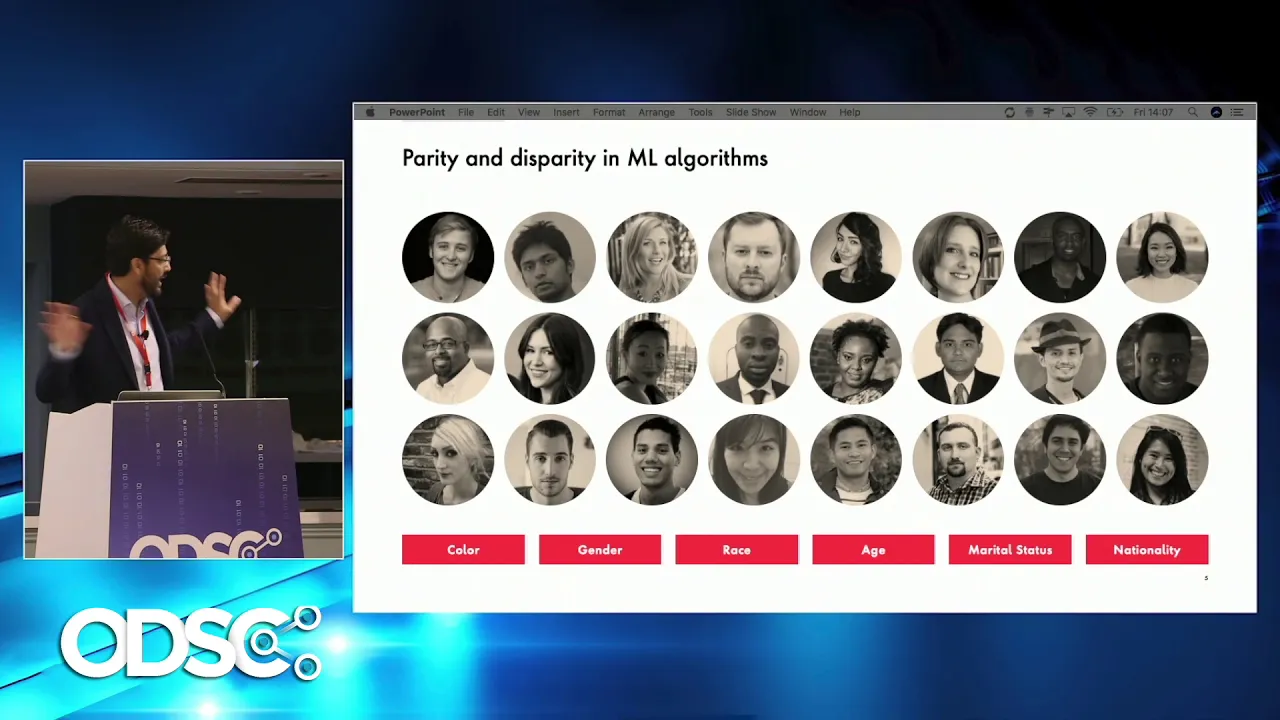
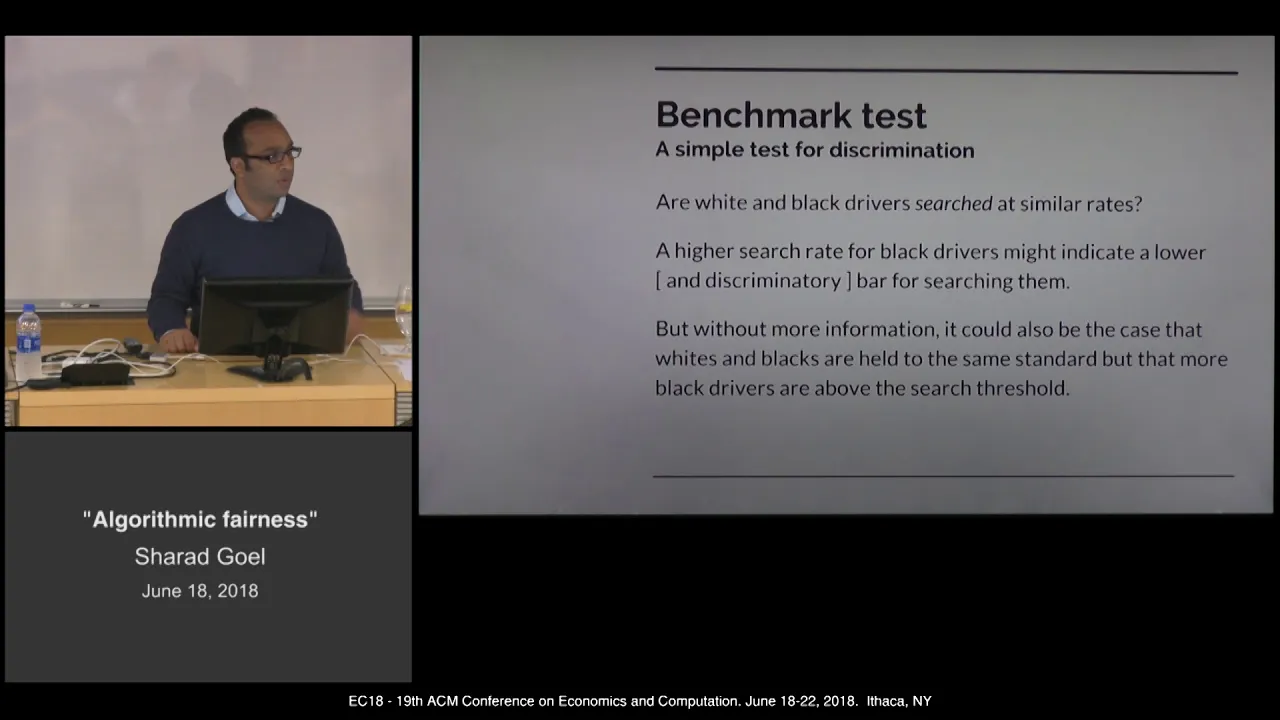




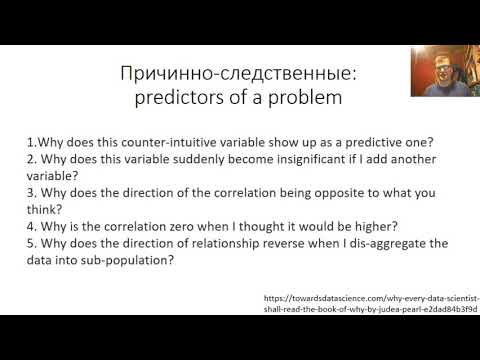





When applying data science to social challenges, the primary goal should be achieving fair and equitable outcomes for all communities, not just building technically accurate models. This requires a systematic approach that includes defining equity through community discussions, conducting fairness audits at every project stage, and understanding that bias can emerge from multiple sources including systemic issues, intentional developer choices, complex methodologies, and data limitations. The key insight is that focusing solely on model fairness is insufficient—what matters most is whether the final decisions and impacts are equitable, which may require trade-offs between efficiency and fairness depending on the specific intervention and its consequences for different population groups.
Data Science for Social Impact: Applying ML to Public Policy Challenges
Added:welcome every everyone I know it's this summer is is is is different for pretty much all of us right as most summers I was expecting to be spending the summer doing data science for social good fellowship in persons with a lot of people seeing and and then ideally attending the events and the program in in the UK as well and looking and you know here's where we are right and I think it's all of us who were involved in these types of efforts and you know there's a set of people who who who are waking up and realizing I'm wasting my life doing you know hedge funds or finance or advertising and I want to do something more useful and and they're making we're going to figure out what to do now and then there are people who have been doing this type of work for many many many years and the questions that we're asking is what do we do now that's that that that's that that's needed right now how do we know we're working on different areas so to what what changes now and one of the things kind of that's that's changes now that that cheering has been doing is exploring to see how do these types of programs happen if we want to run them online right I don't think we have a good idea I don't think anybody is has any evidence that depends on collaborative programs that are focused on book training and doings of experience and learning programs can be effective online we haven't shown that in a distributed way bringing people in from different disciplines bringing people in from different parts of the world so so I'm really excited and curious how how this turns out and and looking forward to seeing what happens i what i want to do let me share slides so that you guys stay awake and it's a second so yeah you know it so to the the the data science social good fellowship program has been running for many many many many years we started about seven years ago and it's changeable in different ways and one of the things that we've tried to do is keep our goals and our values constant right and and those are still the same so our goals have always been how do we train people who are coming in from different disciplines computer science that's engineering social sciences public policy math but care about the world want to do something that that makes things better what is the best way to get them ready to do that so that's been the primary goal all along the second goal has been how do we train organizations whose job it is to to to make things better to help the community to improve different aspects of the world how do we help them understand the use of data and all the related buzzwords that that I had in my previous slide and and then how do we do that while building a community that's that can work together I think the programs that we've been running to have been three months programs and they're too short to actually change a lot to be honest right it that it has more impact on the people involved than it does on the problem because in three months we're not gonna solve poverty we're not gonna solve racism and and so our mission has been how do we make that even a small impact on those problems where we start building this community that can then continue to work together and and tackle the bigger issues so those have integrals for the program and the values that we've been really instilling the programs are one is that of openness everything we do is open every project is talked about publicly every project has code that's open source and and that's important because we want this work to not just be done in a corner and kept sort of secret but but shared because it helps achieve the training and the community building goals the work is also collaborative it's when we worked and if you noticing when we work an organization we're not going in and giving up getting a problem from them solving it for them handing it over and going away it's a collaborative project and that's what we call them project partners they're partnering with them to do three things we're partnering with them to train our fellows we're partnering with them to help them understand how to do this better and we're partnering with them to have an impact on the community on the people that they want to help and that's an important distinction that means us you know sometimes these projects when we talk about them they might come across as consulting projects where there's a client they give us a problem we solve it and we move on and and they're nothing like a consulting project because our goal is not to help an organization so you're gonna hear and I'm gonna talk about some projects and then the summer teams will talk about some projects our goal is not to help the organization and this is you know this is not supposed to come across as as we don't care about this organization we're working with we very much appreciate it and as for them as project partners but we don't care about it helping an organization we care about helping the people they're trying to help and this organization is a conduit for us and we're gonna have the impact that we want to have just like that organization has the same mission their organization mission is not to be the most efficiently well-run organization in the world their mission is to help improve X but that's housing stability of people with those the celts whether it's education whether it's employment opportunities that's their mission and we want to help that mission that affects the the people and we very much care about doing it in an ethical way and that's embedded in the entire programs that we do so you know that's kind of the overall context and typically sort of these projects in lectures and workshops and this is how we do it right we'll we'll do those types of activities and they're not going to go into that this is just kind of giving you an idea of you know we've been running this program for a while it's been changing changing its form a little bit typically it's been sort of 20 and some things authority something fellows with about you know 10 to 12 projects over the summer this summer is sort of one of the things we launched through a lot of this was started at University of Chicago which is where I was based for the last seven years and then last year we launched a nonprofit called the data science for social good foundation and one of the things we're exploring this year and that's what we're excited about partnering with with touring and Maury has been this DSS GX model of how do we have affiliate organizations in different locations that can run versions of their own program that are not the native science with social fellowship that we run this or a fairly heavy weight and and requires a lot of infrastructure and consistency but how do we help organizations who are interested in the mission the one to try different versions of it so this is this is this is kind of the first attempt at and running this DSS GX program and I'm excited about about about seeing what what happens so here is it some you know actually I was gonna say a random list of organizations that we work for the last few years but it's really an old list of organizations we've worked with have an updated that in it as in a little while and and one of the things we've been deliberate about is working across different types of problems if ur intensive issue areas education health criminal justice Public Safety transportation environment energy unemployment poverty conservation I'm missing you know infrastructure urban infrastructure and there so that's been one way of stratifying - how can I understand what it takes to solve problems these areas but so they expose our fellows to these to these different areas the other one has been stratifying a cross type of organization government nonprofit federal state local governments international so we've tried to kind of and then geography how hard where we do these projects yeah they're fairly fairly spread out so what I want to do is talk about a couple of projects that are relevant right now that either going on or have been done recently and then really focus on one aspect of of those projects which is how do we think about doing those projects that that result in a fair and equitable outcomes because often in immediately start with some of the examples right so so the types of so there's a project that I'll talk about that's been going on for now about three ish ears of the lower three a little over three years and their project is with with a with a county in in the US and Kansas called Johnson County and as you've probably heard the US has a pretty broken criminal justice system a very very very large percentage of people go through jails and prisons and they keep cycling through and the the depressing part is that a lot of those people who are going through the system the criminal justice systems or jails for prisons have mental health issues from half of them little over half of them chronic health issues substance abuse disorders and those are often become those are often they're one of the causes for why they end up going back to to jail getting arrested getting booked and so this kind of game doesn't say look we've got a high recidivism rate and we think the root cause of that is the the people are not getting access to the resources they need the mental health resources they need and we'd like to pilot a program where we have a small amount of resources we can devote we can work with a couple hundred people every month to provide them proactive mental health services we already have some of these we don't do it proactively we sort of go to them after the fact that they've been arrested can we be proactive and because there are so many people who could who they could focus on they asked us for help in prioritizing who should they do that outreach to and so what we did this and they worked and so the first thing we did was kind of work with them to figure out what kind of data we would need in order for this to be effective getting data from criminal justice from policing from mental health to figure out what were their previous mental health needs who they've actually that outreach to data around hospital use emergency room use and we put that together to first see can we identify individuals who are at risk of recidivism and we found that we could actually do that fairly accurately but that's it's interesting but but practically useless because just because they can predict who's gonna come back to jail doesn't mean I can do anything about it other than watch them come back to jail and and and have pretty bad outcomes so step two was to see great we can identify who these people are going to be now do the people we identify do we think that there is risk of recidivism will go down if we were to intervene through this mental health outreach program and that was that was the part where we've really been focusing on for the last year and a half and so so we developed a system on to identify and to to figure out if they had any prior mental health issues and then we designed a trial the randomized trial that launched almost exactly a year ago where the team the mental health team who were there gets a list of people from us they go out and they start doing outreach outreach in proactive mental health provide them services and then we're getting this to every month they do that and we get this data back until the trial is just finishing now and now we're gonna have to wait a year to see what their outcomes are and you know the the hope is that we find that the people we intervened on had a much lower risk of recidivism so else we'll find out twelve months from now and there were so two two goals for that child one try one goal is to do to figure out do the people we identify can their risk be reduced the second goal was does that work effectively for different types of people maybe there are different types of interventions that need to be used for different types of people and so this trial is also hopefully helping us understand who this intervention is effective for and and how would we design new ones for people it does not it does not work for so we're excited about seeing the results of that child because that has huge implications on on a lot of the criminal justice system at least over here I'll mention that in and there are several projects like that that we've done done some working Public Health on identifying children with at risk of lead poisoning and intervening early or schools around identifying students at risk of not finishing school or dropping out of school in different cities in different countries unemployment and understanding who predicting who's going to be at risk of not getting not being unemployed for long term and connecting them with skills training programs other types of programs that can help them so let's try to say a different project that's that's again relevant if you've heard about you know what's been going on in the u.s. around policing and that's one project again we started a few years ago around identifying police officers who have a high risk of doing horrible things on justified shootings and unjustified use a force all of those different things that you hear about and again the idea was was very similar to other types of projects we're taking the existent we kind of work with work with several police departments or take their existing systems evaluated them to figure out that they were mostly ineffective developed a new one that was taking all this information about we have about police officers our department has about police officers and identifying these officers who are going to go on to to do one of these things that hopefully we can prevent and and the interesting view is that there that the the what you find out is you find out what you find out in most of these types of projects as people who have who have done things before will do things again and that's not necessarily interesting but more importantly it's not really preventative you don't you know if you if if it says this person was done these are for shooting incidents is a high risk of doing another one well it's too late you've got the event per one you haven't prevented those four to any intervention you decided design now is really not going to be preventive it's gonna be punitive suspensions getting them on desk duty those types of things are not necessarily preventive and so one of the things we're looking at there is from earlier warning indicators so for example a couple of predictors we ended up finding as we're rolling the system that were predictive of officers being higher risk temporarily were things like repeated dispatches to domestic abuse cases especially involving kids repeated dispatches to suicide attempts ins when an officer had a lot of those dispatches when they were sent to those types of incidents they became temporarily high risk of doing one of those horrible things and and that's a swamp that's a it's not it's not all of them it's it's a small subset of the officers it's it this accounts for a small number of these incidents but these are the type of incidents that are relatively easily preventable where if you only been to some of these and the dispatch call comes in now the dispatcher can decide oh this person is high risk for this type of incident they are there's another one officer equally far away a couple more minutes away how about I dispatch them instead can you embed this type of system into into the dispatch system so that it's not a conscious it's not a decision that's being made every time manually but it's embedded into the values of this this type of a system so we have kind of initial system the one that predicts risk and and puts it into the workflow for the internal affairs for investigations and their reactions implemented and since a lot of these systems we sort of start from working around what defining the problem doing the analysis building prototypes doing these trials and then helping implement these systems so that every project doesn't go there especially most projects are are initially prototype projects and then we go deeper into some of them and spend a lot of times in this case we did spend that time and work with these organizations to implement so that system is now implemented into several police departments and being used in their in their daily workflow so those are some examples of projects and in most of the projects that we do off this sword basically one common theme it's not much they probably have the projects that we've done a common sort of theme is that an organization government nonprofit is allocating resources they have limited resources unfortunately and they're allocating trying to allocate those limited resources towards people or organizations or locations that need some sort of help it's a benefit allocation problem and in this benefit allocation problem they're trying to do something to help those people whether it's helping them stay healthy helping them stay add you can become educated helping them get a job helping them stay out of jail helping or if it's for an organization or locations it might be helping with housing safety or restaurant safety or office locations 18 things so it's really allocating limited resources towards interventions that help those people and one thing that's really challenging is that the way these projects get started the way these organizations think about the use of data machine learning AI all these different things is that oh they can help us be more efficient we have limited resource we have so many people to help how do we help the most people with the resources that we have that's the framing a lot of them come in with and there's not a bad framing I think that's a we've gotten kind of we've gotten used to this type of framing of we have limited resources how do we best use them to help the most people and a challenge with that framing is that if we take the efficiency framing and help the people to most people well then we're gonna help the people that are cheapest or easiest to help and if we really prioritize the cheapest or easiest to help people we leave a lot of people behind who are harder to help we're more expensive to help and that leads to a lot of inequities so if you only help people who are living in in urban areas then because they're cheaper to help you can have a dense dense location you can put in a single point of service and help a lot of people but then maybe about people who are all everywhere else if you only help people who are on you know and sometimes it explicit sometimes an implicit again if you put service locations if you're going on doing outreach and you're providing proactive services let's say the mental health services if your services we're only if you were calling people in English to provide them with service then you're only gonna help people who understand and speak English and and that's that's not necessarily equitable same for if you're providing and this happens way too often if you're government agency and you've discovered there's a thing called smart phones and you want to have a cool project you can partner with Apple on you're gonna build some app that's gonna be available for everyone using iPhones and then you have to think about how many people that you're trying to reach have those iPhones how many of those people actually know how to install an app how many of those people know how to use an app those kind of things are you know that it's very easy to build the app and and talk about it in checkbox for innovation for providing these digital transformation services but the equity piece is the one that often gets left out so what we've been doing pretty much all our projects is one we have a strong component of you know thinking through the ethical issues but then also every project will do equity bias fairness audits before even if it's a prototype project even if it's not being implemented acting on both for training ourselves our students training our partners who are going to be doing these other things we we there is some sort of inequity and and the goal of all of these you know work these projects that we're doing we want to make sure that we we answer this you know this key question of how do we develop these systems the larger question outside these projects is a little Bari I wish you learning data science other buzzwords sort of systems that can help make decisions that lead to fair and equitable outcomes and there are two things that are you know there's two types of balding Eric one is help make decisions every project that I've talked about none of those are are autonomous systems and those are all of these systems I talked about none of them are online advertising systems where you're making millions and millions of micro decisions every second or finance systems that are again making these trades automatically the decisions are being made by humans somebody is trying to figure out how to help provide mental health outreach and how to do preventive you know vaccines so it's a human making a decision and our system is helping them that's one the second thing is in all of the these problems the goal is not for you know the process to be necessarily fair for the data to be not bias for the machine learning system to be fair we don't care about any of those things as long as the outcomes we it reach art fair and equitable so it's very much the work that we've been doing is very much focused on the outcome then it sounds really simple and trivial the reason I'm emphasizing it is that that is not the norm in a lot of sort of if we're if your machine learning centric that we're gonna say how do I make machine learning models fair and I would say who cares if your machine learning models are fair if those models are perfectly fair at identifying who needs help and then the partner you're working with again goes and uses them to do outreach in English you're gonna get outcomes that are unfair and it's not the fault of your model but it's the fault of your overall system that did not think about the outcomes I've just thought about my model is fair so I don't have to worry about something else and we can make that model as fair as we want what we need to do it's not going to have an impact on what we care about so that's the reason for kind of focusing on measuring that outcomes rather than the inputs the process the components the components are useful and you want to look at all of it but that's the thing we eventually care about and so what we end up doing is we're thinking through sort of where where do these inequities where these bias he's come from as a first step and and it's unfortunate that them comes from too many places the biggest one is the world the world is biased unfortunately and that's where most of the bias he's come from it's it's systemic issues in the world around you know racism for example that's at least there in both of the company comp it's there in the u.s. horribly it's there in the UK it's there in many many many many other countries the second one is a little bit unintuitive and in and in and it's something in our control the second places and a lot of these systems the bias comes from is I'm calling an intentional it may not be intentional um sometimes idea it's it's that people like us who build these systems we embed some of our own biases into these systems for example you you know that you might the example are going to use an iPhone because it's easy to code it and it's also easier to develop in and I have a partnership with Apple well that's an intentional choice you made and it results in downstream bias another one that happens quite often which I'm way too often is system developers will choose what data sources to use and they might say oh I'm not going to use that data source because I think it's biased and I think his bias rather than I incorporated it I did an evaluation and I found that it was by it's more a starting intuition of I'm not going to use race because that data I think it's it's going to result in bias and it turns out that's a horrible horrible horrible idea if we don't use some of those attributes we can't even detect if we are being biased and that's a very common thing a lot of machine learning some developers end up doing the third is that we make these systems way too complex sometimes and that complexity means that we embed these biases that we don't really understand we can't debug them and that happens all the time specially in sort of large engineered systems I'm sure most of you heard I've heard about all that I'm not giving you any any of the examples because we've talked about the way too often around face recognition systems and and chatbots and all these things but one of the ones that Google had screwed up with searches for gorillas showing up in resulting in photos of black people the only way they could fix it at that time was just hard code just hard coded because it was too complex to understand how to actually fix it and what it was doing the next source is often data because the data becomes a starting point for our analysis we often take data as given and again that's not true in every field it's it's more true and unfortunately machine learning and hopefully it goes away very soon if we do better training is we sort of take data as a given this is data we have let's assume it's great and use it and pretty much every most of their fields using data don't do that they think a little bit more and I think we can learn a lot from from from those fields which is as a side thing a key component one of the reasons for Diaz is she being across disciplines every year on average we do about a third of the key students come from computational areas a third of the students come from stats math engineering a third come from social sciences and a lot of the Social Sciences have written spent a lot of time thinking they might have other issues there but thinking about where does data come from how is it generated what are the different policies around sample bias measurement bias and I think machine learning is starting to get there but we need to get there much much much much faster label bias is really interesting because that's really really really hard to correct so it was an example that is the police example I was giving if we're predicting who's going to do something horrible well horrible is not well-defined unfortunately in the way police departments do it is every time let's say it officer uses force or takes a weapon out or points a weapon or has an injury they have to report it now whether they report or not who knows so that's a sample by this problem but then once they're reported the AH police department investigates them and the investigation results in justified or unjustified or somebody complains about a police officer that they get investigated and they complain get investigated and to sustain and not sustained that's the label bias if you have a horrible and corrupt police department they're never gonna sustain any complaint and there are such many such departments if you're a good department you're gonna sustain the complains that need to be sustained but we have to rely on them to give us this label that we then use to build our models to then predict what to prevent and if there is bias is that set of biases in there there's nothing we can do that's easily initially at least to to fix those so that's something we have to be aware of and look at and build that process into the system to even detect these types of anomalies um and then you know I'm not going to go into too many details I want to cover a couple other things you know complexity of flaws in our methodology of how we do things for example a really common thing is sort of going a little bit deeper a really common thing we do is we link data together right so we do Dana attrition record linkage matching because we have to combine these things and and often in all these systems we make somewhat arbitrary decisions on how to link two records together typically these methods give you some confidence like this record is the same as this third person and then we decide Oh above this old we're gonna say link below it we're gonna say not make and and we make mistakes sometimes we miss link people that are not the same people sometimes we we we don't we missed the links between two people who are the same now that might seem like oh okay it's just some error that I made and and and you know I'll fix it or everything and some errors it turns out those are often systematically biased decisions what happens is people who have long names with lots of consonants next to each other often have typos in their names in different systems and they get missed quite a bit they don't and people with common names tend to get miss linked together and so those then lead to what did--what them when you get when you miss people than you free then you to remove interactions on around those people so they might have had six encounters with with the police so they might have had you know six mental health instances but you like you didn't link them together so now you're only seeing this person only had one they must not be at risk of anything bad so we don't need to help them and you end up hurting them right so there are these very simple but things that we we embed into our system another example it's really common is missing values every data set has missing values and so what do most people do well just fill them in that's something right this person's height is missing so what do we do like the most common thing is take the mean take the median something and then fill them in right what's the big deal well it is a big deal so imagine your data is again you know same thing we've got 80% men in the data a 20% women we see the record for for a woman and height is missing so we just take the median or mean and fill it in and now we've made this woman look more like a man in the data so then the predictions are going to be skewed towards and and it's easy to fix those things right you can say oh well but you can just do mean across male/female but that's a really simple example we do a lot of this for in a much more complex ways and and these things are fixable it's just you have to consciously think about what decision am I making right now in my machine learning process about so for example here right what is for making what data sources am I getting how could they lead to vises down the road how am i linking them together how am i doing feature selection how am i doing missing value mutation how am i doing evaluation each step that you take in the project has downstream implications on bias ease equity fairness on different types of people and the idea is to be very conscious about it upfront and at each step of the process and and so here typically we think about the process as thing what do we mean by achieving equity how do we define equity and it's not and in each problem in each project there's a different goal as a different societal goal that we're trying to reach and it's really thinking about what is that societal goal and that comes from talking to the two one the organization we're working with what is their goal talking to the community we're impacting around what does that really mean to you who's being affected with being impacted and then having this collaborative of these community discussions around reaching a consensus around here's what we think equity means and then detecting that then turning it into a way that you can actually measure and detect that understand the root causes ideally improve it as much as possible but then you're still the system is gonna have different types of biases and how do we mitigate the impact of those by Aziz and and then monitoring and evaluating overall to see are you actually it's not a one-off effort it's a continuous effort so how do we continue to monitor and evaluate and still make sure that this this is being being achieved that's kind of what a typical in a typical project those steps will go through so I'll give you a couple of examples to kind of make this a bit more concrete and so one of the things that when we talk about soar defining equity and we thought and talked about how do we get how do we figure out what equity means in this case or even when we're building a model for machine learning what does it mean to be fair it turns out there's a bunch of different things you can do there's a bunch of different metrics people have proposed and they're all useful in correct the same time people also propose there's a lot of theoretical work in this area and in a summary of the sûreté the work basically says you can't get all of them if you want a you can't get B and if you won't be you can't get a and and and that's what the work says the way that work often has been interpreted by policy makers and practitioners is in its being interpreted in two ways one is oh we can't get fairness so we shouldn't do machine learning that's a horrible idea because that assumes that humans are so perfect and so unbiased that all the decisions they're making today are perfectly fair and if we use these machines to help them things can only get worse so that's that's the assumption we're making there we shouldn't use any of this because it's worse than you humans and it turns out humans are pretty horrible not the ones here right but in general and making fair decisions so the other of conclusion they reach as well I can't get fairness in all of these different things so what do I do I'm not really sure what to do so one of the things we ended up developing to help that conversation with other organizations that we work with is saying yes you're right we cannot achieve every single definition of fairness but we don't need to for specific problems Pacific intervention specific goals you only need to fit a subset of these these metrics and so we develop this thing we call a fairness tree that kind of helps governments and policymakers and even practitioners sort of go through what are you trying to achieve and then figure out what metric do you really care about so I'll kind of zoom in and a little piece of it one of the pieces of it says we're all your interventions punitive or assistive are you which you shouldn't be doing are you doing predictive policing and you're going out and arresting people preemptively well that's horrible or you're denying them bail in a jail setting that's horrible if those are punitive then who do you care about ensuring fairness to everyone without their actual outcome people who do get interventions taken or people who didn't need an intervention and so for example this middle one right if if your intervention is really horrible and it's gonna hurt people it's who didn't need it then you care about making sure that your false discovery rate so all the people that you flagged how many basically a version of the false peri default false positives you don't want this proportionate false positives across groups on the other side if you're only if you're helping people assistant Lea little examples I gave then you don't want to miss people disproportionately because if you miss them you hurt them in this case you care about some and if you can only help a small fraction of people you want equal recall or it's also known as sensitivity right and and that's what we care about so what we sort of helped having these conversations from from abstract equity and fairness to specific program level intervention level to specific metric that we can now embed into our analysis and then think through how do we actually achieve that right so and so teaming and one of the things the first thing we do is just being able to audit and measure these things that's really really really simple we know how to count and divide and calculate these metrics but again for policymakers we and and practitioners needed to build a tool that can help them do this so we developed this tool a few years ago this was about I think two three years ago um that does bias in fairness audits right where you'll go in and it's open source and you're going you say I care about this this goes with a fairness tree pick a metric that you care about pick the protected groups and then it runs an audit and tells you where and if your model is bias more types of people and for what types of these attributes so that's the step one is that doesn't help you fix anything it just helps you be aware of there exists this bias ease in my model and that's helpful one if you're working if your government agency working with a consultant company who doesn't care about diocese but you should make them care about them or working with researchers or consultants and and this month a lot of government C's are using this tool to audit these things before they accept them before they use them the second thing is so this one is really not all you can do it audit you're not fixing anything second thing is to you're often in the machine learning process building many many many many models and the way we've been thinking about them is build you know usually you sort of have some performance metric which is a proxy for efficiency I know precision and recall all these different things are are some form of efficiency metric of how many people you know am I am I getting two and you can look at these models as you know well yellow one is really good I should use the yellow one and if you start thinking about it as a different dimension of well there's also biased you might still choose performance if that difference is not dramatic but you know you might end up picking this one here because you can you can gain that extra in a reduction in BIOS for variety of those sacrifice and performance the question oh the point is really you want to be consciously thinking about it it's not it's not a one dimensional problem we think about other things how efficient is it to run how easy it is to update maintain how explainable is it and bias is another one of these very key primary metrics that we want to embed in there but it's it gets trickier right so here's an example well this is a project these are all that dots are different different models that are built x-axis is performance right so this is precision positive predictive value y-axis is is bias of one type false discovery rate and if you notice here you know I have a choice at the very end there are two models that have really high performance and I can make the lower one without sacrificing anything I just have to look at it in this way or I might even go to this one right but that's one type of bias if I was looking at a different bias metric and that's where people can get paralyzes well if you cared about this one at the bottom you might not be able to reduce bias without dramatically gain giving up efficiency and then it becomes a policy question what do we care about more how much do we care about his efficiency what's the extra cost of equity they're willing to pay and that's a that's a back and forth policy question and and and an example of that policy question I skipped through this example an example of the policy question that we did recently was within a project with with Los Angeles I mean in California in the US and this project was that there they have a City Attorney's Office is in charge of reducing the number of people who get arrested for misdemeanors or they're like small small crimes and again like everything else people keep coming back and the hypothesis there again was there are people who have unmet needs that leads to them getting arrested that then they go to jail and then they because they don't get met they come back and keep going and so their goal was to design programs that would different intervention program connecting them to social services connecting them to other things that would prevent them from coming back rather than to arrest them proactively and so the the idea here was that they said well if we typically the reason we can do this for everyone is because it takes a lot of time to prepare these case files and if you could tell us who's gonna be likely to coming back in the next month we could prepare the case files prepare these connections these interventions and then be ready if they they show up so that we can connect them with the programs they need to be connected to and in this case you know when we built our initial model we sort of the initial model was optimized for overall global performance on the 150 people that they want to target and so basically efficiency right now when we this is this is kind of the recall that the efficiency we got right is if everything was about the same except other was really small percentage but Hispanic was was was much much much lower than everybody else right so so then we had two options or three options right one option was we keep the program as it is and we just build what we were building second and that's sort of what we had second was that what if we what if we helped people in in equal proportion to to their needs well that would do is reduced overall rates but it would keep the rate the disparities constant right and so if we said we're gonna help equal numbers of Hispanic people and white people they would reduce these but it would have keep it as varied as constant the third model would have been to help people proportional to their actual needs and that would reduce the disparities and we could do it in two way that we could keep the current resources 150 people well we can say no as an extra cost of efficiency of equity and we would want to help more people of a certain type and increase the resources and so what we did wasn't gonna skip through some of this we kind of gave them the conversation we have with them was what is your actual goal their policy goal is it reduction in recidivism for everyone but sort of efficiency is it equal reduction for everyone which keeps the disparities or is it equal recidivism rate for everyone down five years ten years from now and if it's number three which is what we really should be caring about then each of these four goals requires selecting and optimizing for your different metric and once we have this conversation it's not just to take a while right this is almost a menu option of option number one option number two option immense we here's the cost of option number one and two and three and here is the outcome you can achieve the societal outcome and then you back into the machine learning stuff and so they ended up kind of choosing choosing you know I'm gonna skip through this basically here are the three options represented them said option number one is it's gonna it's gonna be 73 percent efficient and is gonna give you the most reduction but worse outcomes for Hispanic people option number two is gonna be two percent more expensive will preserve the disparities as they are now and but reduce them for everyone and it's gonna cost you 2% more and the third option doesn't cost you anything extra but actually reduces disparities down down the road and it is more effective for for Hispanics who have a higher recidivism rate and so they ended up picking you know luckily and obviously number three because the cost was so little but that's the conversation we had to add around the policy goals societal goals around what do we care about and then giving them these choices that were not what metric do you care about it's really here's the societal outcome here is the the cost let's let's decide what we want so so that's an example of sort of a project that going from a conversation to values to metrics to models to all the machine learning stuff that we do it's just more of that so I wondered if I know I've gotten longer than I should have found but kind of you know it says the summary is really we're at a point where we're seeing that you know a lot of the tools that we have can help us create personalized policies that are much much my current the examples of the giving were very micro policies not macro policies and traditionally they've been focused on kind of being more efficient and effective but they have the potential to make things more equitable and I think a lot of us who are doing sort of social good it's it's it's sort of it's great that we're doing that but we have to be now much more intentional and explicit about our societal goals and and how do we go from this value conversation that doesn't usually include people like us who are building these systems that kind of happen somewhere but we need to be part of them because we're the ones actually implementing them and then turn those values into actionable methods and tools and what we found is that working with governments nonprofits and communities is really a very effective way to one understand the needs but also be part of this process to to to create solutions that are that are more community driven that our values driven so that we can have impact that we're all trying to have that's why we're doing this right it's not because we want to make money and get rich that's what our sponsors do so we let them do that and we do the useful useful part to have the impact we wanted to have so thanks for listening I don't know how much time we have but happy to take questions either now or also my email a lot of you know I'll skip this one I'll keep take a look at this if you're interested in volunteering type things for this type of work but my contact is my first name at CMU happy to take questions at there's time now how can we reach the solution when the data is available the model model is useful but the digitisation makers does not seem to care about this yeah that's a that's a longer that's a longer yeah I mean I think that the question there is what is the decision-maker not care about using the ML model or or using or doing what or making their decisions better or the the fact that they could make their decisions better if they use data I think that's part of its figure out is what is what is the you know what is the challenge often aides it's on either it's not the you know there's a political issue there where they they want to make the decision they want to make and any evidence you give them they're not going to change which is a different issue or it's uncomfortable it's sort of you know being uncomfortable with new things that they don't understand how they work or because they've read in the media that these things are horrible and biased and so I think it's really spending time understanding what the what the gaps are understanding their needs like when we work with these organizations we don't go to them and say hey we have machine learning we can give it to you we we try to understand their problem we start with what is your goal that you're trying to achieve in this whole scoping process what actions do you take today how effective are they what are you doing today and then we go in but saying well here's something we can do that's better and and it may not be better we might find out that what we do is it doesn't improve things but but I think it's really trying to understand their problem understand and in some cases people will still be skeptical because they they don't understand what's going on in which case our job is to try to convince them but I mean they're also hoping that I know as one of the things that that a lot of us have been involved in these programs that that do train policymakers and people and governments around the use of these types of technologies and I think that's important because they need to understand broadly you know they're not educated in these types of things and so there's a longer answer but I'll stop here nope thanks for the awesome presentation can I ask what you think economists are what world you think the carnem is contribute to these data science projects and that's from Jackie Lee retrain themselves I'm sorry I mean I think every discipline has so every discipline it uses data of some sort right stats engineering and math and computer science and machine learning and econ and other social sciences sociology and political science has it has a role to play but not exclusively no discipline they all these projects that we've done most of them have involved some combination of all of these most have involved some economists and policy person other social sciences stats machine learning computer science specifically I think I think the intersection between social sciences and machine learning right now is you know it's getting more active but it's still very underdeveloped both in terms of our trainings very few people learn both things and each discipline thinks they're self-sufficient in solving any problem in the world and I think that's probably the biggest issue right now in at that intersection and so just being working together you know computer science is coming around to dealing with issues of causal inference economists have been there all day for a long time but then there are other problems that that machine learning brings a lot of really good work going on and I think in all of these areas putting that together sort of say well yes we want to do want a scale we want to do a lot of this prediction texting's but then we do want to do behavior change in experiments and causal inference so how to be a couple these things together and how do we think about a lot of these questions and it's an active area right now and I think you know if you email me and happy news would also point you more things as well thank you the next question is from Sandy of all the 60 plus projects how many can we say actually made a real change slash transformation and when it did work what are the common challenges and what lessons were learned I mean that the easy answers all of them made a real change in a real transformation otherwise we wouldn't have done any of them and and I'm not just saying it because I have to say it but actually I mean it so if you remember that the goal of these projects is not solve transportation solve poverty solve racism the parole of these projects is number one train the students train the fellows train the partners build the community and also to have an impact on the problem but but the projects that go on for two years three years have a much more deeper impact on the problem the project to go on for three months very hard to have the deeper impact on a problem in that time so we've kind of set up these projects to have and at least make sure they have the first impact which is the training impact because that's the impact that's gonna continue to scale as the fellows go out and do other things same for impact on the organizations because they learn how to do this and then the impact on the project on the specific problem we're solving happens on as you can guess you know a smaller number a smaller number of projects and and part of it and the reason some of the projects projects that don't go on forever or don't go on longer they're typically two or three reasons right one is that we find that wasn't that much potential in in there wasn't the right data available the organization didn't have the infrastructure to actually implement maintain and scale this type of thing or the bigger issue is often funding that we don't have the funding to continue these projects right we might do them in three months but then it requires another two years and there isn't a set of resources available to actually continue so so all of the above some of it is somewhat that's pretty people that somebody asked earlier around well I have a solution but the decision-maker doesn't want to use it right that part of it is culture and training and and part of it is whether it's the right solution part of it is whether we have the resources to push through with that semester ssin is from Jurgen from the University of Warwick his question is you can only find by Aziz that you are looking for it may be obvious in some case in some cases what bias needs to look for but in other cases it might be very hard to understand what byesies could play a role how do you identify the bodies to look for yeah that's a good question I think it's it's a more I mean there's a theoretical answer for this and then there's a practical ends for this so so I think you're gonna probably give the theoretical answer himself because you'll be better at it the practical answer is I don't you know I don't really care about looking for bodies right we're at the point I get stuck trying to make is we can have this infinite search for biases and and and that's great we can keep looking and refining more and more advices of some type I think the the question is for us what are we if your goal is to reduce sort of bigger inequities that are happening in the world you you you can sort of basically ideas how do we measure the outcomes and the large inequities that are happening and then what do we do in our in our pipeline that reduces them so so that's kind of how I think about these problems is that is measuring the outcomes and then not going in and searching for biases in my machine learning model because that could be totally useless is try to identify which things do I change that will have the most impact on the outcome inequities right so let's say I'm trying to figure out this recidivism rate if the biggest if I'm seeing difference in recidivism rates I don't have to search for that I I can measure that that big difference in it so you can kind of take criminal justice you can take health state you know or take health care if we're looking at inequities right now in covered related complications so what types of what types of people are more at risk of complications given that they got infected but no matter what types of people are more likely to get koban that data ish exists you know right now not so much because of all the bodies in testing and most is no list of they'll and the question is we know how do we look at our analyses to figure out what bias what things to fix in order to fix that so that's kind of how how we think about this is not of looking for bias but kind of looking for what can I do that that I can I can focus on the outcomes I know there probably didn't answer that well but in talks okay I think there is maybe a clarification from Sandy yeah yeah go ahead go ahead where's the question yes so the question is you know often I mean so the specific thing here is that you know when how often will these types of systems actually solve the problem it's kind of a summary of the question in there I think that's how I I ask the question is you know how are we doing actually salt will this have you know prison reform and the answer is probably not and so the this example I was describing with the police project that project does not solve racism that project is helping a police department who wants to fix itself give them a tool that to embed into their workflow that helps them be more accountable that's a very small piece it's a useful piece I would say it's a necessary and critical piece if you are a police department you should have a system that holds your officers accountable gives you early warning if they're gonna do horrible things and gives you the tools to identify those officers and ideally prevent them but this is not the tool he installed to say I fixed racism right that's something that's more systemic that's processes that's how you hire your people how you how you you know recruit them train them promote them set up your Police Department machine learning in the eye and you know they might be useful a little bit in there and monitoring it but it's not going to tell you your value system it's not going to tell you that you should remove these things that's going to come from the community from the people so and they absolutely agree a lot of these projects that we do are identifying symptoms and prioritizing these limited resources to help allocate them more equitably more effectively but are not necessarily tools that you can implement now in the end they create systemic changes that that's that's a separate thing but it doesn't mean we shouldn't do these right these are have impact these are pretty big impact in many cases but but for systemic issues you you know you're not gonna use these types of tools you kind of need a much more holistic approach so that's unfortunate but true you know let's so be the last question I think at the time and from Jen when presented with the problem such as it's hard as the targeted intervention issue we're changing the policies to allow more time to gather information you need so you only need to investigate targeted intervention methods for people who need them or to use data science to make asura how do you decide whether to fight for bigger policy change or to use data science to make your estimates and possibly waste resources investigating people who never get arrested again yeah I mean very similar very similar I'm sorry I think it's a good but those are all really good observations is when you decide that you need to really focus on the bigger thing and when do you try to kind of micro optimize these things and I think the way we've we've conceived so far is the the smaller things are a way for us to understand the problem to build a relationship for the organizations who have access to this data it's a lot of this is non-public and so help them help the ones who are progressive too they want to improve help them improve what they're doing because they're gonna whether we like it or not they're gonna continue doing these things they're gonna continue to allocate resources to do these interventions if we don't help them they'll do them badly if you help them we think they can do it better but that's not the end goal right so the end that's a starting point and and and then there is sort of this you know if I was a I was a company doing this with my mission to to fix this problem I would take a slightly different approach but I sort of have dual goals right I also have a training goal because I think that we can have a much much bigger impact by doing this work while training the people were training because of the scaling factor so so that the that's that's the balance you know that we're doing is we're doing the solving the problems now both to train people but also to kind of show them what's possible and then the longer we work with these organizations of the bigger systemic changes do happen right so many organizations they've sort of they've changed how they were doing this but that wouldn't have happened if we had just gone in there on day one saying you should change the whole thing you should just take the destroy the system and start again so so I think it's at least our approach has not been destroy everything and start again it's start understanding the problems start helping them because every day you don't do that you're hurting people right because they're still taking those interventions they're still hurting people so if we can start fixing that now then we can get to the next step which we do get to in many cases that's not the only approach and that's not you know happy to sort of discuss and and and and it's not something we know that we are sure that it's the best approach but that's the approach we've been we've been taking right now is start with solving the the smaller problems and then and then move towards a bigger systemic change as we get more evidence-based as we get the data to show that it's actually there's a better approach there that's a yeah those are all long conversation discussion questions and unfortunately and I'm giving unsatisfactory very short answers to sorry thank you for answering all the questions just before I think I want so I'm a data science outsider in a lot of ways so I think where I view the dss G or then the program in general is that from this perspective that we have a welfare state it's not going anywhere but we are developing the tools to accurately measure what that system is doing and how it's affecting people and through programs like this we're developing the leaders will be able to use these tools and right now obviously this is gonna be some pushback because not everybody understands what's happening but without that understanding and doing projects like this and working with partners like Austin in the ministry education and police departments to educate them on what it can do and how it can help them allow us to penetrate further and further into the politics of policymaking yeah much about answer okay thank you for the participants were preparing their presentations I think you guys can hear my Street um thank you for all the attendees if you have any questions but you know I think really posted email in the presentation which will be made available and you can check out turn into AC UK events for further events about the SG and altering issue in general Thanks
Up Next

Honey Lawsuit Analysis: Creator Affiliate Fraud Explained
@AmericasAttorney
60.4K views•2024-12-31

Retention Habits of Top DTC Ecommerce Brands Revealed
@SendItPodcast
44K views•2026-03-03

Decoy Effect: How Pricing Psychology Influences Consumer Spending
@bobinvestsUS
90K views•2026-01-05

The Planned Obsolescence of Light Bulbs and Tech
@veritasium
25.3M views•2021-03-26
Related Study Plans & Knowledge Roadmaps
Structured learning paths in Business