


























Browser extensions like Honey can legally hijack affiliate links by replacing creators' tracking codes with their own at checkout, thereby stealing commissions from content creators; however, such practices remain legal because user agreements often include mandatory arbitration clauses and class action waivers that prevent consumers from collectively suing for small individual losses, effectively shielding companies from accountability despite potentially massive aggregate consumer harm.
Honey Lawsuit Analysis: Creator Affiliate Fraud Explained
Added:Understanding the mechanics of affiliate marketing, including referral links, tracking cookies, and commission-based attribution models.
The technical operation of browser extensions, specifically how coupon tools interact with web traffic and page HTML to inject code.
The concept of 'cookie stuffing' or tracking-code hijacking, where legitimate referral cookies are overwritten by unauthorized scripts.
Basic legal frameworks surrounding digital contracts, Terms of Service (ToS) agreements, and definitions of digital fraud or unjust enrichment.
Analyzing landmark legal precedents in digital advertising fraud, such as the eBay cookie-stuffing cases and FTC guidelines on marketing disclosure.
Exploring advanced ad-tech fraud detection methodologies, including machine learning models and behavioral analysis used to identify anomalous traffic patterns.
Investigating the economic impact of attribution theft on the creator economy and how affiliate platforms are restructuring their security protocols.
Developing programmatic and cryptographic solutions, such as signed tokens or first-party tracking, to secure the digital referral pipeline.
60.4K views2.6Klikes9:14Original Release: 2024-12-31
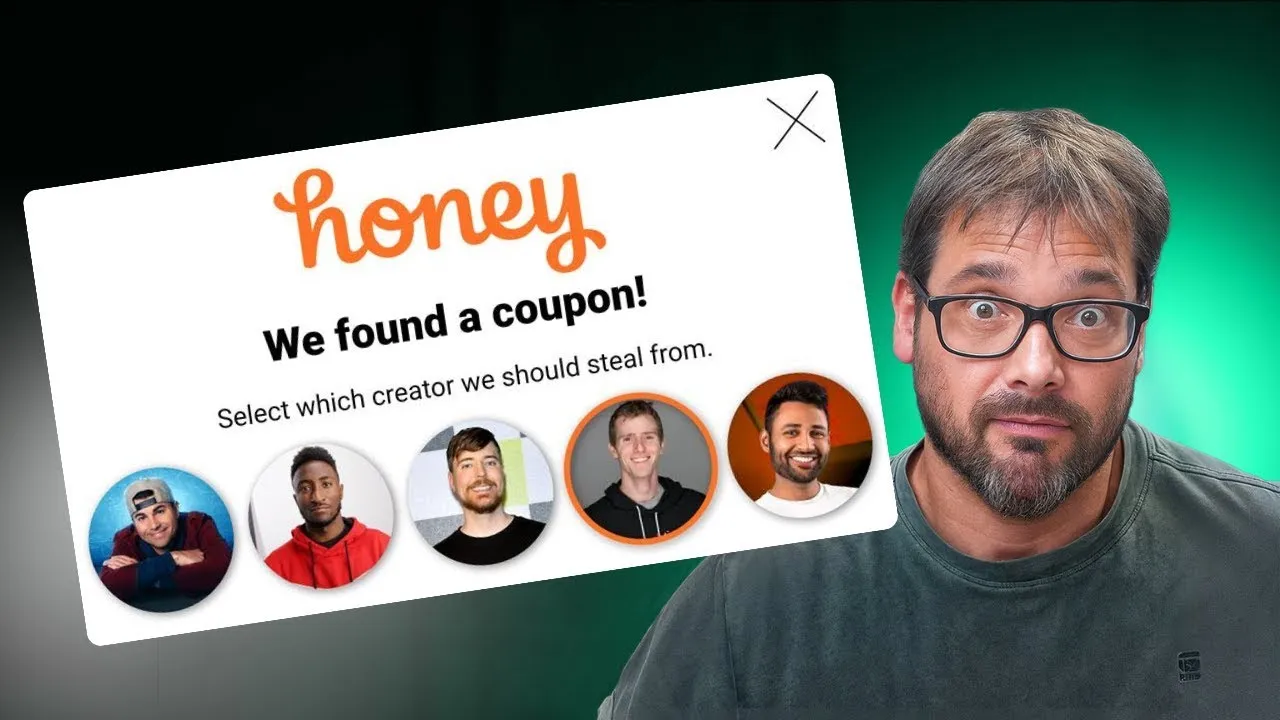
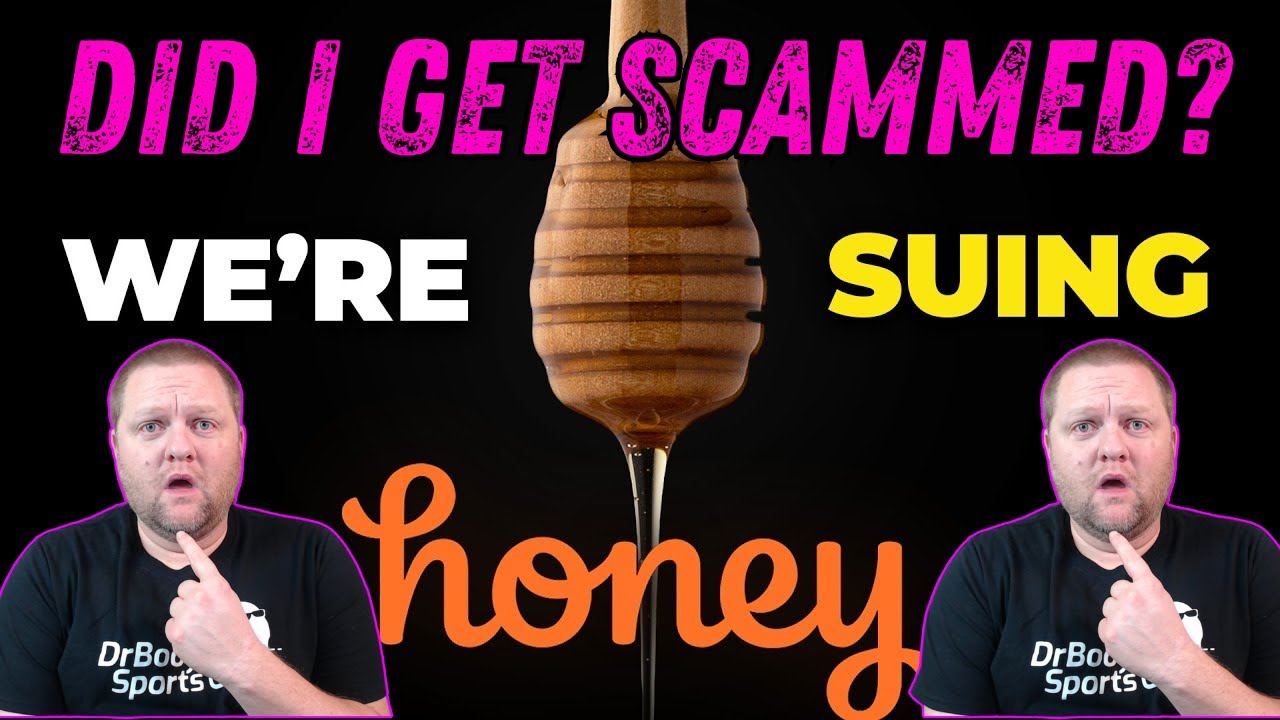
oh honey you've messed up big time investigative YouTuber meal lag dropped this video last week exposing the coupon browser extensions Shady Behavior toward their creator partners and even their customers and boy it is some crazy and illegal stuff hey I'm America's attorney I've been a lawyer for over 23 years I've helped over 20,000 clients and I'm one of the lawyers behind this lawsuit against honey for the apparent scams that they've committed against creators join me while I break down the allegations in mega lag's video and how Honey's biggest scam is perfectly legal and while they will never have to pay the millions of customers that they've allegedly snookered won't have to pay him one red Cent and we'll also get into the claims in my law firm's lawsuit against PayPal honey we'll start with Meal lag's video in just 23 minutes the Creator known as Mega lag exposed how honey has been scamming both creators and consumers out of a lot of money we'll start with consumers which is most likely what you my dearest sweet viewer are Honey's whole shtick is that they find you the best coupons available for your purchase no more manual searching you're getting the best deal on the internet blah blah blah blah blah blah ble but in his viral video Mega lag reveals that companies who partner with honey are able to decide what coupons are on the honey platform if any so to put it in an example if Target partner with honey and they have two coupons out right now for a coffee maker 150% off and 135% off they could tell honey only to display the 35% % off coupon to Honey users so I guess you're getting the best deal out there should probably be refered to you're getting the best deal the brand wants you to get this would explain why through his investigation megal lag was able to find better coupons by manually searching as bad as that is wait until you hear about their grift on creators oh sorry W alleged grift according to Mega lag's video If consumers click on an affiliate link from their favorite Creator or any Creator really an action that would normally earn said Creator a commission is hijacking the cookie that attributes the sale towards the Creator with their own affiliate cookie so if at the checkout page you've clicked apply discounts activate Rewards or even got it the Creator's affiliate code was replaced with Honeys and they received a commission on the sale your creator gets nothing now in his video megalac called this practice fraud I can't see how it's anything short of fraud that's his word just want to let it hang out in the air for a minute frud I would say I'm inclined to agree especially after my law firm and legal eagle filed this lawsuit on behalf of Windover Productions the company behind the YouTube channel winover Productions half as interesting and jet lag the game and businessing the company behind Ali Spagnola these are two Creator companies who partner with different brands with affiliate links only to have honey snipe some of their commissions allegedly now this lawsuit contains only two claims intentional interference with contractual relations and intentional interference with prospective economic relations we'll start with the interference in contractual relations first when two parties to a contract even if it's a verbal contract and not a written agreement are seeking to conduct business together it's unlawful for a third party to interfere in the relationship to the point that their interference either frustrates the contract or deprives one of the parties of the value that they would have received under the contract it's hard to believe you wouldn't understand how honey is allegedly doing that in the current situation but on the off chance that you just really like metaphors imagine that I sell apples for $20 a bucket which I do if you sign a contract with me to buy five buckets of apples on Sunday then I'm expecting a $100 from our deal my neighbor catches wind of our deal and Sunday morning he camps out at the end of my driveway with five buckets of his apples and he sells them to you in Gross my neighbor has effectively stolen $100 from me and interfered with my contractual expectancy from you the lawsuit itself States defendants conduct prevented performance of plaintiffs of their contract obligations or made performance more expensive or difficult defant intended to disrupt the pl's performance of their contracts or knew that their actions made performance more expensive or difficult or impossible defendants interference harmed plaintiffs and members of the putative class by artificially and negatively skewing the data regarding customer acquisition via affiliate links causing members of the pive class to appear to Merchant Partners to underperform relative to actual customer Acquisitions that's a mouthful but that's what lawsuits are like now the second claim in the lawsuit is interference with prospective economic relations let's go back to the analogy of the bucket of apples because you know an analogy of apples a day keeps the doctor away now let's say that instead of you and I having a contract for the purchase of apples I just have an Apple store that's open to the public we'll call it um an orchard this claim represents my neighbor who comes and camps out at the end of my driveway and sells you his apples out of his bucket instead of mine from my Orchard while standing in my driveway he hasn't caused you to breach a contract that you have with me like one that you already made but he certainly interfered with the relationship that you and I thought we were going to have by virtue of me having an open to the public Apple Store I'm sorry Orchard as the lawsuit explains plaintiffs had economic relationships with Merchants that probably would have resulted in economic benefits to plaintiffs defendant conduct as described above of removing plaintiff's affiliate links and replacing with their own affiliate links after plaintiffs directed consumers to Merchants checkout Pages was wrongful by engaging in this conduct defendants intended to disrupt the relationships and or knew that the disruption of the relationship was certain or substantially certain to occur you may be thinking Josh you you you jumped way too far ahead we walk it back for a second what about the consumers here and that's where things get a bit tricky if Honey's value proposition is that it gets you the best discount every time then in each instance a customer deployed honey for a purchase but then receive something less than the best discount due to either a side deal that honey made with the seller or because honey had its own code that it preferred so that it could get a kickback then every consumer would have a claim for at least the value that they lost on that transaction in some states there might be claims for additional damages based on deceptive business practices however in the ultimate legal scam each user who downloads the honey browser extension has agreed to wave their right to a jury trial and agreed to proceed only in a private arbitration proceeding with an arbitrator that is paid for by honey in this instance the AR trador is basically the judge and just to be perfectly clear the judge would be paid to work on the case by honey and that's perfectly legal but it gets worse than that because the user agreement or terms of service that honey enforces against consumers also does not allow the consumer to participate in a class action of any kind which means that all the claims against honey would be individualized well look you're not going to be able to hire a lawyer for an arbitration claim for you just because you were ripped off of a $17 discount lawyers can only economically become involved in scams like this when they reach into the hundred thousands or millions of dollars of value a class action waiver the one that honey users signed is a totally legal scam under federal law to prevent consumers from coming together to be able to litigate their claims as a group so when I tell you that honey will never have to answer to Consumers for the ways in which it has ripped them off I mean that they have likely made tens or even hundreds of millions of dollars on the difference between the value they could have provided customers and the value they actually provided customers at least according to Mega lag's reporting and yet people like you and me continue to elect representatives who are happy to pass laws that continue to keep arbitration scams in full effect and just to put a finer point on how ridiculous this is if an individual person did this to another person in Most states it would be classified as a crime and yet honey will likely never answer for this aspect of their alleged scheme but there is a potential silver mining which is that my lawsuit contains a request for an injunction that if granted would prevent honey from continuing to do just these sorts of things I've partnered with attorney Tom and legal eagle and some other great class action lawyers to pursue honey as much as we can so yes this video is ending on a bit of a downer note but the story is not over yet because megag has teased that his investiga video is actually a series and based on conversations that I'm familiar with he definitely has more to say say what Bombshells do you expect him to drop in the next video do you think it'll be something worth suing over drop your prosay opinion Down Below in the comments and let me know what you think and don't forget you don't need a browser extension to law you're up with me America's attorney for free by hitting that subscribe button I'm not going to make you sign a class action waiver and I'll be back very soon with more videos and you don't want to miss it I don't want you to miss it so I will see you there if an in visual now the slots I'm consolidating all my errors into one place right now [Music]
Up Next

17:30
The Planned Obsolescence of Light Bulbs and Tech
@veritasium
25.3M views•2021-03-26
46:36
Retention Habits of Top DTC Ecommerce Brands Revealed
@SendItPodcast
44K views•2026-03-03

15:23
Decoy Effect: How Pricing Psychology Influences Consumer Spending
@bobinvestsUS
90K views•2026-01-05

152:35
Recycling Innovations: Trash-to-Treasure Technologies & Sustainability
@BusinessInsider
13.6M views•2023-01-11
Related Study Plans & Knowledge Roadmaps
Structured learning paths in Business
business
Pop-Up Retail: Strategy, Design & Execution
01Introduction to Pop-Up Retail & Strategic Goal Setting
02Budgeting, Site Selection, and Legal Essentials
03Experiential Retail Design & Visual Merchandising
+ 2 more learning modules
15h5 modules
Explore Roadmap
business
Reg CF: Startup Funding, Marketing & Launch
01Introduction to Equity Crowdfunding & Reg CF
02Platform Selection & Legal Preparation
03Crafting High-Converting Campaign Assets
+ 2 more learning modules
14h5 modules
Explore Roadmap
business
Productized Services: Scaling Solo Freelance
01Foundations of Productized Services
02Packaging and Scope Definition
03Pricing and Subscription Models
+ 2 more learning modules
15h5 modules
Explore Roadmap
business
Gov Procurement: Find, Bid & Win Contracts
01Introduction to Government Procurement & Business Setup
02Small Business Certifications & Set-Asides
03Finding and Analyzing Contract Opportunities
+ 2 more learning modules
14h5 modules
Explore Roadmap