




















Innovative entrepreneurs worldwide are transforming everyday waste materials—such as human hair, flip-flops, coconut shells, and seaweed—into useful products like oil-absorbing mats, sculptures, cooking fuel, and biodegradable packaging, demonstrating how creative solutions can address environmental challenges while creating economic opportunities.
Recycling Innovations: Trash-to-Treasure Technologies & Sustainability
Added:Understanding the distinction between linear (take-make-dispose) and circular economy models.
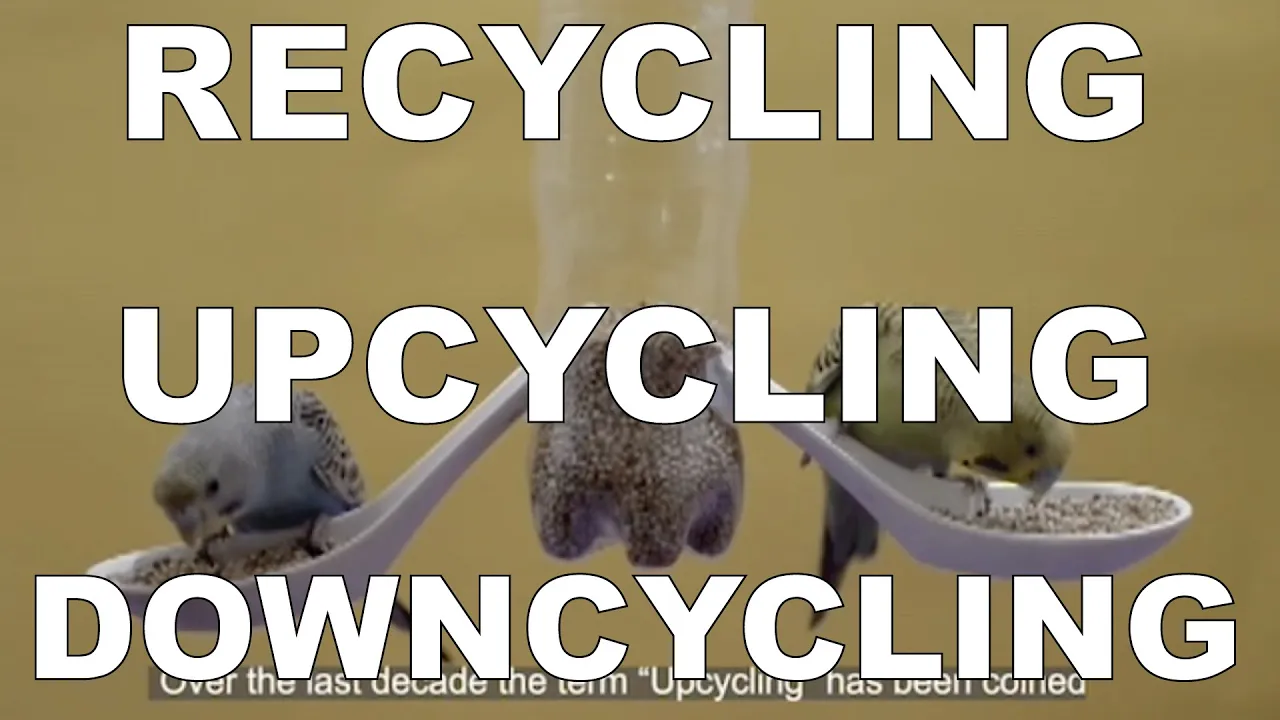
Basic principles of municipal solid waste management, including the differences between downcycling, recycling, and upcycling.
Fundamental environmental challenges, such as the ecological impacts of marine oil spills and the decomposition of organic waste in landfills.
Basic material science concepts regarding the physical properties and potential degradation of natural fibers and organic compounds.
Life Cycle Assessment (LCA) methodologies to scientifically evaluate and compare the net environmental impacts of upcycled products versus virgin materials.
The economic, supply chain, and logistical challenges associated with scaling niche 'trash-to-treasure' innovations into mass-market industries.
Policy frameworks and global regulatory mechanisms, such as Extended Producer Responsibility (EPR), that incentivize companies to design waste-free products.
The study of industrial symbiosis, exploring how diverse industries can systematically exchange byproducts and energy to minimize waste.
13.6M views51.9Klikes2:32:35Original Release: 2023-01-11
we all make garbage and humans throw out 2 billion metric tons of it every year but some of us have found unique ways to turn that trash into treasure one company melts and stretches PVC pipes to make Home Goods another grinds glass back into sand to rebuild coastlines whether it's Eco bricks made from milk cartons or eyeglasses made from used coffee grounds here's how people around the globe deal with World Wide waste foreign this machine weaves human hair to make mattes and this non-profit has been using them for decades to help clean up oil spills I'm going to show how fast it soaks up the oil how clear water pours off of it and the hair holds the oil one kilogram of hair can soak up around five times its weight in oil I'm just trying to get every nook and cranny here I mean this is literally just the hair from your head but for most cleanups oil companies use mats made from petroleum or spray chemicals that can make people sick so if this method works why aren't more oil companies using it to clean up their messes maybe the weirdness makes it you know just more interesting I don't know we went to San Francisco to see how hair mats can clean up worldwide waste matter of trust has been making hair mats since the year 2000.
founder Lisa Gautier sources hair from salons in over 30 countries we we have what we call the Hair Force the donated clippings arrive in small batches people mail this in every day we get I don't know roughly 10 or so envelopes a day we get a lot of blondes as you can always tell when we had a package from Los Angeles like right away blah blah blah blah a lot of redheads in Boston this is probably from Boston we've been told that we got a package of underarm hair from Michael Phelps and the Olympic swimming team the team also uses animal fur clippings from alpaca Buffalo sheep Etc llamas Lisa and her team of felters start by cleaning the bags of donations a lot of these were swept off the floors of hair salons pins cigarettes food anything sharp anything hard that might break the needles all of that is garbage I don't find it gross at all I have a lot of hair and I it doesn't bother me but and I you know it's part of the charm of it the felters lay out the human hair on this bed of dull nails and start to layer it with animal fur and fleece we had to learn that we needed to not use sharp nails because it would start to slice the hair and David invented this for us and he created it so that this thing just lifts up and it's really easy for us to remove it afterwards well then these machines tighten the fibers the final product looks and feels like a doormat how like sturdy that is it's really sturdy started in 1989 with Phil McCrory a hair stylist from Alabama he was watching the Exxon Valdez oil spill in Williamstown Alaska and on CNN it was showing the Otters covered in oil and the water around them a little bit cleaner Phil looked down at the oily head of hair he was shampooing and it just sort of snapped for him you shampoo because hair collects oil I cut you know a pound of hair every couple of days all this could be going to clean up oil spills so 10 years after Phil came up with the idea Lisa partnered with him to scale up at first they stuffed nylon stockings with hair to make booms shaped like sausage we're gonna stop doing as many booms as we have because they needed the nylons which was again plastic to hold them together and we're going to start doing more mats because mats add surface area and so it just collects even more oil that idea was put to the test in 2010 during the largest oil spill in American history BP's Deepwater Horizon spewed 4 million barrels of oil into the Gulf of Mexico over three months and Lisa's team got a flood of donations we just started to get in ponytails from people just you know cutting it off and then of course it was spring and it was shearing season and there's turns out there's Buffalo herds in the United States so there was a lot of fleece just coming at us in trucks and mail trucks and everything it was it was fantastic and overwhelming we had 19 warehouses about a hundred thousand square feet each from the Florida Keys all the way to Texas right on the water because people are just so generous Lisa says that a representative from BP reached out to her about a partnership Insider asked BP about that but the company didn't get back to us in the end the oil giant didn't deploy her hair booms Noah a governmental organization helped her on the cleanup effort scientists concluded that hair booms weren't as effective at removing oil as booms made with polypropylene and oil derivative the booms would get guarald and get saturated in water become heavier than the water and start to sink in the water and in whatever oil they had on it sunk with it and Recovery was very very difficult trying to get those back out of the environment you don't see that with the poly booms these polys do not absorb water like our hair it is BP instead tried to burn the oil off but the fires only covered a small percentage of the spill the company also sprayed dispersants to dissolve the oil and push it toward the ocean floor where much of it remains today and those chemicals can make people sick but the consensus was that the oil was less harmful at the bottom of the ocean than washed up on shorelines it's a trade-off sometimes they use the word net environmental benefit but it's not net Palace it's net less bad still locals along the coast used Lisa's Hair mats to protect their beaches the EPA told us that our BP response was the largest Grassroots mobilization they had ever seen and I was out there in you know Mississippi Alabama Louisiana Texas and Florida eventually BP was able to plug the leak on its own but matter of trust proved it could mobilize thousands of people to address an epic catastrophe the number of large oil spills has gone down in recent years but matter of trust is now focused on a much more common problem motor oil that drips from cars on the road and makes its way to the ocean there's many ways that oil gets spilled and the way that we concentrate on is oil that contaminates our waterways is actually just drips on the streets mixing with rain water and getting into storm drains and those drips add up to over 180 million gallons per year that's 16 times the amount spilled by the Exxon Valdez another use for the hair mats the U.S Air Force is experimenting with them to manage chemical waste on its basis they're doing a very large system with contaminated water reservoirs and once the mats have done their job soaking up oil how does matter of trust plan to get rid of them it actually can break down into compost it takes a really long time and it's not our number one idea of for the circular economy what we think is better is if we have really clean incineration even as she grows her business Lisa wants to make sure her hair map process remains an open source technology Phil McCrory had a patent which expired and we all decided that it's everybody's hair and we're a public charity and we thought that it was best not to renew it and we just thought it's something that should be offered to the world she's shipped her machines to more than a dozen Partners around the world we just had a really great meeting a big Zoom meeting with all of our partners around the world and everybody was super jazzed because I think we're just getting to that next level now where we're looking at how to send out more and more machines and we have one in London one in Wales you know France Switzerland Finland Athens Greece Tokyo Santiago Chile and she says it's possible to do this work from home for us cottage industry is the future anybody can make a little salted experiment just by putting a bunch of hair and fur in your shoe and walking around in it for a while the heat from your heels and the sweat and the um and the jostling from your shoe you pull it out and you will get a little a little match I need to try this oh yeah [Music] you might think you can't turn a flip-flop into a piece of art but you would be so so wrong the team of sculptors at ocean soul in Nairobi Kenya carves the most common Footwear on the planet into hippos giraffes whales and more and so far the company says it has cleaned up around 10 million sandals from beaches streets and landfills they cost like a dollar the problem with that is they break very easily so what you have is a huge Menace the flip-flops everywhere in fact in some parts of the world flip-flops make up nearly a quarter of ocean plastic can a team of hand carving Artisans make a dent in such a huge source of litter we went to Nairobi to see how ocean soul makes art using worldwide waste his style of sandal is some of the oldest Footwear we have dating back thousands of years as plastic became cheaper toward the end of the 20th century foam flip-flops took off today we make over 1 billion of them every year but most don't last long that means a lot of flip-flops end up in landfills and waterways in Kenya the coasts are often littered with them so Treasures come from even as far as from India Philippines to over here so sometimes there are we are shocked we have a network of collectors that collect flip-flops from our weekly Beach cleanup efforts at the coast of Kenya when you bring the flip-flops to us we pay you an equivalent of 30 cents U.S per kilogram you need to bag more than 25 pairs to make the minimum daily wage of a typical worker in Nairobi all told collectors usually bring in about one ton of flip-flops per week that's more than 3 000 sandals first the shoes go through a thorough hand wash using water and detergent we live in a very hot climate it takes probably two to three hours for them to dry and then our artists will come to pick them and use them to make the sculptures for small and medium sculptures workers die cut the flip-flops into templates then use a non-toxic glue to bind the shoes together remember we're using a tiny flip-flop so you have to build up before you're able to carve down then our artists will carve them out into a finished product the company has around 90 employees many of their routers used to make traditional Kenyan wood carvings but that kind of work has dwindled since the early 2000s when Kenya scaled backlogging which made raw materials harder to come by when I used to do these are to say working with the softer material isn't too different from working with wood the knives and sanding tools are the same but you do get fewer splinters the end product will be a crab it detects almost two hours to complete a piece for larger pieces artists repurpose old insulation from shipping containers as a base and cover them with flip-flops and that's why with the bigger sculptures you'll notice that they have a contour look while with the smaller ones there's a stripy look nearly every part of the process is done by hand and it can take up to three months to complete some of the larger pieces the only time we use a Machinery is when we come here to sand so after they're done covering with a knife they'll come here and sit down and use these setting machines to smoothen the sculptures I'm gonna walk out of here because it's too noisy the company keeps a stock of marine animals like turtles and whales in keeping with the clean ocean theme there's also Safari inspired carvings like elephants and giraffes which are the best sellers people say that they love them because of their Twisted necks and they also have beautiful eyelashes the sandal shavings get repurposed we have a shirt in the back that shreds them into smaller pieces like this and from here we're able to make mattresses that we donate to a refugee program in Northern Kenya next comes a quality control check the lady will make sure that you know the elephant has two ears two eyes one tail if anything is not right it's returned back to the artist where they will fix it then the statues are washed one more time before being shipped to their destinations [Music] plastic and rubber often used in flip-flops poses a unique danger to marine life they actually Target plastic thinking that is food the smaller fish having just a plastic tends to be buoyant in that they are not able to dive down into the ocean because of that light material in this in their stomach Julie Church the conservationist who founded ocean soul got inspired after a visit to the Kenyan Coastline in 1997.
she noticed that a lot of kids were making toys out of discarded flip-flops and from there she got an idea that she could actually replicate the cell model now the team collects and carves more than 700 000 flip-flops a year and the pope himself was presented with an elephant carving when he visited Kenya in 2015. so this is the gift that I hope will accompany you on your very important journey through life Joe and his artists aren't the only ones who've noticed the world's massive flip-flop problem s big and small have introduced flip-flops made from Ocean plastic and even flip-flops made from algae that are 100 biodegradable the company sells about a third of the pieces to shops museums aquariums and zoos around the world they're also sold online in a store in Northeast Florida and in gift shops around Nairobi we saw that there was a niche and there was business to be made and that's how we started it we had a rhino the same size as this lion and it it was going for 43 200.
I'm looking for antelopes and maybe zebras to talk to my friends if you know it's from garbage no I had no idea about that but they are so beautiful but the combination of covet and the war in Ukraine has brought on new challenges our hardest Duty right now is actually getting our stuff from Kenya to abroad the supply chain has been really messed up the company told us their shipping costs have nearly tripled and things take about four times as long to get where they're going occasionally ocean soul takes on special projects in 2019 we made a life-size call for a dealership in Alabama United States so that's the biggest piece we've ever made [Music] we used 4 500 flip-flops and that project took us about three to four months to complete [Applause] Joe wishes he didn't have so much material to work with flip-flop waste is a global problem we have received numerous inquiries from India Indonesia Brazil they have the same problem they've asked us where can we come and set up shop in their countries but the ocean soul model might present the most effective use of flip-flop waste the full material for performing the flip-flop is unreversible process when a company comes up with a way of using the flip-flop the whole piece as it is it's a big Advantage until they run out of material artists like David will continue turning trash into treasure one shoe at a time yeah I'm very proud of the work we do because when we recycle the flip-flops we save the environment and also people admire what we make this squishy sludge of coconut waste could hold an answer to a deadly problem spent months of trial and error developing his recipe for cooking fuel made out of coconut shells instead of trees I was like it's either it works or it works it needs to work so I need to do everything for it to work he lost his adoptive family in a Mudslide when he was 17. before that he spent years living on the streets dreaming of the day he could launch his own business biobridge helped prevent deforestation because they are produced from biomass waste they are not produced from wood he lives in a part of Sierra Leone that has lost 70 percent of its Forest cover over the last five decades one reason for deforestation is people chopping down trees to feed their stoves tree roots are essential to holding back the Earth during increasingly intense storms you move from having Lush Green Mountains to dark brown death traps the question now is can alhaji convince people in Freetown to swap wood-based charcoal for coconut briquettes we went to Sierra Leone to see how this young entrepreneur is saving trees using World Wide waste coconuts are one of freetown's favorite on-the-go snacks vendors end the day stuck with heaps of shells that they need to get rid of somehow and that costs money this was supposed to be waste they needed to pay transport to dump this thing now I'm going to pick it up for free alhaji says his company Rockstar trading collects about two metric tons of coconut waste per week he's aiming for 10 tons by the end of 2022.
so this is the backbone of our products this is well for us workers clean the husks and shells and dry them for about a week next they fire them inside this steel drum it carbonized for like three four hours we put the fire out using water we have to wait for them to get dried they pulverize the charred coconuts into a fine powder and add water plus a secret ingredient to bind it all together the mixing is very challenging so the whole process depends on the mix a slight mistake on the formula you have to start all over again the extruder pushes out slimy rectangular logs that will need to dry for three to four days these ones are destined for shisha pipes in fact people who smoke hookah are his best customers these days Rook Soul trading can produce about half a metric ton of briquettes in a day and they bring in as much as 4 500 on a good month we are the best selling Brigade you can find our Brigade in most of the supermarkets in town they go for 70 cents per kilogram that's four times more expensive than the common wood-based charcoal but they burn at least four times as long alhaji's next big challenge is to grow his sails to reach people who will use his coconut briquettes for cooking fuel instead of cutting down trees it's not easy but it takes time it's very tough to build something great if it was not tough everybody would have done it so he has 10 full 40 part-timers in about a year and a half ago he expanded his business works all trading raises and sells chickens too his mother says he's wanted to be an entrepreneur since he was a kid what they did look Facebook but that all felt very far away when alhaji suddenly became the breadwinner for his family at age 12.
um I forget money foreign he left his village hoping to make money to send home to his mother and sister I was just this kid who wanted to become somebody but I was not thinking straight I thought that it is just okay for me to move to Freedom so without thinking about where am I gonna stay who's gonna feed me who's gonna take care of me but I moved he lived on the streets for four years until he found a steady job and an adoptive family who took him in seven to eight months after my adoption I lost my my family that I was living with during the mudslide over 1100 people died and 3 000 more lost their homes alhaji was left with just a few dollars to his name but he was desperate to do something to stop the deadly mudslides in the decade before the tragedy mudslides in Africa had already claimed thousands of lives one of the reasons that cozumo slide is the vast amount of deforestation because the roots helps to keep this world far ohachi began obsessively researching ways to stop deforestation he found YouTube videos of entrepreneurs from around the world making biomass briquettes to replace wood and charcoal he started saving money for an expensive mechanical extruder and perfecting his recipe our four minutes so outstanding that it can bounce for like four hours it emits less smoke he pitched his business idea at a Harvard competition in 2020 and won awards there and at the United Nations and he recently landed new customers in Germany in the UK but most people in Freetown still cook with wood you just can walk up to somebody and be like hey this is new this is different from what you've been using so it's a bit tough but we'll get there one day according to a study in the Philippines one ton of biomass for cats saves roughly 80 small trees and that can add up but preserving trees isn't enough parts of the solution Yvonne Aki Sawyer became mayor of Freetown by campaigning on a promise to plant one million trees by the end of 2022. if we tell the tree town is replanting which include reforestation of Hills reforestation of rivers along riverbeds reforestation of green corridors or creation of green corridors to also address another challenge heat stress our city is becoming so hot it was the 2017 mudslide that changed everything for her too I rushed up there and what I saw will be with me for the rest of my life literally a hole in the mountain the rain was still pouring people were crying screaming the devastating scenes continued through the day three days of unprecedented rainfall she told us that alhaji's project makes her feel hopeful for the future the work that Elijah is doing is one of the ways in which you see the coming together of solutions for these multi-faceted problem of Sanitation and the environment everybody drinks coconuts Everybody Eats coconuts I eat coconuts I drink coconuts almost every day this is called bagas it's what's left over from processing sugar cane about a third of the plant becomes waste as it's refined into sugar during the harvesting season India produces enough of this sweet smelling pulp to make these giant Dunes around 100 million metric tons every year now one company is transforming it into plates bowls and Trays that are designed to break down in a backyard compost heap plastic stays forever so it's not going to go anywhere in our case if you throw it then it'll disintegrate in three months Max but does this kind of plant-based alternative make a difference if it still ends up in a landfill we went to uttar Pradesh India to see how Chuck is making biodegradable tableware from World Wide waste polystyrene was discovered in 1839 and is 10 to 20 times lighter than the fluffiest meringue it wasn't used for plates and packaging until more than a century later as fast food chains went global but recycling has never caught up that's apparent across India where an amount of plastic equivalent to the weight of the Taj Mahal ends up in streets and waterways every two weeks landfills across the country are filling up without government oversight creating unsafe conditions that can lead to fires the idea behind Chuck is to replace some of that plastic with biodegradable sugar cane waste India is the world's second largest producer of sugar making more than 25 million metric tons in 2020. and that means mountains of bagas km Sugar Mill alone produces over 3 500 tons of it per day during the harvesting season it can be tough to work with [Music] most of this material will be burned to produce electricity it's a low pollution alternative to fossil fuels but it has other uses too we were told this is a very good fiber for molding for over 40 years Ved krishna's family turned sugar cane waste into paper in a factory owned by his parents they named it yashpaka and their company's slogan is packaging with the soul but the business ran into financial troubles and had to deal with faulty equipment we didn't know whether the company would run the next day or not what I realized was that all the work that I wanted to do was towards the ecology and environment red went back to the drawing board he spent years experimenting with new ways to use bagas eventually we realized that you know we have sugarcane pulp and that can be molded into different products which can actually be used as placement for these styrofoam products and by 2017 the company was producing tableware products under a new brand Chuck was really good because of course it was about disposable you can check it it was also good with Chuck which is a taste in Hindi veg setup shop near Sugar plantations and Mills to keep costs and the carbon footprint low around a hundred truckloads of pagas arrive at the Chuck Factory every day during Peak harvest season it can take two hours to unload Each truck if the material dries out the fiber loses strength so we have to keep it in wet piles workers then remove a layer of the tiniest fibers before washing and pressure cooking it same concept as you cook Dal in your home the same way you cook bagas you use a certain alkaline product to be able to remove the stickies you know if you think of a sugary product it's a little sticky the alkaline solution helps make it moldable workers wash the sludge again to remove any residual chemicals then they distribute it into different machines and molds that press it into shape squeezing out all the water other companies bleach their products but Chuck decided against it we were told in the market Indians don't like to eat in brown it has to be white but I said no if we are true to our basic idea that we want to be more ecologically sustainable then we have to stay with lesser and lesser chemicals Chuck also sources a starch-based compostable packaging for its products instead of Virgin plastic we of course realize that our whole ecosystem DNA world revolves around the idea of leaving the Earth cleaner so if that is the case and we pack it in plastic then we've defeated the purpose workers like shilwadi check the finished products for Quality before counting and packaging the Chuck Factory can crank out one million individual items in a day and that's only half of what Ved says is possible with the current setup we are still figuring out a lot of the technology by the time they reach consumers Chuck products end up being about 20 percent more expensive than items made from plastic Chuck's meal tray costs 10 rupees or 13 cents while a plastic tray costs around 8 rupees or 10 cents another reason Chuck costs more Ved insists on paying his staff a living wage I think we are very proud of having lots of local people more than that we are proud of having 50 women and they're amazing some women like shawadi can make up to ten thousand rupees a month or 131 dollars that's nearly double the minimum wage in the state of uttar Pradesh so far Chuck hasn't turned a profit but the business continues to grow over 3 000 restaurants across India have used the company's tableware the pandemic was a major setback sales dropped by 70 percent the restaurants shut down we shut down so that's the challenge but we are trying to now change our model where we are also trying to co-direct to customers so vet plans to set up an online store and make their products available in retail locations and he hopes to ramp up his business enough to support India's war on plastic starting in July the country will ban many plastic items including the kind of single-use food containers that Chuck wants to replace so are products made from bagas better for the environment probably Chuck recommends leaving its product for 90 to 180 days in a backyard composting bin that maintains moisture and good oxygen flow but they can still harm the environment if they end up in a landfill where they won't decompose as fast plastic on the other hand never really goes away it just keeps breaking down into smaller and smaller particles Ved is just one of many entrepreneurs around the world recycling waste into food containers and utensils life pack in Colombia makes compostable plates out of pineapple crowns in Mexico creates bioplastic Cutlery out of avocado waste and in Denmark a young innovator is making edible Cutlery and bags out of potatoes and it will likely take all these companies and more to manage plastic waste now and into the future so I believe each of us can make a difference it's only a 70 year old Talent typically the Plastics that we use the cheapest varieties last about 500 years so you can imagine that first bugger still has 430 years to go sand to make glass with this entrepreneur crosses bottles back into sand she co-founded what could be Louisiana's biggest glass recycling operation and in about two years she saved four million beer bottles worth of glass from landfills never let anyone tell you that individuals cannot make a difference because all of this is thanks to incredible individuals glass half full operates in a state with a disappearing coastline and it's ramping up at a time when Global supplies of sand are actually running out we are using up sand at a faster rate than it can be naturally created so volunteers use the crushed up glass to help rebuild the coastline but as dumping material made from trash into nature a good idea there's a ton of skepticism mostly about the sharpness of the sand we went to New Orleans to see how one company is building back shorelines with Worldwide waste Francisca Troutman started glass half full with her boyfriend in February of 2020 while they were still college students one night during college over a bottle of wine that we knew would end up in a landfill we decided instead of continuing to complain about the problem and the lack of glass recycling that we would just do something about it so we had this idea that was about it no waste management experience no recycling experience they raised about eighteen thousand dollars to cover startup costs including a machine that could grind up one bottle at a time crowdfunding in the beginning was really crucial it not only got us money but got us a lot of Community Support as well as this literal mountain of glass started to form residential neighborhood we're like okay we gotta do something here quick since moving into this Warehouse in August 2020 they received a Non-Stop Avalanche of glass to recycle we're receiving so much more glass than we're able to process as you can see by the mountain behind me traditional recyclers send the crushed glass to manufacturers which makes it with other materials and then melt it all down to make new bottles but Fran says there aren't any of these facilities nearby and then it doesn't really make sense environmentally because you're spending all that gas to send a super heavy product four hours away so they decided to skip that step the goal was always to be able to recycle the glass locally glass half full receives about a garbage truck load of glass per week people can drop it off for free or pay to have it picked up once a can is full we will dump it into our Glass Mountain unless it's a special color it'll be mixed into here colorful bottles can be turned into Specialty Sand that sells at a higher price so this is blue sand made from Bombay gin bottles artists really love to use it people love to use it in their Gardens but most bottles are thrown onto what Fran calls Glass Mountain so Glass Mountain is always expanding and Contracting we're always adding glass to it and taking glass away to be crushed eventually workers scoop the bottles up with this loader and dump them into a crushing machine it's metered out into the conveyor belt and it'll go up this conveyor belt and hit the Hammers where it'll be crushed and then turned into sort of a mixture of sand and gravel and labels the pulverizer leaves behind some larger chunks of glass that are too big to use everything that's bigger than 3 8 of an inch will be taken out so that'll include labels Metals caps anything non-glass will come out of this process they're still figuring out what to do with these leftovers the newer models allow you to send this waste stream back through the system so we're working on raising money in order to get that new system for now it's piling up in the back of the warehouse can we reuse it can we re-crush it how can it be utilized instead of sending it to the landfill Brandon Max try to get creative with all kinds of non-glass stuff people drop off we separate all the metal for metal recycling and the plastic we're separating for a special project stay tuned like taking dirty cardboard that can't be recycled to a pig farm to become compost at the warehouse some usable sand is piling up too because one crucial piece of equipment is too small you can really see the difference in size of this compared to our machine so our machine can process a lot quicker than this can sift the sifter filters out any leftover label pieces and sorts the Sand by size and you just scoop the unsifted product put it in the top and it'll shake it all down until it's separated into each of the five sizes the largest screens of glass help pay the bills glass half full sells them as gravel some buyers mix it into flooring the smallest type of sand is a fine powder this is like the consistency of flour it's extremely soft I wish everyone could touch it and walk on it it goes into sandbags the company gives away for free people use sandbags to put up against their doors up against their homes where anywhere where water could get in because we're super prone to flooding here in between the powder and the gravel is coarse sand the kind Fran and Max use to rebuild the coast so this is like the size we would be using for Coastal restoration you can see it's not sharp so it's not going to cut me at an event called a deployment the coalition to restore Coastal Louisiana dropped about 10 tons of recycled sand along Lake Pontchartrain this is the Battlefront that y'all are helping us to protect today thank you for coming Fran and max hand out the sand and burlap bags which were donated by local coffee roasters we like being able to move it with Manpower and kind of get as many people involved as we can it's a really beautiful thing to see volunteers load them onto a boat hey no problems then the team drags the 35 pound bags to the site they layer the sandbags in a line connecting two pieces of lamp these sacks will biodegrade in about six months U.S fish and wildlife agents returned with more volunteers a week later to plant full rest chaplets the idea is that the plants will take root and hold the sand in place creating new land Fran and Max spent a year working with Scientists to make sure their product was safe for ecosystems we were awarded a grant from the National Science Foundation to work with Tulane University scientists and Engineers to dive deeper into that research they found that sand made from glass doesn't Leach anything into the water and that plant life can grow in it and it actually looks like it grew the best in the mixture of the recycled glass sand with the native sand which is really cool the researchers haven't tested whether animals can eat it yet but Fran has and that's actually been tested on my dog who ate a lot of the sand one day and we were like but she uh pooped it out so all good that's all really good news because even though Louisiana's land loss has been slowing down huge chunks of wetlands could still be swallowed up in the next few decades these areas are essential habitats for wildlife and they help protect nearby communities from storms imagine a storm which is fueled by the warm Waters of the Gulf of Mexico as it begins to cross over Wetlands it begins to weaken that's especially important in New Orleans because the city is sinking it was built above sea level in the early 1700s but today about half of it is below meanwhile Rising global temperatures make storms stronger and cause ocean levels to rise so New Orleans needs all the storm and flood protection it can get if that weren't enough there's another problem Fran and Max want to take on a shortage of sand globally that's because we use sand in a lot of things so concrete bones toothpaste paint Coastal restoration sandbags but you can't use just any sand it's a sand shortage of a specific type of sand which is a coarser a bit more angular sand that means desert sand doesn't cut it it's too rounded from being blown around by the wind most Industries dredge sand from the bottoms of lakes and rivers dredging is really the only mechanism right now to get sand extremely costly both environmentally speaking and physically speaking a lot of it's used in construction every year more than 4 billion metric tons of sand go into glass and concrete for buildings glass half full is a long way for making a dent in map bran and Max hope their story will inspire others to make a difference I think this is really more so the story of a community coming together to say we we demand change and we're not going to wait any longer two individuals decided to start this and now over 2 million pounds of glass are not in a landfill and they're making a difference in other areas this is waste for making apple and pear cider it's a mixture of skin pulp and seeds using the juice out about a third of the fruit is left over and cideries have to figure out what to do with it is an Argentine inventor saw a gold mine in this goop Jose Alberto arimberi found a way to turn it into logs that can replace firewood and charcoal foreign but in a country that's been barbecuing for centuries are people willing to break up with firewood we visited Argentina to see how one company is using worldwide waste three rivers run through altovalle creating a patch of fertile ground perfect for growing apples and pears each year the country's apple cider industry alone creates about 75 000 metric tons of leftovers this fruit waste is called pumice and it's the heart of Jose's business biot it all started with a dried piece he took home to run some tests on he realized promise could be used for fires but the real challenge was figuring out how to turn tons of slushy fruit into solid logs foreign he had lots to experiment with since cider makers like Marcelo Garcia are usually happy to have someone take it off their hands ome making this cider starts with fruit that would have otherwise gone to waste foreign on the way to the grinder the fruit travels through the factory and channels of water a belt of buckets lifts the fruit to a mill that crushes it is but the promise can't get too dry or it won't move smoothly through the machinery so the cidery adds water back into the mixture is Marcelo says the promise has lots of uses like composting Heating and making vinegar [Music] the biggest problem is moving the wet heavy mixture Jose gets promised delivered to his property by the truckload he's considered many ways to get that water out so far the cheapest option is simply dumping pumice on the ground and waiting a few days then a worker uses a bulldozer to move the gunk into a specialized machine foreign with the help of a tractor the machine dispenses a line of pumice onto the ground and slices it into brick shapes Constitution Jose piles up the dry pieces he often tries out other systems like drawing smaller batches in a rectangular mold the mold could help him make thinner bricks that don't need to be flipped he's considered making other products like animal feed but right now he only sells the so-called biologs he founded biot with his wife Christina then she helps with the marketing and sales side of the business Jose says their different skills make them a good match foreign she sells the logs to some local businesses and to people who use them at home traditional Argentine barbecues or Asados feedback to the 16th century nowadays lots of people use charcoal but some say wood gives me the best flavor so it's popular with restaurants Jose says meat grilled with beer doesn't taste any different it is foreign logs provide about the same amount of energy as regular firewood and burning them has about the same effect on air quality Jose says it costs the same too and the business is profitable because costs are low customers have to come to his farm to pick up the product that way though yeah in 2019 Jose and Christina supplied the local government with build which gave it out to low-income households but elections brought in a new government that didn't renew the deal leaving them with almost 100 metric tons of extra inventory nutrition Christina says their current processes are slow and difficult to scale up but Jose thinks the technology will become more popular foreign no matter what he's proud to leave behind a legacy of invention foreign [Laughter] two brothers are turning busted skateboards into furniture and bowls Adrian and Martinez pool have been skating the streets of Alberta Canada for more than 20 years they've now turned that hobby into a thriving business at the beginning we were only building from the material that we were able to scrounge up through like dumpster diving outside construction sites and then also the skateboards about 2 million skateboards end up in landfills every year after working in construction the pool Brothers have spent the past decade upcycling thousands of those boards into earrings coffee tables and their signature bowls seeing just the amount of material that gets thrown out on construction sites is pretty alarming that's something that we factor into our approach with our work we went to Calgary to see how their company Adrian Martinez is making homeware out of world wide waste foreign s are made out of maple wood that goes through a special treatment allowing it to be peeled Into Thin sheets each board or deck has about seven layers of those sheets glued together that makes deconstructing the boards a bit tricky they're extremely hard on equipment mainly because they are made out of hard maple and then a lot of glue but the quality of wood leads to durable products the skateboards are the nicest plywood that is made because it's solid Maple the whole way through and in Calgary with about a dozen public skate parks there are plenty of boards available I think the community in Calgary is like really strong it's really growing Martinez picks broken boards up from local skate shops every week we'll also get calls from moms when they see our work and they'll be like I've got my son's boards in the garage and I'm going to throw them out like come get them the brothers usually get about 55 boards a month from store owners like Kevin and bring them back to their workshop [Applause] Adrian and Martinez worked as Carpenters for a combined nine years and they were bothered by the amount of waste they saw the leftovers from a hardwood flooring job are getting thrown out because you can't fold those back into a different job so now basically anything that's two inches by up to like eight inches like is something that we can use in our process after a few years in construction the brothers switch to finer work installing cabinets windows and doors that's when they discovered the unique qualities of building with upcycled boards started as a hobby with boards donated by their friends the first project that we really discovered that we could do like the materials like the possibility with it is like pretty endless is that we made some baseball bats Adrian's wife joined them in 2014 and began experimenting with other ways to use the boards like jewelry the first step is to remove the grip tape ideally we'd like to do in the summer on a hot day and we just leave the boards out in the sun for a half an hour and that heats up the glue enough so that you can peel them off the next step is getting the boards back down to just bare wood we have to remove the clear coat that you can see on the top as well as the graphic and anything left on them so that the the glue can adhere properly [Music] we've butchered them into all their congruent parts strips might become earrings tables credenzas or in this case a bowl to make a bowl Martinez stacks and glues tails and noses together each Bowl takes 20 of these nose and tail sections I sort of start looking at them based upon like the size and like how much curve they are and then so I'll sort of start with one that looks extra big make sure that they'll line up and they look congruent so that they'll laminate together well so this is basically the layout of the how the bowl is going to look and what the colors are going to be in it the boards are clamped together for 24 hours and left to cure for a couple more days after that and then the corners are cut off on the bandsaw and after that's done they're mounted on the lathe then he shapes and Hollows out the block of boards using skew chisels Bowl gouges and scrapers Martinez makes bowls in batches of about 15. each batch taking two to three weeks board manufacturers use different veneers and dies on each deck which makes every one of the pool Brothers products unique Martinez makes about 70 Bulls a year and they sell for almost 400 each about four times the price of a new skateboard and it turns out people love watching them take shape the company relies mainly on Instagram and Tick Tock for promotion social media is essential for this company Instagram is basically what allowed us to have this business and continue going as we have for decades skaters have faced all kinds of negative stereotypes in films and television they're often portrayed as Slackers and delinquents but the sport has earned respect over time and had its first Olympic appearance in 2021 luckily skateboarding got to go through this growth cycle so that skateboarding now is as big as any Olympic sport and has big mainstream sponsors has huge events now generations of skaters who grew up playing Tony Hawk's Pro Skater are starting to give back skaters like Ryan Flynn whose online store chops is also turning old boards into new products we like functional works of our functional products many things from sunglasses to pool cues two screwdrivers we like we like them to be used we like them to have a real Second Life he says perceptions have changed since he started skating my mom told me way later in life she's like my friends told me to make sure you don't skateboard and try to get that out of his hands because he's going to turn out to be a loser I'm so thankful she never listened to him Ryan hopes his products will push others to think more about the environment even though we appreciate Recycling and it's like something we've grown into it's it's trickled down to other parts of our lives too right it's like we're more conscious likewise the pool Brothers believe their efforts will get skaters to consider what happens after they're done with their boards I think we definitely inspire people to get into woodworking or try to recycle skateboards or that sort of stuff a company called iktio spent three years figuring out how to transform leftover fish skins into durable leather and now brands are turning this Marine leather into wallets watch straps and other products that don't smell like fish I don't have to be used to the smell because we fixed this issue very early the height of cow's Breeze for beef are often used for leather and people today eat about three times as much Seafood as they did 50 years ago so why can't we do the same with the more than 50 million metric tons of fish produced globally each year we visited France to see how one company is making luxury goods from World Wide waste ichthyos gets most of its fish from local sushi restaurants the Only Rule for victus is that the fish needs to be eaten if it's not eaten we do not transform it so we'll never collect Ides coming from a special raising of animal for the highs in a typical week this restaurant creates up to 60 fish skins and it used to throw them all away they go directly to the bean unfortunately we have no other solution than classic rubbish collection now it saves them in the freezer until iOS does its weekly pickup [Music] at the production facility the first step is removing any leftover flesh from the defrosted skins ichtos gives these scraps to another company that compost them into fertilizer team sorts the Skins by size and refreezes them then drops the Frozen blocks in this rotating drum tossing the Skins around removes most of the scales while water and chemicals clean them so it's a bit like soaps that we use to get all the fats out of the skin that part is key because the fats are what make the fish skin smell fishy early samples of the fish leather skip this step and people noticed the answer was like whoa it's crazy it's so beautiful it's very interesting but it's a bit smelly the skin spin through the drum again this time with tannins that will strengthen them and help color stick these tannins come from vegetables many sources of vegetable contain polyphenol which has the ability to transform a hide into a leather vegetable tanning actually goes back thousands of years but more dangerous chemical methods became dominant over the 20th century the team flattens out the skins then they drape them on a rack and wait for the tannins to soak in foreign the Skins go through this machine which weakens fibers so the leather will be softer now it's time to add color workers soak the skins in the first round of dyeing then lay them flat again and begin another series of drying steps then they stretch them by pinning them to metal plates for about a day we stretch it as far as we can so that we can have the maximum surface on the ladder at this point it feels like a thinner version of traditional leather it's a little bit like snake leather when you look at the grain the aesthetic the leather can now be sprayed with dye for its final shade and a finishing coat you can finish the Leather by applying several dyes and resin on the leather so it will brings protection and a brightness to the leather the spray also contains natural oils that help smooth out the surface is this is the final product the Marine Leathers are today a little bit more expensive than the classic Leathers but cheaper than the Exotic Leathers like snakes like crocodile horses clients can request custom colors like this trout leather covered in actual gold foreign [Music] the company sells some leather at a discount if it has any flaws the founders say Marine leather can be used for just about everything regular leather is bags shoes wallets but also sometimes for some design products like you can already think about the inside of a yield of or a restaurant the tricky part is the size you will never get a salmon as big as a cow it's a good news I think Benjamin says it takes five salmon skins to make this bag the company also makes leather from Sturgeon trout and carp and it's working on figuring out catfish which have no scales and today we are developing each year a new leather and each year we are failing and developing new solutions for new skins for new leathers and for creativities a lot of the processes at iktos are similar to what a traditional Tannery would do to cowhides so is it any better for the planet to make leather from fish instead well the main problem with cow leather is that the chemicals often used to tenant are highly toxic most tanneries use chromium to strengthen hides into leather it's a heavy metal that can contaminate groundwater and make people sick the vegetable tannins ichthyos uses replace that toxic ingredient and those soapy chemicals that clean the skins the company says it can treat and use them over and over so we have no waste after this part but dyes can also have an impact about two percent of industrial die ends up in waterways which can sicken both animals and humans ichthyos uses a mixture of synthetic dyes and natural ones made from vegetables Benjamin says they can't only use natural dyes because the color Fades after six months there is an equilibrium to find between the impact of the process and the lifetime of the product the company sends Wastewater from the dyeing process to a nearby treatment plant but the founders say the main benefit is keeping the fish out of the trash and out of landfills where they would create methane as they broke down the fact that fishkin is today a waste this is more ecological we already saved 20 tons of fish skins there's still a long way to go France alone tosses more than 200 000 metric tons of fish skins every year so the founders hope to scale up and in the meantime they want to inspire other businesses to put some skin in the game wastes are a new way to find raw materials it's not an ugly way it's not a smelly way it's a sense for sourcing hundreds of billions of milk cartons get thrown out every year and a center in Thailand can recycle thousands per day into building materials the cartons get turned into bricks or pressed into Roofing these kinds of boxes are really hard to recycle because of the layered mix of aluminum plastic and paper but one of the world's largest producers is trying to make that easier a swiss-based company called tetrapak made 192 billion food and beverage containers in 2021 started programs to keep a portion of those out of landfills here in Thailand the company has set up collection drives at some schools in some of the final building materials help rebuild homes for victims of natural disasters [Music] so can the world's largest carton manufacturer make a difference in reclaiming the waste it makes we visited Bangkok to find out how to fix a house using old cartons of milk it's morning assembly time here at the huama school since the 90s the Thai government has encouraged milk in schools in a country that traditionally didn't consume much Dairy three decades later drinking milk is a daily habit for students like Johnny Khan this school goes through about 5 000 containers a month in nearly all of them get recycled Hollywood [Music] this educational campaign is sponsored by tetrapak the packaging giant headquartered in Switzerland the recycling program is active in over 400 Bangkok schools as well as 150 drop-off points across the capital but this is a fraction of the company's overall output tetrapack says it's reclaimed 50 billion cartons in 2021. about a quarter of what they made in that year alone the cartons end up here at eco-friendly Thai a recycling company that specializes in beverage containers and used paper the rachaburi plant processes about 12 million cartons a month first they have to be broken down to make it easier to separate the cardboard from the plastic and aluminum the walls of the cartons made by Tetra pack have six layers all of them can be recycled on their own but many recycling facilities don't have machines that can process them all at once about 75 percent of a carton is paper which provides structure polyethylene plastic makes up 20 percent and helps seal the packaging the last five percent is aluminum a thin foil helps keep the contents fresh and extends the product shelf life and a special heating process sterilizes both the product and the package making some items shelf stable for up to a year the hydropulper breaks up the layers into tiny pieces then the boxes go through three filters to separate and remove the paper each filter is finer than the last any Wastewater gets pumped back into the pulper the remaining plastic in the aluminum and appear at the dump screen the pulp is trucked to another plant and will be turned into toilet paper and cardboard meanwhile the leftover mix of polyethylene plastic and aluminum is headed to eco-friendly's plant in notapuri it's called paleol for short first workers crush it with a coarse grinder then it goes through another round of cleaning to filter out any remaining paper pulp next a hot air dryer removes moisture workers feed it into a second grinder yeah [Music] then it's ready for the extruder which heats the ground material s temperatures reach up to 392 degrees Fahrenheit the compressor uses a cooling system to shape the polyel mix it cools for three minutes in the mold and voila ecobricks but because most of the carton is paper it takes a lot of them to make just one brick s the bricks will be ready for commercial sale in early 2023 problems they also sell the polyal to companies like Advanced mat which converts the mixture into plastic pellets the company makes chairs Roofing sheets and insulation Tetra pack has donated nearly 70 000 Roofing sheets to help victims of natural disasters and the aluminum from the polyal helps cool the homes making the root Chiefs out of this material helped actually to protect the heat from the Sun at the same time with the property of polyethylene that we have in our material it also helps the material to be strong Touchback has been donating their milk carton roofs to places like the check dang Temple well foreign [Music] from the roof to the wall cladding in 2021 tetrapak spent less than one percent of its annual revenue on recycling programs the company says it plans to invest about 100 million dollars each year over the next decade to increase the amount of recycled material that goes into new packaging their Thailand recycling program started in 2006 but it's been hard to raise awareness admits it still has a long way to go we can make Improvement in the bigger scale in terms of climate impact and also biodiversity we also want to expand in terms of recycling products that we can manage and we can produce in order to be able to contribute more to the communities this machine is cutting out eyeglasses but the frames aren't plastic they're made of used coffee grounds a company ochis makes its biodegradable frames in Keys the capital of Ukraine a city which has withstood deadly Russian airstrikes on and off for months as ukrainians deal with the damage many cafes remain open despite the risks yeah and one of them gives their used grounds to ochis all around the world drink about 2 billion cups of coffee every day what if there's a new plastic replacement right under our noses the Kiev to see how workers make glasses from World Wide waste as the war drags on coffee shops offer ukrainians a sliver of normalcy foreign [Music] this shop closed for about three weeks after the War Began it reopened in March customers came right back foreign 11 pounds of coffee grounds every day an OG staff member collects these grounds a few times a week turning coffee grounds into glasses keeps them out of landfills that's good news because when organic waste breaks down without oxygen it creates methane a powerful type of Planet warming pollution the sibo at the company's production facility the first step is drying them out the team grinds them into an ultra fine powder [Music] then they blend the powder with plant oils is workers spread the mixture into molds some OG's frames also include flowers coconut or other decorative accents then they put these molds into a press and allow the oil and coffee blend to harden under pressure is [Music] workers here place the decorated plates in a machine that cuts them into basic shapes these will become the rims and temples of the glasses foreign grew up surrounded by eyewear parents met working in the Region's largest glasses Factory after the Soviet Union fell they began selling them at markets and they eventually opened their own shop where Maxine learned to repair glasses he tested out lots of materials including Sesame pulp flax and hemp is Maxime in about a quarter of ochi's employees started working remotely After the War Began and the company paused making glasses [Music] after about two months the team returned to the workshop colleague [Music] um Insider filmed here in early October about two weeks later Kyu faced deadly drone strikes that forced many people to shelter again the nearby attacks have left their mark s but hanging on to daily routines is an act of defiance foreign blackouts and Air Raid Sirens interrupt their work OG's staff returned to the workshop whenever possible and they're making a line of glasses dedicated to their country name is [Music] a team of craftspeople shapes and polishes the pieces a laser engraver adds Finishing Touches then the team puts the pieces together after final inspection the frames are ready for lenses [Music] the whole process for one pair takes about four days but the team's work isn't done they make cases out of coffee too globally coffee drinkers create more than 2 000 large dump trucks worth of these grounds every day oh cheese would have to make a lot more glasses to make a dent in coffee ground waste right now it can fulfill all its orders with the leftovers from just one local cafe eventually Maxime plans to expands for now most ochi's glasses are sold online to foreign customers [Music] about a tenth of sales happen at local retailers like this one is customers in the Kiev shop said they're eager to support a locally made product is [Applause] since the time of filming Russian attacks have damaged infrastructure creating water shortages and putting keys at risk of a total blackout City officials told the New York Times that if that happens they might tell all residents to evacuate and much of Max's Hometown lies in ruin following the withdrawal of Russian forces technology but despite the Grim situation Maxine is committed to getting his product out into the world it's a sentiment that keeps his team going that is foreign [Music] instruments steel is one of the most recycled materials on Earth it beats out plastic glass and copper more than half of it gets melted down and reused over and over so if it's easy to repurpose why is steel a major source of pollution we visited a company experimenting with ways to clean up the industry using worldwide waste humans invented steel thousands of years ago when they figured out that mixing iron with carbon made a stronger material today there are more than 3 000 types of Steel with other elements mixed in for different uses this Australian company has been recycling steel for over a century trucks deliver about a thousand metric tons of pre-sorted scrap here every day it comes from Cars refrigerators washing machines demolished buildings and even old mattress Springs powerful magnets layer different types of Steel depending on what's needed for each batch from here the scraps go to the furnace where they melt in about an hour this is what is supposed to make recycled steel cleaner than new steel there's no need to mine new iron and these furnaces use less than half as much energy as the ones that make new steel we use electricity much like a large welder to melt that style other processes adjust the Steel's chemistry and strength molds shape the liquid steel into bars the company sells some of these but most are forged into a ball shape they're sold to copper and gold mining companies which use them inside Giant rotating Mills to crush ore Molly cop says all of its products are made from 93 recycled materials though Insider could not independently verify this we want to push that as close as we can to a hundred percent about a third of the steel made around the world each year comes from scrap nearly all the rest is new steel created from Iron Ore recycling is better for the planet and is usually cheaper so why are we still making so much of it from scratch because the world needs more steel than scraps can provide that's really limited by scrap steel supply the tidal domain for steel Mains that will still have to mine on or in 2020 the industry churned out almost 2 billion metric tons about half of that went into buildings and bridges that won't become scrap for a long time and scrap doesn't always end up in the hands of recyclers in 2018 seven percent of all the waste sent to U.S landfills was made of iron or Steel plus some experts say that purely scrap-based steel can't be used for everything the main problem with scrap is that you always have some impurities in there which reduce the the strength with demand for steel On The Rise it's estimated that within the coming decades at least half of it will still have to be made from Iron Ore [Music] that's a big issue for the climate steel is responsible for about a quarter of all industry-related greenhouse gas emissions most of that comes from cooking it up from scratch but recycled steel is part of the problem too melting scrap in a furnace uses a lot of electricity since 2020 Molly cop's plant has gotten over half its power from renewable solar and wind supporting the generation of renewable energy seemed a natural step to make and the right thing to do but even recycling usually requires Coke which is coal that's been baked for hours until it's almost pure carbon you can't make steel without carbon but mining coal and turning it into Coke also uses lots of energy and creates air pollution mollycop is looking for other options it partnered with Scientists at the University of New South Wales to study Alternatives like old rubber and plastic we get to see our ideas being brought to life in an industrial setting the researchers have used mollycop's plant to test out replacing coke with briquettes made with plastic waste though using them would still release a smaller amount of carbon dioxide objective is how do we replace all of it with material that would otherwise end up in landfill it gives hope and and that sense of positivity that together we can actually solve these kinds of challenging problems but these ideas are still in the testing phase so for now here at mollycop we we consume about four to five thousand tonne of Coke each year in the stool making process it sounds like a lot but making new steel from Iron can use at least 20 times more coke than recycled Steel ultimately cleaning up steel will require updates to 100 year old recycling methods where the oldest operating store maker in Australia and we want to be around for another hundred years and we'll do that through being a sustainable and responsible still maker PVC is one of the most common Plastics in the world and even though this material can be recycled over and over again it often isn't that's what inspired these two sisters to launch their own business their employees heat pipes over an open flame cut them into strips and then weave them into high-end Home Goods it's like a gold mine for us when we get there and we see this heap of you know broken pipes that are actually able to use you know and put it into good use so if PVC is such a versatile plastic why do we recycle so little of it we went to South Africa to find out how this business makes modern housewares out of worldwide waste Moe is the artist behind Moe's crib they actually died while her sister Michelle runs the business side of things we are actually both Mo my African name is an MO her name is murungwe and now surname also happens to be mogoni so it really made sense for us to call it Moe's crib getting them Mo and Michelle get most of their raw material from the wholesale company says Ubuntu piping most sorts through piles of broken PVC pipes sent to the scrap Heap before they were even sold like this that will definitely never be used for its sole purpose for water or sewage Etc so I can actually take this one and even though these are junk for construction companies they're the right amount of broken for Mo and Michelle it's like this defect right here is exactly what we're looking for we love this sort of pipe so we'll definitely be taking this pipes travel over eight hours by truck to this wholesale lot in Pretoria now during Transit they eat some pipes that gets damaged while loading or offloading so those pipes cannot be used again instead they're set aside for MO but it's taking them time to build that trust so when you're calling as a woman wanting pipes you're not taking seriously that's what we've experienced actually the sisters took strength from Elite mother's words there's something that she always used to say to say that we must stand up and say here am I and um and that is and that is truly who we are you can just go around through to the guys okay they will get your pipe all right you'll be helping me with uh six pipes that I'm gonna choose today so we can go this one is really good hold on let me see these pipes are six meters long so workers cut them down to more manageable sizes pipes from PVC short for polyvinyl chloride are hard and durable but they can be heated and reshaped without losing strength and even a simple bonfire will be enough to do it comes in contact with the fire this is to make it so that it softens innocent mango nicknamed prawns worked as a plumber before this installing pipes similar to the ones who now mix into baskets he spins the pipe over the flame until it weakens into a workable texture this part of the process could expose workers to harmful fumes but the company told us they plan on switching to an enclosed oven sometime in 2023 with the aid of a box cutter he then ties one end of the now floppy pipe to an anchor then Franz walks backwards all in one smooth skillful motion slicing it into thin strips almost as long as the entire yard the strips are now ready for weaving but before we leave we have to then create a frame for the basket France has been weaving baskets for over a decade he's one of the company's 11 full-time employees plus minus one and a half hours full process it takes one meter of pipe to finish a planter the laundry basket requires two meters of pipe that makes each basket a one-off creation right nope chemists discovered PVC in the 19th century after exposing vinyl chloride gas to sunlight within a century production of all things PVC exploded this is polyvinyl chloride a synthetic resonance material converted from final chloride gas and it's the basis for thousands of Plastic Products it's sturdy and waterproof but has a low melting point it's used in construction vinyl records clear IV bags even clothing at one point PVC was hyped as a space age material suitable for the best dressed ladies in the year 2000.
we make about 60 million metric tons of PVC every year and about a third of that winds up in pipes but some of the things that make them so functional also make them hard to recycle PVC pipes used to contain hardpoint additives like lead and cadmium which can contaminate other Plastics headed for recycling so they need to be separated many large producers voluntarily removed a number of these harmful elements before 2015. but most countries don't outright ban them these pipes can be used for up to a hundred years many of the ones ready for retirement still contain those dangerous chemicals so a lot ends up in landfills Mo and Michelle need pipes of a certain thickness for their weaving process too thin and they're not strong enough to withstand weaving too thick and they're too hard to cut properly so for years as they collected pipes Mama Michelle also stumbled upon hundreds they couldn't use that made it harder for the Sisters to expand as as the business continued growing and the demand was more we needed to find alternative sources so they partnered with the pipe manufacturer kusasa mining pressure systems in 2019.
here discarded pipes of nearly any size can be recycled into exactly what the sisters need you can bring any type of pipe no matter the color and it actually goes through a regranulation process make sure exactly of which is two to three millimeters one thickness the granulator pulverizes the original pipes into a fine powder flowers kusasa adds wax and lead-free stabilizers to the mix just like it does when it's making new or virgin PVC pipes workers heat the mixture and then push it through an extruder the PVC has to be the right temperature too cold then it's too hard to mold but not cold enough and it's gonna be like banana you know of which is wrong they're not supposed to be like that the workers use water to regulate the temperature of the pipe cartons as water cools it and is then cut to the right size and voila the old PVC is now new PVC depending on what the product is going to be used for include some recycled PVC when making pipes for other companies PVC can be recycled up to 10 times this way before losing its strength so this is our way house this is where the Ellis group also known as most crib is headquartered this is what we consider our distribution center so this is where all the finished products come in and we basically do our quality check here and we do our cleaning as well as a dispatch most crib sells the smaller planter style basket for 109 dollars and the larger hamper for 120 on its website its products have also made it into Crate and Barrel and Target in the U.S mood script product is in all of those stores and walking into one of the stores in New York and Soho and walking right to a product and it's got our name on it it's cut cuts why are you not carrying it it was unbelievable it was beautiful it was it was just crazy because of we're looking at this basket and you're thinking about you know a France that made it um and and thinking back at the journey and how difficult it was and you know seeing that two black girls from mabopani Township in Pretoria actually were able to make this possible you know thank you so much [Music] they've expanded their offerings to include products made from natural plants from other African countries as well the sisters contract independent Artisans like Mike say to weave the grasses we actually have up to a hundred Artisans that work for us part-time the handmade approach using environmentally friendly materials defines Moe's crib when investors approach the sisters suggesting they use machines to scale a production we always stop right there it doesn't really matter about the money or the investment that's going to come in if we are not going to be able to offer those job opportunities if we're not going to be able to set ourselves aside from other companies and offering a handmade product and it's not just about a transaction PVC is just a small part of our Global Plastics problem but the mikoni sisters are happy to do their part and this we have found is a solution to This Global Environmental challenge at a time this paper is made from Farm waste some corn husks stalks of sugar cane but mostly poop elephant poop oh hey who goes by Pete has been working at pubu paper park for about four years making paper without trees is the priority number one even if that means handle a lot of number two Epic no no can this model inspire people to take better care of endangered species we visited Chiang Mai Thailand to see how paper gets made using a very particular kind of worldwide waste this is gone Floyd trained caretakers called mahuts like banthong shamnan saadsi can serve him up to 300 pounds of plants daily foreign elephant home where he lives and poo poo paper part co-founder kanocratan is happy to take it away Sun pays nearby sanctuaries around fifteen dollars per bag and collects up to a ton of poop every week then it's Pizza to turn it into paper it feels good [Music] seriously how do you clean up Kaka well first Pete soaks it overnight in water to remove sand clay and rocks the company uses no chemicals or bleach trained poo meisters sanitize the dung in boiling water for four to six hours this kills bacteria and germs but also softens the fibers the longer it boils the smoother the paper will turn out that is next they drain the liquid and spread the cleaned stringy dong to dry that usually takes one to two weeks Pete mixes the poop with grass hay or tree bark in this blender coconut husks or banana stalks act as binders depending on which crops are in season the third ingredient foreign finally they sometimes add non-toxic organic food dyes for color all this means no two batches of paper are exactly the same it takes two hours of mixing the raw pulp to get the right consistency then workers shape the mixture into balls and squeeze out the excess liquid the Wastewater will be used again to make more pulp or to fertilize fruit trees on the property each ball weighs about half a kilogram hello they take special care to spread the pulp evenly I've been gone foreign and her husband Michael flankton began developing this process in 2002. then in 2009 during the economic recession paper sales cratered so the couple turned to their process into an attraction open to the public ations right visitors can participate in paper making or buy products at the boutique they built poo poo paper Park in a province known for elephant tourism but there are no elephants here is it took two years to design and build the one and a half acre property they used traditional natural building materials like palm fronds and Trunks from fast-growing eucalyptus trees workers intentionally leave piles of dung along footpaths in case visitors get lost they're told to follow the turds tan is proud of every sheet of paper they make here to one the sheets take four to 12 hours to dry depending on the weather foreign if there's a defect in the paper the team can put it back in the blender good afternoon Park employees use the paper to make greeting cards and all different kinds of origami art like this decorative Rose and at an off-site Factory local villagers fulfill thousands of orders for these smaller roses each handmade flower is carefully twisted and dyed a bouquet sells at the park for about 22 dollars the founders employ locals from Chiang Mai Province a region known for its intricate art and handicrafts making paper out of poop isn't as crazy as it sounds researchers from China have experimented with paper made from Panda poo and in India entrepreneurs are making stationery with Rhino Tong in Thailand turning poop into paper has the potential to support a dwindling species Asian elephants have always played an important role in Thai culture Kings would ride these massive animals into battles in 1989 the Thai government cracked down on deforestation is and their elephants found work at tourist destinations but then the pandemic hit and tourism slowed your name is now after Decades of poaching and habitat loss there are only about 50 000 Asian elephants left in the world more than half of the elephants in the country are held in captivity elephant tourism is one of the country's biggest most profitable attractions but training elephants can involve harsh practices like chaining and beating the animals healthy elephants need space to roam away from crowds of people and in most tourist spots this just isn't possible authorities can often Overlook regulations meant to protect animals According to some reports so that makes pupu paper Park unique as an attraction that educates visitors about elephants without harming any animals they sell their products in over 500 specialty shops across the world including national parks zoos and museums like the Smithsonian the company also collects Cow Horse donkey and buffalo waste from nearby Farms those animals digest plants better than elephants so the poop is less fibrous that means any pulp made without elephant waste needs more scrap paper to achieve the right consistency the whole system benefits the park its visitors and most importantly hungry elephants thank you once this goop cools and dries it'll look and act a lot like plastic wrap but it's made from seaweed I don't think it would taste very good but you could eat it there are thousands of known species of this flexible see-through plant you can see how far it stretches you can see how it resists it also grows fast one type called giant kelp can grow up to two feet every day with a few tweaks to its chemistry slimy kelp can form clear sheets that keep products clean fresh and can break down in a compost bin our materials will degrade a little bit slower than lettuce but faster than something like a corn cob startups around the world are racing to transform seaweed into a biodegradable replacement for shopping bags food wrappers and other hard to recycle Packaging but can they compete with ultra cheap plastic we visited California to see how abundant ocean plants could help fight worldwide waste Julia Marsh founded sway in 2020. it's a startup that designs compostable replacements for single-use Plastics her work is focused on hard to recycle thin films these make up nearly half of the plastic going into the ocean every year and marine life often confuses it for food Julia started her career as a packaging designer but eventually realized she was adding to that problem usually I was working with plastic and that really felt at odds with my upbringing growing up in a place like this she spent almost every morning of her childhood poking around these tide pools we would always tide pool and find little hermit crabs and play jump rope with strands of kelp kelp and many other types of seaweed Thrive here well think of seaweed as being Brown and kind of slimy and it smells bad but seaweed comes in all sorts of colors like an entire rainbow usually the Browns are the ones that carry alginate and the reds are the ones that carry agar those ingredients are part of why certain types of seaweed are slimy or squishy this is really simplified but that slime can be dried and powdered and regelified and that's how you create gels that process starts at sway's lab where the team tests out recipes this laboratory set up here is primarily for formulation development small scale as well as lab testing first ingredient is this white powder sourced from processing centers which wash and dry seaweed it comes from inside the plant cells Engineers here add that powder to water and heat it up it has a little bit of an ocean scent to it next they'll add sugars and starches from Plants including coconut and wheat this batch also has plant-based green dye [Music] the last step is called casting we're going to take our Blended solution and we're going to cast it into a film after about 10 seconds it's cool enough to peel off the team will cut this sheet into strips and run tests we're going to put the specimen inside of these two grips and with this foot pedal that's underneath here it'll close the grips this machine tests how far the strip can stretch the goal is to make materials that look and act just like regular plastic so when this gets out of the testing phase manufacturers can switch to seaweed packaging without buying new equipment we're not asking individuals to make those choices we're asking the corporations and the brands that are most responsible for producing waste to switch to our material that means getting the strength stretch water resistance and color just right this type of film can be sealed with heat just like a chip bag I know there's a seal right up here Julia says food wrappers are the next step but those have to meet strict industry standards and often have multiple layers right now her sights are set on simpler Plastic Products like the ones used in the fashion industry low hanging fruit we're starting here because this is a huge problem globally retail bags and poly bags are some of the most pervasive polluters of marine systems poly bags are used at many steps of fashion Supply chains to keep clothes pristine in transit Julia says some fashion brands are running pilot tests with sway packaging but didn't tell Insider which brands if those go well it could be available to the public sometime next year in 2021 sway entered the competition for the Tom Ford plastic Innovation prize which will award over 1 million dollars to startups that can find a viable replacement for the poly bag of the eight finalists make their products out of seaweed that's probably because it has a lot going for it it grows quickly you don't have to feed it anything you don't need pesticides or fertilizer no fresh water it's just growing and you can Harvest seaweed without killing the plant you basically give it a haircut and then it regenerates of course slicing off tons of natural seaweed would disrupt ecosystems so the company works with seaweed Farms this business in India isn't a sway supplier but it showcases how simple farming seaweed can be with just basic equipment we need to design climate resilient employment opportunities for Coastal communities that have been affected by overfishing and climate change and seaweed farming is the perfect answer and it can actually improve natural surroundings too while it's growing it's reversing the effects of ocean acidification and providing Habitat For biodiverse Life Julia says that idea influenced her early design process I became obsessed with the concept of regeneration which is going A Step Beyond sustainability keeping things the way that they are and actually replenishing natural systems and improving quality of life [Music] sway works with facilities like this one to test whether its products are really compostable Julia says at places like this the packaging is gone in under 48 days in home compost bins it can take a few weeks longer and it can actually leave soil better off than it was before by adding nutrients the company is still running tests to see how long it would take to break down in ocean water many types of bioplastic already exist the whole Market could be worth about 46 billion dollars by the end of this decade Julia says because seaweed is Affordable and abundant sway's films can underprice the competition once the company scales up for now hearing from lots of other seaweed entrepreneurs gives her hope I meet so many people my age older younger finding real solutions that actually can scale and scaling them so I feel hopeful yeah even though I'm regularly confronted with the intensity of the problem I feel hopeful yeah making tofu requires a lot of water up to 10 times the volume of soybeans needed for every batch and all that runoff stinks tofu is a staple across Indonesia a country of 275 million and most of that comes from about a hundred thousand small factories like the two we visited but now some Villages are converting stinky Wastewater into home cooking fuel in a country that struggles to provide access to energy this tofu biogas has become an important alternative we traveled to Indonesia to find out how people power their homes with Worldwide waste the inside of the oji tofu Factory is hot and steamy with a sour odor that you can smell from outside it's one of more than 230 tofu makers in sumadong an area of West Java famous for this product but all that tofu comes at a smelly price foreign step of making tofu generates Wastewater when that flows into nearby streams the acidic runoff can kill off fish and crops and as the organic material dissolved and it decomposes it produces ammonia gas tofu starts with dried beans that are measured out and soaked da foreign has been making tofu here for 18 years he grinds the soaked beans to prepare them for cooking the bean paste Cooks in giant cauldrons workers stir the mixture until it's just right yeah foreign through cheesecloth excess water collects in drains what's left is soy milk and a steaming pile of Pulp called dregs foreign foreign adding vinegar curdles the soy milk the bean curds go into wooden molds heavy weights squeeze out any of the remaining liquid making just one kilogram of tofu generates 33 liters of liquid waste containing whey and vinegar just five years ago the tofu plant discharged everything into the nearby River but now things are different [Music] pipes carry Wastewater directly from the cluster of tofu factories to a nearby biogas plant foreign [Music] has been producing biogas here since the plan opened in 2017.
the facility treats some water to be released back into the river another pipeline carries more concentrated waste to collect in a holding pond the six tall black tanks turn waste into biogas foreign the Wastewater gets pumped into the first reactor from the holding pond then technicians introduce anaerobic bacteria which don't require oxygen to break down organic material as the microbes munch on soy proteins the series of six digesters produces methane a gas that can be used as fuel the whole fermentation process takes about 20 days but technicians feed new biomass into the reactors every day leftover solids can be used as fertilizer is designed and built this plant in sumadon as well as others across the country is in the last 40 years Indonesia has built almost 50 000 biogas plants while the Indonesian government funds some facilities like this this particular plant is owned collectively by the community larger plants in other areas also turn biogas into electricity the country's huge appetite for tofu means there's a lot of opportunity for growth foreign plant supplies 56 households with a direct line of biogas and it has the capacity to provide even more one of those homes belongs to deda hidaya and her family today she's cooking tofu with gas made from tofu waste but this circular model has its limitations tofu Wastewater needs to be generated collected and fermented every day to keep the flow of biogas going because of the working hours at the factory biogas from the plant only runs to homes for a few hours in the mornings and afternoons YouTube some Indonesians do have access to Natural Gas but building pipelines across the country's 17 000 islands is a challenge about 60 percent of its energy comes from coal at the G20 Summit in November a combination of wealthy countries and private institutions pledged 20 billion dollars toward helping Indonesia wean itself off the fossil fuel small biogas plants like this one could play a key role and while they can't provide electricity or cooking fuel everywhere they can help communities make something good out of a stinky situation um about 13 million tons of used Shingles get torn off American roofs each year these ones are on their way to be mixed into pavement that will be laid on U.S highways the popular roof covering can often be repurposed but mostly ends up in landfills companies that make shingles often say they want their products recycled but those sustainability pledges tend to fall flat they are not making anyone accountable they're not going to make contractor accountable they're not going to make landfill accountable with landfill claims to do it they're not going to come and investigate if they're actually doing it not to mention America isn't even building enough roads to use up all this waste so the vast majority just keeps piling up in 2021 one of the nation's biggest Roofing manufacturers announced that it figured out how to turn used shingles back into new ones but in an industry plagued by empty recycling promises can this new technique keep one of the world's most popular roof types from becoming worldwide waste each asphalt shingle starts out as a thin sheet of fabric it's coated in Asphalt which usually comes from crude oil then it's topped with tiny rocks minerals and metals the technique was probably invented in the early 1900s but cheaper wood shingles were more popular until the 1930s when a push for fire safety forced towns Across America to switch to Asphalt some shingle makers also started adding a fire resistant fiber in the base sheets that we now know to be poisonous it was natural that the scientists would turn to asbestos for this is a remarkable mineral millions of American workers were exposed before the risks became widely known though it's rare some of this stuff could still be sitting on top of older houses today so recyclers still have to be careful obviously we do not want to take a specimen containing material and grind it up and Liberate the asbestos into the atmosphere manufacturers switch to a new material for the sheets in the 1970s fiberglass a fascinating manufacturing process so asphalt shingles stayed popular today industry sources say about three quarters of U.S homes are topped with them and the whole industry is worth about seven billion dollars they work well in lots of climates and are often the cheapest option up front but the mix of ingredients makes recycling them pretty tricky when asphalt and those materials sit on a roof for many years those materials age and degrade and being able to reclaim those materials can be very very challenging so for years the main way to recycle shingles has been to grind them into a fine powder that can be mixed into roads hundreds of trucks full of shingles arrive here every day most of them have been torn off old roofs a waste management company called demcon buries most of that stuff in its landfill but about a quarter of what they receive is leftover scrap from shingle factories that's cleaner and cheaper to process manufacturers right now are generating enough waste material to meet the demands of the hot mix asphalt Market an excavator dumps the shingles into a grinder a screen separates big pieces from small ones quarter inch and smaller ends up in one stockpile the larger pieces go through it all again then Road makers mix this Sandy black powder into asphalt pavement it takes the place of fossil fuels and ingredients that have to be mined which cuts down on greenhouse gases when there's enough demand they do process used shingles but it gets messy we have laborers on a conveyor belt picking out the plastic picking out the pop cans picking out the wood tree branches any of the contamination it's very labor intensive very challenging what's also challenging is keeping track of who's actually recycling which kinds of shingle waste so for example one of the world's biggest roofing companies called GAF sponsors a website with a list of recycling options on it the goal was to make it easier for contractors to recycle asphalt shingles we found dem-con listed as an option but Dem Khan had told us that it only recycles a small fraction of the used shingles arriving in those trucks every day when we asked GAF about it it said the website lists places that accept shingle waste but acknowledge that recycling options are limited and the vast majority of tear off shingles go to landfills about an hour after we reached out someone updated the site with a clarification about Dem Khan's operations and removed three other Minnesota facilities from the list of recyclers the specifics can be hard to pin down but there are some states where recycling used shingles into roads seems to be working next door to Minnesota and Wisconsin shingles used to make up six percent of landfill waste over the last two decades that's gone down to just a tenth of one percent but adding in too much ground roofing material can make roads more brittle and that means more potholes which are usually caused by extreme temperatures only about half the states allow shingle waste in their roads and in 2015 Colorado Regulators officially declared shingles can't be recycled at all that's because recycling companies were getting paid to take the waste then just letting it pile up in Texas a failed Roofing to roads Venture from 2018 left behind a mountain of shingles piles like these can contaminate nearby air Soil and Water and where recycling efforts fall through shingles are taking up more and more space in landfills which are filling up in some states we do believe at some point communities are going to forbid asphalt shingles from going into landfills that would be a huge problem for companies like GAF which says its product is on a quarter of All American homes it says better recycling techniques are a must we figured if we could do this we could we could probably save quite honestly the asphalt Roofing industry it took over a decade of research to develop the company's recycling method GAF Engineers had to make sure recycled shingles would be as strong durable and weather resistant as brand new ones and they couldn't be more expensive than the alternative all the sustainability efforts should be a cost neutral or better Engineers here say they've cracked the code the company opened up this demonstration plant last year roof tear off is brought into the facility and sorted and inspected to make certain that the material is of sufficient quality to go through our process that means the shingles can't be mixed with any other waste the shingles are ground into roughly silver dollar sized pieces and magnets filter the mixture at several stages in the process nails and other metallic contaminants are removed and then are funneled into Metals Recycling processes free blend gets ground down even more separate out the asphalt Rich parts of the of the waste stream from the asphalt pore parts of the waste stream these machines grind shake and sift the mixture until the rocky granules are filtered out Drive the purity of our asphalt briquettes as high as possible to make shingles with recycled content that perform as best as possible this machine presses the asphalt mixture to make it more portable the asphalt briquettes are dissolved in virgin asphalt and used to make new shingles but at first new shingles will only contain about seven percent recycled material our intent is to get the 40 to 50 percent recycled content in the shingles to do that GAF has to do more research and scale up our ultimate goal by 2030 is to have enough capacity across the U.S to be diverting at least a million tons of shingle waste per year from landfills into our process that would still be less than a tenth the old shingles that get torn off American Homes each year I think it's a good start do I think it's enough to save us in the next five years from filling up landfills with asphalt shingles I don't but the company says that eventually all of its shingle plants will use at least some of the Recycled briquettes and granules ultimately companies don't have to keep their sustainability promises but one former industry player wants to hold them accountable Dimitri Lipinski installed roofs for seven years and often found he had nowhere to take youth shingles besides landfills one of the most frustrating things was to Dom shingles on landfill but also see in marketing promise that manufacturers asking us to pass to the homeowner he says exaggerated recycling claims sway consumers toward asphalt shingles we're influencing buying decision and misleading homeowners from real green options I think more homeowners would pick a different roofing system if they knew the truth as a contractor who made a living installing Roofing he found it difficult to challenge single producers to do better you know if you're in the game it's very hard to go against manufacture or expose manufacturer because they might not sell you shingles so he sold his business in 2021 and launched a YouTube channel about the industry we exposed about the ugly and highlight the best practices welcome back to Roofing inside's Channel where you can find the truth about Roofing industry all of this manufacturer says the same thing we are the leader we recycle we're sustainable we are green most major manufacturers say their roofs last for decades but storms can shorten that Dimitri says other options might actually Cost Less in the long run you might pay double or triple for rubber shingle but that shingle will last 30 40 years still asphalt jingle's rule of the North American Market but globally Alternatives like clay metal wood and Concrete roofs are often more popular and can last longer of course every roof needs to be replaced eventually and GAF acknowledges that suppliers need to take responsibility for where their product ends up anything that you're making you should have some understanding or at least consideration for what happens to those products I just think it's part of good corporate hygiene and citizenship this invasive weed is choking lakes and rivers around the world water hyacinths now clog waterways in over 50 countries including Tom lesapp the largest freshwater lake in Southeast Asia the people there cannot travel easily when it grows super thick and also the living things under the water die so far Exterminating the plant has proven impossible for the 1.5 million people who live here now locals are removing the pest with their bare hands and giving new life to the dry stems we went to Cambodia to see how local women are making fashionable bags from worldwide waste water Hyacinth is native to the Amazon but over the past Century humans helped it spread to places it never should have been it's been transported all over the world because it's beautiful it's an ornamental plant species Dr kit McGowan is an ecologist who studies invasive plants it's native to the upper reaches of the Amazon basin most of the transport occurred during the early 20th century in the Amazon weevils and moths keep the hyacinths in check but without Predators the plants can double in size every two weeks they block out light and oxygen and kill all kinds of other species that's a big problem for tonley Sap's floating villages up is the heart of Cambodia this is a unique ecosystem and The Villages around there have a rather unique lifestyle the hyacinths creates so much waste that they're harming stocks of staple foods and they make it harder to get around many times we got stuck for a few hours in the middle of the water Hyacinth Lake how soon straw runs rocock a company that hires women to remove the weeds by hand and then weave the stems into baskets rugs and other handicrafts he says she wanted to help local women earn a living while dealing with the plant that makes their way of life more difficult many women they still live in the circle of grown up and get married in the young age I want them to be employed and to get some training today four Weavers work for rocock they can bundle as many as 200 Hyacinth stocks at a time they bring them back onto Shore to dry in the Sun for up to two weeks then they wash them [Music] the women lay the stems out on top of this wooden platform and steam the plants over charcoal to kill bacteria and get the right color after the steaming our Weavers would select the size of water Hyacinth stem they use small stems for coasters and medium ones for bags and baskets the largest stems will become rugs our weaving is based on our traditional weaving you can see from our weaving style and also the fabric that we use this one we made for a one of the apartment in simrip one rug can take three women over a month to weave but at rocock women can make up to three hundred dollars for a finished product more than what the average Cambodian earns in a month there are millions of people around the world struggling with water hyacinths and they've found all kinds of solutions in Bangladesh locals Farm on top of mats made from the invasive plant mechanical Harvesters on Lake Victoria in Kenya keep the plants in check but they're expensive to operate local entrepreneurs there have found success helping the weeds break down into biogas for cooking and compost for growing crops in Nigeria a startup similar to rocock also employs women to make handicrafts one thing we have to remember about all of these uses is the the probably not sustainable so they're only short-term solutions to the problem of this invasive species because if we create an industry using this species then we're going to create a demand for this species rocox Weavers say they're making an impact on the environment despite their small Workforce with the hyacinths reproduce far faster than the company's four employees can Harvest them still housing straw has succeeded in one part of her mission to give the women of tonley sap an opportunity to support their families I used to question myself how to be independent like when I grown up this is what I would like to see in The Other Women after a coal mine shuts down the pollution doesn't stop toxic waste flows for decades contaminating rivers and killing Aquatic Life and it's nearly impossible to contain nope for a long time most of these dreams were just written off now a team has developed a method to harvest the muck turn it into pain [Music] but can it really clean up a century of worldwide waste it's harvest day at Pine Run a Creek in Ohio yeah keep going moving now yeah I see the flow Michelle Shively McIver and John Sabra have been making pigment out of this pollution for over a decade this stuff is just really good yeah it's our favorite it's our favorite their team built a system of pipes that collect smelly goo called acid mine drainage or AMD for short it's highly acidic water leaking from an old coal mine that closed over a hundred years ago when you leave a mine and you just walk away from it what happens is it fills up instantly with water there really is no way to seal the mines completely the water that still leaks from mines today creates iron oxide which can be lethal to Aquatic Life that pipe is full of iron sludge and it's going to come out of there really fast but it also happens to be an essential ingredient to make paint [Music] some right now that's what this team is harvesting today it's gold Matt let's go the team filters buckets of iron oxide using these troughs I'd eat it today's Haul is over 200 pounds of iron oxide it's a bit more than this mine site pumps out in a single day then they move it to their research facility where Engineers wash the pigment to remove impurities that affect the final color basically we're just diluting out all the dissolved solids this is guy reefler he's an engineer who partnered with Michelle and John to start true pigments it still kind of shocks me that Sunday Creek is this Orange Mass and it goes right through several communities and it's been doing it for 20 years and aside from us nobody's really doing anything about it the team dries the pigment before shipping it off to a giant kiln they change the color by controlling the temperature then they send the pigment to Portland Oregon where gambling artists colors uses it to make paint we wanted to be the first to make color with it we were just kind of all in there's three colors that are all made from pigment that has been painstakingly reclaimed by John and team this one is called iron violet this worker mixes the pigment zinc and flax oil and the mill uses heat and pressure to combine the pigment and oil and so with a little bit of pressure we draw it down then workers test for thickness texture and color finally they bottle it up gambling markets the paint as reclaimed Earth colors John teaches art and uses the paints in his own studio if I want something deep and red and earthy you're not going to get anything better than an iron oxide foreign [Music] helps to start conversations about protecting the environment the circle gives them permission to decide for themselves instantly whether that is a universe a planet a stream or microbes and the new colors are taking off painters across the country have shared what they've created using the hashtag reclaimed color for now true pigments can't Harvest enough iron oxide to clean up an entire stream it has such a satisfying plop the company plans to scale up by 2024 true pigments plans to open a larger facility it will harvest iron oxide and clean the water at one of Ohio's most polluted acid mine sites that would mean the company could Harvest raw material that could be used in all kinds of products not just paints construction materials concrete bricks it's used for a lot of Industrial Coatings agricultural fertilizer Cosmetics we really had to find something useful to make out of this really you know detrimental pollution and Michelle says her team's method of retrieving iron oxide is more sustainable than mining it unfortunately they're dealing with a nearly unlimited resource there are nearly 10 000 square miles of abandoned coal mines across the United States iron oxide didn't do anything wrong iron oxide is not to blame here if you treat it right like we're doing it is a valuable asset it is beautiful these mines will continue producing AMD for hundreds of years but Michelle is confident that turning pollution into art can make a difference [Music]
Up Next

29:55
Logistics & Supply Chain Management: Complete Guide for MBA 2025
@EMPCIGNOU
280 views•2025-10-30

66:41
Web3 Social Decentralization: Farcaster Co-Founder on Crypto Social Networks
@levychain
1.5K views•2022-10-18

15:23
Decoy Effect: How Pricing Psychology Influences Consumer Spending
@bobinvestsUS
90K views•2026-01-05

17:30
The Planned Obsolescence of Light Bulbs and Tech
@veritasium
25.3M views•2021-03-26
Related Study Plans & Knowledge Roadmaps
Structured learning paths in Business
business
CPG Retail Strategy: Pitching & Trade Spend
01Foundations of the CPG and Grocery Ecosystem
02Retail Math and Designing the Pitch
03Securing Shelf Space & Category Reviews
+ 2 more learning modules
12h5 modules
Explore Roadmap
business
Pop-Up Retail: Strategy, Design & Execution
01Introduction to Pop-Up Retail & Strategic Goal Setting
02Budgeting, Site Selection, and Legal Essentials
03Experiential Retail Design & Visual Merchandising
+ 2 more learning modules
15h5 modules
Explore Roadmap
business
Reg CF: Startup Funding, Marketing & Launch
01Introduction to Equity Crowdfunding & Reg CF
02Platform Selection & Legal Preparation
03Crafting High-Converting Campaign Assets
+ 2 more learning modules
14h5 modules
Explore Roadmap
business
Productized Services: Scaling Solo Freelance
01Foundations of Productized Services
02Packaging and Scope Definition
03Pricing and Subscription Models
+ 2 more learning modules
15h5 modules
Explore Roadmap