










![[공부방법] 수험서 정리 법: 밑줄 및 목차 형광펜 작업](https://i.ytimg.com/vi/c08QD9ziu3w/hqdefault.jpg?sqp=-oaymwEmCOADEOgC8quKqQMa8AEB-AHUBoAC4AOKAgwIABABGGUgZShlMA8=&rs=AOn4CLDE8QYHV0Gw7fnrmdNh-Tk7oQHWQg)


![[Cost Accounting and Control] Lecture 06 - Accounting for Materials 2](https://i.ytimg.com/vi/dFRcfZ_F6wA/maxresdefault.jpg)








Logistics and Supply Chain Management (LSCM) is the integrated process of planning, implementing, and controlling the flow of materials, information, and resources from suppliers to end customers, involving key functional areas such as order processing, inventory control, warehousing, transportation, and packaging. The system approach views material flow as a single chain requiring close coordination among all players (suppliers, manufacturers, warehouses, retailers, and customers) to achieve cost-effectiveness and customer satisfaction. Modern LSCM is influenced by three major forces: globalization (expanding markets beyond national boundaries), focus on supply chain management (integrating procurement, processing, and distribution), and outsourcing of non-core competencies. The customer value chain consists of three phases: inbound logistics (movement of raw materials from suppliers), internal logistics (movement within manufacturing operations), and outbound logistics (movement of finished goods to customers). Transportation costs typically constitute the largest portion of logistics expenses, making their optimization critical for overall supply chain efficiency.
Logistics & Supply Chain Management: Complete Guide for MBA 2025
Added:[music] Hello learners, today's lecture is on unit one logistics and supply chain management and introduction.
This course is for the this unit is for the program of MBA logistics and supply chain management third semester students and as well as for the MBA in operations management. So the learners now we are going to learn about the logistics and supply chain management.
First of all, there is a great deal of material that is moved in any company.
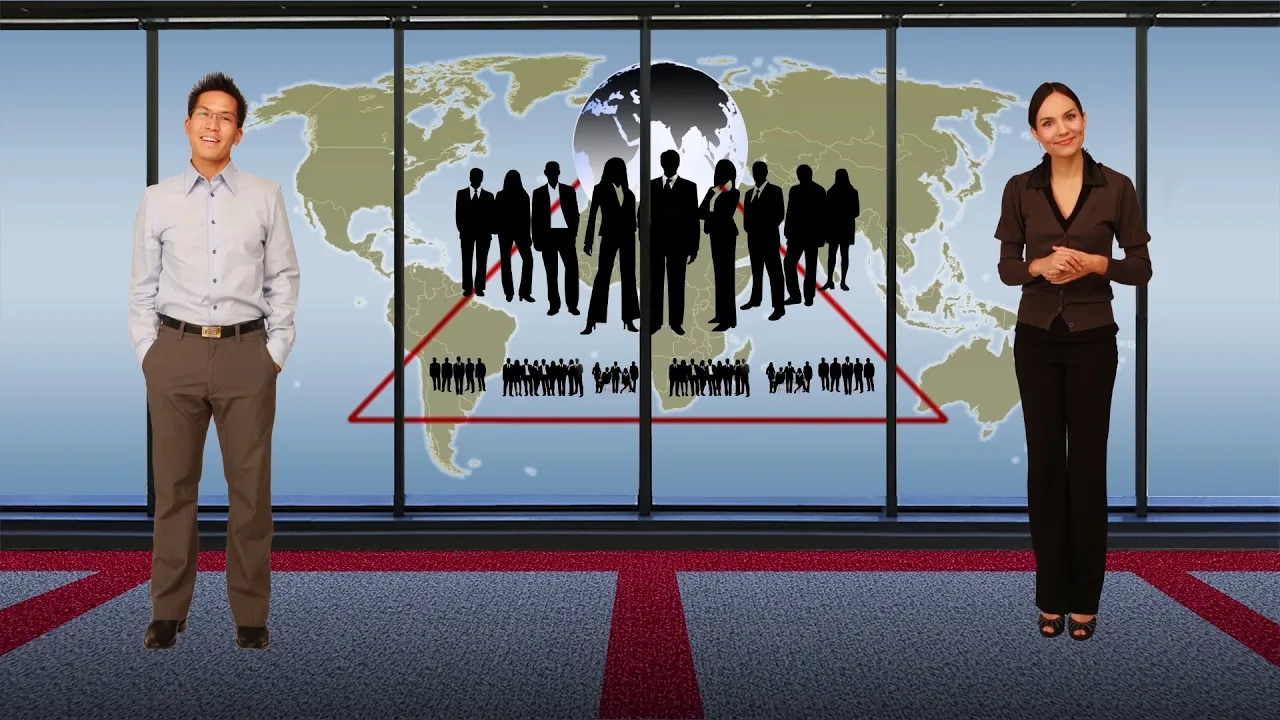
Organization collect raw materials from suppliers and delivers finished goods to the customers. It is logistics that executes this function. Logistics is the function that moves both tangible materials, intangible materials through the operations to the customer as a finished goods. So the learners what happens in the logistics management system the materials in the any industry if you see uh if it is a manufacturing industry or it is a service industry in the manufacturing you can say that it is a uh it may be watch manufacturing industry computer manufacturing industry or car manufacturing industry any manufacturing industry it is having different different operations in the industry as well as in the industry there are different operations in the manufactur uring industry. Apart from that when we consider the logistics and supply chain management we have to consider outside the organization from uh uh left side to the organization and right side to the organization means in the left side the suppliers there there are number of suppliers are involved. So uh uh uh in the supply chain management suppliers, manufacturers, warehouse keepers as well as the retailers and as well as the ultimate customers. So this is known as a uh supply chain total supply chain for for a particular product. There are different supply chains will be there.
So depending upon the product manufacturing. So uh for that the logistics plays vital role in moving the materials from the suppliers to the manufacturer in the manufacturing itself there from different operations to operations and from there once the good finished goods is completed and it has to move to the warehouse and from there it it has to move to the retailers and from there it to the ultimate customers.
So that is the supply chain. In the total supply chain, logistics uh plays vital role in uh providing the raw materials, finished goods to raw materials to the manufacturers and finished goods to the customers. So this is the logistics and supply chain management.
A supply chain consists of a series of activities involving many organization through which the materials move from uh material suppliers to the end customers.
There may be different supply chains for each product. The chain of activities is named differently as per the situation.
Uh means just now I told you about the different suppose if a only we are procuring raw materials from the suppliers. So that is one supply chain from uh the suppliers to the manufacturers like that. So if the raw materials are procured from different different suppliers so that that will become different supply chain. So for a particular uh product so in the if a particular product is manufactured it it it has so many components it has so many so uh different types of raw materials components as well as parts. So all these things has to be procured from the suppliers. So that is suppliers also the one of one player of this supply chain management.
Uh logistics and supply chain management. A supply chain may be considered as a group of organizations connected by a series of trading relationship. This group covers logistics and manufacturing activities from the raw materials to the final consumers. Each organization in the chain procures and then transforms materials in final products and distribute these to the customers. So in the supply chain process what happens the transformation takes place transformation of raw materials into finished goods. So that is the and how it has to be effectively managed that is the uh that is known as a logistics and supply chain management moving the materials as well as getting the information from the uh customers and it has to be the information also plays in the very important role in the supply chain management. So the materials moves from the left side to the right side from suppliers to the customers but uh the information moves from the customers to the uh suppliers. So that is the uh it that information flow should be effective then only one can able to provide the required materials to the customers. So that is and effective when they want, where they want, how much they want and which how much quality they want. So all these things has to be managed effectively by um managing the total supply chain effectively. So where the information plays vital role.
The concept of logistics is based on the system approach. The flow of materials from a supplier to a manufacturing plant and finally to the end customer is viewed as a single chain ensuring efficiency and effectiveness in sequential activities to achieve the objectives of the customer satisfaction as a reduced cost. Logistics recognizes that all the activities of materials movement across business uh processes are interdependent and need close close coordination. So what it means there is a uh need of close coordination between the players means between the activities different activities or different players. Here we can say that players means suppliers, manufacturers, u warehouse uh locations as well as the customers or even retail retailers also involved in this supply chain. there uh there the coordination is very much required to reduce the cost and the improve the efficiency and um minimizing the wastages. So that is the by coordination what happens close coordination we are reducing the cost and uh giving the materials uh with a less cost to the customers because if we don't see if we don't coordination if there is a coordination is not there so then what happens the cost may be increased wastage will be increased and the inventory will be increased so there are different aspects so that that has everything by coordination these uh uh costs will be reduced and quality will be improved. That is the importance of a coordination between the players in the supply chain.
The functional areas of logistics management are information flow. So this uh in the information uh what way the information flows? So information flow is in the form of order registration means order comes from the customers.
The order registration and order checking and editing. So what does it mean? Order checking and editing means so is uh according to the customer uh customer has placed an order uh for a particular suppose a 50 uh finished products if they want 50 cars or 50 watches or 50 computers or 50 mobiles.
So if the according to that manufacturing industry they have to see is it possible and the date and time all these things will come in the information so that according to their industry norms uh are they are able to produce and provide the finished goods to the customer in time according to their order or is there any lacuna in in the industry that is known as editing.
If if they have the capacity of producing only 40 uh 40 quantity of computers then they will edit it and we we are we can able to uh give the only 40 so that we will uh deliver the 40 computers as per your order. So like that the information has to be edited.
Then order processing once it is accepted by the uh customers then order processing and coordination will be taken place that is in the uh in the uh information flow. Then warehousing in the warehousing material storage load utilization and material handling site selection and network planning order picking and filling dispatch documentation. These are all the processes in the uh warehousing warehousing system. So in the from the once a order comes if it the in the warehouse we if we have a 25 components or 25 computers then immediately we can um uh supply those 25 remaining for remaining uh 15 uh computers the process will start manufacturing will start. So that is the uh warehousing function.
Then comes to inventory control. In the inventory control, material material requirement planning, inventory level decisions for customer service objectives. So how much inventory is available, how much we can we have to produce. So according to that inventory we can how much we can uh supply to the customers. So that is the inventory management. Then comes to packaging for handling and damage prevention for communication for intermodal transportation. So packaging also plays vital role. It's a uh uh because the packaging should be uh very good and quality packaging is required so that uh the damages can be uh uh prevented. So that is uh the importance of a packaging. Then transportation in the transportation process route planning mode of uh selection vehicle scheduuling all these information has to be uh given to the customers. So uh in what way we are the route uh suppose we are sending the materials from uh Delhi to Hyderabad. So which way is uh will be better to uh send the materials so that the materials can re uh reach the uh customers in time. Then the route planning then mode of selection if it is uh by air or by train or by bus like that by uh trucks. So like that the mode selection also takes place in this logistics function. Then vehicle scheduuling. So nowadays you can see that if you place an order online so how much by what time you will receive your material that also they will send. If any delay occurs that information also they uh they are sending uh presently.
So the information uh technology is in growing so that the communication also uh effective. So that is uh the functional area of a logistics uh management. Then functional areas of logistics management. The objective of logistics is to facilitate the flow of materials across the supply chain of an enterprises so as to cost effectively make available the right product at the right place at the right time. So the cost effectiveness also be one objective of this logistics and supply chain management. So in the uh the material has to be provided to the customers at the right right product at the right place at the right time and with the minimal cost. The most important goal of logistics management is to achieve least cost also least cost and high customer satisfaction. This is possible possible only when all the logistic functions are working as a unified integrated system to achieve the common goal. So in the logistics management what happen main objectives are improve the uh uh um delivery system and reducing the cost.
So that is the most important function of a logistics management.
Then then comes to uh customer value chain. In recent years during this IT era the following three forces have changed the perspective of perspective on logistics which are globalization focus on supply chain management and outsourcing of non-core competency functional areas. These three forces have changed the total perspective of logistics and supply chain management.
What is globalization? Globalization.
The entire world has become a global village for the marketers because of the liberalization economies of countries and the emergence of world trade organization which is forcing the business organization to supply products beyond the national boundaries wherever there is a market opportunity. In such a situation, the role of logistics will include providing the time and place utility of the products to the customers. So globalization uh because of globalization the free trade uh liberalization of economies the globalization has uh increased. So because the wherever uh suppose an industry it is producing computers earlier what happens they used to sell in their uh country only their state only like that but because of globalization and free uh liberalization of economies in the different countries.
So we can now we produce in India and we are exporting the our products easily.
So because of that the competition has raised more. So in the competitive environment one has to be in the uh competition. So one has to uh uh improve their supply chain efficiency and mainly the customer satisfaction is very much important. Once the customer places an order it may be from the foreign it may be from in Indian uh uh states like that. So according to their needs the manufacturer has to provide the goods u uh goods to the customers.
One 1 minute.
Okay.
SL show.
Okay. Um globalization. In the globalization what we say that glo because of globalization we are uh sending the materials producing in one uh one country and uh uh exporting the to the other country because of this liberalization of economies.
Then comes to focus on supply chain management. So uh the business uh across the world are striving to striving to be competitive.
Business business organizations are struggling not only for growth but also for survival in the process. The focus has changed to the supply chain that is integrating a process of procurement processing and distribution with the one of Okay, thank you.
Uh uh sorry uh little the focus on supply chain management business across the world are striving to be competitive. Business organizations are struggling not only for growth but also for survival. In the process, the focus has changed to the supply chain that is integrating a process of procurement, processing and distribution with one thread to deliver the value to the customer. Logistics plays a key role in the value delivery process and the success of supply chain management greatly depends on the logistics planning and its supports. So because of globalization the uh the val the val value of uh the industries has to create the value by uh business the with the competition. So because of competition so uh every com uh industry has to uh give their best to the customers in terms of function of that product in terms of u look of that products if it so some people buy accord um uh their tastes are different. So uh depending upon their uh best functionals or updated functions suppose in the mobile the updated functions are coming um every uh they are producing the they're developing a good products in within less time. So the competition has increased. So that is the focus uh that is known as a focus on supply chain management.
Then outsourcing of non-core competency functional areas. Outsourcing is becoming an acceptable trend in business. Corporations have realized that doing everything by themselves does not result in effective and efficient use of uh scarce resources available to them. It is better to outsource the functional areas to an ex uh expert who can do the job at the least cost and can bring effectiveness and efficiency to the operations. Logistics is an area in which a majority of the business organizations have no core competency and hence it needs to be out uh outsourced. Logistics is the uh is shaped into a separate service industry offering complete customized logistics solution specific to products, shipments and customers and markets. So what happened? What is the outsourcing? So if if if the manufacturer are producing the products, they are the experts of producing the products but they are not the experts of uh logistics or they are not the experts of the transportation or storing. So for example nowadays Amazon, Flipkart uh we can say that safe express different logistics companies have come.
So what they there they are service industries only. they are not even producing any material. So uh Amazon they are not producing any material but they are man they are having effective logistics management. They they are the efficient logistics managers so that they have the network with all the industries any industry the Amazon is having u uh uh links the their supply chain. So their logistics operations they are providing their logistics services to the different manufacturers that is known as the outsourcing outsourcing of services.
So that's that is known as the outsourcing means their competency we are getting their services uh the industry is getting to improve their efficiency as well as the logistics efficiency can be improved. So that is known as a outsourcing of non-core competency functional areas. If it is suppose uh in our igno we our competency is um education providing education to the students and pro producing the materials the um uh self-arning materials that is our core competency.
So uh that we only produce the materials uh effectively. So that is uh that is our core competency.
So customer value chain through competitive success business organizations to uh understand the competitiveness uh competitive success could only come through cost leadership or offering differentiated product and services. Cost can be reduced by an effective logistics management which will also enhance the differentiation through the superior customer service.
The value chain activities of a firm can be categorized into primary activities consisting of inbound logistics operations and outbound logistics marketing and sales and then supportive activities such as infrastructure, HRM, technology development and procurement.
So the uh any industry it should it should be in competitive success they should have the primary they should achieve the primary activities consisting inbound logistics as well as outbound logistics. Then in the support activities such as infrastructure is very much essential, infrastructure and HRM human resource management should be effective and technology development and procurement. These are the uh supportive activities.
Then uh the customer value chain consist of three uh three phases of logistics.
The phase one uh [clears throat] inbound logistics operations proceeding the manufacturing. This includes movement of raw materials and components for the processing from the suppliers.
So that is inbound logistics means we are procuring the materials from the suppliers and suppliers are sending the raw materials parts and uh components to the manufacturer that is known as a inbound logistics. Then internal logistics that is in the manufacturing itself in the manufacturing process in an industry there there different operations are there. So uh uh we can say that pressing operation then u machineing operation then to polishing then goldplating or then uh assembly. So different operations will be there. So from the internal so so material once it is press shop operation is completed then it has to go to machine shop. So there the logistics are transportation of those u uh parts to the other shop.
So that is known as internal logistics means provide u moving the materials in the industry itself that is known as a internal logistics. Operations directly related to manufacturing processes. This includes storage movement of raw materials and components within the manufacturing premises per the manufacturing schedules. The inventory management of stored materials and inprocessed goods is part of process logistics.
Then uh third phase that is uh phase three that is outbound logistics. What is outbound logistics? Operations following the production processes. This includes the warehousing, transportation and inventory management of initial products in all the above categories of logistics. Both physical flows of products from the raw material supplier to the end customer in the forward direction and flow of information from market to the raw material suppliers in the reverse direction are monitored and controlled. So the what is outbound logistics? In the outbound logistics what happen? The finished goods will be uh uh sent to the warehouse or store and from there it will be dispatched to the u uh retailers. From there it goes to the ultimate customers. So that is known as a outbound logistics means outbound means from the manufacturing uh finished goods to the uh ultimate customers. So in the all the operations what in the supply chain what is happening the materials are moving from the supplier to the end customers in the uh uh left to the right in the forward direction but the information flows from the market or customer to the suppliers. So in the reverse direction. So this one has to remember uh the information flows from the customer to the suppliers and then uh materials will move from the suppliers to the customers.
So distribution of logistics cost. So why the logistic cost the one has to uh know about the how much logistics cost are involved in the process of supply chain management. So inbound logistics how much cost that is in the inbound logistics transportation cost is 12%age and storage cost is 8.0% and inventory cost is 8.0%. So here you can say that in the inbound logistic the transportation cost is more. So how to reduce those costs so that ultimate product cost can be reduced and ultimate customers will be satisfied. So that there so these uh analysis is because where the more cost is involved. So then in the internal logistics cost the transportation and storage. So the transportation cost is 2 point here in the internal there is transportation cost is very less and then storage cost is 5.0 zero and then comes to uh outbound logistics the transportation is 33 uh0 percentage and storage is 15.5% inventory is uh 6.5% and order processing is 10.0%.
So by seeing this table what you understand mainly the transportation cost is very high. So how to reduce those transportation cost? One has to see so that the efficiency of the supply chain can be improved and the cost of a product can be reduced.
Logistics cost break up in the above three categories shows a larger percentage in outbound logistics and component wise transportation covers the larger proportion. By observing the above table, the transportation cost should be minimized to reduce the cost of products. With proper system and controls, the logistical cost can be reduced and the uh benefits can be uh passed on to the customer by way of value addition through a combination of price, quality and services.
Then logistics functions which are order processing, uh inventory control, warehousing, transportation, material handling and storage, logistics, packaging and information.
Order checking for any or order checking for any deviations in uh agreed upon or negotiated uh negotiated terms. price prices, payment and delivery terms.
Checking the availability of materials in stocks, production and med materialing for shortages acknowledging the order indicating deviations if any.
So uh with this uh learners uh we have learned about the one minute.
Uh we have learned about the what is the logistics management and what is logistics and supply chain management and how it has to be logistics efficiency has to be improved. how to reduce the logistics cost and uh what way we can improve the uh supply chain efficiency. So with this I conclude here. Thank you very much for listening.
If you have any doubt you can send on email. Thank you.
>> [music]
Up Next
Safety Stock and Reorder Point Calculation in Inventory Management
@unleashedsoftware
14.5K views•2022-06-09

Retention Habits of Top DTC Ecommerce Brands Revealed
@SendItPodcast
44K views•2026-03-03

Decoy Effect: How Pricing Psychology Influences Consumer Spending
@bobinvestsUS
90K views•2026-01-05

The Planned Obsolescence of Light Bulbs and Tech
@veritasium
25.3M views•2021-03-26
Related Study Plans & Knowledge Roadmaps
Structured learning paths in Business