



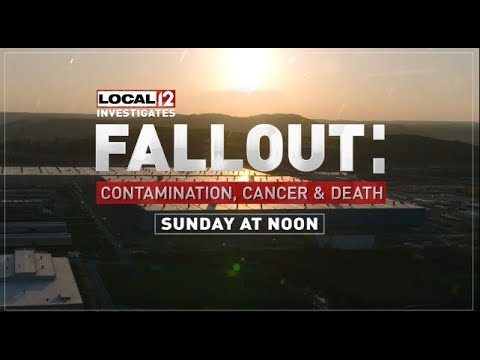












In Reserve, Louisiana—a town along the Mississippi River known as 'Cancer Alley'—residents face cancer risks 50 times higher than the national average due to decades of toxic chloroprene emissions from a DuPont-owned chemical plant; despite EPA findings identifying it as the most dangerous facility in America, Louisiana's environmental department entered into voluntary agreements with the company rather than enforcing stricter regulations, leaving predominantly Black and working-class residents to suffer health consequences while fighting for basic environmental protections and clean air.
Cancer Alley: Louisiana Town's Toxic Air Risk and Community Resistance
Added:The concept of environmental justice and how socioeconomic factors correlate with disproportionate exposure to environmental hazards.
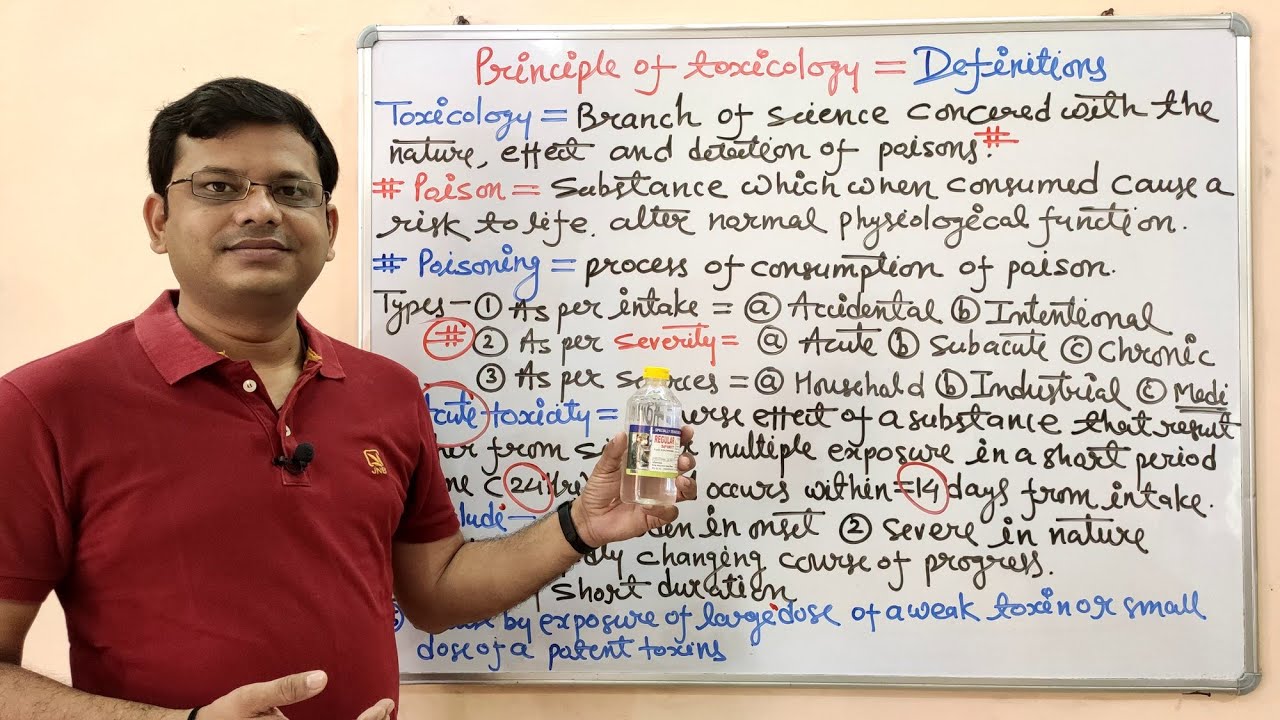
Basic principles of toxicology, specifically how exposure to synthetic volatile organic compounds like chloroprene impacts human cellular health.
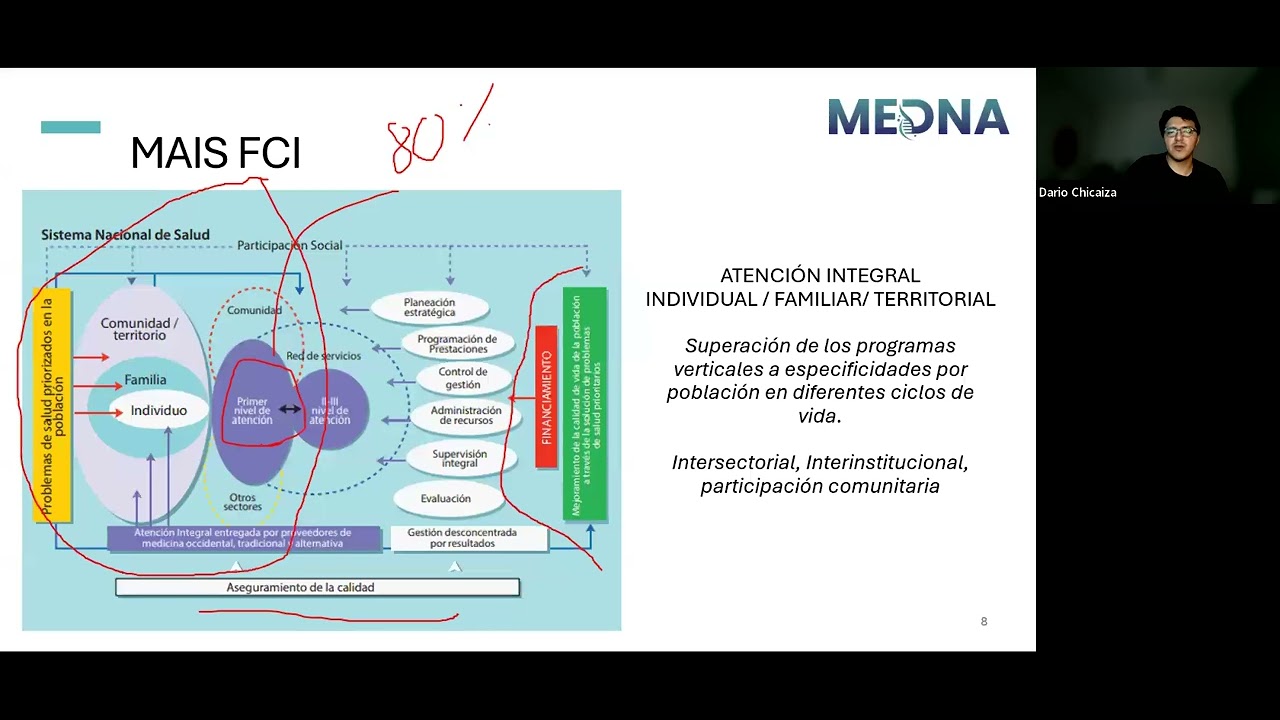
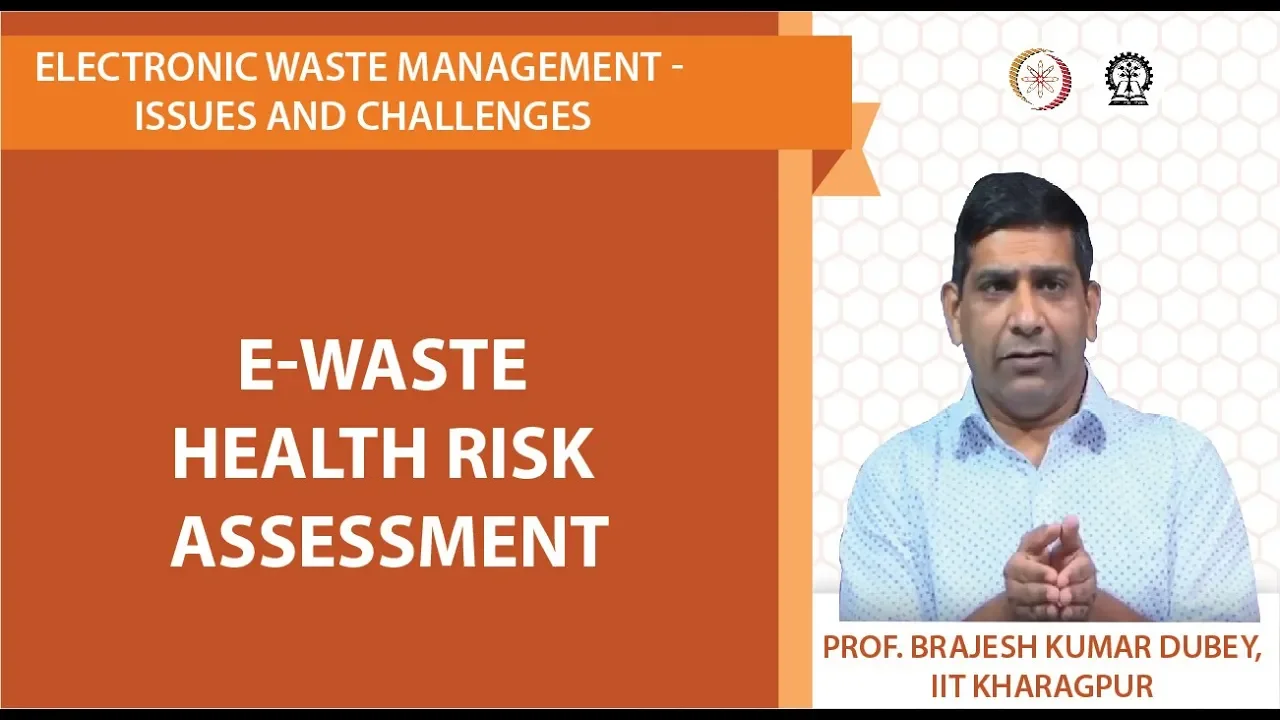
How public health agencies calculate health risk assessments and epidemiological metrics, such as comparing local cancer risks to the national average.
The regulatory framework of the Clean Air Act and the role of the Environmental Protection Agency (EPA) in setting industrial emission standards.
The legal frameworks of environmental litigation and toxic torts used by communities to hold industrial polluters accountable.
The practice of 'citizen science' and how grassroots communities utilize localized air-monitoring technology to gather independent environmental data.
Green chemistry initiatives and industrial alternatives to hazardous petrochemicals like chloroprene in manufacturing synthetic rubber.
Policy analysis of zoning laws, industrial corridors, and cumulative impact assessment regulations that prevent disproportionate pollution in residential areas.
53.4K views807likes7:57Original Release: 2019-05-06
Reserve Louisiana 40 minutes up the Mississippi River from the city of New Orleans it's one of dozens of towns along an industrial corridor known around here as cancer alley for decades the region has been inundated with toxic pollution from chemical plants along the riverbanks but no place along this stretch or indeed anywhere in America is more at risk of cancer due to air pollution than here in reserve we're here to meet a community of residents who are fighting back the right side of the street yet Bullitt parents they died with cancer the lady next to her husband died with cancer my brother on the opposite side his wife died with cancer oh the man right here he just died with cancer right here and my brother and right next door he died with cancer my brother who lives next to him he has cancer right now and they have a trailer next to that house a lady out there died with cancer so it's just my street just the street here and everybody he has a respiratory sickness from the front to the back and I have that many people in the same area dying it has to be caused from something and this is the closest thing that we have right there to plant how much have you ever thought about leaving well let me tell you if I could afford to leave I wouldn't leave left a long time ago but right now I don't want to leave I just want to get better not to say shut the plant down at least make it safe for us to live because I know the print depends on the world depends on your brain the people depends on the jobs but do we have to die I mean it's dumb joyous things that they can do but it's all about the dollar there are nearly 50 toxic chemicals in the air here but the most immediate concern for residents in reserve is chloroprene emitted by the plant next to Mary's home the factory sits on the land of a former rice plantation where throughout much of the 19th century hundreds of enslaved people worked the land for a white landowner in the 1960s the plan was built by chemicals giant DuPont in 2015 it was sold to the Japanese company zdenka it has been emitting chlorine into the air here for a half-century the compound is used in the production of the synthetic rubber neoprene for the past decade the plan has been the only place in America to produce it in 2015 the US government's Environment Agency the EPA found that the plant presented the greatest risk of cancer to the surrounding community of any manufacturer in the u.s. nationally the average risk of cancer from toxic air is 30 in 1 million here it's 50 times that or 1505 in 1 million Marko would glow and meet a girl at a club I'm just standing there looking and looking at the girl walk in the door and I say man dogs getting pretty hair I said that's my type of girl right there not knowing I was the mirror I told I was from reserved you know she never wanted to make the horn here because it she feared getting cancer makes a long story shot probably 95 C and I would care since he died in 2012 she knew she got it from being around you she's determinate Louisiana's own Environment Department has the authority to regulate the plan but instead it entered into a voluntary agreement with zdenka to cut emissions in 2017 significantly that agreement does not enforce the EPA suggested guideline that only 0.2 micrograms of chloroprene per cubic meter is safe to breathe despite falling in recent years emissions from the plant are routinely over the EPA limit we felt that there was an effect we would be taking the appropriate measures to deal with that threat continue to gather data and we let them get through this I think together hopefully the resolution and everybody has a double comfort dissatisfied with the state's lacs approach residents like robert taylor have been campaigning to cut emissions in the community vast majority of the people who are suffering from this all black folk poor folk working-class people at best like myself the only conclusion we can come to is that the government has abandoned us that they have written us off if we walked over to zdenka and asked him about this but they would probably say is you know look we spent 30 million dollars on this thermal oxidizer I'm going to destroy 85 to 90 percent of the chloroprene coming out of our stacks you know what is your response to to them making that investment and and their claims that this is their attempt to be a good neighbor oh they're looking for gratitude from us they have been harming us they admitted that they could do less that they could have done less for decades they went ahead and poison because it was profitable for them to do it's insulting to people's intelligence to say that well look at the jobs we provide look what good we do for Rica they they will do any good they have ruined the economy for us I worked all my life to build my home next door to my neighbor who did the same thing and because of DuPont our house is of value that only 40% of what it normally would how is that help in this community when are the people gonna stop listening to foolishness people here just need to stand up open their eyes and demand justice demand the right thing be done by our supposedly ders hello yeah I'm headed to the church right now can you meet me there oh okay well I'll see you in a minute okay local politicians have mostly ignored and minimized residents concerns but little by little their movement is growing like here at the Tchoupitoulas chapel which has become a hub for the campaign people are dying these horrible death suffering these maladies it's unconscionable this is really serious they never once said yeah of course there's a simple solution it is stop that monstrosity from killing us [Applause] [Music] over the next year the Guardian will be covering stories from reserve and other parts of cancer alley to hear from residents who feel like they've been forgotten and left behind we'll be following their fight against industry against government inaction their fight to breathe clean air in the town they call home [Applause] [Music] you
Up Next
3:35
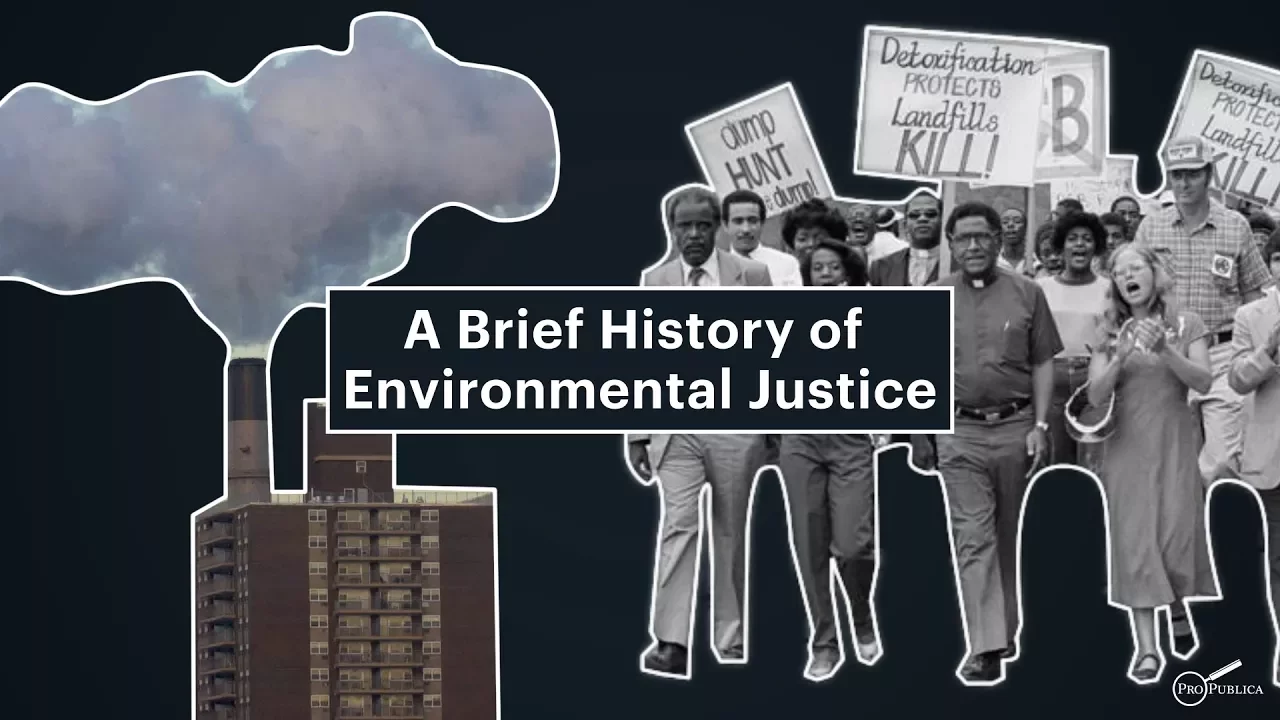
Environmental Justice History: How Pollution Targets Poor Communities
@ProPublica
275.6K views•2017-08-04

12:54
Triumph of Orthodoxy Icon: Byzantine Art & History Explained
@BenCallan
2.1K views•2024-08-06
21:30
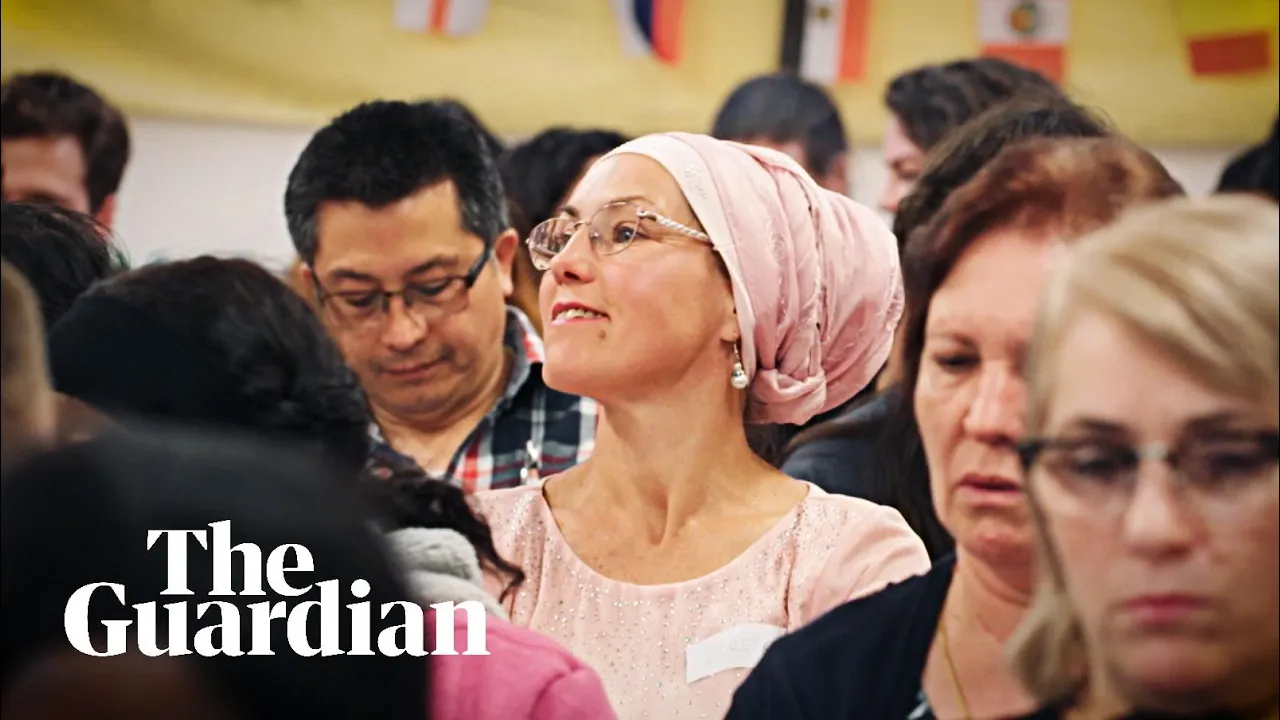
Trade Unions for Outsourced Workers: A Case Study
@theGuardian
33.9K views•2020-08-12

1:42
Game of Thrones Opening Credits: A Cinematic Analysis
@gameofthrones
46.3M views•2011-04-18
Related Study Plans & Knowledge Roadmaps
Structured learning paths in General & Interdisciplinary Studies
general-studies
Elevator Engineering: History, Physics & Cities
01From Hoists to Safety Brakes: The Dawn of Vertical Lift
02Hydraulic vs. Traction: The Engineering Physics of Elevators
03Modern Speed, Safety, and Algorithms
+ 2 more learning modules
12h5 modules
Explore Roadmap
general-studies
Rubber: Material Science, History & Geopolitics
01Origins of Natural Rubber & Mesoamerican History
02The Chemistry of Natural Rubber & Vulcanization
03The Geopolitics of the Rubber Boom & Colonization
+ 2 more learning modules
12h5 modules
Explore Roadmap
general-studies
Containerization: Evolution, Logistics & Trade
01Ancient Trade & Bulk Cargo: Amphorae to Barrels
02The Industrial Revolution & Cardboard Packaging
03The Containerization Revolution: Malcom McLean
+ 2 more learning modules
12h5 modules
Explore Roadmap
general-studies
Textile Tech: Evolution, Labor & Global Impact
01Pre-Industrial Textiles: Handloom & Cottage Industry
02Mechanization: The Spinning Jenny to the Power Loom
03The Factory System & Global Labor Transformation
+ 2 more learning modules
10h5 modules
Explore Roadmap