






















Environmental justice is the principle that communities should not be forced to bear disproportionate environmental burdens based on race, national origin, or income; this concept emerged from the 1982 Warren County protests against a hazardous waste landfill and gained federal recognition through the 1992 Office of Environmental Justice and 1994 Executive Order 12898, though implementation has remained inconsistent across different presidential administrations.
Environmental Justice History: How Pollution Targets Poor Communities
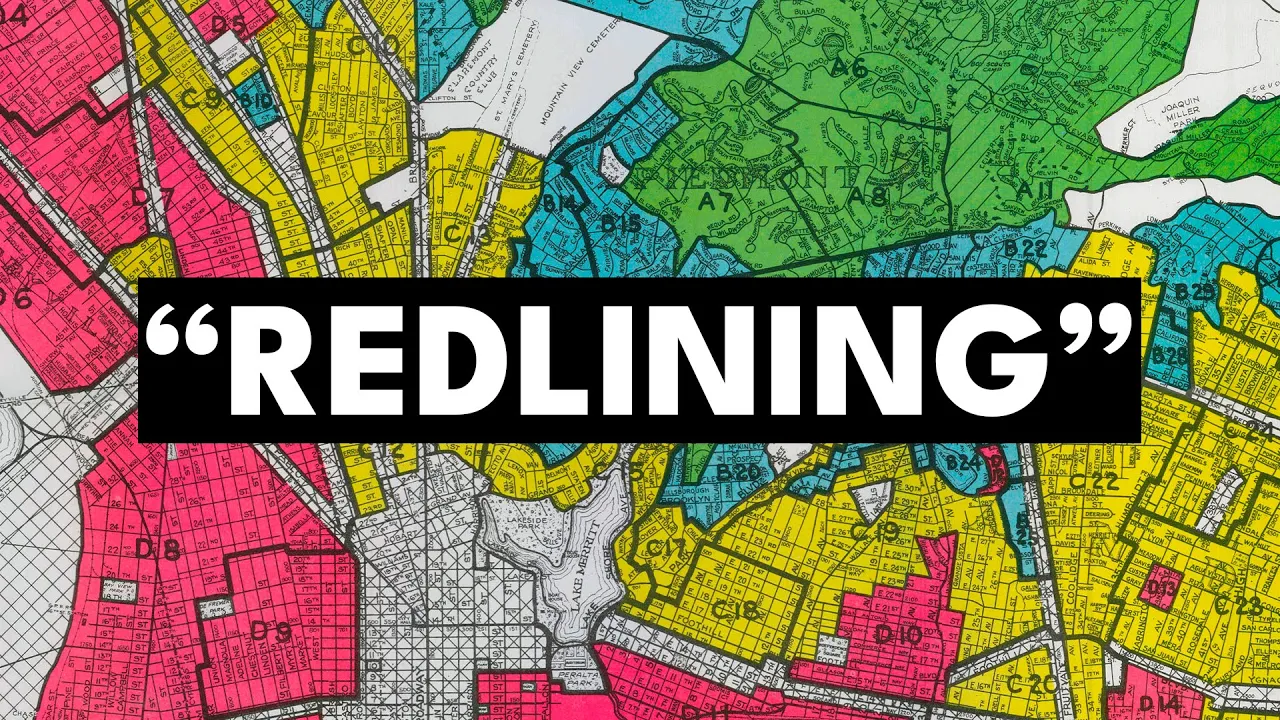
Added:The concept of systemic racism and historical housing policies, such as redlining, which shaped urban demographics in the United States.
Basic socio-economic stratification and how wealth disparities influence political representation and community advocacy power.
An understanding of public health basics, specifically how environmental pollutants (air, water, soil) impact human biology and health outcomes.
The foundational goals of the Civil Rights Movement, which served as a precursor and organizational framework for the environmental justice movement.
Analysis of landmark environmental justice case studies, such as the Warren County PCB landfill protests or the Flint, Michigan water crisis.
The study of environmental law and policy, including the role of the EPA and Title VI of the Civil Rights Act of 1964 in addressing disparate impacts.
The concept of 'Climate Justice' and how global climate change disproportionately affects vulnerable populations in the Global South.
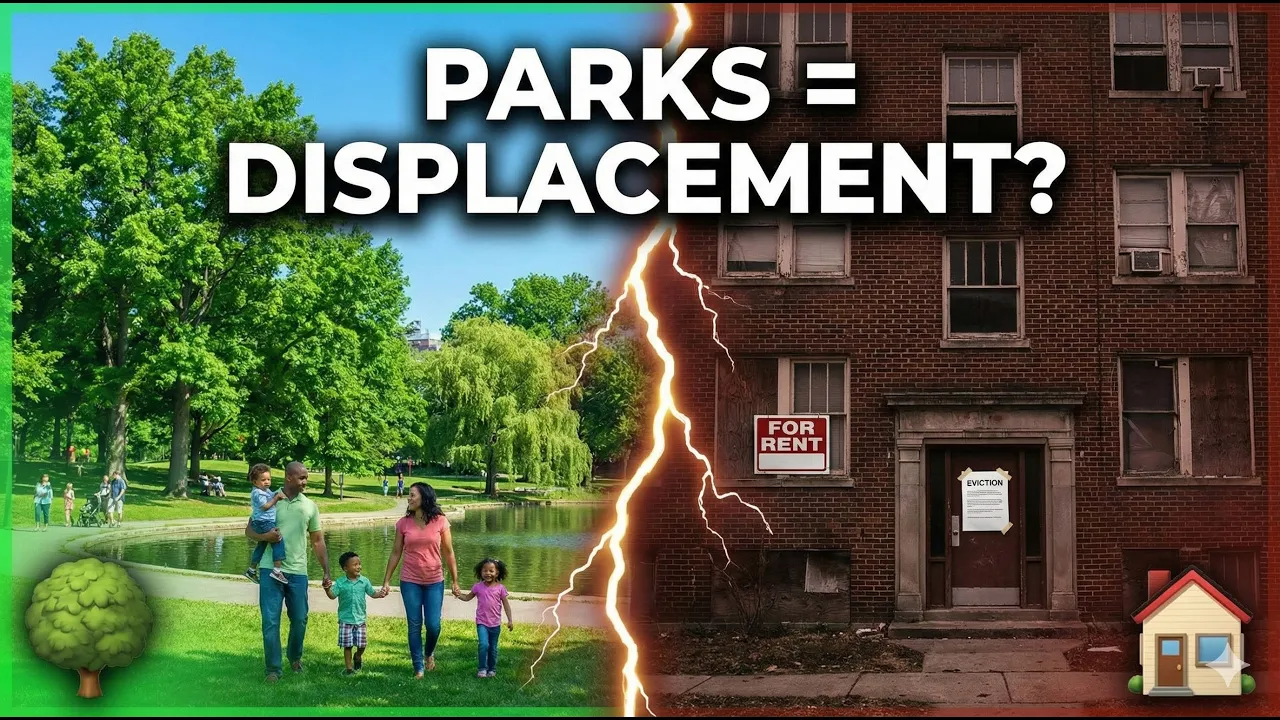
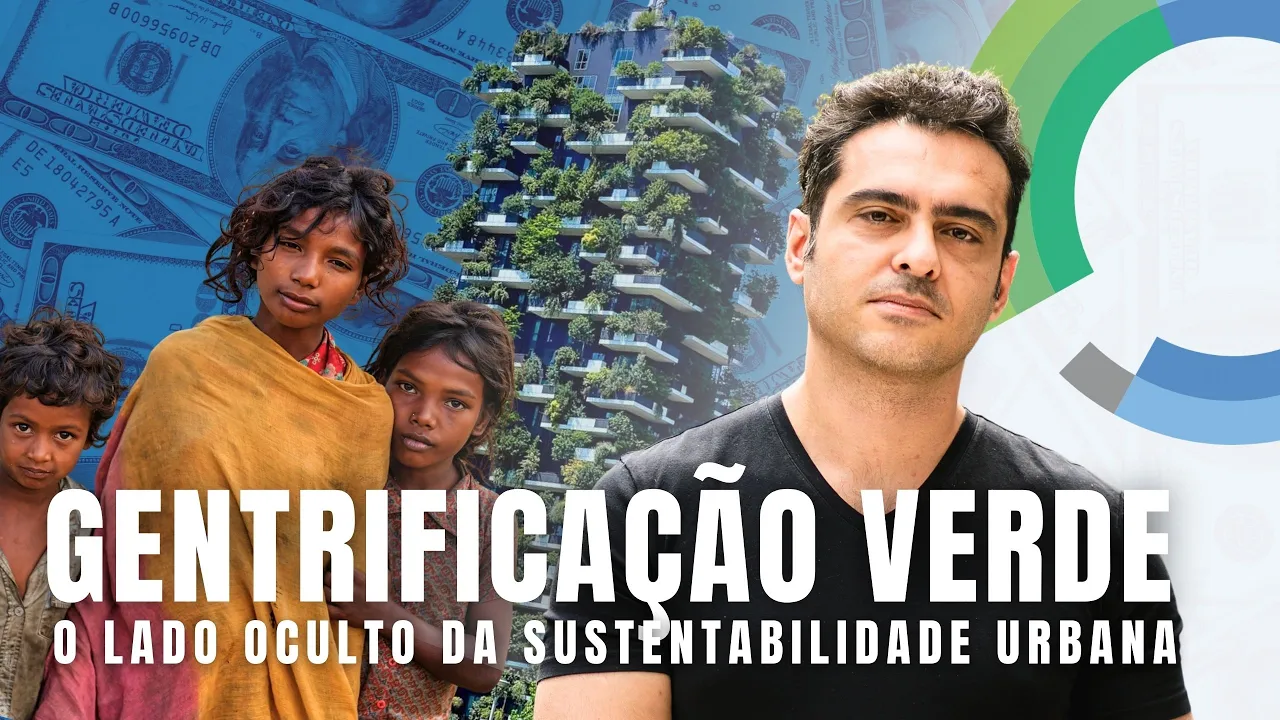
Urban planning and zoning solutions, including 'green gentrification' and how cities can develop sustainably without displacing low-income residents.
275.6K views2.5Klikes3:35Original Release: 2017-08-04
Nationally the facilities where we dump our garbage and process dangerous chemicals tend to be located in poor and minority communities.
The people who live there have little or no protection from the industries around them.
And things could get worse.
So, there's this idea of environmental justice.
It's pretty simple: Communities shouldn’t be forced to deal with more pollution because they belong to a certain race, national origin or income bracket.
Yet, America has struggled over the years to implement any serious policy that actually protects these communities.
So, let's lay out the ways the government has failed them.
"We will not allow Warren County to become a dump site."
The fight for environmental justice took off in 1982 when residents of Warren County, North Carolina mounted mass demonstrations against a plan to dump contaminated soil in a landfill in their community.
The EPA investigated four similar landfills in southern states and found that they were all located in black or low-income neighborhoods.
In 1987, the United Church of Christ Racial Justice Commission found that around the country, hazardous waste facilities were more likely to be located in mostly minority communities.
Amid mounting proof, the federal government was forced to act.
So, in 1992 President George H.W. Bush founded the Office of Environmental Justice inside the EPA.
Two years later, President Bill Clinton signed an executive order requiring federal agencies to consider environmental justice in all of their policies, as well as extending civil rights protection to environmental discrimination.
But Congress never passed a bill to make Clinton's executive order law.
Then came George W. Bush.
His administration shifted the focus of the Office of Environmental Justice from protecting low-income and minority communities to "all people," Leaving vulnerable populations without a federal environmental advocate.
"80% of New Orleans, including much of downtown, is under water."
Under Bush, many environmental civil rights claims were rejected or delayed for years.
In 2009, after President Barack Obama's election, his administration recommitted to environmental justice.
Generally speaking, in this country a lot of environmentally problematic facilities tend to be located in places where poor folks live.
Yet, during the two years Democrats controlled the House, the Senate and the White House they didn't file a single bill focused on strengthening environmental justice protections.
Passing major environmental legislation faded further when Republicans took control of Congress in the 2010 midterm elections.
Now, President Donald J. Trump is making good on his vow to weaken the EPA.
"Environmental protection, what they do is a disgrace."
"Every week they come out with new regulations."
"Who's going to protect the environment?"
"We'll be fine with the environment."
"We can leave a little bit."
This budget–a 31% cut to the EPA, $2.6 billion cut away from the EPA, that's what the president wants.
As the EPA loses funding and regulations are rolled back, vulnerable communities may very likely fall through the cracks.
I'm Talia Buford. I'll be covering these communities and digging into systemic environmental injustice.
If you have something to tell me, email me at [email protected].
Up Next
47:57
Environmental Justice Explained: Riverside County Case Studies
@RCWMDVideo
283 views•2022-10-24

12:54
Triumph of Orthodoxy Icon: Byzantine Art & History Explained
@BenCallan
2.1K views•2024-08-06

9:49
FastAPI vs Flask vs Django: Choosing the Right Python Web Framework
@TechWithTim
302.5K views•2024-05-26

1:42
Game of Thrones Opening Credits: A Cinematic Analysis
@gameofthrones
46.3M views•2011-04-18
Related Study Plans & Knowledge Roadmaps
Structured learning paths in General & Interdisciplinary Studies
general-studies
Elevator Engineering: History, Physics & Cities
01From Hoists to Safety Brakes: The Dawn of Vertical Lift
02Hydraulic vs. Traction: The Engineering Physics of Elevators
03Modern Speed, Safety, and Algorithms
+ 2 more learning modules
12h5 modules
Explore Roadmap
general-studies
Rubber: Material Science, History & Geopolitics
01Origins of Natural Rubber & Mesoamerican History
02The Chemistry of Natural Rubber & Vulcanization
03The Geopolitics of the Rubber Boom & Colonization
+ 2 more learning modules
12h5 modules
Explore Roadmap
general-studies
Containerization: Evolution, Logistics & Trade
01Ancient Trade & Bulk Cargo: Amphorae to Barrels
02The Industrial Revolution & Cardboard Packaging
03The Containerization Revolution: Malcom McLean
+ 2 more learning modules
12h5 modules
Explore Roadmap
general-studies
Textile Tech: Evolution, Labor & Global Impact
01Pre-Industrial Textiles: Handloom & Cottage Industry
02Mechanization: The Spinning Jenny to the Power Loom
03The Factory System & Global Labor Transformation
+ 2 more learning modules
10h5 modules
Explore Roadmap