






![중2역사1[7-1]통일 제국이 들어선 중국(2020빡공시대이보람쌤)](https://i.ytimg.com/vi_webp/8iX8l3jAo2E/maxresdefault.webp)






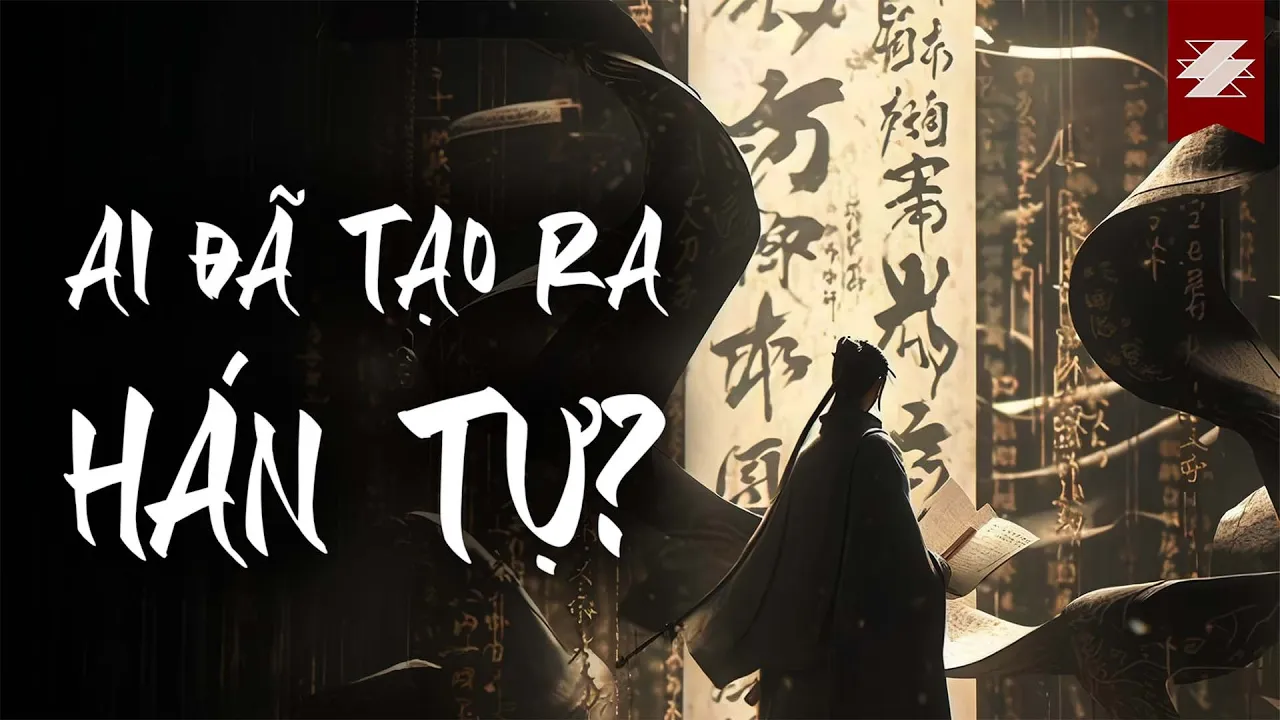



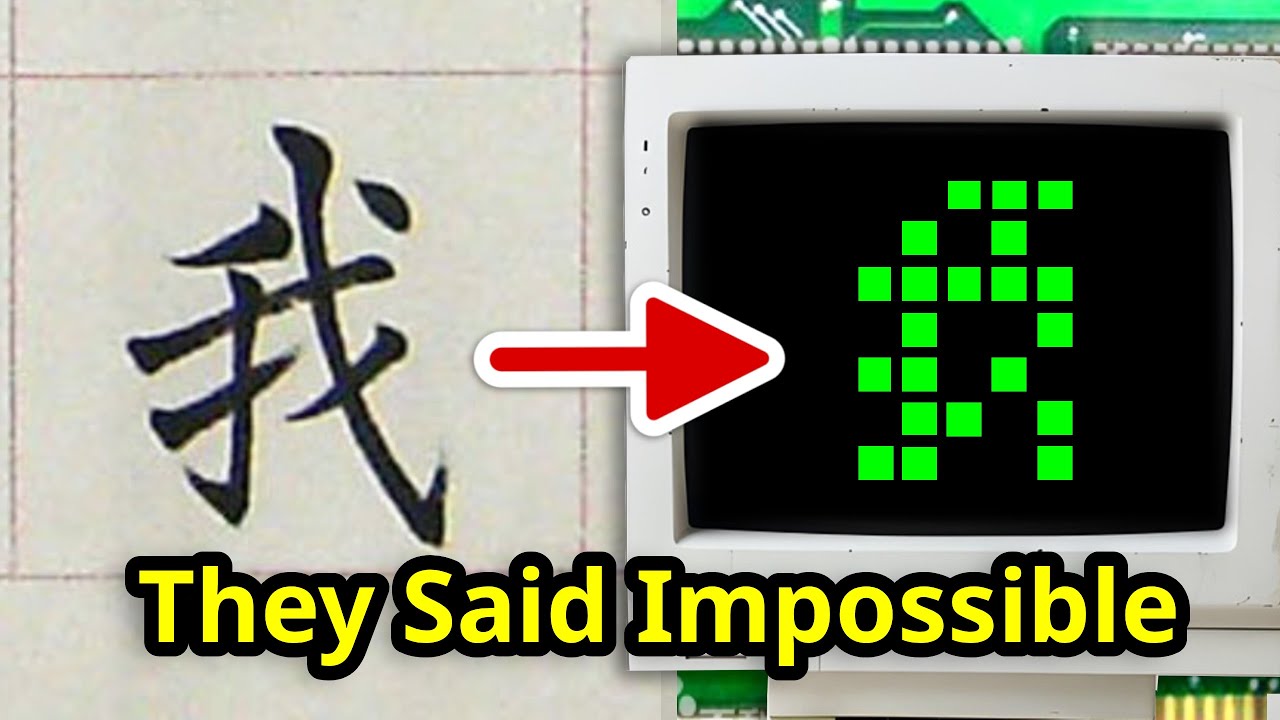



Chinese writing developed as a logographic system of thousands of characters rather than an alphabet because it uniquely solved China's linguistic challenges: it unified diverse dialects (Mandarin and Cantonese speakers share the same characters despite mutual unintelligibility), handled homophones effectively through visual disambiguation, preserved literary continuity across millennia, and adapted to every technological revolution from oracle bones to smartphones; unlike alphabets that represent sounds, Chinese characters combine meaning and sound components, enabling efficient communication of complex ideas and creating a continuous literary tradition spanning 3,500 years.
Why Chinese Uses Characters Instead of an Alphabet: History & Linguistics
Added:The fundamental distinction between phonetic writing systems (like alphabets or syllabaries) and logographic writing systems.
A basic understanding of linguistic diversity in China, specifically how different Sinitic languages (e.g., Mandarin, Cantonese, Wu) can be spoken differently but share a common written script.
The concept of language families and historical linguistics, particularly how scripts evolve over millennia from pictorial representations to standardized characters.
An introductory overview of early Chinese history, particularly the Shang Dynasty (associated with oracle bones) and the Qin Dynasty (associated with script standardization).
The structural classification of Chinese characters, specifically the 'Six Writings' (Liushu) system, which explains how characters are formed (e.g., pictographs, ideographs, and phono-semantic compounds).
The 20th-century language reforms in China, including the political and educational motivations behind the creation of Simplified Chinese characters and the Pinyin romanization system.
The historical transmission of Chinese characters (Hanzi) to other East Asian cultures, resulting in Japanese Kanji, Korean Hanja, and Vietnamese Chữ Nôm.
The digital linguistics of logographic scripts, exploring how Chinese characters are encoded (Unicode) and input into modern computers and smartphones using QWERTY keyboards.
417 views7likes9:40Original Release: 2026-03-18
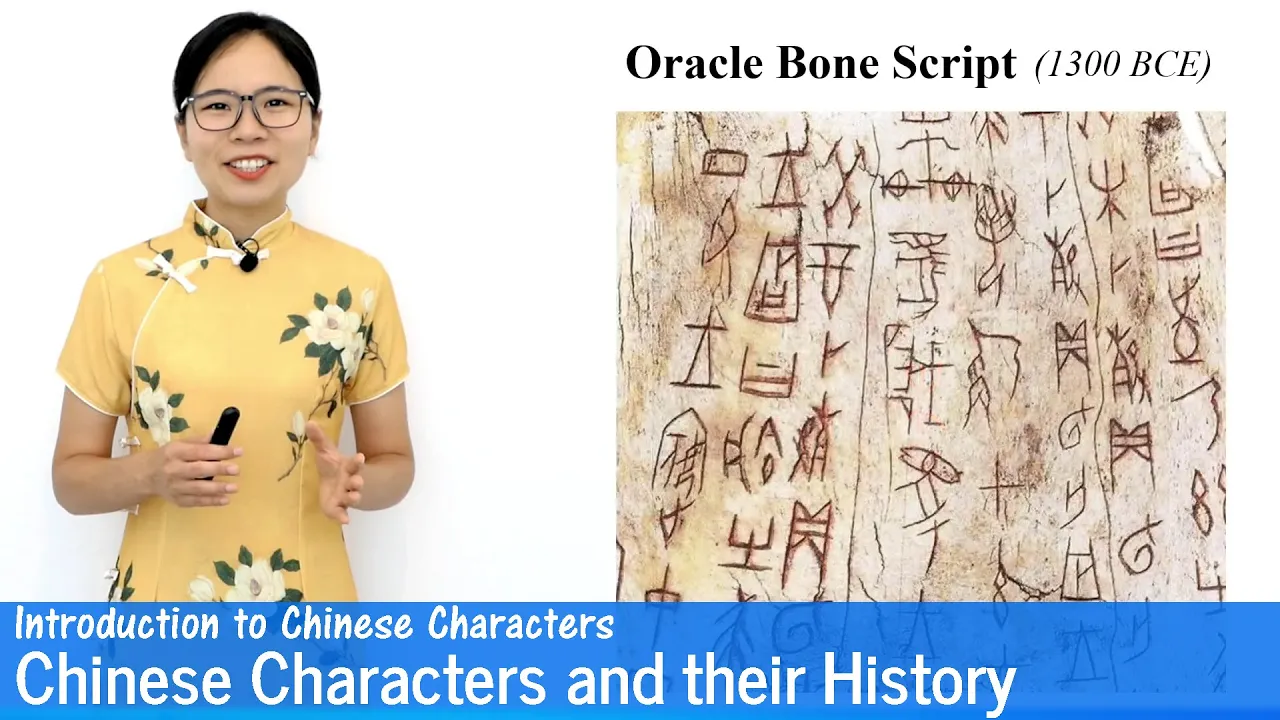
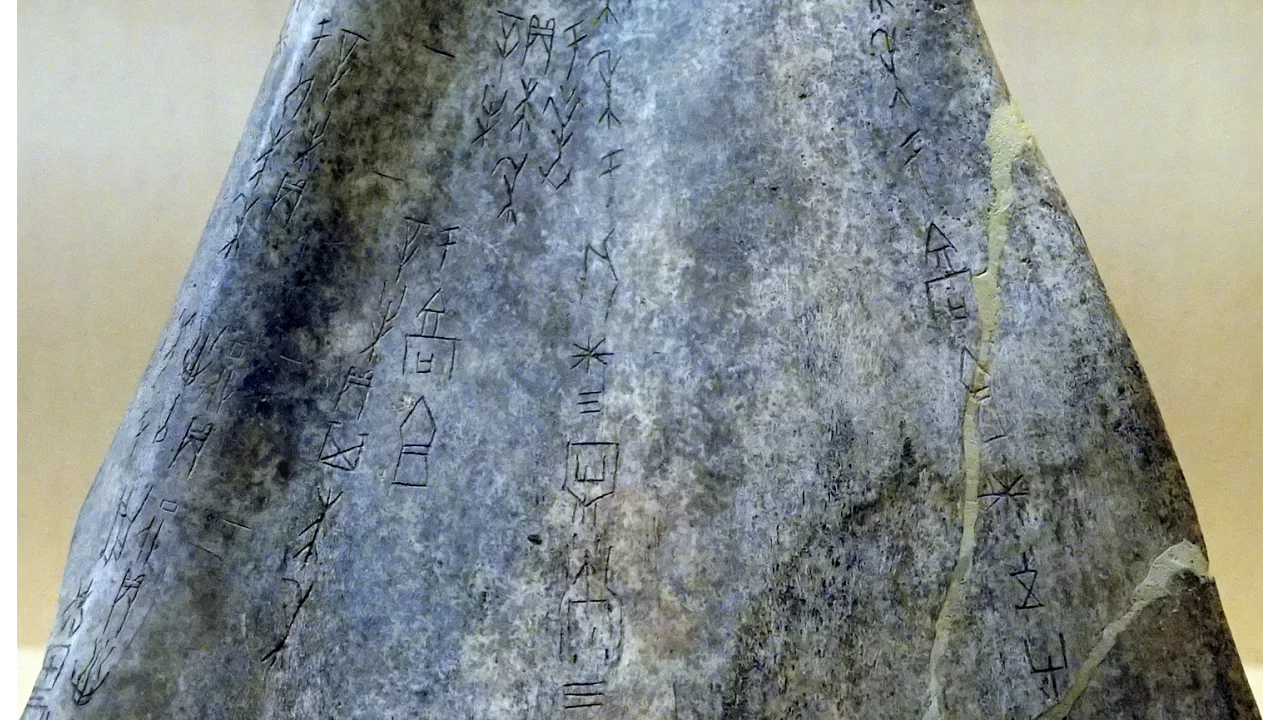
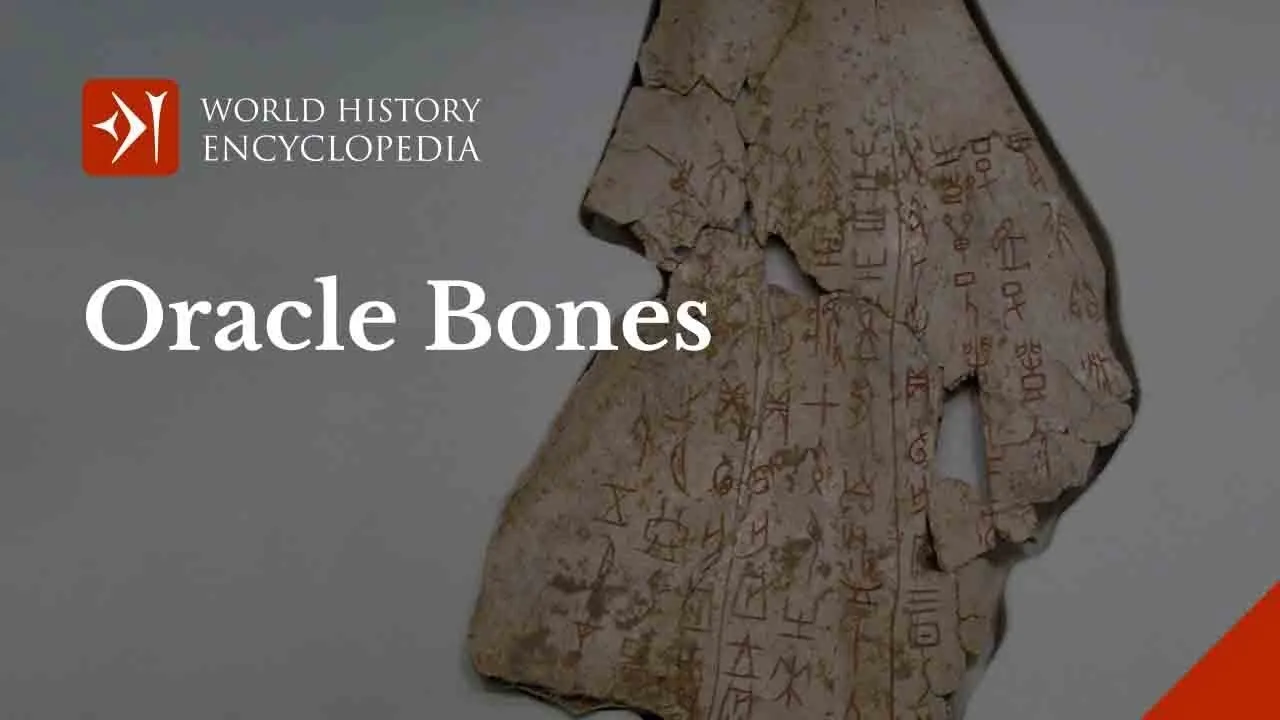
Imagine a world where every word is a picture, every sentence a gallery. While most languages use alphabets with just a few dozen letters, Chinese employs thousands of intricate characters. This fundamental difference has shaped Chinese civilization for millennia. The story begins not with convenience, but with necessity. Around 1200 B.CE. During China's Shang dynasty, the earliest Chinese writing emerged on oracle bones.
These were animal bones used for divination rituals. These early characters were pictographs, simple drawings of objects. The character for mountain looked like three peaks, water like flowing streams. But as society grew more complex, so did the writing system. Here's the first crucial reason Chinese developed characters instead of an alphabet. China's linguistic diversity. Even today, Mandarin and Cantonese speakers can't understand each other's speech, but they read the same characters.
Characters became a unifying force across a continent-sized civilization.
While Europe fragmented into different languages using different alphabets, Chinese characters maintained cultural continuity across thousands of miles.
But how do characters actually work?
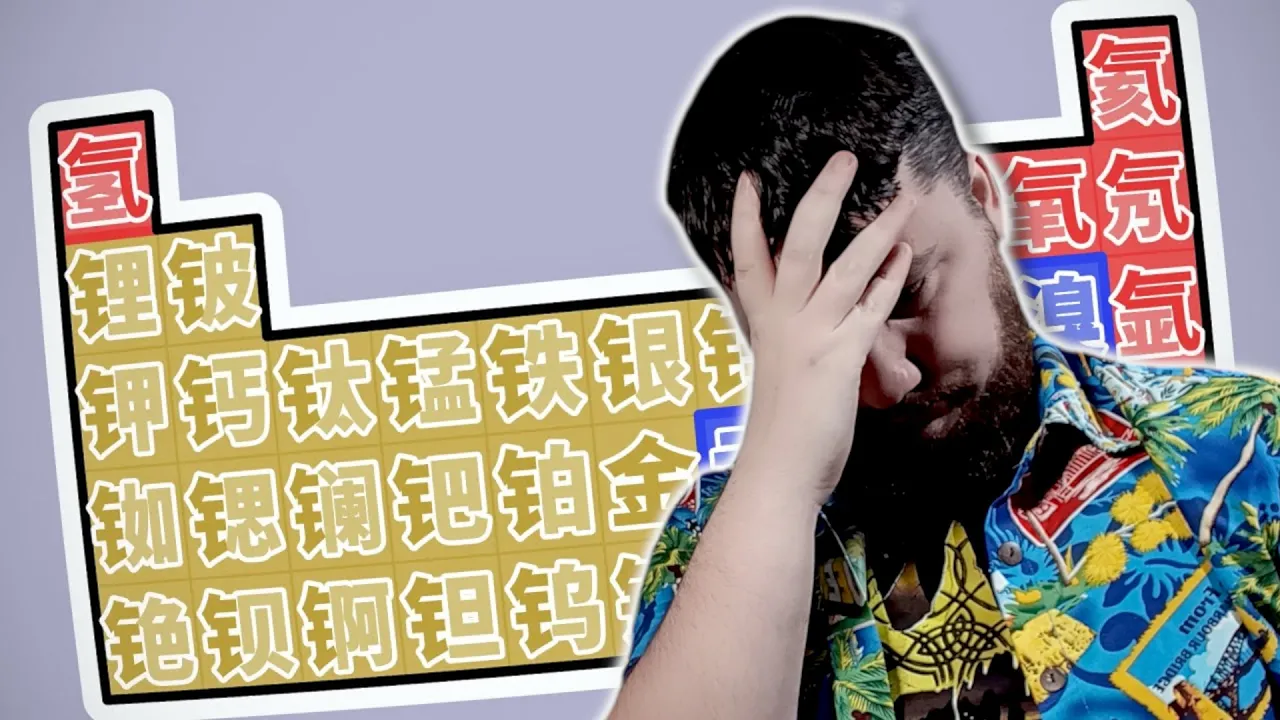
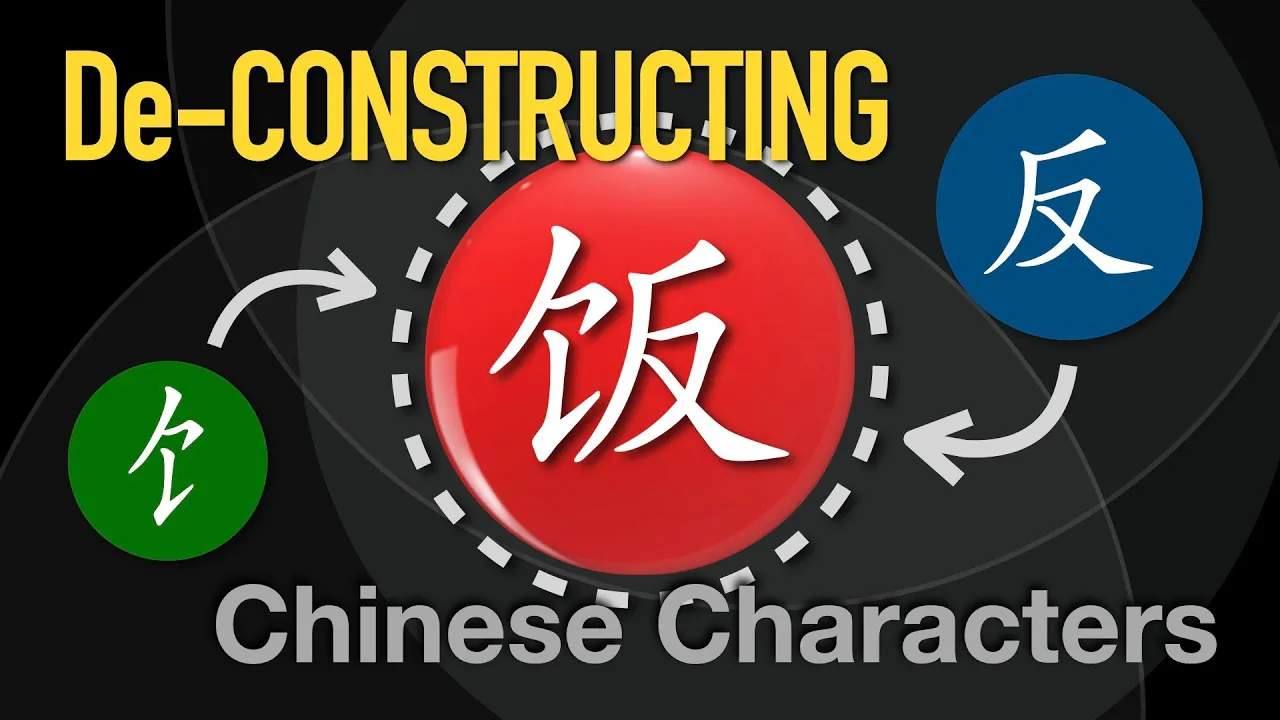
Unlike alphabets that represent sounds, most Chinese characters combine meaning and sound components. This dual nature makes them remarkably efficient for conveying complex ideas. Take the character for ocean Chinese letter. The water radical Chinese letter tells you it's related to water, while the phonetic component Chinese letter suggests its pronunciation.
This system allowed thousands of characters to develop systematically.
During the Qin dynasty's unification in 221 BCE, the first emperor standardized characters across newly conquered territories. This was a political master stroke creating administrative unity without forcing linguistic conformity.
The imperial examination system established during the Sway dynasty further cemented characters importance for 1300 years. Mastering characters was the only path to power and prestige in Chinese society.
Now consider this. Chinese has many homophones, words that sound identical but mean different things. Characters distinguish these instantly. The syllable she can mean is city, affair, or to look all written with different characters. This homophone richness would create chaos in an alphabetic system. Characters provide visual disambiguation that alphabets cannot.
It's like having built-in context for every word. Classical Chinese literature demonstrates another advantage.
Conciseness. A four character idiom like Chinese letter, Chinese letter, Chinese letter, Chinese letter. Adding pupils to a painted dragon conveys a complete story about perfecting something with one crucial addition. This density of meaning made characters ideal for poetry and philosophy. Tang Dynasty poems often contained just 20 characters, but expressed profound emotions and landscapes that would require paragraphs in alphabetic languages. But characters faced their greatest challenge in the 20th century. Modernizers argued China needed alphabetic writing to increase literacy. Some proposed replacing characters with Latin letters, a movement called romanization.
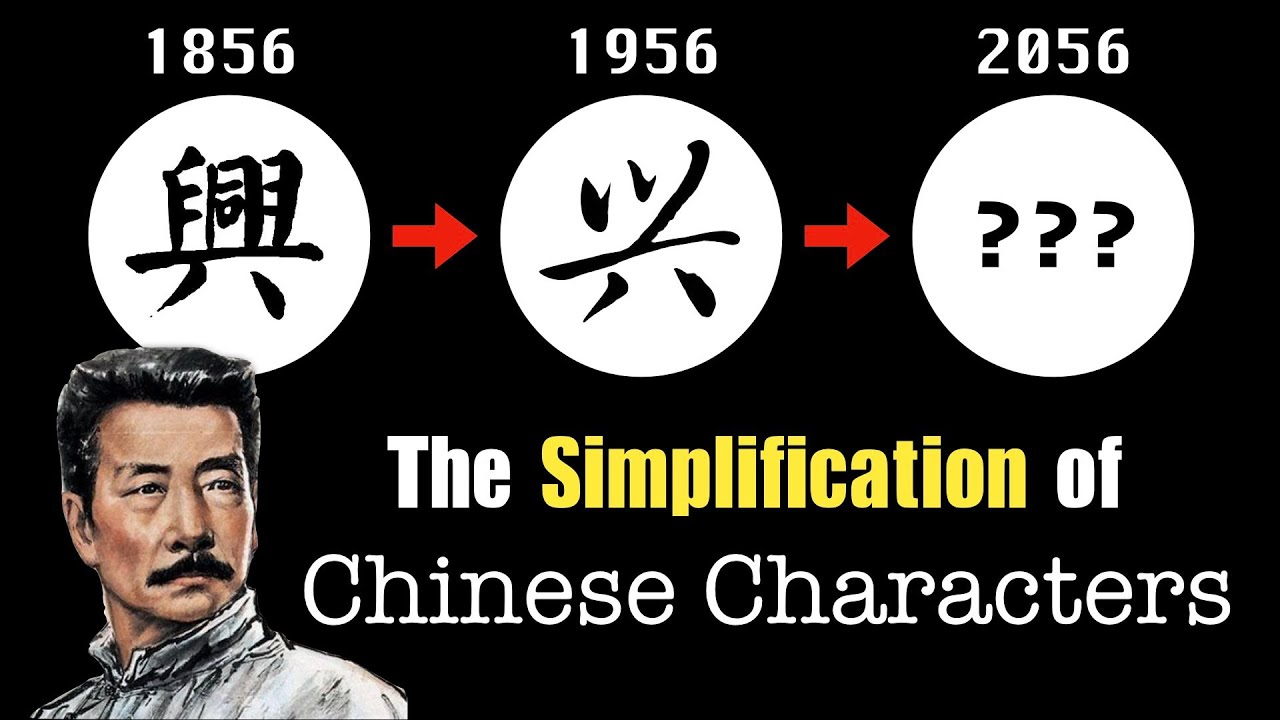
The simplification movement of the 1950s was a compromise. Complex characters were made easier to write, but the fundamental character system remained.
This preserved cultural continuity while improving accessibility.
Technology posed another threat. How could thousands of characters fit on typewriters or computers? The ingenious solution, input methods that use phonetic typing to select characters.
Pinion, the romanization system became the bridge. Today, digital communication has created new character forms. Emojis, those universal pictographs, function remarkably like Chinese characters. Both convey meaning directly, often transcending language barriers.
Neuroscience reveals another fascinating aspect. Character reading uses both brain hemispheres. Alphabetic reading primarily uses the left hemisphere, but characters activate right hemisphere pattern recognition areas, too. This bilateral processing may explain why dyslexia manifests differently in Chinese readers. Character recognition relies more on visual memory than phonetic decoding, creating different cognitive strengths and challenges.
Looking historically, Chinese isn't alone in using logoraphic writing.
Ancient Egyptian hieroglyphs, Sumerian cunia form, and Mayan glyphs all used similar principles. But only Chinese characters survived into the modern era.
Why did characters survive when others didn't? Adaptability. Characters evolved through seal script, clerical script, regular script. each reform making them more efficient while maintaining recognizability across generations.
The character system also created a unique literary tradition because characters represent meaning more than sound. Classical texts from 2,000 years ago remain readable today. Imagine reading Shakespeare in the original pronunciation impossible for English, routine for Chinese. This continuity enabled something extraordinary. The world's longest unbroken literary tradition. From the book of songs compiled 2500 years ago to modern novels, Chinese literature forms one continuous conversation across millennia. Characters also influenced neighboring cultures. Japan, Korea, and Vietnam all adopted Chinese characters, adapting them to their own languages.
This created the East Asian cultural sphere united by character literacy. In Japan, characters merged with salabic scripts. Kanji characters convey meaning while hiragana and katakana handle grammar. This hybrid system shows how characters can complement phonetic writing. Some critics argue characters are inefficient for modern life. But consider this. Chinese children learn about 2500 characters for basic literacy, similar to the 2530 0 words English speakers need for comparable reading ability. The real efficiency comes in advanced literacy.
Once you know character components, you can often guess new character meanings.
Knowing Chinese letter means tree helps you recognize Chinese letter forest and Chinese letter dense forest. In the digital age, characters have gained new advantages. They're information dense, conveying more meaning in less space than alphabetic text. This matters for interfaces, signage, and mobile screens.
Artificial intelligence is now learning characters, too. Machine translation between Chinese and alphabetic languages reveals something fascinating.
Characters often translate more accurately for abstract concepts because they carry built-in semantic clues. So why no alphabet? Because characters solved China's unique challenges perfectly. They unified diverse dialects, preserved literary continuity, handled homophones elegantly, and adapted to every technological revolution.
Characters aren't just a writing system.
They're a cultural DNA. They encode Chinese ways of thinking, categorizing the world, and expressing relationships between concepts. Each character is a repository of cultural memory. The next time you see Chinese characters, remember you're looking at 3,500 years of continuous problem solving. What appears complex is actually an elegant solution refined across centuries of civilization.
Characters prove there's no single best way to write. Different languages face different challenges. Chinese characters represent one brilliant adaptation to China's specific historical and linguistic landscape. As China continues to influence the world, characters remind us that understanding requires looking beyond our own systems.
Sometimes the most foreign seeming solutions are the most ingenious responses to unique circumstances.
From oracle bones to smartphones, Chinese characters have survived not despite their complexity, but because of their adaptability. They tell us something fundamental. Writing systems evolve to serve civilizations, not the other way around.
Up Next

21:45
The Amazing Languages of Africa: Grammar, Sounds, and Writing Systems
@DaveHuxtableLanguages
140.4K views•2020-03-25
36:52
Constraint Interaction in Optimality Theory: Epenthesis & Deletion
@Vidyamitra
180 views•2018-08-20

8:59
Forensic Linguistics: How Language Solves Crimes | PBS
@pbsstoried
1M views•2024-01-25

21:32
Accent Expert Explains U.S. Regional Dialects | Part 1
@WIRED
9.3M views•2021-01-21
Related Study Plans & Knowledge Roadmaps
Structured learning paths in Linguistics
linguistics
Optimality Theory: Tableaux & Constraints
01Phonological Basics: Sounds, Syllables & Rules
02Foundations of Optimality Theory: GEN, CON, and EVAL
03The Constraint Inventory: Markedness vs. Faithfulness
+ 2 more learning modules
15h5 modules
Explore Roadmap
linguistics
Morphosyntactic Alignment: S, A & P Systems
01Foundations of Syntax: Transitivity and Arguments
02The Linguistic Variables: Mapping S, A, and P
03Nominative-Accusative Alignment
+ 3 more learning modules
12h6 modules
Explore Roadmap
linguistics
Analyzing Sign Language: Phonology & Syntax
01Foundations of Sign Language Linguistics
02Phonology: The Five Parameters of a Sign
03Morphology: Word Formation and Classifiers
+ 2 more learning modules
14h5 modules
Explore Roadmap
linguistics
Pragmatics: Speech Acts, Grice & Politeness
01Introduction to Pragmatics: Meaning in Context
02Grice’s Cooperative Principle & Implicature
03Speech Act Theory
+ 2 more learning modules
14h5 modules
Explore Roadmap