















![As Evidências da Evolução [3] - Em nossos corpos!](https://i.ytimg.com/vi_webp/TaNNnP5zTzY/maxresdefault.webp)





![How Culture Drove Human Evolution | Joseph Henrich [Edge 2012]](https://i.ytimg.com/vi/haRjD3PnMyM/maxresdefault.jpg)
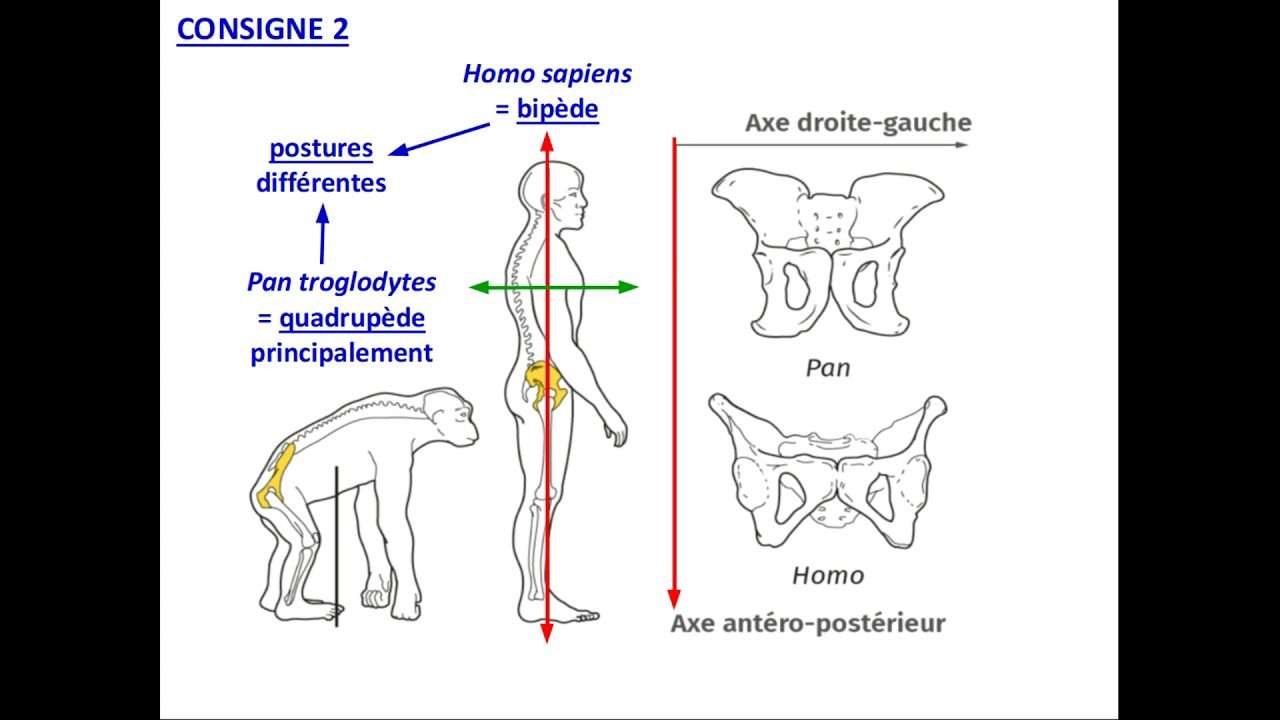
The human body is a patchwork of evolutionary compromises where beneficial adaptations for one purpose often create vulnerabilities for another; for example, bipedalism enabled efficient walking but led to spinal problems, narrow pelvises causing childbirth difficulties, and reduced body hair increasing cancer risk, demonstrating that evolution optimizes for survival in specific contexts rather than producing perfectly designed organisms.
Evolution of the Human Body: Trade-Offs and Imperfections (2024)
Added:The core principles of natural selection, specifically how adaptation is driven by reproductive fitness rather than 'perfection'.
The concept of evolutionary constraints, meaning how evolution is limited by ancestral anatomical structures (historical contingency).
The anatomical transition from quadrupedalism to bipedalism in early hominins and its impact on the skeletal system.
Basic human anatomy, particularly the structure of the spine, pelvis, and skull.
The field of Evolutionary Medicine (Darwinian Medicine), which applies evolutionary biology to understand modern human diseases and chronic conditions.
The 'Obstetric Dilemma', exploring the specific evolutionary trade-off between bipedal locomotion (narrow pelvis) and encephalization (large brain size).
The study of vestigial structures (such as the appendix, wisdom teeth, and coccyx) as physical evidence of ancestral evolutionary history.
Gene-culture coevolution, analyzing how cultural practices like cooking and tool-making influenced human anatomical changes over time.
1.4M views44.2Klikes49:42Original Release: 2024-06-30
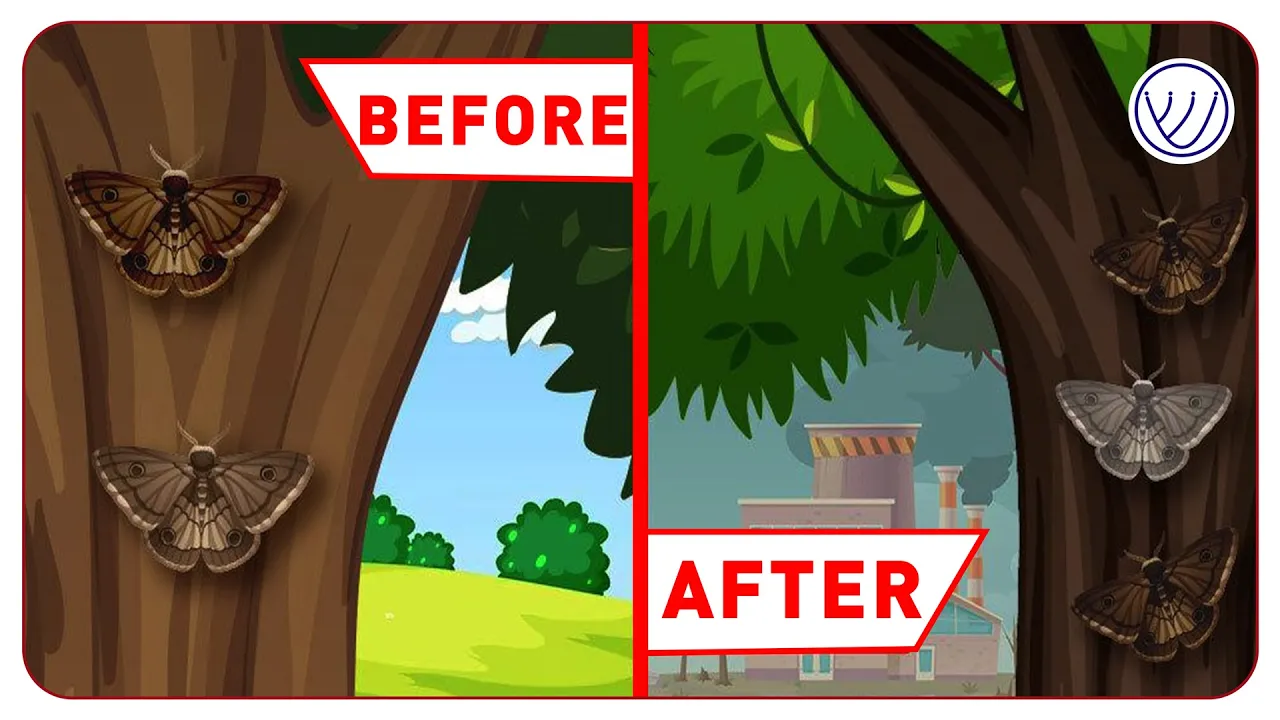
in a cold sterile room a figure looms the chill doesn't seem to affect it the skin of this creature is a seamless dark canvas a protective cloak born in a world where the sun's rays are strong enough to kill those who linger Outdoors for too long as the creature moves we get a full appreciation of its imposing stature tall and wiry with muscles not designed for bulk but pure efficiency each movement the creature makes is calculated and precise not a drop of energy is wasted it's a body sculpted by a society that has conquered disease and Decay extending life and eliminating what was once deemed natural Frailty despite this the creature's face is almost beautiful it's blessed with near perfect symmetry the result of countless ancestors choosing from a wide array of mates rather than battling against the harshness of natural selection in the wild but it doesn't react in response to an observer's presence it just looks placidly on its temperament a far cry from that of its ancient ancestors that Ward with neighboring tribes and everything the creature feels from Pain to cold to comfort is felt within a brain that is smaller than yours or [Music] mine this vision of the future of humanity is speculative but it is a projection based on the direction our bodies have taken in the last few million years humans have become taller with thinner bones and narrower Jaws as we evolved our brains grew dramatically but now they are actually getting smaller and so it is tempting to think about our future and see whatever we might become as a more evolved species with bodies perfectly adapted for a new hyp sedentary existence but just as today not every part of their body would have been tailor made for that lifestyle indeed its narrow jaw grows the same number of teeth as us and our ape ancestors leading to removals that leave the nerves permanently tender its spine excels at stabilizing its body to walk upright but has sustained a vertebrae injury that a more durable chimpanzees back would not have and just like us it has too many bones in its feet these bones evolved for grasping branches but were forced into a rigid standing foot when its homine ancestors learned to walk changing their angle and shape the creature's body and ours are a patchwork of physical parts some beneficial some not and so why do we have these floors and what would we be without them [Music] is sahal anthropus CH Denis discovered in Chad in 2001 the missing link between hominins and chimpanzees it's a huge question and one explored by our documentary recommendation on mellan TV today this video is sponsored by mellan TV the documentary streaming service and they've been excellent supporters of our content for a while now they provide highquality context for our videos and this week's recommendation is no exception T the oldest human ancestor is a great Deep dive on that incredible Discovery and its effects on our understanding of Humanity's Journey a mellan is always a great choice for more information about our videos whether it's history of the earth history of the universe or history of humankind it's basically a bingeable Netflix for documentaries it has a huge range of Natural Science content available among lots of other genres many available in high quality 4K so click on the link in the description for an exclusive month-long free trial for history of humankind [Music] viewers in the forests of Madagascar there is an orchid with a nectar tube over a foot long when a specimen of this flower was sent to biologist Alfred Russell Wallace in the 19th century he theorized the existence of a pre previously undiscovered Sphinx Moth with an equally long proboscis or tongue that could pollinate it indeed in 1867 he wrote that such a moth exists in Madagascar may be safely predicted a naturalists who visit the island should search for it with as much confidence as astronomers searched for Neptune true to the prediction the moth was discovered in 1903 and in 2021 it was given the name Wallace's Sphinx Moth after a genetic study proved it to be its own species The Moth is now known to have the longest proboscis of any insect and the longest tongue relative to body size of any animal in an environment of foot long nectar tubes the animal with the foot long tongue wins the day but as impressive as Wallace's Sphinx Moth is it's hardly the strangest result of evolution consider the deep sea angler fish not only are they some of the most recognizable of all fish with biolum escent lures protruding from their heads and Jaws that can open to a 90° angle they also demonstrate almost unparalleled sexual dimorphism for when the first species of deep sea anglerfish were discovered the researchers were baffled because all of them were female and several seemed to have tiny parasites attached to their bodies it was only later that they realized that these parasites were in fact the male anglerfish it turned out that in some species that although the females grow to be metal long Predators with teeth like needles the males are much much smaller and totally lack the predatory characteristics of the females in order to reproduce they permanently fuse themselves to the bodies of the females effectively becoming nothing but pairs of gonads that periodically release sperm to fertilize the female's eggs and so in a way in comparison with deep see anglerfish and moths with tongues as long as your forearm humans seem almost normal almost and yet have you ever noticed how rare our large white areas around the eye are in the animal kingdom these white areas are called Scara and in most species they're either pigmented to blend in with the rest of the eye or they're not visible at all so why do they stand out in human eyes and why we one of the few species with this peculiar feature despite the Rarity of this trait The evolutionary advantages of having conspicuous white SCA are very obvious they allow us to see where other people are looking for highly social animals like humans this helps us communicate nonverbally with each other and enhances our ability to share information build trust and cooperate within groups but there are also parts of our bodies that have much less obvious functions or even the not only serve of little to no purpose but can be harmful in certain cases the appendix for example is a tube likee attachment connected to our large intestine this is a fidal organ that we inherited from our herbivorous ancestors and that we apparently have little use for today it's been suggested that the appendix functions as a reservoir for beneficial gut bacteria but people who have had them surgically removed suffer no adverse effects appendixes even have an unfortunate habit of becoming inflamed even bursting if they're not removed soon after the onset of appendicitis symptoms indeed appendectomies or the surgical removal of the appendix are some of the most common surgical procedures in the world why then do we still have appendixes when so many of us seem to be better off without them considering that there are disadvantages to traits like these it seems strange that they were selected for in our evolutionary past so how and why did this happen back in the 1860s around the same time that Alfred Russell Wallace predicted the existence of the Sphinx Moth the scientific Community was still arguing over Darwin's On the Origin of Species which was published in 1859 his argument was of course that species evolve through the process of natural selection to Darwin the world was a vast everchanging place in which count count organisms fought for resources mates and shelter individuals with traits that gave them a slight Advantage compared with others in their environment had a slightly better chance of surviving and passing on these advantageous traits to their offspring in other words Nature has a way of selecting the best suited traits for survival and reproduction within a given environment and eventually through successive Generations these traits become more common within a population as more individuals pass them on through reproduction which can ultimately result in population level changes but perhaps the most controversial thing about Darwin's theory of natural selection was one of its main principles the evolution was fueled by small physical changes contrary to popular belief by the time Darwin published On the Origin of Species most naturalists were quite comfortable with the idea of evolution but many believed that Evolution had some kind of end goal usually culminating in human mind or that it was governed by an external power or form of Consciousness Darwin was therefore asking them to accept that their existence and the existence of everything around them was the product not of a grand plan but of random chance car Ernst Von Bayer a naturalist who rejected Darwinism argued that forces which are not directed so-called blind forces can never produce order and then there was Thomas Henry Huxley another naturalist history remembers him as Darwin's Bulldog a staunch champion of natural selection but he didn't start out that way tiny variations seemed too inconsequential to result in the extraordinary diversity he saw in nature and in the fossil record initially hugley and most other naturalists favored a different approach to Natural Selection known as saltation saltationism posits not that species evolved gradually over time but that they undergo abrupt significant changes one of saltationism key criticisms of Darwin's theory of many small changes was the apparent lack of transitional fossils that evidenced these steps but then during the time of Darwin and Huxley one of the most famous transitional fossils of all time was Unearthed in the late 19th century a groundbreaking discovery was made in Germany that would forever alter our understanding of the natural world the arop fossil here was a creature with the unmistakable characteristics of a dinosaur a reptile by conventional wisdom of the time and yet it bore feathers and the rudimentary structures of wings traits undeniably Avan in nature archaeopteris represented tangible evidence of the gradual transformation of species over eons a concept at the heart of Darwin's theory of evolution by natural selection the Aven features of ancestral Birds including archaeopteris such as feathers likely served initial purposes unrelated to powered flight possibly for insulation or display over time these features were adapted for new functions including flight showcasing the incremental adaptive changes that bridge the ancient dinosaurs with today's Birds this fossil discovery underscored the reality of gradual evolutionary change providing key evidence to support natural selection archaeopteris also clearly shows us that Evolution doesn't have a predetermined goal or path indeed it would appear that feathers did not evolve for flight but were later repurposed for it and so just as living bodies are filled with features that could prove to be useful later so too are they filled with Once useful features that are now either obsolete or even problematic and humans are a perfect example it's 1922 in Egypt's Valley of the Kings a team led by egyptologist Howard Carter has just Unearthed a tomb that has not been Disturbed for more than 3,000 years it's the final resting place of the Pharaoh Tuton Caron to this day the tomb remains one of the most lavish in graves in the history of egyptology and yet beneath the resplendant gold mask of the Pharaoh we see irrefutable evidence of Frailty and disease for despite their near Divine status in ancient Egyptian Society even Pharaohs were not immune to the inherent vulnerabilities of Being Human modern analysis of King tuts mummified remains have painted a vivid picture of his many physical ailments including but not Ed to a club foot scoliosis several possible genetic abnormalities and an inherited vulnerability to infectious diseases like malaria indeed for all the Grandeur of his burial tudan kmon was only 19 when he died and it's now thought that his untimely demise was the result of a badly broken leg and possibly even subsequent necrosis King Tut might have had an unusually high number of physical problems but many of the ailments themselves are not uncommon even in modern society the National Scoliosis foundation for example estimates that close to 7 million people live with scoliosis in the United States alone indeed the story of human evolution is Rife with examples of how our greatest advances came with their own sets of complications the balance of advantages and disadvantages that have shaped The Human Condition there's a popular depiction of evolution one that shows the progression of life from the earliest microbes to fish and the first tetrapods all the way up to humans at the very far end of the scale it is pervasive but also very misleading aside from simplifying the complex process it suggests a linear Journey towards Perfection where humans represent the peak of evolutionary success but this is clearly not the case as with all life humans are flawed and many of our evolutionary traits are tradeoffs where the benefits of certain features must be balanced against their costs a classic example of this from a nonhuman animal is the male peacock's bright plumage and tail which while attracting mates with its vibrant colors and patterns also increases the bird's visibility to Predators similarly a now extinct group of animals the saber-toothed cats evolved exceptionally elongated canine teeth an adaptation for precis killing while hunting large prey that went along with plenty of its own disadvantages a well-known species Smilodon populator had canines that grew up to 28 cm in length which were thought to have been used to deliver a killing bite to the necks of unfortunate bison and camels Smilodon was certainly a large apex predator with intimidating teeth and a powerful build but it also had a relatively weak bite force when compared to Modern big cats in order to accommodate beat its massive can9 teeth smod Don's lower jaw was actually rather narrow and this came at the expense of its biting power in fact it's estimated that Smilodon had a bite force only a third as powerful as that of a modern Lion in addition to this weak bite smod Don's canines grew so long that they became vulnerable to Breaking especially while trying to hold on to struggling prey these animals were well adapted to Precision hunting but only so long as their teeth held out once they broke Smilodon would have struggled to catch prey and it's hard to imagine a saber saber-tooth cat lasting long for humans simply stepping outside shows us a key example direct sunlight risks Sunburn and carcinogenic damage to our skin because we've evolved not to have a protective coat of hair on our bodies and in cold temperatures we're susceptible to hypothermia without warm clothing and access to adequate shelter opting to stay indoors may seem safer but then we run into other issues prolonged sitting weakens our muscles and invites our bodies to store excess fat plus a lack of sunlight leads to vitamin D deficiency which can have its own health risks and yet hairlessness has persisted as it allows us to sweat using our own hugely effective cooling system but what if some traits persist by accident this is a phenomenon known as genetic drift and it can sometimes lead to the accumulation of negative genetic mutations imagine that you have a bag full of marbles some are red and some are blue if you were to reach into the bag and take out a handful of marbles without looking it's unlikely that you would get an even 50/50 split of colors let's say you happen to get 70% red and 30% blue now imagine if something similar were to happen to a population of living organisms perhaps the chance event like us reaching into our proverbial bag of marbles was a natural disaster a devastating earthquake perhaps This Disaster caused the death of 70% of the population creating a population bottleneck in which the remaining third is characterized by reduced genetic diversity in cases such as these the remaining population could be disproportionately affected by a particular trait if the trait is a disadvantageous one it probably never would have been selected for under normal circumstances but the extinction has shrunk the population and when the surviving individuals reproduce they are more likely to pass on that trait an example of something similar that offers a compelling explanation for the prevalence of seemingly disadvantageous traits is the founder effect this occurs when a small group splits off from a larger population to found a new population of their own taking with them only a small sample of the larger group's genetic diversity 10,000 years ago for example there could have been a human population where just a a few individuals possessed a mutation resulting in their irises having less pigment leading to Blue Eyes a small group could have split off from the main population and migrated to a new area in search of fresh possibilities and new hunting grounds and by sheer coincidence most of the blue-eyed individuals from the original population decided to join this Exodus consequently the founder effect increased the likelihood of blue-eyed babies being born in this new population eventually leading to what was once a very rare genetic trait becoming much more common in future Generations indeed scientists still aren't really sure if there are any advantages to having blue eyes it's possible that they are better adapted to long periods of low light leading to a lower prevalence of seasonal depression but there are several proposed disadvantages such as heightened light sensitivity and a possible increased risk of coral damage from exposure to ultraviolet at Rays it is therefore clear that just as the elongated canines of saber-toothed cats came with serious drawbacks humans have a suite of features that necessitate physical compromises Evolution doesn't follow a clear Progressive path instead more often than not it's a series of tradeoffs and it's clear that among these the compromises we have made to enable us to walk on two legs are some of the most significant because we are habitual bipeds we have highly dextrous hands and comparatively immobile feet that's why we are able to perform such intricate tasks with our hands but also why it's so difficult for us to climb trees like our primate relatives indeed walking upright is not a common trait in the animal kingdom in fact aside from humans fulltime habitual bipedalism is only seen in Birds Kangaroos and a handful of hopping Road despite this however a variety of animals can adopt bipedal stances for short periods of time for example some lizards and even cockroaches have the ability to momentarily switch to bipedal running when making a quick getaway but even compared to fellow bipeds human anatomy is Extreme let's take a moment to consider the most common form of bipedal animal on the planet birds birds are all descended from the theropod dinosaurs and most use their tail feathers for balance while moving around just as dinosaurs use their thick tails to do the same thing they also generally employ a digitrade stance meaning that they walk on their toes with the rest of the foot held off the ground this posture allows for quick agile movements and AIDS in Flight takeoffs therapod dinosaurs move like this as well making them very fast Runners whereas in contrast humans a plantigrade we walk with with our entire foot on the ground this provides stability and endurance for long-distance travel but lacks the rapid acceleration of digital gray Locomotion the shape of the spine in Birds is very different to human spines too unlike humans birds have rigid spines that contribute to their stability during flight The Limited flexibility of a bird's spine means it's far less likely to suffer from spinal issues similar to those in humans also most birds do not bear weight on their spine the same way humans do as their bodies are horizontally aligned whereas ours are uniquely vertical indeed in humans almost every part of our anatomy is designed to fight against gravity our spines have an s-curve shape which is critical for keeping us upright when we're walking and running and even when we're standing still or sitting down this curvature helps to distribute the weight of the upper body over the hips and legs and serves as a shock absorber during movement however since we humans are primates our spines were originally designed to distribute weight horizontally but now must do so vertically this is not a task to which the human spine is perfectly suited which makes us particularly susceptible to a range of problems including lower back pain herniated Diss and degenerative spinal conditions like arthritis and scoliosis another direct consequence of bipedalism is that we humans have narrow pelvises when compared with other Apes although the shape of our pelvis evolved for more efficient upright walking this anatomical change limits the size of the birth canal leading to issues like seop pelvic disproportionation where the baby's head is too large to pass through the pelvis this explains why giving birth is painful and potentially traumatic for humans whilst most other mammals seem to have very few problems with it and it doesn't stop there because we humans stand without feet fully planted on the ground we suffer from a host of problems with our souls as well in fact humans are the only plant grade bipeds known to science even kangaroos which employ a planter grade STS while standing have the good sense to rise up onto their toes when they start moving around but how does this happen a recent study published in the journal Nature has offered a compelling explanation for the presence of some of these compromises it is thought that as Apes began to adopt a bipedal posture more often using only two limbs to support their bodies while they foraged or navigated tricky areas they also lost the need for their tails which are usually used for balance in fully quadrupedal primates this evolutionary shift took place around 25 million years ago and may have provided an advantage for our ancestors in terms of posture and Mobility but it also introduced a new set of problems the researchers who worked on this study found that our missing Tails might be linked to a peculiar genetic Quirk known as a jumping Gene these are sequences of DNA that can relocate within the genome the gene involved in tail development is called tbx but the jumping Gene interferes with the way it's processed ultimately resulting in tail lessness indeed when this mutation was replicated in mice those with a jumping Gene were much more likely to be born without tail so this might explain why humans and other Apes lack Tails but the study also found that the jumping gene mutation increases the risk of spinal conditions such as spinabifida this is a congenital defect that causes problems with the development of the spinal cord causing a gap to form in the spine of babies born with the condition there is therefore a serious cost to The evolutionary advantage of being tailess and again this is just one example genetic variants that help humans fight pneumonia can also predispose us to Crohn's disease and heightened resistance to malaria can come with its own compromise in the form of sickle cell [Music] disease and finally sometimes our own natural inventiveness can actually help to resolve some of these issues over 2,000 years ago Plato defined humans as featherless bipeds drawing attention not just to our two-legged postures but also to the fact that we appear to be almost completely bald when compared to other animals we seem to have very little to protect us from environmental hazards unlike in Apes the skin of our early human ancestors had to take over as the outermost protective layer on our bodies and in so doing became highly susceptible to Cuts insect bites and the harsh ultraviolet rays of the sun increasing the risk of skin Cancers and infections this might have led to our ancestors inventing natural sunscreens perhaps using mud or plant extracts to Shield themselves from the harsh sun and then as ancient humans migrated Out of Africa they encountered a completely different challenge the temperatures in these new regions were much lower than anything they' experienced before necessitating innovative solutions to stay warm and so to combat the cold our ancestors used animal skins plant fibers and bird feathers to create clothing that would insulate them from The Frigid conditions they found shelter in caves which they had been doing for many years before offering some rest bite from the elements but eventually they began to build their own artificial structures to better protect themselves it can sometimes seem strange that we humans have to go to such lengths to protect our bodies from things that barely seem to affect other animals most species are simply born with natural adaptations that help them thrive in their environments thick fur for warmth in the cold tough hides for protection sharp teeth and Claws for hunting whereas we use our intelligence to shape our environments and meet our needs looking at the human body then we can see that it is a rich Patchwork built of a myriad of features some are V digal hangovers that can be useless or even harmful others are tradeoffs where our bodies have adapted to give us a new ability but sacrifice something else in return and as we can see from our ability to remedy some of these problems human evolution has taken a particularly unique path so just as some parts of our bodies are vulnerable others are truly [Music] remarkable each day in the Sahara Desert as the Sun reaches its Zenith the landscape is bathed in sweltering Heat Heat at midday temperatures can soore to 58° C transforming an already sparsely populated place into a truly Barren Wasteland even the hardiest desert species seek Shelter From the Relentless heat retreating to the safety of underground burrows but look closer and this Endless Sea of sand isn't so Barren after all for it is precisely during these extreme conditions that one species emerges from nests below the Earth braving the scorching heat they venture out to forage making the most of a time when most predators and competitors remain hidden away from the sun's Fierce Rays the Saharan silver ants named for their striking silver Hue have tiny reflective hairs covering their bodies these hairs reflect sunlight away from the ants dramatically reducing the amount of heat they absorb this ingenious adaptation allows them to endure even the harshest periods of Desert Sun for a short time a feat that would spell Doom for most other creatures and it's not only their reflective hairs that allow the Sahar and silver ants to survive such deadly temperatures as well as this relative to their body size they can cover a distance 108 times their own length in just 1 second for the ants this speed translates to a 180 cm human running 720 km an hour but while humans May lack reflective silver hairs or the capacity to run at Super speeds we do possess our own set of remarkable adaptations these traits have empowered us to conquer every imaginable environment on Earth from the Frozen poles to the deepest jungles and even to venture beyond our planet into the vastness of [Music] space the human body though we may not always realize it is just as much a product of evolutionary finesse as that of the Sahar and silver ant and perhaps the greatest example of this is our brains this isn't to say that all other species are unintelligent when compared to Homo sapiens indeed chimpanzees regularly outperform us when given tasks to test their short-term memory but we cannot deny that there is something unique about the way our brains are built to start with the human brain is8 times larger than what would be expected for an animal of our size making us the most inphiza brains are tied to everything we do in our day-to-day lives even the most basic of tasks like tying our shoelaces writing down a shopping list or making a cup of coffee are all multi-step actions that result from millions of years of brain Evolution and if our brains are the centers that process all the information we need to complete these tasks our hands are the part of our bodies that make them possible so what is it that makes human hands so special the most significant difference between our hands and those of other animals is the presence of opposable thumbs this is a relatively rare trait that is generally associated with tree dwelling animals because it can help them grasp branches most primates have opposable thumbs and so does some tree frogs and koalas but what's interesting about human hands is that although we are no longer arboreal we retain our opposable thumbs and have even modified the shape of our hands to better suit the demands of our lifestyles in other primates the fingers and Palms are usually much longer than in humans which allows them to hang from tree branches with ease their thumbs however are much shorter and are less flexible than ours as such humans are able to hold and manipulate objects with greater Precision thanks to our ability to touch each fingertip to our thumb we are also capable of performing a pinch grip which is something you'll be familiar with if you've ever threaded a needle Studies have shown that our closest evolutionary relatives the chimpanzees and bonobos are unable to replicate such Precision a study published in 1992 for example found that Al Lough chimpanzees are more than capable of making and using tools they employ a power grip while doing so suggesting that the anatomy of their hands limits the Precision with which they can manipulate objects indeed the evil ution of our hands has deep links to our species affinity for Tool use trying to understand which came first tools or human hands is a bit like the chicken or the egg because the two seem to have co-evolved each influencing the development of the other current evidence suggests that early hominins made and used tools long before the evolution of fully modern-shaped hands archaeological discoveries even show that some of the earliest known stone tools date back to about 3.3 million years ago during the time of ostr leius these tools are relatively simple often made by striking Stones together to create sharp edges but the presence of these early tools indicates that some hominins may have created objects to manipulate their environment even before the emergence of the homo genus however tools certainly became more complex as time went on homo habis one of the earliest members of our genus exhibited hand structures more similar to Modern human than Australopithecus indicating a progression towards hands designed for greater precision and Tool manipulation and by the time Homo sapiens and the Andals appeared in the fossil record tools had come on Leaps and Bounds with evidence for projectile Weaponry sewing needles and fishing equipment and so while our big complex brains generated the ideas that drove our progress it was our unique hands that turned those ideas into reality and bipedalism has fed into this as well with our upright posture our hands are free to perform more complex tasks including the creation of tools and we are better able to carry objects over long distances because of our ability to sustain bipedal walking our ancestors were able to transport food tools and other essential items while moving over vast expanses ancient ient humans could also carry young children while walking or running bipedally which offered greater mobility within early human groups but bipedalism is not merely a characteristic of human evolution in terms of anatomy and Locomotion it also represented a significant shift in how we consumed and conserved energy especially when compared to our closest living relatives the chimpanzees chimpanzees primarily move through a combination of knuckle walking which in itself is an uncommon method of getting around and occasional bipedalism when it comes to daily energy expenditure a chimpanzees lifestyle which includes climbing through trees and traveling several kilometers every day in search of food and water is quite demanding of course the lifestyles of human hunter gatherers are no less physical walking or running in average of 8 mil every day but the way humans expend energy during Locomotion is remarkably different re search involving chimpanzees hooked up to treadmill monitors has shown that they expend around four times more energy than humans when walking this disparity in energy use highlights the efficiency of our bipedal gate especially over long distances which would have been critical when we consider the context of human evolution and the environments in which our ancestors found themselves as the forests of Africa receded and grasslands expanded during the late Meine and early Pine our ancestors were faced with the challenge of traversing open Landscapes to find food water and avoid predators in such environments being able to walk efficiently on two legs over long distances would have been a significant Advantage not only were our bipedal ancestors able to carry objects and conserve energy while moving around they were also better able to regul their temperatures by exposing less body surface area to the Sun and coinciding with this humans evolved to have less body hair this trait likely emerged gradually and was driven by the same environmental pressures that selected for bipedalism as early humans spent more time in direct sunlight while foraging and hunting they needed less body hair and better Thermo regulation and so by around 1.2 million years ago humans were likely as hairless as we are now so why do we still have hair on our heads current research suggests that having a full head of hair has its own role to play in thermo regulation you might think that having thick hair on our heads would be counterproductive especially in a hot environment but because we humans are bipedal our heads are placed directly under the sun this puts our heads and therefore our brains at risk of overheating therefore our ancestors needed a solution to this problem that wouldn't compromise their ability to regulate their body temperatures to find out more Dr Tina Lei of the University of Michigan conducted a series of experiments involving thermal mannequins fitted with human hairwigs in different styles she found that hair on the head reduces heat gain from the Sun protecting the brain from overheating with tightly curled hair being the most effective at reducing heat gain without compromising heat loss this unique character istic acts like a peculiar parasol offering solar protection while allowing the body to cool down through natural heat dissipation our hair therefore provides us with a significant advantage in terms of thermo regulation especially allowing those of us with tight curls to thrive in sundrenched environments that other animals would quickly overheat in and so while it's true that our evil evolutionary Journey has left us with some vulnerabilities these do not diminish The Wonder of what it means to be Human Instead they serve as reminders of our shared Heritage with the rest of the natural world a Heritage that includes both our incredible strengths and our limitations our human bodies are without doubt extraordinary our remarkable adaptability and our unique adaptations have enabled us to conquer every corner of the globe and reach for the stars the human body with all its intricacies and capabilities is a Marvel of [Music] nature but it is also not done we have entered a new age of technological and cultural advancement in which our biological evolution seems to have taken a backseat but that's not to say that we are immune to physical change as societies grow in complexity and environments shift how will the human body adapt how exactly will we be shaped by the [Music] future the Blair of sirens carries through a futuristic city this is a domain of concrete and glass where night is never truly dark and and every day is a battle to adapt in a world where change is the only constant and yet life persists in this man-made labyrinth in darkened Canyons between reflective towers and Cold Steel urban birds flit amongst the gray gone of the days of bright plumage and elaborate courtship displays these creatures like so many in the cities of the future are like Shadows it's it's only when they pass under one of the metropolis' Abundant lights that we can catch brief glimpses of them we can hear them though these birds while evolving darker feathers to help them blend in among the smog and dust of the city are much louder than their ancestors to be heard above the everpresent urban noise they have needed to raise their voices they saw between glass Giants and concrete monoliths Adept at navigating a landscape that reflects the sky but offers no Passage through only those skilled enough at avoiding these almost invisible barriers continue to thrive their success a grim reminder of Nature's unyielding force of selection this is just one version of what the future might look like indeed studies suggest that urban birds already beginning to sing at a different pitch than they used to and some are developing the skills needed to help them navigate around skyscrapers but things could go very differently depending on the course humankind takes and so as we gaze into this hypothetical future you might find yourself wondering what the future might hold for Humanity how will our world change and how will those changes shape our bodies once more let's imagine ourselves find 5,000 years in the future here we find not a cold impersonal City inhabited by genetically engineered Shadows but a world shaped by balance humans have moved on from the domineering days of their ancestors and have evolved in perfect harmony with nature this has obviously had profound benefits for the environment but it has also been advantageous for human bodies too in this new world humans stand taller than ever before and they are free from the diseases that once plagued our species indeed this might sound like a utopian idea but such speculations are not without Foundation historical and contemporary data for instance reveal a clear link between advancements in nutrition and healthare with increases in human stature in 2016 the NCD risk factor collaboration published their meticulous research on this phenomenon analyzing data from 200 countries from between 1996 and 1996 they found that human height has on average shot up by as much as 20 cm in certain regions and that's just in one century indeed Healthcare has already advanced beyond what past Physicians would have thought possible the introduction of antibiotics for example began with Alexander Fleming's discovery of penicillin in the late 1920s and has since reduced human mortality from bacterial infections dramatically in addition vaccination programs have eliminated diseases that once claimed thousands of human lives every year in 1980 for example the World Health Organization declared the eradication of small poox and polio was eliminated in Europe by 2003 globalization will also play a critical role in shaping the bodies of future humans we are already seeing increasing rates of InterContinental travel and Intercultural relationships and we can assume that this trend will continue as a direct result of this more mixed skin tones will become common across human populations this may also mean that certain traits which are usually associated with people who have light skin like blue or green eyes and blonde or red hair may become increasingly rare in the future these traits are genetically recessive meaning that they will not usually be selected for if one biological parent has the genes for a more dominant eye or hair color similarly wisdom teeth or third molers may also disappear or become a rarity originally necessary for grinding plant tissue these teeth have become less essential as human diets and cooking methods have evolved modern human Jaws are smaller often leaving insufficient space for wisdom teeth leading to dental issues such as impaction and infections this genetic shift could lead to Future Generations born without these teeth potentially resulting in fewer dental health issues and a decreased need for related medical interventions another noticeable shift in the evolution of future humans while not influenced by gene flow but rather by subtle genetic mutations over Generations concerns the average size of the human brain contrary to what you might expect human brains will likely be smaller in the future the concept of brain size reduction in future humans might seem counterintuitive but it's not without precedent the trend of decreasing brain size in human populations has been observed over the past 10,000 or so years and is thought to be related to changes in Social organization diet and reductions in physical aggression back in the Neolithic the shift from nomadic to agrarian Lifestyles coupled with the rise of the first civilizations reduced survival pressures on individual humans and so as responsibilities became distributed within communities and farming brought increased food security The evolutionary imperative for large brains diminished and that is why we have brains that average around 150 cubic cm smaller than the brains of our ancestors who lived during the last ice age and considering the high energetic demands of large brains which currently demand about 20% of our total energy for only 2% of our body weight smaller brains might actually be much more beneficial than larger ones and as for the future it's plausible that continued advancements in technology and changes in social structures could favor cognitive specialization and efficiency over sheer brain volume of course these future scenarios also invite us to reflect on the limitations and Imperfections of the human body these trade-offs remind us that evolution is not a process aimed at Perfection but at adaptation we might imagine that we are the most intelligent most evolved creatures on the planet but evolution doesn't work like that it's not like climbing a ladder to reach the highest rung it's more like a sprawling bush with branches spreading out in all directions this evolutionary Bush never stops growing with new branches or species con L emerging While others shrivel and die as species go extinct and so our bodies with all their quirks and vulnerabilities carry the legacy of our ancestors adaptations to their environments adaptations that were never about achieving an ideal state but about surviving and reproducing in a world of constant change you've been watching the entire history of humankind don't forget to like And subscribe and leave us a comment to tell us what you think thanks for watching and we'll see you next time [Music]
Up Next

67:10
Respiratory System Anatomy, Physiology & Gas Laws | Dr Mike
@DrMattDrMike
46.6K views•2020-06-23
50:12
Bacterial Communication: Quorum Sensing and Biofilm Formation Explained
@JHUAAP
12.6K views•2011-06-28

5:35
Enteric Nervous System Explained: The Gut's Brain | Neurobiology Lecture
@alumniu6029
438 views•2018-09-12
7:08
Bacteriophages: Earth's Deadliest Killers and Future Antibiotics
@kurzgesagt
34.6M views•2018-05-13
Related Study Plans & Knowledge Roadmaps
Structured learning paths in Biology
biology
RNAi: Biogenesis, RISC & Gene Silencing
01Molecular Biology Foundations: DNA to Protein
02Introduction to RNA Interference (RNAi)
03Molecular Biogenesis of miRNA and siRNA
+ 2 more learning modules
10h5 modules
Explore Roadmap
biology
Mycorrhizae: Signaling, Biophysics & Ecology
01Foundations of Mycorrhizal Symbiosis
02Molecular Signaling and Root Colonization
03Biophysics and Bioenergetics of Nutrient Exchange
+ 1 more learning modules
11h4 modules
Explore Roadmap
biology
Circadian Clocks: TTFL, SCN & Periphery
01Foundations of Molecular Biology & Gene Expression
02Introduction to Chronobiology and Actograms
03The Core TTFL: Molecular Architecture of the Clock
+ 3 more learning modules
14h6 modules
Explore Roadmap
biology
Population Genetics: Math, Drift & Selection
01Genetic & Probability Foundations
02The Hardy-Weinberg Principle and Baseline Models
03Mathematical Modeling of Natural Selection
+ 3 more learning modules
18h6 modules
Explore Roadmap