










![ЭФФЕКТ ЗЕММЕЛЬВЕЙСА и другие баги мышления [КОГНИТИВНЫЕ ИСКАЖЕНИЯ]](https://i.ytimg.com/vi_webp/wwuk5zfXWXI/maxresdefault.webp)
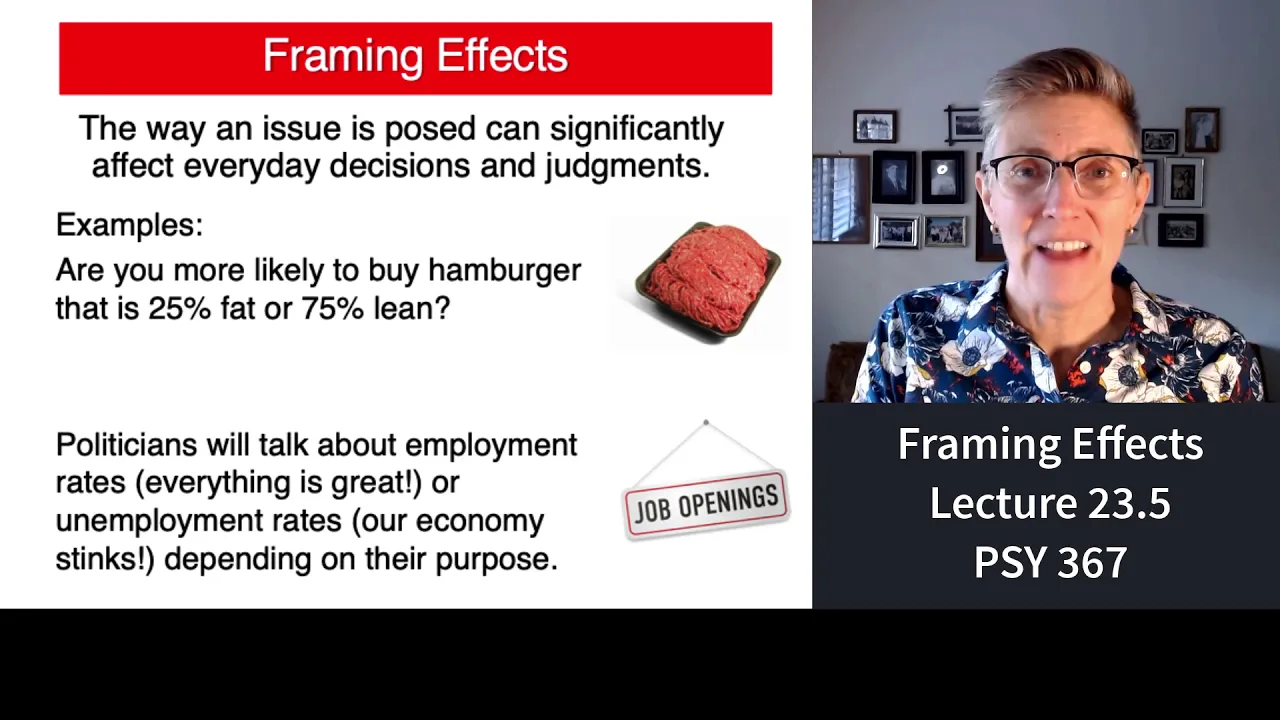








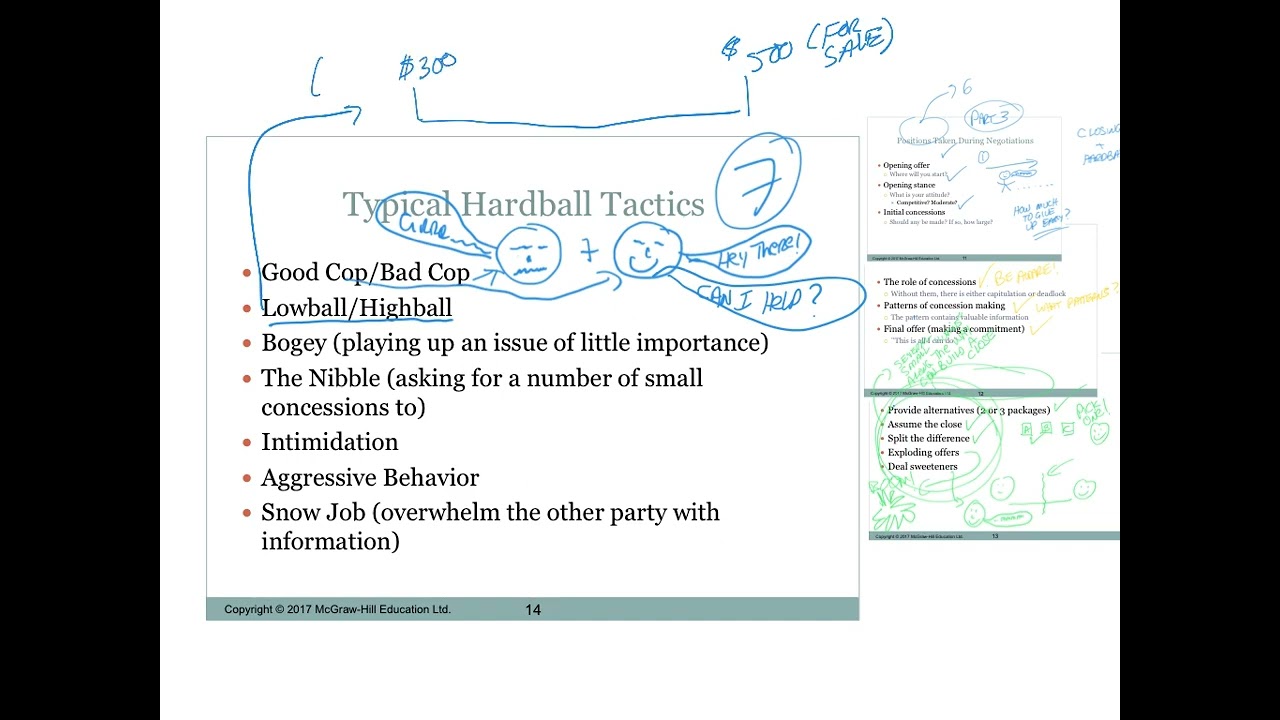






Effective negotiation is fundamentally about relationship management and creative problem-solving rather than winning at someone else's expense; it requires preparing with BATNA (Best Alternative to a Negotiated Agreement), using objective criteria instead of positional bargaining, focusing on interests rather than positions, building relationships through active listening and finding common ground, and staying committed to dialogue even with difficult parties, as the goal is to create value and improve relationships for future interactions rather than simply getting a better deal in the moment.
Mastering Negotiation: A Framework for Effective Deals
Added:Understanding of foundational negotiation terminology, specifically BATNA (Best Alternative to a Negotiated Agreement), Reservation Price, and ZOPA (Zone of Possible Agreement).
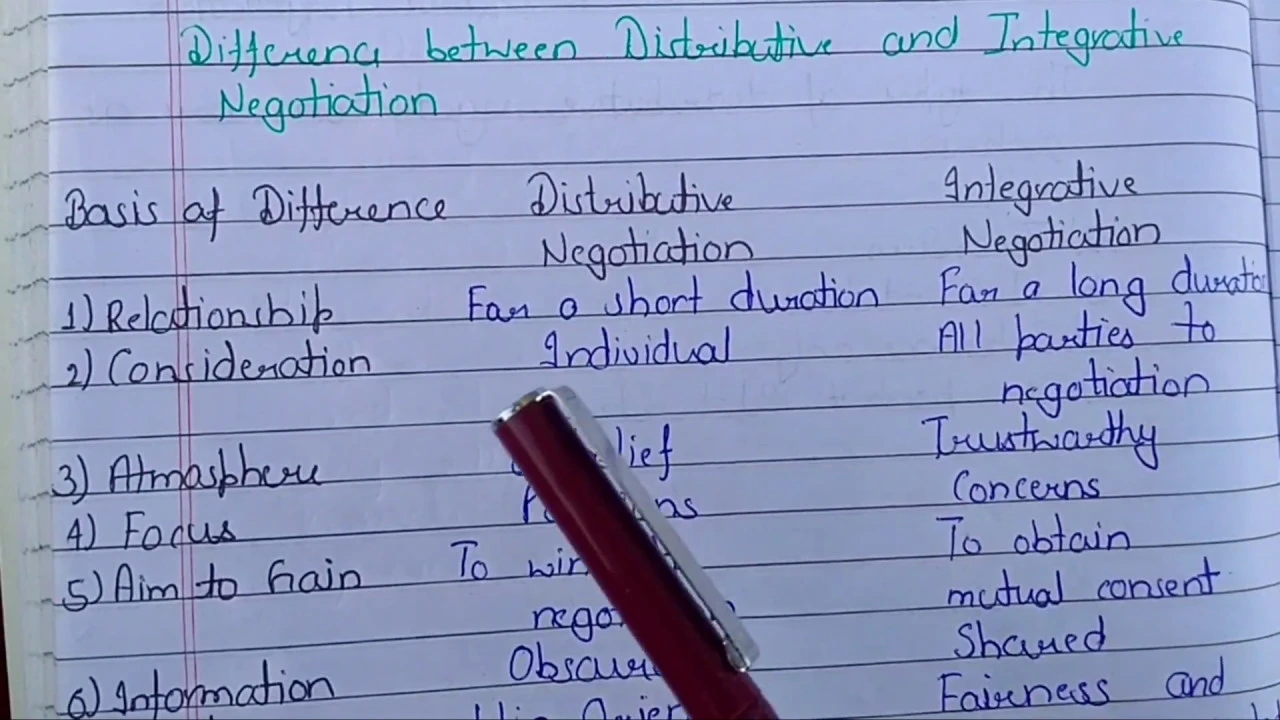
The core distinction between Distributive (win-lose) bargaining and Integrative (win-win) mutual-gain negotiation.
Basic principles of effective interpersonal communication, including active listening, perspective-taking, and emotional regulation.
An introductory awareness of cognitive biases, such as anchoring and framing, and how they influence decision-making.
Advanced multi-party and multi-issue negotiation strategies, focusing on coalition building and complex logrolling.
The study of behavioral economics in negotiation, specifically dealing with irrationality, loss aversion, and asymmetric information.
Cross-cultural negotiation frameworks, exploring how cultural dimensions affect trust, communication styles, and contract execution.
Crisis negotiation, conflict resolution, and mediation techniques for handling hardball tactics and highly hostile or deadlocked environments.
Application of these skills through structured negotiation simulations, role-plays, and peer-reviewed case study analyses.
47.9K views329likes57:25Original Release: 2013-08-28
without further Ado let's welcome Stan do this thank you I always feel welcome uh when I come to Stanford today as I walked in there were some folks out at the desk handing out flyers they handed one to me as if I were a student and I saw a picture of myself and uh I was behind a couple students walking in and I learned something um often I find that you can learn a lot by EES dropping on students and these particular there two students and you know who you are um one student said to the other hey do you know who's speaking today and the other guy says no no I don't know who's speaking and I was trying to think of something really witty to say and it's that moment where you just wish you could be really clever and pull out some great one liner I got I had nothing I just didn't have anything so I just said hey I know who the speaker is um and they looked at me kind of funny like you know who are you and I said uh I'm actually the speaker I'm speaking today and uh the student said well a negotiation and I said yeah yeah a negotiation and he just looked Crest Fallen he looked disappointed and I I'm not sure maybe I I can speak with him afterwards why he was so disappointed to find out that I was in fact the speaker I mean it might be because I'm wearing a blue shirt with brown pants someone at work told me today I I I did the wrong color combination it could be because of that it could be um and ended up being a nice lead into the first point of the presentation which is there's an assumption that to be a a negotiation Professor or a teacher of negotiation you should be old and weathered and have gray hair and battle scars people think of of negotiation as something someone like Henry Kissinger might do well or Jimmy Carter um and that's the first sort of what I call convenient wisdom about negotiation actually conventional wisdom about negotiation and I probably should have added to that slide um that's often wrong and I think that hopefully today in the 45 minutes or an hour that we spend together you'll see that you don't need to have gray hair which is great news for most of you because I don't see a lot of gray hair around the room and that you'll actually um know more about negotiations than lots of the people that you'll work for and work with um in your careers because not many people know very much about it so just quickly a couple of these points um people often assume that negotiations are one-time events in fact I think that almost all negotiations in life are repeat they're serial you're going to see the people you negotiate with more than once yet almost everybody negotiates as if it's a one-time deal as if they're buying a car from a car dealer and price is the only thing that matters and when in fact you would probably negotiate very differently if you knew you were going to see people again and most of you will find that in your lives people you thought you'd never run into again you will I remember about four or five years ago I was in South Korea I was um doing some advisory work on a negotiation between North and South Korea I was in the Intercontinental Hotel and I got in the elevator and I was you know up about the 30th floor and I just kind of glanced at this other guy in the elevator and I thought oh my gosh that looks like this kid I got in a fight with in high school I can't possibly be him and you know I said you know Rob is is that you is your name Rob and he said yeah I'm Rob and I I would have hoped and thought I would never see him again in my life and there he was Intercontinental Hotel and soul um I did a an advisory project for hogen ice cream a few years ago Pillsbury had just bought hogendas and they had been battling with Ben and Jerry's for 15 years fighting for shelf space in the super premium ice cream segment and when Pillsbury bought them some Pillsbury analysts figured out that in fact most people prefer either hog andas or Ben and& Jerry's and they eat either or but not both in fact how many people in here primarily if they had to choose between Ben and Jerry's would choose um hogendas over Ben and Jerry's so quite a few hog andas fans how many would choose Ben and Jerry's okay it's about half and half now if the statistics are correct each of you only about 10% of the people that prefer one would eat the other there's only about a 10% crossover fact factor and so they realize why should we be battling each other our real competition is people trying to move up into the Super premium ice cream segment people like friendlies and dryers and briers and so they decided to conduct a joint venture between the two companies to do joint distribution because most of their sales were actually in convenience stores which were hard to distribute to and so I helped them negotiate that agreement now you can imagine within the management of both companies with sitting down on each side of the table you know there's a lot of apologizing going like oh we're so sorry we took you out on this market and yeah I know we kind of that thing we did to you really feel bad about that and you know here's some D Lei and I hope you feel better um and and these guys thought they would never have to negotiate on the same team but in fact they found that they did so I find that the Assumption of negotiations being repeat and building relationships in negotiations is a safe one I think a lot of people assume that negotiations is about winning or beating the other side and they negotiate again as if they wanted to win and I do that I find myself getting caught up all the time and thinking wow I just you know I've got to get a better price or do better than the other side and I'll catch myself and I'll realize the things that I'm advocating for arguing are you know minuscule and not that important and I think it's really hard to get out of that mentality but I want to sort of push you into that mindset today I think not necessarily about winning in the negotiation but about sort of getting the best deal I have a couple of nephews and a niece that live in paloalto and often my sister asks me to help with them and I was reminded of this principle um a little while ago when I was picking up my nephew David from a soccer match and he was about 10 years old and uh he jumps in the car and I was trying to you know make uncle nephew conversation and not make it too awkward and I said uh David did you guys win the game and he paused and he looked at me and he said Uncle Stan both teams just had a really good time and I was just you know flabbergasted in Florida and realized you know I was thinking about this whole thing in terms of the metaphor of just winning the final um thing I'd like to make um the point about conventional wisdom is that people assume that you need a lot of natural talent that certain people are better suited to be negotiated negotiators than others and I just find that while natural Talent helps education helps a lot and since most people aren't very trained aren't very practiced people that come to me and say as they often do wow I'm a really bad negotiator my response to them is yeah but so are most other people and if you just do a couple things better you're going to be better than they are and so there's hope for everyone in terms of being effective at negotiation there's some mistakes that people tend to make often people focus a lot on tactics and by tactics what I mean as um tricks or methodologies to try to take advantage of the other side common ones that you might be aware of are things like you know anchoring in high and then giving small concessions maybe playing a game of good cop bad cop um actually quick story comes to mind there I was advising uh a friend who's a screenwriter on her negotiation with a large entertainment company uh that will go unnamed and she said yeah I was in the negotiation and one guy's being really nice to me and one guy's being really tough on me and I had the consultant said oh that sounds like a case of good cop bad cop and she said no it was much more of a case of bad cop anti Christ and the danger of playing these kind of games is again let's say you know 10 tactics they might know 11 let's say that they know nine and you win the negotiation knowing better tactics people tend to want to try to get even and if you're going to assume that you're going to see them again the last thing you want to do is win quote the negotiation by playing tactical games on them and that's what most people do in negotiation you want to be aware of tactics but not use them as your primary method of negotiating I think the people often focus on the wrong things whether it's they try to win whether it's they want to not lose whether they end up uh as sometimes students in my class focus on they're like hey I want to make him look really bad in front of the class um there's all kinds of ways that people measure success and I think that often these measures are partial they're not very complex I was doing a mediation down in Chile a couple of years ago between a labor union in the mining industry and management and down there you know Labor Management negotiations in this country can get tough but there it's a whole different deal I mean these guys the labor guys bring guns to the negotiation for symbolic purposes and we'd been down there for a couple of months negotiating a deal and we thought we had a pretty good mediated settlement between the two sides and all that was remaining was a ratification vote on the part of Labor so we went with the labor team of negotiators to labor and we said look we think this is a good agreement it's good for management it's good for the union it meets a lot of their interests we strongly Advocate and strongly recommend that you ratify it and say yes took the vote several thousand members and pretty overwhelmingly they turned it down we were surprised and we thought wow how can you turn this deal down it's a great deal for both sides and they said well you said it was good for management and if it was good for management it can't possibly be that they wouldn't give a little bit more so go back and see if you can get a couple more concessions we said wow we think we've kind of been over it and I doubt there's really you know anything else to get out of this you know we think you ought to take the deal you've got no go back to Management try to get more so we went back to management not surprising to us they said you know pound sand we're not giving anymore and it led to a continuation of the strike that was in progress six more months billions of dollars lost in the mining industry which is a big part of the Chilean GDP and uh over this sort of principle of look if we're not happy completely we want them to be unhappy which again not a very sophisticated way of measuring success and we're going to talk about in just a minute more robust and complete way to measure success people assuming that the piie is fixed um people often and lawyers fall into this trap frequently that they see the primary method of negotiating is advocating for their client which means try to get more for your client hence less for the other side as opposed to being creative and problem solving and I think that in negotiations often the task is figuring out how to creatively expand the p as opposed to just divide up the pi not recognizing or questioning assumptions people will ask me frequently when they hear that my background's in negotiation they say well you know tell me the five things or tell me the one thing what's the most important thing you have to do to be good at negotiation I was at a party last night at cocktail party and a woman asked me that very question she said just tell me one thing what's the secret and uh I thought I'm going to mention this one you know recognizing the assumptions that you make and being open to questioning them so all of us make assumptions I make assumptions today I make them based on my background I'm a white male I'm an investment banker I teach a negotiation class at Stanford I think I know some of the things that you guys might be interested in hearing today and some of my assumptions are going to be right and some of them are going to be wrong we'll find out a little bit in the Q Q&A what you guys really care about but I think that some people can recognize those assumptions not that many people get to the level where they're able to effectively question those it often takes a pretty cathartic event for that to play in um into the picture I was doing a part of a a mediation in the former Soviet Union not too long after it was coming apart and was in the area of the caucuses uh Georgia and abazia some of you that from that part of the world or know that history were sort of at each other the um the obas had just right the week before we got there they had bombed the hydroelectric Electric Plant of the Georgians and took out all the power it was January to bisi which is a city of 3 million people had no electricity people are freezing to death it was a very ugly situation and we got sort of parachuted into there and our job was to go and meet with the leaders of abazia we' flown into bissi and it was a really dangerous road that we had to take about a 5H hour uh mostly dirt road and the rebels would mine the road every day and so the British mine sweepers would go in the morning and take out the mines and uh we had a un um escort and so there was some safety in that but nevertheless um you know when you're in a Jeep and you're kind of going over bumps in the road you kind of think about it and I was with a reporter from Georgia and he was saying all these terrible things about the obcos people oh these people are awful they smell bad they're dishonest you know their mother's this I mean just like these horrible epithets and you know I said to him well why are you going you know and he said well I'm a reporter I want to write a story about these people I mean I have to see firsthand the filth that these people people are he's like why are you going why are you risking your life and I said that's it's kind of what I do I mediate sometimes we come to to war torn areas and we both um in sukumi the capital of abazia for a week we obviously made it safely and about a week later we ended up um in the same Caravan coming back you know once every couple days there would be a caravan that would go together and I said you know did you get your story I mean you going to write the story that you had prepared to write and he said it was interesting after sort of spending a week with those people breaking bread with them meeting their families seeing how tough the war has been the capital have been completely bombed I mean it just looked like you know some a moonlike landscape he said you know it was really hard to think of what bad things I could write about them I actually found they weren't that different from me they like the same Sports some of our same Foods were in common and I find over and over again as I've mediated conflicts around the world people that spend time together have a hard time you know not questioning their assumptions and not realizing that they have more in common than than more different so what is I've talked about some of the negative things that people do in negotiation what is effective negotiation um first of all let me Define negotiation as any attempt to persuade or influence a party to do something so if you define it that broadly it's a lot of what you do every day I often um ask students well you know what have you negotiated today and they come up with all kinds of answers I recently asked a group of students do you remember the first time you negotiated and one sort of pluck is young student raised his hand and he said I think the first time I negotiated was when I cried for milk now at the end of the quarter I realized he hadn't made prog press um from the time that he was born to what he was currently doing um and some people just do the same thing over and over again in life rather than thinking systematically about negotiation but I think negotiation is really um effective relationship management now if the talk had been framed today as a talk on relationship management not that many of you would have come and not that many people would sign up for my class it would be mostly women or some of their boyfriends that the women you know persuaded to go and get a course on relationship management so I teach this course in negotiation and it sounds really cool and people want to do it but we do a lot of soft things a lot of communication a lot of processed things and I think that fundamentally that is what negotiation is about is how to have relationships and manage them effectively I think it's an important life skill that everyone you know I'm super bias but I think it's an important life skill that everybody needs whether you're in the public sector the private sector in academics I me academics if any of you are going into academics that's the most brutal um in terms of negotiation and where you need the most skill there's some of the hardest Waters to negotiate within academic uh institutions I I really think that negotiation is about creative problem solving um I say to my engineering students and I know lots of you are Engineers um the thing I repeat frequently is the solution is not necessarily the answer one of the worries that I have as a a teacher here at Stanford is that we're just generating a bunch of analysts they get to the right answer but they're not able to actually get much done in organizations and negotiation think of it as a tool to get things done as opposed to just coming up with the right answers so what I'd like to do for the next um 10 or 15 minutes is focus on a framework for negotiation I think when you think about how to do it I mean what do you want to do um to be effective at negotiation you want to prepare how do you prepare you need to have a framework to prepare and this is one useful one that comes out of uh the Harvard negotiation project Roger fiser who wrote the book getting TS is is really responsible for most of it and he was my mentor and I learned a lot there from him let me just give you an example from the corporate world um to illustrate some of these points so recently at the Investment Bank that I work at our advisers we were negotiating with a potential client an engagement letter and we were through all the difficult points the fees Etc and we got to What's called the arbitration clause which means some of you know that you know if we end up in dispute with them we won't take it to court but we'll take it to a third party arbitrator and they said we would never do that we would never take an arbitration clause in fact if you're not willing to concede on that we're going to go to a different Investment Bank we've already identified them so they went to this alternative what they might do if we don't come up with an agreement and we said wow it's surprising I mean usually it's in our mutual interest to have an arbitration Clause they said no we want you so sticking with this point of commitment we want you to give in make a commitment and if you don't we're going to walk away and go to the other investment Banks they're stuck outside the circle and I want you to think about the elements inside the circle is where you generally want to be in the negotiation it's the circle of value and where most of the value is added in the negotiation so if you're fighting outside the circle it's hard to get creative and hard to add value and so after lots and lots of talk about this and probing um I saidwell why is it that you don't want to have an arbitration clause and they said well it's interesting um we've had a bad experience with arbitration in the past in fact we had a large settlement decided against us and the arbitrator seemed like he was Prejudice I said it's Prejudice like what do you mean he was Prejudice prejudice against you personally or prejudice against your company and they said look we're both Jewish the two Founders and we feel like the guy was anti-semitic and he really decided based on that he wasn't neutral he came in with the agenda and we just never want to put ourselves in a position where that could happen happened to us again so there I learned a little bit about their interests some of their concerns what was important to them and I said well that's that's new information that's kind of interesting let me kind of think about that for a day and I went back and met with some of my colleagues at work I talked to some outside folks and did a little bit brainstorming around different options that might have met some of those interests and some of the examples of options that came up were things like well maybe we could do a mediation process instead of an arbitration or maybe we could have a panel of arbitrators maybe have three arbitrators instead of one and so the whole thing isn't resting on one person's potential Prejudice and went through a series of other options and went back to the company and said what about some of these options would these meet your interests and they actually got attached to the panel of arbitrators so they said Gee if it was three and it sort of two out of three decides I think that would meet our interest I think we could get done and so we're able to solve that problem rather than fighting outside the circle about what we would what they might do if we couldn't come up with an agreement we got inside the circle and explored kind of different approaches of coming up with an answer answer the principle of criteria is interesting criteria are objective standards that are independent of what either side wants so if you're arguing about um you know numbers often it's good to back up and say well what are some objective standards that we might use to decide um a lot of negotiations that I have happen when I'm traveling I was in a cab um this is probably four or five years ago in the north of Columbia was going to do a a mediation between a couple of the Guerilla groups in the government and my interest was to get to the hotel as fast as possible from the Medan airport and so I got on the cab and I asked the cab driver if he knew where the hotel was and he said y absolutely sir and I was getting nervous when I get in cabs in those kind of countries because I see someone that looks like me and they just think hey this is going to be a good fair and I think hey I'm a negotiation expert I don't want to be taken advantage of now in this case there was a meter you call that in English a meter taxi meter um and so I felt like um if he took the most direct route I wouldn't get taken and so I was sort of comfortable and just kicking back in the cab and I wasn't paying much attention after about a half an hour it seemed like we were taking a little bit of a circuitous path to the hotel and I just asked him I said how much further you know are we on track and he said oh a little bit off track you know not sure exactly where we are and I said okay should we pull over and get some directions and he said yeah let's do that we pulled over and we kept driving about 20 more minutes and we were still driving and we seem to again being doing Serpentine and I said look I don't think we're taking the most direct route here can you pull over I got out of the cab and you know thought about figuring out alternative transportation but you know my alternative wasn't very good my bags were in the cab you know Med in Colombia midnight at this point you don't really want to sort of walk away from that negotiation so I asked for directions from someone on the street and then I directed The cabie to the hotel and we got there now the amount on the taxi meter was about $60 us which in Columbia is a lot of money and the question is what do you pay him do you offer zero um you know what would you do and so I thought of this principle of objective criteria and I said okay precedent precedent is always a criteria that you can use and I asked him like what do you normally do when you drive around with a client lost I'm sure it's happened in the past and not surprisingly his response was never happened first time first time this has never happened to me before which I didn't neily believe but wasn't getting anywhere I asked him uh what about your dispatcher certainly your dispatcher knows how much it costs from the airport to this hotel would that work he said I don't have a dispatcher I'm independent so another criteria that didn't work so finally I said why don't we go in and talk to the front desk you know receptionist or manager whoever might be there about what it generally costs from the airport to the hotel now he didn't like that it didn't seem like a great idea from his perspective but he had a hard time saying no that would be unfair I mean we can't do that that would be ridiculous so we walked in together asked the front desk manager he said it was about $25 us I paid him the money and he was gone now I might have started at zero he might have started at 60 we might have sort of played concessions back and forth and ended up at you know $25 or $30 and and it might have been the same settlement but we wouldn't have known that it was fair it wouldn't have been based on any objective standard and I think that it's really important that you think about basing your agreements on things that are objective not just what one party wants or what another party wants the uh the two elements at the top communication relationship I'll just talk briefly about those they're kind of the processyoutube as listening and talking and hearing think about communication as convincing the other side that you can hear them and that they are being heard um I was talking to someone that used to work with with Bill Clinton President Clinton and uh she said you know the thing about Clinton was he was an amazing listener I mean he would just focus and he would make eye contact and you could just tell he was internalizing things and the fact that he was listening was the most important thing in the conversation and she referred to him as the aerobic listener and that ended up you know making him very very persuasive and negotiations his ability to listen I was doing a mediation in New York um with the Pat the Native American tribe the the pat Indians years ago they were looking to expand their Casino efforts they were one of the first tribes to put casinos on the reservations on the reservation and the city council was opposed to it and there we came in as the mediators and uh we were at the table there were several representatives from the tribe several representatives from the city council and it wasn't going very well and there was this one Gentleman on the city council who was particularly difficult I mean just cut people off con ly didn't listen and uh you know hard as we tried to facilitate him he's just one of these guys who was going to speak his mind and you know not be productive and it was really hampering our process and in one particular instance a native woman was talking and he just cut her off you know pretty brutally and pretty rudely and then a woman on the city council so same side of the table as him on the team cut him off and said John you're just not listening to them can you just take a step back and listen to what they have to say and so so that just changed the whole tone of the negotiation and we caucused uh at about 15 minutes after that happened and I went off um you know with the the native folks and the folks Miss city council went off with the other mediator and what the the uh person on the native tribe who'd been interrupted said hey you guys there's this one woman on the city council side who seems to get it I mean she gets it that the guy on her side's kind of being a jerk and I think she's kind of reasonable and I think we could deal with her maybe there's a way we can kind of use her to to leverage her Goodwill towards us so as the party what we thought is Gee let's exploit that and let's maybe reduce the size of the group and get them off on a sidebar and see if they can make some progress which we did and ended up leading to solving the dispute so that sort of single intervention of sort of showing that there was an air of communication on his side and listening to the other side ended up being very persuasive so it listening isn't just a nice touchy Fey thing to do it can be extremely extremely persuasive in negotiations relationship I I've mentioned a couple things about relationship it's incredibly important that you build relationships and I Define relationships as being able to work out differences effectively okay it doesn't mean you get along it doesn't mean you like the other side you're going to have to deal with people your whole life that you don't necessarily you know want to work with but you have to the other thing I find is that people and I alluded to this before people often have more in common than they think and it's about finding things that you have in common with people I was in uh another taxi story this weekend I was in New York City and for those of you that have uh taking the taxi ride from uh JFK to Manhattan you know that can there huge variation in how long that can take that can take a half an hour if you're lucky and it can take two and a half hours if you're unlucky well Friday uh rush hour in the rain uh it was the ladder uh it took me two and a half hours after you know 6-h hour flight and I was just you know so tired of being in this cab and I was trying to meet a friend for dinner and I could see as we weaved our way through Manhattan that uh you know everyone in the town's looking for a cab and it was going to be impossible once I got dropped off um at my friend's apartment to get another cab and meet uh another friend for dinner so I said to the cab driver hey is there any way that you could wait you know I'm happy to pay you I'll run up I'll take a shower I'll Take 5 minutes and I'll be back down and then we'll go to the restaurant wouldn't that be great he said not a chance not waiting for you and so I thought well there's got to be a way to get to this guy and I said where you from and he said I'm from Haiti I said oh Haiti you know hai's great I've never been there love Haiti um uh I I do speak French and know enough about uh ha and know that they speak uh speak some French over there and I started speaking my my French and he could tell what I was trying to do um it was pretty transparent my play at the relationship and but it worked you know he wanted to talk and and uh he gave me the obligatory oh you speak pretty good french even though it wasn't that good and we started chatting and and uh I thought what else do I know about Haiti what else do I know about Haiti and I remember this this book that I had read maybe some of you read mountains Beyond mountains Paul Farmer's kind of story of setting up clinics and hating I said hey do you know about Paul Farmer and he said I've heard of that guy I said have you read the book mountains Beyond mountains he said I haven't read it I said I think you'd like it and he said yeah I think I would too and I said I'd love to send it to you I'd love to if you give me your address I'll you know send you the book I'll put tonight on Amazon I'll put it in an order and he was just kind of laughing because he could see exactly what I was doing but he didn't really mind having it done to him and so we're sort of forming this mini relationship and so we get to the apartment and I say how about it do you have 10 minutes you can wait for me and he says go ahead just hurry up and you know he waited for me and I was able to make it to dinner with my friend on time so it's kind of a mini relationship story so you don't have to form long-standing relationships Agreements are worked out in the context of relationships now people as I mentioned often think we don't like the other side they might cast aspersions as uh the reporter from Georgia did on the obas people I find that I've worked a lot around the world as Tom mentioned um a lot on political conflicts and ethnic conflicts and in one particular one that I was involved in in South America um Peru and and Ecuador had this long-standing border dispute and there's about a 50 square mile uh chunk of land that every you know 5 years or so there' be a little flare up and maybe a couple people would get killed and it would be settled for another five years so we were called down to mediate and the representative from Peru was a just a very difficult tough military man kind of came in his uniform kind of kind of the Don Rumsfeld of Peru just didn't look like he was there to you know have a relaxed experience hard guy I mean just not who you want to see on the other side of the table the guy from Ecuador was a politician cabinet level guy and he had been told by the president of Ecuador look do whatever you want down there but don't commit I mean it's election year we don't want to look weak if nothing gets done that's fine but just you know don't concede so that was what we had to work with and so we spent a couple of days trying every possible different mediation technique and uh it was just kind of one of these things where all of us knew that it wasn't going to work I mean you could kind of see that you're going through the motions they're not really into it and finally and again it wasn't me that came up with the idea another guy at my firm he said why don't you guys go in the Next Room and just talk about things without us I mean we're not really being that helpful but why don't you go in the Next Room and see if you can talk about things that don't relate to this conflict talk about your families talk about your religion just not about Peru and Ecuador and this land because we're not making progress and see if you can form a little bit of a relationship so they thought this was really dumb idea um and they didn't want to do it but they agreed they said okay we'll go talk for half an hour so they went in the Next Room for about a half an hour and you know truth be told we were kind of eavesdropping and and and trying to listen to what was going on and uh we were hearing bits and pieces and it sounded like you know fairly productive nothing negative we didn't hear any loud noises in there and uh half hour goes by they're still talking 45 minutes they're still talking an hour they're still talking about an hour and 15 minutes after we started they emerged together and you could just tell the whole thing the whole Spirit was different their countenances were different positive experience the general from Peru says I'm prepared to work with this man let's sit down and negotiate so I said wow that's fantastic I mean great great news let's yeah let's sit down great um let's get going and uh we said like just curious though I mean you seem like you're in a different place what happened in there I mean seems like there must have been some kind of a breakthrough and the general said he said I learned that he has a handicapped daughter and you know I have a handicapped daughter and I know that 14 hours a day his wife you know takes care of that child and I'm prepared to work with him I think this is a good man and if you could sort of feel the emotion at that time you know in that room you could see why it was pretty easy for those guys together without us I mean we're basically irrelevant at that point to sort of figure out a deal and they were able to construct an agreement where there's a national park that they would tradeoff monitoring and a dispute that was you know 50 years old went away over them figuring out that they had something in common in their relationship rather than focusing on their differences and so I just think that when you think about um negotiation they're always worked out in the context of relation ships if you're good at relationships you're good at negotiation now this framework um I mentioned that you can use it thinking about these elements beforehand so when you prepare for a negotiation you can use it during a negotiation to think about where are you are you inside the circle are you outside the circle um how do you get back inside the circle if we had some more time we could talk about strategies for that but it's a nice framework if you can go back to your constituents and say look we've got an agreement okay and we think it's better than our alternative okay what our walkway position would be if we didn't come up with an agreement it meets our interests pretty well it meets their interests pretty well we've explored a lot of creative options it's based on objective standards objective criteria the relationship has been improved I mean the product of working with these guys is that we're more likely to be able to work together the next time effectively together the communication has been clear two way you know we've learned stuff from them the commitment is clear we know who's going to do what whenn that's a good outcome in a negotiation okay that's a more sophisticated comprehensive approach than hey we played good cop bad cop and we won we're ready to get them the next time okay because the real world just doesn't work that way if you get them that time which you may well do in the short term you can make all kinds of progress playing tactical games but it doesn't lead to long-term relationships and I'm not often students say well this seems really soft and touchy feely and it's not I haven't said anything about concede give in I've said think systematically about your preparation have a framework in mind and you'll do better so let's take uh a just a quick five- minute look at an application of the framework I was trying to think yesterday what would everyone relate to a little bit that we could analyze and I thought of you know the current war and Terror that we're involved in everyone is has an opinion and has read about it and so from a negotiation perspective it's actually been one of the few positive by products of the war on terror has been it's a lot to talk about in terms of negotiation more to do differently than than what do we do effectively but let's just pick out we probably don't have time to review them all according to some of these elements how would we analyze some of the negotiations that have taken place in terms of the war on terror and what might we learn uh from that process so again we won't have time to go in all these let me pick a couple um I think you know the second one communication probably that would be the single most important thing that I think we as a country and particularly uh the Bush Administration has done poorly in terms of of the war um I've talked to lots of people that have been you know involved at high levels I talked to a person who is senior person in the defense department and uh you know this person said to me yeah I go in and I do a PowerPoint presentation to secretary Rumsfeld and you know everyone knew that you couldn't get past the second slide I mean he would just be bombarding you with questions disagreeing not let you make your presentation his mind was already made up it just didn't matter what any of the analysts said there was just no way no two-way communication another uh person who's a senior adviser in the White House who's responsible actually for you know giving Bush the messages daily on you know what's going on in Iraq and giving him the rock update so it was a pretty you know direct involvement she said it was just too tough to give him uh uh any negative feedback he just was so invested in his administration um in the legacy of his administration being positive and having the war go positively that when you bring him bad news he couldn't hear it he just couldn't hear it so again lack of dialogue lack of two-way communication you know has definitely hurt us there criteria one of the problems in the whole notion of a warant tear is that there's no objective measure of success you know how in the world would you know when you'd been successful um and I think if we went around the room and we had time to ask people you know what does success mean in that war how will we know when we've won or how will we know when we've lost there'd be very very difficult in a a very educated group like this for anybody to have a sense of that and so not having objective criteria as a measure of success I think hampers you when you're trying to get something done um on the point of commitment one of the things you hear currently and the administration is changing its position on this slightly recently uh thankfully is well we don't negotiate with terrorists um specifically they've really cut off for the most part dialogue between uh the US and Syria the US and Iran we don't really have diplomatic relations huge huge huge mistake you could say um horrible things about the Iranian people you could um despise them you could say that they're terrorists and if you're not talking to them if you're not in dialogue trying to form a relationship there's no chance that you're going to have anything worked out and so again negotiation as the art of relationship management is be in dialogue now that doesn't mean that you go soft it doesn't mean that you give anything you just want to be dialoguing and communicating and so what I wrote here which is separate the what you might concede and give them from are you actually communicating them and is there dialogue it's a big mistake ever to cut off dialogue I've been in lots of negotiations with host in hostage situations with terrorists you always want to talk there is no situation I've ever been involved in when I thought closing off dialogue was a good solution um just talk briefly about relationship I think that um another another big problem of the warant te has been that we have U kind of not made a lot of friends along the way and and part of the way that we've not made a lot of friends in our effort is by sort of casting aspersions on others that don't agree with us it's sort of this notion of you're with us or you're without us that tends to not do very much for building relationships um this notion that there's an Access of Evil that tends to not build relationships in those countries this notion that there's a I was in Europe right after the Secretary of Defense made the comment on the Old Europe versus the new Europe and you can just imagine all the jokes all around Europe like Hey we're part of the Old Europe um you know and and I think that when we've gotten in trouble no one's really wanted to come to help us because we were so belligerent in our process and so again think of this framework and and I'll kind of move on from this right now but think of this framework as a way to diagnose negotiations that are going on whether it's a current event whether it's whether you're going to go to one movie or another with your roommate who's going to do the dishes how you're going to work out your differences with your boyfriend or your girlfriend the same framework um can be applied to to work out differences um I'll talk for two or three minutes and then we'll just go to Q&A a couple of just quick uh negotiation tips so here's five that I came up with yesterday there's no magic number about five these are just some that that I find particularly useful preparation most people don't prepare for negotiations when you ask people how much they prepare they say something like well it depends if I'm you know sharing a cab um with them on the way over we might talk about it or if we're sitting next to each other on the airplane we might talk about it but people don't systematically prepare and I think it's a big mistake and I do find that there's a direct correlation between how much people prepare and how well they do in negotiations tell the truth I would just say and I say this to my my students all the time never lie and there are no exceptions people are always looking for the exceptional well what if they're holding a gun to my mother's head and you know asking me if I'm willing you know that's not going to happen to you okay so rather than think about what are the exceptions I mean I was driving along the freeway the other day and I see this B billboard which I thought was great it said I forget what state I was in but it was they said someone today is going to win $30 million in the lottery and then in small print underneath it said and it's not going to be you and then it was it was basically an ad for a mutual fund company saying you know put your money in better places and and that's how I feel about people say but what about the exception and you know I I can you know you have to be able to lie sometimes never lie it's much easier to remember just always tell the truth and I'm not saying that for moral reasons although I think they're excellent arguments morally to never lie I think practically you do better in the long term if people know you as a trustworthy person you have to develop a brand around being trustworthy and so to me that's an easy one and and most people lie a little bit some of the time and just think where where are you on that curve and and try to be better because if you have a reputation as being trustworthy people want to trust you they are going to help you get things done in life and that's all life in the workplace or life in government or life in AC academics is really about can you get stuff done again it's not about getting to the right answer it's can you get stuff done if you're trustworthy it's easier to get stuff done apologize and own your contributions so it's very easy to blame others for problems um I see this all the time I manage a bunch of people in the workplace and people are constantly you know casting dispersions and pointing fingers and and often they're right I'll listen to them and I'll say yeah I do think you know he or she did this wrong um but the finger pointing the blame the problem with it is it doesn't work right it doesn't lead to any positive outcome almost always in Conflict there are two sides to issues and I think owning your own contribution and you always have one you know it may be that your contribution is 10% and their contribution to the problem is 90% but I think focusing on the 10 um and owning that is a much better strategy for figuring out how to resolve a difficult personal issue than blaming them for their 90% last week an example uh came up in my life of this I had a friend that had moved away we'd fallen out of touch and you know all of you have found and are going to find that some people are good at staying in touch and some people aren't and you kind of um you lose some friends or they kind of uh become less of a priority for whatever reason and this is one that I was sad that you know we hadn't kept in touch and my thought was it's pretty much her fault you know I've made an effort and she really you know it's her fault that we're not in touch and I had all kinds of arguments that I was ready to kind of pull out the gun and start shooting and I thought you know it's not going to do any good why don't I just apologize for my piece of it and so I said you know so and so look I really feel bad that we're out of touch I think you know probably contributed to that and just want to let you know that I apologize uh and I'm sorry and so what's her response going to be I mean there there's no way she's going to say yeah absolutely it's all your fault you know let's just dwell on that you know her response if she's even half human and this one luckily is uh is she said oh you know it's partly my fault too and I really feel bad and let's just figure out how to do this better let's sort of and so I think owning you know apologize more apologize it doesn't cost you anything okay and I just think that people get so engrossed in being right about things rather than focusing on what could you know they do better in a situation it's much easier to figure out what you can do and what you can change then what they can do better and what they can change stay in the game if I wrote a book about negotiation someday one of the chapters would be stay in the game um often it's just wearing the other side down I use the metaphor of you know having a quiver of arrows that you you shoot it's probably probably don't want to talk about shooting people but um you know if you pull one Arrow out and you shooting it doesn't work pull another arrow out you keep trying things and and often it's just persistence um I told my students I think a few weeks ago a story of I was pulled over in Los Angeles by a policeman and I had uh you know it was just it's a long story but a bunch of violations um you know I'd gone through I'd gone through a I'd gone through a red light um I was in a car that wasn't registered it had no rearview mirror $300 of parking tickets it wasn't my car um I had no driver's license I just moved from New York City and I mean I was just it was a motorcycle cop I was trying a bunch of stuff and none of it was working he never cracked a small he never took his glasses off and at the end of 45 minutes I said look I've just moved here from New York City and this is in Los Angeles I've just moved here from New York city is this any way to welcome a guy to Los Angeles and he looked at me and he said is there any way that you can prove that you just moved from New York City I said well I don't know I pulled out my wallet I took out my identification from my employer I took out a couple receipts and he said yeah I believe you welcome to Los Angeles and he drove away I stood there stunned stunned I thought he was going to change his mind for sure but you know it just over time something eventually catches and so sometimes it's all about just staying in the game Roger fiser taught me the principle of uh give them extra there are always opportunities and negotiations to make it a little bit better for the other side and people are always a grateful B surprised C they reciprocate they look to give you benefits so so again go back to the metaphor of the fixed pie it's not just about getting a bigger piece of pie for you how can you make things better for them I find that in negotiations you can always find ways of making it better for them without making it necessarily worse for you and so if you're focused on those kinds of options as opposed to just putting options on the table of what's really good for me which is what most people do people tend to reciprocate that behavior over time and I I I just find that's a good strategy um there's some other things I was going to say about uh gender and negotiating with attorneys but I'll I'll I'll just end there and spend the last uh 10 or 15 minutes answering some of your questions anyone have a question or I'm happy to talk about other things in the back so so today I actually went to the mechanic shop I'm pretty sure I got screwed good chance so you got screwed by the mechanic time a mechanic um I mean I don't know anything about cars and is that a statement or a question um no I just want to know like what what should what should I have done to yeah so you went to a mechanic um you felt like you got taken advantage of and what might you have done differently well I would probably need to hear a little bit more about the specific situation but I I would say let's just kind of go back and answer that question in terms of the framework so the framework that we were talking about um it sounds like you you had maybe some Alternatives one is to go to another mechanic so I would think about the principle of Alternatives two is I'd think about the principle of criteria if they charged you a lot what are some places you could get some objective standards and criteria well one would be a manual you know Chilton's manual one would be to find out from other mechanics what they would charge for a similar um process and so those are kind of the two elements that I would think about in trying to solve that kind of a problem so whenever you're stuck think about the framework and going back to the framework and decide sort of where you might go you might try those two things and if they don't work you might take it to a different element again another arrow in your Quiver how would you deal with someone that might not be telling the truth like you are yeah so if I'm being lied to a negotiation sometimes I just process that loud now if you say to the other person you know what you're a liar okay how effective is that right so if someone is going to lie to you the last thing you want to do is attribute something to them a different frame on that might be wow that's really surprising it's really different than the data that I have in my experience let's kind of figure it out you may be right but it's different than my experience and it's different than my assumptions let's kind of explore that together so different frame than you know just casting aspersions and saying you're a liar yeah what experience in negotiating salaries and pay increases salaries and pay increases how do you negotiate them so salaries and paying increases are about two things and they happen to be the same two elements of the last uh uh the last question they're about Alternatives and criteria okay so the most important is having objective criteria so if you're in an organization um and let's say that it's IBM you want to know what do other people at your level get paid how quickly have they been increased in their salary so you want to have some good internal objective criteria you'd also like to have some external criteria you know what are they paying at HP for similar roles what are they paying at Dell if it's an oem kind of a job um for the similar kind of role so you want to have objective criteria number two you want to think about your alternative you know sometimes you need to you know let the other side know or at least be prepared if you don't get the salary increase maybe you'll go work at HP and and often I'm not saying you NE need to threaten with your alternative but you'd at least like to know that if you walked away you'd like to have that in your back pocket so if I know when I go in to negotiate with my manager that I've got a job waiting at hulet Packard and it's 15% more salary than I'm getting at IBM I'm feeling more powerful when I go into the negotiation and so developing a good what called batna the best alternative to a negotiated agreement when you go in and having good data about objective criteria I think is really important I mean students I hire a lot of students um because we're Investment Bank and we hire a lot of young people and you know there are people that there are students that will come in and whatever salary you offer them they ask for more it does I mean you could offer them a million dollar no that's crazy they got to have more it's and it's not very persuasive now if they came in and said Gee um the other investment banks are paying more I've done some research you guys are you know 5% lower that would be super super persuasive or hey I've got this offer at Goldman Sachs they're paying more you know that's persuasive but people would just ask for more no matter what not so persuasive quick note on gender and and salary negotiations so it turns out that and I don't remember the specific statistics but most men something like you know 70 or 80% ask for more no matter what they're offered when they come out of business school I think the research has done on business school students and the same and no no surprise what is surprising is that only about 20% of business in school women who graduate ask for more so women tend to think W I'm lucky to have this job and I shouldn't push and I shouldn't get more and and men tend to be like I'm worth more um and so it's just interesting to think about you know whether you're a man or you're a woman and you're looking for a job or if you're hiring a man or a woman that you know there are a lot of gender differences um in how people approach negotiation other questions yeah Mr uh Mr banana yeah how involved were you in the conflict between North Korea and South Korea um I was not personally very involved uh in the conflict between North and South Korea we were advising the South Korean government on what they should do but I never got in the middle of that conflict and didn't actually get up to North Korea so was there giving advice to the south on what they should do so that was the level of involvement yes how do you handle cultural faux PA cultural faux PA well I've traveled um quite a bit and made quite a few cultural FAS and I find that over time the best thing to do if you you go into a culture let's just pick France okay now if you go into France and you start speaking French and um sort of acting like you understand the culture and you're good at the language um usually what most French people do is they start correcting your French and they start um saying well you don't really get us we're you know French are complicated and Americans you guys are really two-dimensional but we we are complicated people and so what I do when I go to France or any countries I say you know what let me just apologize up front for the fact that my French is so bad okay and lived in France you know for fair amount of time and but you know I'm just a neoy here and if you'll work with me um and help me you know as I make those cultural faux PA I'd really appreciate it then they kind of get On Your Side Oh no your French is great and so great that you're not like most Americans who really loud and you know we hate those people from Texas and um so so you kind of get them on you sort of ask for that relationship and you form the bond that way rather than going and acting like you know everything and so I think that kind of the humble American is uh not too free quent um character that's played but that's what I've tried to do over time rather than kind of going acting like I know more than I do yeah other questions yeah are you actually thinking of writing a book am I thinking of writing a book uh I've been asked that a lot of times and um I have thought about it a lot and done very little work on it um I think it's just overly committed between my uh running a small investment bank and teaching a couple classes at Stanford but eventually maybe when I get to that older gray-haired stage and um reflect more you know right now my life is focused mostly on applied work and getting things done and I find research interesting I just haven't had the time to do it yet yes how did you get into negotiations at beginning how did you get yeah how did I get into negotiation at the beginning um I stumbled into it is the answer I was in business school at Harvard and Roger fiser the author of getting to yes had this Harvard negotiation project set up and I actually was at a party and I met met another person who was involved in the project and we just started talking and he introduced me to Roger and and one thing led to another I'll say one other thing about it which is that um I had interviewed my first year of business school and gotten a a summer job and I committed my second year I felt like I was one of these kids that was on a track you know I was developing that resume and the next step was you know you go to McKenzie or Goldman Sachs or some kind of place and I just looked around at those options and I thought you know I just do not want to be a tool I just can see what's going to happen to me I just I I I look down that path and I just don't want to become like that and so I committed not to interview anywhere in my second year of business school that I wouldn't accept a job that I knew I didn't want to work and so I didn't do any interviewing and I mean you know my business School class of 800 100 100 went to McKenzie and so I just decided uh you know I'd rather sort of stumble on something interesting so I was in the position to take advantage of the opportunity when it came and I find that often with students um and Stanford students are pretty similar to Harvard students in their career aspirations if you're so narrowly focused on what you want to do and have your 10-year plan you miss all the interesting thing that comes up and the blinders are on too much so I was sort of Lucky to stumble onto negotiation the answer yes how do you think about the cost of negotiation so if the thing that you're trying to sort of arbitrate or negotiate for is so small or uh compare in comparison to the social ramifications or the time commitment of actually negot okay so how do I think about the cost of negotiation and you know balance it out against either social ramifications or time uh ramifications you know there's a lot in that question and we could talk for a half an hour and we don't have it on that but time is often an interest right and so I think of time in the interest box um how much time someone has often people use time to manipulate in negotiation so they'll say you know they'll start to look at their watch and say look you know we've only got 15 minutes here today and so what I'll say is look you know maybe there's another time you know let's not try to rush it and so when people try to manipulate with time I use that kind of response I think that going to the first part of your question sometimes you do want to quantify things and that particularly comes in when you think about objective criteria so you want to measure you know and attach value if you have a an ISS a complex multi-party negotiation there are 26 issues um you want to sort of attach value to each one and the most important thing is to look at those you know 20 plus issues as a package as opposed to going issue by issue what happens so often in deals particularly when when lawyers negotiate is they go issue by issue and you might say something very different on issue B if the result of issue a was different than you thought and so I think it's really important to look at negotiations as packages of issues rather than to sort of peac meal away I know that's a a short answer to a good and complex question that's what I would do yeah a question asked early about like if you lie at times then then how do you handle that but at times there are certain people who are like stubborn like I know that this is right and you don't know if he's lying or not and you you say okay then you you you again say okay how about we explore this way or you structure it different way so that it brings her you and in this case you've already de developed a relationship so you're talking about like options or trying to create criteria but but then again they say no I know that this is this is what happens so how do you deal with those kind of people so if people are stubborn and they continue to either mislead you or lie you know I what I do there name the game you know if I feel like I've worked with someone for a long time and I've tried to persuade them um and to look at different ways of looking at it and they're like no this is the way you know I a think about my alternative so if I walk away you know what's that like if it's a cold dark world that I'm walking to I'm going to work with that person differently but if my alternative is pretty good I'm going to think about walking there and I think that people assume that you have to deal with difficult people in life and they underestimate their Alternatives and so if you're in a workplace I interviewed someone today that that was had been in a workplace where she was working for a manager that she felt was unethical and she'd been there for 4 and A2 years and I said well how how quickly after you started working together did you feel that individual you know had some ethics challenges or problems she said I knew in the first six months I said well why did you stick it out I mean you know you should probably as soon as you find that you're a really talented young person there lots of places she said yeah I should have moved more quickly and so I think sometimes if you're really with someone difficult you know think about how good your alternatives are and and and sometimes be comfortable walking way I have time for one more question yes have you ever been involved in a negotiation where you're like man I really wish I was on the other side and how do you deal with that have I ever been in a negotiation where I wished I was on the other side of the table yeah all the time um because you know your clients sometimes you don't either agree with them I mean one thing that happens in mediation this isn't quite your question but in mediation you have a natural tendency to um you have a natural bias towards the weaker party okay so in Labor Management often you sort of naturally side with labor in a sort of Columbia you know negotiating between mediating between the gorillas and the government I mean the gorillas you know it sounds like they're these Savage people but when you get to know them and you camp out with them in the jungle for a few days like wow these people have real concerns and interests so I think there's a natural tendency to sort of side with the weaker party and your question which is if you're on one side advocating do you ever wish you had the other hand absolutely absolutely I mean you know it's it's nice to have resources so if you're on um trying to think of an example so if you're represen in our business if you're representing a client and you're negotiating against someone that you know and your client sort of is this small little tiny company and the big company has all these resources and they're they're Alternatives their baton is really good you'd love to be negotiating for them because they have all the resources in the world but we do we sort of call ourselves the Robin Hood of investment Banks we want to be advocating for the small guy right we want to protect them from the large private Equity firms or the large strategic acquirers so even it's kind of fun to to have less of a good hand and cards sometimes and see if you can do well despite that and I find and it's a good place to close I find that um often people think about power and leverage in an unhelpful way because I'm young because I have no resources because my company's small I have no chance I just have to give in to the big guy and I find that if you look at the most effective negotiators they often started with very little power you know look on the in the public sector side Gandhi so he's this little Indian guy wandering around this big country you know did he have much power when he started no and he became one of the most effective negotiators in the history in the history of you know sort of public sector negotiations people often ask me from a business perspective who have I negotiated against or with it's really tough and good and I respect Michael Dell the guy was just unbelievable at the negotiation table okay when Michael Dell started Dell computers in his dorm room you know at the University of Texas and he was going up against hulet Packard and IBM and those guys did he have a lot of power did he have a lot of Leverage no he was really really effective at negotiation and he got ahead and so I think that there's a propensity sometimes and a tendency to think if you have the weaker hand you need to concede or give in and what I think is if you have the weaker hand it's more fun and you just have to be more effective at negotiation thanks a lot
Up Next
61:48
Director of Sales Engineers: Roles, Challenges, Leadership & Strategy
@TonyMozePodcast
107 views•2023-03-06
46:36
Retention Habits of Top DTC Ecommerce Brands Revealed
@SendItPodcast
44K views•2026-03-03

15:23
Decoy Effect: How Pricing Psychology Influences Consumer Spending
@bobinvestsUS
90K views•2026-01-05

17:30
The Planned Obsolescence of Light Bulbs and Tech
@veritasium
25.3M views•2021-03-26
Related Study Plans & Knowledge Roadmaps
Structured learning paths in Business
business
Pop-Up Retail: Strategy, Design & Execution
01Introduction to Pop-Up Retail & Strategic Goal Setting
02Budgeting, Site Selection, and Legal Essentials
03Experiential Retail Design & Visual Merchandising
+ 2 more learning modules
15h5 modules
Explore Roadmap
business
Reg CF: Startup Funding, Marketing & Launch
01Introduction to Equity Crowdfunding & Reg CF
02Platform Selection & Legal Preparation
03Crafting High-Converting Campaign Assets
+ 2 more learning modules
14h5 modules
Explore Roadmap
business
Productized Services: Scaling Solo Freelance
01Foundations of Productized Services
02Packaging and Scope Definition
03Pricing and Subscription Models
+ 2 more learning modules
15h5 modules
Explore Roadmap
business
Gov Procurement: Find, Bid & Win Contracts
01Introduction to Government Procurement & Business Setup
02Small Business Certifications & Set-Asides
03Finding and Analyzing Contract Opportunities
+ 2 more learning modules
14h5 modules
Explore Roadmap