
![O QUE É HOMEOSTASE? [Metabolismo 08]](https://i.ytimg.com/vi_webp/9vRA13CZY88/maxresdefault.webp)












![[ Sinh lý bệnh ] LT Modun Nội tiết](https://i.ytimg.com/vi/dK83l_90qgw/sddefault.jpg)











The endocrine system uses scattered glands throughout the body to produce hormones—chemical messengers that regulate metabolism, sleep, stress response, and overall homeostasis. Hormones are either water-soluble amino-acid based (binding to cell surface receptors) or lipid-soluble steroidal (passing through cell membranes to bind intracellular receptors), and they only affect specific target cells with matching receptors. The hypothalamic-pituitary-adrenal (HPA) axis exemplifies hormone cascades, where the hypothalamus releases CRH stimulating the pituitary to release ACTH, which then triggers the adrenal glands to release stress hormones like cortisol, demonstrating how the endocrine system coordinates with the nervous system for the fight-or-flight response.
Endocrine System: Glands, Hormones, and the HPA Axis
Added:I’ve invited you all here today because I wanted to talk to you about some ugly stereotypes that are going around.
I’ve been hearing a lot of unfair, unseemly, and unscientific generalizations being made lately.
And they mostly have to do with sex. And your hormones.
People have a nasty habit of equating “hormones” with a particular set of behaviors and conditions, most of which have to do with reproduction, or sexual development, or acts that include what my brother John has referred to as “skoodilypooping.” For example, people will say that “hormones” are why Kevin has zits, and is being all moody, or why Hannah, who’s three months pregnant, just cried watching a commercial for car insurance -- which, let’s be honest, I do that too.
Now, I’m not saying that hormones aren’t at the root of sexual attraction, or zits, or occasional bouts of extreme emotion, because they are. That’s just not all that they do.
Not even close.
When people talk about “hormones” in the contexts that I just mentioned, what really they mean is "sex hormones."
But sex hormones are just one kind of hormone that you have coursing through your body right now.
In fact, there are at least 50 different types of these chemical messengers at work in your body at this very minute, but only a very few of them have anything at all to do with sex.
The truth is, from birth to death, just about every cell and function in your body is under your hormones’ constant influence.
They’re floating through your blood, regulating your metabolism, your sleep cycle, your response to stress, and the general and incredibly important overall homeostasis that keeps you not dead.
Some hormones are just there to make other hormones trigger even more hormones -- in a kind of chemical relay race that biologists refer to, rather elegantly, as “cascades.” These hormones run through you no matter what your mood is, or whether you have zits.
So the reality is: We’re all hormonal... all of the time.
OK, to begin to understand our hormones -- and the endocrine system that produces, releases, and re-absorbs them -- we have to step back and take a broad view.
Not just by emphasizing that sex hormones aren’t the only hormones you have -- but also by looking at how your hormones interact with your other organ systems.
Because, if anything, your body has two bosses -- two complementary systems that are constantly shouting instructions over each other, to all of your bits and pieces.
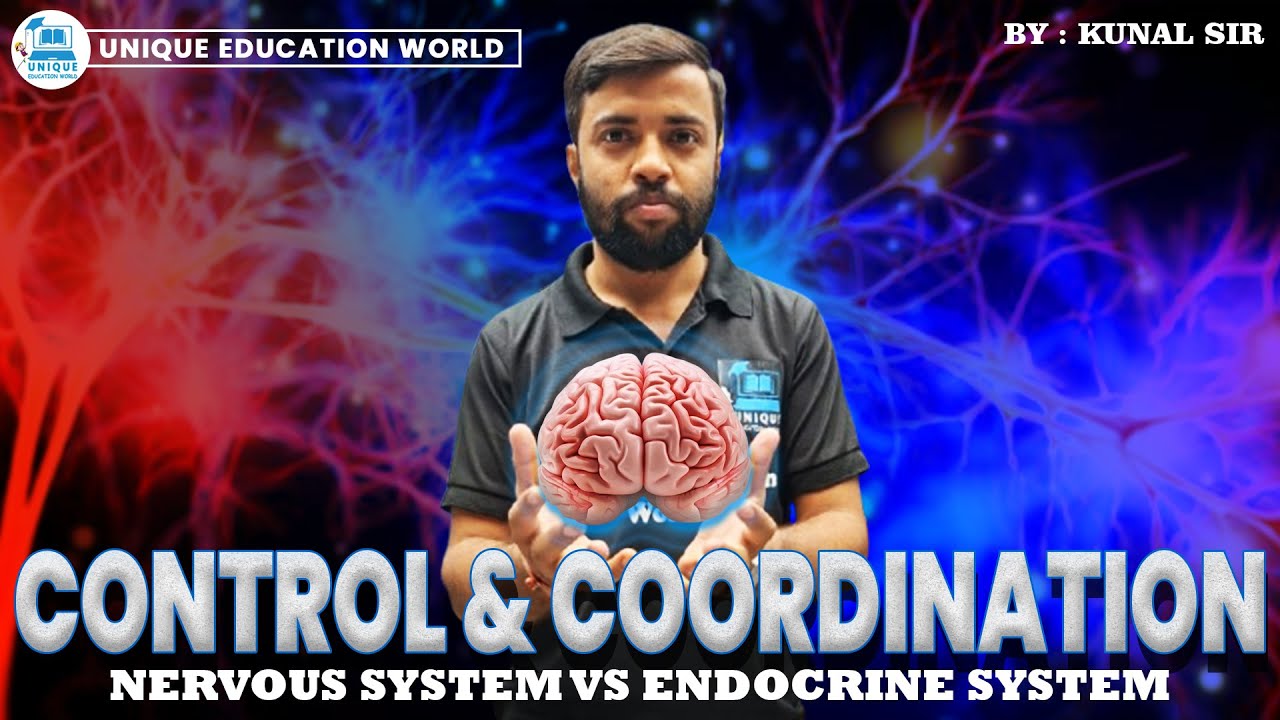
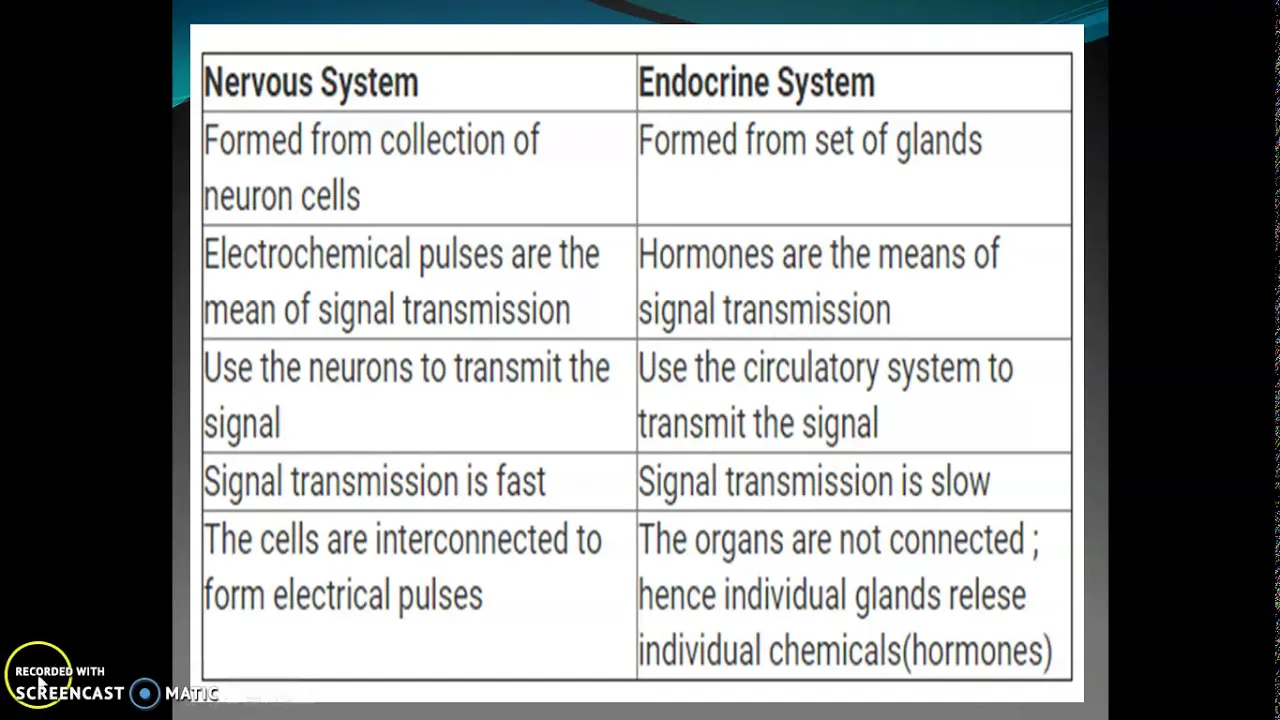
Both your endocrine system and your nervous system are constantly trafficking information around your corpus, gathering intel, making demands, controlling your every move. They just have totally different ways of doing it.
Your nervous system uses lightning-fast electrochemical action potentials, delivered by an expressway made of neurons to specific cells and organs.
But your endocrine system prefers a slower, wider stream of data.
It secretes hormones that travel through your blood -- NOT through neurons -- so they move more slowly, but they also produce widespread effects that last a whole lot longer than an action potential.
Now, compared to your heart or brain or other, arguably more glamorous organs, your endocrine system’s organs and glands are kinda small and lumpy.
They’re also rogues -- instead of being all nestled together like in your other organ systems, these guys are scattered all over the place, from your brain to your throat, to your kidneys, to your genitals.
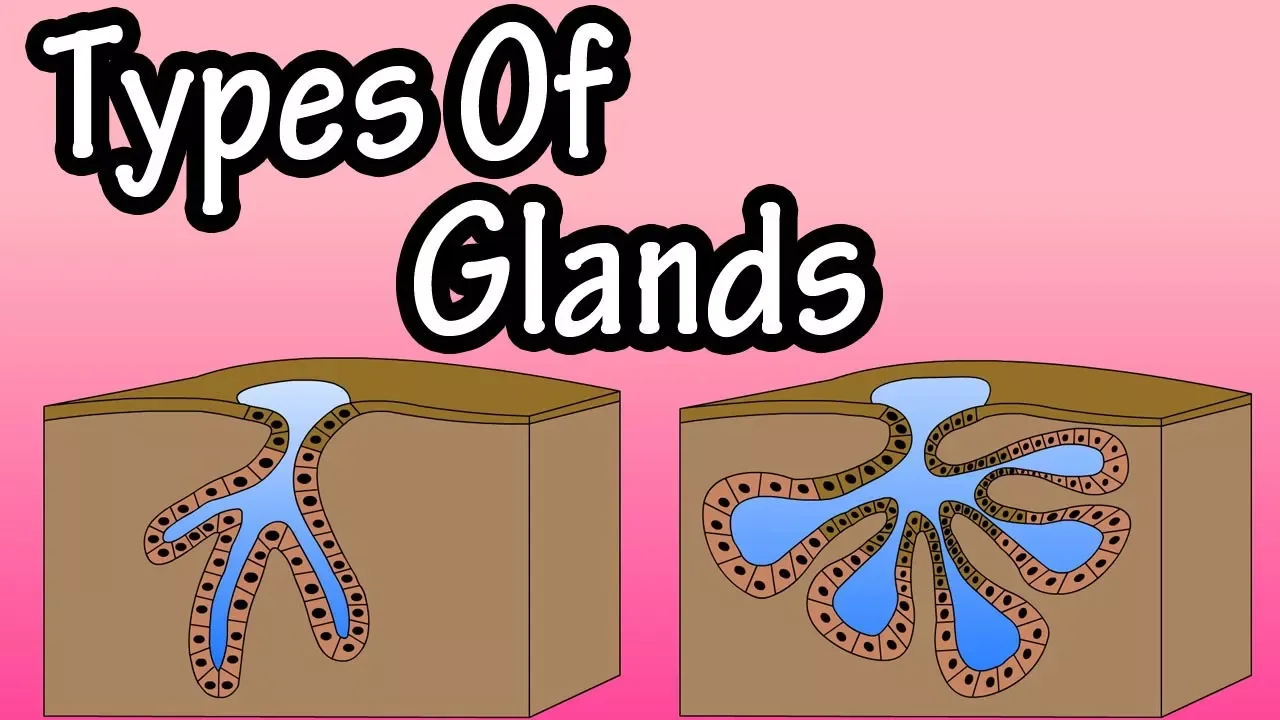
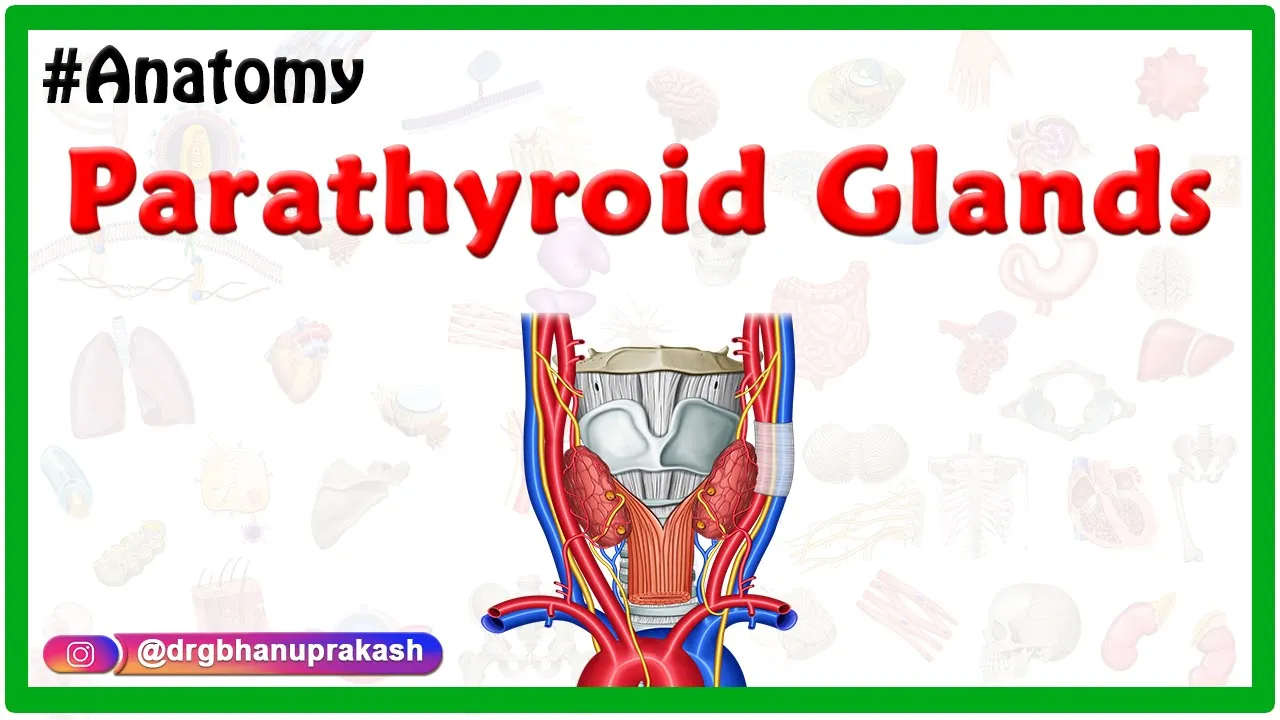
A gland is a just any structure that makes and secretes a hormone. And the master gland in your body is the pituitary, which produces many hormones that signal other glands -- like the thyroid, parathyroid, adrenal, and pineal glands -- to make their own hormones.
The endocrine system also includes a few organs -- like the gonads, the pancreas, and the placenta in pregnant women -- all of which have some other non-hormonal functions and are made up of multiple tissue types.
And technically the hypothalamus in your brain is in the endocrine club too, since in addition to all of its busy brain duties, it does produce and release hormones.
So, thanks to these glands and organs, you’ve got all these hormones diffusing through your blood, doing all sorts of different things, but the thing to remember about them is that a hormone can only trigger a reaction in specific cells -- their so-called target cells -- that have the right receptors for it.
So, just like some keys can open many locks, while others only work with one, so too can the hormone-target-cell relationship either be widespread or localized.
You’re probably gonna want an example of that. So, your thyroid -- at the bottom of your throat -- produces the hormone thyroxine, which stimulates metabolism and binds to receptors in most of the cells in your body.
But your pituitary -- which is nestled all comfy under your brain -- produces follicle-stimulating hormone, which helps regulate growth and triggers sexual maturity, and it only targets specific cells in the ovaries and testes.
So how do hormones bind to their target cells?
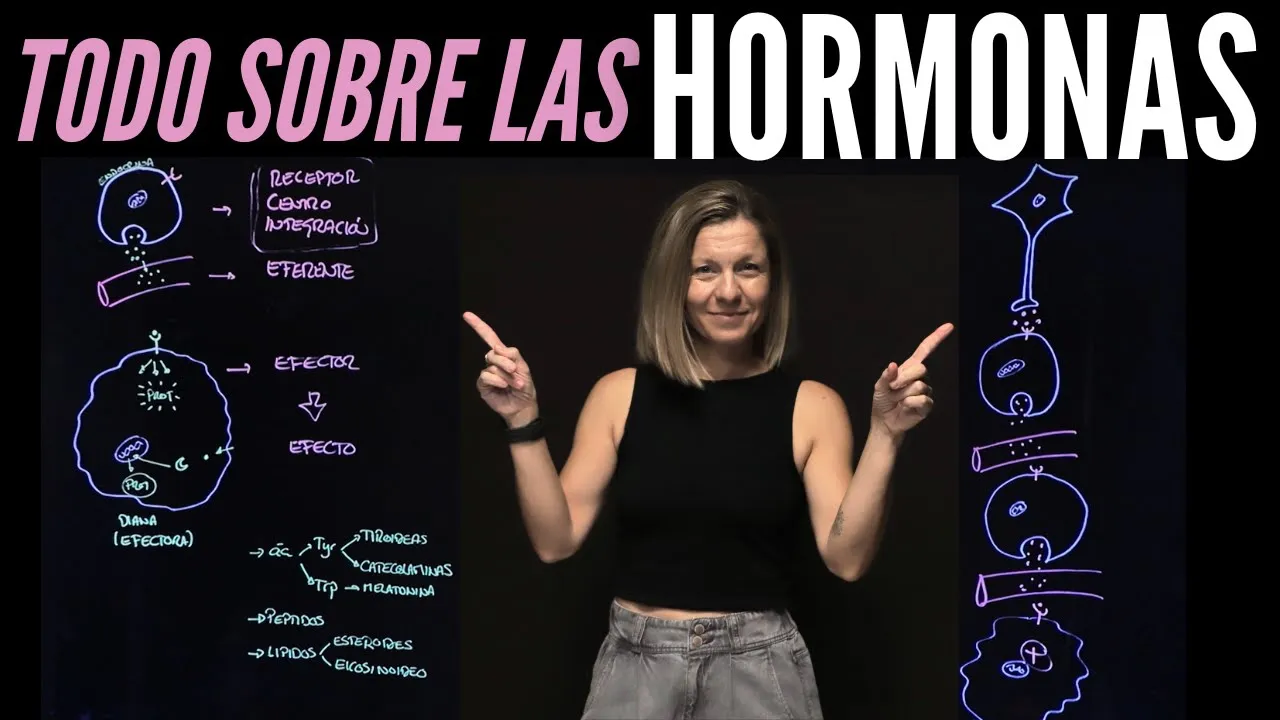
Well, chemically, most hormones are either made of amino acids -- including their more complex structures like peptides or proteins -- or they’re derived from lipids, like cholesterol.
And this is key, because a hormone’s chemical structure determines if it’s water soluble, like most amino acid-based ones are, or lipid soluble, like steroids are.
Solubility is important because your cell membranes are made of lipids.
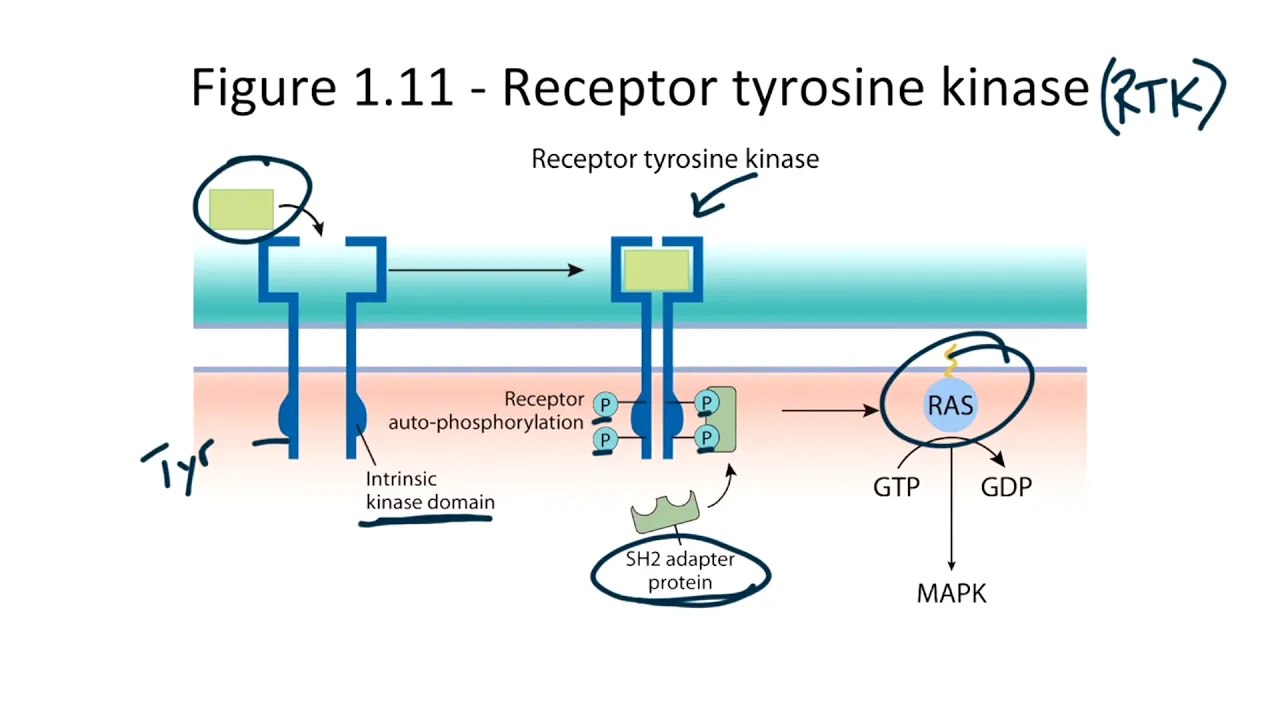
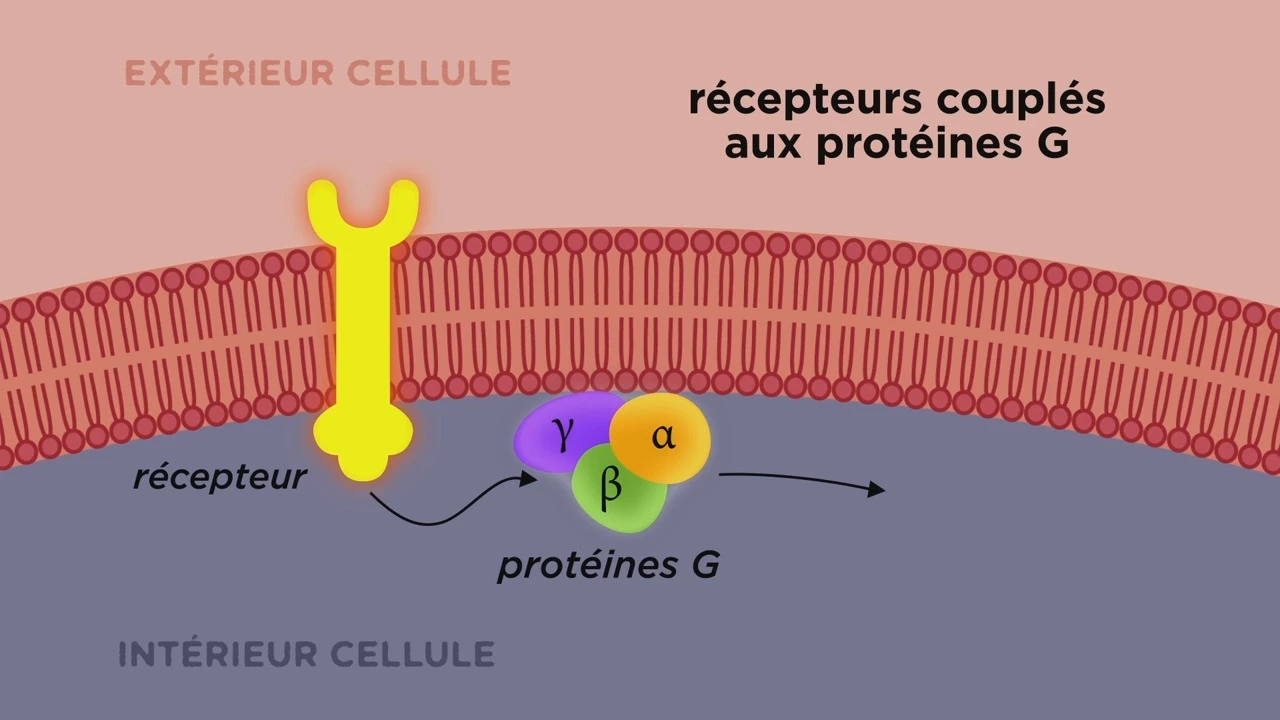
That means that water soluble ones can’t get across them. So target cells for those kinds of hormones have receptors for them on the outside of their membranes.
Lipid-soluble hormones, on the other hand, can just basically glide right through that cell membrane, so their receptor sites are inside their target cells.
Either way, when a target cell is activated, the hormone alters its activity, by either increasing or decreasing some of its functions -- usually with the goal of maintaining your body’s homeostasis in one way or another.
So, if hormones are keeping your body IN balance, what’s putting your body out of balance?
I don’t know -- could I interest you in some pie?
If you have a couple of nice, generous helpings of strawberry-rhubarb pie -- and just to make things interesting, let’s say they’re a la mode -- your blood glucose level is gonna go through the roof.
And the pancreas regulates your blood sugar by releasing two different hormones -- insulin and glucagon. Once you have a belly full of that pie, beta cells in your pancreas release insulin, which helps lower your blood sugar by increasing the rate at which your cells store the sugar either as glycogen or as fat for later use.
Now, let’s say you’ve done the opposite: You’ve eaten no pie -- you’re pie-less -- in fact, you’ve eaten nothing for hours.
If your blood sugar drops too low, then alpha cells in the pancreas will instead send out glucagon, which helps raise your blood sugar levels, in part by decreasing the storage of sugar in your cells, and triggering their release of glucose back into the blood.
Lots of different endocrine-related illnesses -- like diabetes or hyperthyroidism -- tend to be the result of either hyper (too much) or hypo (too little) secretion of certain hormones, which throw your homeostasis off balance.
But there are lots of more common -- and less obvious -- ways your hormones can get out of balance, not because of some disorder, but because these signaling chemicals are just caught up in a chain reaction, which can take a while to subside.
Some hormones just exist to control other hormones, which in turn control still more hormones.
So as soon as one starts to trickle out, you can pretty quickly wind up with a cascade on your hands.
You’ve got a few different hormone cascades going on at any given moment, but one of the big ones -- one that’s really worth understanding -- is the hypothalamic-pituitary-adrenal axis, or the HPA axis, because you don’t want to have to say that every time.
This is a complex series of interactions between three glands that ultimately regulates lots of your body’s daily processes, like digestion, sexuality, immune response, and how you handle stress.
And it’s complex not just because of all the glands involved -- it’s also one of the more crucial instances of your endocrine system coordinating with your nervous system.
Specifically, it’s behind that fight-or-flight response that everybody keeps talking about.
The HPA Axis is essentially the endocrine system’s companion to the sympathetic nervous system.
The sympathetic system, in times of high stress, does things like speed up your heart rate and direct blood away from the digestive organs and to the muscles.
But many of the other effects of the stress response are carried out by your endocrine system. And getting your nervous and endocrine systems to work together in times of crisis is where the hypothalamus comes in.
It’s the hub of where the two systems meet -- it keeps tabs on what’s going on all over your body, analyzing your blood for signs that something might be off.
So, let’s revisit our fight-or-flight scene from a few lessons ago -- the old Burning House Scenario.
So you’re sleeping, dreaming about petting pandas with Emma Watson or whatever, when the smoke alarm goes off. Well, action potentials in your brain trigger neurons in your hypothalamus to release the peptide hormone CRH, or corticotropin releasing hormone.
The CRH makes the very short trip through the bloodstream to the anterior pituitary gland, where, because it’s water soluble, it binds to receptors on the outside of its target cells.
There, it triggers the release of adrenocorticotropic hormone, or ACTH. The ACTH travels -- again through the bloodstream -- to the adrenal cortices of the adrenal glands on top of your kidneys.
When the ACTH binds to receptors on cells in an adrenal cortex, it triggers the release of a frenzy of different freak-out compounds known as glucocorticoid and mineralcorticoid hormones.
Typically these guys help us deal with day-to-day stress by keeping our blood sugar and blood pressure balanced. But under major stress -- like waking up in a burning building stress -- these hormones, like cortisol, cause the classic fight-or-flight response: ramping up your blood pressure, dumping glucose into your bloodstream, shutting down non-emergency services like your immune system and sperm and egg development.
And guess what? Now that all these stress hormones are pulsing through your blood, the hypothalamus back in the brain senses them.
And because its job is to monitor and maintain balance whenever possible, it then stops secreting CRH, which -- eventually -- causes the other glands to stop secreting their panic hormones.
Now, because this element of the stress response is hormonal rather than electrical, it comes on more slowly than the nervous system part, and it takes longer to subside, too, as those stress hormones linger in the blood before being broken down by enzymes.
So. We’re a long way from teenage crushes and zits and crying over commercials at this point, aren’t we?
As a life-long owner of hormones, I hope you’ll join me in dispelling the stereotypes that surround these powerful and important chemicals, and give them the respect they rightly deserve.
Today we looked at the endocrine system, and how it uses glands to produce hormones. These hormones are either amino-acid based and water soluble, or steroidal and lipid-soluble, and may target many types of cells or just turn on specific ones. We also touched on hormone cascades, and how the HPA axis effects your stress response.
Thank you to our Headmaster of Learning, Thomas Frank, and to all of our Patreon patrons who help make Crash Course possible through their monthly contributions. If you like Crash Course and you want to help us keep making free educational content for the whole world, you can go to patreon.com/crashcourse.
Crash Course is filmed in the Doctor Cheryl C. Kinney Crash Course Studio. This episode was written by Kathleen Yale, edited by Blake de Pastino, and our consultant is Dr. Brandon Jackson. It was directed by Nicholas Jenkins, the editor is Nicole Sweeney, the script supervisor was Stefan Chin, our sound designer is Michael Aranda and the graphics team is Thought Café.
Up Next

Protein Chemistry Explained: Plant Sources & Health Impacts
@neofilm
153.4K views•2019-08-04

Bacterial Communication: Quorum Sensing and Biofilm Formation Explained
@JHUAAP
12.6K views•2011-06-28

Population Genetics: Darwin Meets Mendel | HHMI BioInteractive
@crashcourse
1.8M views•2012-05-28
Bacteriophages: Earth's Deadliest Killers and Future Antibiotics
@kurzgesagt
34.6M views•2018-05-13
Related Study Plans & Knowledge Roadmaps
Structured learning paths in Biology