



















![[노인간호]4-1.노인 간호의 이해(교과서 179p ~181 p요약정리, 문제집 101p ~)](https://i.ytimg.com/vi/kL80X6-EQkU/maxresdefault.jpg)


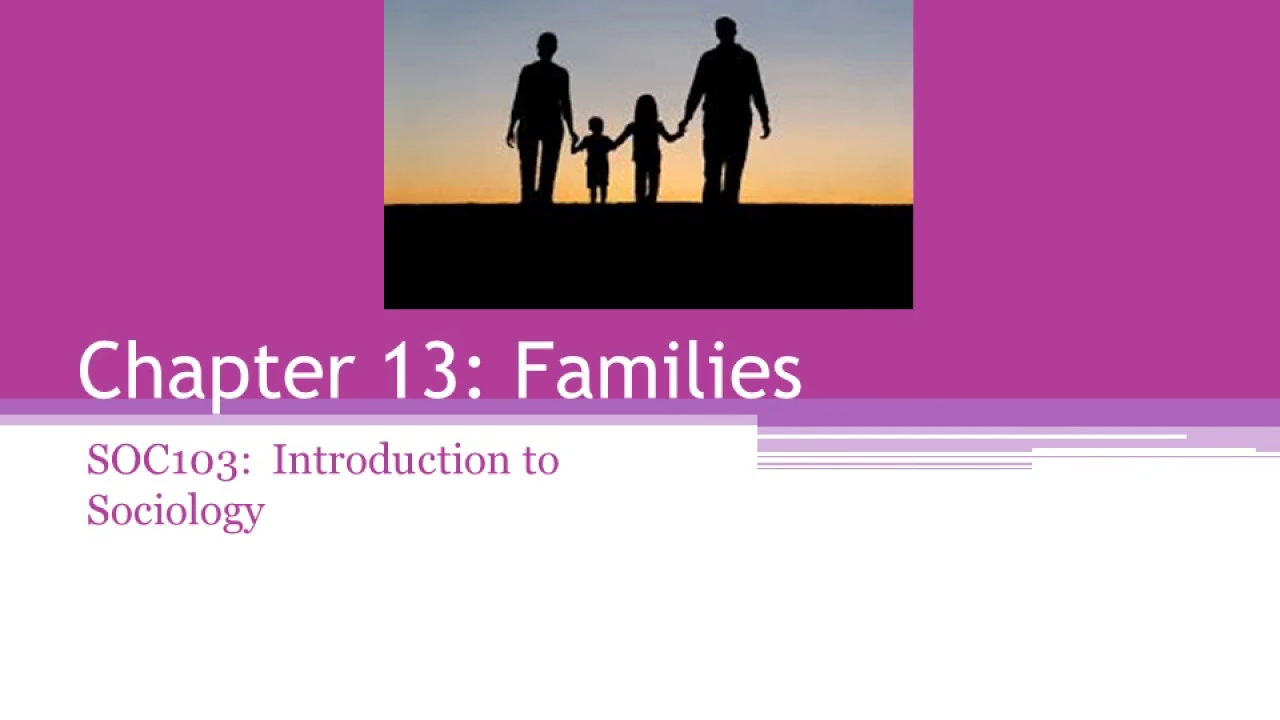
The family life cycle is a sociological framework describing how families evolve through distinct stages—courtship, marriage, child-rearing, and the post-children stage—though individual families may follow different paths; modern American families show declining marriage rates, delayed childbearing, and increasing diversity in family structures including single-parent households, cohabiting couples, and same-sex marriages, while the average family size has stabilized at approximately 2.4 children per woman.
Family Life Cycle: Courtship to Childrearing | Sociology
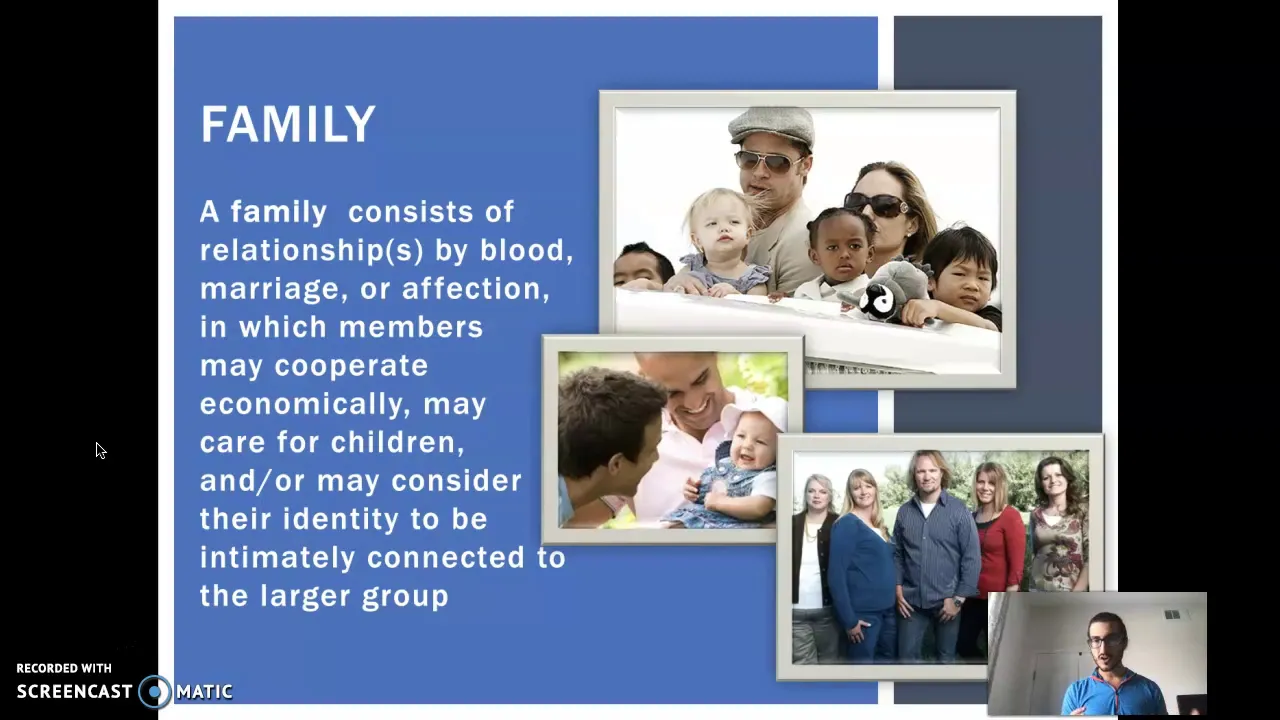
Added:Basic sociological definitions of family, including nuclear, extended, and diverse family structures.
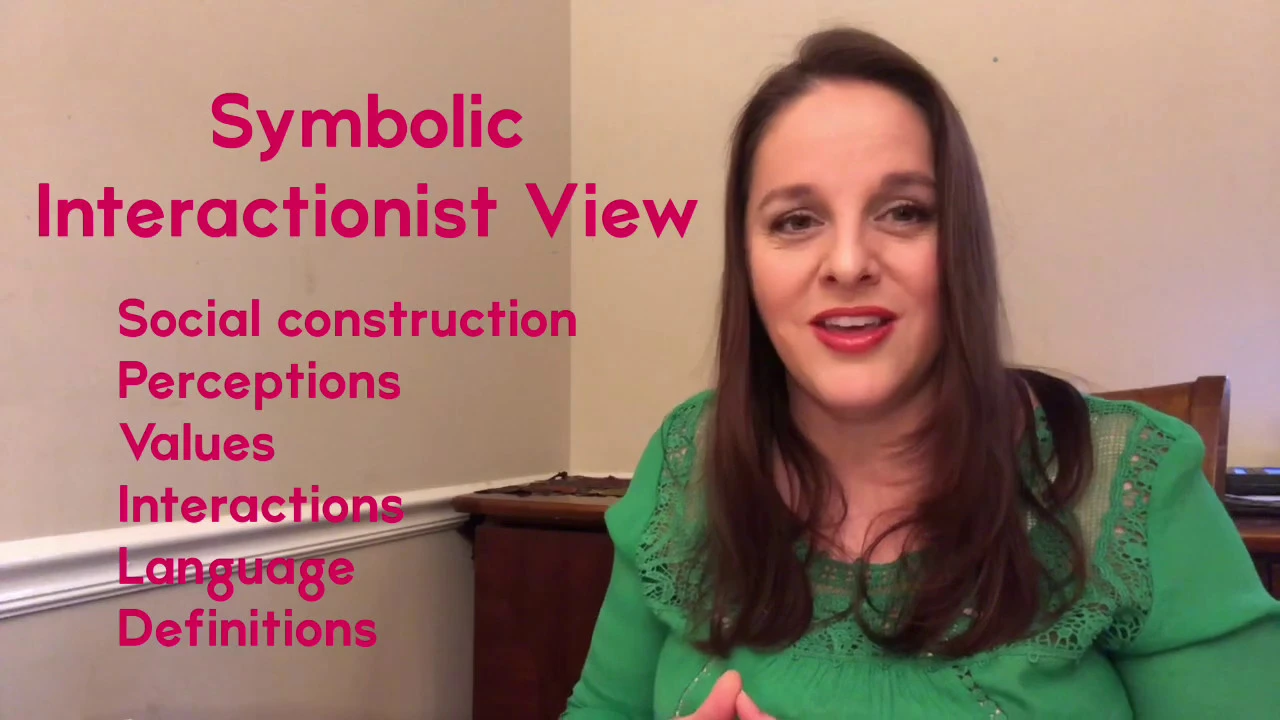
An understanding of major sociological perspectives (Functionalism, Conflict Theory, and Symbolic Interactionism) and how they view the institution of family.
Fundamental demographic concepts such as fertility rates, marriage rates, divorce rates, and life expectancy trends in the United States.
The sociology of divorce, remarriage, and the dynamics of blended and reconstituted families.
The impact of socioeconomic status, race, and gender on family life cycles and domestic labor distribution (intersectionality in family studies).
Analysis of modern family diversities, including cohabitation, voluntary childlessness, singlehood, and same-sex parenting.
The sociology of aging (gerontology), focusing on the later stages of the family life cycle, elder care, and 'empty nest' dynamics.
477.5K views11.8Klikes10:53Original Release: 2017-12-18
How does a family become a family?
Well, when two people love each other very much… I’m joking, I’m joking – kind of.
As we discussed last week, American families often form around marriages.
So, romantic relationships can be a first step in the stages of family life.
It might seem strange to think of dating as a part of family formation.
After all, when you’re swiping right on Tinder you’re probably not thinking about adding that person to your family.
But families are a dynamic social institution, changing over the course of your life.
What the word “family” conjures in your mind is going to be very different when you’re 16 versus when you’re 60.
Sociologists say that every family has a life cycle.
They form, they change, and they sometimes break apart.
[Theme Music] When we talk about the stages of life, we’re usually talking about organisms – the life cycle of a mayfly, or something like that.
But just as you pass through developmental stages from childhood to adulthood to old age, a family evolves as well.
Sociologists describe this process as the family life cycle – the developmental stages that a family passes through over time.
Of course, individual families are different.
Some people might move through the stages of family in a different order, or skip some stages all together.
But these stages are meant to describe the typical life cycle of a modern American family.
The first stage of family life is very cute. It’s courtship!
I’m sure you know what courtship means, but in case it’s on your final: It’s the period of developing a relationship with an eye toward marriage or long term partnership.
So, how do people pair off in different societies?
Well, some cultures – including the US – put a heavy emphasis on romantic love as the foundation of a partnership.
Finding the “one” is wrapped up in an idea that a relationship should be based on affection, attraction, and passion for your partner.
Other cultures practice arranged marriage, in which a marriage is negotiated between two families in order to create stronger bonds between them.
Love isn’t considered a prerequisite for marriage – though parents may consult the children’s feelings when picking a spouse.
If the married couple’s shared life eventually creates bonds of affection, that’s a bonus!
For those in cultures that celebrate romantic love, the idea of an arranged marriage often seems completely unthinkable.
It’s important to recognize, though, that even in the US, sex and romance typically aren’t the only foundation of a long-lasting relationship.
Passion is often a less stable basis for a relationship than marital arrangements based on social and cultural compatibility.
When the passion fades, if there aren’t other foundations for the relationship, it may fall apart.
And in fact, even in countries that emphasize romantic love, societal forces often “arrange” marriages based on who is socially, economically, and morally compatible.
Societies often encourage homogamy, or marriage between people with similar social backgrounds, like educational achievement or class standing.
Another common factor in romantic love is propinquity, or a physical proximity to another person.
Doesn’t sound very romantic, but we tend up with people who are just...around, because we often live near people like ourselves.
Now, of course, courtship doesn’t always lead to marriage.
In fact, in recent years, marriage rates have been declining in many high income countries, partially due to people waiting longer to marry and partially due to people forgoing marriage altogether.
Among women who between 35 and 44 in 2010, around 20% had never been married.
In comparison, for the previous generation at that age, only 10% of women had never been married.
Even with declining marriage rates, most Americans will marry at least once.
Marriage – and particularly weddings – are often seen as a life goal, something to aspire to.
Weddings are not marriages, of course, and for many this stage of settling into a new family comes with changes in expectations of what married life will look like.
How a couple handles the transition from courtship into marriage is an important predictor of family stability.
Some find that once the honeymoon phase ends – that is, the first couple years of marriage when everything is new and exciting – they are no longer satisfied in their marriage.
To find passion, some turn to infidelity, which occurs more often than you might think.
In an anonymous survey of approximately 900 Americans, researchers from the Kinsey Institute for Research in Sex, Gender, and Reproduction at Indiana University found that 19% of women and 23% of men report cheating on their partners at least once.
One outcome of infidelity that may NOT surprise you is divorce.
You might have heard that half of all marriages end in divorce.
But that’s not quite accurate.
For one thing, it’s not that every couple has a 50/50 chance of divorce.
The 50% stat comes from looking at the likelihood that marriages reach a certain anniversary.
How likely are you to still be together 5 years after marriage?
What about 20 years?
For couples who married 40 years ago, we know what percent of those marriages have ended in divorce – and that’s a decent proxy for how many will ever end in divorce.
For Americans who married in the 1970s and 1980s, about 40 to 45 percent of those marriages have ended in divorce.
There was a huge surge of divorce in the 1970s, in part due to many states loosening their restrictions on who can divorce through No Fault divorce laws, which allow couples to divorce for any reason.
Prior to No Fault laws, divorce was only allowed if one spouse could prove abuse, abandonment, or adultery.
Along with the removal of legal barriers, social norms also changed, with divorce becoming more socially acceptable.
Plus, increased opportunities for women in the workforce made it more feasible for women to leave bad marriages, because they were better able to support themselves and their children without a husband.
But the divorce rate in the US has been on the decline since the 1990s.
Some estimates suggest that the percent of marriages ending in divorce for more recent generations will be closer to 1/3 than 1/2 Why has it declined?
Well, for one thing, fewer people are marrying, and fewer people are marrying young.
With more people waiting to find a partner until they’re more settled, marriages have become much more stable than they were in previous decades.
Plus, the type of people who get married – and their likelihood of divorce – has changed, too.
Divorce rates are higher for low income and less educated Americans – who are also the socioeconomic group with the greatest declines in marriage rates in the last 40 years.
So the fewer who get married, the fewer who get divorced.
Changing marriage patterns has also meant changing patterns in the family lifecycle...like when people have kids.
While childbearing is typically thought of as the stage of the family life cycle that follows marriage, the percent of children born outside of marriage has been increasing, with about 40% of all births to unmarried mothers.
There are also increasing social class divides in who has kids before or after marriage: While only 9% of births to college educated moms take place outside marriage, 58% of births outside marriage are to women with only a high school diploma.
But regardless of whether having kids comes before or after marriage, this stage in the family life cycle is an important one.
Let’s go to the Thought Bubble to talk about our next family life stage: childrearing.
What a family looks like has changed a lot in the last couple centuries.
In pre-industrial America, large families were much more common – partially because of a lack of effective birth control, partially because having more children meant more hands to help with the work on a farm, and partially because high rates of child mortality meant that many kids didn’t live to adulthood.
But as child mortality rates declined, and the US industrialized, the average family size declined from 7 children in 1800 to 3.5 children by 1900.
Nowadays, birth rates are even lower.
The old adage about the American dream being a house with picket fence, a dog, and 2.5 children isn’t too far off – the average American mom has 2.4 children and this rate has been pretty stable for the last 30 years.
But when women have children has been changing.
In addition to delaying marriage, women are also postponing having kids.
The average age at first birth is 26, up from 21 in 1970.
Some of this is due to increased access to birth control, which allows people to better control the timing of when they have a child.
And some of it is because raising a kid is expensive!
Many people want to wait until they’re older and in a more financially secure position before they add a third mouth to feed.
The US Department of Agriculture estimates that for kids born in 2015, the typical middle class family will spend $233,000 dollars on that kid over the course of their childhood.
Clothes, food, toys, transportation, basic education, medical care – it all adds up pretty fast.
And that figure isn’t even accounting for the cost of college!
But even if the cost is high, being a parent is highly valued in American society.
A 2010 survey found that the majority of Millenials say that being a good parent is “one of the most important things” in life – ranking it higher than having a successful marriage.
Thanks Thought Bubble!
The next stage of family life is the launch stage in which kids grow up and leave their parents’ house, usually in their early twenties.
Though Mom and Dad might suffer from some empty nest syndrome when kids first leave, many remain involved in their kids’ lives, often providing childcare for their grandchildren once their kids start families of their own.
This post-children stage of family life is the final part of the family life cycle.
Additionally, as life spans increase, many adult children find themselves in caregiver roles for their aging parents.
The sandwich generation refers to people who care for their aging parents at the same time that they provide care for children living in their household.
This is particularly common for women, who are more likely to take on caregiving roles in a family.
As I said at the beginning, these stages of the family life cycle are just one path that a family can follow.
There are all types of families and not all of them will be nuclear families with a mom, a dad, and a bunch biological offspring.
For one thing, a married couple doesn’t need to be a man and a woman.
In 2015, the US Supreme Court made marriage equality the law of the land and ruled that all states must recognize marriages between same-sex couples.
For another, not all married couples have, or want, children.
Plus, not all families with kids have two parents.
Single parent families make up about one-third of all families with children.
Single parent families are most often headed by a single mother, rather than a single father.
There are also large racial differences in family structure, with 66% of Black children being raised in a single parent home compared to only 25% of non-Hispanic white children.
Some of these kids are still growing up in households with two parents, though – 58% of unmarried births were to cohabiting couples, or couples who live together without being married.
Unmarried or divorced parents may also marry someone new, creating a blended family with one parent in a household who is unrelated to some or all of the children.
So there’s a lot of diversity in what a family can look like.
But they often tend to follow similar paths.
But no matter what a family looks like, the family life cycle helps us understand how families evolve over time.
Today, we looked at one way of thinking about the different stages of family life: courtship, marriage, child-rearing, and family life in your later years.
We also discussed changing patterns of marriage and childbearing in the US, highlighting some of the varied family types that exist.
Crash Course Sociology is filmed in the Dr. Cheryl C. Kinney Studio in Missoula, MT, and it’s made with the help of all of these nice people.
Our animation team is Thought Cafe and Crash Course is made with Adobe Creative Cloud.
If you'd like to keep Crash Course free for everyone, forever, you can support the series at Patreon, a crowdfunding platform that allows you to support the content you love.
Thank you to all of our patrons for making Crash Course possible with their continued support.
Up Next

35:10
Engels on the Origin of the Family, Private Property, and the State
@redpen1917
27K views•2025-07-04
54:57
Contemporary Sociological Theory: Micro, Macro, Integrative
@NaSESYNC
45.7K views•2016-02-17

11:31
Food Access and Agricultural Revolutions: A Geography Lesson
@crashcourse
117.1K views•2022-02-15
9:41
What is Sociology? The Sociological Perspective Explained
@crashcourse
4.6M views•2017-03-13
Related Study Plans & Knowledge Roadmaps
Structured learning paths in Sociology
sociology
Celebrity Culture: From Hollywood to TikTok
01Foundations of Celebrity Sociology
02The Rise of Micro-Celebrity & Digital Platforms
03Parasocial Relationships & Algorithmic Intimacy
+ 2 more learning modules
12h5 modules
Explore Roadmap
sociology
Hostile Architecture: Space, Power & Control
01Introduction to the Sociology of Space
02Social Control and Surveillance in the City
03Hostile Architecture and Defensive Design
+ 2 more learning modules
12h5 modules
Explore Roadmap
sociology
Loneliness Epidemic: Third Places & Isolation
01Foundations of Social Capital and Community Cohesion
02The Death of Third Places and Urban Space Erosion
03The Privatization of Leisure and Atomization
+ 2 more learning modules
12h5 modules
Explore Roadmap
sociology
Sociology of Tourism: Gaze, Power & Heritage
01Foundations of the Sociology of Travel and Leisure
02John Urry and the 'Tourist Gaze'
03Staged Authenticity and Cultural Commodification
+ 2 more learning modules
14h5 modules
Explore Roadmap