




![[Phonology] Phonemes, Allophones, and Minimal Pairs](https://i.ytimg.com/vi_webp/zGM8dSLCnyc/maxresdefault.webp)




















The holophrastic stage (12-18 months) is when children use single words to express complete ideas, and caregivers' speech patterns—focusing on concrete objects, directives, and stressed syllables—directly shape children's phonological development through predictable simplification processes like fronting, gliding, stopping, assimilation, and reduplication, which reflect children's preference for easier articulation and have long-term implications for cognitive and linguistic development.
Holophrastic Stage: Early Language Acquisition & Child Speech
Added:Understanding of the pre-linguistic stages of language development, such as cooing and canonical babbling.
Basic linguistic concepts of phonology (sound systems) and semantics (word meanings).
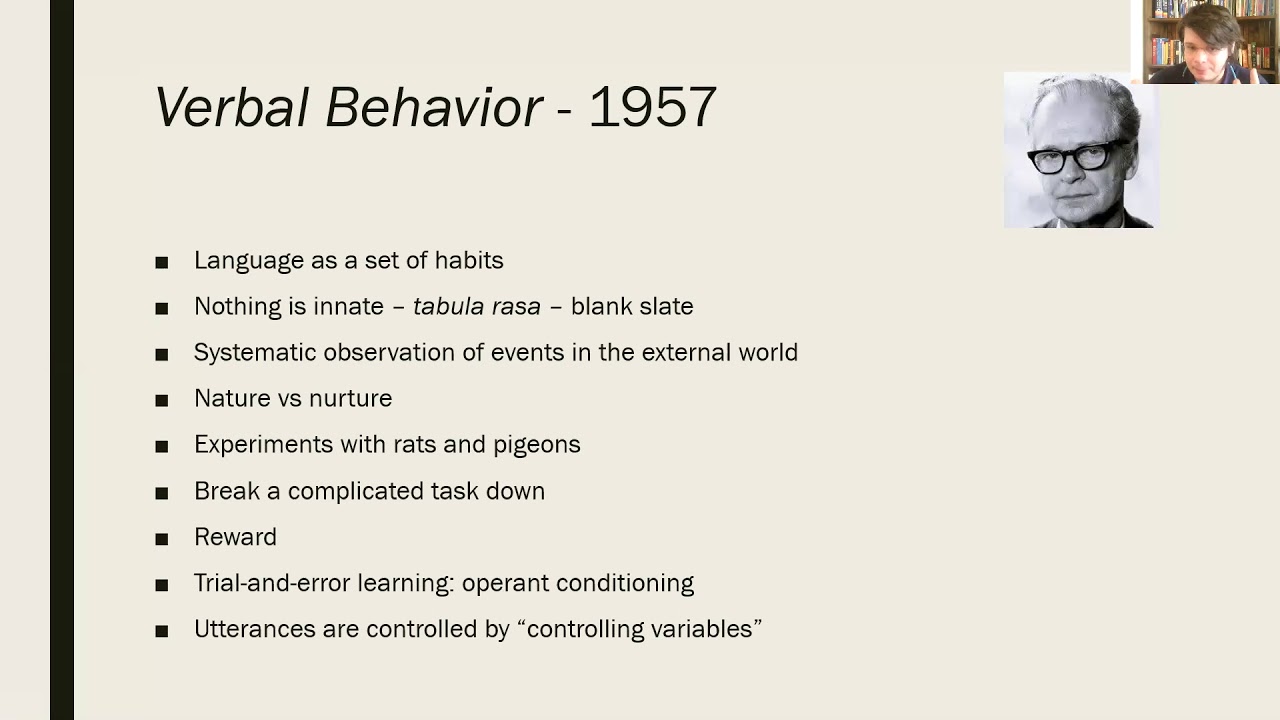
General theories of first language acquisition, such as B.F. Skinner's behaviorism versus Noam Chomsky's nativism.
An introduction to cognitive development in early childhood, particularly infant categorization and memory.
The transition to the two-word and telegraphic stages of language acquisition.
The phenomenon of overgeneralization of grammatical rules (e.g., saying 'runned' instead of 'ran').
The Critical Period Hypothesis and its implications for language deprivation and bilingualism.
Clinical applications in speech-language pathology, specifically identifying developmental delays in early childhood speech.
306 views5likes43:47Original Release: 2015-04-02
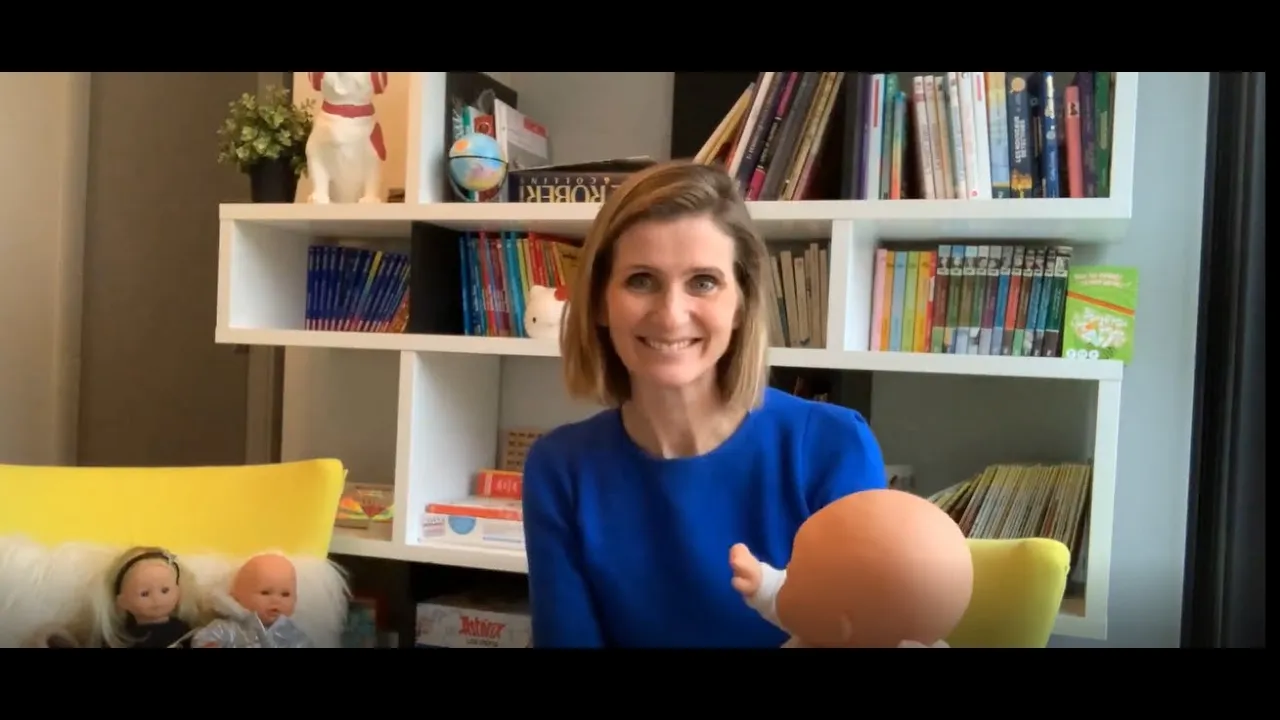
the implications about that so they're saying that what really needs to happen is parents and other caregivers need to direct more speech towards children between the ages of one and three before they hit preschool before they're hitting you know pre-k or kindergarten and that if parents don't and this is not to say that low ses parents don't want to do this low ses parents don't have the time to do this because what are they doing working right they have children their children aren't there their children are in care in a room with 10 or 15 other kids the speech is not directed at the children the children are not interacting and although this is a reality of the modern world this is perpetuating inequity because those children who are not getting a chance to interact linguistically with another person all day long are actually getting fewer words less input and it's contributing to their cognitive development in a way that may have long-term consequences so if you ever thought it was important to go to school and get your degree and i mean we have what 30 40 of students georgia state who are first-time college students in their family this is a huge difference it means that your children and your children's children because of the choices that you're making right now will potentially have more opportunities not just economically but cognitively they're going to have because of the time you will be able to spend with them right the time you can spend with them the time the things that you can offer them in terms of interaction the things that you can that you'll be able to offer your grandchildren in terms of interaction will make long-term differences and that's kind of huge if you think about it because we think oh you know they're just babies it doesn't matter but it really does matter because the human brain is designed to process language and language is the fundamental structure of human cognitive development i really believe that and it makes a big difference when we spend time talking with our babies we make a difference in their future so talk baby because he's super adorable talk them in lots of languages it's a good thing totally do that's a good thing okay so now we've gone to a place where babies are talking they are now in between 12 and 18 months they are starting to produce single word utterances that we call holo phrases holo phrases are entire statements made in a single word so this is where the baby says mommy and that means where's my mom or mommy which means mom you're not doing what i want or mommy mommy's home i'm so excited about that okay so single words with intonation are used to express whole ideas and people who are used to being around the child are able to interpret their words and interpretation pretty effectively to interact with the child now at this stage children aren't just using words that are familiar to most speakers of the language that the child is acquiring but they're also using what we call idiomorphs idiomorphs are words that are peculiar to the child so these are words of the child and his or her caregivers have decided work in their environment so for example my daughter who is now 14 still refers to mango juice which is one of her favorite things when she was a baby she loved mango juice she still loves mango juice she still calls it baba because if she wanted it in her bottle when she was a baby she wanted in a cup when she was drinking from a cup and just as a joke we still to this day she will say mommy you got papa that's so great bubba is a medium worth because baba has nothing to do with the word mango juice absolutely nothing at all but that was her word for it when she was a baby that was her idiomorph so these are words that the family decides are the names for things so special animals the special blanket you know maybe a particular person my uh my daughter's little sister her who's the the daughter of my ex-husband he referred she referred to maggie as mimi because she couldn't say maggie that's my daughter's name and so she would just call her mimi mimi mimi so she still calls her mimi even though nobody in the world calls her me that's an idiom board for her big sister okay so these are words that no one else would necessarily recognize but people in the child's close close community recognize as labels for things single word a holo phrase so that's why this is called the hall of frastic stage because this is the stage where children are using a single word to refer to whole ideas or concepts now when children are in this stage it makes sense right if we think about caregiver speech caregivers speech is very focused on concrete objects it's very focused on directives and questions you know having to do with things that are immediately in the child's environment things that are important to the child right now foods that the child likes people that the child cares for objects that the child finds comfort in places that the child likes to go so those personally relevant people and objects are the things the child wants to name first and wants to talk about first because those are the things that the child takes immediate reward from these just the words that the child uses are often phonologically simplified so the child is still developing the ability to articulate with the hundreds of muscles that are necessary to coordinate adult likes people and so the child simplifies the words to make them easier to say and in fact the way that the child simplifies them is quite predictable we're going to talk about that in a minute at this time the child can go from having no words for things to very quickly having about a hundred or more different words for things to talk about and if you can imagine going from nothing to a hundred words you can do a lot with a hundred words especially for things in your immediate environment that have to do with your food your care and people you care about so the child has now become truly communicative truly linguistic interacting using words labeling things in ways that other people understand people who spend some time with the child can understand at this point we also see the child starting to develop semantic categories and we've talked about categorical perception for sounds where different versions of for example pup get accepted as the p sound and different versions of buff get accepted as the b sound but there are also semantic categories so for example we have to learn that a chihuahua and a great dane and a bulldog all count as dogs right there's a lot of differences we have to ignore to recognize that those are all the same that's an amazing ability of humans to ignore i mean think about the difference between a chihuahua and a great dane and we recognize that they both go in the same category as dog that's kind of weird and babies have to learn this they have to learn that there are that that ability to do categorical perception of sound needs to spread out and generalized to the ability to create semantic categories because for example their house cat and tiger have to go in the same category right even though a house cat and a chihuahua probably look more alike right so what is it that they have to learn about what they should pay attention to and what they should ignore do you guys know the difference between a dog and a cat the really fundamental difference between a dog and a cat retractable claws that's it that's the big difference cats can retract their claws dogs can't like i didn't know that but yet somehow i figured out that dogs and cats were different that's a that's really the fundamental difference between the two of them so at this point children start to play with categories they're trying to figure out what counts as an example of something or an exemplar of something and what doesn't and they start showing uh cases of what we call over extension and under extension so over extension is where they have made a category that takes in too many cases so for example anything that's furry grandma's furry coat or a cow or a dog or a fluffy furry pillow any of those things can be doggies okay because they think that what what makes something a doggy is that it's furry that's an over extension sometimes they also engage in what we call under extension where they've made their category too restrictive so they think that the family's breed of dog for example is what counts as a dog and other things are something else so and let me just give you an example when my daughter was very small when she came home from the hospital we had two english bulldogs so my daughter has grown up with english bulldogs and english bulldogs are not typical dogs okay they have smooshy faces short ears little curly tails they're kind of fat they're very short okay they look very different from say something like a labrador or a greg dane or chihuahua they look really weird compared to other dogs but she had grown up with these dogs and thought that this was totally normal this is what a dog is supposed to look like and she had a friend come over around this time she had a friend come over who at their home they had a golden retriever and that little girl had learned that golden retrievers were dogs and she came over to our house and she saw our male english bulldog who since passed away but he was awesome his name was jazz and she came in the door and she saw jazz and jazz came kind of waddling up to her his you know fat bulldog self and he was snorting and he was very excited and he was kind of hopping around and she said so big she was so excited that maggie heard that pig she's like and she was looking at jazz and she said look it's got a smushy nose it's fat it's got a curly tail and it snorts it goes oink oink listen to it it's a pig right so that's a great example she was over extending the category of pig right to include bulldogs and she was extending the category of dogs to include things that didn't have long floppy ears and a long tail and longer fur and long legs and were long and skinny she just she did not get that jazz and lacy our two bulldogs were not pigs she was super excited she says so farm that our house was a farm well kind of it was built like a farm right but here we had these two english bulldogs she's like they had pigs she was super super excited that we had pigs so um and needless to say jazz and lacy could have cared less but my daughter was incensed she says like how can you not know that that's a dog they had this big argument about whether it was a pig or a dog it was really kind of super helpful then it took about you know three minutes and they were like yeah we forgot about that conversation now at this stage children are engaging in phonological simplifications that you guessed it are rule governed right kids don't do phonological simplifications arbitrarily and in fact you're going to see that children engage in very similar simplifications and changes as adults who are drunk or not paying attention to what they're saying because simplifying speech is simplifying speech so now we're going to learn about a different domain of speech analysis which involves analyzing children's speech and children tend to follow some very straightforward rules when it comes to simplifying speech so they can get words out because what their big mission is is to get words out because now they can talk and now it's really exciting and now they can share information from their brains with your brains and it's a big deal and so they want to get their ideas out but they can't articulate them in the same way that you do they're just not skilled enough yeah it's hard to get all those muscles to do what you need them to do plus it's work and you know what we're one and we don't want to do work we're used to not even having to wipe our own butts so we kind of just want to make things as easy as possible so here are some general principles that children use very young children use to simplify their speech and we also see that some of these principles generalize to other speech so when we see different dialects emerge from different languages these principles also continue to apply because human beings want language to be easier to produce that's just a general value i want to be able to share my ideas with you and i want it to be easier to do the harder it is to do the more pain in my butt it is and i want it to be easy to do so we see these you might recognize that some of these differences are reflected in some dialects of english or other languages that you know and that's totally normal because language is always moving towards a place of easier production always we want our language to be easier to produce no matter what so the first rule is stops are easy okay i'm a little baby like one one and a half making my articulators stay just a tiny bit apart so i can make fricatives and things like that that's hard slamming them together so that i can just keep the air from moving through that's easy so if i can turn something into a stop i'm going to turn it into a stop because stops are easy i like stops liquids things like la and rub those are hard in fact the rough sound is the very last sound that most american english speaking children ever learn because it's the hardest sound to make love and rough are hard they involve very complex articulation the tongue has to do some very fancy things the jaw everything has to do everything has to be in just the right position and in fact the raw sound that we have in american english is an extremely rare sound it's only found in very few languages of the world because most languages have decided it's too much to work to make that sound and not even all dialects of american english have it which is why you can go to for example new york and you can you know go to the fourth floor because that r on the end of four a floor and in fourth is just too damn much work so babies know this and people in new york know this we don't want to mess with the r okay front is better than back now if you think about this babies start off making lots of sounds in the back but the truth is where do they have the most nerve endings where do they have the most sensitivity not in the back of their throat up here and their lips and their tongue they have a ton of sensitivity and babies are hugely aware of what people talking to them are doing with the front of their mouth when you talk to a baby that baby can see what you're doing up here what you're doing with your face what you're doing with your lips when your tongue comes out and when it doesn't the baby cannot see what's happening back here all that fancy stuff in your throat maybe can't see that but the baby can also can see what's happening up here in the front and the baby can feel this amazing feeling here huge amounts of huge numbers of nerve endings here in the lips and the tip of the tongue and so the baby has a huge amount of feedback when he or she engages in movement of the lips and the tongue which is why because they can feel that and they're back here going they don't feel anything right you can do it you don't kill anything either okay so they like to make sounds that are more front than back so you're going to see more bilabial sounds more interdental sounds more alveolar sounds than palatal feeler uvular sounds because they can see those front sounds happening and they know that the people around them are making those sounds babies prefer similar over different so remember even early on babies like babbling right the duplicative babbling where they going over so they know they have to get to where they can do those shifts but it's way easier just to send a phonological gestural score right to send that code that says do the same thing over over over over over over right simple is better than difficult duh right and i'm a baby i'm supposed to make everything easy so if they have the option of making the consonants in a word all the same or making them more alike they will totally do it if they can make the vowels in a word more alike they will totally do it like my daughter when she's trying to say mango juice and she says baba right because baba ba is the first syllable in bottle and that's what we were saying was bottle so she would say baba two syllables same first syllable right i've done the right number of syllables i did the first word you know what i mean give me my freaking mango juice all right i don't want to negotiate this just give me what i want okay they also focus on stressed syllables over unstressed syllables because when adults stress things that draws the child's child's attention to them so in child directed speech they will say what are you doing what are you doing are you playing with the puppy isn't the puppy so cute okay so what's getting emphasized are nouns verbs adjectives and that child-directed speech teaches children what stress matters it's what draws their attention and so they learn that things that are stressed matter more and things that aren't stressed don't matter as much and we still do that as adults right i mean if i sit up here just go and then all of a sudden they go and now this thing write it down you write it down right because you know you're well trained that stress things matter more thank you for learning that you've been doing it since you were amazing okay so let's take a look at some of the things that babies do so babies engage in a number of very predictable processes we call them phonological simplification things that they're doing to make saying the word easier phonological simplification one process that babies use which we've already seen in adults is something called substitution and in fact you'll see this in adult speech too when adults engage in substitution it's not just freakish arbitrary substitution in many cases sometimes they are still following these same very predictable patterns that they produced when they were babies the first pattern of substitution that we observe is called fronting and fronting is when a child takes a consonant and replaces it with something that's made more to the front of the mouth so what changes is the place of articulation the manner stays the same the voicing stays the same but the place of articulation moves forward in the mouth so instead of saying talk talk like an adult might say they say top i want to talk to you talk let's talk so note that the cup at the end of talk and the pup at the end of top the only difference in those two things is that is made at the bilabial place of articulation is made at the velar place of articulation and again ipa comes back to haunt you i told you you were going to need to know this it doesn't go away we know that these things are psychologically real to people because even babies know that they're real they even know the place of articulation manner of articulation and voicing matter you're going to see that today so fronting is when you take a pronunciation that's typically made further back in the mouth and you just change the place to something made further forward in the mouth now if you take a look at your ipa chart i don't want to lose you john you okay yeah okay you're not going to fall asleep or anything you're cold okay i'm just going to like fall in the sleep so if you take a look at your ipa chart you'll see that it starts over with bilabial and it moves over to the right all the way back to glottal okay so the further left you are that's more front the further right you are that's more back so if you see that all that's changed is the sound that has moved from the right of the chart to the left of the chart then what's happening is fronting okay if the voicing has stayed the same if the manner has stayed the same but all that's changed is the place impression you've got your chart at right now all right superstar all right let me show you this just as a visual image so marvelous notation okay so if something moves from here up here we're talking fronting okay everything to the left is more front than anything to the right so that means bilabial is more front than ladies dental labiodental is more front than enter dental interdental is more front than alveolar alveolars more from the palatal pelvic and so forth okay so it's fronting moving to the side of the chart thank you another phenomenon we see children engage in is something called gliding gliding happens when children take a glide and you know where we have two glides and they use them to replace those nasty nasty liquids because are hard and what and yet are easier so instead of saying lion which is tough they say that's a wyatt i would ask my daughter maggie what do lions say she would say ryan says wow right the wyatt where the what has replaced with the la has been replaced with what and says roar right roar has an r and an r the beginning and the end she's like forget that noise whoa all was all w sounds okay hawaiian says wow so alliance says wow that's what i learned so ours don't um ours typically come in last um so uh i would ask you are so are ours the rs that we're talking about also common in farsi you have yeah you have them in farsi too yeah okay so your son is bilingual and farsi in english right yeah he understands it right so that's what the important part is as long as he knows what you're talking about he's hearing the sounds so for him i would actually expect him how old he now too so i would expect him to have her maybe even sooner than an american yeah he's had it for a while because he knows it's important for both languages he needs it it's really important now my daughter's little sister who is eight now has to she's in speech therapy right now to try and get her r because she's just she does not have an american she has a lisp so it's uh she's still gliding right she still says you know we're going on the road and it's driving her dad and mom crazy because they really want her to say road they're like she's eight she should say rogue and so he's actually in speech therapy to get this now so i would guess that it's because he speaks he's learning multiple languages that have that sound so he knows it really matters it's much more obvious so but if you're going to have a list right when we talk about lisps lisps affect l's and r's right that's the and people go into speech third because they can't get these sounds because they're they're hard and if they just don't acquire them and they manage to do this gliding thing for a long time and it kind of just works and everybody around them accepts it they just don't get it right and they're kind of like why do you care just get it what's your problem because you know simplification that's a good thing and then there's stopping this is when a fricative gets replaced with a stop because fricatives involve holding the articulators just far enough apart to get frication right or friction so you get right you either get that hissing sound or the buzzing sound and that's hard holding things just a little bit apart right just like trying to hold like never try to do a plank and you gotta yeah right and you're trying to just hold that plank you're like okay now bend your elbows bend your elbows now just hold it right there with your elbows up and you're like i just want to fall flat on the ground right or i want to lock my elbows and have them up like this right but holding it right there in the middle and your arms aren't shaking because holding your muscles in that position is a lot harder than either standing them shut or locking them up right so holding everything wide open or all the way closed is a lot easier than holding them just a little tiny bit apart and that's the same idea here so this is why children will say things like think as tink you'll actually hear this in some dialects of english where the fricatives tha and the have been replaced with tough and duh because it's a stopping this is just easier to do and the reality is that tink is just as good a word as think and if everybody knows what you mean then go for it right because the whole point of speaking is to have other people understand you so stopping is when you replace a fricative with a stop then there are cases of assimilation assimilation is when i told you that kids like to make things more similar so assimilation these are cases where rather than just swapping out an articulatory feature just straight up what kids are doing is focusing on making things more the same okay so they're taking an articulatory feature and trying to generalize it across a word so for example take the word beans beans if a child says this as means what the child is doing is taking that voiced bilabial stop and swapping it out for a voiced bilabial nasal stop so that it's more similar to the means all that at the end right because the that n sound is an alveolar nasal and z z is an alveolar fricative and they're like i just don't want to mess with this bilabial thing here at the beginning i want everything to be as alveolar as possible because alveolar rocks my world right now in this word and so it becomes means right they like that alveolar they're going with the nasal sound right they're like okay so i've got this i got these alveolar things here at the end this is very nasal this so i'm going to take this and i'm going to turn it into a nasal two to make it more like the nu i want to have as few changes as possible through this work going from a by voiced bilabial stop to a alveolar nasal to an alveolar fricative is too hard so i'm going to take that bilabial stop and make it a nasal turn it from into ma both are bilabial both are stops just one is oral one is nasal i'm going to make it more nasal so it's more like the nose so i'm making fewer changes through this work so beans becomes means and these are all real examples that have been gathered from actual kids it's not just stuff i made up um okay so then there's voicing assimilation voicing is where they take you know they take the voicing from vowels or or consonants in the word and they generalize it across the words they either make everything voiced or everything voiceless now in english all of our vowels are voiced this is not true for all languages of the world okay in some languages like japanese uh there are voiceless vowels so just like you could have the difference between and you can have the difference between okay so two different you could have a voiceless vowel a voice vowel you have a voiceless consonant and a voice consonant but in american english all of our vowels are voiced so american english children have a preference for making everything as voiced as possible because what that means is i'm going to turn on my vocal folds and just leave them running all the way through this word rather than turning them off and on and off and on and off and on you guys make this so complicated growing up turning your vocal folds off and on i just want to leave them on and keep them going so that people can hear me okay so you take a word like kitty and it becomes giddy so now the baby says something like hair getting getting getting instead of here kitty kitty kitty kitty kit cause that's harder to do they have to switch their vocal folds off and on and that's difficult so we're just gonna turn them on and keep them on get again then we see something called consonant harmony this is where if they have a sound that differs just in one place of articulation or maybe a manner of articulation then they will change it so that all of the consonants will have the same place and manner so instead of saying cat the child might say tat and you're like nobody ever says that and i refer you to that american classic who says i thought i taught ponyta right tweety bird tweety bird did this all the time i thought i taught put it all kinds of constant harmony going on there because tweety bird loves for some reason i don't know what the bird thing is with the dealers i have no idea but i thought it talks like ted so and in fact tweety bird's speech is actually very consistent with american english children's phonological simplification so whoever did tweety bird's vocabulary actually was paying attention to what children really did because tweety bird really talks like an american english speaking child which is kind of fun so cat it's a nice example because that voiceless dealer stop get made further back is fronted to make it consistent with the at the end so this is an example not only of consonant harmony where they've made all the consonants the same but up front because when you've got more processes that make something happen it's more likely to happen and then there's an example another phenomenon reduplication we saw this in the children's babbling and we see in their speech now where they will figure out how many syllables a word has and they will pick the stressed syllable or the first syllable to people to the same and they will just say that syllable over and over in order to get the right number of syllables to say the word so my daughter is this one this is not an uncommon one and we see it a lot in children's speech so you know mother becomes mama daddy becomes dada grandpa becomes papa or poppy right so we see this reduplication um it's it's not uncommon especially in children's speech where they pick a syllable so grandma becomes nana or mama right where they pick a syllable and then they just reduplicate it for the number of syllables they need for the work we also see deletion deletion of predictable things so we know that kids don't like liquids love andra are hard and in english we get a lot of consonant clusters with liquids so for example things like glove and grape where the la and rust sound show up with another consonant to start a word and kids are like forget that noise if there's already a consonant here at the beginning i'm just going to skip the liquid so here we have consonant cluster reduction where they make the consonant cluster because making lots of consonants in a row is actually pretty challenging english does it a lot like with you know words like screw where we have s all in a row but there are some languages that refuse to do it at all like japanese there are no consonant clusters in japanese at all everything is a consonant vowel combination or a syllable consonant so there are no consonant clusters at all they just don't make them at all which is why when they translate english speaking words in japanese it sounds really funny so for example the word sexual harassment which didn't exist in japanese until the clarence thomas trials and so when he was running the supreme court where did it even exist because there was no concept of sexual harassment in japanese culture because that was just how men treated women what are you talking about don't need a word for it that's just how it is but sexual harassment has a lot of consonant clusters in it in japanese it's sexual harassment because they have to put a vowel after every consonant and so they just reduced it because that's way too hard to say to seku so if you want to talk about sexual harassment in japanese you just talk about sekuhara the first part of sex and the first first part of harassment because you know we all want to simplify life is just too damn hard just like personal computer is possible because why would you want to say the whole word you don't need to right but still constant of l constant of l constant vowel so say a child has to deal with an english word like love why say glove love is overrated i'm just going to say gov i got one got two gloves yes right because i don't need the glove it's not like you're going to misunderstand me one goth two cups done okay so since you understand why should i bother making that whole extra sound that's hard they also i told you like to pay attention to stressed syllables because they've learned that things that are stressed matter more so when syllables in a word are unstressed kids are more likely to delete them so in a word like giraffe giraffe where the second syllable is stressed and the first syllable is not stressed kids are much more likely to just delete the first syllable and they don't say giraffe they say graph because why say j if you're not going to emphasize it it must not be very important so i'm just going to say rash instead of giraffe they also do some interesting blending just like we do as adults they'll blend things together they'll take words that are long and have lots of syllables and try to collapse them down into a single syllable so a word like pacifier might get reduced to something like passy or it can get reduced down to something like path so again the idea here is dumping out syllables that don't seem to matter and because they have the leeway that comes with creating idiomorphs they can make their own words for things so when i was growing up pacifier never got reduced to passing but i know lots of people who use passy as a reduction of that word i'd never heard that until i was an adult and nobody ever said passy to me it was always back when i was growing up path give me path path path okay but people say passing a lot now but that's because pacifier pacifier those are the first two syllables and they're like okay it's too much work to say the whole rest of the word i'm just gonna focus on the first part okay so next time we're going to talk about fall so make sure you bring this worksheet back with you we'll talk about
Up Next

5:39
Consonant Harmony: Assimilation, Typology & Language Evolution in Conlanging
@Artifexian
13.2K views•2021-03-05
36:52
Constraint Interaction in Optimality Theory: Epenthesis & Deletion
@Vidyamitra
180 views•2018-08-20

8:59
Forensic Linguistics: How Language Solves Crimes | PBS
@pbsstoried
1M views•2024-01-25

21:32
Accent Expert Explains U.S. Regional Dialects | Part 1
@WIRED
9.3M views•2021-01-21
Related Study Plans & Knowledge Roadmaps
Structured learning paths in Linguistics
linguistics
Optimality Theory: Tableaux & Constraints
01Phonological Basics: Sounds, Syllables & Rules
02Foundations of Optimality Theory: GEN, CON, and EVAL
03The Constraint Inventory: Markedness vs. Faithfulness
+ 2 more learning modules
15h5 modules
Explore Roadmap
linguistics
Morphosyntactic Alignment: S, A & P Systems
01Foundations of Syntax: Transitivity and Arguments
02The Linguistic Variables: Mapping S, A, and P
03Nominative-Accusative Alignment
+ 3 more learning modules
12h6 modules
Explore Roadmap
linguistics
Analyzing Sign Language: Phonology & Syntax
01Foundations of Sign Language Linguistics
02Phonology: The Five Parameters of a Sign
03Morphology: Word Formation and Classifiers
+ 2 more learning modules
14h5 modules
Explore Roadmap
linguistics
Pragmatics: Speech Acts, Grice & Politeness
01Introduction to Pragmatics: Meaning in Context
02Grice’s Cooperative Principle & Implicature
03Speech Act Theory
+ 2 more learning modules
14h5 modules
Explore Roadmap