Pre-seed funding refers to entrepreneurs using their own personal money to initially fund their company, which is feasible today due to low startup costs from free software and accessible computing technology; however, it is generally recommended to raise capital from high net worth investors or angel investors rather than taking bank loans, as banks can seize assets if payments are missed, and proper legal incorporation protects personal assets from creditors.
Pre-Seed Funding Explained: A Guide for Startups
Added:Deep Dive
Basic startup lifecycle stages, specifically transitioning from the ideation phase to the validation phase.

Stages of a Startup: Ideation to Exit
78.2K
A startup progresses through distinct stages: Ideation (identifying market gaps), Planning (developing business models), Commitment (registering the company and building MVP), Validation (testing MVP to achieve product-market fit), Seed Stage (raising capital from angels and accelerators), Pre-Series A (bridge round for startups still finding product-market fit), Growth Stage (scaling operations with Series A funding), Scaling Stage (increasing revenue while controlling costs), Establishing Stage (becoming market leader), and Exit Stage (IPO or acquisition). Each stage requires different strategies and funding approaches, with the key transition being from validating the business model to scaling it for growth.
Click to watch →
Como Criar uma Startup de Sucesso (Passo a Passo)
406
This comprehensive segment covers the foundational phases of building a startup from scratch. The presenter, a multiple startup founder, introduces the critical distinction between startup marketing and traditional marketing for established companies. Every startup progresses through five phases: Ideation, Validation, Traction, Growth, and Scale. The beginning phase is the most challenging because founders start with zero product, data, customers, and revenue. The segment emphasizes that passion for an idea alone is insufficient for success, and financial motivation alone is also inadequate. The ideation phase requires avoiding biased research where questions lead people to automatically agree with proposed solutions. Cultural differences significantly impact responses. Effective research should focus on understanding the problem rather than the proposed solution. The validation phase transforms validated ideas into concrete offers, with many founders making the critical mistake of building products without first validating the market. Founders should create validation pages offering tangible incentives to test genuine market interest and gather authentic feedback.
Click to watch →

Major Stages Of The Startup Lifecycle
497
The first three stages form the critical foundation for startup success. Ideation involves developing and refining your core business concept, but many entrepreneurs skip validation entirely, believing their ideas are obvious. Validation requires external engagement through customer interviews and conversations to prove the problem exists and people will pay for your solution. Even industry experts must validate because assumptions can be wrong. The MVP concept addresses this by launching the smallest, cheapest version that provides real value, proving your direction is correct before investing heavily. These foundational stages determine whether a startup has viable product-market fit before committing to growth and scaling efforts.
Click to watch →

Founder Foreward | EP04 Shruti Kapoor, Founder & CEO, Wingman
183
The startup journey involves three key phases: (1) Having the desire to start a company, (2) Assembling a founding team, and (3) Validating the idea through customer conversations and prototyping. Founders must distinguish between ideal-world solutions and actual user needs. The validation process involves speaking to potential customers, testing with data sets, and ensuring the problem is real and widespread, not just a personal issue.
Click to watch →
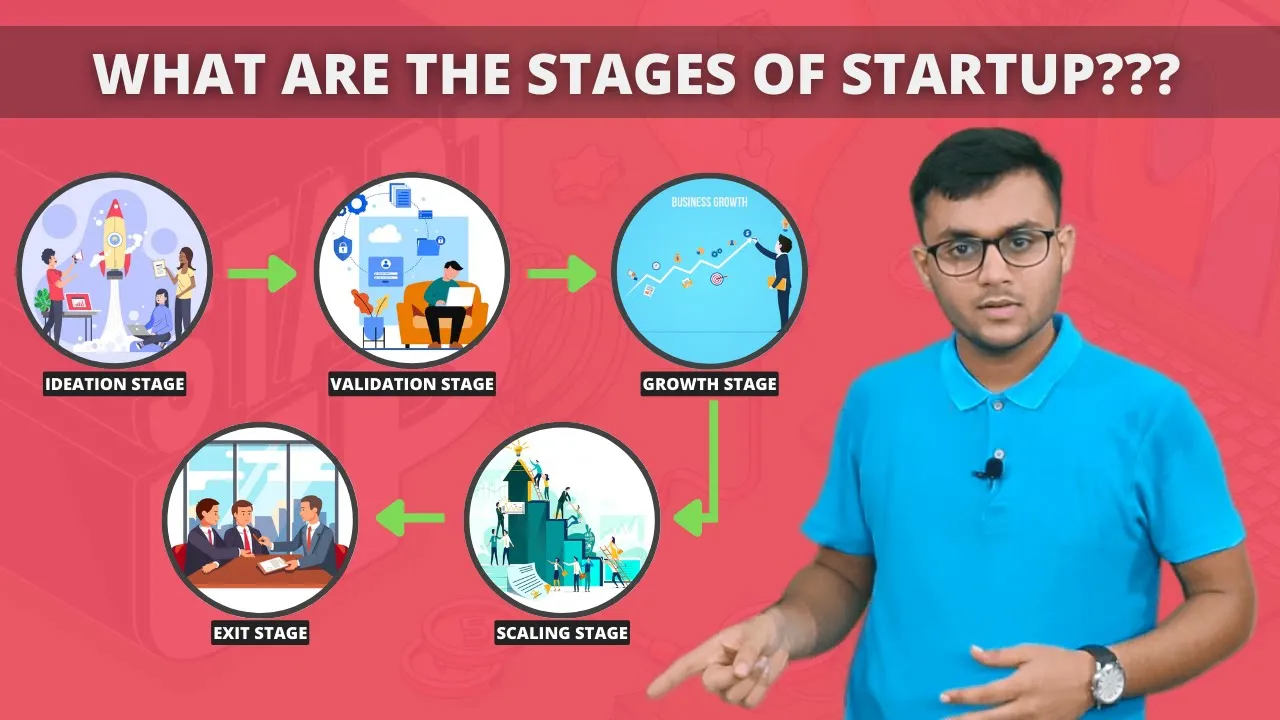
What are the Stages of Startup? | 5 Stages of a Startup: Ideation to Exit | Hindi | Pankaj Shaw
3.8K
The startup lifecycle consists of five sequential stages that entrepreneurs must navigate systematically. The Ideation Stage involves developing an initial idea, creating a Minimum Viable Product (MVP) prototype, and testing hypotheses through pilot runs to verify market problems exist. The Validation Stage focuses on achieving Product-Market Fit by building a product with sufficient features and continuously gathering customer feedback. The Growth Stage begins after market fit, requiring angel investors for marketing, brand building, and team development while building operational efficiency. The Scaling Stage involves rapid expansion through new technology, processes, geographic locations, and product launches, requiring substantial venture capital funding. The Exit Stage concludes the journey through IPO or acquisition. Understanding these stages helps entrepreneurs know which phase they are in and what actions to take, preventing embarrassment and ensuring systematic business development.
Click to watch →
Deep Dive
Fundamental concepts of equity, company valuation, and how dilution affects founders' ownership.

Garje Marathi Refining your Pitch
118
This section explains the mechanics of equity dilution in startups. Key concepts include: (1) Dilution occurs when new shares are issued to investors, reducing existing shareholders' ownership percentages; (2) Valuation determines equity allocation - when an investor puts in $200,000 for 10% equity, the company's enterprise value becomes $2 million; (3) Founder equity is reduced proportionally and redistributed based on original ownership ratios; (4) Option pools (typically 15%) must be carved out before investor allocation to prevent dilution of seed investors; (5) Series A rounds further dilute all shareholders proportionally; (6) Founders should accept dilution because their equity value increases as company valuation grows - even with 44% equity, a company valued at $17.5 million means their equity is worth $7.7 million.
Click to watch →
#ComunidadesA3 - ARCAP Asesores "Qué necesitás saber para levantar fondos para tu startup" - Embarca
41.3K
As startups progress through funding rounds, founders gradually dilute their equity while company valuation increases. Founders should maintain at least 51% ownership to avoid disadvantage and maintain motivation. Venture capital differs from traditional investment because institutional investors won't accept large ownership stakes in early stages. The typical dilution path: 100% (founder) → 80% (after seed round) → 64% (after Series A) → further dilution in subsequent rounds. Despite smaller percentages, founders' stakes become more valuable as company valuation grows.
Click to watch →

Venture Capital: An insider’s view for entrepreneurs and researchers - Dr. Alexandros Eleftheriadis
141
Pre-money valuation is company value before investment; post-money is after. When investors buy shares, founders experience dilution (reduced percentage ownership) but their share value increases because the company's total valuation rises. For example, founders investing 500 euros each may end up with shares worth 1.8 million euros after a successful round. This mechanism explains how founders like Jeff Bezos and Elon Musk created billions through equity ownership without directly earning that money.
Click to watch →

EP07 - Edward Stevenson of SFC Capital
1.5K
Founders should adopt a pragmatic approach to equity dilution at early stages, recognizing that 100% ownership of nothing is worth less than 85% ownership of a growing business. The valuation will adjust itself as the company builds traction and achieves results. Early-stage investors purchase vision and potential, while later-stage investors require demonstrated viable business models. Founders should focus on executing their business plan and building traction, as this will ultimately determine valuation outcomes and investor returns.
Click to watch →

Startup & Funding | Equity Dilution Explained | Every Founder Must Know | How Funding Dilutes Equity
2.1K
Equity dilution occurs when existing shareholders own a smaller percentage of a company after new shares are issued to new investors, but the overall value of their stake increases because the company's total valuation grows; for example, when founders with 50% each stake in a company valued at ₹20 lakhs raise ₹1 crore at a ₹4 crore pre-money valuation, their stake dilutes to 40% each, but the value of their stake increases from ₹1 lakh each to ₹2 crore each.
Click to watch →
Deep Dive
The distinction between self-funding (bootstrapping) and raising external capital from outside investors.

EP 185: Mark Peterson | Special Guest
1.1K
Bootstrapping (self-funding) and external funding represent different approaches to business growth. Bootstrapping involves gradual, self-funded growth that is painful but provides complete control. External funding allows for faster growth and larger scale but requires giving up some control. The speaker describes his parents bootstrapping their fruit processing business over 30 years, while his own outdoor business used external funding for faster growth. The choice depends on the business model, team capabilities, and growth objectives.
Click to watch →
![Equity, founders & moats [9/10]](https://i.ytimg.com/vi/umRTjjFFvmQ/maxresdefault.jpg)
Equity, founders & moats [9/10]
226
Bootstrapping refers to funding a business entirely through personal savings and revenue generated by the business itself, without external investors. Raising capital involves selling new shares in the business to external investors, which increases the total number of shares outstanding while bringing in additional funds. This fundamental difference affects ownership structure and control.
Click to watch →

Matilda Djerf Built a Fashion Empire From Her DMs. Here’s How She Did It.
136
Bootstrapping (self-funding) means taking every job available to fund the company. Raising outside capital is an option but not always necessary or desirable. It depends on the founder's background and opportunities available to them.
Click to watch →
028 - Scott Fritz, Author of "The 40 Hour Work Year"
378
Bootstrapping (self-funding) is often better than taking external investment for new businesses. If entrepreneurs don't truly need external money, they should bootstrap instead. External funding creates a partnership that can become complicated, especially if investors need their money back for personal reasons. The key question is whether the entrepreneur truly needs the money or if they are taking investment for the sake of it.
Click to watch →
Selbst & ständig!? 3 Learnings für Deinen Geschäftserfolg // Céline Flores Willers
3.8K
Bootstrapping means financing your business with your own money rather than external investors. The key advantage is 100% ownership and complete control over business decisions without investor interference. A common myth is that bootstrapping is only for small ideas, but the speaker counters this by noting that many of the world's most valuable companies (like Dell and Apple) started as bootstrapped ventures. The goal is to transition from self-financing to customer financing as quickly as possible.
Click to watch →
Deep Dive
What a minimum viable product (MVP) is and its role in demonstrating early market interest.
CMAT 2024 | Innovation and Entrepreneurship | Session - 06 | Ronak Shah #cmat2024
58K
MVP (Minimum Viable Product) is the first sellable version of a product with minimum sufficient features to satisfy early adopters. It is different from beta and alpha versions, which are prototypes. MVP is used to find the first users who would be willing to use the product and to validate the product in the market.
Click to watch →
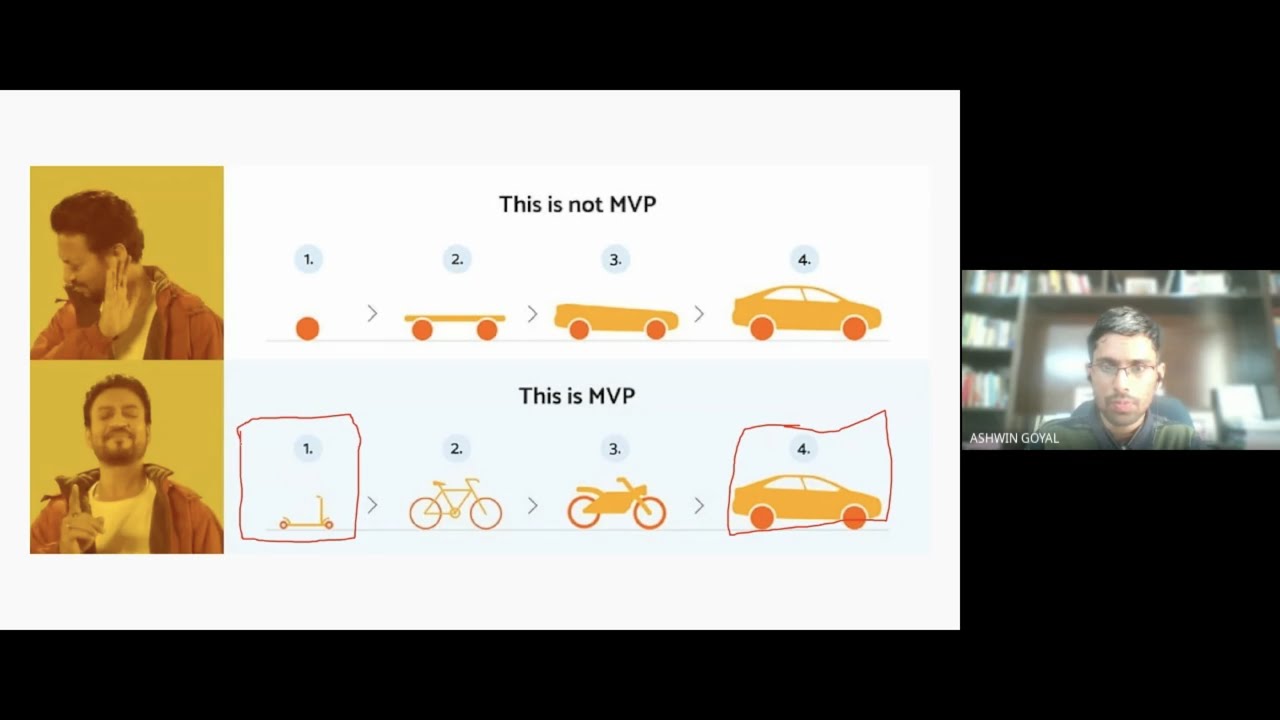
MVP, MECE | Important Concepts for PM Interviews - Part 3 | PM102
217
A Minimum Viable Product (MVP) is the most basic version of a product that can be launched to the public with minimal features, built using minimum time, effort, energy, and resources. The primary purpose of an MVP is to validate whether a product idea will survive in the real world and determine if the idea is implementable. Famous examples include Airbnb, which used their own apartment to validate peer-to-peer rental housing, and Facebook, which launched initially within Harvard University as a minimalist website before expanding globally. The MVP approach allows founders to test assumptions and make necessary adjustments before committing significant resources to full-scale development.
Click to watch →
DIGITAL SKILLUP AFRICA || INTRODUCTION TO PRODUCT MANAGEMENT
5.1K
A Minimum Viable Product (MVP) is the simplest version of a product that delivers just enough features to satisfy early adopters and validate an idea. It is used to test assumptions about a product by gathering feedback from users. The MVP approach allows product managers to be agile, launch quickly, and iterate based on user feedback rather than building all features at once. This approach helps avoid building products that don't meet user needs or market demands.
Click to watch →

I - #EEPRO2012 : ÁLVARO CUESTA
157
The Minimum Viable Product (MVP) is the first product version designed to test the market and validate whether the business direction is correct. It is NOT a 'cheap or low-quality product' but rather the minimum feature set that can be accepted by the market. The goal is to launch quickly to gather market feedback, not to achieve perfection. Entrepreneurs should avoid spending too much time 'sharpening the axe' without ever cutting the tree.
Click to watch →
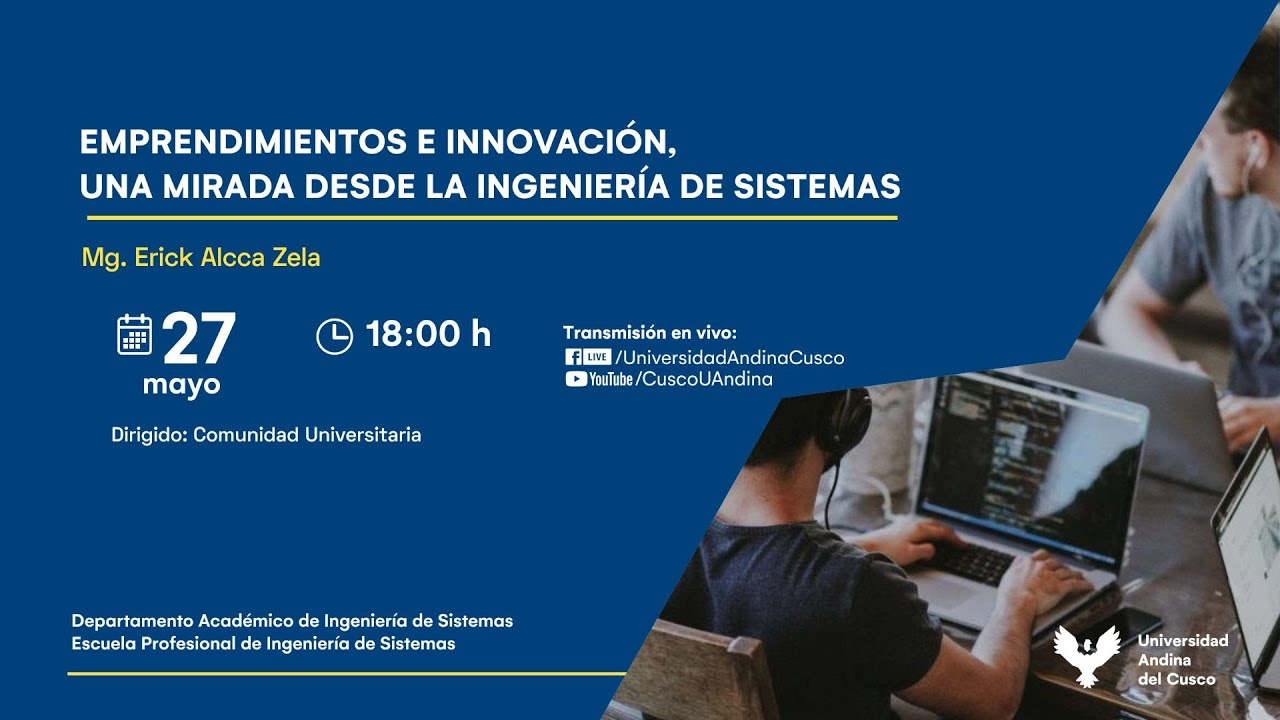
EMPRENDIMIENTOS E INNOVACIÓN, UNA MIRADA DESDE LA INGENIERÍA DE SISTEMAS
660
A Minimum Viable Product (MVP) is a prototype of a product or service with minimal functions that allows presentation to potential clients and verification of their interest. It serves as a version that enables information collection about design and acceptance degree. The goal is to test the market with minimal effort and investment, allowing entrepreneurs to validate whether their product or service meets actual market needs before committing significant resources to full development.
Click to watch →
Prerequisite Knowledge
- Concept 01Basic startup lifecycle stages, specifically transitioning from the ideation phase to the validation phase.
- Concept 02Fundamental concepts of equity, company valuation, and how dilution affects founders' ownership.
- Concept 03The distinction between self-funding (bootstrapping) and raising external capital from outside investors.
- Concept 04What a minimum viable product (MVP) is and its role in demonstrating early market interest.
Subsequent Learning
- Step 01The mechanics of SAFE (Simple Agreement for Future Equity) notes and convertible debt in early-stage financing.
- Step 02Structuring and negotiating term sheets with angel investors and early-stage venture capital firms.
- Step 03How to manage 'burn rate' and calculate runway to ensure pre-seed capital lasts until the Seed round.
- Step 04Preparing for Seed and Series A funding stages, including the key metrics and traction milestones required by institutional investors.
Pre-Seed Basics
Raising Smart
Pre-Seed Basics
0:00Playing Section
- 1
Explains venture capital funding stages from seed to IPO.
- 2
Notes that starting a company is now nearly cost-free globally.
- 3
Advises writing a thorough business plan before seeking funds.
The Case for Pure Bootstrapping over Pre-Seed Capital
While pre-seed funding is often presented as a necessary first step for startups, a strong counter-perspective advocates for pure bootstrapping and customer-funded growth. Relying on early external capital, even at the pre-seed stage, can prematurely dilute founder equity, distort product-market fit by prioritizing investor expectations over actual customer demand, and lock the startup onto an aggressive venture capital treadmill. By contrast, bootstrapping forces a company to focus on immediate profitability, organic growth, and operational efficiency. Funding growth through customer revenue ensures the product solves real-world problems, preserves 100% founder control, and allows the business to scale sustainably without the external pressure to meet artificial valuation milestones or premature exit timelines.
Deep Dive
The mechanics of SAFE (Simple Agreement for Future Equity) notes and convertible debt in early-stage financing.

STARTUPS lo que un inversionista ve
6.4K
Venture capital uses hybrid instruments between equity and debt: SAFE (Simple Agreement for Future Equity) and Convertible Notes. SAFE is closer to equity, allowing investors to participate in company upside and downside. Convertible Notes are debt with interest and maturity dates, giving investors more protection. SAFE investors share company risk directly, while Convertible Note holders have priority repayment rights. Different accelerators prefer different instruments. SAFE uses a 'cap' (valuation cap) rather than current valuation, allowing founders to raise capital without agreeing to specific current valuation and preventing negotiation deadlocks.
Click to watch →

Financing Fundamentals l Hans Kim, Managing Partner of Atrium
139
SAFEs (Simple Agreement for Future Equity) are the instrument of choice for early-stage fundraising, popularized by Y Combinator in 2013. They are simple, standardized three-page agreements where investors provide money converting to preferred stock at the next financing. Key features include discount (typically 20%) and valuation cap protecting early investors. Two versions exist: pre-money (based on pre-money valuation) and post-money (based on post-money valuation). Bridge SAFEs convert at next round pricing without discounts. Convertible notes are debt instruments requiring negotiation of interest rates and maturity dates, with no standard form, making them more complex than SAFEs.
Click to watch →

Panelists give insight on legal aspects of startups
376
At early stages with no revenue, determining company valuation is difficult. SAFE (Simple Agreement for Future Equity) and convertible notes allow founders to raise money without setting a valuation upfront. These instruments defer valuation until a later round when institutional investors conduct due diligence and assign a concrete value, at which point early investors receive a discount (typically 20%) on the final valuation.
Click to watch →
#35 La historia de Muni, Con María Echeverri Gomez
2.1K
SAFE (Simple Agreement for Future Equity) notes are convertible instruments that allow early investors to receive equity in future funding rounds without the complexity of formal equity transactions. They specify a valuation cap (the maximum company valuation at which the investment converts) and a discount rate. This instrument reduces legal costs (approximately $120,000 for a full equity round in the US) and defers complex calculations until a real funding round occurs.
Click to watch →

Entrepreneurship Essentials (E2) - Simple Agreement for Future Equity (SAFE) 101
559
A SAFE (Simple Agreement for Future Equity) is a financial instrument developed by Y Combinator in 2013 to simplify early-stage investing. Unlike convertible notes, SAFEs are not debt instruments but standardized contracts designed to minimize legal costs (typically $30,000-$75,000 for preferred stock negotiations). The core purpose is enabling entrepreneurs to raise funds from friends, family, and early investors without immediately negotiating company valuation. SAFEs contain three primary adjustable terms: (1) Discount - provides early investors a percentage discount on share price (typically 20%); (2) Valuation Cap - establishes a maximum valuation that determines conversion equity; (3) Financing Threshold - some SAFEs require minimum equity financing before conversion. SAFEs convert when equity financing occurs, liquidity events happen, or company dissolves. Upon dissolution, SAFEs are treated as preferred stock, receiving proceeds before common shareholders.
Click to watch →
Deep Dive
Structuring and negotiating term sheets with angel investors and early-stage venture capital firms.

How to Negotiate Term Sheets | Workshop at BDL Accelerate 2015
383
A term sheet is a 1-5 page initial agreement between entrepreneurs and venture capital funds that establishes the economic terms, governance rights, and exit mechanisms for an investment. Key negotiation points include valuation (which determines the percentage of company ownership), investment structure (preferred vs. common shares), liquidation preferences (protecting investors in company liquidation), down round protection (allowing investors to enter at lower prices), governance rights (board composition and veto powers), transfer restrictions (lock-in periods and tagalong rights), and exit mechanisms (put options, drag-along rights, and registration rights). Entrepreneurs should choose their VC partner wisely, start the process early with sufficient cash reserves, and understand that the best terms come from competition among multiple term sheets.
Click to watch →
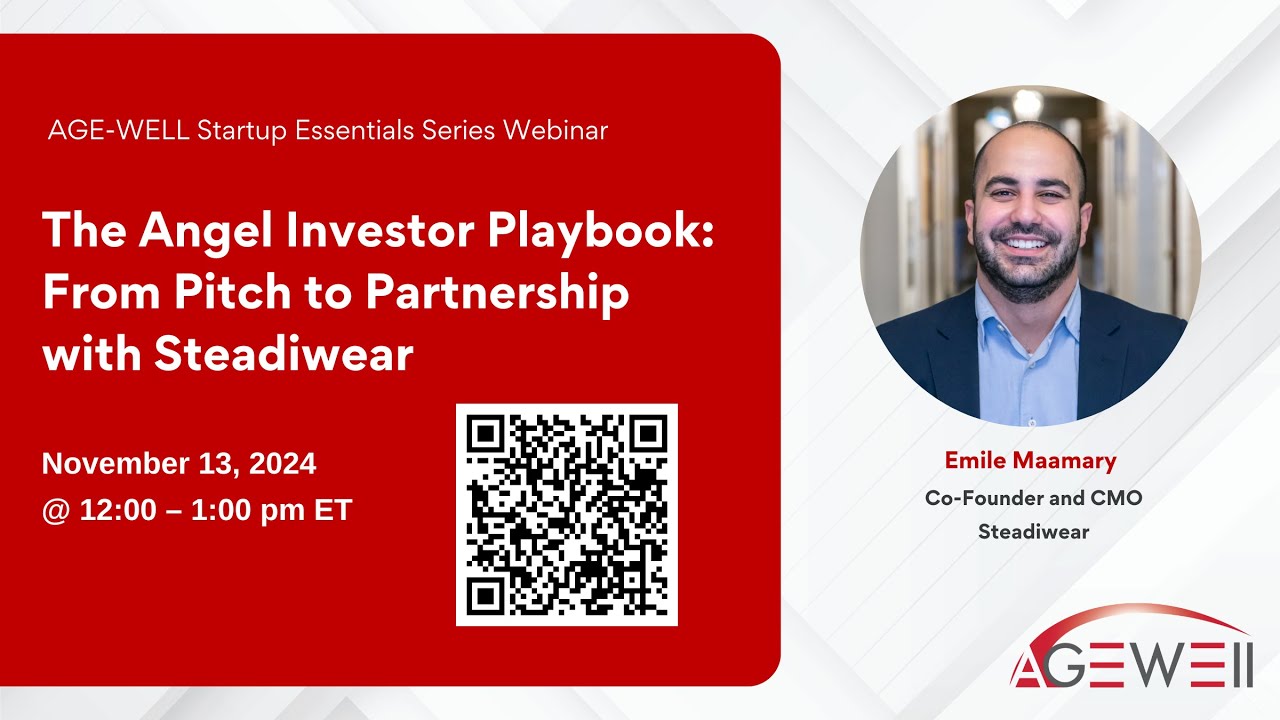
AGE-WELL Webinar – The Angel Investor Playbook: From Pitch to Partnership with Steadiwear
239
Angel investors push for maximum equity as first money in, requiring founders to find lead investors before approaching networks for leverage. Consistent valuations and terms across investor groups maintain credibility. Key term sheet elements include valuation, share types, liquidation preferences, conversion rights, anti-dilution provisions, voting rights, and board representation. Founders should consult lawyers to understand implications of protective provisions, right of first refusal, and information rights that significantly impact control and operations.
Click to watch →

Everything Investors need to know about Term Sheets, with Kingsley Napley
160
A term sheet is a non-binding document (typically 3-4 pages) that establishes key commercial principles for an investment deal, serving as the starting point for negotiations between investors and entrepreneurs before preparing longer-form legal documents; it covers essential terms including valuation, share classes, information rights, consent matters, preemption rights, vesting provisions, restrictive covenants, drag/tag rights, and warranties, with the goal of creating a balanced framework that protects minority investors while not hampering the company's day-to-day operations.
Click to watch →

How to Draft a Term Sheet Workshop — Jackie DiMonte
595
Term sheets outline core investment terms including pre-money valuation, share price, common versus preferred stock, liquidation preference, participation rights, dividends, and anti-dilution provisions. Pre-money valuation plus round size equals post-money valuation. Option pools are shares set aside for future employees, typically calculated as percentages of post-money shares. Liquidation preference ensures investor returns before common shareholders. Participation rights allow double-dip recovery but are rarely used due to founder tensions. Equity financing offers transparency while debt creates repayment obligations. Convertible debt converts to equity with discounts and valuation caps. SAFEs have replaced convertible notes for early-stage simplicity. Negotiations require balancing firm advocacy with relationship preservation, maintaining collaborative atmospheres since investor-founder relationships last decades.
Click to watch →
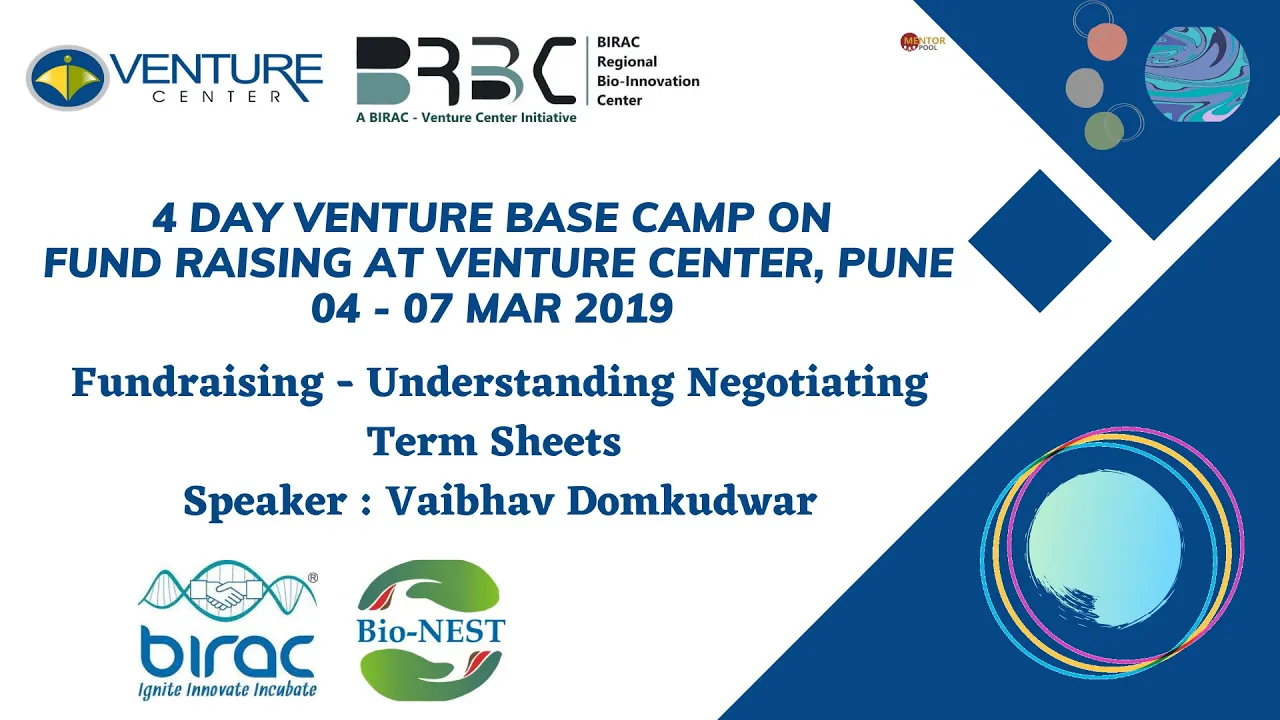
Fundraising - Understanding Negotiating Term Sheets by Vaibhav Domkudwar
338
Founders must master core term sheet terminology to negotiate effectively. Liquidation preference determines payment order upon exit—investors receive their money first, and founders should reject anything above 1x. Founder vesting requires earning equity over 4-5 years with a 1-year cliff, protecting against premature departure. Valuation requires market research—too high dilutes founders, too low signals inexperienced investors. Board composition typically allows 1-2 investor seats plus trusted advisors. Anti-dilution provisions rarely benefit founders at early stages. Founders should research recent comparable deals in their industry to establish realistic expectations and identify red flags in offers.
Click to watch →
Deep Dive
How to manage 'burn rate' and calculate runway to ensure pre-seed capital lasts until the Seed round.

How to Spend a Trillion Dollars Fast (ep13)
925
Pre-seed companies should not burn more than $50,000 per month, as this creates unsustainable runway. The key insight is that money raised gets spent and it's difficult to slow down once you've hired people and built infrastructure. YC's dogma of keeping burn incredibly low is correct because it allows more shots at success. However, the appropriate burn rate depends on what you're doing—R&D-intensive companies may need higher burn, while others should be more conservative.
Click to watch →

How to calculate Burn Rate and Runway
5.9K
Startups can extend runway by reducing expenses (layoffs) or increasing revenues (more customers/pricing). Industry standards recommend 12-18 months of runway post-Series A, with 3 months being a critical warning level. The Fast case study demonstrates extreme burn rates—$7M/month averaging $125M in 17 months—highlighting the importance of prudent cash management for startup longevity.
Click to watch →
Sean O’Brien of Overline VC on Seed Funding and Portfolio Construction
196
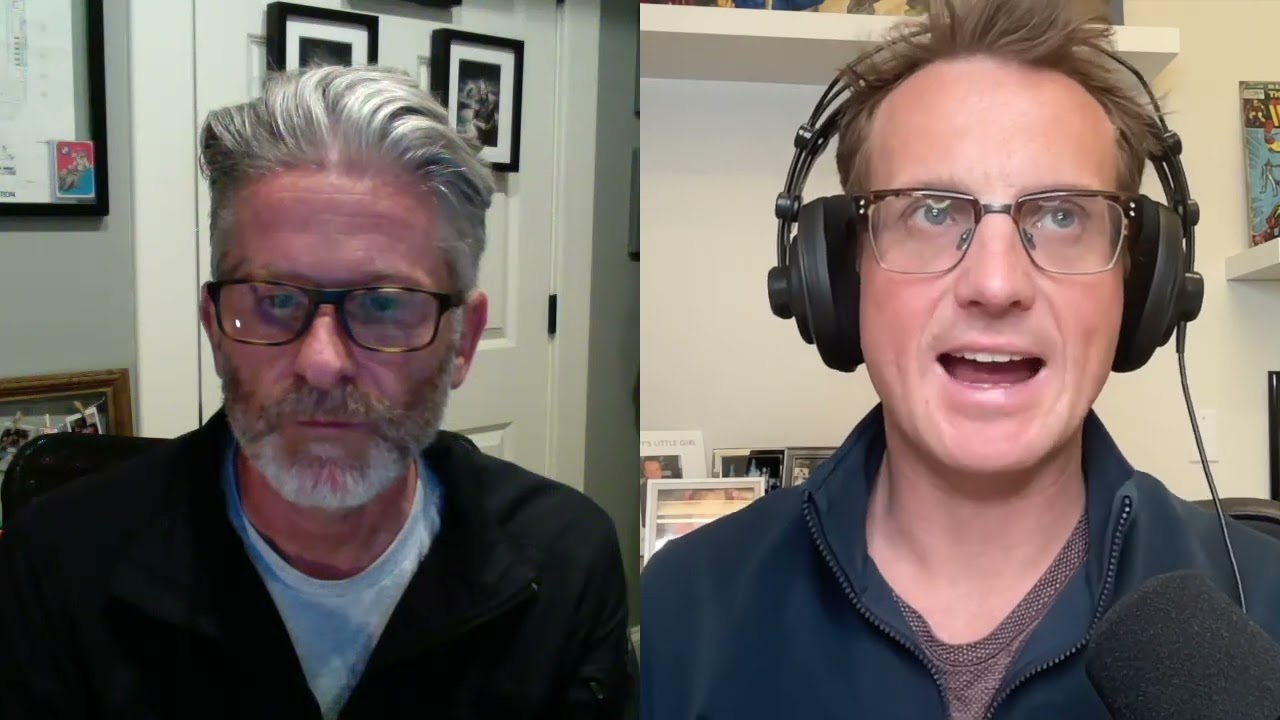
Seed investors must maintain strict awareness of company burn rates regardless of market conditions. Investors should evaluate whether companies can stretch their available capital (typically $500,000 to $1 million) to last 6-18 months depending on milestones needed before reaching seed round targets. Companies relying on inexhaustible piles of money or being cash guzzlers indefinitely are not viable investment candidates. This discipline is particularly important during market transitions when late-stage venture valuations may compress and trickle down to earlier stages.
Click to watch →
Dubai's Biggest Rent Problem - Just SOLVED By Keyper
20.2K
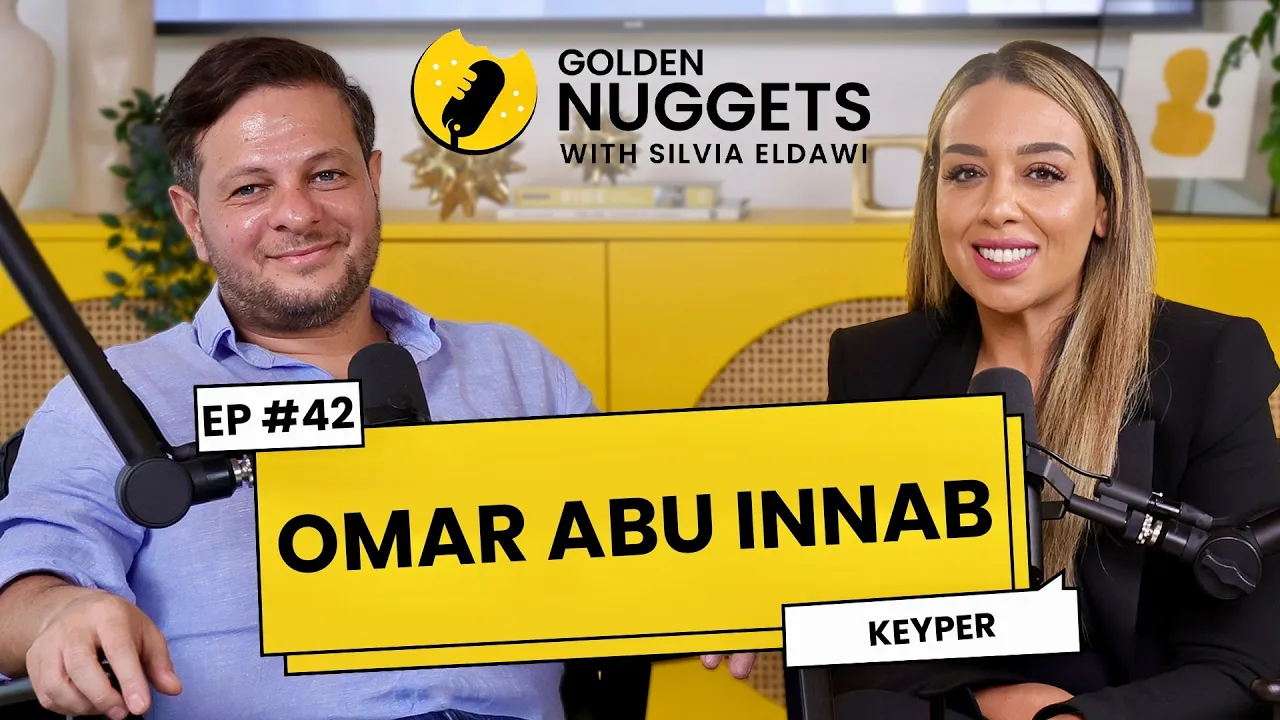
Runway is the amount of time a startup can operate before running out of funds, calculated by dividing available cash by monthly burn rate. Burn rate represents all monthly expenses including salaries, marketing, technology costs, and subscriptions. Effective runway management requires continuously monitoring expenses, reducing burn, and planning for the next funding round or profitability milestone.
Click to watch →

DAO bids $40M on the Constitution, Startup Checklist: Operational best practices, Gen Z VCs | E1330
39.8K
Burn rate is the amount of money a startup spends each month minus any revenue generated. To calculate burn rate: (1) Determine total monthly expenses (salaries, legal, accounting, software, etc.), (2) Subtract monthly revenue, (3) The result is the burn rate. Runway is calculated by dividing current cash balance by monthly burn rate. For example, if a startup has $830,000 in cash and burns $83,000 per month, they have 10 months of runway. Understanding burn rate and runway is critical for founders to know when to raise funding or pivot the business strategy.
Click to watch →
Deep Dive
Preparing for Seed and Series A funding stages, including the key metrics and traction milestones required by institutional investors.

Seed to Series A Fundraising (with Google/Gradient Ventures)
391
Pre-seed requires a great team, good idea, and MVP beginnings (under $1M, $10-12M cap). Seed rounds now require meaningful traction (2-5M rounds need revenue). Series A requires product market fit, proven go-to-market, and venture-scale opportunity. Large seed rounds (5M+) now look like Series A, requiring more traction. The Series A bar remains high while the seed market has expanded to fill the gap.
Click to watch →

Journey to Series A
4.3K
Series A funding is the first large institutional equity round requiring demonstrated traction, with 60% of startups failing between pre-seed and Series A. Only 20-25% of seed-stage companies successfully raise Series A. The journey requires 18-24 months starting immediately after seed round closure. Founders should build investor wish lists of 100-150 potential investors, prepare compliance documentation, and begin pitch deck iterations. The three big buckets are: fundraising process with milestones, employee communication during fundraising, and compliance documentation. Data room preparation should include all corporate documents, month-on-month financial statements, business plans, capitalization tables, permits, management team profiles, and customer feedback.
Click to watch →

How to Raise Series A Funding (Preparing for the Post-Seed Stage Startup Funding Process)
4.5K
This comprehensive section covers the essential principles for progressing from seed to Series A funding. Only 4% of seed-funded companies successfully raise Series A, despite more seed investors than ever. Ben Horowitz emphasizes that Series A readiness requires demonstrating real progress from a good idea to a great business. Greg Gretsch highlights that Series A investors focus on early product market fit as the primary proxy for business progress. Key metrics include unit economics, annual growth rate, and net dollar retention. Nakul Mandan explains that Series A is still about selling the dream, with qualitative factors mattering more than quantitative metrics. Companies with 2 million ARR can struggle while those with 400K ARR can raise meaningful Series A. The section also covers the three pillars of SaaS businesses: market, product, and go-to-market (distribution), and the critical importance of repeatability in revenue and customer consistency.
Click to watch →

Episode 1: Fundraising - Everything there is to know in terms of fundraising for startups
201
After launching an MVP and confirming the idea is valid, entrepreneurs move to the pre-seed stage (also called angel stage). At this point, they have no traction and need money to scale. Most venture capitalists don't invest at this stage, so entrepreneurs typically raise from angels and angel groups. Typical amounts are $750,000 to $1 million, often from 10 investors of $100,000 each or 20 investors of $50,000 each. For seed round readiness, traction expectations vary by category: marketplace businesses need about $150,000 in monthly gross sales with a 20% take rate, B2B SaaS needs $30,000 in monthly recurring revenue, and e-commerce needs net revenues in the $10,000 to $50,000 range. At Series A, entrepreneurs have demonstrated product-market fit and reached $50,000 to $250,000 in net revenues. The typical Series A raise is $5 to $10 million at a $15 to $30 million pre-money valuation. This is the 'make it or break it' moment where companies can grow into large businesses or fail.
Click to watch →

Fireside Chat with Monique Woodard, Managing Director Cake Ventures
101
Funding expectations have shifted significantly. Pre-seed requires evidence of demand - built product, customer feedback, willingness to pay. Seed requires revenue, defined go-to-market strategy, working product beyond MVP. Series A requires $3M+ revenue (up from $1-1.5M five years ago), product-market fit, repeatable go-to-market, and strong unit economics. The bar varies by category (healthcare vs. consumer tech vs. AI). Founders must articulate both current product and 5-7 year vision, explaining how today's wedge leads to larger opportunities.
Click to watch →
Pre-Seed Basics
Raising Smart
Pre-Seed Basics
0:00- 1
Explains venture capital funding stages from seed to IPO.
- 2
Notes that starting a company is now nearly cost-free globally.
- 3
Advises writing a thorough business plan before seeking funds.
The Case for Pure Bootstrapping over Pre-Seed Capital
While pre-seed funding is often presented as a necessary first step for startups, a strong counter-perspective advocates for pure bootstrapping and customer-funded growth. Relying on early external capital, even at the pre-seed stage, can prematurely dilute founder equity, distort product-market fit by prioritizing investor expectations over actual customer demand, and lock the startup onto an aggressive venture capital treadmill. By contrast, bootstrapping forces a company to focus on immediate profitability, organic growth, and operational efficiency. Funding growth through customer revenue ensures the product solves real-world problems, preserves 100% founder control, and allows the business to scale sustainably without the external pressure to meet artificial valuation milestones or premature exit timelines.
Basic startup lifecycle stages, specifically transitioning from the ideation phase to the validation phase.
Fundamental concepts of equity, company valuation, and how dilution affects founders' ownership.
The distinction between self-funding (bootstrapping) and raising external capital from outside investors.
What a minimum viable product (MVP) is and its role in demonstrating early market interest.
The mechanics of SAFE (Simple Agreement for Future Equity) notes and convertible debt in early-stage financing.
Structuring and negotiating term sheets with angel investors and early-stage venture capital firms.
How to manage 'burn rate' and calculate runway to ensure pre-seed capital lasts until the Seed round.
Preparing for Seed and Series A funding stages, including the key metrics and traction milestones required by institutional investors.
11.8K views197likes3:04@chris.harounOriginal Release: 2021-01-18
uh tell us more about precede funding and its feasibility thanks yeah so for those you're not familiar with with seed funding in the term uh the way it works uh in venture capital usually is you start a company and you need a little bit of money a high net worth investor for example or an angel investor will give you a little bit of money right to grow that seat then a year or two later when you're successful you raise up more money from a venture capital firm and that little seed turns into a small plant and the first time you raise money from vcs venture capital farms it's called the a rant then a year or two later to be around you raise more money to see around drown rinse lather repeat until ipo is is the exit now when it comes to your question on precede investment the way i interpret that is you yourself funding your own company with a small amount of money initially and what i have to say about that is it doesn't cost you anything to start a company anymore the cost of computing continues to plummet we have all these wonderful software products out there that i used to spend thousands of dollars on that are free now for all of you to start companies you don't have to be uh here in palo alto in the bay area to start a tech company with coven we've proven that we can all create companies and conduct commerce globally you can be anywhere in the world and it doesn't cost you a penny to start a company however if you want to start a company i recommend that you write a thorough business plan first because failing to plan is planning to fail and you can take my business plan course on udemy or sign up for my mba degree program because during the third semester we have five classes where we go through a venture capital boot camp where i teach you how to how to raise money and how to create a great business plan how to sell it et cetera but if you do need money i i don't recommend using your own that's right i want you to raise money from high net worth investors and i teach you how to do that in my courses and in my mba degree program i'm humbled to say that i've managed uh over i've managed and raised over a billion dollars in my career um and i want you to get high net worth investors to invest in your company you don't have to give them a majority stake in the company just a small slice of it i don't want you to ever get a loan though why because banks are chicken and if you're a couple days late paying back a loan sometimes they can take everything away from you and talk to a lawyer first before you ever go out and raise money because they will tell you how to incorporate your company so that you're protected so that the sharks meaning the banks or whoever you might owe money to can't come after you and take away your your hosts that's how you say encounter your hosts or your car or your or your assets in general
Up Next

11:44
Core Pitch Deck Slides VCs & Angels Expect | Startup Fundraising Guide
@designfordecks
289 views•2023-03-13

46:36
Retention Habits of Top DTC Ecommerce Brands Revealed
@SendItPodcast
44K views•2026-03-03

15:23
Decoy Effect: How Pricing Psychology Influences Consumer Spending
@bobinvestsUS
90K views•2026-01-05

17:30
The Planned Obsolescence of Light Bulbs and Tech
@veritasium
25.3M views•2021-03-26
Related Study Plans & Knowledge Roadmaps
Structured learning paths in Business
business
Pop-Up Retail: Strategy, Design & Execution
01Introduction to Pop-Up Retail & Strategic Goal Setting
02Budgeting, Site Selection, and Legal Essentials
03Experiential Retail Design & Visual Merchandising
+ 2 more learning modules
15h5 modules
Explore Roadmap
business
Reg CF: Startup Funding, Marketing & Launch
01Introduction to Equity Crowdfunding & Reg CF
02Platform Selection & Legal Preparation
03Crafting High-Converting Campaign Assets
+ 2 more learning modules
14h5 modules
Explore Roadmap
business
Productized Services: Scaling Solo Freelance
01Foundations of Productized Services
02Packaging and Scope Definition
03Pricing and Subscription Models
+ 2 more learning modules
15h5 modules
Explore Roadmap
business
Gov Procurement: Find, Bid & Win Contracts
01Introduction to Government Procurement & Business Setup
02Small Business Certifications & Set-Asides
03Finding and Analyzing Contract Opportunities
+ 2 more learning modules
14h5 modules
Explore Roadmap