



















Effective bridge design requires understanding material properties (rope excels in tension, steel in compression), strategic placement of supports to minimize stress concentrations, and optimization of geometric configurations to balance strength, cost, and functionality while accounting for dynamic forces from moving vehicles.
Poly Bridge 2 Engineering: Structural Design & Bridge Optimization
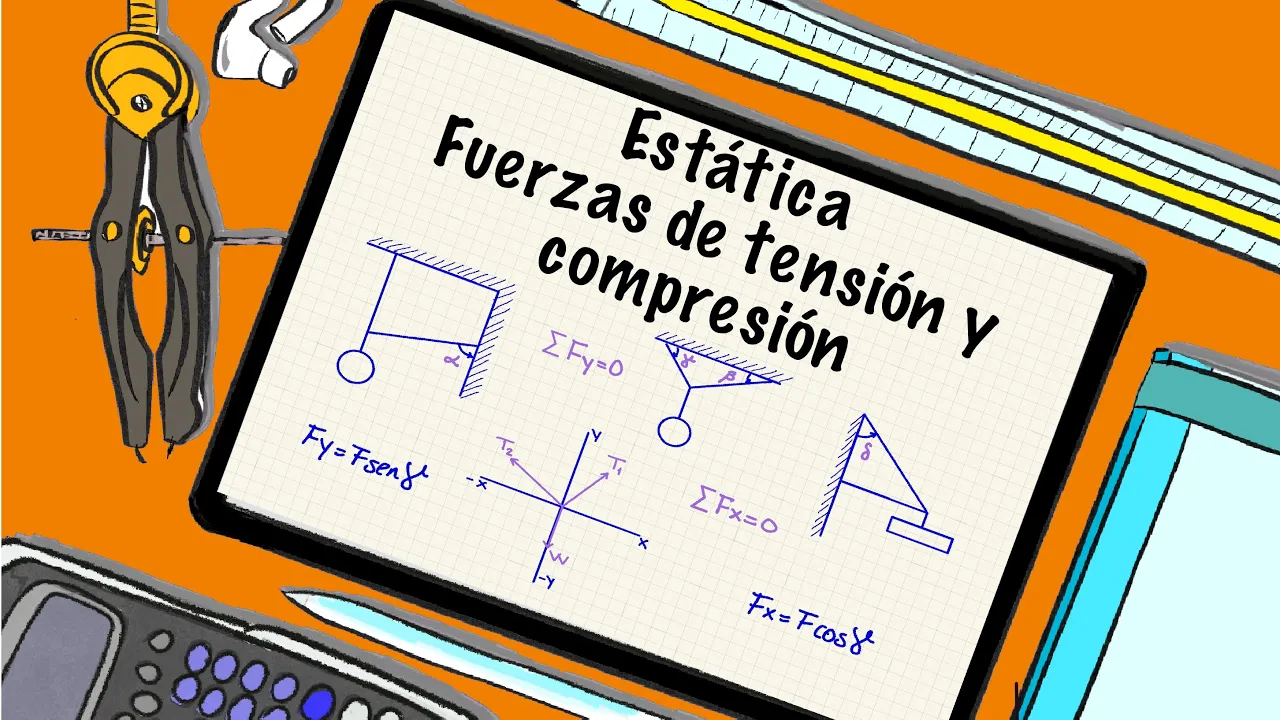
Added:Basic principles of statics, including tension, compression, and force vectors.
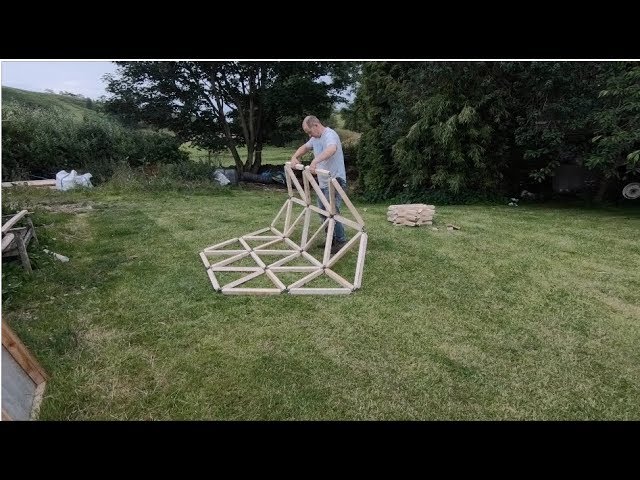
The geometric stability of shapes, particularly why triangles are fundamental to truss structures.
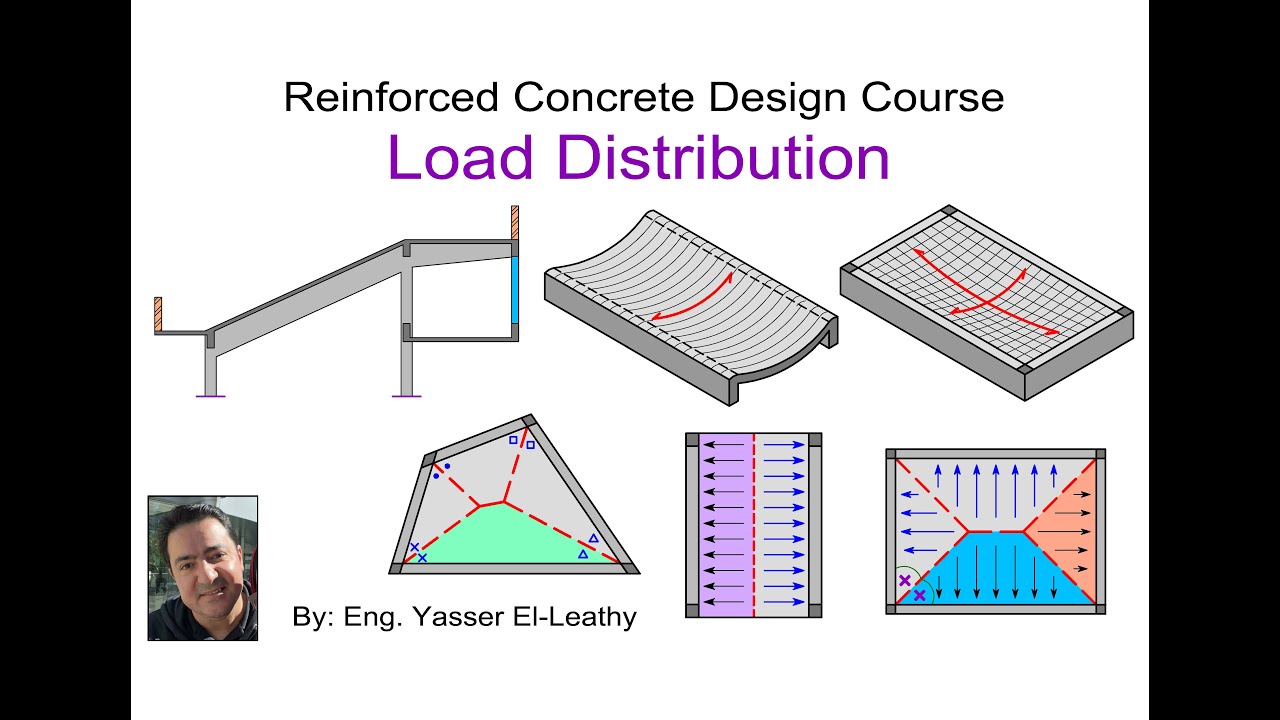
An understanding of load distribution and how forces are transferred through connected members.
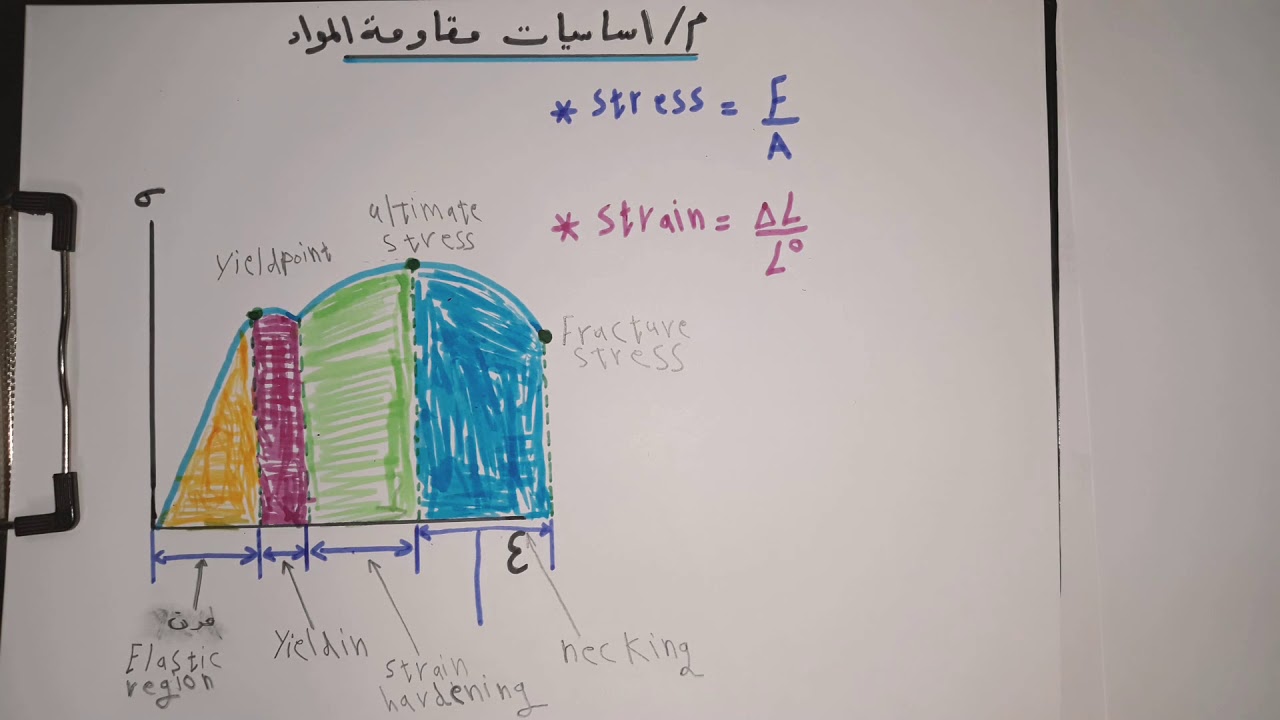
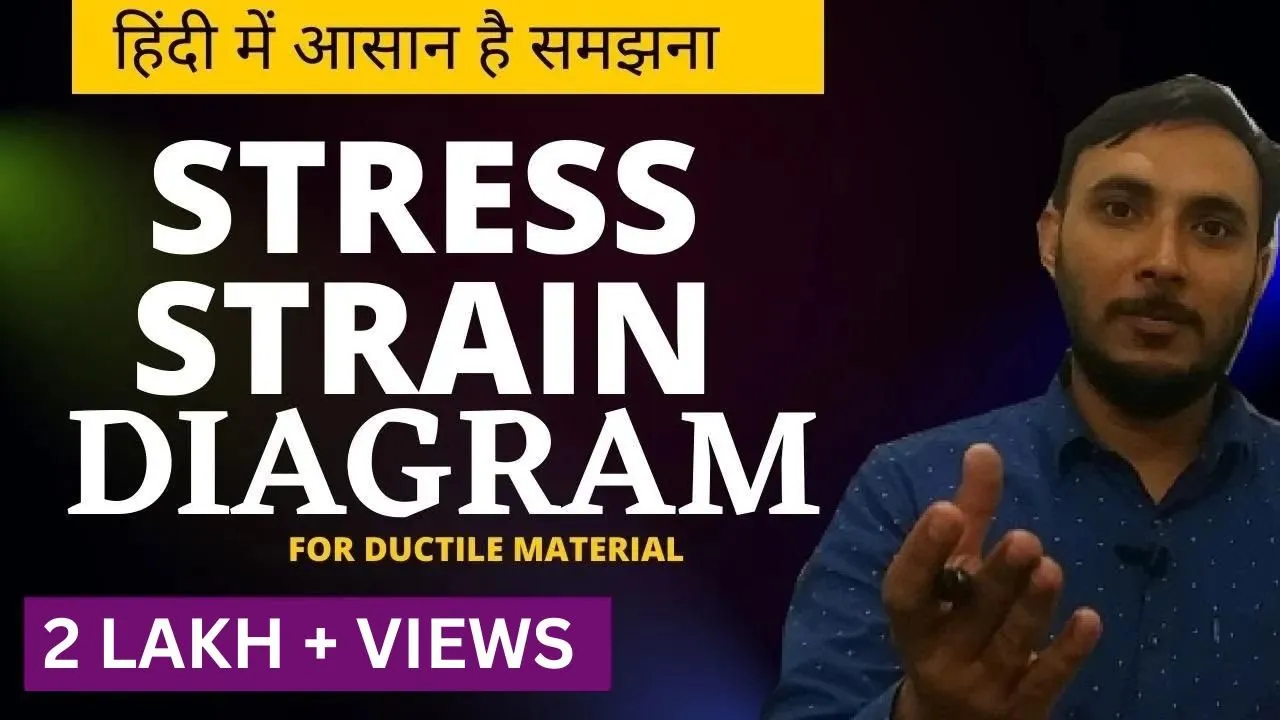
Introductory concepts of material science, such as stress, strain, and material failure points.
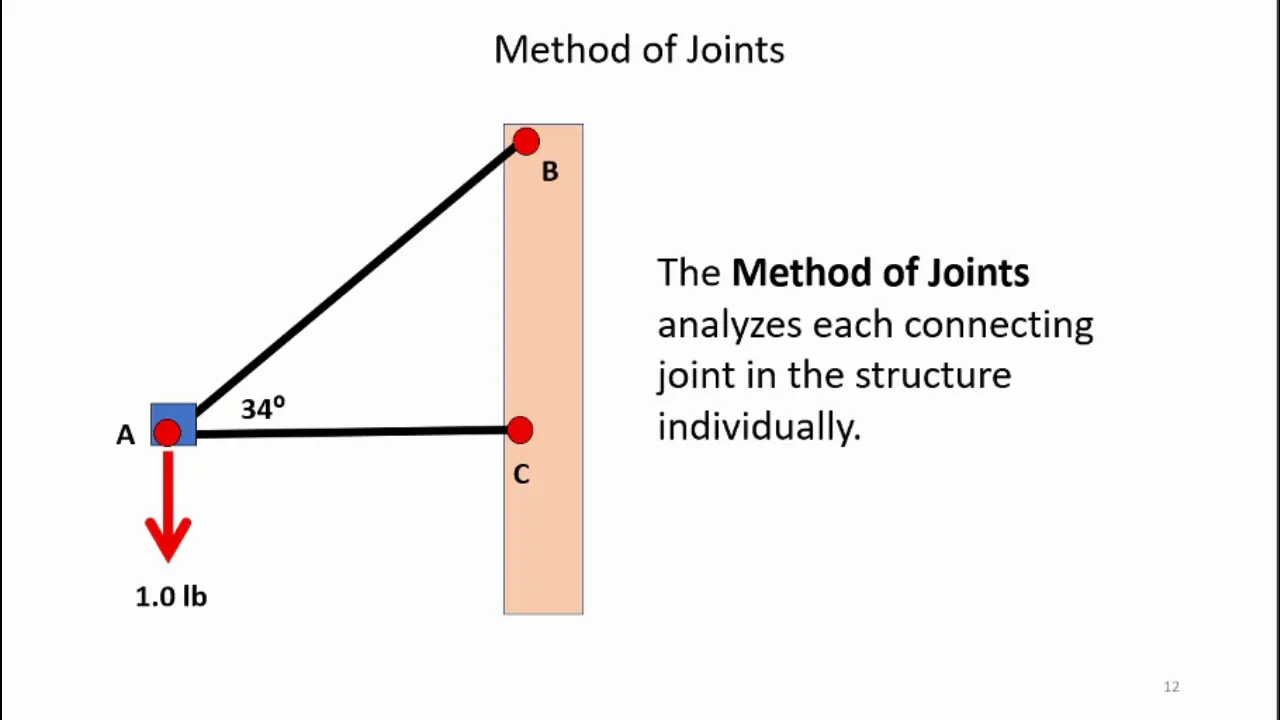
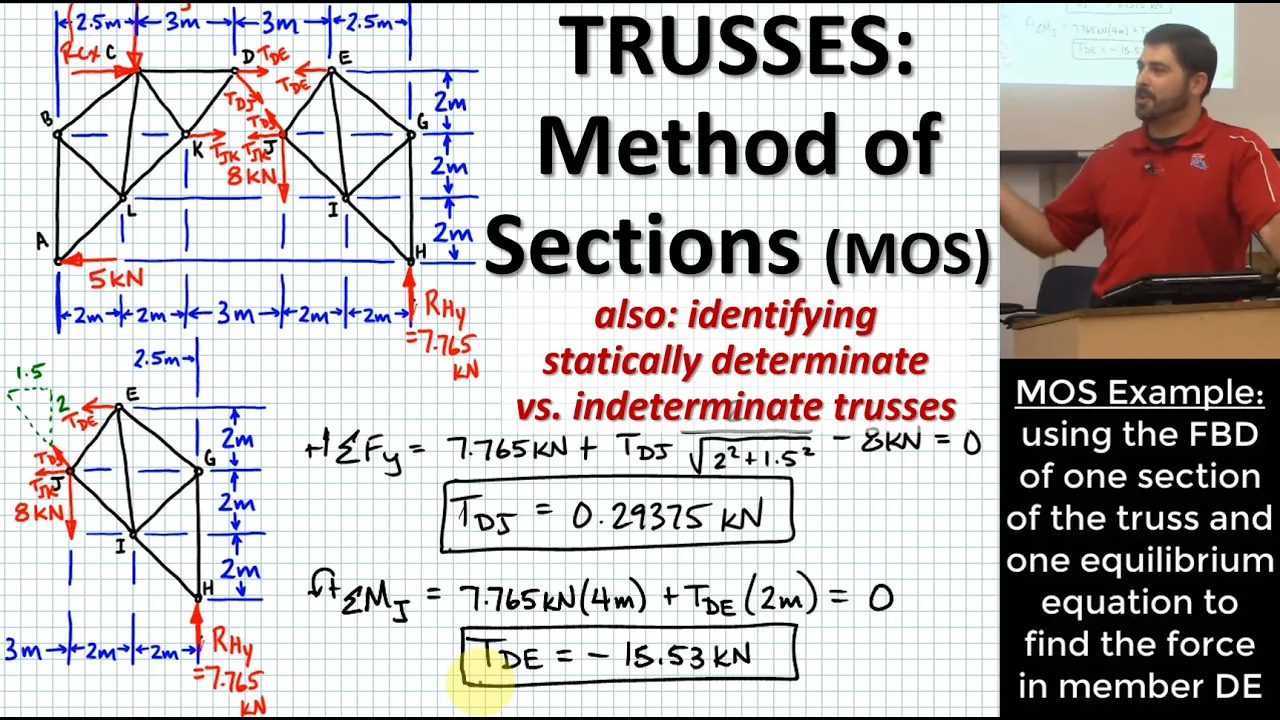
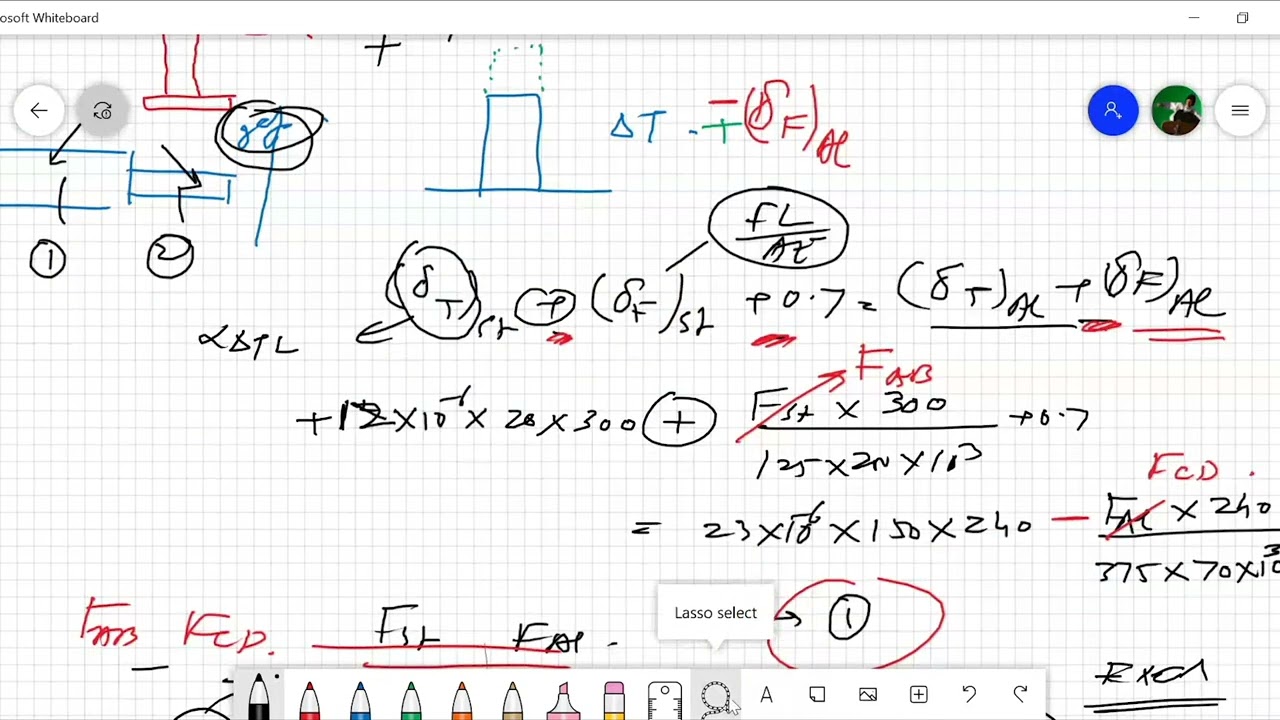
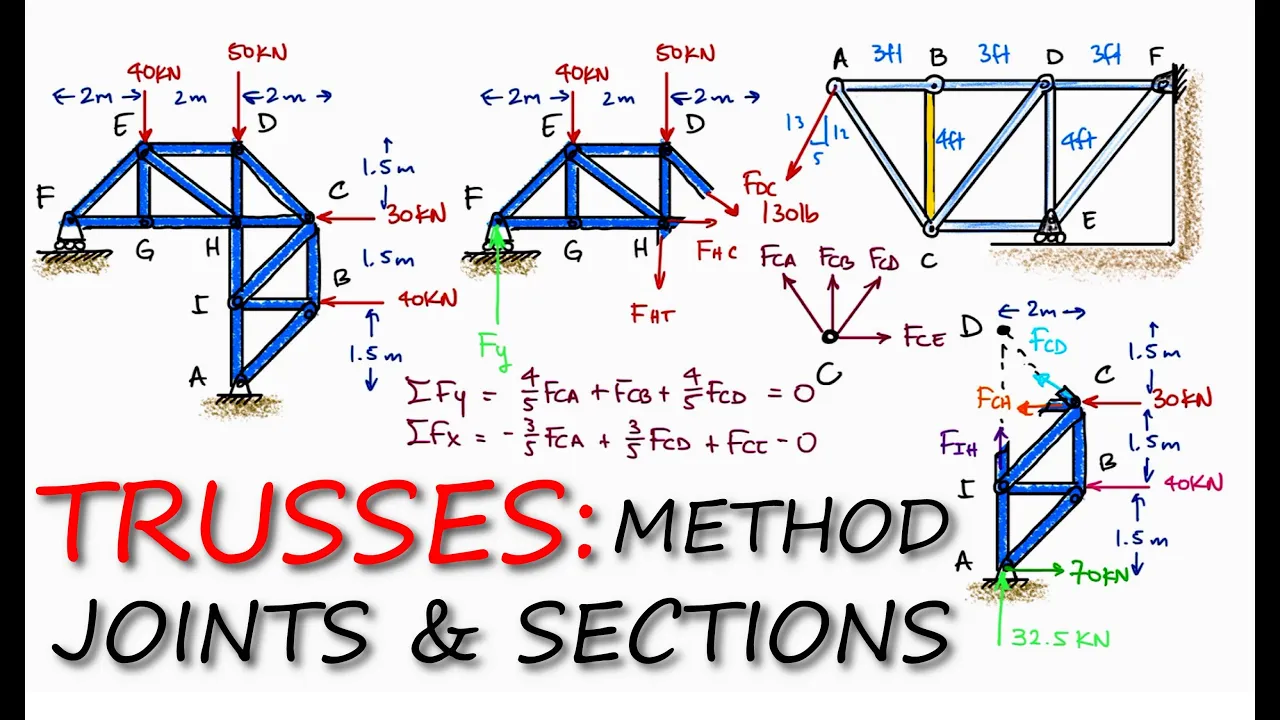
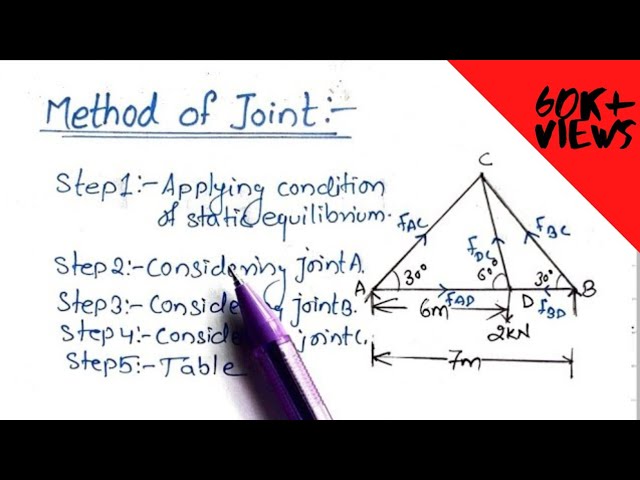
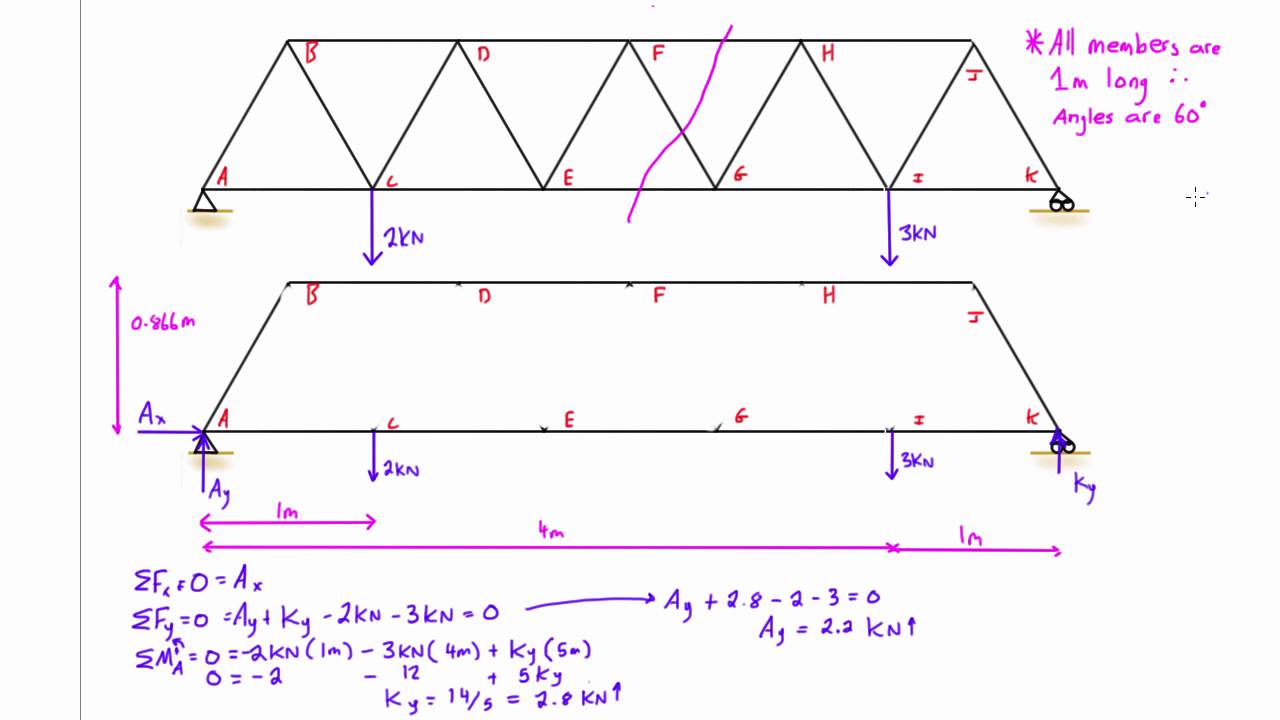
Mathematical analysis of trusses using the Method of Joints and Method of Sections.
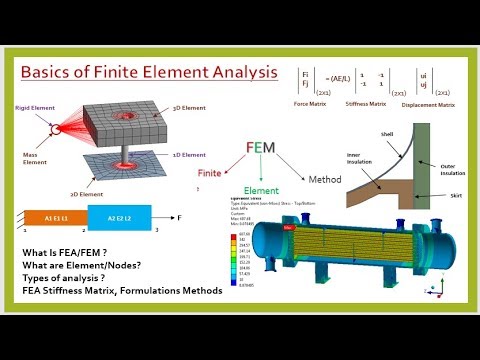
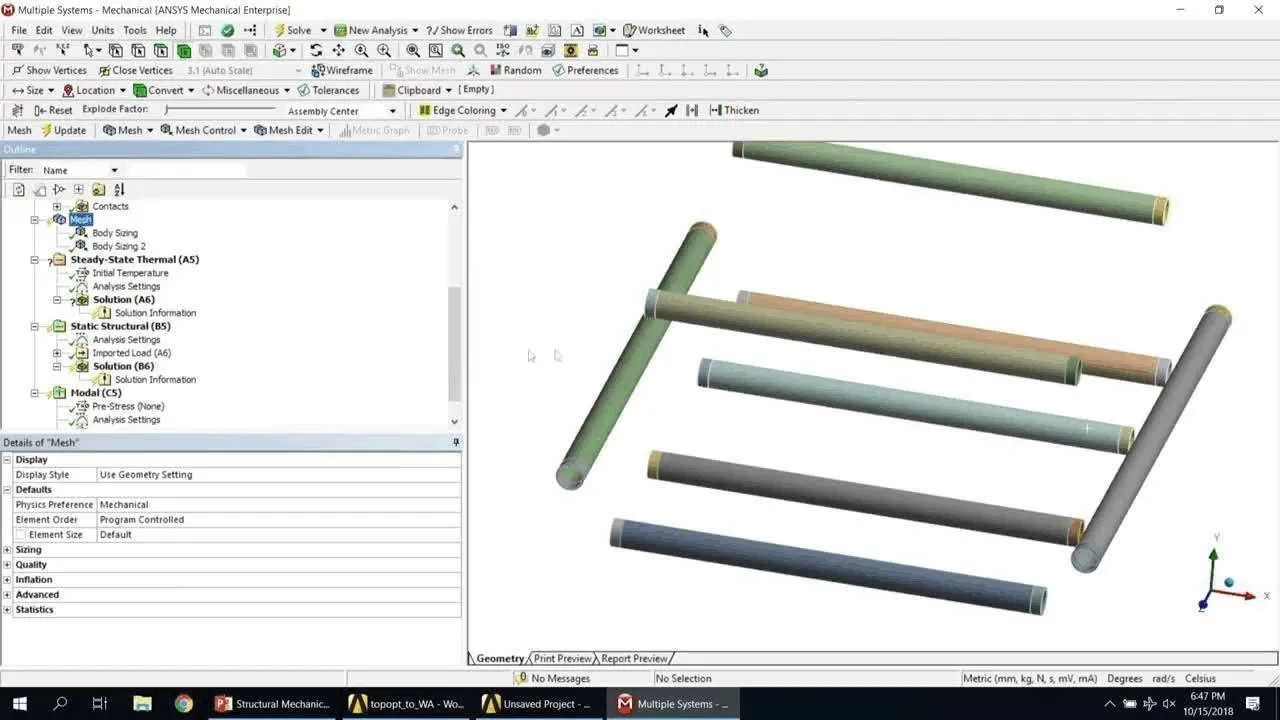
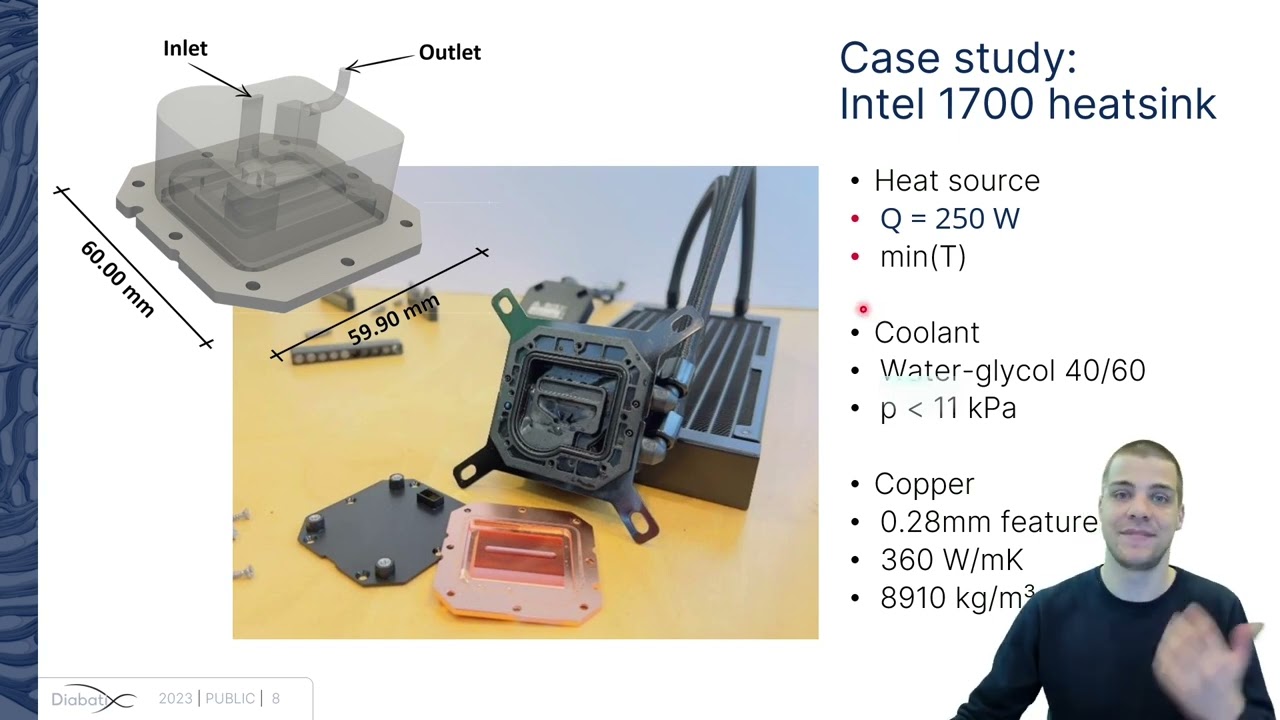
Application of Finite Element Analysis (FEA) software to simulate and optimize real-world structural designs.
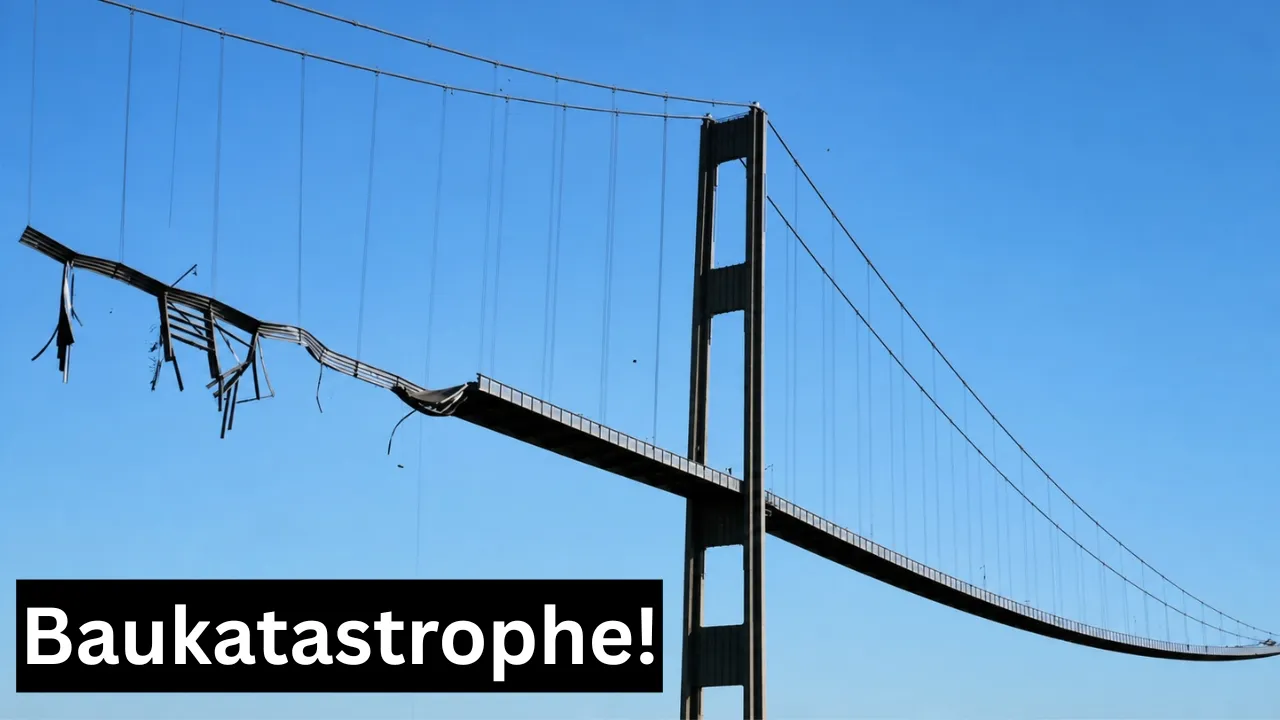
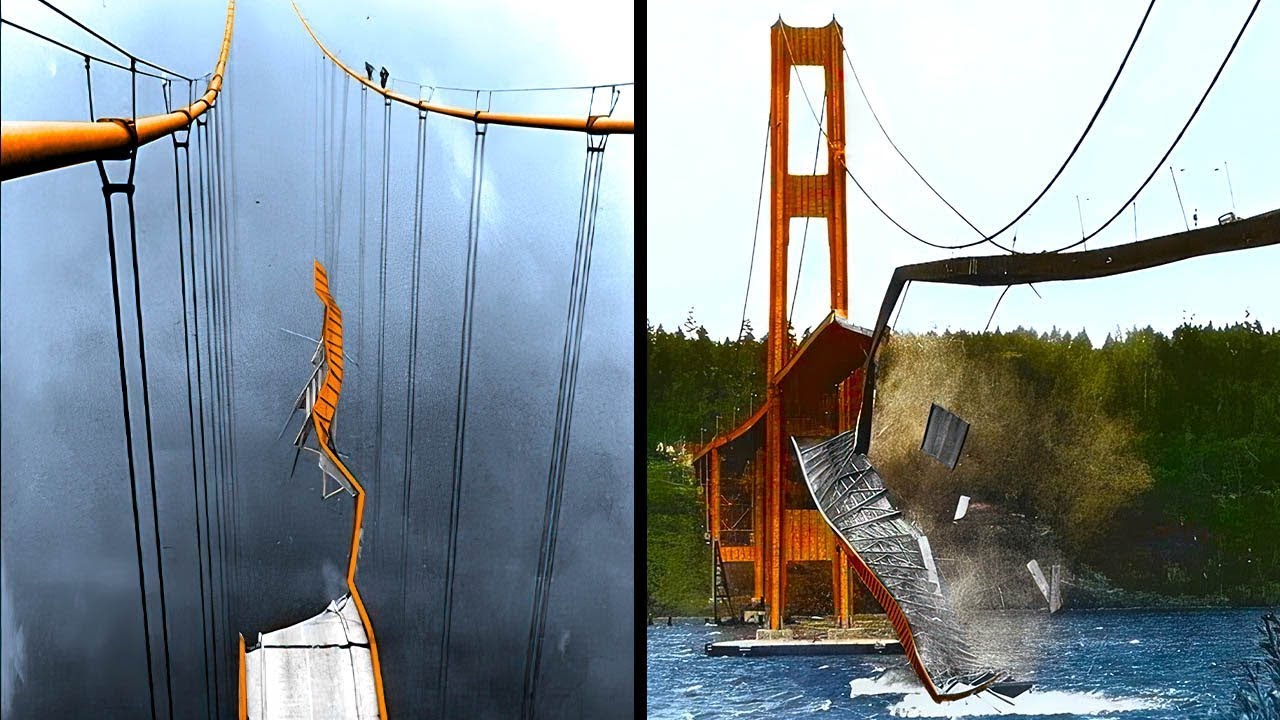
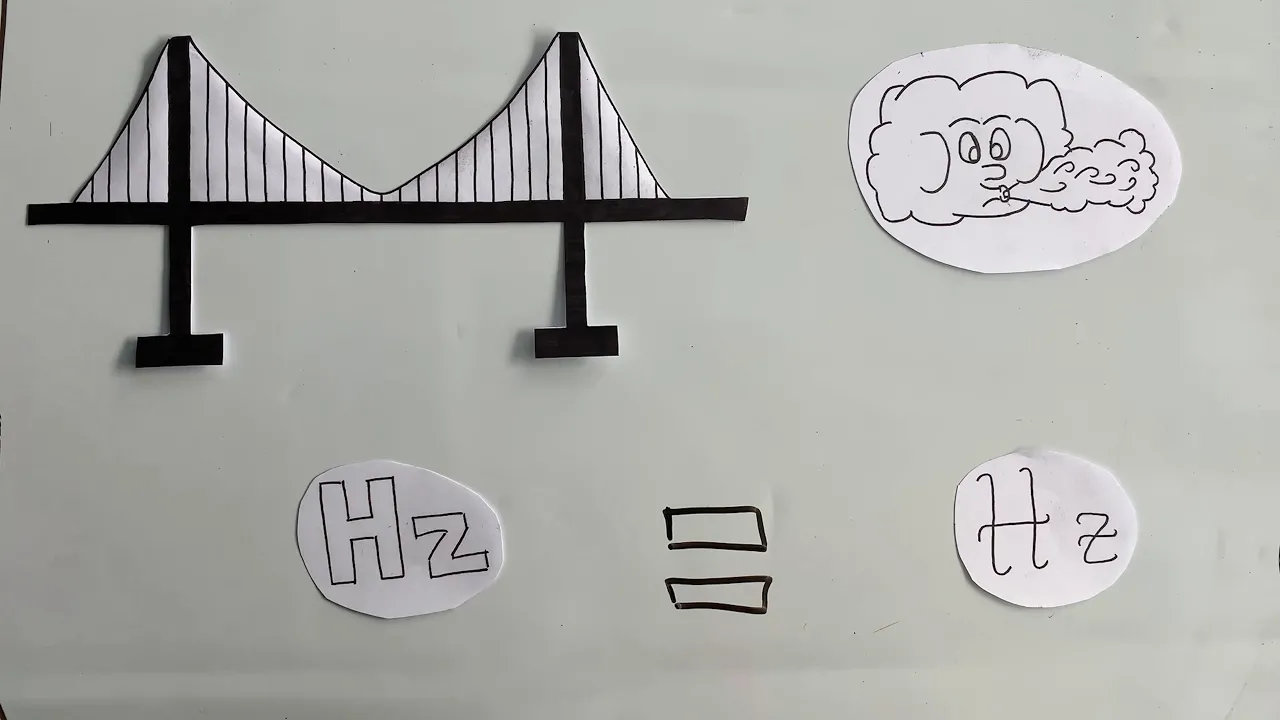
Study of dynamic loading, resonance, and aeroelastic flutter (e.g., the Tacoma Narrows Bridge failure).
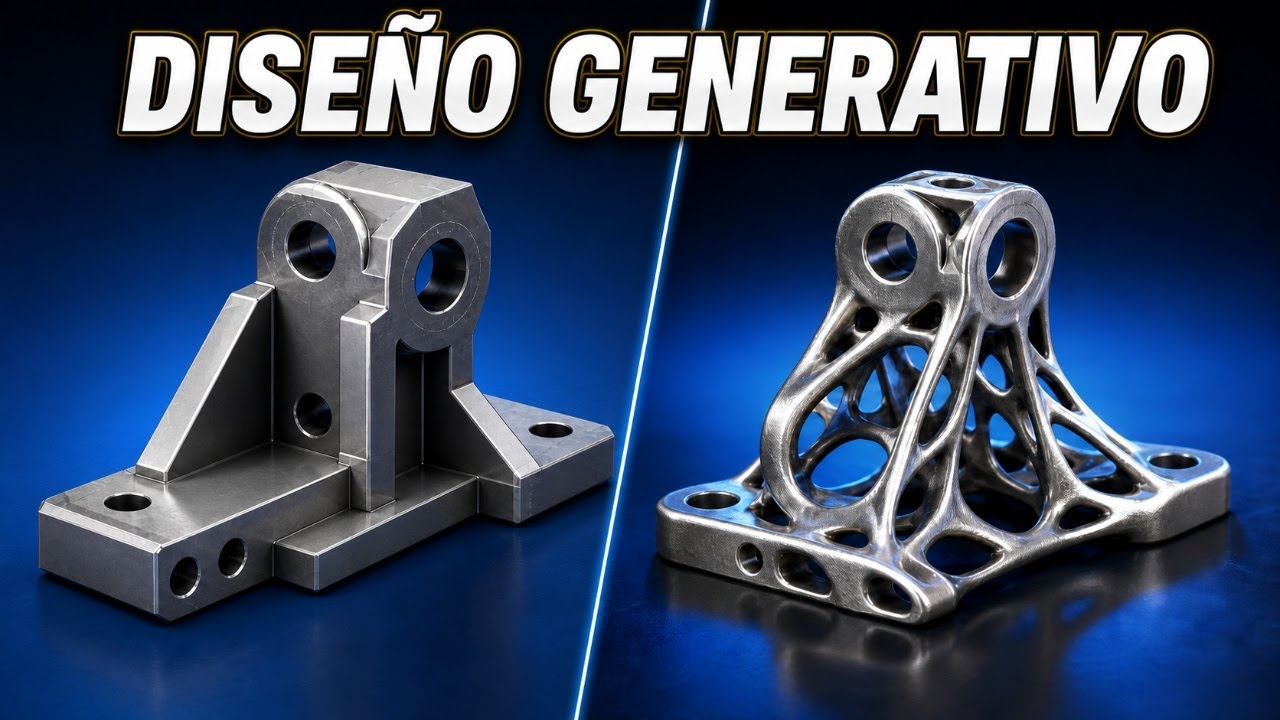
Introduction to generative design and optimization algorithms used in modern civil and mechanical engineering.
618.8K views20.6Klikes27:14Original Release: 2023-01-26
[Music] mattresses hello fellow engineers and welcome back to Polly bridge now we are on a secret Quest if we go into Workshop we click this little icon down here look how well hidden it is fair play we unlock the poly Bridge classic world so we basically get a whole new game inside of a game we're currently on world 4 ancient ruins we've got to do the cross jump for 11. so let's get into it so this level looks easy enough we got taxi on that side that's got some fat horsepower 30 meters per second squared and as pretty much the same thing for the camp van over there as the name implies we're gonna have to do a cross jump here because if we press play you can see they've yeah they got speed so campervan has to end up at that flag whereas taxis got to end up down there so I think first off I'm actually I'm tempted to build this might be sacrilege I'm tempted to build a bridge you know like actually go the whole way across although with anchors there perhaps perhaps I'd rather do something like that I just want to see for now like how much speed they actually have how far they can fly so I've just trust that up I'm sort of thinking if I do a bit of rope to hold that up and that might hold okay maybe not if we just make these triangles bigger that makes our trust stronger because all the forces are being shared a bit more equally so let's see has that made it okay ignore me what if we come down here then we do that so we've added a wall brace so essentially the force rather than okay it still didn't work all right it's not this I'm building our steel I'll keep the wall bracing as well I still broke oh come on game right the Rope break this time tell you what then if I make a rope muscle yes it made it it made it and oh I actually made it okay so that made it properly made it question is can we get the taxi to jump over because remember it's got to end up down there so it can't land on that platform and it can't hit our Bridge so if we basically try and do the same poo I was gonna say if we basically try to do the same thing it should be fine yeah unfortunately we need to we need to tweak this a bit so let's bring this one down and hope that that goes under oh no well here we need to find the Fine Line oh between not hitting that one but not hitting this bridge either so it's a little bit of tweaking until finally they just miss and then that one makes it and the taxi does a forward roll to make it as well uh we did break and we spent just under 20 grand I saw this I'm putting a bit of Road up there in an attempt to slow this taxi down I've got my two crappy crappy jumps blue it worked it worked oh thank you terrible let me just see what goes red oh that bit of road goes very red and I'm sort of wondering if I delete that could I replace with there and there yeah okay so that's cheaper way of doing that do I actually need these end ones yes on that side no on that side apparently now to trim this down so I'm pretty sure I can probably get rid of that completely and replace with a wooden one now apparently that makes that makes this rope snap see things to remember during bridge building whatever your effect could have a negative effect on something quite far away that you wouldn't really expect yeah so even making that a smaller truss is just not good right and then just going around I'm just gonna try replacing everything with wood that I can you know so that's looking pretty good I could probably make them a little bit smaller but I think that's fine by the way in case you're wondering what's going on there I've got a tiny little spring there because I noticed if this bit of rude was attached then as you can see here it completely evaporates but uh by putting that in we've basically got like a little expansion joint as the camper van goes on there's a bit of movement but in terms of the bridge it's way stronger yeah let's finish there 14 500 quid and let's have a look in the gallery to see where we placed so oh we're on the first page we are on the first page so the cheapest one is this oh it's cheesing of course it's cheesing the cheapest one without breaking is this one DMF Chavez uh how what so that's just super fair play you must have the patience of a saint uh just super super efficient Bridges and a perfect jump there uh this one oh look look oh they jump onto the top so then there's no cross jump going on it's just a high jump and a low jump let's watch that again so you can see that gets us onto there that's really clever fair play now this person went all rope for that bridge uh this one ended up costing more than mine actually and what is that at the what's that at the start does that oh it slows the car down I thought about doing that as well that's what made droppy bit of road was for and to basically try and reduce the cross jumpness they used a bit more money to make that how was that bridge steady up what is that they've got like an underarch in ropes that's completely intention and the bridge is just resting on nodes on it that's a bit of a a bit of an optical illusion as to how that works fairly right let's go to the last page my favorite page oh yes we've infected this one boys we've infected this a saucy is me and a knob and my head which you could also call a knob but oh me again and another dog it's just raining knobs it's raining knobs hallelujah it's raining knobs I feel like someone's gonna clip that and it's gonna be taken really out of context anyway Fair Play Wicked Bridge we've got this one by YouTube Ouija go check out his YouTube channel I'm sure he's got one whoa he's got RC and a massive knob and there's just knobs everywhere uh Nice Bridge efficient use of engineering there we've got this our Nifty is back don't forget use code engineer to get 10 off your next Nifty order Nifty an engineer's favorite tea um in terms of his Bridge though he did like oh my goodness that's a loss of bridge oh there's a knob at the end as well and then there's this one which what is going on at that end ice what what what was all that I don't really I think this person struggled like I did to be fair yeah this one I'm not building a jump I'm building two Bridges Fair Place bass now they did slow down the camper van there just to ensure only one vehicle's on the bridge therefore you can make it weaker and we got this beautiful done done by the best pool ever oh that's like bendy this guy who really loves rope because he was a gamer boy he said I'm using rope boy and then this one which looks like one of those finger traps like if you put a finger on either end you're not guessing that out ever don't put anything else in there right let's go to the next level oh this is my cup of tea this one a steel Arch Bridge this is called so basically we're gonna get a bus over here which weighs 8.5 polygrams over to that side and it's it's a very large span to be fair probably the biggest one we've done so far in this game and I feel like we've got a lot of solutions as to how we can do this I feel like most of them they're probably just gonna have a straight road so let's use our line tool and then use the power of engineering to Boom the road in like that so it's a 36 meter span this and then I feel like we can go lots of different routes the question will be what is the cheapest way of doing this so first we as it's called steel arch bridge I'm thinking we go back to line tool we make it curved and then we plop that in that's probably too high but sure it'd be fine if we bring it down slightly so I'm thinking for this probably use steel as it says and I I want to put a node basically in between each node of the road so I'm going like there uh like that now in this game you sort of you want to build symmetrically so I'm going to delete all of that side and next I'm going to do another Arch and I'm going to lower this one underneath here something like that I think so then I can just do trusses like that and I'm I'm making sure that my point is in line with the road node beneath and then I'll get rid of the line I'll just do this one by hand so I'm thinking we go down to there and then basically you just want to join all these together put some vertical cables in so basically the road is going to be dangling from our Arch above and then if we copy this and mirror it we can then shove it over there boost put the Keystone or the key beam them and then we've made a bridge for 75 grand it might need tweaking so let's see how we get on stress pretty high actually telling me we might need a bigger Arch you can see the stress moving as it moves on actually it's completely fine you've done it wait wait no there's no Road at the end where's the new road at the end why did that bit of Road explode I think that's probably because this bridge is so big we probably need like an expansion joint just because yeah I think where where we're connected this Arch to the road I think the movement of it is doing bad things so if I just I don't know I could just probably flop that on top like over there because now we're not we're not connected let's just turn the stress off this time so yeah look it's just it's just flopped on top now hopefully that has the strength to get over that so over the top nice so 75 grand we did that for the question is is there a better way so we get rid of all that and for this time we turn the Grid on and we we go back to trusses now there's no boats on this one so I feel like we may as well trust underneath uh just purely because then we can use like wall braces so if we trust like this we can watch this with the stress on so you can see as it gets to the middle the stress is going up and up and the roads burst and I feel like we could probably replace the two end pieces with reinforced Road and then see how the stress does this time or it's looking good that stress is climbing though it's climbing oh I got to 100 and then exploded now what's actually happening in terms of forces basically if you think of this like a bar as the weight comes along the middle imagine like a finger pushing down this bottom side is being stretched so essentially what we've made here is a tension bridge and I haven't even haven't even made use of the of the wall braces so actually what I'm thinking of doing is just if I cut that and then shove it on top steel should work better in compression than tension in this game or it might be the same I think it's exactly the same actually okay so we got two choices now I want to stay under 75 grand the the most obvious thing to me would be to reinforce the top essentially so I could literally replace that with like a steel muscle it may as well put wood in the middle as well make it a little bit smaller so that goes up to oh I just about broke I thought we're gonna make that we may want to swap another one with a muscle there now there you go across the middle where we haven't exploded so we're all good I mean we could actually make this a little bit more efficient by just bringing those end pieces down so yeah there you go we've done this one for 69 Grand nice but can we go cheaper so what I'm thinking we we get rid of all of that and we try and do a tension bridge now if we go back to normal road we might have to do everything in reinforced but essentially it's what we had before yeah but we're gonna try and use rope now I'm thinking if we do an arch underneath probably like that and then if we just do verse cool wood down to where we intersect that line then we end up with that and then if we rope in between these basically we're putting all of the weight of the bridge and all the forces onto this single rope so if we press play it completely dies instantly um so what I would do here is replace with cable but we add a point lower down then we can use that so we're putting it more of the weight onto that bit we can also probably rape that as well um I've made all of this road reinforced we're still freaking instantly so what I'm thinking actually if I get rid of this first curve and instead trust underneath like that all right so now I've ended up with this I've just put some rope muscles on top of the Rope there I wonder if can I get rid of the the original route yeah so there we go we've got that question is will school bus e go underwater yes it will but if we delete like those two end pieces and then rope along these up to the middle point we know that these are mainly going to be in tension so now we've just made that bit of that beam a lot stronger in the force it was breaking in so oh that was so close that was actually so close so what broke that broke okay what if I just put one bit of Steel in there now you can see now these they're going not as red as before so if we get to the middle which we have okay so we just replaced that with that with steel think this should actually do it so basically for this bridge we've learned that putting trust is underneath the working tension we know that rope is better in tension than wood and steel so we've just tried to take advantage of that and it looks like we've done it we've got to the other side 57 Grand I probably could spend time tweaking it but I really want to get to the gallery so let's see where we are 57 Grand sorted by budget oh no we're on the third page we're on the third page hang on a second that's my bridge how did they get it cheaper than I did I think rather than the Rope muscles they did they did ropes further up I guess anyway whoa what is that what is that okay so this is what I like to call a dodgy ass Bridge so basically we've got this Arch but if you look it's not actually like it's not secure at all the bridge underneath is hanging by wires which means it's constantly in tension which means it can't move anywhere but uh for example viewer to come along and like I don't know load one side more than the other then this thing is gonna collapse that is terrifying but very cool fair play a similar sort of principle on this one they've just used a lot more cable to try and keep it more secure decent now let's go to the first page and see the cheapest solution oh wow fair play Dusty that is 34 Grand so this one we we have a strong steel core of like an under than an overarch yeah then we just use the smallest trusses we can to attach everything to it fair play now this one's pretty similar but they tried to do the road in an arch because obviously that will give it a little bit of strength as well it looks like basically to make the strongest bridge this time it's it's keeping everything in compression rather than tension now the cheapest tension bridge is this one 36 Grand uh sort of looks like a FaceTime oh what I could have done that 49 Grand so basically you know I put that thing in the middle that the tension rope held on if I just made that a bit lower that reduces the forces everywhere and looks like they've got away with not using rope muscles there just single ropes and therefore a lot cheaper fair play clever now let's go to the last page though my favorite page let's see what we have here oh man I I feel like I've affected most of them if we go to the page before yeah we've infected this page as well definitely infected that one um sort of abstract but definitely infected this one this one we've got like the arch I did first off but with some counterweights hanging underneath this one yeah it's got my name and then hello oh my goodness this one the touching tips of nifty uh very very strong solution there actually I'm not even lying either look at the maxtress 62 that is an efficient Bridge uh this one another counterweight that's in the water to add a bit of buoyancy to the bridge that's very very clever and this one oh we've got a massive Arch and oh look RC is that a plane falling oh they're like having a dog fight that's so cool is that oh no that's me being chased by The Architects they're shooting me down that was really cool fair play um I think this one sort of speaks for itself as I said the lower your tension goes the more efficient it will be this one rce and a knob that's like the the messiest truss I've ever seen fair play date right next one we've got Aussie made us like this what do you mean I cannot take responsibility for for all the efficient engineering going on I would love to because it's very very efficient but I should not be oh my God it's spinning it's spinning oh see hi hello train pro9 and then the final one oh there's no knobs on that oh no there is there there really is a darts boy right well that was a really really fun level let's go on to the next one oh the double dangle I wonder what we'll see in the gallery on this one anyway on this we've got two balloons up the top and we've only got eight pieces of road we got six bits of rope and there's no nodes down here so if we go to that first point I imagine will eight roads get us across completely yes that's all of our road on so we can't really do anything else apart from that yeah we just need to find an efficient way of dangling so essentially I think we just want to trust it up as best we can and then just dangle straight down that seems like the the most sensible way of doing this whether that'll be strong enough we can see with the force how good will oh we've actually done it we've done it first try so 13 400 I could I could make it cheaper and stuff but let's just get straight to the gallery we're all about the gallery here today oh man I'm nearly on the first page though yeah let's have a look at the cheapest way of doing oh my goodness it's a trapeze it's a trapeze have you ever seen a lorry trapeze well now you have uh this is the cheapest non-breaking solution though just very very efficient engineering you can see they've used wood and rope there because that is cheaper than using the actual material rope and so that holds the bridge up very very nice now this one's quite clever as well they've combined the two and then just got a single rope dangling down again it's all wood so very very cheap uh let's head to the last page though for the double dangle it's the double dangle now we got high rce thank you oh we do have the double dangle as well it's too detailed you gotta sense of that editor that one's too detailed yeah this one it's got my name falling down and then just almost like a pyramid of trust there yeah we got the double dangle over a normal bridge now you would think like they've just they've just been very rude there possibly that's the product of architecture they're not doing anything it's just visual no they're actually directional signs so if you're on this side you can see I need to go that way to get to where I'm going if you're on this side you look up there like I need to go that way together where I'm going look at that oh it even rolls the left nut rolls we've made full use of the balloons here very nice and this one we're just we're just dangling because we can right and now we have a hydraulic level it wouldn't be a poly Bridge episode without a hydraulic level for me to struggle at this one is 414 it's called Skipper and looking at this I think the boat and the first taxi go so first off let's just build oh it doesn't reach okay we'll use this tool to get rude in at an equal spacing we're just gonna go super super cheap trusses actually I won can I do this like the cheese way right so I think that should work it's like it's we've locked into the side so we've spent three grand of our 16 Grand budget all right holds a taxi as well so that taxi stops there okay so then we've got to get taxi C over taxi a and across this side now it looks like the game sort of it once you it's put a platform up there it wants you to go up there I feel like I'm better than that so I think what I want to do I sort of want to build like a ramp over the taxi so I don't know how steep it will have to be for the taxi to get up but perhaps we could do yeah if we did something like that so let's copy this over to there we know it stops about there so I think we wanna we want that to start and about that height and we just want it to drop we don't have a hydraulic controller so I can't put joints in and just make it drop I will have to use a hydraulic so if I just trust that together and then actually maybe I can maybe I can can I just will that work so that's dangling there taxi goes underneath and then that should drop right yes but it's facing the wrong way that ramp is not gonna work yeah I could joint it there then that should fall a lot better in terms of being a ramp ready boost there it is now we've just gotta hope the taxi can get up there so yeah not not really I actually actually better idea better idea what if I just can't flap it as long as we're that height we should be above the taxi so essentially I just want to do a ramp like that then if I trust that bit I can hinge it there so I want to lock that in place like that and then I want this to start like far away so if I cut that and then rotate so that could probably start like there and then I can just hydraulic it down let me just say expand I don't know we'll try Max for now then we just want that to end up on that node so they lock together oh perfect perfect and then will that fit above it drives over yes yes okay Landing not great but we're pretty much nearly there I think I now just need to do a bridge over this that starts out the way and then the hydraulic lowers it down so we put the road who who comes up with that span 6.25 definitely a product of architecture this bridge anyway we start with that I think we'll we will trust this one properly just because it's gonna be it's gonna have to support itself and then essentially you grab the whole thing we cut it we rotate it to where we want it to start which is just out the way like there and then perhaps we can hydraulic over to that and say expand right and then I might have done this it's probably a way that you're not gonna see in the gallery but uh seems the easiest way to meet oh actually oh hang on hang on Why didn't it lock in that time why did that joint not lock in this time lock lock Oh Why didn't it lock I better tweaking oh I just missed it I'll tell you why this isn't working now it's because I've attached something to that it's sort of all become one structure and I'm not gonna lie a little bit annoying I'm gonna have to use some incredible engineering and Mathematics to try and work this in the right place I'm not just trial and erroring until it does work I'm literally I'm doing maths and equations uh probably Beyond Comprehension for most of you and but those in the engineering business they will they'll see clearly what I'm doing here and they know what sort of equations I'm using and perhaps even they might learn something from this but we will get it back to a point where it locks in just just be patient with me ah there we go there we go oh I forgot about that bit all right so this end I think we're just gonna We Are Gonna cat flap it with a bit of rope because I think does oh no the other car doesn't need to come out again okay on which case I'm sort of wondering can I can I just get rid of that because then it can just it can just drive down once I've mapped this back into the right place all right so after lots and lots of tweaking I mean engineering we came up with this so I've sort of got a permanent Road under there I've had to put like a little bit in there you'll see why because basically as this taxi comes and drives over as it was flopping down it kept doing a forward roll and then it would get stuck now it does just about if you're patient make it onto our bridge where it doesn't actually make it up however we can actually lower this bridge by moving that point down like no maybe to there won't be as strong but it will go further so if we just fast forward balls well what I can do instead is attach the hydraulic to that point because that's a lot further which means we'll expand longer and that's never a bad thing okay so we're much lower now so it should drive up there easily damn it I feel like everything I gained about hydraulic knowledge I've now lost all right that's breaking because that is not strong enough I have an idea though right so I've made a contraption that lowers the bridge into a point there so the road flaps down now it's flat and secure that is strong I've got Steel in there with 15 quid under budget let's see how it gets oh get hydraulics actually actually I've just I've just had a thought why am I why am I hydraulicing this end delete all that and then we'll just go from here like over to there right why why haven't I been doing oh why haven't I been doing this all right so we've just made that now which means as this comes up there all we've done we've just made a flap so that goes across and then it should drop down if it's strong enough oh so close all right we're on 12 Grand so I literally I've been doing this for so long it's embarrassing now so I'm just literally gonna I'm gonna muscle over to that so that should give us loads and loads of strength we should be fine if this breaks I will you can call me an architect let's put it that way I'm very confident this will work um it's just where the car will land on its Wheels I hate you what why just anyway just for banter I've replaced that bit of the muscle with Road just to see oh I mean we got across it it annihilated the bridge I need I need to fix that right fine we'll add another bit of road now even if it does land upside down it will land on the flag boost oh okay hydraulic levels man I don't get on with them 14 500 I imagine We're not gonna be on the first page no oh to be fair to be fair to be fair to be fair or to be fair we're only just in the bottom half and looks like everyone on this page as well they did it the proper way they used the platform in the middle although actually that person this person did similar to me I think oh they did a drawbridge on the end that's quite cool anyway cheapest solution is this so yeah just very very efficient drawbridge and that yeah you literally drive over the taxi you don't need to put Road on it just use the use the taxi as the road and this one's surprisingly cheap considering there's a lot of Road there but yeah again it's you got to make use of the platform it's why it's there Matt it's why it's there anyway final page did anyone have fun on this one oh look at that Architects love knob suckers I like this person kedimos I like it uh Joseph oh he's done a nice part that's nice this one what is this what is going on in there I can't even see what that is or is that RC I think it says rce nice this one definitely says rce and we've also we have some efficient engineering on the bridge on the left there's also there's lots of cable going on here um but yeah that seems to work very well nice one this one we've got bold rce there are no italics yet it seems yeah what is this is this Carnage or is this clever oh it's clever it's clever okay I can never tell like when I look at hydraulic Bridges if it's like a mess like I've done that's been trial and errored or if it's actually genius this one again not too con I'm still not convinced what it is after watching it either um and then this one oh I hate that peep can like put that much efficient engineering into a design um and I I can barely scrape through so fair play decent work next time we're on ups and downs and there's a lot of hydraulics to happen here so I cannot do that today I'll have to do some training Rocky Style [Music] anyway I hope you guys enjoyed push like button if you did I'll catch you guys next time peace love and Architects love knob bye
Up Next

24:56
Van Life UK: Storm Survival, Ironbridge History, and Local Encounters | Travel Vlog
@theexPAWers
84.1K views•2022-02-24

26:22
Walking in the City: Urban Rituals and the Flâneur in Contemporary India
@PSBTIndia
1.9K views•2016-08-02

9:49
FastAPI vs Flask vs Django: Choosing the Right Python Web Framework
@TechWithTim
302.5K views•2024-05-26

1:42
Game of Thrones Opening Credits: A Cinematic Analysis
@gameofthrones
46.3M views•2011-04-18
Related Study Plans & Knowledge Roadmaps
Structured learning paths in General & Interdisciplinary Studies
general-studies
Artificial Light: History, Tech & Human Impact
01The Pre-Electric Era: Fire, Oil, and Gas Lighting
02The Incandescent Revolution and Grid Electrification
03Gas Discharge and Fluorescent Illumination
+ 3 more learning modules
14h6 modules
Explore Roadmap
general-studies
Elevator Engineering: History, Physics & Cities
01From Hoists to Safety Brakes: The Dawn of Vertical Lift
02Hydraulic vs. Traction: The Engineering Physics of Elevators
03Modern Speed, Safety, and Algorithms
+ 2 more learning modules
12h5 modules
Explore Roadmap
general-studies
Rubber: Material Science, History & Geopolitics
01Origins of Natural Rubber & Mesoamerican History
02The Chemistry of Natural Rubber & Vulcanization
03The Geopolitics of the Rubber Boom & Colonization
+ 2 more learning modules
12h5 modules
Explore Roadmap
general-studies
Containerization: Evolution, Logistics & Trade
01Ancient Trade & Bulk Cargo: Amphorae to Barrels
02The Industrial Revolution & Cardboard Packaging
03The Containerization Revolution: Malcom McLean
+ 2 more learning modules
12h5 modules
Explore Roadmap