










![Cara Kerja Obat Sistem Saraf Pusat [Farmakologi]](https://i.ytimg.com/vi/rHuI1RTM5yI/maxresdefault.jpg)
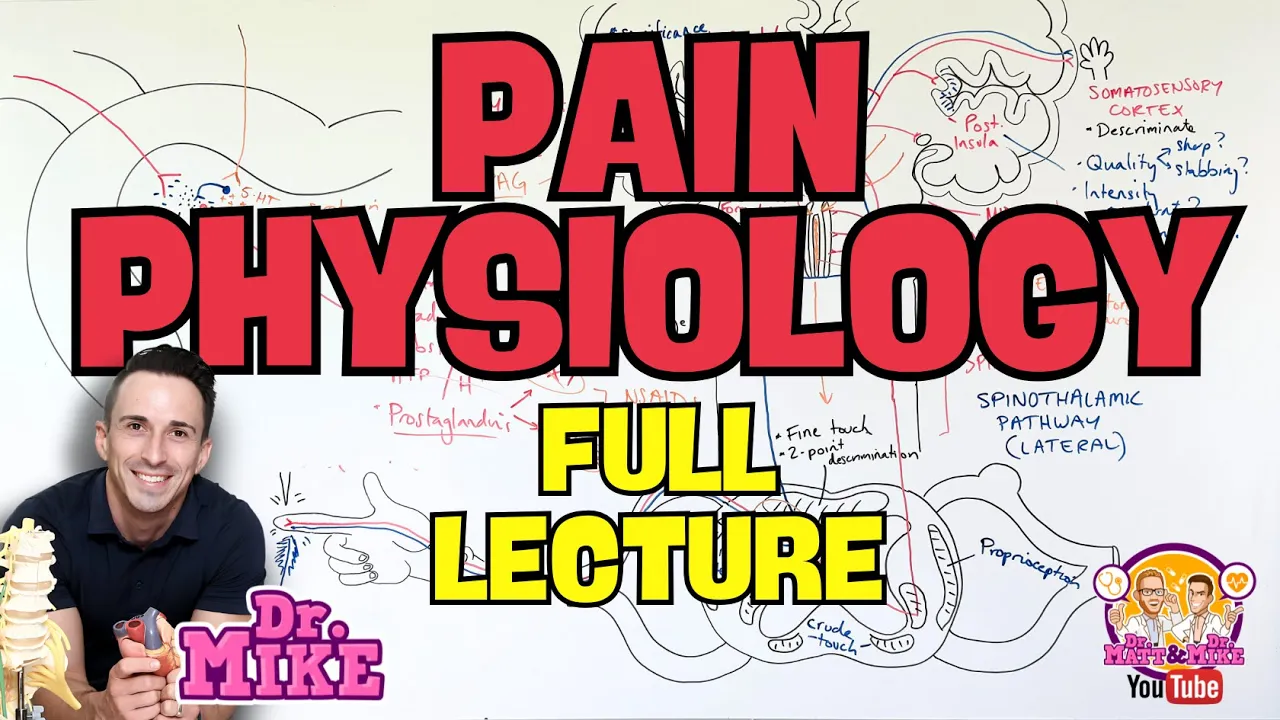



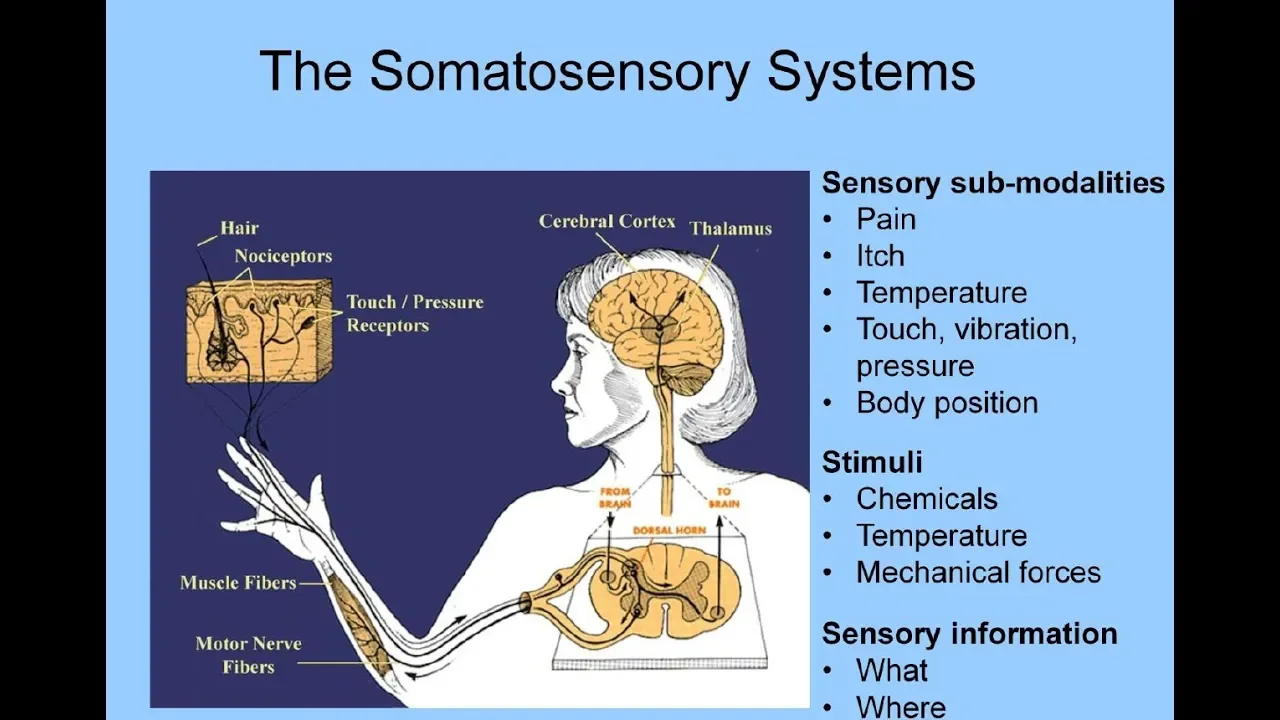
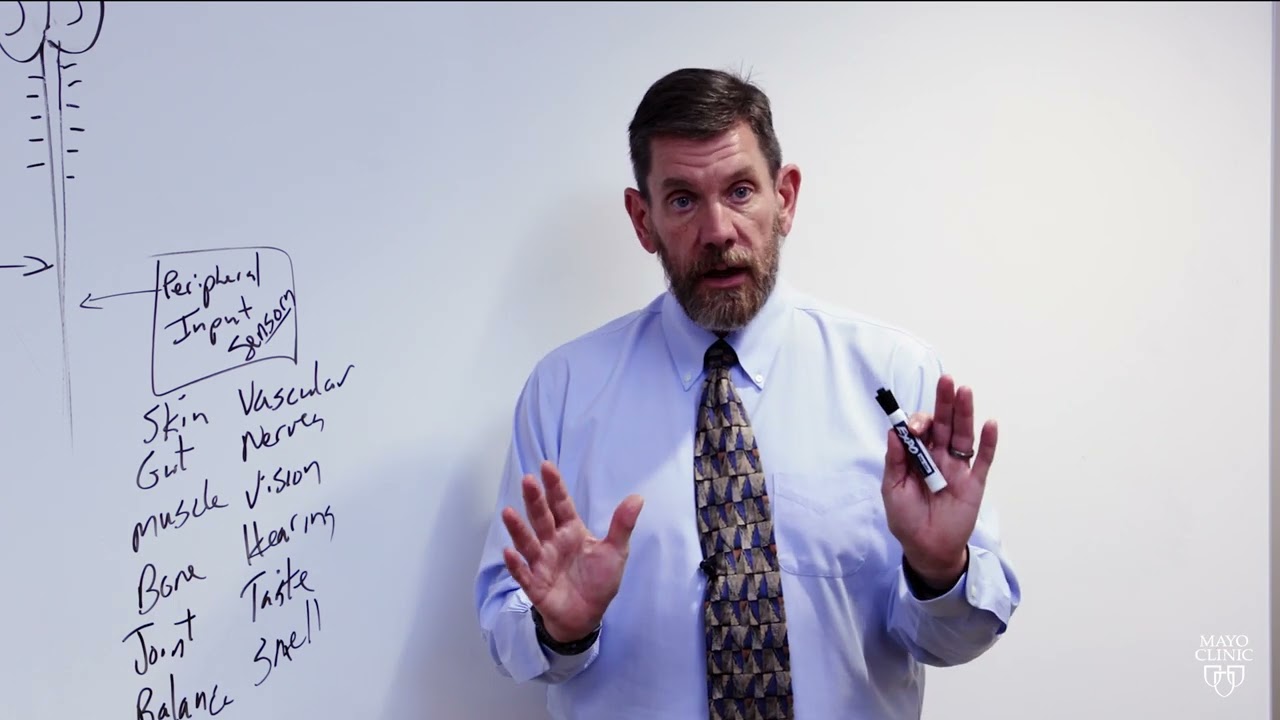
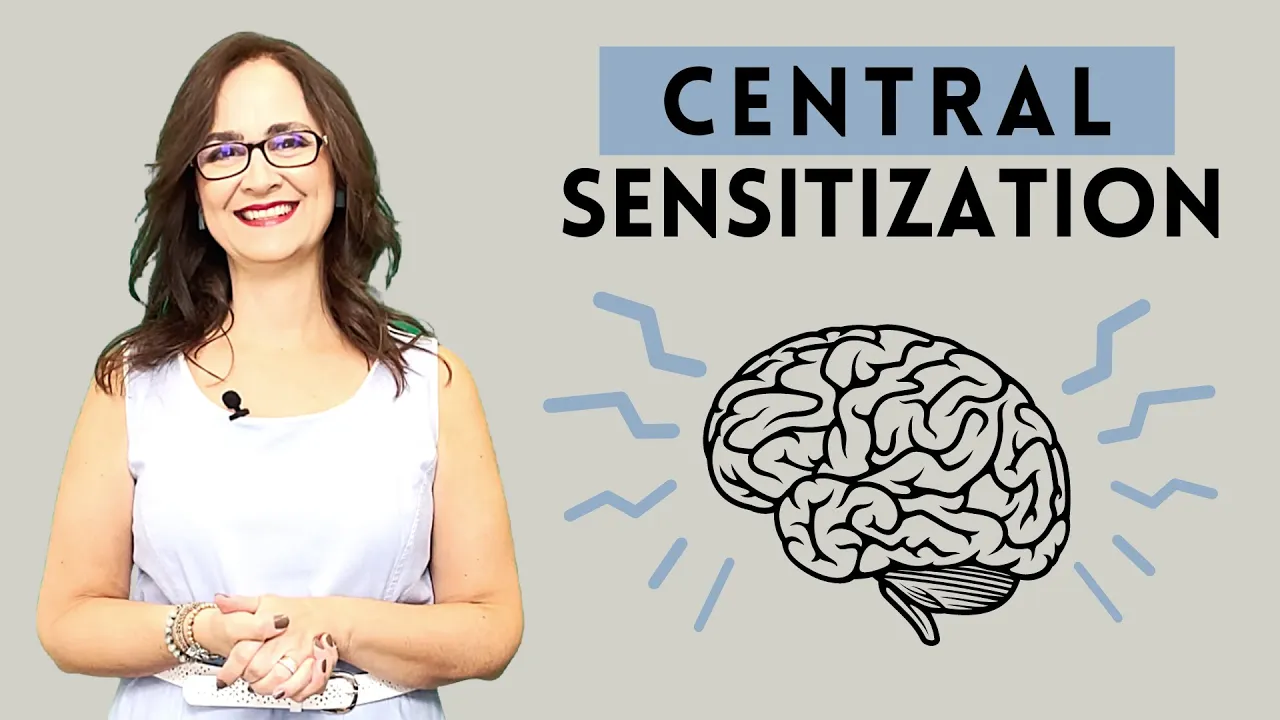
Pain is not merely a direct response to harmful stimuli but a complex perception generated by the brain that involves sensory-discriminative features (where and what type of pain), emotional components (how unpleasant it feels), and cognitive elements (context and meaning). Chronic pain arises when the nervous system develops maladaptive changes—central sensitization—that amplify pain signals beyond their protective purpose, transforming normally innocuous stimuli into painful experiences. This understanding reframes chronic pain as a disease of the nervous system rather than simply a symptom of underlying conditions, and explains why treatments targeting the brain's pain-modulating systems (like opioids, antidepressants, and psychological interventions) can be effective, while also highlighting the importance of addressing the whole person in pain management.
Understanding Pain and the Brain | Neuroscience Lecture
Added:[Music] n [Music] good evening everybody and um welcome back for those um who have been here before and welcome to the newcomers tonight um I'm very excited about the talk tonight um for many reasons um during the organization our speaker tonight uh Dr bbom is a very busy man and it proved very difficult to fit him in but with um shuffling things around we managed and it's really discour is not complete with um without his talk and I'm sure after tonight you will agree with me um Dr basbo used to run miniat himself so he knows all about it so you can actually read all the details um about his training in your little hand um the hand um out but really I think um the excitement I feel tonight is that we are here here um having the opportunity to listen to the world's expert in pain it's really um Dr bbom also lectures um to the students the students um adore his lectures to keep it nonpersonal and um Dr bbom is also very well respected by his peers and if you in the biography jump to the last line that's illustrated by the fact that he was elected into the Institute of medicine that's a really um enormous of achievement also elected into the Academy of Arts and Sciences and elected as a a fellow of the Royal College in England and really anybody who can achieve just one of those three has made a significant impact in the field and somehow Dr Bas bom has done all three of those so I think I feel really PR privileged to be listening to his talk tonight and I really don't want to take up any more of your time so welcome thank you Mar that was quite an introduction uh it's fun to be here it's fun to come back to MiniMed uh as ma said I did organize it years ago and I thought it was time to turn it over to someone else and but it's fun to be back uh we used to meet in Cole Hall but they're renovating it and we're optimistic it's going to look good but this is a nice room so welcome everyone um I'm going to try to be cover a lot tonight to teach so I like to begin with this slide which illustrates really what the big problem is I am not going to talk about acute pain very much it's not very important this is what's important this was a slide um that I I made from a you can see 2001 this is about uh gentleman who was dying of cancer uh and as many of you know unfortunately uh that is associated with chronic pain severe pain um but you do your best to treat it and you use narcotics and we'll talk about how narcotics work well in this particular instance the person was sent home the individual was sent home and for reasons that I cannot understand I the chronicle reporter called me we were talking about it the individual was given Tylenol Codine Codine now Codine is an opiate it's a you know modification morphine but it's not very strong and the individual died as was expected but in a lot of pain the family sued first time that ever happened and uh they were awarded in this case a million and a half dollars that was 2001 the most they could award it'll H it'll be a lot worse what is the the lesson here the lesson is very very important and it's really the bottom line is that you you can't see pain you don't know what anybody's pain is and unfortunately if you think you know what it is you tend to underestimate it's hard enough to assess your own pain let Al and someone else's and to illustrate how difficult the problem is what I want everyone to how many people have had experienced pain okay all right how many people have experienced really intense pain that was really now I know why you came okay now I want you to close your eyes and I want you to re-experience that pain can you do it and you wonder it was so profound it was so profound it influenced your life probably disrupted your life and yet you can't even reproduce it but you can close your eyes and think of your first love and get that warm good feeling pain you can't do it it's so complex and that's what I'm going to try to explain to you how it's so complex how we try to understand it what's some of the basic biology is and more importantly how do we treat it because there's lots of ways to do it now Pain's not all bad all right here is a boy uh who has what's called congenital insensitivity to pain this is somebody who has a mutation in a gene and never feels pain never experiences pain now as many of you know acute pain is a signal it's a warning signal it says something is wrong you may have broken a limb you might bite your lips or whatever happened and you stop and you learn so acute pain is important and to have a drug that would eliminate all acute and chronic pain would be bad all right uh just for the record there's a new Gene that was identified literally just came out 3 months ago a Pakistani family uh and it turn out the way they found found them these kids were firew Walkers and they just never responded um and they identified at the Gene and the drug companies are hot on that Gene because the hope is you can develop a drug to Target it and control it we'll see but chronic pain is the problem acute pain is important some of the features that I'm going to talk about first thing pain is not a stimulus everyone say that was a painful stimulus well I used that term and people use it there's no such thing as painful stimuli as you'll see pains in the brain it's a perception and what's special about pain it's not just something that's an intense stimulus that might produce tissue injury pain has what we call sensory discriminative features it has it localizes to a certain part of the body it has certain intensity of course it might be thermal it might be mechanical it might be produced by chem a chemical that's just one aspect of what produces pain that's the stimulus what's key in my mind is that it has an effective or emotional component to the experience in other words it MO moates you all right if it if there is no emotional component to the experience in my mind it's not pain it's just saying yeah that's intense there actually are syndromes people with brain lesions who have what's called Lael indifference the beautiful indifference where literally they it's say oh yeah that's that really hurts yeah it's very intense sure sure I'm going to go on reading just nothing just Blank Stare nothing in my mind it's not pain and then of course there's a cognitive component and what I mean by that is the context in which you experience experience the injury or the stimulus will make a big difference the football player who's playing and doesn't realize it because of the game the woman who went through Lamas all right I'm not suggesting that Lamas eliminates pain I wouldn't dare say that with an audience that's mostly made up of women uh but it can reduce the pain it can help same stimulus two women with exactly the same stimulus but two different pain experiences all right somebody wants the baby somebody doesn't want the baby it will make a difference so pain is much more than just the stimulus and that's one of the reasons why it becomes very difficult to measure because it's a subjective experience you can't see it if somebody is paralyzed you can relate to that you can pretend you're paralyzed you can pretend you're blind you can even pretend you have Parkinson's you can have a Tremor you can walk slowly but you can't how do you how do you pretend you have somebody's pain you can't do you can't even reproduce your own pain you can't see it and so it becomes difficult to measure but this is actually interesting and important we use very simple tools and this is now a requirement in the hospital amazingly only recently how many people remember when they were in the hospital and something started to hurt and you kept pressing the button until somebody would show up and they say what's the matter he said well the Pain's back and they might give you something and they go away and then you keep pressing and they come back an hour later well can't doesn't work that way anymore it's now a law that the individual whether it's a nurse or physician on a regular basis must come in take take your blood pressure respiration and say how much pain do you have and they use What's called the visual analog scale which goes from zero no pain to 100 and the important thing to understand about this it actually works it's very effective but if you sir say my pain is 70 and you say 70 it doesn't mean you have the same pain it's irrelevant what it means is you started off you came into the hospital with a 70 and we gave you some drugs and now we ask you to are you say 40 aha you went from 70 to 10 probably gave you too much drugs but it worked all right the difference and it's very effective if you have surgery and you have posttop pain and you're so something going from a 20 to a 70 I can actually scale it and the scaling so it's very important what do you do with kids well then you use what something called the oucher scale children you can look at their face and try to imagine how much pain they have and it correlates or their cries or you can ask the kids to point to the pictures how much pain do you have that's not good all right but you give this child some drug a pain medication and drop them down to here you've done something useful and you actually have some measure so it's difficult but it can be done now clinical pain this is the important thing I said acute pain it's a it's a signal we need to know about it but it's really not clinically relevant there are two types of clinical pain I'm going to teach you about what we call no susceptive or better call it tissue injury pain with inflammation this is the thing we're all used to aches and pains back pain arthritis is the most common where joints muscle are injured strains sprains cancer pain has tissue injury because a tumor invades tissue and then it generates pain that's one type of pain almost always ass associated with inflammation and as see you can treat it with drugs that treat inflammation not surprisingly headache is a unique kind of problem I it would take me hours to talk about it whether it's migraine or normal headache but to some extent it falls into this category now the interesting thing about this type of pain and for that matter most clinical pains patients come in and they say I have a lot of pain say they're arthritic well in fact they don't have pain what they have in almost all cases is a word that was invented not too long ago and it's stuck it's called Alodia all right it's a word worth remembering what it means is you have pain produced by normally non-painful stimuli innocuous stimul what do I mean best example sunburn all right sunburn if you don't move you're okay someone comes along and said hi and rubs your sunburn skin that hurts that's not normal shouldn't happen somebody slap s you that's where you get more pain produced by a painful stimulus person with arthritis as you'll see it hurts when you move that's not normal that's the problem that you need to treat if they don't move actually it doesn't hurt this illustrates the problem in a very nice way what the clinical problem of pain really is and it's totally arbitrarily generated what I've plotted here in a slide I borrowed from Fernando Sur in Montreal Just arbitrarily on the Y AIS I'm plotting the amount of pain arbit as a function of the intensity of the stimulus so I might be pinching very intensely and I keep increasing the pinch if I had a little machine when the stimulus enters what we call the noxious range which is really a point at which if I continued to hold it there it would produce injury it would actually produce Frank injury all right it could be a burn I could take a heated a uh something hot keep keep it there and after a while you're actually going to burn tissue that's a noxious stimulus it's painful if I increase the intensity you get more pain totally normal acute pain totally normal pain if I give this individual morphine it'll take much more stimulus to get the same amount of pain that's not very interesting it's normal pain what we need to explain what the clinical problem is and I will explain how it happens how it's generated and how to treat it is in the setting of what's called insult or injury effectively this the dose response curve for pain shifts such that now we get into a phase where an innocuous or normally not painful stimulus like just moving your fingers is now painful this we call Alodia this is the clinical problem of pain believe it or not that's the major problem people can't get around because normally non-painful things start to hurt warm temperatures hurt cool temperatures hurt moov hurts wearing clothes hurts it's very difficult to get on with your life when you have constant pain produced by the normal stimuli in which we live an example a rather intense emotive example this is somebody with severe arthritis it could be rheumatoid arthritis could be psoriatic arthritis you look at it and you say well there's tissue injury the joints are all distorted yes they are but if you ask the individual when they don't move it doesn't doesn't hurt but as soon as they try to move tie to tie their shoelaces it starts to hurt that's the problem we need to treat that's a type of chronic pain that is serious now the other major class of chronic pain which is treated by very different drugs we call neuropathic or nerve injury pain this is pain that results from damage to nerves whether there's nerves in the arms or the legs or in fact it could be nerves in the spinal cord or the brain poststroke patients have pain spinal cord injury where you see somebody who is paralyzed and it's it looks they can't walk the fact is 70% of people who have complete spinal cord injury who are in a wheelchair they have severe pain that's their big problem in fact if they'll say look doc if you can get rid of my pain I don't care if I never walk again you got to do something about my pain that's a neuropathic pain multiple sclerosis which involves nerve damage is associated with pain and there's many examples you might have heard I'll show you a picture of post herpetic neuralgia everyone knows what shingles is all right shingles is the exhauster virus it gets in and you might have an outbreak of uh vesicles on your skin in the chest or maybe in in the face in about in most people in 80% of people it'll clear up it's unpleasant it's painful but it clears up but in about 20% of people it doesn't and you get left with a nerve damage because the virus destroys some nerves in induced horrible pain post herpetic after the herpes leion neuralgia meaning pain cancer pain tumors tumors invade tissue they'll invade normal tissue and you get inflammatory pain and then they'll suddenly invade a nerve they might go into the spinal cord and you can have horrible neuropathic pain much more difficult to treat than the other type of pain we'll talk well diabetic neuropathy may be the worst maybe 30 million people 40 million people have diabetes eventually you you can end up with nerve damage and you could end up with severe uh neuropathic pain the other horrible example unfortunately is chemotherapy chemotherapy is where you're trying to kill tumor cells unfortunately the same drugs that do that will destroy nerves and can produce um neuropathies neuropathic pain so that the ways to generate chronic pain are abundant there's no reason to have chronic pain we need to do everything we can to understand it and get rid of it neuropathic pain is also associated with the fact that in uous stimuli produce pain and in the worst case it also there's often ongoing burning pain if the patient comes in and says doc my arm is burning all the time you immediately think there's some kind of nerve damage it's almost a Hallmark examples this is a woman with post herpetic neuralgia this is it's in the what we call the the trigeminal nerve division literally if I took a hair and just lightly touch the head which you have paroxysms of pain air blowing in this in the in the room from an air conditioner could set it off if it's on your chest it's hard to wear clothes so this is a severe type of pain and and unfortunately it's all too common this we call has many names reflex sympathetic distrophy you may have heard that term complex regional pain syndromes the names keep changing here's an individual who had the slightest little nerve damage the slightest problem wasn't even aware necessarily that there was some trauma and look what happened to the arm it started to swell excess hair growth the nails get glassy and this arm is an excruciating burning pain and light touch can send this person into paroxysms of pain with the slightest mildest nerve injury very difficult to treat Phantom limb pain is one of the more provocative ones everybody who loses a limb has a phantom the old days I thought these people were nuts they're not the reason why you have a phantom let's say I lost my arm is that there's a representation of the arm still in your brain as long as it's there you're going to feel your hand and people Norm Mo mostly they can move it they can control the Phantom they can move their fingers it's pretty wild um in about 20% of people the Phantom is locked in a position the nails they'll say are digging into my hand do something stop my pain Phantom limb pain you can get Phantom teeth pain any part of the body you can end up with Phantom pain very difficult to treat another neuropathic pain fortunately there ways to treat it to treat they don't always work but you never give up and I'm going to try to cover as many of these as possible as aspirin and what we call n sage and I'll explain that opiates morphine how many people think morphine is a lousy drug oh you love it we'll get into that part too all right morphine we'll talk about stimulation stimulation on the skin or stimulation in the brain we'll talk about placebos we'll talk about acupuncture and we'll talk about hypnosis all of which have a place in the treatment of pain and I'll try to tell you what works what doesn't work how I think it works and you can see if we can hopefully make everyone's lives a little better so let's begin at the beginning in the very old days and people who give pain lectures like like to go back to dayart dayart I think therefore I am same guy he wrote a lot about pain and he drew this diagram in 17th century and what he said well I like to I show this I bring it up to Modern Times okay so the fire what dayart said in French of course the fire burns foot B and they didn't know about nerves they didn't know about synapses they didn't know about any of that but he said somehow the information travels up the spinal cord and it gets to the brain and you get pain it's very simple now the sad part is I teach medical students and every you look up in any textbook and the modern neuroanatomy textbooks don't look all that different all right got to add the fire okay basically it doesn't this look like day cart in this case we've thrown in nerves and we've thrown in synapses or connections between nerves and we have nerve fibers in the arm say that get burnt the skin gets burned the information goes into the spinal cord you have a connection the information goes up to to the brain and somehow you get pain the problem is this is all about acute pain this is how you get acute pain you burn yourself you stick a needle in somebody pinches you and this works of course as I told you it's not important if indeed it were important how would we treat this problem guaranteed to work 100% of the time how take his foot away well take his foot away from fire that's one way to do it but let's assume that his foot is paralyzed and it can't move it away I want to treat this person who has chronic pain and this is the mechanism it's just the pathway to ghost through how do you treat it cut it cut it right do you agree the brain's not going to get any information if I cut it the analogy I like to draw which doesn't work with the students because I know what the hell I'm talking about is a telephone right here's a telephone and it has a wire and if you cut the wire the telephone doesn't work now I tell the medical students and they look at you with this blank face they take take out their cell phone and uh I don't know what you're talking about because there's no wires but anyway I think we understand the wire is essential for communication if indeed cutting doesn't work what it means is there is no pain pathway all right nevertheless neurosurgeons continue to cut they try because patients who have severe pain and aren't responding to drugs will seek out somebody who will offer something new and a among this is an interesting diagram of the pathway that takes information from this case the foot up to the brain and it illustrates some of the procedures in red that continue to be done whether cutting a nerve in the leg to block pain in the spinal cord if it doesn't work low do it a little higher take out areas of the brain literally chunks of Cortex or even do variation on this a frontal labotomy we all remember the 19 50s frontal labotomy well I told you that pain has an emotional component to it well somebody reasoned that I can eliminate the emotional abil the ability of this patient to experience emotions it works sort of destroy their personality at the same time but this is done and in some places it continues to be done if indeed there were a pain pathway you wouldn't need to cut it all play you just got to cut down here it would work it doesn't conclusion there's no pain pathway so what we need to understand is where does everything fall apart where does the idea of a specific pain pathway actually break down and the answer is it breaks down real early right out in your arm in your leg and I'll try to explain what's going on so let's talk a little bit about the anatomy and biology of pain so what we're looking at here I take your spinal cord which is a big long tube and I'm going to cut it like this and look at it and this is what it looks like and here's a foot and here's a nerve that's in your foot the nerve has a cell body but it has a branch that goes out to the foot and then it goes into the spinal cord where it makes a connection with a bunch of other nerves and we don't have to worry about the details that information goes out and then goes up to the brain seems so simple this is real Anatomy it's there but if we look at a peripheral nerve all right if we look at a peripheral nerve we find that they're all different size nerve fibers they're not all the same and if we look at them this is one example of what a peripheral nerve looks like all right what you have are large fibers and you got little ones the large ones have what we call myin they conduct very quickly those are the ones the largest ones respond to light touch when you bend your fingers to hair bending they respond to innocuous non-painful stimuli the small fibers these guys and these guys respond to painful type stimuli seems so simple all right but the small fibers only respond to painful stimuli but in the setting of tissue injury they can respond to in uous stimulation so when there's injury they change their properties and how they change their properties is very clear and I'll show you how it happens and they change it such that now non-painful stimulus can hurt so let's look at example it's what we call sensitization it's happening out in the periphery so it's peripheral sensitization here's our fiber and now we've just rammed our foot against the wall or somebody drove a car over your foot and they've boosted a lot of damage they produced a lot of tissue injury in the region of that nerve fiber what happens you change the chemistry of your foot you destroy cells membranes get broken down enzymes get synthesized it's a mess everyone sees you see swelling you see redness inflammation right and there's a lot of chemistry going on and one of the key things that happens and don't worry about this name the Met students can't even remember it either you get the synthesis of a molecule called arachadonic acid there's no exam don't worry about it but what's really important is arachadonic acid gets attacked by an enzyme called cycloxygenase or as many of you know it the Cox enzyme the famous Cox enzyme and when that enzyme acts on this it produces a molecule called prostaglandins which then act right on the nerve fiber and then that lowers its threshold and now you have Alodia so that nerve fiber before would only respond to pinch and now light touch will make that nerve Fire Light touch will now produce pain before it only responded to 45° stimulation now it responds to warm bath temperature all right its threshold dropped you have pain how do you treat this how how would you treat this well let's block the Cox enzyme and you guys how many people have ever had aspirin that's all well that's what you do you use Cox inhibitors and these are nonsteroidal anti-inflammatory drugs the nides and these Cox inhibitors are aspirin IU Bren napasin they all do the same thing they're all variations on the same drug and they work they block the Cox enzyme and then of course there's the real famous Cox 2 Inhibitors and if you've been reading the newspapers you know that Cox 2 Inhibitors Vio and celibre which I happen to think are Dynamite drugs for pain they work beautifully you take one pill in the morning one a day isn't that nice unfortunately it has cardiovascular side effects and so they're off the market and your Merc Shares are worth a lot less because of that all right but it's a very good drug and we know exactly how it works and the reason why the Cox 2 Inhibitors were developed it was thought that they'd have a better side effect profile because everyone knows that one of the bad side effects of aspirin is you get you can get an ulcer it can burn a hole in your stomach it's a side effect now let's take a little bit of a sort of a side important thing side effects do not mean the drug is a lousy drug it's inherent in any drug you take the nervous system the body is very conservative it uses the same molecules over and over again so when you pop the pill the Drug's going to start going all over the place and it's going to kill Cox's enzymes everywhere it finds and I gave it this mini I love this uh I a gentleman put his hands up several years ago true story and he said Doctor um this sounds like a stupid question I said there's no stupid question he said well you know you told me about I have arthritis and I take aspirin and it it goes and it blocks the Cox enzyme and he said how does the aspirin know where to go it's brilliant because that's he was he was understanding the problem with side effects the aspirin has no idea where to go right you put it in your mouth it's going to get in your bloodstream it's going to go everywhere and if there's a Cox enzyme that you need in your stomach it's gone all right so the game if you will the goal with the development of any drug is to have lots of effect and little side effect and to the extent that they get too close together the drug becomes a real problem but don't assume right away that because there are side effects that therefore it's a lousy drug it's an important concept because something like morphine has lots of side effects the trick is to build up its effects and reduce the side effects now I talked about the small fibers and I told you those are the ones that respond to painful stimulation well what about the large fibers do they do anything do the large fibers do anything well they do not respond to painful stimuli at all I can assure you they don't we know that and the question is do they do anything well here well let's see uh it turns out that when they're active they can actually reduce pain Let's do an experiment all right everybody we walk into the kitchen and on the stove is a Hot Pot boiling water in it and you just you you're concentrating something else you walk up to it I want everybody to do this it's San Francisco we can you know we can use our imagination pick up the Hot Pot I want you to act it out what do you do all right you dropped it and then what did you do you shook your hand think about that's pretty weird I mean you just massively stimulated your hand and you burnt it and you stimulated some more so that sounds pretty dumb but why did I do well let me tell you when you shake your hand you're activating large fibers you're trying to bring in these fibers that have the capacity to block pain that works or you can rub it or you can put a vibrator on it which works or a transcutaneous electrical nerve stimulator on it you're always doing the same thing these are fancy ways of blocking of blocking pain now unfortunately some people have injury to their large fibers and then the pain gets worse let me illustrate this cold water well that what cold water does it doesn't really block the pain it lowers the temperature so that you you reduce the likelihood of producing a burn all right the longer the heat stays on the more you're going to burn tissue you reduce the temperature and in fact when you walk across hot coals I tried that once it hurts uh but I did it you walk across hot coals and I did it with some guys um I do some stupid things sometimes but it's surrounded by Cool Moss and what you're really doing is you're lowering the temperature of your feet and then you walk across and you hope you hope you pray that in fact the temperature doesn't reach the point at which you end up burning your feet before you get to the other side so what you're doing is you're lowering the temperature you're not actually blocking pain it's an interesting question so large you have small fibers they come in and cause pain if you will and you have the large fibers that come in and they can block the pain all right um so you can shake your hand you can put a vibrator on it works all right little vibrator around the area that hurts will actually help the pain uh you can put a TENS unit on that's like a $300 vibrator it's basically the same thing it's expensive transcutaneous electrical nerve stimulation or there's even a form of acupuncture that I think works that way there's some forms of acupuncture where you know you put a needle here to get pain here to block pain here in many cases you actually use the acupuncture needles in the area that hurts I think that's no different from vibration or or shaking your hand but it it works and it makes perfectly good sense what happens if you actually lose the large fibers and there are clinical conditions where that happens well I can model that all right now this is a uh someone who worked in my lab uh Dana she's now on the faculty here uh she's agreed she agreed to be on to to to get film doing this because they don't allow me to do it anymore uh and so I used to get someone from the audience to to be a subject in this experiment so let's assume that Dana has small fibers in her arm and she has large fibers in her arm and the question what happs is if I remove the large fibers and I can do that by putting this blood pressure cuff on her arm and blowing it up above systolic pressure so I block all the blood supply to the arm and the large fibers have a very high metabolic demand relative to the small fibers and they're gone large fibers by the way also make your muscles go so the arm will be paralyzed uh so you can see why maybe they don't allow me to do it anymore but it illustrates something and I've been a friend of mine said I gota got to get a new film of this because I'm 30 years younger when I did this but that's okay looks good to see um so let's see what happens and hopefully this will work takes about 5 Seconds to start so you know I put this blood pressure cuff on and then I'm going to do a simple neurologic exam let's see what happens this pie of okay so there's no response to like stimulation now let's try joint position s conscious joint position s which we know is also okay I want you to tell me whether the finger is down straight or up all right pretty good okay function is gone now I'm going to question ask relus it would activate the small fibers [Music] pretty [Music] goodly will you response okay so there really is localization but the sensation of is burning all right okay all right okay what you feel you feel sharp or little bit remember the word burning Also let's TR one more is it's ice bur burning pain okay this is a piece of ice right hold this your right burning pain produced by Ice pin prick pinch remember I said if a patient comes in and says something things burning you think nerve injury that basically models remarkably well um some of the clinical neuropathic pain syndromes if you put the cuff on somebody with a right arm neuropathic pain they'll say that's my pain now you know what it is there's no other way to appreciate it all right it's pretty dramatic and it illustrates that the pain perception is far more complex than just the nature of the stimulus so what about chronic pain couple of important things it is not merely prolonged acute pain Chron we don't mean that it just lasts a long time it's the same as acute pain as you can see that was totally different acute pain is the pin prick in the ice chronic pain completely changed the quality changed in the setting of injury it's not merely a symptom of some disease this is a take-home message yes pain is associated with cancer and pain is associated with MS and spinal cord injury but pain chronic pain is a disease itself it's a disease of the nervous system the individual who has chronic pain has a nervous system that is different from the individual that doesn't it's an altered nervous system it's a neurological problem and understanding it is something that really is critical in order to identify new ways to treat it now interestingly the public doesn't appreciate that and when someone unfortunately dies of whatever the disease and this isn't the sales p they always say give money to the such and such Foundation the disease that killed the individual they'll never say even though the person may have died in pain they'll never say give it to the pain foundation and the reason why they don't is there is none and the reason why there is none is that nobody think everyone thinks of it as a symptom but in my mind it it is really a disease and the fact is We Now understand the nature of the disease and it is really a problem of what we call Central sensitization I want to teach you a little bit about that another word for it if you will are pain memories maladaptive memories that the nervous system creates in the setting of injury and when those memories persist you end up with trouble big trouble Newsweek by the way you may have seen had an article this week on pain and they talked a little bit about this notion they didn't use these words but that's basically what they were talking about so what I'm saying is that Central sensitization is a process whereby when there's tissue injury you don't just get information that goes to the brain and end of story you get changes in the central nervous system in the spinal cord in the brain that enhance the flow of information and make things worse and those memories last they can last a long time if you have nerve injury it can be worse because now you're disconnected you have nerve injury and the area of the the injured nerves start to fire like crazy and send information to the brain and that in turn produces changes all along the path and again Central sensitization long-term changes maladaptive memories more pain another way to look at it is if you have a little stimulus under normal conditions it produces a little pain that's cute pain you might even have an acute nerve injury and may get a little bit of pain and it goes away it should go away but if this process persists so that you get Central sensitization and these memories biochemical changes occurring an altered nervous system you now have much more pain that's the problem that we need to treat it's this is the nature of chronic pain all right now I've talked about I've focused all about what's happening here and I've talked about what's happening in the spinal cord a little bit but I said there's no there's no pain in the spinal cord right there's no pain in the foot where's pain that's right no brain no pain this is where pain is all right this is where pain is and we're only now getting a handle on the nature of how the brain generates Ates a pain experience because the brain is monitoring all this information sometimes it can't do anything about it I find it fascinating that Dana could take that piece of ice in her right hand and say it's freezing cold and put it here and the Brain knows it's ice and yet it's burning the brain could not overcome what was clearly an illusion very powerful it's what it was it an illusion it's not burning but it's interpreted as such because of the damage quote that I had inflicted so where in the brain is pain that's what I want to talk about a little bit well it was asked by buron Russell a long time ago um he was visiting his dentist buron Russell British philosopher kind of a character and the he was asked by his dentist where does it hurt your dentists always ask you right and what he said in my mind of course so he understood my lecture it doesn't hurt in your mher or you're in czer or here it hurts here in your mind and your mind is your brain and what I'm going to try to explain is how that comes about we used to know nothing about it but remember I told you there's at least there's different features of the pain experience sensory discriminative where is it what kind of stimulus how intense is it well and then there's the emotional feature how unpleasant is it what do I do about it why does it motivate me so much very different features it turns out the brain process things differently the analogy I like to draw is seen in this and I show this to the medical students you recognize this as a monrean pet MRE a Belgian artist who painted these interesting paintings this one I think is called yellow number 23 now your retina you walk by and your retina sees this and the information goes to the part of the brain the visual cortex and you get a perception that looks like like this now two different people one walks by just keeps going you know where's where's the where are the picassos where are the where's the rembrand I don't get this you know another person walks by and just stopped dead in their tracks tears you know start flowing down they understand what drove pet mundan to paint this and they're just they're they're moved there's an emotional experience attached to this physical stimulus and they might take out their wallet and write a check you know for $20 million the first guy wasn't paying anything for that painting right what's the difference the difference is affect emotions and Beauty really is something that's not inherent in the stimulus just like there's nothing painful in the stimulus and I think if you think of it that way and the areas of the brain that light up when you get an emotional charge of this are not all that different in some respects from what happens when you have a pain experience it turns out we now know with imaging which we never had a handle on anything in the cortex before there's no one pain area in the brain that you could cut out forget it it's not going to happen doesn't exist there's no Beauty area in the brain that you could cut out what there are are areas that light up and the areas aren't important other than to say that there are areas that correlate with the intensity and with the location but there are very different areas that light up or are active in association with the emotional power of the pain and it's what we call part of the lyic or emotional cortex in this area here which I'll come back to you know for the efficient Autos anterior singular gyrus it lights up like a Christmas tree and the more unpleasant the experience the more it lights up this is the part you really got to get rid of in order to treat pain the stimulus sensory thing that's fine this is what is the problem so the bane of pain is plainly in the brain is what I like to say all right but where and to what extent now we're going to talk about things that influence the perception of pain well it depends it depends on who is stimulated here's two Imaging studies all right one set of images in one individual in another individual this is a different part of the brain in one individual another let's just look over here looks different it was the same stimulus got quite a bit of activity here you got a lot more activity here what's the difference between these two individuals it's a woman that's a man women given stimulus actually lights up more of their brain women by the way by and large everybody has pretty much the same pain threshold it's one of the misconceptions of the world 45° pretty much will hurt everybody body women a little bit less women actually have a slightly lower pain threshold so the guys say haha I knew it wrong they have a lower pain threshold but where they differ and it's so interesting is women have a much higher pain tolerance there's a distinction so when someone says I can tough it out they're not saying they I have a high threshold no you don't have a high threshold you have the same threshold pretty much but how much will you tolerate before you say you know Uncle I quit women have a much High much higher tolerance which I think think you know a guy probably could never deliver a baby um given given the and the differences are quite substantial so there are gender differences that are clear and there's probably genetic basis here for some of those differences it depends on the state of the individual when they were reive the injury stimulus I love this one all right is that a noxious painful stimulus well to somebody it might be to this guy he's cool no pain St Sebastian is this a noxious stimulus you bet it is is that somebody in pain no he's somewhere else the stimulus does not determine whether or not it's painful it's much more than that it depends on this is an intro how much attention is paid to the stimulus here's somebody climbing I don't know I understand why anybody ever does this they just built one over at Mission Bay they're climbing a rock wall and they're ruining the hell out of their fingers anyway it's is it painful to me it would be excruciatingly painful is this person concentrating on the pain almost certainly not here's an Imaging study that illustrates how important attention is your dentists use it all the time you know you sit there and they turn the music on like that's going to help right uh Lamas what is Lamas other than ATT attention distraction I mean you know we went through it you pay 60 bucks and they you bring a pillow and they teach you how to breathe you've been breathing all your life they teach you how to focus on the ceiling and all that type of it's teaching you about the birth experience about the biology and it's teaching you how to focus attention elsewhere here's an Imaging study that is quite dramatic all right here's the activity in the brain the person has earphones on and then you have a not painful stimulus on the hand and you light it up now through the earphones you put music on you have music before but you ask them to attend to the the the heat stimulus on the hand now you put the music on and you have the heat s you say I want you to attend to the music the activity gets reduced the information in the brain is altered just by the fact that the subject is paying attention to something else one of the most powerful things a physician can do with an individual is to get them to concentrate on something else get them to get out of their home the worst thing for a chronic patient with patient with chronic pain is to sit at home and just think about their pain all the time get a friend get out of the house go do something go to a movie it makes an enormous difference it depends on how much pain you expect to experience if somebody tells you boy this is really G to hurt it hurts it hurts more and you say well you know that can't be it doesn't make sense it's the same stimulus well here's an Imaging study here's the amount of activity produced when you tell the subject this is going to hurt and you get some activity now use a warm stimulus this was hot this is warm and you get next to nothing little little activity but very o blip here now you tell them this is going to hurt but you give them the warm stimulus and you get more activity the brain is prepared for these things and the amount of activity is not where pain is but it's contributing to the Gestalt of whether or not and the magnitude of the experience all of these things contribute it's not just the intensity of the injury at all and the problem of course is the physician who thinks they know how much pain you have what are they paying attention to or your friends who don't believe you when you say it hurts they're saying gee you know you got a little little boo boo cut on your foot come on stop complain they don't know what's going on in your brain and it's a big problem because to the extent that you think you know how much pain they have you'll end up being your friends or or or the physician will undermedicated you happens all the time incredibly this is unbelievable new study Imaging of the brain of of an empathetic spouse so you've got the husband sitting in the scanner and he's being they the the U the wife thinks that the husband is experiencing some excruciating painful stimulus Imaging the brain and you end up that the wife starts to manifest changes in her brain that are equivalent to those that the painful stimulus would produce in the husband that's pretty freaky the most bizarre and perhaps unfortunate thing is it doesn't work the other way you put yeah excuse me foot oh I it's her of floor from Germany who published it I don't remember the journal but I can get it for you all right oh oh the question was he wanted he wanted the the author of the study that did this okay F it's a hell of a study let me tell you they don't empathize is the answer is that a big surprise no I what can we conclude you cannot predict and I'm talking to a physician here and to the Friends of someone with a pain problem you must never assume you know the magnitude of quality of somebody else's pain you listen you believe if you don't believe them just disappear if a physician thinks the person is a Croc send them to someone else because you're going to be doing them a disservice it happens all the time people inevitably underestimate and people get undermedicated uh I'll go on now I'm going to switch gears and we've talked about some of the pain control procedur and I'm going to take you through some of the others it won't take all that long because we talked about the major one but what I want to talk about uh is the opiates in particular now we talked about things that work locally in other words if you burn your hand you know you don't kick yourself in the foot right you do things on your hand you you rub your hand you shake it I talked about sort of localized acupuncture it actually has a name dermatomal acupuncture and we believe it's an interaction of large and small fibers very Str straightforward but there's something that is much more broad it turns out the brain has internal pain control mechanisms what we call endogenous pain control mechanisms and there's a variety of ways to tap into them some of them you've heard of like the endorphins I'm going to talk about that but I want to introduce it by telling you about a procedure that is still used although albe it considerably less than it when it was first discovered called deep brain stimulation for pain so this is something this is only use for patients who really nothing is working and and and they can't take morphine might work but the side effects are intolerable um and so this is what you're left with and what is done and it's based on work in in animals um where here's a here's an x-ray uh of an individual who had an electrode implanted in their brain now the procedure is done while the the subject is awake the sub the patient is awake because you you anesthetize the scalp and the dura the covering of the brain you open it up the brain itself is painfree you can do anything you want you wouldn't feel a thing So the patient's awake you drop this electrode down and Target the an area I'll show you where it is you bring the leads all the way down under the skin to the chest and then you have a little battery pack and you just zap yourself sometimes continuously depending on the target sometimes four or five times a day and in the best of cases pain just disappears melts away I have some movies of patient it's quite dramatic doesn't does it always work no can you predict when no uh is it for everybody absolutely not but when it works it's dramatic but what it tells us is that there is a system in the brain it's not a placebo in this case we're pretty certain of that and we know how it works I'm going to just show you a diagram I we talked about information coming into the brain and going up to the and causing pain well it turns out that there are control systems in the brain that act down to shut off the information that goes back to the brain and that's what's happening so you target an area in names aren't important in the midbrain of the brain you stick an electrode and you zap it when you do that you activate a control system there's a big minus sign here that literally shuts off the spinal cord but selectively for pain inputs you can still walk you can feel touch but you don't feel pain it's not selective it blocks it everywhere most interestingly it doesn't work very well for acute pain you could still feel pin prick but you can't if you have chronic back pain or something like that it can actually eliminate it now what's exciting about this and dramatic and why we learned how how it works is that it turns out if you inject a drug called naloxone which some of you may know as Naran the trade name the pain relief disappears you stimulate in the brain you give this drug and the pain comes back does anybody know what this drug is this drug is an opiate or morphine antagonist somebody comes into the ER on Saturday night in a coma you immediately give them Naran should be called nant I don't know where they came up with the name it's Nar anyway the point is what does it do the likelihood or the fear is this was a heroin overdose heroin is an opiate the patient is in respiratory depression you give them the lockone they're up in a second because it just kicks the the uh heroin off the the opiate Target and the patient literally just wakes up instantly well it turns out that same nxone will block brain stimulation produced pain relief so how does that work well I got to take a little segue and let's talk about endorphins so we have opioid receptors or opiate these are the molecules the the key the the locks if you will that are hit by morphine but they're also hit they're not there because people were shooting up morphine that's not how it works all right what happens is is there are endogenous compounds that bind us and of course these are the famous endorphins everybody's heard of endorphins I'm going to dispel unfortunately I'm going to disappoint you when I tell you what I think of endorphins in a minute but endorphins act on opioid receptors and that's what happens when they bind they trigger a whole variety of reactions in the brain these are endogenous they're made by the brain and nxone we'll block it that simple conclusion the conclusion is straightforward then that when you stick an electrode in the brain and stimulate you must be releasing endorphins and then turning on this control system so you're tapping into an endorphin system you're literally tapping into it releasing the pain relieving substances and poof you get pain relief and it's blocked by an Noone is that clear pretty straightforward you have a pain relieving system in your brain now loon's the key now how does Morphine work then well then it gets simple because if we have endorphins in the brain and they bind this I can inject something from the outside like morphine or Oxycontin or codin or Percocet all those are opiates they bind the receptor they're exogenous and you end up with pain relief it's that simple so what we believe happens here's the brain here's the spinal cord I am somebody comes in and now I'm going to give them a shot of morphine I want to block pain how does it work the morphine is given systemically which means it's going to distribute throughout the body could be in a muscle could be subcutaneous could be an oral pill could be intravenous doesn't matter it's going to go everywhere it's going to bind the same place where the brain stimulation was it's going to shut off the spinal cord and you're going to get profound pain relief great drug severe pain more morphine is the drug of choice period there's nothing better I wish I could say there was there isn't now how many people think morphine is a good drug after I just said that how many people think morphine is a terrible drug be honest how many people are afraid to take morphine how many people think the guy who's just been put in jail The Physician you may have seen on 60 Minutes 25 years in prison for prescribing lots of opiates to his patients why is that well because morphine has side effects lots of them but the side effects are perfectly understandable there because the opiate receptor is not just where the pain control system is it's all over the damn place there's an area that controls breathing it has opiate receptors that's reason why you an overdose will kill you you stop breathing there's an area in the lyic system remember the emotional part of the brain well it has opiate receptors and that's why junkies shoot up heroin they're not trying to get pain relief they're trying to get a high all right and it makes perfectly good sense when you feel good maybe that's what's going on that's a side effect when you're trying to block pain and perhaps the worst one in the case of the clinic is constipation how many people in the audience have had diarrhea you're honest it's very interesting medical students nobody has diarrhea it's quite amazing maybe only at UCSF but if I ask that question two hands go up anyway suffice it to say I'm sure they all did how do you treat diarrhea what do you doic eroric you take the good stuff uh Imodium kect tape remember that you know what that is it's an opiate you're taking a narcotic but a brilliant opiate it is designed by the drug company to be in a a form where it cannot get into the central nervous system it cannot cross the bloodb brain barrier it's stuck in the periphery but that's where the gut is you want to shut off the gut and you don't want it to get into the brain it works beautifully all right it's just understanding biology yes sir well Pepto vismo works it for constipation oh oh for diarrhea no no fair enough you're right you're absolutely right yeah there's I agree doesn't work as well as as anyway we'll talk about that later doesn't work for me but I of course never had I never had diarrhea either the problem is we have all these side effects and what are we going to do we need to find a way to get the pain relief without the side effects that's the goal we talked about with Aspirin it's the goal and it turns out there is a way to do it it's not a way you can do it for with everybody but but any uh it's very common now it turns out that the spinal cord has lots of opiate receptors and it's possible to inject the drug right at the level of the cord and this is done all the time now was discovered by Tony Ox in rats years ago and within no time was adapted to humans it was initially used and it is used all the time for women post C-section I'll show you an example it's now put in pumps for people with chronic pain and the beauty of it is it blocks pain because it blocks the output but it doesn't produce the side effects because it can't get to the brain the doses are too low you don't get constipation because it's nowhere near the gut it's terrific what you do is you pour the morphine epidurally around the dura it gets into the cord or you can use fentanyl or whatever it seeps into the cord and it literally shuts off the spinal cord and it works it's remarkable very effective this is a woman I took a picture she had a C-section 2 hours before 2 hours before she had epidural morphine put in it'll last for hours because it sort of sits there no paralysis she can feel things but no pain she can take care of her baby if if you had put epidural with the old epidural which is really local anesthetic you don't get off the table because it can paralyze you it it'll block everything and if the local anesthetic gets into the fetal circulation you got a problem there's nothing you can do you can wait what happens if the morphine gets into the fetal circulation and you're worried about respirate what do you do how do you treat it quickly immediately Al oxone Naran and immediately you're back to square one so morphine is a great drug you got to know how to use it what other politically sensitive approach to pre coal should be considered yep okay absolutely cannabis it's just been approved in Canada for neuropathic pain I don't know that it'll ever be approved in this country for the political reasons does it work in animals it works spectacularly it makes sense we understand how it works to be honest the studies in humans are not satisfactory in my mind there are some that shows it work my personal belief is that it will work I'd like to see bigger studies I think it makes sense does it have side effects of course it has side effects right should it be approved I think very soon it should will it be approved in this country for pain I doubt it I doubt it finally psychology placebos how many people think if you respond to a place that you probably don't have pain good the fact is the more pain you have the more likely you're going to respond to a placebo pain is a perception why shouldn't it be sensitive to psychological uh controls it works and here's a here's a kicker beautiful Placebo analgesia Placebo pain control there's good evidence it can be reversed by no oxone the data is very good all right guy named Benedetti I can put you on to some other studies what that says is it Taps into to the endorphins releases endorphins and off you go okay acupuncture in my mind does acupuncture work for some people for sure how does it work my reading of the literature my interpretation is that it's a placebo now remember that doesn't mean it doesn't work I just think it's an exotic Placebo that uses psychological power belief in the system that can actually block pain I don't and why do I say this for two major reasons it turns it doesn't make a difference where you put the needles if it works it'll work whether the needles here or here and more importantly it doesn't work in children for pain under 10 years of age it's never used why not well children are not Placebo reactors when the big needle comes along in the white coat that's bad news that's not good news all right there's no there's no Placebo in a kid all right yeah yeah I don't want to go to the dentist there's nothing good about that children are not Placebo reactors it takes time there's a cognitive set to be able to be influenced by that this is this remember medical students say it's the patron saint of acupuncture but I don't know about that anyway Stress and Anxiety the setting I talked about soldiers who in Battlefield who don't have pain football players this is an interesting picture Ronald Reagan was shot 20 seconds before this picture was taken didn't know he was shot nobody knew uh Brady was on the ground shot everyone's worried about that was that an injury stimulus you bet it was all right so the stimulus itself does not determine the pain there's so much more going on and the clinician and the friends of the individual need to take that into account finally hypnosis I happen to think hypnosis is one of the most profound ways to treat pain I think it's underutilized if pain is a cognitive thing a perception then manipulating cognitive set should work and I think it can and it's very different by the way hypnotic analgesia which works is not reversed by no oxone clearly doesn't involve the endorphins as a little as side how many people think when you go jogging and you feel good it's endorphins few people there's no evidence for that all right how would we test it now loone I'm waiting to do that experiment to the people in my lab who leave the lab at 3:00 in the afternoon and go for a run and say I got a jogger High give them the lockone if they never run again then it's endorphins anyway here is that area I showed you here's the pain the anterior singular gyus this is the unpleasantness correlate very high this is the sensory discriminative now you hypnotize the subjects beautiful study published in science so that it's no longer unpleasant what happens that activity pretty much disappears but the activity in the sensory part of the brain doesn't stays the same in other words the information got to the brain but the perception was altered What a Wonder wonderful way to treat pain how does it work I don't know but it illustrates so strongly that pain is much more than a stimulus and You' got to use everything you can to regulate it so by summarizing I'll just leave you with this here's the pathway it's more complex I didn't go into all the details the information gets to the brain that we know about it's not just a pain pathway it's a modifiable pathway that changes in the setting of injury you can treat by targeting changes in the nerve in the skin you can pour drugs at the cord and morphine is just one of them but don't forget that Pain's of perception and you can manipulate the brain all right and I'll end by reading you some I I got into this the students it started as a joke I wrote all these stupid poems for my lectures I'll read you one the bane of pain is plainly in the brain now pain is an intricate potion of Sensations cognitions emotions acute pain may be terrible and when chronic unbearable not something that you treat with mere lotions but although pain may not be easy to Bear there's a reason for pain being there it's critical to know lest a cancer unbeknownst grow pain signals in Need for repair you learned if children with congenital and sensitivity to pain they're unaware if they have fractures or sprains these children are rare but they need constant care or their injuries will not be contained the small fibers you learned are essential to establish a painful potential but shake your hand or vibrate and you may close the gate so that the pain is no longer sequential was this known to that student of pain the Marquee dad was his name his Charisma it gripped you as he smilingly whipped you and the pain could just drive you insane the good news is that there are Myriad ways to control pain which is perhaps why cutting the cords on the Wayne find out what the morphine doses even consider hypnosis remember Pain's a complex product of the brain in this regard find a pregnant woman and ask her is Lamas merely aoy to distract her or when labor pain is not perceived by the brain are endorphins a relevant Factor now of course endorphins there are numerous classes some reportedly are as potent as grasses so if you're in pain just depend on your brain because your endorphins are the true opiates of the masses thank you very much okay thank you for listening I'll take questions we have lots of time yes sir oh there's a very would a panel of pain specialists vote to bring vix back um the answer is I would think many of them would uh be with a huge blackbox warning saying be careful look that we know that aspirin has has a terrible side effect profile has just been improved um I think people think that it is a very good drug a lot of patients like it and the most the beauty of it one pill a day which when you know when somebody is a 60 65 70 year old they have lots of problems they got diabetes they got this and that and they got a bucket full of pills instead of having to take four ibuprofen every four hours or two or whatever they take one pill in the morning that's a huge Advantage it's idiosyncratic patients like it but of course you got to put this very big caveat around it and so as long as they're not going to potentially be sued they might be willing but as long as that they might be sued then they'll say no but I think it's a good drug yes sir you're absolutely right the point is that you said that we can be regulated by dose and you're absolutely right provided you can get enough of the dose to produce the effect right because if you need a lower the dose in order to reduce the side effects you may not get the effect remember I said the whole game here is big effect little side effect we call Therapeutic window if you can't get it big enough you have a problem every drug will have side effects it's inevitable the best drugs will have fewer side effects but everything in too high a dose will guarantee to have side effects yes ma'am there's very few side effects of deep brain stimulation in the worst case the the worst that can happen and there maybe a couple of 5,000 patients where the electrode and the odds are very small hit significant vessel all right and you could have a bleed and and you could die so in the worst case but you can die there's a percentage of chance you'll die in any surgery from general anesthesia putting the electrode down doesn't do anything is it possible to have infection near the opening always but that's the case with any surgical procedure so you use the standard approaches what we call the morbidity in other words the bad consequence is really very low with this proced it's not just used for pain by the way patients with Parkinson's that are sto responding to to uh to say dopa will have lesions or stimulation of a different part of the brain to control Tremor it's the same procedure and so electrical stimulators in the brain are not new and the the the actual procedure is not is not a problem technically it's not a big deal yes sir okay so the question is this Newsweek article emphasized this notion of neuroplasticity and the idea that uh in fact the notion that if you the implication really is when someone has an injury you want to get in there really quickly and block the pain immediately and they're doing that now they're talking about doing blocks right on the battlefield uh because remember one of the big problems with Iraq there are many but the major problem is that the the armor to some extent is actually a lot better than what we're reading and what happens is people get injured and while in Vietnam they died now they end up with long-term injuries and long-term pain get in there and treat literally on the battlefield the question was so that's the idea that there's plasticity there's changes and I talked about memories and that these are maladaptive they can be maladaptive but all of these other psychological manipulations are they modifying the plasticity I don't think so I think what they're doing the plasticity has occurred the information is getting to the brain and what you're trying to do is Alter the uh cortical representation you're actually dealing with the pain side of the problem rather than the processing side and there's a big difference and I think that many alternative approaches are effective because they're all operating at that at that level all right like acupuncture biof feedback um and a variety of other things I I don't mean to be demeaning placebos work look here's an example sir you're one you're my patient all right now just a prove to you about place I think you'll believe it now you come in you have a pain problem I've been treating you for six months and so look you we're having trouble and I I look sir um I want you to try this new pill I just spoke to um well to be really honest I don't think it's going to work um you know I've given it to 10 of my patients and nothing but look I got nothing for you but I you know you never know you could get lucky um the guy from the big Pharma he he told me it's great so here give it a try all right s it that's scenario number one same pill same pill I come in sir look really excited about this uh this is a new drug I've tried it in several patients and things look really good we're getting good results the data from other studies is really I mean I'm really optimistic I think it's worth trying try it take it a few times it may not work right away but I'm really optimistic okay what's the better approach I mean duh same pill if it's all about pharmacology binding it shouldn't make a difference the first I added I mean the second one I added a placebo every drug if the physician administers it right has a placebo component to it you have to believe it's going to work the other thing is actually called the nobo literally I can make a drug that is known to work work worse by giving you lousy information bad information the brain really influences I don't know what if ma who teaches pharmacology wants to throw a dart at me uh but I really believe that absolutely okay yes ma'am okay without question people with chronic pain will have depression be very unlikely not to okay so if you were to treat them with uh psychoactive drugs anti-depressants at anti-depressant doses it's a good idea if they're depressed all right you have to face the day you got a pain problem deal with a depression it's it it's a good idea I don't believe that if you're depressed you're more likely to become a chronic pain patient I don't know if there's that good evidence now one other important thing for neuropathic pain not for the tissue injury pain neuropathic pain there is very good controlled trial evidence that some of the anti-depressants independent of their effect on depression in fact that doses that are not even anti-depressant can be effective for neuropathic pain postoptic neuralgia and diabetic neuropathy and the drugs I'm talking about are the old anti-depressants the sort we call Dirty Ones the so-call tricyclics like elvil all right if you can tolerate the side effects it can be very effective in some patients or the very newer ones like uh simala Duloxetine um venlafaxin these are mixed what we call serotonin norepinephrine it turns out interestingly the pure serotonin ant uptake Inhibitors the ssris like prac don't work they work for depression they don't do anything for neuropathic pain um we can talk in some other time about mechanisms but so the anti-depressants at doses that are not even anti-depressants if you use the right ones can be remarkably effective in some patients you can't predict ahead of time for neuropathic pain but there unfortunately there are plenty of people who still have trouble local anesthetic patches can be effective for patients with post herpetic neuralgia you block the input right at the level here ideally we're going to eventually come up with a local anesthetic that you can pop a pill that mimics what that kid in those kids in Pakistan have because we now know the the exact mutation that causes that uh and what turns out to be exciting so local anesthetics work on sodium channels they affect ion flow they affect conduction of impulses the typical local anesthetic is what like lidocaine novacaine that use the dentist uses well that works beautifully that's why you can the dentist can work on your mouth but if you get it systemically you can have cardiotoxicity brain toxicity because that's non- selective Blocker of the conduction the kids have that defect in a subtype of channel that is only found in the quote pain fiber if you can develop a good drug you may be able to open up massively open up the therapeutic window selectively block pain quite exciting based exactly on on looking at the genetics of pain transferring it into the clinic developing a new drug it's very exciting I'm really optimistic yes the question was I did go through the hypnosis quickly I was worried about time I'll tell you one other hypnosis story um that will help Hypno hypnosis is not a placebo and I say that because it's not reversed by nxone all right it's very different and placebos we think block the the information flow to the brain in the case of hypnosis I think the information gets to the brain and it's altered how do I know that let me tell you from partly that that that study but an older study by hillgard at Stanford bizarre study let me let me tell you about it he was a a psychologist wrote the classic textbook of psychology hypnotist who studied pain here's the experiment subject is sitting there they have a blood pressure cuff on you don't completely paralyze the arm and you get them to exercise or put it into ice water let me tell you that's excruciatingly painful all right Pleasant and 80% of people are hypnotizable so you could change it so they don't even feel the unpleasantness of that situation oh that's right you hypnotize them and you ask them how do you feel and they say I'm fine it's fine so it's working the hypnotic analgesia worked everything's great no it's not unle you sure feel oh no no it feels like warm tepid water great now you tap into the subconscious and you use this the hidden Observer and you say tell me what you're really feeling and you use automatic writing to report and the Hand starts writing this hurts like hell stop it it's burning it's just as bad as it was I feel absolutely fine oh I'm fine it's terrible terrible you know you like split the brain but it's bizarre it's Twilight Zone type stuff but what it tells me I don't know how it works but clearly the information got to the brain because the the verbal report I mean the the hand report said it still hurts the verbal report said I really completely screwed this up I'm tired I think you get the point the information gets to the brain the perception is altered the the ultimate effect effect is that you can reduce pain by affecting the emotional component by hypnosis it's not Placebo it's not touched by by um by naloxone and by the way Placebo responders they always say here look to your left now look to your right one of you three is a placebo responder I don't know which one it's about 35% hypnosis about 80% of people are hypnotizable I'm not I tried didn't work in the back I talked about tens units um tens units transcutaneous electrical nerve stimulation they work for superficial pains they don't work when the Pain's deep they're idiosyncratic you can't predict they can be effective for certain people they're expensive and so that's one of the reasons that most Physicians aren't going to prescribe it and most pains are deep cancer pains are deep they're not effective they're effect for incision pain for burns they can be very effective they don't work for back ache they they they'll be very ineffective so you know you just can't sort of vibrate enough and get deep and get those large fibers just doesn't work so I think it's a matter of it just doesn't have a broad enough spectrum and they're not cheap they're not cheap go to Brookston and buy a vibrator if it works it'll work okay why do some people report that they like the sensation of pain somebody yeah yeah I know um well all right I don't know the answer to that obviously I don't think some medical students they always ask that question um you know the story of the masochist who said to the sadist hit me and the sis said no and the massacre said thank you uh anyway the point is I don't think that that's pain I don't think it's pain in the same way it it is you know it could be more like a sexual type thing I don't I don't consider it pain I don't know how to put it into context they you the fact that the word is used a like painful stimuli but I think they're just it's not generating the same kind of thing is a learn thing clearly it emphasizes that the stimulus doesn't determine what the perception will be and this individual for whatever in whatever reason it turns them on rather than making it unpleasant I don't know how it comes about oh boy all right fibromyalgia big big problem but very much in the news getting a lot of attention these days so fibromyalgia used to be called fibrositis uh an itis as you know means inflammation these are people mostly women about 2/3 uh between 30 and 50 quite common is it's focused and they have trigger points they have sensitive sites where it's very painful to just touch them they're very predictable where the sights are in the neck and different parts the itis was called but then they went and looked and there's no signs of any inflammation there was clearly not so they dropped the term they call fibromyalgia so sort of an algae meaning pain so it's this diffuse non-specific pain with trigger points nothing works to treat it's horrible it's debilitating the only thing that is really that if you will read the pain literature that actually works at all is um anti-depressants all right at doses that are anti-depressant and exercise physical therapy is the only thing that has been shown to effectively work now some I'll be honest half the community thinks that these patients are have psychiatric problems the other half doesn't and this this pendulum is starting to swing o towards the notion that there is a it is a brain disorder there's Imaging studies that are showing this that in fact they process these individuals are process press processing stimuli inappropriately that they don't transmit information to the brain that the brain Imaging studies are quite different there's some studies suggesting that there's dopaminergic change um some people think it's a neuropathic type pain condition all I can say is that it is a Hot Topic it's a critical one there's lots of patients but the pendulum is swinging and there's more money being put into trying to study what's going on rather than the knee-jerk assumption which was the case that oh these are people who are just totally screwed up and I can't I don't want to see them they're very difficult people to work with because nothing works things don't work but that doesn't mean that therefore their their their pain is is some imaginary thing for any individual something might work but there's nothing as a general rule that you can say would be effective you
Up Next
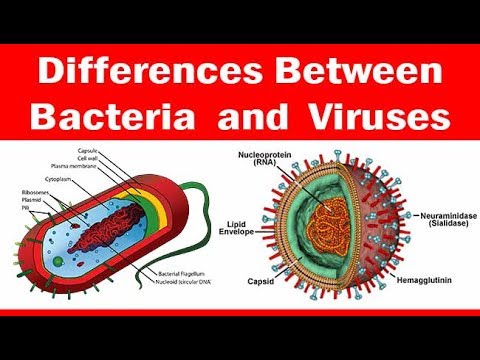
Bacteria vs Viruses: Key Differences Explained | Health Science
@dr.finchslab8077
1.5M views•2017-07-14

Bacterial Communication: Quorum Sensing and Biofilm Formation Explained
@JHUAAP
12.6K views•2011-06-28
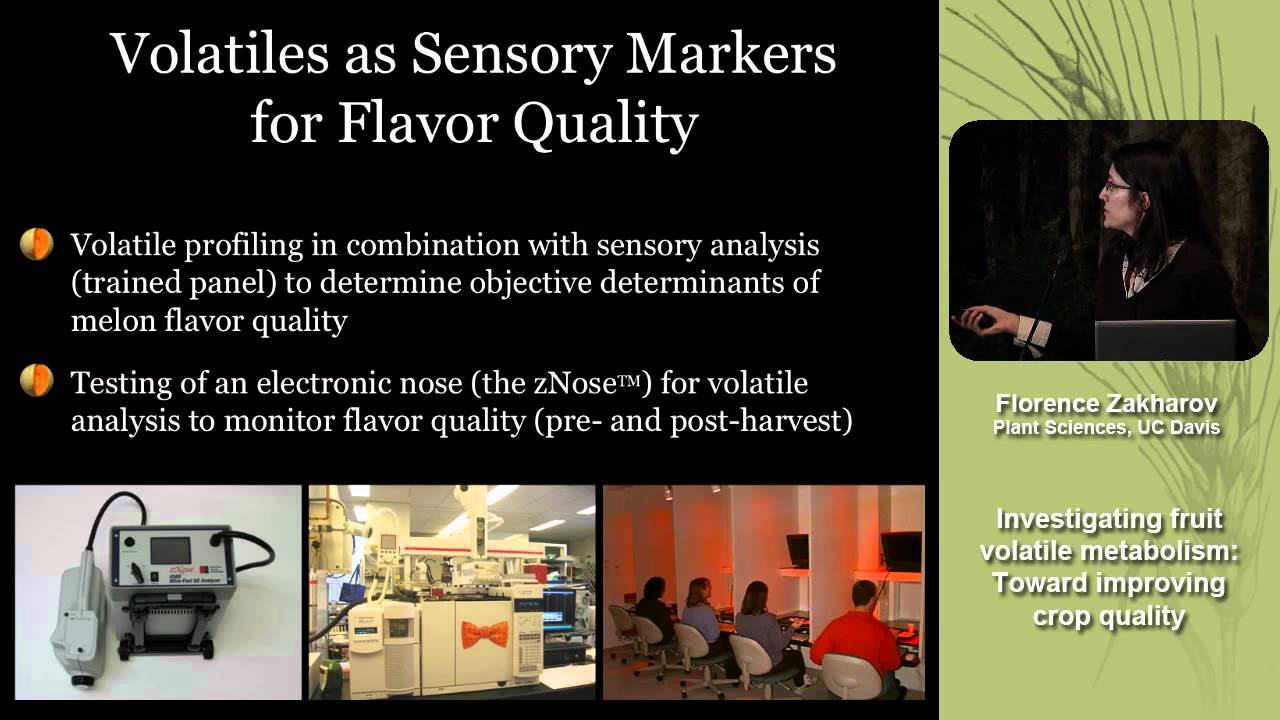
Improving Fruit Flavor Quality through Volatile Metabolism Research
@uctvseminars
705 views•2012-01-05

Bacteriophages: Earth's Deadliest Killers and Future Antibiotics
@kurzgesagt
34.6M views•2018-05-13
Related Study Plans & Knowledge Roadmaps
Structured learning paths in Biology