













Viruses and bacteria are both microscopic germs that can cause illness, but they differ fundamentally: bacteria are living cells that can reproduce independently and may be beneficial (like normal flora in the gut), while viruses are non-living particles that require a host cell to replicate by taking over the cell's machinery; bacterial infections typically last 10-12 days and are treated with antibiotics, whereas viral infections usually last 2-10 days and are managed with rest, hydration, and sometimes antivirals.
Bacteria vs Viruses: Key Differences Explained | Health Science
Added:Basic understanding of cell theory, including the distinction between prokaryotic and eukaryotic cell structures.
Fundamental concepts of genetic material, specifically the roles of DNA and RNA in living organisms.
An introductory awareness of the biological scale, recognizing the relative sizes of cells, organelles, and molecules.
The general definition of a pathogen and how microorganisms can cause infectious diseases.
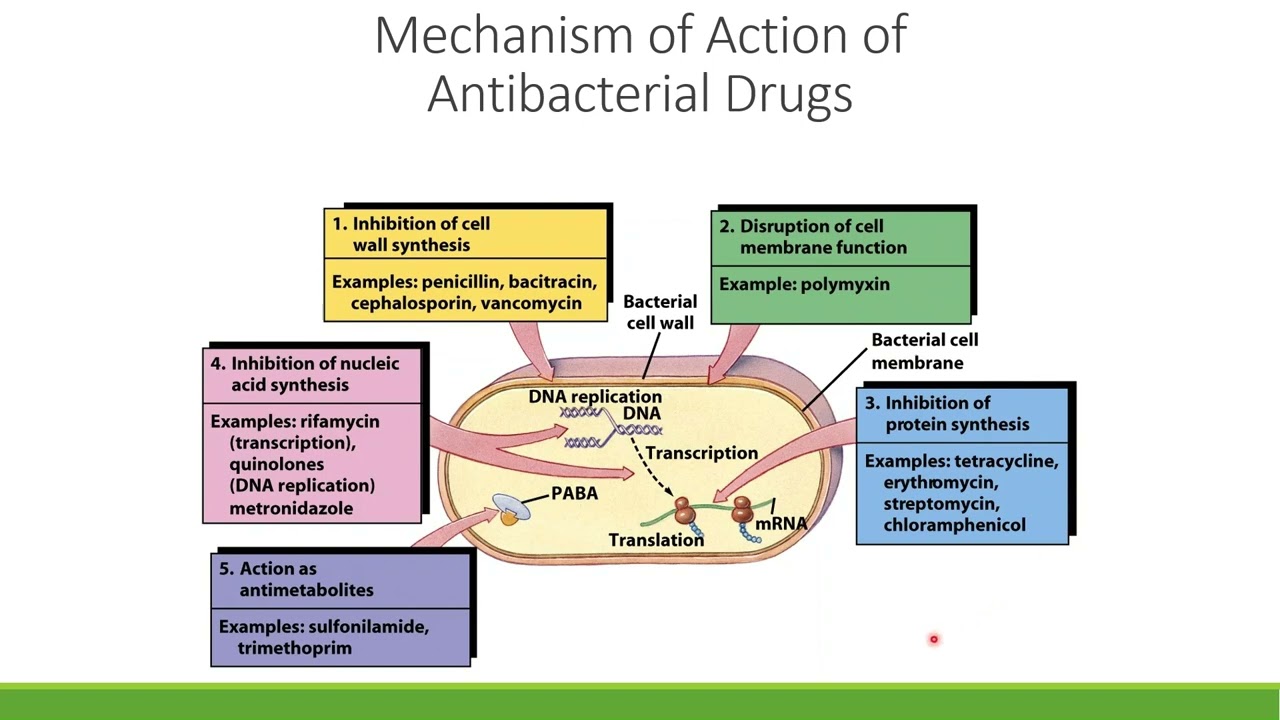
The molecular mechanisms of antibiotic resistance and how misuse of antimicrobials leads to superbugs.
How the human immune system orchestrates different responses to bacterial versus viral infections (innate vs. adaptive immunity).
The science of vaccinology, including how vaccines are designed to train the immune system against specific viral and bacterial antigens.
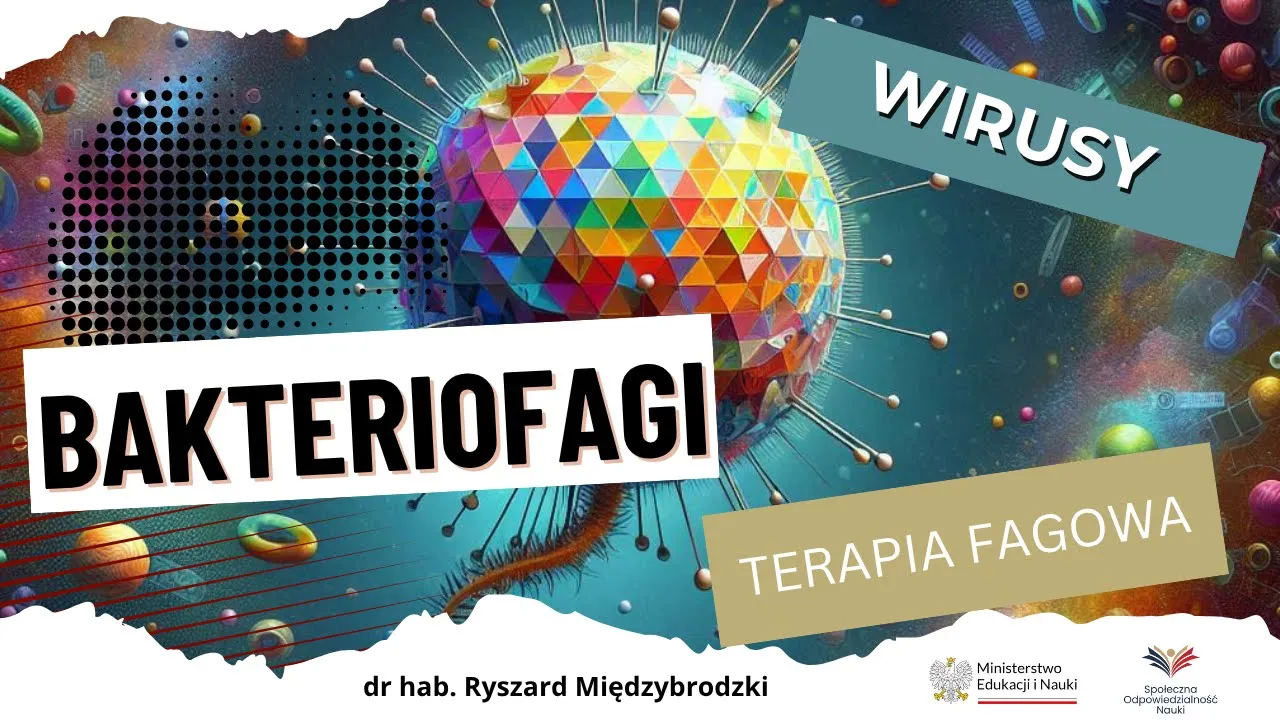
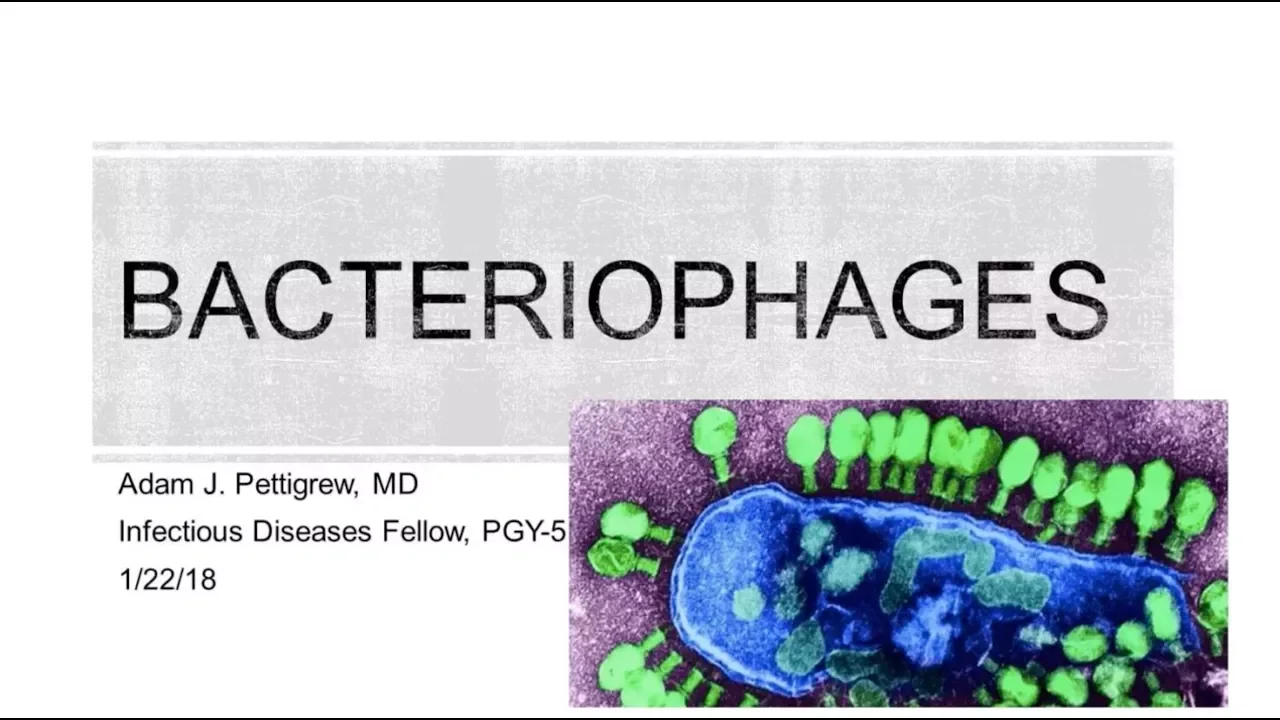
The therapeutic applications of bacteriophages (phage therapy) as an alternative to traditional antibiotics.
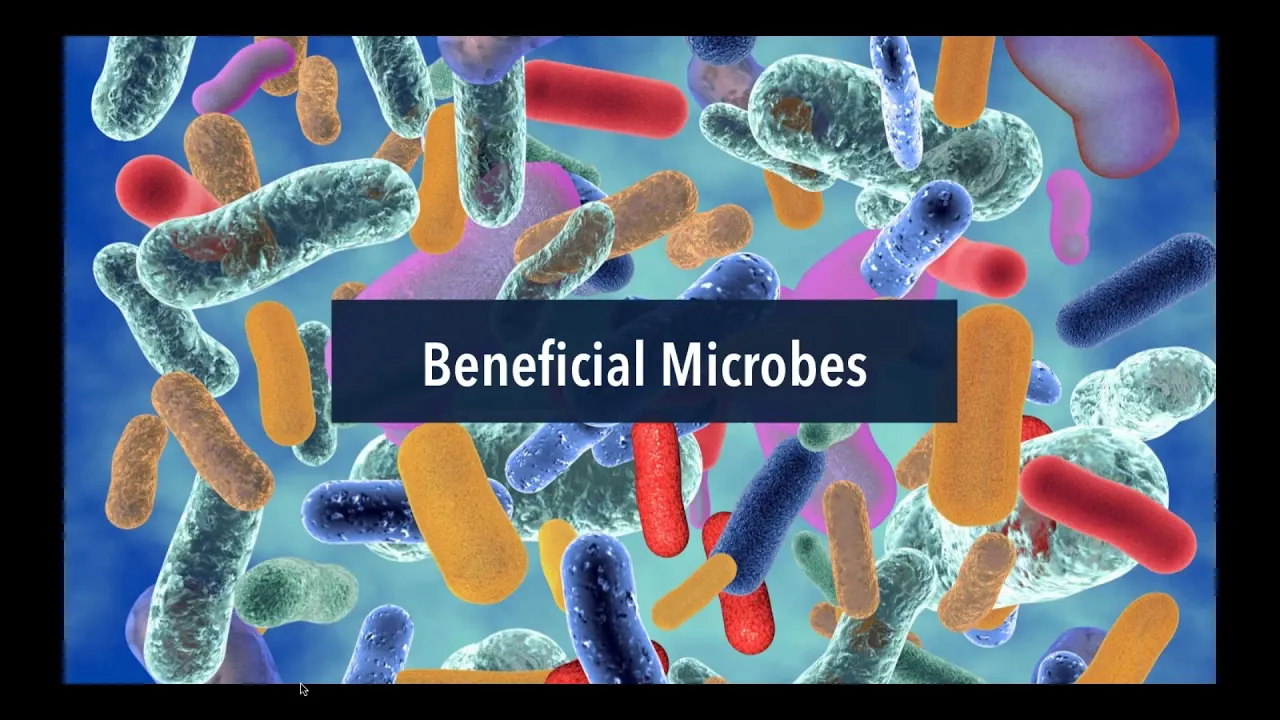
The ecological and physiological roles of beneficial microbes, such as the human gut microbiome.
1.5M views26Klikes5:49Original Release: 2017-07-14
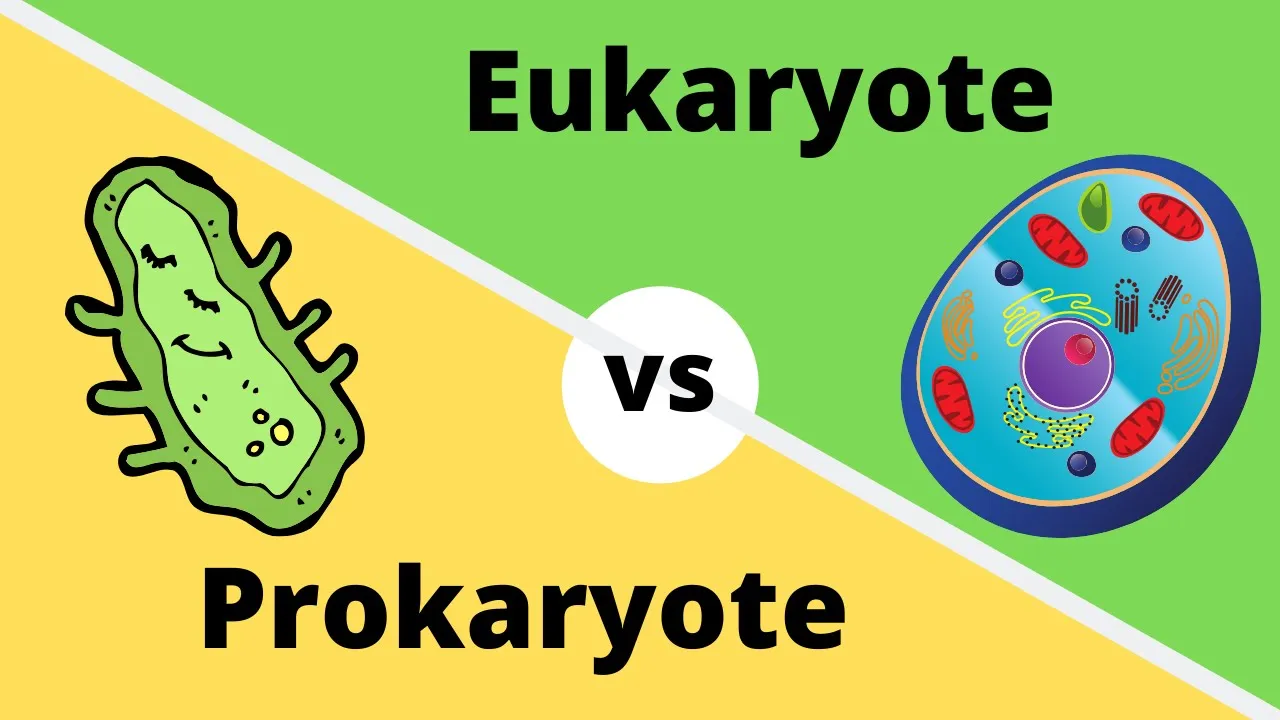
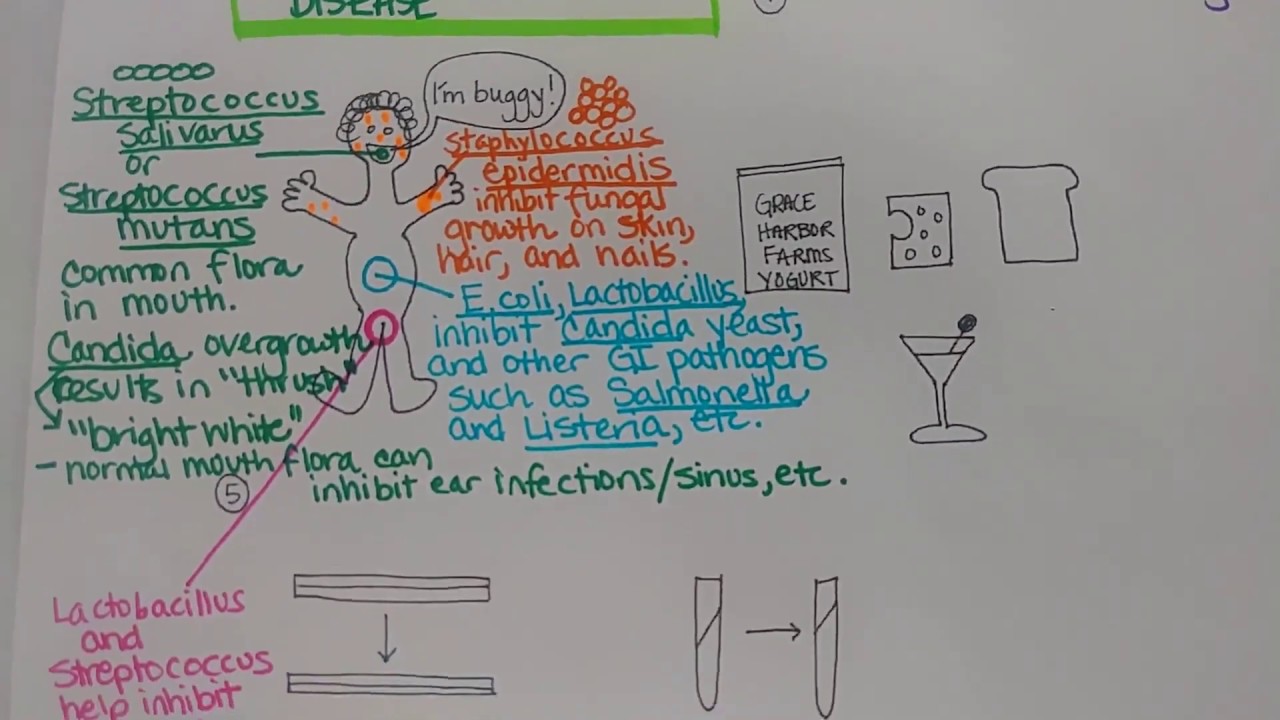
oh hello I'm so glad you're here I'm just finishing up grading some papers um and the papers I'm grading today are on differences between viruses and bacteria and I have to tell you they didn't do so well I want to teach you the differences between viruses bacteria so maybe you can come and teach my students viruses and bacteria are what we would describe as germs and these are the germs that we think about when we think about getting sick and people often confused between bacteria and viruses but they're actually very different than each other they do have some similarities so let's think about the similarities first they're both microscopic meaning very very small so we need a microscope to see them um they both do cause and can cause very severe um illness they can cause illness in humans like us they can cause illness in animals like this little dog here and even plants have bacterial and viral illnesses that can be problems for them um there're going to be different types of viruses and bacteria that infect the different species but they all can cause a lot of trouble let's think about some ways that they're different than each other so I said that they're both microscopic that's true but they actually are very different size-wise so bacterial cells are actually very large compared to viruses bacterial cells can be sometimes 200 times larger than viruses which is really interesting but again still both microscopic bacterial cells are very unique in that they are alive they're individual cells they're able to reproduce on their own so if we call our little &em yay candy a a excuse me a bacterial cell this bacterial cell can reproduce take one and then you make two out of that these two would then go on to make four and they're going to continue to reproduce in this way so they can reproduce on their own um and then they can cause infections in people bacterial cells are interesting too because they actually can be good for us we have bacterial cells that live all over our bodies on our skin there's bacterial cells that live in our intestines they're called normal flora and they're actually really important they help us to break down food and any even produce vitamins like vitamin K for us so they can be good too so these are bacterial cells so they are able to reproduce on their own versus viruses viruses are not actually living it's interesting that scientists classify them as something between living and non-living which is a really interesting place to be but these viruses the reason we say that they're in between living and non-living is that they need a host to reproduce so viruses they can live on door handles and they can live on hands again if you shake hands with somebody you can pass a virus to somebody you sneeze and cough um but once they pass from one person to another they actually have to get into a cell to reproduce and make more of them so here's an example of this so This say this is your cell right you uh shook hands with somebody you touched your eye and now you have a virus that's invading your cells here's your little virus that's going to infect our cell so what the virus is actually going to do is attach two particular cells it's going to take this DNA that's inside the virus run that down into your cell and then what the viral viral DNA will do is take over the manufacturing equipment inside of the cell so inside the cell no more are we producing bacterial cells or any type of your own proteins but now we're making only viruses so it's essentially a virus Factory at this point so it's no longer performing functions for you then what happens is this thing is going to fill up with viruses so much so baby viral particles are going to fill fill fill until we get to the point when bust open and now we have of these little baby viruses running around and they're going to go and infect another cell in your body so that's how viral infections spread in your body so viruses need a host cell to reproduce that's a major difference that we have how do we treat viruses and how do we treat um bacterial cells viruses um typically are shorter course of illness you're talking between two and 10 days depending upon how healthy the person was to start with bacterial illnesses typically typically are longer you're looking at more more of a 10day to 12-day course for bacterial infections um and then how do we treat them viruses can be treated only with antivirals so you can get those from the doctor but in general the best way to treat a virus is rest and um soup and water and that's essentially it so viruses will be taken care of by your immune system if you rest and baby yourself for a little while versus bacterial infections bacterial infections are treated by antibiotics so antibiotics are actually really important in getting into and busting open those bacterial cells traditionally most colds and most most things that are making you feel bad are viruses so some common examples of viruses would be the Rhino virus which is the common cold um that's the upper respiratory infection that most people get um you have influenza which is a different type of virus um that causes more severe uh fever um body aches it's more um all over that you feel that and then bacterial infections you're looking at things like there's a particular type of uh bacteria that causes ulcers um heloa pylori can cause ulcers um things that cause food poisoning leria manella eoli can cause food poisoning those are bacterial infections so when you go to the doctor it's important that you understand that there are particular tests that can be done to determine do you have a bacterial infection or do you have a viral infection and the viral infections can only be treated with rest and hydration antivirals if necessary but bacterial infections are the ones that require those antibiotics so those are some major differences right we said that they're both microscopic they both can cause human illness um so we need to have good handwashing good hygiene to make sure that we don't pass those around um but again major differences we're talking size-wise bacteria are very large compared to viruses which are very small and the types of infections that they actually create are going to be very different as well so hopefully you can use that information in your life and hopefully come and teach my students some stuff too
Up Next

3:09
Gram Positive vs Gram Negative Bacteria: Cell Wall Structure & Gram Staining
@NeuralAcademy
3.2M views•2019-02-25
50:12
Bacterial Communication: Quorum Sensing and Biofilm Formation Explained
@JHUAAP
12.6K views•2011-06-28

5:35
Enteric Nervous System Explained: The Gut's Brain | Neurobiology Lecture
@alumniu6029
438 views•2018-09-12
7:08
Bacteriophages: Earth's Deadliest Killers and Future Antibiotics
@kurzgesagt
34.6M views•2018-05-13
Related Study Plans & Knowledge Roadmaps
Structured learning paths in Biology
biology
RNAi: Biogenesis, RISC & Gene Silencing
01Molecular Biology Foundations: DNA to Protein
02Introduction to RNA Interference (RNAi)
03Molecular Biogenesis of miRNA and siRNA
+ 2 more learning modules
10h5 modules
Explore Roadmap
biology
Mycorrhizae: Signaling, Biophysics & Ecology
01Foundations of Mycorrhizal Symbiosis
02Molecular Signaling and Root Colonization
03Biophysics and Bioenergetics of Nutrient Exchange
+ 1 more learning modules
11h4 modules
Explore Roadmap
biology
Circadian Clocks: TTFL, SCN & Periphery
01Foundations of Molecular Biology & Gene Expression
02Introduction to Chronobiology and Actograms
03The Core TTFL: Molecular Architecture of the Clock
+ 3 more learning modules
14h6 modules
Explore Roadmap
biology
Population Genetics: Math, Drift & Selection
01Genetic & Probability Foundations
02The Hardy-Weinberg Principle and Baseline Models
03Mathematical Modeling of Natural Selection
+ 3 more learning modules
18h6 modules
Explore Roadmap