




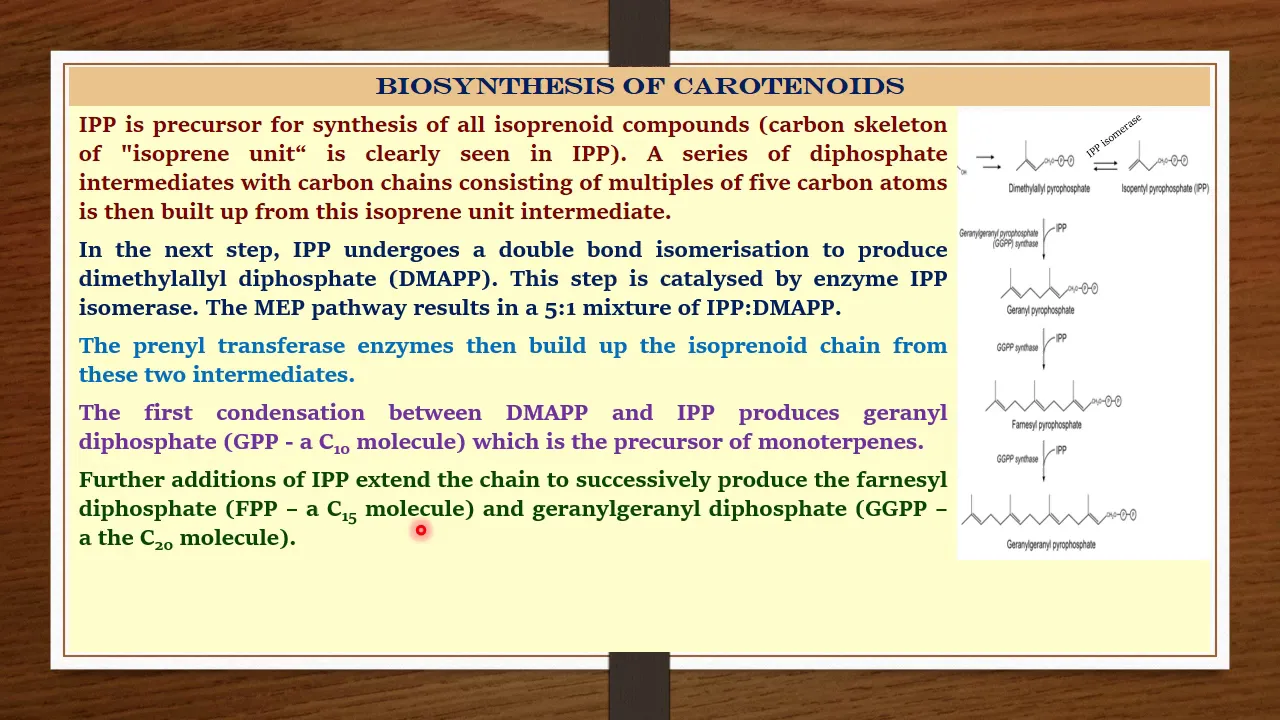
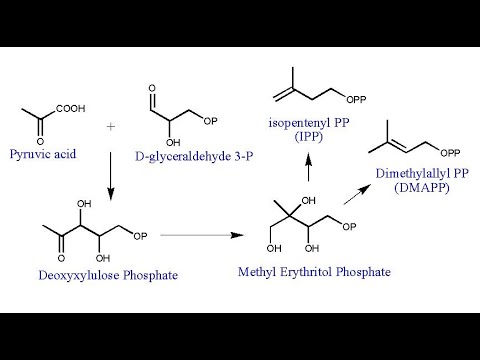





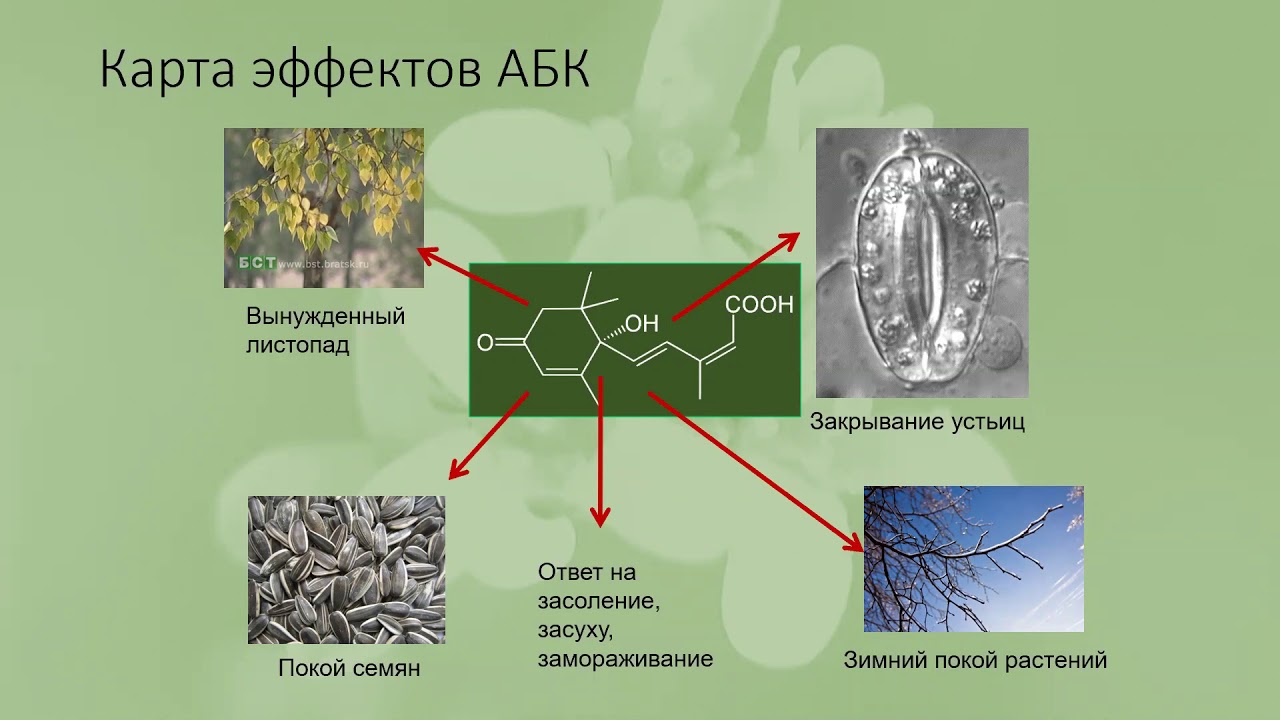





Abscisic acid (ABA), discovered by Frederick T. Endicott and originally called 'abscisic acid' due to its role in fruit abscission, is a plant stress hormone synthesized via an isoprenoid pathway starting from IPP (isopentenyl pyrophosphate) through intermediates like β-carotene and zeaxanthin, ultimately forming a 15-carbon sesquiterpene; ABA functions include inhibiting stomatal opening under water stress by increasing cytosolic calcium concentration, promoting root growth while inhibiting shoot growth under low water potential, maintaining seed dormancy by inhibiting gibberellic acid-dependent enzyme synthesis, and inducing desiccation tolerance through LEA protein accumulation in embryos.
Abscisic Acid Biosynthesis, Signaling & Function | CSIR NET Plant Physiology
Added:Basic understanding of plant hormones (phytohormones) and their general classification into growth promoters and inhibitors.
Fundamentals of cell signaling pathways, including transmembrane receptors, secondary messengers (such as calcium ions and IP3), and protein phosphorylation cascades.
The anatomy of stomata and the biophysical mechanisms of guard cell movement, specifically concerning turgor pressure and ion transport (K+ and Cl-).
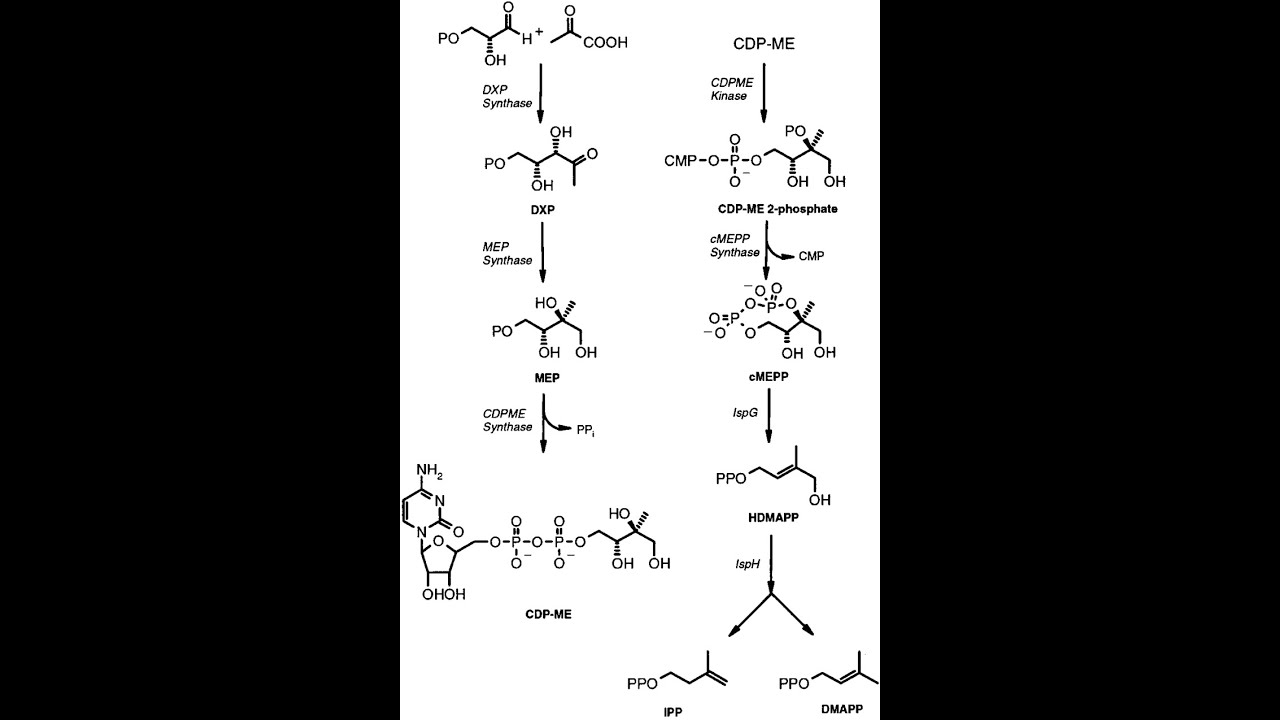
Basic plant biochemistry, particularly the methylerythritol phosphate (MEP) pathway and carotenoid biosynthesis, which serve as the metabolic precursors to ABA.
Hormonal crosstalk in plants, specifically the antagonistic relationship between Abscisic Acid (ABA) and Gibberellic Acid (GA) during seed dormancy and germination.
Advanced analysis of ABA receptor mutants (e.g., PYR/PYL/RCAR, PP2Cs, and SnRK2s) and their phenotypic characteristics frequently tested in CSIR NET exams.
Agricultural biotechnology applications, such as genetic engineering of crops for enhanced drought tolerance and water-use efficiency through the manipulation of ABA signaling genes.
Integration of ABA-dependent signaling with ABA-independent pathways (like the DREB/CBF regulon) during multi-stress responses in plants.
58K views1.3Klikes26:49Original Release: 2018-10-20
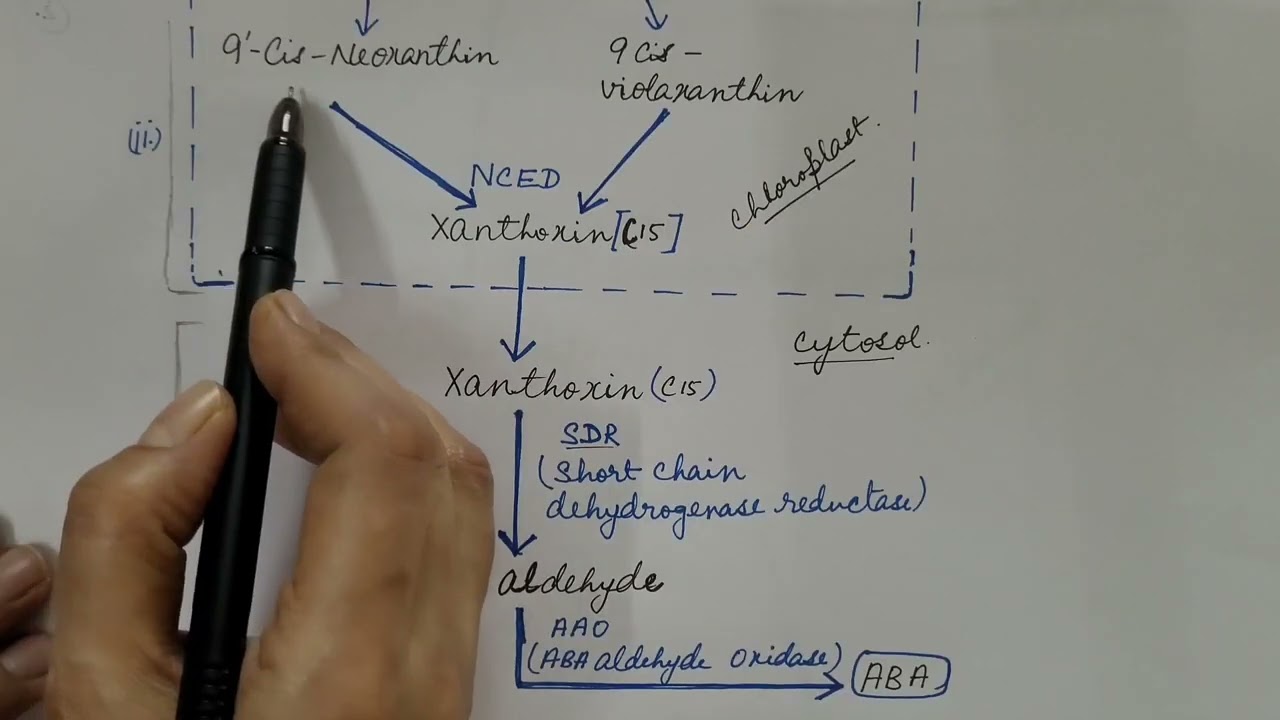
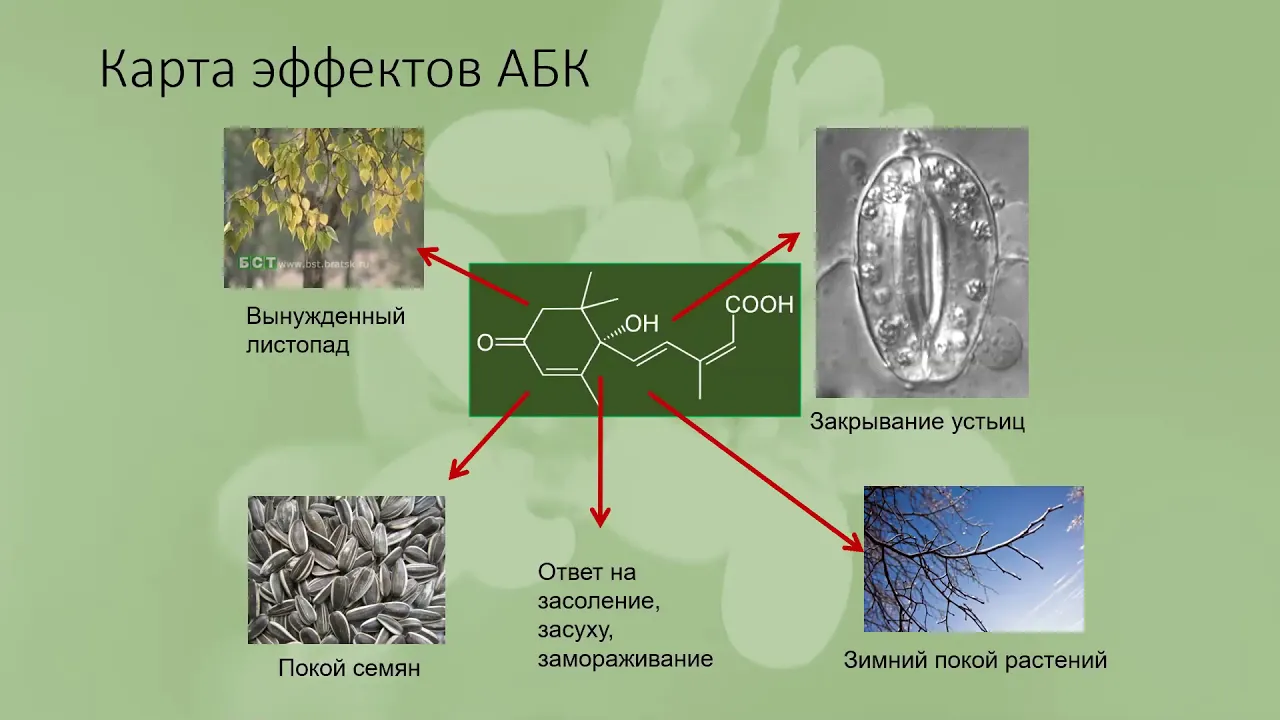
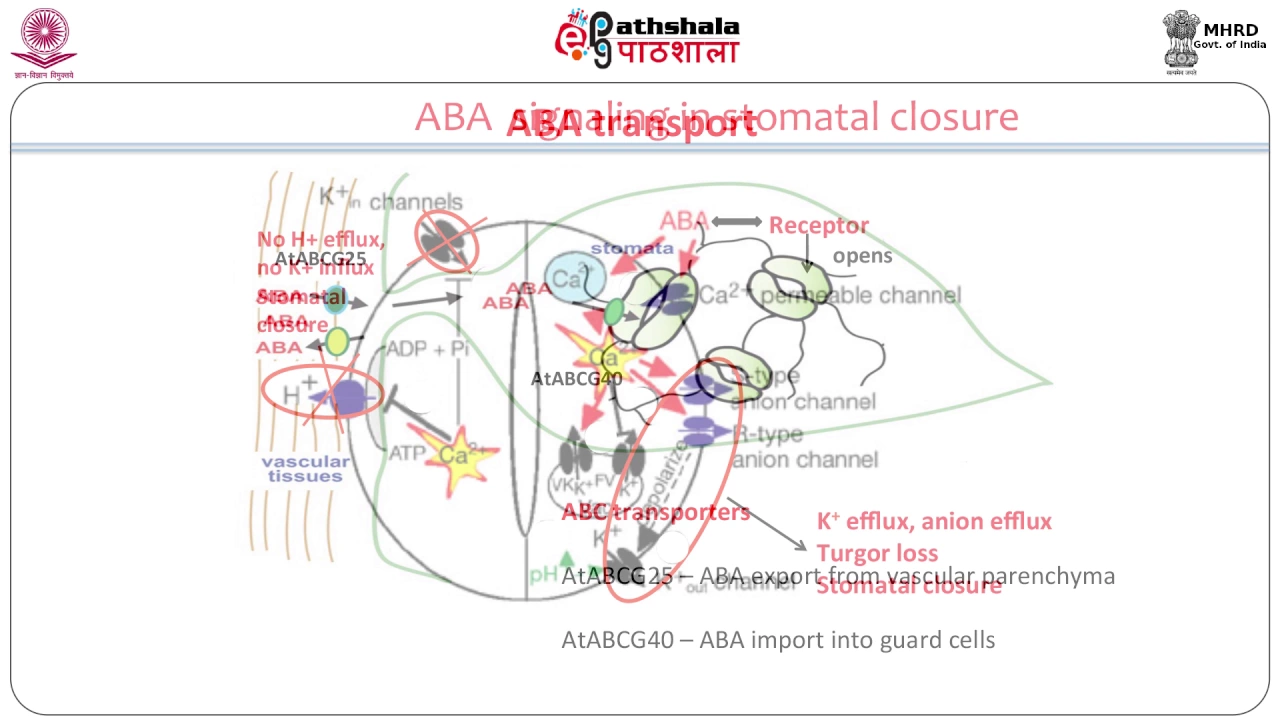
hello everyone welcome to teaching pod shala today's topic of discussion is about the obsessing acid and we are going to discuss about the introductory part while synthesis mechanism signaling pathway and the function of abscisic acid this is the sixteenth part of phyto hormone and if you have not seen list of the fifteenth part then I will mention the link of all the part in the end of this video this topic will be beneficial for all the students who are preparing for the csironet gate life sense and the students who are pursuing in MSC and the BSC courses in the end of this video we are going to solve some csironet question that has been asked in the previous year first of all we are going to see some important points regarding the discovery of a BA or the obsessing acid so this obsessing acid is supposed to be the stress hormone and was first identified and chemically characterized by the Frederick T Endicott this was first identified while studying about the compound that was responsible for the obsession of the cotton fruits obsession means the falling off okay so this obsessing word as it was first identified when it has been seen that there are some kind of a compound that is responsible behind the falling off of a cotton fruits from a plant so it was originally called as the obsession 2 because it was thought to play a major role in the obsession of her fruits at the same time there was an identification of one another group that was named as they doormen because they thought that that this storming is supposed to play an important role in maintaining or enhancing the birds dormancy after that these all compounds were given a name that was the abscisic acid because the major function that was identified that was related to this obsessing acid or doorman or abscess in to was the obsession process in a plant now let's talk about the obsessive Cassadine short form we used to call it as the ABA so ABA is one of the class of a plant hormone or fighter hormone and it is regarded as this stress hormone because it used to play a very important role whenever a plant is going through any kind of a stress condition along with that the ethylene and the abscissa cascade both are supposed to be regarded as the hormone that is supposed to promote the senescence in a plant so this ethylene and the obsessing acid will be a positive regulator of a senescence in a plant third point it inhibited and the strong metal opening particularly when the plant is under environmental stress and this thing we are going to discuss in our detail way in an upcoming slide that it used to inhibit the growth in a plant as well as it means to inhibit the opening of a store meter whenever a plant is going through any kind of environmental stress force point another important function is its regulation of a seeds maturation and the dormancy so the abscisic acid is supposed to be the one of the most important hormone that used to regulate or that used to maintain the dormancy of a scenes when we were studying about the AG building we have seen that the breakdown of a dormancy is supposed to be performed by a gibberellic acid fighter hormone but the maintenance of the dormancy of a seed is supposed to be played by that role is played by your abscisic acid so debris is going to break down the dormancy of a seed whereas the abscisic acid it is going to promote the dormancy of a scenes and if you talk about the location of this obsessing acid synthesis so this is synthesized in the vascular tissue of a leafs and transported via our xylem phloem or it may include dependent khaimah cells too now we are going to talk about the biosynthesis pathway of a abscisic acid so it used to follow the pathway of an isoprenoid unit that is mainly it is going to start the process with a precursor molecule that is the IPP and the full form of this IPP is the isopentane i dye phosphate or you can say it as the isopentenyl pyrophosphate so this is isoprenoid unit and the overall precursor molecule is supposed to be this IPP we have already seen many pathway that is to follow this isoprenoid pathway especially that i think it was in case of a sibling that is also going to follow the IPP pathway only that is the isoprenoid pathway so now let's start with the pathway so the precursor molecule will be a IPP or the isopentane i die first field then this IPP with the presence of some intermediates and different enzymes it is going to convert it into our zeaxanthin before converting to these Ryazan thing it you this IPP used to pass from the intermediate compound that is known as the beta carotene so this year should remember that B during the biosynthesis pathway of a ABA there is our intermediate formation that is known as the beta carotene and after that there is a conversion of that beta carotene into a zeaxanthin so this beta carotene is supposed to be the intermediate compound between the IPP and eazy-e's and thing so initially the IPP is going to convert into a beta-carotene and that beta-carotene is going to convert into convert into our zeaxanthin this IPP I have already informed in my previous video that it is a 5 carbon compound and when it is going to convert into a zeaxanthin zeaxanthin is a 40 carbon compound so now you can imagine that there is a huge intermediate compound that is going to be there in between the IPP and these years anything because the successive addition of IPP will going to convert the 5 carbon IPP into a 40 carbon zeaxanthin now this 40 carbons ears and thing is going to convert into a Vilas anything in the presence of a zeaxanthin epoxy disc and in short form we used to call it as the z EP so z EP is going to stand for the zeaxanthin yep oxidase and this enzyme is going to help in the conversion of a zeaxanthin into a boil as anything this woloson thing is again a 40 carbon compound now this Vilas anything is going to convert into our news anything and again this news anything is a 40 carbon compound till the formation of our newest Genting all the previous pathway or all the previous compound we're going to be formed in a plastid so till IPP to the news and thing all this pathway is going to take place in our plastic but after the formation of our neo same thing that news n thing is going to make a overall contribution so that the product is going to enter into the cytosol so from this point all the product and the reaction is now going to take place in our cytosol so the neo sent in with the help of an enzyme that is known as the nced and the full form of this nced is the 9 6 epoxy carotenoids dioxygenase so this enzyme is going to help in the conversion of our news and thing into our xanto's in and this xanthine is going to be there in our cytosol this zan position is a 15 carbon compound now in the cytosol this antigen is going to convert into our ABA aldehyde and finally this ABA aldehyde is going to convert into a ABA that is the obsessive acid so all this compound that is these and those in abl dehyde and the last product that was the abscisic acid all this compound are the 15 carbon compound so this you should remember that the abscisic acid is a 15 carbon compound and that is why sometimes it is known as the sesqui tarpon because they spew tarpon is going to have a 15 carbon and the 15 carbon compound is also known as the furnace I die phosphate there and the short form of the furnace I'll die first fit is the fpp so aldehyde is a 15 carbon compound that is why it is regarded as the sesquiterpene as well as the furnace I'll die phosphate the biosynthesis of this ABA is also going to take place in a cytosol okay so in our diagram like I think there is a shortening of that arrow that is representing the location of a cytosol but it should be tilde a be fine so this will be like the centrioles in ABL dehyde and the ABA all three compound is going to make its synthesis in our cytosol now let's talk about the different functions of abscisic acid so the first function is the inhibition in a strong metal opening whenever there is a stress condition and about this we are going to see one signaling pathway in the upcoming slide the second function is that it is to regarded as the stress hormone the role of a BA in freezing salt and water stress lead to the characterization of this obsessing acid as a stress hormone whenever there is a water stress like the drought condition at that time the concentration of the abscisic acid in aliefs is going to increase up to a 50 times in a stress condition and with the studies it has been concluded that this is the most dramatic changes in the concentration that has been deported for any hormone in response to an environmental signal the redistribution or the biosynthesis of a ABA is very effective in causing the store mental closure and it's accumulation in a stressed least play important role in the reduction of a water loss by a transportation process under a water stress condition so it used to inhibit the overall store metal opening as well as it used to inhibit the water loss by inhibiting the transpiration in a plant and in this way the ABA is going to help the plant in our water stress condition the third function is in a root and the chute growth so in answer all the ABA used to promote the root growth and inhibit the chute growth whenever there is a low water potential this has different effect on growth of a root and chute and the effect are strongly dependent on the water status of a plant for understanding this function that is the function number three we first have to suppose that there is a two seedling first is the wild type seedling that is going to show the normal level of a ABA and second is supposed to be a ABA deficient or the VB Paris mutant that means this mutant or the ABA mutant is not going to have a normal level of a ABA in that so we are considering the two case first is the wild type seedling and second is the mutant ceiling which is not going to have a normal concentration of a a B in that so in the third function the statement was the ABA used to promote a root growth and inhibit this should growth in our low water potential so the first case about which we are going to talk is the high water potential let's see what is going to happen whenever there is a high water potential okay and we are going to see the effect of this high water potential on both the seedlings first will be the wild-type seedling and second will be the ABA deficient seedling so in first case when the water supply is high or you can consider it as the high water potential at that time the chute growth is supposed to be a greater in our Y type plant because it is going to have a normal endogenous ABA level okay as compared to the ABA deficient mutant the reduce should growth in a a be a deficient mutant could be due to the part of excessive water loss from a leaves and if you talk about the second case that is the water limiting case or the low water potential at that time the opposite is going to happen that means the chute growth is greater in the ABA deficient or the mutant as compared to the wild type okay because the endogenous ABA act as a signal to reduce this chute growth only under the water stress condition to omneya pay all of rudl dokey is considered here first his guy he hominid total those seedlings here first seedling Julie I would have wild-type this Mickey over also ABA Kabyle synthesis process avoiding the normal who do shajahan a seedling Lea was a mutant sealing that is mainly may be deficient seedling who's come at lapped our work is your biosynthesis pathway a voice mutant ceiling Menehune Malaya field effective aiming on your life the palak is a mean nickname Allen jab jab water potentials in a vodka high the water potential high here to stamp yoga the wild-type seedling Kowski and then to shoot the growth I was adamant Muruga as compared to the ABA deficient mutant or a secure ity type Masuka root are Chickasha amount Pahoa in condition whenever there is a high water potential also a be a deficient mutant hair whose can shoot cup growth I would abuse okay exactly why Yukio be omni just stress condition my how many egg cheese para ki jo a beer with a high water cause of transpiration with a Yanni was kazoo loss what I would say minimize cut the head so is way may was stress condition may help cut I think Evo plant he body say to water loss of that was a poor ago put a minimize cut the time the wild-type condition makea like a be agar synthesis a choc-ice amount my would hire easily a juvie water plant green karai whose water Kubiak arrived help karai Kibo transparently through loss now is a body say or other plant bodies of water lost mean who I am so obviously with the water ever kiss my yoga plant key growth may use over fine he silly the should cut growth hair was odd amount maybe cuchara in case of a wild-type lake in Germany mutant Lee I that is the ABL deficient mutant was muted mic on see property a he were a be above since this is system as because you have to a beaker synthesis in a yoga we have to koi be as a pro compounding who were joking water loss could prevent cursor key from the leaf surface okay any how can he be transportation to process service continued mission looming Haga our transportation say a choc-ice amount of the water with her we lost fugitive from a plant body or the leaf our leaf surface though a be a deficient mutant man yet transmission pan inhibition now Monica current excess amount my water loss for jaga loose a car in Tioga the chute part head plant guy was a proper amount my water nahi milega you silly just overall growth here because I got reduced in your field come Haj Agha to easily the be water potentials are the hota hai whose time you wild-type futa hair white a plant was my shoot Carlos's other de Korea or you're a be a mutant ceiling that was my shoot our roots you have a come they career for Eska opposite condition deputy water potentials you have a low raiga to make alga the smoke condition ogle jokey first condition got totally opposite ooga Yanni the shoot growth here was saga hoga in case of a a be definition mutant or the overall should grow to have a combo jaga in case of a wider so we can say that the in dehydrating condition or the low water potential at that time the growth of a root is much higher in a wild-type as compared to the AVL deficient mutants because all the water is going to be used by the AV deficient mutant in like overall nourishing the chute part so there will be a less available water for the root part but in in comparison to the vital the wild-type is now having a low amount of water for the chute that is why there will be a high growth or the high overall development of a root in our WiDi plant so that is why it has been mentioned that the ABA is going to promote the root growth and inhibit this chute growth whenever there is a low water potential to summarize this point we can say that under the dehydrating condition when the ABA level are high the endogenous hormone exert a strong positive effect on a root growth by suppressing the ethylene production and a slight negative effect on the chute growth the overall effect is a domotic increase in the root to shoot ratio at a low water potential so this you should remember that whenever there is a low water potential at that time there will be a dramatic increase in the root to shoot ratio that means theme overall the value of a root will be the high and the chute will be alone that is what it is going to give rise to a high value of our root to shoot ratio at a low water potential the fourth function is in a dormancy and the seed germination and this ABA used to inhibit the GA that is the gibberellic acid so now let's see how this ABA is going to make its toll in the dormancy and this in germination so this ABA is supposed to be known for the inhibiting the germination of her seeds as well as it was to promote the dormancy of a seed promoting the dormancy of her students means introduced to promote the inactivation of that seeds while we were studying about the germination of her seeds in case of algebraic acid at that time we have seen that there is a synthesis of a different type of a hydrolytic enzyme that is going to make a activation or the breakdown of the dormancy of a seed and finally there will be a germination of a seeds with the help of a repelling but the mechanism behind inhibiting the overall germination of a seeds is that the ABA used to inhibit the synthesis of a hydrolytic enzyme that are essential for the breakdown of a storage reserve in acids for example the gibberellic acid used to stream Veeran lair of a serial screens to produce a alpha-amylase and the other hydrolytic enzymes that used to break down the store resources in the endo spawn during the germination so what a BIA used to do it use to inhibit the GA or the gibberellic acid dependent enzyme synthesis by inhibiting the transcription of a alpha- mrna so if there is a no alpha amylase enzyme obviously they will be a no germination of our seeds is going to take place and this is a mechanism through which the ABA used to maintain the dormancy or the inactivation of a seed so in this way in a laboratory if you want to see the seed germination at that time you have to minimize the level of raba production and you have to increase the production of algebra lean in that seeds okay and this is the condition when this yields germination is going to take place if you are applying the obsessive acids to any seeds that seed is not going to germinate and this condition you should remember that after applying our drilling the seed is going to germinate but if you are going to apply abscisic acid on that seed that seed is not going to germinate so the ratio of the gibberellic acid or the jibreel in and the abscisic acid should be maintained in a proper amount if we want to see a germination in acid v function of the obsessive acid is in a hydraulic conductivity and the conductivity means decreasing the resistance of a water movement across the membrane so a B increased the hydraulic conductivity and ion flux of a root in response to a water stress this sixth important function is that the e being used to promote the leaf senescence independent of ethylene so it is going to play a very important role in the overall senescence of a plant mainly the leaf senescence seventh point is that the AV accumulates in our dormant birds in woody species dormancy is an important adaptation features in a cold climate when a tree is exposed to a very low temperature in winter it protect its meristem with birth scale and temporarily stop bird blood so the EBA was originally suggested as the dormancy inducing hormone because it accumulate in a dormant bird and decreased after the tissue is exposed to a low temperature the eighth function is AV promotes the desiccation tolerance in the embryo so an important function of this ABA in being seed is to promote the overall desiccation tolerance mainly the desiccation can severely damage the membrane and the other seller constituent so during the mid to late stages of the seed development specific mRNA will going to be accumulated in our embryo at the time of a high level of endogenous obsessive acid these mRNA is going to encode our protein which is known as the Lea okay or L and the full form of this Lea is delayed embryogenesis abundant and this protein is going to involve in the desiccation tolerance of an embryo so the synthesis of many Lea protein or the related family members can be induced by a abscisic acid treatment of either the young embryo or the vegetative tissue thus in this way the synthesis of most of the Lea protein is under the ABA control the last function of a ABA is it used to help in the VV parry so the precaution termination of our seed in the fruit while still attached to a plant we repairing is a features of many a be deficient seeds so what happened actually the Vivi Perry or the Picasso germination means a particular seed is going to germinate why it is going to be attached with a parent plant okay and this I think you have seen in real life whenever like there is exceptional case when you cut a tomato at that time you will see that there is a very tangy plant is already generated from that seeds so that is a good example of the Vivi parry or the Pico shears germination okay that means the seed is still attached to the parent plant but it is going to show the germination okay so this is what call the Vivi Perry or these precautions germination and this process is mainly going to happen whenever there is a deficient of a abscisic acid in our seeds now we are going to talk about the ABS signaling in our store metal closer and this function we have seen whenever we were studying about the functions of abscisic acid and this is the most important function that the ABA used to make our inhibition of our metal opening or use to promote the straw metal closure and if you talk about the involvement of a receptor in this ABA mode of action or the signaling so there is total of I think three classes of a a B receptor which is going to put a first class is going to be present on the pathway membrane second will be present on the plastered and third will be present in the cytosolic part so we are going to start with the first step that is the used to bind to its receptor and that you can see from the figure the a B is going to act as a ligand and it is going to bind to the receptor and after that there will be the overall signaling procedure is going to start in the second step the ABA binding will going to induce the formation of a reactive oxygen species like the h2o 2 okay so there will be a many reactive oxygen and I have just given you one example that s 2 O 2 or the hydrogen peroxide is like a very important example of the arrow s or the Ross or the reactive oxygen species so in the second step you can see that the ABA binding is going to induce the formation of a reactive oxygen species which is going to activate the plasma membrane calcium channel the third step is the ABI increases the level of our cyclic adp-ribose and the ip3 which activate the additional calcium channel on the Tonno plastic fourth step the influx of a calcium initiate the intracellular calcium and promote the for the release of a calcium from the vacuole the fifth step the rise in the intracellular calcium will going to block the potassium in channel that means the channel which is going to be there for the entry of a potassium inside a guard cell as this diagram is our store metal guard cell in six step the lies in the intracellular calcium will promote the chlorine out an ion channel on the plasma membrane and cause the membrane depolarization in seventh step the plasma membrane proton pump is inhibited by the ABA induced increase in the cytosolic calcium and a rise in the intracellular pH which is further going to take a participation in depolarizing the membrane in eighth step the membrane depolarization is going to activate the potassium out channels in the ninth step it is mentioned that the potassium and the anions to be released across the plasma membrane are first released from the vector into the cytosol so in this way this tour metal closure is driving by a reduction in the guard cell turgor pressure caused by a large influx of a potassium and the anion from our cell the EBA inhibit this tour metal opening by increasing the cytosolic calcium concentration and that mechanism you have already seen with each and every steps so let's revise the overall process so initially the strong mental closure is going to drive in by the reduction in the guard silt order pressure which is going to be caused by the influx of a potassium and the anion from a cell this ABA is going to inhibit the straw metal opening by increasing the cytosolic calcium concentration ABA stimulated the elevation in the concentration of a cytosolic calcium by inducing both in flux through a plasma membrane channel and release of a calcium into the cytosol from internal compartments such as the central vacuole increased cytosolic calcium activate the an ion channel activation of an ion channel caused the influx of an ion from a guard cell which causes the depolarization of a membrane changes in the membrane potential deactivate the potassium in channel and activate the potassium out channel resulting in the potassium efflux from our guard cell and as a result there is a reduction in the guard cell turgor pressure and in this way the closure of a stomata is going to take place whatever the step I have just described with the help of a diagram I have mentioned all the steps in this slide so if you are interested then you can pause the video and you can go through that now we are going to talk about the question that we have taken from thee si si and 2014 June so the question is an avid of siciliana seed spirit plated on the Mirage shake scoob plate with or without a hormone added to the medium seed we found to germinate late in the hormone containing MS plate as compared to the MS plate without D hormone so what they have did they have taken the music Scoob media and they have kept that media or they have kept that overall culture in our to plate in the first place there is a presence of a seed along with one unknown hormone and in second plate they have plated only acid without that unknown hormone now you have to identify that hormone and they have given the condition that these seeds were found to germinate late in the hormone containing MS plate as compared to the MS plate without the hormone so the pen that is containing a hormone they was supposed to show a late germination of a seed whereas the plate which is not having a hormone the overall germination of a Sheils was very quick so with this we can say that the hormone is somehow having the activity to maintain the dormancy of a seed and if we see the overall option that has given here there is only a one hormone that is going to maintain the dormancy or the inactivation of us C domination fine and that hormone is a abscisic acid that is the option number foot the next question is from CSR and in 2014 December so the question is which one of the following statement regarding this seed germination of a wild-type plant is not correct so somehow you have to pick our wrong statement for the wild-type seed germination so the first statement is that the low abscisic acid and the high bioactive gibberellic acid can break this in dormancy I think no one is going to have a doubt in this first statement this first treatment is totally correct because if there is a very high concentration of algebraic acid obviously it is going to help in the breakdown of a seed dormancy and as because here there is a very low concentration of abscisic acid so it is not going to interfere in the breakdown of a seed dormancy so the first statement is correct the second statement is the light accompanied with a high temperature can break this seed dormancy so this has been never seen that the light along with the high temperature has the ability to break the seen dormancy if they were supposed to break the seed dormancy they will there will be alike no need to apply the G belek acid from the exogenous source because providing the light with a high temperature is much cheaper than the applying the gibreel ik acid to a particular plant so the second statement is totally wrong because the light along with the high temperature is not going to help in the breakdown of a seed dormancy the third statement is the gibberellic acid induces the synthesis of a hydraulic enzyme in the cereal grains so this statement is totally correct and I don't think that there is a need of any kind of explanation because we have already seen all this even when we are studying about the overall germination of a seeds so this third statement is also correct fourth statement is the degradation of a carbohydrates and the storage protein provides the nourishment and the energy to support the seedling growth this statement is also true because overall the breakdown of this carbohydrate is supposed to be done with the help of alpha amylase enzyme so the first third and the fourth statement is totally correct the second statement is wrong so our desirable answer is the answer number two because this is the statement which is not true for the seed germination in a wild-type plant I hope this video was helpful for you if you like the video then put a thumbs up and make sure to subscribe the channel thank you for watching this video
Up Next

106:51
Do Fungi Think? Exploring Electrical Signaling in Mushrooms and Yeast
@thethoughtemporium
69.5K views•2023-03-18

50:12
Bacterial Communication: Quorum Sensing and Biofilm Formation Explained
@JHUAAP
12.6K views•2011-06-28

5:35
Enteric Nervous System Explained: The Gut's Brain | Neurobiology Lecture
@alumniu6029
438 views•2018-09-12

7:08
Bacteriophages: Earth's Deadliest Killers and Future Antibiotics
@kurzgesagt
34.6M views•2018-05-13
Related Study Plans & Knowledge Roadmaps
Structured learning paths in Biology
biology
RNAi: Biogenesis, RISC & Gene Silencing
01Molecular Biology Foundations: DNA to Protein
02Introduction to RNA Interference (RNAi)
03Molecular Biogenesis of miRNA and siRNA
+ 2 more learning modules
10h5 modules
Explore Roadmap
biology
Mycorrhizae: Signaling, Biophysics & Ecology
01Foundations of Mycorrhizal Symbiosis
02Molecular Signaling and Root Colonization
03Biophysics and Bioenergetics of Nutrient Exchange
+ 1 more learning modules
11h4 modules
Explore Roadmap
biology
Circadian Clocks: TTFL, SCN & Periphery
01Foundations of Molecular Biology & Gene Expression
02Introduction to Chronobiology and Actograms
03The Core TTFL: Molecular Architecture of the Clock
+ 3 more learning modules
14h6 modules
Explore Roadmap
biology
Population Genetics: Math, Drift & Selection
01Genetic & Probability Foundations
02The Hardy-Weinberg Principle and Baseline Models
03Mathematical Modeling of Natural Selection
+ 3 more learning modules
18h6 modules
Explore Roadmap