

























Converting from a B1/B2 visitor visa to other immigration statuses such as H1B, L1, or green card can be risky because the government may view this as misrepresentation of your original intent, potentially resulting in a permanent bar from entering the United States. Additionally, the 90-day rule states that if someone enters on one status and attempts to change to an inconsistent status within 90 days of entry, the government will assume fraud or misrepresentation occurred. This makes it crucial to consult with immigration lawyers before attempting any status conversion from a B visa.
US Immigration Q&A: B Visa Conversions, H-1B Transfers, Green Card Issues
Added:The fundamental distinction between non-immigrant visas (temporary stays like B-1/B-2 and H-1B) and immigrant visas (permanent residency/green cards).
The difference between a 'visa' (an entry document) and 'status' (the authorized period of stay in the US document by Form I-94).
The roles of key US government agencies in the immigration process, specifically USCIS (US Citizenship and Immigration Services) and CBP (Customs and Border Protection).
The concept of 'unlawful presence' and the basic consequences of overstaying an authorized period of admission.
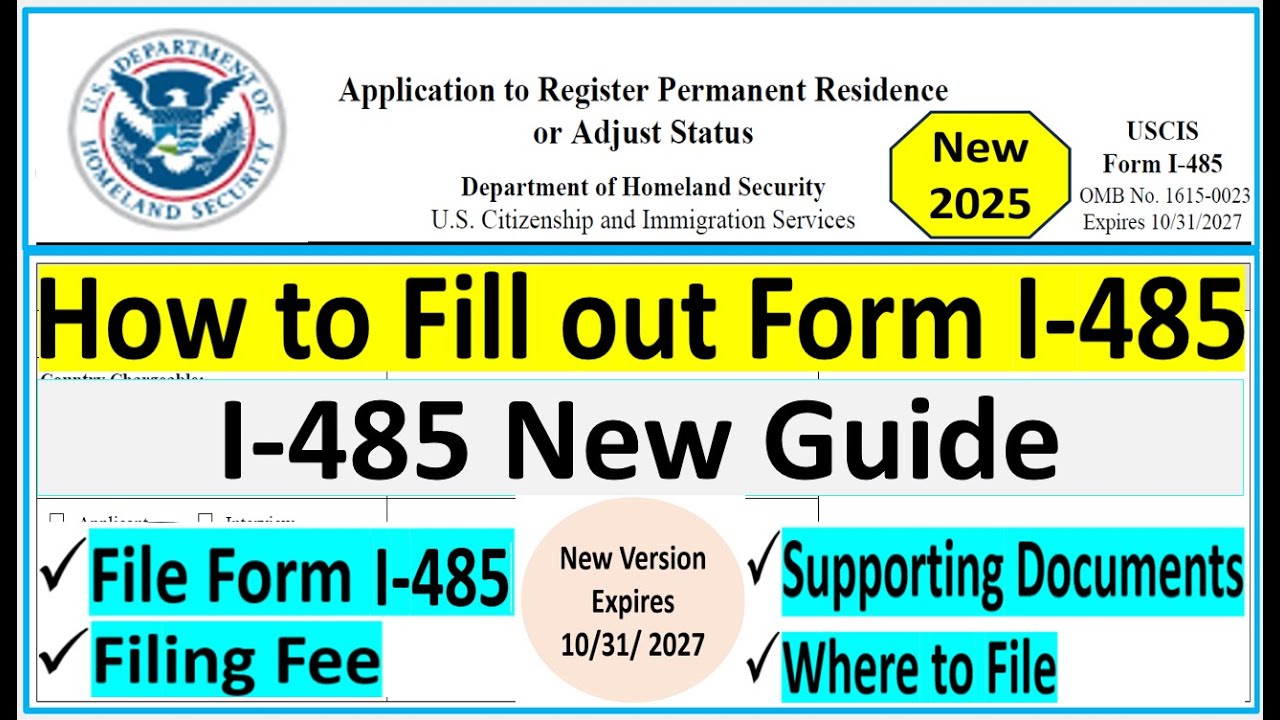
Advanced Change of Status (COS) and Adjustment of Status (AOS) mechanics, including Form I-539 and Form I-485 filing strategies.
Complex H-1B portability scenarios, such as 'bridge' transfers, moving from cap-exempt to cap-subject employers, and handling gaps in employment.
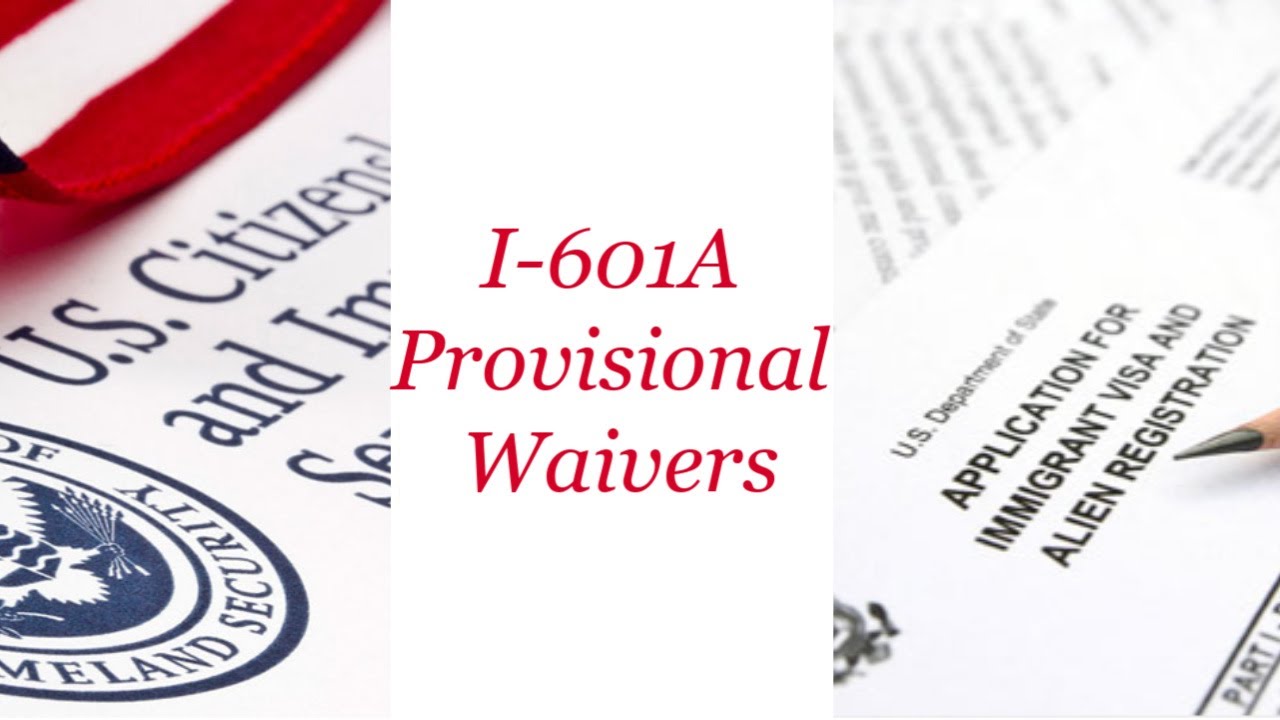
The legal framework surrounding Form I-601 and I-601A waivers for unlawful presence, including the 3-year and 10-year bars to re-entry.
How to monitor and interpret the Department of State's Monthly Visa Bulletin to track priority dates for green card processing.
760 views0likes55:51Original Release: 2023-12-15
[Music] [Applause] [Applause] good afternoon everyone uh welcome this is Rajiv Esh from immigration.com the Lawes of Rajiv ASAP PC we do these Community conference calls every Thursday once we do it on our personal Bridge conference bridge that you are on right now and once we do it on LinkedIn audio today is December 14th 2023 I will go over the questions that are posted first these are posted on in our forums for forums.
immigration.com and after that I will invite questions from the audience 15 20 minutes half an hour into the call I might have to close the conference because I want to answer questions of everyone who's already here so if we keep the conference room open we may not have enough time to answer everyone's questions okay uh and if I miss you uh this this this week just come on back next week and we can talk again all right so with that let me get started um I have marked a question as a frequently asked questions which is what happens when I convert from B Visa b as in boy B1 or B2 to any other status such as H1B Etc so I'm always very careful with B Visa okay when you come to the US on a B1 one you are telling the government I have some business I need to attend to okay when you come on a B2 or a mixed B1 B2 you are telling the government I'm going for tourism right so if you come as a visitor and then you try to convert to a student status or you try to convert to an H1B L1 or green card which is worse government can take the position that you misrepresented your intention and misrepresentation becomes a permanent bar from entering the United States this is a very serious issue you should always discuss it with your lawyers before you try to change status from b b can be very tricky okay so in in general keep this rule in mind then on top of that there is this rule called the 90-day rule uh which is which has been in and out and it has presented over time in different um form nors there used to be a 30 60 90day Rule now there is a 90-day rule um basically what it says is if somebody enters on one status and they try to change status to another which is inconsistent with the previous status that they entered on then we are going to assume that they committed fraud or misrepresentation if the change is applied for within 90 days of Entry okay so if I enter today 30 days later I try to change to H1B or L1 there could be a problem just be careful with that so converting from B visa to any other status such as H1B can be tricky now let's look at the question I have a valid B1 Visa I traveled to the US April 23 H1 has been approved I'm eligible for Dropbox my employe is telling me if if my case does not get approved in Dropbox he's asking me to travel on B1 one then get the status converted to H1B my advice no this is this can be construed as fraud okay so I would definitely not advise that santoshi okay then the next part of the question is is it possible to switch employers with an approved H1B petition before getting my Visa stamped um and if I change the employer will I have any issues I've discussed this issue many times before you can listen to our frequently asked questions on immigration.com and you will see that we have said before I'll summarize it for you that government says unless you get change of status or VISA stamping we don't think you are out of the lottery yet so if you try to change employers we may not give you the change of employers without getting first a Visa stamp fact of the matter is we have done many cases like this so far we have not had any problem where people changed employers even without getting a Visa stamp first so what they say and what they do are two different things okay now um I'm going to invite you folks does anyone have a question that follows from what I discussed please don't raise your hand for new questions in fact I think I have enough people let me lock the conference give me one second I'm going to lock the conference the conference is now locked so that way I make sure the people who are here will get their questions answered so right now if you have a follow-up question on what I discussed press star five no new questions new questions will come at the end any follow-up questions on what I just discussed converting from B to other status okay let's go on to the next posted question from senil he wants to know about considerations for H1B transfer challenges repercussions of denial H1B termination while changing employers okay um so yeah stil G uh I think it's always a good idea to check our frequently asked questions portion on immigration.com a lot of this has been answered before but that's okay I'll answer it for you um I got my H1B approved this year got change of status to H1B on October 1st I'll be laid off from my current job on December 8th and thanks to early notice I was get able to get into job hunt and secure a job uh with Company B uh I am still being interviewed by another company company C who are pretty slow so if I start my H1B A to B maybe after 2 weeks if I get an offer from company C should I transfer uh from a to c or should I wait for A to B and then do B to C and the answer is there is a con there is a difference between applying for a transfer a second transfer within 60° period and outside 60° period so let us look at the consequences so we have three employers a that you got laid off from B who has applied for a transfer within 60-day and see uh which is under question what do you do with that employ okay so if you file within 60 days of the grace period it's an easy case you file from a to c transfer okay and even if the b gets denied because a to c was filed within 60 days you are sitting pretty you don't have to do anything okay things get trickier when you file from A to B transfer within 60 days but B to C is filed outside 60 days now what will happen is this is perfectly legal to do that uh you won't do b2c you'll still do a to c probably okay because B is not yet approved you would still do a to c but the problem is unless B to C is approved a to c will not be approved it'll be approved but you'll have to go outside for Visa stamping okay so it's not a question of approval it's a question of approval within the US and staying within the US approval you will get but will you get it within the US that is the important part okay so for that um unless A to B is approved B to C will not be approved within USA you'll have to go outside for Visa stamping so A to B in that case is called a bridge petition something that carries the bridge from A to B and a Toc because a to c was in it was filed outside the 60 days grace period okay I hope that makes sense um yeah senil uh if you are here or anybody has a follow-up question on what I just talked about press star5 sentil or anybody else who has a follow-up question okay let's go on to the next question discrepancy in the country of birth on passport and green card can we change the country of birth on Green Card sure you can file an file a green card correction I believe it's form I darn I keep forgetting the number of the form I90 yeah it's form I90 so look at the instructions on form I9 if the error was made by the government they should correct it without asking for a payment and you might not even have to go through a very lengthy process but if the mistake was made by your lawyers or by you you'll have to file a formal correction using form I9 okay now I would definitely change um it's always a good idea to have your record absolutely correct I definitely recommend that so you wanted to know what do I recommend uh I recommend that you get it corrected okay um getting it corrected should not be that complicated it's just a matter of time and when you travel if you still have problem you can actually file a formal request for correction with CBP also which is called trip travel redress inquiry program but that probably will not be needed for you just get the green card changed okay star five if you have a follow-up question on this press star five next next question is H1B to H4 transition and rejoining the workforce what is the process grace period Lottery considerations so I am on H1B I've been in the US more than 12 years i140 is approved priority date is 2013 in eb2 category lost my job planning to move to H4 company is going to revoke the H1B if I get a job after 4 months with the new company uh what will be the process so so I'm assuming that your i140 was approved more than 180 days ago and if if this is true then even if you move to H4 and even if the old company revokes the H1B also revokes the i140 you still are entitled to get back into H1B and keep getting H1B extensions with another company until your dates become current okay so that's not a problem at all so your next question was um if I get a job after 4 months new company will file my H1B what will be the process you'll do H4 to H1B transfer there's no Lottery here no Lottery no issue of Lottery you are not subject to the lottery okay about the grace period 60-day grace period comes with each approval so if you go from employer a with within 60 days grace period to employer B and the case got approved after two months you got laid off you again have 60-day grace period so 60-day grace period comes with each new validity of H1B okay and there's no issue of Lottery um yeah so you already have this um covered so no I don't have it covered anywhere else this is kind of of the way it works press star five if you have a follow-up question on anything I talked about okay once I finish these questions then we'll start the new questions hold on one second there's a question from area cod 901 which is Tennessee yeah Tennesse go ahead I can hear you Tennesse okay uh sir I just follow question um uh related to this question but in context of a um L2 okay um so the change of status from let's say h12 H4 or h12 L2 if if that takes more than 60 days you know just to change of status um and it goes beyond let's say 90 days at that point in time um if if I'm still pursuing a sponsorship opportunity on each one and if I get um an offer um can I still do a like in process um you know uh how do death situation will work basic so there is a little confusion in your question let's clarify that first of all okay so first thing you need to remember is you only need to file for a transfer or a change of status within 60 days you don't need to get it approved okay as long as your papers are in the hands of the USCIS within 60 days you are legal in the United States okay number one number two now this is where things get tricky let's say I have um H1 to L2 pending and then I got a job and first of all you know L2 allows you to work so I don't have any problem with you working on L2 um once the L2 is approved but if the L2 is not yet decided it's still pending and you apply for an H1 they'll probably have you go outside the US for Visa stamping which is okay if you already have a Visa stamp of H1B on your passport when the H1 is approved you can just go outside come back with that old visa and new approval but if you don't have a valid Visa you can just go get a new Visa stamp from any of the neighboring countries and come back so remember they cannot give you status within the us if 60 days are over and the next status is not yet approved L2 is not approved it's still pending in that case they'll approve the H1B but have you go outside USF or VISA stamping okay okay makes sense thank you sir so L2 will be kind of abandoned at that point in time well I think you should withdraw it at some point of time but be in consultation with your lawyers they should guide you through the timing not a problem okay thank you thank you sir you're welcome thank you okay sure now prati that name sounds familiar anyhow multiple i797 forms during an H1B transfer exploring the possibility of switching from B to C after a short period So currently I'm on H1B with employer a I'm transferring to B now a company C has offered me a job can I have three I 97 form simultaneously sure absolutely so the weirdness in this is let's say you get three approvals you had the old company a you got another one through Company B another one through company C you can only work for one company at a time but you can pick and choose whichever company you want to work with so if you want to go back and start working again for company a you can forget about B and C so really you can pick any of the three companies can you have 797 approvals from all three companies sure happens all the time okay star five if you have a follow-up question on this star five okay um next question number seven normally I ask the team not to take more than 11 questions so that we have room for new questions so we should be finishing up with these fairly quickly changing from H1B to L2 with concurrent EAD potential implications of employment in future Green Card filing and reverting back to H1B So currently I'm on H1B good till 24 spouse is l1a good till 25 child 11 child 6 I 140 approved given the IT industry Outlook um I'm looking to understand understand the process of changing from H1 to H4 from H1 or H and H4 for dependence to L2 AA both for children and you to convert to L2 and for you L2 with the ad yeah um I want to understand if I can move to L2 with concurrent EAD continue with my employment and switch back yeah you can switch back to H1B the only problem is that if the L2 is delayed um you may not have employment authorization in between but you can once the L2 is approved you can go back to work if I do a change of status to L2 with concurrent Ed is it possible for me to revert to H1B in the future sure how long can I be on L2 before it becomes a problem for me to switch back to H1B uh 6 years after 6 years it might become a problem uh again in your case maybe not so this a long discussion in other words it's not something that needs to be discussed really if I uh change of status to L2 and for some reason L1 extension is denied can I convert to H1 yeah absolutely you'll be able to revert back to h on b a worst case scenario if there's a gap in your status somehow you might have to step outside USA and come back with the VISA no big deal star five if you have a follow-up question on this press star five okay this one is from area code 901 which is Tennessee uh yeah Tennessee go ahead please sir uh thank you so much for doing this community service I really appreciate and this is Manish again um I actually asked my followup question in the previous question itself okay I'm good there but I just wanted to say thank you oh you are very welcome glad I could help okay so um the reason you know the reason I enjoy talking to the community so much is is because we have so much experience in this field um something that you might take hours upon hours to research it takes me a minute to answer so it's just cost benefit kind of thing you know it's so much easier for me to just get this done for you and I'm happy to do it I've been doing it for 33 years it's the best part of my job okay now uh going to Sunita r d notice of intent to deny regarding parents green card validity of B1 B2 so US citizen applied for parents screen card through AOS I applied for 485 Advanced Pro etc etc when they entered on in July they were good till January 4th we went to Caribbean vacation oh oh without oh yeah yeah yeah you have to reapply for the 485 yeah we received a letter for an inperson interview they attended showed them Advanced par stamp yeah they we receiv received a notice of intent to deny since they traveled to on a cruise last year while the yeah not sure I can say anything that is the law you should not have traveled while the advanced parole was pending um the B1 B2 is uh gone now so they have two choices and I really don't know without researching this issue whether they can apply for um if whether they can apply for 485 again so they have two choices either they can leave go to India and get counselor processing done or have a lawyer review the case thoroughly and see if you can file adjustment of status again but by traveling into International Water s the way I see it your Advanced parole uh was not approved so the 485 is automatically gone this is very dangerous you should have um consulted somebody but it's okay these things happen the only question is which is the better option go back to Home Country convert to um counselor processing the green card and do the interview in India uh or um refile the 485 do some research refile 485 um but remember that b B1 B2 they have may not be usable anymore there's a section of law called Ina immigration and nationality act section 222 G as in girl that automatically revokes there B1 B2 okay star five if you have a follow-up question press star five please okay next question switching from I think we just have a couple of questions left uh switching from AOS to CP I24 process for family based Green Card applied for family based green card for father August 22 i130 approved RF for birth certificate uh oh travel to India for emergency uh AP so I am a little bit last here are you in the call press star five if you are here press star five okay I'm not sure exactly so when they traveled for the first time I'm assuming they had their Advanced parole i485 had um traveled to India on emergency AP so they did get AP good issued for 4 months currently in India emergency okay so I am not clear about your facts but let me see the the questions that I can answer safely can the 485 be changed to CP by filing i824 absolutely can this be done while Dad is in India yes absolutely even before April 1st yes no problem who should file me as i130 petitioner or dad as i130 beneficiary you as the petitioner how and where uh would we change the address for correspondence from NVC now that becomes a part of the i824 don't worry about that part so you just file the A2 i824 okay star five if you have a follow-up question on this press star five on your phone okay second last question forming a soulle owner LLC uh which the H1B Visa holder planning to remote planning to operate remotely from India I'm working on H1B I'll F an LLC then go back to India operate the LLC from India yeah you can do that I don't see any problem with that is it possible to form Soul owner LLC for H onb holders yes and until you start activity and start making money just having an LLC formed is no problem are there any compliances I should be looking for if I plan to move to India or operate the LLC remotely I don't know the answer to that question um unless there are some Reserve Bank regulations or there is some export control regulations that prevent you from working on prohibited Technologies like8 bit encryption Etc so other than the immigration law has nothing to say about this what happens to my B1 B2 after I get F1 and H1 B stamped um You probably will have to reapply because normally they cancel the B1 B2 but if they have not cancelled it you can use it but it could be problematic for you to um explain to the government that you're not going to work on your business because you're not allowed to work with the B1 B2 even with a B1 you're not allowed to work you can do infrastructure related activities now but you can't actually work for your company so that is your only problem if you are working remotely managing the company no issue but if you try to come and do it from USA that would be a problem okay star five if you have a follow-up question press star five okay this one is from ER code 937 let's see Ohio okay yeah Ohio go ahead please Ohio hello sir hello sir so as you were saying like I I cannot uh come back and work on like do the business things on my B1 I don't really want to work here I just want to come here uh attend some meetings and uh like have some conversation with the client yeah that is permissible on a B1 that that is normally permissible on a B1 but look here is the problem your business is in USA you are coming to talk with the clients that could become a problem I'll give you an example the oldest known example of a proper use of a B1 was this there was a there was a taor in Hong Kong who used to come to USA just to get people's measurements and then go back and Stitch the shirts in Hong Kong uh Government tried to take away his B1 B2 visa and the court said no he's not doing any work here he's just coming to get the get the um measurements and then the work is done in Hong Kong in your case the problem is the work is being done in in USA so even talking to client could be a prohibited business activity maybe I don't know the answer to that question nobody does oh okay okay if on the other hand you were coming to to shake hands and kiss babies but the work was being done in it might be okay okay okay and like my other question is like what happens to the H1 Visa if I get new B1 B2 Visa stamp well you I still have five years on right so if you have five years yeah if you have 5 years left on your H1B you can use it any time um to take make those 5 years only called the remainder option you can search web search for H1B remainder option so there's no time limit on that as far as today's policy is concerned so even 10 years from now you could use the remaining H1B unless the law or the policy changes okay good luck sir thank you so much you're welcome very helpful you are welcome okay um I believe this is the no this is the second last question I think they had U um overstate H1B due to I94 expiry looking for options to re-enter the USA with a new job in August 23 I had to leave USA I was on H1B which I stamped November 22 on returning at the Port of Entry I was told to renew my passport which I renewed I94 was updated and admit until date was 19th August 23 so I overstayed for 10 days 10 days is not a big deal the problem start when it's 180 days okay so can you enter USA with a new job yes you will have to get your H1B uh TR transfer and you will also have to apply for a Visa again the culate might tell you you don't need a visa you already have a Visa but you can tell them that I overstayed by 10 days so because of section 222 g a new Visa may be required if the culate says no it is not required you are good to go okay so I think you should get an honb transfer and apply for a new visa and tell them that the old Visa may have been cancelled because you overstayed by 10 days um and that was your I94 so under Section 222g your Visa is cancelled automatically okay star five if you have a follow-up question press star five all right and this is the last question yeah this is the last question returning to the US for a family based Green Card emergency AP Green Card approval and timeline so timeline to return to the US Green Card approved while abroad okay uh emergency AP issued on December 1st 23 boarded the flight left for India 5th December 485 approved on 6th December yeah no problem yeah you should be able to come back on your Advanced parle and you can even come back on your green card yeah you should be no question about it so we had a client like this just recently uh previously what used to happen was when you showed up with the advanced parole they will look up your record and say oh your green card is approved they'll enter you as a green card holder last time what they did was a few months back they entered our client as an advanced parole so I emailed them I said how can you do an advanced par entry as a green card holder and they said that's not a problem we consider him to be Advanced parole holder even though his green card is approved so the the answer is it should not be a problem either way AP or green card okay also assuming if number two is it okay if they travel back to use after 6 months of stay no no no come back as quickly as you can I remember there was some issue I remember somebody had consulted me because they got into trouble their green card was approved while they were abroad and they thought they could stay easily for 6 months or so there was a problem with them so I would say come back please as quickly as you can uh get your green card settled and then go back again um I don't remember exactly what the issue was but there was an issue I recall that okay press star five if you have a follow-up question press star five okay let's do all the new questions press star five if you have any question press star five if you have any question one question only two questions or what happened three question what I feel like I should retire you guys have no questions left just three questions wow no four questions still going is slow today guys what's up okay either you know everything already or I don't know what is the r okay let's go with area code 309 five questions okay in the order that you logged in that's the order I will go in first one is area code 309 uh 309 let me find you show Q area code 309 okay area code 309 uh Illinois go ahead please hey hi Raj this is Akil again so could you suggest what would be the best way to file ar1 I already have an account online online do yeah do it do it online absolutely absolutely that's the best my P yeah okay yeah I go ahead are you on are you still on stop P are you on stem op no I have an account USS account on stem op okay so I got confused whether to do it with that account go onl that should not you can use the same account but the status would be H1B I think if there is a problem then just do a new account I think you should be able to use the same account because statuses change all the time okay okay okay so I'll use the same uh op account and do the add CH then yeah absolutely okay okay uh but my employer know about all this or uh I I can be safe on that side right because this is my part yeah this is your part the employer has nothing to do with it they they can't interfere with that okay okay should they file any new LCA if it is less than 5 miles so that is up to their lawyers I don't know what their situation is but normally what happens is if you are within 50 miles of an approved location um you shouldn't have to do anything much okay uh we still do lcas for the home location but that's up to the lawyers to decide that compliance is the employer compliance yeah then I'll go ahead and okay makes sense okay y yeah then I'll go ahead and use the same same op account to do my change of address I think so I mean if you see something thank you so much yeah if you see something that doesn't make sense file the ar11 anyway and then come back and talk to me because I want you to file within 10 days of moving okay okay yes yes yeah yeah yeah don't worry this will be fine thank good luck okay next person who logged in is from Massachusetts USA area code 774 so area code 774 Massachusetts go ahead please sir this is rindra actually recently I have applied for stem extension in the month of of October uhhuh and my passport is getting expired in the month of February mhm I heard that is is there any rule that there should be 6 month from the application date to my password validity yeah so the rule is your passport must be valid for 6 months beyond the date you have asked to stay in the US okay so your passport passport should be valid 6 months beyond the date of anticipated stay in the US make sense so okay so uh my op is going to expire by 21st January and uh from 22nd January I should be uh applicable for this stop extension yeah what you need to do is contact contact your um you Indian Consulate tell them to expedite your passport extension okay okay yeah so will this will this make any denial or RFP for my uh connection I can tell you what the what the regulations and the policies say I haven't really looked at it in the context of an opt so I would suggest you talk to your DSO they should have that information but above everything else apply for your uh passport extension right away that would be the smart thing to do yeah because yeah I spoke to my DSO I spoke to many people they were like I I don't see any rule in USS there like there there is no rule so I plan to well there is a rule for entry night I have to travel no no there is a rule for entry they will not uh they will not let you enter for the entire duration if your passport is not valid for 6 months beyond the date of Entry okay but does the rule also apply to C my plan is like does the rule also apply to my plan is like so let me finish let me finish does the does the um does this restriction also apply to op CPT I don't remember off the top of my head I would say it should I should I think you should have your passport valid um but and you know it's easily fixable rather than debating the theory of what can be and what cannot be just get it extended Why argue about it right so go ahead go ahead yeah okay sir all right yeah okay can I can I travel to India because no I I had a plan my Visa not no no no no no no do not travel I haven't looked at this issue I can't can't recommend it unless you have a reliable Council who has the time to research this issue for you um or your DSO knows the answer for sure and you see it actually one of the websites where you can go to study this a little bit further uh is uh um dhs.
study inth states. goov so see if you can find the answer on that website that's a pretty comprehensive website dhs. study inth states. goov see if you can find the answer there but don't make travel plans within passport that's just expiring okay okay yeah good luck sir thank you sir uh one last question uhuh so uh so uh I think I'll be getting the decision from i765 about i765 this coming week or this week so meanwhile if I if I uh extend my Visa in me my my passport in years itself how should I let them know or should I provide any additional document you can you can you can if you file your case if you filed your case online uh isn't there a a uh provision that you can upload un unsolicited documents so you can actually upload a copy of your pass there are some I can upload some additional documents that's what you should do I think yeah okay okay yes thank you so much you're welcome good luck okay so we have uh three more questions left next one is from North Carolina which is area cod hold on which area code was this North Carolina is area code 980 okay uh here we go 980 I can hear you go ahead please um sir thank you for doing this um I have two questions sir um so right now my stem op expires May 24 and my F1 Visa has expired July 23 MH um so in case I get the F1 Visa renewal Dropbox appointment only in the months of like February or March will it be a problem in case I get called for interview since I'll only have two months left yeah you should get your passport extended make sure you do that uh not my passport my S Visa is expired my passport okay sorry I thought you said your passport was expiring in two months did I miss some my F1 Visa has already expired um my stem op is till May 24 oh so you want to know so if I get the F1 yeah so you you think you want to get F1 for two months is that what you're saying the Visa stamp uh no because I'll have to go to uh yeah because I'll have to go to India within the next uh 3 4 months and if I get the Dropbox renewal oh I don't know about that the month of like I think that's a that's a very difficult situation to predict I have no idea what they will do with just two months of two months of activity remaining will they give you the F1 I mean yeah uh my guess would be they they might uh but you can you can look at their um do me a favor so um do a web search for uh State Department write this down state department foreign okay Affairs manual State Department Foreign Affairs manual okay so you'll come to a publication called eam okay electronic Foreign Affairs manual okay look at the volume 9 it's it's called volume nine Visas so under visas go to F1 visa and read up there there might be something there these are detailed operating procedures of the consulate they are bound by these procedures okay okay and it may not be a bad idea to also send them an email see if they have some information for you okay okay okay I'll do this so and my second question was uh I saw that uh it was proposed by USCIS to only have a single chance even uh an applicant files multiple applications for H1 next year MH is that past I mean is that all these no no no no I look I doubt these regulations will be implemented by next year because next year they have to do it by March that's too early you know uh because okay because right now the regulations are still under notice and comment so first they have to close the notice and comment period as far as I know then they have to address all the main comment so that takes time I don't think anything is going to happen this year okay okay okay sir thank you good luck sir good luck all right bye-bye so Florida is next 813 yeah Florida go ahead I can hear you hello Raj sir thank you for hosting this community call of course so uh so uh I I was on F1 Visa until October 11 December 11th of this year okay and I got my H1B approved with change of status uh my first question for you is like how early we should plan for Visa stamping in India what's your suggestion on that okay first of all when you get a change of hang on when you get a change of status and you have not violated your status there is no requirement for a Visa stamping for 50 years if you want so there is no no date by which you must get Visa stamping done okay notice yeah only time you need a visa let me finish let me finish the only time you need a visa stamp is if you need to travel because in order to return of course and once again travel to Canada or Mexico is no problem if it is less than 30 days you can travel without a Visa but if you travel anywhere else for example if you go to India before you can return you have to go get a Visa St okay all right yes noted yeah noted but if you stay in the US yes you could stay for the next 20 years without a Visa stamp and even get your green card while you're still here okay thank you thank you so much for that answer and uh the another question on the same topic was like I got my HB approved while I was on initial op so the question is regarding the stem extension will I be eligible for stem extension anytime in the near future if I go back to the F1 visa on another master's degree or PhD not for another Master not for another master's degree uh there is a practical difficulty there um but if you go for PhD yes you'll be entitled to opt and stem op extension okay okay yeah okay and on the H one be Visa status are we allowed to rent a property for earning a rental income is that I don't think so I think that's illegal my own opinion I think it's illegal okay all right yeah that's yeah got it good luck that's all from my side thank you so much sir you're welcome bye-bye last question is from New Jersey New Jersey go ahead I can hear you New Jersey area code 732 hello if you are trying to talk you may be muted New Jersey area code 732 hi sir are you able to hear me now yes ma'am I can hear you go ahead please uh my question is regarding uh the DS1 164 form my H1B got approved this year and I'm also enrolled in day1 CPT Masters program so I'm planning to go for my first HB Visa stamping so I have a question uh that in the education training section do I need to include details about my ongoing CPT degree you see that somebody asked me that question just a moment ago and uh what I told them was if if the question asks about completed degrees then obviously your degree is not yet complete and you don't have to mention but if the question looks like it's asking even for ongoing degrees then you have to mention it so I don't know what the question is okay all right so they so they have mentioned on their uh education uh training section it just says that you have to enter all the education ongoing like not ongoing just the education section like you have completed normally what happens is when these questions occur they talk about dates attended from to and they so it it kind of looks like looks to me like they're asking for final degrees and not ongoing educ ation but I really don't know I have to look at the question itself okay so if the question asks for finished degrees obviously you don't have to talk about CPT but if the question talks about ongoing education which I doubt at that point you have to enter everything okay okay thank you you're welcome good luck um I think there's one more question that came up from Michigan what what happened Michigan go ahead Michigan go ahead please hi sir you were trying to make sure that I know the answers before you asked no sir absolutely not I actually accidentally press Plus no problem I thought T I'm glad I passed that test no sir absolutely not how can I help I won't dare that okay G ma'am first of all thank you so much for conducting this call G my pleasure uh my question to you is yeah my question to you is that I'm working with tataa for an American client MH and this is like my last year with opt and uh I have just one more attempt left for each month 2025 MH um Tata would be raising my H1 um also the American client offered to raise H1 for the same positions so I have a background in finance as well plus it and I have been working with Finance team also so the client is also I mean I'm interviewing with a lot of other departments the same company because I understand the BMS and everything so um if they raise my H1 let's say the finance team raises my H1 for a position in a financial analyst and the current role that I have I mean my current team Sada plus the American client both raise my Ag and for the same position that I'm working on uh would that count as collusion or something like that I think that's problematic I think that's problematic um I think because you are applying for the same job twice so I would be reluctant to say that's going to go through without any problem okay okay so would it be okay if I let data do my uh H for the current position and I can still apply for other positions which are Finance related with that company well that becomes uh more difficult to answer and I'll have to look at the exact language of the regulations but have your um um clients's legal team look at this issue my own opinion again without looking at the regulations I think if it's a totally different position um you could have the client apply for that different position while tataa applies for the finance position so have your end clients team double check that issue but I think it can be done okay um actually the thing is that they I I am appearing for the interviews so right now I'm working as a project manager with tataa for this client and he absolutely IG configration and just because I have Finance background I have an MD degree uh with Finance from India um I'm also applying for other positions of the same company and that's absolutely different department different domain where I would be working as a financial reporting an so I answered that question yeah ma'am I already answered that question that's the question I answered I said if it's a totally different position or with a different unit I think it can be done but have your en client double check it okay not yet sir yeah this is a question of your career I can't give you advice light hearted saying that's not how we practice law we want to double check things because there are always surprises in the language of the law so personally from what I remember the way the regulation and the policy is written it should not be a problem but I would not want to advise that without having it double checked okay okay okay good luck thank you for you're welcome all right folks that brings us to the end of today's conversation um always a pleasure to talk to all of you I'll see you again next week next Thursday 12:30 p.m.
eastern time on LinkedIn audio okay take care everyone bye-bye
Up Next

25:16
Software Stock Selloff: Top 5 Quality Picks for Investors
@DividendData
63K views•2026-02-03

26:22
Walking in the City: Urban Rituals and the Flâneur in Contemporary India
@PSBTIndia
1.9K views•2016-08-02

9:49
FastAPI vs Flask vs Django: Choosing the Right Python Web Framework
@TechWithTim
302.5K views•2024-05-26

1:42
Game of Thrones Opening Credits: A Cinematic Analysis
@gameofthrones
46.3M views•2011-04-18
Related Study Plans & Knowledge Roadmaps
Structured learning paths in General & Interdisciplinary Studies
general-studies
Artificial Light: History, Tech & Human Impact
01The Pre-Electric Era: Fire, Oil, and Gas Lighting
02The Incandescent Revolution and Grid Electrification
03Gas Discharge and Fluorescent Illumination
+ 3 more learning modules
14h6 modules
Explore Roadmap
general-studies
Elevator Engineering: History, Physics & Cities
01From Hoists to Safety Brakes: The Dawn of Vertical Lift
02Hydraulic vs. Traction: The Engineering Physics of Elevators
03Modern Speed, Safety, and Algorithms
+ 2 more learning modules
12h5 modules
Explore Roadmap
general-studies
Rubber: Material Science, History & Geopolitics
01Origins of Natural Rubber & Mesoamerican History
02The Chemistry of Natural Rubber & Vulcanization
03The Geopolitics of the Rubber Boom & Colonization
+ 2 more learning modules
12h5 modules
Explore Roadmap
general-studies
Containerization: Evolution, Logistics & Trade
01Ancient Trade & Bulk Cargo: Amphorae to Barrels
02The Industrial Revolution & Cardboard Packaging
03The Containerization Revolution: Malcom McLean
+ 2 more learning modules
12h5 modules
Explore Roadmap