





















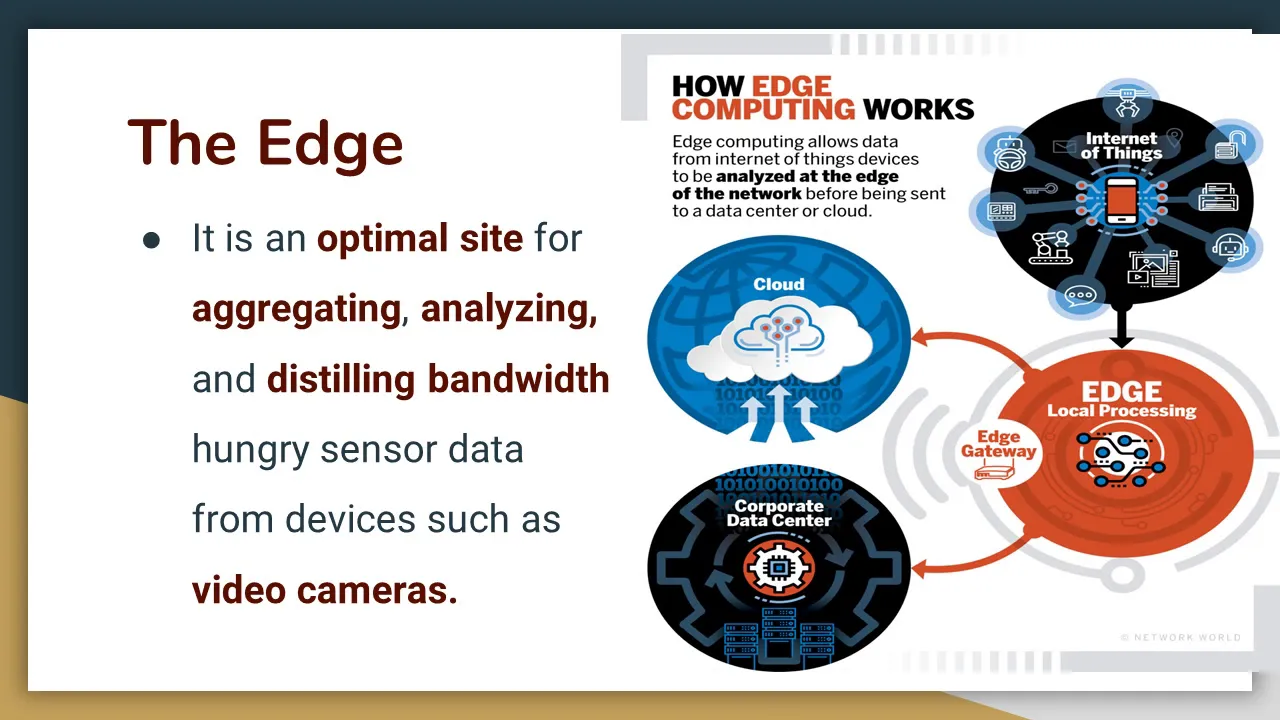

The Internet of Things (IoT) is a system of interconnected physical devices that transfer data over wireless networks without human intervention, enabling remote monitoring and automation of everyday objects. IoT architecture consists of four layers: the base layer containing sensors and actuators, the gateway layer for data aggregation, the cloud processing layer for data analysis, and the application layer for user interaction. IoT applications span smart homes, wearables, smart cars, smart farming, smart healthcare, and industrial automation. Key technologies include various communication protocols (Wi-Fi, Bluetooth, Zigbee, RFID, NFC) and connectivity standards. Security considerations involve tamper-proof hardware, encryption, firmware updates, and network segmentation. The IoT market is projected to grow significantly, with over 80 billion connected devices expected by 2025, representing a transformative shift toward ubiquitous connectivity and intelligent systems.
IoT Tutorial for Beginners: Complete Guide to Internet of Things
Added:until recently access to the internet was limited via devices like the desktop tablet or smartphone but now with the internet of things aka iot practically all appliances can be connected to the internet and monitored remotely it is a system of interconnected devices that transfer data over a wireless network without any human intervention so hey everyone welcome to this iot tutorial video in this video we help you understand what iot is and how it is impacting our day-to-day life we will also understand the iot architecture and look at the new trending iot projects for 2021.
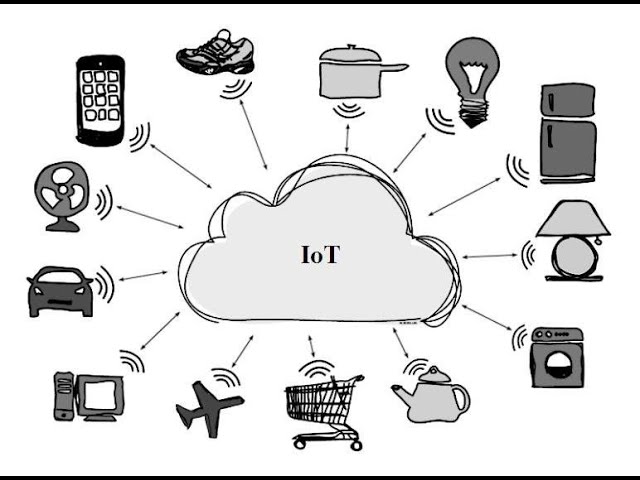
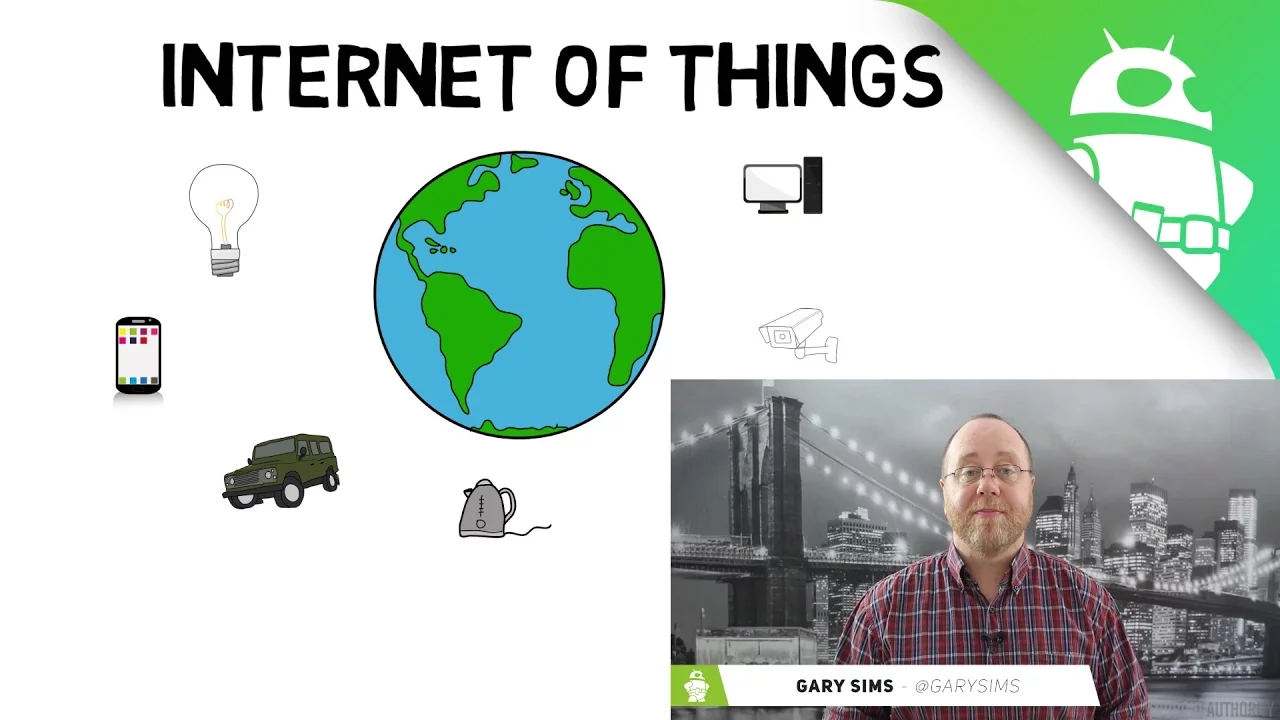
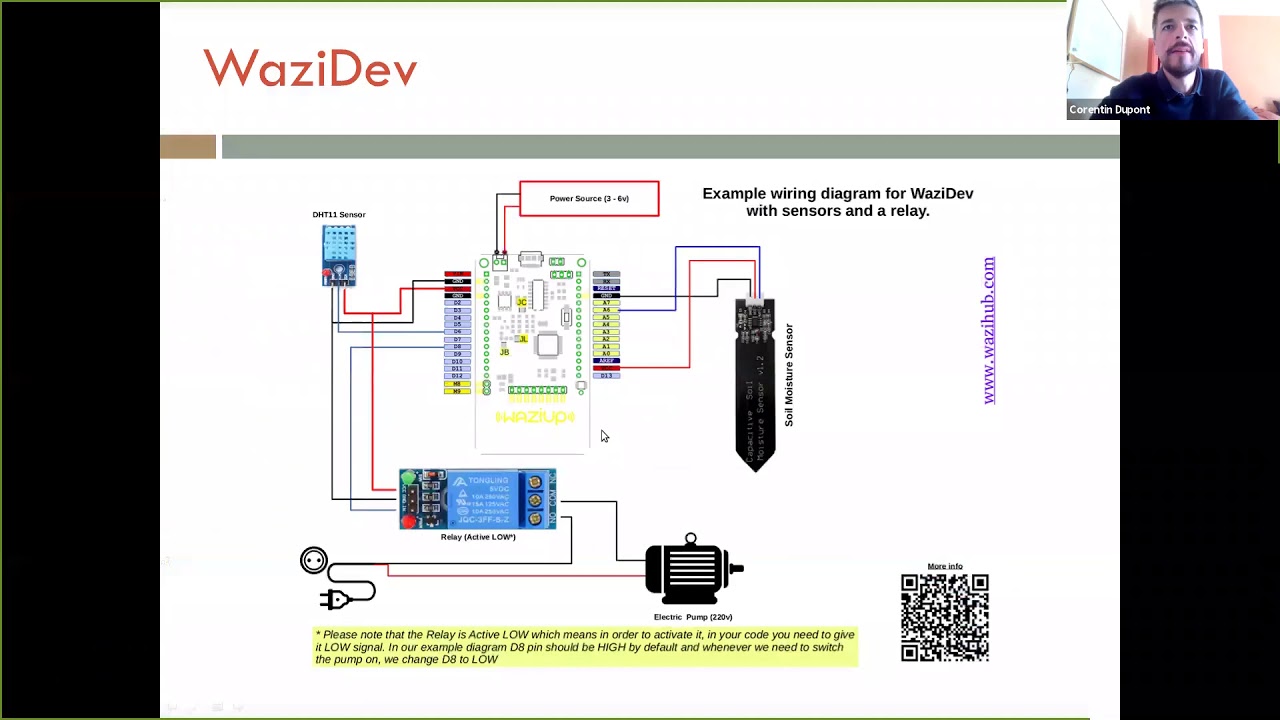
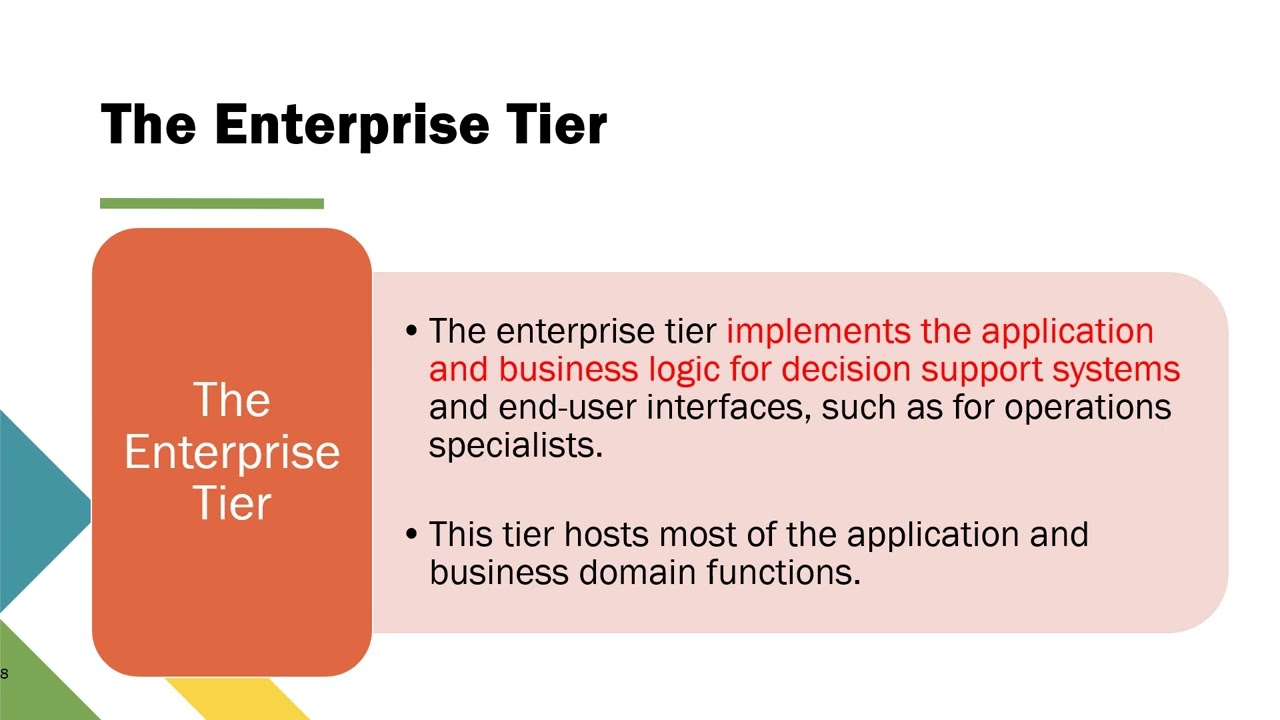
but before that if you haven't subscribed to our channel already make sure to hit the subscribe button and the bell icon to never miss an update i'm sure you're excited to learn so let's dive right in imagine you're at work and realize that you might not have turned off the air conditioner while leaving your house instead of traveling all the way back home what if you could use your smartphone to know the status of your ac and perhaps even turn it off wouldn't that be amazing well yes and this can be achieved with the help of the internet of things until recently access to the internet was limited via devices like the desktop tablet or smartphone but now with iot practically all appliances can be connected to the internet and monitored remotely iot is shaping the way we live our lives it helps us get a better insight into the working of things around us so what exactly is the internet of things iot is a system of interrelated devices connected to the internet to transfer and receive data from one to the other a smart home is the best example of iot home appliances like the ac doorbell thermostats smoke detectors water heaters and security alarms can be interconnected to share data with the user over a mobile application the user can now get detailed insight into the working of the devices around him think about it until recently the internet helped people connect and interact with each other but now inanimate objects or things have the ability to sense the surroundings to interact and collaborate with one another for example in the morning when your alarm goes off the iot system can open the window blinds turn on the coffee pot for you and even turn on the water heater although all of this is fascinating there's a lot that goes on in the background to ensure seamless functioning from effective communication between devices to accurate processing of the data received a lot of components are involved in the context of iot devices hardware can be classified into general devices and sensing devices the general devices are the main components of the data hub and information exchange they are connected either by wired or wireless interfaces home appliances are a classic example of such devices the sensing devices on the other hand include sensors and actuators they measure the temperature humidity light intensity and other parameters these iot devices are connected to the network with the help of gateways these gateways or processing nodes process the information collected from the sensors and transfer it to the cloud the cloud acts as both the storage and processing unit actions are performed on the collected data for further learning and inferences wired and wireless interfaces like wi-fi bluetooth zigbee gsms and so on are used to provide connectivity to ensure its ubiquity applications need to support a diverse set of devices and communication protocols from tiny sensors capable of sensing and reporting the desired factor to powerful backend servers that are utilized for data analysis and knowledge extraction to help you understand it's working let's take a simple scenario let's suppose you want to water your garden every time the moisture level in the soil drops instead of doing it manually you could automate it using iot the sensors and actuators installed gauge the soil for its moisture this information is sent to the iot gateway with the help of communication protocols like mqtt or http the gateway significantly aggregates data and feeds it to the cloud with the help of wi-fi lan once the moisture level drops the system is immediately triggered and the sprinklers are turned on however with the information stored in the cloud a detailed analysis like the time of the day the sprinkler was turned on the rate at which the moisture in the soil reduces and so on can be done and the report could be sent over to you on your smartphone over an app with the improved response monitoring and analytical capabilities iot is being adopted in almost all industries and domains opening doors to endless applications today iot is being used extensively to lessen the burden on humans to name a few iot is deployed for smart homes wearables watches and bracelets smart cars smart farming smart retail smart grids smart city and smart health care with such a wide spectrum of applications the future of i.t looks more promising than ever before in 2018 there were about 23 billion connected devices which was more than double the world population according to experts there will be over 80 billion devices by 2025. iot is a vision to connect all devices with the power of the internet always learning and always growing now that you have a picture of what iot is here's a simple question for you which of the following technologies is not used as an interface for a network one wi-fi two ethernet three zigbee four vpn give it a thought and leave your answers in the comments section below three lucky winners will receive amazon gift vouchers the integration of iot with other technologies like cloud computing machine learning and artificial intelligence is paving the way for many new and exciting innovations and that is the internet of things for you in short the first wave of the internet revolution came in with the growth of personal computers and in the second wave the internet came right onto our palms that is with the advent of mobile devices and here we are leaving the third wave where all electronic devices are almost already connected to the internet or will be in the near future yes the internet of things will bring about the next industrial revolution and will drastically transform the way we live and experience technology today quite possibly the internet of things will be as disruptive as the internet itself particularly when combined with big data and predictive analytics but what exactly is iot the concept behind iot is about connecting just about everything to the internet in real time which directly improves our quality of life and experiences for instance how are you watching this video right now on a pc a mobile or a tablet well whichever device you're using is definitely connected to the internet and that means you're already using an iot device sensors are becoming the end points of iot networks wondering what exactly a sensor is these sensors collect an increasing amount of context aware data and information such as location images weather conditions and inject them into networks actuators and applications in real time big data analytics and predictions have become apparent synonymous helping perform and execute tasks seamlessly with minimal to zero errors are you ready to admit a major breakthrough life in the present is great but the future looks like it could be way more exciting how we may ask since there are billions of physical devices around the world that are now connected to the internet collecting and sharing data in real time terabytes of data are going to become better bytes which represents 1000 terabytes each there is going to be a shift from wideband networks to narrowband networks for better range and you'll also soon witness the communication system transcend from 4g to 5g wireless communications [Music] iot will definitely be the paradigm shift of effective multitasking with massive applications now let's have a look at the future with iot environment imagine you're driving your smart car to work and you're quite late don't you worry because your car can now provide the shortest route with less congestion not only that the integrated sensors in the car alerts you about mechanical assistance you also have the access to automatic temperature control and not to forget in case you're tired or wary the car becomes self-driven since it comes with an accident prevention system [Music] as you are driving you see the smart farms through your window farmers are happier thanks to iot which helped them with better heat and provided more efficiency than ever you might wonder how with the help of systems like autonomous self-driving tractors adaptive irrigation systems soil health monitoring and animal welfare monitoring systems this is possible you also see smart factories which use iiot that is industrial internet of things with the help of analytics and automation systems iiot helps in tracking goods in real time inventory management automated delivery system and much more now you're returning home from office your car can park itself automatically your fingerprint voice or even your smartphone is enough to control all home appliances from lights to television and your door to water taps too are you excited to experience this smart future which is not far away of course you should be the applications of iot will be seen in every industry across sectors be it education healthcare manufacturing automotive you name it iot is definitely going to have a role to play in each one of them possibly the fourth wave will be the internet of everything or ioe which would encompass all physical things processes data and people through wearables and surgically implanted sensors unlike iot which focuses only on physical devices change is the only constant and the world will never be the same with the growth of ubiquitous connectivity and iot is sure to change the way billions of people live their lives today why to internet of things as a learner you should learn iot as it provides better scope for future data scientists as well as provides for promising career opportunities you can also build and manage your own iot for your home as a company executive you should learn iot because it will help you measure everything in the business you also get real-time metrics actionable data and better connectivity across industries after completing this course you should be able to explain the concept of internet of things comprehensive describe hardware software and other connectivity building blocks of iot describe design considerations pertaining architecture framework and interoperability explain the security considerations with iot pertaining to vulnerabilities explain industry 4.0 internet to everything and social iot and finally describe iot framework in enterprises in the context of iot devices hardware can be divided into two categories general devices and sensing devices the general devices do the embedded processing and connectivity for the platforms they are connected either by wired network or wireless interfaces they are the main component for data collection and information processing the current home appliances are classic example of such devices that are controlled by a sensor these sensors help solve common problems apart from sensors actuators are another important device in iot that perform similar functions with different capabilities they work as interface between sensors and machines and collect various information like humidity and light intensity this information is computed using the edge layer which typically sits between the cloud and the sensor they are the layers that store the intermittent transfer of information finally the backend server of the cloud processes this information both the sensors and actuators are the chief components of iot the sensors measure temperature humidity light intensity and other key parameters of home environment the second most crucial aspect of iot is device management platforms or dmps the dmvs as they are shortly called are the platforms through which these assets interact with the software layer through network gateways dmps come with various functionalities which include firmware upgrades security patching and reporting of metrics they also help develop alert mechanism for industrial equipment with more open source os like arduino overall it is an important aspect of the management of the device penetration connectivity blocks connectivity blocks collectively is considered as the backbone of an iot setup there are various connectivity layers like usb can protocols and modbus the next generation protocols of wi-fi are laura and zigbee they can interface with any application or modules a small device embedded in an object the entire landscape is called gateway architecture various ports are 232.485 from usb that come with gateway architecture the device interface is important for the data transfer and enables digital transformation with third-party applications and systems communication protocols and standards let us try to understand the various communication protocols available to set up an iot the first is the satellite this enables the cell phone communication through an antenna situated within 10 to 15 miles they have a stable and universal connection the second is the protocol is the wi-fi and is based on five gigahertz frequencies it provides internet access within a certain range and are an affordable option it has well protected protocols the third is the radio frequency it is the easiest form of communication a few examples are zigbee and z-wave which use low-power rf radio it consumes low energy which is very advantageous it's relatively simple to configure the fourth in this list is rfid it uses wireless electromagnetic fields to identify sensors and objects good thing about it is that it does not require power the fifth is bluetooth which is useful for short term and short distance data exchange it is present in every smartphone and has sensors the final one is near field communication or nfc it uses electromagnetic induction and loop antennas it comes with encryption has low speed communication and is used for short range data exchange future of iot connectivity iot connectivity is the future the launch of new technologies like 5g the 5g with low latency and higher throughput will increase the penetration of iot 5g cellular technology is supported by the network for virtualization even for the common use case such as for t vendor real-time predictive analytics can be available so overall the delivery time is reduced with iot 5g and iot are embedded technologies both can be sliced and diced for predictive analytics and real-time business decisions 5g will help devices connect through a network with high speed bandwidth iot device architecture there are four layers in the device architecture the base layer consists of iot devices this includes all the components like sensors with the ability to sense compute and connect other devices let's move on to the second layer which is the iot gateway or aggregation layer this layer significantly aggregates data from various sensors these two layers form the definition engine and they set the rules for data aggregation next layer is based on cloud it's called processing engine or event processing layer it has numerous algorithms and data processing elements that are ultimately displayed on a dashboard this layer basically processes the data obtained from the sensor layer the last layer is called the application layer or api management layer it acts as an interface between third-party application and infrastructure the entire landscape is supported by device managers and identity and access managers which are useful for security of the architecture many individuals and organizations have contributed to create and set the standard it covers the entire network and endpoint systems it brings a structural approach with security controls in place it provides a demarcation based on its uses for enterprise to build iot products this standard has 85 detailed recommendations and a structured approach that can fit into any iot ecosystem it has a flexible framework addressing the diversity of the technology aligned to the regulation it also has risk modeling capabilities for any organization to choose from including endpoint ecosystems the standard is very flexible and comes with the inbuilt risk assessments for any organization to adapt overall it is an interesting standard and easy to get trained at iot security best practices there are many best practices in iot security let's look at some best practices pertaining to iot hardware first of all the hardware should be tamper-proof they should have undergone dynamic testing with specific data protection algorithms and should be updated on firmware and patches the network components must be authentic with encryption kernel controls and division of networks into segments other security measures include privacy protection for sensitive information and other regulations like safe harbor statements there are many value drivers to help the internet of everything key drivers are employee productivity supply and logistics customer experiences innovation and time to market asset utilization all the factors are tightly linked to generate a new revenue gains for any enterprise time to market and innovation this will help with the competitive index of the organization he'll help discover mvp to reduce the cost of building and bring improvement in customer experience asset utilization is the form of digital physical and even smart assets the asset discovery is the requirement for the establishment of the iot ecosystem supply chain is also a key value driver and assesses the requirement of internet of everything in addition to the drivers there are significant elements the elements stand in four buckets the first is data which encapsulates sending and analyzing data the second bucket is the people who are always connected and have contextual subject mapping with the real-time world for decision making the third bucket is the things which link people to machine with endpoints ibi addresses and sensors the last bucket is machined to data which talks with a business value and action iteration essentially building simple models to achieve corporate results internet of everything growth engine the internet of everything comes with a growth engine for any organization it includes people or the most valuable resources the process of making the right effort the things that includes the physical devices other objects and the data taken from sensors to make actionable insights for decision making is important people process things and data are the growth engine elements it gives the company an edge in the digital transformation world with data privacy and transparency mechanism it is important for every organization to follow internet ethics and compliance iot and fleet management let's discuss some use cases of iot the fleet management is a classic example of iot in application in this domain iot is mainly used to track vehicles from one point to another using iot technology the entire fleet can be monitored with a support of rfid chips embedded within every car in the fleet the same rfid can also be used to track products such as consumer goods electronics and food items you can get real-time information on the routes that the fleet takes there are obd devices that can be used to track vehicles behavior and performance including fuel consumption and mileage this can reduce the total cost and provide greater return on investment according to a recent study the iot market will increase to 8.28 billion dollars by 2021. sensor's linked artificial intelligence help the bankers track all the activities in the back end the advancements of mobile phones and digital assistants along with 5g connectivity makes customer experience seamless first and foremost it is data data is the new oil financial institutions have structured and unstructured data of the customers they can slice and dice the data for profiling segmentation product launches and digital services enablement the data can create a large economic drive and give rise to new business models like nfc banking digital assistance banking and social media banking with this transformation internet of things provides competitive advantage to the banking insurance and financial services while the end goal remains to help customers save money and give a bundle offer let's understand how iot revolutionizes various industries with the advent of the internet of things there are many industries experiencing digital transformation such as financial services healthcare manufacturing communications energy retail and transportation iot has initiated changes at all levels user infrastructure and large-scale applications analytics with real-time dashboard and iot support allows informed decision making for businesses this also means that iot is introducing a new revenue model for enterprises around the world learning objectives by the end of this lesson you will be able to explain the iot architecture and frameworks describe the iot interoperability and its design considerations and discuss industry-aligned use cases iot device architecture there are four layers in the device architecture the base layer consists of iot devices this includes all the components like sensors with the ability to sense compute and connect other devices let's move on to the second layer which is the iot gateway or aggregation layer this layer significantly aggregates data from various sensors these two layers form the definition engine and they set the rules for data aggregation next layer is based on cloud is called processing engine or event processing layer it has numerous algorithms and data processing elements that are ultimately displayed on a dashboard this layer basically processes the data obtained from the sensor layer the last layer is called the application layer or api management layer it acts as an interface between third-party application and infrastructure the entire landscape is supported by device managers and identity and access managers which are useful for security of the architecture iot reference architecture next let's learn about the various layers in iot reference architecture device layer the device layer is the main component where there are various devices like sensors that are interconnected some examples are bluetooth connected via mobile phone and zigbee via zigbee gateway the other devices include the raspberry pi that's connected to the ethernet via wi-fi this is directly connected to the communication layers which are part of the second layer communication layer the communication layer or gateway layer has rest protocols and other application level protocols both layers are tightly coupled and generate enormous amount of data now the bus layer or aggregation layer acts as a message broker it forms a bridge between the data and the communication layer for the sensors this is an important layer for three reasons it supports an http server and or a mqtt broker it aggregates and combines communications via gateway and it bridges and transforms data between different protocols the next layer is the event processing and analytics layer which drives data and provides transformation to the data generated it provides the ability to do event processing the data is stored in the database the client layer is used to create a web-based engine to interact with external apis this can be fed into the api management systems this layer helps create a dashboard and provides a view of analytics and event processing this layer helps communicate with systems outside the network using machine and machine communication so we've seen the comprehensive iot reference architecture with various components rule engines interfaces and security systems embedded cross-functional architecture is possible using device manager that provides a single platform for remote management the device manager communicates with devices through set protocols device management uses device management agents and is responsible for the remote management of software the identity layer has the capabilities of cyber security including policy control and oauth 2 token instruments other capabilities include identity services xacml pdp and directory of users eg ldap iot reference frameworks there are a lot of frameworks for iot setup but the most common is the iso 30141 and it provides commonly used vocabulary reusable designs and best practices for any developer to design an application it also has many secure application standards that derive the maximum benefit for the organization and reduce the risks iot standardization and design considerations there are a number of iot standards and these are evolving over time some of the key ones are m2m that is a machine to machine service layer that can be embedded in hardware and software to connect devices contiki which is an open source operating system for low cost low power iot microcontrollers light os a unix-like operating system for wireless sensor networks random phase multiple access this is a proprietary standard for connecting iot objects the last one is sig fox a proprietary low power low throughput technology for iot and m2m communications iot interoperability challenges iot maturity comes with several challenges specifically pertaining to interoperability and interfacing the reasons are coexistence of multifarious systems devices sensors equipment etc that interchange location time dependent information in varied data formats languages data models constructs data quality and complex interrelationships multivision system designed by manufacturers over time for varied application domains making formulation of global agreements and commonly accepted specifications very difficult new things that get introduced and that support a new unanticipated structures and protocols existence of low power devices which need to exchange data over lossy networks and may have minimal likelihood or accessibility for a power recharge in months or years iot design considerations when you choose an iot solution you need to consider several factors like its wireless capability functionality interoperability secure storage immediate boot capacity device categorization bandwidth cryptographic control and power management the design considerations should be a mix of the estimated average of all these components and index to balance the user requirements you also need to set up a dispute resolution mechanism in case of failure in the long run iot device architecture network and cloud there are four stages of integrating the different iot processes stage 1 network things wireless sensors and actuators stage 2 sensor data aggregation systems and analog to digital data conversion stage 3 the appearance of edge i.t systems stage four analysis management and storage of data as these stages are evolving the devices the network and the cloud application must be leveled equally in ecosystem for better stability and security the iot architecture is a combination of things devices platform and sensors with data stage 1 of an iot architecture consists of networked things typically wireless sensors and actuators stage 2 has internet gateways and data acquisition systems that includes sensor data aggregation systems and analog to digital conversion in stage 3 edge it systems perform pre-processing of the data before it moves to the data center or cloud finally in stage 4 data center and cloud is where the data is analyzed managed and stored on traditional backend data center systems fundamentally we need to have a functional scalable available and maintainable architecture if these are not supported then architecture is not useful now let's look at the three architecture areas of iot one the client side iot device layer two operators on the server side iot gateway layer and three a pathway for connecting clients and operators iot platform layer these three layers interface with each other on a data synchronization front and pathway to generate more data from various applications the feasibility of the layers depends on their application let's now differentiate between centralized and decentralized iot architectures the centralized architecture is a hub and is managed from one point whereas the decentralized one is based on the use case they do not help in industrial iot solution the centralized architecture is associated with cloud architectures in which a central hub provides a series of back-end services to smart devices in decentralized architecture there are many scenarios that require autonomous communication between smart devices and an iot topology without the need of essential hub the centralized systems help in event processing and whereas decentralized systems operate more of peer-to-peer messaging the decentralized auditing is one of the essential features that decentralized architecture use case i have smart farming use case smart farming iot design this use case addresses the design formalities using iot iot design is an essential part of the navigational ecosystem smart farming requires precise architecture and components that help bring benefits to the farmers the various factors that determine the iot design are data cost efficiency and product quality the efficiency and durability of the ecosystem help the farmers plan their harvest and sow based on the climatic conditions using the sensors and geospatial location data so be precise any farmer needs to understand the fundamental design that can help run the ecosystem smart farming is useful as it helps the farmer to predict conditions and sow crops with less cost and utilize automation capabilities to have such systems you need to purchase the right hardware which can monitor the accuracy of data and quality of the sensor once you have these systems you can benefit more from farming there are four things you need to integrate for smart farming first is a data engine smart farming should have a robust data processing engine that can act as the brain and handle data processing storage and lead to efficient output the second is hardware you need to ensure that the hardware is durable and easy to maintain hardware or self-fixing algorithms is even better the third aspect is mobile access this is possible using a smartphone along with offline or online mobile applications to enable all three processes you need cloud infrastructure with the edge layer this iot system can enable smart farming for any crops in any geographical location let us look at another use case on using sim cards to monitor sugar level in a diabetic patient diabetes management is a recurring concept where the patient has to check the blood sugar at regular intervals in the traditional way he has to go to the physician lab or he has to have his home blood glucose monitoring system iot can help create a system with the blood glucose data will be transmitted remotely via smartphone and a sim embedded in it identifying the necessary and right hardware is one of the crucial steps of creating such a system you need to choose the sensors for your device or create a custom one which fits the glucometer this can be a sim card the next step is to ensure that the quality of your sensors is good and has seamless integration with the system finally make sure that the data monitoring happens in real time with high accuracy now when the hardware landscape of this ecosystem is ready you need to set the software then first it is crucial that you have software with software pair algorithm for service management to enable this process you need cloud infrastructure with edge and finally a smartphone to work with the devices and sensors key takeaways now that you have completed this lesson you should be able to explain iot reference architectures and frameworks describe the iot interop ability and its design considerations and finally discuss industry-aligned use cases here's a list of iot projects for 2020.
first up is smart mirror smart mirrors are a very cool iot application these mirrors can be used to display temperature news weather calendar clock and complements on the screen apart from these smart mirrors can be used to click the perfect selfies with a built-in camera it can also be installed with speakers to play some music and they also provide on-demand workout sessions with world-class trainers the mirror can be used to browse the internet make phone calls and even be connected with other devices for collaboration next up is smart money transfer we're heading towards complete digitization transactions are made possible on your cell phone with apps like apple pay google pay and paypal but imagine if you could walk to a store and pay with a wrist watch wouldn't that be cool the purpose of the smart wallet is to provide an easy and reliable platform for money transactions it is compact variable and rechargeable for safety purposes the user authenticity is validated the smart money transfer technology can reduce the burden of mobile money transfer when you're on the go you could easily step into a store purchase the goods and pay hassle free after every successful transaction the balance is updated immediately to avoid any uncertainty next up is iot based smart arm now this project includes the creation of a robotic arm which can pick and place things from one place to another to control this action the robotic arm can be moved using specific commands some advanced arms allow the user to change the end effect of the arm to perform various different actions it can be used to make art print 3d images and build production lines it can also be used to perform your day-to-day chores at number four we have smart irrigation now with changing climate and recurrent water crisis farmers suffer a great deal with growing crops smart irrigation puts an end to this ordeal this system comes with the moisture sensor that checks the soil for its water content when the soil moisture drops below a certain value the system triggers the water supply at number five we have smart door now as the name suggests this project aims at creating smart doors that control the entry and exit of humans these doors open and close automatically when you pass by the door can also be controlled remotely you could unlock the door for a friend by tapping an icon on your smartphone once they exit you're immediately notified the owner can also choose who has the access to the door at number 6 we have air monitoring system now air monitoring has become crucial for the environment and what better way to do it than incorporating iot the iot system uses air sensors to sense the presence of harmful gases or compounds in the air the data collected can be used by the local authorities to make a detailed analysis necessary actions can also be taken to ensure that the air quality levels don't reach an extreme low especially in areas with hospitals and schools moving on to number seven we have smart alarm clock now there are many variations of a smart alarm clock but the alarm we are talking about is a self setting alarm the smart alarm clock uses your google calendar to check your appointments to set the alarm it can also procure data from gps about your eta to a particular place and consider the weather to automatically adjust your wake time all of this is just making life more easier moving on at number eight we have iot based weather reporting system now the system deals with monitoring weather and climate changes like humidity temperature moisture wind speed uv radiation light intensity and even carbon monoxide levels in the air using multiple sensors now these installed sensors send data to the web page that is plotted as graphical statistics the project even consists of an application that sends notifications as an effective alert to warn people about sudden and drastic weather changes so when you're heading out the app could easily tell you what the weather will be like and suggest carrying an umbrella or perhaps a sunblock at number 9 we have smart wheelchair there are over 132 million wheelchair users across the globe smart wheelchairs is an excellent innovation typically it comes with built-in sensors on the seats that collect data every second the data provides insight into the seating behavior of the patient and the energy required to maintain the posture other variations of smart wheelchairs could include fall detection these features allow people to monitor the patient from a remote location and finally at number 10 we have smart street light system this iot based street light monitoring system not only monitors but also ensures low power consumption and detects faulty lights the street lights have external sensing that automatically turns on at the desired intensity based on the lighting needed control of light intensity is based on the movement of people or vehicles in case of an emergency the lights increase the brightness to maximum intensity thereby ensuring safety when deployed as a part of a smart city the users can be informed about any outages they can also register a complaint for immediate service and so with that we come to the end of this session i hope you have a good understanding of iot now thank you so much for being here keep learning and stay tuned to simply learn hi there if you like this video subscribe to the simply learn youtube channel and click here to watch similar videos to nerd up and get certified click here
Up Next
Blockchain System Integration: Connect, Integrate, and Interact
@envisionblockchain
252 views•2019-01-26

Triumph of Orthodoxy Icon: Byzantine Art & History Explained
@BenCallan
2.1K views•2024-08-06
Supply Chain Management Explained: Stages, Process & Strategy
@SimplilearnOfficial
1.5M views•2021-12-15

Game of Thrones Opening Credits: A Cinematic Analysis
@gameofthrones
46.3M views•2011-04-18
Related Study Plans & Knowledge Roadmaps
Structured learning paths in General & Interdisciplinary Studies