










![Angry Nerds Live op KPN-NLSECURE[ID] deel 2](https://i.ytimg.com/vi_webp/GeNDTA0INw0/maxresdefault.webp)




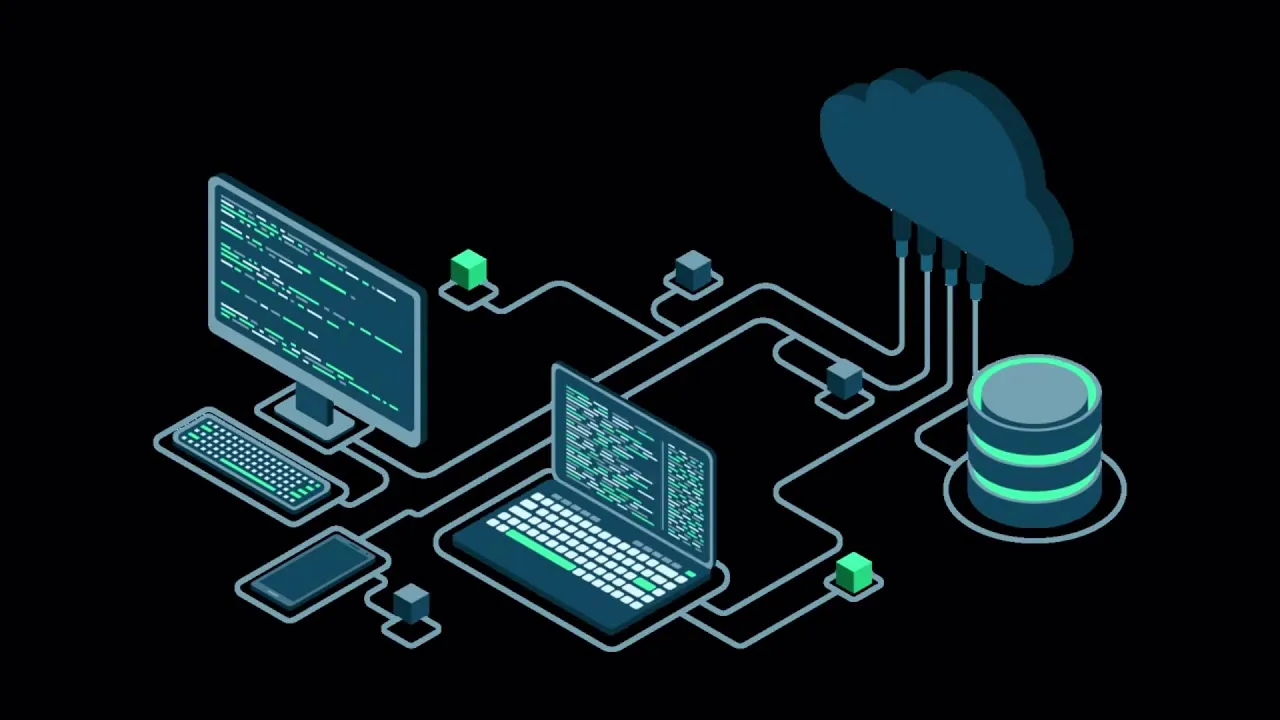
Blockchain technology can be integrated with existing enterprise systems through multiple channels including IoT devices, backend applications (ERP, CRM), mobile clients, and voice assistants, enabling real-time business process automation where smart contracts automatically execute predefined rules based on sensor data, API triggers, or user inputs, thereby streamlining operations across distributed business networks.
Blockchain System Integration: Connect, Integrate, and Interact
Added:Fundamental concepts of blockchain technology, including decentralized ledgers, cryptography, and smart contracts.
Basic understanding of system integration architectures, such as APIs (REST/gRPC), webhooks, and middleware.
Core principles of the Internet of Things (IoT), including sensor data collection, device communication protocols, and edge computing.
Familiarity with standard enterprise business process management (BPM) and traditional relational database management systems (RDBMS).
Advanced blockchain interoperability protocols and cross-chain communication frameworks (e.g., Polkadot, Cosmos).
Implementation of decentralized oracle networks (like Chainlink) to securely inject real-world IoT data into smart contracts.
Security analysis and threat modeling for hybrid architectures combining centralized enterprise systems with decentralized networks.
Designing and deploying decentralized identity (DID) frameworks for both enterprise actors and IoT devices.
252 views4likes53:41Original Release: 2019-01-26
you all right so without further ado thanks again for joining and today we'll be talking about how to connect integrate and interact with blockchain technology so just five seconds about us you know we we see some of the registrants and there are a lot of familiar faces there there's a couple of new folks in here so just but those that haven't heard about envision blockchain yet if I could just take five seconds kind of explain a little bit about us so we are a Microsoft Partner and we're really focused in blockchain agnostic solutions and we have a vision and mission to increase blockchain adoption and and we believe that that's going to be the catalyst which is going to drive organizational transformation in this in this current era that we're living in right now so there's IOT there's AI and blockchain and when you combine all those together this is what's what's being called as the fourth Industrial Revolution so we're uniquely positioned right there so just just to kind of flash really quickly about some of our offers some some of our offerings and how we help out clients when you take a look at your journey in blockchain you know adoption or implementation or how using it there's there's really these major milestones so you could be at the beginning and an educational type of phase you could be looking at you know shortlisting certain use cases like hey I know that blockchain is probably gonna be important for me to look at I have a lot of business processes I have a lot of ways that the company makes revenue how can we fit blockchain into this process and that's where the use case workshops come in the immersion labs which you see right there is this really educational blockchain 101 guided tour showing you different smart contracts you know and we're gonna get to it a smart contract is in the next couple slides maybe you're already understanding what the use case is you've already investigated it and now you've shortlisted that and now you need to develop out a solution and add that to some of your business processes that's the solution deployments are really gonna come into play and we can help out from developing at a proof of concept all the way out to a production level environment so with regards to post go live support we provide training and manage services helping manage and support the blockchain solution that's implemented system integration is something that we're gonna focus on very heavily during this webinar because when you're dealing with the blockchain technology it's like a database in a way so naturally what you're going to be doing is you're going to be integrating with some of your existing lob apps or line of business applications whether it's IOT devices or AI or maybe we're we're gonna be touching upon what are the other you know current legacy systems as they like to call it ERP systems CRM systems etc so we integrate with that we'll explain more about that and also Big Data reporting just flashing this really quickly some of the industry accreditation that envision blockchain has as as we mentioned earlier that we are blockchain framework agnostic we're not going to get into what the difference is between different blockchain networks are but there's benefits and there's there's pros and cons for all the different block chains out there from the private blockchains to the to the public ones right but we are members of the enterprise at lyrium Alliance we're certified by the Linux Foundation which is the organization that hosts the hyper ledger projects certified blockchain for business there we're also quarter blockchain certified and service providers and partners for the court organization we're also Microsoft certified professionals all the way from app development data analytics developing solutions and also with IOT devices so let's let's kind of get into let's get into the presentation a little bit and and let's and let's discuss first before we get into this let's discuss what is blockchain and you know this topic you can do tons of reading on you can you can go ahead and you know spend all day immersing yourself but really simply put it's a distributed ledger there's nodes in the network that hold a copy of the ledger ultimately the word blockchain is this chain of historical records that's linked together and it's programmed with something that's called smart contracts and smart contracts is something that we'll be talking a lot about today so simply put blockchain is is shared in a mutable ledger that records transactions as transactions happen in your business it holds these and it encapsulates that into a block and a lot of blocks have this seal time for example so certain you know certain transaction happen it gets trapped in a block the next block forms transaction happened that block closes another block opens up transaction happened it closes and they're all linked together hence the chain and when we take a look at from a holistic view what it really provides is that there's values with using the blockchain with your solutions when you implement blockchain you should be able to on the very basic level be able to have this immutability of data which means that the data coming in cannot be changed this is what they mean that it's a you know super secure you know that that the data would you want to run your business off of you know you can include that in many different revenue models but this is this immutable data that cannot be changed transparency means that anyone in that network as long as they're given the right permissions they can see all of this information and again because it's a mutable data we're now operating in this trustless fashion where this data is proven it's governed by the rules and the code within the smart contract it'll explain what that means in a second and it's obviously happening in real time so now you have these real-time workflows that when certain events trigger they cause a new state to change and and again if this is your first time hearing about blockchain we're gonna discuss this and we're gonna provide demo so we'll you know we'll get into all that but at the very top level all these values that we just discussed they provide a new level of trust between business partners where the business partners that are part of your business network now can agree on this smart contract they can agree on the rules of this blockchain network that they decide to participate in okay so again just to give you a little bit more of a visual representation about what is a blockchain blockchains are distributed Ledger's again so there's different nodes in the network and the nodes in a network they provide this you know they provide this chain of blocks and and and they're all they're all getting copies of this transaction metadata at the same time at the very you know at the very simplistic data structure if you will they at least have a timestamp when something happened and the block reference so that you can reference this block you can reference the previous blocks and and and this this is all hashed metadata and we're gonna give you some examples of what hashed means but hashing is a form of encryption ultimately so again within the blocks that you see right here we have this transaction metadata again whatever information is within the smart contract again we keep talking about smarter contract but just keep this in the back of your mind that this transaction metadata again is captured within a block so this is a kind of like a picture explaining what the block could look like and it's linked to all the other blocks in the blockchain and this is again showing you a different representation of what a blockchain network would look like so consider each one of these computer stations a different node or different business partner or you know a different participant within your network and and we're not going to get into the concept of consensus but essentially what happens is when a transaction happens the nodes have to agree the participants have to agree or in this picture that these computers have to agree that the transaction is valid and nothing's been tampered with and the code is what the code is and when that consensus algorithm hits and and it can verify that the transaction is the right transaction it writes the ledger and again everyone in that network has a copy of that has a copy of that ledger so again that you could see as many blocks that form all the blocks are now transparent and they're all written to all the different participants of the network so here's where we start to talk a little bit about what a smart contract is so you're gonna hear me talk about smart contract applications pretty frequently essentially when we talk about smart contracts we can just keep it simple we're talking about blockchain applications so an application you know an app that runs on a blockchain network is essentially called a smart contract there's there's different components right when we talk about the full stack you you might have heard someone within your organization you know if you're in the IT side this is a common term if you're on the business side you may or may not have heard a full stack but the full stack would refer to the different layers of the architecture so there's you know there's there's the the UI which is like the web part where we interact we're gonna showcase what all this is but essentially the smart contract is the rules of which the application is going to be running in so let's break down what a smart contract is just one step further right so how do you interact with the blockchain application so this first picture is a smart contract we just give you a little snippet of the code so you know when you think of a smart cano sorry when you think of a contract right the first thing that comes at least in my mind is like a contractual agreement like a legal agreement right so so when you think about what that means it's that there's you know business logic behind it if you do this then I'll do this and you'll receive payment or I'll do this or something like that right so essentially this smart contract is your business logic codified and then written to the blockchain ledger so you can't change the smart contract of course you can you know deploy another smart contract but that's another conversation but essentially the rules of the smart contract it's written to the blockchain and this is our language of how we're going to transact okay so so we have the smart contract we developed a smart contract it's then deployed to the blockchain network and then you transact in it we're gonna showcase in this in this presentation we're going to showcase a smart contract for a supply chain for taking coffee beans from one location cultivating it etc and shipping it to another one so transaction doesn't necessarily have to be you know like when when when we think about we think about cryptocurrency right do you think about transactions we talk about money right I have I have some money value and I'm transferring it to someone else to their wallet to their to their bank account et cetera so what we're gonna be looking at is really non-financial use cases of blockchain for this particular case so transactions could be literally on transferring responsibility for it for for this to someone else or maybe I have an IOT sensor that's on a truck that's always going to be sensing the temperature every five minutes and when it reads that temperature and then writes that information that's also a transaction okay so once once that information is then written to the blockchain all members of this business network they all have a copy of that transaction metadata okay again we breeze through this kind of quick blockchain 101 if you go to our web site www.microsoft.com/downloads Chane 101 this way we call the enterprise blockchain immersion where we take these concepts and and we go further into what consensus algorithms are what the different block genes are pros and cons etc so this is just a quick little snippet of what a session like that would would look like but now that we understand a little bit about what a blockchain is what a network is how its how it's made up and what a smart contract is you know the number one question that we're hearing from all of our customers and anyone that we talked to when we talk about blockchain is we're essentially talking about how can blockchain streamline business processes and this is this is a really interesting concept because over the past year the world has experienced a rapid growing trend of business leaders that are looking into blockchain and they could be looking into blockchain from really quick you know hey I just want to read a couple news articles about it all the way through hey I want to actually you know take some take some budget and I want to invest into a solution so I need to develop a proof-of-concept or or or maybe I want to do a use case assessment but along those lines right you need to understand where it is that you know the business value out of blockchain technology is really really gonna come in you know so it's important not just to understand the blockchain technology but what's more important is if you take a step back and let's take a look at business processes and and what business processes actually mean so in a previous presentation we had discussed the value chain and and and the value chain it's not a new concept by any means the value chain is is originally a concept that Michael Porter kind of kind of brought to the attention of the world and he talked about basically that the value chain exists in every organization and it consists of two major category primary activities and supporting activities okay so when when I'm gonna explain these to you the only thing I want you to do is think of this as a quick little assessment think about where it is that you specifically sit within your organization and then we're gonna start to understand where these different processes live right so at the very top level we have these supporting activities we have the firm and firm infrastructure this is where we discuss the line management the administrative handling financial management systems etc we have human resource management we have recruiting staff we have training the staff we have making compensations and retaining the staff we also have the Technology Development this is where you're gonna find a lot of IT again IT as we've seen in a lot of organizations there really seemed as a support function right we have business processes and IT needs to be able to support it sometimes IT departments are seen as as you know it's kind of an expense really but when when when you can merge business and IT together that's where we're gonna really be able to see a lot of support okay so that's that's on the technology development and then we also have procurement right we have suppliers we have agreements we have services pricing etc so that's the supporting activities when we get to the primary activities we have inbound logistics how are you taking supplies in from another organization or maybe how are you taking supplies in from your current organization there's also production once you have your supplies in how are you actually going to be you know putting them together how are you manufacturing this are you building it are you you know how are you putting your service together you also have outbound logistics okay so we now not only have the inbound we're not just making it but we're also sending it out and then when we're sending it out you know you obviously need the marketing and sales involved those the ones that usually make the first contact with the customer this is the one that that really you know helps you get seen and then you have the services this is really after you've provided your service after you provided whatever it is that your business does to make revenue then you need to be able to support it on some unsummoned and so when when we go through this organizational assessment of your different value chains we're starting to now understand you know kind of compartmentalize where you are what the business is and then how it makes sense that a new technology can kind of get everything all together on the same page and and think about this for for just one second try to keep this in your mind because when when we perform when when envision specifically when we perform our use case assessments we have a very robust you know it it can go you know it can go as far as you know 50 questionnaire use case assessment you know it it gets in-depth and it covers a lot of different points all across what what's kind of needed to kind of come up with the requirements both functional and technical and you know this is what customers really like about the use case assessments is because when you have this new type of emergent technology you think about well where does it fit and how does it fit and who should be involved and where do we get it in and you can come to the table with maybe a hundred of ideas but it's really important to take those ideas and shortlist them into something that makes sense from from the first go ahead so if I can focus on four major points that really make sense for this presentation is the use case assessment and some of the points that we like to discuss are data sources so again this is really important when we talk about blockchain remember the values it has this immutable data once something goes into the blockchain it can't be rewritten so it's important that we look at our data sources we call them the golden sources right so where are the data coming from and and that's important because when we start to talk about IOT devices where we start to talk about different you know legacy systems inventory management systems you know supplier systems then you know you want to understand where the data is coming from and make sure that it's an you know credible data source technology 360 is where we take a look at all the technology that's available because maybe blockchain isn't the best fit for your use case maybe it is maybe that there's other technology that you could be using or maybe that there's ways that you can use your current systems a little bit better so we call that a 360 because not everything needs to go forward with blockchain technology as much as we would like it to value streams which is important because value streams is what we just basically discussed right the business has so many different areas where business value is being held up at so you know it's poor it's important to understand where are the value streams coming from and legacy systems is where we're gonna focus on for for the majority of the rest of presentation so some of the legacy systems right they don't necessarily need to be old to be considered legacy systems but it's what you currently are using so when we take a look at some examples of legacy systems just to point the picture we have different systems right everything from enterprise management systems and financial management systems facilities and equipment management systems could also be inventory systems and employee management systems all the way through right we're not going to read every single one explain what that is because I'm sure that you already know what they are or you're familiar with it but just to paint a better picture if we take a look at all the different legacy systems now when we merge all the pictures together now you can see which of these systems are in which different areas of this value chain right and this is super important to think about because when we want blockchain to be able to streamline business processes where essentially saying we want to streamline all of our activities from support and primary we want to make them real-time if we have multiple businesses that are that are operating together they can even be internal right you can have you know for example 60 different you know offices spread up cloth spread across the globe that are you know doing some sort of you know internal business process and you find out that you're just sending each other Excel documents well there's there's probably there's probably a way that we can bring everything on one ledger and streamline things together so with that in mind you know when when we take a look at what microsoft azure is doing in the space you know the the CTO core microsoft azure is saying that every single company we talked to is looking at how they can apply blockchain to various areas in the various areas are this you know if i if i just go back to slides we're talking about these supporting activities and primary activities okay so let's go forward and just for those that may not know what microsoft azure is really quickly it's a set of on-demand cloud offerings really help your organization meet your business challenges so they provide they provide solutions from you know AI analytics you know computing media you know you name it they provide it the differences asher is like driving a taxi you only pay for what you use as opposed to something like you know we probably familiar with Microsoft Office you pay a monthly or a yearly license so what does Microsoft doing in the blockchain space is it's a question that we get often so Microsoft has two main offerings they have this Microsoft Azure blockchain as a service the bash model as we like to call it or they have the Microsoft Azure blockchain workbench and I highlighted this because for the demo we'll be using the azure blockchain workbench so the Microsoft Azure blockchain is a service what it provides you know typically before this type of blockchain as a service if you wanted to go ahead and build a blockchain network you would literally need to piece every piece of the blockchain network together all the different nodes all the different connections all the different you know all the different components what microsoft azure said is hey let's cut down on this development time and let's go ahead and create these templates with some of the most popular and and well you know spoke about blockchain networks out there so they have the private version of aetherium with one-click deployment and you can add you know a number of notes that network they have a hyper ledger fabric that was just updated to 1.3 the the solution solution template they have Corte they have quorum but then they also have this Microsoft Azure blockchain workbench which gives you out-of-the-box a fully functional blockchain solution that has a user interface that has API is ready to connect and integrate to whatever device that you're looking for so just form a development perspective you know let's say that you're hiring an organization to go ahead and help you out with this you cut down that time on trying to scaffold these blockchain networks together you can just deploy the network and then just worry about the rest of the integration involved okay so along with that we have the Microsoft Azure blockchain development kit this is just a quick little video showing you so this is something that the Microsoft blockchain engineering team released I would say about a month or two ago and it's a github repository with a ton of samples to really get going and understand what's what's what's happening in the space so as you can see that they have different repositories with samples on how to connect and how to accelerate there's different dev ah practices IOT samples etc and we're actually going to be focusing on this Microsoft Azure blockchain dev kit for for the for the rest of the time and the demo that we're going to be showing you it's it's also you know they they provide a really nice user interface that's that's integral the box with the workbench it's really great for POC purposes and kind of showcasing different things so so the scenario that they like to follow when we're showcasing this is so you know just to kind of get an understanding of how an end-to-end blockchain solution could look like right we have this scenario where we have someone in a supply chain you know process where you're cultivating coffee beans right you have someone in a field somewhere in a third world country cultivating coffee beans you need to be able to transfer that into a manufacturing place so that it can get processed once it get processed you need to be able to transfer it to a logistics transportation process so you know what's important when we talk about that is not only is the transportation important but also making sure that when it gets delivered to the retail location you know the product within this within this transportation you know process didn't get ruined didn't get you know tarnish didn't get tampered with so so there's all these different pieces which eventually then you know leads from as they say from the farm to the cup right so it's this whole process of having all these different business partners that don't normally work together but they should work together and they're not normally on one process but they should be on one process they don't normally use one solution but they should this is how you can kind of bring everyone together utilizing blockchain technology right so what's what's what's super important to think about here is wow this is one scenario you're probably sitting here thinking well where does it make sense right so so we're gonna break down every one of these components to showcase how things could look like for your own use case but we're gonna keep this this supply chain and transportation you know we're gonna kind of stick to here so the first one is connecting right so you know there's there's there's all sorts of ways that you can use SMS and voice interfaces to trigger a next state of your smart contract so once again smart contract is the blockchain application and when I give you the demo you know I'm gonna show you how these different state changes are and how they look like but if your business process-oriented right and you kind of close your eyes and visualize you know different states you know you kind of think of this like a flowchart right step one is you cultivate the beans right that's number one and when it shipped maybe that's step two that's what we mean by state changes so why is this important it's because when when you know when you're in a third-world country for example you may not have all of the technology available to you as if we do over here in New York City and you know Boston LA in Chicago or places like Paris or you know you know like like major major you know major places where technology is free however it's still important to know that there's ways that certain you know you can interact with blockchain technology without actually you know without actually having the the latest and the greatest technology right so so what so what Microsoft can provide and this doesn't necessarily have to be Microsoft but we're gonna focus over here is these integration capability so you know we're gonna take a look we're going to talk a lot about logic apps but logic apps essentially is you know it's similar to if you were to create a rule in Outlook if this happens then that happens so Microsoft has this integration with Twilio which is a really neat phone messaging application if you take a look at this flow I mean there's you know there there may be some technical jargon it's written here but essentially you can connect these devices that says when an HTTP request is received that's basically a message a text message write a text message to send this this software called Twilio picks it up and it sends an HTTP request it could be from anywhere and then it you know then then you get the user chain ID it triggers the next action triggers the next action trigger the next action and it forms a response right so you don't technically need to have the latest and greatest you just need someone somewhere to be able to set this up once it's set up then then you should be all ready to go right so then there is also a IOT devices and an IOT I mean IOT is just fun to talk about because we now live in a world of connected devices literally everything that everything that that we have you know I'm looking at my laptop in front of me and to the left of me I have a smartphone and then you know and I see that there's clocks and there's temperature gauges you know fire alarms everywhere everywhere I look there's some sort of device that could be a smart device right and now we have this IOT ecosystem and and essentially these are devices that deliver sensor data right and it can track different conditions and it could you know make certain make certain triggers happen when certain parameters are are met and and let me give you an example so for example let's say that we have a truck that's transporting these coffee beans that we have been discussing alright so what's interesting is that there's so many different IOT devices that could help out in this scenario for example we start in the front and the passenger seat you have an ID badge this ID badge could be equipped with all sorts of RFID devices there is this use case that we were working on it's a proof of concept that basically with the bank that wanted to put different IDs on blockchain technology and using something called as your face which is a facial recognition because this is a money truck an armored car that came and picked up money right so you don't want to just hand the money off to anyone you want to be able to hand the money off to whoever has the authority to pick up that money and same thing with these coffee beans right so if if this person isn't authorized to pick up these coffee beans you don't want to let go of your inventory because that's money right there so theoretically you can have this you know you can have this you know this this ID card that you can you know swipe and as soon as you get into a certain proximity or you swipe it or whatever the case is or your GPS coordinates it triggers the state change same thing with the temperature gauge so you see that there's a temperature and there's also a humidity there's also a little GPS indicator so for example you enter a different zone and you set your parameters and I'm going to show you in this in the demo I'll actually show you how this could potentially look right and we have these different temperature gauges so when we you know let's say you're transporting ice cream or you know let's say with the coffee example right you want to keep it frozen so you want to set your parameters if the temperature gets too hot the retail area is not going to accept it because it's just been tampered Goods and it turns into you know it turns into something that couldn't be a safety hazard risk same thing with humidity and then you know you can also have IOT sensors such as a different type of sealing devices so to make sure that packages have never been tampered with or maybe that the vehicle is completely closed right it should reach a certain sensor so these kind of devices can be integrated and there's this IOT central again this is all part of Microsoft Azure and they're all integrated with these different blockchain wedges so we can configure our different telemetry rules and when we configure them and deploy them to the smart contracts these smart contracts are are now written to the blockchain as saying hey look when the temperature gets too big it's out of compliance it's no good going up to the next area we have mobile clients mobile clients is is is interesting because you know you may you know you may not want actual devices you know to like you know you can kind of consider a mobile client kind of like part of the IOT ecosystem but let's say that it's just a GPS coordination which is just you know set up in the vehicle in the transportation it doesn't have to be vehicles per se but in this situation it is right so when you reach a certain you know GPS coordinate you know GPS coordinate then it triggers an event change let's say that you know we we have approached the the client territory for example right you can use this for tracking purposes we'll show you where where this could really help out when when we give the when we give the demo so just stay with us over here but for example you know we have the manufacturer it's in route going to the retailer again this is where you can you know this is where you can showcase you know real-time transportation so now this is what we talked about back-end systems and data and connecting and and this is just so interesting because you know we always talk about developing new user interfaces and new applications but what if you don't want to develop a new user interface what if you're perfectly fine with using the ERP system of your choice we were perfectly fine using the CRM system of your choice or you're using a different financial system of your choice like you know s AP or something like that right so so there's there's all these methods that you can use the api's right you you can use the api's from from the from from the backend systems and now you use that to trigger different you know state changes within the smart contract application not only state changes but you can also write information from that back-end system remember we're talking about data sources so let's say that we have some sort of system doing a financial reconciliation we can integrate that particular API with the smart contracts and now you don't need to reconcile everything because it's all in one ledger and if it matches then it matches this is just kind of quickly quickly discussing this the sort of use case but at the end of the day you know you don't need to read to find the wheel if the wheel is already there for you all you need to do is integrate it and what's more important about this scenario is that you know when you're from a POC perspective you don't actually need to put a lot of time into development of that as I'm going to show you you can simulate certain devices so in the in the proof of concept that I'm gonna show you where obviously you know I'm not scanning anything with an RFID device we obviously are not transporting anything from Sydney to New York City you know I'm just sitting here you know in the office but we're simulating this and as long as you can prove out the value and the first proof of concept then then then you get then you get the excitement and you get the interest and then we could take it to Phase two but essentially you know it's it's it's up to everyone how they decide to do it but the most important thing to note is that back-end systems can absolutely be integrated BOTS and assistants now now this is super interesting because what what Microsoft has done is stepping out of this I'm Microsoft and only Microsoft type of world there's there's all sorts of integration that come with Cortana Skype Microsoft teams Google Assistant Google Voice Alexa you know with the Amazon services so you can use you know you can use these different BOTS and assistants and chats and use your natural language to write information to the you know to write to the blockchain right through the smart contracts and you can use that to say you know package delivered you know package received inventory reconciled you know this happened something like that so again it's taking the api's from these sort of BOTS and writing them in and connecting web clients so we're gonna showcase the web client but essentially you know how do you deal with blockchain well you need some sort of user interface and we're gonna get to that there's this on chain verse off chain conversation so one of the ways that we talked about on chain and off chain is not everything is meant for blockchain and essentially blockchain is really just four strings of information numbers characters text so if you're dealing with media you're dealing with documents what you really want to do is you want to hash this document save it somewhere else but then write that hash in the document to the actual to the blockchain ledger so for those I've never seen a hash in action this is this is a quick video showing this this algorithm sha-256 hash function you can see that I'm writing information and you see that it ends in be a to see it's a whole string of characters and it'll always stay encrypted like that second that I go ahead and take a number away change it from the eight to the seven you see it's a brand new number so so what's interesting to think about is that this information about document and the metadata it can all be encrypted and it's basically a digital thumbprint of what that is you know even something as simple as a different space or a period will change that entire encryption function so why is that important is because now we can integrate these different documents and media using SharePoint using Adobe Cloud using as you're using Azure storage Google onedrive box FTP file storage right and there's and there's all sorts of different and you know integration samples to really get you moving and really cut down on that integration cost so when we interact with the smart contract you can see that there's different components involved we have line of business applications we have IOT devices we have documents and media and just to show you just some of the you know integration capabilities that come out of the box with logic apps I mean there's just ton you know you can you can just see with your eyes how many different applications it comes you know integrated with you know and and that's just what comes out of the box you can always use custom maybe is to really take it a step further what's also interesting to note is right now logic app supports at barium the private etherium consortium however there is more you know more Ledger's are going to be supported in the future so so that's just with the logic app integrated with the theorem however hyper ledger and kurta and quorum could also be integrated but they would just have to be custom api's all right so so for the next ten minutes or so I'm just gonna go ahead and flash this demo again this is going to be a demonstration of this custom UI sample which has been brought to you by the Microsoft blockchain engineering team from the Microsoft blockchain development kit we're also using the Microsoft Azure blockchain workbench as the admin tool let's show you what that looks like here's just a split screen and let's just see what we let's talk about what do we see on the right hand side is the Microsoft lock chain workbench you see that it's this UI brought to you by Microsoft it's a fully responsive design I'm just showcasing it you know in this side side by side just so we can see what's going on in the backend with the admin function and also in the user interface that you can see you know you could put your own company name on here change icons but obviously you know this is just one example of a front-end you know user interfaces can always be configured in custom so we're gonna see that we have these applications these are the smart contracts this is literally the smart contract that's deployed to the blockchain network so if I click into the workbench and I click into coffee you can see that here's all the different contracts the smart contracts see they have contracts here so for example it keeps this information this is all one ledger and we have all the different network participants now for purpose of this demo I'm gonna make myself all different you know all different members and participants just I don't have to sign out and sign back in so for example I'm the initiate counterparty I'm a counterparty I'm also a device I'm also an IOT scanning chip I'm also the owner I'm also the observer and I also just have Jason pans Asst who's also the counterparty because I'm gonna have to transfer responsibility at some point time so would we also see see we have our shipments and we also have this over here that we could see shipment ABCD same thing over here so if I go into Shipman D you know that we could see the different state changes what we were talking about something's created some things in transit so let's go through and let's see what something like this would look like in real time okay so I'm gonna go ahead and I'm gonna create a new contract essentially I'm gonna call this so we're gonna call this shipment II okay we're shipping something we're gonna call it shipment II I'm gonna set up my device this is a device this is an owner and again everything is authenticated to Azure Active Directory now here's how we can set up our parameters of these IOT devices so let's say that the minimum community that our smart contract is going to allow we we have we have SL age we have agreements that I don't want this to go below negative 10 degrees or negative 10 humidity I also don't want it to go above 10 humidity and temperature I don't want this to go minus 10 degrees and I also don't want this to go above 10 degrees I'm gonna go ahead and create this contract okay so now it's writing to the blockchain ledger it's gonna initiate this contract and if everything goes well as it should you see now the contract was successfully created so I'm gonna click into this contract and we could see that action was just called I'm on state 1 we can see some of the things which is happening so it's created by this person and created on this date contract ID is this and you see that we start to have some of these you know blockchain e type of hashes here's the address of the contract well you know bull explain what all that is in in a later session here's your sensor readings again it's just at the beginning and here's our activity okay so if I'll go ahead and refresh this we should see that shipment eat now comes up and now let's see what we you know let's talk about what do we see so I'm gonna go ahead and zoom out and here's the map of the world we don't know where we're at right now but at least we know that we are right now at the status created we know our telemetry ingestion again this is the UI and it's reading api's are coming from the workbench feeding this user interface and again this is the admin section if you don't you know you can flip to the consumer section maybe you only want your consumers to see your Activity Feed and not your telemetry ingestion all this could be developed in this sort of application layer so we'll go ahead and take an action and for example let's go ahead and let's you know let's go ahead and ingest the telemetry let's say that I just I just cultivated the beans I got it I'm about to transfer it to the manufacturing plant and let's say now I'm gonna take the action and let's say for the humidity it's going to be zero temperature is going to be zero and timestamp I'll just write down to 53 again in a real life environment this would automatically update from this telemetry device we're just manually doing it again just to showcase what can be done so here it is I just took an action action was created successfully I'll go ahead and refresh the UI and you can see right here that now the current degree zero zero okay so we'll go ahead now take an action and I'm going to transfer the responsibility I take the action and I'm going to transfer the responsibility over to Jason because Jason now just picked it up again we're we're we're manually doing this okay this could be this transfer of responsibility could be remember we're talking about the mobile devices it's equipped with the GPS coordinate Jason drives the to the field the field has this GPS coordinates set up there it is he just you know he just picked it up you know and I go ahead and refresh this and you can see that now you know this sort of Activity Feed was just written over here as well now if we want what we could do now is update the location like I manually put it in I have the coordinates on my second screen so let's say the latitude is minus three three point eight six five one four three and the longitude is going to be one five one point two zero nine nine zero zero and I don't know for a purpose a timestamp will call it 255 we'll go ahead and take the action again this could be set up through IOT sensors this could be set up you know automatically it doesn't necessarily have to be manual like this right again I just have to reiterate this because this is this is all that we see so I'll go ahead and refresh this page and now you can see that the coordinates I just put in with Sydney Australia so this is where it was just picked up this is the last lot latitude and longitude right and the shipment has just picked up here we just got this telemetry ingestion let's say that you know it's gonna is going to keep on propagating every five minutes we're gonna check the new telemetry check the new telemetry etc now let's say that the shipment has happened we're gonna update the location I'm gonna go ahead and take the action and I'm gonna put in the new latitude let's say it's forty point seven three zero six zero and the longitude is going to be minus seventy three point nine three five two four two again timestamp let's say that this just happened at 256 I'll go ahead and take this action and there it is action was created successfully I'll go ahead and refresh this page and you can see that now the shipment has been sent from Sydney to Australia oh it's better sorry from Sydney to New York okay we can go ahead and take an action and let's go ahead and you know ingest telemetry let's say that this is happening in transit we'll go ahead and take the action let's say the humidity rose a little bit - for let's say the temperature rose a little bit you know nine let's do the timestamp what do we have right here 257 and I'll go ahead and take the action okay we'll go ahead await for it - right action created successfully I'll go ahead and refresh this you can see that we're still within our parameters right nine so therefore you know it doesn't need to it doesn't need to cancel it's it's in transit you know just if I were to take an action and ingest the telemetry and make it outside of the properties it would cancel and we cancel the entire order but for purposes of this let's say that somebody signed for the package it would then trigger the completion we'll go ahead and mark it complete and you could see that that's it it's completed so our shipment was picked up in this area in Sydney was transported all the way through New York City you could see that the contents of the package haven't been tampered with having you know fell out of our parameters everybody involved had full visibility into all of this in real time and you know now we know that we can trust that the package has never been tampered with we could trust that it came when it came and where it was where it was if there was any delays we knew where everything was so you know that's just one way that we can demo and showcase how you can integrate and connect and interact with different blockchain technology using you know IOT devices using different you know smart contracts you know and different different integration solutions alright again well we thank everyone for coming out and we hope to see you next month thank you so much and have a great day
Up Next
19:47
Hardware Secure Modules for LoRaWAN IoT Device Security at Scale
@TheThingsIndustries
200 views•2020-02-19

12:54
Triumph of Orthodoxy Icon: Byzantine Art & History Explained
@BenCallan
2.1K views•2024-08-06

9:49
FastAPI vs Flask vs Django: Choosing the Right Python Web Framework
@TechWithTim
302.5K views•2024-05-26

1:42
Game of Thrones Opening Credits: A Cinematic Analysis
@gameofthrones
46.3M views•2011-04-18
Related Study Plans & Knowledge Roadmaps
Structured learning paths in General & Interdisciplinary Studies
general-studies
Elevator Engineering: History, Physics & Cities
01From Hoists to Safety Brakes: The Dawn of Vertical Lift
02Hydraulic vs. Traction: The Engineering Physics of Elevators
03Modern Speed, Safety, and Algorithms
+ 2 more learning modules
12h5 modules
Explore Roadmap
general-studies
Rubber: Material Science, History & Geopolitics
01Origins of Natural Rubber & Mesoamerican History
02The Chemistry of Natural Rubber & Vulcanization
03The Geopolitics of the Rubber Boom & Colonization
+ 2 more learning modules
12h5 modules
Explore Roadmap
general-studies
Containerization: Evolution, Logistics & Trade
01Ancient Trade & Bulk Cargo: Amphorae to Barrels
02The Industrial Revolution & Cardboard Packaging
03The Containerization Revolution: Malcom McLean
+ 2 more learning modules
12h5 modules
Explore Roadmap
general-studies
Textile Tech: Evolution, Labor & Global Impact
01Pre-Industrial Textiles: Handloom & Cottage Industry
02Mechanization: The Spinning Jenny to the Power Loom
03The Factory System & Global Labor Transformation
+ 2 more learning modules
10h5 modules
Explore Roadmap