








![[인문채널휴의 Library] 생각에 관한 생각(행동경제학)](https://i.ytimg.com/vi/ExrEA3aGPNM/sddefault.jpg)

![12 - La bolla dei tulipani, il primo crack della storia [Pillole di Storia]](https://i.ytimg.com/vi_webp/k5FtDDP3Jm4/maxresdefault.webp)













Financial markets are driven by psychological feedback loops rather than purely rational analysis, where rising prices generate stories and theories that justify further price increases, creating self-reinforcing bubbles; this phenomenon, termed 'irrational exuberance,' was demonstrated by Nobel laureate Robert Shiller through his research showing that stock prices move too much to be justified by subsequent dividend changes, and has manifested in multiple asset classes including stocks, housing, and bonds, with current valuations suggesting potential future corrections.
Irrational Exuberance: Asset Bubbles in Modern Markets
Added:The Efficient Market Hypothesis (EMH) and its core assumption of rational investor behavior.
Basic asset valuation concepts, including intrinsic value, cash flow discounting, and standard market multiples.
Introduction to behavioral economics, particularly how cognitive biases and social proof influence human decision-making.
A general historical awareness of major economic speculative bubbles, such as the 17th-century Tulip Mania and the 2000 Dot-com crash.
Application of the Cyclically Adjusted Price-to-Earnings (CAPE) Ratio (the Shiller PE) to evaluate modern equity market valuations.
The role of central banks and monetary policy (e.g., quantitative easing and interest rate adjustments) in mitigating or fueling asset bubbles.
Advanced behavioral finance concepts, such as herd behavior, informational cascades, and prospect theory.
Investment strategies for volatile markets, including contrarian investing, risk hedging, and capital preservation during market downturns.
58.2K views758likes1:02:21Original Release: 2015-06-02
okay great so ladies and gentlemen welcome to the lsse for this evening's event my name is Christopher P and I'm a professor of finance and director of the financial markets group at the London School of economics and political science tonight I'm extremely pleased to welcome Professor Robert Schiller from Yo University to the LSC Professor Schiller has made such a dramatic impact on how we academics practitioners policy makers ordinary investors uh think about markets and thus it is a real honor to have them at an fmg event in 2013 Professor Schiller with professors Eugene Fama and Lars Hansen from the University of Chicago won the Nobel Prize for their empirical empirical analysis of asset prices let me give you some background work by farma in the 1970s argued that short run returns were mainly unpredictable which is consistent with a market that incorporates information efficiently however in 1981 Professor Schiller published a seminal piece entitled do stock prices move too much to be justified by subsequent changes in dividends the answered there and in subsequent work by Professor Schiller was resounding yes they do this finding suggested that although prices respond quickly to information they also changed for other reasons as well Schuler interpreted this excess volatility as resulting from investor sentiment this fact deepened our understanding of financial markets and his heterodox view helped Kickstart the field of Behavioral Finance in March 2000 Professor Schiller published the first edition of a rational exuberance which was based in large part on the aformentioned academic work that book warned that the long running bull market of the '90s was a bubble and that stock prices were being driven by by human psychology not by real values Weeks Later the market began to drop declining nearly 40% over the next two years fast forward a few years later to 2005 and Professor Schiller released the second edition of the same book this time arguing that the housing market was the latest and greatest bubble we all know how that prediction played out we are here tonight to celebrate the publication of the Third Edition of ir rational exuberance given this great man's track record with this book I suggest you listen very carefully before you begin D is excited not only have you here but also engage with you on social media during and afterwards the Twitter hashtag is Hash LS Shiller and as long as there are no technical difficulties recording of the event will be made available as a podcast on our website though we're happy for you to tweet your reaction in real time please do put your phones on silent so it's not to disrupt the event as usual after an lsse public event uh there will be a chance for you to put your questions to Professor Schiller and as a special treat tonight there will also be a book signing taking place following the event with copies of a rational exuberance on sale outside the venue will you please join me in welcoming Professor Schiller to LSC to deliver his lecture entitled irrational exuberance as relevant as ever [Music] well thank you I didn't actually write that title but that's a good title from my talk so uh yeah you're right I uh thank you last time I spoke here at LSC was about another book of mine um probably on a similar topic but uh uh this is as you say I'm going to talk about uh the Third Edition of my book um and um yeah it is true the the first edition was just about the stock market then that was in 200000 then I decided because of the real estate bubble I needed to add the real estate market so that's the second edition which you see there in 2005 now the Third Edition I've added a third chapter about the bond market which uh seems to a lot of people talk about a bond market bubble but I I'm not as alarmist uh as I was in the other two additions uh because the bond market is often Tamer than these other markets and anyway I don't want to try my luck at forecasting a crisis again um so um so this is uh I just want to start out with this talking about the stock I'm going to talk about all three markets stock market bond market uh and housing market uh all of which by the way are booming in the UK today and in the United States and in many other places this is the US a uh and this is my plot showing the blue line is the real stock market from 1871 until the present and you can see that's the first edition that's the second well actually the second edition was here and now we're here just looking at this picture though gives you gives me some agitas because uh these things look awfully um boomy and busty don't they uh this is the green line is earnings per share accre to the index and you see the earnings did something similar not as so some people would say well maybe this is all Justified because the earnings uh showed a similar pattern but I think that it's not quite so simple because the earnings respond to the same things that are driving stock prices so they're not exogenous um the theory that I develop in the book is primarily one about feedback and well precipitating factors and feedback this is very different from the efficient markets Theory I'm going to talk about my theory first and then I'll come back to Eugene fama's Theory my my co- Nobel Prize winner who uh we don't always see eye to eye um but uh now this is not necessarily a description of prices but the underlying Factor that's driving prices because there's also a smart money trying to predict these factors and so daytoday bubbles don't look smooth at all but the basic idea is that speculative bubbles uh like those I just showed you are driven by uh they're started by a Confluence of precipitating factors the idea is it's history we're talking about anything that happens in history doesn't have a simple explanation so if you ask why did we have World War II well what do historians do they'll give you a list of things it was a bunch of factors some of them were working against having a war but everything the balance tipped in in favor of the bad ones and we had this event so that's what I think it's unfortunate in trying to understand the history of the market you've got to look at lists of factors but on top of that there's a second and there also naive theories for example the price of land always goes up uh especially in places like London where land is scarce and this is not an economist Theory this is naive Theory U just because just because land is scarce in London doesn't mean the price will always go up I don't have to tell you that right but that's out there that's a theory it's like a thought virus that um and so what happens the theory that I talk about in the book is that when prices start going up it encourages Communications about stories and theories that support the idea that this prices should be going up so when price starts going up uh that's price to price feedback people see prices going up they start talking they hear other people are doing well and it gets them excited and they repeat stories like there's only so much land and so the population is growing the price always has to go up um there's also other kinds of feedback a price to GDP to price feedback is a different form that the general public doesn't understand when stock prices start going up there's a wealth effect people start spending more so the economy gets more prosperous and then they people say well look we were right the market predicted this and so they go back and buy more then there's price to corporate earnings to price feedback so if the price stock market starts going up because of one of these precipitating factors then people spend more now corporate earnings are residual after cost so doesn't take a big percentage increase in sales to cause a bigger increase in corporate earnings so then the market people look at Price earnings ratios mechanically some of them do and they see higher earnings and they think we're a new era they justify some kind of story about uh about why it was uh corporate earnings are going up now at this point of history and we have professional news media whose job is to generate stories that are attractive and interesting and a story is especially interesting if it explains the price increases you see so I call these bubbles naturally occurring Ponzi schemes uh in the US we call it a Ponzi scheme because Charles Ponzi did a fraudulent scheme to make a lot of money F until he ended up in jail in the 1920s but there are other names for it but they don't even have to be fraudulent it's just a story develops and then it generates uh feedback and price increases um one thing is important it's not just that people extrapolate price increases it's not quite like that people see prices going up and it reminds them that they always go up or something simple like that or that stocks are the best investment the more prices go up the more they're reminded of that story and the more they hear other people saying it so they think it must be true uh so that's the basic theory in the book uh and I wanted to start by since feedback might be the most controversial part of it I wanted to start by showing my own evidence of feedback that I've derived by surveying I've been doing questionnaire surveys since 1987 but I started doing them regularly uh in U well this question starts in 1996 so I did a um a questionnaire survey of us High income individuals and I sent out questionnaires and one of the questions was uh do you agree with the following statement stocks are the best investment for long-term holders who can buy and hold through the ups and downs of the market now where did I get that I was picking up my mail one morning and it was printed on an envelope that came to me and then I started seeing it every that was in the mid 1990 I saw started seeing it everywhere I my friend Jeremy seagull at the Warton School wrote a book about this called stocks for the long run uh that stocks always uh always outperform other investment and I thought well why is everybody saying this now right when the market is soaring I thought there was a connection it wasn't the Eternal truth of that statement it was the markets going up now so uh I started in 1990 I wish I could have started earlier asking this question you don't even know what the thought viruses are until after they're fairly well established so so this is agreement with that question these are just High income Americans we had over 95% agreement I couldn't believe it I mean I the question the question was strongly agree agree agree somewhat neutral disagree disagree somewhat strongly and I put all the agrees together and it was like 97% agreement and that was by the way I'm showing the stock price that was when the market reached a peak they Peak together and it wasn't a question about this year or next year the the confidence survey people like to assume that people have these time Horizons of six months or a year I didn't say anything about six months or a year I just said the best investment like always and somehow they there were a lot of people throwing this at them because it was profitable to do so to sellers of mutual funds but then the market crashed and so did the agreement with that uh and now I've carried this forward now it's not a perfect fit but you see a correlation between the level of the stock market and the agreement with that so that's feedback there there so maybe I'll move on this is another question I had um no one reason why people invest in the stock market is they have the idea that well it might fall but it will surely be back up they I know that people said in the great growing 20s the typical statement was one step down two steps up one step down two steps up that's how the market goes so what do they think so the question was um if the stock market were to drop heavily tomorrow what would you do what do you think it will do the next day go up go down uh or stay the same and this is the percent who agreed that it would go up back up and this also tracks the stock price so that means people have a stronger sense of resilience of the market that I don't have to worry when it's going up and that's feedback so the idea is that that's what for es the market to do these big gyration that we see in reaction to something hard to see now this just is a uh uh another question I have do you think the stock market is overpriced underpriced or about right these are again us investors but I have here both individual and institutional investors and we can see that from 19 uh uh the early 1990s until 2000 confidence in the valuation of the market dropped dramatically so that only 30% thought that it was not overpriced this is valuation confident this is the percent who think that it's not overpriced so only 30 70% of the US population thought the stock market was overpriced why did they do that I don't know why why did they continue to buy it if they thought it was overpriced it must be that they didn't put two and two together the way you and I might and they just thought it Market is a great invest it's the best investment so I'll do that now in it ends in 2014 but it's down a little bit more uh for individ for in especially for institutional so now we're getting scary again in that people think the market is overpriced um so I think that uh let me now I wanted to talk about what a lot of people have been trained in which is efficient markets Theory uh the idea has been efficient markets are priced optimally given available information now I like to always look at the history of thought of ideas and I think the core idea which underlies this is the idea of a conditional distribution and a conditional expectation so that uh you know the typical Finance well the simplest Finance Theory would say the stock price is the mathematical expectation conditional on information at time today on on its price tomorrow or or it's a conditional expectation of the present value of earnings or something like that but the real core idea was just the idea of conditional expectation you know how to do it if you have a multivariant distribution X VAR F of XYZ you know how to compute the conditional distribution conditional on one value of y well it turns out that that concept uh was hardly known at all this is NRS count of frequency in books from 1700 until around 1950 nobody seemed to mention that and then it exploded so I think there was a after 19 1950 and this kind of matches the efficient markets Revolution as I'll show in a minute marov process is another uh Theory another mathematical concept related that uh didn't develop until 1960 so something was fermenting and changing in the way people are thinking the whole theme of my book is largely that the stock market is driven by changes in the way people are thinking not by fundamental not not as much by fundamental as you'd think uh the idea that stock markets are efficient goes way back but not with those terms and not with any clarity about conditional expectations this is uh from a book by George Gibson in 1889 the stock markets of London Paris and New York and he says essentially that markets are efficient when shares become publicly known in an open market the value which they acquire may be regarded as the Judgment of the best intelligence concerning them this was a theory already already enunciated but it didn't catch on uh widely he also says in this book a remarkable thing something like this I don't have the exact quote in this modern electronic age information Flows at the speed of electricity my first thought was what is he talking about that's 1889 but now when I think twice yes it did they had the Telegraph and so it was from London to New York it could they had the Transatlantic cable um but the real thing came with uh the idea of efficient markets and here is uh uh the word efficient markets developed uh around 1960 late 60s you can see nobody ever said efficient markets but then the idea exploded like an epidemic a thought EP vir thought virus epidemic there's an earlier concept of perfect markets I did an engram search of that too and you can see it was coming up earlier in the earlier in the 20th century but perfect markets is different here's a statement of what I call perfect markets by Charles Conant writing in August of 1901 over a 100 years ago uh and what he says is that when you have perfect markets prices are right and goods and capital move from place to place under the influence of the law of the greatest good to the community with the least waste of energy the smallest misdirection of effort and then he has this thing in the present state of knowledge so he has a little bit of conditional expectations but not U not a lot now here's an NRS count again of the frequency of efficient Mark I already showed you the efficient markets in books I have it from 1800 to 2008 and here's this other thing coming up here behavioral Finance it's a counterrevolution that started I would say in the 1990s dick faor and I have been organizing seminars on behavioral Finance in at the National Bureau of econom omic research since 1991 so that's when we started our seminar right about them I don't think we can take credit for this though but there's been an explosion of interest uh by if I can extract it's interesting how these thought viruses spread it takes place over decades right efficient Markets started small Eugene F's article in 1969 was not that big but it it kind of took over then it started to falter a little bit but here behavioral economics is going strong so I can extrapolate this and we'll cross markets in about 20 years that's how these things it's generational but now it back in at this point of time when it was when e efficient markets was growing it was considered the most wonderful established fact in history and U in finance Theory U and it was very difficult because I know because I tried doing it criticizing it then um it's so much easier now the world is coming around uh now you mentioned that Eugene F won the Nobel Prize with me together and first of all I should say I'm a big admirer of Eugene Farm I think that uh I trust him except not completely I I trust him to come up with interesting research this is one of his this is figure one in his Nobel lecture and what it is it shows an event study that he did on the effect of stock market splits on stock prices and zero is the date the split was announced so you can see that stock prices go up rapidly before the SP that is announced but afterward this is excess return over the market uh nothing nothing and he said isn't this a dramatic I think he put it as figure one because it shows the power of the efficient markets the idea here's the idea I don't know if you understand it stock companies split their shares in response to increases in prices they don't like in the US they like to have them about $30 a share so if it goes up to 60 they think well it's time for a two to one split so that's why prices go up before the split but they don't go up at all after the split on average why is that well because it would be too easy you could make money you can't make money out of this part of it that's the past here's the future you could make money by buying right after a split or right be or or shorting it if there was any pattern at all but there is no pattern at all I got to give him credit this is a stunning uh piece of evidence for efficient markets but don't get carried away with it either because this is just splits and this is these are just months it's not a long not a long time uh and now when you think of it it has to turn out this way it can't be that you could make a lot of money quickly by just playing a game on splits uh in a matter of months it's not going to work so easily so I think he's right I'm a enthusiastic supporter of efficient markets here now in that sense uh the other thing is that random what came up at that time was random walk Theory the idea that a stock prices are a random walk and that movements of stock markets the apparent trendiness of stock prices is an optical illusion um I have here a the blue line which is partly covered by the red line uh is a simulated random walk and you can see it appears to have a downtrend here but there is no Trend it's all random there's no way to extrapolate a trend uh the red line is an A first order Auto regressive process with the same uh generating series of random normals U and it looks fairly similar the the the public there's no easy way to tell one from the other if the auto regressive coefficient is close to one um but the public fixates on this one because it's simple and elegant a lot of simple theories tend to drive people's thinking so um now I want to come to behavioral econom we had this huge revolution in behavioral economics and what it's saying is that things that psychologists tell us are are relevant so here are some of the I uh you probably know any of you who studied behavioral economics but uh these are things that matter for the precipitating fact framing matters that's the not just the facts themselves but the Ambiance the the things that you see with them representativeness heuristic this is the term from Conan and tersi uh you could read his book Conan's book Thinking Fast and Slow um that we tend to form judgments not based on calculations but on similarities we we think of certain major events as Salient and we always wonder is that coming again so 1929 is a Salient event for some reason we never forget uh big stock market crash on October 28th 1929 so people are constantly wondering is today the day when we repeat that that's not the way we recommend you think but that's the way people really think attention anomalies people retain their attention um to well there's a social basis for attention we all pay attention to the same thing so we're operating from a fact set which is socially determined and we don't remember certain things that that the reason we don't remember them is nobody's talking about them lately and so you just kind of forget them regret Theory Lumis and Su in said that people have pain of regret and do irrational things to try to avoid the possibility of regretting that they did or didn't do something Envy of others is a powerful human emotion in times of rising stock prices you have a lot of friends who are making a lot of money you feel bad you're trying to get rid of that bad feeling these are emotions that Drive human actions uh in an ambiguous situation the emotions made the side thing ego involvement I think is important when the stock market goes up some people make a lot of money and those people become insufferable they think they're brilliant uh and uh they end up in a crisis after the market crashes and that even happened to Sir Isaac Newton isn't that right he was uh the most brilliant physicist of all time s and he he bought into a boom and then he decided to get out and he was really smart if he'd stopped then he went back in then he lost everything uh even even people like that they get involved with the market and lose some so um there's been a I won't go through all of these but there's been a huge Revolution and it involves as well social sociology social psychology uh well I'm listening some of the some of these things were known for over a hundred years but but they weren't connected to finance it's something that has happened more recently so I wanted to talk about precipitating factors now I have three sets of precipitating factors uh this is from the first edition of my book in 2000 so I call this the Millennium Boom the stock market grew rapidly until January of 2000 uh and then the Dow started to Peter out that was the peak the S&P came out peaked in March of 20 000 now I think it's kind of curious that this happened right at the time of the New Millennium I don't I don't think that's completely a coincidence because we had this big party and if you remember it the whole world was celebrating it only happens once every thousand years and there was a lot of talk about uh the future that's coming and people were getting excited it was it was a party atmosphere uh but things were happening between 1982 and 2000 first of all the internet appeared the worldwide web in 1994 by 2000 all all generally Savvy people had a connection to the internet uh and it was it was the future created such excitement triumphalism is the Triumph of capitalism remember in 1991 the Soviet Union came apart even before that communist China started to involve markets so we were right it's it's a great time for efficient not efficient markets for the idea that the stock Market is always going to do well we developed a business culture now some of these are this some of these are um us so I won't go all the but um institutions changed mutual funds became popular and gambling became popular I think the culture changed that we kind of admired winners rather than flower children and beatnick or whatever we used to admire um then the next I call the next thing the next bubble which I pointed out to you that peaked in 2007 the ownership Society boom I didn't know what to name I think I should our people are not good at naming booms they they name hurricanes uh but they don't name booms so I took tried my I should have picked the women's names or men's names for these but I thought I'll give them descriptive so I named this boom between 2003 2007 the ownership Society boom now this is a little bit American time but George W bush did a election campaign in 2004 in which he stressed the ownership society that the ownership society when people own their own homes when they own stocks they're participating in the economy they will be better citizens I want you to do that and he was talking about the home ownership rate going up in the United States that's great that's that's America this is capitalism we're all going to be rich sort of through so people thought well it's great I should do it the president wants me to do it and it can't the Greenspan put was the idea that Alan Greenspan would bail out any Market collapse uh and he sounded like he would so what what's to why what's not to like about the stock market or the housing market now uh I won't talk there's some things that were fading but now the the the boom we're going through now which I call The New Normal boom in my book um I took that phrase New Normal from Bill gross who used to be head of Pimco uh I guess he was kicked out for some reason but he's still around and The New Normal reflected his idea that the whole world is going into a slow period now with zero interest rates low demand uh and just a disappointing time uh and so I I thought well that's becoming a new thought virus it's spread there's a fear right now of slow growth uh there's another name for it secular stagnation which was resurrected from the Great Depression secula in Latin means a generation or a century So when you say secular stagnation you mean a slow economy at least for one generation and maybe for a century if I'm taking the Latin literally um so now I think that what's driving the boom that we currently have it looks different it looks uh more uh dark um so the we have the depression scare uh is over uh we were really worried about a Great Depression in 19 2009 uh we have extremely loose monetary policy This Is Us QE quantitative eing one two and three but it's also UK and now it's the whole Europe European Union stimulus packages that are bringing interest rates down and then there are other things that I'd like to emphasize uh and this is uh really important to me I think that when historians look back at this time I'll tell you what they won't care much about Ukraine it or unless something really big develops out of that that would be a little episode uh Greece they won't care about that will be completely totally forgotten what they will care about is the information revolution that is big and fundamental uh now I don't know if you see this but every time I open up a magazine nowadays there is an article about robots or there's an article about Information Technology my hypothesis is that people are scared about this they don't know what their future is and they don't know they're talking about distant future there was a poll in which uh the pollster asked what do you do you think it likely that in the next five years you'll lose your job to a computer or a robot and I have to check this actually I should have checked it but I think it was around 30% said of young people said that uh said yes to that but I don't think that's the right question the question is 30 years from now or your children what what what kind of Life are they what kind of job will they have and there's so many stories about replacement of job I by the way have replaced myself I have a moo you can take my course if you want it's we're starting another series of my course in uh in a month or two there'll be a summer school course and the cost for you is nothing the cost for me is nothing because it's pre-recorded and I'm just just not but they're going to try to make it into an experience you get into chat rooms with each other and they arrange meetings for with other St this is the way the technology is going but anyway I feel replaced uh because I don't know if I should still do this and just say it again when it's all recorded now everyone has a different we have driverless cars we have machine translators this is now what is it going to be like in 30 years I'm not telling you anything new but I think that what it done is making making people fearful uh moreover it draws public attention to income inequality because it's all about income inequality if you're replaced by a robot what will you do next and that's what we don't have an answer to uh so by the way this is a worldwide fear I like I'm especially interested in worldwide fears because it seems like interest rates are very low around the world public attention to income inequality I think is partly enhanced by the fact that we have this issue with technology and there's a theory that the increase in income inequality uh in advanced and developing countries as well is has something to do with this new technology I know it's controversial and not uh there was a poll of economists too uh I should look this up just I'm pulling this out of my memory but the economist most of them thought that there's a danger to our jobs because of Information Technology but these aren't the elite economists who write articles about it who may not agree with that um but I I don't care whether it's true or not for this purpose it's just driving people's actions this fear so what it means is you're not going to take that vacation cruise this year you know I I'm I'm kind of a little bit anxious we we can take it every other year so we see a slip in demand and people are trying to save more but it doesn't seem like there are in investment vehicles to match this increased demand this is Keynesian economics because well the economy is slow and the people don't have business ideas now so all that happens is people bid up the prices of existing assets and that's where we are so everything gets pricey um and uh so I think the market is highly priced so what I have here is a price earnings ratio showing where we're going uh and this is what I call a SI actually John Campbell you were saying was here on Wednesday so he is my former student and co-author we defined something called the cyclically adjusted price earnings ratio in 1988 this is long ago uh this price earnings ratio is the uh I'm almost out of time a't I about five minutes or five minutes all right it's the ratio of real stock price to real 10year average of real earnings so it's just a smooth denominator it's just the price earnings ratio show that Smooths out the business cycle fluctuations and earning and you can see that the market got highly priced in 1901 1929 uh that's the forget that yeah that's the bond Mark come into that uh 2000 uh there's 2007 not quite so dramatic and here we are now uh at 27 uh so right now we are the price earnings ratio for the market is at the highest it's been with the exception of 29 9 2000 and 2007 uh the the red line is the long-term interest rate the nominal long-term interest rate which I'll come back to so John Campbell and I actually presented this at the Federal Reserve board before Allen Greenspan the chairman in 1996 and we showed that this is a scatter diagram which has the price earnings ratio on the horizontal axis and the subsequent annualized TW 10year return Total return on the vertical axis although we didn't have the red line the red dots came after our uh more or less after our testimony but there seems to be a not a strong negative relation but a negative relation well it's fairly strong when the price earnings ratio was really low between five and 10 the market does amazingly well after that when it's really high let's say above 30 it's uh it's just a little bit above zero so we're right here now it looks still like a positive return but maybe something like 3% um so where are we in in uh in the EU the US is blue here has a high price but not like it not as high as it's been look how high it got so it's somewhat High we also have Japan somewhat high but uh the EU the yellow is not particularly high so it's not like everywhere is uh uh is overpriced uh this breaks it down by countries so the red line now I should have kept the same there I made us UK and France red all red but the US is up here uh we have a very high Cape it's still high in it's high it's like uh but not as high as in the US and here's Greece Cape ratio of 3.5 uh so now I want to move to housing cost now the housing bubble that we had in the US and the UK everything that happens in the US seems to happen in the UK I think that's because or maybe it happens first uh in the UK but somehow we have uh similar cultures and uh I'm thinking of culturally determined movements uh but uh I created a home price index for an effort at a constant quality home and corrected for inflation back to 1890 so this is the course of us home prices from 1890 until the present and what you see is we had a huge boom in the 1990s peing in in 2006 similar boom in the UK or it didn't come down as much and then we had home prices fall almost in half huge drop in home prices and now they're coming back up again I think the UK is more dramatic they they've they didn't fall as much and they're going up more but this this boom in home prices was not related to building cost not not exactly right not no no real boom in building costs it wasn't related to population which is very smooth and interest rates have been declining for 30 years it doesn't seem to explain what's happening so I think there was bubble thinking that was driving this same thing happened in Japan at a very different time so this is J J Japan residential Urban Land prices back to the early 70s they had it's just amazing how simple this is the prices of land went up peaked in around 1991 and they've been going down ever since this is not r random walk there's something really irrational or it can't this can't be a random walk it's too smooth too simple um I should point out by the way that the theory of efficient markets doesn't work very well at all for housing or U because suppose you think it's a bubble how can you profit from that you can't short houses all you can do is stay out of the market we tried to create a Futures Market we did succeed but not very well my colleague ship case and I created the SNP case Siller home price indices and then we campaigned to get the Chicago merkal Exchange to create a Futures Market in 10 US cities uh and it's still there um now it's been going for uh seven years but it's just low volume I we haven't been able to ignite a popul popular thought virus that you ought to hedge your home on the Futures Market I remember I you you have betting in in UK on home prices I called one of you William Hill or one of those places years ago and I asked um uh how are you promoting the use of your betting markets to hedge the risk of loss of single family homes and he said what I said well I thought UK homeowners who buy a house should make a bet that the home prices will Decline and he said look I got to straighten you out here we're a betting market and this primarily sports betting so it's nothing to do with hedging why don't people think like that well economists think they ought to but they don't oh here's uh uh the IMF has a world home price uh series and uh you can see London is really zooming so is Vancouver I just had an argument with the head of the Bank of Canada I said Vancouver looks in trouble to me uh and he said no it isn't they're land constrained I don't mean to accuse him of naive but I said maybe they are but they can still drop but um I was just at the G7 meetings and I met him that was here's feedback in home prices the question was uh now this was given to a questionnaire of home buyers recent home buyers who just bought a house and they probably have optimistic expectations in the United States so the question was I just made the same question and re rephrased it homes are the best investment for long long term holders who can buy and hold through the ups and downs of the market and uh I get a lot of agree of course they just bought a home this is cognitive dissonance uh you think it's a good investment because you just made it and you made it big time it's probably important but there's similar I have a home price index you can see somewhat similar that they thought that homes are the best investment when home prices were going up and now they're falling so it's the same feedback now I wanted to just say about interest rates and I then I'll open this up for questions the interest rate I showed it before in red but now it's the black line here this is this is the long-term interest rate for the United States since 1871 uh and you can see it's a very simple pattern I would say you can memorize this pattern it's in m shape it goes up down up down and that's it uh but this was due to inflation I think there was very high and there was in the UK then too very high inflation uh so I have here shown the next 10 years inflation rate and then that's in the dashed line and the thin and then in the thin solid line I have the preceding 10 years inflation rate so you can see the ups and downs of the long-term interest rate from say 196 to uh recently was just matched by inflation it just stays down just below it so in other words but it's lagged inflation not LED inflation so what people were doing when the last 10 years had high inflation they pushed uh interest rates up long-term interest rates up they they really should have been pushed up in in accordance with the with the these are long like 10year rates they should have moved up and down in accordance with that dash line so it seems like there was a reaction to inflation driving interest rates but here is a inflation index bond yields so uh I have for four countries UK Australia Chile and the USA and we can see that there's been a downtrend for 20 years in real interest rates and look where they are the latest I have is a negative this is this is 20-year UK index link guilts they were really negative a couple years ago us it's last time I looked about 086 of a percent for 30 years that red line is a 30-year interest rate now this is just bizarre people are willing to they think this at some level they think the stock market is this great investment but at another level they want to buy these things even though they promise no return what the index link guilt is saying you lend us the money now and 20 years later we'll give it back to you and that's it we won't give you anything more so there's something now the other thing about this chart is I don't see the financial crisis well you see it here somewhat but it seems to be more of a long downtrend so it comes back to my precipitating factors that I think Drive may be driving every because it all of these countries I think that we're in an anxious period where we will buy these bonds because they seem safe uh and even though they have a low yield so the other question then is is this going to end up in a crash so there's a scenario that some people are floating that the world bond markets have gotten so high that means yields are low that there's going to be a bond market crash and this is going to drive the next big financial crisis so I wanted to look at bond market crashes so I got a total return index for mood for Moody's long-term corporate bonds and what this is is what you would have if you had invested $1 I guess in the United States in corporate Bonds in 1857 and kept reinvesting them until today that's what you're you would be you would have over, dollar but I'm I don't know if that's not a huge return but it's a very stable return When I look at it the this is the only crisis right here so in the at maximum the bond market nominal bond market lost 12.6% of its value in one year in 1982 after having done this I decided not to predict in my third edition that there's going to be a bond market crash and an Associated stock market and housing crash because the bond market seems to be uh it's been low for better part of a decade now uh I don't know that it has shown a tendency to change fast so let me just conclude this is my last slide um I I I've stuck with the title of my book irrational exuberance uh so the Third Edition is talking about bubbles of sort but different kind of bubbles that don't have the same exuberance um so uh I think though I can still call it irrational exuberance because it reflects human nature it to be exuberant about the latest Theory the latest idea U and the still the basic model at precipitating factors Drive things and then feedback reinforces them is still at work but it's not so classical a bubble right now as as usual although in places it is I think in London your property is a bubble but maybe it's Russians uh and Arabs who are psychologically involved not present company um so anyway I think that we still have a sort of bubble and there is a sort of U enthusias irrational exuberance but I liken it to an LSD High rather than an ecstasy high now I have never taken either of these drugs but I understand that um I'm told if you are feeling suicidal and anxious don't take LSD it can make it worse it's sort of an edgy High you should take ecstasy instead because everybody has a good experience I'm told on exy that's my closing advice [Applause] excellent okay so thank you very much for that uh that was wonderful so what we'll do is we'll move on to the question part of the evening and um I will'll open the floor and in particular please wait for the steward to come around with the roving microphones and what I'd like to do is to collect a couple questions uh so we can make it perhaps more efficient and before you begin your your quick question uh please let us know your name and affiliation if you would all right so I think you were the first with your hand up let's get a question from you and then we'll have a question from you good evening uh Professor schil thank you really for the inspirational talk um I'm Diego Navara the founder and director of Studio Navara which is a part of the proon initiative of the United Nations framework convention on climate change and I'd like to just point out a couple of issues that I feel uh perhaps of interest in a in in connection with your talk tonight now you've mentioned land and you've mentioned efficiency um and what we have seen in the irrational exuberance of Market you have well predicted it's precisely that these markets are unpredictable perhaps but is there a sense that as we try to converge towards climatic aspects and their influences um in the behavior of companies that there will be a new xaber towards natural resources for instance in addition to those markets you um and everyone here at LS I guess is very well familiar with um the reason why I'm saying this is because we evangelize um with a group of uh um highly motivated individuals uh around an initiative called climate exchange uh and this initiative uh precisely aims to foster a better understanding of these issues and the way in which it affects not just current markets but future markets as well um so I'd like to perhaps ask you what your thoughts are on this and thank you great so there's one question let's um grab one more and then we'll have Professor Schiller respond Professor Schiller I I'm Nicholas beel sorry right there I'm Nicholas beel from siteb do you think that the increasing globalization and the the big impact that China imp particular has on the world means that comparing US Stock Market with US GDP is increasingly problematic comparing the stock market to GDP yeah because for example Apple famously now the most valuable company in the world and it makes an awful lot of its money outside the United States and indeed does an awful lot of its production outside of the United States okay all right well the first question was about uh land and uh uh climate and U re let me say there's a land bubble going on too I didn't show land prices but in the US Farm prices uh I I haven't updated in the extreme late we have a big boom in Farmland I understand UK Farmland as well at least I'm out of I'm out of date on that but but you know the funny thing is nobody talks about Farmland uh so it's it hasn't developed the story potential so yeah I've asked people from the UK what's Farmland doing they never seem to know I've read that it has sold at good prices I just spent the night on a farm the other night here and the it's seemed like a lively business to me and if uh if land is uh if if uh if the climate is changing it it might be really uh important now this brings to mind the um the great population scare of the 1970s and the Boom in agricultural land then I know us data but the club of Rome came out with a study called limits to growth in the 1970s and uh it involved J Forester who's MIT electrical engineering Professor who's widely admired he was dabbling in economics but it looked very authoritative and they were predicting that because of Rapid population growth we would soon run out of food and people would be starving massively so right at that time we saw a land boom in the United States and land prices soar just like home prices have done recently and then they collapsed so you know it's while it lasts while there's enthusiasm uh so I now it seems to me that it could happen again now with global warming our failure to control that uh and uh but it depends on the story the thing is that it's the story that drives things you talk to a newspaper repor maybe talk to one and tell them I think there's a big story here that land prices might sore because the climate change is going to make a scarcity of food uh what the reaction that a reporter will probably give you is can I sell this story I don't know I just don't think it's a winner that's how I I write a column for the New York Times and I I've gotten a little bit accustomed to knowing you want to be on the most popular list of the columns it's so there's a time for everything and there may be a time when that story resonates and then we'll see another land boom but I I just don't know how to judge it uh so the other thing about globalization um yeah there is a there is a startling change in our world culture that many of us work for Global institutions well like the LSD is a global institution by the way what percent of your students are from the UK do I don't know that number I send all kinds of students over here from USA I think we're the most Global institution in the world okay David Webb is back there he might know but um but you have in your name you have London yes which gives you a certain cache which has respected all over the world that's a story so um that's how marketing proceeds so uh anyway you were asking about I'm not sure what exactly um maybe you were discussing Warren Buffett's uh earnings to GDP ratio because he says Warren Buffett has been issuing concerns about an overpriced stock market lately and his favorite ratio is the share of corporate earnings in GDP and he claims well it is I looked it up it is high uh by standards of recent decades um and uh right after World War II I think was higher but not much higher that was temporary so he thinks that it's unsustainable for all CS of incidentally the value of the stock market is affected by politics and po popular culture even directly because right now there's all this concern about uh inequality and if you look at presidential candidates in the United States both Republicans and Democrats have something to say about how they're going to deal with inequality so it's a big issue it may end up taxing corporations that's that's a fear uh so that's why Warren Buffett thinks that uh the stock market is over that's another ratio suggesting it's overpriced but then if you put it in an international context we have all these multinational companies are not tied particularly to one country's GDP um there's another problem that these International companies pose is that already in this previous financial crisis we saw International companies had to be bailed out like Royal Bank of Scotland I think of that as one of my Nate there's a big RBS building right near my house in Connecticut but they were bailed out by the UK government right I don't think the US had to contribute to that but as this becomes more and more entrenched it's going to be harder to deal with International Financial crises okay so let's see uh there's a question there and uh then I don't know I'm trying to balance the room uh the lady in the middle we can have our on Deck that's that gentlemen um I'm John Drummond I work for a spread Betting Company spare Bank spread betting spread I'm sorry spread B oh you were one of the spread bers U I work for them I don't you work for them um I suppose my query is is how do you think the rise in algorithmic trading on exchanges will impact your feedback mechanisms in given to some extent it's going to distance or at least change the way the human emotion works with it okay and then did she get the mic yes hi my name's Lisa and I'm work in finance um a lot of Traders rely heavily on technical analysis what's your view on that okay uh so uh you asked about algorithmic trading that's having a computer do Trading they're especially important for high frequency trading uh longer frequency trading I think seems to be more uh a judgment about what Parliament is going to do or what who's going to win the next election uh which I don't think we can entrust to computers so well at this point uh I recommend a book by uh Levy and Main called the new division of labor they talk in that book about what kind of occupations in the United States where their data but I assume it applies more generally what kind of occupations are easily replaced by computers and maybe done better by computers and they they uh they they said that occupations that are less equally easily replaced are occupations that involve expert knowledge and complex communication skills so what does that mean this is a really important book I think for young people who are deciding on their careers expert knowledge means general adaptable it's not what you get from Wikipedia it's an ability to bring to bear on a problem on a on a unforeseen unstandardised uh and to do it right in other words to tell someone what you ought to be doing which is something that a Wikipedia doesn't tell you that so at this point in his history that kind of skill is rewarded and I think that algorithmic trading or people who set up neural network program to discover patterns they're inevitably looking at shortterm uh day-to-day fluctuations and I think trying to be a day trader is probably getting increasingly hard because of computers but I think there's this other side of longer term investing that's still so heavily judgment it's judgment human judgment based and I think that that's a good field to be I think Finance is a good major for people who are worried about being uh replaced by a computer but I'm thinking it wouldn't be algorithmic trading it would be the more uh Human Side of of Finance with some quantitative skills and ability to solve problems uh that that will last now you asked my opinion of technical analysis uh the word I don't think you hear it so much as much technical analysis refers to a approach to investing of half a century to a century ago uh it was it was uh the chartis they they didn't have computers they had spreadsheet old fashion spreadsheet and they would plot stock prices and they would draw lines and representing Trends and the like Burton malale in that book random walk down Wall Street savagely attacks them and says they have no knowledge nothing nothing uh but he I was a little bit put off because he doesn't in his book site studies that show that technical analysis completely wrong so I asked him once I met him at a cocktail party and I said how do you know that technical analysis doesn't work and he didn't give me a great answer I thought so then we have now behavioral economists who are finding that there's some element of Truth to technical analysis uh but they they tend to approach it with more of a research uh orientation um okay great uh so our time is up unfortunately uh ladies and gentlemen it's been a great pleasure to listen to uh Professor Schiller thank you so much for your visit as I mentioned outside there'll be a book signing in sales let's give one last round of applause to Professor shell [Applause]
Up Next
19:56
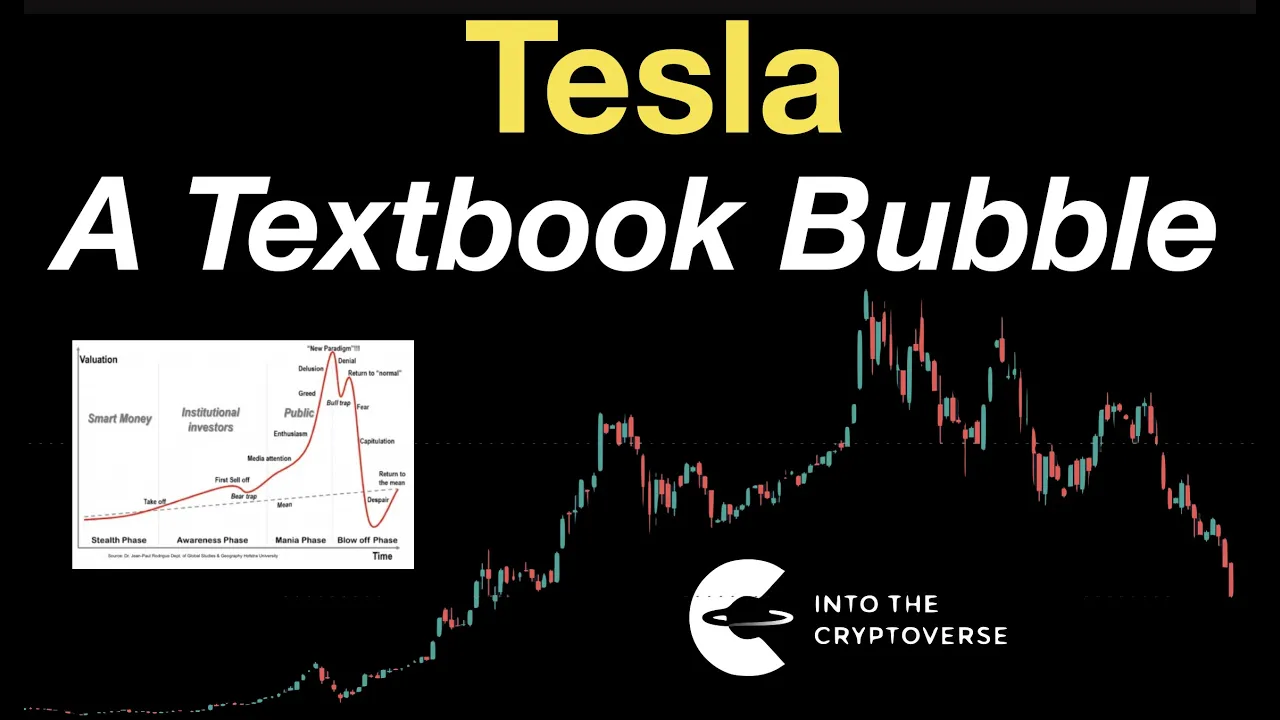
Tesla Market Cycle Analysis: A Textbook Bubble Study
@intothecryptoverse
101.8K views•2022-12-27

12:54
Triumph of Orthodoxy Icon: Byzantine Art & History Explained
@BenCallan
2.1K views•2024-08-06

9:49
FastAPI vs Flask vs Django: Choosing the Right Python Web Framework
@TechWithTim
302.5K views•2024-05-26

1:42
Game of Thrones Opening Credits: A Cinematic Analysis
@gameofthrones
46.3M views•2011-04-18
Related Study Plans & Knowledge Roadmaps
Structured learning paths in General & Interdisciplinary Studies
general-studies
Elevator Engineering: History, Physics & Cities
01From Hoists to Safety Brakes: The Dawn of Vertical Lift
02Hydraulic vs. Traction: The Engineering Physics of Elevators
03Modern Speed, Safety, and Algorithms
+ 2 more learning modules
12h5 modules
Explore Roadmap
general-studies
Rubber: Material Science, History & Geopolitics
01Origins of Natural Rubber & Mesoamerican History
02The Chemistry of Natural Rubber & Vulcanization
03The Geopolitics of the Rubber Boom & Colonization
+ 2 more learning modules
12h5 modules
Explore Roadmap
general-studies
Containerization: Evolution, Logistics & Trade
01Ancient Trade & Bulk Cargo: Amphorae to Barrels
02The Industrial Revolution & Cardboard Packaging
03The Containerization Revolution: Malcom McLean
+ 2 more learning modules
12h5 modules
Explore Roadmap
general-studies
Textile Tech: Evolution, Labor & Global Impact
01Pre-Industrial Textiles: Handloom & Cottage Industry
02Mechanization: The Spinning Jenny to the Power Loom
03The Factory System & Global Labor Transformation
+ 2 more learning modules
10h5 modules
Explore Roadmap