












![Как анализировать данные с Python библиотеками Pandas и Numpy [GeekBrains]](https://i.ytimg.com/vi_webp/lLf6Qt6wSJ8/maxresdefault.webp)


![[DLC7]Python/Data Science : Fondamentaux et Visualisation Avancée](https://i.ytimg.com/vi/w0UEHhv-DDE/maxresdefault.jpg)






![Git & GitHub Crash Course for Beginners [2026]](https://i.ytimg.com/vi_webp/mAFoROnOfHs/maxresdefault.webp)


Data science is an interdisciplinary field that combines statistics, scientific methods, and data analysis to extract meaningful insights from both structured and unstructured data. Python is the preferred programming language for data science due to its extensive open-source libraries, including NumPy for numerical data handling, Pandas for tabular data manipulation, and Matplotlib/Seaborn for data visualization. The learning roadmap involves mastering Python basics (variables, loops, functions, data structures), setting up development environments (VS Code, Jupyter Notebook, PyCharm), and practicing with real datasets through platforms like Kaggle. Data science differs from AI (creating intelligent machines), machine learning (making predictions from data), and deep learning (complex algorithms inspired by neurons), though these fields overlap significantly.
Python Data Science Roadmap: A Step-by-Step Beginner Guide
Added:hello guys in this session we will learn about python for data science that is a road map how you can begin with let me introduce myself i'm amit diwan the founder at studiopedia.com i'm also running a youtube channel amit things which is getting more than a million views per month now so here is our youtube channel guys now let us begin with the session here is the agenda for the session at first we will discuss what is data science and why do we need it okay with that you must have seen different terms associated with data science we use artificial intelligence machine learning deep learning and data science all together so we will see a small difference between them using a venn diagram forms the easiest way to understand data science would be using its form the basic forms i'll describe i'll also display some live examples then we will also work around the programming languages for data science we will see why we always say python for data science r for data science not java or dot net for data science we will understand that so for roadmap we will also include how you can run your python projects easily but that will also understand the basic libraries for data science the python libraries which four libraries you can begin with and begin your journey of data science but that will also understand the data science for freshers its role okay as well as for experienced professionals after that you can ask me questions on comment section as well let's begin at first you can see what is data science and why do we need it so guys there is structured as well as unstructured data structured data includes your rows and columns tables which we are creating since long but the unstructured data includes data from social media data from images from videos cctv footages how we can use it and get useful insights from it to manage this unstructured data came big data after that to understand these data correctly get useful insights there came data science so you can see data science is an interdisciplinary domain you can say okay so includes the statistics the scientific methods of cleaning data organizing data it also includes ai as well as we also analyze the data for our benefit for getting useful insights with data science so the output is we need to extract meaningful insights from the data okay now we will quickly see the difference artificial intelligence is a wider term ai includes machine learning deep learning and data science air means how we can create intelligent computer machines intelligent machines to actually imitate and mimic human behavior to ease the task of humans and to do work better than humans and more quickly with that we have machine learning it is also a subset of a as you can see here and it is based on a model that is you will input data and a training basically a model gets created so that you can make prediction like weather predictions prediction of cyclones prediction of traffic congestion it can also include predictions like which team will win the world cup or even how to predict diseases so next deep learning is a part of ml machine learning as you can see here it is a part of machine learning a subset of machine learning so it includes complex algorithms of machine learning you can relate this with neurons like we have neurons in your body so let's say we have four animals we are viewing four animals two of them are cats and two of them are dogs our brain maps our brain neurons our neurons maps and gives a decision that two of them are cats and two of them are dogs so this is all it gets include under deep learning such examples and then we have data science which is a subset of a as you can see here it is an area of interdisciplinary subject you can say statistics scientific method data analysis to basically extract meaningful data okay now data science form as i told you before very easy to understand to analyze the data is the work of data science to analyze it properly to clean it so that we can generate an output that is an useful insight that is based on predictions an example would be you can see related videos or suggested videos on youtube on the basis of what you watch on youtube suggested the instagram reels you get these days suggested shots you get on youtube on the basis of your preferences these are all based on data science concepts now guys you will see some live examples uh let us view them one by one so you must have seen these examples before but maybe you were not aware that these are actually data science ai and machine learning examples let's see so guys beginning with the smartwatch example so let's say you have a smartwatch smartwatch is having sensors on its back here and you can see the sensors so when you will apply it on your wrist here are the sensors you can see here is the sensor okay so when you apply it on your wrist it will fed a data in it that data will be captured by sensors and a prediction will be in the form of different results i hope you know what is the usage of a smartwatch it will show the predictions of your heart rate your spo2 that is oxygen level and many other stats about your health okay so this is one of the best examples of data science now guys going further we have this google translate which is also an example of an example of data science so let's say you added a russian language texture you gave an input and the google translate algorithms will work to provide you an output in any language let's say english so you faded an input and you get an output with the your interest which what you wanted based on predictions so it is also an example of data set google translate now let us go to another example here and you can see uh this is our prime amazon prime and netflix so these also these video streaming platforms also use the concept of data science now let's say i went for the following movie okay i went for it and here and you can see it is a biographical movie an indian biographical movie okay but while watching the movie or even if you have completed half of the movie or the complete movie you can see you will be shown related videos okay so related videos are based on your preferences so i so it is showing me another biographical movie you can see by bottom and after going further you can see jabhim is also biographical razi is also biographical with that so damson is also biographical okay so these are based on our own input we just went for the biographical movie and we are getting related videos out of it now moving further let us go with another example of autopilot mode in tesla that is self-driving cars these are also based on the data science machine learning concepts so here in you can see the autopilot mode i can't play it due to copyright violations so autopilot mode the driver is not driving the car is automatically detecting other cars humans you can see other cars humans trees other animals so that brakes are applied here you can see while the driving goes on okay this this car is having a lot of cameras and sensor that will detect different objects so here and you can see i can show you here it is you can see motion flow lane lines all these colors objects if there will be object uh the following color will be shown for road signs the following for road lights the following color will be this color will be shown okay so this is all based on based on objects trees road signs other vehicles so here it is shown it is having a lot of cameras on it and sensors here it is guys it is having a wide forward camera side cameras main forward camera narrow forward cameras that is around 360 degree of cameras to detect other devices this is also based on the machine learning data science ai concepts so this is the youtube channel you can go to the following copyright youtube came with an algorithm of detecting copyrighted video so if let's say someone is copying the videos from youtube channel i'll be getting it here under matches section many people tried copying my videos and you can see around 466 videos i got it removed from google i generally guess such copyrighted emails or notifications from google that someone copied your videos so when i i'll click here you can see it is showing me that this is an infrequent video url that is a copyright infinite and this is my actual video and another user which copied my videos is the following that is uh the following seconds are copied from my video from my original video that is my video on my things video this section is copied into the new video by the user so what i did i just created a new removal request i just added my name and i signed it and it automatically got deleted by google so this is a very good feature to help youtubers like us okay now let us go to the slides again so guys these are examples we have used we have shown you others include grammarly also voice assistant like alexa google home siri okay facebook image tagging also is based on these concepts whenever you will upload a you will upload an image on facebook it will detect the humans in it and it will show you whether you can tag them they are in your friends list or not they are in your friend list or not object detection basically there is a currency finder app or there is also many apps regarding object detection for blind as well as partially blind users so that they can easily detect that which device is visible they can easily get to know through voice control that which currency note they are being now let us move further so programming languages for data science this is a part of roadmap of data science how you can begin with data science so you can work around python or r for data science so generally you can say you can say python provides a lot of free and open source libraries that will eventually help in working around data science so i both are both are open source but i'll rather prefer python for this so python is an object-oriented open source language okay so if you want to begin with python you can easily begin with the basics that is the same loops decision making statement you have been working for c plus plus java okay with use concept you can relate it with javascript concept then came the strings tuples list and dictionary if you know arrays and arrays in java or c plus plus you can easily relate with them or if you know collections in java you can easily relate with all these toppers list and dictionary with that you can easily go to our website and work around the python introduction installations as well as variables scope of variables operators and loops decision making statement examples python functions double dictionary i told you list so till this you can easily work with the basics of python after that guys you can easily work around other topics for python also work with the python files file handling as well as other concepts of python that includes lambda functions with that you can then begin with running your python projects so to run python pressure you can use any of these frameworks technologies you can say vs code is an open source code editor jupyter notebook will allow you to create run create and run python programs projects on web application like on a web browser you can run your java program python is also an open source id you can also work around these if you want to learn the installation of all these and the sample python project programs and project you can easily visit my youtube channel here and you can see if you will search here let's say i searched for the first one was visual studio code and press enter on pressing enter you can see install visual studio code is visible here with that when you will go below you will be able to find all the options all the videos regarding the same python vs code you can easily run i've also shown a sample example here and you can see create a first python project with that if you want to work on jupyter notebook just type jupyter here press enter and you can see how to install jupyter notebook and then your first program you can easily work around these okay with that last one i told you was pycharm i've also shown that install python and pycharm you can see okay so you can easily install python and pycharm and runner first project also we have also provided in hindi language as well as english language okay you can also install it on ubuntu and mac also here is ubuntu okay so through this you can easily run your python projects now we will go ahead now the next slide here and you can see after completing the python installations and basics of python you can go around python libraries and play with them they are open source easy to install so here in you can see we have numpy pandas and matplotlib matplotlib and cbon there are a lot of python libraries but i would rather prefer you to go for for these four libraries okay so numpy is basically based on numerical data that is the array object of numpy is very strong in easily handling numerical data with pandas you can easily work with a tabular data like your csv files including rows and columns if you have a bigger data set let's say netflix data set or titanic data set you can easily walk around work with pandas to accomplish your work easily okay then came the matplotlib library and c1 which are based on visualizations so if you want to create bar graphs pie chart histograms easily you can easily walk around matplotlib and c1 c1 is basically an extended version form of matplotlib you can say so if you want to install any of these libraries and work with the first sample program you can go to my youtube channel again so here in your fuel type let's say type any library i'll type i just told you pandas okay press enter and here and you can see you can easily install pandas you can go for other libraries also or you can directly go to this youtube video this will allow you to install the top three major libraries of python so with that you can easily work with the sample program here and you can see i have shown how we can read a csc file a comma separated value file in pandas you can easily work around this video and other videos are also shown okay but before that you need to also install python so here is the program to install python since these are python libraries now numpy you can easily type numpy here and you'll get all the numpy videos in the same way i've also shown matplotlib okay so here it is install matplotlib on python 3.10 you can work around these videos with that you can see some other python libraries for data science in 2020 you can also work around these libraries and the installations and the first program i have shown on my youtube channel okay so you can work around these you can also work around some python libraries if you are if you are very much interested in game development or for web scrapping you can also work around these so python has a lot of free and open source libraries so that you can accomplish your goal okay guys so data science for freshers as well as experience i should say experience we all know why everybody wants to why many people many working professional wants to switch to data science because it is said that you get uh the demand of data science is the trending skill and will definitely get a good salary hike after completing your certifications and after completing some good good live projects so basically certifications are provided by many websites you can check online by simply learn great learning and many other websites or you can directly go to self-study stuff and you can refer a youtube channel or many other great websites you can say i mentioned here you can also go to kaggle.com okay so when you'll go to kaggle.com you can see the competitions are visible just log into this website and you will be provided with awesome data sets first so that you can easily work around these data sets and you can also walk around these competitions and try to get some good ranks okay at first i would rather suggest you to go through these data sets and and walk around them if you are a beginner in python and python level just try to work around this try to at least begin with counting the rows and columns then getting the column values column headings and fetching the data cleaning the data analyzing the data and other stuff this will easily help you in working around data science so you can ask me questions now in the comment section i'll be happy to help you so you can also email me these questions and you can also go to my youtube channel and directly ask me questions in any of the comments or in the community also so guys thank you for watching the video if you liked it uh do subscribe to our channel do share this video with others thank you
Up Next

Hands-On Machine Learning: Classification Algorithms Explained
@ShashankData
25.1K views•2021-05-09

Secure Multiparty Computation (MPC): Foundations & Challenges
@SimonsInstitute
7.3K views•2015-05-28
Bypassing Tor Censorship: Bridges and Pluggable Transport Guide
@Coding_ForEveryone
397 views•2024-06-11
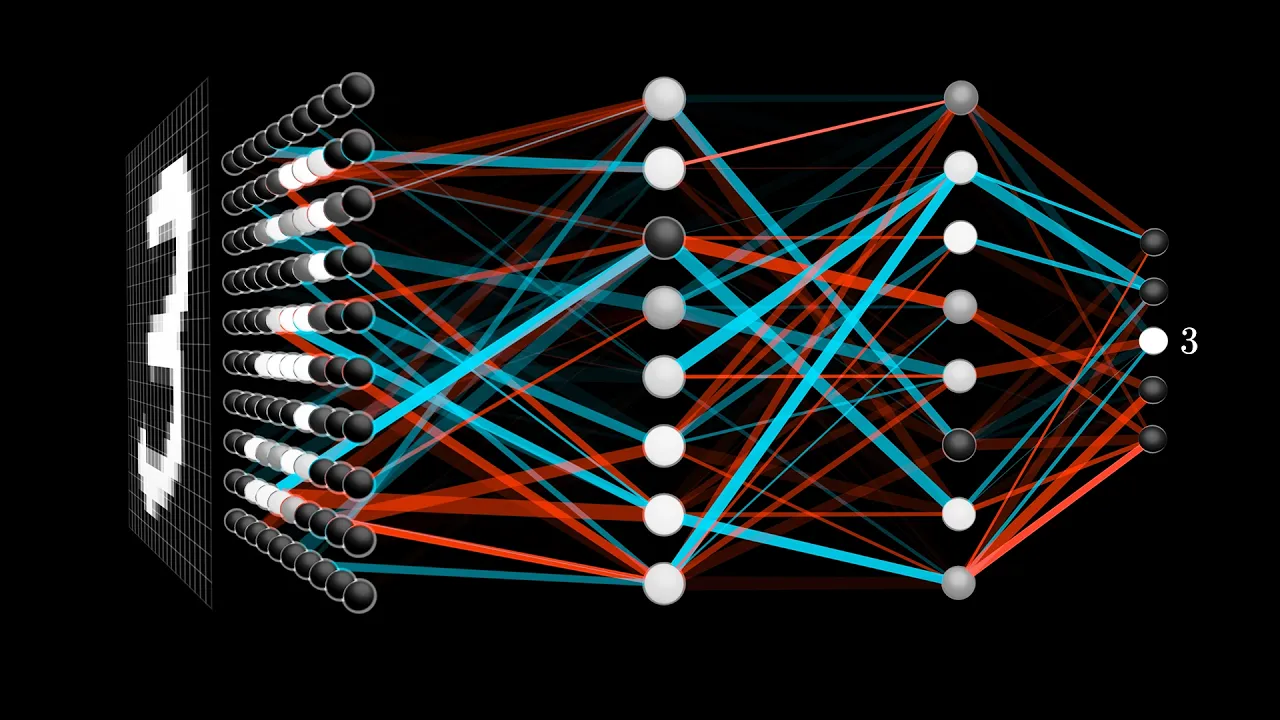
Neural Networks Explained: Math, Layers, and Learning Fundamentals
@3blue1brown
21.9M views•2017-10-05
Related Study Plans & Knowledge Roadmaps
Structured learning paths in Artificial Intelligence