![[알릴레오 북's 16회] 자유의지냐? 운명이냐? / 운명의 과학 - 한나 크리츨로우](https://i.ytimg.com/vi/hTYZF_6xt_M/maxresdefault.jpg)
![★[넛지] 설민석 강독 풀버전★ 노벨경제학상 수상자 리처드 탈러의 화제작! 넛지(Nudge) | 책 읽어드립니다 The Page-Turners EP.9](https://i.ytimg.com/vi/EP-6cPXpeXc/maxresdefault.jpg)

















![[Webinar] Persuasion Profiling: Changing the Game of Online Marketing](https://i.ytimg.com/vi/j4XuZlaZXqE/maxresdefault.jpg)


![[PART 3] iOS 14 Get your User Acquisition ready - SKAdNetwork](https://i.ytimg.com/vi/sx8YcrjZ8k0/sddefault.jpg)

Behavioral science provides the 'why' behind customer behavior, while AI offers tools to identify patterns and implement solutions at scale; businesses can combine these approaches by using machine learning for behavioral data mapping to uncover hidden customer patterns, applying gamification techniques to enhance user motivation and engagement, and implementing ethical frameworks (like avoiding dark patterns and sludge) to ensure responsible influence on customer decisions.
Behavioral Design and AI-Driven User Influence Strategies
Added:Foundational principles of Behavioral Economics, such as Nudge Theory and common cognitive biases (e.g., social proof, scarcity, and loss aversion).
Basic concepts of User Experience (UX) Design and the structure of user decision-making journeys.
Introductory knowledge of Artificial Intelligence, specifically how machine learning algorithms analyze user data to make predictions.
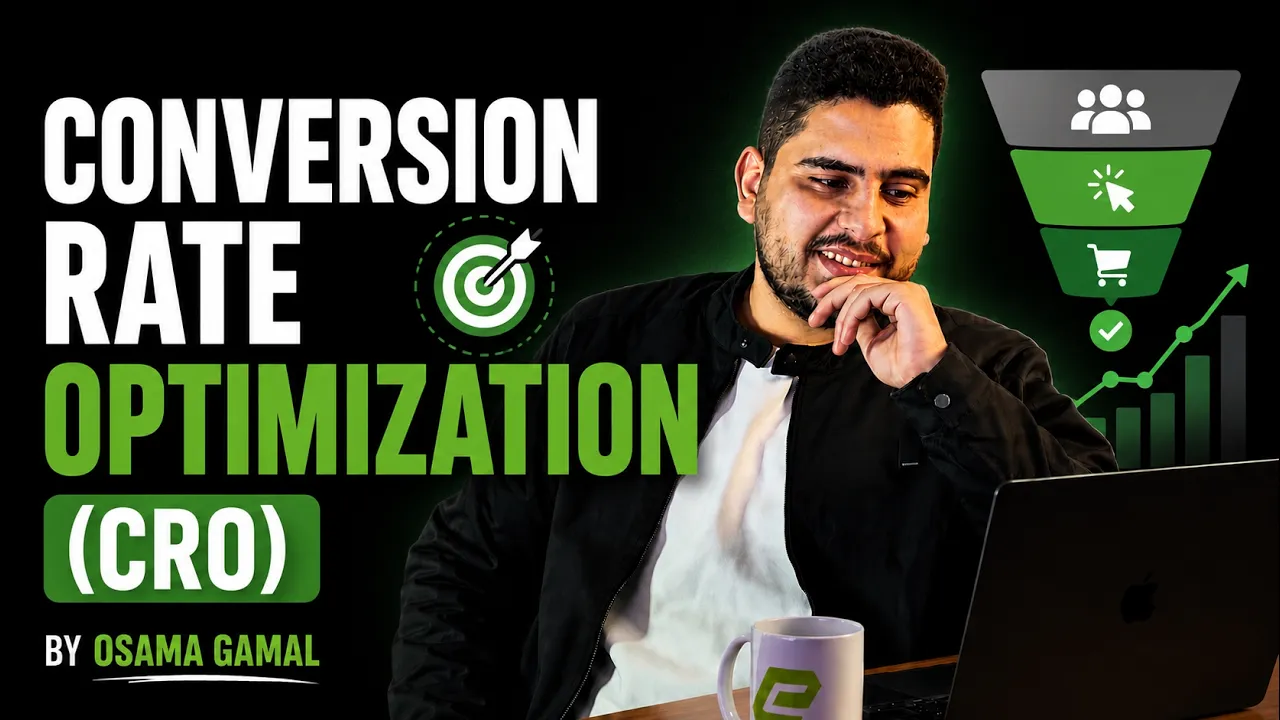
Fundamental business metrics related to growth, such as conversion rate optimization (CRO), user retention, and customer lifetime value (CLV).
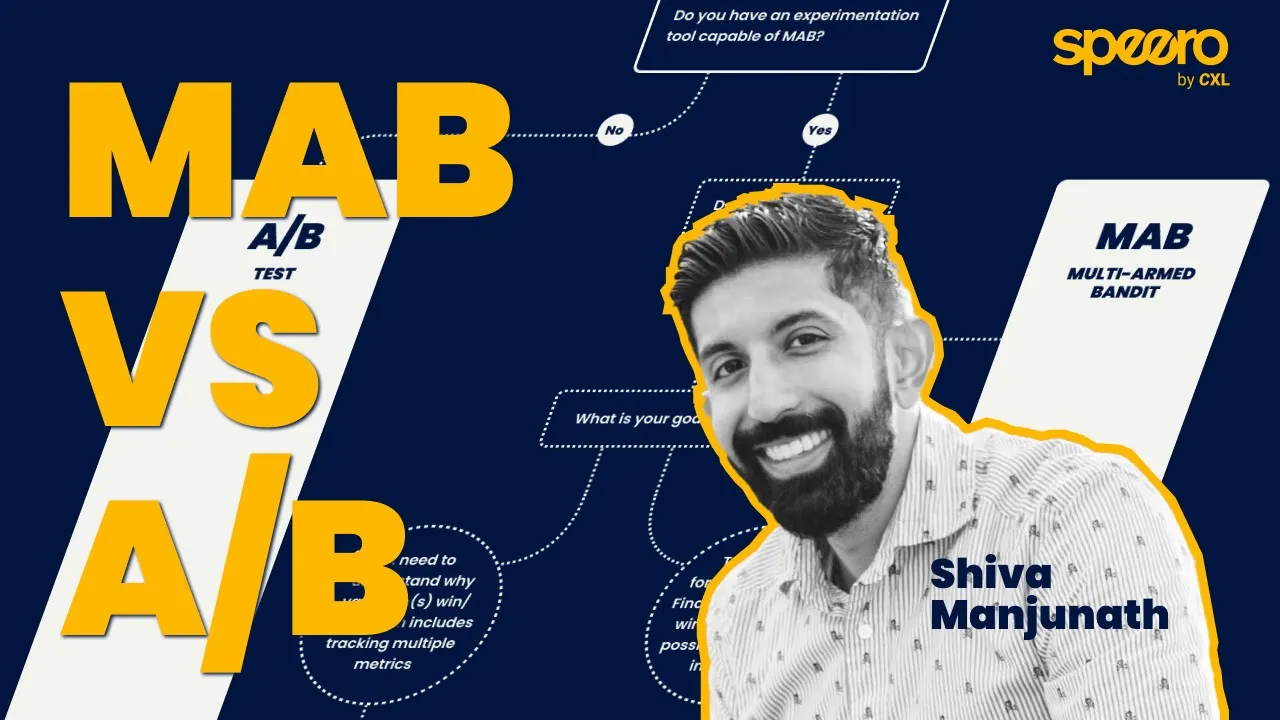
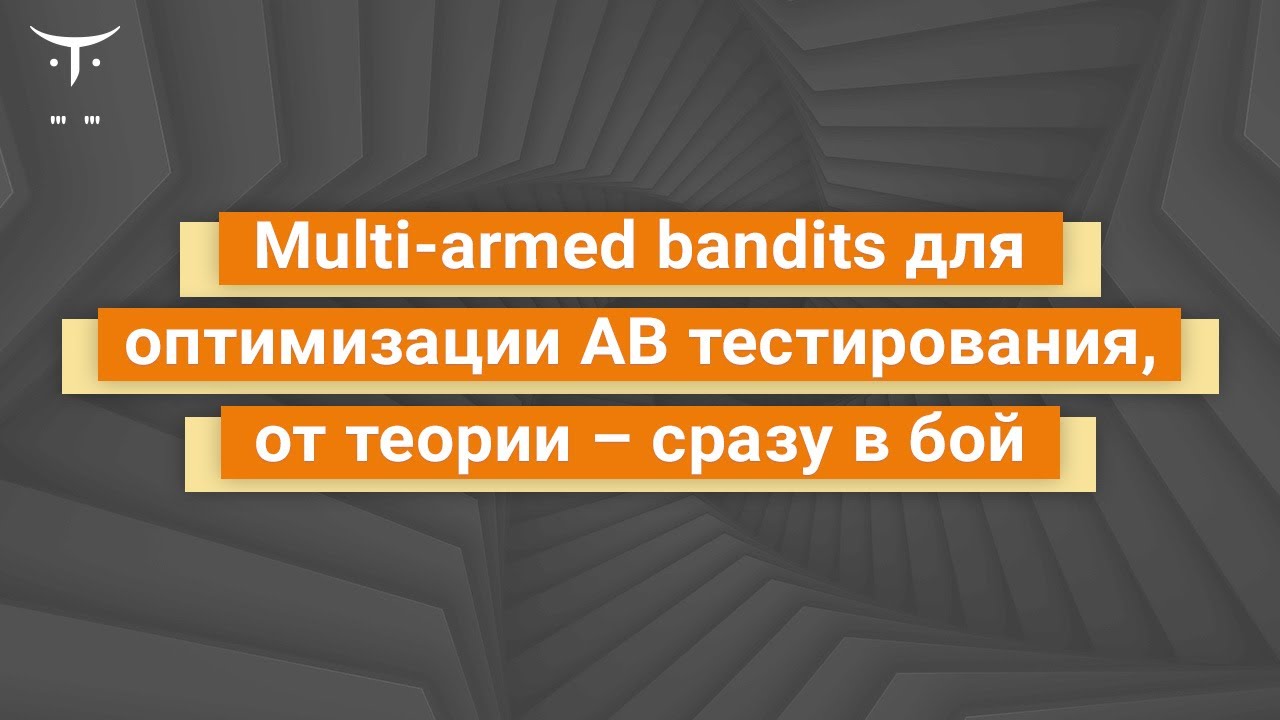
Advanced experimentation techniques, such as multi-armed bandit testing and dynamic, AI-driven A/B testing.
The study of 'Dark Patterns' and the development of ethical AI governance frameworks to prevent manipulative UX practices.
Persuasion Profiling, which involves tailoring digital environments and messages to individual psychological profiles in real-time.
Applying behavioral data science to build predictive models for customer churn, high-value actions, and long-term user engagement.
107 views3likes1:12:08Original Release: 2025-04-02
Do you make different decisions based on who is around you? If your mom and dad are watching over your shoulder, you're going to choose differently than if you're at work or if you're out with your friends. And so, in that same way, if we're able to glean who this person is based on social interactions that they've had, it can suggest preferences that they might have. Listen, if I understand what's going on in your brain, I could be very persuasive and have that AI manipulate you into doing things that are not things that you'd want to do. And so we start with this whole umbrella of don't be evil. I think most approaches at customer segmentation are too simplistic. They stop at demographics because frankly marketers have been using this for so long. It's one that everybody knows and the oversimplification of demographics leaves too many opportunities on the table for the average business to to stop there. Behavioral science tends to scratch an itch which is answering questions like why are they doing that?
Why are my customers behaving like this?
Behavioral science is the toolkit that answers that why. Welcome to another episode of CRO Wizards season 2 by VWO podcast. With hours of in-depth conversations, we talk about using CRO to deliver what your users want while also driving long-term growth for your business. Before we speak to our guest, here's a very quick overview of what we do. PWO is a leading experience optimization platform that enables you to gather in-depth user insights and build winning experiences across your website and mobile app. PW Copilot, our AI champion, handles the heavy lifting of suggesting test ideas, creating variations, and finding insights so you can focus on making strategic decisions that drive growth. Now, without further delay, let's jump right back to this conversation.
Welcome listeners and viewers to another episode of CRO Visit season 2. Joining us for this episode is David McCann, co-founder of Make It Toolkit, a platform on a mission to make behavioral science and game thinking more accessible and actionable for businesses looking to optimize decision making.
Through in-house training and the make it public masterclass, David helps individuals and teams leverage behavioral insights to design better experiences with deep expertise in transformation, customer experience, and product innovation. David applies behavioral science and AI to solve modern digital business challenges. His work spans strategic advisory, product design, market research, and AI innovations, ultimately helping organizations tackle complex challenges using behavioral science. You can already tell we have some fascinating topics to dive into and basis my pre-con conversation with David. I'm sure there's much more to come, so stay tuned, guys. Hi, David. Welcome to CRO Wizard season 2 by VWO.
Pleasure to be here, Mr. Thanks so much for having me.
Absolutely. My my pleasure entirely. How are you and how's your week been so far, David? You know, it's been an interesting week so far. Uh weather's great here. So, that's a thing to be to be happy of in Bangkok. But week's been good so far.
Yeah, I know. I was in Bangkok last summer, the whole of May. I decided it's a wrong month to come down to Bangkok.
Yeah, I know. I know. And Feb must be good. Febos must be pretty windy. The evening must be good, right? Yeah, it's been great. It's uh it's not a normal winter for us or dry season. It's it's lasting longer into February than usual, which is great. But it's very nice not to not to be the sweltering place and we can go outside and walk and run around and stuff still. Oh, lovely, lovely.
That's that's the best part. Anyways, um yes. So David, before we get down to the questions, this this is something that I, you know, check in with all um um you know, the attendees who uh have given their time to attend the podcast is what's something exciting that you're working on right now? And I would tend to personal than professional, but please feel free to choose either.
You know, I'm going to tell you a personal story because I I needed to up my nerd game to do this and I'm a little proud of it. Uh absolutely. Lots of professionally interesting things for sure, but I run a couple of small businesses. Make it as one. I also have another practice. And I will tell you that there is a task I dislike that I think many entrepreneurs will also empathize with. It is the year-end accounting processes. I really don't enjoy putting all of my invoices in the same place and uploading them in the correct format for my account. And I think my accountant probably hates me, but you know, I I work with AI. So I thought to myself, can I build myself something that will make this lazier for me? Uh and so two maybe three weekends ago, I built my first agent for myself.
And wow, my agent does something very lazy. Uh it talks to photos because I do have one redeeming habit. If I have a paper invoice, I take a picture of it.
You take a picture of it. That's good.
At least I do that. So, I have it scrape my email, my photos, and my cloud storage for all of the invoices that my accountant would need, and then upload it in the format my accountant needs it to be in. And I automated a task I dislike and I'm not particularly good at or disciplined with. That was my little build my own agent for myself to really reduce my workload. That was fun when it worked.
Wow. When it worked. Well, I had to I had to make it work, right? Like it was it was buggy. Got it. Got it.
Absolutely. Got it. Got it. Listeners, you have Absolutely. So, listeners, you have something that any task that you hate or don't like to do, do what David does.
Make chatbot, make your LLM do that thing for you. Lovely. Whenever I start my small business, David, I'm going to keep that in mind. Clicking pictures of invoices and then letting the LLM do the rest. Lovely, lovely, lovely. And I'm glad that you know that frees up a lot of time. I'm sure because it's not it's not just actual time, but it's mental bandwidth and that space that it keeps occupying. And I'm sure it freeze frees it up a lot for you. It does.
Absolutely. Um, so David, um, here we go. Um, again, everything behavioral science, gamification, design. Um, you know, there's a list of 10 questions that I'd like to ask you. Um, feel free to take as much as time with any question. And the first one is actually interested because I was going through a LinkedIn profile and I saw that you started your career in finance. How did that transition into behavioral science, AI, gamification, then designing experiences, keeping them at the base of it? I would say it was two experiences really. One of them related to a product launch of a a mutual fund kind of product that introduced me to psychology in a way that I hadn't seen since university. And that product used just enough behavioral science that it piqued my interest and I began to read. Then some years later before moving to uh before leaving Canada I should say I got put into a task called branch transformation or team called branch transformation. The small backstory is this.
Um Canadians in I forget what the year was now off top of my head but it was when iPhone 5 came out. Canadians realized on mass that they could pay their phone bill on their phone and the result of it was there was a 40% drop in customer traffic through bank branches. Through bank branches. Wow. So what this meant was well if people are no longer going to be coming to the bank branch then what's its purpose? How do digital and and brick and mortar structures work? What does that journey look like? So this was the kind of omni channel if you remember that word phase of business. Absolutely. Absolutely. And so when I worked on branch transformation, I had the opportunity to use behavioral science for a variety of the projects that I was working on and that produced really impressive results.
Made me step back and say this is the ticket. I like this a whole lot. And shortly after that I moved to Bangalore and began to consult and this then became what I brought. I brought behavioral science to to startups the beginning for the most part who were looking to expand their businesses abroad and win new customers and win and and solve new problems. So that's how my behavioral science journey began.
Wow. I mean yeah that that seems like a pivotal point where you know you probably had to do something that deep in the psychology of someone to you know because there's already a change that happened that hey online why should I go offline but then branches still exist so that's that's really beautiful you mentioned India Bangalore can you name a few companies that you back in the days that you must have consulted for that would be interesting to know yeah I worked with a number of smaller companies for the most part usually around the series Okay, again I was just getting my my my myself sorted. So I worked with an enterprise software company called Get My Parking. So they used a bunch of AI. Uh I worked with a customer experience company at the beginning called Cloud Cherry. So they were uh guys that worked with Motorcore customer satisfaction kind of stuff.
Yeah. I worked with a fintech that was Delhi based called Squirrel. They were a wealth tech product. I worked with a corporate finance uh it was like a bank uh called Varta and then I worked with a number of other varna. Yeah, I know. I know about that. I know about that. Wow.
Wow. I mean at least three out of the four startups I know on this list. So that's that's that's really good. I know about cloud cherry. I've definitely heard of get my parking and Vana. Yeah, I I've heard of Vana as well. Very interesting to see you have an Indian um you know uh flavor profile to your behavioral science journey as well.
Well, he learned a whole lot about people, which is really what behavioral science solves for I think most people.
So, small little small little aside, but behavioral science tends to scratch an itch that many have, which is answering questions like, why are they doing that?
Why are my customers behaving like this?
Why are my employees doing it the old way when I gave them a new tool?
behavioral science is the the the toolkit that answers that why. So I liked it a whole lot reason. No, that that sounds absolutely nice and you know that I a good segue into my next question is that you know being an expert in this field and having met so many different kinds of people from all across the world. what biases have you seen in these businesses and you've described all different kinds of businesses that prevent them from fully understanding uh their user needs and what can they do to switch out of that biases.
So for me most business leaders struggle with a barrier that I'm going to describe as as as scarcity. See when we don't have enough of a resource. So in this particular example, business people that resource is time. They're in too many meetings.
There are too many deliverables that are happening simultaneously.
The mind has a neat little survival mechanism. So some refers to this as a focusing dividend. The concept is startups in particular struggle with firefighting constantly because they can't think about problem two, three, and four that they're going to have to deal with in two or three days or two or three weeks because they have a crisis that needs to be dealt with now. Right now, my platform is on fire. It broke. I I need to think about those other things. They're important, but all I can focus on is this right now. And so this is common in enterprise and multinational as well. Uh less you know crisis right now but more too many things going on simultaneously kinds of problems. So the consequence of this is the emergence of another another we call behavioral barrier which is called overconfidence bias. Now ignore the scientific name of it. The premise is simple.
When you get to a leadership role, you got there because you had a depth and breadth of domain expertise typically beyond skills. And what that depth and breadth of expertise has taught you is, let's call it, ways to fix problems without having to think about them and take all your time thinking about them.
So what you end up with is for argument's sake a CMO who is accustomed to looking at a problem in um let's say a learned way.
I'm going to look at my my CAC. I'm going to look at my you know lifetime customer value. Those are going to then have me look down a decision tree kind of approach and that's going to be what I do and I'm going to do it fast. Now that overconfidence bias often leads to let's say folks relying on their gut rather than on their data or the use of service that's being presented to them.
So there there can be distrust of the data that's presented if it disagrees with their previous experiences.
Absolutely. And the research that follows can be challenged because it doesn't conform to a person's pre-existing beliefs. And that person because of scarcity Mhm. is unlikely to have the time to look at it in depth. And therefore they are going to skew towards ways they've always done it which is that overconfidence which is going to be why they neglect new data and new research.
and that then leads to potential problems down the road that are predictable. Now, addressing these kinds of things, uh there are a number of tactics that you can use, but for the most part, you you need for uh there to be a checklist, I would say, is probably the easiest kind of thing. If if you if you say hey before you make an investment decision to scale up a feature deploy a team on any new protection you know any new particular problem area this team is going to need to have a bunch of answers to questions prior to them kicking things off. So that's how we that would be that's what I would say be the simplest approach to correcting a bias like overconfidence.
That's that's very you know I'm I'm surprised that you mentioned that because in the field of experimentation as well this is one thing that um you know customers are advised not to do like you mentioned the CMO that they come with their own learned ways that everything should be databacked and data trusted yes gut and intuition are important but again scarcity mindset too many things happening at that point of time and it doesn't serve the purpose then and a checklist definitely sounds like a you know a neater way much more organized way to go about Sometimes it's as easy as that. There are more advanced techniques. We can nudge the CMO to behave differently too and do all kinds of interesting things.
But for the most part, if it's Mrs. Boss, answer these 10 questions before you give it to these people. Same way that you deal with doctors and pilots.
Give them a checklist. That'll help a lot of a lot of this kind of stuff. A lot of this kind of stuff. Absolutely.
Absolutely. And I think so you've already exemplified it for me but um in taking it forward how would you introduce AI into this and then help these business businesses create more and more such solutions for growth?
Where do you see the mapping happening between behavioral science and AI? I mean there's the sexy part and then there's the get it done way. So let me start with the get it one. The get it done way for sure. There's a an approach. It's a machine learning approach. If you have a large number of customers that you can use to identify correlations that your average human will not be able to find, you know, the big the big service providers and there's a number of products off the shelf that will help you with this kind of stuff, but refer to this as behavioral data mapping. What we what we speak to is throw an ML tool at the first instance that a user realizes they need a thing and map every step that leads to purchase and usage and referral if available and allow your algorithm it's called a clustering algorithm identify patterns that you might not be able to see. Now once you've done that the mind is not especially great at finding these kinds of correlations. We just don't think particularly statistically. Uh so ML helps us identify patterns we wouldn't otherwise normally find. And once that's done then we will have a new way of looking at our customers and new potential problems and opportunities that we didn't know about.
So AI is particularly helpful at at finding insights that we may not find ourselves. This is one. The sexy way, which I think it's fun. Uh it's useful. I'm still not entirely confident on its replacement of of of plain old market research, but it's the use of digital twins and synthetic data. Can I create a concept and before spending a bunch of money on bringing the engineers and the designers in, can I use AI to mock up that product and show it to a synthetic persona and have them react to it and tell me things likelihood of purchase and how much you'd be likely to spend.
These are two places where I can see AI be helpful from a strategic perspective.
showing digital twins to a synthetic persona. Wow. I mean, and for me in my mind, I'm just like we have arrived at 2025 where you know, you can create a digital twin and create a synthetic persona and then have them talking to each other because hey AI. Wow, that's that definitely sounds sexy. I'm glad you put it under the sexy category and not the naughty category.
Okay. There there are many how shall I say concerns I have with the approach.
Okay. I still don't know that if I were a big company and I were looking to launch a big major expensive product that I would skip out on the go talk to actual real humans and it like go go create a little small small way to expose them to it and see if they'd actually use it. I still think there's a place for that the real human piece. But as a very early stage potential screen, I think if you can create a synthetic persona and put it put them in front of your synthetic product that you've not yet made just mocked up in Canva or something like that. I think I think that can be a meaningful step if it's cheap enough and fast enough. No, absolutely. I mean take it doesn't take away from real people any any which ways but this is the possibility is itself is very interesting right that there is a possibility that you could do this that's that's that blows away your mind in itself and this is where you know um um I keep wondering and it's like it's a segue into my next question is how do you then identify the success of such things that you have done via AI how do you test the validity of these things and let's take this digital cleans and synthetic persona as an example, how do you um you know test these solutions that show that okay they are serving the needs that they're ser supposed to.
So like any other kind of VC you can look at it through the through the the lens of how do you fund a startup or a new tech company. So you have your idea you're going to put it in front of humans and you're going to see what do they have to say. These humans are probably experts. The idea being, hey, we've identified a problem that we think that let's say budgets savvy home decorators face to give you a simple persona. We think that they take it takes too much time and effort for them to choose what they're going to put into their home.
Now, we validate that problem. Is it actually a problem? A problem for this.
Well, your average ecom or your average DTOC company is probably going to have some kind of insights on this consumer.
They can have sourced it from from the from the data mapping also. But you can say to a persona, do you have this problem?
Cool. Then you actually have to go to the real ones and say, folks, you have this problem. And then you have to then actually design the thing. If you've got validation that it is a real problem, you then actually have to build the thing and put it in front of them and see if they will come. Did they actually use it? Did it actually lead to faster conversion times? Did it lead to improved conversion, larger AOV, things of that sort?
But there are also more engineering ways that you can look at it as well. So think of it like comparing did my synthetic persona perform well. So you measure that against what we call ground truth. And your ground truth in this case is the humans.
You you made your synthetic persona. You you've got your budget savvy shopper for home for homeg goods. You look at it and you mocked them up with these particular details. You could have a bunch of different personas. You could also have, you know, the the person who's not so budget savvy, the person who is really just needing to buy the essentials. All your personas can be there. Your efforts at producing these personas, you would then compare to your market research that asks many of the same questions.
And then from there, you can see how how accurate was my persona to my my real human persona group.
So this is mapping it.
Got it. Got it. No, it makes sense on on you know mapping like it's almost uh am I am I correct in saying pitting one against the other pitting won't be the right word but something like that that you know hey this showed this do you actually uh adhere to it or you know this is what my data tells me but is this what is actually on the field out there you got it again probabilistic they're all statistical concepts right you just look at best fit did I how close was my guess through this AI by tool at what real people were like and then you overlay them on top of each other and you see if they fit well and if they don't then you go back and fix your model or you shut it down try something else. Absolutely. Or like you said in our conversation earlier you reset it because the risk reward might be too high.
Yeah, that's a slightly longer one. If it this that example is more like if it was working. So if my my budget savvy uh home home decorator was working for six months and then stopped working that's that's more than that's where you would go with the reset one rather than initial. Got it. Got it. Got it. Um and you know it's an interesting example that you took of you know budget savvy home decorator and that's a very good space for gamifying this approach um you know for your customers. So in your field of behavioral science, how do you introduce gamification into these digital experiences um so that you know it can blend the best of both the worlds where you are using psychology and yet it is providing a gamification experience.
So within the framework of behavioral design make it views gamification as a subset of behavioral design. Well, hear me out. What gamification is used for is to address motivation problems and support things like habit formation. Now it does that by making it fun which is a type of motivation.
So for us when we look at a purchase journey or a job to be done and the task at hand is make it more fun so that conversion would be improved or make it more uh let's call it more interesting and relevant and exciting and fun so that a person would come back and buy more or you know engage more regularly.
Absolutely. For us, step one is we do that timeline. We we go to that behavioral that behavioral data map. We go to that customer user experience or employee experience and we say how does a person do this task. Now, it's easy to conceptualize as a linear as a linear step. Just think of a big long line with a bunch of marks along the milestone. uh concept might be something like when budgets savvy home decorator approaches a purchase decision, do they do they do it for the whole house or do they do it for one room at a time or are they looking just to change a few a few items to change the feel of the room the aesthetic of the thing? Mhm. So we can we can approach it from a variety of different goal sets that they may have.
But the premise here would be this for that shopper. What we've learned is at least in the in a Thai context that primarily that buyer is female and journey tends to include uh let's say video in the early awareness phases of a purchase journey. So, what she's looking for is inspiration. Now, how does she get that inspiration? Yeah, Tik Tok, real, Instagram. Maybe she goes on to Pinterest and things of that sort, but really what she's after is some kind of inspiration. What is it that's out there? What do I like? Then the task becomes, let's call it effortful, not so fun. Now, it's this couch versus that couch.
this art versus that art. And then it it it it'll expand from there to a point when her let's call it cart her her her things to consider becomes this huge huge huge number of things and then she somehow has to begin to converge and narrow down and and decide on what it is that she's going to buy and ultimately convert by clicking pay.
So, we can build a game there that will accelerate that task by taking away some of the boring stuff. Now, here's a simple example of a way we made it more meaningful for a Thai ecom brand. Now, we built a social media game. That game was very easy. It was uh it included a bit of psychometric testing. So, we had we attached various psychological insights to different pictures. But the premise was choose these from these sets of images. So we'd had something like seven or 10 that that she had to choose between. Have you seen those those little those little shorts that say dosa or chhat?
Yes. Yes. I have chhat versus Indian or this this. Yeah. Yeah. Absolutely.
Absolutely. The concept is very similar to that. So the idea will be she will pick the kinds of image styles that she likes. And so the result is something like this. She'll pick these seven 10 images of these different interior design styles that she likes. And then at the end of it, the value that we pay back to her is we produce what's called a style calculator. based on the answers to the questions that you have given you are 40% uh French country 60% it's called Japd so Japanese style Japanese and and what that then does is it allows her to a share it because it's kind of fun I I shared it with a bunch of my friends also it's kind of like dorky but it's it's fun share that but what it's really doing this game is it's adjusting the SKUs that she'll see when she lands in the marketplace, of course. Of course. And it's adjusting it in one of two ways. It's either adjusting it to improve conversion. So, either we're trying to help her find that couch that she wants, the one kind of couch that she wants, so that she'll buy the big check out and go, or we're using it to allow her to discover things that she wouldn't have otherwise looked at. Well, so we're trying to increase AOV. So you can tailor these kinds of games to achieve either purpose. There's countless more examples of gamification that can be used even earlier in the awareness space, but this is one that I thought would be useful as an example of gamification. What we did was we made it meaningful for her and we took away a very boring time-consuming step that led to her taking more time than she may have wanted to and it happened to benefit the business by improving AOV and conversion cycle times.
Yeah, absolutely. I mean when when you were describing this whole scenario to me in my head I'm like okay hey I'm as an end user I may not know what my what I want but my deep subconscious knows what I want and you are sort of titillating it for me to get the answers out and then you are doing the magic because you know your models and you know your business. You're doing the magic of showing me just the right things out there.
the same thing that a human that you would meet in a high-end interior design agency would do would do any. So, we're humanizing an app experience, an online experience the way that a real person does. Now, we're not at AGI yet, but we're getting we're getting closer.
I Yeah. Yeah. That's a whole another conversation, but I mean to introduce that in the gamification space would be definitely interesting. And um do do share with us and you know any such things that already exist would be happy to share with our users uh as a link to this podcast as well for them to play around and experiment around for sure.
Um and and you know in in continuing of our conversations we're speaking about experimentation all of these are different experiments showing them what they you know different images and then choosing on top of it. Um and let's say this product owner who was designing this product, this budget savvy home decor who was designing this product um is doing a lot of experimentation to refine uh what should the pricing be, what should the average order value be, all of those aspects. How do you put in behavioral science or where do you think behavioral science fits in the best for product owners? How can they leverage it the most? The lowhanging fruit would be a tool that does something like dynamic pricing. It's one of the earliest applications of behavioral science actually. So the premise is can I know what is going through your head in that moment about how much you're willing to spend. Now, it's not I I shouldn't say it's not the the most warm and fuzzy part of a product design, but knowing how much somebody will pay and then optimizing for that is a major business challenge that every one of us will struggle with, especially in the early days. So, an ML product or a machine learning product like dynamic pricing has been very effective especially for online businesses that are predominantly DTOC. think of Walmart. I think they improved their uh their their revenue by 9% as a result just of using that kind of tool. So for me AI used at point of purchase is quite powerful. Uh but AI can also be used quite powerfully within the consideration phases especially when the scenario was planning based. So I I'll give you a simple comparison here.
So platforms like AOD and booking have tried to bring in planning tools to help a person navigate through purchase, what hotel should I stay at, when should I go, what flight should I take, all this kind of good stuff, but they haven't done particularly well. So I know some of the folks at some of these companies and and they're they've struggled with introducing planning tools like this.
But there is a company that I do highlight a lot that has done incredibly well with a tool like generative AI in planning scenario. It's Mintra. I'm not sure if you know these guys, but Mitra.
So, have you have you played with Maya?
Their Gen AI tool?
Not yet. I'm not a much of a fan of online shopping. I've done a few of them, but if it's something new, I would definitely go out and try because that's my biggest problem. Like I do not like online shopping. Like it because I get a bus bunch of 20 clothes and then I have to return 18 of them. It just doesn't make sense to me. I I agree with you. I I still enjoyed going into the store.
Unfortunately, I'm I'm I'm North American sized in Thailand and so often I can understand that. I can understand that. So yeah, Maya Mntra please. Yeah.
So what Maya does for Vintra is it solves a particular planning scenario that is again a highly effortful task for the consumer. So I'll give you an Indian example because it's an Indian focused product. But let's say you live in Bangalore and your friend's getting married in Delhi and you're not from there and you've got to go up for a wedding and so you're going to be there for an entire week. There are a number of events you have to attend and one of your problems is what do I wear? What are my what are my outfits? What's in style right now? Like what should what's going to work for me? All this kind of good stuff. And so Maya solves this.
Maya looks at a bunch of social sites.
It it uses its own data extensively obviously, but the premise is it will it will personalize in the way that a personal shopper would.
So it would ask yes basic questions like okay I can go to Delhi the wedding is going to be in September okay these are the styles that are in in in in vogue right now these are ones that we think are best suited for your kind of body shape all this kind of good stuff like your skin tone and blah blah blah blah blah and then it's going to spit out exactly what we did lifestyle-wise it's going to say we think these things this product selection is right for you and so it did doubledigit margin expansion for midra for this particular category.
So the concept is if the user is in a planning phase, GPT tools are potentially very very useful, but there's a thing that matters a whole lot especially when you're talking about conversion rate optimization. These things won't work equally well for all.
For example, when you plan a holiday, do you plan it on a go or booking or do you plan it somewhere else?
Um, it's a combination of a booking and couple of Indian sites like make my trip and clear trip. Do you plan your trip on those sites or do you plan? No, not planning and I I I've planned it somewhere else. I know what I need and I go there for that inventory be it flight, hotel, whatever. That's it. It's point of purchase. Yeah, correct.
Planner is absolutely and so Agod and Booking have tried to introduce this planning tool for it not to succeed because the use case they built it for is not what their customers do with them now. People will go to let's say for example uh travel influencers. So they'll they'll watch a video on a guy going on safari this and then they'll Google around and they'll look at countries things like that and then they'll look at bloggers and they'll bloggers kind of get a sense of what's going on and they'll talk to their friends and eventually when they're ready to spend the money they'll pop over to booking or a go see trip and see what there is to see but a planning tool for those for this use case would need to be targeted at users who actually plan on their site and may very likely require some change management and a considerable product marketing campaign to support the awareness of this tool. So you can see you got to be savvy to the business and what their customers do in order to deploy any kind of Gen AI tool or AI tool for that matter. Can't just take one and have it work. No, no, absolutely. I'm going to explore Maya for sure because you know I I'm very bad at shopping for myself. So I guess let's see if Maya really helps me with that and you know what you mentioned Indian weddings replacing a personal shopper. H lot lot of lot of lot of things to think about and share this. So I have a couple of shopper friends who do these for high-end brands in India. So would definitely be helpful to share with them that okay you know you need to probably up your game. There's Maya out here already doing it at scale. or they may build up the room and sell it as a service. Wow, that would be really good.
Yeah, I I have a friend who moved to Paris and she's a designer there. I'll definitely share this thing with her.
Let's see if it turns out. And dynamic pricing very interesting. Um you know, David that you mentioned it. My brother couple of years ago he was part of a startup I think. So it was about three, four, four, five years ago and they exclusively did dynamic pricing for large companies. And I remember the first company he spoke about was um you know Casper mattress um back in the UK.
So I mean he used to tell me about dynamic pricing as well that Amazon applies dynamic pricing on a pretty minute to minute and an hour to hour basis. It may be in the few cents and pesos. Uh but nonetheless it still exists. So that's actually a very um great advice for our users and PMs who are looking to do experimentation.
Dynamic pricing can be a good bucket to fit into.
And this is something that you know it's it's a little uh taking away from the flow of conversation that we have but um all the product managers or anyone who is in the digital line of business needs to create customer segments and they often end up creating customer segments. But what in this field of behavioral science or why are this field of behavioral science what have you found out that where do they end up making the mistakes and what would be the right way to approach that mistake and how to segment or how to proper segment. So just everything around customer segmentation what would be your um two sense understanding basis behavioral science.
I think most most approaches at customer segmentation are too simplistic. they stop at demographics.
Meaning, I'll give you an example of a bank. So, the way that your typical bank and wealth management shop will will segment its customers is purely based on demographic insights. It'll be how old are you, what's your postal code or your pin code, what's your your current uh net worth, what's your income, what kind of job you do, this kind of stuff. This tends to be call it the traditional approach to customer segmentation. Yeah. Now this because frankly marketers have been using this for so long it's one that everybody knows they got taught it in in marketing classes university. Now for me the limitation with that is it doesn't tell you enough about who a person is at a in a narrower scope. So there could very well be high net worth people who are very riskaverse. There could be high net worth people who are very risk seeking.
There could be people that have particular approaches to spending and saving all within that same category that are very very different from each other. And the oversimplification of demographics leaves too many opportunities on the table for the average business to to stop there. So for us again take this with a grant take this with a pinch of salt given that we are a behavioral science shop for us behavioral segmentation is what you need to do. You need to look at if you've got millions or hundreds of thousands of customers. There are there are other ways to group them together. There are other ways to cut them up so that you can identify how and why they're behaving as they are. And once you can do that, then you can begin to design better communications, better campaigns, and better product, better user interfaces that will work better for specific niche customer groups. And it's behavioral segment. It's behavioral data mapping that then leads to that different way of segmenting a customer.
That, for example, is how we arrived at that budget savvy customer. We arrived at that by looking at who their customers were and then identifying this as 30% of their total customer base and saying you know what that is our our our customer that we're going to design the product for at the beginning. We'll begin to customize from there. So if they hadn't done that they wouldn't have seen the performance that they originally saw. So to us traditional segmentation is useful as a starting point because at least everybody understands that concept but people I would say miss out on too much by not going deeper by not including psycho psychometrics psychological insights economic theory that is not captured within demographics alone alone. Yeah. um you know when when you were thinking I just remembered uh you know so would it be like okay correct me if I'm wrong David so let's say I identify that an iPhone customer from iPhone 16 has landed on my property on my digital asset and they come to me from let's say upper Manhattan can we sort of bucket them into a hey this could be a high spender so is that what you mean by behavioral segmentation and using these metrics to identify them so the the the user that's come onto your asset from upper Manhattan could very well be an iPhone 16 user. How'd they get there? So, let's say for example, uh did they come to you via a redirect from a site like Apple or did they come to you through a redirect from uh like a group or a discounting service? Yes. Did they find you through a social site? And are there indicators of interactions with your brand that suggest that these guys are the 16E person versus the you know the 16 Max Pro ultra turbo powered one. Sorry I joke but those those jokes those jokes are always going to be valid as long as those phones are going to be alive.
But social and behavioral indicators would be fair to assume that this is where the pulse uh you get the pulse of the customer from a behavioral segmentation. Exactly. I mean think of it like this. Do you make different decisions based on who is around you? Most of us do. Absolutely. Absolutely. If your mom and dad are watching over your shoulder, maybe you're going to you're going to choose differently than if you're at work or if you're out with your friends, you're out with your partner. And so in that same way, if we're able to glean who this person is based on social interactions that they've had, it can suggest, let's call it, preferences that they might have.
Got it. Got it. Makes sense. No, this is this um definitely and and you're right, you know, demographics is very much yesterday. Those are anyways being thrown around. you can figure and you know your um those uh I'm forgetting the word for it but they create these category of customers right A B C some and uh correct me if I'm wrong bases the demographics something like that right yeah it's used in lead scoring lead scoring yes yes yes I I got that and that that seemed very clinical to me I really truly felt that it wasn't all-encompassing anyone's complete totality of their existence and what you're saying definitely adds a very good punch to that already be flavor that exists There's a lot of data out there that's available to businesses now that can give them all those insights even without breaching privacy rules. But if you're able to incorporate more than the conventional data, you can reduce risk when you're lending money to people. You can improve the likelihood of purchase. Uh you can make things easier for them by personalizing the experience. the experience. That's that's sort of the way that I look at these kinds of things. It's how can we make this more human and better for that person without obviously making them feel like we're spying on them. Spying on them. Yeah, that's that's the fine line we all have to draw there. Absolutely. Uh David, we're down to our last two questions.
You've been really really amazing in answering them and some very interesting ones. And this is one thing that um I guess we we need to and we should have more conversations around is the ethical considerations when using AI and in our field specifically because you're talking about you just spoke about you know hey not doesn't seem like ending up spying on them. So while we are personalizing these customers journeys, while we are influencing these customer behaviors, where do you see we draw the fine line on what are the ethical considerations when it comes to using AI for such purposes?
So I tend to think first the behavioral science says what it says our ethos don't be evil. And we can break that down a couple of ways. One we can say in in you probably heard the term sludge before or dark patterns dark patterns here and there. I may not be exact but please go on. The the concept is don't design a tool that would make somebody do something that they wouldn't otherwise do. That's a dark pattern.
So that could be something like as simple as an optin. Don't make it so that it's really hard to opt out or that it's really it's really hidden that you're you're opting in to a particular style of communication. So that's that's one. Don't make your app filled with popups that make it complicated for a user to to make a decision about let's call it communication preferences with your business. The other the sludge piece is a simple example. You know when you get an email and it's spam and there's a button down the bottom that says I don't want this anymore. Mhm.
That should be it, right? Or at least it can be it. You click it and it you get a popup that says done. H sludge would be when that thing pops up, you have a few more clicks and a few more things to read in order for you to do that. So, it'll pop up and it'll say, "Are you sure?" And then the button will move around a little bit. Yeah. Yeah.
This kind of this kind of UX is what we refer to as sludge. It makes it difficult for a user to to stop a thing they want to stop. So from an ethical standpoint that's I would say the first place that I play. The second place that I play is around regulation whether proposed under review or enacted. And I think about for example the EU's AI act.
So what they have done is they've categorized AI across different categories of risk. And to your to your ethics point, what they will say is, listen, if you're dealing with health care or employment or let's call it financial services, you have a duty of care or a fiduciary responsibility to do no harm.
There are many ways that an AI could manipulate you into doing things that are not healthy or that are not ethical that need to be regulated there. It could be that uh the teams that build these things don't think about these particular steps, hence the regulations are needed to make sure that they do or or it could be that they're they do have, let's say, bad intent in the design of their products.
There are already examples of of people that have killed themselves as a result of interacting with AI in the US.
There's an example of a guy that fell in love suicide, right? I remember there are a number of like listen like when we're talking about especially if you're going to use psychological concepts behavioral science concepts in the design of your product there's a reason we say do no evil because listen if I understand what's going on in your brain I understand how you're making decisions and how you've arrived at it I could be very persuasive and do some bad things and have that AI manipulate you into doing things that are not things that you'd want to And so we start with this whole umbrella of don't be evil. And largely what that means is don't create dark patterns.
Don't create sludge intentionally or unintentionally. Be aware that you could be doing it. and be mindful of the regulations that are either there already that introduce rules for what you can and shouldn't do or look carefully at what's been proposed because EU tends to go first like if nothing else they're kind of first of most at at regul India has proposed act Thailand has proposed regulations China already has it the US has it's coming it will be here eventually So know that if you're building certain kinds of AI that you should be looking at what potential regulation might be to tell you what you should and shouldn't be doing. And there's two people who should care maybe three people who should care a whole lot about that. Uh obviously anybody who's responsible for reputational risk, your lawyer, your CEO, and most likely the product team.
They should be they should be concerned about what regulations are out there.
Yeah, I'm I'm kind of a sucker for these oneliners and I've sort of cap capsed out two lines that you said that you know do not make someone do what they otherwise would not do and do not make it difficult for a user to stop what they want to stop. Like these are these are good goalposts to have. I mean adhering to it is a whole another ball game but at least good goalposts to have um for someone who's ethically wanting to design a you know product. I mean I like the two- liner approach. I want to add a tiny piece of context. So behavioral science exists I would say in its most important guys to help humanity overcome what we call the action intention gap. I want to do a thing. I have intention of achieving a goal. I wish to learn a new skill. I wish to change a particular behavior. So we did a a small project with um lifestyle disease in urban India uh to build a a metal a medical product that would help people address problems like diabetes and hypertension and obesity. Okay. And so what we know is your average urban office worker, wishes to avoid snacking, wishes to exercise regularly, go to sleep at you know prudent times like get a proper night's sleep and they they wish to let's call it stay on the on the straight and narrow path.
So English language guy wants to like eat eat right, exercise and sleep properly.
Absolutely simple, right? I want to do this. Now there's a joke in the health world that or the gym world anyway that the average day that a person quits going to the gym or quits on their New Year's resolution is January 22nd. So people don't take these resolutions lightly. I mean, if you're struggling with some kind of health issue and you're trying to say, "Listen, I will be healthy this year.
Put the gym on the map and you you get your diet all sorted out so that it's proper, you go down this path, what'll happen is something something will happen. Maybe you get sick, maybe you got to go visit relatives, whatever the whatever the course may be, there are a number of we call this is what we refer to as barriers. But there are a number of of barriers that are going to prevent you from the expected outcome that you set out to achieve. This is what behavioral science is meant to solve. I'll give you a silly little one. Um, pretend that uh you had a a big fight with your spouse last night. Today's Friday and you and your spouse really got into it and neither of you slept particularly well, but two weeks back you had decided you were going to go down this straight and narrow path of, you know, good eating, all this kind of stuff. Now, you didn't sleep well. Your Friday was packed backtoback meetings and you get into the office at 10:00 and you start into it.
1:00 rolls around and you haven't had breakfast because you woke up late.
You're still kind of like off balance a bit because you know you're you've got a big fight with spouse and it comes time for lunch and you didn't you didn't arrange for your lunch to be to be there and it's Friday. A bunch of your colleagues going out for pizza.
Do do you go down the street to get one healthy thing or pop into Swiggy and order the healthy thing or do you cave in and go have the pizza with your colleagues?
Because I'm not doing the best emotionally and mentally. I would definitely go down with my colleagues, have some pizza, film myself, have some fun with them. And then you will have what is likely to happen. Another little fun effect which is called the what the hell effect will kick in. So the what effect uh I'm going to just dinner is going to be whatever and then Saturday and Sunday you're going to roll you're going to eat whatever and live as you normally did and you're going to get back to it on Monday undoing what you what you had just done for the last two weeks. So the line that we walk is this. I wish to make a change in your choice environment such that I'm not forcing you but I'm trying to change something in your world so that you will stay true to what you said you want to do. So it means what am I going to do if I'm a a behavioral designer who's ethical? Uh, I'm going to use something like this. Let's say it's Swiggy. Uh, Swiggy, you've allowed access to your phone. And so Swiggy knows that you were checking Instagram at 3:00 a.m. that your alarm was buzzing and you hit snooze seven or eight times. And you don't normally do these things. And so Swiggy is going to infer from these analytics in your phone that you have given it permission to access that you're going to be pretty tired and there's a good chance that you're going to order you're going to go for pizza with your colleagues. And so while you're on the the metro or in your cab, I'm going to ping you with a notification. I'm gonna say, "Do you want to order one idli sambar or one salad, one healthy thing, so I'm gonna try to get you to avoid the temptation that I know you're likely to fall prey to before that temptation arises so that when your friends say, "Let's go for pizza." Your colleagues, there's going to be one salad sitting on your desk with, you know, healthy salad dressing and all that kind of stuff. And so you're just going to eat it.
So that is what behavioral science is meant to address. Now designers can do bad things with that journey if you're not and they are doing it.
You got it. You got it. They are doing it. Then that's why my question to you would be are people actually how many people are falling in the bucket of what you said because that sounds that makes sense to me that I am not forcing you do but I'm guiding you to keep doing what you any which ways intended to do like that's a very beautiful statement but where do you see the world lying or moving around with this right now?
Well um I would say technology has so much more potential to help us with these kinds of things. So this listen this might sound a bit I don't know how quite to describe this but it might sound a bit warm and fuzzy but the way I look at technology in this way in behavioral science in particular is I say AI could really help us eat the salad. It really could help us be financially better off. It could help us be more productive at work. It could get us to that, you know, let's do a 4 day work week and be every bit as productive as we'll be on a six. It can do so much.
It could take humanity to the next level properly designed. But we are not an entirely ethical well-meaning people.
Most of us are. We mostly seek to make some kind of positive impact on the world. But we end up introducing laws and regulations for a reason because sometimes the almighty dollar overrides our desire to be virtuous and make the world a better place. And so most of us need to be given let's call it some degree of understanding around like what's a dark pattern and what's sludge and what are the regulations and if and most of us will conform to doing things in a proper good way. Some of us won't.
So we're not going to all of a sudden be magically transformed into a utopian Star Trek style civilization because generative AI is right. We're going to be there. It's gonna be a bit messier than that.
Absolutely. Absolutely. And then aren't we all looking forward to that?
Hey, listen. I heard this. I don't know if you if you've seen it, too, but one Star Trek style thing might be coming to us in 2025. Uh Microsoft Copilot has introduced live dubbing. Uh they're still testing it. It's supposed to go live later, but very soon I could speak Tamil to you and you could speak Bengali to me and it would be perfect.
and and the amount of travels I've done internationally and wondered if I had such kind of a tool in my pocket. Oh wow.
But let's just say it it it opens up a whole bunch of possibilities if languages dubbing with EI co-pilot. Note taken note taken. Absolutely. I was anyways thinking of going I hope it comes up after my before my next international trip. I plan to take one and mostly to Japan. So I'm assuming this would come very handy to be in Japan. It probably will.
This was really d lovely David and you know before we close this official sessions of questions at least and get to a little bit more fun part as well.
What would your advice be to businesses that have not made behavioral science or behavioral design as part of their core strategy? And if they haven't done it where can they start? I mean listen the the USP of behavioral science is straightforward. It makes things faster.
What I mean by things is build products change the way your business operates faster.
It makes for better impact on the bottom line. And I'll give you a few statistics just to back it up. our clients and the behavioral science industry or behavioral science kind of practiced overall has the potential to do things like this margin expansion. You use behavioral science properly in design in building out your products and and experiences, you're likely to see 25% boost in profitability versus your peers. It is likely to deliver 50% higher revenue growth to your business as a result of using it. And the reasons for that are very simple.
You have fewer iterations to get to success. If you have insight into why your customers are behaving the way that they are, you can make your campaigns more targeted and successful, spending less money in so doing. You can build your products so that they're more personalized or human or even localized uh so that they're more relevant and useful for the people that are using them. And you can do the same thing with your your customer success or your customer service teams.
Personalizing is something that will likely require an understanding of why people are behaving the way that they are. And so for us, behavioral science, we like it again because it in most warm and fuzzy way it it answers that itch of why are people doing this that way? It it most of us usually have this kind of curiosity about why that is, but fundamentally it's because it makes us more money and it makes things easier at work. Use it because it makes things better from a financial perspective and from a like an efficiency standpoint.
No, absolutely. Where can they get started? Well, listen, like check out Make It, go to their website, get yourself trained up. There's some great courses there. We have a master class kicking off. It's a North American Hour edition uh that's kicking off in April where they can reach out directly to me and we can have a conversation about what their problem is and how we can help. Absolutely. That sounds lovely, David. You heard it guys. Higher success rate, less iteration, more personalization, more localization, and eventually to answer the itch of why.
And that that that's a that's a big thing. And as for where to start off, make it toolkits available. Please go check it out. I did I did take a um you know dab at it. I saw a master class coming up. Would be more than happy to attend it. David, thank you so much for answering these questions so beautifully when it comes to the professional space.
Um as we mentioned to you, we have a surprise for you towards the end. And before I get to that, um since we are unwinding the session, I uh you know, I tend to check in with the folks as well.
How do you like to unwind uh after a day? What what does your unwind uh game plan look like?
Do do you want the the politically correct answer or the what I actually like to do? The actually like to do politically correct? I mean, we'll get time for that, but please please please actually what do you like to do? So, after I've had my workday, after I've done the needful, I've exercised and done all of the domestic stuff, I really like playing video games. I I still like white games. Lovely. Turn my brain off.
That's That's actually You said it right. It immediately turns your brain off, you know, because you get into that. What game are you playing these days? Right now, I'm playing a strategy game called Civilization.
I've heard of that. I've never gotten myself to strategy games. I I don't know why. I tend to stick uh I'm not much of a gaming person myself, but when I even get to it, I I remember growing up used to do the likes of Dota and Counter-Strike. Those used to be my go-to games, but um the strategic civilization is a strategic game, I'm assuming, right? Yeah. Yeah. Got it. Got it. I I'll definitely look it up. And if there's any advice for me on how using behavioral science, I can get myself to play more such games so that it helps me turn my brain off. Please do share them with me here with because any anything in today's day and age to turn your brain off as much as possible. That's that's that goes without um saying and especially after a long and you know hard day that you've had.
Yes, this is where we close it. It is a rapid fire round. Are you a fan of rapid fire questions, David? Yeah, shoot. Let me take a sip of water first, but shoot.
Perfect. Yes, absolutely. Um so yes.
Okay. And three, two, one. Here you go.
If you were starting a career in behavioral science today, what is the one thing that you would do differently?
I would have spent more time learning Python, learning how to code. Learning how to code. Wow. Users, that you have something interesting. Coding will not leave you 20 years before, 20 years down the line. Um, three books that you would recommend to our listeners.
I'm a really big fan of a book called Scarcity. Uh, I think if you're trying to get a sense of what behavioral science is in an accessible way, I'd recommend a book called Nudge. Uh, and if you're thinking about uh going a little bit deeper, I'm still a big fan of thinking fast and slow. I know Conan's work is on many of people's shelves and not many of them get through it, but I'm a big fan. Still kind of core concepts that I speak to a lot.
There's a load of more of more books that are super interesting, but get started. I like these three. You'll like these three. So, scarity nani past.
Perfect. What's your next travel destination?
Oh, that's a good question. Uh, to be honest, right now it's probably somewhere a little bit near shore.
Probably Singapore. I think we'll be heading off there in about a month. But in terms of like personal holiday, yes, I think I'm going to Canada in later in the year, but not sure yet. Okay. One thing that you feel AI will replace in the next three years.
Um, that's a really good question. I don't know that it will entirely replace anything in the next three years. What I mean by that is even if you're talking about entirely automatable functions, let's say low-level customer service, AI will certainly step in to support and enhance, but ultimately customer service will still need to exist. it will just be for more complicated complicated problems. So I'm not convinced yet that it's going to eliminate any role entirely. But customer support is somewhere you see it's still doing a a lot of the job at it. Well, it's where businesses have looked to use it first.
I mean for example, there's a telecommunications company called Telus in Canada that's used it to reduce their operating expenses by 50%. So I think I think cost centers are definitely places where businesses have looked to to use AI first and so I think headcount reductions are inevitable as a result of that but I don't see functions disappearing at least not yet.
Absolutely. If not a behavioral science specialist what other profession would you have chosen?
uh you know it I still I like change management but there's still some parts of me that miss uh financial planning. I really enjoyed that for some reason. So I think if not this it would still be that. You would still be that. Perfect.
And the last one a dream or a goal that you want to achieve in the next three years. Oh uh this one's a a dream my wife and I share. We found our our little a little slice of paradise in northern Thailand. Uh the beginning of co or maybe midco. Uh we are trying to find a way to live up there on our own place for half the year. So we're we're looking to build someday our little dream cottage.
Where are you planning? Chiang Mai Changai Pi. Where? It's called Changda which is Oh, Changda. Oh wow. It's between Changai and Changai if I'm not wrong. on the way uh or somewhere slight yes I did chang and cha I visited you won't believe I had just had a day with me remaining and of all the villages Changda was the easiest accessible for Changai I was at Changmai at that point of time and I took off my scooty and I just went went to Changda for a ride and what a beautiful ride it was David like just the ride itself you know you have streams flowing on the right side and wow if that's the game if that's the goal that's very very beautiful place to be living in and I only wish the best to you and your wife um so that you do pick it up one of these days. Thank you sir.
That is our little dream. Absolutely.
Absolutely. This was really beautiful David. Thank you so much for making time. Thank you for being so forthcoming with all your answers and thank you for being so deep with all your answers. Uh a lot to take away for our users. a lot to take away from me personally and um yes uh look forward to more of Make It Toolkits doing the wonders that you say it does.
Well, keep stay tuned because uh there's a master class. Like I said, there's a few spots that are still left. So, take a look at our site and sign up if you're interested. Absolutely. Thank you so much, David. Thank you, sir.
Hey, [Music]
Up Next

152:35
Recycling Innovations: Trash-to-Treasure Technologies & Sustainability
@BusinessInsider
13.6M views•2023-01-11
46:36
Retention Habits of Top DTC Ecommerce Brands Revealed
@SendItPodcast
44K views•2026-03-03

15:23
Decoy Effect: How Pricing Psychology Influences Consumer Spending
@bobinvestsUS
90K views•2026-01-05

17:30
The Planned Obsolescence of Light Bulbs and Tech
@veritasium
25.3M views•2021-03-26
Related Study Plans & Knowledge Roadmaps
Structured learning paths in Business
business
Pop-Up Retail: Strategy, Design & Execution
01Introduction to Pop-Up Retail & Strategic Goal Setting
02Budgeting, Site Selection, and Legal Essentials
03Experiential Retail Design & Visual Merchandising
+ 2 more learning modules
15h5 modules
Explore Roadmap
business
Reg CF: Startup Funding, Marketing & Launch
01Introduction to Equity Crowdfunding & Reg CF
02Platform Selection & Legal Preparation
03Crafting High-Converting Campaign Assets
+ 2 more learning modules
14h5 modules
Explore Roadmap
business
Productized Services: Scaling Solo Freelance
01Foundations of Productized Services
02Packaging and Scope Definition
03Pricing and Subscription Models
+ 2 more learning modules
15h5 modules
Explore Roadmap
business
Gov Procurement: Find, Bid & Win Contracts
01Introduction to Government Procurement & Business Setup
02Small Business Certifications & Set-Asides
03Finding and Analyzing Contract Opportunities
+ 2 more learning modules
14h5 modules
Explore Roadmap