





















Dr. Lynn Margulis and Dorion Sagan present a revolutionary theory challenging standard evolutionary assumptions by proposing that the primary source of genetic variation and new species formation comes not from random mutation, but from symbiotic mergers between organisms with entirely different genomes. This process, called symbiogenesis, explains how complex life forms like photosynthetic animals evolved through the acquisition and integration of entire genomes from symbiotic partners, such as sea slugs incorporating chloroplasts from algae. This perspective reframes evolution as fundamentally about the merging and integration of genetic material between different organisms, rather than gradual accumulation of random mutations.
Acquiring Genomes: Lynn Margulis on Symbiogenesis & Evolution
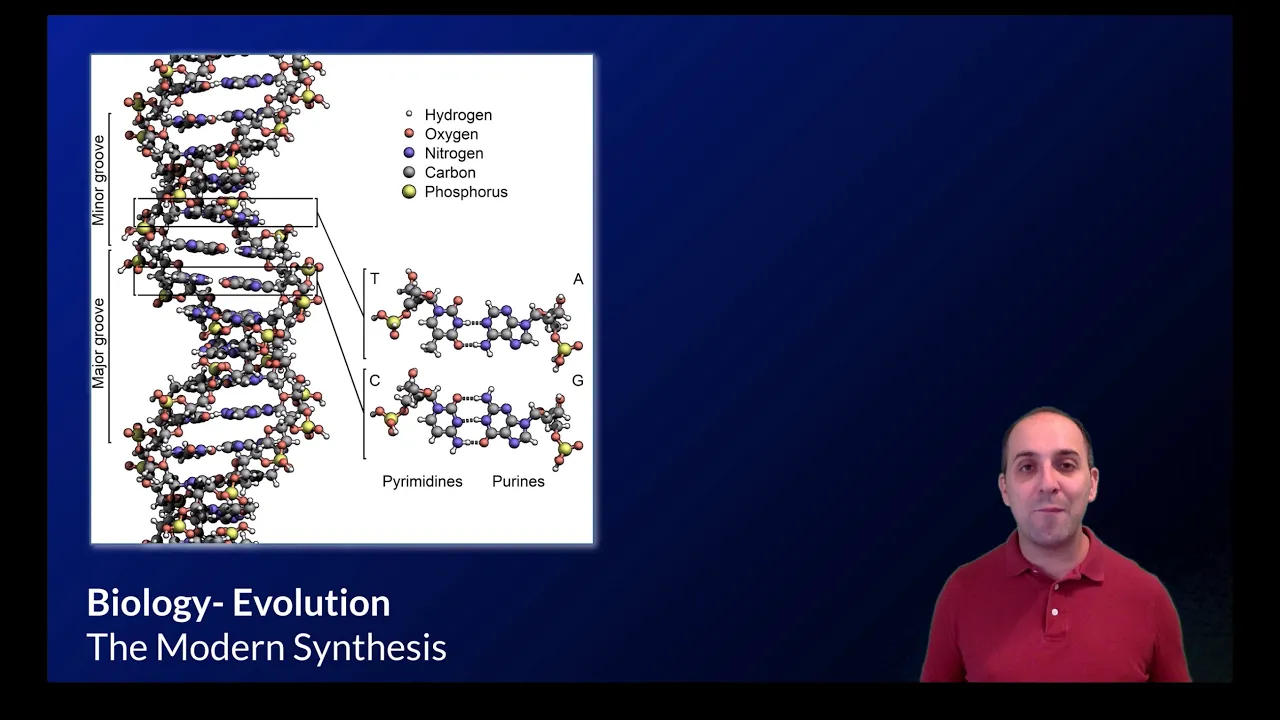
Added:The Modern Synthesis of Evolutionary Biology: Understanding classical Darwinian natural selection, genetic mutations, and gradualism as the traditional explanations for species adaptation.
Basic Cell Biology and Classification: Distinguishing between prokaryotic cells (bacteria and archaea) and eukaryotic cells (complex cells with organelles).
Introduction to Symbiosis: Familiarity with ecological interactions where different species live in close physical association, such as mutualism and parasitism.
Fundamentals of Genomes and Heredity: Understanding what a genome is, how genetic material is structured, and how traits are traditionally inherited vertically from parent to offspring.
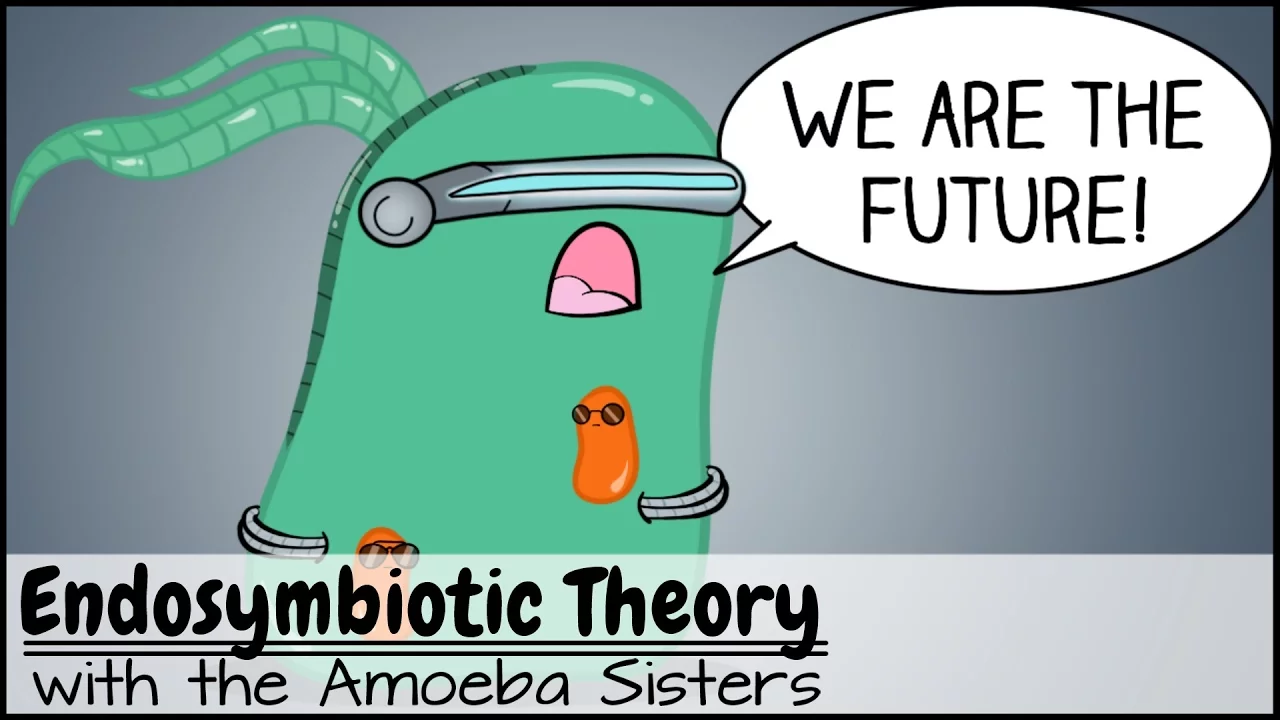
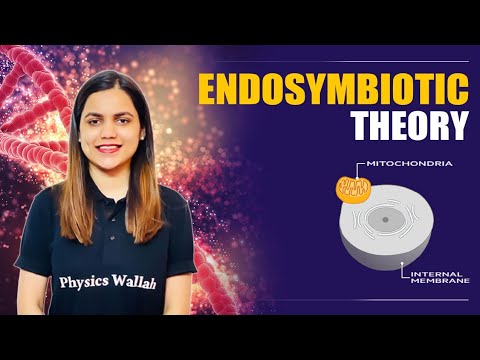
The Endosymbiotic Theory: Examining the concrete empirical evidence supporting the bacterial origins of mitochondria and chloroplasts within eukaryotic cells.
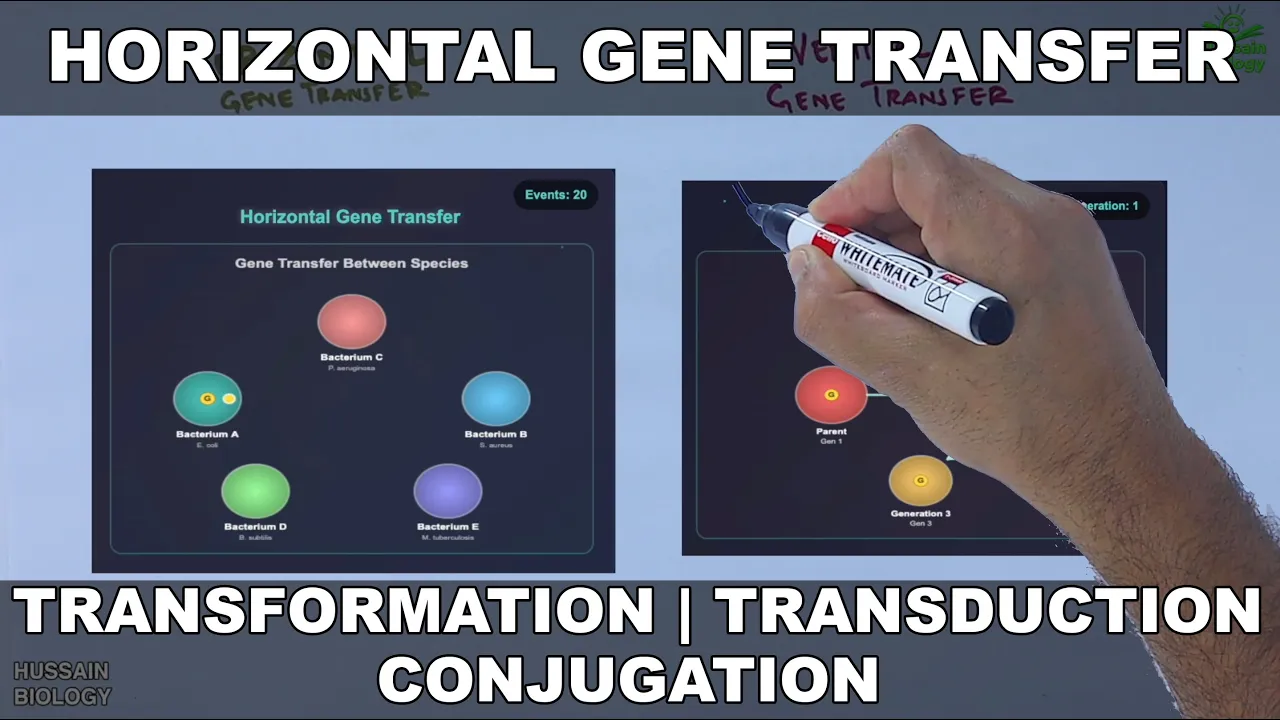
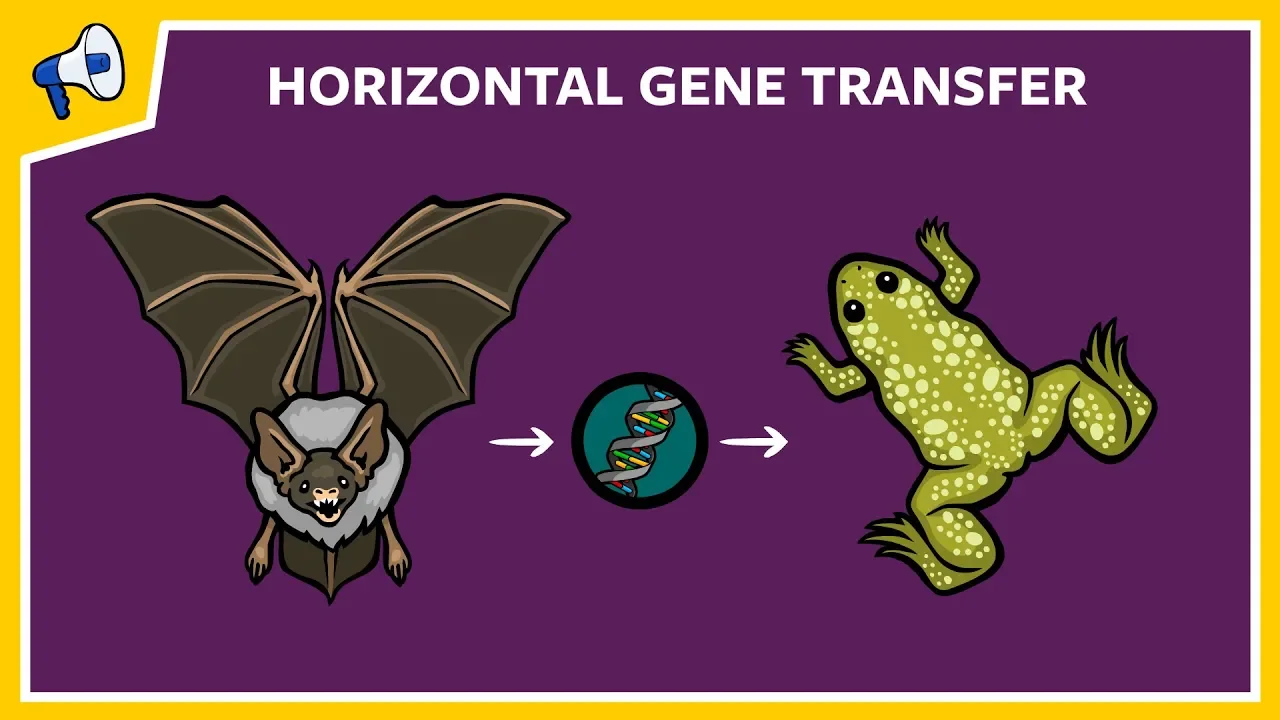
Horizontal Gene Transfer (HGT): Investigating how genetic material moves between unicellular and/or multicellular organisms across different species boundaries, bypassing traditional reproduction.
The Holobiont and Hologenome Concepts: Exploring the modern evolutionary framework that views an host organism and its symbiotic microbiota as a single unit of natural selection.
The Extended Evolutionary Synthesis: Analyzing contemporary debates and expansions of evolutionary theory that integrate symbiogenesis, epigenetics, and niche construction alongside standard genetic mutation.
9.5K views207likes1:58:51Original Release: 2018-09-29
Yeah right good evening ladies and gentlemen welcome to the 2003-2004 science technology society lecture series my name is Gerry Bristol I'm the president of the Institute for science engineering and public policy it is now my great pleasure to introduce key guy here Wally Rhines who is the chairman and CEO of Mentor Graphics corporation Thank You Terry it's our pleasure tonight to welcome two outstanding guests lynn margulis who was a distinguished University professor in the Department of geosciences at the University of Massachusetts and Amherst who teaches genetics symbiosis and evolution she has a liberal arts degree from the University of Chicago and she was not permitted to major in anything there which she attributes to be the source of her love of science she has an MS in zoology and genetics from the University of Wisconsin at Madison and a PhD in genetics from the University of California at Berkeley she's a member of the US National Academy of Sciences the Russian Academy of National Sciences in the world Academy of Arts and Sciences she was awarded the National Medal of Science in year 2000 and the Humboldt Prize in 2002 she's been called one of the most successful synthetic thinkers in modern biology and one of the great iconic class of modern biology she's a leading US proponent of James Lovelock's Gaia hypothesis of the earth as a self-regulating living system and she says she personally represents 250,000 extant species of non-human mute organisms and their larger descendants yes Dorion Sagan is a writer and a sleight-of-hand artist he's authored and co-authored numerous books with Lynn Margulis and other distinguished scientists examples being up from dragons the evolution of human intelligence energy flow what is life which has been called a mind-altering masterpiece micro cosmos 4 billion years of microbial evolution in the latest book by Lynn Margulis and Dorion Sagan acquiring genomes a theory of the origin of species direct he directly challenges some of the standard assumptions in evolutionary biology and the topic of tonight's two-part talk on energy and symbiosis please help me welcome our guests dr. Lynn Margulis and Dorion Sagan [Applause] [Music] [Applause] [Music] greetings fellow carbon-based life-forms that was the source of my mitochondria but the second part should be more energetic than the first for some unknown scientific reason Wow moving right along but I guess there was a I guess you actually did do that she is very energetic huh what how come harder yeah why is that this is my favorite part since I'm talking about Murphy's live there's no way I can go wrong tonight everything is going to be an illustration the basic principle it's not coming up though it's kind of it's shortly going to arrive it over here okay a miracle of modern technology don't ask me to do that again it'll probably happen of its own accord well this is the two-part talk introduction tonight I am going to talk about the torture never stops this is a definition of thermodynamics with the etymology basically energy flow non-equilibrium thermodynamics although it appeared after thermodynamics is really the the major science because most systems in the universe are open systems and the systems that are complex tend to be these open systems most importantly life but as we will see some inanimate systems that are very interesting this is uh underlines the importance it's not just a good idea it's the law and that's a technical definition of as I said an isolated system but that's an experimental the artificial system and most systems are not isolated sealed systems they're closed they're open and that permits them to become more complex well now I contend that Murphy's laws our folk version of the second law Murphy's Law is that anything that can go wrong will go wrong of which we've already had an ample demonstration so far and hopefully we won't get much more in that area the science fiction writer Theodore sturgeon whom I stayed with when I was 15 in Echo Park and who was a basis for Kurt Vonnegut's character Kilgore trout noticed the fishy name had another version 90% of anything is crap sturgeons law now see if you can glean the essence of Murphy in the following versions the Nagle's eighth rule teamwork is essential it allows you to blame someone else Beach's law no two identical parts are alike Evans law if you can keep your head when everyone about you is losing his then you just don't understand the problem Roberts axiom only errors exist Matthews formula if you think things are mixed up now just wait but entropy is not the easiest concept to understand originally it was given as heat divided by temperature later it acquired as dist achill a statistical formulation the loss of order here is equivalent to a rise in randomness atomic and molecular chaos think of cream in your coffee they mix up and don't come back it is a one-way thing for those of you who have read who read science fiction philip k dick used the term Kipple the accumulation of household clutter like gum wrappers and newspapers he also used the words gub and Gubba SH in the novel Martian time slip I wrote a review of that on amazon.com I've written several reviews I even gave our own book that we're gonna hear more about here tonight only four stars just to show how sporting I am and dicks term gahbage refers to a kind of psychological entropy well the problem with entropy is that not only is it hard to measure in complex systems but there are also many organized systems in the universe including ones like life that continue to get more organized synthesizing much of the recent work in thermodynamics my co-author Eric Snyder has come up with a new improved version of the second law nature abhors a gradient and if that slide is miraculously still there there's a working title for this book which has been accepted by a University of Chicago Press and on which my co-author has worked for a good two decades now and we've worked on for several years ourselves those studying energy in Europe in the 19th century were so taken with the second law of thermodynamics prediction of entropy increase in closed systems that they extended it to the entire universe the cosmos too could be expected to burn out ending as TS Eliot put it not with a bang but a whimper maybe not complex structures can be seen throughout the universe the complex systems dwarf the simple ones the energy experts of the 19th century made a mistake in thinking what goes on in a closed experimental box can be relied upon as a model for complex energy systems systems like life that maintain non-random patterns are open life but not just life takes place in the area of energy flows the basic idea here is that energy flows between gradients which are differences across a distance because the second law wants to randomize in gradients these differences in temperature pressure or other variables represent order the second law naturally creates complex systems to destroy gradients these systems cycle matter as energy flows once the gradient the difference is rectified the complex disorder producing system disappears it only existed for one purpose to destroy the gradient complex process such as life are thus completely natural helping to get rid of pre-existing differences they in no way violate but rather perpetuate the second law indeed the complex system is better at producing entropy and destroying the gradient than random fluctuation it thus looks like complex systems including life have a natural purpose to destroy gradients and here's a poem consequently he who wants to have right without wrong order without disorder does not understand the principles of heaven and earth he does not know how things hang together swaying to great and small here we are in Greece at the Oracle of Delphi temple on the slope of Mount Parnassus from the 11th to the 9th century BC Apollo the Sun God God of light music and truth was worshipped here the famous inscription on the base of the monument is northeast say atong know thyself know yourself this basic precept accounts for the heart of science and philosophy and 3,000 years later we do know better science has taught us that whether we like it or not we are not so special we are not the center of the universe we are not made of magic pixie dust found only in life we are not the central organism the be-all and end-all of life we are in orbit around a medium-sized star on the edge of a spiral galaxy like the one shown here we are carbon-based life-forms incorporating elements like oxygen sulfur and hydrogen distributed throughout space it's taken a long time to get used to and we are still reeling but it looks like we haven't fluttered down from heaven or Eden but rather have we risen from slime to slightly beyond the level of ape we're all worms said Winston Churchill but I do believe I am a glowworm he also said upon meeting Eleanor Roosevelt I have faced war and I have faced Eleanor I prefer war and I haven't dredged up the worm at random the worm pertains because it is basically the bare-bones animal plan indeed so bare bones it is boneless and spineless and yet worms belong to the core date phylum that includes all our favorite animals from gerbils to giraffes - lions tigers and bears even among the animals which are one of only five kingdoms of life there are 34 phyla our phylum of animal is marked by the presence of a notochord the column which evolves to support a spine marked by the presence of a notochord and the cordate is basically an open tube and any tea which we saw earlier I used as a short abbreviation for non equilibrium thermodynamic system now let me suggest at the march of science that deconstructs human arrogance is not finished we knew we were not so special but we are even less special than that just as chemistry and astronomy show the stuff of our bodies to be common so thermodynamics show the process of life and humanity to be shared we are to paraphrase Tallulah Bankhead as pure as driven slush but back to Apollo what have we learned hoo-wee I like to quote Alan Watts in the book on the taboo against knowing who you are he writes the standard brand religions whether Jewish Christian Hindu or Buddhist are as now practiced like exhausted Minds very hard to dig with some exceptions not too easily found their ideas about man in the world their imagery their rights and their notions of the good life don't seem to fit in with the universe as we know it or with a human world that is changing so rapidly that much of what one learns in school is already obsolete by graduation day 4 there is a growing apprehension that existence is a rat race in a trap living organisms including people are merely tubes which put things in at one end and let them out at the other which both keeps them doing it and in the long run wears them out so to keep the farce going the tubes find ways of making new tubes which also put things in it went in and let them out at the other at the input end they even developed ganglia of nerves called brains with eyes and ears so that they can more easily scrounge around for things to swallow as and when they get enough to eat they use up their surplus energy by wiggling and complicated patterns making all sorts of noises by blowing air in and out of the input hole and gathering together in groups to fight with other groups in time the tubes grow such an abundance of attached appliances if they are hardly recognizable as mere tubes and they manage to do this in a staggering variety of forms there's a vague rule not to eat tubes of your own form but in general there is serious competition as to who was going to be the top type of tube all this seems marvelously futile and yet when you begin to think about it it begins to be more marvelous than futile indeed it seems extremely odd here is the center of our Milky Way seen from Earth stars like living bodies are made mostly of hydrogen and stars like us or sites of continuous energy flux in his 1947 story the flames of fantasy Olaf Stapledon imagines what life would be like on the surface of a star robinson jeffers also imagines this and how different such life might be physicist heinz Pagels suggested that the laws of the universe might themselves be a message from aliens creationists argue that DNA might be considered a message from god it is curious that we are so intent on finding intelligent life elsewhere when we cannot even often communicate with each other let alone members of other species would we even recognize a more intelligent civilization this is the keyhole nebula in a photo taken by the Hubble telescope 200 light-years across that contains stars 10 times as hot a hundred times as massive as our Sun the diameter of the keyhole ring structure in the upper left is about seven light years in the far upper left is a knob and pillar structure some wax have called the cosmic finger of friendship an x-ray image of Sun the Sun since life's origins some 3.8 billion years ago lack of access to sunlight often meant death cells able to store energy and marshal it for a rainy day were favoured cyclical exposure to the nightly disappearing Sun may even have left imprints on our cellular makeup before parents or lovers the Sun may have been life's original object of desire you are the sunshine of my life ain't no sunshine when she's gone and she's gone she's gone away you light up my life many many love songs compare the beloved to the Sun on this broad psychological view the ultimate object of desire is the medium-sized yellow star whose ancient peekaboo relationship with energy dependent energy storing energy craving cells coincided with life's powers to perceive seasonal affective disorder and the link between darkness and depression go way back like car seats here is a steam engine classical thermodynamics recognized that gradients were the source of work French physicist Sadie Carnot son of one of Napoleon's ministers of war attributed French defeat to England's superiority in deploying coal steam steel and guns at 26 in his reflection service on small twists a few reflections on the motive force of heat Carnot wrote the production of heat is not sufficient to give birth to the impelling power it is necessary that there should be cold without it the heat would be useless not he but heat and cold in other words a temperature gradient so here is Carnot recognizing at the beginning of thermodynamics that it's not just the heat that runs the engine it's the difference between hot boiler and cool radiator carnal found that heat inevitably dissipated leading to the impossibility of perpetual motion life does not contradict this because it is not a closed system it takes energy from the outside life's operations do not contradict but confirm the second laws prediction life exports heat and entropy to the area around it it is a kind of natural pollution machine dissipating the difference between sunlight and cold space in retrospect we can see that the open system version of the second law put forth by Schneider is already implicit in classical closed system thermodynamics here we move from a man-made machine to a natural gradient based organization its form like that of life is married to its function this is a bernard sell on rhe bernard a student at the university of paris had heard in 1897 of polygonal flow structures arising in an unused photographic developing tray his PhD thesis in 1900 was called lake toba young salut layer dans une op viki cellular Eddie's in a horizontal liquid layer this was the first in-depth study of these shapes with a hundred degree centigrade steam from below bernard heated sperm whale oil sperma Ceti in a brass apparatus sperma Ceti a waxy substance at twenty degrees centigrade loosens into a viscous fluid at 46 degrees the upper surface of the liquid was open to the air the air was at room temperature 20 degrees centigrade bernard had thus setup an 80 degree centigrade thermal gradient through a thin one millimeter layer of whale oil this was a steep gradient equivalent to an 800 degree gradient across a centimeter fueled by the gradient symmetrical hexagons rise up out of the liquid chaos as a temperature gradient increases a better way of dissipating heat occurs the new more effective producing a way of producing atomic chaos and rectifying a temperature gradient kicks in it's crucial to note that as we go from conduction to convection from random to organize the system's heat flow it's entropy production goes up thus counter-intuitively the more complex organized system is also the best at accomplishing the second law task of disorder consequently he who wants to have right without wrong order without disorder does not understand the principles of heaven and earth he does not know how things hang together the central idea is already latent in ancient Chinese philosophy today tiny Baynard cells have been produced in the sulfur hexafluoride gas in the laboratory and giant ones occur in the magma beneath Earth's crust as well as in the Hadley cells of our atmosphere bernard cells sprinkled with aluminum flakes then photographed over a 10 second exposure you can see the individual trails forming the larger stable structure a tornado the natural result of an atmospheric or barometric air pressure gradient tornadoes and hurricanes come cycling into being to reduce thermal and air pressure gradients that is their function why they exist and it is totally natural if you did not know their context they might seem irreducibly complex or the result of intelligent design yet they are the natural results of the gradients around them nature of a gradient and when and where possible will craft without hands or brains complex cyclical processes to get rid of them an organism is as philosopher Kant's astutely observed quote a natural purpose both cause and effect of itself in contrast to William Paley Darwin's famous detractor who argued that a watch found in the ground undeniably suggests a creator and therefore so does life Kant pointed out that a watch differs from an organism because it organisms parts are not only deeply interconnected but actually produce each other this is not the human type of creation building or manufacturing we are used to in art and technology this is similar to what Aristotle wrote over 2,000 years ago it is absurd to suppose that purpose is not present because we do not observe the agent deliberating end quote I believe the purpose we see in life may well be superior to craftier if you will then the purpose we see in ourselves which likely derives from it it is somewhat arrogant of us to think that the universe or God makes things the way we do by assembling them piece by piece when we look at nature we see structures come together as whole cycling matter and maintaining their complexity or even expanding their organization as they funnel energy and dissipate gradients so far we have seen Baynard or convection cells that dissipate temperature gradients and storm systems that dissipate pressure gradients here is another case a chemical gradient reducing system this is the bellows of zhabotinsky reaction it oscillates once every 15 minutes the reactants in this system have several intermediary steps but the final reaction is the oxidation of Sarek acid by potassium bromate these chemicals feed on a redox gradient the chemical difference between hydrogen and oxygen similar to the cells and your own body including your brain cells which communicate as gradients are reduced in waves as action potentials travel along axons depolarizing electric charges across membranes building up these gradients requires food blood sugar in the brain which is oxidized the need to replenish the gradients is why you get the munchies when you study although it accounts only for about one-fifth of your weight the human brain uses a full fifth of your body's blood sugar I think I have the numbers wrong there professor bill early of the chemistry department at Georgetown a Jesuit school tells at the time that he was in an elevator returning from a chemistry lecture on BZ reactions Bellis of zhabotinsky reactions to Jesuit priest joined him in the elevator before the priests eyes the chemicals changed colors over a scale of several centimeters are those alive asked the priest as much as you are father professor early said these reactions metabolize but don't reproduce an experimental machine consisting of two rotating cylinders which produce a rotational pressure gradient as rotation increases to a critical rate vortices appear they multiply and do so in pairs 2 4 6 8 the structure also produces distinct wavy patterns more than one set of vortices and waves are stable under the same rotation rate new states depend upon the past course of turbulent flows demonstrating a sort of development and reproduction under increased gradients here is a photograph called Hale Bopp from Mars at one time picture of the year 4 1998 but the titles a lie it's taken out from Mars but from a Joshua Forest in California I'm showing it to you because you might think there's no life here but in fact there's lots of life here in the foreground this is one of several experimental discoveries that have given us a new view of life's origin the first is that bacteria have recently been found beneath the surface of the earth indeed as far down as we take course we find bacteria living deep in pores and rocks astrophysicist Tommy Gould of Cornell estimates the mass of life beneath Earth's surface to equal that above it this helps because although water and other precursors to life could have been brought to Earth from space the pockmark Moon and Mars show a violent meteorite bombarded early solar system Earth's oceans probably boiled several times and more times than that the top 10 to 20 meters of water must have evaporated bacteria's ability to live in a natural bomb shelter underground during brr barred mints worse than all-out nuclear wars makes life origen less mysterious a Perseid meteor right streaking across the atmosphere the hardiness of cells living in rocks so-called endoliths increases the chances life adept at living beneath the surface survived the early period of meteorite bombardment in addition evidence of locally oxidized rocks suggests that the hydrogen rich gases such as methane and ammonia assumed to be available for the natural production of amino acids may not have been plentiful enough for life to evolve at the surface amino acids form easily in sparked hydrogen rich environments but now we have another place life could have evolved these tubeworms had never been seen by human eyes until 1974 when I was hitchhiking across the country visiting Theodore sturgeon the prototype to Kilgore trout a few years later I met John Corliss who voyaged in a cramped vehicle called the Alvin to the bottom of the sea there he discovered amazing new ecosystems giant clams blind crabs and red tube worms such as we those we see here unlike surface ecosystems which are based on photosynthesis in a light gradient these ecosystems are based on a chemical gradient bacteria eat hydrogen sulfide that is they oxidize it at the ocean's bottom without food or light they get energy from these chemical reactions not unlike the BZ reactions similar dark ecosystems could have provided the hydrogen rich environment necessary for making amino acids and nucleic acids DNA and RNA out of harm's way organic compounds could have complexified a third finding besides submarine hydrogen ecosystems and bacteria deep in rocks are and I quote the strikingly lifelike phenomena observed in the laboratory when hot water saturated with soluble iron sulphides is discharged into a cold water environment the sulfides precipitate as membranes and formed gelatinous bubbles the bubbles look like possible precursors of living cells end quote the edges of the black smokers the submarine vents leaking hot gases and magma from the Earth's interior tend to be made of iron sulfide it turns out that when iron sulfide aka pyrite or fool's gold forms it releases energy for complex chemical reactions some of which seem to be precursors to ones we see in life even before chemical replication evolved there may have been selection for the maintenance of complex forms that could stick to the and spread to the cracks of the submarine vessels moreover according to biologists Karl wowza the hypothetical RNA sequence in the common ancestor of the most primitive organisms on earth the archaea are our key bacteria had a sulfur metabolism today heat resistant archaea bacteria thrive in Yellowstone Park hot springs at temperatures close to boiling finally biologist Dennis Searcy of the United of the University of Massachusetts Amherst using a sulfide ometer has found that all animal cells produce a thousand times more sulfide than one would expect still more testimony for life submarine origins so perhaps we sometimes sulfur stinky surface forms come after thousands of millions of years not from heaven but from submarine gradients from fire and brimstone the old name for sulfur on the left here we see a satellite photo of the Strait of Gibraltar in the Arabian Sea the white stuff in the ocean is the microorganism Emiliana Huxley I microbes produce gases that keep the atmosphere away from chemical equilibrium they reduce an electromagnetic radiant and produce a chemical gradient so Earth's surface is a single gradient reducing system but it also produces gradients coming across an atmosphere out of chemical equilibrium it's like finding a sand castle on the beach atmospheric chemist James Lovelock said NASA did not have to bother sending biking to Mars because Mars is atmosphere is in equilibrium meaning it's burnt out no life is there according to kenneth nielsen of nasa ames in california NASA needs to incorporate thermodynamic criteria to look for life in space is part of a quote non Earth centric life detection protocol the White Cliffs of Dover earth is no more Iraq with some life on it than you are a skeleton infested with cells because cells are open not closed systems their activities make their so roundings more complex over time the house the environment becomes the body these cliffs are made of are grown from marine skeletons and we can see it in art dollies skull of naked women life and any t-systems cycles its materials our skeletons are formed from calcium but calcium ions were poisonous to our cell ancestors now sea creatures use calcium carbonate as their shells and calcium phosphate gives us our bones skulls and smiles called diatoms these microbes deplete the world's oceans of silica which they incorporate into their bodies more diatoms the top are from a hundred million years ago in Canada the bottom is alive one radio Larry ins these energy transformers glow on the dark their luminescence is another chemical reaction that makes use of oxygen the chemical redox gradient now at Earth's surface this gradient was built up in the breakdown of the solar gradient this is an artist's rendition of Ediacaran among the first organisms to have heads these beings lived earlier than the trilobite here's a fossil of one of them Dickon Sonia from Namibia in South Africa either they are the animals that follow them recognize each other as gradients this set up an ethical crisis animals not only devour each other meat is the name of that gradient but their perception and intelligence allowed them to hunt this is the same awareness that would ultimately allow us to know we hurt others to feed and that someday we will die downstream of Niagara is whirlpool with a capital W a continuous area of turbulence we give hurricanes names like Gertrude this does not mean they are alive but it does show our implicit recognition of energy transformers as discrete entities Kant said biology would never get as Newton able to explain even a single blade of grass yet the thermodynamic view shows us how cyclical organization is favored near gradients life is a complex complex there's a chemical complex of cycles that have found ways to repeat themselves to continue gradient reduction the genes themselves are exposed to the randomizing directives of the second law indeed the greater question is not organisms variation but their stability which makes thermodynamic sense only when we consider they are stable vehicles of degradation now something that's long bothered me the purpose of life purpose looks less mysterious when we see its energy context imagine a cabin heated on a snowy mountain wherever there is a crack wherever there is the slightest leak air will try to get out it doesn't matter if we seal all avenues of escape except one the air will find that and escape the question is is this finding the ancestor to conscious purpose and desire there's nothing mysterious about the direction of the hot air the heated cabin forms a gradient with the cold outside one that has reduced in accord with the second law the purposefulness of animals whose activities from food finding to mating preserve them as stable vehicles of gradient reduction may go to their origins as energy systems threatened by an entropic dissolution equivalent to death organisms that seek ways to replenish their access to energy prosper intelligence helps organisms preserve access to and seek out new gradients when we discuss these ideas with whale biologist Roger Payne he suggested nature's of horns of a gradient might be behind observations of ghosts here is a supposed ghost on the internet note the mysterious filmy creeping sheets of warm air sweeping by in a big house at night might be taken for ghosts if dusty enough they might even seem to escape a keyhole or under a door house insulators sprinkle fine powder in the air to visualize leaks one told me he saw a stream of air go through an electric outlet climbed up a wall and halfway across the ceiling before doing an about-face and returning whence it came through the outlet the streamer of air looked like it had consciousness like it changed its mind much of what we do is also unconscious well speaking of fear and ghosts and loathing and romance under pressure here is Las Vegas the principles of energy flow apply also to the economy markets track supply demand gradients and cities rise up around them arbitrage make money off price gradients selling in one place and buying in another Internet companies also eliminate middlemen improving efficiency as they economize and expand flows I used to count cards in blackjack counters identified ducks rich in aces and tens high counts mean the cards are not random more high cards are left in the shoe as the high-low card gradient statistically dissipates counters tend to win but if they win too much they encounter heat slang for a casino personnel and are shuffled up on or barred this is an example of a general principle the foregoing of a reduction of a gradient in order to preserve long term gradient reduction one sees this in the dialectic between fly-by-night companies and those who with good service with lower profit margins it is thus not the maximization of gradient reduction that is selected for but optimal gradient reduction these principles apply also to human health kept immobile in a cast a young man's leg looks like looks in an x-ray like that of an old man muscles strengthen bones Harden and mental powers improve with use use it or lose it the body is also a thermodynamic system finally let me give the last word to a Taoists in nineteen seven before Alan Watts who gave us the tube quote wrote the Western man who claims consciousness of oneness with God or the universe clashes with his society's concept of religion in most Asian cultures however such a man will be congratulated as having penetrated the true secret of life he has arrived by chance or by some discipline such as yoga or Zen meditation at a state of consciousness in which he experiences directly and vividly what our scientists know to be true in theory for the ecologist the biologists and the physicists know but seldom feel that every organism constitutes a single field of behavior or process with its environment there is no way of separating what any organism is doing from what its environment is doing for which reason ecologists speak not of organisms and environments but of organism environments the Western scientists may rationally perceive the idea of organism environment but he does not ordinarily feel this to be true by cultural and social conditioning he has been hypnotized into experiencing himself as an ego as an isolated center of consciousness and will inside a bag of skin confronting an external and alien world we say I came into this world but we did nothing of the kind we came out of it in just the same way that fruit comes out of trees thank you [Applause] [Applause] well but this my yeah out of the way completely yes hi I can I can hardly see you I guess you can see me Dorian has told you something about us that is life on Earth beings a system a process a series of processes that always require the flow of energy and locally complexify using the flow of energy I wouldn't want to share with you that same view a little specifically about how these living systems have evolved and in so doing explain where we have agreement with other evolutionists and scientists and where we have a certain disagreement that's going to be or or less what we see the major source of energy on earth in spite of the tubeworms and many of and many of the newly discovered bacteria inside rocks the major source of energy is that object of love that heat with - which he referred which is the Sun and the major transformation of energy into usable form is that famous process photosynthesis and I'm going to use that as a very specific example of this acquisition of genomes we wanted to call the book the inheritance of acquired genomes but people hadn't they didn't get that at all so they didn't they hadn't heard about the French idea of the inheritance of acquired characteristics and anyway in this particular case we're going to focus on the inheritance of acquired genomes when the genome is photosynthetic and we're going to end up with fully photosynthetic animal fully green animals and this is what we're leading to and perhaps this talk could be called Gaia and the revolution and evolution and the revolution specifically has to do with how we get novelty how do we get green animals photosynthetic animals in this particular example now Gaia comes from the space program who took that picture it wasn't me it wasn't you who took that picture that picture was taken can you see what the foreground is there what would you think the foreground is and what's in the back what's what's the thing that's rising it is it's the earth it's the earth rising from the moon and it's this perspective the overview perspective of our planet that has changed so much our views of both evolution and the earth itself the inventor of the Gaia hypothesis James Lovelock has actually just reviewed the status of the hypothesis in nature very recently and it is alive and well the concept is alive and well I would like to introduce you to it very briefly and explain what its status is the hypothesis Gaia of course means mother earth in Greek it's the same word as geo geology geometry it's the same Pangaea guy gay there's all sorts of different pronunciations and uses of that but we're all familiar geometry the measure of the earth and so on it is the product of the international space program and Lovelock's lively and mischievous imagination he refers to the universities as perpetrators of academic apartheid and shows how it's impossible really to study the earth as a whole because it doesn't fit anyone's particular budgets or or Demick classifications but in fact Gaea is just a 20 kilometer hollow sphere because as far as we know it's the place where this process of energy reduction goes on at the surface of the earth in other words where life is and it's where it has been going on for about 3 billion years 20 kilometers why because life extends to about 12 kilometers down to the abyss the very bottom of the ocean and up to about 8 kilometers to the tops of the mountains and as far as we know that's all folks in other words we have no evidence maybe there we have no evidence at all for any other life in the entire universe that doesn't mean of course that it doesn't exist it just it just we have no direct evidence for it so one way to say this Gaia hypothesis is the aspects and those aspects are temperature the chemists chemistry of the atmosphere it's the absolute requirement to make waste all organisms process energy and all of them yes even we even us we produce waste at any rate aspects because of this waste and energy reduction gradient reduction process aspects of the atmosphere and the surface sediments of the earth are regulated by the activities of over 30 million types of living organisms the temperature and the chemistry of the surface is regulated by these organisms that's the basic concept and what what Charles Darwin did for time vernadsky did for space Darwin showed how all organisms are related to all others through time and we of course completely agree with that that is we all have ancestors that extend back to the early origins of life and life has never once once it evolved and appeared it has never lost that continuity so we have this gradient reduction process that has probably got three thousand million of history we may feel like we're individual we may feel like we're apart from life but as Vernadsky the great russian founder of the science of geochemistry actually this is great the man who wrote the biosphere the book the biosphere as he pointed out all organisms are connected by through space okay independence from the biosphere that is independence from the rest of life is absolutely exactly equivalent to death as all the astronauts know we are entirely dependent on the production and removal of our food in our wastes by other organisms and every individual so called is entirely embedded in this in this biosphere surface and I think I'm going to quote to 19th century poets one of them is my neighbor her name is Emily she's I'll tell you about her she still talks to me every every night probably every day the other one is someone I I was told is almost as good I never believed it but he it's Walt Whitman but I do have something about his last word about the earth and I thought it was very appropriate looking at this picture of the earth it will leave Emily for last we'll let her have the last word but Walt Whitman has the following he says the earth does not argue is not pathetic has no arrangements does not scream hasten persuade threaten promise makes no discriminations has no conceivable failures closes nothing refuses nothing shuts none out that's the earth that's not people obviously now how long has this gradient reduction process that we call life been going on this kind of special local complexification in our corner of the universe well for eons if you look up yawns it says it says something wonderful it says something like a very long time in the dictionary or it says a thousand million years or it says the largest block of time but we recognize in in the geosciences and in evolutionary thinking we recognize these three eons and the way to think about them those numbers are in hundreds of millions of years the Archaean is the age really of the bacteria from 3,500 to 2,500 million years ago the Proterozoic are the is the age of which dr. Rhines mr. Owens um referred to before that I represent that's the age of the protists those are the organisms that nobody else pays any attention to at any rate we'll see some of them know what we won't see them in this film anyway they're 250,000 of them alive today and they're just they're just not plants or animals and they just confuse people but there are lots of them and they do important things and the phanerozoic is the age of the animals and plants that are familiar it's the familiar fossil record and if we plot the same exact set of eons but on a timeline the question mark stands there for the origins of life it's it's more of a philosophy than than anything because we don't really know directly the origins of life but one thing we can say is that about 3800 million years ago we got the first bacteria and the bacteria have come to the present and sometime between the back these are the organisms I like these protists they they include algae and slime molds and slime nets and radiolaria ins of diatoms and and other more obscure meridians and ellaby opsins and i mean there's a lot of wonderful organisms there and then note how late animals plants and fungi are in the fossil record they're really very late and people you couldn't even put on the timeline because you need a magnifying glass to see them appearing that is whatever else we are we're very recent on the scene of evolutionary history this arrow stands for this very big discontinuity between the bacteria and all the rest of the organisms now what I'm going to are let's look at the scene this is the Archaean artists of course rendition of the Archaean with this big thing in the back not what do you think it is absolutely that big gold thing in the back it is it's supposed to be the Sun the Sun was so it's not it's night it's supposed to be the moon the moon was much much closer to us than it than it is now the day was about five hours of light five hours of darkness and the tides were utterly enormous because of the proximity of the moon and the moon seems to have been knocked out of the earth by meteorite bombardment there's pretty good models of the moon so this is what the Archaean looked like it was very hot full of lava full of ash full of meteoritic and bombardment and a very large and scary moon and a little bit later we have another view of the Archaea and the later Archaean where we see these these very active tectonic processes of lava and ash and meteoritic bombardment and and gases escaping from the interior of the earth but very soon after that we have these stromatolites these rocks these these are this is a real rock in Australia that represents communities of microorganisms all bacteria the world was dominated for my bacteria for most of its history it's still dominated by bacteria they don't talk but other than that they do everything you can think of here here's another example of today of rocks today in a pool dominated again by bacteria and if you cut through them these these are live these are also called stromatolites they're live there from Shark Bay Western Australia about 800 miles north of yes north of Perth on the western part of Australia and how do we know about the ancient ones because we can study the modern ones now all stromatolite saw love those kinds of rocks that we know are basically communities of bacteria they can be they can be studied because we have modern counterparts and here's a picture on the west coast of the united west coast of mexico where you have bacteria that these things are bacteria too but we won't talk about them what we're gonna do is go in the water here and see these these is my pointer working yes these communities of microorganisms that in many cases do fossilize as and become stromatolite for later study but of course in this particular case these are alive and we'll get closer to them and this is what they look like like nothing much you know like dirty sand but when we cut through them and study them and this is now the result of many many people studying them over many many years with many different methods we can make drawings that reconstruct them that's what we have that's what's going on in something that's a millimeter size we have communities of bacteria that have recycled their wastes for the last three thousand million years they're highly structured communities and we can talk about the details but we won't but to the naked eye they just look like dirty sand or what's called microbial mats like mat and material this is what the sea Shores all over the world look like before there were any animals any plants any larger organisms at all and here we have amazing communities in Australia that that have counterparts all over the world the vast majority of the stromatolites represent dead or dead communities because they've been taken over the areas have been taken over by real-estate agents and and cement companies and so on and before that by animals and plants and other communities but there are landscape dominated by these bacteria and here's core-based taken on that that's Gustave Courbet who understood the bacteria very well even though he couldn't verbalize about it too much this is a painting of a seascape and and you you have the sense that it's dominated by the same sorts of bacteria its photosynthetic bacteria that have were the major components of life on Earth for so long well this what is that the vehm I suppose that's how you pronounce that I've never heard anyone say it out loud I don't think anyone does say it out loud but the FEM is the old indo-european word for the earth and it's the word that we use today but we don't recognize it but let me show you what the word has led to it's the word for humanity earth it means earth fundamentally it means soil earth dirt some would say I don't like to say dirt it's disrespectful toward our origins at any rate this word gem is the basis for human the word humanity for the humanities for humility for human for human humic acid and many other words they all come from this indo-european word for the earth because indeed that's from which we came now let us look about at evolution and how we got this great diversity of organisms the components of the evolutionary process are not contentious that is everybody who studies it agrees that all these tubes that Dorian referred to tend to grow at rates that are not possible for the environment to support all organisms under all circumstances grow at rates populations of these organisms that cannot be supported by the environment and if you think that they can you're wrong they cannot be supported there are always too many born too many attached too many seeds too many bacteria too many all of all of them for the immediate environment to support and organisms tend to have offspring like themselves but not exactly in other words there are inherited changes and since they cannot all survive some do and some do not survive and there is always changes through time because only certain ones carrying inherited changes can continue to survive but this number 3 here this natural selection is essentially an elimination process it keeps the organisms all the organisms all the potential offspring from surviving let's look at natural selection and then will tell I want to explain what where we think the revolution in the thinking comes from in this this modification of Darwinian thought that we're going to present in acquiring genomes and it's in the inherited changes part and I'll explain to you in a minute for example you cannot ever speak of natural selection independent of the environment all organisms are specifically born or hatched or butted into a specific environment at a specific time and all of those offspring cannot continue to survive do you see what's in this picture the survival probability of this organism in the picture is very very high in this particular environment but it's very low in different environments that that the fish in the top is the same fish exactly as that in the bottom and under the conditions of the bottom that fish is going to be eaten off or not not make it through its life history through to provide to make more offspring and here we have the what how natural selection works for example more are produced than survive the ones that are really correlated this way with their environment have a much higher probability of surviving to have more offspring but in any case you can show that when a bacterium divides every 20 minutes which these bacteria do that I start today with one bacterium and at the end of the week I have if there's not no natural selection if there were no natural selection I have in less than a week in about four days I have the size of the earth with that particular bacterium that isn't that bacterium doubles and that doubles again and it doubles again it doubles again and you can easily calculate that the whole earth is just let me say it say this clearly that the bacteria produce a mass of offspring the size of the entire planet if they are not stopped by natural selection from their reproductive potential all organisms have that dachshunds can make 33 puppies a year people can make twenty twenty children per generation every there's their fun drive you'd make a hundred thousand spores a minute for six months you come back a year later there's still one fungus where there was one before all organisms tend to overpopulate as Alan Watts said they simply run around scrounging to make more tubes that's what they do now natural selection limits that process but the big question is where does the novelty come from in evolution where do you get the new forms where do you get eyes where do you get speech where do you get green animals which is the case I'm going to show you where do you get novelty they tried to tell me and they probably tried to tell you that random mutation will generate all this novelty and I don't believe it but I'm not a creationist or anything like that I don't think that the evolutionists have been correct when they tell you over and over again that random mutation generates all the change and what I'm going to do is quickly tell you about the way I think really novelty comes to organisms that we can see with our naked eye that is familiar organisms not random mutation works for bacteria but not for the larger forms here are some people who independently worked on the concept of symbiogenesis and symbiotic ISM that is we'll just let's think this is the process symbiosis this is the process where organisms of come of different types different kinds of organisms usually different species of organisms come together and make more complex individuals at more complex levels of organization by this process now let's look symbiosis is ecological all it means is living together of different organisms different kinds of organisms and it's symbiosis which is an evolutionary process what how can we show that here's a great picture of symbiosis the shrimp is cleaning the teeth of the shark Remora it's a moray eel I believe it is that is a symbiosis that's an ecological situation the shrimp goes off and makes its own offspring in the so does the eel that's symbiosis that's not an evolutionary process but here is one of my students depiction of symbiogenesis life starts fairly happy for these two travelers fellow travelers but life always gets rough there's never enough of everything whether it be water or food or space or whatever there's never enough for the growing population sometimes it gets really rough and sometimes the solution is by symbiogenesis that is the fusion to make a new type of organism and this is the concept of symbiogenesis now what we're going to do if we can figure out how to do it is where you're going to see the origin of several groups of of animals in this case an animal always develops from an egg in a sperm that's what makes an animal it develops from an egg in the sperm into an embryo we're going to see I think if Terry back there can start the movie oh yeah it's gonna and turn off the lights turn off the spots if someone can turn off the spots that'd be great we're going to see turn on the volume a little please great on the beaches at Brittany the Channel Islands Guernsey and Jersey there's this stuff in the water that people consider to be green seaweed now the stuff on the right is green seaweed but there's patches all along the beach that in this case David Smith is putting into this jar to measure photosynthesis and he was able to measure carbon dioxide incorporation into the body of what looks like algae if you get closer it's got muscles and mouths and they are worms there are worms that that lie on the beach and photosynthesize their whole lives and as adults their mouths are closed as early in their development from the egg they have mouths they eat lots of different things they keep only the partner algae that they want to keep and they incorporate it into their bodies and become photosynthetic here are the eggs with the egg cases they're not green yet they hatch out of the egg cases you know the egg cases as dissolved they swim they eat lots of things they digest everything but the right alga the alga goes into the tissue the only place the alga lives and and fills the tissue now the animal's behavior is completely modified the animals that have these algae permanently and all adults swim away from the darkness into the light whereas they're very close relatives that don't have algae can't do that now he's pretending to be pounding surf and and the the drainage ditch is losing those worms because they're swimming underneath in the sand there's no self-respecting green alga that can swim into the sand so there's a great selection pressure for these animals that are photosynthetic and can swim away here's a completely different situation this is an animal it's clearly a slug it's related to the it's related to snails to escargot and all kinds of other gastropod molluscs and it is it opens these folds in its body you can see that like planted rows it is taken chloroplasts into its body and adults completely live by photosynthesis the divers tell me that they have sort of cocktail party out there on them on the on the reef between 4:00 and 6:00 in the afternoon they all come and congregate and sunbathe and as adults they simply do not eat at all they completely sunbathe so where did we get green animals then we get them from random mutation no we got them from incorporation and from acquisition and incorporation of other genomes now we're going to see a couple more examples and then we'll stop that but many times under trans lose conditions translucent bodies in the light under starvation conditions the animals have permanently taken up photosynthetic and entities here's another case another kind of slug snail but it's not related directly to the ones in Hawaii these are off the coast of England these adults a hundred percent of them are green throughout their whole adult life and they are actively photosynthetic and they did not become photosynthetic animals by random accumulation of mutations they became that way by eating ingesting but failing to digest the specific tissue specific photosynthetic entity that's the giant clam it doesn't also I think we can turn off the video there's many more examples of this and I we don't have time really for all of them now if we can go back to the computer I'll just show you some more very quick examples and we'll show you how the integration is the computers up but I know yeah I'm waiting sure the I'll tell you about the integration that's even on the genetic level that is this is not just a casual association it's highly specific the animal is highly specifically associated with its green entity in all these different cases the animals or different thanks that's fine the animals are different and the alga or the chloroplast is different here we have Alicia we'll talk about that in a minute that's also a mollusk here this this is the one we used to saw in the movie the plaka bronchus ISM is a mollusk this one is a flatworm the convoluted orosco fences we saw that in the movie tried acting on the giant clam the clams tissue has been modified as a lens to focus the light on it's symbiotic there have to be there if they're not there the the giant clam dies so this whole idea of the giant clam catching the diver aggressively is nuts because the clam is lying there in the sodden photosynthetic it sorts of energies directly from the Sun and not from the foot of the diver by eating here's some very different ones i'm placid on these aioli odds tend to do this ears at least one two three four five six times in this group of mollusks that that there's been incorporation and integration of the photosynthetic symbiont in the animal and this is the basic story that translucent hungry marine slugs acquire genomes from the outside that are already very good at photosynthesis and they become green animals and this is the point all visible organisms animals plants protists and fungi all of them are far composite they're made from more than a single ancestor a single type of ancestor and maybe the easiest way to say that is if you feel that you're falling apart it's because you are falling apart I'm gonna skip a lot of this in biology one plus one do not necessarily equal two in many cases one plus one integrate and they still equal one that's what we're working on we're working on the earliest history of life and I really have no time to explain it in detail but the basic concept is you have two very different kinds of bacteria and that this kind of formation of chimera that is of a of a fusion product from not from random mutation but from integration of two very different kinds of organisms and of course mutation acts on them has led to our common ancestry in all large organisms okay so back to my neighbor the is the kind of scene in fact it's right next door it's the scene I left to come to your beautiful happy winter I guess we're we're having more Sun now than you're used to do I unfortunately I see that one of the slides isn't here but one of those animals that looks like a leaf it looks just like a leaf in that it's called Alicia and there was a picture of it that animal that slug that snail like animal it's been proven that the genes for the photosynthetic entity that's doing all the feeding of the animal the genes that started off in the alga are now in the animals nuclei so it's not just that the photosynthetic entity has moved but the genes have been transferred it's like a mating between the photosynthetic entity and the animal to make a green animal and that's happened over and over again well as I promised you let's have Emily this is Emily's father's house I mean she never had a house she never had an income she just baked bread for her parents but she wrote 1773 or something poems four of which were published in her lifetime this is Emily Dickinson of course four of them were published in her lifetime but the people at the Springfield newspaper who published them fixed them up a little bit made them rhyme better so she abandoned the concept of publication forever and everything has been published after she died but this one is particularly apt and I'm going to end on it it's the whole poem is you don't sedges are sedges you know sedges they're kind of like grass that lives near the sea I think it needs do we need to see what sedges are there's a well right next door that's been covered and it's the final stanza that I want to share with you about nature being a stranger yet but I think it's easier to understand if we do the whole thing in context said what mystery pervades a well that water lives so far a neighbor from another world residing in a jar whose limits none has ever seen but just his lid of glass like looking every time you please in an abyss face for nature is a stranger yet the ones who sight her most have not passed her haunted house nor simplified her ghost to pity those who know her not is helped by the regret that those who know her know her less the nearer her they get thank you Emily [Applause] [Music] [Applause] [Music] if Mike can make this on yeah so what did a little Q&A now Mike Mike Mike I have a question about the example of the green slugs and the green worms as a form of evolutionary process what I didn't understand is if the ability for photosynthesis is comes from incorporating the algae why did the offspring go back to square one and have to start all over again they don't have the green capacity but they have to start then by acquiring more algae so I didn't see how that advanced evolution yeah it's very good point that the thing with these symbiosis is that if you want to see them clearly you have to pick the ones that are less integrated for for my illustration in fact the green Hydra which is more integrated than these are the same kind of animals translucent in the dark in the light starvation light in the green Hydra cases the algae are actually inherited in some cases in the egg in other cases on the egg in other cases they spill over the egg they're actually vomited out there but six or seven independently evolved green Hydra in our mitochondria there's no free living stage at all in mitochondria that is the association has become permanent it became permanent before they were animals even so there's a case where the integration is so tight it took a lot of fighting to make people even realize that the components namely the the the rest of the animal cell and the and the mitochondrial that used to be a respiring bacterium free living that they were the products of integration so I just used that example our book has example after example from very loose and cyclically we have to come and re-establish every time to ones that are permanent like our mitochondria where the genes have gone into nucleus because we that's what we have to do we have to take a lot of examples in and sort of mentally string them together because we can't watch the evolutionary process when we don't have enough time but it's a very good question I was like to ask if there's a way to rethink what a unit of evolution would be as a result of as I've taught for many years the units of evolution are populations of interbreeding organisms and what it sounds like is that that's got to be reconsidered I didn't know if you had a quick way to rephrase that or to sort of repackage how change I would point out that the way that you've taught it in the way we all learned it is is fine for sexually reproducing animals with which we are very familiar but in fact the way to think way I think anyway and the way I think one should think about a cell a nucleated cell is that it's a co-evolved integrated microbial community it started as a community of microbes that are so well integrated that they reproduce together they all they reproduce they stay together so that perhaps we should have a much more community ecology kind of attitude toward individuals and therefore the units of selection are whatever the package deal is that will tend to reproduce and be subject to natural selection the concept there is what do we identify as the identity what's the identity what's the individual and I think that we have to think about individuality as being dynamic constantly reinforced anybody with three credit cards knows that there are five or six I mean your individuality is a dynamic process constantly being reinforced and constantly falling apart and that's much more like a living system than this platonic idea of a single unit I don't know if that helps yeah this is actually probably two of them here and exposes well I don't know either one of you but what are the implications of symbiogenesis for the science and technology of gene therapy and they related one is what do we know about how these the genomes actually combine at that level but we know much about that well you know we we act as if with gene therapy we ask act as if we're doing it but in fact all we're doing is is exploiting a technique that the bacteria have been using for years and this it's really a whole bacterial process because the bacteria are exchanging genes all the time I mean it's so hard for us to understand that but it's as if you jumped into a swimming pool and you had blue eyes and someone over there and dropped some brown-eyed genes and you get out of the swimming pool and you now have brown eyes and not only that you give those brown eyes to your children that kind of ease of transferring genes is a bacterial feature and how we use it depends on technical details and so on but to be afraid of it is kind of silly I have a couple of really quick questions the first is how do you draw the line between symbiosis and speciation and secondly if you can give us any insight on how the genes are becoming incorporated into the new organisms genome if you know thank you I don't know I mean it's not something I study but there are a lot of people who do know about it and ironically the best incorporation of symbiotic genes into the nuclear genome comes from studies of chloroplasts and mitochondria where the mitochondria and 90% of the genes are in the nucleus and what the vectors are viruses plasmids and all kinds of other things but I think the most exciting work is with the insects it involves speciation the insects and the bacteria where this Wolbachia which is a bacterium very many different kinds are associated with beetles and other insects and they've actually found the genome of the bacterium intact on the chromosome and distributed in mitosis of the insect so they can track I mean techniques for actually tracking the genomes are getting better and better every day so you can find the origin directly by direct observation in some of these cases thank you hi this question is for dr. Mike Berglas I was interested at the beginning of your talk you talked about inheriting acquired traits and I'm not a biologist and that's a sin it's a wrench actually it's French which means yeah where are you oh I was just wanting to know before maybe you know the name of the Frenchman or French scientists that Jean but these do mark what is it I forget the whole it's Lamarck it's the mark it I mean that's but he spoke what that I didn't say the whole thing john baptiste what is it Dorian yeah haloo you there somewhere anyway Lamarque theory was very I mean actually Darwin shared that idea too and that was the inheritance of acquired characteristics such that characteristics in the single lifetime would be able to be incorporated in the offspring stated that way we would have children born circumcised and rats born without tails and we know that kind of thing doesn't happen at all so the statement is a modification it's not that one inherits the characteristics which could be anything it could be the length of your hair you know it's that one inherits in a relevant sense to evolution entire genome that is a bacterium or an alga or or the the organism itself with all of its genes and therefore transmits all of the genes so their genes in there that you are you are acquiring not just characteristics okay so it's it's not really Lamarckian ism in a simple way either I want to slip in a question my own you know yeah is it the BH gene that they put in corn and so forth and the biotechnology and the question the surprising thing was that some of these plants that they thought couldn't cross fertilize and exchange genes seems that they're doing it I don't know but your particular case but I it yeah it happens at a fairly yeah this millionaire called me up and he said I don't get it I'm reading in this book that the book by Sorenson iya that the bacteria have always been exchanging genes that they actually excrete genetic material into the environment and other bacteria take it up there's not any bacterium that's not capable of doing that they all can do it the archaea bacteria do it with the you bacteria they all do it he said and my friends are working on the genetic engineering why what's gonna happen they're gonna put them back in nature they're gonna exchange ins anyway can you tell me what my friends are investing in I said no I wouldn't do it I'm not investing it cuz I can't the fact is that bacteria are exchanging genes all the time and to a lesser extent the nucleated organisms do that a lot less but the bacteria do it and the nucleated organisms do it they're just struck me that they're the nucleated ones the higher organisms are doing much more prolific and ambitious rate than we anticipated when we started these about technology would be surprised yeah I think we're gonna rap because we ran over a little bit and do you want to wrap it there there is how final Joe just this goes on they just lighten do you need so words to say thank you thank you you bacteria that there is there are a lot of differences but they can pass genes I mean so that if your criteria for being different species or inability to have fertile offspring since all bacteria you can have so common it's not really offspring but can make fertile crosses with any other bacterium there there's no barrier so there either one species of bacteria or none I mean all the bacteria in the world are one species or there's none they've got the web that's the point they just never the well a long time ago it's just that it's not verbal and then if we start listing what they can do I mean people just we have this military analogy the bacteria the enemy agents we need resistance against them we have to have weapons to stop their march forward or whatever it is and it's completely inappropriate I mean the bacteria as a group not any given one they can make methane gas they can breathe mexic methane gas they can breathe sulfate they can breathe nitrate and of course they can breathe oxygen too they can make all these polymers these very complex polymers they make cellulose they don't put it in cell walls but they can make it they can fix nitrogen out of the air from which we would all completely starve because we'd have no nitrogen nitrogen and - from the air is extremely refractory to chemical reactions and even plants that do it they do it because they have symbiotic bacteria there there's no nucleated organism that can take nitrogen out of the air and put it into steak or vegetables or anything that you eat so you'd be completely lost with that so I mean it just goes on and on every this is what it looks like all the various metabolisms are represented in the bacteria all of them with the exception of some fancy snake poisons and some hallucinogenic drugs that are only implants but everything else is representing the bacteria and the animals and plants have just taken a small chunk of that photosynthesis oxygen respiration and so they represent a very limited repertoire what yes Beryl laboratory there are small intestines of the I guess large intestines too I'm not sure the of these herbivores are extremely extensive because they are basically little factories for breaking down totally refractory materials like cellulose I mean we can't do cellulose most animals can't do that without the bacterial complements and often it's not just bacteria it's protists and fungi as well like why we're so dominant on one type it's the way I like to think about it's kind of like driving on the road on one side of the road you either have to drive it once I know the other and when driving first started I I think that was in Sweden wasn't it that one midnight they changed from the from the British way to the way the Japanese and we do it do you know about that the thing is that there's only let me see like is it we have D sugars and L amino acids so all of our sugars in life are one way and all of our amino acids are the other with respect to this asymmetry that you're talking about and the problem is that you simply can't metabolize unless you convert these compounds to the right way if you have all L amino acids all left and say amino acids and you're confronted with a right-handed one you have two choices you can't eat it or you change it you isomerize it so that you can change it and I suspect this is now quoting more oh it's who works on this that the very earliest cells went one way and as a result there had to be conformity or they would they would or the material wouldn't be metabolized but it's probably an accident which way it went just like the early automobiles yeah he did you discover that he did he crystallized tartaric acid was it's uneven tartrate what was it I think it was yeah he crystallized these compounds and found that the bacterial product was all one way but chemically if you make them chemically any of them sugars sir me no I said you get a mixture what's called a racemic mixture you get half and half but the bacteria will eat only there have they can be or they will isomerize them which is not a hard reaction but I think this is just being very much like the roads that that it's it's since yeah we just think you have to have a conforming or you can't break down the compounds I don't think it's funny yeah I don't know those are easy enzymes to have but once you put them in a protein you have to at one side this is what Moritz has done I think it's fantastic he and see if I can say it briefly without falling asleep myself he made all these origins of life compounds with oxygen hydrogen and carbon only and then realize that the handedness that he's referring to comes in only when nitrogen is taken in to good glutamic acids to make glutamate at that point you have handedness and since all nitrogen is taken in that way in all the autotrophic organisms he thinks at that step life went left handedness with respect to the you know asses and he's probably right and once it went that way then everything has to conform you know it's just like you can't have in any given country both sides of the road being or not and and in what happened was there's independent evolution of left-handed versus right-handed cars and we've slowly and there's some countries that were faced with this problem and apparently one Sweden decided well we're gonna be like a Japanese and the Americans and not like the English no you can't do that because in a protein the chosen hundreds to thousands of amino acids all of them the same way all them have to be the same because the enzymes don't work otherwise but I don't think it's profound I mean I just don't think the whole issue is there a profound because there are enzymes that will just convert everything to conform it what did you say somebody sited moment people that have explored similar ideas no there was one American his name was Ayman Wallen the whole semi of Genesis word was developed by this by Mary offski was kind of a crazy person but and that's a whole of story but Wallen was the son of Swedish immigrants he was in New York he wrote a book a book that's Lucent I mean that's the problem it's so loose if you can understand exactly what he was sayin like it the book was called symbiosis ISM and the origins of species now he won't send by out the system instead of symbiogenesis because of course he didn't he was an American he didn't read Russian or anything else the Russians on the other hand read they read and wrote in French Russian English and German especially in German because the that was where the action was and they wrote and send biogenesis Wallens ideas there are four of them and of which only one is completely accepted and I think he was right on all four the first is mitochondria and chloroplasts come from bacteria that was that's the one that's accepted the second was you can't understand animal and plant bodies until you understand that these are communities that interact and what development is are relatively changing proportions of the members of the communities for example the insect flight muscle is loaded with mitochondria because it's using so much oxygen and so there's a relative increase of mitochondria in the development of the flight muscle and the plant in the roots there's no chloroplast because it's not needed because they don't do light so there's a relative decrease in the plants and until you understand in population community terms you won't understand differentiation the second or the third is the one that the title of the book is symbiogenesis symbiosis ISM and the origins of species where he said that new species arise by acquisition of genomes I mean humans basically said what we said when he said it anymore affectionately and the last one is the symbiotic origin of cilia which I work on all the time and that was a couple of throwaway remarks I mean he didn't work on that now why did they they the man lived till he was 80 and one of my students went and investigated there were people still alive he died in 61 or 62 or something and there people are still alive who knew him and she went Donna Mae house went to the University of Colorado where he ended up he was at Columbia I think he was 40 till he was in his 40s he was in New York teaching anatomy and he was doing this radical stuff and then he went to the medical school at Colorado we also continued and he was called doc Wallen and they loved him he had a cabin up in the woods and he got papers on getting kids in a medical school he stopped writing everything about some biogenesis he was publicly denigrated when he put in New York by very famous important doctor type scholars there why because they had been spending so much time to prove that the body is sterile that the body doesn't have these the blood doesn't have these bacteria rolling around and them unless the person's sick and now Wallen is saying no you're not sick you have mitochondria they used to be bacteria this they saw that as setting it back when they had fought so hard for sterility and tissues and so they just they begot him such that he if you would talk about this stuff but only to his close friends and dropped it his book was written in 1927 I believe and that was the height of his powers and then in 1960 actually in in in 80 we published when Donna Mae house went there and talked to a lot of the elder people there who loved him and were very happy to talk about him she was given a paper that was in the library they are bright one of his colleagues then he had tried to publish and tried to publish and was rejected the paper was on why there's DNA has been discovered in mitochondria I said in 1928 that you'd find DNA because you'd find genes because these things used to be bacteria and of course he set the paper to science and with the paper was dear dr. Wollan your paper is sorry but your paper is not acceptable for sign for a publication in science so I published it actually in Biosystems a place that has gone on defunct since then and it's it's charming but its defensive and you could see how they're not gonna you know I told you so in 1930 they're not gonna but he stuck to the end into the paper and I was given the book was fascinated by them somebody at Woods Hole Boston University marine program I've got a former director and he was throwing out his books and packing up his books to go home and he said you would be interested in a book like this I was now you can it it would take I mean it would get $400 on to animals because well multicellularity it's just this is a general misconception and it's not your fault it's in all the books or its lack of it is in the books multicellularity has occurred on an every lineage of organisms including the very earliest fossils the cyanobacteria which are the what we call the greater bacteria the photosynthetic factor oxygen-producing ones produce long filaments with differentiated heterocysts round cells in them and as early as you have them in the fossil record you have both single cells and multicells a slime mold is simply a multicellular amoeba just any lineage even you Gleaners which you know are famous for being single cells or ciliates which are famous for being single-cell even they have multicellular derivatives that form stocks and many many organisms on the same branches so when people say multicellular it's like when they say higher higher organisms multicellular organisms wasn't they mean animals sometimes a new class but usually what no it's a practice it's got to be it's exactly what I the implication of the 250,000 organisms that are representing this protect us they're maligned by botanists the spies by zoologist and ignored by teachers who make because it makes them uncomfortable because they're that you glean is a great example of something that is not an animal nor plant it stores it it just shows that the false dichotomies ation of animals you know it's not an animal a plant and the folk classification is there two three kinds of life animals plants and germs in other words enemies and last time I said that somebody raised their hand said I was wrong folk classification is animals plants germs and people it's taken me years to figure out what they mean by higher but now I've decided I know the higher organisms are the ones like my relatives so what what your question is I'm not trying to facetious because your question is very good how do you get the multicellular organisms now first of all you get them in many many lineages including animals the thing about an animal is that it develops from an egg and a sperm fertilization and so that's a very specific kind of multicellularity most of the multicellular organisms come from the failure of the cells to separate and divide after the division I mean these they divide they be produced but they don't divide and that kind of multicellularity has happened over and over and over again and what happens is then there's selection pressure for the for the many because the many can do things that the for example the many the multicellular thing can resist digestion by other organisms that will eat the single cells but they can't eat the big lumps you know this stuff like that there's lots of reasons or them there's a decrease of surface area per volume there's lots of lots of things that select for the multicellular form of any lineage but it happened over and over yeah when I first read about Gaia there was a theory about something analogous to it - mind you know yeah there was a book what was it called it was a book about the mind of guy or something I can't I never read it I called the global brain is that the name I meant some book like that the global brain and was there a specific reference to God I didn't read either movie so I don't know but was this specific reference the guy I don't know I think it's not just the horseshoe crab there are lots and lots of invertebrates that have differences in their blood system and the two words that Dorian showed in his talk today those those those worms with you saw them with the red top's the deep sea worms think that what they don't tell you is that there are two meters taller taller than people and that red stuff is hemoglobin and this is a another example of a variation and that hemoglobin on one end the molecule is just like our hemoglobin carries oxygen on the other end it carries sulphide and it brings the sulfide and the oxygen to the bacteria that then oxidized the sulfide to sulfur or sulfate and generate ATP and that's the source of energy and the thing is fixing carbon dioxide like a plant so the problem is the horseshoe crab one is of interest to us because I forget what it produces some platelet factors something something of economic interests so it gets a lot of press but in fact the very it's one of just so many variations on the the hemolymph or the blood system and animal the ones we're familiar with are mammals and mammals our small part of the whole scene yeah it's Gavin about the slugs yes that's right they suck out the chloroplasts from the algae that they sit on they eat when they're young and then they close their mouths permanently and they sunbathe and some people have suggested that that would be the answer to the drug problem not i but Brian drama it was Brian dramas to give talks at UMass before I got there and he would he would have hundreds of people coming listen to us he's a very active guys off island off this coast right now what maybe Vancouver Island I don't know that's not quite close enough from my point of view but he's odd he's growing hallucinogenic plants off tomorrow today he couldn't take the academic scene he got a degree at Harvard PhD at Harvard anyway this guy give this fantastic talk where he'd say he said what you need to do is shave the heads of the dope addicts leave them alone shave their heads inject a layer of chloroplasts like these slugs like the green slugs under their under their scalp and let them hang under the lights and at least they'd be paying their own way right they photosynthesize but basically that's what happens it's a there autotrophs when they're adults in there Henry see plants and autotrophs that are with oxygenic organisms they they both give off oxygen and take it up and the whole question is the net in the daytime the photosynthetic ones tend to have a net production of oxygen in the night time a net consumption exactly so it I think that they're pretty close to their limits you know every one of the animals I showed that there's for every one of them there's a hundred more and the details have to be looked at because you can't like deduce it from from first principles in principle in principle you could you could they lower than our gravity is he what is it green fluorescent protein they're not glowing but they do have glow-in-the-dark sweat I mean to fact to study the yes it's all possible it's all possible and they really do have glow-in-the-dark and there's lots of glow-in-the-dark fish and squid oh yeah she said tfcd and it's going to be here in the Schnitzer teri to know about it in detail and everyone will know about it Portland they'll be good I don't think there is anything because in order to really do it's not fair to say none because there's some wonderful teachers fighting against all kinds of odds to do science education I know I'm very painfully aware of that but it's a real problem because to do real science education you have to let people observe and measure themselves and do it directly but that takes too much time so that what's that it takes a lot of time a lot of attention and the most expensively in this country is attention of many people and so what happens is the arguments are from Authority and they might as well be teaching catechism it's a real problem and then I think that we're the only country in the world maybe not but we're the selling of the education materials especially the textbooks is done by the people with vested interest with commercial interests and you know there's no one there who has the public interest that is the educational interest the way they have in every other country has ministries of Education because the ministers of Education they may be corrupt but they're not corrupt in that particular way where they're selling their own textbooks therefore the information gets in because it sells because it's a new four-color book but not because it's accurate and it tends to be grossly inadequate mostly and contradictory and trying to be up-to-date to sell the most equipment I mean it's mercantile rather than concern with the students and how they learn it's terrible terrible service terribly sad but they just put off the information as a female scientist what do you see as a solution for the under-representation I don't know do you know you have something my dear self I really don't know what yeah no I I don't I don't have much insight into that at all and in a way I kind of think I'm not I probably shouldn't tell you what I really think but I I laud the women who are brave enough to stay home and take care of their children I mean teach them because I think that the hand that rules the criminal that rocks the cradle' does rule the world and I think that we have a grandmother what's that grandmother's what about that the grandmothers yeah the situation is crisis proportions with families not being families and no one letting people indulge the small children who need it so badly a deep problem and I think yes women need to be able to have access to math and science because I mean everybody knows that that cultures are much healthier when you have educated women of course but there's a deeper educate people you didn't make him come up here
Up Next
15:07
Membrane Lipids: Glycerophospholipids, Sphingolipids, Sterols & More
@SMsBiology1
3.3K views•2021-04-09
50:12
Bacterial Communication: Quorum Sensing and Biofilm Formation Explained
@JHUAAP
12.6K views•2011-06-28

5:35
Enteric Nervous System Explained: The Gut's Brain | Neurobiology Lecture
@alumniu6029
438 views•2018-09-12
7:08
Bacteriophages: Earth's Deadliest Killers and Future Antibiotics
@kurzgesagt
34.6M views•2018-05-13
Related Study Plans & Knowledge Roadmaps
Structured learning paths in Biology
biology
RNAi: Biogenesis, RISC & Gene Silencing
01Molecular Biology Foundations: DNA to Protein
02Introduction to RNA Interference (RNAi)
03Molecular Biogenesis of miRNA and siRNA
+ 2 more learning modules
10h5 modules
Explore Roadmap
biology
Mycorrhizae: Signaling, Biophysics & Ecology
01Foundations of Mycorrhizal Symbiosis
02Molecular Signaling and Root Colonization
03Biophysics and Bioenergetics of Nutrient Exchange
+ 1 more learning modules
11h4 modules
Explore Roadmap
biology
Circadian Clocks: TTFL, SCN & Periphery
01Foundations of Molecular Biology & Gene Expression
02Introduction to Chronobiology and Actograms
03The Core TTFL: Molecular Architecture of the Clock
+ 3 more learning modules
14h6 modules
Explore Roadmap
biology
Population Genetics: Math, Drift & Selection
01Genetic & Probability Foundations
02The Hardy-Weinberg Principle and Baseline Models
03Mathematical Modeling of Natural Selection
+ 3 more learning modules
18h6 modules
Explore Roadmap