








![Glucólisis anaeróbica y aeróbica [FERMENTACIÓN Y RESPIRACIÓN]](https://i.ytimg.com/vi/L2ydeTGEU-8/maxresdefault.jpg)



![#11 Fotooddychanie, fotosynteza C4 i CAM [Matura z biologii 2023 + studia] 👩⚕🧑⚕](https://i.ytimg.com/vi_webp/Fj50nvxIzHM/maxresdefault.webp)






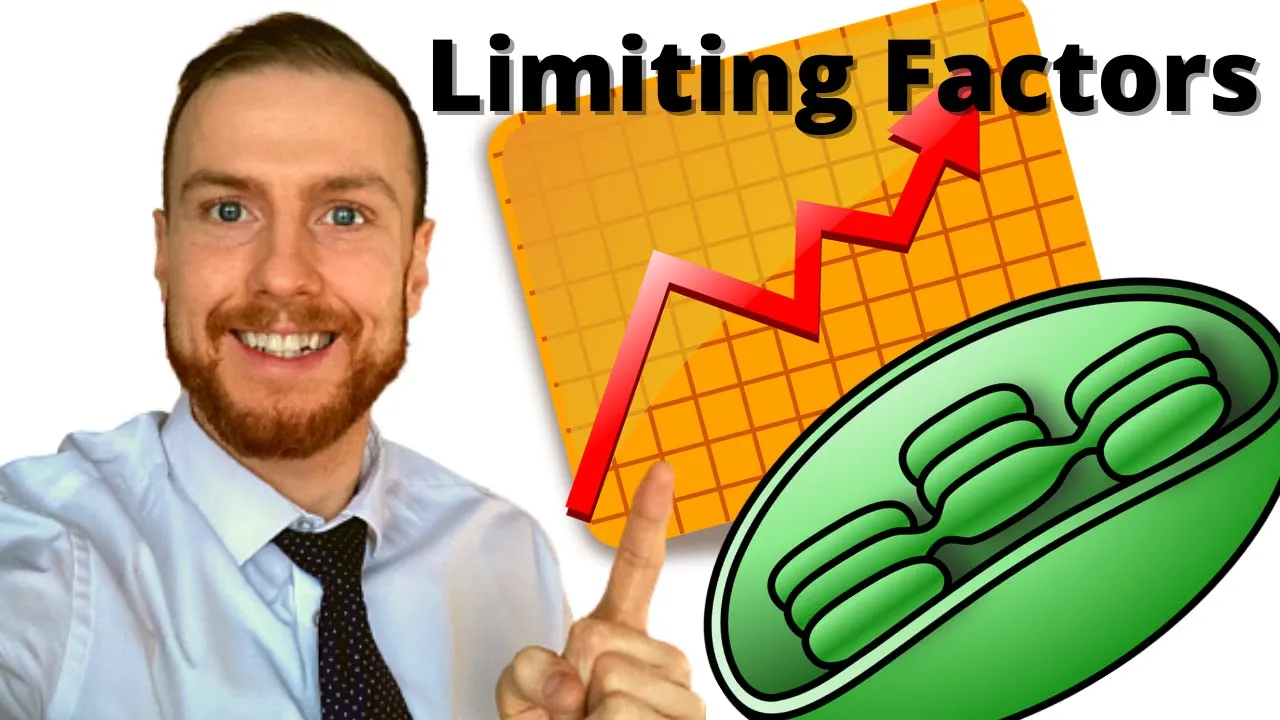
The chloroplast is a plant cell organelle where photosynthesis occurs, containing thylakoid membranes with pigments like chlorophyll that capture sunlight and convert it into chemical energy through light reactions (producing ATP and NADPH) and the Calvin cycle (converting CO2 into glucose); chloroplasts evolved from cyanobacteria through endosymbiosis and feature a double membrane, stroma, and grana structures that enable plants to harness solar energy for growth.
Chloroplast Structure & Function: Photosynthesis Explained
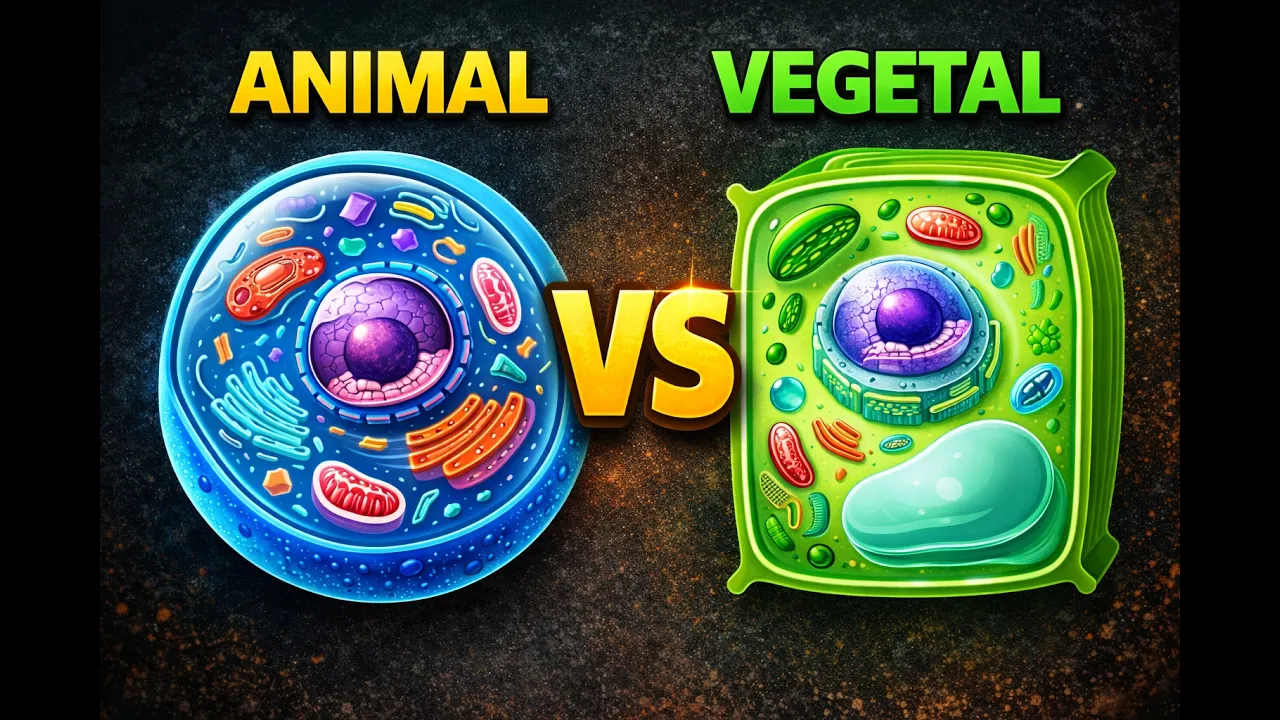
Added:Basic plant cell anatomy, specifically how plant cells differ from animal cells and the general role of organelles.
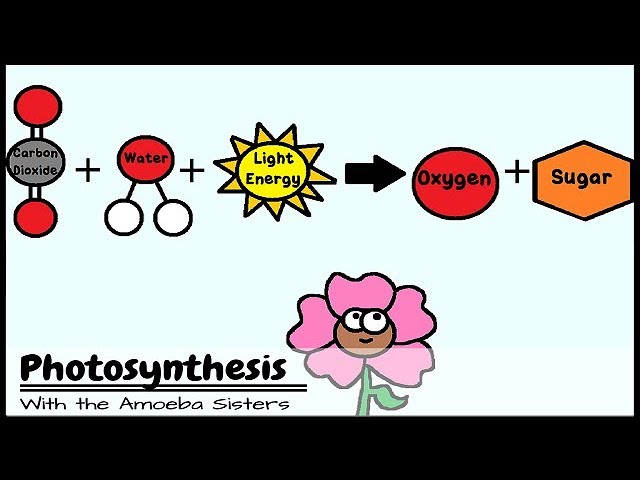
The overall chemical equation of photosynthesis, identifying the main reactants (carbon dioxide, water, light) and products (glucose, oxygen).
The concept of cellular energy molecules, particularly the role of ATP and electron carriers like NADP+/NADPH in metabolic reactions.
Basic membrane transport principles, including diffusion, active transport, and how proton (H+) electrochemical gradients are established.
Cellular Respiration, to understand how the glucose produced in photosynthesis is broken down by mitochondria to generate ATP.
Alternative photosynthetic adaptations, such as the C4 and CAM pathways used by plants in hot, arid environments to minimize photorespiration.
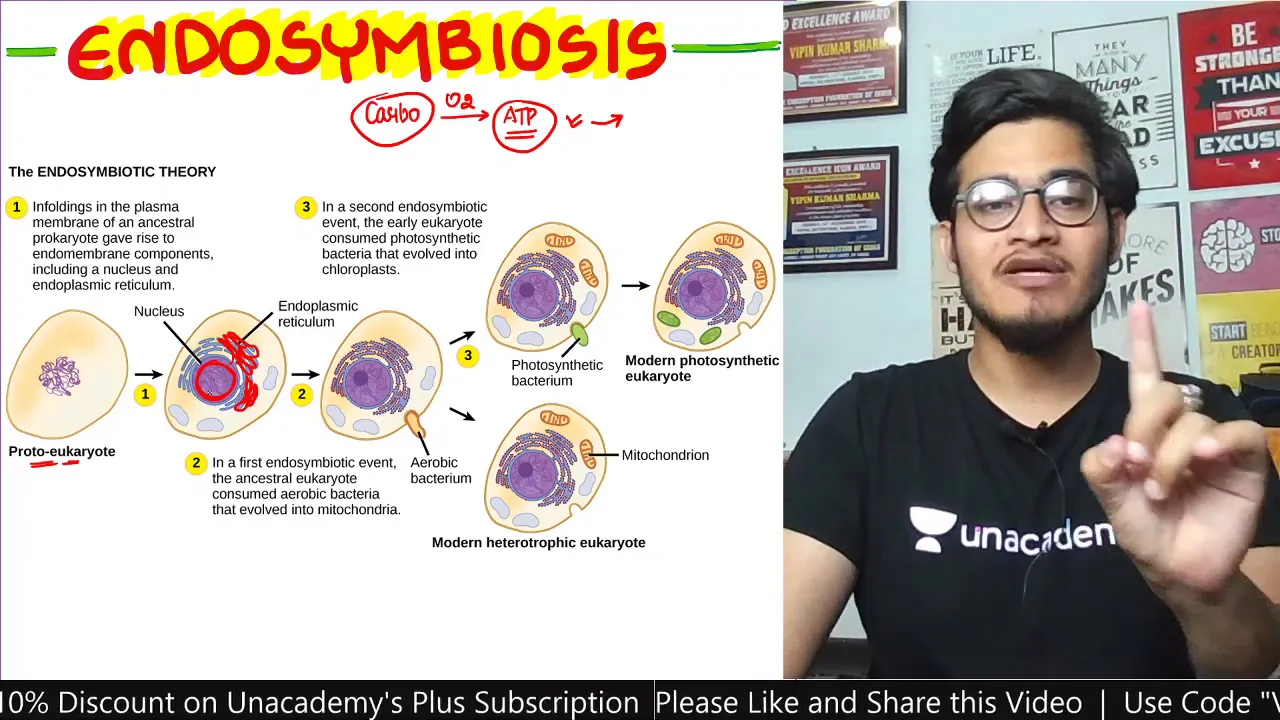
The Endosymbiotic Theory, which explains the evolutionary origins of chloroplasts and mitochondria from free-living prokaryotes.
The effects of limiting factors (such as light intensity, temperature, and carbon dioxide concentration) on the rate of photosynthesis.
339K views4.3Klikes5:36Original Release: 2016-05-12
hi it's mr. Andersen and in this video I'm going to talk about the chloroplast that's the organelle found in plants where photosynthesis takes place a great place to find them would be in the leaf of a tree so if we look at that in cross-section we're going to have a number of cells and these are going to be the organelles found within that cell if you've got a structure that we'll talk about in just a second but it's important to understand that they're not fixed within the cell they can move around and so if we apply a little bit of light to a cell all of the chloroplasts will line up so that you can get the maximum amount of light if we apply too much light to that cell they'll hide on the sides of the cell they're doing that to protect themselves from damage but they're not alone if we look at a chloroplast it's going to be surrounded by a set of mitochondria that will follow it throughout the cell and the reason they're following it is they need the energy they need the energy that was once in the Sun and is now in molecules like glucose the structure of a mitochondria is pretty simple they've got two membranes around the outside and then they're filled with stroma it's going to be this liquid on the inside inside that liquid we've got ribosomes they've got their own genome so they have their own DNA but most of the action is going to take place along the thylakoid membrane we have a series of these membranes and when they're stacked up it makes a structure inside called the grana if we look specifically at one Granum that's where everything is taking place we have both the light reaction and the calvin cycle I won't go into the specifics of photosynthesis but if we think about the Calvin cycle what's the function of that well the plant is taking in carbon dioxide and we want to add energy to that molecule we're making something like glucose when I say adding energy to it what do I mean we're adding high-energy electrons and so there are bonds between the carbon and the hydrogen and glucose and so we have to add energy to those electrons where is that energy coming from originally it's coming from the Sun where is this all take place it takes place along the thylakoid membrane so we're going to zoom in to this rectangle right here and what we'll find is there's a membrane but there's also a series of proteins that's going to be everything in purple one of the most famous ones is ATP synthase but we also have these giant Tanna complexes those are going to be proteins that are filled with pigments one of the most famous ones obviously is chlorophyll and so as we let Sun hit that membrane what's going on well the energy of those photons is used to get the chlorophyll excited and it's passing its electrons down an electron transport chain now there's a few other things in play we've got a series of protons protons are going to be atoms of hydrogen that are missing their electrons and we also have water so water that's taken in in photosynthesis and so as these electrons get excited they move down an electron transport chain and we really have a hole right here so we have to get more electrons to fill that hole and that comes from the water so watch carefully what happens right here is that we break that water apart we're making oxygen that's the oxygen that a plant gives off we're also donating these electrons and we're making some more of these protons if we watch specifically what happens to one of those electrons that went really fast let's go back and look at that again if we watch that electron what it's doing is as it moves through this electron transport chain is it's using its energy because it's gained energy right here to pump a proton from the outside to the inside of the thylakoid membrane now we have a bunch of positive charges on the inside they would like to leave and the only way to leave is to go through ATP synthase as you do that you generate ATP let's watch another electron go through so we see that same thing occur but where did the electron go well we give it even more energy after it goes through this electronic transport chain and then that electron eventually goes to a carrier molecule you can see that everything is positioned perfectly it's outside the thylakoid membrane in the stroma and so that energy that was in the photons has now been converted to energy in this carrier molecule and in the ATP where is it going it's going to the Calvin cycle in the Calvin cycle we're taking that energy and adding it to carbon dioxide we're also adding hydrogen and we're making high-energy molecules like glucose now where did the chloroplasts come from if we look at the chloroplast it's found in all plants it's very similar to a type of cyanobacteria the algae that's pictured right here and if we put those next each other there are going to be a lot of structures that are the same between the two so they're going to have a double membrane their own genome they're going to have their own thylakoid membrane it's almost as if we took a cyanobacteria and got rid of all its defenses on the outside and that's how we think chloroplasts came to be we think at one time endosymbiosis occurred we have these cyanobacteria or ancestors of cyanobacteria that were taken into a cell now already inside there we had a mitochondria and previous to that the mitochondria had been taken into the cell as well but as we engulf it instead of breaking down the cyanobacteria the cell got rid of those phagocytes around the outside of it and it became the chloroplast that we have today so what does a chloroplast do it takes energy from the Sun to make high-energy molecules that can be utilized to grow the plant or to generate ATP inside mitochondria and I hope that was helpful
Up Next
13:09
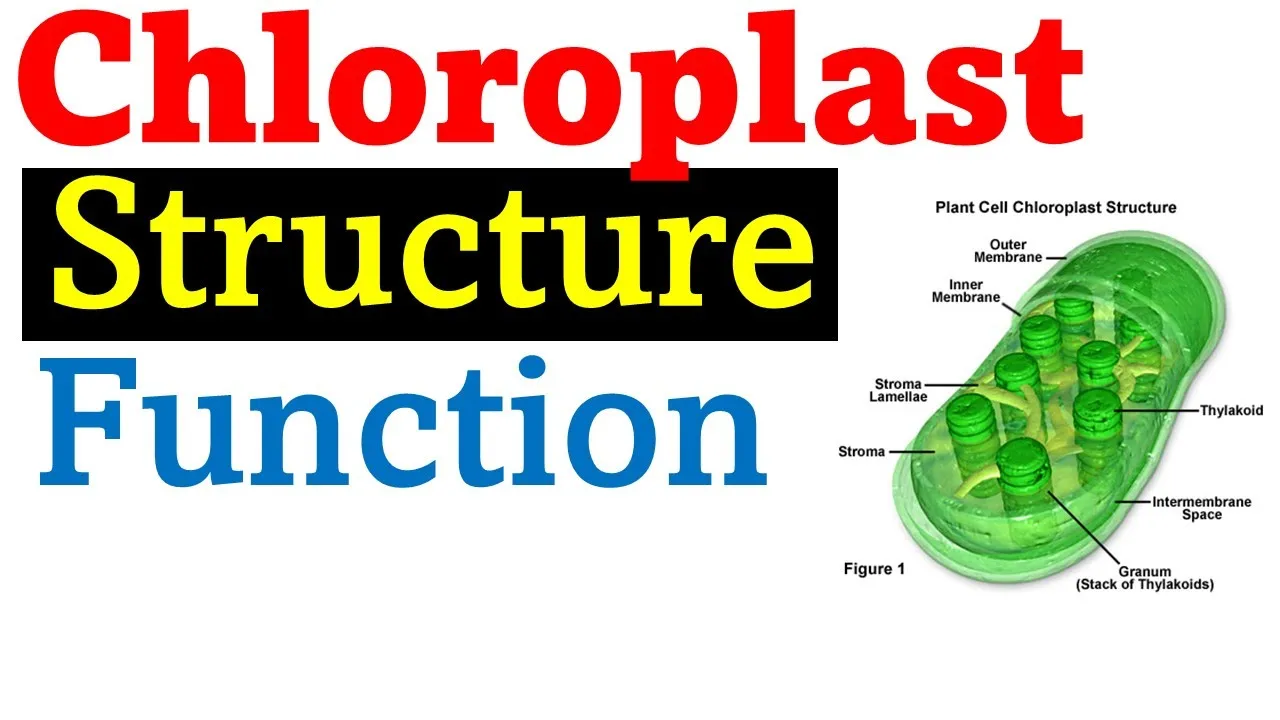
Chloroplast Structure and Function | Advanced Cell Biology
@shomusbiologyofficial
118.4K views•2022-02-01
50:12
Bacterial Communication: Quorum Sensing and Biofilm Formation Explained
@JHUAAP
12.6K views•2011-06-28

11:43
Hardy-Weinberg Equation: Allele & Genotype Frequency Explained
@Bozemanscience1
578K views•2013-09-24
7:08
Bacteriophages: Earth's Deadliest Killers and Future Antibiotics
@kurzgesagt
34.6M views•2018-05-13
Related Study Plans & Knowledge Roadmaps
Structured learning paths in Biology
biology
RNAi: Biogenesis, RISC & Gene Silencing
01Molecular Biology Foundations: DNA to Protein
02Introduction to RNA Interference (RNAi)
03Molecular Biogenesis of miRNA and siRNA
+ 2 more learning modules
10h5 modules
Explore Roadmap
biology
Mycorrhizae: Signaling, Biophysics & Ecology
01Foundations of Mycorrhizal Symbiosis
02Molecular Signaling and Root Colonization
03Biophysics and Bioenergetics of Nutrient Exchange
+ 1 more learning modules
11h4 modules
Explore Roadmap
biology
Circadian Clocks: TTFL, SCN & Periphery
01Foundations of Molecular Biology & Gene Expression
02Introduction to Chronobiology and Actograms
03The Core TTFL: Molecular Architecture of the Clock
+ 3 more learning modules
14h6 modules
Explore Roadmap
biology
Population Genetics: Math, Drift & Selection
01Genetic & Probability Foundations
02The Hardy-Weinberg Principle and Baseline Models
03Mathematical Modeling of Natural Selection
+ 3 more learning modules
18h6 modules
Explore Roadmap