






![#484] 🇺🇸Tiền FOOD STAMPS/SNAP/EA giống nhau? Thêm 15 TB có tiền Thực Phẩm Khẩn tháng 11](https://i.ytimg.com/vi/W3fbxM_7C2Q/maxresdefault.jpg)








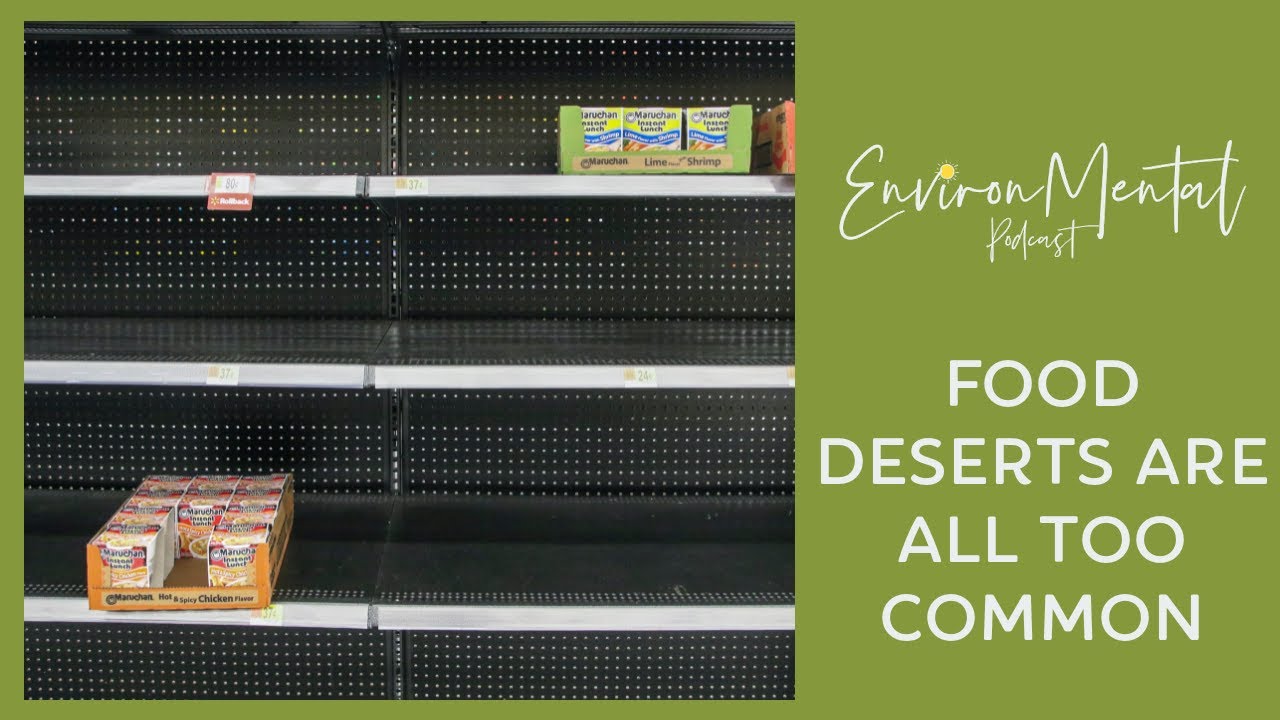
A food desert is defined by the US Department of Agriculture as an area where people cannot access affordable and nutritious food, typically found in impoverished urban and rural communities lacking grocery stores, farmers markets, and other healthy food providers; these areas force residents to rely on expensive convenience stores offering limited fresh produce options, leading to poor nutrition linked to obesity, high blood pressure, diabetes, and poor academic performance in children, as demonstrated by the case of Virginia where approximately 17.8% of the population lives in food deserts, affecting nearly every region of the Commonwealth.
Food Deserts in Virginia: A Documentary on Food Insecurity
Added:Understanding the USDA definition of a 'food desert' and the specific distance-based criteria used to measure geographic access to healthy food in urban versus rural areas.
The conceptual distinction between 'food insecurity' (the socioeconomic condition of limited access to food) and 'hunger' (the physiological sensation of a lack of food).
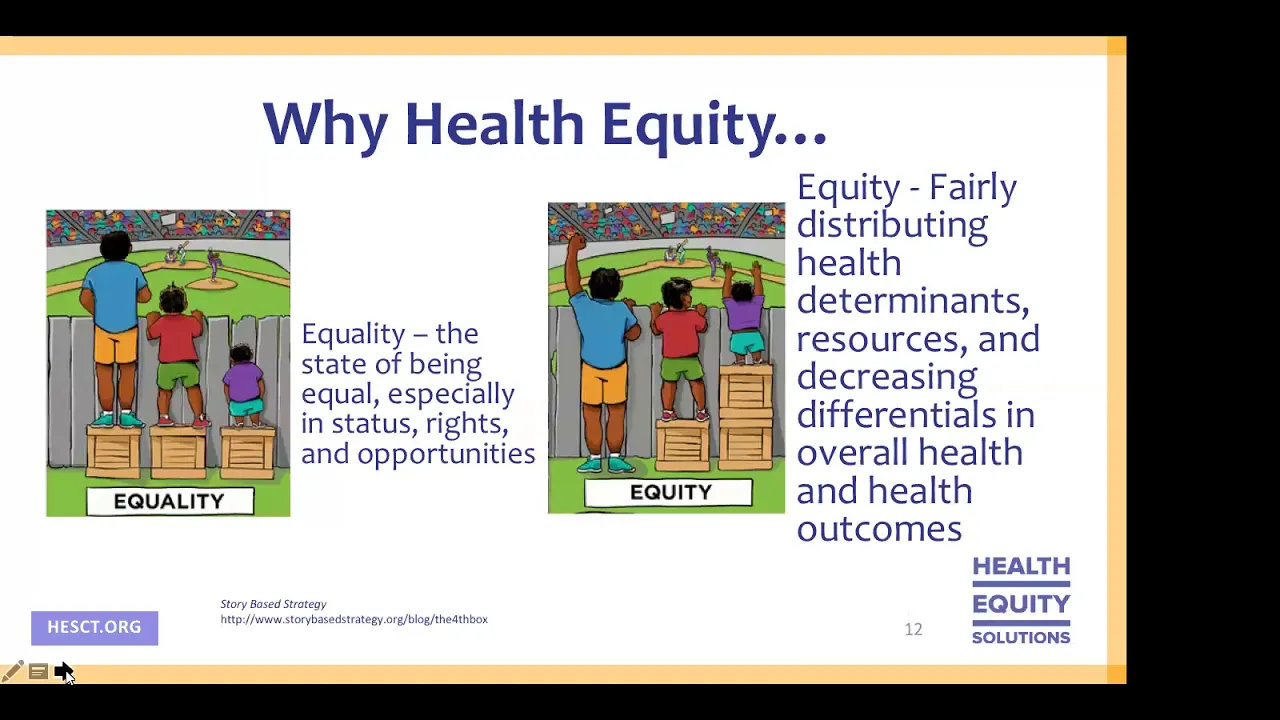
Basic principles of the Social Determinants of Health (SDOH), particularly how zip code, physical environment, and income level dictate dietary quality and health outcomes.
Familiarity with the foundational structure of federal food assistance programs, such as SNAP (Supplemental Nutrition Assistance Program) and WIC.
Evaluating legislative and policy-driven solutions, such as the Virginia Food Access Investment Fund and municipal tax incentives for grocery store development in underserved zones.
Analyzing the economic viability and operational challenges of alternative food distribution models, such as mobile markets, food cooperatives, and urban agricultural initiatives.
Exploring the academic framework of 'Food Sovereignty' and how it differs from food security by emphasizing community control over food production systems.
Investigating epidemiological research methods used to track and analyze the correlation between food deserts and chronic clinical conditions like type 2 diabetes and cardiovascular disease.
271.7K views2Klikes46:04Original Release: 2015-03-04
[Music] the United States has traditionally been known as a Land of Plenty but in recent years there's been a growing problem of need food deserts are defined by the US Department of Agriculture as areas where people cannot access affordable and nutritious food they are usually found in impoverished areas that lack grocery stores farmers markets and other healthy food providers across Virginia from Hampton to Richmond Petersburg to Lynchburg to Wise County County and all points in between approximately 17.8% of the population lives in a food desert we need more grocery stores in these neighborhoods if nothing for else for for our kids I'm we're getting older we're not getting any younger but we don't want that would to fall on them that has fell on us Kim Douglas has spent most of her 55 years living in Hampton and she's seen a lot of change in that time this place here used to be safe way let's come over here and get fresh meats and vegetables the neighborhood her grandchildren see every day is not the same one she remembers it used to be where we had grocery stores right around the area where could just walk out naing three blocks and get to a grocery store this used to be richest grocery store it's not here anymore now there's a convenience store on the corner where we used to have our Supermarket that convenience means a disappointing variety of foods packed with preservatives and empty calories with very few fresh produce options it also means a steep price tag even if you go to the C the uh convenience stores the prices are so high if you want to buy fresh fruit or fresh vegetables and they sell like the salads and whatnot you're talking about $4 when you can make a salad for like maybe a buck or two yourself with the fresh produce you have but now we don't have that can Kim has struggled with high blood pressure and arthritis for years that means her wallet and her body can't afford to live on what she finds in her neighborhood so she has to carefully plan shopping trips in search of nutritious affordable food for her family it's frustrating for one because I have to spend money to catch the bus to get there when I could just walk it's just frustrating just just having to figure out how to get to the store sometime over the years the neighborhood has lost a number of good grocery stores and even a neighborhood produce stand they took the stand the vegetable stand away from us in this neighborhood after they've already taken away our grocery stores looking down her streets today Kim is discouraged you've got cigarettes you've got uh alcohol you have a ABC Store on every corner you have cigarettes in every store um you have uh [Music] junk food just sitting there saying buy me buy me you know and the first thing you want to do is just grab it Kim worries about neighbors who are content to rely on whatever stores are nearby especially if they're doing so with low income and meager benefits and if you're going to these convenience stores every day trying to get a banana or apple or orange or salad or whatever I'm just saying that's coming away from your household even though people don't think about it oh yeah I get food yeah that's fine but guess what the food stamps are going to spend just L money and once you run out of money what's left what's left is certainly not good health poor nutrition is linked to obesity high blood pressure and diabetes it's also associated with poor academic performance and behavior issues in children all of these further strain households that are already facing Financial struggles does anybody really care do they we're here suffering all we ask is that you listen to us I think that all of us can take some responsibility for not being as sensitive um to the needs of those who are living in our various communities delegate Dolores mcquinn represents the 70th district and lives in Richmond wonder why they have the same name well I guess because they pulled it out of 577 she became aware of food insecurity while serving on the city council representing a particularly hard hit District I was really I guess just um a little bit taken back uh when there were individuals that would come and knock on my door actually asking for food and particularly young people young U uh families who um didn't have you know was just struggling from day to day when children would come and just you know said Miss mcquinn do you have anything for me to eat we don't have any food and that has always always sort of stuck with me that's the one you voted for not I didn't sign these though after her election to the general assembly delegate mcquinn presented house bills in 2012 and 2013 requesting that the Commonwealth explore the issue and consider Solutions uh what was just so interesting to me is not only you know the limited knowledge that I brought to the table but even greater was The Limited knowledge that my colleagues had about food deserts the lack of awareness meant the bill did not get far in 2012 but it got attention from organizations and leaders who reached out to delegate mcquinn wanting to help raise awareness and be a part of the solution she resubmitted the bill in 2013 right now and uh out of that grew a greater number of people and organization that were interested as well as um uh my colleagues who then became a little bit more sensitive to the particular issue this time around it was important to educate her fellow delegates on the issue so that they all had an equal understanding of it even if they hadn't witnessed it firstand how do we address this issue and how do more than that how do we bring a level of awareness you know to the community overall to the Commonwealth overall about food desert and food insecurity so that all of us are on the same page we were asked as leading institutions in Virginia to do a study to say is this really a problem and should we really take a look at this and we have found through a study that we LED that this is an issue that impacts Virginia Dr jel Harriston dean of the College of Agriculture at Virginia State University along with her counterpart from Virginia Tech Dean Allen Grant co-chaired a comprehensive study that outlined the prevalence and effects of food deserts across the Commonwealth she led actually the task force just making sure that we're moving in the direction to bring the level of bring awareness to the public about it as well as um that that we the recommendation that would come forth that we do something about it more than 1.4 million people in the state of Virginia live in food deserts and this issue impacts almost every area across the state of Virginia when people don't have access to fresh and healthy food and food that they can afford they're going to buy food where they can get it and they're going to buy food that they can afford typically that's going to be unhealthy food ultimately if you continue to eat cheap and unhealthy food it's going to lead to poor health it's going to lead to um obesity um it's going to lead to a lot of the diseases such as high blood pressure and others so that's why this is such an important issue Dr hariston grew up in Petersburg which has been identified as one of the most severe food deserts in the Commonwealth and she recalls that even then it wasn't an ideal setting for families who made good nutrition a priority we were miles from a grocery store but we were very close to a corner store that sold lots of candy and lots of other things they didn't sell fresh fruits and vegetables but that's just the way we lived we were fortunate enough to have transportation but many around us didn't have transportation so their only choice was to buy their food from what was close by those options lead to poor health which leads to diminished opportunities in school and work it's a vicious cycle hariston says because food deserts are concentrated where financial resources are already lacking the income is certainly a factor because when you take people's money away you take their ability to move around you take their ability to purchase also if a business is going to come in they're all about making money they are not going to set up a high-end grocery store in an area where people can't afford the food that they want to sell a complex problem will surely not have an easy solution Dr Harrison says but without a serious concerted effort to intervene the decline will continue even further if we don't pay attention to this issue now it's only going to get [Music] worse people United be defeated United defeated the economic downturn that began in 2008 has mag signified what was already a serious problem even families without a history of poverty or low income have come to find themselves with seriously diminished food budgets and unfortunately that typically leads to selecting uh poor quality food for example you can get um four boxes of macaroni and cheese for a dollar whereas when someone that is on a limited income walks into a grocery store they're typically not going to stop in the produce section Leslie Van Horn is executive director of the Federation of Virginia food banks which serves hungry citizens across Virginia through food pantries soup kitchens and programs targeted specifically to school children and senior citizens and I would say the biggest group of people who we provide assistance to are the working poor people who lost their jobs and then uh took another job but possibly took a pretty big uh pay cut in order to have a job are really having a tough time making in meet in her position Van Horn has a panoramic view of the problem across the entire Commonwealth and has seen its rapid growth in recent years last year the food banks in Virginia actually distributed uh over 142 million pounds of food and grocery products uh when I first started this job nine years ago that figure was at 45 million so as you can see the need continues to grow unfortunately children are often the hardest hit across the country 23.5 million people live in food deserts more than 6 million of these are children in Virginia 16.5% of children are considered food insecure meaning that they cannot be sure where their next meal will come from you can't get things right until you admit what has gone wrong [Music] for me as a pastor gives me more gray hair it um keeps me up at night um the thought the idea that children are going to bed hungry you don't have to stay where you are um and the ramifications of that nobody can keep you there unless you give that person permission get to bed hungry and then waking up the next day and then trying to function in school trying to function uh learning and preparing themselves uh it's you're already behind the eightball you're already at disadvantage and so the Reverend Dr Michael Sanders is the pastor of Mount Olive Baptist Church on Richmond's South Side welcome back brother good each week his church hosts a food pantry Distributing healthy food to as many as 250 people who stand in line for 30 minutes or more to get it okay you got your bag for them okay if we help them um in the way that we can be giving them good nutritious meals then they've got a chance to prepare themselves for a brighter future thank you Lord thank you Lord God has been good time that's right Mount olives leaders believe the food pantry is essential to their mission not only because of their Christian faith but also because their neighborhood is one of the clearest examples of a food desert in our community at Jeff Davis uh Highway you can just stroll down Jeff Davis and you see the liquor stores you see the convenience stores you see those stores and institutions that provide things that are not of not the healthiest we're located in the highest food desert enrichment more children and families go to bed hungry in any other area enrichment there has to be a resolve to conquer this and wipe it out and I think that we can um but we have to have a will to do it and I'm not sure that will is there no fresh produce other than at our church for 3 miles no fresh produce for another 2 miles no fresh produce 3 miles no fresh produce another 3 mes this is my community a food desert no fresh produce whatsoever and so our church now is in this community in this food desert with this reality and so what do we do about [Music] it David olds volunteers his time for the food pantry delivering and distributing truckloads of food each week still he says there's sometimes difficulty keeping up with the tremendous need and then there are times that we we make two trips in one day to get enough to supply the people that we have so how many more want me to do uh our hearts goes out for those folks it's a it's these people here are really hurting and they are hurting bad and not only hurting they hungry while it feels good to know that he's doing his part to help he worries that others who have the power to help in small ways and large might be turning their backs on the issue we're not here where we are forever you never know when it going to happen or can happen to us so remember that for they are going to be hungry and you going to be with leftovers and thrown away think on those people that don't have anything and maybe that help them us a little bit ironically similar problems exist in the western more rural part of the [Music] state Lynchberg is a city surrounded by Farmland but that Agri cultural Bounty is not always reflected in its citizens well I'd say we're making a dent in a very large problem what we do is important but we're not reaching anywhere near the population affected we John mat is president of the board of directors at Lynchberg grows an urban farm that works to make fresh produce more accessible through distribution and education efforts so that's a rug yeah that's a rugo over there most children that come here cannot identify the vegetables that they're looking at when they see it if they see it it's processed you know so a tomato to them is what's pizza sauce that's a tomato that lack of familiarity with real food is hard to imagine for most people but with a lack of Transportation many families have had to rely on convenient stores and fast food for their children's entire lives access to healthy food is a real issue particularly in the old part of the city the downtown areas there are no grocery stores the last grocery store in the general area closed last year because the problem is so localized to particular areas many people are surprised to learn that this problem exists in Lynchburg apples bananas [Music] there's a inherent wealth in the area Lynchberg is well off but on the other hand there's another side to Lynchburg that most people never drive through never get in touch with that's a side we see on the van and it it's eye opening that there's that much need can I get it Thursday yes there we F and the need is not always among chronically poor citizens as enrichment and other parts of the state many of the people being helped are families whose budgets have only recently taken a hit you say they what they're two for dollar a missed paycheck or a broken down car can very quickly lead to a Reliance on whatever is within walking distance these people are not there for a handout you know they're just there because they want the fresh produce and um it really breaks your heart when they can't afford it that weak we we need to extend that Derek Cunningham and huy Tran are Farm managers at Lynchberg grows they've become acutely aware of the problem and its roots most of the residents that had access to a local res uh grocery store now have to travel 30 minutes 20 to 30 minutes away on a bus so carrying 6 to 12 different bags of gr Groceries on a bus gets a little bit more difficult food has been moved away from this right and access right to something that's profitable and so the lack of accessible grocery stores or what have you is because it's not seen as profitable to feed these people Nicole Williams is a college student who volunteers at Lynchberg grow making deliveries of produce to the communities where it is most sorely needed she says the experience has made her think about what she takes for granted food to us today like if we can afford it it's just food it's something like oh it's food but to them cuz it's not it's so such a great of a need to even eat that it's like it's just very grateful and it just shows like how the simplest acts can be good so it just I mean it's just incredible feeling like I said you have to see it te little bit of salt and pepper Lynchberg resident Charlotte Smith grew up planting harvesting and canning a variety of fruits and vegetables but her declining Health has made those days a distant memory and her shopping choices are limited I think it's a horrible situation for people like me because I could ride my wheelchair into a grocery store if it was one here closes and right now it's not a supermarket moved out of the neighborhood years ago leaving an EMP empty building behind over time convenience stores began moving in on the surrounding streets I don't like it they should at least have one grocery store in this area that is a grocery store not a junk food store where guys can go down and buy beer and cigarettes candy we need a grocery store not a damn junk store okay you want two more more bundles twice a week a van from Lynchburg grow comes to Charlotte's neighborhood to distribute fresh fruits and vegetables would you like anything else I don't think so are you sure yeah makes me feel better knowing I can get some fresh vegetables I have to watch the clock my a leaves early today I don't have to kill myself [Music] for and I mean it's disgraceful that we can't have what other people have cuz I live on Social Security and you know that ain't [Music] much there some people that can barely hold the grocery back cuz they're shaking half the time when they're picking it up these are elderly people that need help just trying to get decent Foods it's hard especially when you have seen for yourself how hard it is to find food I mean healthy food to have access to healthy food because of the price and the availability of [Music] it it doesn't look good it's ey opening to come out on the van and and and meet the folks we're helping and realize that you know this is a broad spectrum of folks and um and there's a tremendous [Music] need look like you come out here and help us grow food we have school groups corporate groups families from the neighborhoods we work in that all come out here we talk about food and why it's important to get access to healthy food and how it's hard to get access to healthy food in lots of parts of the city of [Music] Richmond back in Richmond several organizations are working to meet the need in a similar way Shalom Farms grows a variety of organic fruits and vegetables and works to increase the availability of fresh food to areas that lack a good supply for us it's really important to find things that the folks that we work with and the communities that work with really like um and so the majority of what we grow are things that we've learned from working with folks are most popular so our most popular crops are tomatoes sweet potatoes collars Dominic Barrett the Farm's executive director has a passion for making sure that people who want good food are able to get it for us food is good food is food that's good for our bodies good for the environment and good for our community meaning can we all afford it can we all access it is it food that we like can we share that food so we'll grow a small amount of unique varieties of fruits and vegetables so folks have a chance to be exposed to them and if we find out hey our friends in Katon cord or our by donating its Harvest through food banks and its own Outreach programs the Farm's contribution to Hungry Richmond families has reached staggering proportions this year we'll grow about 85,000 or 990,000 lbs of uh fresh local sustainable food to get to the areas of richm where it's hardest to find that good food there's a little less than 100,000 items in like an average Supermarket so that's a lot of decisions to make right we're not talking about there's 100,000 cans we mean there's 100,000 different products that we're going to have to choose [Music] from Farm manager Steve Miles says that Shalom Farms could not complete their mission without plenty of generous people to offer Helping Hands it's a volunteer based Farm I mean we have have three full-time staff and three interns um without the volunteers you know we none of this would get done we couldn't possibly you know Harvest 885,000 lbs of of produce or whatever we plan on harvesting without the volunteer help so when we're planting tomatoes or planting cucumbers we can plant our little transplant our seedling right where that slit is but operating on a small budget to help people in need doesn't mean that the quality is diminished in any way produce that you know someone that lives in in a food desert in urban Richmond the produce that they get from Shalom Farms is going to be as good as you know you would find in in in you know the higher end um grocery stores in Richmond in addition to farm stands run by Area Youth one creative way Shalom Farms has made good food available to the people who need it is a partnership with Bon Sour's Health System called the prescription produce plan our goal is to treat fresh fruits and vegetables as medicine and writing prescriptions for folks in these communities where we're trying to close this Gap each week folks pick up their prescription it's equal to one serving per person per day for the whole week for the household and there's some really wild looking beans are pea pods up there with the purple flowers tricycle Gardens operates an urban farm in Richmond director Sally schwitters said its location underscores the irony of food deserts where good healthy food is often so close but so far away [Music] my feeling is that everyone should have access to good quality healthy food um particularly when we're seeing that food deserts are identified just 3 miles from our farm 3 miles and in the surrounding neighborhood you can see what remains when the supermarkets people once relied on move to Suburban areas and leave them with few options we have a location just here in our neighborhood that was a grocery store it's now a dialysis center and it tells the story this is what happens when food access moves out uh lack of Health Moves In Like Shalom Farms tricycle Gardens relies heavily on volunteers but Farm manager Dennis Williams says they have a small staff for management of everything from crop rotation to greenhouse building they also manage the Farm Stand uh which uh is a way for us to get produce out into the Richmond Community by selling it uh to Richmond community members was saying that during this time of year there's less there's not as many flowers like out naturally so Farm assistant Emily Reynolds says there are plenty of opportunities for people who want to help with the chores involved in feeding Richmond's hungry citizens we hold workshops volunteer days and we're always welcoming like any any um any member of the community to come um help us out on those days the dark beige uh color on the map uh are lowincome census tract areas um that also are not within one mile of a grocery store and then all of through its healthy Corner Store initiative tricycle Gardens has found a way to help neighborhood convenience stores offer more than just chips and soda [Music] one of the solution to to those problems is to begin to collaborate with those corner stores and say you know not going to take your apples away I mean your candy bars or your chips but why don't we create a space in this store to make sure that there are fresh vegetables and fresh fruits and those things that are healthy for an individual Claire sadig Zade delivers an assortment of healthy produce to the stores along with help on all the details of selling it I'm checking in with cor cortis owners about um produce sales um feedback from their customers answering questions providing opportunities um to kind of increase marketing and um sales of the produce how are things going good good good [Music] okay it also means sweetening the deal for consumers by offering recipes and even free samples of the produce a lot of the produce we grow families might not be as familiar with or um may not have cooked with them before um or may just not even know if they like them and so we like to provide no risk opportunities for families to try produce before they invest their limited dollars um into the foods that we grow I don't think a lot of people realize how beautiful okra flowers are they don't and they're amazed at what it is schwitters says that efforts to educate people about produce and encourage a demand for it are especially important for Richmond's youngest residents you know I think about a small child who goes to school and engages in a program on nutrition education and hears that they're supposed to eat five fruits and vegetables every day and then they go home and they pass the corner store and they walk into it and there's candy there's cigarettes there's potato chips um and lots of soda pop but there's nothing that their teachers have told them that they should be putting in their bodies and it's the same thing for mother grandmother Auntie dad whoever's preparing their food for them they too don't have ACC food and so by Chang it's changing the culture and it's changing the morale of our community members by saying we and you're going to get the best quality food that can be grown in our community and if you see any of the old pods you save the seeds so we can plan again all right renew Richmond has several sites in the Richmond area including some that are affiliated with churches and schools that tomato on the ground it going it going to rock and um what we're going to do as well you see the Dead Leaves and everything they attract Jerusalem connection is its largest site producing more than 5,000 lbs of food in a season I mean we're conserving energy we're conserving making sure that we're not wasting John Lewis director of renew Richmond believes that even people who can access good food have gotten too detached from its source we want everyone from communities of all people from all walks of life to know how to grow their food and know where their food is coming from unfortunately Lewis says too many families are getting their food from convenience stores and fast food restaurants Richmond is one of the largest cities or largest concentration of food deserts we have food deserts in East End Southside North Side Richmond where uh individuals that are either at or below the poverty line are are eating garbage just plain to say and when the effort to stock up on healthy food requires time and transportation that people simply don't have that garbage Remains the only option it's the individuals who suffer but it's more the children who suffer because they eat whatever is available to them lenise Rouse volunteers at the Garden regularly she says it's important to her that her children eat good healthy food and that they understand where it comes from Big a hole right there we can plant some seeds all right you can use your hand well I bring my children here and we come and to see something grow from a seed into a vegetable then we can take that vegetable home have it for dinner those burnt leaves on the bottom take those off for me most people that are involv in Community Gardens are really glad that people get a chance to taste a fresh vegetable because it changes them right overnight we're going to um pick the rest of the peppers over here Louis says it's hard to make understand the problem or care about solving it when they're not exposed to the obvious signs of it every day this is not only a local problem this is a global problem this is an epidemic and uh everyone needs to recognize that it is a threat to human health and development the frustrating irony is that so much of the solution is in getting back to what once came so naturally to us all when we get more stakes in a few minutes we're going to do like a row over there of we're getting away from the agrarian society we're getting away from farming and even knowing where our food comes from so food in itself growing food is a revolutionary idea but it's not a new one [Music] operating on a much larger scale is feed more which operates in a massive facility in Richmond to collect prepare and distribute fresh food through a variety of programs but CEO Douglas pck points out that they don't do it alone pound that's a good deal yeah yeah or through some good work we have some great Partnerships with a number of agencies who are in those food deserts so we partner with them and they find the citizens and the clients many of those are churches about 80 to 90% of those are churches so they have food pantries which many people are familiar with and they are able to come here and get food obviously either free or next to nothing which allows them to serve a lot of people and makes their contributions from their own parishioners go a lot further but feedmore is more than just a clearing house for produce and other kitchen Staples they also work to to prepare healthy meals for a variety of [Music] clients feedmore is a very unique organization we're the only program in the country that add is a Meals on Wheels a food bank and a community all-in-one feedmore has a number of programs that concentrate on bringing food directly to people and places where it's most sorely needed we have our kids Cafe and summer feeding programs that goes into underserved areas and serves over 2,000 meals a day to these children uh we have a mobile Pantry program which is designed to go into food desert areas and serve anywhere from 100 to 275 families um with healthy nutritious product including fresh fruits and vegetables so what you got small bags going over we got small bags going going being assembled over here in this area we needing Amy James is the food production manager for feedmore I usually just do a Perimeter Walk he says that regardless of their consumer's ability to pay quality is a high priority in feed Mo's work we treat um this establishment um just like a restaurant then we got our pineapple macaron Cris that we working on next if there is anything questionable that we wouldn't serve to our families we don't serve it to our clients follow where you at we try to serve what we feel um we would pay for ourselves because it serves such a large number of people throughout the Commonwealth it has received quite a bit of attention from leaders who want to tackle the problem of hunger and food insecurity in Virginia well hello how are you good to see you again wonderful Mrs mlli has been a tremendous supporter an advocate for healthy eating for produce very proud of what you doing equable access to the right Foods she has a very big spot in her heart for children and making sure that those kids get a figh and chance to be productive citizens on a recent tour of feed Mo's facilities Mrs mcauliff saw firsthand the sheer volume of food it takes to feed Virginians in need the governor and I are very concerned about the fact that in Virginia there are over 300,000 food insecure Virginia children and that's just not a place that we want to be as a Commonwealth she notes the irony of having so much hunger and poor nutrition in a place like Virginia which is known for an abundance of wealth and healthy crops it's an enigma in many ways because agriculture is our number one economic industry here and food grows all around us and yet our rural communities and so many of our urban communities many of them suffer from food deserts across the state these efforts to alleviate the problem have had some success Community Gardens food banks Corner Store initiatives church and school Outreach have all had a part in increasing access to healthy food but with so many people in organizations working on the problem why does it persist and there's no one solution to it every County every city every area has something that they can do that's going to bring better access to them but it's not going to be a One-Stop solution for the entire state of Virginia so you really want to look at the assets that are in every [Music] community in a community like Virginia State University already known for its innovation in cultivating and marketing healthy foods that has meant exploring a completely different kind of solution Dr Marcus comr was able to get a grant from USDA to do research to determine how we can grow Foods in an urban environment and in this case grow food inside of a building so to be able to to to research how you could grow that food in a building imagine what that can do in terms of food access in a city like Petersburg Virginia Dr comr says the concept of growing food indoors is not new but the power required to run grow lights has made it a costly Endeavor in the past now with lower energy prices and the Improvement of solar energy technology it's becoming much more cost effective so by doing that we will be able to grow a whole room full of food year round and provide fresh vegetables so with that once what we grow we're going to take it and Cart It Up on mobile units kind of like the ice cream man and take the food to the neighborhood donon Chavis is the indoor Urban Farms director he's excited about the project because with the addition of an aquaculture component it's completely self-contained and self- sustaining the space generates its own power through solar energy and the fertilizers for the fruits and vegetables come from the waste from the fish and not only will folks be able to eat the greens and the vegetables they also able toat fish Chavis says the ability to educate citizens about the food they're eating and how they can grow it themselves is essential to the indoor Farm it's important to for for any solution around food deserts to not be paternalistic in the sense of you just come in and you drop food off and then you're gone cuz that's not sustainable empowering people is the Farm's ultimate goal not only to grow food food for themselves but also to Market that healthy produce to others in the community um that addresses the issue that cuts to the core of it because one you have a community that has high unemployment High rates of poverty and what you created is a social Enterprise a business that addresses both the social problem while making money simultaneously throughout the Commonwealth we see citizens and organizations working to solve the problem educating families so their demand for fresh healthy food is greater our most popular crops are tomatoes sweet potatoes collards cabbage improving access so that fresh produce is at least as easy to bring home as chips or cigarettes I'll give you 50 cents change okay and finding creative ways to connect people to the healthy food they need but then we also know it is about advocacy it is about public policy it's about building um political systems social structures that build equity that create unique communities and systems where people have the access to resources I mean food access and hunger is as much about urban planning and public policy as it is about sustainable agriculture at least in my opinion as a pastor uh and as a person it's disturbing the thought that um uh not only in the city of Richmond but in this country that we have uh children and families in 2014 going to bed hungry is a mind-blowing thought and um I think an indictment against us um as a society it's poverty issues um and it's a grocery stores seeing that they're not getting the return and being in lowincome communities um and so they've moved out I really believe that big businesses don't care anymore about these smaller neighborhoods the need is far beyond what most people see it can't be seen as a small problem it needs to be seen as an everyone problem you know you might go to a more affluent neighborhood and you might have four or five grocery stores within you know half a mile of each other but you can go into a poor neighborhood and there's no grocery stores for over a mile politicians don't do for us they think about it for themselves they don't worry about people like us and they don't I don't think they ever have we have the capacity in the state of Virginia to do something about this particular issue to make sure that you know the right stores are there that the quality and the quantity is made available in communities again it is a matter of just collaborating it's a matter of bringing people to the to to the for to the table and then making them aware there's a problem here this is the solution I don't like it they should at least have one grocery store in this area that is a grocery store not a junk food store where guys can go down and buy a beer and cigarettes candy we need a grocery store not a damn junk store I really believe that big businesses don't care anymore about these smaller neighborhoods well Lynchburg has a 24 a 12% poverty rate so we have a significant number of people who are underserved when it comes to food it's certainly a problem here in Virginia and um even more so here in Richmond and in the Richmond region um our city's been rated as the worst Food desert in the country for a city our size and I mean it's disgraceful that we can't have what other people have if a business is going to come in they're all about making money they are not going to set up a high-end grocery store in an area where people can't afford the food that they want to sell
Up Next
3:23
Fiscal Decentralization Explained: Local Governance & Revenue Power
@TheRightsPolitics
100 views•2025-08-31

5:07
Impact of Yuan in Indo-Russian Trade Amid Sanctions
@WION
261.9K views•2022-07-01
10:33
Behavioral Economics Explained: Rationality, Nudges, and Risk
@crashcourse
1.1M views•2016-03-12

113:18
The Age of Easy Money: Fed & Inflation | Full Documentary
@frontline
21.2M views•2023-03-15
Related Study Plans & Knowledge Roadmaps
Structured learning paths in Economics
economics
Sovereign Debt: Defaults, IMF & Restructuring
01Introduction to Sovereign Debt & Government Bonds
02Debt Sustainability & Credit Ratings
03Anatomy and History of Debt Crises
+ 2 more learning modules
12h5 modules
Explore Roadmap
economics
Market Design: Matching Theory & Gale-Shapley
01Introduction to Market Design and Price-Free Markets
02Two-Sided Matching & The Gale-Shapley Algorithm
03School Choice Systems and Mechanism Design
+ 2 more learning modules
10h5 modules
Explore Roadmap
economics
Impossible Trinity: Forex, Capital & Policy
01Introduction to Monetary Policy and Central Banking
02Exchange Rates and International Capital Flows
03The Mundell-Fleming Model
+ 2 more learning modules
8h5 modules
Explore Roadmap
economics
Healthcare Economics: Market Failures & Systems
01Introduction to Healthcare Markets and Market Failure
02Asymmetric Information and Adverse Selection
03Moral Hazard and Insurance Design
+ 2 more learning modules
12h5 modules
Explore Roadmap