












![[임용한의 엔틱서재] 문화가 경제에 미치는 영향(feat. 조현승 박사]](https://i.ytimg.com/vi/hOpTUl7f5uM/hqdefault.jpg)









The rule of law, characterized by clear, publicized, stable laws and independent judiciary, is essential for economic development because it creates predictable legal frameworks that protect property rights, enable contract enforcement, and limit government overreach; common law systems, which evolved through judicial precedent and inductive reasoning, tend to foster greater economic freedom compared to civil law systems that rely more on legislative statutes, as demonstrated by the higher economic freedom indices of Anglosphere countries.
Rule of Law & Economic Development: Nadia Nedzel Lecture
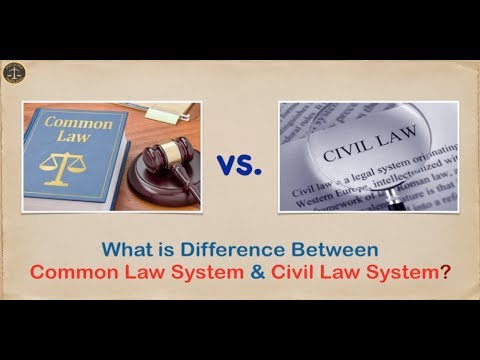
Added:Understanding the fundamental distinction between Common Law (precedent-based) and Civil Law (statute-based) legal systems.
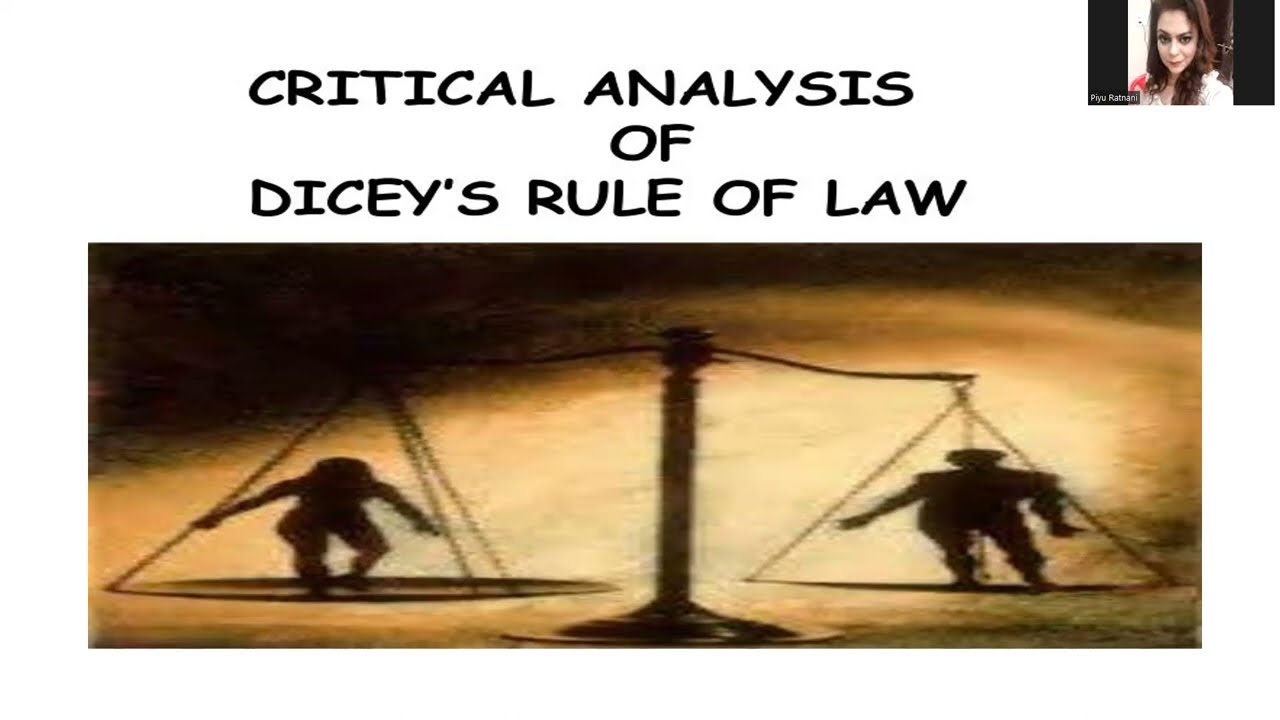
Basic principles of the 'Rule of Law', including legal predictability, equality before the law, and the limitation of arbitrary state power.
Introductory concepts of institutional economics, specifically how institutions (rules, laws, and customs) impact economic behavior and transaction costs.
The philosophical definition of individual liberty and its historical relationship with state authority and property rights.
Exploring the 'Law and Finance' literature (such as the work of La Porta et al.) which empirically analyzes the economic performance of different legal origins.
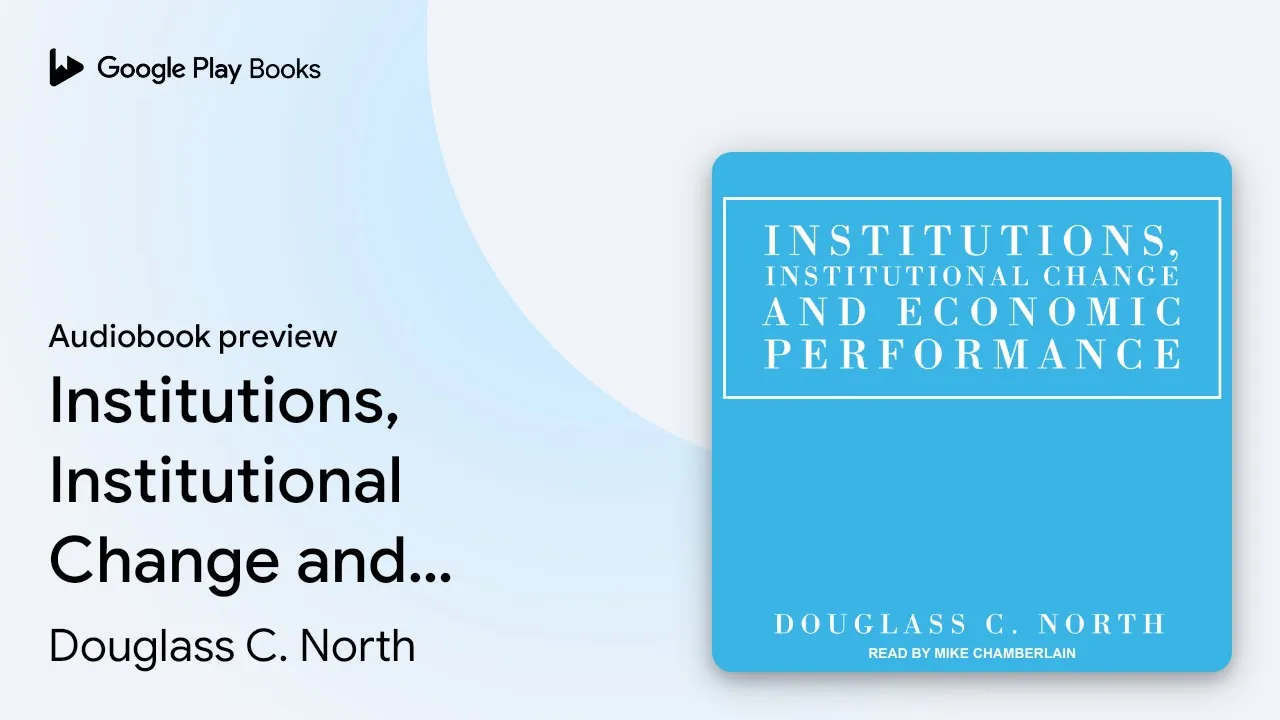
Studying Douglass North's theories on institutions, institutional change, and economic performance over time.
Analyzing modern case studies of legal and economic reform in developing nations, such as the implementation of secure property registration systems.
Critically examining alternative development models, such as state-led capitalism, that challenge the traditional common-law-centric view of economic growth.
252 views4likes1:15:05Original Release: 2017-05-02
southern university president of Delta to salute air elationship mark mark economy technology rule I personally he's a visiting research scholar the water park welcome sentimental on campus University to remember a Louisiana advisory to catch exhilaration deserve as doctorate or genetic 5th Circuit Court of Appeals and chair in Virginia magna laude from Loyola very long lol with honors from Northwestern University also at least have a girl go yeah yeah now I'm going to be talking back to the bar and economic development that have companies relationship I think it is like a chicken and egg and kipper human react it really is no one without the other and they're both examples the highest spot see disorder spontaneous world these are societal constructs education institutions could arrive on their own over time in the fatal conceit high funded out the extended of spontaneous where Department economy provides a are commissioned outpatient file resources than any human designed to achieve and in superior to any order that you would like to design be consumed on cannot by itself aggregate the nest of death of really the inner market common practice the annotation information required by individuals that allow those dealing and equality to make decisions based on more information that they require first point of remaining centralized authority as the market is apparent efficient event escape outside however science so to strengthen usefulness that this idea of spontaneous order is much more to be honest so you know this but he was actually trained in long before you started studying Amin environment of law legislation and Liberty deposited the insurance constructivist rationalism of what I might call positive giving wrong view of institution social decisions pretty long haul in a couple of different ways and destructive and in trouble wait existing you institutions are not entirely ever deposit design so that's a false use the sentence unified it greatly restricts innovations available knowledge I'm talking to speak to - being able to stand outside yourself and look back we can't stand outside ourselves and come out half of our intelligence that with our inductive knowledge by reducing everything to deductive knowledge human suspicions grow organically so in in this way I think you can have a much greater view of how these two things are related if you look at it from Pontius orders spontaneous growth you then of the problematic content seductive you and the teacher it's much easier for me to reduce it to a major a major postulate a minor pot to it and conclusion items Socratic a syllogism but that makes it easy to learn but that's not what's happening okay Turner for now Louie law the first time two adapters term and a typical survive but I get here a lot of different words everything the world Justice Project is an international organization that says promoting the rule of all and it says there are four necessities I have to rule of law have to pass all government officials agents individuals everybody what the countable Clinton law here's logs right laws of clear publicize stable exact legal process processes enacted administrate important acceptable fair existence in soldiers judiciary lots of words that I looked it up in an American legal dictionary again lots of course you've got three years of definitions the supremacy of regular post arbitrary power the doctor that are recruited subject to ordinary law the doctor the general constitutional principle of blah blah blah there's a related institutions related construct concept of web shop or an integer what this is wouldn't have across from your side of the Atlantic and is France and Germany and so they say it's the same thing well Justice Project says it's a thing and make the time that is insane with the exercise of government power is constrained by law but a difference even a that it differs from the rule of law and it emphasized emphasizes what is just morally brain natural law rationality religion or equity you have all that 72 hard for me okay it's too many words yes I'm a lawyer I deal in words that's what I do but I want something more simple something that's more memorable and John Adams came up with the most elegant way to find the rule of law government of laws not of men so the government is superior over men hyah divided into two men the first because people only ask returns probably well everybody is found equally by the lottery or government officials the king of peasants that all five and everybody and the static pieces necessary the law of Liberty that the purpose of law must be to protect liberty and the purpose of government is limited to enforcing those laws to protect Liberty my definition plus 3 M 2 equal off and limited government equal law and limited to report on so how do we demonstrate that the rule of law and economic freedom you see more in what I'll call the Anglosphere absolutely correct I think I'm saying that you're going to see more of a while working out development tendencies were set in countries that have evolved from the common law well who will result in the common law the idea Britten's well us into the work Kaneda of my friend new zealand about 10% 90% of the countries of the world are civil law but good long history where judges don't have much power they were going to be civil servants every law is legislative they passed they descended like our yet again from to the long there I have if I can take this remnant and something to show you rule-bot index back up online getting dangerous in that you you [Music] what you will see when it inhibit just come up into the top ten countries rule law are going to include in Libya Denmark Norway Sweden Switzerland it was rule in Singapore Australia so it is these countries that the Anglosphere plus a few very far northern process generating countries that have the highest and consistent we're not going to drive the the other one get one in the curative shop or indexes not creative so with those economic freedom and rule of law studies you find more Anglosphere countries in the top ten then you do civil offenses and this has been encasement 2007 half the factors that they use in order to succeed it are not necessarily that aggregate they don't really define the concepts we they don't really define to not extreme problem jail out the Roger movies been so congested orcas and Wall Street Journal and the colors that the hair and eyes score what a lower number is better so legal traditions common log or 1.75 to the law on the continent 2.1 and when you just limited to major capitalist countries the difference believe is more this is something started we're talking about for a long time am I saying that one is better and one is worth not really their differences and so there's it what we want and what you did is down so how did we get this way laundry so is dominant and I argument is a horrible accident a different closure and it is favors for L'Occitane and different faults pattern so I'm going to give you rather the deductive argument does that one work to talk about something that arrived on page we take a look history with the details here in continental Europe you had it was the same type of cleaning they were founded by the ancient Greeks and Romans they did not member it between law philosophy or religion and government control that everything you did every aspect of your life they were horrible Robi you're the king of this you might never be seen again so that was a government rule over every aspect of life dejected lost something we also called Keeley ology everything had a split you were two individual you were addressed by your status play freemen Prince no electric fire success what then and time will download into feudalism where your allegiance with to allure you would protect you from invaders and in exchange you neither serve in his army or in a portion of the cross that you raised on his lands or you might belong to repealed so this was still not a just individual endeavors this was cousins in continental Europe with a farmed plant it was reflected they sat on that land nobody really owned it talked all might die and then Uncle Joe and taking over my Uncle Joe tab that it would because of Max or somebody but there was no title to then there was the discovery of Justinian digest around the clock and who it's just gene it would be one of the first great Christian effort Christian entire Elbo he collected a lot into one clip all offered a frozen one and this guy just is taken by Pharisees dragged along it in leagues all over Europe and it was adapted to what were the sources of law all over Europe and getting the 12th century just any of the digest canon longer canon law church law and local customary laws so every little localities have its own law that doesn't make for a lot of control of it so the nobleman really didn't pay much attention to attain at that time control I forgot that there are a lot of small entities that could easily be paying it over but Justinian digest the emperor in the law the king is the law and now he's looking to write a spec right I want them to see these judges and he should have give me reason to put power together take control over other people now I can get Roman law applied to my citizens by peasants and I got better control over them the causative prophecy also wrote this is my kingdom then he had the discovery of in the world the discovery the printing press we invented the printing press in Holland we had dykes and windows there was an explosion of technology reading spread very quickly and on reading spread people discover oh I can read the Bible for myself I don't need a priest to do it for me Luther posted 95 objections to the Church of Germany and problem isn't spread now as this was spreading the King larger and larger kingdoms they're starting to pass mercantilist stuff I've got all those of undiscovered Spain where they bring that gold work gold like I have and wear gold I take from somebody else bigger ayah right so we've got a bunch of more fabulous country then we've got the Dutch Republic it was tough to be ruled by Spain but Philippa Center was so far away they were up north at the way things got all his strong kills he can't really do anything without their extorting ourselves on a neosaurus contain Ian's law spontaneous governmental organization and then you got in the packing process there was about eighty years war between Spain and Holland but the Dutch Republic finally survived and they brought in with this diet they brought a tremendous agricultural grip with the shipping they were responsible for shipping grain to Spain from the Baltic language starving the King had cut a deal with the farmers with the sheep herders to spreadsheet Curtis those who wanted more will get more money the more wolf and he sent the Grateful populace with the start though the Dutch defense that of the still hearing that rose to natural law I was speaking with the prompted concepts and that led to that well Rivera still doing deductive sauce yes okay well you have no one's really there to make people to it the road the airship we still have to resort idea and then we please just do what they've done in America the per capita per capita we had to remake aspire we have to get released Thursday through to for sin to have a revolution so what it does it ain't here top-down government services government until to do life includes exciting Romanov at is still roaming ha government that spread all over Europe the rest ill-defined five-step not by individual deduction from first principles of geology degree still enacted law from Romans from the Drummond dodges is should be organized difficult and should be primarily not all of those judges are doing publishers do it so we want the feudalism to mercantilism Catholic houses it was very nice in the cabinet develop the work ethic of collar no matter if you're waiting for heaven in the next squirrel you needed to have something to do on earth that you will work me and going set and so to your work with more than just a job or would be calling something it was important that spread profound homeland and even the Fed is through differently in sequence on a high-powered moments they also developed Justinian dodges Napoleon opposite silica so the first of all cro-magnon Tarzan's after that personal and that spread all over the continent except for it now I've given you a little bit of the history of continent here he was with different England was different whereas Europe retired to a feudal lord England affect the anglo-saxon tribesmen would elect their chief little must they're cheap and they unelect them to something called it with pageant so they shape their Spears that they agreed they shake their fear that they disagree to somebody with no longer kidding that didn't happen to come to mental Europe but it happens repeatedly needless even after the Norman conquered it we have six kingdoms posed between 12 16 and 1688 in 1066 that's when William the Conqueror's conquer leaflet and when he found was these people are happy with the law basic the law is of their folk the launch to them and keen has to follow the law so that okay I solemnly swear that as a rule England yes oh sweet fresh but we will follow in the slaw when he have a reason for doing it as well Ceylon was organized into Shire and the governmental administration responsible travel through Norman timber a good actually collected so he had to keep in law his grandson by this time two generations later they were into marrying Henry the first America's leaders for manual classes henry ii was a very able administrator he decided when you know they've only got these local courts I'm going to try and compete in court system I didn't have these teeny judges right around the countryside they called it writing the circuit could it sit on a bench behind a bar he calls it the barn you make your argument this became very very popular in England because it was much more objective more fair people like it can read cutaway but notice trial by ordeal very exciting shop is not working even the truth says that is working so let us try to trial by jury you came for more than 40 shillings you get a jury of your peers or their eight people suggest then there was a record with all the judicial cases so that lawyers instead of how come you some lawyer to now the law schools the three-year JD and then take bar exam that wasn't the case there while they had can involve in the universities do insects have big fight with the best friends second and ever since that time the church walked out effectively our position of the church so church learning for law one can read big you studied as an apprentice the end of Court is developed so that was a different way of law there was a jurist practice in that same time discard centuries that the king is under the law not to keep is the law to King is under law so this kind of limited government that is very very early by the 14th century new research Pistorius Jonas present Denis when actually only land they owned land or if they leased it from the Lord they could inherit that least if that makes a big difference right it has much more control over much more interest cover younger ship is only dirty unlike the cautions where peasants could not move around England your children didn't stay by you they went off and found their own stuff and friends the law was back in Louisiana up until 1995 the law was that you had had to thank you leave your biggest part of your property to your children not English in England I thought you know a sentence of any event because that doesn't give them a can even our children any impetus to do well on their own they know their effort so they'll get you know making up your own baby I'll leave it to you a beer wall so there's property ownership there was mobility there was individual mobility not just the end and also we 15th century rows now we've got Elizabeth mercantilist Protestant to increase supply of our linkless she actually got support of debt republics a little bit after she passed that was the last of the tutors and we have Charles encouraged so our other good captain ever have to buy rice what do you think of British said I don't think that we've got rid of rupees and you will get rid of YouTube oh by the way we want you to sign this thing if we're going to let you stand around with a lot of competition the right initiative right wouldn't that mean oh the key no longer have texting power it was protect anybody you have to get permission from Parliament this is a long series of price between the English royal site and their noble the English wrong the unlock the English royalty law so we have active part of the petition right with all these things that keep getting to keep our Lawrence Hall ever spoke in the background by the 17th century every Edwards concerns grants Edward cook my breakfast he was one of those jurist one of those judges who will remain tick tock travel wherever he went King James appointed him to the city without account of court and I behind for the invented contract law for that time you had to somebody who did follow through on your contract you ever want you to do about it you know I left it signed sealed and delivered to this person Oh July there wasn't when she do about because by that time to English full merchants were growing and the court they took a look at this whispering second recharge he's coming to court most of these cases are worth a lot more than 40 shillings with it a lot of money we heard contracts so and we're cooked in quite ok but you know even if it's not money and you didn't write it down if you had overall contract we will enforce it well here at Google of course this is a fundamental change monumental chances now we've got a property law that affects individuals and applied to individuals that also contract law and Clause provision then he turned around and said Oh a second chain oh wait a second Charlotte you know you can't go beyond the boundaries of the power you've given when you threw that doctor in jail that he was practicing with a without a license it has a positive under the written law in its power to charge of ten houses after we jail beginning with tradition you every cook nor monopolize he disliked he got fed up with so he threw him off the bench through his tower was a little bit aloof from all fish he had elected Pro and it's Harley considered making no more monopolies and it's after that I started getting big companies like India companies while electrical founders and Locke started writing 1588 Glorious Revolution and it was after this that British economy green shutters gentle for the first time and so private banks started by vicious Republic's within a few weeks is it raised 1.2 million dollars after not all councils and that's the Royal Bank of England was started it seems subcontracted to charter either well maybe and there is my nap in just two days so right the 18th century English Englishmen expected no taxation without representation suspected fraud Marjorie remember at the rule of all separation of power and has a biggest at-bat expounding world time Adam Smith wrote film trilogy that what we summarized about England Yarmouth limited the indexer thought where we done it that works when we've done the passage in work well I will do you want to not do the other not this deduction for first principle the rejected Roman law limitations on a government's increase not decreased pass judgment involved primary not legislation individual liberty was partnering directly left alone experiences now across time for united states and what are we doing what do we do well our cause expecting the same rights that every other agencies naked to rights the right to be left alone now the list of positive rights given right to the child crowd by jury oh well what does that mean it tend to get to find a narrowing of the time this is negative right the cabinet work ethic also groups they read block this Q Montesquieu and while they liked political theory there were practical men who lived in the real world that gathered their own they wrote their constitutions for a Commonwealth of Massachusetts and health care and showed what and figure out what worked what didn't what a Lisette was a very kind of relentless in all men or angels government wouldn't believe it but all had enough angels and certainly not those who are in government so they wrote a constitution with checks and balances and checks and balances or something different from the separation powers once you came up with by looking at checks and balances these are things where I get off competition among the different branches of government so if you look at our Constitution it has a competition built in but more than that there are also cultural cultural things that active check security how's the jury a check to check number government and big business during the government treemail very religious we had an example of that just a few days ago right bunny came to pin the bottom where the jury said no we think the federal government asked justice power and we don't care what's written on the paper we're not on YouTube dad guilty a check on big business are some of the biggest businesses you can see dope right now multinational short fast food business Mecca produced results Apple Cavill yet resolved oh no is notorious the need as litigation they have superheated coffees that they had often sold that Raymond just told you no hot coffee scary so one little old lady or yourself so long stream of people who virgin off with a hot topic she could it be an Alexis she drove off on the dragon its bill she handed over third-degree burns Fiorentina portions of their attack all she wanted was the medical exams that this is ridiculous you do that hot coffee nobody had right mind would do that so we're not selling we settle all the others run out settle then take her to the jury sit there and you think the jury didn't think this was stupid that she should have known of course they did but they awarded 450 million dollars anyway and you got anybody knows why fire record or is there that bad what you know the birds are terrible but now we have today's crop season two days profit okay that's how I calculated and with the jury felt was they were just so angry and how pompous arrogant and challenged to sound was the dance at the two days problems right what if they were acting in their own best interest what they would have done with a little racing mama yes you are right there is more money long run is a long day no this is not really if they want a case I don't think it was but I don't think that they would still be sued decision society and it might sell faster but they don't and they better mm okay Madison mentalistic the world and you know it's natural for people to form groups around a certain thing called fashion but its actions are African are issues then the bakit resolve that want to encourage factions around economic issues we want to discourage factions around politics English lot Y discourage faction to violence powerful they'll suppress together right now helping people over to tsunamis this Camille Alexander captain the constitutional captain 1789 and Hamilton the grips secretary of the Treasury Cooper bill on both 1791 we fell out of debt here we accrued a lot of debt we need to be able to pay it off and each you established absolutely get credit for empower 77092 1791 we founded the First National Bank and this unlike the Bank of England was a public private concern the government has a personal stake in it from the beginning now whether this I've heard arguments essence Wells directly to problem supporting capitalism that we've been fighting ever since but I'll have to leave that to the pending economics people to analyze further it's not like field density voted education is about a year in 1792 the New York Stock Exchange is that about twenty four brokers underneath the button entry Wall Street it's what they were trading Revolutionary War debt and stalking Frances not back okay wouldn't happen if we lot of crossovers you can't just say common-law here's to go out there and there between show me there been a lot of processes lots of scoop will invented separation of power comedy self-assessment studying the English government of the 18th century and he said this is really good what they're doing I wish the French would do that which the French would do that so the French a rather this concept that you have of the registration that makes law the executive attests that it sorts them and judges that apply the rules and they're the toy shop brought over not checks and balances so interpreted differently us declaration is 1776 in the amiable right versus the French which is patterned after it 1789 but this did a bunch of those right so the US was negative drives enemies into writing left alone but French was positive right you the government will give you this this rights and that drive through the other right it's all on paper government is getting a to the government have helped our national banks crossed over we thought go from college into England us on judicial review charter New England then in the u.s.
picked it up and ran with it after Marbury vs. Madison and then lumber it advising other make things better or even without judicial review is highly important checking balance not all of the institutional cultural stuff that is the real check around and again if I told you 10 percent of the world of Commonwealth - and why do I have a picture of a bleep chicken man there you know who then will dilute chicken in France the French team the French are very proud of their roots but it looks kind of funny a little Trafalgar Square so this is just an illustration that ideas when you back there from one place to another don't necessarily big groups a way it make a hurt but not something like badges please Tabish that why is it that there is a connection between the rule of law economic development in a future absorber there will annual American capitalism system self generation self-correcting self-regulating in contrast of continental tablet e6 take care of market failures no problem annual are compatible to the government is a predator which the rule of law has changed on the continent government is a partner and we are casual to the systematic freedom of choice and private property rights for continental capitalist system superimposes social justice over freedom of tricks and it tells you what's wrong so what are some of the things I'd like you to take away from social institutions would the rule of law from common ground bunty's thank you very much more by studying in that way than by trying to put the regional box they evolved over time to be still maintain certain characteristics common law inductive reasoning the new government and individualistic based and it is part and parcel possibly related to economic freedom which off the trumpeting the technological projects and you need individual public spaces the rule of law they have been jeopardized and with its individual initiatives consular ship to an alien right when Britain the British populace to vote for breakfast they don't want to be that time to the rest of Europe one of the problems has been do you have to follow some the international criminal cases of a number of years ago there were two terrible terrorists for about blow up two cars in also the Republic of explosives that had to look clickers in their pockets and at the very last second the British secret service fadna bridge so to salmon silver the European Court of Justice tried England and found that he denied to terrace there right did that make a lot of sense because if they had denied of their right foot would have been lucky to live it in denied their lives the purposes wouldn't purpose government to protect citizens freedom humans was doing the right thing that's the common law methodology but when you say it as an addicted to what's happening in current mountain today over one leaf converse we've had a big bug in common law the state of civil law no it's not and when you say that it is you lost something very valuable I learned to practice law in Louisiana I am a civil option in the study beautiful or not healthy but it ended up in the law countries do not have a museum and that's how law competitive system adversaries there were private month for months you should have the monthly vigor but we also have inherited the vanish and one thing Thomas Jefferson notice when he bought the place I'm going to put a good common law and get rid of those rough edges on an update and I'm gonna go see okay so you know I think what it takes is not just you need to recognize this differences in culture you also need to stand up really a jet to correct you can't say oh yeah all government officials throughout it's just the way of the world I might as well get mine the minute you do that what have we done the destroyed both rule law with destroyed market economies but you don't know how you have to pay for company with very little law my ending point of the rule was incompatible we've been to the wheel well you were mentioning judicial review and they've never been able to find it but what is you know Jackson is reputed to have said to Marshall of you know while this Marshall has laid his rule now let's see him enforce it right but right at the bottom of that last small aside you have hope and breaks it and just in the paper was it this morning a yesterday here's the people of the UK has voted we want out and now we have the highest court ruling thing yeah because what the Parliament has to decide this yes what the problem is what others right their elected officials aren't they what you would think they'll both be given the trophy like that well I would think that Parliament would think that too especially going to pick up oh so you know it was it was a fairly close election both a referendum so it remains to be seen I don't think it's clear cut that it won't the breakfast don't happen but what I've always thought is that breakfast probably won't happen but what will happen we'll cut a better deal hopefully it will gain recognition for common law recognition for some of the economic freedom and a little more leeway because you know if you can if you have a strong ground stand on the constructor of negotiating yeah I don't think we want to come back when you go to give it today let's get rid of some those directly I think once the it if they do not follow up on budget they become slaves to EU is in the EU sense your people voted together your politician said you're staying in we can do whatever we want and that's it and of course they use run by the Socialists hopefully the population will say you know we voted we want you to stick with it Amin we'll have to see um yes how how could this happen you transfer rook after you wonderful example I had the honor and privilege of two Fulbright in Chile Chile has done time in Chile to it Chile is always one of those at the top of the charts like that she lay started with one of those terrible dictator Pinochet Piaget killed that freehub people you have to go back to Florida a yen day it has taken over socialist he has brought in the inflation rate up to five hundred percent the Pinochet takes over and I said oh my god now if every country you wouldn't know me and those three other members well we will take record of what we do it will be consistent and by the way she's having a few come here and let me know how to the quiet because this place back on a speech they did that and finish and the others pretty resolved that they would go to constitutional place and step down or something like here again unlike most dictators they actually did it okay now Chile has decent financial footing but it still has a really crummy judicial system so the left this is we've got four socialist presidents in a row but the left of the right back together and said you know are you a criminal justice system is terrible that's figuring out doing so they they got together with me and American thinkning and they do Pedro they designed their own program that should balance from common law and personable law so instead of the system where civil law normally you have a panel of judges and and they accuse comes up and stands I feel is in Turkey it's terrifying they're the three judges up here and the prosecutor and accuses down here this is lawyer who can't say anything in court in the judge of asking questions that does civil or physical air fine but in she later no no no we're going to have the atmosphere to heaven us we're going to have an agency that separate agencies of prostitution separate agency for criminal defense and a separate agency for to represent the victim okay we're going to take every case every day's going to be videotaped they try this out first with simulated which I was doing not with the savage warrior that during love to train them tips we do control questions and it started with small cases ago you could choose a new kind of support they had to publicize the public Kate you've not got a right to defend you know if you get accused you have a right to a brutal bed security please call number they have another cartoon help ugly it works it works so no you have to circle with little time Dennis please adapt it to your own culture some accessories [Music] and I do [Music] free market and the time to get this overview and a healthy addition to create interpreting at the quality contribution of the pacification a common law and I'm making on an organic way right with Vietnam in Korea the very tension between that you know let's write down on paper which our house to call the letter purposes think non-lawyer tend to overestimate the effect of judicial review there are so few statutes that are ever challenged enforce that I think it is expected of giving as a balance that they check around and complement the services to go to the back included ministerial to me what is more frightening than for how to focus our market we I think the rural law is an ideal that will never choose narrow G but that we should come but we have to French enlightenment idea like the lizard right the positive attitude walked in and lost kilogram why be said look if you have a right lizard right in the First Amendment in freedom speech then the court you're going to start interpreting that and get smaller and smaller England's the court for that court got to get out of religion and I think to our community the skull of these doctor your theories of our Constitution we have exactly that the green arrows or a devolution so the amendment of our problem what research you shall not be anything should not exceed that warrants a real vision for men and also [Music] [Music] but how we needed Texas and even if it has been imperfect travel to other countries can see that of the lack of freedom their last person answers it is the worst of all possible variants to pepper all whether we want to keep out my mother about some of the overwhelming welfare system that we borrow from Europe same time you know I get any country on the planet to go with that to their safety net to those who practicality with alexander tendency is not a perfect world genesis some of these esoteric theories figure out what's important so in those two events that describe the between our capital you conman Catholic would you think is a rise in continental capitalism especially in the United States recently you know what to note is that consistent with neoliberalism just like the people and you know a change in attitude of government surprise is I check the atomic level of the continent has a pretty civil law system through after it's pretty much going to have conception which is why we tend to be more energetic in the in terms of technology to develop where was the dimension based countries covering the world Apple or that's brutal we've still got the engine but I think we need to protect life years with a mistake I'd rather have a couple of very very wealthy people and yeah I get Bill Gates he's making money dot make money with my apples does that I don't think that really can't is your question but I think you're more serious almost wanted to do you know two ways to look at a government kind of consuming power either that we want it to be that way we're dealing this to them or that connotation and there's a lot of drugs and neoliberal and protecting the group against the individual and I don't know if it I was wondering if you had a case on whether going up after you do about it or if it will be government taking it well I think the nature of government is a credit Norwood is always going to take whatever power they can the minute there are new federal jobs how many people require for Federal jobs you get a rate limit this month okay and you know it's a good job right but that means there are other people who want a good job like that as well so it's a nature government to read by itself and what we need to guard against and I think what we've forgotten main thing is that we are individuals we are not group or not we should not define ourselves by something members individual individual interest I think that we need to protect all of and yes one of your slides you had dr. bottoms case and it's just curious well what was that case japonica I talked about it a little bit that was the case that established getting the judicial review dr. Bonham never finished the pact overall medical school in back in the 17th century and he was caught practicing medicine they charged 10 pounds instead okay different ten pounds and he went back and did it again well to British agency that was in charge of monitoring doctors a series resistor they threw him in jail and Edward books that don't know no way we read the law the law says if he committed malpractice you can put him in jail but he didn't do that kitty you just took practice with them out of life your only remedy to fit within what their law says was written offensive charge him now work on changing laws then maybe in the future but no ex post facto effort yes Nuremberg trials are ex post facto indoor but on the other hand and this is the expression now where it would beginning into international law and natural theory is that do not commit genocide but it is over total decision so do we tolerate that medicine consumed on you the National Socialist Party in the long run to try to deter behavior like that is better against and letting it slide that that we've got things like that the International Criminal Court has tried Charles Taylor and other people who travel to Chow's go on forever these people are people of division spending with 20-30 years Charles Taylor and I I understand versions who invented international law receptive of natural law there's something basically right or wrong I'm not comfortable with having an overarching international practice tree in terms of empties in in Jamaica in the city again Chinese competition so our faces at the WTO increased international trade detriment it wasn't fair trade which can't really accuse the Chinese ever of the fair plays there get you related to the lack of economic freedom and corruption and all that means sort of in the same side and being things that compared economic development but as I see it corruption is not necessarily a bad thing and in certain occasions it can be a very good thing well corruption can be market reaction to lost at repair growth for instance in South America most of it you have widespread corruption and one of the forms that takes places it's black markets for everything for instance if you go to Bolivia the like markets there are not only about drugs and guns we buy clothes and food and everything black market because the regulation is so absurd that no one can afford the deliver food and in quoting have you read analysis yes I have and his work on the importance of property rights and clearly mine and all that he's also recommending easy system to register your businesses and because the system is not transparent if it is riddled with corruption you can never get your you never get your little business to take photo shopping to see you can never get it legitimated that means you can't borrow money on if you can't borrow money ID grow it know if you get cheated if you're illegal company gets cheated can you sue mmm no so what happens in Latin America is it companies big small yes I agree with that but the thing is people do not register companies are small businesses they're not because they cannot register them but it's bad for them to register day if you register them you're going to be 1890s in Texas so my point is if the law make doing business something impossible corruption is the only way that you can have at least some economic freedom and I need y'all can't agree with Lottie well but it's better than having the rule walk with of that law again otherwise people wouldn't be doing it I think that a large part of what's brought the service Uniontown black market with much bigger reason party members in one spot it is a bad system because many victims and corruption is a natural reaction I thought LLM matches among other unfortunate for six years on hazards wonderful student from Pakistan to that mimesis babies love and I asked him about crunchy look I was a customs agent I earn $300 a month I haven't seen a fan down that I have to disrupt and he makes it understand that the best weather is why I think controlling the growth of government and keeping it as small as possible is so to prevent the overgrowth this type is writing about in the road this is the necessary reactions allowing you know I perfectly agree with that but just what I'm trying to point out that if you just fight corruption you might end up worse off because it's better to have corruption and bad law and just bad laws being actually enforced years old instead of folks in corruption it's more productive to just focus on the office if there's not economic intervention that there is not bad luck there's really no point for people to bribing government I think one of the things you get to remember too is the personal time you have to develop a new public [Music] [Music] we should say that it under control our accountant is definitely very large black market not any references there actually there is study a reason come back come back very small sense the very largest and most complex private on how the sales very very literally on their client here not a negative connotation Celia Brock market for those private market dude only arise because maybe on them hold it forever Johnson well created what you want how you want regulator wind up with farms where and this is what happened in the Soviet Russia or the problem would work hard to raise a property the government taking these now having security equally there for fifty or more in us we raised you know three thousand acres of turnips and your share is one terms my top colors through the vessel is widespread starvation the communal farm this work to the wanders through other so they can work out there but they'd be a lot better off there what insane Russians be sam'l for the Russian a bad law [Music] standpoint you know there was what $75,000 of the forecast cooler you that problem with that America is that a superb legal system from the continent rather than actually conceptualizing the system in terms of all so that perhaps one of fundamental reasons for a lack of economic development that dispenses had encountered resulting conceptions or really competing one of the elements that you walk in was careful not to tear the rule of law to experience and remember that we do which linkage you can't just transplant without that from one culture to another we have to interpret in the light of the existing culture we can grow them we can grow the concepts that you know we have power repeating a little bit the government will decide no government no more powder does not have enough we don't want paying your taxes to hire anymore federal officials actually develop an awareness [Music] let me that a coming from a third-world country that has a lot of momentum I just have to say that the black market really Mavis are afraid of freedom which for our way in which I think that abroad market minute Apple in my country if you own on all a store on that market area scope which is you know you know fall apart because the money you are in green you cannot sell not realize it because it if you are supervised by the government you cannot use dog that money from them you will know this money coming problems like market can be seen as you know they benefited coming from a city needs me got these immunity so really you don't have any people that money other than buying things end up that market super limited so that night market as my project won't have anything you want also it's more like a moment in today this there's this truth tomorrow there's this ologies that really it inhibits you Sicilian commitment and Sharon area and a little there's no incentive to that being a growing this runs good whereas in countries like the United States for different people to get together to form a bank insurance agencies you know how all of that hundred dollars and because I think I'll get back back and that way you have power extra hundred dollars to grow your business and if they become a Methodist those countries like Aurora if you have a black market business it's just that one person or family can't grow the compartment you can't anybody know you've got this no we're talking about corrupt officials that prevents people from opening above-ground a registered businesses and because they can't open an aboveground registered business of course to go into the black market on the black market outside Jack that was in our society with in Russia without Russian this is under potential experience Roger offering an initial phase of my registration oh yeah it's some kind of the way that it said well as I see it in most cases in my business experience and entrepreneur in Brazil that the thing is the corrupt government officials are not the ones who stopped you from going on a legitimate operation in fact they're they want to help you the worst nightmare of an entrepreneur in in a place where laws that and and here I'm going to make a distinction between the two variables that we are talking about one is good versus bad lon good lovely the US as well would be Brazil but given the two countries with the same quality of law and isolating just for corruption the best the bad government of issue is the one that follows the law because the law doesn't allow you to do business at all but then there comes this corrupt guy and say well you know what if you give me a couple thousand bucks they'll pretend I didn't see anything and you can just get your license and do business and that guy's going to help generate it all started originally you know it is all the generation care that much we have my soul too much and so it leads to exactly this disruption black market and nobody except somebody it seriously and forget will live as first day tomorrow but you can't invest money in about country to have us not really we need to do is put it back in the bucket absolutely agree that the problem is the bad water it's kind of my point not to grow yes I'm just a little it came to me that I keep hearing your talk about that law more like I'll go back you mention hi x3 by your law legislation and I think what we're really talking about here is bad legislation over-regulation well or something not necessarily the United States most of the regulations that cause us problems have never been through Congress what Congress is authorized and supporters authorized executives do whatever a jerk you to permit drugs to be active so now it takes ten years because we've got an agency the FDA jism only so Jeff resistance in matters and Yahoo and we want X dollars and I'm saying the root of all that is legislation that what Hayek reports to US law right Jewish legislation which is why is a tug of war it to whether I think a part of what we've adopted from the civil law world that we not have been such a good idea that something too lost primarily legislation no it's barrel offenses passed by a bunch of idiots right sitting on a hill somewhere instead of oh well this is judicial decisions it applies to this case and it may apply to other cases as a negative decision don't do that anymore don't get that good don't steal their money if you feel money then you're going to get this case so by saying that the primary law of legislation I think we're opening ourselves up to an overgrowth of legislation what is the legislature what is the first thing you want to do when he gets into conference well separate - I've got through myself by passing more logged against crime right or this or better we have legislators or powerful on the rates of issues like absent area businesses bribing officials to make you block to make it competitive so is like almost goodness they're going through the labor these regulations that are hurting is halted not in the establishing assessment one could come up with some laws that are about the special laws protecting that don't apply to anybody else there's one of the ones that I teach that I did such as together called the new home warranty asset protection when we get a new home built it gives you one year to complain about the structure I mean thing about the liability motors details up to five years everything about structures sounds good right detective well what was the pricing for that basic civil codes which that you can in years of connecting so this new home warranty actors drafted by home that would be the contractor you're so cynical okay guys we are a client laws just want to see you have different guest lectures now I'm going to talk about city keys is like smoking sure and some get by Chris are about big picture so the days in a lecture that folks is a big picture that's usually the most fun that you can get when you scholar do big future stuff what country do better common law civil that's fun so please join me in thanking professor [Applause]
Up Next

31:39
Democracy vs Economic Growth: Institutional Foundations | INSEAD Economist Ilian Mihov on Democracy, Middle-Income Trap, and Sustainable Leadership | Stewardship Asia Podcast
@stewardshipasia
233.6K views•2025-03-24

12:54
Triumph of Orthodoxy Icon: Byzantine Art & History Explained
@BenCallan
2.1K views•2024-08-06

9:49
FastAPI vs Flask vs Django: Choosing the Right Python Web Framework
@TechWithTim
302.5K views•2024-05-26

1:42
Game of Thrones Opening Credits: A Cinematic Analysis
@gameofthrones
46.3M views•2011-04-18
Related Study Plans & Knowledge Roadmaps
Structured learning paths in General & Interdisciplinary Studies
general-studies
Elevator Engineering: History, Physics & Cities
01From Hoists to Safety Brakes: The Dawn of Vertical Lift
02Hydraulic vs. Traction: The Engineering Physics of Elevators
03Modern Speed, Safety, and Algorithms
+ 2 more learning modules
12h5 modules
Explore Roadmap
general-studies
Rubber: Material Science, History & Geopolitics
01Origins of Natural Rubber & Mesoamerican History
02The Chemistry of Natural Rubber & Vulcanization
03The Geopolitics of the Rubber Boom & Colonization
+ 2 more learning modules
12h5 modules
Explore Roadmap
general-studies
Containerization: Evolution, Logistics & Trade
01Ancient Trade & Bulk Cargo: Amphorae to Barrels
02The Industrial Revolution & Cardboard Packaging
03The Containerization Revolution: Malcom McLean
+ 2 more learning modules
12h5 modules
Explore Roadmap
general-studies
Textile Tech: Evolution, Labor & Global Impact
01Pre-Industrial Textiles: Handloom & Cottage Industry
02Mechanization: The Spinning Jenny to the Power Loom
03The Factory System & Global Labor Transformation
+ 2 more learning modules
10h5 modules
Explore Roadmap